If you’ve been struggling with mental fog, poor concentration, or the nagging sense that your memory isn’t what it used to be, you’re experiencing something millions of people face daily. Modern life taxes our cognitive function in ways our ancestors never imagined — and yet nature has always provided support for the thinking brain. Rosemary, the fragrant evergreen herb that has graced Mediterranean hillsides for millennia, has been called “the herb of remembrance” since ancient times — and modern science is beginning to understand why.
This remarkable plant is one of many gifts the Creator embedded into nature for our benefit. Long before laboratories existed, rosemary was already here — provided by a God who knew we would need it. Every compound in its aromatic leaves, every property that supports the human body, points back to intentional design.
The Plant
Common Names: Rosemary, Anthos, Dew of the Sea, Old Man, Compass Weed, Polar Plant
Botanical Name: Salvia rosmarinus (formerly Rosmarinus officinalis)
Family: Lamiaceae (mint family) — characterized by aromatic leaves, square stems, and two-lipped flowers
Description
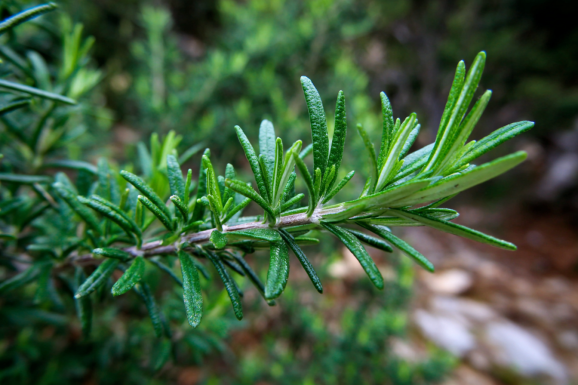
Rosemary is a woody, perennial evergreen shrub that can reach heights of three to six feet in optimal conditions. The plant features needle-like leaves that are dark green on top with a distinctive white band on the underside, giving them a grayish appearance from certain angles. These leaves measure between half an inch to one and a half inches long and release an intensely aromatic, camphor-like, piney scent when touched or crushed.
The flowers appear in clusters along the stems, typically in shades of pale blue to violet, though white and pink varieties also exist. Flowering occurs primarily in spring and summer in temperate climates, but in warmer regions, plants may bloom nearly year-round. The plant develops a fibrous root system and can become quite woody at the base as it matures. Some cultivars grow upright while others display a prostrate, cascading habit that makes them ideal for hanging baskets or trailing over walls.
Origin
Rosemary is native to the Mediterranean region, growing wild along the rocky coastal areas of southern Europe, particularly in regions we now know as Spain, Portugal, France, Italy, Greece, and North Africa. The plant thrives in the dry, sunny, rocky soils of these Mediterranean hillsides, often growing within sight of the sea — which gave rise to its Latin name “ros marinus,” meaning “dew of the sea.”
From its Mediterranean origins, rosemary spread throughout Europe via Roman expansion, reaching Britain by at least 43 CE when the Romans invaded. It was formally introduced to English gardens in 1338 when cuttings were sent to Queen Philippa by her mother. Rosemary arrived in the Americas with early European settlers in the seventeenth century and has since spread to temperate regions worldwide.
Brief History
Archaeological evidence suggests humans have used rosemary for at least 5,000 years, with references found written in cuneiform on ancient stone tablets. The ancient Egyptians valued rosemary highly, and traces have been found in First Dynasty tombs. Greeks and Romans considered it sacred, using it in religious ceremonies, weddings, and funerals as a symbol of remembrance and fidelity.
The Greek physician Dioscorides documented rosemary’s “warming faculty” in his influential work De Materia Medica around 70 CE, while Pliny the Elder recommended it for numerous ailments including vision problems, liver conditions, and wound healing. Throughout the Middle Ages, European monasteries preserved knowledge of rosemary’s cultivation and uses, making it a cornerstone of the monastery garden tradition. By the Renaissance, rosemary had become essential in both kitchen and apothecary, a status it maintains to this day.
Growing & Cultivation
Climate & Zones
Rosemary is winter hardy in USDA Zones 8 through 11, where it grows as a perennial evergreen shrub that can live for decades. In these zones, plants can tolerate temperatures down to approximately 10-20°F (-6 to -12°C). Cold-hardy cultivars such as ‘Arp’ and ‘Hill Hardy’ can survive with protection in Zone 6 and sometimes Zone 7. In zones colder than this, rosemary should be grown as an annual or brought indoors for winter.
Soil Requirements
Rosemary thrives in well-draining, sandy or loamy soils with a pH between 6.0 and 7.0 (slightly acidic to neutral). The plant strongly dislikes heavy, clay-based soils that retain water, which can quickly lead to root rot — the most common cause of rosemary death. If your soil is heavy, amend it with sand, gravel, or perlite to improve drainage, or plant in raised beds or containers. Rosemary tolerates poor, rocky soils quite well, which mimics its native Mediterranean environment.
Water & Sunlight
Full sun is essential — rosemary requires at least six hours of direct sunlight daily. In warmer climates, plants tolerate some light afternoon shade. For indoor growing, place in a south-facing window and consider supplemental grow lights during winter months.
Water rosemary deeply but infrequently, allowing the soil to dry out between waterings. Established plants are remarkably drought tolerant and can survive extended dry periods. Overwatering is far more dangerous than underwatering — soggy roots lead to root rot. In the ground, water every one to two weeks depending on rainfall; in containers, water when the top inch of soil feels dry.
Propagation
Stem cuttings are the most reliable propagation method. In late spring or early summer, take four to six inch cuttings from non-flowering stems. Remove the lower leaves, dip in rooting hormone (optional), and place in water or a light potting medium. Roots should develop within two to four weeks in warm conditions.
Seeds are possible but challenging. Germination rates are low (around 30%), and seeds can take two to four weeks to sprout. Plants grown from seed may take two to three years to reach harvestable size. Start seeds indoors eight to ten weeks before the last frost, maintaining soil temperatures around 70°F (21°C). Layering is also effective — bend a low branch to the ground, wound the underside slightly, pin it down, and cover with soil. Roots will form in a few months.
Planting
Plant rosemary in spring after all danger of frost has passed, or in fall in Zones 8 and warmer. Space plants two to three feet apart to allow for mature spread and ensure good air circulation. When planting, do not bury the crown below soil level. In containers, use pots at least 12 inches in diameter with excellent drainage holes — terra cotta is ideal as it “breathes” and doesn’t retain excess moisture.
Harvesting
Harvest rosemary stems by snipping them with sharp, clean shears. The best time to harvest is in the morning after the dew has dried but before the heat of the day, when essential oil concentration is highest. Harvest often once the plant is established, but avoid removing more than one-third of the plant at a time. The most flavorful leaves come from the newest, green growth at stem tips rather than older, woody portions.
Drying & Storage
To dry rosemary, bundle several stems together and hang upside down in a cool, dry, well-ventilated area out of direct sunlight for approximately two weeks. Alternatively, use a food dehydrator at 95-115°F or dry in an oven at the lowest setting with the door cracked. Once completely dry, strip the leaves from stems and store in airtight containers away from light and heat. Properly dried rosemary retains potency for one to two years. Fresh rosemary can be refrigerated for up to two weeks wrapped in a damp paper towel, or frozen for longer storage.
Pest & Disease Management
Rosemary’s aromatic oils provide natural pest resistance, but plants may occasionally face whiteflies, spider mites, scale, or mealybugs. The most common diseases are powdery mildew and root rot, both encouraged by excessive moisture and poor air circulation. Prevention is key: ensure excellent drainage, avoid overhead watering, provide adequate spacing between plants, and avoid wet conditions. Treat pest issues with insecticidal soap or neem oil. Remove and discard any plants showing signs of root rot.
Companion Planting
Rosemary is an excellent companion plant for the vegetable garden. Its strong scent helps deter cabbage moths from brassicas (broccoli, cabbage, cauliflower), Japanese beetles from beans, and carrot flies from carrots. Plant rosemary near tomatoes, peppers, and eggplants as well. It grows happily alongside other Mediterranean herbs including sage, thyme, oregano, and lavender, which share similar growing requirements. Avoid planting near mint, which has different water needs and may crowd out rosemary.
The Healing of Growing
Growing rosemary offers benefits beyond the harvest itself. The act of gardening — hands in soil, bare feet on earth, time spent outdoors — has been shown to reduce cortisol, improve mood, and support immune function. The soil contains beneficial bacteria (Mycobacterium vaccae) with documented antidepressant effects. Research on grounding demonstrates that direct contact with the earth allows electron transfer that may reduce inflammation and improve sleep. When you grow your own rosemary, you receive healing before you ever consume it.
Nutritional Profile
Macronutrients (per 100g fresh rosemary)
Calories: 131 kcal | Protein: 3.3g | Carbohydrates: 20.7g | Fiber: 14.1g | Fat: 5.9g
Vitamins
Vitamin A: 2,924 IU (97% DV) — Essential for vision, immune function, and maintaining healthy skin and mucous membranes. Acts as a powerful antioxidant protecting against cellular damage.
Vitamin C: 21.8mg (24% DV) — Supports immune function, collagen synthesis, and wound healing. Acts as a powerful antioxidant that protects cells from oxidative damage and helps the body absorb iron.
Folate (B9): 109μg (27% DV) — Critical for DNA synthesis and cell division. Particularly important during pregnancy for preventing neural tube defects. Supports healthy red blood cell formation.
Vitamin B6: 0.34mg (26% DV) — Essential for neurotransmitter synthesis including serotonin, dopamine, and GABA. Supports cognitive function and mood regulation.
Riboflavin (B2): 0.15mg (12% DV) — Supports energy metabolism and cellular function. Important for maintaining healthy skin and vision.
Minerals
Iron: 6.65mg (83% DV) — Rosemary is an exceptional source of iron. Essential as a component of hemoglobin for oxygen transport throughout the body. Supports energy production and cognitive function.
Manganese: 0.96mg (42% DV) — Serves as a cofactor for the antioxidant enzyme superoxide dismutase. Supports bone health, metabolism, and blood sugar regulation.
Copper: 0.30mg (33% DV) — Essential for iron metabolism, connective tissue formation, and nervous system function. Supports antioxidant defense systems.
Calcium: 317mg (32% DV) — Critical for bone and teeth health, muscle function, nerve transmission, and blood clotting.
Magnesium: 91mg (22% DV) — Essential for over 300 enzymatic reactions. Supports muscle and nerve function, blood sugar regulation, and bone health.
Potassium: 668mg (20% DV) — Crucial for maintaining fluid balance, nerve transmission, and heart rhythm regulation.
Phytonutrients & Active Compounds
Rosemary contains an impressive array of bioactive compounds that contribute to its therapeutic properties:
Carnosic acid — A powerful phenolic diterpene that accounts for up to 90% of rosemary’s antioxidant activity. Research suggests it may support brain health by protecting neurons from oxidative damage and promoting nerve growth factor production.
Rosmarinic acid — A phenolic compound with documented anti-inflammatory and antioxidant properties. Studies indicate it may help modulate inflammatory responses and protect against oxidative stress.
Carnosol — A diterpene with research suggesting potential antimicrobial and neuroprotective properties.
Ursolic acid — A triterpene being studied for its potential role in supporting healthy cell function and metabolism.
1,8-Cineole (Eucalyptol) — A monoterpenoid that contributes to rosemary’s aroma and may support respiratory function.
Nutrient Notes
While rosemary is typically consumed in small culinary amounts rather than 100g servings, even small amounts contribute meaningful nutrition. The iron in rosemary is better absorbed when consumed with vitamin C, which the plant also provides — a beautiful example of nutritional synergy in God’s design. The fat-soluble antioxidants (carnosic acid, carnosol) are enhanced when rosemary is consumed with dietary fats, making its traditional pairing with olive oil and roasted meats nutritionally sound as well as delicious.
Culinary Uses
Edible Parts
Leaves — The primary edible part, used fresh or dried. Fresh leaves have a more intense, slightly piney flavor. Dried leaves are more concentrated and have a slightly more muted, woodier taste.
Flowers — Edible and decorative, with a milder flavor than leaves. Lovely as a garnish or added to salads.
Stems — While woody stems are not typically eaten, they make excellent skewers for grilling and can be added to stocks and removed before serving.
Flavor Profile
Rosemary has a distinctive, assertive flavor that is simultaneously pine-like, camphoraceous, and slightly peppery with subtle lemon undertones. Fresh rosemary is more aromatic and slightly more resinous than dried. The flavor intensifies when heated, making it excellent for roasting and grilling. When dried, rosemary’s flavor becomes more concentrated but loses some of its fresh, bright notes. Because of its intensity, rosemary should be used judiciously — a little goes a long way.
Preparation
Fresh rosemary leaves can be used whole on the stem (removed before serving) or stripped and minced. Because the leaves are tough, mincing helps release flavors and makes them more palatable. For long-cooking dishes like braises and stews, add whole sprigs early in cooking and remove before serving. For quick-cooking dishes, mince finely and add toward the end. Dried rosemary benefits from rehydration in warm liquid before use, or can be added early in cooking to soften.
Culinary Pairings
Proteins: Lamb (the classic pairing), chicken, pork, beef, fish (especially oily fish like salmon), beans, lentils.
Vegetables: Potatoes (especially roasted), root vegetables, tomatoes, squash, mushrooms, onions, garlic.
Fruits: Lemon, orange, apple, pear, grapes.
Herbs & Spices: Thyme, sage, oregano, bay leaf, garlic, black pepper.
Fats: Olive oil (particularly), butter, bacon fat.
Others: Bread (focaccia), honey, wine, cheese (especially goat cheese and pecorino).
Storage
Fresh rosemary keeps well for up to two weeks in the refrigerator wrapped in a slightly damp paper towel placed inside a plastic bag or airtight container. Alternatively, place stems upright in a glass of water like a bouquet, loosely covered with a plastic bag. For longer storage, freeze fresh rosemary in ice cube trays covered with olive oil, or lay sprigs flat on a baking sheet to freeze individually before transferring to freezer bags. Dried rosemary should be stored in an airtight container away from light and heat, where it will retain flavor for one to two years.
Ready to cook with rosemary? View Recipes on Chefts →
Wellness & Therapeutic Uses
Traditional Uses
Rosemary has been used medicinally for at least 5,000 years, with a remarkably consistent reputation across cultures. Ancient Greeks wove it into garlands worn on the head to improve memory during examinations and used it to honor both the living and the dead. Greek physicians including Theophrastus recommended rosemary root externally for wound treatment and internally with wine for various complaints.
The Greek physician Dioscorides documented in his influential De Materia Medica (70 CE) that rosemary possessed a “warming faculty” and recommended it for jaundice, as an energizing draught for athletes, in baths, and as an analgesic. His Roman contemporary Pliny the Elder considered rosemary a cure-all, recommending it for failing eyesight, liver problems, respiratory troubles, jaundice, gout, and wound healing.
In traditional European herbalism, rosemary was burned to purify the air during plague times, used to preserve meat, and considered a remedy for digestive complaints, headaches, and nervous conditions. Medieval monasteries cultivated rosemary in their physic gardens, preserving and expanding knowledge of its uses through the Dark Ages.
The famous Hungary Water, created in the 14th century, was primarily rosemary-based and reputed to have restored health and beauty to the aged Queen of Hungary so effectively that she attracted the attention of the King of Poland. This became the first commercially sold skin lotion in Britain.
Modern Research
Contemporary scientific research has begun to validate many traditional uses of rosemary, while revealing new potential applications:
Cognitive Function & Memory: Multiple studies suggest rosemary may support cognitive function. A 2012 study published in Therapeutic Advances in Psychopharmacology found that rosemary aroma exposure was associated with improved performance on cognitive tasks. A systematic review and meta-analysis (2021) of animal studies confirmed rosemary’s cognition-enhancing effects. Research indicates that carnosic acid may promote nerve growth factor production and provide neuroprotective effects. [Study]
Mood & Stress: A 2020 study of 42 Japanese men with mood disturbances found that taking rosemary extract for four weeks was associated with improved mental energy and sleep quality. Research indicates rosemary may help regulate dopamine pathways in the brain, and inhaling rosemary essential oil has been shown to decrease cortisol levels in saliva. [Study]
Antimicrobial Properties: Research has documented rosemary’s significant antimicrobial activity against various bacteria, fungi, and biofilms. Studies show particular effectiveness against Candida albicans, Staphylococcus aureus, and Escherichia coli. [Study]
Antioxidant & Anti-inflammatory: Rosemary’s high concentration of phenolic diterpenes (carnosic acid, carnosol) provides potent antioxidant activity. Research indicates these compounds may help reduce oxidative stress and modulate inflammatory responses. [Study]
Skin Health: Studies support rosemary’s traditional use for skin, demonstrating anti-inflammatory, antimicrobial, and wound-healing properties. Research suggests potential benefits for acne, skin aging, and wound repair. [Study]
Hair Growth: A randomized controlled trial found that essential oil blends containing rosemary improved hair growth in people with alopecia areata when massaged into the scalp daily. Additional research suggests rosemary oil may be comparable to minoxidil for hair regrowth.
Body Systems Supported
Nervous System: Traditional uses and modern research support rosemary for cognitive function, memory, mood, and stress response. May support healthy neurotransmitter function.
Digestive System: Approved by the German Commission E for dyspepsia (indigestion). Traditional use as a carminative and digestive stimulant.
Circulatory System: Traditional use for improving circulation. Research suggests antioxidant compounds may support cardiovascular health.
Respiratory System: The 1,8-cineole content supports respiratory function. Traditional use for congestion and respiratory complaints.
Musculoskeletal System: Approved by the German Commission E for muscle and joint pain when applied topically. Traditional use for rheumatic complaints.
Integumentary System (Skin): Research supports benefits for wound healing, skin inflammation, and hair/scalp health.
Body Compounds Affected
Cortisol: Research indicates inhaling rosemary aroma may decrease salivary cortisol levels, supporting stress management.
Dopamine: Studies suggest rosemary may help regulate dopamine pathways, potentially supporting mood and cognitive function.
Acetylcholine: Rosemary has been found to inhibit acetylcholinesterase, the enzyme that breaks down acetylcholine, which may support memory and cognitive function.
Inflammatory Markers: Research indicates rosmarinic acid and carnosic acid may help modulate inflammatory cytokines including IL-1, IL-6, and TNF-alpha.
Methods of Use
Tea/Infusion
Use 1-2 teaspoons of fresh rosemary (or 1 teaspoon dried) per cup of hot water. Steep covered for 5-10 minutes. Drink up to 3 cups daily. Tea may support digestion, mental clarity, and overall wellbeing.
Tincture
A typical adult dose is 2-4 mL (approximately 40-80 drops) of a 1:5 tincture, taken 2-3 times daily in water. Tinctures offer a more concentrated and convenient form for therapeutic use.
Culinary Use
Regular inclusion of rosemary in cooking provides ongoing, gentle support. The combination with healthy fats enhances absorption of fat-soluble antioxidants.
External/Topical
Rosemary-infused oil can be massaged into sore muscles and joints, or into the scalp for hair health. Always dilute essential oil in a carrier oil before topical application.
Cosmetic & Beauty Uses
Skin Benefits
Rosemary has been used in skincare since ancient times, and modern research supports its cosmetic applications. The antioxidant compounds (carnosic acid, rosmarinic acid) help protect skin from oxidative damage that contributes to premature aging. Research demonstrates anti-inflammatory properties that may benefit conditions involving redness and irritation.
Rosemary is particularly suited for oily and acne-prone skin due to its natural astringent and antimicrobial properties. Studies show effectiveness against acne-causing bacteria. The herb may also support mature skin by helping protect against UV damage and supporting cellular health.
Hair Benefits
Rosemary’s reputation for supporting hair growth and scalp health is well-established in traditional use and increasingly supported by research. When applied to the scalp, rosemary increases circulation to hair follicles. A clinical study found rosemary essential oil as effective as minoxidil for hair regrowth, without the side effects.
Rosemary benefits include: stimulating hair follicles, supporting thickness and growth, relieving itchy or dry scalp, helping with dandruff, adding shine and luster, and potentially helping to darken gray hair with regular use (in traditional hair rinses).
Application Methods
Rosemary-Infused Oil: Cover fresh or dried rosemary with a carrier oil (olive, jojoba, or sweet almond) and let steep for 2-4 weeks in a cool, dark place. Strain and use as a massage oil, hair treatment, or facial oil.
Rosemary Hair Rinse: Make a strong rosemary tea (4-6 tablespoons herb per quart of water, steeped 30+ minutes). After shampooing, pour over hair as a final rinse. Can be used to enhance dark hair color with regular use.
Facial Steam: Add fresh rosemary sprigs or a few drops of essential oil to a bowl of steaming water. Tent a towel over your head and the bowl, and steam face for 5-10 minutes to open pores and benefit from the aromatic compounds.
Scalp Massage Oil: Dilute rosemary essential oil (3-5 drops per tablespoon of carrier oil) and massage into scalp. Leave on for at least 30 minutes before washing. Use 2-3 times weekly for best results.
DIY Formulation Notes
Rosemary essential oil should be diluted to 1-3% for facial applications, up to 3-5% for body and hair products. Excellent carrier oils include jojoba (for oily skin), sweet almond (all-purpose), and olive oil (traditional). Rosemary pairs well with lavender, tea tree, peppermint, and citrus oils. Rosemary-infused preparations should be stored in dark glass containers and typically have a shelf life of 6-12 months.
Rosemary is among the botanicals being explored for holistic cosmetic applications, where the wisdom of traditional beauty practices meets modern understanding of skin science.
Essential Oil Profile
Extraction
Rosemary essential oil is produced through steam distillation of the flowering tops and leaves. It takes approximately 100 pounds of rosemary plant material to produce one pound of essential oil, which contributes to its moderate cost. The quality of the oil depends on the plant’s growing conditions, harvest timing, and distillation process.
Chemical Constituents
Rosemary essential oil composition varies by chemotype (varieties producing different chemical profiles based on growing conditions):
Major Components (typical ranges):
- 1,8-Cineole (Eucalyptol): 16-55% — An oxide with respiratory-supporting, expectorant, and mucolytic properties. Predominant in ct. cineole (Moroccan).
- α-Pinene: 8-38% — A monoterpene with antimicrobial and mentally clarifying properties.
- Camphor: 7-20% — A ketone with analgesic and circulation-stimulating properties. Predominant in ct. camphor (Spanish).
- Camphene: 2-8% — A monoterpene with antioxidant properties.
- β-Pinene: 2-8% — A monoterpene with antimicrobial properties.
- Verbenone: 0.5-19% — A ketone with skin-regenerating properties. Predominant in ct. verbenone.
- Borneol & Bornyl Acetate: Minor components with calming, grounding effects.
Chemotypes
Rosemary ct. cineole: High in 1,8-cineole. Best for respiratory support, mental clarity, and hair care. Fresh, camphoraceous aroma.
Rosemary ct. camphor: High in camphor. Best for muscle and joint support, circulation. Stronger, more medicinal aroma.
Rosemary ct. verbenone: Contains verbenone ketone. Best for skin care and regeneration. Softer, slightly sweeter aroma.
Aroma Profile
Rosemary is classified as a middle note in aromatherapy blending. The scent is fresh, herbaceous, and camphoraceous with woody undertones. Intensity is moderate to strong. The aroma is energizing, clarifying, and uplifting.
Blends well with: Lavender, eucalyptus, peppermint, cedarwood, frankincense, lemon, bergamot, tea tree, basil, thyme.
Therapeutic Properties
Using appropriate language, rosemary essential oil is associated with: analgesic properties, antimicrobial activity, antioxidant effects, mental clarification and focus, circulatory stimulation, respiratory support, muscle and joint comfort, and scalp and hair health.
How to Use
Diffusion
Add 3-5 drops to a diffuser for mental clarity, focus, and respiratory support. Diffuse for 30-60 minutes at a time with breaks between sessions. Excellent for study or work spaces.
Topical Application
Standard adult dilution: 2-3% (12-18 drops per ounce of carrier oil)
Sensitive skin: 1% (6 drops per ounce)
Children over 6: 0.5-1% (3-6 drops per ounce)
Not recommended for children under 6 due to camphor and cineole content.
Excellent carrier oils include jojoba, sweet almond, coconut (fractionated), and olive oil.
Quality & Sourcing
Look for oils that provide: botanical name (Salvia rosmarinus), chemotype specified, country of origin, extraction method, and GC/MS testing available. Quality rosemary oil should be clear to pale yellow with a consistent, true-to-plant aroma. Be aware that rosemary oil is commonly adulterated with camphor, eucalyptus, or turpentine oils — purchase from reputable suppliers who provide testing documentation.
Aromatherapy & Scent
The Aroma
Fresh Plant: Living rosemary releases a complex, refreshing scent that is intensely herbaceous, piney, and slightly camphoraceous with subtle floral and citrus undertones. The aroma is strongest when leaves are touched or brushed against, releasing the volatile oils. Scent intensity peaks during warm, sunny conditions and just after rain.
Dried Plant: Drying concentrates rosemary’s aroma while reducing some of the fresh, green top notes. The resulting scent is deeper, more woody, and more camphoraceous. Properly dried rosemary retains good aromatic quality for one to two years when stored in airtight containers away from light.
How Scent Affects Your Body
When you smell rosemary, volatile aromatic molecules enter through your nostrils and contact olfactory receptors in the upper nasal cavity. These receptors send signals directly to the limbic system — the emotional center of the brain — and to the hypothalamus, which regulates hormones. This pathway bypasses conscious thought, meaning rosemary’s scent begins affecting your body within seconds, before you consciously decide how to react. This direct access to the emotional brain explains why scent can so powerfully affect mood, memory, and physiological responses.
Emotional & Mood Effects
Rosemary’s aroma is traditionally and scientifically associated with:
- Mental clarity and alertness — Research confirms improved cognitive performance with rosemary aroma exposure
- Focus and concentration — Traditional association supported by studies showing improved attention
- Memory enhancement — The “herb of remembrance” reputation is validated by research
- Energy and invigoration — The stimulating scent helps combat mental fatigue
- Confidence and upliftment — Traditional use for emotional strengthening
Body Compounds Affected
Research indicates that inhaling rosemary aroma may:
- Decrease cortisol — A 2007 study found that smelling rosemary (and lavender) decreased salivary cortisol levels, supporting stress management
- Affect acetylcholine — Rosemary compounds inhibit acetylcholinesterase, potentially increasing acetylcholine availability (important for memory)
- Support dopamine pathways — Research suggests rosemary may help regulate dopamine, supporting mood and motivation
Ways to Experience the Scent
- Growing rosemary indoors — Place a pot near a sunny window and brush leaves when passing
- Fresh cuttings in a vase — Keeps well for weeks, releasing scent throughout the room
- Crushing leaves while gardening — Direct contact releases the most intense aroma
- Dried sachets — Place in closets, drawers, or under pillows
- Simmering on stove — Add rosemary sprigs with citrus peel to gently simmering water
- Bath addition — Tie fresh sprigs in cheesecloth and add to bath water
- Hair rinse — The scent lingers pleasantly in hair after a rosemary rinse
Color Therapy
The Colors of Rosemary
Leaves: Dark green on top with a distinctive silvery-white underside. Young growth may appear lighter, more yellow-green.
Flowers: Most commonly pale blue to violet, but cultivars also produce white or pink flowers.
Stems: Young stems are green, becoming woody and brown with age.
Color Wavelengths
Green light falls in the 495-570nm wavelength range, while blue/violet falls in the 450-495nm range. Rosemary’s predominant green foliage and blue flowers expose viewers to both these calming portions of the visible spectrum.
How Rosemary’s Colors Affect the Body
Green (leaves): Green is the most balanced color in the spectrum, associated with harmony, calm, and heart-centered energy. Exposure to green is linked to reduced anxiety, balanced emotions, and a sense of connection to nature. Green is considered restorative and refreshing to the visual system.
Blue/Violet (flowers): Blue wavelengths are associated with cooling, calming, and communication. Blue exposure may help lower blood pressure and heart rate. Violet, with its shorter wavelength, is connected to contemplation, spiritual awareness, and calming the nervous system.
Using Rosemary for Color Therapy
- Place rosemary plants where you can see them regularly — near your workspace, in the kitchen, or by a reading nook
- Time your garden visits during bloom for the additional benefit of blue/violet flower color
- Use fresh rosemary sprigs as a centerpiece to bring balancing green energy to your dining space
- When seeking calm and balance, spend time observing and being present with your rosemary plants
Frequency & Vibration
The Frequency of Rosemary
According to bio-frequency research pioneered by Bruce Tainio, rosemary essential oil has been measured at approximately 78 MHz. For context, a healthy human body is said to range between 62-78 MHz. Proponents of vibrational medicine suggest that exposure to higher-frequency substances may help support the body’s own frequency.
Human Frequency Interaction
The principle of entrainment suggests that when two oscillating systems come into contact, they may influence each other toward synchronization. Proponents of frequency-based wellness suggest that being around high-frequency plants and essential oils may help support human vitality. While this is an emerging area of research, many people report feeling more energized and mentally clear when working with rosemary.
Essential Oil Frequency
Rosemary essential oil, as a concentrated form of the plant, is believed to have a more potent frequency than the fresh herb. The extraction process may concentrate the energetic properties along with the chemical constituents.
Vibrational Applications
- Keep fresh rosemary or the essential oil in spaces where you want to promote mental clarity and vitality
- Diffuse rosemary oil during meditation or prayer focused on mental clarity
- Combine rosemary with other high-frequency practices such as spending time in nature, prayer, and gratitude
Note: Frequency measurements are from emerging research areas. This information is presented as reported by researchers in this field, and readers are encouraged to explore further and draw their own conclusions.
The Living Plant
Benefits of Presence
Simply being around living rosemary plants provides benefits beyond any preparation or consumption. Research on biophilic design confirms that humans have an innate need for connection with nature, and indoor plants help fulfill this need. Viewing plants has been shown to reduce stress, improve mood, enhance concentration, and speed healing in hospital patients.
Air Purification
While rosemary was not specifically included in the NASA Clean Air Study, it does contribute to air quality through oxygen production and the release of beneficial volatile compounds. Like all green plants, rosemary absorbs carbon dioxide and releases oxygen through photosynthesis, helping to refresh indoor air.
Phytoncides
Rosemary releases phytoncides — antimicrobial volatile organic compounds that plants produce for their own protection. Research on forest bathing (shinrin-yoku) demonstrates that exposure to phytoncides increases Natural Killer (NK) cell activity in humans, supporting immune function. Having aromatic plants like rosemary indoors provides a small-scale version of these benefits. The characteristic rosemary scent you notice when near the plant is, in part, these protective compounds.
Visual & Psychological Benefits
The visual presence of rosemary offers psychological benefits through several mechanisms. The green foliage provides a calming visual anchor that research shows reduces stress and restores attention. The plant’s sculptural, evergreen form adds living beauty to spaces year-round. Caring for the plant provides a sense of purpose and connection to natural rhythms. Studies in healthcare settings consistently show that patients with plant views heal faster and report better wellbeing.
Growing Indoors vs Outdoors
Rosemary can thrive indoors with proper care. Place in a south-facing window with at least six hours of direct sunlight (supplement with grow lights in winter if needed). Indoor rosemary requires attention to humidity — the dry air of heated homes can stress plants. Mist regularly, place on a pebble tray with water, and keep in a cooler room if possible. Outdoors, rosemary requires less attention once established and will grow larger and more vigorously. Even if you grow rosemary primarily outdoors, keeping a small pot indoors brings the plant’s benefits into your daily living space.
Touch & Physical Interaction
Gardening Therapy
Horticultural therapy is a recognized therapeutic practice, and working with rosemary offers particular benefits. The act of tending rosemary — watering, pruning, harvesting — provides purposeful activity that reduces anxiety and depression. The repetitive motions of garden work can be meditative, providing a respite from rumination and worry. The sense of accomplishment from nurturing a living thing supports self-esteem and provides meaning.
Soil Contact Benefits
When you garden with bare hands (and ideally bare feet), you receive benefits beyond the plants themselves. Direct contact with soil provides exposure to Mycobacterium vaccae, a beneficial soil bacterium that research shows stimulates serotonin production and has antidepressant effects. Grounding (earthing) — direct contact between your body and the earth — allows electron transfer that may reduce inflammation and improve sleep. These benefits occur whether you’re growing rosemary or any other plant.
The Tactile Experience
Rosemary offers a unique sensory experience. The leaves are firm yet flexible, with a distinctive needle-like texture that is smooth on top and slightly fuzzy underneath. Running your fingers along a stem releases an immediate burst of fragrance. The woody stems of mature plants have a satisfying roughness. The small flowers, when present, are delicate and soft. Harvesting rosemary involves a pleasing snapping or cutting action as you collect the aromatic sprigs.
Harvesting & Processing
The harvest process itself is therapeutic. The repetitive action of snipping stems, the intensifying fragrance as you work, and the growing pile of aromatic herbs create a meditative rhythm. Processing rosemary for drying — bundling stems, hanging to dry, later stripping leaves — extends this mindful engagement. Each step connects you to the rhythm of seasons and the satisfaction of providing for yourself and your family from nature’s abundance.
Water-Based Applications
Teas & Infusions
Standard Infusion: Use 1-2 teaspoons fresh rosemary (or 1 teaspoon dried) per cup of hot water. Pour just-boiled water (around 200°F) over the herb, cover, and steep for 5-10 minutes. Strain and drink. Can be consumed up to 3 times daily.
Cold Infusion: For a gentler extraction, place rosemary in room temperature water and steep overnight in the refrigerator. This method produces a milder flavor and may preserve more volatile compounds.
Rosemary tea traditionally supports digestion, mental clarity, and overall vitality. It may be combined with other herbs such as lemon balm, peppermint, or ginger.
Herbal Baths
For a full-body rosemary bath, tie 1/2 cup fresh rosemary (or 1/4 cup dried) in cheesecloth or a muslin bag. Add to hot bathwater and allow to steep while the tub fills. Alternatively, make a strong rosemary tea and add it to the bath. Soak for 15-20 minutes. This application is traditionally used for muscle aches, circulation, and general invigoration. Keep water temperature warm rather than hot to avoid overly stimulating circulation.
Foot Bath: Use the same preparation in a basin of warm water for a convenient alternative. Rosemary foot baths are traditionally used for tired, achy feet and to warm cold extremities.
Hydrosols
Rosemary hydrosol (also called floral water or hydrolat) is the water portion remaining after steam distillation of the essential oil. It contains water-soluble plant compounds and traces of essential oil, making it much gentler than the concentrated oil. Rosemary hydrosol can be used as a facial toner (especially for oily skin), a hair rinse, or a body spray. It provides a convenient, ready-to-use form of rosemary for topical application without dilution concerns.
Compresses
Hot Compress: Make a strong rosemary infusion, soak a clean cloth in the warm liquid, wring out excess, and apply to the affected area. Use for muscle aches, joint stiffness, or to stimulate circulation. Cover with a dry towel to retain heat.
Cold Compress: Use the same preparation chilled for headaches or to cool overheated skin after sun exposure.
Steam Inhalation
Add fresh rosemary sprigs or 2-3 drops of essential oil to a bowl of steaming (not boiling) water. Tent a towel over your head and the bowl, keeping your face about 12 inches from the water. Breathe deeply for 5-10 minutes. This method is traditionally used for respiratory congestion, sinus discomfort, and to clear the mind. Caution: Do not use with children, and avoid if you have asthma or are sensitive to strong scents.
Hair Rinses
A rosemary hair rinse has been used for centuries to support scalp health, add shine, stimulate hair growth, and traditionally, to darken and enrich brunette hair. Make a strong infusion (4-6 tablespoons herb per quart of water, steeped for at least 30 minutes). After shampooing, pour the cooled rinse through hair as a final rinse. Do not rinse out. Use regularly for best results.
Historical, Cultural & Biblical Significance
Biblical References
Rosemary is not directly mentioned by name in Scripture. However, the plant grew abundantly throughout the Holy Land during biblical times and would have been familiar to people of that era. As a common Mediterranean shrub, rosemary was likely present in the landscape where Jesus walked, and may have been among the herbs used in households of the time.
Christian tradition holds that rosemary’s flowers changed from white to blue when the Virgin Mary laid her cloak upon a rosemary bush while fleeing with the Christ child. While this is legend rather than Scripture, it speaks to rosemary’s long association with Christian culture and the Holy Family.
Rosemary’s traditional use as a symbol of remembrance connects to the biblical call to remember — to remember God’s faithfulness, His commandments, and His works. Though the plant itself isn’t named, the concept of remembrance woven through Scripture gives meaning to rosemary’s traditional symbolism.
Ancient Civilizations
Ancient Egypt: The Egyptians valued rosemary highly, and traces have been found in First Dynasty tombs (c. 3000 BCE). It was used in embalming and burial rituals.
Ancient Greece: The Greeks considered rosemary sacred. Students wore rosemary garlands during examinations to improve memory. It was used in wedding and funeral ceremonies as a symbol of love and remembrance. The physician Theophrastus documented medicinal uses including wound treatment.
Ancient Rome: Romans burned rosemary for purification and considered it sacred alongside Greeks. Pliny the Elder (23-79 CE) documented extensive medicinal uses including treatment for liver problems, vision issues, jaundice, and wounds. The physician Dioscorides included rosemary in his influential De Materia Medica, describing its “warming faculty” and uses as an analgesic and digestive aid.
Eastern Traditions
While rosemary is primarily a Mediterranean plant and not native to Asia, knowledge of its uses spread along trade routes. The Arab physician Avicenna (Ibn Sina, 980-1037 CE) mentioned rosemary’s benefit for the brain in his medical writings. The Arab herbalist Ibn al-Baytar recommended rosemary for liver and spleen inflammation, respiratory infections, and cough. These Arab scholars helped preserve and expand upon Greek and Roman herbal knowledge, later transmitting it back to Europe.
Indigenous Knowledge
As rosemary spread to the Americas with European colonization, it became incorporated into folk medicine traditions throughout North and South America. In traditional Mexican herbalism, rosemary (romero) is used for digestive complaints, headaches, and in spiritual cleansing baths. Native peoples of the southwestern United States adopted rosemary for similar purposes after its introduction.
European Heritage
European herbalism has the longest continuous tradition of rosemary use. Medieval monasteries preserved rosemary in their physic gardens, maintaining ancient knowledge through the Dark Ages. Charlemagne ordered rosemary to be grown in monastery gardens and on farms. In 1338, Queen Philippa of England received rosemary cuttings from her mother, introducing it to English gardens where it flourished.
The famous 14th-century Hungary Water, primarily rosemary-based, was Europe’s first alcoholic perfume and was credited with restoring the aged Queen Elizabeth of Hungary to such health and beauty that the King of Poland proposed marriage. Richard Banckes’ 1525 Herbal devoted extensive attention to rosemary’s properties, claiming that smelling a box of rosemary wood “shall preserve thy youth.”
During plague times, rosemary was burned to purify the air and carried in pomanders and nosegays. Judges placed rosemary on their benches to protect against “jail fever.” This antiseptic use preceded scientific understanding but aligned with what we now know about rosemary’s antimicrobial properties.
Cultural Symbolism
Throughout European culture, rosemary symbolizes remembrance and fidelity. It was woven into bridal bouquets and groom’s boutonnieres as a pledge of constancy. It was carried in funeral processions and placed in graves as a symbol of remembrance for the departed. Shakespeare referenced this symbolism when Ophelia says in Hamlet: “There’s rosemary, that’s for remembrance.”
In Australia and New Zealand, rosemary is worn on Anzac Day (April 25) to honor fallen soldiers — remembrance made fragrant and tangible. This tradition connects rosemary’s ancient symbolism to modern memorial practice.
These cultures observed God’s design in rosemary’s effects, even when they did not know the Creator by name. Their careful documentation of rosemary’s benefits — validated now by modern science — points to the wisdom embedded in creation from the beginning.
Safety & Precautions
Contraindications
Rosemary should be avoided or used with caution in the following situations:
- Seizure disorders: Rosemary has convulsant properties and may lower the seizure threshold. Those with epilepsy or a history of seizures should avoid rosemary in medicinal amounts.
- Before surgery: Discontinue rosemary supplements at least two weeks before scheduled surgery due to potential effects on blood clotting and blood pressure.
- Aspirin allergy: Rosemary contains a compound similar to aspirin that may cause a reaction in sensitive individuals.
Drug Interactions
Rosemary may interact with the following medications:
- Anticoagulant/Antiplatelet drugs: Rosemary may affect blood clotting. Use caution with warfarin, aspirin, clopidogrel, and other blood thinners.
- Antihypertensive medications: Rosemary may affect blood pressure. Monitor closely if taking blood pressure medications.
- Diabetes medications: Rosemary may lower blood sugar. Monitor blood glucose carefully if taking diabetes medications.
- Diuretics: Rosemary has diuretic properties that may enhance effects of diuretic medications.
- Lithium: Rosemary’s diuretic effect may affect lithium levels in the body.
- CYP450 substrates: Rosemary may affect how the liver metabolizes certain medications.
Pregnancy & Nursing
Pregnancy: Rosemary in culinary amounts (as used in cooking) is generally considered safe during pregnancy. However, rosemary in medicinal amounts (supplements, large doses of tea, or essential oil) should be avoided during pregnancy as it may stimulate uterine contractions and potentially cause miscarriage.
Nursing: There is insufficient reliable information about safety during breastfeeding. Culinary amounts are likely safe, but medicinal amounts should be avoided or used only under healthcare provider guidance.
Children
Rosemary tea in small amounts is generally considered safe for children over age 6. Essential oil should be used with extra caution around children due to camphor and 1,8-cineole content — these compounds can cause respiratory issues in young children. For children ages 6-12, dilute essential oil to 0.5-1%. Rosemary essential oil is not recommended for children under age 6. Always consult a healthcare provider before giving herbal products to children.
Elderly
Elderly individuals may be more sensitive to rosemary’s effects, particularly interactions with medications commonly taken by seniors. Start with lower doses and monitor for any adverse effects. Pay particular attention to potential interactions with blood pressure medications, blood thinners, and diabetes medications.
Pets
Dogs: Non-toxic according to the ASPCA. Fresh rosemary in small amounts is safe, and rosemary extract is commonly used as a preservative in commercial dog foods.
Cats: Non-toxic according to the ASPCA. Fresh rosemary is safe in small amounts. However, rosemary essential oil should be avoided around cats — cats lack certain liver enzymes needed to process essential oils and can experience toxicity from concentrated oils.
Horses: Non-toxic according to the ASPCA.
Important: While the plant itself is non-toxic to pets, essential oils are a different matter. Keep rosemary essential oil away from pets, particularly cats. If a pet shows any signs of distress after exposure to rosemary, contact your veterinarian.
Allergies & Sensitivities
Rosemary may cause allergic contact dermatitis in some individuals, though it is not generally considered a common sensitizer. Those allergic to other plants in the Lamiaceae family (mint, basil, oregano, sage) may be more likely to react. Before topical use, perform a patch test by applying a small amount of diluted rosemary to the inner forearm and waiting 24 hours. Discontinue use if any redness, itching, or irritation occurs.
Dosing Guidelines
Tea: 1-2 teaspoons dried herb per cup, up to 3 cups daily.
Tincture (1:5): 2-4 mL (40-80 drops), 2-3 times daily.
Dried leaf: 1-2 grams, three times daily.
Essential oil topical: Dilute to 2-3% for adults (12-18 drops per ounce carrier oil).
Duration: Rosemary has been used safely as a medicine for up to 8 weeks. For ongoing use, take periodic breaks or consult with a healthcare provider.
Quality & Sourcing
Choose organic rosemary when possible to avoid pesticide residues. For essential oil, purchase from reputable suppliers who provide GC/MS testing and verify the botanical name and chemotype. Be aware that rosemary oil is commonly adulterated — price that seems too good to be true often indicates a diluted or synthetic product.
Signs of Adverse Reaction
Mild reactions: Digestive upset, nausea, skin irritation. Discontinue use and observe.
Serious reactions: Difficulty breathing, seizures, severe abdominal pain, significant changes in heart rate. Seek immediate medical attention.
When to Seek Medical Care
Seek medical attention if you experience: seizures or convulsions, severe allergic reaction (difficulty breathing, swelling of face/throat), signs of internal bleeding (black stools, vomiting blood), severe stomach pain, or ingestion of rosemary essential oil (especially by children).
Disclaimer
This information is for educational purposes only. It is not intended to diagnose, treat, cure, or prevent any disease. Always consult with a qualified healthcare provider before using any herbal product, especially if you are pregnant, nursing, taking medications, or have a medical condition. If you experience any adverse reaction, discontinue use immediately and seek medical attention.
Want Personalized Guidance?
Every body is unique. What works for one person may not be right for another. If you’d like personalized support in incorporating rosemary into your wellness journey, consider working with a qualified practitioner who can assess your individual needs.
Sources & References
Peer-Reviewed Studies
- Therapeutic effects of rosemary (Rosmarinus officinalis L.) and its active constituents on nervous system disorders – Iranian Journal of Basic Medical Sciences, 2020, Iran
- Cognition enhancing effect of rosemary (Rosmarinus officinalis L.) in lab animal studies: a systematic review and meta-analysis – Phytotherapy Research, 2021, Multiple Countries
- Rosmarinus officinalis L. (rosemary) as therapeutic and prophylactic agent – Journal of Biomedical Science, 2019, Brazil
- Rosmarinus officinalis L.: an update review of its phytochemistry and biological activity – Future Science OA, 2018, Portugal
- Antioxidant and Antimicrobial Properties of Rosemary (Rosmarinus officinalis, L.): A Review – Medicines, 2018, Spain
- Rosmarinus officinalis and Skin: Antioxidant Activity and Possible Therapeutical Role in Cutaneous Diseases – Antioxidants, 2023, Italy
- Rosemary (Salvia rosmarinus): Health-promoting benefits and food preservative properties – Food Science & Nutrition, 2021, USA
- Chemotypic Characterization and Biological Activity of Rosmarinus officinalis – Plants, 2017, USA
- Toxicity and safety of rosemary (Rosmarinus officinalis): a comprehensive review – Naunyn-Schmiedeberg’s Archives of Pharmacology, 2024, Multiple Countries
- Rosemary essential oil and its components 1,8-cineole and α-pinene induce ROS-dependent lethality and ROS-independent virulence inhibition in Candida albicans – PLOS ONE, 2022, India
Traditional Medicine Sources
- Herbs in History: Rosemary – American Herbal Products Association
- Complementary and Alternative Medicine – Rosemary – Mount Sinai Health System
- German Commission E Monograph on Rosemary Leaf – Approved for dyspepsia and topical use for muscle/joint pain
Institutional Sources
- Toxic and Non-toxic Plants: Rosemary – ASPCA Animal Poison Control
- Fresh Rosemary Nutritional Data – USDA FoodData Central
- Rosemary: Uses, Side Effects, Interactions – WebMD
- Rosemary – University of Illinois Extension
Historical References
- Dioscorides and De Materia Medica – Greek Medicine
- Rosemary – History and Traditional Uses – Wikipedia (general reference)
- Rosemary in the Ancient Roman World – Spices of the Ancient Roman World