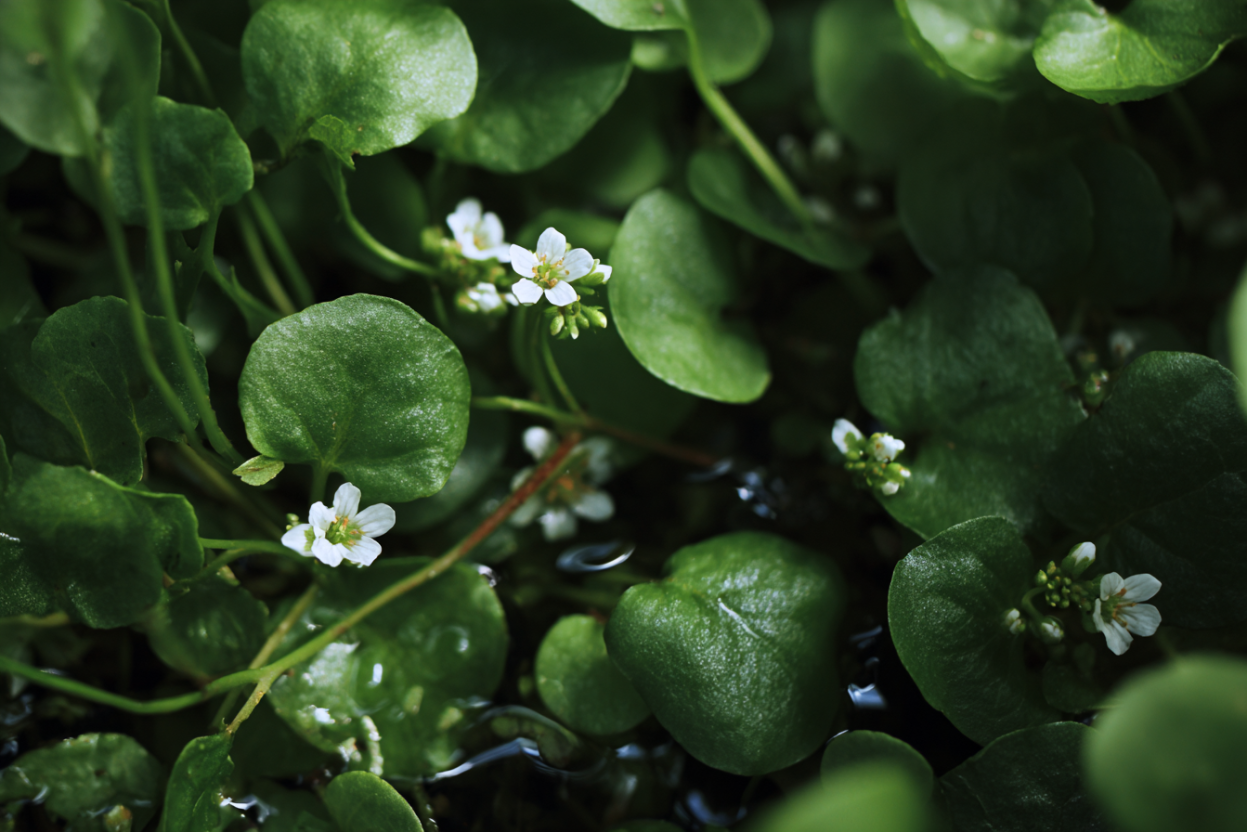
Watercress (Nasturtium officinale)
If you have been searching for a single food that could support nearly every system in your body — from your bones to your blood, from your skin to your immune defenses — you may have been overlooking one of the most nutrient-dense plants on the planet. Watercress, a humble aquatic green that grows along streams and springs, was ranked by the Centers for Disease Control and Prevention as the number one most nutrient-dense “powerhouse fruit and vegetable” — scoring a perfect 100 out of 100. For something so small, it carries enormous potential.
This remarkable plant is one of many gifts the Creator embedded into nature for our benefit. Long before any laboratory measured its vitamin content or identified its cancer-fighting compounds, watercress was already here — provided by a Designer who knew we would need it. It has been nourishing humanity for over three thousand years, and modern science is only now catching up to what ancient peoples already observed.
This information is for educational purposes only and is not intended to diagnose, treat, cure, or prevent any disease. Always consult with a qualified healthcare provider before making changes to your health regimen.
The Plant
Common Names: Watercress, Water Cress, Yellowcress, Brunnenkresse (German), Cresson de Fontaine (French), Berro (Spanish), Dou Ban Cai (Chinese 豆瓣菜), Selada Air (Indonesian)
Botanical Name: Nasturtium officinale W.T. Aiton
Synonyms: Rorippa nasturtium-aquaticum, Nasturtium aquaticum
Family: Brassicaceae (the mustard/cabbage family — the same family that includes broccoli, kale, cabbage, arugula, and mustard greens, all known for their powerful health-supporting compounds)
Description
Watercress is a fast-growing, perennial aquatic or semi-aquatic herb. It produces hollow, creeping stems that can reach 50 to 120 cm in length when left unharvested. The stems float or trail along water surfaces, rooting at the nodes where they contact moisture. The leaves are dark green, smooth, and pinnately compound with three to nine small, rounded leaflets. The terminal leaflet is typically larger than the lateral ones. When the leaves are crushed between your fingers, they release a distinctive peppery, slightly tangy aroma — the signature scent of the mustard oils within.
In late spring and summer, small racemes of tiny white flowers appear at the tips of the stems. These four-petaled flowers, characteristic of the Brassicaceae family, eventually develop into narrow seed pods called siliques, each containing two rows of tiny seeds. The root system is fibrous and adventitious, with roots sprouting from stem nodes wherever they contact water or moist soil. The entire above-ground plant is edible and carries that distinctive, sharp peppery flavor that watercress is beloved for.
Origin
Watercress is native to Europe and western Asia, with some evidence pointing to origins in the regions around modern-day Russia and the Middle East. It has since naturalized on every continent except Antarctica. It thrives alongside slow-flowing streams, springs, and waterways — particularly those fed by limestone or chalk aquifers, which provide the slightly alkaline, mineral-rich water it prefers. Today it grows wild throughout Europe, Asia, Africa, and the Americas. In some regions, including the state of Illinois, it is classified as invasive due to its vigorous growth habit.
Brief History
Watercress is one of the oldest known leaf vegetables consumed by humans, with documented use stretching back over 3,000 years. The ancient Persians, Greeks, and Romans all valued it as food and medicine. Persian King Xerxes reportedly ordered his soldiers to eat watercress during long marches to maintain their health and stamina. In Greece around 400 BC, Hippocrates is recorded as having grown watercress near his practice on the island of Kos, where he used it to support patients with blood disorders. Dioscorides documented it in his first-century Materia Medica, and the Romans consumed it regularly, believing it strengthened both body and mind.
Watercress remained a staple of European folk medicine throughout the Middle Ages, preserved in monastery gardens and Anglo-Saxon herbaria. The British working class embraced it as an affordable, highly nutritious food — watercress sandwiches became a staple of “high tea.” Commercial cultivation began in England in 1808, pioneered by William Bradbery along the River Ebbsfleet in Kent. European immigrants brought watercress to North America in the mid-1800s, and it was introduced to China through Hong Kong and Macao around the same period. The U.S. Army even planted watercress in the gardens of western frontier forts to feed their soldiers.
Growing & Cultivation
Climate & Zones
Watercress thrives in USDA Hardiness Zones 3 through 11, making it remarkably adaptable. It prefers cool to moderate temperatures, with optimal growth occurring between 50°F and 68°F (10–20°C). It can tolerate light frost and even brief freezes, though prolonged hard freezes will kill above-ground growth. In warmer zones, watercress grows best as a cool-season crop — planted in fall or early spring. In hot southern summers (including Georgia’s Zone 8), it benefits from afternoon shade and consistently cool water. It grows exceptionally well indoors in containers, making it accessible to gardeners in any climate.
Soil Requirements
Watercress is unique among garden plants because it does not require traditional soil at all. In its natural habitat, it grows in shallow, flowing water with roots anchored in gravelly or silty stream beds. For garden cultivation, provide a rich, loamy, moisture-retentive soil that is kept constantly wet or even waterlogged. The ideal pH is slightly alkaline, between 6.5 and 7.5. Watercress is well-suited to hydroponic systems, where it can be grown in water alone with added nutrients. For container growing, use a quality potting mix placed in a tray or basin that keeps the soil saturated at all times.
Water & Sunlight
Water is the single most important factor in growing watercress. This plant must never dry out. In containers, keep the pot sitting in a saucer of water that is changed daily. In garden beds, site it near a water feature, in a consistently boggy area, or create a miniature water garden. Watercress prefers partial shade to full sun — about 3 to 5 hours of direct sunlight daily is ideal. In full sun, especially in warm climates, it tends to bolt (go to flower) quickly and develop a more bitter, intensely peppery flavor. Morning sun with afternoon shade is an excellent arrangement.
Propagation
Seed: Sow seeds on the surface of moist soil — do not cover them, as they need light to germinate. Germination occurs in 7 to 14 days at temperatures around 50–60°F (10–15°C). Start seeds indoors 3 to 4 weeks before the last frost date, or direct sow in early spring or fall.
Cutting/Stem Rooting: The easiest method. Simply place fresh watercress stems (even from store-bought bunches) in a glass of water. Within a week, roots will emerge from the nodes. Once roots are well established, transplant into wet soil or a hydroponic setup. This is remarkably reliable and is how watercress naturally propagates in the wild — stems root wherever they contact water.
Division: Established clumps can be divided at any time during the growing season. Simply separate rooted sections and replant in wet conditions.
Planting
Space plants 4 to 6 inches apart. If growing in a container, a wide, shallow pot works best — think a window box or a broad basin rather than a deep pot. Plant in early spring or fall for best results. Watercress makes an excellent companion for mint (which also loves moisture), and it can be grown alongside other water-loving plants. Keep it away from plants that prefer dry conditions.
Harvesting
Harvest watercress by snipping the top 3 to 6 inches of stem growth — this encourages bushier regrowth and can be done repeatedly throughout the season. Watercress can be harvested up to 10 times per year under ideal conditions. Harvest in the morning when the leaves are most turgid and the flavor is mildest. Flavor becomes more peppery and sometimes bitter once flowers appear, so regular harvesting before bloom produces the best culinary quality. The entire above-ground plant — leaves, stems, and even flowers — is edible.
Drying & Storage
Watercress is best used fresh, as dried watercress loses much of its distinctive flavor and many of its volatile beneficial compounds (particularly the isothiocyanates). Fresh watercress can be stored for 2 to 3 days by placing the stems in a glass of water in the refrigerator, like a bouquet of flowers. For longer storage, watercress can be blanched and frozen for use in soups and cooked dishes. If drying, use a low-temperature dehydrator (95–105°F) to preserve as much nutritional value as possible, though it will never compare to fresh.
Pest & Disease Management
Watercress is relatively pest-resistant, though it can attract aphids, flea beetles, and whiteflies. Slugs and snails may also feed on it in wet garden conditions. The most common disease concern is downy mildew in humid, poorly ventilated conditions. Natural pest management includes companion planting with aromatic herbs, handpicking larger pests, and ensuring good air circulation. Critical note: Wild-harvested watercress growing in standing or slow-moving water may harbor liver fluke parasites (Fasciola hepatica) or other waterborne pathogens. Always wash thoroughly and consider soaking in salt water for 30 minutes before consuming wild-gathered watercress.
Companion Planting
Watercress grows well alongside mint, parsley, and other moisture-loving herbs. It benefits from the shade of taller plants in warm climates. Avoid planting near plants that prefer dry soil, as the constantly wet conditions will harm them.
The Healing of Growing
Growing watercress offers benefits beyond the harvest itself. The act of gardening — hands in soil, bare feet on earth, time spent outdoors near water — has been shown to reduce cortisol, improve mood, and support immune function. The soil contains beneficial bacteria (Mycobacterium vaccae) with documented antidepressant effects. Tending a water garden or stream bed connects you to the rhythms of flowing water, which adds the calming, restorative effects of being near water — a practice supported by research on “blue space” environments. When you grow your own watercress, you receive healing before you ever consume it.
Nutritional Profile
Macronutrients (per 100g raw)
Watercress is extraordinarily low in calories — just 11 calories per 100 grams — while being one of the most nutrient-dense foods on Earth. It is 95% water, making it deeply hydrating. Per 100 grams, watercress provides approximately 2.3g protein, 1.3g carbohydrates (of which 0.5g is fiber), and negligible fat (0.1g). Despite its tiny calorie count, it is packed with vitamins, minerals, and bioactive compounds at concentrations that rival or exceed many common fruits and vegetables.
Vitamins
Vitamin K: 250 mcg (208% DV) — Essential for blood clotting, bone metabolism, and cardiovascular health. Vitamin K assists with the carboxylation of osteocalcin, a key protein in bone mineralization.
Vitamin C: 43 mg (48% DV) — A powerful antioxidant that supports immune function, collagen production for skin and joint health, and iron absorption. Watercress contains more vitamin C gram-for-gram than oranges.
Vitamin A: 3,191 IU (64% DV) — Provided primarily as beta-carotene and other carotenoids (including lutein and zeaxanthin). Supports vision health, immune function, skin integrity, and cellular communication.
Folate (B9): 9 mcg (2% DV per 100g, but significant per typical serving) — Essential for DNA synthesis and repair, cell division, and proper fetal development during pregnancy.
Riboflavin (B2): 0.12 mg (9% DV) — Supports energy metabolism and the maintenance of skin, eyes, and nervous system function.
Vitamin E: 1.0 mg (7% DV) — Acts as a fat-soluble antioxidant, protecting cell membranes from oxidative damage.
Minerals
Calcium: 120 mg (9% DV) — Vital for bone and tooth health, muscle contraction, nerve signaling, and blood clotting. Watercress provides more calcium per calorie than milk.
Potassium: 330 mg (7% DV) — Essential for maintaining healthy blood pressure, fluid balance, muscle contractions, and nerve impulses.
Manganese: 0.24 mg (10% DV) — A cofactor for antioxidant enzymes (superoxide dismutase) and supports bone health, metabolism, and wound healing.
Iron: 0.2 mg (1% DV) — Supports oxygen transport in the blood. The vitamin C in watercress enhances iron absorption from plant sources eaten alongside it.
Phosphorus: 60 mg (5% DV) — Works with calcium to build strong bones and teeth, and supports energy metabolism at the cellular level.
Magnesium: 21 mg (5% DV) — Essential for over 300 enzymatic reactions, supports muscle and nerve function, blood sugar regulation, and bone health.
Phytonutrients & Active Compounds
Glucosinolates (especially Gluconasturtiin) — The signature compounds of the Brassicaceae family. When watercress leaves are chewed, cut, or crushed, the enzyme myrosinase converts gluconasturtiin into phenethyl isothiocyanate (PEITC), one of the most studied natural cancer-fighting compounds in nutritional science. PEITC has been shown in numerous studies to inhibit cancer cell growth, induce apoptosis (programmed cell death), and modulate phase I and phase II detoxification enzymes.
Phenethyl Isothiocyanate (PEITC) — The primary isothiocyanate in watercress and the subject of extensive cancer research. Approximately 2 to 6 mg of PEITC is released from one ounce of raw watercress when chewed. PEITC is heat-sensitive and water-soluble, which is why consuming watercress raw maximizes its bioavailability.
Carotenoids (Lutein, Zeaxanthin, Beta-carotene) — Powerful antioxidants that accumulate in the retina to protect against age-related macular degeneration. Beta-carotene converts to vitamin A in the body. One study found watercress consumption increased blood lutein levels by 100% and beta-carotene by 33%.
Flavonoids (Quercetin, Kaempferol, Isorhamnetin, Rutin) — Plant polyphenols with documented anti-inflammatory, antioxidant, and cardiovascular-protective properties. Rutin in particular has been studied for its ability to reduce oxidative stress markers.
Nutrient Notes
Watercress’s PEITC and other isothiocyanates are sensitive to heat. Boiling significantly reduces these compounds, while steaming or microwaving retains them better. For maximum benefit from the cancer-protective compounds, consume watercress raw. However, gentle cooking slightly increases the bioavailability of carotenoids like beta-carotene and lutein. The vitamin C content enhances the absorption of non-heme iron from watercress and other plant foods eaten in the same meal.
Culinary Uses
Edible Parts
The entire above-ground plant is edible — leaves, stems, and flowers. The leaves and tender upper stems are the most commonly consumed parts. Young leaves are milder, while mature leaves and flowering stems carry a stronger, more peppery bite. The flowers add a delicate, spicy note and make a beautiful garnish. The seeds, once developed, have a mustardy flavor and can be used as a seasoning. Roots are not typically consumed.
Flavor Profile
Watercress has a distinctive, sharp, peppery flavor with a slight tanginess and a clean, mineral freshness. The peppery heat comes from the isothiocyanates released when the leaves are chewed or cut — similar to the bite of mustard or arugula, but brighter and more complex. Young leaves are milder and slightly sweet. When cooked, the peppery bite mellows significantly, leaving an earthy, green flavor similar to spinach but with more character. Dried watercress loses most of its distinctive punch.
Preparation
Watercress shines brightest when eaten raw — in salads, as a sandwich green, or as a fresh garnish. It wilts quickly when cooked, so if adding to hot dishes like soups, stir-fries, or omelets, add it at the very end of cooking. In China, watercress is traditionally simmered with pork bones and Chinese dates to make a nourishing winter tonic soup. In Vietnam, it is served raw as a fresh component in salads and alongside rice dishes. British tradition favors watercress sandwiches and watercress soup. Washing thoroughly before use is essential — soak in clean, cold water to revive any wilted leaves.
Culinary Pairings
Watercress pairs beautifully with mild cheeses (goat cheese, brie, cream cheese), eggs, smoked salmon, citrus fruits (lemon, orange, grapefruit), pears, apples, walnuts, avocado, and light vinaigrettes. It complements grilled meats and roasted vegetables. Olive oil, sesame oil, and butter all carry its flavors well. A squeeze of lemon or a splash of apple cider vinegar enhances its natural brightness.
Storage
Store fresh watercress stems-down in a glass of water in the refrigerator, loosely covered with a plastic bag. Do not store in the crisper drawer — the delicate leaves bruise easily. Fresh watercress keeps 2 to 3 days. For longer storage, blanch briefly and freeze for use in cooked dishes.
Ready to cook with watercress? View Recipes on Chefts →
Wellness & Therapeutic Uses
Traditional Uses
Watercress has been valued as a healing food for over 3,000 years across nearly every major healing tradition. In Persian traditional medicine, soldiers consumed it to maintain vitality during long campaigns. Greek physicians, including Hippocrates, used it to support patients with blood disorders and bronchial complaints. The Romans consumed it regularly, believing it enhanced both physical strength and mental clarity. In Traditional Chinese Medicine, watercress soup is a classic winter tonic believed to clear heat and nourish the lungs. Iranian folk medicine has long administered watercress as an antidiabetic agent and a diuretic. In Turkish folk medicine, it was used for relieving abdominal pain. Across European folk traditions, watercress was used as a spring tonic, blood purifier, expectorant, and remedy for scurvy. Native American peoples used it to support kidney health and relieve constipation.
Modern Research
Cancer Support: Watercress has been the subject of extensive cancer research, primarily due to its high concentration of phenethyl isothiocyanate (PEITC). A landmark human clinical study published in Cancer Epidemiology, Biomarkers & Prevention (1996, USA) demonstrated that watercress consumption significantly altered the metabolism of the tobacco-specific carcinogen NNK in smokers, increasing urinary excretion of detoxified metabolites by 33.5%. Research at the University of Southampton (UK, 2019) showed that watercress extracts and PEITC differentially sensitized breast cancer cells to radiation while protecting healthy breast cells. Animal studies at Rutgers University (USA, 2007) demonstrated that PEITC supplementation reduced intestinal polyp formation by 31.7% in a genetic model of familial adenomatous polyposis. In vitro studies from Cyprus (2022) documented watercress extracts inducing apoptosis in malignant melanoma cells.
Antioxidant & Anti-inflammatory Properties: A comprehensive narrative review published in the Journal of Complementary and Integrative Medicine (PMC, 2021) documented watercress’s significant antioxidant, anti-inflammatory, hepatoprotective, and renoprotective properties. A randomized, double-blind, placebo-controlled clinical trial (Brazil, 2020) showed that a standardized watercress extract significantly reduced markers of oxidative stress and inflammation (including C-reactive protein and protein carbonyl levels) in people with physical disabilities. A study from Iran demonstrated that watercress extract significantly reduced lipid peroxidation in liver, brain, and kidney tissues in animal models.
Blood Sugar Support: Iranian traditional medicine has long recognized watercress as an antidiabetic agent, and modern animal studies have confirmed that hydroalcoholic extracts of watercress may support healthy blood sugar levels and improve lipid profiles in diabetic models.
Cardiovascular Support: Watercress is rich in dietary nitrates, which the body converts to nitric oxide — a compound that relaxes blood vessels and supports healthy blood pressure. Its high vitamin K content supports cardiovascular health by helping to prevent arterial calcification. Studies suggest the flavonoids and antioxidants in watercress may help reduce LDL cholesterol oxidation.
Bone Health: With 208% of the Daily Value of vitamin K per 100 grams, watercress is among the richest dietary sources of this bone-essential nutrient. Vitamin K is required for the carboxylation of osteocalcin, a protein critical for bone mineralization. Combined with its calcium, magnesium, and phosphorus content, watercress provides comprehensive nutritional support for the skeletal system.
Respiratory Support: Traditional use as an expectorant is supported by watercress’s content of sulfur-containing compounds that may help thin and mobilize mucus. It has historically been used for bronchitis, coughs, and congestion across multiple cultural traditions.
Body Systems Supported
Immune system (vitamin C, antioxidants, isothiocyanates), cardiovascular system (nitrates, vitamin K, flavonoids), digestive system (fiber, bitter compounds that stimulate digestion), musculoskeletal system (vitamin K, calcium, phosphorus for bone health), integumentary system (vitamins A, C, E for skin health), respiratory system (expectorant properties), nervous system (B vitamins, antioxidant protection), endocrine system (blood sugar modulation), and urinary system (diuretic properties, traditional kidney support).
Body Compounds Affected
Watercress and its compounds may influence several key body compounds. The antioxidant activity may help reduce cortisol levels indirectly through stress-reducing effects of improved nutritional status. Its nitrate content supports nitric oxide production, which is critical for vascular health. The isothiocyanates modulate cytokine levels and inflammatory markers including C-reactive protein, IL-6, and TNF-alpha. The vitamin and mineral content supports serotonin production pathways (B vitamins, magnesium) and overall neurotransmitter function.
Methods of Use
Raw Consumption (Primary Method)
Eating watercress raw — in salads, sandwiches, or freshly juiced — is the most effective way to obtain the full spectrum of its bioactive compounds, particularly PEITC. Chewing activates the myrosinase enzyme that converts glucosinolates into their active isothiocyanate forms. A daily serving of one to two cups of fresh watercress provides meaningful amounts of its key nutrients and phytochemicals.
Tea/Infusion
A tea can be prepared from fresh or dried watercress leaves. Use 1 to 2 tablespoons of fresh leaves (or 1 teaspoon dried) per cup of hot water. Steep for 5 to 10 minutes. Note that hot water will destroy some isothiocyanates, so tea preparations focus more on the mineral and milder phytonutrient content. Traditionally consumed 1 to 3 times daily.
Juice
Fresh watercress juice, extracted with a cold-press juicer, retains many of the volatile beneficial compounds. It is traditionally used in various cultures for skin conditions and as a spring tonic. The juice is potent — start with small amounts (1 to 2 tablespoons) mixed with other vegetable juices and increase gradually.
Cosmetic & Beauty Uses
Skin Benefits
Watercress is emerging as a potent ingredient in natural skincare, supported by both traditional use and modern research. Its exceptional vitamin C content (more per gram than oranges) supports collagen production — the structural protein that keeps skin firm, plump, and youthful. The abundant vitamin A (as beta-carotene) protects skin cells from free radical damage and supports cell turnover. Vitamin E provides fat-soluble antioxidant protection for cell membranes. Together, these nutrients form a powerful defense against premature aging caused by UV exposure and environmental pollutants.
Research from Shiseido has shown that watercress extract may boost collagen production in dermal cells. The anti-inflammatory properties of its isothiocyanates and flavonoids may help calm redness, irritation, and inflammatory skin conditions. A 2019 animal study published in the Journal of Ethnopharmacology demonstrated that watercress extract effectively reduced skin inflammation induced by irritants without causing toxicological effects. Its sulfur content supports the production of keratin and collagen, and its natural antibacterial properties may help address acne-causing bacteria.
Hair Benefits
A 2022 study published in the International Journal of Cosmetic Science provided compelling evidence for watercress extract’s hair growth potential. The study demonstrated that watercress extract stimulated the secretion of R-spondin 1 (RSPO1), a protein that activates hair follicle growth, while simultaneously suppressing Dickkopf-1 (DKK1), a major factor in hair loss triggered by DHT (dihydrotestosterone). The active component identified was 2-O-feruloyl-L-malate (FMA). Watercress is also rich in biotin, iron, zinc, and sulfur — minerals essential for strong, healthy hair. Vitamin E in watercress supports scalp circulation. Traditional use includes applying watercress juice to the scalp to promote growth and reduce thinning.
Application Methods
Fresh watercress face mask: Blend fresh watercress with a tablespoon of raw honey. Apply to clean skin for 10 to 15 minutes, then rinse with warm water followed by cool water. The vitamin C and antioxidants brighten and refresh the complexion.
Watercress toner: Steep fresh watercress in hot water, let cool completely, strain, and use as a facial toner. Its natural astringent and anti-inflammatory properties may help minimize pores and calm irritation.
Scalp treatment: Apply fresh watercress juice to the scalp before washing. Massage gently to stimulate circulation. Leave on for 30 to 60 minutes, then shampoo as normal.
Watercress seed oil: Cold-pressed from the seeds, this oil is rich in omega-6 fatty acids (linoleic acid), carotenoids (lutein and zeaxanthin), and vitamin B1. It can be applied directly to skin and hair as a lightweight moisturizing and protective oil.
DIY Formulation Notes
Fresh watercress preparations should be made and used immediately or within 24 hours, as the active compounds degrade quickly. Watercress-infused oil can be made by steeping dried watercress in a carrier oil (such as jojoba or sweet almond) for 2 to 4 weeks. Strain and use within 3 months. Watercress pairs well with carrier oils like rosehip (for anti-aging), jojoba (for balance), and sweet almond (for moisture). Perform a patch test before using any watercress preparation on the face, especially on sensitive skin.
Watercress is among the botanicals being explored for holistic cosmetic applications, where the wisdom of traditional beauty practices meets modern understanding of skin science.
Aromatherapy & Scent
The Aroma
Fresh watercress has a clean, green, slightly peppery scent that is more subtle than its bold flavor might suggest. When you brush against a watercress patch or crush the leaves between your fingers, you release a fresh, sharp, mildly mustard-like aroma caused by the release of volatile isothiocyanates — the same compounds responsible for its peppery taste. The scent is strongest when the leaves are freshly crushed or cut, and it intensifies slightly in warm conditions or after the plant has been watered. Near a flowing stream full of wild watercress, the surrounding air carries a clean, green, aquatic freshness.
Dried watercress retains very little of its fresh aroma. The volatile isothiocyanates that define its scent are heat-sensitive and evaporate readily during the drying process. Dried material may carry a faintly grassy, hay-like scent but lacks the vibrancy of the fresh plant.
How Scent Affects Your Body
When you crush fresh watercress and inhale its aroma, volatile molecules are drawn through the nose to the olfactory receptors in the upper nasal cavity. These receptors send signals directly to the limbic system — the brain’s emotional processing center — and the hypothalamus, which governs hormonal responses. This pathway bypasses conscious thought, which is why scent can shift your emotional state within seconds, before you even register what you are smelling.
Emotional & Mood Effects
The fresh, green, slightly sharp scent of watercress is classified as clarifying and mildly energizing. It falls into the category of green, herbaceous aromas that research associates with alertness, mental freshness, and a grounding sense of connection to nature. The sharpness of the mustard notes provides a gentle wake-up quality — not as stimulating as peppermint, but enough to clear mental fog. The overall effect is refreshing and centering.
Ways to Experience the Scent
The best way to experience watercress’s aroma is through direct interaction with the living or freshly harvested plant. Grow it in a kitchen container and brush your hands across it while cooking. Add fresh watercress to a morning salad and take a moment to inhale before eating. Crush a leaf between your fingertips while gardening. Add fresh sprigs to a glass of water on your desk for a subtle, green freshness. If you have access to wild watercress growing near a stream, spending time in that environment combines the benefits of the plant’s volatile compounds with the proven stress-reducing effects of being near flowing water.
Color Therapy
The Colors of Watercress
Watercress is predominantly a rich, dark green — the deep emerald of its mature leaves is among the most saturated greens in the leafy vegetable world. New growth may appear as a brighter, lighter green. The small flowers are pure white, sometimes with a faint yellow tinge at the center. Stems range from green to slightly reddish-green. Seeds are small and brown when mature.
Color Wavelengths
The dominant color of watercress — dark green — falls within the 495 to 570 nm wavelength range of the visible light spectrum. White flowers reflect the full visible spectrum (380–700 nm).
How Green Affects the Body
Green is the color of balance in color therapy. It sits at the center of the visible spectrum and is associated with the heart center in many healing traditions. Exposure to green environments and green objects has been extensively studied and consistently linked to reduced stress, improved mood, and enhanced creativity. Green wavelengths are considered balancing and harmonizing — neither stimulating nor sedating, but restorative. Research on biophilic design demonstrates that green spaces in hospitals speed recovery, green classrooms improve concentration, and green office environments reduce fatigue.
Body Compounds Affected
Exposure to green environments has been associated with reduced cortisol levels and a shift toward parasympathetic nervous system dominance (the “rest and digest” state). Looking at green plants may support serotonin balance and reduce the fight-or-flight response mediated by adrenaline and norepinephrine.
Using Watercress for Color Therapy
Growing watercress in your kitchen or home brings a vibrant patch of living green into your daily environment. A container of watercress on a windowsill provides both visual green therapy and a ready supply of fresh, nutrient-dense food. On your plate, the deep green of watercress contributes to “eating the rainbow” — the practice of consuming a diversity of naturally colored foods to obtain the full spectrum of phytonutrients. The white flowers, when present, add the purifying, clarifying energy associated with full-spectrum white light.
Frequency & Vibration
The Frequency of Watercress
Specific MHz frequency measurements for fresh watercress have not been widely published in the bio-frequency literature that has documented essential oil frequencies (such as Bruce Tainio’s research). However, fresh, raw, organic produce is generally considered to be among the highest-frequency foods available. Raw vegetables and greens are reported to vibrate in the range of 20 to 27 MHz, with particularly vital, freshly harvested specimens potentially measuring higher. Watercress, as an exceptionally nutrient-dense and vibrant living green, is likely at the higher end of this range.
Human Frequency Interaction
According to bio-frequency research, a healthy human body vibrates between 62 and 78 MHz, with disease processes beginning when the body’s frequency drops below 58 MHz. Proponents of vibrational medicine suggest that consuming high-frequency, raw, living foods may help support and elevate the body’s natural frequency. Fresh watercress — consumed raw, moments after harvest — represents one of the most vibrant, alive foods available and may contribute to this principle of frequency support.
Vibrational Applications
For those interested in frequency-based wellness practices, growing and eating fresh watercress aligns with the principle of surrounding yourself with high-vibration living things. The practice of harvesting watercress from a flowing stream and eating it immediately represents one of the most direct connections between a living plant and the human body — minimal processing, maximum vitality. Frequency measurements suggest this kind of fresh, direct consumption delivers the plant’s full energetic potential.
The Living Plant
Benefits of Presence
Simply being around living watercress provides benefits that go beyond nutrition. The visual presence of green, growing plants in your home has been extensively documented to reduce stress, lower blood pressure, improve mood, and enhance concentration. A living watercress container on your kitchen counter provides a daily dose of green — engaging the principles of biophilic design, which recognizes the innate human need to be connected with living nature. Because watercress grows in water, it also introduces a small element of “blue space” — the calming effect of visible water — into your indoor environment.
Air Purification
While watercress has not been specifically studied in the NASA Clean Air Study, plants in general contribute to indoor air quality through the natural process of photosynthesis — absorbing carbon dioxide and releasing oxygen. Watercress’s rapid growth rate suggests robust photosynthetic activity. As an aquatic plant, it also contributes to indoor humidity, which can benefit dry environments (especially in winter when heating systems reduce indoor humidity).
Phytoncides
Watercress releases volatile organic compounds, including isothiocyanates, into the surrounding air — particularly when leaves are disturbed, damaged, or growing vigorously. While these are not phytoncides in the strict sense (which typically refers to terpene-based antimicrobial compounds released by trees), the isothiocyanates do have documented antimicrobial properties. Being in close proximity to watercress during handling and harvesting exposes you to low levels of these bioactive volatile compounds.
Visual & Psychological Benefits
Research consistently demonstrates that viewing green plants reduces stress, improves attention, and supports recovery from illness. A classic study by Roger Ulrich found that hospital patients with views of vegetation recovered faster than those facing bare walls. Having watercress growing in your kitchen places you in regular visual contact with vibrant, living green — a small but meaningful application of attention restoration theory, which holds that natural settings replenish depleted cognitive resources.
Growing Indoors vs Outdoors
Watercress is one of the easiest plants to grow indoors. A shallow container filled with potting soil kept constantly wet, placed in a bright window with indirect light, is all that is needed. For an even simpler approach, watercress stems can be rooted in a glass of water and grown hydroponically on a countertop. Outdoors, it thrives in shaded, moist areas, along stream beds, in water gardens, or in consistently wet raised beds. The outdoor environment provides the added benefits of fresh air, sunlight, and connection with the larger natural world.
Touch & Physical Interaction
Gardening Therapy
Tending watercress engages the principles of horticultural therapy — a recognized therapeutic practice that uses gardening activities to improve physical, mental, and emotional wellbeing. Because watercress requires daily attention (water must be kept fresh and levels maintained), it creates a rhythm of care that provides structure, purpose, and the satisfaction of nurturing a living thing. The simple act of checking on your watercress, changing its water, and harvesting leaves creates moments of mindful presence in your day.
Soil Contact Benefits
If growing watercress in soil (rather than hydroponically), the act of planting, tending, and harvesting involves direct contact with earth — a practice that provides grounding/earthing benefits through the transfer of electrons from the earth to the body. The soil bacterium Mycobacterium vaccae has been documented to stimulate serotonin production when it enters the body through skin contact or inhalation, effectively functioning as a natural antidepressant. Every time you dig your hands into moist soil to tend your watercress, you are receiving this benefit.
The Tactile Experience
Watercress offers a uniquely satisfying tactile experience. The leaves are smooth, cool, and slightly succulent — they feel fresh and alive between your fingers. The stems are crisp and snap cleanly when harvested. There is a pleasing, satisfying crunch when you bite into fresh watercress. The stems are hollow and light. Running your hands through a patch of watercress growing in water combines the sensory pleasure of touching cool, living plants with the sensation of flowing water — a deeply calming tactile experience.
Harvesting & Processing
Harvesting watercress is a meditative, gentle activity. You simply pinch or snip the tender top growth, working methodically through the patch. There is no digging, no heavy lifting — just the quiet, repetitive motion of selecting and gathering. If growing watercress near a stream, the harvesting experience includes the sound of flowing water, the feel of cool earth or gravel underfoot, and the fresh, green scent of the crushed leaves — a full sensory immersion in nature.
Water-Based Applications
Teas & Infusions
Watercress tea is a traditional preparation used across European and Asian folk medicine. To prepare, use 1 to 2 tablespoons of fresh watercress (leaves and tender stems) or 1 teaspoon of dried per cup of water. Pour hot (not boiling) water over the herb — around 175°F to 185°F (80–85°C) — to preserve as many of the heat-sensitive compounds as possible. Steep for 5 to 10 minutes, strain, and drink. A cold infusion can also be made by steeping watercress in cold water overnight in the refrigerator, which preserves more of the volatile compounds. Traditionally consumed 1 to 3 cups daily as a spring tonic, digestive aid, or respiratory support.
Herbal Baths
A watercress bath can be prepared by steeping a large handful of fresh watercress in hot water separately, straining, and adding the concentrated infusion to warm bathwater. Alternatively, bundle fresh watercress in a muslin cloth and hang it under the running tap as the bath fills. The minerals, vitamins, and volatile compounds enter the bath water and can be absorbed through the skin. A watercress bath may support skin health, ease muscle tension, and provide a refreshing, mildly stimulating soak. Foot baths using watercress infusion offer a more targeted application for tired, achy feet.
Compresses
A warm watercress compress can be prepared by soaking a cloth in strong watercress tea and applying it to areas of soreness or skin irritation. Traditional use includes applying watercress compresses for joint discomfort and inflammatory skin conditions. A cool compress may be soothing for minor skin irritations or puffiness.
Steam Inhalation
Adding a handful of fresh watercress to a bowl of hot water and inhaling the steam may support respiratory comfort. The volatile sulfur compounds and isothiocyanates released in the steam have traditional use for clearing congestion and soothing irritated airways. Drape a towel over your head and the bowl, breathe deeply for 5 to 10 minutes. This method has been used traditionally for coughs, bronchitis, and sinus congestion.
Hair Rinses
A watercress hair rinse is made by preparing a strong infusion (steep a large bunch of fresh watercress in boiled water for 20 to 30 minutes, then cool and strain). After shampooing, pour the rinse over the hair and scalp as a final rinse. The vitamins, minerals, and sulfur compounds may support scalp health, add shine, and strengthen hair. This is a traditional practice with roots in European folk beauty care.
Fresh Juice
Cold-pressed watercress juice is perhaps the most potent water-based preparation. It concentrates the plant’s nutrients and bioactive compounds in a readily absorbable form. The juice can be consumed diluted with water or mixed with other vegetable juices (carrot, cucumber, celery). Start with small amounts — 1 to 2 tablespoons — as the concentrated compounds can be intense on an empty stomach. Watercress juice has been used topically in folk medicine for skin conditions including acne, eczema, and blemishes.
Historical, Cultural & Biblical Significance
Biblical References
Watercress is not directly mentioned by name in Scripture. However, plants of the mustard family — to which watercress belongs — appear in the teachings of Jesus (the mustard seed parable, Matthew 13:31–32, KJV). Bitter herbs, which would have included wild cress-like plants, were part of the Passover meal commanded in Exodus 12:8: “And they shall eat the flesh in that night, roast with fire, and unleavened bread; and with bitter herbs they shall eat it.” While we cannot definitively identify watercress among the specific bitter herbs of the Passover, the Brassicaceae family’s peppery greens — growing wild throughout the biblical lands of the Middle East — were certainly among the plants available to the Hebrew people. The region’s streams and springs, where watercress naturally thrives, were well-known features of the landscape described throughout Scripture.
Ancient Civilizations
The ancient Persians documented watercress use over 3,000 years ago. King Xerxes reportedly commanded his soldiers to consume watercress during their military campaigns, observing that it kept them healthier and more resilient during long marches. The ancient Egyptians valued watercress and are documented to have used it, though specific papyrus references are less detailed than for some other medicinal plants. Greek physician Hippocrates (c. 460–370 BC) is historically associated with growing watercress near his practice on the island of Kos, where he used it to support patients with blood disorders and respiratory complaints. Dioscorides documented watercress in his first-century Materia Medica, noting its uses and considering it an aphrodisiac. The Romans consumed watercress widely — they named it nasturtium (meaning “twisted nose,” a reference to the peppery bite that makes you wrinkle your nose). Roman physicians, including Pliny and Galen, wrote about its properties, and Roman soldiers included it in their diet for stamina and health.
Eastern Traditions
In Traditional Chinese Medicine, watercress is used in warming soups — particularly pork bone and watercress soup — as a winter tonic believed to nourish the lungs, clear heat, and support kidney function. It is considered to have cooling properties that balance excess heat in the body. Watercress was introduced to China through Hong Kong and Macao in the 1800s from Europe, but it quickly became integrated into Chinese culinary and medicinal traditions. In Ayurvedic medicine, watercress-related plants are recognized for their pungent, warming qualities and are associated with supporting digestion and clearing respiratory congestion. Iranian traditional medicine has one of the longest documented records of watercress use, administering it as an antidiabetic, diuretic, and blood-purifying agent.
Indigenous Knowledge
Native American peoples recognized watercress’s value after it was introduced to North America. Various tribes used it for kidney health, constipation relief, and as a nutritive food source. Lewis and Clark documented finding and consuming watercress during their expedition across the Louisiana Purchase (1804–1806). The U.S. Army planted watercress in the gardens of frontier forts along western trails to provide nutrition for soldiers.
European Heritage
Watercress was preserved through the medieval period in monastery gardens and appears in 11th-century Anglo-Saxon herbaria. In the 16th century, botanist Leonhart Fuchs brought it renewed attention, and it became a staple medicinal and culinary herb throughout Europe. In Britain, watercress became deeply woven into the culture — “watercress sandwiches” became an institution of English high tea, and the watercress industry thrived during both World Wars when the country relied on homegrown produce. Commercial cultivation began in 1808 in Kent, England. The Victorian era saw watercress transported by rail to Covent Garden Market in London, where it was sold by famous vendors like Eliza James, known as “The Watercress Queen.” European immigrants brought watercress to the Americas in the mid-1800s, establishing it as a familiar green in the New World.
Cultural Symbolism
Throughout history, watercress has symbolized vitality, purification, and resilience — a plant that thrives in flowing water, always fresh, always green. In Crete, it was long considered an aphrodisiac, with recipes passed down through generations. The Arabs, Greeks, and English all associated it with stimulation and vigor. Its association with flowing water gives it symbolic connections to cleansing, renewal, and the continuous flow of life. Various cultures observed that watercress provided extraordinary vitality for such a small, unassuming plant. While they may not have known the Creator by name, they were observing His design — and their observations align with what modern research confirms about watercress’s remarkable nutritional and therapeutic properties.
Safety & Precautions
Contraindications
Do not use watercress in medicinal amounts (concentrated extracts, large therapeutic doses) if you have stomach or intestinal ulcers, as the isothiocyanates may irritate the digestive lining. Do not use in medicinal amounts if you have kidney disease. When used long-term or in very large amounts, watercress may potentially cause stomach irritation. Culinary amounts (normal food servings) are generally well-tolerated by most people.
Drug Interactions
Warfarin (Coumadin) and other blood thinners: Watercress is extremely high in vitamin K (208% DV per 100g). Vitamin K promotes blood clotting and can reduce the effectiveness of warfarin and similar anticoagulant medications. If you take blood thinners, maintain consistent watercress intake rather than suddenly adding or removing large amounts from your diet, and inform your healthcare provider.
Chlorzoxazone (Parafon Forte): Watercress may inhibit the CYP2E1 enzyme, slowing the metabolism of chlorzoxazone and potentially increasing its effects and side effects.
Lithium: Watercress has diuretic properties and may affect how the body eliminates lithium, potentially increasing lithium levels. If you take lithium, consult your healthcare provider before consuming large amounts of watercress.
Other CYP450 interactions: The isothiocyanates in watercress may modulate certain cytochrome P450 enzymes. While effects are generally modest at dietary levels, those taking medications metabolized by CYP enzymes should be aware of this potential interaction.
Pregnancy & Nursing
Pregnancy: Watercress in normal culinary amounts as part of a balanced diet is generally considered acceptable. However, watercress in medicinal amounts (concentrated doses, extracts, or therapeutic quantities) should be avoided during pregnancy, as it has traditional use as an emmenagogue (a substance that stimulates menstrual flow) and may theoretically increase the risk of uterine contractions. Not recommended in medicinal amounts during pregnancy without guidance from a qualified healthcare provider.
Nursing: There is insufficient reliable information about the safety of watercress in medicinal amounts during breastfeeding. Culinary amounts are generally considered safe. In medicinal doses, it is best to err on the side of caution and avoid use.
Children
Watercress as a food is generally safe for children over the age of 2, introduced gradually in small amounts. Its peppery flavor may be strong for young palates — mixing it with milder greens helps. Medicinal amounts are not recommended for children under 4 years of age. As with any new food, watch for signs of allergic reaction.
Elderly
Watercress is an excellent nutritional food for older adults, providing easily absorbable calcium, vitamin K for bone health, and antioxidants for overall protection. However, elderly individuals taking blood-thinning medications should be particularly mindful of the high vitamin K content and maintain consistent intake. Those with kidney disease should consult a healthcare provider before consuming watercress regularly.
Pets
Dogs: Mildly Toxic. According to the ASPCA, watercress (Nasturtium officinale) is classified as toxic to dogs. The gastrointestinal irritants in watercress may cause mild vomiting and diarrhea. While not typically life-threatening, it is best to keep watercress out of reach of dogs.
Cats: Mildly Toxic. The ASPCA also classifies watercress as toxic to cats. Symptoms are limited to gastrointestinal upset (vomiting and diarrhea). Cats typically recover within a few hours. Contact your veterinarian if symptoms persist or cause dehydration.
Horses: Mildly Toxic. The ASPCA lists watercress as toxic to horses, with similar gastrointestinal irritant effects.
If you suspect your pet has ingested watercress and is showing symptoms, contact your veterinarian or the ASPCA Animal Poison Control Center at (888) 426-4435.
Allergies & Sensitivities
Watercress allergy is uncommon but possible, particularly in individuals with known allergies to other Brassicaceae family members (mustard, broccoli, cabbage). Cross-reactivity with ragweed family allergens has not been specifically documented, but as with any food, new users should start with small amounts. Some individuals may experience skin irritation from prolonged direct contact with fresh watercress juice — perform a patch test before applying topically.
Dosing Guidelines
As a food: 1 to 2 cups (34–68g) of fresh watercress daily is a reasonable serving that provides meaningful nutrition. As a supplemental extract: follow manufacturer guidelines and consult a healthcare provider. There is currently insufficient clinical data to establish universally agreed-upon therapeutic dosage ranges for concentrated watercress preparations.
Quality & Sourcing
Purchase watercress from reputable sources — grocery stores, farmers’ markets, or grow your own. Wild-harvested watercress carries a risk of contamination with the liver fluke parasite (Fasciola hepatica), Giardia, or other waterborne pathogens, particularly if growing near livestock grazing areas. Always wash wild-gathered watercress thoroughly and soak in salt water for 30 minutes. Choose organic when possible to minimize pesticide exposure. Look for bright, dark green leaves free of yellowing or wilting.
Signs of Adverse Reaction
Mild reactions may include stomach discomfort, gas, or loose stools — particularly when consuming large amounts for the first time. More significant reactions requiring medical attention include persistent vomiting, severe abdominal pain, allergic symptoms (hives, swelling, difficulty breathing), or changes in urination patterns. Discontinue use and seek medical attention if any concerning symptoms develop.
Disclaimer
This information is for educational purposes only. It is not intended to diagnose, treat, cure, or prevent any disease. Always consult with a qualified healthcare provider before using any herbal product, especially if you are pregnant, nursing, taking medications, or have a medical condition. If you experience any adverse reaction, discontinue use immediately and seek medical attention.
Want Personalized Guidance?
Every body is unique. What works for one person may not be right for another. If you’d like personalized support in incorporating watercress into your wellness journey, consider working with a qualified practitioner who can assess your individual needs.
Sources & References
Peer-Reviewed Studies
- Effects of watercress consumption on metabolism of a tobacco-specific lung carcinogen in smokers – Cancer Epidemiology, Biomarkers & Prevention, 1996, USA
- Metabolic targets of watercress and PEITC in MCF-7 and MCF-10A cells explain differential sensitisation responses to ionising radiation – European Journal of Nutrition, 2019, UK
- Chemoprevention of familial adenomatous polyposis in Apc(Min/+) mice by phenethyl isothiocyanate (PEITC) – Cancer Letters, 2008, USA
- Evaluation of Bioactive Properties of Lipophilic Fractions of Edible and Non-Edible Parts of Nasturtium officinale in a Model of Human Malignant Melanoma Cells – Molecules, 2022, Cyprus/Greece
- Chemical composition, traditional and professional use in medicine, application in environmental protection, position in food and cosmetics industries, and biotechnological studies of Nasturtium officinale (watercress) – a review – Fitoterapia, 2018, Poland
- A Narrative Review on Therapeutic Potentials of Watercress in Human Disorders – Journal of Complementary and Integrative Medicine (PMC), 2021, Iran
- Biomarkers of oxidative stress and inflammation in people with a physical disability treated with a standardized extract of Nasturtium officinale: A randomized, double-blind, and placebo-controlled trial – Phytotherapy Research, 2020, Brazil
- Investigation of antioxidant properties of Nasturtium officinale (watercress) leaf extracts – Acta Poloniae Pharmaceutica, 2009, Turkey
- Effects of watercress extract fraction on R-spondin 1-mediated growth of human hair – International Journal of Cosmetic Science, 2022, Japan/International
- Quantitation of human uptake of the anticarcinogen phenethyl isothiocyanate after a watercress meal – Cancer Epidemiology, Biomarkers & Prevention, 1992, USA
- Watercress (Nasturtium officinale) as a Functional Food for Non-Communicable Diseases Prevention and Management: A Narrative Review – Life (Basel), 2025, Thailand/International
- Phenethyl isothiocyanate inhibits growth of human chronic myeloid leukemia K562 cells via reactive oxygen species generation and caspases – Molecular Medicine Reports, 2014, China
Traditional Medicine & Review Sources
- Variation in growth traits and biological activities among wild watercress (Nasturtium officinale L.) populations in Iran – Scientific Reports (Nature), 2025, Iran
- Chemical composition, traditional and professional use in medicine… Nasturtium officinale – a review (Full text) – Fitoterapia / ScienceDirect, 2018, Poland
Institutional & Safety Sources
- USDA PLANTS Profile: Nasturtium officinale – USDA Natural Resources Conservation Service
- Nasturtium (Watercress) — Toxic and Non-Toxic Plants – ASPCA Animal Poison Control
- Watercress: Uses, Side Effects, Interactions, Dosing – WebMD
- Watercress Drug Interactions and Safety Information – Medscape Reference
Historical References
- Discover Watercress History and Facts From 400 BC to Today – Watercress.com
- Hippocrates — and watercress? – Wonders & Marvels (historical analysis), 2014
- Watercress: The Original Leafy Green – Spiceography, 2022