Turmeric (Curcuma longa)
If you live with chronic inflammation — whether it shows up as joint stiffness, digestive discomfort, brain fog, or skin that won’t calm down — you are far from alone. Inflammation is at the root of nearly every modern disease, and millions of people are searching for answers beyond the pharmacy aisle. Turmeric may be one of the most powerful answers nature has ever provided.
This golden root, quietly growing beneath the soil in tropical gardens around the world, is one of the most studied plants in modern science — with over 20,000 published studies on its primary compound, curcumin, alone. That is not a coincidence. It is the fingerprint of a Creator who knew exactly what His people would need. Every molecule of this plant was designed with purpose.
The Plant
Common Names: Turmeric, Indian Saffron, Golden Spice, Haldi (Hindi), Jiang Huang (Chinese), Ukon (Japanese), Haridra (Sanskrit), Kunyit (Malay/Indonesian)
Botanical Name: Curcuma longa L.
Family: Zingiberaceae (the Ginger family — known for aromatic rhizomes with potent bioactive compounds)
Description
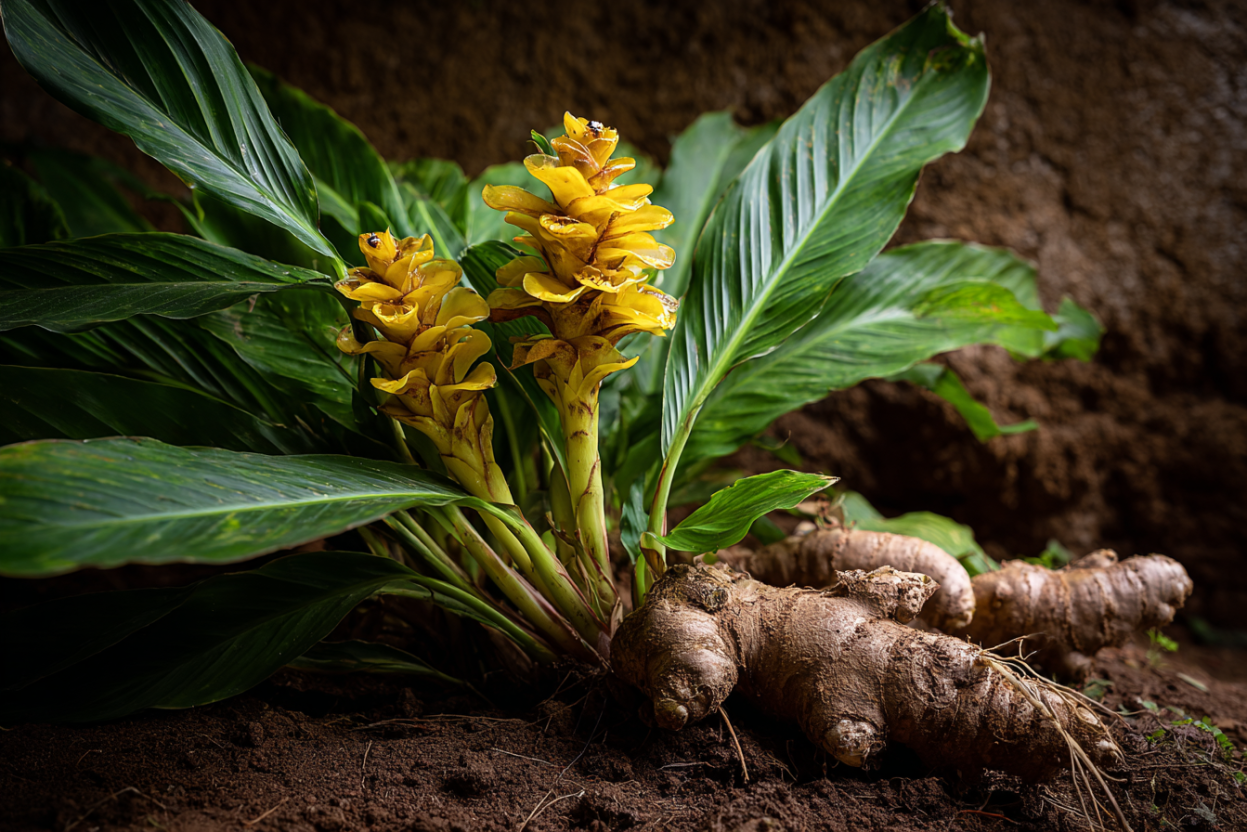
Turmeric is a tropical, herbaceous perennial that grows from thick, fleshy rhizomes beneath the soil. Above ground, the plant reaches two to three feet tall with large, oblong leaves that unfurl from a central pseudostem, creating a lush, almost tropical appearance. The leaves are bright green, smooth, and can grow up to 18 inches long with prominent midribs. When the plant flowers — which it does during its growing season in warm climates — it sends up a striking spike of pale yellow to white flowers nestled within green and pink bracts. The flower is beautiful enough to grow as an ornamental, though most people never see it bloom.
The real treasure lies underground. The rhizomes — the knobby, finger-like roots — are the part of the plant that has captivated healers, cooks, and scientists for millennia. Externally, the rhizomes have rough, brown skin similar to ginger. Slice one open, and you will find the brilliant orange-gold flesh that has given turmeric its reputation. That deep golden color comes from curcuminoids, particularly curcumin, which makes up roughly 2–8% of the rhizome by weight. Fresh turmeric has an earthy, slightly peppery, warm aroma with notes of mustard and ginger. It will stain almost everything it touches — your hands, your cutting board, your clothes — a vivid saffron gold.
Origin
Turmeric is native to Southeast Asia, with India recognized as both the ancestral homeland and the world’s largest producer, consumer, and exporter. The plant has been cultivated in the Indian subcontinent for at least 4,000 to 6,000 years, with archaeological evidence suggesting use dating back to 2500 BCE. From India, turmeric spread east along ancient trade routes to China, where it was documented in traditional medicine texts, and further to Japan, Indonesia, and throughout the Pacific Islands. Arab traders carried it westward to the Middle East and eventually to East Africa and Europe. Spanish explorers encountered it in the Americas in the 16th century. Today, turmeric is cultivated commercially in India, Indonesia, China, Bangladesh, Myanmar, Nigeria, and throughout Central America and the Caribbean.
Brief History
Turmeric’s recorded history stretches back roughly 4,500 years. It appears in the ancient Vedic texts of India, where it was used both as a culinary spice and as a healing agent in Ayurvedic medicine. The Atharvaveda, one of the four sacred Vedas, mentions turmeric as a treatment for conditions affecting the skin and respiratory system. In ancient India, turmeric was considered auspicious — used to dye the robes of Hindu priests, applied in wedding ceremonies, and incorporated into daily meals as both food and preventive wellness practice.
Traditional Chinese Medicine documented turmeric (known as Jiang Huang) for its ability to support healthy blood flow and ease discomfort. The Greek physician Dioscorides described a plant matching turmeric’s description in the first century CE. Marco Polo marveled at its similarity to saffron in 1280 CE. By the medieval period, turmeric had reached Europe through the spice trade, where it became known as “Indian Saffron” — both for its color and its value. The Ebers Papyrus of ancient Egypt also references a golden substance consistent with turmeric for topical applications.
Growing & Cultivation
Climate & Zones
Turmeric thrives in USDA Hardiness Zones 8–12, though it performs best in Zones 9–11 where it can remain in the ground year-round. In cooler zones (7–8), turmeric can be grown as an annual or in containers that are brought indoors before the first frost. The plant requires a long, warm growing season of 8–10 months and does not tolerate freezing temperatures. Rhizomes will rot if left in cold, wet soil. For gardeners in temperate climates, container growing is an excellent option — plant the rhizomes in spring after all danger of frost has passed, and harvest before the first fall freeze.
Soil Requirements
Turmeric prefers rich, loamy, well-draining soil with a slightly acidic to neutral pH of 5.5–7.5. Heavy clay soils should be amended with compost and coarse sand to improve drainage, as waterlogged soil leads to rhizome rot. The plant is a heavy feeder, so working in plenty of aged compost or well-rotted manure before planting is important. In containers, use a high-quality potting mix amended with perlite for drainage and compost for nutrition. A slightly raised bed works exceptionally well for turmeric, improving drainage while warming the soil earlier in spring.
Water & Sunlight
Turmeric needs consistent, moderate moisture throughout the growing season — never bone dry, never waterlogged. In hot climates, this may mean watering every two to three days. Mulch heavily around the plants to retain soil moisture and suppress weeds. As the plant nears maturity and leaves begin to yellow (a sign of readiness for harvest), reduce watering gradually. For sunlight, turmeric prefers partial sun to filtered light — mimicking its native habitat under a tropical canopy. Full morning sun with afternoon shade is ideal. In hotter climates, protection from intense afternoon sun prevents leaf scorch. Indoors, a bright window with indirect light or a grow light works well.
Propagation
Rhizome Division (Primary Method): Turmeric is propagated almost exclusively by planting pieces of rhizome. Select healthy, plump rhizomes with visible growth buds (small bumps or “eyes” similar to ginger). Cut larger rhizomes into pieces approximately two to three inches long, each containing at least one or two growth buds. Allow cut surfaces to dry and callous for a day before planting. Plant pieces two inches deep with buds facing upward, spaced 12–15 inches apart. Germination takes two to three weeks in warm soil (68–86°F). Turmeric does produce seed, but commercial and home propagation is almost always done by rhizome division as it is faster and more reliable.
Planting
Plant rhizomes in spring after soil temperatures consistently reach 68°F or above. Space plants 12–15 inches apart in rows 18–24 inches apart. Plant two to three inches deep. In containers, use pots at least 12 inches deep and 18 inches wide — turmeric rhizomes need room to spread horizontally. Companion plants that pair well with turmeric include ginger (similar growing conditions), beans (nitrogen fixation), cilantro, and eggplant. Avoid planting near plants that require dry conditions.
Harvesting
Turmeric is ready to harvest 8–10 months after planting, when the leaves begin to turn yellow and dry back — typically in late fall. To harvest, carefully dig around the plant with a garden fork, lifting the entire clump of rhizomes. Shake off loose soil and separate the “fingers” from the main mother rhizome. Reserve some of the healthiest fingers for replanting next season. Harvest in the morning after the soil has dried slightly for easiest digging. Be gentle — nicked rhizomes bruise easily and stain everything they touch.
Drying & Storage
For immediate culinary use, fresh turmeric can be stored in the refrigerator for up to three weeks wrapped loosely in a paper towel inside a plastic bag, or frozen whole for up to six months. To dry turmeric, first boil or steam the rhizomes for 30–45 minutes (this sets the color and reduces drying time), then slice thinly and dry in a dehydrator at 130–140°F for 8–12 hours, or air dry in a warm, well-ventilated area for one to two weeks. Once fully dried and brittle, grind in a spice grinder. Dried turmeric powder should be stored in an airtight, dark glass container away from light and heat. Properly stored, it retains potency for up to two years.
Pest & Disease Management
Turmeric is remarkably resistant to pests, partly due to its own bioactive compounds. Common challenges include rhizome rot from overwatering (addressed by improving drainage), leaf spot (managed by removing affected leaves and ensuring air circulation), and occasional aphid infestations (controlled with a strong spray of water or neem oil). Spider mites can appear in dry indoor environments — increase humidity and mist leaves regularly to prevent them. Companion planting with marigolds and basil helps deter common garden pests naturally.
Companion Planting
Turmeric grows well alongside ginger, galangal, lemongrass, cilantro, beans, and peppers. Avoid planting near fennel, which inhibits many companion plants, and avoid areas where nightshades previously grew if soil-borne diseases have been an issue. The broad leaves of turmeric provide natural ground shade, making it an excellent understory companion for taller plants like fruit trees or corn.
The Healing of Growing
Growing turmeric offers benefits that begin long before you ever harvest the first rhizome. The act of gardening — hands in warm soil, bare feet on the earth, time spent outdoors — has been shown to reduce cortisol levels, improve mood, and support immune function. The soil itself contains beneficial bacteria, including Mycobacterium vaccae, with documented antidepressant effects. Research published in Neuroscience has shown that exposure to this soil bacterium activates serotonin-producing neurons in a manner similar to antidepressant medications. When you grow turmeric, you begin receiving healing before you ever consume a single root. The grounding effect of barefoot gardening — direct skin contact with the earth — allows for electron transfer that research suggests may reduce inflammation and improve sleep. Growing your own turmeric is itself a therapeutic act.
Nutritional Profile
Macronutrients
Per 100 grams of ground turmeric (USDA FoodData Central): Calories: 312 kcal | Protein: 9.7g | Total Carbohydrates: 67.1g | Dietary Fiber: 22.7g | Sugars: 3.2g | Total Fat: 3.3g | Saturated Fat: 1.8g. While these numbers represent 100 grams of ground spice — far more than anyone would consume in a day — they reveal turmeric’s impressive density. Even at typical serving sizes of one to two teaspoons (3–6 grams), you receive meaningful amounts of fiber, iron, and manganese. Fresh turmeric root is much lower in calories at approximately 40 kcal per 100g, with higher water content and a gentler flavor profile.
Vitamins
Vitamin B6 (Pyridoxine): 1.8 mg per 100g (138% DV) — Essential for brain development and function, supports the production of serotonin, dopamine, and norepinephrine. Critical for amino acid metabolism and red blood cell formation.
Vitamin C: 23.9 mg per 100g (27% DV) — A powerful water-soluble antioxidant that supports immune function, collagen production for skin health, and enhances iron absorption from plant sources.
Vitamin E: 4.4 mg per 100g (29% DV) — A fat-soluble antioxidant that protects cell membranes from oxidative damage. Works synergistically with vitamin C to neutralize free radicals.
Niacin (B3): 1.35 mg per 100g (8% DV) — Supports energy metabolism and DNA repair. Helps maintain healthy skin, nerves, and digestion.
Vitamin K: 13.4 mcg per 100g (11% DV) — Essential for proper blood clotting and bone metabolism.
Minerals
Iron: 55 mg per 100g (306% DV) — Essential for oxygen transport in the blood, energy production at the cellular level, and immune function. Turmeric is one of the most iron-dense spices available. However, curcumin can also bind iron, so those with iron deficiency should consult a healthcare provider.
Manganese: 19.8 mg per 100g (860% DV) — A critical cofactor for the antioxidant enzyme superoxide dismutase (SOD). Supports bone health, blood sugar regulation, and wound healing.
Potassium: 2,080 mg per 100g (44% DV) — An essential electrolyte that supports heart function, muscle contraction, nerve transmission, and blood pressure regulation.
Magnesium: 208 mg per 100g (50% DV) — Involved in over 300 enzymatic reactions in the body, including muscle and nerve function, blood sugar control, and bone development.
Phosphorus: 299 mg per 100g (24% DV) — Works alongside calcium for bone and teeth health. Required for energy production (ATP) and cell repair.
Copper: 1.3 mg per 100g (144% DV) — Supports iron absorption, collagen formation, immune function, and the nervous system.
Zinc: 4.5 mg per 100g (41% DV) — Critical for immune defense, protein synthesis, wound healing, DNA synthesis, and cell division.
Phytonutrients & Active Compounds
Curcuminoids (2–8% of rhizome): The trio of curcumin (~77%), demethoxycurcumin (~17%), and bisdemethoxycurcumin (~4%) are the star bioactive compounds. Curcumin is a potent polyphenol that research suggests modulates over 100 molecular targets in the body — affecting inflammatory pathways (NF-κB), oxidative stress defenses (Nrf2), cell signaling, and gene expression. A 2024 comprehensive meta-analysis of 103 randomized controlled trials found high-credibility evidence for curcumin’s effects on fasting blood sugar, C-reactive protein (CRP), HDL cholesterol, and body weight.
Turmerones (Essential Oil Compounds): Ar-turmerone, α-turmerone, and β-turmerone are sesquiterpene compounds in turmeric’s volatile oil (3–6% of dried rhizome). These are not curcuminoids but have their own significant bioactivities — including neuroprotective, anti-inflammatory, and antimicrobial properties. Importantly, turmerones also enhance the bioavailability of curcumin when consumed together as whole turmeric.
Other Bioactive Compounds: Turmeric contains over 200 identified compounds beyond curcuminoids, including germacrone, elemene, curdione, bisacurone, cyclocurcumin, and calebin A. It also has an extraordinarily high ORAC (Oxygen Radical Absorbance Capacity) value — one of the highest among known spices at 159,277 µmol TE/100g, reflecting remarkable total antioxidant capacity.
Nutrient Notes
Curcumin’s biggest challenge is bioavailability — it is poorly absorbed on its own. Research has shown that consuming curcumin with piperine (the active compound in black pepper) increases absorption by approximately 2,000%. Consuming turmeric with healthy fats (coconut oil, olive oil, ghee) also significantly improves absorption, as curcumin is fat-soluble. Heat may further improve bioavailability. Traditional Indian cuisine instinctively combined all three — turmeric cooked in oil with black pepper — demonstrating centuries of intuitive nutritional wisdom.
Culinary Uses
Edible Parts
Rhizome (root): The primary edible part. Used fresh (grated, sliced, juiced) or dried and ground into the familiar golden powder. Fresh turmeric has a milder, slightly sweeter flavor than dried. Leaves: In parts of Southeast Asia, turmeric leaves are used to wrap and flavor foods during cooking (similar to banana leaves). They are not widely available outside tropical regions. Flowers: The flower bracts are edible and sometimes used in Thai and Indonesian cuisine.
Flavor Profile
Fresh turmeric has a warm, earthy, slightly peppery, and faintly bitter flavor with a subtle sweetness and a mild ginger-like bite. The aroma is musky, warm, and complex — reminiscent of mustard seed and orange peel. When dried and ground, the bitterness intensifies slightly and the earthy, woody notes deepen. Cooking mellows the bitterness and releases the warm, golden undertones. The intensity is moderate — turmeric adds color and depth without overwhelming other flavors when used at typical culinary levels of ½–1 teaspoon per dish.
Preparation
Fresh turmeric root should be peeled (the skin slips off easily under a spoon edge, as with ginger) and can then be grated, finely sliced, or blended into smoothies and juices. Raw fresh turmeric is excellent in salad dressings and golden milk. For cooking, dried turmeric powder is added early in the process — blooming it briefly in warm oil or ghee (15–30 seconds) unlocks the fat-soluble curcuminoids and deepens the flavor. Always pair with a pinch of black pepper and a fat source for maximum bioavailability. Turmeric can also be infused into oils, vinegars, and honey for long-term preservation.
Culinary Pairings
Turmeric pairs beautifully with black pepper, ginger, cumin, coriander, cinnamon, cardamom, garlic, onion, lemongrass, and coconut milk. It complements proteins like chicken, fish, lentils, chickpeas, and eggs. Healthy fats — coconut oil, ghee, olive oil, avocado — both enhance absorption and round out the flavor. Citrus (lemon, lime) brightens the earthy notes. Turmeric is a foundational spice in curries, golden milk, stir-fries, rice dishes, soups, and smoothies across Indian, Thai, Indonesian, Middle Eastern, and Moroccan cuisines.
Storage
Fresh turmeric root keeps for two to three weeks in the refrigerator and up to six months in the freezer (frozen root grates easily while still frozen). Dried turmeric powder should be stored in an airtight container away from heat and light for maximum potency — it retains its flavor and color for about one to two years when properly stored, though the curcumin content gradually declines. Turmeric paste (blended with water and a small amount of oil) can be frozen in ice cube trays for convenient cooking portions.
Ready to cook with Turmeric? View Recipes on Chefts →
Wellness & Therapeutic Uses
Traditional Uses
Turmeric’s medicinal history spans over 4,000 years across multiple civilizations. In Ayurvedic medicine (India), turmeric has been used to support digestion, purify the blood, ease joint discomfort, support respiratory health, and promote clear skin. It is classified as a “warming” herb that balances all three doshas (body constitutions). In Traditional Chinese Medicine (TCM), turmeric (Jiang Huang) has been used since at least the 7th century CE to invigorate the blood, promote the flow of Qi, and ease discomfort associated with stagnation — particularly in the abdomen and joints. Ancient Egyptian healers used golden preparations consistent with turmeric for topical applications. The Unani system of Perso-Arabic medicine employed turmeric for liver support, digestive wellness, and skin conditions. Indonesian traditional medicine (Jamu) has used turmeric-based drinks for centuries for women’s health, digestion, and skin clarity. Across Southeast Asia, fresh turmeric poultices have been applied to wounds, bruises, and skin irritations for generations.
Modern Research
Turmeric and its primary compound curcumin are among the most extensively studied botanicals in modern science. A 2024 comprehensive meta-analysis of 103 randomized controlled trials (7,216 participants) published in Phytotherapy Research found statistically significant effects of curcumin on 23 of 42 health outcomes measured. Evidence was rated as high credibility for fasting blood sugar, C-reactive protein (a key inflammation marker), HDL cholesterol, and body weight.
Inflammation: A 2023 systematic review and meta-analysis of 66 RCTs published in Complementary Therapies in Medicine found that turmeric/curcumin supplementation significantly reduces C-reactive protein (CRP), tumor necrosis factor-alpha (TNF-α), and interleukin-6 (IL-6) — three of the body’s primary inflammatory markers. It also improved total antioxidant capacity and reduced oxidative stress markers (Iran/USA).
Joint Health: A 2025 network meta-analysis of 17 RCTs published in BMC Complementary Medicine and Therapies found that all turmeric preparations significantly reduced knee osteoarthritis pain as measured by the WOMAC scale, with curcumin showing fewer adverse reactions than conventional NSAIDs (multinational). A 2024 Bayesian network meta-analysis of 23 studies (2,175 patients) from Journal of Ethnopharmacology confirmed curcumin’s efficacy and safety in knee osteoarthritis, noting reduced need for rescue medication (China).
Mood Support: A 2020 meta-analysis in the Journal of Affective Disorders analyzing 9 eligible studies (531 participants) found a significant effect of curcumin on both depressive symptoms (Hedge’s g = −0.75) and anxiety symptoms (Hedge’s g = −2.62). A 2021 systematic review in Australian & New Zealand Journal of Psychiatry reported that curcumin may increase serotonin and brain-derived neurotrophic factor (BDNF) levels, reduce cortisol, and inhibit pro-inflammatory cytokines in the brain (Italy/Brazil).
Cognitive Function: A 2024 systematic review in Cureus examining 12 studies found that curcumin may support cognitive function in adults, with evidence suggesting improvements in neurocognitive exams and reductions in inflammatory serum biomarkers (USA).
Digestive Health: Research suggests curcumin may support gut barrier integrity, promote healthy gut microbiome composition, and modulate inflammatory pathways in the digestive tract. A 2017 study published in Scientific Reports (Nature) demonstrated that curcumin combined with essential turmeric oils provided superior anti-inflammatory effects in a colitis model compared to curcumin alone (USA).
Blood Sugar Support: Multiple clinical trials suggest curcumin may support healthy blood sugar metabolism. Research indicates it may improve insulin sensitivity, reduce fasting blood glucose, and support healthy HbA1c levels. The 2024 comprehensive meta-analysis rated the evidence for fasting blood sugar effects as high credibility (Iran/multinational).
Body Systems Supported
Turmeric’s research-documented effects span virtually every major body system. Digestive system — supports gut lining integrity, bile production, and healthy microbiome balance. Immune system — modulates both innate and adaptive immunity through NF-κB pathway regulation. Nervous system — neuroprotective properties, BDNF support, potential cognitive benefits. Cardiovascular system — endothelial function support, lipid profile improvement, blood pressure modulation. Musculoskeletal system — anti-inflammatory support for joints, muscle recovery. Integumentary system (skin) — wound healing support, anti-inflammatory and antioxidant protection. Endocrine system — blood sugar and insulin sensitivity support. Hepatic (liver) — hepatoprotective effects documented in multiple studies.
Body Compounds Affected
Research suggests turmeric/curcumin influences multiple body compounds. Cortisol — studies indicate curcumin may help reduce elevated cortisol levels, supporting stress resilience. Serotonin — curcumin may increase serotonin availability by inhibiting monoamine oxidase enzymes, contributing to its mood-supportive effects. BDNF (Brain-Derived Neurotrophic Factor) — curcumin has been shown to increase BDNF levels, which supports neuroplasticity, memory, and learning. Dopamine and Norepinephrine — curcumin may modulate these neurotransmitters, further contributing to its antidepressant-like properties. Inflammatory Cytokines (TNF-α, IL-6, IL-1β, CRP) — a meta-analysis of 66 RCTs confirmed significant reductions in these inflammatory markers. Prostaglandins — curcumin inhibits COX-2 enzyme activity, reducing prostaglandin production (a mechanism similar to NSAIDs but without the gastric side effects). NF-κB — curcumin is a potent inhibitor of this master inflammatory transcription factor. Insulin — research suggests improved insulin sensitivity with curcumin supplementation. Nitric Oxide — curcumin may improve endothelial function partly through nitric oxide pathway support.
Methods of Use
Tea/Infusion
Grate 1–2 inches of fresh turmeric root (or use ½–1 teaspoon dried powder) into 8 oz of hot water. Add a pinch of black pepper and a small amount of coconut oil or honey. Steep for 10–15 minutes, covered. Strain and drink. May be consumed 1–3 times daily. “Golden milk” — turmeric simmered in warm milk (dairy or plant-based) with black pepper, cinnamon, and a touch of honey — is a traditional preparation with excellent bioavailability due to the fat content of the milk.
Tincture
Turmeric tinctures are prepared by extracting fresh or dried rhizome in alcohol or glycerin. Typical adult dosage ranges from 1–3 mL (approximately 30–90 drops) taken two to three times daily. Tinctures provide a concentrated form with improved shelf life. Always follow manufacturer-specific dosing instructions.
Capsule/Powder
Standardized curcumin supplements typically contain 500–2,000 mg of curcumin per daily dose, often combined with piperine (BioPerine) or formulated with phospholipids (Meriva) or nanoparticles for enhanced absorption. Clinical trials have used doses ranging from 500 mg to 2,000 mg of curcumin daily. Whole turmeric powder in capsule form provides the full spectrum of compounds including turmerones.
Poultice/Compress
Fresh grated turmeric or dried powder mixed with warm water into a paste can be applied topically to areas of discomfort, bruises, or minor skin irritation. Cover with a cloth and leave for 20–30 minutes. Note: turmeric will stain skin temporarily yellow — this fades within 24–48 hours.
Cosmetic & Beauty Uses
Skin Benefits
Turmeric has been used as a beauty ingredient in South Asian traditions for thousands of years — the “haldi” ceremony before Indian weddings, where turmeric paste is applied to the bride’s skin, is perhaps the most well-known example. Modern research is now confirming what these cultures knew intuitively. A 2016 systematic review published in Phytotherapy Research examined 18 clinical studies on turmeric/curcumin and skin health. Ten of those studies showed statistically significant improvement in skin disease severity compared to control groups. Conditions studied included acne, atopic dermatitis, psoriasis, facial photoaging, vitiligo, and pruritus.
Curcumin protects skin by quenching free radicals and reducing inflammation through NF-κB inhibition. It may support wound healing by improving collagen deposition and increasing fibroblast and vascular density. Its antioxidant properties may help protect against UV-induced skin damage and premature aging. Skin types that may benefit most include oily and acne-prone skin (antimicrobial and anti-inflammatory), mature and aging skin (antioxidant protection, collagen support), and sensitive or irritated skin (calming, inflammation-modulating).
Hair Benefits
Turmeric’s antimicrobial and anti-inflammatory properties may support scalp health by addressing dandruff, itchiness, and scalp irritation. Its antioxidant effects may help protect hair follicles from oxidative damage that contributes to thinning. A turmeric hair rinse or scalp mask may help promote a healthy scalp environment conducive to normal hair growth. In Ayurvedic tradition, turmeric has long been used in hair oils and masks for shine and scalp health.
Application Methods
Face Mask: Mix ½ teaspoon turmeric powder with 1 tablespoon honey and 1 tablespoon plain yogurt. Apply to clean face, leave for 15–20 minutes, then rinse thoroughly. Use once or twice per week. (Note: turmeric may temporarily stain light skin yellow — lemon juice helps remove any tinting.) Infused Oil: Steep 2 tablespoons dried turmeric in 1 cup carrier oil (jojoba, sweet almond, or coconut) in a warm, dark place for 2–4 weeks, shaking daily. Strain and use as a facial oil, body oil, or scalp treatment. Steam Treatment: Add a tablespoon of turmeric powder to a bowl of steaming water. Drape a towel over your head and steam for 5–10 minutes to open pores and deliver volatile compounds to the skin. Bath Addition: Add 2–3 tablespoons of turmeric powder and 1 cup of whole milk or coconut milk to a warm bath for a skin-soothing soak.
DIY Formulation Notes
When incorporating turmeric into homemade cosmetics, use sparingly — 0.5–2% turmeric extract or 1–3% powder in formulations. Pair with carrier oils like jojoba (closest to skin’s natural sebum), rosehip (rich in vitamin A), or tamanu (traditional wound-healing oil). Do not combine turmeric with retinol products, as both can increase skin sensitivity. Always perform a patch test before facial application. Homemade turmeric preparations should be used within one to two weeks if water-based, or one to two months if oil-based, and stored away from light.
Turmeric is among the botanicals being explored for holistic cosmetic applications, where the wisdom of traditional beauty practices meets modern understanding of skin science.
Essential Oil Profile
Extraction
Turmeric essential oil is obtained primarily through steam distillation of the dried or fresh rhizomes. CO2 extraction is also used for a fuller-spectrum product. Dried turmeric rhizomes contain approximately 3–6% volatile essential oil. The yield from steam distillation is relatively modest — approximately 5–6 kg of dried rhizome produces about 100 mL of essential oil, which contributes to its moderate price point. The essential oil is distinctly different from curcumin extract — it contains no curcuminoids (those are non-volatile) but is rich in sesquiterpenes with their own powerful biological activities.
Chemical Constituents
The primary compounds in turmeric essential oil are sesquiterpenes. Ar-turmerone typically constitutes 25–45% of the oil, making it the dominant compound. Alpha-turmerone (15–25%) and beta-turmerone (10–20%) are the other major turmerones. Additional constituents include ar-curcumene, zingiberene, beta-sesquiphellandrene, germacrone, curlone, and small amounts of monoterpenes like 1,8-cineole and p-cymene. Ar-turmerone has been the subject of significant research for its anti-inflammatory, neuroprotective, anti-tumor, and antimicrobial activities. A 2021 study from Kumamoto University (Japan) demonstrated that ar-turmerone derivatives protect dopaminergic neurons through Nrf2 activation — a finding with implications for neurodegenerative conditions.
Aroma Profile
Turmeric essential oil is classified as a base to middle note in aromatherapy. The scent is warm, earthy, slightly woody, and spicy — reminiscent of fresh turmeric root but more concentrated and complex. Some describe notes of ginger, pepper, and a subtle sweetness. The aroma is grounding without being heavy. It blends well with ginger, frankincense, sandalwood, ylang ylang, bergamot, black pepper, cardamom, cinnamon, and citrus oils (orange, lemon, grapefruit).
Therapeutic Properties
Research suggests turmeric essential oil may have anti-inflammatory, antimicrobial, antifungal, antioxidant, neuroprotective, and calming properties. The FDA classifies turmeric oil as GRAS (Generally Recognized As Safe). Preclinical studies indicate it may enhance the bioavailability of curcumin when consumed together.
How to Use
Diffusion
Add 3–5 drops of turmeric essential oil to a diffuser. Diffuse for 30–60 minutes at a time. The warm, grounding aroma promotes a sense of calm and mental clarity. Blends beautifully with 2 drops frankincense and 2 drops orange for a comforting, uplifting atmosphere.
Topical Application
Always dilute before skin application. Standard adult dilution: 2–3% (12–18 drops per ounce of carrier oil). Sensitive skin dilution: 1% (6 drops per ounce). Children’s dilution: 0.5% (3 drops per ounce). Apply diluted oil to areas of discomfort, the bottoms of feet, or along the spine. Turmeric oil can stain light-colored clothing — allow it to absorb fully before dressing. Recommended carrier oils include fractionated coconut oil, jojoba, and sweet almond oil.
Quality & Sourcing
Look for turmeric essential oil that is 100% pure, steam-distilled from Curcuma longa rhizomes, and accompanied by a GC/MS (Gas Chromatography/Mass Spectrometry) report confirming its chemical profile. Reputable suppliers provide batch-specific testing results. Avoid oils labeled “fragrance oil” or “perfume oil” — these are synthetic. Quality turmeric oil should be a pale to deep golden-yellow color. Store in a dark glass bottle away from heat and light. Shelf life is approximately 3–5 years when properly stored.
Blending
Turmeric essential oil blends well with ginger (warming, digestive), frankincense (grounding, meditative), sandalwood (calming), black pepper (warming, circulatory), bergamot (uplifting), lavender (calming), lemongrass (refreshing), and ylang ylang (balancing). For a soothing joint-support blend: 3 drops turmeric, 3 drops ginger, 2 drops frankincense, and 2 drops black pepper in 1 ounce of carrier oil.
Aromatherapy & Scent
The Aroma
Fresh Plant: Fresh turmeric root has a warm, earthy, slightly peppery aroma with notes of ginger and mustard. The scent is most potent when the rhizome is freshly cut or grated — the volatile oils are released immediately upon breaking the surface. When growing, the plant’s leaves emit a subtle, green, slightly spicy fragrance when brushed or crushed. Dried: Dried turmeric has a deeper, more concentrated aroma — earthy, woody, and slightly bitter with warm undertones. The scent is less bright than fresh but longer lasting. Properly dried turmeric retains its aroma for 1–2 years. The dried powder’s scent is what most people recognize — the familiar warm, golden fragrance of curry.
How Scent Affects Your Body
When you inhale the aroma of turmeric — whether from fresh root, dried spice, or essential oil — volatile molecules enter the nasal passages and bind to olfactory receptors. These receptors send signals directly to the limbic system (the brain’s emotional center) and the hypothalamus (the hormone control center). This pathway bypasses conscious thought, meaning the scent affects your body chemistry before you even process the smell mentally. Within seconds, your emotional state and hormone production begin to shift in response to the aromatic compounds.
Emotional & Mood Effects
The scent of turmeric is primarily grounding and warming. It promotes a sense of stability, comfort, and inner warmth. Many people find it centering — it helps bring scattered thoughts into focus without sedating. The earthy quality connects to feelings of safety and belonging. In aromatherapy practice, turmeric is used to support emotional resilience during periods of stress and to promote a sense of optimism. The warming nature makes it particularly supportive during the colder months or during times of emotional heaviness.
Body Compounds Affected
Research on turmeric aromatherapy is still emerging, but the volatile compounds in turmeric — particularly the turmerones — have documented effects on the nervous system. Inhalation of warming, spicy aromatic compounds may help lower cortisol, support serotonin activity, and gently stimulate circulation. The anti-inflammatory properties of ar-turmerone may extend to inhalation exposure, though direct human studies on turmeric aromatherapy specifically are limited. General aromatherapy research supports that warm, earthy scents tend to activate the parasympathetic nervous system, promoting relaxation and reducing stress hormone output.
Ways to Experience the Scent
Growing turmeric indoors, where the plant’s subtle green fragrance fills the space. Grating fresh turmeric root in the kitchen — the aroma fills the room immediately. Simmering turmeric with cinnamon, ginger, and cardamom in water on the stove as a natural room scent. Adding fresh or dried turmeric to a hot bath, where steam carries the volatile compounds. Diffusing turmeric essential oil alone or blended with complementary oils. Drinking golden milk, where the warm aroma is experienced through both the cup and the mouth. Crushing dried turmeric between your fingers and inhaling deeply — a simple, immediate aromatherapy practice.
Color Therapy
The Colors of Turmeric
Turmeric is one of nature’s most intensely colored plants. The rhizome interior is a brilliant deep orange-gold, ranging from bright saffron to deep amber depending on variety and curcumin content. The leaves are vivid emerald green with lighter undersides. The flowers are pale yellow to white, emerging from attractive green and pink bracts. The dried powder is the iconic warm golden-yellow that has been used as a dye for millennia — so potent that it stains everything it touches. Turmeric’s dominant colors are golden yellow to deep orange, placing it firmly in the warm end of the visible spectrum.
Color Wavelengths
The golden-yellow to orange hues of turmeric correspond to wavelengths of approximately 570–620 nm in the visible spectrum. Yellow light falls around 570–590 nm, and orange around 590–620 nm. These are warm-spectrum colors with relatively long wavelengths — the same portion of the spectrum associated with sunshine, warmth, and vitality.
How Golden-Orange Affects the Body
In color therapy, yellow (570–590 nm) is associated with mental stimulation, clarity, optimism, and the solar plexus (the body’s center of personal power and digestion). Orange (590–620 nm) is associated with creativity, warmth, emotional uplift, joy, and digestive system support. The golden-orange combination of turmeric encompasses both qualities — it is a color that energizes without overstimulating, warms without burning, and clarifies without creating tension. Viewing golden-orange tones has been associated with increased feelings of optimism and warmth in color psychology research.
Body Compounds Affected
Exposure to warm-spectrum light (golden, orange, yellow) may influence serotonin production, which is linked to mood elevation. Sunlight in the golden-yellow spectrum is a known regulator of the serotonin-melatonin cycle. While viewing a turmeric plant or golden turmeric powder is not equivalent to light therapy, the principle that warm colors in our environment influence our neurochemistry is well supported by environmental psychology research.
Using Turmeric for Color Therapy
Place a potted turmeric plant in spaces where you want warm, lush green energy — the leaves themselves provide the calming green wavelength (495–570 nm), while the golden rhizome waiting beneath connects to the energizing orange-yellow spectrum. Display fresh turmeric rhizomes in your kitchen — their vibrant golden color adds warmth to the space. Use turmeric powder as a natural fabric dye for golden-yellow cloths, sachets, or altar cloths. Consume the color — “eating the rainbow” is a nutritional principle, and turmeric’s deep golden-orange adds a crucial warm-spectrum color to your plate.
Frequency & Vibration
The Frequency of Turmeric
According to bio-frequency research pioneered by Bruce Tainio of Tainio Technology, essential oils vibrate at measurable frequencies. While specific published frequency measurements for turmeric essential oil are limited in Tainio’s publicly available data, turmeric is generally classified as a moderate to high-frequency plant based on its chemical complexity and the high concentration of bioactive sesquiterpenes. For reference, a healthy human body typically vibrates between 62–78 MHz. Disease processes may correlate with frequencies below 58 MHz. High-frequency essential oils (like rose at 320 MHz) are at the upper end, while herbs and spices generally fall in a moderate range.
Human Frequency Interaction
The principle of entrainment suggests that a stronger, stable frequency can influence and “entrain” a weaker, less stable one. Proponents of vibrational medicine suggest that being around high-frequency plants — whether growing them, consuming them, or diffusing their essential oils — may support and elevate the body’s own frequency. While this area of research is still emerging, the concept aligns with what we observe empirically: spending time around living plants, consuming fresh herbs and whole foods, and engaging with nature tends to support overall well-being.
Essential Oil Frequency
Turmeric essential oil, with its complex profile of sesquiterpenes and over a dozen bioactive compounds, represents a concentrated form of the plant’s vibrational signature. Frequency measurement research suggests that the extraction process concentrates not only chemical compounds but also the energetic signature of the plant. Using turmeric essential oil in diffusion or topical application may offer a more concentrated frequency interaction than the dried spice alone.
Vibrational Applications
To use turmeric for frequency support, consider diffusing the essential oil during meditation or prayer time, consuming fresh turmeric root or high-quality golden milk as part of a daily wellness practice, growing the living plant in your home for its ongoing vibrational presence, and combining turmeric with other high-frequency practices like grounding, time in nature, and intentional rest. These practices work synergistically — the sum is greater than the parts.
The Living Plant
Benefits of Presence
Simply being near a living turmeric plant offers benefits that extend well beyond any eventual harvest. The lush, broad green leaves create a visually calming presence in any room. Research on biophilic design demonstrates that the presence of living plants in indoor environments reduces stress, improves mood, enhances concentration, and may even accelerate healing. A landmark study published in Science by Roger Ulrich (1984) found that hospital patients with views of plants and greenery recovered faster, required less pain medication, and had shorter hospital stays than those without. Having a turmeric plant in your home or garden brings this healing presence into your daily life.
Air Purification
While turmeric was not included in the NASA Clean Air Study specifically, all green plants contribute to air quality through photosynthesis — converting carbon dioxide into oxygen during the day. Turmeric’s broad, large leaves provide a relatively generous surface area for gas exchange. The plant also contributes to indoor humidity regulation, gently increasing moisture levels in dry environments through transpiration — beneficial for respiratory comfort and skin health. Turmeric is not classified as a top-tier air purifier like spider plants or peace lilies, but it contributes meaningfully to a healthier indoor atmosphere as part of a diverse plant collection.
Phytoncides
Turmeric, like many aromatic plants, releases volatile organic compounds — phytoncides — into the surrounding air. These antimicrobial compounds are produced as part of the plant’s natural defense system. Forest bathing (shinrin-yoku) research from Japan has demonstrated that exposure to plant phytoncides increases Natural Killer (NK) cell activity — a key component of the innate immune system. While turmeric’s phytoncide emission is more subtle than coniferous trees, the volatile turmerones and other aromatic compounds released by the living plant contribute to the overall phytoncide-rich environment that comes from growing herbs and spices indoors.
Visual & Psychological Benefits
The lush green foliage of turmeric activates what environmental psychologists call “attention restoration.” The soft, natural green tones do not demand attention the way artificial stimuli do — instead, they allow the mind to rest and recharge. Studies show that even brief exposure to greenery (as little as 40 seconds of looking at a green roof) can improve concentration and reduce mental fatigue. Growing turmeric on a windowsill, on a patio, or in a garden bed provides this restorative visual experience daily. The act of watching the plant grow — new leaves unfurling, the gradual increase in height — connects you to natural rhythms and seasonal cycles in a way that counteracts the disconnection of modern indoor life.
Growing Indoors vs Outdoors
Turmeric adapts well to container growing and can thrive indoors in bright indirect light. For indoor growing, use a container at least 12 inches deep and wide, place it near a window that receives morning light, maintain consistent moisture, and mist the leaves occasionally to boost humidity. Indoors, turmeric typically grows more compactly but still provides beautiful foliage. Outdoors, the plant reaches its full potential — taller growth, larger leaves, and greater rhizome production. In frost-free zones, it can be grown as a perennial. In cooler climates, grow outdoors during warm months and bring containers inside before frost, giving you the best of both environments.
Touch & Physical Interaction
Gardening Therapy
Horticultural therapy — the use of gardening and plant care as a therapeutic tool — is a recognized practice used in hospitals, rehabilitation centers, and mental health programs worldwide. Planting, tending, and harvesting turmeric engages all the senses and provides gentle, purposeful physical activity. The process of preparing soil, placing rhizomes, watering, watching for growth, and eventually harvesting creates a cycle of nurture and reward that parallels the healing journey itself.
Soil Contact Benefits
When you garden barefoot or with bare hands, your body makes direct contact with the earth — a practice known as grounding or earthing. Research published in the Journal of Environmental and Public Health suggests that direct earth contact allows for electron transfer that may reduce inflammation, improve sleep, and normalize circadian rhythms. The soil also contains Mycobacterium vaccae, a beneficial bacterium that research published in Neuroscience has shown activates serotonin-producing neurons in the brain. Simply digging in the dirt to plant and harvest turmeric exposes you to these microbes — a natural antidepressant delivered through the simple act of gardening.
The Tactile Experience
Turmeric engages the sense of touch in uniquely satisfying ways. The leaves are smooth, cool, and slightly waxy — pleasant to stroke. The rhizomes feel firm and knobby with rough, papery skin — similar to ginger but denser. Cutting into a fresh rhizome reveals a surprisingly moist, almost oily interior that immediately stains your fingers a vivid golden-orange. The act of peeling, grating, or slicing fresh turmeric is an intensely sensory experience — the color, the fragrance released, the slight resistance of the flesh, and the warmth of the volatile oils on your skin. Harvesting is particularly tactile — the gentle work of loosening soil around the plant, pulling the rhizome cluster free, brushing off the earth, and separating the “fingers” connects you physically to your food and medicine.
Harvesting & Processing
The harvest itself — typically 8–10 months after planting — carries its own therapeutic qualities. There is something deeply grounding about unearthing what you planted, seeing the golden rhizomes emerge from the soil, and knowing that you have cultivated your own medicine. The repetitive, meditative motions of cleaning, sorting, slicing, and drying the rhizomes provide the kind of focused, hands-on work that calms an overactive mind. Stripping leaves, washing roots, slicing them thinly for the dehydrator, and grinding dried pieces into powder — each step engages the hands and rewards the senses. It is therapy disguised as food preparation.
Water-Based Applications
Teas & Infusions
Standard Infusion: Place 1–2 teaspoons of dried turmeric powder or 1–2 inches of freshly grated root into a cup or teapot. Pour 8 oz of near-boiling water (200–212°F) over the turmeric. Cover and steep for 10–15 minutes. Add a pinch of black pepper and a small amount of fat (coconut oil, ghee, or full-fat milk) to enhance curcumin absorption. Strain if using fresh root. May be consumed 1–3 times daily. A cold infusion can also be made by steeping turmeric in room-temperature water for 4–8 hours — this produces a milder, gentler preparation.
Herbal Baths
A turmeric bath is a powerful way to deliver its benefits through the skin — the body’s largest organ. Add 2–4 tablespoons of turmeric powder to a warm (not hot) bath along with 1 cup of Epsom salt and 1 cup of full-fat coconut milk. Soak for 20–30 minutes. The warm water opens pores and enhances absorption, the Epsom salt provides magnesium, and the fat from the coconut milk helps deliver the fat-soluble curcuminoids. This bath may support muscle relaxation, skin health, and overall comfort. Note that turmeric may stain light-colored bathtubs — cleaning immediately after draining with baking soda paste prevents staining. A turmeric foot soak is an excellent alternative: use 1 tablespoon turmeric in a basin of warm water with Epsom salt for 15–20 minutes.
Hydrosols
Turmeric hydrosol — the aromatic water byproduct of steam distillation — is less commonly available than the essential oil but is a gentle, versatile product. It contains water-soluble aromatic compounds and trace amounts of essential oil. Turmeric hydrosol can be used as a facial toner (spritz on clean skin), a gentle body mist, or added to bath water. It provides a milder aromatic and therapeutic experience than the essential oil and is generally safe for direct skin contact without dilution.
Compresses
Warm Compress: Prepare a strong turmeric infusion (2 tablespoons in 2 cups water, simmered 15 minutes). Soak a clean cloth in the warm (not scalding) liquid, wring gently, and apply to areas of discomfort for 15–20 minutes. Particularly supportive for joint stiffness and muscle tension. Cool Compress: Use the same infusion, cooled to room temperature or slightly chilled. Apply to areas of minor swelling, skin irritation, or sunburn. Reapply as needed.
Steam Inhalation
Add 1–2 teaspoons of turmeric powder or 3–5 drops of turmeric essential oil to a bowl of steaming water. Drape a towel over your head, close your eyes, and inhale deeply through the nose for 5–10 minutes. This delivers aromatic volatile compounds directly to the respiratory passages and, through the olfactory system, to the brain. May be particularly supportive during seasonal respiratory challenges or nasal congestion. Perform 1–2 times daily as needed. Caution: keep eyes closed, as steam can be irritating to the eyes.
Hair Rinses
Prepare a turmeric tea (1 tablespoon powder in 2 cups water, simmered 10 minutes, then cooled). After shampooing, pour the cooled turmeric rinse through the hair and over the scalp. Leave for 2–3 minutes, then rinse with cool water. This may support scalp health through turmeric’s antimicrobial and anti-inflammatory properties and can add warm golden highlights to lighter hair over time. Use once weekly.
Historical, Cultural & Biblical Significance
Biblical References
Turmeric (Curcuma longa) is not directly mentioned by name in Scripture. However, the broader Zingiberaceae family and the spice trade routes that carried turmeric through the ancient Near East were well established during biblical times. The “chief spices” referenced in Song of Solomon 4:14 (KJV) — “Spikenard and saffron; calamus and cinnamon, with all trees of frankincense; myrrh and aloes, with all the chief spices” — encompass the aromatic trade goods that traveled from India and Southeast Asia through the same routes that carried turmeric. Turmeric was also known as “Indian Saffron,” and while the “saffron” in Song of Solomon likely refers to Crocus sativus, the ancient spice trade made no sharp distinctions between golden spices of similar appearance. The Hebrews, through their interactions with Egyptian, Phoenician, and later Persian cultures, would have had access to turmeric and similar golden spices used for anointing, dyeing, and culinary purposes.
Ancient Civilizations
The Ebers Papyrus of ancient Egypt (circa 1550 BCE), one of the oldest known medical documents, references golden preparations consistent with turmeric for skin conditions. Ancient Egypt’s trade networks with India and Southeast Asia — including the Red Sea maritime routes — made turmeric available. In ancient Greece, the physician Dioscorides (40–90 CE) described a plant matching turmeric in his seminal De Materia Medica, noting its value for digestive and topical applications. The Roman naturalist Pliny the Elder referenced “Indian saffron” in his Natural History. The Assyrians documented a golden root used as a dye and medicine as early as 600 BCE.
Eastern Traditions
In Ayurvedic medicine, turmeric (haridra) has been documented since the Vedic period (1500–500 BCE). The Atharvaveda, Charaka Samhita, and Sushruta Samhita all reference turmeric for conditions affecting digestion, skin, blood, respiratory health, and joint comfort. It is classified as a “tikta” (bitter) and “katu” (pungent) herb that balances all three doshas. In Traditional Chinese Medicine, turmeric (Jiang Huang) appears in medicinal texts dating to the Tang Dynasty (7th century CE). It is classified as an herb that “invigorates the blood” and “moves Qi,” used for conditions associated with blood stasis and Qi stagnation — particularly in the abdomen and limbs. In Unani medicine (the Perso-Arabic tradition), turmeric is known as “zard chob” and has been used for liver support, digestive health, and topical applications since the medieval period.
Indigenous Knowledge
Pacific Islander cultures, particularly in Polynesia and Melanesia, have used turmeric (known by various local names) for centuries — as a dye for ceremonial cloth, as a culinary spice, and as a topical preparation for skin health. Hawaiian traditional medicine uses a native relative, ʻōlena (Curcuma longa), for ear infections, sinus congestion, and purification. Indonesian Jamu medicine — a traditional healing practice with over 1,000 years of documented history — uses turmeric as a foundational ingredient in health tonics, particularly for women’s wellness, digestion, and skin clarity. African traditional medicine in regions where turmeric was introduced through trade uses it topically for wound care and internally for digestive support.
European Heritage
Turmeric reached Europe through Arab traders and the medieval spice trade. It was known to European herbalists and physicians by the 13th century — Marco Polo described it in 1280 CE as a vegetable “that has all the properties of saffron, yet it is not saffron.” Medieval European herbals reference it primarily as a dye and secondarily as a digestive aid. Nicholas Culpeper, the renowned 17th-century English herbalist, included turmeric in his pharmacopoeia. European monastery gardens, which preserved much botanical knowledge through the Middle Ages, cultivated relatives of turmeric where climate permitted and imported the dried root for medicinal preparations.
Cultural Symbolism
Across cultures, turmeric symbolizes purity, fertility, prosperity, and the sun. In Hindu tradition, it is considered auspicious and sacred — used to dye priests’ robes, applied in wedding ceremonies (the haldi ceremony), and placed in offerings. In Buddhist traditions across Southeast Asia, turmeric-dyed robes represent the earthly journey of the practitioner. The plant’s golden color universally connects it to solar symbolism — warmth, life, abundance, and divine blessing. These cultures observed a truth written into creation: this plant is a gift, its golden color a marker of its extraordinary value.
Each of these civilizations observed that turmeric provided remarkable support for the body. While they may not have known the Creator by name, they were observing His design — and their observations align with what modern research now confirms about turmeric’s broad-spectrum biological activities.
Safety & Precautions
Contraindications
Turmeric as a culinary spice is generally considered safe for most people. However, concentrated curcumin supplements (500–2,000+ mg daily) warrant greater caution. Individuals with the following conditions should exercise caution or avoid supplemental curcumin: gallbladder disease or gallstones (turmeric stimulates bile production, which could worsen biliary obstruction), bleeding disorders, iron deficiency anemia (curcumin may inhibit iron absorption), and scheduled surgery (discontinue curcumin supplements at least two weeks before any planned surgical procedure).
Drug Interactions
Turmeric/curcumin has documented and theoretical interactions with several medication categories. Blood-thinning medications (warfarin, clopidogrel, aspirin): Curcumin may enhance anticoagulant and antiplatelet effects, increasing bleeding risk. A case report documented a patient’s INR rising above 10 (a serious bleeding risk) after starting a turmeric supplement while on warfarin. Diabetes medications (metformin, insulin, sulfonylureas): Curcumin may enhance blood sugar-lowering effects, potentially causing hypoglycemia. Acid-reducing medications (omeprazole, famotidine, ranitidine): Turmeric may increase stomach acid production, potentially counteracting these medications. Immunosuppressants: Curcumin’s immune-modulating effects may interfere with immunosuppressive therapy. Chemotherapy drugs: Curcumin may alter the effectiveness of certain anti-cancer medications — both increasing and decreasing efficacy depending on the drug. CYP450 enzyme substrates: Curcumin may inhibit certain liver enzymes involved in drug metabolism, potentially increasing blood levels of medications processed through these pathways, including some statins, antidepressants, and antibiotics. Always consult a healthcare provider before combining curcumin supplements with any prescription medication.
Pregnancy & Nursing
Culinary amounts of turmeric used in cooking are generally considered safe during pregnancy and breastfeeding. However, supplemental doses of curcumin (concentrated extracts) are not recommended during pregnancy, as turmeric may act as a uterine stimulant at high doses, potentially increasing the risk of contractions. During breastfeeding, concentrated curcumin supplements should be used only under the guidance of a qualified healthcare provider. The principle of caution applies: use turmeric freely as a kitchen spice, but approach supplemental doses with the guidance of your healthcare team during pregnancy and nursing.
Children
Turmeric as a culinary spice is generally considered safe for children of all ages in age-appropriate amounts. Curcumin supplements are generally considered appropriate for children over age 6 at reduced doses — typically one-quarter to one-half the adult dose, depending on body weight. For children under 6, stick to culinary use. Avoid giving essential oil internally to children. When using turmeric essential oil topically on children, dilute to 0.5% or less and perform a patch test first.
Elderly
Older adults may benefit from turmeric’s anti-inflammatory and neuroprotective properties, but should start with lower doses of curcumin supplements and increase gradually. Special attention should be paid to potential interactions with common elderly medications — particularly blood thinners, blood pressure medications, and diabetes medications. Turmeric may also affect iron absorption, which is a concern for elderly individuals who may already have marginal iron status.
Pets
Dogs: Turmeric in small culinary amounts is generally considered safe for dogs and is used in some veterinary supplements for joint support. However, high doses or human supplements (which may contain added ingredients toxic to dogs, such as xylitol) should be avoided. Consult a veterinarian before supplementing. Dogs with bleeding disorders, liver disease, or those on blood-thinning medications should not receive turmeric.
Cats: Use with greater caution. Cats are more susceptible to toxicosis from plant compounds than dogs due to differences in liver metabolism. Small culinary amounts are unlikely to cause harm, but curcumin supplements designed for humans should never be given to cats. Consult a veterinarian before use.
Horses: Turmeric is increasingly used in equine nutrition for joint support. Use only products formulated for horses and follow veterinary guidance on dosing.
If a pet ingests a large amount of turmeric or a turmeric supplement, contact your veterinarian or the ASPCA Animal Poison Control Center at (888) 426-4435.
Allergies & Sensitivities
Turmeric allergy is uncommon but does occur. Symptoms may include skin rash, hives, or contact dermatitis (particularly with topical application of concentrated turmeric). Individuals with allergies to plants in the Zingiberaceae (ginger) family may have cross-reactivity. Always perform a skin patch test before applying turmeric topically — apply a small amount of diluted turmeric paste to the inner forearm and wait 24 hours. Turmeric can cause photosensitivity in some individuals when applied topically — avoid direct sun exposure on treated skin areas.
Dosing Guidelines
Culinary turmeric powder: 1–3 grams (approximately ½–1½ teaspoons) daily as part of food preparation — this is the traditional intake level in Indian and Southeast Asian diets. Curcumin supplements: clinical trials have most commonly used 500–2,000 mg of curcumin daily. The Joint FAO/WHO Expert Committee on Food Additives has established an acceptable daily intake of curcumin at 0–3 mg per kg of body weight. Duration: most clinical trials have lasted 4–16 weeks. Long-term safety of high-dose curcumin supplementation has not been extensively studied, so periodic breaks may be advisable for supplemental use.
Quality & Sourcing
Turmeric powder has been documented to be adulterated with lead-containing dyes (lead chromate) in some supply chains — particularly in South Asia. Purchase turmeric from reputable suppliers who test for heavy metals. Look for third-party tested, organic-certified products. For curcumin supplements, look for GMP (Good Manufacturing Practice) certification and third-party testing (USP, NSF, or ConsumerLab verification). Avoid products that do not clearly list their curcuminoid content or sourcing.
Signs of Adverse Reaction
Mild reactions may include digestive discomfort (nausea, diarrhea, bloating), skin yellowing from topical use, or mild headache. These typically resolve when the dose is reduced or discontinued. Seek medical attention if you experience unusual bruising or bleeding, severe abdominal pain, signs of allergic reaction (hives, difficulty breathing, swelling of face/tongue), or significant changes in blood sugar levels.
Disclaimer
This information is for educational purposes only. It is not intended to diagnose, treat, cure, or prevent any disease. Always consult with a qualified healthcare provider before using any herbal product, especially if you are pregnant, nursing, taking medications, or have a medical condition. If you experience any adverse reaction, discontinue use immediately and seek medical attention.
Want Personalized Guidance?
Every body is unique. What works for one person may not be right for another. If you’d like personalized support in incorporating turmeric into your wellness journey, consider working with a qualified practitioner who can assess your individual needs.
Sources & References
Peer-Reviewed Studies
- Curcumin on Human Health: A Comprehensive Systematic Review and Meta-Analysis of 103 Randomized Controlled Trials – Phytotherapy Research, 2024, Iran/UK/Canada
- Antioxidant and anti-inflammatory effects of curcumin/turmeric supplementation in adults: A GRADE-assessed systematic review and dose-response meta-analysis of randomized controlled trials – Complementary Therapies in Medicine, 2023, Iran
- Effect of turmeric products on knee osteoarthritis: a systematic review and network meta-analysis – BMC Complementary Medicine and Therapies, 2025, Multinational
- Efficacy and safety of curcumin therapy for knee osteoarthritis: A Bayesian network meta-analysis – Journal of Ethnopharmacology, 2024, China
- Curcumin for depression: a meta-analysis – Journal of Affective Disorders, 2020, Italy
- A systematic review of the antidepressant effects of curcumin: Beyond monoamines theory – Australian & New Zealand Journal of Psychiatry, 2021, Brazil
- Curcumin for the treatment of major depression: a randomised, double-blind, placebo controlled study – Journal of Affective Disorders, 2014, Australia
- Curcumin and Cognitive Function: A Systematic Review – Cureus, 2024, USA
- Safety and Efficacy of Turmeric Extract and Curcumin Supplements in Musculoskeletal Health: A Systematic Review and Meta-Analysis – Alternative Therapies in Health and Medicine, 2023, India/USA
- Role of Turmeric and Curcumin in Prevention and Treatment of Chronic Diseases: Lessons Learned from Clinical Trials – ACS Omega, 2023, USA/India
- Essential turmeric oils enhance anti-inflammatory efficacy of curcumin in dextran sulfate sodium-induced colitis – Scientific Reports (Nature), 2017, USA
- Effects of Turmeric (Curcuma longa) on Skin Health: A Systematic Review of the Clinical Evidence – Phytotherapy Research, 2016, USA
- Advancements in Dermatological Applications of Curcumin: Clinical Efficacy and Mechanistic Insights – Clinical, Cosmetic and Investigational Dermatology, 2024, Multinational
- Pharmacological Profile, Bioactivities, and Safety of Turmeric Oil – Molecules, 2022, Brazil
- Turmeric Essential Oil Constituents as Potential Drug Candidates: A Comprehensive Overview – Molecules, 2024, India/Multinational
Traditional Medicine Sources
- Curcumin and multiple health outcomes: critical umbrella review of intervention meta-analyses – Frontiers in Pharmacology, 2025, China
- Curcumin: A Golden Approach to Healthy Aging: A Systematic Review of the Evidence – Nutrients, 2024, Brazil
- Potential Role of Curcumin for the Treatment of Major Depressive Disorder – CNS Drugs, 2022, Australia
Institutional Sources
- Spices, turmeric, ground – USDA FoodData Central – United States Department of Agriculture
- Turmeric/Curcumin Interaction with Warfarin – Medsafe (New Zealand Medicines Safety Authority), 2018
- Turmeric: Potential Interactions – Welsh Medicines Advice Service (NHS), 2024
Safety & Toxicology References
- Potential of Curcumin in Skin Disorders – Nutrients, 2019, Italy
- Benefits of turmeric supplementation for skin health in chronic diseases: a systematic review – Critical Reviews in Food Science and Nutrition, 2021, Brazil
- Antidermatophytic Properties of Ar-Turmerone, Turmeric Oil, and Curcuma longa Preparations – ISRN Dermatology, 2013, Thailand