If you’ve been struggling with joint stiffness, dull skin, or a weakened immune system, you’re far from alone. Millions search for answers in bottles of pills, often overlooking what grows freely in hedgerows across the world. The humble rosehip — that bright red fruit left behind after the rose’s petals have fallen — has been supporting human health for thousands of years, and modern science is finally confirming what traditional healers always knew.
This remarkable fruit is one of the Creator’s most generous gifts, packed with more vitamin C than almost any other plant on earth. Long before pharmacies existed, rosehips were already here — provided by a Designer who knew that His children would need to nourish their bodies, heal their joints, and protect their skin through every season of life.
The Plant
Common Names: Rosehip, Rose Hip, Rose Haw, Dog Rose, Briar Rose, Wild Rose
Botanical Name: Rosa canina L.
Family: Rosaceae (Rose family)
Description
Rosa canina is a vigorous, deciduous shrub that typically grows 1 to 5 meters tall, though it can scramble much higher when supported by trees or structures. Its multiple arching stems are armed with sharp, hooked prickles that help it climb and deter browsing animals. The leaves are pinnate (feather-like), composed of 5 to 7 dark green leaflets with serrated margins. When bruised, the leaves release a delicate, pleasant fragrance.
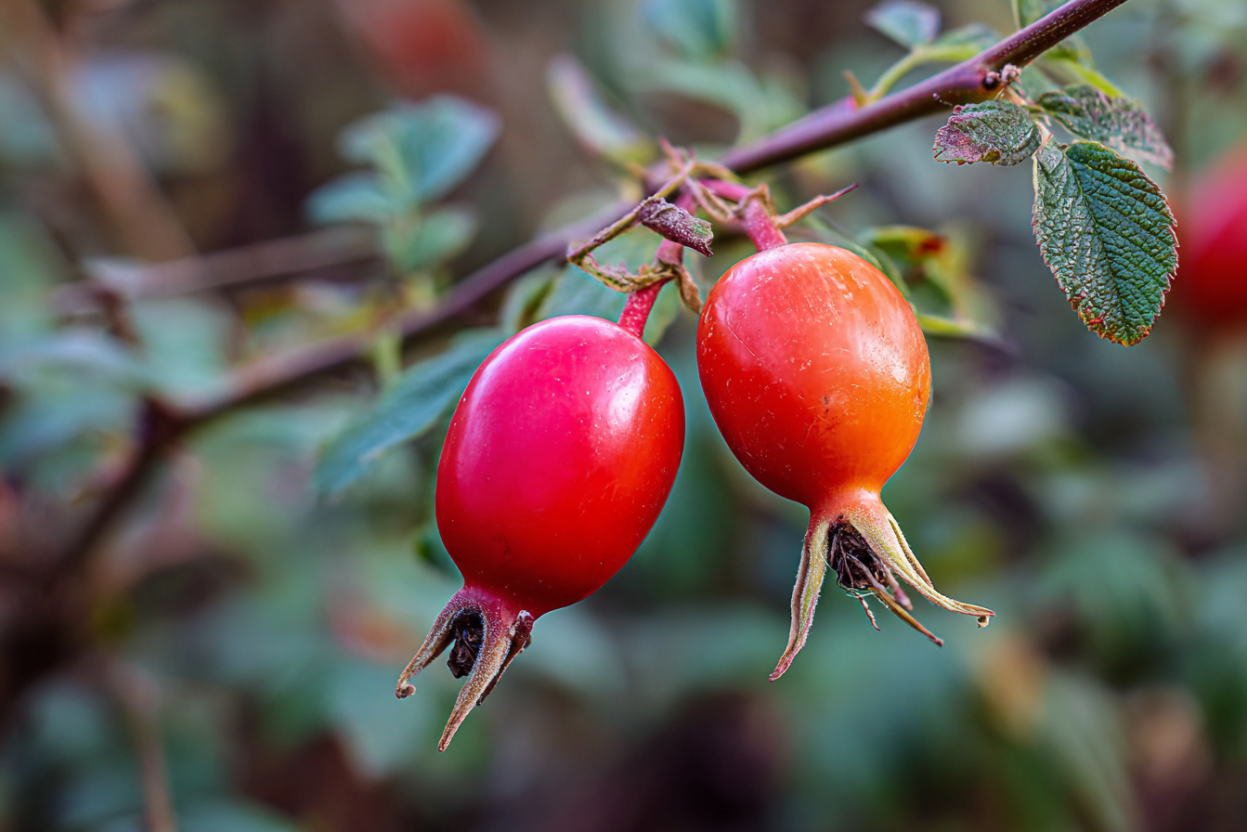
The flowers bloom from June to July, displaying five delicate petals ranging from pure white to deep pink. They are sweetly scented and measure 4 to 6 centimeters across. After pollination, the flowers develop into the characteristic bright red-orange fruits known as “hips” — oval to round in shape, measuring 15 to 20 millimeters long. These hips contain numerous small seeds surrounded by fine hairs, which must be removed before consumption as they can irritate the digestive tract.
Origin
Rosa canina is native to Europe, northwest Africa, and western Asia. It grows wild throughout the British Isles, continental Europe, and has naturalized extensively in North America, where it was brought by early settlers. Today, it thrives in hedgerows, woodland edges, meadows, and disturbed areas across temperate regions worldwide. The plant is remarkably adaptable, tolerating poor soils, coastal exposure, and a wide range of climatic conditions.
Brief History
The use of rosehips stretches back to prehistoric times — archaeological evidence shows they were consumed by ancient lake dwellers in Switzerland. The Greek physician Hippocrates (460–377 BCE) documented their medicinal value, and the Roman naturalist Pliny the Elder (23–79 CE) recorded their use for treating dog bites — which is how the species earned its Latin name “canina” (meaning “of dogs”). Throughout the medieval period, rosehips were cultivated in monastery gardens and valued in folk medicine across Europe for supporting digestion, treating colds, and nourishing the blood.
Perhaps the most famous chapter in rosehip history occurred during World War II. When German U-boats disrupted citrus imports to Britain, the government launched a national campaign encouraging citizens — especially schoolchildren, Boy Scouts, and Girl Guides — to collect wild rosehips from hedgerows. By 1943, over 500 tons of rosehips had been gathered and processed into syrup, providing a vital source of vitamin C for the nation’s children and preventing scurvy during the years of wartime rationing. This humble hedgerow fruit truly helped sustain a nation.
Growing & Cultivation
Climate & Zones
Rosa canina is remarkably cold-hardy, tolerating temperatures down to -35°C (-31°F) when dormant. It thrives in USDA hardiness zones 3 through 9, making it suitable for most temperate climates. The plant adapts well to both continental and maritime climates, tolerating coastal exposure and strong winds. While it can survive in colder northern regions, vitamin C content in the hips actually increases with altitude and cooler temperatures.
Soil Requirements
One of rosehip’s greatest strengths is its adaptability to diverse soil conditions. It succeeds in light sandy soils, medium loams, and even heavy clay. The ideal pH ranges from mildly acidic to mildly alkaline (circumneutral), though it tolerates slight variations in either direction. Good drainage is essential — while the plant tolerates wet soils, it dislikes waterlogged conditions. Adding organic matter improves soil structure and nutrient availability. For container growing, use a well-draining potting mix amended with compost.
Water & Sunlight
Rosa canina thrives in full sun to light shade. For optimal flowering and hip production, provide at least 6 hours of direct sunlight daily. Interestingly, plants grown in partial shade often achieve larger overall size, though they may produce fewer flowers. The plant appreciates its roots being shaded while the upper growth receives sun — a classic “head in the sun, feet in the shade” preference.
Once established, rosehip demonstrates good drought tolerance. Water regularly during the establishment period and during extended dry spells. Avoid overwatering, which can lead to root rot. Deep, infrequent watering encourages robust root development.
Propagation
From Seed: Rosehip seeds require cold stratification to germinate. Collect ripe hips in autumn, remove the seeds, and clean off the fleshy pulp. Place seeds in a damp paper towel inside a plastic bag and refrigerate for 4 to 6 weeks. Sow stratified seeds 6mm deep in spring. Germination can be slow and erratic, sometimes taking 1 to 2 years.
From Cuttings: Hardwood cuttings taken in late autumn offer a more reliable propagation method. Cut 20-30cm sections from mature stems, dip the base in rooting hormone, and plant in well-draining soil. Keep moist and protected over winter. Roots typically develop by spring.
By Division: Rosa canina spreads by suckers from the root system. These can be carefully dug and separated in late winter or early spring when the plant is dormant.
Planting
Plant bare-root specimens in late autumn to early spring while dormant. Container-grown plants can be established throughout the growing season with adequate watering. Space plants 1.5 to 2 meters apart for hedgerow planting, or allow 2 to 3 meters for specimen plants. Dig a hole twice the width of the root ball and backfill with soil amended with compost. Water thoroughly after planting and apply mulch around the base, keeping it away from the stem.
Harvesting
Rosehips are ready for harvest from late September through early winter, ideally after the first frost, which sweetens the fruit and softens the flesh. Look for hips that are fully colored (bright red to orange-red) and yield slightly to gentle pressure. Harvest by snipping with scissors or secateurs to avoid damaging the plant. One established bush can yield several pounds of hips annually.
Drying & Storage
To dry rosehips, first cut them in half and remove the seeds and irritating hairs. Spread in a single layer on drying screens in a well-ventilated area, or use a dehydrator at 35-40°C (95-105°F). The drying process typically takes 2 to 3 days. Properly dried hips should be hard and brittle. Store in airtight containers away from light and heat. Dried rosehips retain potency for 1 to 2 years when stored correctly.
Fresh hips can be frozen whole for later processing — this actually helps break down the cell walls, making them easier to work with. Store in freezer bags for up to one year.
Pest & Disease Management
Rosa canina is generally robust but can be affected by common rose problems including aphids, leafhoppers, red spider mites, rose leaf-rolling sawfly, and scale insects. For organic control, encourage beneficial insects like ladybugs and lacewings. Neem oil and insecticidal soap effectively manage most pests.
Watch for signs of honey fungus, to which rose species are notably susceptible. Ensure good air circulation by avoiding overcrowding and practicing appropriate pruning. Remove and destroy any infected material promptly.
Companion Planting
Rosa canina pairs well with other hedgerow plants including hawthorn, blackthorn, and elderberry. In the garden, underplant with lavender, catmint, or alliums to deter aphids. Avoid planting near black walnut trees, which produce juglone that can inhibit rose growth.
The Healing of Growing
Growing rosehips offers benefits that extend far beyond the harvest itself. The act of gardening — hands in soil, bare feet on earth, time spent outdoors — has been shown to reduce cortisol levels, improve mood, and support immune function. The soil contains beneficial bacteria, including Mycobacterium vaccae, with documented antidepressant effects. When you grow your own rosehips, you receive healing before you ever consume the fruit. The thorny branches provide habitat for nesting birds, the fragrant flowers feed pollinators, and the bright hips sustain wildlife through winter — connecting you to the rhythms of creation.
Nutritional Profile
Macronutrients
Per 100g of fresh rosehips:
Calories: 162 kcal | Protein: 1.6g | Carbohydrates: 38.2g | Fiber: 24.1g | Sugars: 2.6g | Fat: 0.3g
Rosehips are remarkably high in dietary fiber, providing nearly the entire daily recommended intake in a single 100g serving. This fiber supports healthy digestion, feeds beneficial gut bacteria, and promotes satiety.
Vitamins
Vitamin C: 400-500mg per 100g fresh (up to 1,250mg in some varieties) — approximately 500-1,400% DV. Rosehips contain 20 to 40 times more vitamin C than oranges, making them one of nature’s most concentrated sources. Vitamin C supports immune function, collagen synthesis, wound healing, and acts as a powerful antioxidant protecting cells from oxidative damage. Note: Vitamin C content decreases significantly with drying and heat processing.
Vitamin A (as carotenoids): Approximately 217mcg per 100g (24% DV). Supports vision health, immune function, skin integrity, and cellular communication. The orange-red color of rosehips comes from high levels of beta-carotene and lycopene.
Vitamin E: 5.8mg per 100g (39% DV). A fat-soluble antioxidant that protects cell membranes, supports skin health, and works synergistically with vitamin C.
Vitamin K: 25.9mcg per 100g (22% DV). Essential for proper blood clotting and bone metabolism.
B Vitamins: Including thiamin, riboflavin, niacin, and folate — supporting energy metabolism and nervous system function.
Minerals
Calcium: 169mg per 100g (17% DV). Supports bone structure, muscle function, and nerve transmission.
Iron: 1.1mg per 100g (6% DV). The vitamin C in rosehips significantly enhances iron absorption — making this an excellent combination for those concerned about iron intake.
Magnesium: 69mg per 100g (16% DV). Essential for over 300 enzymatic reactions, supports muscle and nerve function, blood sugar regulation, and bone health.
Potassium: 429mg per 100g (9% DV). Supports heart function, fluid balance, and nerve signals.
Manganese: 1.0mg per 100g (43% DV). A cofactor for antioxidant enzymes and bone development.
Phytonutrients & Active Compounds
Galactolipids (GOPO): A unique compound found in rosehip seeds and shells — (2S)-1,2-di-O-[(9Z,12Z,15Z)-octadeca-9,12,15-trienoyl]-3-O-β-D-galactopyranosyl glycerol. Research indicates this compound may support joint health through anti-inflammatory mechanisms.
Polyphenols: Including quercetin, catechin, and ellagic acid. These compounds exhibit potent antioxidant activity and may support cardiovascular health.
Carotenoids: Lycopene, beta-carotene, zeaxanthin, and lutein. These plant pigments provide antioxidant protection and support eye health.
Flavonoids: Including tiliroside (found primarily in seeds), which research suggests may support healthy metabolism.
Essential Fatty Acids: Rosehip seeds contain significant amounts of linoleic acid (omega-6) and alpha-linolenic acid (omega-3), essential for cell membrane integrity and inflammatory regulation.
Nutrient Notes
The vitamin C content in rosehips varies significantly based on species, growing altitude, harvest time, and processing methods. Fresh rosehips harvested after first frost and dried quickly at low temperatures retain the most vitamin C. The bioflavonoids naturally present in rosehips enhance vitamin C absorption and effectiveness. When consuming rosehips for vitamin C, combine with fat (such as butter on rosehip bread or oil in salad dressing) to enhance absorption of the fat-soluble vitamins A, E, and K.
Culinary Uses
Edible Parts
Fruit (hips): The primary edible portion. Must be processed to remove the irritating hairs surrounding the seeds.
Seeds: Edible once hairs are removed. Cold-pressed to extract rosehip seed oil, also used in some cultures for roasting.
Flower petals: Edible fresh or dried. Used in salads, teas, and for making rose water.
Leaves: Young leaves can be used for tea, though less common than the hips.
Flavor Profile
Fresh rosehips offer a sweet-tart flavor often compared to cranberries, apples, or hibiscus. They have subtle floral notes reminiscent of their rose heritage. Dried rosehips develop a deeper, more concentrated flavor with slight earthy undertones. The pulp is sweeter than the skin. When cooked, the tartness mellows and the sweetness becomes more pronounced. The aroma is delicate and fruity with rose-like undertones.
Preparation
Handling fresh hips: Always remove the seeds and surrounding hairs before consuming. Cut hips in half, scoop out seeds with a small spoon, then rinse thoroughly. The hairs can cause significant mouth and digestive irritation if consumed.
For tea: Dried hips can be used whole, halved, or powdered. Simmer rather than steep for better extraction — 10 to 15 minutes in hot water releases more nutrients than quick steeping.
For cooking: Simmer fresh hips in water until soft, then strain through fine muslin or cheesecloth multiple times to remove all hair fibers. The resulting puree forms the base for syrups, jams, and sauces.
Culinary Pairings
Rosehips pair beautifully with:
Fruits: Apple, cranberry, hibiscus, orange, elderberry, blackberry
Sweeteners: Honey, maple syrup, brown sugar
Spices: Cinnamon, ginger, cardamom, cloves, vanilla
Herbs: Hibiscus, chamomile, mint, lemon balm
Proteins: Game meats (venison, duck), pork, chicken
Storage
Fresh rosehips keep 1 to 2 weeks refrigerated. Frozen whole hips last up to one year. Dried hips stored in airtight containers away from light maintain quality for 1 to 2 years. Rosehip syrup, properly processed and sealed, keeps 6 months in the refrigerator. Rosehip jam follows standard preserving guidelines — 1 year unopened, 2 to 3 weeks once opened.
Ready to cook with rosehip? [View Recipes on Chefts →]
Wellness & Therapeutic Uses
Traditional Uses
Rosehips have been used medicinally across virtually every culture within their native range. Ancient Greek physicians, including Hippocrates, documented their use for general health support. The Roman naturalist Pliny the Elder recorded their application for treating dog bites. Throughout medieval Europe, rosehips were standard in monastery apothecaries, valued for supporting digestion and respiratory health during cold months.
In Traditional Chinese Medicine (TCM), rosehips have been used for centuries to support kidney function and urinary health. European folk herbalists traditionally employed them as a laxative, diuretic, and remedy for gout and rheumatism. Native American peoples incorporated wild roses into their medicine, using rosehip tea to soothe sore throats and support digestion. Ayurvedic practitioners have valued rose-family fruits for their cooling, astringent properties.
Modern Research
Joint Health Support: Multiple clinical trials have investigated rosehip powder for joint comfort. A meta-analysis of three randomized controlled trials involving 287 patients found that standardized rosehip powder was associated with reduced pain scores in osteoarthritis patients compared to placebo, with patients twice as likely to respond positively to rosehip treatment. The galactolipid compound GOPO has been identified as a key active component with potential anti-inflammatory properties in laboratory studies. [Source: PubMed]
Antioxidant Activity: Research demonstrates that rosehip extracts exhibit significant antioxidant capacity, attributed to their high content of vitamin C, polyphenols, and carotenoids. Studies from Romania found antioxidant activity comparable to synthetic antioxidants BHA. [Source: PMC]
Skin Health: A double-blind study found that participants taking rosehip powder experienced improvements in skin elasticity and moisture after 8 weeks compared to placebo. Research suggests rosehip may support collagen synthesis and reduce MMP-1 expression (an enzyme that breaks down collagen). [Source: PMC]
Anti-inflammatory Properties: Laboratory studies indicate that rosehip extracts may reduce the production of inflammatory markers including IL-1, IL-6, and TNF-alpha in cell cultures. The triterpene acids (ursolic acid, oleanolic acid, betulinic acid) isolated from rosehip have demonstrated anti-inflammatory activity in vitro. [Source: PubMed]
Body Systems Supported
Immune System: The exceptional vitamin C content supports immune cell function, antibody production, and the body’s first-line defenses.
Musculoskeletal System: Research suggests potential benefits for joint comfort and mobility, possibly through anti-inflammatory mechanisms.
Integumentary System (Skin): Traditional and modern use supports skin health both internally (through antioxidant protection) and externally (through topical oil application).
Digestive System: The high fiber content and mild astringent properties traditionally support digestive wellness.
Cardiovascular System: Preliminary research suggests potential benefits for cholesterol markers and blood pressure, though more studies are needed.
Body Compounds Affected
Cortisol: The antioxidants in rosehip may help protect cells from oxidative stress associated with elevated cortisol levels.
Inflammatory Cytokines: Research indicates rosehip compounds may modulate the production of pro-inflammatory cytokines including IL-1β, IL-6, and TNF-α.
C-Reactive Protein (CRP): Some clinical studies have observed reductions in CRP levels with rosehip supplementation.
Prostaglandins: Laboratory studies suggest the galactolipid GOPO may influence prostaglandin synthesis pathways.
Methods of Use
Tea/Infusion
Parts used: Dried whole hips, halved hips, or powder
Amount: 1-2 teaspoons per cup
Temperature: Hot (not boiling) water — around 85°C/185°F to preserve vitamin C
Steep time: 10-15 minutes; for decoction, simmer gently for 15-20 minutes
Frequency: 1-3 cups daily
Powder/Capsule
Typical dosage: 2.5 to 5 grams of rosehip powder daily, usually divided into two doses with food
Timeline: Research suggests at least 3 weeks of consistent use before effects may be noticed, with full benefits developing over 3 months
Syrup
Traditional dose: Adults: 1-2 tablespoons, 2-3 times daily. Children over 1 year: 1 teaspoon daily. Children over 3: 2-3 teaspoons daily.
Tincture
Preparation: Macerate dried rosehips in 45-50% alcohol for 4-6 weeks
Dosage: 2-4ml, three times daily
Cosmetic & Beauty Uses
Skin Benefits
Rosehip seed oil has become one of the most celebrated natural skincare ingredients, valued across all skin types but particularly beneficial for:
Mature/Aging Skin: The vitamin A (trans-retinoic acid) naturally present in rosehip oil supports cell turnover and may help reduce the appearance of fine lines. Research indicates rosehip may reduce MMP-1 expression, an enzyme that breaks down collagen.
Scarred Skin: Clinical studies on post-surgical scars found that twice-daily application of rosehip seed oil improved scar appearance (less erythema, discoloration, and atrophy) compared to no treatment after 6-12 weeks. [Source: Wiley]
Dry Skin: The essential fatty acids (linoleic and alpha-linolenic acids) in rosehip oil support the skin barrier and help maintain moisture.
Uneven Skin Tone: Traditional use and emerging research suggest rosehip may help with hyperpigmentation and promote a more even complexion.
Acne-Prone Skin: Despite being an oil, rosehip is non-comedogenic and high in linoleic acid, which acne-prone skin often lacks. It may help regulate sebum production.
Hair Benefits
Rosehip oil benefits hair in several ways:
Scalp Health: The vitamin E and essential fatty acids nourish the scalp and may help address dryness or flakiness.
Hair Strength: The vitamin C content supports collagen production in hair follicles.
Shine and Manageability: Applied to hair ends, rosehip oil smooths the cuticle and adds natural shine without excessive greasiness.
Application Methods
Pure Oil Application: Apply 2-3 drops of cold-pressed rosehip seed oil to clean, slightly damp skin morning and/or evening. Massage gently until absorbed. Can be used alone or before heavier moisturizers.
Facial Serum: Blend rosehip oil with complementary carrier oils (jojoba, argan) and/or add to existing serums. Typical concentration: 10-30%.
Face Masks: Combine rosehip powder with honey, yogurt, or clay for a nourishing mask. Leave 10-15 minutes before rinsing.
Hair Treatment: Apply rosehip oil to hair ends and scalp before shampooing as a pre-wash treatment, or use sparingly on dry hair to tame frizz.
DIY Formulation Notes
Typical usage rate: 5-20% in facial formulations; up to 100% as a standalone oil
Complementary carrier oils: Jojoba (balancing), argan (nourishing), squalane (light absorption), evening primrose (GLA content)
Storage: Cold-pressed rosehip oil is susceptible to oxidation. Store in dark glass bottles, refrigerated after opening. Shelf life: 6-12 months unopened; 3-6 months after opening.
Note: Rosehip oil has a naturally orange-red tint that can temporarily add warmth to skin tone. This fades within minutes of absorption.
Rosehip is among the botanicals being explored for holistic cosmetic applications, where the wisdom of traditional beauty practices meets modern understanding of skin science.
Essential Oil Profile
Note: Rosehip does not produce a traditional essential oil through steam distillation. What is commonly referred to as “rosehip oil” is actually a carrier oil — a fixed oil extracted from the seeds through cold-pressing or CO2 extraction. This distinction is important: rosehip seed oil contains fatty acids and fat-soluble vitamins, not the volatile aromatic compounds found in true essential oils.
Extraction
Method: Cold-pressing (preferred) or CO2 extraction of rosehip seeds
Plant part used: Seeds (achenes) from inside the rosehip fruit
Yield: Approximately 8-17% oil content by weight of seeds
Key Constituents
Linoleic Acid (Omega-6): 35-50% — Essential fatty acid supporting skin barrier function
Alpha-Linolenic Acid (Omega-3): 25-35% — Anti-inflammatory essential fatty acid
Oleic Acid (Omega-9): 14-22% — Moisturizing and skin-penetrating fatty acid
Trans-Retinoic Acid (Vitamin A): Natural retinoid supporting skin cell turnover
Tocopherols (Vitamin E): Antioxidant protection
Carotenoids: Beta-carotene, lycopene — provide the characteristic orange-red color and antioxidant benefits
Characteristics
Color: Deep orange to reddish-gold
Scent: Mild, slightly nutty, with subtle herbaceous notes
Texture: Light to medium; absorbs relatively quickly
Comedogenic rating: 1 (low — generally non-pore-clogging)
Usage Guidelines
Topical application: Can be used undiluted on skin. Apply 2-4 drops to face; more for body applications.
Dilution for sensitive skin: Blend with jojoba or other neutral carrier oils at 25-50% concentration.
Not for internal use: Rosehip carrier oil is for external use only.
Quality Indicators
Look for: Cold-pressed, unrefined oil in dark glass bottles. High-quality oil has a rich orange-red color and mild natural scent. Avoid oils that have been refined, bleached, or deodorized, as these processes remove beneficial compounds. Check for harvest date and best-by date — freshness matters. Organic certification ensures the absence of pesticide residues.
Aromatherapy & Scent
The Aroma
Fresh plant aroma: The living rosehip bush offers a subtle, pleasant fragrance. The flowers (June-July) emit a sweet, classic rose scent that is most pronounced in morning hours and after rain. The leaves, when bruised, release a delicate, green-herbal fragrance. The ripe hips have a mild, fruity-sweet aroma.
Dried plant aroma: Dried rosehips have a warm, fruity, slightly tangy scent reminiscent of dried apples or cranberries. The intensity is gentler than fresh but persists for many months when properly stored. Crushing dried hips releases more of their fragrance.
How Scent Affects Your Body
When you inhale the fragrance of rosehips or rose flowers, volatile aromatic molecules enter through the nose and are detected by olfactory receptors. These receptors send signals directly to the limbic system — the emotional center of the brain — and the hypothalamus, which controls hormone release. This direct pathway allows scent to affect mood and physiology within seconds, before conscious thought even registers the smell. The floral notes from rose species are traditionally associated with heart-opening and calming effects.
Emotional & Mood Effects
The scent of rosehip and rose is traditionally associated with:
• Gentle calming and emotional comfort
• Heart-centered openness
• Nurturing and self-care feelings
• Mild mood upliftment without stimulation
• Connection to nature and gardens
Body Compounds Affected
While rosehip itself does not produce an essential oil with concentrated aromatic compounds, exposure to rose family fragrances has been associated in research with:
• Potential cortisol modulation (calming effects)
• Possible influence on serotonin pathways (mood support)
• Activation of parasympathetic nervous system (relaxation response)
Ways to Experience the Scent
• Growing the plant: Enjoy the seasonal fragrance of flowers in summer and the visual beauty of hips in autumn
• Fresh rosehip tea: Simmering fresh hips releases their mild, fruity aroma into the kitchen
• Dried sachets: Place dried rosehips in cloth sachets for drawers or closets — pair with rose petals and lavender
• Simmering potpourri: Add dried rosehips to simmering water with cinnamon sticks and citrus peel for a warming home fragrance
• Bath additions: Add dried rosehips to bath water for a gentle aromatic soak
Color Therapy
The Colors of Rosehip
Hips (fruit): Bright red to orange-red, sometimes deep scarlet or purplish-red depending on variety
Flowers: White to pale pink, occasionally deep pink
Leaves: Dark green, turning yellow and red in autumn
Seeds: Pale cream to tan
Color Wavelengths
The dominant red-orange color of rosehips falls within the 590-700nm wavelength range of the visible spectrum. Red wavelengths (620-700nm) are at the longer end of the visible spectrum, while orange (590-620nm) bridges red and yellow.
How Red-Orange Affects the Body
According to color therapy principles:
Red (620-700nm): Energizing, stimulating, warming. Associated with vitality, circulation, and grounding. May increase heart rate and blood pressure temporarily. Connected to the root chakra in traditional systems.
Orange (590-620nm): Uplifting, creative, joyful. Associated with emotional balance, digestive function, and enthusiasm. Combines the energy of red with the cheerfulness of yellow. Connected to the sacral chakra.
The vibrant red-orange of ripe rosehips is thought to stimulate appetite, promote feelings of warmth and comfort, and support circulation. Their color signals ripeness and nourishment — a visual invitation to consume their vitamin-rich flesh.
Body Compounds Affected
Exposure to warm colors (red, orange) has been associated with:
• Mild stimulation of metabolic rate
• Increased alertness
• Appetite stimulation
• Warmth perception (even without temperature change)
Using Rosehip for Color Therapy
• Display rosehip branches in autumn arrangements to bring warming energy into living spaces
• Grow rosa canina where its red hips will be visible through winter — providing color during the darkest months
• Include rosehips in seasonal decorations for their visual warmth
• “Eating the rainbow” — consuming the red-orange pigments (carotenoids, lycopene) directly nourishes the body
Frequency & Vibration
The Frequency of Rosehip
While specific MHz measurements for rosehip have not been widely documented in published research, plants and their compounds are understood to vibrate at molecular levels. According to bio-frequency research pioneered by Bruce Tainio, healthy humans vibrate between 62-78 MHz, with illness associated with lower frequencies. Fresh produce and herbs are generally considered higher-frequency foods compared to processed items.
Rosehips, as fresh, raw plant material with high antioxidant content, are traditionally considered to be in the higher-frequency range among fruits. Their exceptional vitamin C content and vibrant color suggest strong vital energy.
Human Frequency Interaction
According to proponents of vibrational medicine, the principle of entrainment suggests that stronger frequencies can influence weaker ones. Consuming high-frequency whole foods like rosehips may support the body’s overall frequency. Being around living rose plants — breathing their oxygen and subtle phytoncides — may provide similar benefits.
Vibrational Applications
Those interested in frequency-based wellness practices might:
• Consume fresh or minimally processed rosehips to maintain dietary frequency
• Grow rosa canina in living spaces to benefit from the plant’s presence
• Combine rosehip consumption with other high-frequency practices (time in nature, meditation, deep breathing)
Note: Frequency measurement of plants and their effects on human frequency is an emerging area of research. The information above reflects traditional and alternative perspectives; more scientific validation is needed.
The Living Plant
Benefits of Presence
Simply being near a living rosa canina provides benefits beyond any consumption. Research on biophilic design and nature exposure demonstrates that plants in our environment reduce stress, improve mood, and support cognitive function. The presence of this deciduous shrub offers year-round visual interest: pink-white blooms in early summer, lush green foliage through the growing season, brilliant red hips in autumn, and attractive silhouettes in winter.
Air Purification
While rosa canina has not been specifically studied in NASA’s Clean Air research, plants generally improve indoor air quality through photosynthesis (producing oxygen) and transpiration (releasing water vapor that can capture airborne particles). The rough, serrated leaves of rosa canina provide surface area for particle capture.
As an outdoor plant, rosa canina contributes to local air quality and provides significant wildlife habitat value — supporting biodiversity that maintains healthy ecosystems.
Phytoncides
Rose family plants release volatile organic compounds (phytoncides) as part of their defense mechanisms. Forest bathing research demonstrates that exposure to plant phytoncides can increase Natural Killer (NK) cell activity in humans — supporting immune function. While specific studies on rosa canina phytoncides are limited, time spent in hedgerows and wild rose environments may provide similar benefits to documented forest bathing effects.
Visual & Psychological Benefits
Research consistently shows that viewing plants reduces stress markers, improves attention and focus (Attention Restoration Theory), and accelerates healing. Healthcare studies demonstrate that patients with views of nature — including flowering plants — recover faster than those without such views. The bright red hips of rosa canina provide particular visual interest during autumn and winter when much of the landscape has turned brown or gray.
Growing Indoors vs Outdoors
Rosa canina is primarily an outdoor plant due to its size (up to 5 meters) and need for winter dormancy. It is not typically grown as a houseplant. However, cut branches with hips make excellent seasonal indoor arrangements, and potted specimens can be kept in large containers on patios or balconies where winter cold is sufficient for dormancy. For indoor rose presence, consider smaller species like miniature roses while enjoying rosa canina’s bounty through cut hips and dried materials.
Touch & Physical Interaction
Gardening Therapy
Working with rosa canina engages multiple senses and provides the documented benefits of horticultural therapy. The plant’s vigorous growth, seasonal changes, and productive harvests offer ongoing engagement throughout the year: spring pruning, summer flower appreciation, autumn harvesting, and winter planning. The thorny nature of the plant requires mindful attention, promoting presence and focus.
Soil Contact Benefits
Gardening around rosa canina provides opportunities for direct soil contact, which research links to significant health benefits:
Grounding/Earthing: Direct contact with earth allows electron transfer that may help neutralize free radicals and reduce inflammation
Mycobacterium vaccae: This beneficial soil bacterium has demonstrated antidepressant-like effects in research, stimulating serotonin production
Microbiome support: Exposure to diverse soil microbes supports the human microbiome and immune development
The Tactile Experience
Leaves: Smooth on top with a slight waxy feel; slightly rough underneath with visible veining. Cool to the touch in morning, warmer as they absorb afternoon sun. Crushing releases a mild, pleasant fragrance.
Hips: Firm and smooth when ripe, with a slight give under pressure. The skin is thin but tough, protecting the soft pulp beneath.
Thorns: Sharp and curved — a reminder to move mindfully. Traditional teachings suggest that the rose’s thorns protect its sweetness, just as boundaries protect what is precious.
Flowers: Delicate, silky petals that feel impossibly soft against skin.
Harvesting & Processing
The repetitive, meditative quality of rosehip harvest provides therapeutic benefits. Snipping hips, halving them, removing seeds — these tasks engage hands and mind in a gentle rhythm that reduces stress and promotes mindfulness. The autumn harvest connects us to seasonal cycles and the ancient human experience of gathering nature’s bounty. Processing rosehips into syrup, jam, or dried form provides a sense of accomplishment and self-reliance.
Water-Based Applications
Teas & Infusions
Standard infusion method: Place 1-2 teaspoons dried rosehips per cup in a teapot. Pour hot (not boiling) water over the hips — approximately 85°C/185°F to preserve vitamin C. Cover and steep 10-15 minutes. Strain before drinking.
Decoction (stronger extraction): For maximum extraction, simmer 2 tablespoons dried hips in 2 cups water for 15-20 minutes, covered. Strain through fine mesh or cheesecloth.
Cold infusion: Place dried rosehips in room temperature water and let steep overnight (8-12 hours). This gentler method preserves more vitamin C.
Frequency: 1-3 cups daily for general wellness support
Herbal Baths
Full body bath: Add 1/2 to 1 cup dried rosehips (or 2 cups fresh) to a muslin bag. Hang under the running tap or steep in the bath water. The vitamin C, acids, and tannins provide a mild, skin-softening soak.
Foot bath: Use 1/4 cup dried hips in a basin of warm water. Soak feet for 15-20 minutes for tired, dry feet.
Temperature: Warm (not hot) water preserves more beneficial compounds
Compresses
Warm compress: Soak a cloth in strong rosehip tea. Apply to skin for 10-15 minutes. Traditional use includes application to tired eyes and minor skin irritations.
Cold compress: Chill rosehip tea and apply soaked cloth to puffy eyes or sun-exposed skin.
Hair Rinses
Method: Prepare a strong rosehip decoction. Cool completely. After shampooing, pour through hair as a final rinse. Can be left in or rinsed out with cool water.
Benefits: The vitamin C and acids in rosehip add shine, may help seal the hair cuticle, and provide gentle scalp support.
Hydrosols
While rosehip does not produce a traditional hydrosol (the water portion from steam distillation), rose petal hydrosol (rose water) is widely available and pairs beautifully with rosehip preparations. Rose water makes an excellent toner when combined with rosehip tea, providing both the aromatic benefits of rose petals and the nutritive benefits of rosehip.
Historical, Cultural & Biblical Significance
Biblical References
The rose is mentioned in Scripture, though the specific identification of biblical “roses” with modern Rosa species is debated among scholars. The “Rose of Sharon” in Song of Solomon 2:1 (“I am the rose of Sharon, and the lily of the valleys”) may refer to a different flower entirely — possibly a tulip, crocus, or narcissus. Similarly, Isaiah 35:1 speaks of the wilderness blossoming “as the rose,” using the Hebrew word “chabatstseleth.” While Rosa canina (dog rose) was certainly present in biblical lands, definitive scriptural reference to rosehips specifically is not established.
What is certain is that God provided wild roses throughout the temperate regions of the ancient world — their fruits sustaining both wildlife and human populations through harsh winters long before citrus or other imported fruits were available.
Ancient Civilizations
Egyptian: Roses were cultivated in ancient Egypt, with rose oil used in perfumery and medicine. While direct evidence of rosehip consumption is limited, the nutritive value of rose fruits was likely recognized.
Greek: Hippocrates (460-377 BCE) documented the medicinal value of roses. The Greek term “kunórodon” (dog rose) reflects the plant’s long association with treating animal bites. Greek physicians used rose preparations for various ailments including respiratory conditions.
Roman: Pliny the Elder (23-79 CE) recorded the dog rose’s use for treating rabid dog bites — the origin of its Latin name “canina.” Romans used roses extensively in their gardens, medicines, and culinary preparations. Rose petals flavored wines and were scattered at feasts.
Eastern Traditions
Traditional Chinese Medicine: Rosehips (called “Jin Ying Zi”) have been used in TCM for centuries, traditionally employed to support kidney function, promote urination, and strengthen the lower body. TCM classifies rosehips as sour and astringent in flavor, with neutral thermal nature.
Ayurveda: In Ayurvedic tradition, rose-family fruits are valued for their cooling, astringent properties. They are used to pacify Pitta dosha and support digestive and skin health.
Indigenous Knowledge
Native American: Indigenous peoples throughout North America incorporated wild roses into their medicine and food systems. Rosehip tea was used to soothe sore throats and support digestion. The fruits were eaten fresh, dried for winter use, or made into preserved preparations. Various tribes used different parts of the rose plant for everything from eye washes to wound care.
European Heritage
Medieval Monasteries: Roses were standard in medieval monastery gardens, valued for both spiritual symbolism and practical medicine. The hips were preserved for winter when fresh produce was scarce. Monastery apothecaries kept rosehip preparations for treating colds, digestive complaints, and scurvy.
Renaissance Herbals: European herbalists including Culpeper documented rosehip’s uses. The 17th-century herbalist Nicholas Culpeper recommended rosehips for digestive support and inflammation.
World War II: Perhaps the most dramatic chapter in rosehip history occurred during WWII. When German U-boats blocked citrus imports to Britain, the Ministry of Health launched a national campaign to collect wild rosehips. Schoolchildren, Boy Scouts, Girl Guides, and the Women’s Institute gathered over 500 tons of rosehips by 1943 — equivalent to 134 million individual hips. This harvest was processed into syrup and distributed to children as a vitamin C supplement, preventing scurvy and maintaining national health during years of rationing.
Cultural Symbolism
The rose has long symbolized love, beauty, and the Divine. In Christian tradition, the rose became associated with the Virgin Mary and the mysteries of faith. The rose’s thorns remind us that beauty often comes with protection, that sweetness requires patience to obtain, and that life’s greatest gifts are worth pursuing carefully. The rosehip — the fruit that remains after the flower’s glory has faded — symbolizes the enduring nourishment that outlasts fleeting beauty.
Safety & Precautions
Contraindications
Rosehip is generally considered very safe. However, those with known allergies to Rosa species should avoid consumption. Individuals with a history of kidney stones may want to limit intake due to the oxalate content (though this risk is theoretical at normal consumption levels). The high vitamin C content means that very high doses could potentially affect iron absorption in those with hemochromatosis.
Drug Interactions
Blood thinning medications: While earlier concerns existed about rosehip affecting blood clotting, research on standardized rosehip preparations (containing GOPO) found no association with platelet aggregation or fibrinolysis. However, those on anticoagulants should consult their healthcare provider before supplementation.
Iron supplements: The vitamin C in rosehip enhances iron absorption — beneficial for most people, but those with iron overload conditions should be aware.
Diabetes medications: Some research suggests rosehip may influence blood sugar; those on diabetes medications should monitor levels if adding significant rosehip to their diet.
Lithium: Rosehip may have mild diuretic effects, which could theoretically affect lithium levels.
Pregnancy & Nursing
Rosehip consumption in food amounts is generally considered safe during pregnancy and breastfeeding. However, medicinal doses (concentrated supplements) have not been adequately studied for safety during pregnancy. The vitamin C content is beneficial, but pregnant women should consult their healthcare provider before taking rosehip supplements beyond normal dietary amounts. Rosehip tea in moderate amounts (1-2 cups daily) is traditionally considered safe.
Children
Rosehip is considered safe for children over one year of age. Traditional rosehip syrup has been given to children for generations. Dosing should be reduced appropriately: children 1-3 years: 1 teaspoon of syrup daily; children over 3: 2-3 teaspoons daily. Introduce slowly to watch for any allergic reactions. Ensure proper processing has removed all irritating hairs before consumption.
Elderly
Rosehip is generally well-tolerated by elderly individuals and may be particularly beneficial for joint comfort. No specific dosage adjustments are typically needed. Those on multiple medications should discuss supplementation with their healthcare provider.
Pets
Dogs: Safe. Rosehips are non-toxic to dogs and are actually used in canine joint supplements. Standardized rosehip preparations have been studied in dogs and found to be safe and well-tolerated. [ASPCA confirms roses are non-toxic to dogs]
Cats: Safe. Roses (Rosa species) are listed as non-toxic to cats by the ASPCA. Rosehip oil applied topically is also considered safe. However, cats shouldn’t consume large amounts of any plant material.
Horses: Safe. Rosa species are non-toxic to horses. Rosehip is actually used as a supplement for equine joint health.
Allergies & Sensitivities
Allergic reactions to rosehips are rare but possible, particularly in individuals allergic to other rose family plants (Rosaceae). Cross-reactivity with other fruits in the Rosaceae family (apples, pears, cherries, almonds) may occur. Perform a skin patch test before using rosehip oil topically if you have known sensitivities. The fine hairs inside rosehips are a known irritant and must always be removed before consumption.
Proper Dosing Guidelines
Tea: 1-3 cups daily of standard infusion
Powder: 2.5-5g daily, divided into two doses with food
Syrup: 1-2 tablespoons, 2-3 times daily for adults
Duration: For joint support, studies used continuous supplementation for 3+ months. For general wellness, rosehip can be consumed long-term.
Signs of Adverse Reaction
Mild reactions (may resolve on their own): Mild digestive upset, loose stools, flatulence, minor stomach discomfort
Reactions requiring discontinuation: Persistent diarrhea, significant stomach pain, allergic symptoms (itching, hives, swelling)
Seek immediate medical attention for: Difficulty breathing, facial swelling, signs of severe allergic reaction
Disclaimer
This information is for educational purposes only and is not intended to diagnose, treat, cure, or prevent any disease. Always consult with a qualified healthcare provider before using any herbal product, especially if you are pregnant, nursing, taking medications, or have a medical condition. If you experience any adverse reaction, discontinue use immediately and seek medical attention.
Want Personalized Guidance?
Every body is unique. What works for one person may not be right for another. If you’d like personalized support in incorporating rosehip into your wellness journey, consider working with a qualified practitioner who can assess your individual needs.
Sources & References
Peer-Reviewed Studies
- Bioactive compounds and antioxidant activity of Rosa canina L. biotypes from spontaneous flora of Transylvania – Chemistry Central Journal, 2013, Romania
- Ascorbic Acid Content of Rose Hip Fruit Depending on Altitude – Iranian Journal of Public Health, 2015, Romania
- Rosehip – an evidence based herbal medicine for inflammation and arthritis – Australian Family Physician, 2012, Australia
- Rose hip and its constituent galactolipids confer cartilage protection by modulating cytokine, and chemokine expression – BMC Complementary and Alternative Medicine, 2011, Denmark/Germany
- Anti-Inflammatory and Analgesic Effects of Rosehip in Inflammatory Musculoskeletal Disorders and Its Active Molecules – Current Rheumatology Reviews, 2021
- The effectiveness of a standardized rose hip powder, containing seeds and shells of Rosa canina, on cell longevity, skin wrinkles, moisture, and elasticity – Clinical Interventions in Aging, 2015, Denmark
- Unveiling the mechanisms for the development of rosehip-based dermatological products: an updated review – Frontiers in Pharmacology, 2024
- Recent advances and insights into the bioactive properties and applications of Rosa canina L. and its by-products – Heliyon, 2024
- Quantification of fatty acids in seed oil and important bioactive compounds in Iranian Rosa canina L. ecotypes – Scientific Reports, 2023, Iran
- Rosehip Oil Promotes Excisional Wound Healing by Accelerating the Phenotypic Transition of Macrophages – Planta Medica, 2019, China
- Bioactive Compounds and Antioxidant Activity in the Fruit of Rosehip (Rosa canina L. and Rosa rubiginosa L.) – Foods, 2023, Chile
- Rosehip extract and wound healing: A review – Journal of Cosmetic Dermatology, 2024
Traditional Medicine Sources
- Rosehips: Benefits, Uses, Research, Safety – Herbal Reality
- Rosa canina – Dog Rose – Plants For A Future Database
- Rose Hips – Benefits, Folklore, Botany and More – Traditional Medicinals
Institutional Sources
- Rose Hip: Overview, Uses, Side Effects, Precautions – WebMD
- Toxic and Non-toxic Plants: Rose – ASPCA
- Rose Hip Oil: Uses and Benefits – Cleveland Clinic
Historical References
- Rosa canina – Wikipedia
- The Rose Hip Collection Campaign (WW II) – The Old Foodie
- Medicinal Plant Use in World War II – Herbal Academy