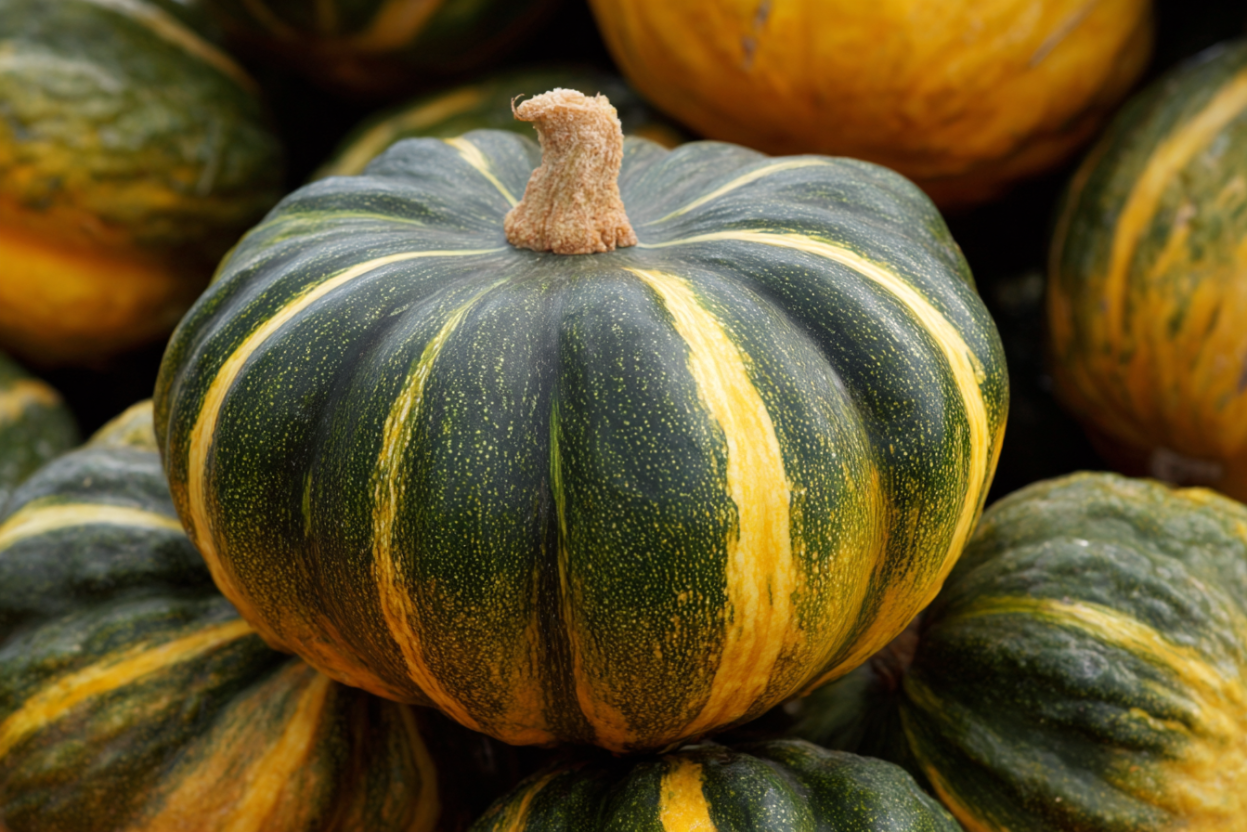
Acorn Squash
If you have been struggling with blood sugar management, digestive issues, or low energy, you are not alone — and nature may have already provided the support you have been looking for. Acorn squash, one of the oldest cultivated foods in the Americas, is a nutritional powerhouse packed with fiber, carotenoid antioxidants, potassium, and B-vitamins that may support your body in ways you have not yet discovered.
This remarkable winter squash is one of many gifts the Creator embedded into nature for our benefit. Long before laboratories existed, long before anyone could measure a milligram of beta-carotene or a microgram of folate, this plant was already here — provided by a Creator who knew exactly what the human body would need.
This information is for educational purposes only and is not intended to diagnose, treat, cure, or prevent any disease. Always consult with a qualified healthcare provider before making changes to your health regimen.
The Plant
Common Names: Acorn Squash, Pepper Squash, Des Moines Squash, Table Queen Squash
Botanical Name: Cucurbita pepo var. turbinata
Family: Cucurbitaceae (Gourd Family) — a diverse plant family that includes pumpkins, zucchini, butternut squash, cucumbers, and melons
Description
Acorn squash is a warm-season annual vine that produces distinctive acorn-shaped fruits. The plant grows vigorously, with large, fan-like leaves that can span 12 inches or more, supported by thin but sturdy stems. Vining varieties can spread 10 to 15 feet, while bush varieties remain more compact at 3 to 5 feet. The bright yellow-orange flowers are large and trumpet-shaped, resembling their close relative the zucchini blossom. Male and female flowers appear separately on the same plant, relying on pollinators — primarily bees — for fruit set.
The fruit itself is the star. A mature acorn squash measures roughly 4 to 7 inches in length and weighs between 1 and 3 pounds. Its most recognizable feature is the deeply ribbed exterior, typically dark green with a small patch of orange where it rested on the ground. The rind is hard and thick, which gives winter squash its legendary storage capability. Inside, the flesh is a vibrant golden-orange, sweet, and nutty when cooked. A central cavity holds a mass of seeds surrounded by fibrous strings.
Beyond the classic dark green, acorn squash cultivars also come in golden yellow (Table Gold), white (Cream of the Crop), and orange varieties, each with subtle differences in flavor and sweetness.
Origin
Acorn squash is indigenous to North and Central America. Cucurbita pepo is one of the oldest domesticated plant species on earth, with archaeological evidence of its cultivation in the Oaxaca Valley of Mexico dating back approximately 8,000 to 10,000 years. This means humans were growing squash before they were growing wheat, rice, or corn. The wild ancestor of modern C. pepo produced small, bitter fruits with large seeds — it was likely cultivated initially for those nutritious seeds rather than the flesh.
Over thousands of years, indigenous peoples across the Americas selected for larger, sweeter, less bitter fruits, eventually producing the diverse array of C. pepo varieties we know today — from zucchini and pattypan to pumpkins and acorn squash. The plant spread throughout North America as part of the celebrated “Three Sisters” agricultural system, alongside corn and beans. European explorers encountered squash in the 16th century and brought it back across the Atlantic, where it found eager farmers in France, Spain, and beyond.
Brief History
Squash is believed to be the oldest cultivated food in North America. The word “squash” itself derives from the Narragansett word askutasquash, meaning “eaten raw” or “eaten uncooked.” Native American tribes including the Pueblo, Hopi, Navajo, Zuni, and many others relied on squash as a dietary staple for centuries. They ate it at all stages of ripeness, from tiny green ovals to fully matured fruits, and also consumed the blossoms, seeds, and even young shoots.
The “Table Queen” variety of acorn squash was developed in the early 1900s and became widely popular by the 1930s and 1940s. Some sources reference a “Des Moines” cultivar, though the precise origins are debated. Today, acorn squash is widely grown across North America, Europe, and Australia, and remains a beloved fall and winter staple.
Growing & Cultivation
Climate & Zones
Acorn squash thrives in USDA Hardiness Zones 3 through 10, with optimal growing conditions in Zones 5 through 9. As a warm-season annual, it cannot tolerate frost. Plants should not be set out until all danger of frost has passed and soil temperatures reach at least 60°F (15°C). The ideal growing temperature range is 70°F to 90°F (21°C to 32°C). At temperatures above 90°F, flowers may drop without setting fruit. The plant requires a growing season of 70 to 100 days from planting to harvest, depending on the cultivar.
Soil Requirements
Acorn squash grows best in fertile, well-draining soil rich in organic matter. The ideal pH range is 5.5 to 6.8, though it will tolerate up to 7.0. Sandy loam or loamy soils are preferred. Amending with generous amounts of compost or aged manure before planting significantly improves both fertility and drainage. For container growing, a five-gallon bucket minimum is recommended, though the plants prefer wide, unrestricted root space. Alternating 6-inch layers of soil and compost to a depth of 18 inches creates an excellent growing medium.
Water & Sunlight
Full sun is essential — at least 6 to 8 hours of direct sunlight daily. Partial shade is tolerated in a Three Sisters planting arrangement, but fruit production will be reduced. For watering, provide approximately 1 inch per week, adjusting for rainfall. Always water at the base of the plant, never on the leaves, as wet foliage invites powdery mildew and other fungal diseases. Signs of overwatering include yellowing leaves and root rot. Signs of underwatering include wilting and drooping. Consistent, even moisture is key to uniform fruit development.
Propagation
Seed: Acorn squash is always propagated from seed. Direct sow 1 inch deep after the last frost when soil temperatures are consistently 60°F or above. Plant 5 to 6 seeds per mound (hill), thinning to the 2 to 3 strongest seedlings once established. Seeds germinate in approximately 7 to 10 days. For an earlier start, sow seeds indoors in biodegradable peat pots 2 to 3 weeks before the last frost date. Squash seedlings have fragile roots and do not transplant well, so using pots that can be placed directly in the ground is strongly recommended.
Planting
Plant in mounds of soil roughly 12 inches high to improve drainage and soil warmth. Space mounds 6 to 8 feet apart for vining varieties, or 3 to 4 feet for bush types. Each mound should support 2 to 3 plants. For space-constrained gardens, a sturdy A-frame trellis can support vining varieties vertically. The Three Sisters planting method — corn, beans, and squash planted together — is a time-tested companion planting strategy where the squash shades the ground to suppress weeds and retain moisture, beans fix nitrogen in the soil, and corn provides a climbing structure for the beans.
Harvesting
Harvest acorn squash before the first hard frost, typically 50 to 55 days after fruit set or 70 to 100 days after planting. The squash is ready when the skin is hard enough to resist being pierced by a fingernail and the ground spot has turned from light yellow to deep orange. Always cut the fruit from the vine with a sharp knife, leaving 1 to 2 inches of stem attached. Never pull squash from the vine — this damages both the fruit and the plant. Cure harvested squash by exposing them to sun for 5 to 7 days or keeping them indoors at 80°F to 85°F with good air circulation.
Drying & Storage
One of acorn squash’s greatest advantages is its storage capability. After curing, store whole squash in a cool, dry place at 50°F to 60°F with 50% to 70% relative humidity. Under these conditions, acorn squash keeps for 1 to 3 months. Do not stack squash — lay them side by side. Avoid repeated exposure to temperatures below 50°F, which can cause chilling damage. Cut squash should be wrapped tightly and refrigerated for use within 3 to 5 days. Cooked squash freezes well for up to 12 months.
Pest & Disease Management
Common pests include squash vine borers, squash bugs, and striped cucumber beetles. Watch for the telltale “sawdust” at the base of stems that signals vine borer activity. Handpick squash bug eggs from the undersides of leaves. Companion planting with nasturtiums, radishes, and marigolds can help deter pests. For organic control, pyrethrin sprays may offer some relief. Common diseases include powdery mildew, downy mildew, anthracnose, and mosaic virus. Preventing wet foliage, practicing crop rotation, and sterilizing tools are the best defenses. Remove all plant debris at the end of the season and plow under in spring to bury overwintering pupae.
Companion Planting
Acorn squash grows beautifully alongside corn and beans (the Three Sisters), as well as nasturtiums, radishes, marigolds, sunflowers, and borage. Avoid planting near potatoes, which compete heavily for nutrients, and near other cucurbits if cross-pollination is a concern for seed saving.
The Healing of Growing
Growing acorn squash offers benefits that extend far beyond the harvest itself. The act of gardening — hands in soil, bare feet on earth, time spent outdoors — has been shown to reduce cortisol, improve mood, and support immune function. The soil contains beneficial bacteria (Mycobacterium vaccae) with documented antidepressant effects. Research from the University of Bristol and University College London demonstrated that exposure to this soil organism activated brain neurons that produce serotonin, a key compound in mood regulation (Lowry et al., 2007). When you grow your own acorn squash, you receive healing before you ever take a single bite.
Nutritional Profile
Macronutrients
One cup (205g) of baked acorn squash provides approximately 115 calories, 2.3g protein, 30g carbohydrates, 9g fiber, and less than 0.3g fat. Per 100g of baked acorn squash: approximately 56 calories, 1.1g protein, 14.8g carbohydrates (including naturally occurring sugars), 4.4g fiber, and 0.1g fat. The high fiber-to-calorie ratio makes acorn squash an excellent choice for those managing weight or seeking sustained energy without blood sugar spikes.
Vitamins
Vitamin C: Approximately 22mg per cup baked (24% DV) — Supports immune function, collagen synthesis for skin and tissue repair, and acts as a potent antioxidant that protects cells from free radical damage.
Thiamin (Vitamin B1): Approximately 0.34mg per cup baked (28% DV) — Essential for energy metabolism, converting carbohydrates into usable energy. Supports nervous system function and muscle contraction.
Vitamin B6 (Pyridoxine): Approximately 0.39mg per cup baked (23% DV) — Critical for over 100 enzyme reactions in the body, particularly protein metabolism. Supports neurotransmitter production including serotonin and dopamine.
Pantothenic Acid (Vitamin B5): Approximately 0.98mg per cup baked (20% DV) — Essential for synthesizing coenzyme A, which plays a central role in fatty acid metabolism and energy production.
Folate (Vitamin B9): Approximately 38mcg per cup baked (10% DV) — Essential for DNA synthesis, cell division, and especially critical during pregnancy for preventing neural tube defects.
Vitamin A (as beta-carotene): Approximately 877 IU per cup baked — A precursor to retinol, supporting vision health, immune function, and cellular communication. The body converts beta-carotene to active vitamin A as needed.
Minerals
Potassium: Approximately 896mg per cup baked (19% DV) — A critical electrolyte that regulates heartbeat, supports muscle function, and helps maintain healthy blood pressure by counterbalancing sodium.
Magnesium: Approximately 88mg per cup baked (21% DV) — Essential for over 300 enzymatic reactions in the body including muscle and nerve function, blood sugar regulation, bone health, and energy production.
Manganese: Approximately 0.47mg per cup baked (20% DV) — Supports bone health, blood clotting, and acts as a cofactor for important antioxidant enzymes including superoxide dismutase (SOD).
Iron: Approximately 1.9mg per cup baked (11% DV) — Essential for oxygen transport in the blood via hemoglobin, and for energy production in cells. Plant-based iron (non-heme) absorption is enhanced by consuming vitamin C alongside it — conveniently, acorn squash provides both.
Phosphorus: Approximately 90mg per cup baked (7% DV) — Works with calcium for bone and tooth formation. Plays a role in how the body uses carbohydrates and fats, and in the repair and maintenance of cells.
Calcium: Approximately 90mg per cup baked (7% DV) — Supports bone density, muscle function, nerve signaling, and blood clotting.
Phytonutrients & Active Compounds
Beta-carotene: The dominant carotenoid in acorn squash, responsible for the golden-orange flesh color. The body converts beta-carotene to vitamin A as needed. Research consistently links high beta-carotene intake to reduced risk of cardiovascular disease and certain cancers (Aune et al., 2018).
Alpha-carotene: A provitamin A carotenoid found in significant amounts in winter squash. Studies suggest alpha-carotene may be even more potent than beta-carotene in inhibiting the growth of certain cancer cell lines.
Lutein & Zeaxanthin: These carotenoids concentrate in the macula of the eye and are associated with protection against age-related macular degeneration and cataracts. Notably, raw acorn squash retains higher levels of these compounds than cooked, making it valuable to consume both ways (Wyatt et al., 2015).
Polyphenols: Acorn squash contains phenolic compounds including catechin, ferulic acid, and syringic acid, which contribute to its antioxidant capacity and may support cardiovascular and anti-inflammatory benefits (Kulczyński et al., 2020).
Pectin: A soluble fiber polysaccharide found in the cell walls of squash. Pectin supports digestive health, may help regulate blood sugar by slowing glucose absorption, and research suggests it possesses anti-inflammatory properties.
Nutrient Notes
Baking or roasting acorn squash significantly concentrates its nutrients per serving compared to raw consumption, as water evaporates during cooking. However, raw acorn squash retains higher levels of heat-sensitive carotenoids like lutein and zeaxanthin. For maximum nutritional benefit, enjoy acorn squash both cooked and raw. Eating the skin after roasting increases fiber intake substantially. The beta-carotene in acorn squash is a fat-soluble compound — pairing it with a healthy fat such as olive oil, butter, or avocado significantly enhances absorption.
Source: USDA FoodData Central — Squash, winter, acorn, cooked, baked, without salt (2019)
Culinary Uses
Edible Parts
Nearly every part of the acorn squash plant is edible. The flesh is the primary culinary component — sweet, nutty, and creamy when cooked. The seeds can be roasted just like pumpkin seeds and are rich in protein, healthy fats, and zinc. The skin becomes edible when roasted at high temperatures, softening into a pleasantly chewy texture while adding fiber. The large yellow-orange blossoms are a delicacy — they can be battered and fried, stuffed, or added to soups and quesadillas. Even young leaves and tender shoots are edible when cooked.
Flavor Profile
Acorn squash has a subtly sweet, nutty flavor with mild buttery undertones. The sweetness intensifies when roasted or caramelized. Raw, the flesh is firm, mildly sweet, and slightly starchy — reminiscent of a very mild sweet potato. The flavor is less sweet than butternut squash but more complex, with earthy, almost peppery notes, which may explain its alternate name “pepper squash.” Dried or dehydrated acorn squash concentrates both the sweetness and the nutty flavor.
Preparation
The most popular preparation method is to halve the squash, scoop out the seeds, and roast cut-side-down at 400°F for 40 to 50 minutes until fork-tender. It can also be steamed, microwaved (halved, face-down, 10 to 12 minutes), sautéed as cubes, or pureed into soups. Stuffing the hollowed halves with grains, proteins, or other vegetables makes a complete meal presentation. For raw consumption, thinly slice or shred for salads — the firm texture holds up well. To reduce any slight bitterness in the skin, a brief blanch before roasting can help.
Culinary Pairings
Acorn squash pairs beautifully with warming spices like cinnamon, nutmeg, ginger, and allspice. It complements brown butter, maple syrup, honey, and sage. For protein pairings, it works well with pork, chicken, sausage, and tofu. Other complementary vegetables and ingredients include cranberries, pomegranate, goat cheese, pecans, walnuts, quinoa, wild rice, arugula, kale, and apple. Olive oil, coconut oil, and ghee are excellent fat pairings that also enhance carotenoid absorption.
Storage
Whole, uncured acorn squash keeps 1 to 2 weeks at room temperature. Properly cured squash stores for 1 to 3 months in a cool, dry location (50°F to 60°F). Once cut, wrap tightly in plastic wrap or place in an airtight container and refrigerate for up to 5 days. Cooked squash freezes well — puree or cube it, place in freezer bags, and store for up to 12 months. Acorn squash can also be dehydrated into chips or powder for longer-term storage.
Ready to cook with acorn squash? View Recipes on Chefts →
Wellness & Therapeutic Uses
Traditional Uses
Squash has been a cornerstone of indigenous American diets and traditional wellness practices for thousands of years. Native American tribes including the Pueblo, Hopi, Navajo, Zuni, and Iroquois relied on squash not only as a dietary staple but also as a traditional wellness food. The seeds were consumed for urinary and digestive support. The flesh was used to provide sustained energy and nourishment, particularly during winter months. Various tribes used squash poultices on skin irritations and burns. The Zuni were particularly known for their extensive use of squash blossoms in both food and traditional practice.
In Traditional Chinese Medicine (TCM), pumpkins and squash (南瓜, nánguā) are considered warming foods that support the spleen and stomach meridians, promoting digestion and reducing dampness. In Ayurvedic tradition, winter squash is considered sattvic (pure, harmonious) and is recommended for balancing Vata dosha due to its warm, sweet, grounding nature.
Modern Research
Research suggests that the bioactive compounds in acorn squash and related Cucurbita species may support multiple aspects of human health.
Antioxidant Protection: The carotenoids, polyphenols, and vitamin C in acorn squash work synergistically to neutralize free radicals and reduce oxidative stress. A systematic review and dose-response meta-analysis published in the British Journal of Nutrition found that higher dietary intake of carotenoids and vitamin C was significantly associated with reduced risk of cardiovascular disease, total cancer, and all-cause mortality (Aune et al., 2018 — Norway/UK).
Blood Sugar Support: The high fiber content (9g per cup) and complex carbohydrate structure of acorn squash may support healthy blood sugar regulation. Fiber slows the absorption of glucose, preventing rapid spikes. The pectin in squash cell walls has been specifically studied for its ability to modulate insulin sensitivity. Research on Cucurbita species has identified polysaccharides with potential blood-sugar-supporting properties (Adams et al., 2020 — UK).
Cardiovascular Support: The potassium content in acorn squash (896mg per cup) may support healthy blood pressure. Research on Cucurbita pepo has identified compounds that may inhibit platelet aggregation and lipid peroxidation — both key factors in cardiovascular disease prevention. Squash seeds contain phytosterols that studies suggest may help support healthy cholesterol levels.
Anti-inflammatory Properties: A study published in Frontiers in Pharmacology demonstrated that Cucurbita pepo extracts significantly reduced inflammatory markers including TNF-α and IL-6 in animal models subjected to chronic stress (Abd El-Ghany et al., 2021 — Egypt).
Eye Health: The lutein and zeaxanthin in acorn squash concentrate in the macula of the retina, where they filter harmful blue light and protect against age-related macular degeneration. Winter squash has been identified as one of the richest dietary sources of alpha-carotene, second only to carrots.
Digestive Support: The significant fiber content supports healthy digestion, regular bowel movements, and the growth of beneficial gut bacteria. The pectin acts as a prebiotic, feeding the microbiome.
Body Systems Supported
Digestive System: Fiber, pectin, and complex carbohydrates support healthy digestion and regularity. Immune System: Vitamin C, beta-carotene, and antioxidants support immune cell function. Cardiovascular System: Potassium, magnesium, fiber, and phytosterols (from seeds) support heart health and blood pressure. Nervous System: B-vitamins (B1, B5, B6, folate) and magnesium support neurotransmitter production and nerve function. Integumentary System (Skin): Vitamin C supports collagen production; beta-carotene supports skin health from within. Musculoskeletal System: Magnesium, manganese, calcium, and phosphorus support bone density and muscle function. Endocrine System: Fiber and pectin may support blood sugar regulation and insulin sensitivity.
Body Compounds Affected
The B-vitamins in acorn squash (particularly B6) support the production of serotonin and dopamine — neurotransmitters critical for mood regulation. Magnesium is a key cofactor in the regulation of cortisol, the body’s primary stress hormone. The potassium content supports healthy insulin function. The anti-inflammatory compounds may help modulate cytokines (IL-6, TNF-alpha) and prostaglandins. The antioxidants support nitric oxide production, which is essential for vascular health and blood flow.
Methods of Use
Whole Food Consumption
The primary and most effective method of obtaining acorn squash’s therapeutic benefits is simply eating it — baked, roasted, steamed, or in soups. One cup of baked acorn squash daily provides a meaningful dose of its key nutrients. Eating the skin and seeds maximizes benefit.
Seed Consumption
Roasted acorn squash seeds (similar to pumpkin seeds) can be consumed as a snack. Rich in zinc, magnesium, protein, and phytosterols. A typical serving is 1 to 2 tablespoons daily.
Puree/Powder
Dehydrated and powdered acorn squash can be added to smoothies, soups, baked goods, or taken as a whole-food supplement. This concentrates the nutrients and extends shelf life.
Cosmetic & Beauty Uses
Skin Benefits
Acorn squash and its seeds contain compounds that may benefit skin health from both internal consumption and topical application. The beta-carotene is converted to vitamin A (retinol) in the body, which promotes cell turnover and may help reduce the appearance of fine lines. The vitamin C supports collagen synthesis — the structural protein that keeps skin firm and resilient. The zinc in the seeds supports wound healing and may help regulate oil production in acne-prone skin.
Research on Cucurbita pepo seed oil has demonstrated wound-healing properties in animal studies, attributed to its rich content of linoleic acid, tocopherols (vitamin E), and phytosterols (Abd El-Ghany et al., 2021 — Egypt). The seed oil has also been traditionally used for skin conditions in Ayurvedic and folk medicine systems.
Hair Benefits
The zinc, iron, and B-vitamins in acorn squash support healthy hair growth from the inside out. Squash seed oil is rich in phytosterols, which research suggests may help block 5-alpha reductase — an enzyme associated with hair thinning. The omega-3 and omega-6 fatty acids in the seeds nourish hair follicles and may help prevent dry, brittle hair and split ends.
Application Methods
Squash Seed Oil (topical): Cold-pressed Cucurbita pepo seed oil can be used as a facial oil, mixed into moisturizers, or applied to the scalp. It is deeply nourishing without being overly heavy. Pairs well with carrier oils like jojoba and sweet almond.
Fresh Squash Mask: Pureed cooked acorn squash can be applied directly to the skin as a face mask. The natural enzymes and alpha-hydroxy acids gently exfoliate, while the beta-carotene and vitamins nourish. Leave on for 15 to 20 minutes, then rinse with warm water.
Seed Scrub: Finely ground dried squash seeds mixed with honey or yogurt create a gentle exfoliating scrub rich in zinc and fatty acids.
DIY Formulation Notes
Squash seed oil is best used at 10% to 30% concentration in homemade formulations. It blends well with rosehip seed oil, argan oil, and jojoba. Homemade squash-based preparations should be refrigerated and used within 3 to 5 days, as they contain no preservatives. For those with oily or acne-prone skin, use squash seed oil in small amounts and patch test first, as it has a moderate comedogenic potential for some individuals.
Acorn squash is among the botanicals being explored for holistic cosmetic applications, where the wisdom of traditional beauty practices meets modern understanding of skin science.
Aromatherapy & Scent
The Aroma
Acorn squash is not typically considered an “aromatic” plant in the way that herbs like lavender or rosemary are. However, it does possess subtle, grounding scent characteristics. The fresh, uncut squash has a mild, earthy, slightly green aroma. When sliced open, the interior releases a sweet, vegetal scent that is mildly reminiscent of pumpkin — fresh, clean, and subtly sweet. The leaves and vines of the growing plant have a distinctive green, slightly musky fragrance common to cucurbits.
When baked or roasted, acorn squash releases its most notable aromatic profile — a warm, sweet, caramelized scent with buttery and nutty undertones. This cooking aroma is deeply comforting and is one reason autumn cooking is associated with feelings of warmth and home. The dried flesh retains a mild sweetness but lacks the intensity of the cooked aroma.
How Scent Affects Your Body
When you smell roasting squash, volatile molecules released by the warming flesh are inhaled through the nose and contact olfactory receptors in the nasal cavity. These receptors send signals directly to the limbic system — the emotional brain — and the hypothalamus, which regulates hormones. This pathway bypasses conscious thought entirely. The warm, sweet scent of cooking squash has a comforting, grounding effect that many people associate with safety, nourishment, and home — an emotional response that occurs within seconds of inhaling.
Emotional & Mood Effects
The warm, sweet, earthy aroma of cooking acorn squash is primarily comforting and grounding. It evokes feelings of security and contentment, reduces anxiety through its association with nourishment and warmth, and may promote a sense of slowing down and being present. While no clinical studies exist specifically on acorn squash aroma, research on warm, sweet, and food-related scents consistently demonstrates anxiety-reducing and mood-improving effects.
Ways to Experience the Scent
Roasting acorn squash in the oven fills a home with its warm, grounding aroma. Simmering squash on the stove in soups or stews provides a sustained, gentle fragrance. Growing acorn squash in the garden offers the fresh, green scent of the living vines. Combining roasted squash with cinnamon, nutmeg, or ginger amplifies the comforting aromatic experience.
Color Therapy
The Colors of Acorn Squash
Acorn squash presents a striking dual-color display. The exterior is predominantly deep forest green, often with a prominent patch of bright orange where the fruit contacted the ground. The interior flesh is a vibrant golden-orange. Some cultivars expand this palette — Table Gold is entirely golden-yellow, Cream of the Crop is white-skinned, and some varieties show deep orange or golden exteriors.
Color Wavelengths
The green exterior falls within the 495–570nm wavelength range. The orange flesh and markings occupy the 590–620nm range. The golden-yellow of certain varieties falls at approximately 570–590nm. This means a single acorn squash presents the body with three distinct wavelengths of light.
How These Colors Affect the Body
Green (495–570nm): Green is the most balancing color in the visible spectrum, sitting at the center point. It is associated with calming, heart-centered energy, equilibrium, and connection to nature. Having green plants and green-skinned produce in your environment may promote a sense of peace and balance.
Orange (590–620nm): Orange wavelengths are associated with uplifting energy, creativity, digestive support, and emotional warmth. In color therapy, orange is connected to the sacral area of the body and is thought to stimulate appetite and digestive function — interestingly aligning with acorn squash’s actual digestive benefits.
Yellow-Gold (570–590nm): Yellow wavelengths are associated with mental clarity, optimism, and stimulation of the nervous system.
Using Acorn Squash for Color Therapy
Display whole acorn squash as fall centerpieces to bring their green and orange wavelengths into your living space. Slicing the squash open and placing the golden-orange halves in a kitchen brings warm color energy into the heart of the home. Growing the plant brings abundant green into the garden environment. Eating the deep orange flesh provides “internal color therapy” — the concept of “eating the rainbow” is supported by research showing that the pigments responsible for food color are the same compounds that provide antioxidant protection.
Frequency & Vibration
The Frequency of Acorn Squash
Specific MHz frequency measurements for acorn squash have not been published in widely available research. However, fresh, living foods are generally understood to carry higher frequencies than processed or preserved foods. Bruce Tainio’s biofrequency research measured fresh produce at ranges above processed foods, though specific squash measurements were not among his published data. As a whole, living food consumed close to harvest is understood to carry more vibrational energy than food that has been stored for extended periods.
Human Frequency Interaction
According to bio-frequency research, a healthy human body vibrates at 62 to 78 MHz. Proponents of vibrational medicine suggest that consuming fresh, whole, living foods supports the body’s natural frequency, while highly processed foods may lower it. Acorn squash — particularly when consumed fresh from the garden, baked simply with minimal processing — represents the kind of whole, nutrient-dense food that frequency-oriented wellness practitioners recommend.
Note: Frequency measurements of specific foods are an area where research is still emerging. The information above reflects the current understanding within vibrational medicine literature. Use language like “research suggests” and “proponents believe” when discussing this topic.
The Living Plant
Benefits of Presence
Growing acorn squash in your garden or even on a sunny patio provides the well-documented benefits of being near living plants. Research on biophilic design — the human need for connection with nature — consistently demonstrates that the presence of plants reduces stress, improves concentration, and supports emotional wellbeing. A landmark study by Roger Ulrich found that hospital patients with views of plants and nature healed faster and required less pain medication than those without such views (Ulrich, 1984 — USA).
Air Purification
Acorn squash was not among the plants tested in the NASA Clean Air Study, and its large, sprawling outdoor growth habit makes it impractical as an indoor air purifier. However, like all green, photosynthesizing plants, acorn squash vines actively produce oxygen and absorb carbon dioxide. A garden full of squash vines contributes to the overall air quality of your outdoor living space.
Visual & Psychological Benefits
The dramatic visual progression of acorn squash — from seed to sprawling vine to bright blossom to ripening fruit — provides a powerful connection to the cycle of seasons and the rhythms of nature. Attention Restoration Theory (ART) suggests that natural environments help restore directed attention and reduce mental fatigue. Watching something you planted grow from seed to a fruit you can hold in your hand creates a deep sense of accomplishment and connection that research associates with improved mental health outcomes.
Growing Indoors vs Outdoors
Acorn squash is best suited for outdoor growing due to its sprawling nature and need for full sun and pollinator access. It is not practical as an indoor houseplant. However, seeds can be started indoors in biodegradable pots for transplanting, and harvested squash can be displayed indoors as both beautiful and functional décor — bringing natural color and earth-connected energy into the home during fall and winter months.
Touch & Physical Interaction
Gardening Therapy
Growing acorn squash is an accessible and rewarding form of horticultural therapy. Planting the large seeds is a task even young children can participate in, making it an excellent family activity. The extended growing season (70 to 100 days) provides a long period of caretaking, observation, and anticipation. The heavy feeders require regular attention — watering, feeding, pest monitoring — creating a consistent, grounding routine.
Soil Contact Benefits
Working with acorn squash in the garden puts your hands (and ideally your bare feet) in direct contact with the earth. This contact provides grounding (earthing) — the transfer of electrons from the earth to the body, which research suggests may reduce inflammation and improve sleep. The soil itself contains Mycobacterium vaccae, a bacteria that research has shown activates serotonin-producing neurons in the brain. Studies in animals have demonstrated antidepressant and anxiety-reducing effects from exposure to this common soil organism (Lowry et al., 2007 — USA/UK).
The Tactile Experience
Acorn squash offers a rich tactile experience. The large, slightly rough leaves feel substantial and alive under your fingers. The vines are thin but surprisingly strong. The blossoms are silky and delicate. And the fruit itself is a tactile delight — the deep ribs provide a textured grip, the hard rind is smooth and cool, and the weight of a ripe squash in your hands delivers a satisfying sense of abundance. Scooping the seeds and strings from the interior cavity is a uniquely sensory experience — one that connects you directly to the food you are about to prepare.
Harvesting & Processing
The act of cutting a ripe squash from the vine with a sharp knife, carrying it from garden to kitchen, washing it, splitting it open, scooping out the seeds, and placing it in the oven to roast is a complete, meditative process. Each step engages the senses — sight, touch, smell, sound (the satisfying crunch of a knife through the rind). Cleaning and roasting the seeds adds another layer of hands-on engagement. These repetitive, purposeful movements promote mindfulness and provide a tangible sense of provision — you grew this, you harvested it, and now you are feeding yourself and others with it.
Water-Based Applications
Soups & Broths
The most traditional water-based preparation for acorn squash is soup. Roasted acorn squash pureed with broth creates a creamy, nutritious soup that delivers the squash’s full spectrum of nutrients in a warm, easily digestible form. The warm water and fat in the broth enhance the bioavailability of fat-soluble carotenoids. Simmer time: 20 to 30 minutes after combining roasted squash with broth. Acorn squash soup can be seasoned simply with salt, pepper, and a touch of nutmeg, or made more complex with ginger, curry, or sage.
Seed Tea
While not a common preparation, squash seeds can be lightly crushed and simmered in water to create a nutrient-extracting decoction. Traditionally, various indigenous cultures used pumpkin and squash seed preparations for urinary and digestive support. Simmer 2 tablespoons of crushed seeds in 2 cups of water for 15 to 20 minutes. Strain and drink warm. This preparation is mild and gentle.
Steam
Steaming acorn squash is one of the best cooking methods for retaining water-soluble vitamins like vitamin C. Cut squash into wedges or cubes, steam over boiling water for 15 to 20 minutes until tender. The steam itself, while not therapeutic in the traditional herbal sense, carries the subtle, sweet aroma of the squash into the kitchen environment.
Baths (Cosmetic Application)
Pureed cooked acorn squash can be added to a warm bath for a nourishing skin treatment. The beta-carotene, vitamin C, and natural enzymes can gently soften and nourish the skin. Add 1 to 2 cups of puree to a warm (not hot) bath and soak for 20 to 30 minutes. For a simpler approach, squash seed oil (2 to 3 tablespoons) can be added directly to bath water for a moisturizing soak.
Historical, Cultural & Biblical Significance
Biblical References
Acorn squash (Cucurbita pepo) is not directly mentioned in Scripture. As a plant native to the Americas, it would not have been known in the biblical world. However, the gourd family (Cucurbitaceae) has ancient representation in the Middle East — the “gourd” (qiqqayon) that God provided to shade Jonah (Jonah 4:6, KJV) is believed by many scholars to be a related cucurbit plant. The Israelites in the wilderness remembered the “cucumbers and melons” of Egypt (Numbers 11:5, KJV) — both members of the broader cucurbit family. While acorn squash itself is a New World gift, its family lineage connects to plants known throughout biblical history.
Ancient Civilizations
The oldest known evidence of Cucurbita pepo domestication comes from the Guilá Naquitz cave in the Oaxaca Valley of Mexico, dated to approximately 8,000 to 10,000 years ago. This makes squash one of the earliest domesticated plants on earth — predating the domestication of maize and beans by thousands of years. Archaeological evidence of C. pepo has also been found in Missouri (dating to 4000 BCE) and Mississippi (1400 BCE), suggesting possible independent domestication events in eastern North America.
Indigenous Knowledge
Native American tribes recognized squash as one of the “Three Sisters” — the foundational agricultural triad of squash, corn, and beans that sustained civilizations across the Americas for millennia. The Haudenosaunee (Iroquois), Pueblo, Hopi, Navajo, Zuni, Cherokee, and many other nations cultivated and revered these crops. Squash was eaten at every stage of ripeness, from tiny green ovals to mature hard-shelled fruits. Blossoms, seeds, and young shoots were all consumed. The hard shells of mature squash served as bowls, containers, and water vessels. Squash featured prominently in ceremonial life, symbolizing fertility, abundance, and provision.
These peoples observed that squash provided nourishment, aided digestion, and supported health through the long winter months. While they may not have known the Creator by name, they were observing His design — and their observations align with what modern nutritional science confirms about squash’s remarkable nutrient density.
European Heritage
European explorers first encountered squash in the Americas during the 16th century. By the early 1600s, squash varieties including C. pepo were being cultivated in France, Spain, and across Europe. Renaissance herbalists documented the new world vegetable with great interest. Nicholas Culpeper and John Gerard, while more focused on European plants, noted the nutritive properties of gourds and related cucurbits. Squash quickly became established in European cuisine and agriculture, particularly in Mediterranean regions where the climate was favorable.
Cultural Symbolism
Across Native American cultures, squash symbolized abundance, fertility, sustenance, and the earth’s generosity. The Three Sisters agricultural system was not merely a farming technique — it represented community, interdependence, and the balance of nature. In modern American culture, acorn squash has become an icon of autumn harvest, Thanksgiving celebration, and seasonal eating. Its shape, resembling an acorn (the seed of the mighty oak), carries its own symbolism of potential, growth, and nourishment from small beginnings.
Safety & Precautions
Contraindications
Acorn squash is a widely consumed food with an excellent safety profile. There are no known absolute contraindications for typical dietary consumption. However, individuals with known allergies to cucurbits (the gourd family including pumpkins, zucchini, cucumbers, and melons) should exercise caution. In very rare cases, some Cucurbita fruits can develop abnormally high levels of cucurbitacins — intensely bitter compounds that can cause severe gastrointestinal distress. If an acorn squash tastes unusually bitter, do not eat it.
Drug Interactions
At normal dietary intake levels, acorn squash has no widely reported drug interactions. However, its high potassium content (896mg per cup) is worth noting for individuals on potassium-restricted diets or taking potassium-sparing diuretics, ACE inhibitors, or ARBs. Those on blood sugar-lowering medications should be aware that the fiber content may have additional glucose-modulating effects. Consult your healthcare provider if you have questions about dietary potassium or fiber intake in relation to your medications.
Pregnancy & Nursing
Acorn squash is generally considered safe and nutritious during pregnancy and breastfeeding. Its folate content supports fetal neural tube development. Its vitamin C, potassium, and fiber are all beneficial during pregnancy. There are no known contraindications for pregnant or nursing women consuming acorn squash as part of a balanced diet. As always, consult with your healthcare provider regarding your individual dietary needs during pregnancy.
Children
Acorn squash is an excellent food for children of all ages. Pureed baked acorn squash is commonly used as a first food for infants (typically introduced around 6 months of age). Its naturally sweet flavor is well-accepted by babies and toddlers. The soft texture of cooked squash is easy to swallow and digest. Seeds should not be given to very young children due to choking risk; for older children, roasted seeds make a nutritious snack.
Elderly
Acorn squash is an excellent food for older adults. It is soft and easy to chew when cooked, nutrient-dense, and its magnesium and potassium support heart and bone health. The fiber supports digestive regularity. The beta-carotene and lutein support eye health. No special dosage adjustments are needed for typical dietary consumption.
Pets
Dogs: Non-Toxic. According to the ASPCA, acorn squash (Cucurbita pepo) is classified as non-toxic to dogs. Cooked squash flesh (unseasoned) can be offered in small amounts as a treat. Avoid feeding raw squash skin (choking hazard) or squash seasoned with garlic, onions, or excessive salt. Seeds should be given sparingly, if at all.
Cats: Non-Toxic. The ASPCA classifies acorn squash as non-toxic to cats. Most cats show little interest in squash, but small amounts of plain cooked squash are safe if consumed.
Horses: Non-Toxic. The ASPCA classifies acorn squash as non-toxic to horses.
Source: ASPCA Animal Poison Control Center — Acorn Squash
Allergies & Sensitivities
True allergy to acorn squash is uncommon but possible. Individuals with known cucurbit allergies (melon, cucumber, zucchini) may cross-react. Oral allergy syndrome is possible in individuals with ragweed pollen allergies, as some cucurbits share cross-reactive proteins. Contact dermatitis from handling the raw plant (leaves and vines) is possible due to the slightly prickly hairs on the stems and leaves. Wearing gloves during extended garden work is recommended for those with sensitive skin.
Dosing Guidelines
As a whole food, acorn squash does not have a “maximum safe dose” in the traditional sense. Typical dietary consumption of 1 to 2 cups of cooked squash per day is both safe and nutritionally beneficial. Those on potassium-restricted diets should monitor total intake from all sources. Excessive consumption of beta-carotene-rich foods can cause carotenodermia — a harmless, reversible yellowing of the skin — though this would require consumption far beyond normal dietary levels.
Quality & Sourcing
Select acorn squash that feels heavy for its size with a hard, intact rind and a dry, firmly attached stem. Avoid squash with soft spots, puncture marks, mold, or a missing stem. Organic acorn squash is widely available and reduces exposure to pesticide residues. The Environmental Working Group (EWG) generally classifies winter squash as a lower-pesticide produce item, but organic is always preferred when available.
Signs of Adverse Reaction
Mild: Gas, bloating, or mild digestive discomfort — particularly if you are not accustomed to high-fiber foods. Increase intake gradually.
Serious: Severe stomach cramps, nausea, or vomiting after consuming squash that tasted unusually bitter (possible cucurbitacin toxicity — extremely rare in commercially grown varieties). Allergic reaction symptoms: hives, swelling of lips/tongue/throat, difficulty breathing — seek emergency medical attention immediately.
Disclaimer
This information is for educational purposes only. It is not intended to diagnose, treat, cure, or prevent any disease. Always consult with a qualified healthcare provider before using any herbal product, especially if you are pregnant, nursing, taking medications, or have a medical condition. If you experience any adverse reaction, discontinue use immediately and seek medical attention.
Want Personalized Guidance?
Every body is unique. What works for one person may not be right for another. If you would like personalized support in incorporating acorn squash and other whole foods into your wellness journey, consider working with a qualified practitioner who can assess your individual needs.
Sources & References
Peer-Reviewed Studies
- Dietary intake and blood concentrations of antioxidants and the risk of cardiovascular disease, total cancer, and all-cause mortality: A systematic review and dose-response meta-analysis of prospective studies — British Journal of Nutrition, 2018, Norway/UK
- An acorn squash (Cucurbita pepo ssp. ovifera) fruit and seed transcriptome as a resource for the study of fruit traits in Cucurbita — Horticulture Research, 2015, USA
- Comparative analysis of Cucurbita pepo metabolism throughout fruit development in acorn squash and oilseed pumpkin — Horticulture Research, 2016, USA
- Antioxidants and Health-Beneficial Nutrients in Fruits of Eighteen Cucurbita Cultivars: Analysis of Diversity and Dietary Implications — Molecules, 2020, Poland
- Combined Oral and Topical Application of Pumpkin (Cucurbita pepo L.) Alleviates Contact Dermatitis Associated With Depression Through Downregulation Pro-Inflammatory Cytokines — Frontiers in Pharmacology, 2021, Egypt
- Evaluation of bioactivity of butternut squash (Cucurbita moschata D.) seeds and skin — Food Science & Nutrition, 2020, UK
- Identification of an immune-responsive mesolimbocortical serotonergic system: Potential role in regulation of emotional behavior (Mycobacterium vaccae research) — Neuroscience, 2007, USA/UK
- View through a window may influence recovery from surgery — Science, 1984, USA
- Regulatory control of carotenoid accumulation in winter squash during storage — Planta, 2014, USA
- Nutritional characterization and antioxidant properties of various edible portions of Cucurbita maxima: A potential source of nutraceuticals — Foods, 2023, Bangladesh
Traditional Medicine & Ethnobotanical Sources
- Archaeobotanical evidence supports indigenous cucurbit long-term use in the Mesoamerican Neotropics — Scientific Reports, 2024, USA/Honduras
- American Indian Health — Squash — University of Kansas, USA
- Three Sisters (agriculture) — Historical overview of companion planting
Institutional & Government Sources
- USDA FoodData Central — Squash, winter, acorn nutritional data — U.S. Department of Agriculture
- ASPCA Animal Poison Control Center — Acorn Squash: Non-Toxic to Dogs, Cats, and Horses
- Growing Winter Squash in a Home Garden — University of Maryland Extension
- The History of Squash — University of Illinois Extension
- Acorn Winter Squash Key Growing Information — Johnny’s Selected Seeds
Historical References
- Squash on the Scene: The Evolution of Cucurbits — Mother Earth Gardener, 2017
- A Squash Surrounded in Mystery: Digging Up the History of the Acorn Squash — Cuisine at Home