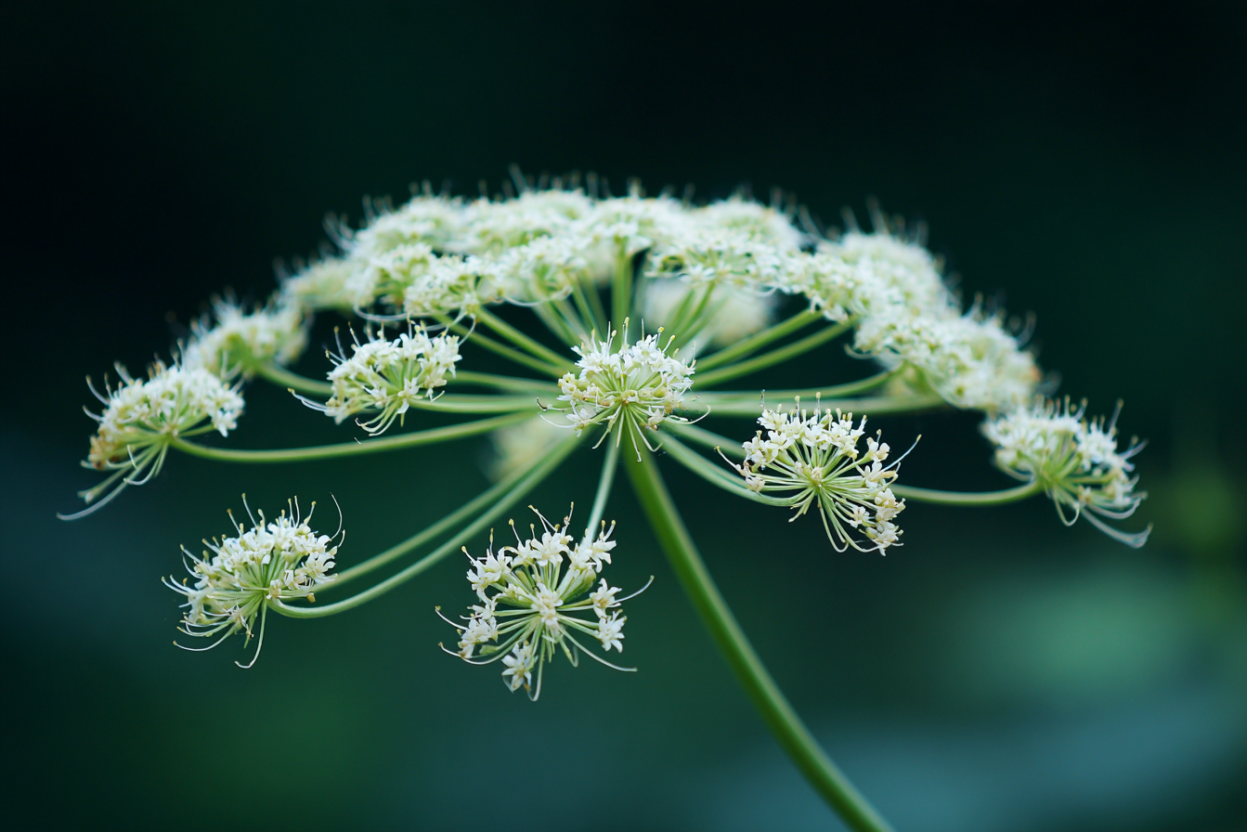
Anise (Pimpinella anisum)
If you struggle with digestive discomfort — the bloating, the gas, the heaviness after meals that steals your energy and your peace — you are far from alone. Millions of people live with these symptoms daily, often accepting them as “just the way it is.” But what if a tiny seed, cultivated for over four thousand years, held the support your digestive system has been waiting for?
Anise is one of the oldest known medicinal plants on earth — a gift embedded into creation long before any laboratory existed. This humble seed, with its warm, sweet aroma, reflects the extraordinary care of a Creator who anticipated every need the human body would ever face. From the fertile plains of ancient Egypt to your kitchen today, anise has been quietly serving humanity for millennia.
The Plant
Common Names: Anise, Aniseed, Sweet Cumin, Anise Seed
Botanical Name: Pimpinella anisum L.
Family: Apiaceae (Umbelliferae) — the parsley and carrot family, known for aromatic seeds, hollow stems, and umbrella-shaped flower clusters called umbels.
Description
Anise is a dainty, upright annual herb that grows 30 to 60 cm (roughly 1 to 2 feet) tall. Its lower leaves are broad, rounded, and coarsely toothed, while the upper leaves become increasingly feathery and finely divided as the plant matures — a visual progression that makes the plant easy to identify in a garden setting. The stems are slender, erect, grooved, and lightly branched toward the top.
In mid to late summer, small white flowers appear in loose, delicate umbels — flat-topped clusters that look like tiny parasols. These flowers give way to the plant’s most prized feature: the fruit, commonly called “anise seed.” Each tiny seed is ovoid or pear-shaped, about 3 to 4 mm long, ribbed lengthwise, and colored a pale grayish-green to yellowish-brown. When rubbed between the fingers, the seeds release the unmistakable sweet, warm, licorice-like fragrance that has made anise one of the most recognized spices in the world.
The root system is a taproot, thin and white, which does not tolerate transplanting well. The entire plant is aromatic — leaves, stems, flowers, and seeds all carry the characteristic scent, though it concentrates most powerfully in the ripe seeds.
Origin
Anise is native to the eastern Mediterranean region and Southwest Asia, with its likely origin in the fertile crescent spanning modern-day Egypt, Greece, Turkey, and the Middle East. From these ancient lands, anise traveled along trade routes to India, China, and eventually throughout Europe and the Americas.
Today, anise is cultivated commercially in Turkey, Egypt, Spain, Italy, Russia, India, Mexico, and parts of South America. It also grows wild in many Mediterranean countries and has naturalized in parts of North America where conditions are favorable.
Brief History
Anise holds a remarkable place in human history. The ancient Egyptians cultivated it extensively, and it appears in records dating back to at least 1500 BC. The Greeks and Romans valued it both as a spice and for its digestive properties. Pliny the Elder wrote that anise was so valued in Rome that it was used to flavor wedding cakes — a tradition that persists in some cultures today. The Romans taxed anise as a valuable commodity.
During the Middle Ages, anise was cultivated in monastery gardens across Europe, and its seeds were used as both medicine and currency. King Edward I of England placed a tax on anise imports in 1305 to fund repairs to London Bridge. By the time European settlers arrived in the Americas, anise had already become one of the most widely traded spices in the world.
Growing & Cultivation
Climate & Zones
Anise thrives in USDA Hardiness Zones 4 through 11, making it adaptable to a wide range of climates. As an annual, it completes its life cycle in a single growing season, so even gardeners in cooler zones can grow it successfully by timing their planting after the last frost. Anise requires a long, warm growing season of approximately 120 frost-free days to produce mature seeds. In shorter-season areas, starting seeds indoors 6 to 8 weeks before the last frost can extend the growing window.
Soil Requirements
Anise performs best in light, well-draining, moderately fertile soil. Sandy loam is ideal. The plant prefers a soil pH between 6.0 and 7.0 (slightly acidic to neutral). Heavy clay soils should be amended with compost and sand to improve drainage, as anise does not tolerate waterlogged roots. Container growing is possible with a quality potting mix and good drainage holes — use a pot at least 8 inches deep to accommodate the taproot.
Water & Sunlight
Anise is a full-sun plant, requiring at least 6 to 8 hours of direct sunlight daily. It tolerates some afternoon shade in very hot climates. Water needs are moderate — keep the soil consistently moist during germination and early growth, then reduce watering as plants establish. Anise has some drought tolerance once mature, but prolonged dryness will reduce seed production. Overwatering, especially in heavy soils, promotes root rot.
Propagation
Seed: Anise is grown exclusively from seed, as it does not propagate well from cuttings or division due to its taproot. Sow seeds directly outdoors after all danger of frost has passed, pressing them about 6 mm (1/4 inch) into the soil. Seeds germinate in 7 to 14 days at soil temperatures of 15–20°C (60–70°F). If starting indoors, use biodegradable pots to minimize root disturbance during transplanting, as anise resents having its taproot disturbed.
Planting
Space plants 15 to 30 cm (6 to 12 inches) apart in rows 30 to 45 cm (12 to 18 inches) apart. Plant in groups, as the slender stems support each other and the umbel flowers benefit from proximity for pollination. Good companion plants include coriander, which has similar growing requirements, and beans, which fix nitrogen that benefits anise. Avoid planting near carrots or fennel, which may cross-pollinate or compete for resources.
Harvesting
Harvest anise seeds when the flower heads turn grayish-green to brown and the seeds begin to harden, typically in late summer to early fall. The best time to harvest is in the morning after the dew has dried. Cut the entire seed head along with several inches of stem and hang upside down in a paper bag in a warm, well-ventilated area. As the heads dry, seeds will naturally fall into the bag. Thresh gently to release remaining seeds, then winnow to remove chaff. Leaves can be harvested throughout the growing season for fresh culinary use.
Drying & Storage
Spread harvested seeds in a single layer on a screen or tray in a warm, dry, well-ventilated area away from direct sunlight. Allow 5 to 7 days for complete drying. Seeds should snap cleanly when bent — any flexibility indicates retained moisture. Store dried seeds in airtight glass containers in a cool, dark place. Properly stored anise seeds retain flavor and potency for up to 3 years, though maximum aroma is within the first year. Whole seeds retain their essential oils far longer than pre-ground powder.
Pest & Disease Management
Anise is relatively pest-resistant, though aphids and spider mites may occasionally visit. Handpicking, a strong spray of water, or neem oil are effective organic controls. Fungal diseases such as powdery mildew and downy mildew can occur in humid conditions — good air circulation and proper spacing help prevent these. Cercospora leaf blight is the most common disease; remove and destroy affected foliage promptly. Avoid overhead watering to keep foliage dry.
Companion Planting
Anise is a generous companion in the garden. It attracts beneficial insects including parasitic wasps, ladybugs, and hoverflies, all of which prey on garden pests. Planting anise near brassicas (cabbage, broccoli, kale) can help deter aphids. Coriander and anise grow well together. Avoid planting near fennel or dill, as they are closely related and may cross-pollinate, potentially altering seed flavor.
The Healing of Growing
Growing anise offers benefits far beyond the harvest itself. The act of gardening — hands in soil, time spent outdoors, the rhythm of planting and tending — has been shown to reduce cortisol levels, improve mood, and support immune function. The soil contains beneficial bacteria (Mycobacterium vaccae) with documented antidepressant effects, stimulating serotonin production in the brain. When you grow your own anise, you receive healing before you ever consume it. The simple act of crushing a fresh anise leaf between your fingers and breathing in its sweet fragrance is an experience that connects you directly to the Creator’s pharmacy.
Nutritional Profile
Macronutrients
Per 100g of dried anise seed (USDA FoodData Central): Calories: 337 kcal, Protein: 17.6g, Total Carbohydrates: 50g, Dietary Fiber: 14.6g, Total Fat: 15.9g (Saturated: 0.6g, Monounsaturated: 9.8g, Polyunsaturated: 3.2g), Water: 9.5g. The macronutrient profile reveals anise as surprisingly protein-dense for a spice, with excellent fiber content and a heart-healthy fat profile dominated by monounsaturated fats.
Vitamins
Vitamin B6 (Pyridoxine): 0.65mg (50% DV) — Plays a critical role in the production of GABA, serotonin, and dopamine, the neurotransmitters that regulate mood, sleep, and calm. Vitamin B6 also supports red blood cell formation and immune function.
Vitamin B1 (Thiamin): 0.34mg (28% DV) — Essential for energy metabolism and nerve function. Supports the conversion of carbohydrates into usable cellular energy.
Vitamin B2 (Riboflavin): 0.29mg (22% DV) — Supports cellular energy production, red blood cell formation, and acts as an antioxidant cofactor in the body.
Vitamin B3 (Niacin): 3.06mg (19% DV) — Supports energy metabolism, DNA repair, and healthy cholesterol levels. Also plays a role in nervous system function.
Vitamin C: 21mg (23% DV) — Supports immune function, collagen production, and acts as a powerful antioxidant that protects cells from oxidative damage. Also enhances iron absorption — particularly relevant given anise’s extraordinary iron content.
Vitamin A: 16µg (2% DV) — Supports vision, immune function, and cell growth.
Minerals
Iron: 36.96mg (462% DV) — Anise seeds are one of the most iron-dense foods in existence. Iron is essential for oxygen transport in the blood, energy production, and immune defense. This remarkable iron content makes anise relevant for anyone concerned about anemia or low energy.
Calcium: 646mg (50% DV) — Critical for bone health, muscle function, nerve transmission, and heart rhythm. The calcium in anise is particularly notable for a seed-based food.
Manganese: 2.3mg (100% DV) — Essential for bone formation, blood clotting, and metabolism of amino acids, cholesterol, and carbohydrates. Also a cofactor for the powerful antioxidant enzyme superoxide dismutase (SOD).
Magnesium: 170mg (40% DV) — Supports over 300 enzymatic reactions in the body, including muscle and nerve function, blood sugar regulation, blood pressure control, and bone health. Magnesium deficiency is widespread and linked to anxiety, insomnia, and muscle tension.
Phosphorus: 440mg (35% DV) — Works with calcium for bone and teeth formation. Also plays a role in energy storage and cellular function.
Potassium: 1441mg (31% DV) — Essential for heart rhythm, muscle contraction, and fluid balance. Helps counter the effects of excess sodium on blood pressure.
Zinc: 5.3mg (48% DV) — Supports immune function, wound healing, DNA synthesis, and proper sense of taste and smell.
Copper: 0.91mg (101% DV) — A cofactor for vital enzymes including cytochrome C-oxidase and superoxide dismutase. Supports iron metabolism and nervous system function.
Selenium: 5.0µg (9% DV) — Supports thyroid function and acts as a component of glutathione peroxidase, one of the body’s most important antioxidant enzymes.
Phytonutrients & Active Compounds
Trans-anethole (80–95% of essential oil): The primary bioactive compound in anise, responsible for its characteristic flavor and many of its therapeutic properties. Trans-anethole has demonstrated anti-inflammatory, antimicrobial, and antispasmodic activity in research. It also exhibits weak estrogenic properties, which may contribute to anise’s traditional use for women’s health concerns.
Estragole (Methyl chavicol): A phenylpropanoid compound present in smaller amounts (1–3%). Contributes to aroma and has demonstrated antimicrobial properties.
Anisaldehyde (p-methoxybenzaldehyde): An aromatic aldehyde that contributes to the sweet fragrance and has shown antimicrobial activity.
Coumarins (Scopoletin, Umbelliferone): Compounds with documented anti-inflammatory and antioxidant properties. Scopoletin has also been studied for its potential role in blood pressure regulation.
Flavonoids (Quercetin, Apigenin, Luteolin): Powerful antioxidants that support cardiovascular health, reduce inflammation, and may support cellular health.
Polyphenols: Various phenolic acids present in anise contribute to its significant antioxidant capacity, helping protect cells from oxidative stress.
Nutrient Notes
While anise seeds are consumed in relatively small quantities (a typical serving is 1–2 teaspoons, or about 2–7 grams), their nutrient density is extraordinary. Even in small culinary amounts, the iron, calcium, manganese, and B-vitamins contribute meaningfully to daily intake. The vitamin C content enhances the absorption of anise’s exceptional iron stores — a synergy that appears by design. The B6 content supports GABA and serotonin production, which may partly explain anise’s traditional reputation for promoting calm and digestive ease.
Culinary Uses
Edible Parts
The entire aboveground plant is edible. Seeds are the most commonly used part — whole or ground. Fresh leaves can be used in salads, as garnish, or mixed into dishes for a subtle licorice note. Fresh flowers are edible and make a lovely addition to salads and desserts. The stems are edible but fibrous and less commonly used.
Flavor Profile
Anise has a distinctly sweet, warm, licorice-like flavor with slightly spicy undertones. The aroma is intensely sweet and aromatic. Fresh leaves offer a milder, more herbaceous version of the seed’s flavor. When toasted or lightly heated, the seeds release deeper, more complex notes — the sweetness intensifies while subtle bitterness and warmth emerge. Dried seeds are more concentrated in flavor than fresh. The intensity is moderate to strong depending on the amount used.
Preparation
Anise seeds can be used whole or ground. Toasting whole seeds briefly in a dry skillet before use amplifies their flavor and aroma — heat gently until fragrant, about 1 to 2 minutes. Grinding just before use ensures maximum potency, as pre-ground anise loses its essential oils rapidly. For baking, anise seeds are typically used whole or lightly crushed. For sauces, soups, and beverages, whole seeds can be added during cooking and strained out, or ground anise can be stirred in directly. Fresh leaves require no special preparation — simply chop and add.
Culinary Pairings
Anise complements a wide range of ingredients. It pairs beautifully with citrus (lemon, orange), honey, apples, figs, almonds, and chocolate. For savory applications, it works well with pork, fish, shellfish, carrots, beets, and cabbage. It harmonizes with other warm spices including cinnamon, cardamom, clove, nutmeg, and fennel seed. Anise adds depth to breads, cookies, cakes, and pastries across many culinary traditions — from Italian biscotti to German springerle to Middle Eastern ka’ak.
Storage
Store whole anise seeds in an airtight container in a cool, dark place for up to 3 years. Ground anise loses potency within 6 months and should be used promptly. Fresh anise leaves should be stored in a damp paper towel in the refrigerator and used within 3 to 5 days. For longer storage, fresh leaves can be frozen in ice cube trays with water or oil. Seeds can be infused into oils, vinegars, and honey for flavored pantry staples.
Ready to cook with Anise? View Recipes on Chefts →
Wellness & Therapeutic Uses
Traditional Uses
Anise holds one of the longest documented histories of therapeutic use of any plant. Ancient Egyptians recorded its use in the Ebers Papyrus (c. 1550 BC) as a digestive aid and breath freshener. Greek physicians including Hippocrates recommended anise for respiratory support, and Dioscorides documented it as a carminative, diuretic, and galactagogue in his Materia Medica. Roman physicians including Pliny and Galen wrote extensively about its digestive and respiratory applications.
In Traditional Chinese Medicine (TCM), anise has been used to support digestive function, promote the flow of qi, and address abdominal discomfort and bloating. Ayurvedic medicine classifies anise as warming and uses it to support agni (digestive fire), relieve gas, and promote lactation. In Iranian traditional medicine (Unani), anise has been one of the most commonly prescribed herbs for digestive complaints, and it remains a staple of Middle Eastern herbal practice today. European folk medicine traditions across Germany, France, and England have used anise tea for colic in infants, coughs, and to promote restful sleep.
Modern Research
Digestive Support: A double-blind, randomized clinical trial conducted at Isfahan University of Medical Sciences (Iran, 2015, 107 participants) found that anise powder (3g three times daily) significantly reduced functional dyspepsia symptoms compared to placebo over 12 weeks. Quality of life measures also improved significantly in the anise group. (Ghoshegir et al., 2015)
Research suggests that anise’s carminative effects — its ability to support the release of trapped gas and ease intestinal spasms — are attributed primarily to trans-anethole and its antispasmodic action on smooth muscle tissue.
Antimicrobial Activity: A 2023 study from Egyptian and Saudi researchers demonstrated that anise seed extracts showed significant antioxidant and antimicrobial activity against multidrug-resistant bacteria, including Staphylococcus aureus, Pseudomonas aeruginosa, and Salmonella typhi. GC-MS analysis confirmed trans-anethole and estragole as the primary bioactive compounds. (Elmetwalli et al., Microorganisms, 2023)
Antifungal Properties: A 2023 Romanian study confirmed that anise essential oil demonstrated valuable antibacterial and antifungal activity against Candida albicans, E. coli, S. aureus, S. pyogenes, and P. aeruginosa. (Muselin et al., Plants, 2023)
Respiratory Support: Research at Mashhad University of Medical Sciences demonstrated that both aqueous and ethanol extracts of anise, as well as its essential oil, exhibited significant bronchodilatory (airway-relaxing) effects on isolated guinea pig tracheal tissue, comparable to the pharmaceutical bronchodilator theophylline. These findings support anise’s long-standing traditional use as an expectorant and respiratory aid. (Shojaii & Abdollahi Fard, 2012 — Review)
Women’s Health: Clinical research has indicated that anise may support relief from menopausal hot flashes and dysmenorrhea (painful menstruation). The weak estrogenic activity of trans-anethole is believed to contribute to these effects. A clinical study by Nahidi et al. (2012, Iran) found that anise supplementation reduced the frequency and severity of menopausal hot flashes compared to control. (Referenced in Shojaii & Abdollahi Fard, 2012)
Blood Sugar & Lipid Support: Studies in diabetic models suggest that anise may support healthy blood sugar and lipid levels while reducing lipid peroxidation (oxidative damage to fats). Research indicates hypoglycemic and hypolipidemic effects. (Referenced in Shojaii & Abdollahi Fard, 2012)
Neuroprotective Properties: Animal studies have indicated anticonvulsant and neuroprotective effects of anise essential oil, likely through inhibition of synaptic plasticity. Research from Serbia also demonstrated that anise essential oil interacts with the central nervous system, enhancing the analgesic effect of codeine and affecting the activity of benzodiazepines and barbiturates. (Samojlik et al., 2012)
Anti-inflammatory & Analgesic Activity: A 2025 study from India demonstrated that the methanolic extract of anise seeds exhibited significant analgesic, antipyretic, and anti-inflammatory effects in animal models. The extract reduced pain indicators, lowered fever, and reversed paw inflammation, with activity attributed to interactions with COX-1 and glutamate receptors. (Jawed et al., Chemistry & Biodiversity, 2026)
Body Systems Supported
Digestive System: Carminative, antispasmodic, and gastroprotective properties support healthy digestion, ease bloating, and promote comfortable elimination.
Respiratory System: Expectorant and bronchodilatory properties may support healthy airways, ease congestion, and promote productive coughing.
Nervous System: Anticonvulsant, anxiolytic, and neuroprotective properties suggest support for nervous system calm and balance.
Immune System: Antimicrobial, antifungal, and antiviral properties may support the body’s natural defenses.
Reproductive System: Weak estrogenic activity may support women’s health including menstrual comfort and menopausal transition. Galactagogue properties have traditionally supported lactation.
Endocrine System: Research suggests potential support for blood sugar regulation and lipid metabolism.
Musculoskeletal System: Anti-inflammatory and analgesic properties may support comfort in muscles and joints.
Body Compounds Affected
The B6 content and bioactive compounds in anise may influence several key body compounds. The GABA neurotransmitter system appears to be supported by anise — Vitamin B6 is a critical cofactor in GABA synthesis, and research on anise’s calming effects aligns with increased GABA activity. Serotonin production may be supported through B-vitamin content and the calming aromatherapy effects of anethole. Cortisol levels may be modulated through the stress-reducing and antispasmodic properties of the plant. The anti-inflammatory compounds in anise may influence prostaglandins and cytokines, contributing to its traditional use for pain and inflammation. The estrogenic activity of trans-anethole directly influences estrogen pathways, supporting its traditional use for women’s health.
Methods of Use
Tea/Infusion
Use 1 to 2 teaspoons of lightly crushed anise seeds per cup of just-boiled water. Steep covered for 10 to 15 minutes to capture the volatile oils. Strain and drink. May be consumed 2 to 3 times daily. Honey and lemon are traditional additions. Covering the cup while steeping is essential — the medicinal volatile oils will otherwise evaporate with the steam.
Tincture
Anise tincture is available from herbal suppliers and can also be prepared at home using crushed seeds and high-proof alcohol. A typical dosage is 1 to 4 mL taken up to three times daily. Tinctures offer convenience and a concentrated delivery of the plant’s active compounds.
Powder/Capsule
Anise seed powder can be taken in capsule form or added directly to food and beverages. Typical supplemental doses range from 1 to 5 grams daily, taken with meals. The clinical trial referenced above used 3 grams three times daily for digestive support.
Culinary Consumption
Simply incorporating anise seeds into daily cooking — in breads, teas, soups, and desserts — provides a gentle, ongoing level of exposure to the plant’s beneficial compounds. This is the most accessible and historically traditional method.
Cosmetic & Beauty Uses
Skin Benefits
Anise’s antimicrobial and anti-inflammatory properties make it a valuable botanical for skin care. Its compounds may help address concerns related to acne, inflammation, and skin aging. The antioxidant content — particularly flavonoids and polyphenols — may help protect skin cells from oxidative stress, one of the primary drivers of premature aging. Trans-anethole’s anti-inflammatory activity may help calm redness and irritation. Anise-infused preparations have traditionally been used for oily and combination skin types, as well as for skin that is prone to blemishes.
Hair Benefits
Anise seed has a history of use for scalp health and hair vitality. The antimicrobial properties may help address dandruff and scalp irritation. The mineral content — particularly iron, zinc, and copper — supports the nutritional foundations of healthy hair growth when consumed. Applied topically as a rinse, anise tea may add shine and address dull, lifeless hair. The essential oil, properly diluted, has been traditionally used to support scalp health and has even been studied for potential activity against head lice.
Application Methods
A simple anise-infused oil can be made by gently warming a carrier oil (jojoba, sweet almond, or olive) with crushed anise seeds over low heat for 1 to 2 hours, then straining. This oil can be used as a facial treatment, body oil, or scalp massage oil. Anise tea, cooled, makes an effective facial toner or hair rinse. A simple face mask can be made by mixing anise powder with honey and yogurt. For bath applications, add a strong anise infusion or a few drops of properly diluted essential oil to bathwater.
DIY Formulation Notes
When incorporating anise into homemade products, use anise essential oil at no more than 1–2% dilution for leave-on products and up to 3% for wash-off products. Anise blends well with carrier oils like jojoba, rosehip, and sweet almond. Avoid combining anise essential oil with other “hot” oils like cinnamon or oregano in the same formulation. Homemade anise-infused oils should be used within 3 to 6 months and stored in dark glass bottles to preserve potency.
Anise is among the botanicals being explored for holistic cosmetic applications, where the wisdom of traditional beauty practices meets modern understanding of skin science.
Essential Oil Profile
Extraction
Anise essential oil is extracted primarily through steam distillation of the dried, ripe seeds (technically fruits). The yield is approximately 1.5 to 6% by weight, meaning roughly 15 to 60 mL of oil per kilogram of seeds. CO2 extraction is also used and may preserve a broader range of compounds. The relatively modest yield contributes to the oil’s moderate price point.
Chemical Constituents
Trans-anethole (76–94%): The dominant compound, responsible for the sweet licorice aroma and many therapeutic properties. Classified as a phenylpropanoid with demonstrated anti-inflammatory, antimicrobial, antispasmodic, and weakly estrogenic activity.
Estragole / Methyl chavicol (1–3%): A phenylpropanoid contributing to the overall aroma profile with antimicrobial properties.
Gamma-himachalene (2–4%): A sesquiterpene contributing to the deeper, woody undertones of the aroma.
p-Anisaldehyde (<1–5%): An aromatic aldehyde with sweet, floral-anise scent and antimicrobial activity.
Linalool (1–2%): A monoterpene alcohol with calming, anti-anxiety, and antimicrobial properties.
Limonene (up to 10% in some chemotypes): A monoterpene with uplifting, energizing properties and demonstrated antioxidant activity.
Alpha-pinene (up to 3%): A monoterpene with bronchodilatory and anti-inflammatory properties.
Aroma Profile
Anise essential oil is classified as a top to middle note. The scent is intensely sweet, warm, and unmistakably licorice-like with herbaceous undertones. Initial impression is bright and penetrating, mellowing over time to a softer, warm sweetness. Blends well with: lavender, fennel, cardamom, coriander, orange, mandarin, rose, cedarwood, and clove.
Therapeutic Properties
Research and traditional use suggest the following properties: antispasmodic (may ease muscle spasms and cramping), carminative (may support gas release and digestive comfort), expectorant (may support mucus clearance from airways), antimicrobial (may inhibit bacteria and fungi), calming/relaxing (may promote emotional calm), galactagogue (has traditionally been used to support milk production).
How to Use
Diffusion
Add 3 to 5 drops to an ultrasonic diffuser. Diffuse in 30-minute intervals. The sweet, warm aroma promotes a sense of calm and digestive comfort. Pairs beautifully with orange or lavender for a relaxing evening blend.
Topical Application
Standard adult dilution: 2–3% (6–9 drops per 30 mL carrier oil). Sensitive skin: 1% (3 drops per 30 mL). Children over 6: 0.5–1% (1–3 drops per 30 mL). Elderly: 1% (3 drops per 30 mL). Best carrier oils: sweet almond, jojoba, fractionated coconut oil. Apply to abdomen for digestive support (clockwise massage), to chest for respiratory support, or to temples and wrists for calming.
Quality & Sourcing
When purchasing anise essential oil, look for: the full botanical name (Pimpinella anisum) on the label (to distinguish from star anise, Illicium verum), GC/MS testing results available, organic or ethically wildcrafted sourcing, dark glass packaging, and a reputable supplier. Adulteration is possible with synthetic anethole or cheaper star anise oil — GC/MS testing is the most reliable way to verify purity. Quality anise oil should solidify or become cloudy at temperatures below 15°C (59°F) due to the crystallization of anethole — this is a sign of purity, not degradation.
Blending
Anise oil blends synergistically with several oil families. For digestive support: anise + peppermint + ginger. For respiratory ease: anise + eucalyptus + lemon. For relaxation: anise + lavender + orange. For women’s comfort: anise + clary sage + geranium. Use anise at a lower ratio in blends (1–2 drops per 4–5 drops of other oils) as its scent is powerful and can easily dominate.
Aromatherapy & Scent
The Aroma
The living anise plant emits a gentle, sweet, herbaceous fragrance that intensifies when the leaves are brushed or crushed. During flowering, the scent becomes more pronounced, attracting pollinators. The seeds, when ripe, carry the strongest aroma — crushing a single seed between your fingers releases a wave of warm, sweet, licorice-scented volatile compounds that lingers on the skin. Fresh anise is bright, green, and sweet. Dried anise seeds develop a deeper, warmer, more concentrated sweetness. Well-stored dried seeds retain their scent for 2 to 3 years, though peak aroma occurs within the first year.
How Scent Affects Your Body
When you inhale the aroma of anise, volatile molecules — primarily trans-anethole — enter the nasal passage and bind to olfactory receptors high in the nose. These receptors send electrical signals directly to the olfactory bulb, which connects immediately to the limbic system (your emotional brain) and the hypothalamus (your hormonal control center). This pathway bypasses conscious thought entirely. Your body responds to anise’s scent before you have time to “decide” how to react — this is one of the most direct pathways from the outside world to your internal chemistry.
Emotional & Mood Effects
The scent of anise is broadly experienced as warming, comforting, and calming. Many people associate its sweet, familiar aroma with childhood memories — baked goods, holiday treats, warm beverages — which activates nostalgia pathways that promote feelings of safety and comfort. Research on the effects of anise on the central nervous system suggests the aroma may promote relaxation, ease digestive tension that often accompanies anxiety, and create a sense of gentle well-being. The scent is also mildly energizing and clarifying, particularly when inhaled through steam.
Body Compounds Affected
Based on research into anise’s effects on the nervous system, the scent may influence GABA activity (promoting calm), may support serotonin pathways (enhancing mood and well-being), and may help modulate cortisol (reducing stress response). The calming effect on smooth muscle — observable even through inhalation — suggests the aroma may reduce the autonomic nervous system’s “fight or flight” response, promoting parasympathetic (“rest and digest”) activation.
Ways to Experience the Scent
Beyond essential oil, there are many ways to enjoy anise’s therapeutic scent. Grow it indoors or on a patio and brush the leaves as you pass. Place fresh cuttings in a small vase on your kitchen counter. Simmer whole seeds on the stove in water for a natural room fragrance. Make a cup of anise tea and inhale the steam before sipping — this combines aromatherapy with hydration and internal consumption. Create dried sachets with crushed anise seeds for drawers, linen closets, or beside your bed. Add crushed seeds to bathwater for a warming, aromatic soak. Simply keep a jar of seeds in your kitchen and open it to inhale when you need a moment of calm.
Color Therapy
The Colors of Anise
Anise presents a soft, soothing color palette. The flowers are white to creamy white, forming delicate umbrella-shaped clusters. The leaves are bright green in their lower, broader form, transitioning to a softer, more feathery green as they ascend the stem. The seeds ripen from green to a warm grayish-green or yellowish-brown. The overall visual impression is one of lightness, freshness, and gentle warmth — a plant that looks as calming as it feels.
Color Wavelengths
The dominant colors of anise span two key ranges. White (full visible spectrum) is present in the flowers and represents the full range of visible light wavelengths. Green (495–570nm) dominates the foliage. The warm brown tones of ripe seeds fall in the orange-brown range (590–620nm).
How These Colors Affect the Body
White in color therapy is associated with purifying, clarifying, and full-spectrum benefits. Viewing white flowers may promote a sense of cleanliness, openness, and new beginnings. Green, the most balancing color in the visible spectrum, is associated with heart-centered calm, nature connection, and restoration. Research on viewing green environments consistently shows reduced stress hormones and improved mood. The warm brown of ripe seeds echoes the nurturing, grounding qualities of earth tones, promoting feelings of stability and comfort.
Body Compounds Affected
Exposure to green wavelengths has been associated with reduced cortisol levels and increased serotonin production. The calming effect of green is well-documented in environmental psychology and healthcare design. White light exposure supports healthy melatonin and circadian rhythm regulation.
Using Anise for Color Therapy
Place potted anise plants in areas where you want to promote calm and balance — a kitchen windowsill, a bedroom shelf, or a work desk near natural light. The white flowers bring light and freshness to any space. Cut flower arrangements of anise umbels in simple vases create lovely, understated displays. Growing anise in a garden provides the additional benefit of green space exposure, which research consistently links to improved mental health. Eating the green leaves and warm-brown seeds provides “color nutrition” from the inside — a literal way to eat the rainbow.
Frequency & Vibration
The Frequency of Anise
According to bio-frequency research, particularly the work of Bruce Tainio using a calibrated frequency monitor, all living organisms emit measurable electromagnetic frequencies. While specific MHz readings for anise as a whole plant are not widely documented in published literature, anise essential oil — one of the more potent plant concentrations — is generally categorized among the moderate to high-frequency essential oils. For reference, a healthy human body is reported to operate between 62 and 78 MHz. Cold and flu onset has been associated with frequencies around 58 MHz. Essential oils, as concentrated plant essences, generally measure significantly higher than the human body.
Human Frequency Interaction
Proponents of vibrational medicine suggest that the principle of entrainment — where a stronger, more coherent frequency influences a weaker or less coherent one — may apply to interactions between high-frequency plant materials and the human body. According to this framework, consuming or being near high-frequency plants and their essential oils may help support the body’s own electromagnetic coherence. While this is an area where research is still developing, the concept aligns with the observable reality that time spent around living plants consistently improves measurable health outcomes — the mechanism may involve frequency interaction alongside chemical, visual, and psychological pathways.
Essential Oil Frequency
Frequency measurements suggest that essential oils generally measure between 52 and 320 MHz. While specific published data on anise essential oil frequency is limited, its high anethole content — a phenylpropanoid with documented effects on the nervous system — suggests significant bioelectromagnetic activity. The essential oil’s ability to influence nervous system function, muscle relaxation, and emotional state from even small amounts of exposure aligns with the concept of frequency interaction.
Vibrational Applications
To incorporate anise into a frequency-supportive practice: diffuse the essential oil during prayer, meditation, or quiet reflection. Consume anise tea mindfully, with attention to the sensory experience. Grow anise plants in living spaces to maintain ongoing exposure. Combine anise with other high-frequency practices such as time in nature, gratitude, worship, and positive community. These combined approaches address the body’s frequency from multiple angles simultaneously.
The Living Plant
Benefits of Presence
Having living anise plants in your environment provides benefits that go beyond any extract or preparation. Research on biophilic design — the human need for nature connection — consistently demonstrates that the simple presence of living plants reduces stress, improves attention, and promotes emotional well-being. Anise, with its delicate, feathery foliage and sweet fragrance, engages multiple senses simultaneously: sight (the calming green and white palette), smell (the volatile aromatics released continuously by the living plant), and even sound (the gentle rustling of its fine foliage in a breeze).
Air Purification
While anise has not been specifically studied in NASA’s Clean Air Study, aromatic herbs in general contribute to indoor air quality through oxygen production and the release of volatile organic compounds that may have antimicrobial properties. Anise’s continuous release of trace amounts of trans-anethole and other volatile compounds into the surrounding air provides a gentle, ongoing form of aromatherapy simply from the plant’s presence.
Phytoncides
Aromatic plants like anise release phytoncides — volatile antimicrobial compounds that plants produce as part of their natural defense systems. Forest bathing (shinrin-yoku) research from Japan has demonstrated that exposure to phytoncides increases Natural Killer (NK) cell activity in humans — a key immune function marker. While the concentration from a single potted herb is far less than a forest environment, the principle holds: living aromatic plants continuously release compounds that may support the immunity of the people around them. Having several aromatic herbs growing together amplifies this effect.
Visual & Psychological Benefits
Research across healthcare, workplace, and residential settings consistently shows that people in environments with visible plants report lower stress, improved mood, higher productivity, and faster recovery from illness. A landmark study by Roger Ulrich demonstrated that hospital patients with views of plants healed faster than those facing blank walls. Growing anise on a kitchen windowsill or in a small herb garden provides daily visual exposure to living green — one of the simplest and most evidence-based wellness interventions available.
Growing Indoors vs Outdoors
Anise can be grown indoors in a sunny south-facing window or under grow lights, though it performs best outdoors in full sun with good airflow. Indoor growing requires a pot at least 8 inches deep (to accommodate the taproot), well-draining soil, and 6 or more hours of direct light daily. Outdoors, anise thrives in herb gardens, raised beds, and border plantings. For those in apartments or limited-space situations, a small indoor pot provides both a culinary supply and the ongoing presence benefits of a living aromatic plant.
Touch & Physical Interaction
Gardening Therapy
Working with anise — from planting seed to harvest — engages the body in gentle, repetitive, purposeful movement that research consistently links to improved mental health outcomes. Horticultural therapy is an established therapeutic practice used in hospitals, rehabilitation centers, and mental health facilities worldwide. Growing anise offers an accessible entry point: the seeds are easy to handle, the plant responds visibly to care, and the harvest provides a tangible reward that connects the grower to the plant’s full cycle.
Soil Contact Benefits
When you garden with bare hands — or even bare feet — you make direct contact with the earth. This contact provides two documented benefits. First, grounding (earthing): direct skin contact with the earth allows the transfer of free electrons, which research suggests may reduce inflammation and support healthy circadian rhythms. Second, microbiome exposure: soil contains Mycobacterium vaccae, a beneficial bacterium that has been shown in peer-reviewed research to stimulate serotonin production in the brain and improve mood. When you dig in soil to plant anise seeds, you are literally exposing yourself to a natural antidepressant.
The Tactile Experience
Anise offers a varied and pleasant tactile experience. The lower leaves feel broad, smooth, and slightly waxy. The upper, feathery leaves feel delicate and fine — almost lace-like. The stems are smooth and slightly ridged. The mature seed heads have a satisfying, papery texture. The seeds themselves are small, firm, and slightly ridged — rolling them between your fingers releases an immediate burst of fragrance. Harvesting anise involves the gentle, meditative work of cutting seed heads, drying them, and threshing out the seeds — a rhythmic, grounding activity that connects you to the same harvest process practiced by humans for thousands of years.
Harvesting & Processing
The act of harvesting anise is itself therapeutic. The repetitive motion of cutting, bundling, and hanging seed heads engages the body in a meditative rhythm. Threshing the seeds — gently rubbing the dried heads to release the seeds — provides fine motor engagement. Sorting, winnowing, and storing the seeds offers a sense of accomplishment and provision. Processing anise for tea — crushing seeds, heating water, steeping, straining — is a ritual that slows the pace of life and creates space for reflection. These activities serve as natural mindfulness practices, connecting the hands to the present moment.
Water-Based Applications
Teas & Infusions
Anise tea is the most traditional and accessible water-based preparation. Standard infusion: Place 1 to 2 teaspoons of lightly crushed anise seeds in a cup. Pour just-boiled water (95–100°C / 200–212°F) over the seeds. Cover immediately to trap volatile oils. Steep 10 to 15 minutes. Strain and serve. May be consumed 2 to 3 times daily. Adding honey enhances both flavor and the soothing quality. A cold infusion can also be made by steeping crushed seeds in room-temperature water for 4 to 8 hours, resulting in a milder, sweeter extraction particularly suited for warm weather.
Herbal Baths
Add 1/4 to 1/2 cup of crushed anise seeds to a muslin bag or cheesecloth pouch and suspend it under running warm bathwater, or steep it in 2 cups of boiling water for 20 minutes and add the strained liquid to the bath. Soak for 20 to 30 minutes. Anise baths may support: relaxation, digestive comfort (the warmth and aromatherapy work together), muscle tension relief, and skin health. Water temperature should be warm but not scalding — 37–40°C (98–104°F) is optimal. For a simpler approach, a foot soak with anise-infused water provides many of the same relaxation and aromatic benefits.
Hydrosols
Anise hydrosol (the aromatic water produced as a byproduct of steam distillation) is available from specialty herbal suppliers. It is gentler than the essential oil, making it suitable for use as a facial toner, linen spray, or gentle aromatic mist. Anise hydrosol carries the sweet, warm fragrance at a much lower concentration than the oil, making it ideal for those who are sensitive to strong scents or who want a gentler application for skin care.
Compresses
Warm compress: Steep 2 tablespoons of crushed anise seeds in 2 cups of hot water for 15 minutes. Strain. Soak a clean cloth in the warm liquid, wring gently, and apply to the abdomen for digestive discomfort, to the chest for respiratory congestion, or to areas of muscle tension. Re-soak and reapply as the compress cools. Cool compress: Prepare the same infusion and allow it to cool to room temperature or refrigerate. Apply to areas of inflammation, headache, or heat.
Steam Inhalation
Add 1 tablespoon of crushed anise seeds (or 2 to 3 drops of essential oil) to a bowl of steaming hot water. Drape a towel over your head and the bowl, creating a tent. Breathe deeply through your nose for 5 to 10 minutes. This method delivers the volatile compounds directly to the respiratory passages, supporting clear airways and easing congestion. Take breaks if the steam feels too intense. Not recommended for young children due to burn risk.
Hair Rinses
Prepare a strong anise infusion (3 tablespoons of crushed seeds per 2 cups of boiling water, steeped 30 minutes, strained). Allow to cool to room temperature. After shampooing, pour the rinse through the hair, working it into the scalp. Leave for 2 to 3 minutes, then rinse with cool water. This may support scalp health, add shine, and leave a subtle, pleasant fragrance. Can be used 1 to 2 times per week.
Historical, Cultural & Biblical Significance
Biblical References
Anise is directly mentioned in the King James Version of the Bible. In Matthew 23:23 (KJV), Jesus says: “Woe unto you, scribes and Pharisees, hypocrites! for ye pay tithe of mint and anise and cummin, and have omitted the weightier matters of the law, judgment, mercy, and faith: these ought ye to have done, and not to leave the other undone.”
Scholars note that the Greek word “anethon” used in this passage may more precisely refer to dill (Anethum graveolens), a close relative of anise in the same family. However, the KJV translation — “anise” — has stood for over four hundred years and reflects the deep intertwining of these aromatic Apiaceae herbs in biblical-era agriculture and commerce. The passage itself reveals that anise (or dill) was cultivated, harvested, and considered valuable enough to tithe in first-century Judea. Jesus did not condemn the tithing of these herbs — He affirmed it while emphasizing that the weightier matters of justice, mercy, and faithfulness should not be neglected.
Ancient Civilizations
Egypt: The Ebers Papyrus (c. 1550 BC), one of the oldest known medical documents, includes references to anise-family plants for digestive and aromatic uses. The Egyptians valued anise for both its culinary and medicinal properties, and the plant appears to have been cultivated along the fertile Nile valley.
Greece: Hippocrates (c. 460–370 BC) recommended anise for respiratory ailments. Dioscorides (c. 40–90 AD) documented it extensively in his Materia Medica as a carminative, diuretic, analgesic, and galactagogue. Theophrastus, the “father of botany,” also described the plant.
Rome: Pliny the Elder (23–79 AD) praised anise extensively in his Natural History, documenting its use in digestive cakes served after feasts. Roman bakers created anise-flavored cakes called “mustaceoe” for wedding celebrations. The Roman Empire taxed imported anise, demonstrating its commercial value.
Eastern Traditions
Traditional Chinese Medicine has incorporated anise for digestive support, warming the middle burner, and promoting the smooth flow of qi. In Ayurvedic tradition, anise is classified as having a sweet, pungent taste with warming energy. It is used to kindle agni (digestive fire), relieve vata disorders (gas, bloating, nervous tension), and support lactation. Indian healers observed that anise supported digestion and eased colic — observations that align precisely with what modern research confirms about the plant’s antispasmodic and carminative properties.
In Unani medicine (Persian-Arabic tradition), anise has been among the most extensively documented herbs. Iranian traditional practitioners have used it for centuries to address digestive complaints, respiratory issues, and women’s health — the same applications that modern clinical trials from Iranian universities continue to validate.
Indigenous Knowledge
While anise is not native to the Americas, European settlers brought it with them, and it quickly became integrated into herbal practices. Native American communities adopted its use for digestive support, as a breath freshener, and in cough remedies. In Latin American folk medicine, anise tea (té de anís) remains one of the most commonly recommended home remedies for digestive discomfort, colic, and respiratory complaints.
European Heritage
Medieval European monks cultivated anise in monastery gardens, preserving the knowledge of its medicinal and culinary uses through centuries of upheaval. The plant appears in virtually every major European herbal text: Gerard’s Herball (1597), Culpeper’s Complete Herbal (1652), and the German Commission E Monographs (modern). Charlemagne ordered anise grown on imperial farms. King Edward I of England taxed anise imports in 1305. Throughout France, Spain, Italy, and Germany, anise has been woven into cuisine, medicine, and cultural tradition for over a thousand years.
Cultural Symbolism
Anise has symbolized hospitality, sweetness, and good digestion across cultures. The Roman tradition of anise wedding cakes evolved into the modern Italian tradition of Jordan almonds and anise-flavored biscotti. In many Middle Eastern cultures, offering anise tea to guests is a gesture of welcome and care. The plant’s association with sweetness, warmth, and comfort has made it a symbol of nurturing across many traditions — all of them observing the same truth about a plant whose design precedes human culture itself.
Safety & Precautions
Contraindications
Anise and its preparations should be used with caution by individuals with hormone-sensitive conditions, as trans-anethole exhibits weak estrogenic activity. This includes estrogen-receptor positive breast cancer, uterine fibroids, endometriosis, and other estrogen-dependent conditions. Individuals with known allergy to plants in the Apiaceae family (parsley, carrot, celery, fennel, dill) should exercise caution, as cross-reactivity is possible.
Drug Interactions
Research from Serbia demonstrated that anise essential oil significantly interacts with drugs acting on the central nervous system, including enhancing the analgesic effects of codeine and affecting the activity of diazepam, midazolam, pentobarbital, imipramine, and fluoxetine. Based on these findings, concomitant use of anise preparations with CNS-active drugs (sedatives, antidepressants, antianxiety medications, opioid analgesics, anticonvulsants) should be approached with caution and discussed with a healthcare provider. (Samojlik et al., 2012)
Due to its weak estrogenic activity, anise may theoretically interact with hormone therapy and hormonal contraceptives. Due to potential blood sugar-lowering effects, individuals on diabetes medications should monitor levels carefully. The coumarin content may theoretically interact with blood-thinning medications — consult a healthcare provider if on anticoagulant therapy.
Pregnancy & Nursing
Anise has a long history of use during pregnancy and lactation in traditional medicine, particularly as a galactagogue (milk production support). However, due to the estrogenic activity of trans-anethole and its traditional reputation as an emmenagogue (promoting menstrual flow), concentrated anise preparations (essential oil, high-dose supplements) should be avoided during pregnancy, especially in the first trimester. Culinary amounts are generally considered safe. During breastfeeding, moderate use of anise tea is traditionally encouraged to support milk production, though high-dose supplements should be discussed with a healthcare provider.
Children
Anise tea has been traditionally given to infants and children for colic and digestive comfort across many cultures. However, concentrated preparations and essential oil should be used with care. For children over 2, very dilute anise tea (half-strength) is commonly used in traditional practice. Essential oil should be used at 0.25–0.5% dilution for children under 6, and 0.5–1% for children 6–12. The essential oil should never be applied neat (undiluted) to a child’s skin and should never be given internally to children.
Elderly
Elderly individuals may use anise in culinary amounts and moderate tea consumption safely. However, due to increased likelihood of medication use, the drug interactions noted above are particularly relevant. Start with lower amounts and monitor for any changes in medication effectiveness. The antispasmodic properties may be especially beneficial for elderly digestive comfort at conservative doses.
Pets
Dogs: Use with caution. Small amounts of anise are not considered toxic to dogs and have even been used in some dog treats (dogs are attracted to the scent). However, concentrated anise essential oil should never be applied to or diffused heavily around dogs, as their sensitivity to essential oils is much greater than humans.
Cats: Caution. Cats are significantly more sensitive to essential oils than dogs due to their liver’s limited ability to metabolize certain compounds. Anise essential oil should not be used around cats. Small amounts of the whole seed in food are less concerning, but there is limited safety data specific to cats and anise.
Horses: Anise has historically been added to horse feed as a palatability enhancer and carminative. It is generally considered safe for horses in moderate amounts.
If any pet ingests a significant amount of anise or shows signs of adverse reaction (drooling, lethargy, vomiting, tremors), contact your veterinarian or ASPCA Poison Control at (888) 426-4435 immediately.
Allergies & Sensitivities
Individuals with allergies to other Apiaceae family members (celery, carrot, fennel, dill, parsley, coriander) may experience cross-reactivity with anise. Contact dermatitis is possible in sensitive individuals — a patch test is recommended before topical use of anise preparations. Anise essential oil may cause skin sensitization if used undiluted or in excessive concentrations. Anethole can be photoirritating in some individuals — avoid sun exposure on areas where anise oil has been applied.
Dosing Guidelines
Tea: 1–2 teaspoons crushed seeds per cup, 2–3 times daily. Tincture: 1–4 mL, up to 3 times daily. Powdered seed: 1–5 grams daily, divided with meals. Essential oil (topical): 2–3% dilution for adults. Essential oil (diffusion): 3–5 drops, 30-minute intervals. Do not exceed recommended amounts. For therapeutic use beyond culinary levels, consult with a qualified healthcare provider. Prolonged use at high doses is not recommended without professional guidance.
Quality & Sourcing
Purchase anise seeds from reputable suppliers who can verify purity. Organic sources are preferred to minimize pesticide residue. For essential oil, always confirm the botanical name Pimpinella anisum to avoid confusion with star anise (Illicium verum), which is a completely different plant with different safety profiles. Request GC/MS testing reports when purchasing essential oil. Store all anise products in cool, dark, dry conditions. Discard any anise products that develop off-odors or visible mold.
Signs of Adverse Reaction
Mild reactions may include: nausea, skin irritation or redness (topical use), or minor allergic response (itching, mild swelling). Serious reactions requiring medical attention include: difficulty breathing, severe swelling (particularly of face, lips, or throat), rapid heartbeat, or severe abdominal pain. Discontinue use immediately if any adverse reaction occurs.
Disclaimer
This information is for educational purposes only. It is not intended to diagnose, treat, cure, or prevent any disease. Always consult with a qualified healthcare provider before using any herbal product, especially if you are pregnant, nursing, taking medications, or have a medical condition. If you experience any adverse reaction, discontinue use immediately and seek medical attention.
Want Personalized Guidance?
Every body is unique. What works for one person may not be right for another. If you’d like personalized support in incorporating anise into your wellness journey, consider working with a qualified practitioner who can assess your individual needs.
Sources & References
Peer-Reviewed Studies
- Review of Pharmacological Properties and Chemical Constituents of Pimpinella anisum — Shojaii A, Abdollahi Fard M. ISRN Pharmaceutics, 2012, Iran
- Pimpinella anisum in the Treatment of Functional Dyspepsia: A Double-Blind, Randomized Clinical Trial — Ghoshegir SA et al. Journal of Research in Medical Sciences, 2015, Iran
- Pimpinella anisum in Modifying the Quality of Life in Patients with Functional Dyspepsia — Ghoshegir SA et al. Journal of Research in Medical Sciences, 2014, Iran
- Chemical Constituents, Antioxidant Potential, and Antimicrobial Efficacy of Pimpinella anisum Extracts against Multidrug-Resistant Bacteria — Elmetwalli A et al. Microorganisms, 2023, Egypt/Saudi Arabia
- Pimpinella anisum L. Essential Oil a Valuable Antibacterial and Antifungal Alternative — Muselin F et al. Plants, 2023, Romania
- The Influence of Essential Oil of Aniseed (Pimpinella anisum, L.) on Drug Effects on the Central Nervous System — Samojlik I et al. BMC Complementary and Alternative Medicine, 2012, Serbia
- Valorization of Therapeutic Potential of Pimpinella anisum L. Seeds: Analgesic, Antipyretic, and Anti-Inflammatory Effects — Jawed et al. Chemistry & Biodiversity, 2026, India
- A Multidimensional Review of Pimpinella anisum and Recommendation for Future Research — Chemistry Africa, 2023, International Review
- Anise (Pimpinella anisum L.), a Dominant Spice and Traditional Medicinal Herb — Sun W, Shahrajabian MH, Cheng Q. Cogent Biology, 2019, International Review
Traditional Medicine Sources
- German Commission E Monograph: Anise Seed — Blumenthal M, Busse WR. American Botanical Council, 1999, Germany
- Pimpinella anisum L. (Apiaceae/Umbelliferae) — Medicinal Plants of the World — SpringerLink, Ben-Erik van Wyk, 2020
Institutional Sources
- USDA FoodData Central: Spices, Anise Seed — U.S. Department of Agriculture
Historical References
- Matthew 23:23 — King James Version — KJV Bible Online