Artichoke (Cynara cardunculus var. scolymus)
If you have been struggling with digestive discomfort, stubborn cholesterol numbers, or a liver that feels overworked and underappreciated, you are not alone. Millions of people deal with these concerns every day, often unaware that one of the most powerful foods God placed on this earth has been sitting in the produce aisle the whole time. The globe artichoke is not just a fancy appetizer — it is one of nature’s most potent allies for your liver, your gut, and your cardiovascular system.
This extraordinary plant is one of countless gifts the Creator embedded into nature for our benefit. Long before modern laboratories confirmed what the artichoke could do, the Designer already knew — because He made it with purpose. Every compound, every bitter leaf, every protective bract was placed there by a God who provides for every human need.
The Plant
Common Names: Artichoke, Globe Artichoke, French Artichoke, Green Artichoke
Botanical Name: Cynara cardunculus var. scolymus (L.) Fiori
Family: Asteraceae (the daisy or thistle family — the second-largest family in the plant kingdom, containing over 2,000 species)
Description
The globe artichoke is a striking perennial plant that grows 1.5 to 2 meters (approximately 4 to 6 feet) tall. Its large, arching, deeply lobed leaves are silvery-green in color and can extend up to half a meter in length. The leaves have a slightly fuzzy, almost velvety texture on the underside. The plant forms a substantial rosette base before sending up thick, sturdy stems that bear the edible flower buds.
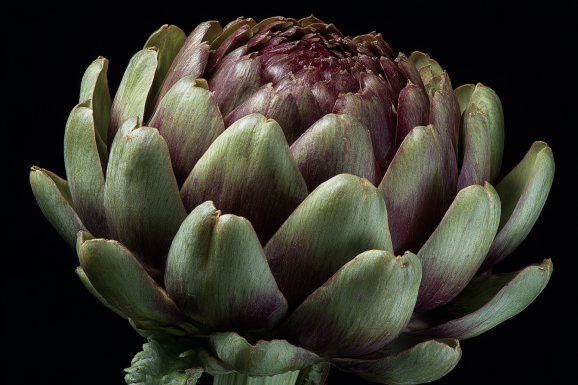
The “artichoke” most people know is actually the immature flower bud — a compact, globe-shaped structure composed of tightly layered, triangular bracts (modified leaves) arranged in a whorl around a central “choke.” The bracts range from deep green to purple-tinged depending on the variety. If left unharvested, the bud opens into a spectacular purple-violet thistle flower that can reach 15 centimeters across, attracting pollinators and adding ornamental beauty to any garden.
The edible heart sits at the base of the bud, beneath the choke — the fuzzy, inedible mass of immature florets. The fleshy bases of the outer bracts and the entire heart are prized for their mild, slightly nutty, and subtly sweet flavor.
Origin
The globe artichoke is native to the Mediterranean region, specifically North Africa and southern Europe. Its wild ancestor, the cardoon (Cynara cardunculus var. sylvestris), still grows wild across the Mediterranean basin. The name “Cynara” may derive from the Aegean Island of “Kynara,” where it was first cultivated, or from the Latin cineres (ashes), referencing the historical practice of using ash as fertilizer for the plant.
From its Mediterranean cradle, the artichoke spread through the ancient world via trade routes and conquering armies. It traveled east into Persia and the Arab world, and west through Spain into the broader European continent. Spanish and French explorers brought it to the Americas in the 1600s. Today, Italy leads global production (approximately 30%), with significant cultivation also in Spain, France, Egypt, Argentina, and the United States — where California produces nearly all of the domestic crop.
Brief History
The artichoke is among the oldest cultivated vegetables in human history. Ancient Greeks and Romans prized it as both food and medicine. Pliny the Elder documented it as one of the most expensive garden plants in Rome. Greek physicians, including Dioscorides, recorded its use for digestive complaints and liver support. The plant maintained its medicinal reputation through the medieval period, when European monastery gardens preserved both the plant and the knowledge of its uses. By the Renaissance, artichokes had become a celebrated delicacy in Italian and French courts, and herbalists like John Gerard and Nicholas Culpeper documented its therapeutic properties for liver and bile conditions.
Growing & Cultivation
Climate & Zones
Globe artichokes thrive as perennials in USDA Hardiness Zones 7 through 10, where mild winters and moderate summers mimic their native Mediterranean climate. In Zones 5 and 6, they can survive with heavy winter mulching and protection. Gardeners in Zones 3 and 4 can still grow artichokes as annuals, starting seeds indoors and treating the plants as a single-season crop. Some annual varieties, such as ‘Imperial Star,’ have been bred specifically for colder climates and will produce edible buds in the first year from seed. In hot Southern climates (Zones 9b–10), artichokes may go dormant during the hottest summer months and resume growth in fall.
Soil Requirements
Artichokes are heavy feeders that prefer deep, fertile, well-drained soil rich in organic matter. The ideal soil pH ranges between 6.5 and 7.5. Loamy soil is optimal, though artichokes will tolerate sandy or clay soil if well-amended with compost. Before planting, work generous amounts of composted manure or fish emulsion into the top 12 inches of soil. For container growing, use a large pot (at least 24 inches wide) with a high-quality potting mix enriched with compost.
Water & Sunlight
Full sun is essential — at least 6 to 8 hours of direct sunlight daily. In areas with intense afternoon heat, partial afternoon shade can help prevent stress. Artichokes require consistent, deep watering — approximately 1 to 1.5 inches per week. The soil should remain moist but never waterlogged. Inconsistent watering leads to tough, fibrous buds. Mulch around the base of plants to retain moisture and regulate soil temperature.
Propagation
Seed: Start seeds indoors 8 to 12 weeks before the last frost. Soak seeds in warm water for 24 hours before planting. Sow 1/4 inch deep in moist seed-starting mix. Germination typically occurs in 10 to 21 days at 70–75°F. Be aware that artichokes do not always grow true from seed, so expect some variation.
Division: The most reliable method for home gardeners. In spring, when established plants produce “pups” (offshoots) about 8 inches tall, carefully separate them from the mother plant with some attached root. Replant immediately at the same depth. This produces plants genetically identical to the parent.
Root Dormant: In frost-free regions, dormant roots can be planted in fall or winter. In cooler climates, plant roots in spring after the last frost date.
Planting
Space plants 3 to 4 feet apart in rows 4 to 5 feet apart — artichokes are substantial plants that need room. Plant at the same depth as the nursery pot or division. After planting, water deeply to settle the soil. Artichoke plants can live for 5 to 15 years in favorable perennial zones, so choose your location with long-term plans in mind. They also make striking ornamental additions to flower beds and landscape borders.
Harvesting
Harvest artichoke buds when they are 3 to 5 inches in diameter and the bracts are still tight and compact. Do not wait until the bracts begin to open, as the bud becomes tough and the choke develops more fully. Use sharp pruners or a knife to cut the stem 2 inches below the bud. The main central bud is harvested first and is the largest. After removing it, smaller secondary buds will develop on side shoots — these are often even more tender than the primary bud. Artichoke plants typically take 85 to 120 days from planting to first harvest. Morning harvest, when the plant is most hydrated, yields the freshest buds.
Drying & Storage
Fresh artichokes store best in the refrigerator for up to one week. Sprinkle the cut stem with water and store in a perforated plastic bag. For longer preservation, artichoke hearts can be blanched and frozen for up to 12 months. Marinating cooked hearts in olive oil and vinegar is a traditional Mediterranean preservation method. The leaves (bracts) of the plant — not the edible bud — are dried for use in herbal preparations such as teas and tinctures. Air-dry leaves in a well-ventilated area away from direct sunlight. Store dried leaves in airtight glass containers in a cool, dark place for up to one year.
Pest & Disease Management
Common pests include aphids, slugs, snails, and artichoke plume moths. Organic controls include neem oil spray for aphids, handpicking slugs at dawn or dusk, and encouraging natural predators such as ladybugs and lacewings. Botrytis (gray mold) and powdery mildew are common in humid conditions — improve airflow around plants and avoid overhead watering. Crown rot can occur in waterlogged soil. Good drainage and proper spacing are the best preventive measures.
Companion Planting
Artichokes grow well alongside sunflowers, peas, tarragon, and members of the cabbage family. Their large leaves provide shade for heat-sensitive crops like lettuce and spinach. Avoid planting near other heavy feeders that will compete for nutrients. Marigolds planted nearby help repel aphids and other common artichoke pests.
The Healing of Growing
Growing artichokes offers benefits beyond the harvest itself. The act of gardening — hands in soil, bare feet on earth, time spent outdoors — has been shown to reduce cortisol, improve mood, and support immune function. The soil contains beneficial bacteria (Mycobacterium vaccae) with documented antidepressant effects (Lowry et al., 2007). When you grow your own artichokes, you receive healing before you ever consume them.
Nutritional Profile
Macronutrients
Per 100g of raw globe artichoke (USDA FoodData Central):
Calories: 47 kcal. Protein: 3.3g. Total carbohydrates: 10.6g. Dietary fiber: 5.4g (22% DV) — one of the highest-fiber vegetables available. Sugars: 1.0g. Total fat: 0.2g (virtually fat-free). Saturated fat: 0.04g. The artichoke is composed of approximately 85% water, making it both hydrating and nutrient-dense relative to its calorie content.
Vitamins
Folate (Vitamin B9): 68 µg (17% DV) — Essential for DNA synthesis and repair. Adequate folate intake supports healthy cell division and is critical during pregnancy for preventing neural tube defects.
Vitamin C: 11.7 mg (13% DV) — A powerful water-soluble antioxidant that supports immune function, collagen production, and protects cells from oxidative damage caused by free radicals.
Vitamin K: 14.8 µg (12% DV) — Plays a vital role in blood clotting and bone metabolism. Supports calcium regulation and promotes osteotropic (bone-forming) activity.
Niacin (Vitamin B3): 1.0 mg (6.5% DV) — Supports cellular energy metabolism, nervous system function, and helps maintain healthy skin.
Vitamin B6 (Pyridoxine): 0.12 mg (9% DV) — A cofactor in over 100 enzyme reactions in the body, particularly important for amino acid metabolism and neurotransmitter synthesis including serotonin and dopamine production.
Pantothenic Acid (B5): 0.34 mg (7% DV) — Essential for the synthesis of coenzyme A, which is involved in fatty acid metabolism and energy production at the cellular level.
Minerals
Potassium: 370 mg (11% DV) — A critical electrolyte that helps control heart rate and blood pressure by countering the effects of sodium. Supports proper muscle and nerve function.
Magnesium: 60 mg (14% DV) — Essential for over 300 enzymatic reactions in the body. Supports muscle and nerve function, blood sugar regulation, blood pressure management, and bone health.
Phosphorus: 90 mg (13% DV) — Works alongside calcium to build and maintain strong bones and teeth. Also plays a role in cell membrane structure and energy production via ATP.
Iron: 1.3 mg (7% DV) — Necessary for red blood cell production and oxygen transport throughout the body. Plant-based (non-heme) iron absorption is enhanced when consumed with vitamin C, which artichokes conveniently provide.
Copper: 0.23 mg (26% DV) — Required for red blood cell formation, iron metabolism, and the maintenance of nerve cells and immune function. Artichokes are a surprisingly rich source of this trace mineral.
Manganese: 0.26 mg (11% DV) — Serves as a cofactor for the antioxidant enzyme superoxide dismutase (SOD), which protects cells from oxidative damage.
Phytonutrients & Active Compounds
The artichoke is exceptionally rich in bioactive plant compounds. According to the National Foundation for Cancer Research, artichokes have one of the highest antioxidant contents of any vegetable.
Cynarin (1,3-dicaffeoylquinic acid): The signature compound of the artichoke, found in highest concentrations in the leaves. Research suggests cynarin supports bile production, liver cell protection, and cholesterol metabolism. It is the primary compound responsible for the artichoke’s distinctive bitter taste and its traditional use as a digestive aid.
Chlorogenic acid (5-caffeoylquinic acid): A potent polyphenol antioxidant also found in coffee and green tea. Research indicates it may support blood sugar regulation, reduce inflammation, and protect liver cells from oxidative damage.
Luteolin: A flavonoid with strong anti-inflammatory and antioxidant properties. Studies suggest luteolin may play a crucial role in the artichoke’s ability to support healthy cholesterol biosynthesis in the liver.
Apigenin: Another flavonoid present in artichoke, associated with calming effects on the nervous system and potential support for healthy inflammation response.
Silymarin: Present in smaller amounts, this compound is also the primary active in milk thistle and is well-documented for its liver-protective properties.
Inulin: A prebiotic dietary fiber concentrated in the artichoke heart. Inulin passes undigested to the colon where it feeds beneficial bacteria (Bifidobacteria and Lactobacilli), supporting gut microbiome health and improved mineral absorption.
Nutrient Notes
Artichokes are among the most nutrient-dense vegetables per calorie. Their high fiber content (especially inulin) supports both satiety and gut health. The combination of vitamin C and iron in the same food enhances non-heme iron absorption. Cooking artichokes actually increases the bioavailability of some antioxidant compounds, though steaming is preferred over boiling to minimize nutrient loss into water. The polyphenol content of artichokes is highest in the leaves (used for herbal preparations) and outer bracts, not just the prized heart.
Connection to Body Compounds
The B-vitamins in artichoke (particularly B6 and folate) serve as cofactors in the production of serotonin, dopamine, and other neurotransmitters. The magnesium content may help regulate cortisol and support GABA activity, promoting a calmer nervous system. The potent antioxidant compounds (cynarin, chlorogenic acid, luteolin) help reduce inflammatory cytokines such as TNF-alpha and IL-6, contributing to a healthier inflammatory response throughout the body.
Culinary Uses
Edible Parts
Hearts: The prized, meatiest portion at the base of the bud. Tender, mild, and slightly sweet with nutty undertones. Can be eaten cooked or (in very young artichokes) raw.
Inner bracts (leaves): The fleshy base of each bract is scraped off with the teeth after cooking. The flavor is mild and buttery when steamed.
Stems: When peeled of their tough outer layer, artichoke stems taste very similar to the heart and are fully edible when cooked.
Baby artichokes: Small, immature buds harvested from lower on the plant. The choke has not yet developed, so the entire bud is edible once outer tough leaves are removed.
Flavor Profile
The artichoke has a mild, slightly sweet, and subtly nutty flavor with gentle earthy undertones. A distinctive pleasant bitterness comes from the cynarin content. Raw artichoke has a crisp, green, grassy quality. When cooked, the flavor becomes richer, more buttery, and the bitterness mellows considerably. Interestingly, cynarin temporarily alters taste perception — it can make water and other foods taste sweeter after eating artichoke, which is why sommeliers often note that artichokes are difficult to pair with wine.
Preparation
To prepare a whole artichoke, trim the top inch of bracts with a sharp knife, snip the thorny tips of remaining bracts with scissors, peel and trim the stem, and rub all cut surfaces with lemon to prevent browning. Steaming (25–45 minutes depending on size) is the most common and nutrient-preserving method. Artichokes can also be boiled, roasted, grilled (halved), braised, or sautéed. Baby artichokes require less preparation — simply remove tough outer leaves and trim. To access the heart from a full-sized artichoke, remove all bracts and scrape away the fuzzy choke with a spoon.
Culinary Pairings
Artichokes pair beautifully with lemon, garlic, olive oil, butter, Parmesan cheese, and fresh herbs like thyme, parsley, and tarragon. They complement Mediterranean flavors including capers, sun-dried tomatoes, and olives. Proteins that pair well include chicken, lamb, white fish, and shrimp. Artichoke hearts are a classic addition to pasta, risotto, pizza, salads, dips, and grain bowls.
Storage
Store fresh, unwashed artichokes in the refrigerator in a perforated bag for up to one week. Sprinkle the cut stem with water before storing. Cooked artichoke hearts can be refrigerated for 3 to 4 days. For long-term storage, blanch hearts for 3 minutes, plunge into ice water, drain, and freeze in airtight containers for up to 12 months. Commercially canned or jarred artichoke hearts (packed in water, brine, or oil) offer convenient year-round access.
Ready to cook with artichoke? View Recipes on Chefts →
Wellness & Therapeutic Uses
Traditional Uses
The artichoke has one of the longest documented histories of therapeutic use among vegetables. Ancient Egyptian physicians referenced the plant in medical papyri. Greek physicians Dioscorides and Theophrastus recorded its use for digestive complaints, liver congestion, and bile insufficiency. Roman naturalist Pliny the Elder described it as one of the most valued plants in the empire — for both the table and the apothecary. In traditional European herbalism, artichoke leaf preparations were the go-to remedy for jaundice, sluggish digestion, and what was historically called “bilious conditions.” Traditional Chinese Medicine practitioners recognized similar bitter-cooling plants for clearing liver heat and supporting digestive function. Ayurvedic tradition used related thistle-family plants for pitta-type digestive imbalances and liver support.
Modern Research
Liver Support & Protection: Research suggests artichoke leaf extract (ALE) has significant hepatoprotective (liver-protecting) properties. A randomized, double-blind clinical trial involving 60 patients with nonalcoholic steatohepatitis (NASH) found that 2,700 mg of artichoke extract daily for two months led to significant improvement in liver enzymes (ALT and AST) compared to placebo (Rangboo et al., 2016, Iran). The active compounds cynarin and chlorogenic acid have been identified as the primary agents supporting liver cell protection and regeneration (Kraft, 2012, Germany).
Cholesterol & Lipid Support: A meta-analysis of 9 randomized controlled trials involving 702 subjects found that artichoke extract supplementation was associated with significant reductions in total cholesterol (−17.6 mg/dL), LDL cholesterol (−14.9 mg/dL), and triglycerides (−9.2 mg/dL) (Sahebkar et al., 2018, International). A separate double-blind trial on 92 overweight subjects with mild hypercholesterolemia showed that ALE supplementation significantly increased HDL cholesterol and decreased LDL cholesterol over 8 weeks (Rondanelli et al., 2013, Italy).
Digestive Support & IBS: A landmark placebo-controlled, double-blind trial of 247 patients with functional dyspepsia found that ALE (1,920 mg daily) produced significantly greater symptom improvement than placebo over 6 weeks (Holtmann et al., 2003, Germany). Additionally, a subset analysis of 208 adults with IBS showed a 26.4% reduction in IBS incidence and a significant normalization of bowel patterns after 2 months of ALE use (Bundy et al., 2004, UK). These effects are attributed to artichoke’s ability to increase bile secretion, which supports fat digestion and intestinal motility.
Blood Sugar Support: A systematic review and meta-analysis of 9 randomized controlled trials found that artichoke supplementation significantly reduced fasting blood sugar concentrations (−5.28 mg/dL) (Moradi et al., 2021, Iran/UK). The mechanisms may involve the effects of chlorogenic acid on glucose absorption and insulin sensitivity, as well as the prebiotic activity of inulin on gut bacteria involved in metabolic regulation.
Antioxidant Activity: Artichoke has been consistently ranked among the highest-antioxidant vegetables. A comprehensive review confirmed that the polyphenol compounds — particularly chlorogenic acid, cynarin, and luteolin — demonstrate potent free radical scavenging activity, reducing oxidative stress markers associated with chronic disease (Ferrara et al., 2024, Italy).
Body Systems Supported
Digestive System: Supports bile production, improves fat digestion, may ease IBS and dyspepsia symptoms, and provides prebiotic fiber (inulin) that feeds beneficial gut bacteria.
Cardiovascular System: May support healthy cholesterol levels, blood pressure regulation (via potassium), and vascular health through antioxidant protection of LDL from oxidation.
Hepatic (Liver) System: Hepatoprotective properties support liver cell health, bile flow, detoxification processes, and may aid recovery from liver insult.
Endocrine System: May support blood sugar regulation and insulin sensitivity.
Urinary System: Traditional diuretic properties support fluid balance and kidney function.
Immune System: Rich antioxidant content supports immune defense against oxidative stress.
Body Compounds Affected
The polyphenols in artichoke — particularly luteolin and chlorogenic acid — have been shown to reduce pro-inflammatory cytokines including TNF-alpha and IL-6, modulating the body’s inflammatory response. Artichoke’s B-vitamins (B6, folate) are essential cofactors in the synthesis of serotonin and dopamine, supporting mood regulation. The magnesium content supports GABA receptor activity, which promotes calm and relaxation. Chlorogenic acid may influence cortisol metabolism, and the high fiber content supports stable insulin levels.
Methods of Use
Tea/Infusion
Use the dried leaves (not the edible bracts from the bud). Steep 1–2 teaspoons of dried artichoke leaf in 8 oz of hot water (200°F) for 10–15 minutes. Strain. The tea has a distinctly bitter flavor — this bitterness is the active compounds at work. May be sweetened with honey or combined with peppermint to soften the taste. Traditional usage: 1–3 cups daily before or between meals.
Tincture
Artichoke leaf tinctures are widely available. Typical dosage ranges from 15–30 drops (approximately 1–2 mL) in water, 2–3 times daily before meals. Tinctures extract both water-soluble and alcohol-soluble compounds, providing a broader spectrum of active constituents than tea alone.
Standardized Extract (Capsule/Tablet)
Commercially available artichoke leaf extract supplements are typically standardized to cynarin and/or chlorogenic acid content. Clinical trials have used doses ranging from 640 mg to 2,700 mg daily. A commonly recommended range is 900–1,800 mg daily, divided into 2–3 doses taken before meals. Always follow manufacturer recommendations and consult a healthcare provider for personalized dosing.
Culinary Consumption
Simply eating artichokes provides meaningful therapeutic benefit. The inulin, fiber, minerals, and polyphenols in the edible portions support digestive, cardiovascular, and metabolic health with every serving. Steaming preserves the most nutrients.
Cosmetic & Beauty Uses
Skin Benefits
Artichoke extract has gained increasing attention in the cosmetic science community for its antioxidant, anti-inflammatory, and skin-protective properties. The high concentration of polyphenols — particularly chlorogenic acid, cynarin, and luteolin — helps protect skin cells from UV-induced oxidative damage and premature aging. Research suggests these compounds may support the skin’s natural defenses against photoaging, fine lines, and uneven tone. The anti-inflammatory flavonoids may benefit those dealing with redness, irritation, and inflammatory skin conditions such as rosacea or mild acne.
Artichoke extract is suitable for most skin types, with particular benefit for oily and combination skin. The natural astringent properties of artichoke may help minimize the appearance of pores and regulate excess sebum production.
Hair Benefits
Artichoke leaf extract has been used in hair care formulations for its ability to strengthen hair strands, add shine, and support scalp health. The mineral content — particularly iron, copper, and zinc — supports healthy hair growth at the follicular level. An artichoke leaf rinse can smooth the hair cuticle, reducing frizz and enhancing natural shine. The antioxidant properties may help protect the scalp from environmental oxidative stress that contributes to premature graying and thinning.
Application Methods
Infused oil: Steep dried artichoke leaves in a carrier oil (such as jojoba or sweet almond) for 2–4 weeks in a cool, dark place. Strain and use as a facial oil, body oil, or hair treatment. The extraction captures fat-soluble antioxidant compounds.
Face mask: Blend cooked artichoke heart with honey and a small amount of yogurt. Apply to clean skin for 15–20 minutes. Rinse with warm water. The combination provides gentle exfoliation, hydration, and antioxidant nourishment.
Toner: Brew a strong artichoke leaf tea, cool completely, and use as an astringent toner. Apply with a cotton pad after cleansing. Particularly beneficial for oily skin.
Hair rinse: Prepare a strong infusion of artichoke leaf tea, cool to room temperature, and pour over freshly washed hair as a final rinse. Leave in for shine and scalp nourishment.
DIY Formulation Notes
When incorporating artichoke extract into homemade products, use a concentration of 1–5% in finished formulations. Artichoke-infused oil pairs well with carriers like jojoba, argan, and rosehip seed oil. Homemade artichoke preparations should be used within 1–2 weeks when water-based (refrigerated), or within 2–3 months for oil-based preparations stored in dark glass bottles.
The artichoke is among the botanicals being explored for holistic cosmetic applications, where the wisdom of traditional beauty practices meets modern understanding of skin science.
Aromatherapy & Scent
The Aroma
The fresh artichoke plant has a subtle, green, herbaceous scent — earthy and mildly vegetal when the leaves are touched or brushed against. The aroma is not strong or projecting like mint or lavender; it is a quiet, grounding scent best experienced up close in the garden. Crushing the large silvery leaves releases a slightly bitter, green fragrance with faint anise-like undertones. The flowers, when allowed to bloom, emit a mild, sweet, honey-like scent that attracts pollinators.
Dried artichoke leaves retain a mild, hay-like, slightly bitter aroma. The scent is subtle and fades over time — dried material is best used within 6–12 months for the most aromatic experience. The dried leaf aroma is gentle and calming, with earthy undertones reminiscent of dried herbs and sun-warmed fields.
How Scent Affects Your Body
When you breathe in the volatile molecules released by any plant, those molecules travel through the nose and bind to olfactory receptors high in the nasal cavity. These receptors send signals directly to the limbic system — the brain’s emotional center — and the hypothalamus, which regulates hormones. This pathway bypasses conscious thought entirely. Your body responds to scent before your mind decides how to react. This is why the simple act of being near living plants, gardening, or handling dried herbs can shift your emotional state within seconds.
Emotional & Mood Effects
The earthy, green scent of the artichoke plant is primarily grounding and centering. Being near the living plant — tending it, touching its leaves, working in the garden around it — promotes a sense of connection to the earth and present-moment awareness. The mild bitterness in the aroma stimulates alertness without agitation. While artichoke is not an aromatic powerhouse like lavender or rosemary, its subtle presence contributes to the documented benefits of being in a garden environment: reduced cortisol, lowered heart rate, and improved mood.
Body Compounds Affected
Research on garden exposure and green-space interaction consistently shows reductions in cortisol (stress hormone) and increases in serotonin activity. While no specific studies isolate artichoke plant aroma alone, the compounds released by living plants in garden settings — including gentle volatile organic compounds — contribute to the calming neurochemical shifts documented in horticultural therapy and forest bathing research.
Ways to Experience the Scent
The best way to experience the artichoke’s aroma is through growing the plant itself. A mature artichoke plant in your garden or a large container on your patio offers daily interaction with its gentle scent. Crush a leaf between your fingers while gardening. Allow a few buds to bloom into their spectacular purple flowers for both visual beauty and mild sweet fragrance. Dried artichoke leaves can be included in herbal potpourri blends or simmered with other herbs on the stove for a gentle, grounding household scent.
Color Therapy
The Colors of Artichoke
The artichoke plant is a study in nature’s color palette. The large leaves are a distinctive silvery-green to gray-green, sometimes with bluish undertones — a color not often seen in the vegetable garden. The edible buds range from deep olive green to green-purple, depending on variety. Some cultivars like ‘Violetto’ display rich purple-violet bracts. When the flower is allowed to bloom, it opens into a breathtaking violet-purple thistle flower, one of the most visually striking blooms in the garden.
Color Wavelengths
The dominant colors of the artichoke span two key ranges of the visible spectrum. The green tones (495–570 nm) of the leaves and buds fall in the middle of the spectrum. The purple-violet tones (380–450 nm) of the flowers and some bract varieties occupy the highest-frequency, shortest-wavelength end of visible light.
How Artichoke’s Colors Affect the Body
Green (495–570 nm): Green light is associated with balance, calm, and emotional centering. It is the color most closely associated with nature and has been shown in color therapy research to promote relaxation, reduce stress, and support cardiovascular harmony. Green is considered “heart-centered” and is associated with feelings of renewal and growth. Having the silvery-green artichoke plant in your visual environment may contribute to these calming effects.
Violet/Purple (380–450 nm): Violet light carries the highest frequency in the visible spectrum. In color therapy, it is associated with calm nervous system support, meditative states, and spiritual reflection. The stunning purple artichoke flowers provide a natural source of this high-frequency visual input.
Body Compounds Affected
Exposure to green environments has been associated in research with reduced cortisol levels and improved parasympathetic nervous system activity (the “rest and digest” branch). Visual exposure to violet/purple wavelengths has been studied for its calming effects on the nervous system, potentially supporting melatonin regulation and peaceful states of mind.
Using Artichoke for Color Therapy
Plant artichokes where you will see them daily — along a walkway, near a patio seating area, or visible from a window. Their silvery-green foliage provides a unique visual counterpoint to the deeper greens of most garden plants. Allow some buds to bloom for the dramatic purple flowers. In the kitchen, purple artichoke varieties provide the visual experience of “eating the rainbow” — consuming the violet end of the color spectrum, which is the least commonly represented in most diets. Place a fresh artichoke or a vase of artichoke leaves on a table for an unusual, architecturally beautiful natural centerpiece.
Frequency & Vibration
The Frequency of Artichoke
All living matter vibrates at a molecular level — this is a fundamental principle of physics, not mysticism. Every plant emits a measurable electromagnetic frequency. While specific MHz measurements for the globe artichoke plant have not been widely published in peer-reviewed literature, the artichoke’s high concentration of bioactive polyphenols and antioxidants places it among higher-frequency foods. According to bio-frequency research, fresh vegetables and herbs generally vibrate between 20–27 MHz, with those rich in concentrated phytonutrients and essential oils tending toward the higher end of that range.
For reference, proponents of vibrational medicine reference the following baseline human body frequencies (based on the work of Bruce Tainio): a healthy human body vibrates at 62–78 MHz, with disease onset beginning around 58 MHz and death processes around 25 MHz.
Human Frequency Interaction
The principle of entrainment suggests that when a weaker oscillating frequency comes into contact with a stronger one, the weaker frequency tends to synchronize with the stronger. Frequency measurement proponents suggest that consuming high-frequency foods and being around living, high-frequency plants may help support the body’s own vibrational frequency. The artichoke, as a living, antioxidant-rich plant, contributes positive frequency to its environment and to those who consume it.
Essential Oil Frequency
The globe artichoke does not produce a commercially available essential oil. However, the volatile organic compounds released by the living plant contribute to its environmental frequency. The related cardoon family produces aromatic compounds that interact with human olfactory and energetic systems at a subtle level.
Vibrational Applications
To benefit from the artichoke’s vibrational presence, grow it in living spaces where its energy contributes to the environment. Consume fresh, lightly cooked artichoke regularly as part of a high-frequency, whole-food diet. Pair artichoke consumption with other high-frequency practices such as prayer, gratitude, time in nature, and deep breathing.
Note: Frequency measurement of foods and plants is an area where research is still emerging. The information above reflects current understanding within the field of vibrational medicine and should be considered alongside, not in place of, conventional scientific evidence.
The Living Plant
Benefits of Presence
The globe artichoke is a commanding presence in any garden or landscape. Standing 4 to 6 feet tall with bold, architectural silvery-green foliage and dramatic flower forms, it provides a visual anchor that draws the eye and invites interaction. Simply being near a living artichoke plant — observing its growth, watching bees visit its flowers, noticing how its leaves catch the light — provides the kind of natural engagement that research consistently links to reduced stress, improved attention, and elevated mood.
Research on biophilic design (the human need to connect with nature) demonstrates that the presence of living plants in homes, offices, and healthcare settings measurably reduces anxiety, lowers blood pressure, and accelerates healing. Patients in hospital rooms with views of plants and greenery have been shown to recover faster and require less pain medication than those without plant views.
Air Purification
While the globe artichoke was not included in the NASA Clean Air Study (which focused primarily on common houseplants), all living green plants contribute to air quality through photosynthesis — absorbing carbon dioxide and releasing oxygen. The artichoke’s large leaf surface area means it has substantial capacity for gas exchange. As an outdoor garden plant, it contributes to the green canopy that collectively improves ambient air quality, reduces particulate matter, and increases oxygen levels in its immediate vicinity.
Phytoncides
Living plants release phytoncides — volatile antimicrobial organic compounds that protect the plant from pathogens. When humans inhale phytoncides, research from Japanese forest bathing (shinrin-yoku) studies demonstrates measurable increases in Natural Killer (NK) cell activity — a key component of innate immune defense. While most phytoncide research has focused on coniferous forests, all green plants release some level of these protective compounds. Spending time in a garden with artichokes and other living plants provides exposure to this natural immune support.
Visual & Psychological Benefits
Attention Restoration Theory (ART) proposes that natural environments, including gardens, restore mental fatigue and improve focus. The artichoke, with its unusual silvery foliage and striking form, provides the kind of “soft fascination” that this theory identifies as particularly restorative — it captures gentle attention without demanding cognitive effort. For gardeners, the seasonal cycle of the artichoke — from dormancy to vigorous spring growth to dramatic harvest and flowering — provides a meaningful connection to the rhythm of creation and the passage of time.
Growing Indoors vs Outdoors
Artichokes are primarily outdoor plants due to their size and light requirements. However, dwarf or young plants can be grown in large containers on sunny patios, balconies, or in bright sunrooms. If growing indoors, provide at least 6 hours of direct sunlight or supplement with a full-spectrum grow light. Outdoors, the artichoke provides maximum benefit — the combination of fresh air, natural light, soil contact, and the full sensory experience of the garden amplifies the therapeutic presence of the plant beyond what indoor growing alone can offer.
Touch & Physical Interaction
Gardening Therapy
Horticultural therapy is a recognized therapeutic practice used in rehabilitation centers, mental health facilities, and elder care programs worldwide. The artichoke, with its dramatic size and unique form, makes an especially engaging garden therapy subject. Tending an artichoke plant through its growing season provides a sense of purpose, accomplishment, and connection to something alive and growing. The plant’s visible daily growth during warm weather offers immediate feedback and satisfaction — a powerful antidote to the helplessness that often accompanies health challenges.
Soil Contact Benefits
Working with the soil around artichoke plants provides direct access to the documented benefits of earth contact. Grounding (or earthing) — direct skin contact with the earth — facilitates electron transfer that research suggests may reduce inflammation and improve sleep. The soil microbiome, particularly Mycobacterium vaccae, has demonstrated antidepressant-like effects in both animal and human studies. This beneficial bacterium is naturally present in healthy garden soil. Every time you dig, weed, or amend the soil around your artichoke plants with bare hands, you expose your immune system and nervous system to this natural ally.
The Tactile Experience
The artichoke plant offers a rich variety of textures. The large leaves are slightly fuzzy on the underside and smooth on top, with prominent veins that provide interesting tactile feedback. The immature bud has a firm, layered texture — the overlapping bracts feel cool, smooth, and tightly packed. The thorny tips of the bracts on some varieties provide a gentle prickliness that heightens sensory awareness. Harvesting an artichoke — gripping the stem, feeling the weight of the bud, hearing the clean snap of the cut — is a satisfying, grounding sensory experience. The act of preparing an artichoke for cooking is itself a mindful process: peeling away layers, trimming thorns, scooping the choke — each step requires focused attention and tactile engagement.
Harvesting & Processing
There is something deeply meditative about harvesting artichokes. The gardener must assess each bud individually — checking firmness, observing bract tightness, judging size. This requires slowing down and truly looking at the plant. The repetitive motion of harvest — reaching, cutting, placing in a basket — mirrors the rhythmic, calming movements found in many contemplative practices. Processing artichokes for drying (the leaves for tea), preservation (the hearts for freezing or marinating), or immediate cooking extends this therapeutic interaction through the kitchen and into the experience of providing nourishment for yourself and those you love.
Water-Based Applications
Teas & Infusions
Artichoke leaf tea is the most traditional water-based preparation. Use 1–2 teaspoons of dried artichoke leaf per 8 oz of hot (not boiling) water, approximately 200°F. Steep covered for 10–15 minutes to extract the bitter compounds. Strain and drink. The tea has a distinctly bitter, earthy flavor — a sign that the active compounds (particularly cynarin) are present. May be enjoyed hot or cold. For those sensitive to bitterness, blend with peppermint, ginger, or a small amount of raw honey. Traditional usage suggests 1–3 cups daily, ideally 15–30 minutes before meals to stimulate bile production and prepare the digestive system.
Cold infusion: Steep dried artichoke leaf in room-temperature water for 4–8 hours (overnight in the refrigerator). Cold infusion produces a milder, less bitter tea while still extracting water-soluble compounds. This is a gentler option for those new to artichoke tea.
Herbal Baths
A strong decoction of artichoke leaves can be added to bath water for topical absorption of antioxidant compounds through the skin. Prepare by simmering 1/2 cup of dried artichoke leaf in 4 cups of water for 20 minutes. Strain and add the liquid to a warm (not hot) bath. Soak for 20–30 minutes. This bath may benefit those seeking support for skin conditions, general detoxification support, and relaxation. A foot bath version uses the same preparation in a basin, requiring less plant material — an accessible option for those who cannot take full baths.
Compresses
A warm compress made from strong artichoke leaf tea can be applied to the abdominal area over the liver (right side, below the ribcage) as a traditional supportive practice. Soak a clean cloth in warm artichoke leaf infusion, wring gently, and apply for 15–20 minutes. This combines the benefits of gentle heat therapy with topical exposure to the plant’s water-soluble compounds.
Steam Inhalation
While artichoke is not primarily used for respiratory steam inhalation, the steam from cooking artichokes carries volatile compounds that provide a gentle aromatherapeutic experience. The warm, earthy steam from steaming artichokes fills the kitchen with subtle volatile plant compounds that may support a sense of calm and well-being.
Hair Rinses
Prepare a strong artichoke leaf infusion, cool to room temperature, and use as a final rinse after shampooing. Pour the tea slowly through the hair and over the scalp. Do not rinse out — allow to dry naturally. The polyphenols, minerals (particularly copper and iron), and mild astringent properties may support scalp health, reduce excess oiliness, strengthen hair shafts, and enhance shine. Regular use (2–3 times per week) may yield the best results.
Historical, Cultural & Biblical Significance
Biblical References
The globe artichoke is not directly mentioned by name in Scripture. However, the thistle family to which it belongs appears throughout the Bible, often in symbolic contexts. Thorns and thistles appear in Genesis 3:18 as part of the cursing of the ground after the Fall: “Thorns also and thistles shall it bring forth to thee; and thou shalt eat the herb of the field” (KJV). It is a profound reflection of God’s design that from the thistle family — associated with the curse — He also provided one of the most medicinally powerful and nourishing vegetables known to humanity. What was intended as a symbol of difficulty, God redeemed into a source of healing and sustenance.
Wild artichoke-like thistles (cardoons) grew throughout the Holy Land and the broader Mediterranean region in biblical times. Related plants would have been known to the ancient Hebrews, Greeks, and Romans who populate the biblical narrative.
Ancient Civilizations
The Egyptians depicted the artichoke in temple carvings and it appears in the records of their medical papyri. Ancient Greek physicians were the first to document the artichoke’s therapeutic applications systematically. Theophrastus (371–287 BC) described its cultivation. Dioscorides recorded its use for digestive and liver complaints in his De Materia Medica, the foundational herbal text that influenced medicine for over 1,500 years. Roman naturalist Pliny the Elder wrote that the artichoke was among the most prized and expensive garden plants of the Roman Empire, consumed by the wealthy as both food and medicine. The Romans are credited with developing sophisticated cultivation techniques that improved the plant from its wild cardoon ancestors.
Eastern Traditions
While the globe artichoke itself is a Mediterranean plant, Traditional Chinese Medicine practitioners recognized the therapeutic value of bitter, liver-supporting plants in the same family. The principle of using bitter substances to “clear liver heat,” stimulate bile flow, and support digestion parallels exactly the mechanisms by which artichoke works. Ayurvedic medicine similarly valued bitter plants for balancing pitta dosha and supporting the liver’s role in digestion and detoxification. Arab physicians during the Islamic Golden Age (8th–14th centuries) extensively documented the artichoke’s medicinal properties and helped spread its cultivation eastward.
Indigenous Knowledge
While the globe artichoke is not native to the Americas, Indigenous peoples of North America used closely related native thistles for food and medicine. The Pima and Papago peoples consumed thistle hearts as food, and various tribes used thistle preparations for digestive support and wound healing. When European colonists introduced the globe artichoke to the Americas, this existing familiarity with the thistle family facilitated its adoption into local food systems.
European Heritage
Medieval European monastery gardens preserved the artichoke and its cultivation knowledge through the centuries following the fall of Rome. Benedictine monks maintained herbal gardens that included the artichoke, using its leaves for digestive preparations and its hearts for food. The Renaissance saw the artichoke elevated to a court delicacy — Catherine de’ Medici is credited with popularizing artichokes in France when she married King Henry II in 1533. The great herbalists of the Renaissance period — John Gerard (1597) and Nicholas Culpeper (1653) — both documented the artichoke’s medicinal properties, particularly for liver and bile complaints. German herbal medicine traditions maintained the artichoke’s therapeutic reputation into the modern era, eventually leading to the German Commission E’s formal approval of artichoke leaf extract for dyspeptic complaints.
Cultural Symbolism
In many Mediterranean cultures, the artichoke symbolizes hope and prosperity — a fitting symbol, given that beneath its tough, thorny exterior lies tender, nourishing sustenance. In Victorian flower language, offering an artichoke represented hospitality and abundance. In Italian culture, the artichoke holds particular significance as a symbol of culinary heritage — the annual artichoke festivals (sagre del carciofo) held throughout Italy celebrate both the plant and the communities that cultivate it. The artichoke’s architecture — layers that must be patiently peeled back to reach the heart — has served as a literary metaphor for the journey of understanding, where truth is revealed gradually to those willing to do the work.
Safety & Precautions
Contraindications
Individuals with known obstruction of the bile duct should avoid artichoke leaf extract, as it stimulates bile production and flow. Those with gallstones should consult a healthcare provider before using concentrated artichoke preparations (supplements and tinctures), as increased bile flow could potentially dislodge stones. Individuals with known allergy to plants in the Asteraceae (daisy/thistle) family — including ragweed, chrysanthemums, marigolds, and daisies — may experience cross-reactivity with artichoke.
Drug Interactions
Artichoke may interact with the following medication categories:
Cholesterol-lowering medications (statins): Artichoke has its own lipid-lowering effects and may have additive effects when combined with statins. Monitor cholesterol levels with your healthcare provider.
Blood sugar medications: Artichoke may lower blood sugar. Those on diabetes medications (metformin, insulin, sulfonylureas) should monitor blood glucose closely to avoid hypoglycemia.
Blood pressure medications: The potassium content and potential hypotensive effects of artichoke may enhance the effects of blood pressure medications.
Anticoagulants/blood thinners: Artichoke contains vitamin K, which plays a role in blood clotting. Those on warfarin or other blood thinners should maintain consistent artichoke consumption rather than dramatically increasing or decreasing intake.
CYP450 enzymes: Some evidence suggests artichoke compounds may influence hepatic drug metabolism enzymes. Consult your healthcare provider if taking medications metabolized by the liver.
Pregnancy & Nursing
Artichoke consumed as food (the edible bud) is generally considered safe during pregnancy and breastfeeding. However, concentrated artichoke leaf extract supplements have not been extensively studied in pregnant or nursing women. Due to its effects on bile production and potential hormonal influences, concentrated supplemental forms are best avoided during pregnancy and breastfeeding unless specifically approved by a qualified healthcare provider. Artichoke has been traditionally used in some cultures to support lactation, but clinical evidence is limited.
Children
Artichoke as food is safe for children and can be introduced as part of a varied diet once the child is eating solid foods. The edible heart and tender inner bracts should be cut into age-appropriate sizes to prevent choking. Concentrated artichoke leaf extract supplements are not recommended for children under 12 without guidance from a healthcare provider. For children over 12, doses should be reduced (typically half of the adult dose) and used under supervision.
Elderly
Artichoke is generally well-tolerated by older adults and offers particularly relevant benefits for this population, including digestive support, cholesterol management, and liver protection. However, elderly individuals should be aware of potential interactions with commonly prescribed medications for blood pressure, cholesterol, diabetes, and blood thinning. Start with lower doses of supplements and monitor response. The high fiber content may be beneficial for regularity but should be increased gradually to avoid gas or bloating.
Pets
Dogs: Artichoke is not toxic to dogs. Small amounts of plain, cooked artichoke heart cut into bite-sized pieces are safe. Avoid feeding artichokes prepared with garlic, onions, oils, or heavy seasonings. Raw artichoke leaves can be a choking hazard and are difficult for dogs to digest. Introduce gradually, as the high fiber content may cause digestive upset in some dogs.
Cats: Artichoke is not toxic to cats. However, cats are obligate carnivores and derive minimal nutritional benefit from vegetables. Small amounts of plain, cooked artichoke are unlikely to cause harm, but artichoke should not be a regular part of a cat’s diet. Watch for gastrointestinal upset.
Horses: Artichoke plants are not known to be toxic to horses. However, the thorny bracts of some varieties could cause oral irritation if consumed raw from the garden. Exercise standard caution with any unfamiliar plant material.
Allergies & Sensitivities
Allergic reactions to artichoke are uncommon but possible, particularly in individuals with existing Asteraceae family allergies. Contact dermatitis has been reported in agricultural workers handling artichoke plants extensively. Those with known ragweed allergy should be cautious with artichoke preparations. When trying artichoke topically for the first time (in cosmetic applications), perform a patch test on a small area of skin 24 hours before broader application.
Dosing Guidelines
Artichoke leaf extract (standardized): 900–1,800 mg daily in divided doses. Clinical trials have safely used up to 2,700 mg daily for up to 12 weeks. Tea: 1–3 cups daily. Tincture: 15–30 drops, 2–3 times daily. Food consumption: no established upper limit for dietary artichoke. Start with lower doses and increase gradually. If digestive discomfort occurs, reduce the dose.
Quality & Sourcing
When purchasing artichoke leaf extract supplements, look for products standardized to specific levels of cynarin and/or chlorogenic acid. Third-party testing (USP, NSF, ConsumerLab) provides quality assurance. Choose supplements from reputable manufacturers that provide Certificate of Analysis (COA). Organic options reduce pesticide exposure. For fresh artichokes, choose heavy, compact globes with tight bracts that squeak when pressed together — signs of freshness.
Signs of Adverse Reaction
Mild reactions may include increased gas, bloating, or mild digestive upset (particularly when first introducing artichoke preparations). These typically resolve as the body adjusts. More serious reactions requiring medical attention include severe abdominal pain, allergic reactions (hives, swelling, difficulty breathing), or signs of hypoglycemia (shakiness, dizziness, confusion) in those on diabetes medications.
Disclaimer
This information is for educational purposes only. It is not intended to diagnose, treat, cure, or prevent any disease. Always consult with a qualified healthcare provider before using any herbal product, especially if you are pregnant, nursing, taking medications, or have a medical condition. If you experience any adverse reaction, discontinue use immediately and seek medical attention.
Want Personalized Guidance?
Every body is unique. What works for one person may not be right for another. If you’d like personalized support in incorporating artichoke into your wellness journey, consider working with a qualified practitioner who can assess your individual needs.
Sources & References
Peer-Reviewed Studies
- Functional and Therapeutic Potential of Cynara scolymus in Health Benefits – Nutrients, 2024, Italy
- Lipid-lowering activity of artichoke extracts: A systematic review and meta-analysis – Critical Reviews in Food Science and Nutrition, 2018, International
- Beneficial effects of artichoke leaf extract supplementation on increasing HDL-cholesterol in subjects with primary mild hypercholesterolaemia – International Journal of Food Sciences and Nutrition, 2013, Italy
- Artichoke leaf extract (Cynara scolymus) reduces plasma cholesterol in otherwise healthy hypercholesterolemic adults: a randomized, double blind placebo controlled trial – Phytomedicine, 2008, UK
- Efficacy of artichoke leaf extract in the treatment of patients with functional dyspepsia: a six-week placebo-controlled, double-blind, multicentre trial – Alimentary Pharmacology & Therapeutics, 2003, Germany
- Artichoke leaf extract reduces symptoms of irritable bowel syndrome and improves quality of life in otherwise healthy volunteers suffering from concomitant dyspepsia – Journal of Alternative and Complementary Medicine, 2004, UK
- Artichoke leaf extract reduces symptoms of irritable bowel syndrome in a post-marketing surveillance study – Phytotherapy Research, 2001, UK
- Effects of Cynara scolymus L. on glycemic indices: A systematic review and meta-analysis of randomized clinical trials – Complementary Therapies in Medicine, 2021, Iran/UK
- The Effect of Artichoke Leaf Extract on Alanine Aminotransferase and Aspartate Aminotransferase in Patients with Nonalcoholic Steatohepatitis – International Journal of Hepatology, 2016, Iran
- Artichoke leaf extract — Recent findings reflecting effects on lipid metabolism, liver and gastrointestinal tracts – Phytomedicine, 1997/2012, Germany
- Evaluation of the Protective and Regenerative Properties of Commercially Available Artichoke Leaf Powder Extract on Plasma and Liver Oxidative Stress Parameters – Nutrients, 2023, Poland
- The effect of artichoke on lipid profile: A review of possible mechanisms of action – Complementary Therapies in Medicine, 2018, Brazil
- Effects of artichoke leaf extract supplementation or artichoke juice consumption on lipid profile: A systematic review and dose-response meta-analysis – Phytotherapy Research, 2022, International
- The Effect of Ginger and Artichoke Extract Supplementation on Functional Dyspepsia: A Randomised, Double-Blind, and Placebo-Controlled Clinical Trial – Evidence-Based Complementary and Alternative Medicine, 2015, Italy
- Pharmacological Studies of Artichoke Leaf Extract and Their Health Benefits – Plant Foods for Human Nutrition, 2015, International
- An Overview of the Versatility of the Parts of the Globe Artichoke, Its By-Products and Dietary Supplements – Plants, 2024, International
Traditional Medicine & Institutional Sources
- Effects of Artichoke Supplementation on Liver Enzymes: A Systematic Review and Meta-Analysis of Randomized Controlled Trials – Clinical Nutrition Research, 2022, Korea/International
- USDA FoodData Central: Artichokes, raw (globe or french) – U.S. Department of Agriculture
- Pharmacological properties and therapeutic profile of artichoke (Cynara scolymus L.) – Wiener Medizinische Wochenschrift, 1999, Germany
Gardening & Horticultural Therapy Sources
- Identification of an immune-responsive mesolimbocortical serotonergic system: Potential role in regulation of emotional behavior (Mycobacterium vaccae research) – Neuroscience, 2007, UK
- How to Plant and Grow Artichokes – Gardener’s Path
- Globe Artichokes Growing Guide – Cornell University