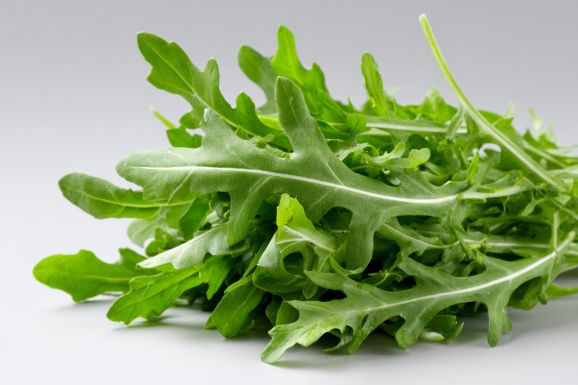
Arugula (Eruca vesicaria)
If you struggle with sluggish digestion, stubborn inflammation, or simply feel like your body could use a nutrient-dense reset, you are far from alone. Millions of people deal with chronic low-grade inflammation that quietly undermines their energy, their immunity, and their quality of life. What if one of the most powerful allies for your health was hiding in plain sight in the produce aisle — a humble, peppery green with a history stretching back thousands of years?
Arugula is one of those remarkable gifts embedded into creation for our benefit. Long before laboratories existed, this bold little plant was already here — provided by a Creator who knew exactly what the human body would need to thrive. Every compound it contains, from its cancer-fighting glucosinolates to its bone-strengthening vitamin K, reflects the wisdom of a Designer who leaves nothing to chance.
The Plant
Common Names: Arugula, Rocket, Garden Rocket, Salad Rocket, Rucola, Rucoli, Rugula, Roquette, Colewort, Italian Cress, Ruchetta, Jarjir (Arabic), Gargir (Hebrew/Arabic)
Botanical Name: Eruca vesicaria (syn. Eruca sativa Mill.)
Family: Brassicaceae (the mustard/cruciferous family — the same family as broccoli, kale, cabbage, and radish, known for cross-shaped flowers and powerful sulfur-containing compounds)
Description
Arugula is a fast-growing annual herb that forms a rosette of deeply lobed, dark green leaves, typically reaching 8 to 24 inches (20–60 cm) in height. The leaves are the plant’s signature feature — elongated with pointed lateral lobes, somewhat resembling oak leaves or dandelion greens. Young “baby” leaves are tender and mildly peppery, while mature leaves develop a bolder, more assertive bite with a slight bitterness.
When allowed to bolt, arugula sends up slender flower stalks topped with charming four-petaled cruciform flowers. These blooms are creamy white to pale yellow with distinctive purple or dark veins — a hallmark of the Brassicaceae family. The flowers are edible and carry a concentrated peppery flavor. After pollination, the plant produces small, elongated seed pods that contain tiny, round, brownish seeds also prized in culinary and medicinal traditions.
The root system is a slender taproot, and the entire plant carries a distinctive mustardy, peppery aroma when crushed — the scent of its glucosinolates being released, the very compounds that make it so valuable to the body.
Origin
Arugula is native to the Mediterranean Basin, with its ancestral range stretching from southern Europe through North Africa and into western Asia. It has been naturalized on every inhabited continent and grows wild today in fields, roadsides, and disturbed soils across the Mediterranean, the Middle East, India, and parts of the Americas. Genetic studies suggest that European populations represent the most ancient cultivated lineages, with North African and South Asian populations evolving separately over centuries of use.
Brief History
Few salad greens carry a history as long and distinguished as arugula. The plant appears in the Old Testament in the Second Book of Kings (2 Kings 4:39), where it is referred to as “orot” (herbs). The Babylonian Talmud, in Tractate Yoma 18b, identifies this biblical herb as “gargir” — arugula — and records that the Talmudic sages recommended eating it when found in the wild. In ancient Rome, Pliny the Elder documented arugula extensively in his first-century encyclopedia Historia Naturalis, noting both its culinary and its physiological properties. The Roman poet Virgil wrote of the plant’s invigorating qualities. Ancient Egyptians cultivated arugula for both its leaves and its seeds. Throughout the medieval period, arugula was preserved in monastery gardens across Europe. Italian immigrants brought this beloved green to the United States in the 1800s, though it would not enter mainstream American cuisine until the 1990s.
Growing & Cultivation
Climate & Zones
Arugula thrives in USDA Hardiness Zones 2 through 11, making it one of the most widely adaptable salad greens available. It is a cool-season crop that performs best when daytime temperatures range between 50°F and 65°F (10–18°C). It tolerates light frost, which can actually sweeten the flavor. In warmer climates (Zones 8–11, including Georgia), arugula is best grown as a fall, winter, and early spring crop, as summer heat triggers rapid bolting. In cooler regions, it can be grown from spring through fall with successive plantings.
Soil Requirements
Arugula prefers rich, well-draining, loamy soil with a pH between 6.0 and 7.0. It is fairly adaptable and will grow in sandy or slightly clay soils as long as drainage is adequate. Amending with compost at planting time supports vigorous leaf production. For container growing, a quality organic potting mix works well. Arugula is not fussy about soil fertility but responds enthusiastically to nitrogen-rich amendments, which promote lush, tender leaf growth.
Water & Sunlight
Keep soil consistently moist but never waterlogged. Arugula has moderate water needs — roughly 1 inch per week. Inconsistent watering or drought stress will cause premature bolting and bitterness. Mulching lightly around the base helps retain moisture and keep roots cool. Arugula grows best in full sun to partial shade. In warmer climates, afternoon shade is beneficial and can extend the harvest window significantly by delaying bolting.
Propagation
Seed is the primary and easiest propagation method. Sow seeds directly outdoors 2 to 4 weeks before the last spring frost date. Plant seeds ¼ inch (6 mm) deep and 1 inch (2.5 cm) apart. Thin seedlings to 3 to 4 inches (7–10 cm) apart. Germination occurs in 5 to 7 days in cool soil (40–55°F / 4–13°C). For continuous harvest, succession plant every 2 to 3 weeks. Arugula frequently self-sows if flower stalks are allowed to go to seed.
Planting
Arugula is one of the fastest greens from seed to table — ready to harvest in just 4 to 6 weeks. For fall crops in warm climates, begin sowing in late August through October. Companion plants include beans, beets, carrots, celery, dill, lettuce, mint, nasturtiums, onions, and potatoes. Avoid planting near strawberries or other Brassicas, which compete for the same nutrients and may share pests.
Harvesting
Begin harvesting baby leaves when they reach 2 to 4 inches long for the mildest flavor. Use the “cut-and-come-again” method — snip outer leaves at the base while leaving the growing center intact. The plant will continue producing new leaves for several weeks. Harvest in the morning for the crispest texture and mildest flavor. Once flower stalks appear, the leaves become increasingly bitter and peppery, though the flowers themselves are a delicious edible garnish.
Drying & Storage
Fresh arugula stores best unwashed in a loosely sealed bag or container in the refrigerator, where it will keep for 3 to 5 days. For longer preservation, arugula can be blanched briefly and frozen for use in cooked dishes, pesto, or smoothies. Drying is not the most common preservation method for arugula, as the delicate leaves lose much of their character when dehydrated. However, dried arugula can be powdered and added to seasoning blends. Arugula pesto (blended with olive oil, garlic, nuts, and Parmesan) freezes exceptionally well and is arguably the best preservation method.
Pest & Disease Management
Flea beetles are the most common pest, creating small holes in leaves. Row covers provide effective organic protection. Aphids can occasionally be problematic; a strong spray of water or neem oil usually controls them. Slugs and snails may target young seedlings — diatomaceous earth or copper barriers help. Arugula’s naturally pungent glucosinolates make it somewhat resistant to many garden pests. Black rot (a bacterial disease) can affect Brassicas — practice crop rotation, ensure good spacing, and remove infected plants promptly. Good garden hygiene, rotating crops, and providing adequate air circulation prevent most issues.
Companion Planting
Arugula makes an excellent companion plant. Its pungent aroma can help deter certain pests from neighboring crops. It pairs well with tomatoes, peppers, and eggplant in the garden. Avoid planting near other Brassicas like cabbage or broccoli to reduce shared pest pressure. Nasturtiums planted nearby serve as a trap crop, drawing flea beetles away from arugula.
The Healing of Growing
Growing arugula offers benefits beyond the harvest itself. The act of gardening — hands in soil, time spent outdoors, attention focused on living things — has been shown to reduce cortisol, improve mood, and support immune function. The soil contains beneficial bacteria (Mycobacterium vaccae) with documented antidepressant effects, stimulating serotonin production when absorbed through the skin. Arugula’s rapid germination and fast growth cycle make it especially rewarding for beginner gardeners. When you grow your own arugula, you receive healing before you ever take a bite.
Nutritional Profile
Macronutrients
Per 100 grams of raw arugula (Source: USDA FoodData Central #169387): Calories: 25 | Protein: 2.6g | Carbohydrates: 3.7g | Dietary Fiber: 1.6g | Sugars: 2.1g | Total Fat: 0.7g | Saturated Fat: 0.1g | Water: 91.7g. Arugula is one of the most nutrient-dense foods available per calorie, making it exceptional for anyone seeking maximum nutrition with minimal caloric impact.
Vitamins
Vitamin K: 108.6 mcg (91% DV) — Critical for blood clotting and calcium regulation in bones. Vitamin K activates osteocalcin, the protein responsible for binding calcium to the bone matrix. This is one of arugula’s most significant nutritional contributions.
Vitamin A: 2,373 IU (47% DV) — Provided primarily as beta-carotene (1,424 mcg), which the body converts to active vitamin A as needed. Supports vision, immune defense, skin integrity, and cellular communication. Beta-carotene also functions as a potent antioxidant independent of its vitamin A activity.
Vitamin C: 15 mg (17% DV) — Supports immune function, collagen synthesis, and iron absorption. Acts as a water-soluble antioxidant that protects cells from oxidative damage. Vitamin C also supports adrenal function and helps the body manage stress.
Folate (B9): 97 mcg (24% DV) — Essential for DNA synthesis, cell division, and methylation processes. Critical during pregnancy for preventing neural tube defects. Supports serotonin and dopamine production through its role in the methylation cycle.
Vitamin B5 (Pantothenic Acid): 0.4 mg (9% DV) — Necessary for the synthesis of coenzyme A, which is vital for fatty acid metabolism, hormone production, and energy generation from food.
Additional B vitamins present include thiamin (B1), riboflavin (B2), niacin (B3), and vitamin B6, all contributing to cellular energy production and nervous system function.
Minerals
Calcium: 160 mg (16% DV) — Supports bone density, muscle contraction, nerve transmission, and heart rhythm. Notably, arugula is low in oxalates compared to spinach, meaning a higher percentage of its calcium is actually bioavailable and absorbable.
Potassium: 369 mg (8% DV) — Regulates fluid balance, muscle contractions, and nerve signals. Adequate potassium intake supports healthy blood pressure and counteracts the effects of excess sodium.
Iron: 1.5 mg (8% DV) — Essential for hemoglobin production and oxygen transport throughout the body. The vitamin C present in arugula enhances non-heme iron absorption when consumed together.
Magnesium: 47 mg (11% DV) — Essential for over 300 enzymatic reactions, including muscle and nerve function, blood sugar regulation, bone health, and energy production. Many people are deficient in magnesium, making food sources like arugula valuable.
Phosphorus: 52 mg (5% DV) — Works with calcium for bone and tooth formation. Also plays a role in how the body uses carbohydrates and fats, and is needed for protein synthesis for cell growth and repair.
Manganese: 0.32 mg (14% DV) — Important for bone formation, blood clotting factors, and the metabolism of amino acids, cholesterol, and carbohydrates. Also a component of the antioxidant enzyme superoxide dismutase.
Trace amounts of copper, zinc, and selenium are also present.
Phytonutrients & Active Compounds
Glucosinolates are arugula’s signature compounds — sulfur-containing molecules responsible for its peppery bite and many of its most powerful health-supporting properties. Raw arugula contains some of the highest concentrations of glucosinolates among all cruciferous vegetables. The primary glucosinolate in arugula is glucoerucin (4-methylthiobutyl glucosinolate), which is hydrolyzed by the enzyme myrosinase (released when the plant is chewed or chopped) into erucin — an isothiocyanate closely related to sulforaphane. Erucin has demonstrated potent antioxidant, anti-inflammatory, and chemoprotective properties in research.
Isothiocyanates (ITCs), including erucin and sulforaphane, are formed when glucosinolates are broken down. Research suggests they support the body’s Phase II detoxification enzymes, which help neutralize and eliminate carcinogens and environmental toxins.
Flavonoids, particularly kaempferol, quercetin, and isorhamnetin glycosides, are abundant in arugula leaves. These polyphenolic compounds contribute to antioxidant defense, may support cardiovascular health, and have demonstrated anti-inflammatory activity in studies.
Carotenoids, including beta-carotene, lutein, and zeaxanthin, support eye health, skin protection, and immune function. Lutein and zeaxanthin are concentrated in the macula of the eye and may help protect against age-related macular degeneration.
Nitrates — Arugula is one of the highest nitrate-containing vegetables, with over 250 mg per 100g. Dietary nitrates are converted to nitric oxide in the body, supporting blood vessel dilation, healthy blood pressure, and improved exercise performance and oxygen efficiency.
Alpha-lipoic acid, an antioxidant found in arugula, has been studied for its potential to support healthy blood sugar levels and increase insulin sensitivity.
Chlorophyll, the green pigment that captures light energy, also functions as a detoxifier in the body, supporting the removal of heavy metals and other environmental toxins.
Nutrient Notes
One of arugula’s standout nutritional advantages is its low oxalate content compared to spinach and other dark leafy greens. Oxalates bind to minerals like calcium and iron, inhibiting their absorption. Because arugula is low in oxalates, the body can actually absorb and use a greater proportion of the minerals it contains. This makes arugula a superior choice for calcium and iron absorption compared to higher-oxalate greens. To maximize nutrient absorption, consume arugula raw (preserving vitamin C and glucosinolate activity) and pair it with a source of healthy fat like olive oil or avocado (to enhance absorption of fat-soluble vitamins A and K and carotenoids).
Connection to Body Compounds
The folate in arugula supports the methylation cycle, which is essential for the production of serotonin and dopamine. The magnesium content may help regulate cortisol levels and supports GABA receptor function, promoting calm. The high nitrate content supports nitric oxide production, which is critical for cardiovascular function. The B-vitamins support overall neurotransmitter synthesis and energy metabolism. The vitamin K and calcium together support the structural compounds involved in bone health.
Culinary Uses
Edible Parts
Leaves are the primary edible portion — eaten raw in salads, wilted into pasta, blended into pesto, layered on sandwiches and pizza, or stirred into soups at the last moment. Baby leaves are mild and tender; mature leaves are bolder and more peppery. Flowers are fully edible with a concentrated peppery, slightly sweet flavor — beautiful as a garnish and in salads. Seeds are edible and can be used as a spice (similar to mustard seed) or pressed into taramira oil, traditionally used in South Asian and Middle Eastern cooking and medicine. Sprouts and microgreens are nutrient-dense and carry a milder version of the adult plant’s peppery flavor.
Flavor Profile
Arugula’s taste is its calling card — distinctly peppery, slightly nutty, with a pleasant mustard-like sharpness and a mild bitterness that increases as the leaves mature. The flavor intensifies when the plant is stressed by heat or drought. Baby arugula is milder, making it more accessible for those new to the green. Cooking mellows the peppery bite significantly. When dried, the flavor concentrates but loses some of its fresh vibrancy. The aroma when fresh is green, clean, and faintly sulfurous — the scent of glucosinolates at work.
Preparation
Arugula requires minimal preparation — simply wash, spin dry, and serve. It is most nutritious when eaten raw, which preserves its vitamin C content and allows the myrosinase enzyme to convert glucosinolates into their active isothiocyanate forms when you chew. For cooked applications, add arugula at the very end of cooking — just enough heat to wilt it without destroying its delicate compounds. Arugula makes an exceptional pesto when blended with olive oil, pine nuts or walnuts, garlic, and Parmesan. It can also be juiced or blended into smoothies for a nutrient boost.
Culinary Pairings
Arugula’s peppery bite pairs beautifully with creamy, tangy, sweet, and rich flavors. Excellent pairings include: cheeses (Parmesan, goat cheese, burrata, feta), fruits (strawberries, pears, figs, peaches, lemon), nuts (pine nuts, walnuts, almonds, pecans), proteins (grilled chicken, steak, salmon, prosciutto, eggs), acids (balsamic vinegar, lemon juice, red wine vinegar), fats (olive oil, avocado), and aromatics (garlic, shallots, fresh basil). Arugula also pairs well with grains like farro, quinoa, and couscous, and is a natural fit for flatbreads, pizza, and pasta.
Storage
Store fresh arugula unwashed in a sealed container lined with a paper towel in the refrigerator for 3 to 5 days. Do not store wet leaves, as moisture causes rapid decay. For longer storage, blend into pesto and freeze in ice cube trays. Arugula can also be blanched briefly and frozen flat on a sheet pan, then transferred to freezer bags for use in cooked dishes and smoothies for up to 6 months.
Ready to cook with arugula? View Recipes on Chefts →
Wellness & Therapeutic Uses
Traditional Uses
Arugula has been used therapeutically across cultures for millennia. In ancient Rome, Pliny the Elder documented its use as a digestive aid, an energizing tonic, and for its warming properties. Roman physicians also noted its use as an anesthetic agent. In Unani (Islamic) traditional medicine, arugula (jarjir/jirjeer) has been valued as a carminative (relieves gas), diuretic, digestive aid, emmenagogue (promotes menstrual flow), rubefacient (warms and stimulates circulation), and galactopoietic (supports milk production in nursing mothers). In Ayurvedic tradition, arugula’s pungent and bitter qualities are associated with supporting the digestive fire (agni) and clearing stagnation. In Middle Eastern folk medicine, arugula seeds and leaves have been used to support kidney health, digestion, and fertility. In traditional Mediterranean medicine, arugula was used as a diuretic, for skin conditions, and to support overall vitality.
Modern Research
Gastroprotective Activity: A 2009 study from King Saud University (Saudi Arabia) published in the World Journal of Gastroenterology found that arugula extract demonstrated significant anti-secretory, cytoprotective, and anti-ulcer activities in rat models. The extract reduced gastric acid secretion, replenished protective gastric wall mucus, and reduced lipid peroxidation. The researchers concluded the gastroprotective effect was likely mediated through prostaglandin activity and antioxidant properties (animal study).
Antioxidant and Cytoprotective Activity: A 2017 study from the University of Messina (Italy) published in Pharmacognosy Magazine demonstrated that arugula leaf extract exhibited radical scavenging activity, iron-chelating properties, and significant cytoprotective effects against hydrogen peroxide-induced oxidative stress in human peripheral blood mononuclear cells. Both the whole extract and the isolated glucosinolate fraction protected cells from oxidative damage (in vitro).
Anti-inflammatory and Neuroprotective Activity: A 2018 study from the University of Messina (Italy) published in Molecular Medicine Reports found that arugula seed extract demonstrated anti-inflammatory and neuroprotective effects in motor neuron cells exposed to inflammatory stimulation. The extract counteracted the expression of pro-inflammatory markers (TLR4, COX2, NLRP3 inflammasome) and restored anti-inflammatory interleukin-10 expression (in vitro).
Anticancer Properties: Research on glucosinolates and their breakdown products (isothiocyanates) consistently suggests they may support the body’s defense against cancer development. Erucin, the primary isothiocyanate from arugula, has demonstrated the ability to induce Phase II detoxification enzymes, inhibit cancer cell growth, and promote apoptosis (programmed cell death) in various cancer cell lines in laboratory studies. A 2005 study published in the Journal of Agricultural and Food Chemistry confirmed that glucoerucin from arugula seeds and sprouts acts as a direct antioxidant and serves as a precursor to sulforaphane, one of the most studied chemoprotective compounds (in vitro).
Cardiovascular Support: Arugula’s exceptionally high nitrate content is significant. A body of research, including a review published in the British Journal of Clinical Pharmacology (2013), has shown that dietary nitrates from leafy vegetables support nitric oxide production, which helps relax blood vessels, may support healthy blood pressure, and may improve exercise performance by reducing the oxygen cost of physical activity.
Blood Sugar Support: Arugula contains alpha-lipoic acid, an antioxidant that has been studied for its potential to support healthy glucose levels and increase insulin sensitivity. Research published in Biochimica et Biophysica Acta (2009) reviewed the molecular mechanisms of alpha-lipoic acid, noting its potential to lower glucose levels and reduce oxidative stress-related changes associated with diabetes.
Diabetic Neuropathy Support: A 2019 study published in Molecules found that bioactivated arugula seed meal and its primary glucosinolate (glucoerucin) demonstrated pain-relieving effects in a mouse model of diabetic neuropathic pain. The mechanism involved hydrogen sulfide production and potassium channel activation (animal study).
Body Systems Supported
Digestive System: Traditional and modern evidence support arugula’s role as a digestive aid. Its bitter compounds stimulate digestive secretions. Research suggests gastroprotective properties.
Immune System: Rich in vitamin C, vitamin A (beta-carotene), and antioxidant phytonutrients including flavonoids and isothiocyanates. Di-indolyl-methane (DIM), a metabolite of indole compounds found in cruciferous vegetables, has demonstrated immune-modulating properties.
Cardiovascular System: High dietary nitrate content supports nitric oxide production and vascular health. Potassium supports healthy blood pressure. Flavonoids support endothelial function. Folate helps regulate homocysteine levels.
Musculoskeletal System: Vitamin K (91% DV per 100g) is essential for bone mineralization. Calcium, magnesium, manganese, and phosphorus all support bone density and integrity.
Nervous System: Folate and B-vitamins support neurotransmitter synthesis. Research suggests neuroprotective effects of arugula seed compounds. Magnesium supports nerve function and GABA activity.
Integumentary System (Skin): Vitamin A, vitamin C, and antioxidant compounds support skin health, collagen production, and protection from UV-related oxidative damage.
Endocrine System: Alpha-lipoic acid and chromium traces may support insulin sensitivity. Glucosinolates may support liver detoxification of excess hormones.
Urinary System: Traditionally used as a diuretic across multiple cultures.
Body Compounds Affected
Arugula’s nutrients and phytochemicals may influence several key body compounds. The folate content supports the methylation cycle, which is essential for producing serotonin, dopamine, and norepinephrine. The magnesium may support GABA receptor function, promoting relaxation and calm. The high dietary nitrate is converted to nitric oxide, a critical vasodilator compound. The glucosinolates may influence inflammatory cytokines (IL-1β, TNF-α, COX-2) by supporting anti-inflammatory pathways. The alpha-lipoic acid may influence insulin signaling. The vitamin K affects blood clotting factors and calcium-regulating proteins.
Methods of Use
Fresh Consumption (Raw)
This is the most nutritionally complete way to consume arugula. Eating it raw preserves vitamin C, activates the myrosinase enzyme (which converts glucosinolates to their active isothiocyanate forms), and maintains the full spectrum of phytonutrients. A daily serving of 1 to 2 cups of fresh arugula provides substantial nutritional benefit.
Tea/Infusion
While not the most common preparation, arugula leaf tea has traditional use as a mild digestive tonic and diuretic. Use 1 to 2 tablespoons of fresh leaves per cup of hot (not boiling) water. Steep 5 to 10 minutes, covered. Strain and drink up to 2 cups daily. The flavor will be mild and slightly peppery.
Juice/Smoothie
Add a handful of fresh arugula to green juices or smoothies for a nutrient boost. Pair with apple, lemon, ginger, or cucumber to balance the peppery flavor. This concentrates the nitrate, folate, and phytonutrient content.
Seed Oil (Taramira Oil)
In South Asian and Middle Eastern traditions, arugula seed oil (taramira oil) is used both internally (for digestive support) and topically (for skin and hair). It is cold-pressed from the seeds and contains erucic acid, oleic acid, and omega fatty acids.
Cosmetic & Beauty Uses
Skin Benefits
Arugula is rich in skin-supporting nutrients, including vitamin A (beta-carotene), vitamin C, and antioxidant flavonoids. Vitamin A supports cell turnover and may help maintain smooth, even-toned skin. Vitamin C is essential for collagen synthesis — the structural protein that keeps skin firm and resilient. The antioxidant compounds in arugula, particularly quercetin and kaempferol, may help protect skin from oxidative damage caused by UV exposure and environmental pollutants. Arugula is also a source of sulfur-containing compounds (from glucosinolates), which support the body’s production of glutathione — often called the “master antioxidant” — which plays a role in maintaining clear, healthy skin. These properties make arugula potentially supportive for all skin types, with particular relevance for those concerned with dullness, uneven tone, or the visible signs of aging.
Hair Benefits
Arugula seed oil (taramira oil) has been used for centuries in South Asian and Middle Eastern traditions for hair health. The oil is rich in fatty acids and has been traditionally applied to the scalp to support hair strength, promote shine, and address dryness. The iron and folate content of arugula supports healthy blood flow to the scalp and the production of red blood cells, which carry oxygen and nutrients to hair follicles. The sulfur compounds from glucosinolates may support keratin production, the primary structural protein of hair. A traditional Middle Eastern hair rinse involves infusing arugula leaves in water and using the resulting liquid as a final rinse after shampooing to add shine and support scalp health.
Application Methods
Arugula can be incorporated into topical care in several ways: Face masks — blend fresh arugula with honey and a small amount of yogurt for a nutrient-rich facial mask (leave on 10–15 minutes, rinse with cool water). Arugula seed oil — apply directly to hair and scalp as a pre-wash treatment, or add a few drops to your regular conditioner. Arugula-infused oil — gently warm olive or jojoba oil with fresh arugula leaves on low heat for 1 to 2 hours, strain, and use as a body oil or hair treatment. Hair rinse — steep a generous handful of arugula leaves in hot water for 20 minutes, strain, cool, and use as a final hair rinse.
DIY Formulation Notes
When incorporating arugula into homemade products, use fresh leaves immediately for masks and rinses, as the active compounds degrade quickly. Arugula seed oil has a longer shelf life and can be blended with carrier oils at 10–30% concentration. Pair arugula with cooling, soothing ingredients like cucumber or aloe vera to balance its warming nature. Do not combine fresh arugula preparations with strong acids or high heat, which can degrade the beneficial compounds. Homemade arugula preparations (infusions and masks) should be made fresh and used within 24 to 48 hours. Arugula seed oil stores well in a cool, dark place for several months.
Arugula is among the botanicals being explored for holistic cosmetic applications, where the wisdom of traditional beauty practices meets modern understanding of skin science.
Aromatherapy & Scent
The Aroma
Fresh arugula carries a distinctive scent — green, peppery, and faintly sulfurous with a mustardy warmth. The aroma intensifies when the leaves are torn, crushed, or chewed, which activates the myrosinase enzyme and releases volatile isothiocyanates. On a warm day in the garden, arugula plants release a gentle green, slightly spicy scent. After rain, the aroma becomes fresher and more pronounced. Touching or brushing against the leaves releases a burst of their characteristic peppery-green fragrance.
When dried, arugula retains a more muted, hay-like version of its fresh aroma. The peppery sharpness diminishes, replaced by a subtler, earthy green note. Dried arugula retains some scent for several weeks when stored in an airtight container, but it is significantly less aromatic than the fresh plant.
How Scent Affects Your Body
When you smell fresh arugula, volatile molecules released by the plant enter your nasal passages and contact olfactory receptors. These receptors send signals directly to the limbic system (your emotional brain) and the hypothalamus (which governs hormone production). This pathway is remarkably direct — scent affects your body chemistry within seconds, before conscious thought has time to intervene. The peppery, slightly spicy aroma of arugula belongs to a category of scents associated with invigoration and alertness.
Emotional & Mood Effects
The fresh, peppery scent of arugula is generally experienced as invigorating, clarifying, and mildly energizing. It is a “green” scent in the aromatherapy sense — associated with grounding, connection to nature, and mental clarity. The sharpness of the aroma may promote alertness and focus. In the garden, the scent of arugula combined with the experience of being outdoors may contribute to the well-documented stress-reducing effects of time spent around growing plants.
Body Compounds Affected
While specific research on the aromatic effects of arugula scent on body chemistry is limited, green, herbaceous aromas in general have been associated with mild cortisol-lowering effects and promotion of a calm-alert state. The invigorating quality of peppery scents may support norepinephrine and dopamine activity, contributing to a sense of alertness without anxiety.
Ways to Experience the Scent
The best ways to experience arugula’s aroma include growing the plant indoors or outdoors (brushing against it as you tend your garden), tearing fresh leaves while preparing a meal, and inhaling the scent of a freshly made arugula pesto. Adding fresh arugula to a warm dish at the table releases its volatile compounds beautifully. Because arugula does not produce an essential oil, its scent is best experienced through the living or fresh plant.
Color Therapy
The Colors of Arugula
Arugula presents a rich palette of color throughout its life cycle. The leaves are a vibrant, deep green — sometimes with a blue-green undertone. New growth may appear a brighter, lighter green. The flowers are creamy white to pale yellow with striking dark purple or violet veining. Seeds are small and brownish-tan. The stems range from pale green to reddish near the base of mature plants.
Color Wavelengths
The dominant color of arugula is green, which falls in the 495–570 nm wavelength range of the visible spectrum. The flowers contribute white (full spectrum) and purple/violet (380–450 nm) accents.
How Green Affects the Body
Green is the most balancing color in the visible spectrum — it sits at the center of the rainbow. In color therapy, green is associated with balance, calm, heart-centered energy, and a sense of renewal and connection to nature. Exposure to green environments has been extensively studied and is associated with reduced stress, lower blood pressure, improved mood, and faster recovery from illness. Viewing green plants activates the parasympathetic (“rest and digest”) nervous system. The purple veins in arugula’s flowers add an additional wavelength associated with calming the nervous system, meditation, and spiritual connection.
Body Compounds Affected
Exposure to the green wavelength has been associated with reduced cortisol levels and promotion of a balanced stress response. Time spent viewing green environments may support serotonin production and parasympathetic nervous system activation.
Using Arugula for Color Therapy
Grow arugula in a container on your kitchen windowsill or in a visible garden bed where you can enjoy its deep green leaves daily. Use the vibrant green leaves as a visual anchor for your salad plate — “eating the rainbow” begins with a generous bed of green. When arugula flowers, bring a small bouquet indoors for a display of white and purple that adds visual calm to your space. The act of tending a small arugula planting, watching the bright green leaves emerge from seed, is itself a form of color-based nature therapy.
Frequency & Vibration
The Frequency of Arugula
While specific MHz frequency measurements for the arugula plant have not been widely published in the available bio-frequency literature, arugula is a fresh, raw, living green — and fresh produce is generally understood to vibrate at higher frequencies than processed or cooked foods. According to the framework proposed by researchers including Bruce Tainio, fresh foods and herbs tend to measure in the range of 20–27 MHz, with fresh herbs potentially reaching higher. For reference, a healthy human body is estimated to vibrate in the range of 62–78 MHz, while disease processes are associated with lower frequencies.
Human Frequency Interaction
According to proponents of vibrational medicine, consuming high-frequency foods like fresh raw arugula may support the body’s overall vibrational state. The principle of entrainment suggests that a stronger, more coherent frequency can influence and elevate a weaker one. Being around fresh, living plants — growing your own arugula, for instance — may provide subtle frequency support through proximity alone. While frequency measurements of specific plants are an area where research is still emerging, the broader principle that fresh, whole, living foods support vitality is well-established in both traditional and modern nutritional science.
Vibrational Applications
To benefit from arugula’s vibrational qualities, consume it fresh and raw as often as possible. Growing it at home keeps living plant energy in your environment. Combining arugula with other fresh, raw foods and herbs creates a high-frequency meal. Pairing arugula consumption with other high-frequency practices — time in nature, prayer, meditation, clean water, and positive intention — may create a synergistic effect on overall wellbeing.
The Living Plant
Benefits of Presence
Simply having arugula growing in your kitchen, on your windowsill, or in your garden provides benefits beyond what you will eventually eat. Research on biophilic design — the human need for connection with living systems — demonstrates that the presence of living plants reduces stress, improves attention, and promotes psychological wellbeing. Arugula’s fast germination (5–7 days) and rapid growth offer the additional psychological reward of visible progress, which supports a sense of accomplishment and purpose.
Air Purification
While arugula was not among the specific plants tested in the NASA Clean Air Study, all green, photosynthesizing plants contribute to indoor air quality by absorbing carbon dioxide and releasing oxygen during daylight hours. A collection of small arugula plantings on a kitchen windowsill can modestly improve the air quality of the immediate space while providing fresh greens for daily meals. As a Brassica, arugula is a vigorous grower with high metabolic activity, meaning it actively exchanges gases with its environment.
Phytoncides
Arugula releases volatile organic compounds (VOCs) as part of its natural defense system. These include the sulfur-containing compounds produced by the breakdown of glucosinolates. While research on arugula’s specific phytoncide profile is limited compared to forest trees, the general principle of forest bathing (shinrin-yoku) research applies — volatile compounds released by plants have been shown to support immune function, including increasing Natural Killer (NK) cell activity. Growing Brassica plants indoors introduces these subtle volatile compounds into your living space.
Visual & Psychological Benefits
Research consistently demonstrates that viewing green plants reduces psychological stress and promotes attention restoration. A well-known study by Roger Ulrich (1984) found that hospital patients with views of greenery recovered faster than those with views of walls. Indoor plants in workspaces have been associated with increased productivity and reduced reported stress. Even small-scale greenery — like a container of arugula on a desk or kitchen counter — can contribute to these effects. The act of caring for a fast-growing plant like arugula provides a sense of nurturing and connection that supports mental wellbeing.
Growing Indoors vs Outdoors
Arugula is well-suited to both indoor and outdoor growing. Indoors, it thrives on a sunny windowsill with at least 4 to 6 hours of direct light, or under a simple grow light. Use a shallow container (at least 6 inches deep) with good drainage. Sow seeds directly into potting mix and keep soil evenly moist. Indoor arugula grows slightly slower than outdoor plants but produces perfectly usable leaves. Outdoor growing provides the additional benefits of full sunlight, natural air circulation, and direct connection to the earth. For maximum presence benefits, keep a small indoor planting year-round and supplement with outdoor growing during the cooler seasons.
Touch & Physical Interaction
Gardening Therapy
Horticultural therapy is a well-established practice, and arugula is an ideal candidate for therapeutic gardening. Its fast growth cycle (seed to harvest in 4–6 weeks) provides rapid, tangible results — important for building a sense of accomplishment and hope. The simplicity of arugula cultivation makes it accessible to people of all ages and abilities, including children, the elderly, and those new to gardening. The repetitive, mindful motions of sowing seeds, watering, and harvesting engage the body and quiet the mind in ways that mirror meditation.
Soil Contact Benefits
Planting arugula seeds with bare hands brings you into direct contact with soil, which research shows provides measurable benefits. Mycobacterium vaccae, a harmless bacterium naturally present in soil, has been shown in studies (including research from the University of Bristol) to stimulate serotonin production and reduce anxiety-like behavior when absorbed through the skin or inhaled. Gardening barefoot on natural ground provides grounding (earthing) benefits — the transfer of free electrons from the earth into the body, which research suggests may reduce inflammation and improve sleep. Growing arugula in a raised bed or container still offers the soil microbiome exposure, even without direct ground contact.
The Tactile Experience
Arugula leaves have a distinctive texture — smooth on the upper surface with a slight roughness on the underside and along the lobed edges. Baby arugula leaves are soft, thin, and almost silky. Mature leaves are slightly more substantial with a crisp, tender quality. The stems snap cleanly when harvested. Running your fingers through a dense planting of arugula, feeling the cool leaves brush against your skin, is a gentle sensory experience. Picking individual leaves to add to a salad is a meditative, focused activity that connects you to the rhythm of growing and nourishing.
Harvesting & Processing
Harvesting arugula by hand — pinching or snipping outer leaves while leaving the center intact — is a quiet, repetitive action that promotes mindfulness. Washing the leaves under cool running water, patting them dry, and tearing them into a bowl engages multiple senses: the cool water on your fingers, the crisp snap of the leaves, the release of peppery aroma as the leaves tear. Making arugula pesto — tearing leaves, dropping them into a mortar or blender, combining with oil, garlic, and nuts — is a deeply sensory and grounding activity. These simple kitchen rituals connect you to the food you eat in a way that purchasing pre-washed, pre-bagged greens cannot replicate.
Water-Based Applications
Teas & Infusions
Arugula leaf tea is a simple, traditional preparation used as a mild digestive tonic and gentle diuretic. To prepare: use 1 to 2 tablespoons of fresh arugula leaves (roughly torn) per 8 oz cup of hot water. The water should be just below boiling (approximately 180°F / 82°C) to preserve heat-sensitive compounds. Steep for 5 to 10 minutes, covered. Strain and drink. The flavor is mild, slightly peppery, and green. This infusion can be consumed warm or cooled. Traditionally used to support digestion after meals, 1 to 2 cups daily is a reasonable amount.
Herbal Baths
A bath infused with arugula is not a widely documented practice in Western herbalism, but the concept aligns with hydrotherapy principles. To try: steep a generous handful of fresh arugula leaves in a large pot of hot water for 15 to 20 minutes. Strain the liquid and add it to a warm (not hot) bath. The mild sulfur compounds and antioxidants in the infusion may provide gentle skin-soothing benefits. This is a subtle application best combined with other bath herbs like chamomile or lavender. A foot soak using arugula-infused water is a simpler alternative for topical exposure to its beneficial compounds.
Compresses
Arugula has not been widely documented as a compress herb in the Western tradition. However, a poultice or compress made from crushed fresh arugula leaves applied to the skin would deliver its volatile compounds topically. A warm compress could be made by soaking a cloth in strong arugula infusion and applying it to areas of stiffness or soreness. In Unani medicine, arugula is classified as a rubefacient (warming agent that stimulates circulation), which supports the concept of topical application to promote blood flow.
Steam Inhalation
Adding fresh arugula leaves to a bowl of steaming water and inhaling the vapors is a way to experience its volatile glucosinolate compounds through the respiratory route. The mild sulfurous, peppery steam may help open airways during congestion. Cover your head with a towel and breathe the steam for 5 to 10 minutes. This is a gentle practice best suited for mild congestion and is not a replacement for medical treatment for respiratory conditions.
Hair Rinses
An arugula hair rinse is a traditional practice in Mediterranean and Middle Eastern cultures. To prepare: steep a large handful of fresh arugula leaves in 2 cups of hot water for 20 to 30 minutes. Strain and cool to a comfortable temperature. After shampooing, pour the arugula rinse over hair and scalp as a final rinse. Do not rinse out. The minerals, sulfur compounds, and antioxidants may support scalp health, add shine, and strengthen the hair shaft. Use 1 to 2 times per week for best results.
Historical, Cultural & Biblical Significance
Biblical References
Arugula has a credible connection to Scripture. In 2 Kings 4:39, during a famine, one of Elisha’s followers went out to gather “orot” (herbs) from the field. The Babylonian Talmud (Tractate Yoma 18b) identifies this biblical “orot” as “gargir” — arugula, still called jarjir in Arabic today. The Talmudic text explains that the plants were called “orot” because “they enlighten (me’irot) the eyes,” attributing vision-supporting properties to this green. The Talmudic sages recommended eating arugula when it was found growing, recognizing its nutritional value. In later Jewish tradition, the ninth-century rabbi Amram Ga’on recommended arugula as an ideal bitter green (karpas) for the Passover Seder. While not named explicitly in most English translations of the Bible, arugula’s presence in the ancient Hebrew and Near Eastern world is well-documented in the texts that surround and interpret Scripture.
Ancient Civilizations
In ancient Egypt, arugula was cultivated for both its leaves and seeds. Egyptian physicians valued it as a medicinal herb, and its seeds were used in oil production. In ancient Greece, arugula was among the cultivated herbs, and Dioscorides documented it in his De Materia Medica. In ancient Rome, arugula held a prominent place at the table and in the pharmacopoeia. Pliny the Elder devoted significant attention to it in his Historia Naturalis (77 AD), documenting its use as a digestive, an energizing tonic, and an anesthetic. A typical Roman healing salad combined arugula with romaine lettuce, chicory, mallow, and lavender. The poet Virgil celebrated the plant in verse. Roman cultivation of arugula was widespread, and the plant’s Latin name “eruca” became the root of both its modern botanical name and the common name “arugula.”
Eastern Traditions
In Unani (Islamic) medicine, arugula (jarjir/jirjeer) occupies a well-documented place in the classical texts. It is classified as having a hot and dry temperament and is valued as a carminative, diuretic, digestive, emmenagogue, rubefacient, demulcent, and tonic. Unani practitioners have used arugula for centuries to support digestion, kidney function, and vitality. In Ayurvedic tradition, while arugula is not as prominently featured as some other plants, its pungent and bitter qualities align with Ayurvedic principles of supporting the digestive fire (agni) and clearing kapha (stagnation). In South Asian medicine, arugula seed oil (taramira) has been used for centuries for both medicinal and cosmetic purposes, particularly for skin and hair health, and as a warming massage oil.
Indigenous Knowledge
As a Mediterranean native, arugula’s primary indigenous knowledge base comes from the cultures of the Mediterranean Basin, the Middle East, and North Africa. Throughout Turkey, Lebanon, Syria, and Egypt, arugula has been a daily food and traditional remedy for generations. The seeds were used for flavoring oils, and the plant was valued for supporting digestion, fertility, and kidney health. When European settlers and Italian immigrants brought arugula to the Americas, they carried centuries of accumulated knowledge about its cultivation and use. In India, while the leaves are less commonly consumed, the seed oil (taramira) holds an important place in traditional practices for hair care, skin health, and as a warming liniment.
European Heritage
During the medieval period, arugula was preserved and cultivated in European monastery gardens — those remarkable repositories of botanical and medicinal knowledge. In Italy, arugula remained a staple from Roman times through the Renaissance and into modern cuisine, where it is known as rucola. In France, it is roquette. In England, it is called rocket — a name derived from the French. The great Renaissance herbalists would have recognized this plant. European folk medicine traditions used arugula as a digestive tonic, a warming herb, and a general vitality booster. Italian immigrants brought arugula to the United States in the 19th century, though it would not become widely popular in American cuisine until the 1990s gourmet food movement.
Cultural Symbolism
Across cultures, arugula has been associated with vitality, energy, invigoration, and the quickening of the senses. Its bold, peppery flavor has long symbolized vigor and liveliness. In Italian culture, rucola is a symbol of simple, fresh, honest food — a cornerstone of the Mediterranean diet that has been linked to longevity and health. The plant’s cross-shaped flowers (cruciform) give the entire Brassicaceae family their alternate name, “cruciferous vegetables” — literally, “cross-bearing.” The cultures that observed arugula’s properties — from the ancient Hebrews to the Romans to the medieval monks — were each witnessing the same design. They documented what worked because it was true. The Designer placed it here for a purpose.
Safety & Precautions
Contraindications
Arugula is generally recognized as safe when consumed as a food. There are no major contraindications for food-level consumption in healthy adults. However, individuals with a known allergy to cruciferous vegetables (Brassicaceae family) — including mustard, cabbage, or broccoli — should exercise caution, as cross-reactivity is possible. Those with existing kidney stones (particularly calcium oxalate stones) should be aware that while arugula is lower in oxalates than spinach, it still contains some oxalates.
Drug Interactions
Blood thinners (Warfarin/Coumadin): This is the most clinically significant interaction. Arugula is very high in vitamin K (91% DV per 100g), which plays a central role in blood clotting. Consuming large or inconsistent amounts of high-vitamin K foods can interfere with the effectiveness of anticoagulant medications. People on blood thinners should not necessarily avoid arugula but should maintain consistent daily intake and discuss their dietary vitamin K consumption with their prescribing physician.
Thyroid medications: Like other cruciferous vegetables, arugula contains goitrogens — compounds that, in very large quantities, may interfere with thyroid hormone production. For most people, the amount of goitrogens in normal dietary intake of arugula poses no concern. However, individuals with hypothyroidism or those taking thyroid medications should be aware and consult their healthcare provider if consuming very large quantities regularly. Cooking reduces goitrogen content significantly.
Diabetes medications: Arugula contains alpha-lipoic acid and other compounds that may support healthy blood sugar. Those on insulin or oral hypoglycemic medications should monitor blood sugar when significantly increasing arugula intake, as an additive blood-sugar-lowering effect is theoretically possible.
Blood pressure medications: The high nitrate content of arugula supports nitric oxide production, which dilates blood vessels. Those on blood pressure-lowering medications should be aware of a potential additive effect. This is generally not dangerous but should be monitored.
Pregnancy & Nursing
Arugula consumed as a food is generally considered safe during pregnancy and breastfeeding. In fact, its high folate content makes it a nutritionally desirable food during pregnancy. However, arugula has traditional use as an emmenagogue (promoting menstrual flow) in some herbal traditions, particularly at concentrated or therapeutic doses. Pregnant women should enjoy arugula as a food but should avoid concentrated therapeutic preparations (strong teas, seed extracts, or seed oil taken internally in medicinal quantities) without guidance from a qualified healthcare provider. In several traditional systems, arugula has been used to support milk production in nursing mothers (galactopoietic).
Children
Arugula is safe for children as a food. Its peppery flavor may be intense for young palates — baby arugula or mixed greens are a gentler introduction. Arugula can be introduced as part of a varied diet once a child is eating solid foods, typically after 6 months. Start with small amounts mixed into other mild greens or blended into smoothies. There are no specific pediatric safety concerns at food-level intake.
Elderly
Arugula is an excellent food choice for older adults, providing significant bone-supporting nutrients (vitamin K, calcium, magnesium) with very low calorie density. The primary caution for elderly individuals is the vitamin K interaction with anticoagulant medications, which are commonly prescribed in older populations. Maintain consistent intake and communicate with your healthcare provider.
Pets
Dogs: Arugula is non-toxic to dogs and can be offered in small amounts as an occasional treat. It is not on the ASPCA toxic plant list. Most dogs may not enjoy the peppery flavor. Feed plain, washed arugula without dressings, oils, garlic, or onion.
Cats: Arugula is non-toxic to cats. It does not appear on the ASPCA toxic plant list. Cats are obligate carnivores and arugula should not replace their meat-based diet, but a nibble of arugula will not harm a curious cat. Some cats may experience mild gastrointestinal upset if they eat a larger amount.
Horses: Arugula is not known to be toxic to horses. However, all cruciferous plants contain compounds that, in very large quantities, could theoretically affect thyroid function. As arugula is unlikely to constitute a significant portion of a horse’s diet, this is not a practical concern.
Allergies & Sensitivities
Individuals with allergies to other plants in the Brassicaceae (mustard) family may experience cross-reactivity with arugula. Symptoms could include oral itching, swelling, or digestive discomfort. A small minority of people may experience gas or bloating from the sulfur compounds in cruciferous vegetables, particularly when first increasing intake. Arugula is not known to cause phototoxicity. Patch test arugula-based topical preparations on a small area of skin before wider application.
Dosing Guidelines
As a food, there is no strict upper limit for arugula consumption in healthy adults. A typical beneficial serving is 1 to 2 cups (20–40g) of fresh arugula per day. Those seeking consistent therapeutic-level intake of its glucosinolates and nitrates may benefit from including arugula or other cruciferous greens daily. The key consideration is consistency rather than quantity, especially for those on vitamin K-sensitive medications. For arugula tea, 1 to 2 cups per day is a reasonable amount. Arugula seed oil for topical use can be applied as needed. Internal use of arugula seed oil or concentrated extracts should be approached with caution and professional guidance.
Quality & Sourcing
Choose arugula with crisp, vibrant green leaves and no signs of yellowing, wilting, or sliminess. Organic arugula is preferable to reduce pesticide exposure, as leafy greens can absorb agricultural chemicals. Wash all arugula thoroughly before consuming, even pre-washed varieties. If purchasing arugula seed oil, look for cold-pressed, unrefined products from reputable suppliers. Growing your own arugula from organic seed is the most reliable way to ensure quality and freshness.
Signs of Adverse Reaction
Mild reactions to arugula are rare but could include gastrointestinal discomfort (gas, bloating, or loose stools), particularly when first introducing larger quantities of cruciferous vegetables. Allergic reactions (oral itching, swelling, hives, difficulty breathing) require immediate cessation and medical attention. Any sudden change in the effectiveness of anticoagulant medication should be reported to a physician — it could be related to changes in vitamin K intake.
Disclaimer
This information is for educational purposes only. It is not intended to diagnose, treat, cure, or prevent any disease. Always consult with a qualified healthcare provider before using any herbal product, especially if you are pregnant, nursing, taking medications, or have a medical condition. If you experience any adverse reaction, discontinue use immediately and seek medical attention.
Want Personalized Guidance?
Every body is unique. What works for one person may not be right for another. If you’d like personalized support in incorporating arugula into your wellness journey, consider working with a qualified practitioner who can assess your individual needs.
Sources & References
Peer-Reviewed Studies
- Rocket “Eruca sativa”: A salad herb with potential gastric anti-ulcer activity — Alqasoumi S, et al. World Journal of Gastroenterology, 2009; 15(16): 1958-1965. Saudi Arabia.
- Direct antioxidant activity of purified glucoerucin, the dietary secondary metabolite contained in rocket (Eruca sativa Mill.) seeds and sprouts — Barillari J, et al. Journal of Agricultural and Food Chemistry, 2005; 53(7): 2475-2482. Italy.
- Eruca sativa seed extract: A novel natural product able to counteract neuroinflammation — Gugliandolo A, et al. Molecular Medicine Reports, 2018; 17(5): 6235-6244. Italy.
- Contribution of the Glucosinolate Fraction to the Overall Antioxidant Potential, Cytoprotection against Oxidative Insult and Antimicrobial Activity of Eruca sativa Mill. Leaves Extract — Taviano MF, et al. Pharmacognosy Magazine, 2017; 13(52): 738-743. Italy.
- Eruca sativa Meal against Diabetic Neuropathic Pain: An H2S-Mediated Effect of Glucoerucin — Lucarini E, et al. Molecules, 2019; 24(16): 2585. Italy.
- Phytochemical and In Silico ADME/Tox Analysis of Eruca sativa Extract with Antioxidant, Antibacterial and Anticancer Potential against Caco-2 and HCT-116 Colorectal Carcinoma Cell Lines — Awadelkareem AM, et al. Molecules, 2022; 27(4): 1409. Saudi Arabia/Tunisia.
- Ontogenic profiling of glucosinolates, flavonoids, and other secondary metabolites in Eruca sativa — Bennett RN, et al. Journal of Agricultural and Food Chemistry, 2006; 54(11): 4005-4015. United Kingdom/Portugal.
- Genotypes of Eruca vesicaria subsp. sativa grown in contrasting field environments differ on transcriptomic and metabolomic levels, significantly impacting nutritional quality — Bell L, et al. Frontiers in Plant Science, 2023; 14:1218984. United Kingdom.
- Comparative analysis of phytochemical composition and anti-oxidant and anti-inflammatory benefits of Eruca sativa grown at high altitude — Chemical Papers, 2022. India.
- Genomic analyses of arugula (Eruca sativa) accessions reveal domestication history and breeding insights — Horticulture Advances, 2025. International.
Nutritional & Institutional Sources
- USDA FoodData Central — Arugula, raw (NDB #169387) — U.S. Department of Agriculture.
- Eruca vesicaria (Arugula) — Growing Guide and Nutritional Profile — Gardenia.net.
- Eruca vesicaria subsp. sativa — Plant Finder — Missouri Botanical Garden.
Traditional Medicine & Historical Sources
- Eruca sativa, a Tasty Salad Herb with Health-Promoting Properties — Morales M. In: Cataldi et al. (eds) Bioactive Compounds in Health and Disease. Springer, 2014.
- The History of Arugula: Peppery Plant, Storied Past — Baker Creek Rare Seeds, 2025.
- The Secret Jewish History of Arugula — The Forward, 2016.
- Arugula History and Facts — B&W Quality Growers.
- Eruca Sativa: Benefits, Therapeutic Properties, and Historical Context — VitaLibrary, 2025.
Pet Safety Sources
- ASPCA Toxic and Non-Toxic Plant List — American Society for the Prevention of Cruelty to Animals. (Arugula is not listed as toxic.)