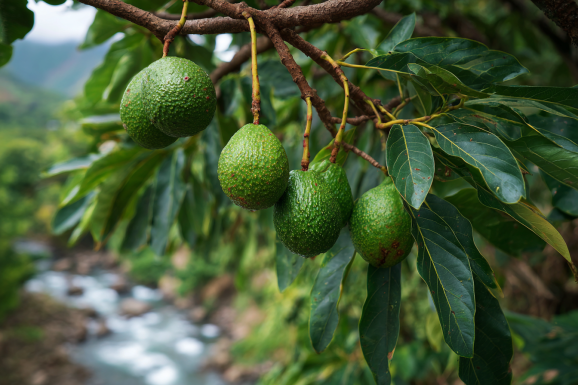
Avocado (Persea americana)
If you have been battling stubborn cholesterol numbers, struggling with inflammation that seems to settle into your joints and your gut, or simply feeling like your body is running on empty — you are not alone. Millions of people deal with these concerns daily, often without realizing that one of the most powerful foods the Creator placed on this earth may already be sitting in their kitchen.
The avocado is one of those remarkable gifts embedded into creation long before any laboratory existed. Archaeological evidence places human use of this fruit at over 10,000 years — a provision that predates most of recorded history, waiting for us to discover its full potential. That kind of foresight belongs to a Designer who already knew what we would need.
The Plant
Common Names: Avocado, Alligator Pear, Avocado Pear, Aguacate, Butter Fruit, Ahuacatl (Nahuatl)
Botanical Name: Persea americana Mill.
Family: Lauraceae (the laurel family, which also includes cinnamon, bay laurel, and sassafras)
Description
The avocado is an evergreen tree that typically reaches 9 to 20 meters (30 to 66 feet) in height, with a trunk diameter of about 30 to 60 centimeters. Its leaves are alternately arranged, elliptical, glossy dark green on top and lighter beneath, measuring 8 to 25 centimeters long. When crushed, the leaves of Mexican varieties emit a distinct anise-like fragrance.
The tree produces thousands of small, inconspicuous greenish-yellow flowers each season, arranged in panicles near the leaf axils. Each blossom measures only 5 to 10 millimeters wide. Despite the abundance of flowers, only a small fraction successfully develop into fruit. The avocado fruit is technically a large single-seeded berry, not a drupe. It is pear-shaped, typically 7 to 20 centimeters long, weighing between 100 grams and over one kilogram depending on variety. The flesh is creamy, pale green to yellow, surrounding a single large seed (pit) that can measure 5 to 6 centimeters across.
Three principal races exist: Mexican (the smallest fruits, thinnest skin, most cold-hardy, with anise-scented leaves), Guatemalan (medium to large fruits with thick, pebbly skin), and West Indian (largest fruits, smoothest skin, least cold-tolerant). The popular Hass cultivar is a Guatemalan-Mexican hybrid recognized by its dark, pebbly skin that turns purplish-black when ripe.
Origin
The avocado is native to south-central Mexico and Central America, with its native range extending south through parts of South America to Peru. The oldest archaeological evidence of avocado consumption comes from Huaca Prieta on the coast of Peru, dating back approximately 10,500 years. Avocado pits found in the Coxcatlan Cave in the Tehuacan Valley of Puebla, Mexico date to roughly 9,000 to 10,000 years ago. Today, avocados are cultivated commercially throughout tropical and subtropical regions worldwide, including Mexico, the Dominican Republic, Peru, Indonesia, Colombia, Kenya, the United States (primarily California and Florida), and parts of the Mediterranean.
Brief History
Mesoamerican peoples domesticated the avocado tree at least 5,000 years ago — as ancient as the invention of the wheel. The Aztecs called the fruit “ahuacatl” and considered it a source of strength. The Maya featured the avocado in their calendar, with the fourteenth month (K’ank’in) represented by an avocado glyph, and grew avocado trees in sacred gardens. Spanish conquistadors encountered the fruit when Hernán Cortés entered Tenochtitlan in 1519 and found it integral to the sophisticated cuisine of Emperor Montezuma.
The Spanish spread the avocado throughout the Caribbean and eventually to the Philippines and Southeast Asia. The first English-language description appeared in 1672 by W. Hughes, physician to King Charles II, after visiting Jamaica. Avocados reached the United States in the 1830s, arriving first in Florida and later in California. In 1871, avocado trees from Mexico were planted in Santa Barbara, California. The modern Hass variety originated from a single seedling planted by Rudolph Hass in La Habra Heights, California in the 1920s, patented in 1935, and eventually became the dominant global cultivar.
Growing & Cultivation
Climate & Zones
Avocado trees thrive in USDA Hardiness Zones 9 through 11 for most commercial varieties (Hass, Fuerte, Reed). Cold-hardy Mexican varieties such as Mexicola and Brogdon can survive in Zone 8 with protection, tolerating brief temperatures down to 15–20°F (−9 to −7°C). West Indian varieties are suited only to frost-free Zones 10–11. In cooler zones (4–7), avocados can be grown in large containers and moved indoors during winter. The ideal temperature range is 60–85°F (15–29°C), with medium-high humidity between 45–65%. Avocados do not tolerate prolonged freezing, waterlogged soil, or sustained temperatures above 100°F (38°C) without supplemental irrigation.
Soil Requirements
Avocados demand well-draining soil above all else. They are highly susceptible to root rot caused by Phytophthora cinnamomi, which thrives in waterlogged conditions. Sandy loam is ideal, though they will tolerate a range of soil types if drainage is adequate. The preferred soil pH is 6.0 to 7.0 (slightly acidic to neutral). In heavy clay soils, plant in raised beds amended with coarse sand and organic matter. For containers, use a well-draining mix of coarse perlite, pine bark, and potting soil. Avoid standing water at the root zone at all times.
Water & Sunlight
Young avocado trees should be watered deeply every two to three days for the first week after planting, transitioning to twice weekly for several months, and then weekly once established. Allow the top two inches of soil to dry between waterings. Overwatering is the leading cause of avocado tree death. Mature trees are moderately drought-tolerant once established but produce best fruit with consistent deep watering. Avocados need full sun — at least 6 to 8 hours of direct sunlight daily for fruit production. In partial shade, trees will grow foliage but produce little to no fruit.
Propagation
Seed: The familiar method of suspending a pit over water with toothpicks works well for educational purposes. Insert three toothpicks around the pit’s equator, suspend over a glass of water with the flat end submerged about one inch, and place in a warm location with indirect light. Roots and a sprout typically emerge in 2 to 6 weeks. However, seed-grown trees may take 7 to 15 years to fruit and will not produce true to the parent variety.
Grafting: The preferred commercial method. A scion (budwood) from a known, productive variety is grafted onto disease-resistant rootstock. Grafted trees can fruit in 1 to 3 years and produce reliably. If purchasing a tree for fruit production, always select a grafted specimen.
Cutting: Semi-hardwood cuttings taken in late spring or early summer can be rooted with rooting hormone in a controlled, high-humidity environment, though success rates are lower than grafting.
Planting
The best time to plant avocado trees outdoors is March through June, after the last frost. Space trees 20 feet apart for standard varieties or 10 feet apart for dwarf types. Plant on a south-facing slope or near a south-facing wall for maximum warmth and frost protection. Do not bury the graft union — keep it above the soil line. Avoid amending the planting hole excessively; instead, allow the tree to adapt to native soil and top-dress with fertilizer monthly after the first month. Mulch generously (3 to 5 feet out from the trunk) but keep mulch away from the trunk itself.
Companion plants that benefit avocado trees include comfrey (dynamic nutrient accumulator), lavender and rosemary (attract pollinators, deter pests), nasturtium (trap crop for aphids), and nitrogen-fixing cover crops like clover. Avoid planting near black walnut trees, which produce juglone that can inhibit avocado growth.
Harvesting
Avocados are unique among fruits: they do not ripen on the tree. They must be picked when mature and allowed to ripen off the tree at room temperature over 3 to 7 days. Maturity is determined by size, time since flowering (typically 6 to 8 months), and a slight change in skin color or texture depending on variety. For Hass, look for a transition from green to dark purplish-black. A ripe avocado yields gently to light pressure without feeling mushy. Harvest by cutting the stem with pruning shears, leaving a short stub attached.
Drying & Storage
Fresh avocados store best at room temperature until ripe, then may be refrigerated for up to one week. Ripe avocado flesh can be mashed with a small amount of lemon or lime juice and frozen in airtight containers for several months. Avocado is not traditionally dried for storage due to its high oil content, which can go rancid. However, avocado leaves (Mexican varieties) can be air-dried in a warm, well-ventilated area and stored in airtight jars for use as a culinary spice for up to six months.
Pest & Disease Management
Phytophthora root rot is the most serious avocado disease worldwide — prevention through proper drainage is the primary strategy. Other concerns include anthracnose (a fungal disease affecting fruit), avocado lace bug, persea mite, and avocado thrips. Organic approaches include neem oil sprays for mite and insect control, copper-based fungicides for anthracnose, encouraging beneficial predatory insects, and maintaining tree health through proper nutrition and watering. Removing fallen fruit and leaf litter reduces disease pressure.
Companion Planting
Beneficial companions include lavender, borage, comfrey, clover, sweet potatoes as a living mulch, and citrus trees (which share similar growing requirements). Avoid planting near eucalyptus (competitive root systems), black walnut (allelopathic), and plants that require frequent shallow watering (which promotes the conditions for root rot).
The Healing of Growing
Growing an avocado tree — whether from a kitchen pit on a windowsill or a grafted specimen in your backyard — offers benefits well beyond the harvest itself. The act of gardening places your hands in soil, your feet on the earth, and your body in sunlight. Research has demonstrated that soil contains Mycobacterium vaccae, a beneficial bacterium with documented effects on serotonin production. Time spent outdoors reduces cortisol, improves mood, and supports immune function. When you grow your own avocado, the healing begins long before you ever taste the fruit.
Nutritional Profile
Macronutrients
Per 100 grams of raw Hass avocado flesh (USDA FoodData Central):
Calories: 160 kcal | Protein: 2.0 g | Total Fat: 14.7 g (Saturated: 2.1 g, Monounsaturated: 9.8 g, Polyunsaturated: 1.8 g) | Carbohydrates: 8.5 g | Dietary Fiber: 6.7 g | Sugars: 0.7 g | Water: 73.2 g
The avocado stands apart from virtually all other fruits in its fat composition. Approximately 77% of its calories come from fat — predominantly heart-healthy monounsaturated oleic acid, the same fatty acid found in olive oil. This makes avocado one of the fattiest plant foods on earth, and one of the most nutritious.
Vitamins
Vitamin K: 21 mcg (26% DV per half fruit) — Essential for blood clotting and bone metabolism. Supports calcium regulation and may help protect against osteoporosis.
Folate (Vitamin B9): 81 mcg (20% DV) — Critical for DNA synthesis and cell division. Especially important during pregnancy for neural tube development. Supports serotonin and dopamine production.
Vitamin C: 10 mg (11% DV) — Supports immune function, collagen production, and acts as a powerful antioxidant. Works synergistically with vitamin E in avocado to recycle antioxidant protection.
Vitamin E (alpha-tocopherol): 2.1 mg (14% DV) — Fat-soluble antioxidant that protects cell membranes from oxidative damage. Supports skin health and immune function.
Pantothenic Acid (B5): 1.4 mg (28% DV) — Essential for energy metabolism, hormone synthesis, and the production of coenzyme A, which is central to hundreds of metabolic pathways.
Vitamin B6: 0.26 mg (15% DV) — Supports neurotransmitter synthesis (serotonin, dopamine, GABA), immune function, and hemoglobin production.
Riboflavin (B2): 0.13 mg (10% DV) — Supports energy production and cellular function. Acts as a cofactor for antioxidant enzymes.
Niacin (B3): 1.7 mg (11% DV) — Supports energy metabolism, DNA repair, and helps maintain healthy cholesterol levels.
Minerals
Potassium: 485 mg (14% DV per 100g) — Avocados contain more potassium per gram than bananas. Essential for blood pressure regulation, nerve transmission, muscle contraction, and fluid balance. Research suggests adequate potassium intake may support cardiovascular health.
Magnesium: 29 mg (7% DV) — A cofactor in over 300 enzymatic reactions. Supports muscle and nerve function, blood sugar regulation, bone health, and energy production. Low magnesium is associated with inflammation and cardiovascular risk.
Copper: 0.19 mg (21% DV) — Essential for iron metabolism, connective tissue formation, and immune function. Supports the function of superoxide dismutase (SOD), a critical antioxidant enzyme.
Phosphorus: 52 mg (7% DV) — Vital for bone and teeth formation, energy storage (ATP), and DNA/RNA structure.
Manganese: 0.14 mg (6% DV) — Supports bone formation, blood clotting, and acts as a cofactor for antioxidant enzymes.
Iron: 0.55 mg (7% DV) — Necessary for oxygen transport in the blood and energy metabolism.
Zinc: 0.64 mg (6% DV) — Supports immune function, wound healing, DNA synthesis, and protein production.
Phytonutrients & Active Compounds
Lutein and Zeaxanthin: Avocados are one of the richest fruit sources of these carotenoids, providing approximately 271 mcg per 100g. These compounds concentrate in the macula of the eye and research suggests they may support eye health and protect against age-related macular degeneration.
Beta-sitosterol and other Phytosterols: Avocados contain approximately 76 mg of phytosterols per 100g. These plant-based sterols have a structure similar to cholesterol and compete with cholesterol for absorption in the digestive tract, which may help support healthy cholesterol levels.
Oleic Acid: The predominant fatty acid in avocado, oleic acid is a monounsaturated omega-9 fat associated with reduced inflammation and cardiovascular support in research studies.
Polyhydroxylated Fatty Alcohols (PFAs): Unique to avocado, these long-chain fatty alcohols have demonstrated anti-inflammatory properties in research, potentially inhibiting pro-inflammatory enzymes.
Glutathione: Avocados are among the few fruits containing meaningful amounts of this master antioxidant, which supports detoxification and cellular protection.
Phenolic Compounds: Including catechins, epicatechins, and chlorogenic acid, which contribute to antioxidant capacity.
Nutrient Notes
Avocados function as a “nutrient booster” — their healthy fats significantly increase the absorption of fat-soluble nutrients (vitamins A, D, E, K) and carotenoids from other foods eaten at the same meal. Research has shown that adding avocado to a salad can increase carotenoid absorption by 2 to 15 times compared to eating the same salad without avocado. This makes avocado not just nutritious in isolation but a multiplier of nutrition from your entire plate.
Culinary Uses
Edible Parts
The flesh (pulp) is the primary edible portion — creamy, rich, and versatile. The leaves of Mexican avocado varieties (P. americana var. drymifolia) are used as a culinary herb in Mexican and Central American cuisine, contributing an anise-like flavor. They are sold fresh or dried, toasted before use, and crumbled over bean dishes, tamales, and stews. The seed and skin are not typically consumed (though the seed is being researched for potential functional food applications).
Flavor Profile
Avocado has a mild, buttery, slightly nutty flavor with subtle earthy and grassy undertones. The texture is creamy and smooth — almost custard-like when fully ripe. The flavor is neutral enough to pair with both savory and sweet preparations. Unripe avocados are firm, bland, and slightly bitter. Overripe avocados develop off-flavors and brown discoloration. Avocado is rarely cooked — heat can turn it bitter. The leaves, when toasted, offer warm anise and hazelnut notes.
Preparation
Raw: The most common preparation. Sliced for salads, sandwiches, and toast; mashed for guacamole; cubed for grain bowls and sushi; blended into smoothies and dressings. To prepare, cut lengthwise around the pit, twist halves apart, remove the pit, and scoop flesh with a spoon.
Cooking: Avocado can be lightly grilled (halved, brushed with oil), baked with an egg in the pit cavity, or briefly added to hot dishes at the end of cooking. Prolonged heat makes it bitter.
Oil: Cold-pressed avocado oil has a high smoke point (approximately 520°F / 271°C for refined) making it excellent for high-heat cooking, sautéing, and roasting.
Preservation: Mash with lime or lemon juice and press plastic wrap directly against the surface to prevent browning (oxidation). Freeze in airtight containers for up to 4 months.
Culinary Pairings
Avocado pairs beautifully with citrus (lime, lemon, grapefruit), tomatoes, cilantro, onion, garlic, chili peppers, cumin, sea salt, eggs, smoked salmon, shrimp, chicken, black beans, corn, mango, and chocolate (in Central American dessert traditions). Its neutral creaminess complements strong flavors and makes it a versatile fat substitute in vegan cooking — replacing butter, mayonnaise, and cream cheese in various applications.
Storage
Store unripe avocados at room temperature until they yield to gentle pressure (3 to 7 days). To speed ripening, place in a paper bag with a banana or apple (ethylene gas accelerates the process). Once ripe, refrigerate for up to one week. Cut avocado browns quickly — brush exposed surfaces with citrus juice and store tightly wrapped in the refrigerator for 1 to 2 days.
Ready to cook with Avocado? View Recipes on Chefts →
Wellness & Therapeutic Uses
Traditional Uses
The avocado has been used medicinally for thousands of years across multiple cultures. Aztec and Maya healers used avocado flesh as a nourishing food for the sick and recovering. In traditional Mexican medicine, avocado leaves were brewed into teas to address digestive discomfort, respiratory concerns, and menstrual irregularities. The seed was used in folk remedies for diarrhea and dysentery.
In traditional African medicine, particularly in Nigeria and Cameroon, avocado leaf preparations have historically been used to support blood pressure and blood sugar concerns. In Ayurvedic practice, the avocado’s oily, nourishing qualities align with Vata-balancing principles — it has been used to support dry skin, joint stiffness, and nervous system nourishment. Caribbean traditional medicine has used avocado for skin conditions, digestive support, and as a general tonic.
Modern Research
Cardiovascular Support: Multiple clinical trials have investigated avocado’s effects on heart health markers. A comprehensive review published in the journal Critical Reviews in Food Science and Nutrition (2013) summarized eight preliminary cardiovascular clinical trials showing that avocado consumption may help maintain normal serum total cholesterol, support healthy HDL cholesterol levels, and reduce oxidized LDL cholesterol — a type of cholesterol significantly associated with atherosclerosis. The high potassium and magnesium content also supports healthy blood pressure regulation.
Anti-Inflammatory Properties: Avocado’s polyhydroxylated fatty alcohols (PFAs), oleic acid, and antioxidant compounds have demonstrated anti-inflammatory activity in research. A 2019 comprehensive review published in Antioxidants journal documented avocado’s potential to modulate inflammatory pathways, including effects on cytokines (IL-1, IL-6, TNF-alpha) and prostaglandins.
Blood Sugar Support: Research suggests that avocado may support healthy blood sugar regulation through multiple mechanisms — its high fiber and healthy fat content slow glucose absorption, while its low glycemic index (estimated at 15) makes it suitable for people managing blood sugar concerns. Studies using avocado leaf extracts have shown alpha-amylase inhibitory activity, suggesting potential support for carbohydrate metabolism.
Digestive Health: A single avocado provides approximately 13 grams of dietary fiber (about 54% of the daily value), including both soluble and insoluble types. This fiber supports gut motility, feeds beneficial gut bacteria, and promotes a healthy microbiome. The monounsaturated fats also support nutrient absorption from other foods.
Antioxidant Activity: Avocado contains a diverse array of antioxidant compounds including glutathione, vitamin C, vitamin E, carotenoids (lutein, zeaxanthin), and phenolic compounds. These work together to combat oxidative stress, which is implicated in aging and numerous chronic health concerns.
Eye Health: The carotenoids lutein and zeaxanthin concentrate in the macular region of the eye. Research suggests regular consumption of foods rich in these carotenoids may support healthy vision and help protect against age-related macular degeneration. Avocado’s fat content enhances the absorption of these carotenoids.
Body Systems Supported
Cardiovascular System: Monounsaturated fats support healthy cholesterol ratios. Potassium supports blood pressure regulation. Phytosterols compete with dietary cholesterol for absorption.
Digestive System: High fiber content supports regularity and gut microbiome health. Healthy fats support bile production and nutrient absorption.
Nervous System: B-vitamins (especially folate, B6, and pantothenic acid) support neurotransmitter production. Magnesium supports nerve function and may promote calmness. Oleic acid supports myelin sheath integrity.
Integumentary System (Skin): Vitamin E, vitamin C, healthy fats, and carotenoids support skin elasticity, hydration, and protection from UV damage. Research has shown that daily avocado consumption may increase skin elasticity and firmness.
Musculoskeletal System: Vitamin K supports bone metabolism and calcium regulation. Anti-inflammatory compounds may support joint comfort. Avocado/soybean unsaponifiables (ASU) have been studied for osteoarthritis support.
Endocrine System: May support healthy insulin sensitivity through fiber and healthy fat content. Pantothenic acid supports adrenal function and hormone synthesis.
Immune System: Vitamin C, vitamin E, glutathione, and carotenoids provide antioxidant support. Healthy fats support immune cell membrane integrity.
Body Compounds Affected
The B-vitamins in avocado (particularly B6 and folate) serve as cofactors in the production of serotonin and dopamine, two neurotransmitters essential for mood regulation. The magnesium content may help modulate cortisol and support GABA activity, promoting a sense of calm. Potassium helps regulate the electrical activity that governs nerve signaling. The anti-inflammatory compounds may help lower cytokines (IL-6, TNF-alpha) and C-reactive protein, markers of systemic inflammation. The phytosterols may influence cholesterol metabolism, and the fiber supports healthy insulin response.
Methods of Use
Whole Food Consumption
The most effective and most enjoyable way to receive avocado’s benefits. Half to one avocado daily provides a meaningful nutrient contribution. The fat content enhances absorption of fat-soluble vitamins from the entire meal.
Avocado Oil (Internal)
Cold-pressed, unrefined avocado oil retains many of the fruit’s beneficial compounds. Use as a cooking oil, salad dressing base, or taken by the spoonful (1–2 tablespoons daily). Its high smoke point makes it versatile in the kitchen.
Avocado Leaf Tea
Traditional in Mexican and Caribbean folk medicine. Steep 3–5 dried avocado leaves (Mexican variety) in hot water for 10–15 minutes. Traditionally used to support digestive comfort and relaxation. Use caution — not all avocado leaf varieties are safe for consumption, and leaves should be sourced from known Mexican (P. americana var. drymifolia) varieties.
Avocado/Soybean Unsaponifiables (ASU)
A supplement derived from avocado and soybean oils, available in capsule form. Studied primarily in Europe for joint support. Typical dosage in studies: 300 mg daily. Used as a complementary approach for osteoarthritis concerns.
Cosmetic & Beauty Uses
Skin Benefits
Avocado is one of the most skin-nourishing foods and topical ingredients available from the plant kingdom. Its unique combination of monounsaturated fats, vitamins E and C, carotenoids, and phytosterols offers multi-dimensional skin support.
A 2022 pilot study published in the Journal of Cosmetic Dermatology (UCLA) demonstrated that women who consumed one avocado daily for 8 weeks experienced measurably increased skin elasticity and firmness, particularly on the forehead and under-eye area. A 2001 clinical trial in Germany found that a vitamin B12 cream containing avocado oil provided sustained improvement in plaque psoriasis symptoms, with better long-term tolerability than conventional vitamin D3 therapy. Animal studies have demonstrated that avocado oil may increase soluble collagen content in skin and support wound healing by increasing collagen density and improving reepithelialization rates.
Avocado oil benefits dry, mature, and sensitive skin most significantly, though its non-comedogenic nature makes it suitable for many skin types. The oleic acid deeply moisturizes, the vitamin E protects against oxidative damage, and the phytosterols soothe irritation.
Hair Benefits
Avocado oil penetrates the hair shaft more effectively than many other plant oils due to its monounsaturated fatty acid composition. It may help strengthen brittle hair, add shine, and reduce frizz. Applied to the scalp, it supports scalp hydration and may help alleviate dryness and flakiness. Its vitamin E content supports healthy hair follicles. A simple avocado hair mask (mashed ripe avocado applied to damp hair for 20–30 minutes before rinsing) is a traditional beauty treatment throughout Central and South America.
Application Methods
Avocado Oil (topical): Cold-pressed, unrefined avocado oil can be applied directly to clean skin as a moisturizer, mixed into existing creams, or used as a massage oil. It absorbs slowly, making it ideal for nighttime application. A few drops can also be added to bath water for full-body moisturizing.
Fresh Avocado Face Mask: Mash half a ripe avocado and apply directly to clean skin for 15–20 minutes, then rinse with lukewarm water. For extra hydration, mix with a teaspoon of raw honey. For oilier skin, add a squeeze of lemon juice.
Under-Eye Treatment: Thin slices of avocado placed under the eyes for 10–15 minutes may help hydrate the delicate under-eye area and temporarily reduce puffiness.
Hair Oil: Warm avocado oil slightly and massage into the scalp and through the ends of hair. Cover with a warm towel and leave for 30–60 minutes before shampooing.
DIY Formulation Notes
Avocado oil blends well with jojoba oil, sweet almond oil, rosehip seed oil, and shea butter. In DIY formulations, use avocado oil at 10–30% of the total oil phase. It has a relatively short shelf life compared to more stable oils — store in a cool, dark place and use within 6–12 months. If oxidized, the oil develops an off-putting smell and should be discarded. Fresh avocado masks should be used immediately as the flesh oxidizes rapidly.
Avocado is among the botanicals being explored for holistic cosmetic applications, where the wisdom of traditional beauty practices meets modern understanding of skin science.
Aromatherapy & Scent
The Aroma
The avocado fruit itself has a very subtle, mild aroma — earthy, slightly nutty, with faint green and grassy notes. Unlike strongly aromatic herbs, the avocado fruit does not project its scent across a room. However, the leaves of Mexican avocado varieties are notably aromatic, releasing a warm, anise-like scent when crushed or toasted. This fragrance comes from estragole and anethole, compounds also found in anise and tarragon.
Fresh avocado leaves emit their strongest scent when rubbed between the fingers or when warmed by sunlight. Dried leaves retain a milder version of the anise scent for several months when stored properly in airtight containers. The scent of the living avocado tree — its leaves rustling in warm air — is subtle and green, contributing to the calming effect of being near living plants.
How Scent Affects Your Body
When you inhale the volatile molecules released by avocado leaves, those compounds enter your nose, where they are detected by olfactory receptors. These receptors send signals directly to the limbic system (your emotional brain) and the hypothalamus (which regulates hormones), bypassing the conscious thinking brain entirely. This means the scent affects your body before you even decide how to feel about it. The anise-like compounds in avocado leaves have traditionally been associated with calming and digestive-soothing effects.
Emotional & Mood Effects
The warm, green, anise-scented aroma of avocado leaves is generally considered calming and grounding. Anise-like scents have been traditionally associated with easing nervous tension and promoting a sense of comfort. The broader experience of being near an avocado tree — its green leaves, warm bark scent, and the visual beauty of the canopy — contributes to the overall calming effect documented in biophilic research.
Body Compounds Affected
While specific research on avocado leaf aroma’s effects on body compounds is limited, the anise-like compounds (estragole, anethole) present in the leaves are similar to those studied in other aromatic plants. Anise-scented compounds have been associated in research with mild anxiolytic (calming) effects, which may involve GABA modulation. The general experience of green, plant-based scents has been associated with reduced cortisol and increased parasympathetic nervous system activity.
Ways to Experience the Scent
Growing an avocado tree indoors or outdoors provides the most authentic scent experience — brush the leaves as you walk by to release volatile compounds. Dried avocado leaves (Mexican varieties) can be kept in sachets, crumbled into simmering pots of water on the stove, or toasted briefly in a dry pan to fill the kitchen with their warm anise fragrance. Adding dried avocado leaves to bean dishes or stews provides both aroma and flavor benefits simultaneously.
Color Therapy
The Colors of Avocado
The avocado presents a rich range of greens with complementary tones. The leaves are a deep, glossy dark green (mature) to bright chartreuse green (new growth). The fruit skin ranges from bright green (unripe) to dark purplish-black (ripe Hass variety), though some varieties remain green when ripe. The flesh is a beautiful gradient from pale yellow-green near the seed to brighter green near the skin. The seed is a warm brown. The overall color palette of an avocado tree is dominated by lush, deep green.
Color Wavelengths
Green light occupies the 495–570 nm range of the visible spectrum. This is the wavelength our eyes are most sensitive to, and it dominates in nature — forests, gardens, and living landscapes. The secondary color present in ripe Hass avocado skin (deep purple-black) touches the violet range (380–450 nm), while the warm yellow-green of the flesh spans the yellow-green transition around 570 nm.
How Green Affects the Body
Green is the color of balance in color therapy traditions. It sits at the center of the visible spectrum and is associated with calming, balancing, heart-centered, and restorative effects. Exposure to green environments has been documented in research to lower heart rate, reduce blood pressure, and decrease cortisol levels. The “attention restoration theory” developed by Kaplan (1995) suggests that exposure to natural green environments reduces mental fatigue and restores the ability to focus. Studies in healthcare settings have shown that patients with views of greenery recover faster than those without.
The purple-black tones of ripe Hass skin correspond to the violet range, which is associated in color therapy with calming the nervous system, supporting meditative states, and spiritual reflection.
Body Compounds Affected
Exposure to green environments has been associated with reduced cortisol (stress hormone), decreased adrenaline and norepinephrine (sympathetic nervous system markers), and increased parasympathetic nervous system activity — essentially shifting the body from “fight or flight” to “rest and digest.” Some research suggests green exposure supports serotonin balance and may enhance BDNF (brain-derived neurotrophic factor) production.
Using Avocado for Color Therapy
An avocado tree — indoors or outdoors — provides living green color therapy daily. Its glossy dark leaves are visually calming and contribute to biophilic design principles. Placing an avocado tree in a home office or living space introduces the restorative green wavelength into your daily environment. Even a small, seed-grown avocado plant on a desk provides a green visual anchor that may support focus and reduce visual stress. Eating the green-to-yellow flesh of the avocado — “eating the rainbow” — delivers the carotenoid pigments that create those colors directly into your body.
Frequency & Vibration
The Frequency of Avocado
Specific frequency measurements (in MHz) for the avocado plant or fruit have not been widely documented in the published bio-frequency literature in the same way that essential oils have been measured. Because avocado does not produce a traditional essential oil through steam distillation, it does not appear in Bruce Tainio’s essential oil frequency charts. However, as a living plant, the avocado tree — like all living organisms — vibrates at a molecular level. Fresh, whole foods are generally considered to have higher frequencies than processed foods, and nutrient-dense fruits and vegetables are believed by proponents of vibrational medicine to carry higher vibrational energy.
Human Frequency Interaction
According to bio-frequency research, a healthy human body vibrates between 62 and 78 MHz. Fresh produce is generally measured in the 20–27 MHz range, while processed foods may drop to near 0 MHz. Proponents of vibrational medicine suggest that consuming high-frequency, fresh, living foods may support the body’s own frequency, while processed and devitalized foods may have the opposite effect. The avocado, as a fresh, raw, nutrient-dense whole food, is considered a high-vibrational food choice in this framework.
Vibrational Applications
From a vibrational perspective, incorporating fresh avocado into your diet, growing an avocado tree in your living space, and spending time in nature among living trees all represent ways to surround yourself with higher-frequency life energy. Frequency measurements suggest that living plants contribute positive vibrational energy to indoor environments. Combining avocado consumption with other high-frequency practices — prayer, time in nature, clean water, deep breathing — creates a holistic approach to supporting the body’s energetic state.
Note: Bio-frequency measurement is an area where research is still developing. The framework presented here represents the perspective of vibrational medicine proponents and should be considered alongside conventional nutritional science.
The Living Plant
Benefits of Presence
Even if you never eat a single avocado, having an avocado tree in your home or garden provides measurable health benefits. Research on biophilic design — the integration of natural elements into living spaces — consistently demonstrates that the presence of living plants reduces stress, improves mood, enhances cognitive performance, and supports emotional wellbeing. An avocado tree, with its large, glossy, deep-green leaves and attractive growth habit, is a particularly effective indoor plant for these purposes.
Air Purification
While the avocado tree was not among the specific species tested in NASA’s Clean Air Study, plants in the Lauraceae family are known to contribute to indoor air quality through standard plant processes: absorbing carbon dioxide and releasing oxygen during photosynthesis, increasing humidity through transpiration, and trapping airborne particulates on leaf surfaces. The large leaf surface area of an avocado tree makes it a relatively productive indoor air contributor. Avocado trees produce oxygen during the day and, like most plants, release carbon dioxide at night — so placement in living areas rather than bedrooms is often recommended for large specimens.
Phytoncides
Trees naturally release volatile organic compounds called phytoncides — antimicrobial substances that protect the tree from pathogens and insects. Forest bathing (shinrin-yoku) research from Japan has documented that exposure to tree phytoncides increases Natural Killer (NK) cell activity, a key component of the immune system’s defense against viral infections and abnormal cell growth. While specific phytoncide research on Persea americana is limited compared to conifers and broad-leaf forest trees, all living trees contribute these volatile compounds to their surrounding environment.
Visual & Psychological Benefits
Research by Roger Ulrich and others has established that viewing plants and natural greenery reduces physiological stress markers (cortisol, blood pressure, heart rate) and improves subjective mood within minutes. Hospital patients with views of trees recover faster, require less pain medication, and report greater satisfaction with care. Having an avocado tree — even a small one grown from a kitchen pit — provides a daily connection to living green growth. The process of watching a seed sprout, develop roots, push up a stem, and unfurl leaves is itself a meditative, hopeful, grounding experience.
Growing Indoors vs Outdoors
Avocado trees can be grown indoors in any climate zone, given sufficient light. They prefer the brightest window available (south- or west-facing) or supplemental grow lights. Indoor trees rarely fruit but provide all the air quality, visual, and psychological benefits of a living plant. They can grow to 5–7 feet tall in containers with regular pruning. Outdoors in Zones 9–11, avocado trees can reach 30–60 feet and provide shade, beauty, fruit, and habitat for beneficial insects and birds. The outdoor growing experience deepens the health benefits — time spent tending an outdoor tree includes sunlight exposure, fresh air, physical activity, and grounding contact with the earth.
Touch & Physical Interaction
Gardening Therapy
Horticultural therapy is an established therapeutic practice recognized by healthcare professionals worldwide. Working with an avocado tree — planting, watering, pruning, harvesting — engages the body and mind in purposeful, rhythmic activity. The process of nurturing a tree from seed to fruit-bearing maturity spans years, building patience, commitment, and a deep connection to the rhythm of seasons. Research consistently shows that regular gardening activity reduces symptoms of anxiety and depression, improves self-esteem, and provides a sense of accomplishment.
Soil Contact Benefits
When you garden with your hands in the soil (and ideally with bare feet on the earth), you engage in what researchers call “grounding” or “earthing” — the transfer of free electrons from the earth into your body through direct contact. Published research suggests that grounding may reduce inflammation, improve sleep quality, reduce cortisol, and support cardiovascular function. Additionally, the soil bacterium Mycobacterium vaccae has demonstrated antidepressant-like effects in animal studies by stimulating serotonin production. Every time you dig in the soil around your avocado tree, you are exposing yourself to this beneficial microbe.
The Tactile Experience
The avocado tree offers a rich variety of textures. The leaves are smooth, slightly leathery, and cool to the touch — satisfying to run between your fingers. The bark of a mature tree is rough and furrowed, providing grounding tactile input. The fruit has a distinctive pebbly texture (in Hass varieties) that becomes slightly yielding when ripe — the familiar “squeeze test” is itself a mindful tactile assessment. The flesh is silky, smooth, and almost buttery in texture. Even the large, smooth seed has a satisfying weight and roundness in the hand. Cutting, scooping, and mashing avocado is a sensory experience that engages multiple senses simultaneously.
Harvesting & Processing
Harvesting avocados requires reaching into the canopy, selecting fruit that has reached proper maturity, and carefully cutting stems — a process that engages your whole body in purposeful outdoor movement. The meditative quality of harvest connects you to the seasonal cycle: months of watching fruit develop, the anticipation of ripening, the satisfaction of filling a basket. Processing avocado flesh — slicing, scooping, mashing — is among the most tactilely pleasant food preparation experiences, and the simple repetitive motions can be calming and grounding.
Water-Based Applications
Teas & Infusions
Avocado Leaf Tea: Traditional in Mexican and Caribbean folk medicine. Use 3–5 dried avocado leaves (from Mexican avocado varieties only — P. americana var. drymifolia) per cup of boiling water. Steep for 10–15 minutes, covered. Strain and drink warm. Traditionally consumed 1–2 cups daily for digestive comfort and relaxation. The tea has a mild, slightly bitter, herbaceous flavor with subtle anise notes. Important: Not all avocado varieties produce leaves safe for consumption — source from known Mexican-type varieties only.
Avocado Seed Tea: A folk remedy in some South American traditions. The seed is sliced or grated and simmered in water for 20–30 minutes. This is a decoction rather than an infusion, due to the hardness of the seed material. Use with caution — the safety profile of concentrated avocado seed preparations has not been thoroughly established in human clinical trials.
Herbal Baths
Adding avocado oil (2–4 tablespoons) to a warm bath creates a deeply moisturizing soak that supports dry, irritated, or aging skin. The oil disperses in the water and coats the skin as you soak. For enhanced benefits, add a few drops of lavender essential oil. Soak for 15–20 minutes at a comfortable temperature (98–102°F / 37–39°C). A foot bath with avocado oil provides similar moisturizing benefits for dry, cracked heels and feet.
Compresses
A warm compress using avocado leaf infusion can be applied to areas of muscle tension or joint stiffness. Soak a clean cloth in warm avocado leaf tea, wring lightly, and apply to the affected area for 15–20 minutes. The warmth promotes circulation while the plant compounds in the infusion contact the skin.
Hair Rinses
An avocado leaf infusion can be used as a final hair rinse after shampooing. Brew a strong tea (6–8 leaves per 2 cups of water), allow to cool to a comfortable temperature, and pour over clean, wet hair. This may support scalp health and add shine. Alternatively, blending half a ripe avocado with water to create a thin “avocado water” rinse provides the fruit’s fatty acids and vitamins directly to the hair and scalp.
Historical, Cultural & Biblical Significance
Biblical References
The avocado (Persea americana) is not directly mentioned in Scripture. The avocado is native to the Americas, and the civilizations of the biblical world (ancient Israel, Egypt, Mesopotamia, Greece, Rome) did not have contact with the New World where avocados grow. However, the genus Persea takes its name from an ancient Egyptian tree, and trees of the broader Lauraceae family — including bay laurel — were well known in biblical lands. The principle that God provided plants for food and healing is established clearly in Scripture: “And God said, Behold, I have given you every herb bearing seed, which is upon the face of all the earth, and every tree, in the which is the fruit of a tree yielding seed; to you it shall be for meat” (Genesis 1:29, KJV).
Ancient Civilizations
Mesoamerican Peoples: The avocado holds a place of extraordinary antiquity in human food history. The oldest archaeological evidence dates to approximately 10,500 years ago at Huaca Prieta in Peru, with evidence from Coxcatlan Cave in Mexico’s Tehuacan Valley dating to roughly 9,000–10,000 years ago. Mesoamerican peoples — including the Mokaya, Maya, and Aztec civilizations — cultivated and revered the avocado for millennia.
The Aztecs called the fruit “ahuacatl” and believed it provided strength and vitality. It was a dietary staple consumed alongside corn, beans, and peppers. The Aztec “ahuaca-mulli” — a sauce of mashed avocado with tomato and onion — is the ancestor of modern guacamole. When Hernán Cortés arrived in Tenochtitlan in 1519, he found avocados central to the sophisticated cuisine of Emperor Montezuma’s court.
The Maya placed such importance on the avocado that the fourteenth month of their calendar (K’ank’in) was represented by an avocado glyph. Avocado appeared on Pacal’s tomb in Chiapas and in Maya iconography spanning multiple periods. In Maya tradition, ancestors were believed to be reborn through fruit trees, including the avocado. These cultures observed the design written into this fruit — its nourishing fats, its healing properties, its ability to sustain human life — and they documented what worked. While they may not have known the Creator by name, they were observing His design.
Eastern Traditions
The avocado did not reach Asia until after European contact with the Americas. However, once introduced, it was embraced across tropical Asia. In Ayurvedic nutrition, the avocado’s qualities — heavy, oily, grounding, nourishing — align with foods used to balance Vata dosha (the constitution associated with dryness, lightness, and nervous energy). Indian traditional practitioners recognized its moisturizing, strengthening qualities and its suitability for nourishing depleted tissues. In Southeast Asian countries, particularly Indonesia, the Philippines, and Vietnam, avocado was adopted into traditional beverages and desserts, often blended with sweetened condensed milk or chocolate.
Indigenous Knowledge
Native American and Latin American traditions used different parts of the avocado plant for various purposes. In Mexico, Guatemala, and throughout Central America, avocado leaves were brewed into teas for digestive complaints, respiratory support, and as a general tonic. The seed was used in folk remedies for diarrhea and intestinal conditions. The oil from the fruit was used topically for skin conditions and hair care. In Nigeria and other parts of West Africa (where the avocado was introduced in the 19th century), traditional healers incorporated avocado leaf preparations into their practice for supporting blood pressure and blood sugar concerns.
European Heritage
The Spanish were the first Europeans to document the avocado, beginning with Martín Fernández de Enciso’s description in 1518 of a fruit he encountered in Colombia. Gonzalo Fernández de Oviedo described the avocado to King Charles V of Spain in 1526 as producing a paste “very good eating.” The first English-language mention appeared in 1672 by W. Hughes, physician to King Charles II, who praised the fruit after visiting Jamaica. Throughout the colonial period, the avocado spread from the Americas to the Caribbean, the Philippines, Indonesia, India, and eventually Africa — traveling along the same trade routes that carried spices, cocoa, and coffee.
Cultural Symbolism
In Aztec culture, the avocado symbolized love, fertility, and strength. In modern culture, the avocado has become a symbol of health consciousness and wholesome eating. The avocado tree itself — long-lived (200–400 years), steadily productive, generous in its provision — represents patience, abundance, and the quiet provision of a Creator who plants things centuries before we arrive to enjoy them.
Safety & Precautions
Contraindications
Avocado fruit is generally recognized as safe (GRAS) for most people when consumed as food in normal dietary amounts. However, individuals with a known latex allergy may experience cross-reactivity with avocado (latex-fruit syndrome), as the proteins in avocado share structural similarities with latex proteins. Symptoms can range from mild oral itching to severe allergic reactions. Those with birch pollen allergy may also experience oral allergy symptoms.
Drug Interactions
Warfarin (blood thinners): Avocado contains significant vitamin K (approximately 21 mcg per 100g), which plays a role in blood clotting. Individuals taking warfarin or similar anticoagulants should maintain consistent avocado intake rather than dramatically increasing or decreasing consumption, as fluctuations in vitamin K intake can affect drug efficacy. Consult your prescribing physician about dietary vitamin K.
MAO Inhibitors: Avocado contains small amounts of tyramine, which can interact with monoamine oxidase inhibitor medications (MAOIs). While the tyramine content in fresh avocado is relatively low, overripe or fermented avocado preparations could contain higher levels. Those taking MAOIs should discuss avocado consumption with their healthcare provider.
Avocado Leaf Tea: Avocado leaf preparations may interact with blood pressure medications, diabetes medications, and blood thinners. If using avocado leaf tea, inform your healthcare provider, especially if taking any prescription medications.
Pregnancy & Nursing
Avocado fruit is considered safe and nutritious during pregnancy and breastfeeding — its folate, healthy fats, potassium, and other nutrients support fetal development and maternal health. It is frequently recommended by prenatal nutritionists. However, avocado leaf tea and seed preparations should be avoided during pregnancy and breastfeeding due to insufficient safety data and the historical use of avocado leaf as an emmenagogue (menstrual flow stimulant) in folk medicine.
Children
Avocado is considered an excellent first food for infants, typically introduced around 6 months of age. Its creamy texture, mild flavor, and nutrient density make it well-suited for babies beginning solid foods. No specific pediatric concerns exist for the fruit itself. Avocado leaf tea should not be given to children without guidance from a qualified healthcare provider.
Elderly
Avocado is well-suited for elderly populations — its soft texture requires minimal chewing, its nutrient density supports nutritional needs that increase with age, and its potassium and magnesium content supports cardiovascular and bone health. The primary consideration is the vitamin K interaction with anticoagulant medications, which are commonly prescribed in older adults. Maintain consistent intake and communicate with healthcare providers.
Pets
Dogs: Caution. The flesh of ripe avocado contains low levels of persin and is unlikely to cause serious toxicity in dogs. However, the pit poses a serious choking and intestinal obstruction hazard, and the skin and leaves contain higher persin concentrations that can cause vomiting and diarrhea. The high fat content can also trigger pancreatitis in dogs prone to the condition. Keep avocado pits, skin, and leaves away from dogs.
Cats: Caution. Similar to dogs, the flesh contains low persin levels, but skin, pit, and leaves should be kept away from cats. The pit is an obstruction risk.
Birds: TOXIC — Do not feed avocado to birds. Persin is highly toxic to pet birds (parakeets, cockatiels, canaries, parrots) and can cause respiratory distress, cardiovascular damage, and death. This applies to all parts of the avocado — flesh, skin, seed, and leaves.
Horses: Toxic. Avocado leaves, bark, and fruit can cause swelling of the head and neck, respiratory distress, and cardiac issues in horses.
Rabbits, Guinea Pigs, Goats, Sheep: Toxic. All parts of the avocado plant should be kept away from these animals.
If you suspect any pet has ingested avocado, contact your veterinarian or the ASPCA Animal Poison Control Center at (888) 426-4435 immediately.
Allergies & Sensitivities
Avocado allergy is associated with latex-fruit syndrome. Those allergic to latex, bananas, kiwi, or chestnuts may be more likely to react to avocado. Symptoms range from mild oral itching (oral allergy syndrome) to more severe systemic reactions in rare cases. A patch test is recommended before using avocado oil topically if you have known latex or birch pollen allergies.
Dosing Guidelines
For dietary consumption, half to one whole avocado per day is a commonly studied amount in clinical research and is considered a reasonable daily intake for most adults. For avocado oil as a supplement, 1–2 tablespoons per day is typical. There is no established maximum safe dose for avocado fruit, though its caloric density (approximately 160 calories per 100g) should be considered within overall dietary goals.
Quality & Sourcing
Choose organically grown avocados when possible. Avocados consistently rank among the “Clean Fifteen” — produce with the lowest pesticide residues — due to their thick skin, but organic sourcing reduces exposure further. For avocado oil, choose cold-pressed, unrefined, extra-virgin varieties from reputable brands — research has shown that some commercial avocado oils are adulterated with cheaper oils or oxidized before reaching consumers. Look for oils in dark glass bottles with clear sourcing information and preferably third-party testing.
Signs of Adverse Reaction
Mild: Oral itching, mild abdominal discomfort, skin irritation (with topical use). Serious (seek medical attention): Swelling of the lips, tongue, or throat; difficulty breathing; widespread rash or hives; severe gastrointestinal distress; any signs of anaphylaxis.
Disclaimer
This information is for educational purposes only. It is not intended to diagnose, treat, cure, or prevent any disease. Always consult with a qualified healthcare provider before using any herbal product, especially if you are pregnant, nursing, taking medications, or have a medical condition. If you experience any adverse reaction, discontinue use immediately and seek medical attention.
Want Personalized Guidance?
Every body is unique. What works for one person may not be right for another. If you’d like personalized support in incorporating avocado into your wellness journey, consider working with a qualified practitioner who can assess your individual needs.
Sources & References
Peer-Reviewed Studies
- The Odyssey of Bioactive Compounds in Avocado (Persea americana) and Their Health Benefits – Antioxidants (MDPI), 2019, Australia/Ireland
- Hass Avocado Composition and Potential Health Effects – Critical Reviews in Food Science and Nutrition, 2013, USA
- Avocado Consumption Increased Skin Elasticity and Firmness in Women — A Pilot Study – Journal of Cosmetic Dermatology, 2022, USA (UCLA)
- Vitamin B12 Cream Containing Avocado Oil in the Therapy of Plaque Psoriasis – Dermatology, 2001, Germany
- The Effect of Various Avocado Oils on Skin Collagen Metabolism – Connective Tissue Research, 1991, Israel
- Preparation and Evaluation of Anti-Wrinkle Cream Containing Saffron Extract and Avocado Oil – Journal of Cosmetic Dermatology, 2020, Iran
- Anti-Inflammatory and Skin Barrier Repair Effects of Topical Application of Some Plant Oils – International Journal of Molecular Sciences, 2018, International
- The Phytochemical and Pharmacological Profile of Persea americana Mill – Pharmacognosy Reviews, 2011, India
- Avocado (Persea americana) Seed as a Source of Bioactive Phytochemicals – Current Pharmaceutical Design, 2013, USA
- Phytogenic Compounds from Avocado Extracts: Antioxidant Activity, Amylase Inhibitory Activity, Therapeutic Potential of Type 2 Diabetes – Saudi Journal of Biological Sciences, 2022, Egypt
- Nutritional Composition of Hass Avocado Pulp – Nutrients, 2023, USA
Traditional Medicine & Historical Sources
- The Avocado (Persea Americana, Lauraceae) Crop in Mesoamerica: 10,000 Years of History – Harvard Papers in Botany, 2007, Mexico
- Domestication and Significance of Persea americana, the Avocado, in Mesoamerica – Nebraska Anthropologist, University of Nebraska, USA
Institutional Sources
- USDA FoodData Central — Avocado Nutrient Data – U.S. Department of Agriculture
- ASPCA: Avocado — Toxic to Dogs, Cats, Horses – ASPCA Poison Control
- Pet Poison Helpline: Avocado Toxicity – Pet Poison Helpline
- Avocado (Persea spp) Toxicosis in Animals – Merck Veterinary Manual