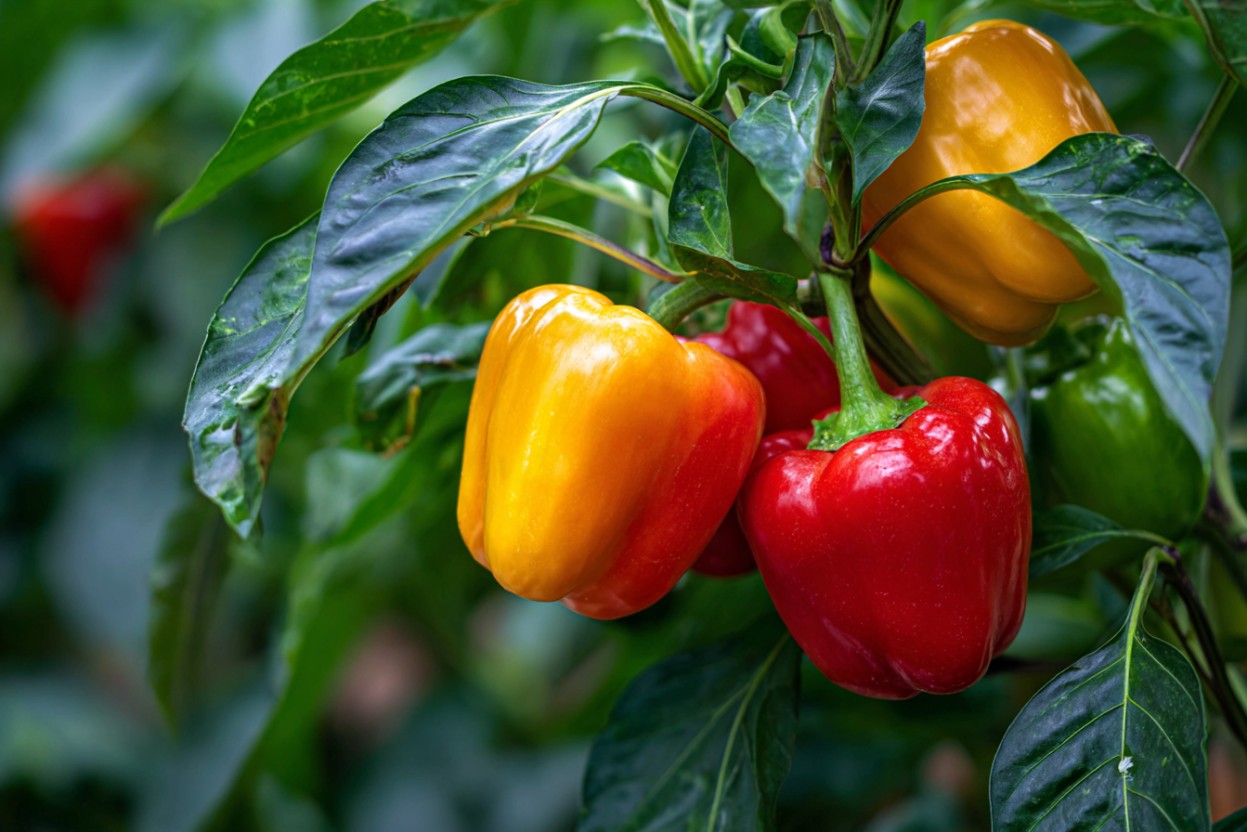
Bell Pepper (Capsicum annuum)
If you have ever felt the sluggishness of a weakened immune system, the frustration of slow-healing skin, or the fog of low energy, you are not alone. Millions of people search for answers in bottles and prescriptions when one of the most powerful sources of vitamin C on the planet is sitting in the produce aisle, waiting. The bell pepper — vibrant, crisp, and bursting with color — contains more vitamin C per serving than an orange, along with a symphony of carotenoids, flavonoids, and minerals that your body was designed to use.
This remarkable fruit is one of many gifts the Creator embedded into nature for our benefit. Before any laboratory isolated ascorbic acid, before any supplement company bottled vitamin A, bell peppers were already here — growing in the warm soils of Central America, provided by a God who knew we would need them.
The Plant
Common Names: Bell pepper, sweet pepper, capsicum, paprika (when dried and powdered), pimiento, mango pepper (U.S. Midwest)
Botanical Name: Capsicum annuum L. (Grossum Group)
Family: Solanaceae (nightshade family) — the same family as tomatoes, potatoes, and eggplant, characterized by alternate leaves and five-petaled flowers
Description
Bell pepper is a warm-season, short-lived perennial typically grown as an annual in most climates. The plant reaches 18 to 36 inches in height with a bushy, upright growth habit and a moderate spread of 12 to 24 inches. Its leaves are simple, ovate to lanceolate, dark green, smooth, and glossy, arranged alternately along branching stems. The stems themselves are semi-woody at maturity, green to slightly purple-tinged, and somewhat brittle.
The flowers are small, white, star-shaped, and self-pollinating — appearing singly at each node where branches meet the main stem. They bloom quietly, often unnoticed, but each one holds the potential for a fruit that will become one of the most nutrient-dense vegetables in your kitchen.
The fruit is the hallmark of the plant — a large, hollow, three- to four-lobed pod with thick, crisp walls and a glossy, waxy skin. Bell peppers are unique among the Capsicum annuum species because they contain no capsaicin, the compound responsible for heat in chili peppers. They register zero on the Scoville Heat Unit scale. Fruits begin green and mature through stages of yellow, orange, and finally deep red, though cultivars exist that ripen to purple, brown, or even white. Red bell peppers are the most nutritionally dense because they have spent the longest time on the vine, accumulating vitamins and antioxidants.
Origin
Bell peppers are native to Mexico, Central America, the Caribbean, and northern South America. Archaeological evidence from the Coxcatlán cave in Tehuacán, Mexico, places Capsicum annuum in the human diet as far back as 7,500 BC, making it one of the oldest cultivated crops in the Americas. The plant was domesticated in central-east Mexico, where indigenous peoples selected fruits for size, flavor, and reduced pungency over thousands of years.
Christopher Columbus brought pepper seeds to Spain in 1493, and within a century, Portuguese traders had carried them across Africa, India, and Southeast Asia. Today, bell peppers are cultivated on every inhabited continent. Global production reached 36 million tonnes in 2020, led by China (46%), followed by Mexico, Indonesia, and Turkey.
Brief History
For at least 6,500 years, native peoples of Mesoamerica cultivated various peppers as both food and medicine. When Spanish and Portuguese explorers encountered them, they called the fruits “peppers” because of the flavor’s faint similarity to black pepper (Piper nigrum), a prized spice from India. Bell peppers were initially received as garden ornamentals in Europe before their culinary and nutritional value became apparent. By the 16th century, peppers had become staples in Mediterranean, Asian, and African cuisines. The modern sweet bell pepper — with its characteristic blocky shape and zero heat — was refined through selective breeding throughout the 19th and early 20th centuries. Italian and Eastern European immigrants introduced bell peppers to American kitchens in the late 1800s, and today they are among the most popular vegetables in North America.
Growing & Cultivation
Climate & Zones
Bell peppers thrive in USDA hardiness zones 9 through 11 as perennials, but they are grown as warm-season annuals in zones 3 through 8. They require warm soil temperatures of at least 65°F for germination and daytime air temperatures between 70°F and 85°F for optimal growth. They do not tolerate frost and will suffer damage below 50°F. In cooler climates, bell peppers are started indoors 8 to 10 weeks before the last frost date, then transplanted outdoors once nighttime temperatures consistently remain above 55°F. Container growing makes bell peppers viable for nearly any zone, and they perform well indoors under grow lights when outdoor conditions are unsuitable.
Soil Requirements
Bell peppers prefer rich, loamy, well-draining soil with a pH between 6.0 and 6.8. Heavy clay soils should be amended with compost and perlite to improve drainage and aeration. Sandy soils benefit from the addition of organic matter to improve moisture retention. For container growing, a high-quality potting mix with added perlite provides excellent drainage. Work aged compost or well-rotted manure into garden beds before planting. Bell peppers are moderate feeders — too much nitrogen produces lush foliage at the expense of fruit production.
Water & Sunlight
Full sun is essential — bell peppers need a minimum of 6 to 8 hours of direct sunlight daily. In extremely hot climates (above 95°F), light afternoon shade can prevent blossom drop. Water deeply and consistently, providing 1 to 2 inches per week. Bell peppers prefer even moisture — inconsistent watering causes blossom end rot, a calcium uptake issue triggered by erratic soil moisture. Mulching around plants helps maintain consistent moisture levels and soil temperature. Drip irrigation or soaker hoses are preferred over overhead watering, which can promote foliar disease.
Propagation
Seed: Bell peppers are almost exclusively propagated by seed. Start seeds indoors in warm conditions (75°F to 85°F) using a seed-starting mix. Plant seeds 1/4 inch deep. Germination takes 7 to 14 days. A heat mat significantly improves germination rates. Seedlings need strong light immediately after emergence to prevent legginess. Harden off seedlings for 7 to 10 days before transplanting outdoors.
Cutting: While not the primary method, bell peppers can be propagated from stem cuttings taken from healthy plants. Take 4- to 6-inch cuttings, remove lower leaves, dip in rooting hormone, and place in moist perlite or vermiculite. Roots develop in 2 to 3 weeks. This method is useful for overwintering a favored plant indoors.
Planting
Transplant seedlings outdoors after the last frost when soil temperatures reach at least 65°F. Space plants 18 to 24 inches apart in rows 24 to 36 inches apart. Plant at the same depth as the nursery pot or slightly deeper. Staking or caging at planting time prevents stem breakage when plants become heavy with fruit. Companion planting with basil, carrots, onions, and tomatoes offers mutual benefit. Avoid planting near fennel or kohlrabi, which can inhibit pepper growth.
Harvesting
Bell peppers can be harvested at any stage of maturity. Green peppers are simply unripe fruits — they are edible but less sweet and less nutritious than fully colored peppers. For maximum nutrition and flavor, allow fruits to ripen fully to red, yellow, or orange (depending on cultivar), which takes 60 to 90 days from transplant for green and up to 90 to 120 days for full color. Harvest by cutting the stem with clean pruners or a sharp knife, leaving a short stub attached to the fruit. Pulling can damage the plant. Morning harvest, after dew has dried, yields the crispest fruit. Regular harvesting encourages continued production throughout the season.
Drying & Storage
Fresh bell peppers store best in the refrigerator crisper drawer, unwashed, in a plastic bag or container with a paper towel to absorb excess moisture. They will keep 1 to 2 weeks when stored properly. For longer preservation, bell peppers freeze exceptionally well — simply dice or slice, spread on a baking sheet to flash-freeze, then transfer to freezer bags. Frozen peppers will keep 6 to 12 months. Bell peppers can also be dehydrated at 125°F to 135°F until brittle, then stored in airtight containers for up to a year. Red bell peppers, when dried and ground, become paprika — a spice used worldwide.
Pest & Disease Management
Common pests include aphids, flea beetles, pepper maggots, hornworms, and spider mites. Beneficial insects such as ladybugs and lacewings provide natural aphid control. Neem oil spray addresses multiple pest issues organically. Common diseases include bacterial leaf spot, anthracnose, and phytophthora blight. Rotate crops annually — never plant peppers where tomatoes, potatoes, or eggplant grew in the previous two years. Good air circulation, drip irrigation, and proper spacing prevent most fungal issues. Remove and destroy affected plant material promptly.
Companion Planting
Bell peppers grow well alongside basil (repels aphids and spider mites), carrots (loosen soil around pepper roots), spinach (living mulch that conserves moisture), marigolds (deter nematodes and whiteflies), and nasturtiums (trap crop for aphids). Avoid planting near fennel, which produces allelopathic compounds, and near brassicas (cabbage, broccoli, cauliflower), which compete for the same nutrients.
The Healing of Growing
Growing bell peppers offers benefits beyond the harvest itself. The act of gardening — hands in soil, bare feet on earth, time spent outdoors — has been shown to reduce cortisol, improve mood, and support immune function. The soil contains beneficial bacteria (Mycobacterium vaccae) with documented antidepressant effects. When you grow your own bell peppers, you receive healing before you ever consume them. The bright colors developing on the vine provide daily visual therapy, and the satisfaction of harvesting food you have grown connects you to the ancient rhythm of provision that God designed into creation.
Nutritional Profile
Macronutrients
Per 100g of raw red bell pepper (USDA FoodData Central):
Calories: 31 kcal. Protein: 1.0g. Carbohydrates: 6.0g. Dietary fiber: 2.1g. Sugars: 4.2g. Total fat: 0.3g. Saturated fat: 0.06g. Monounsaturated fat: 0.01g. Polyunsaturated fat: 0.16g. Water: 92%.
Bell peppers are remarkably low in calories while being nutrient-dense, making them one of the most favorable vegetables for anyone pursuing health and weight management.
Vitamins
Vitamin C: 127.7mg (142% DV) — One of the richest dietary sources of vitamin C on the planet. Supports immune function, collagen synthesis for skin and joint health, and acts as a powerful antioxidant protecting cells from oxidative damage. A single medium red bell pepper provides more than twice the daily recommended vitamin C intake.
Vitamin A: 3,131 IU (63% DV) — Primarily from beta-carotene and other carotenoids. Supports vision health, immune function, cell growth, and skin integrity. Red bell peppers contain significantly more vitamin A than green peppers.
Vitamin B6 (Pyridoxine): 0.29mg (17% DV) — Essential for the formation of red blood cells, neurotransmitter synthesis (including serotonin and dopamine), and protein metabolism. Plays a critical role in brain development and function.
Vitamin E: 1.58mg (11% DV) — A fat-soluble antioxidant that protects cell membranes from oxidative damage, supports healthy nerves and muscles, and strengthens immune function.
Vitamin K1 (Phylloquinone): 4.9mcg (4% DV) — Necessary for proper blood clotting and bone metabolism. Works synergistically with vitamin D and calcium for bone health.
Folate (Vitamin B9): 46mcg (12% DV) — Essential for DNA synthesis and cell division. Critical during pregnancy for preventing neural tube defects. Supports red blood cell formation and mental health.
Riboflavin (B2): 0.085mg (7% DV) — Supports energy production, cellular function, and the metabolism of fats, drugs, and steroids. Also necessary for maintaining the body’s supply of other B vitamins.
Niacin (B3): 0.979mg (6% DV) — Supports digestive health, skin health, and nervous system function. Helps convert food to usable energy.
Minerals
Potassium: 211mg (4% DV) — Essential for heart rhythm regulation, muscle contraction, nerve signaling, and maintaining healthy blood pressure by balancing sodium levels.
Manganese: 0.112mg (5% DV) — A co-factor for the antioxidant enzyme superoxide dismutase (SOD). Supports bone formation, blood clotting, and metabolism.
Iron: 0.43mg (2% DV) — While modest in amount, the iron in bell peppers is accompanied by extremely high vitamin C, which dramatically increases iron absorption. Eating bell peppers alongside iron-rich foods like spinach or red meat significantly boosts your body’s ability to take in non-heme iron.
Magnesium: 12mg (3% DV) — Essential for over 300 enzymatic reactions in the body, supports muscle and nerve function, blood sugar regulation, and bone health.
Phosphorus: 26mg (2% DV) — Works with calcium for bone and tooth health. Essential for energy production (ATP) and cell membrane integrity.
Zinc: 0.25mg (2% DV) — Supports immune function, wound healing, DNA synthesis, and normal growth and development.
Phytonutrients & Active Compounds
Capsanthin — The dominant carotenoid in red bell peppers, responsible for their brilliant red color. Research suggests capsanthin is a potent antioxidant that may support cardiovascular health and protect against oxidative stress.
Beta-carotene — A provitamin A carotenoid abundant in orange and red peppers. The body converts beta-carotene to vitamin A as needed. Associated with reduced risk of certain cancers and age-related macular degeneration.
Violaxanthin — The major carotenoid in yellow and orange bell peppers. An antioxidant that contributes to the fruit’s golden color and may support eye health.
Lutein and Zeaxanthin — Carotenoids that concentrate in the retina of the eye, where they filter harmful blue light and protect against age-related macular degeneration and cataracts.
Quercetin — A flavonoid with documented anti-inflammatory, antihistamine, and antioxidant properties. Research suggests it may support cardiovascular health and help manage allergic responses.
Luteolin — A flavonoid studied for anti-inflammatory effects, particularly its ability to inhibit pro-inflammatory cytokines. Recent research associates luteolin intake with reduced all-cause and cardiac mortality in patients with type 2 diabetes.
Beta-cryptoxanthin — A carotenoid that the body converts to vitamin A. Research suggests foods rich in beta-cryptoxanthin may help lower the risk of bladder, lung, and colon cancer.
Nutrient Notes
Red bell peppers contain up to nine times more beta-carotene and twice the vitamin C of green bell peppers because they remain on the vine longer, allowing nutrients to accumulate. The vitamin C in bell peppers dramatically increases the absorption of non-heme iron from plant sources — pairing raw bell pepper strips with iron-rich foods like spinach or lentils is one of the most effective strategies for preventing iron-deficiency anemia naturally. The fat-soluble vitamins (A, E, K) in bell peppers are best absorbed when eaten with a small amount of healthy fat, such as olive oil or avocado.
Connection to Body Compounds
The B-vitamins in bell peppers (particularly B6 and folate) are essential cofactors in the production of serotonin, dopamine, and norepinephrine — neurotransmitters that regulate mood, motivation, and stress response. The high vitamin C content supports adrenal gland function and may help modulate cortisol levels during periods of stress. The quercetin and luteolin content may help reduce inflammatory markers such as IL-6 and TNF-alpha, while the carotenoids provide antioxidant protection that supports the body’s natural defense against oxidative cellular damage.
Culinary Uses
Edible Parts
The thick, fleshy walls of the fruit are the primary edible portion — sweet, crisp, and juicy. The seeds are edible but have a slightly bitter taste and are typically removed before cooking. The white inner membranes (pith) are also edible but mildly bitter. The leaves and stems of the plant contain solanine and should not be consumed. Bell pepper in all stages of ripeness — green, yellow, orange, and red — is fully edible, with flavor and sweetness increasing as the pepper matures.
Flavor Profile
Green bell peppers have a slightly bitter, vegetal, grassy flavor with moderate crunch. Yellow peppers are milder and mildly sweet. Orange peppers offer a fruity sweetness with a bright, clean finish. Red bell peppers are the sweetest of all, with a rich, almost fruity sweetness and a tender-crisp texture. Cooking mellows the flavors and brings out natural sugars — roasted red bell peppers develop a smoky, caramelized sweetness that is deeply satisfying. Dried red bell peppers, ground into paprika, offer a warm, earthy, slightly sweet spice character.
Preparation
Raw bell peppers are excellent sliced into strips for snacking, diced into salads, or used as edible vessels for dips and fillings. Roasting at high heat (400°F to 450°F) or directly over a flame until charred brings out remarkable sweetness and a smoky depth. Sautéing with olive oil over medium-high heat preserves some crunch while softening the texture. Grilling produces beautiful char marks and a slightly smoky flavor. Bell peppers are also excellent stuffed and baked, stir-fried, added to soups and stews, or blended into sauces and dressings. To reduce any bitterness in green peppers, blanching briefly in salted boiling water before cooking helps. The skin can be removed after roasting by placing charred peppers in a covered bowl to steam, then peeling — this produces a silky-smooth texture.
Culinary Pairings
Bell peppers pair beautifully with olive oil, garlic, onions, tomatoes, basil, oregano, thyme, cumin, smoked paprika, coriander, and black pepper. They complement proteins including chicken, beef, shrimp, eggs, and beans. They work well alongside other vegetables such as zucchini, eggplant, mushrooms, and corn. Cheeses like feta, mozzarella, goat cheese, and cheddar are classic companions. For acid balance, lemon juice, balsamic vinegar, and red wine vinegar brighten bell pepper dishes effectively.
Storage
Store fresh, unwashed bell peppers in the refrigerator crisper drawer for up to 1 to 2 weeks. Cut peppers should be wrapped tightly and used within 3 to 4 days. For freezing, dice or slice peppers, spread on a baking sheet to freeze individually, then transfer to freezer bags — they keep 6 to 12 months. For oil infusion, roasted bell peppers can be preserved in olive oil in the refrigerator for up to 2 weeks. Dried bell pepper flakes and paprika store in airtight containers in a cool, dark place for up to 1 year.
Ready to cook with bell pepper? View Recipes on Chefts →
Wellness & Therapeutic Uses
Traditional Uses
The Capsicum genus has been used therapeutically for thousands of years across multiple cultures. In Mesoamerica, indigenous peoples used peppers not only as food but as medicine — applying them to toothaches, using them to ease digestive discomfort, and incorporating them into poultices for pain relief. Traditional Chinese Medicine classifies sweet peppers as warming foods that support the spleen and stomach, promote circulation, and aid digestion. Ayurvedic tradition considers sweet peppers balancing for Vata and Kapha constitutions, using them to stimulate agni (digestive fire) and promote the assimilation of nutrients. European herbalists of the 16th and 17th centuries recognized peppers as digestive aids and circulatory stimulants. In traditional African medicine, Capsicum species were used for treating infections, respiratory conditions, and joint pain. Across South American folk medicine, peppers were used to support immune function during illness, settle stomach complaints, and improve appetite.
Modern Research
Antioxidant Activity: Research published in the journal Antioxidants (2020, South Korea) demonstrated that Capsicum annuum extracts showed significant radical scavenging activity and inhibited inflammatory markers including nitric oxide, IL-6, and TNF-alpha in laboratory cell models. The study confirmed that the flavonoids luteolin and apigenin are primary contributors to these effects.
Anti-inflammatory Properties: A study published in the Journal of Biomedicine and Biotechnology (2012, Mexico) found that carotenoid extracts from Capsicum annuum exhibited significant antioxidant, analgesic, and anti-inflammatory activity, suggesting potential for pain and inflammation support.
Cardiovascular Support: A systematic review and meta-analysis published in Scientific Reports (2020, Iran) evaluated randomized controlled trials on Capsicum annuum supplementation and found a significant effect on reducing LDL cholesterol levels, with a marginally significant effect on body weight reduction — both key factors in cardiovascular health.
Eye Health: The high concentrations of lutein, zeaxanthin, and beta-carotene in bell peppers are associated with reduced risk of age-related macular degeneration and cataracts. These carotenoids accumulate in the macula of the retina where they function as natural blue-light filters and antioxidants.
Immune Support: The exceptional vitamin C content supports immune function through multiple mechanisms: stimulating the production and function of white blood cells, enhancing the skin’s barrier function, and acting as an antioxidant that protects immune cells from oxidative damage.
Iron Absorption: Research has consistently demonstrated that vitamin C dramatically enhances the absorption of non-heme iron. Bell peppers consumed alongside iron-rich plant foods can increase iron uptake by up to 300%, making them a practical tool for addressing or preventing iron-deficiency anemia.
Skin Health: Vitamin C is essential for collagen synthesis, the structural protein that gives skin its firmness and elasticity. Studies indicate that higher dietary vitamin C intake is associated with reduced skin dryness, fewer wrinkles, and lower risk of skin aging.
Body Systems Supported
Immune system — Exceptional vitamin C content, antioxidant carotenoids, and flavonoids directly support immune cell function and defense against oxidative stress.
Cardiovascular system — Potassium supports healthy blood pressure, vitamin C protects blood vessel walls, and flavonoids like quercetin may support overall heart health. Research suggests bell pepper compounds may help reduce LDL cholesterol.
Integumentary system (skin) — Vitamin C drives collagen production, vitamin A supports cell turnover, and vitamin E protects cell membranes from UV and oxidative damage.
Digestive system — Dietary fiber supports healthy bowel function and feeds beneficial gut bacteria. Traditional medicine systems have long used sweet peppers to promote healthy digestion.
Nervous system — B-vitamins (B6, folate, niacin) support neurotransmitter synthesis and healthy nerve function. Vitamin B6 is critical for producing serotonin and dopamine.
Musculoskeletal system — Vitamin C supports cartilage health and collagen integrity in joints. Research suggests vitamin C may help reduce pain associated with osteoarthritis.
Endocrine system — Vitamin C supports adrenal gland function, which plays a role in cortisol regulation and stress response.
Respiratory system — Antioxidant vitamins A and C may support lung health and respiratory function, particularly in environments with oxidative stress.
Body Compounds Affected
The vitamin B6 in bell peppers is a critical cofactor in the synthesis of serotonin (mood regulation), dopamine (motivation and reward), and norepinephrine (alertness and focus). Folate supports the methylation cycle necessary for proper neurotransmitter metabolism. The high vitamin C content supports cortisol regulation through adrenal support — the adrenal glands contain the highest concentration of vitamin C in the body. Quercetin and luteolin have been shown to reduce pro-inflammatory cytokines including IL-6 and TNF-alpha. The antioxidant compounds support healthy nitric oxide metabolism, which is essential for blood vessel dilation and healthy circulation. The carotenoid content may also influence insulin sensitivity, as bell peppers have a low glycemic index and research suggests Capsicum annuum compounds may support healthy blood sugar regulation.
Methods of Use
Fresh Consumption (Raw)
The most effective way to obtain bell pepper’s full vitamin C content, as heat degrades this vitamin. Eat raw strips as snacks, add to salads, blend into smoothies, or use as dippers for hummus. One medium red bell pepper provides over 150% of the daily recommended vitamin C.
Cooked Preparations
While some vitamin C is lost during cooking, fat-soluble nutrients like beta-carotene and vitamins A and E become more bioavailable when cooked with healthy fats. Roasting, sautéing with olive oil, and gentle steaming are preferred methods. Avoid prolonged high-heat cooking, which degrades the most nutrients.
Dried Powder (Paprika)
Dried and ground red bell pepper (sweet paprika) concentrates minerals and carotenoids. Use liberally as a seasoning — 1 to 2 teaspoons daily adds both flavor and nutritional value. Sweet paprika retains capsanthin and beta-carotene effectively.
Juicing
Fresh bell pepper juice is exceptionally rich in vitamin C and can be combined with carrot, celery, and ginger for a nutrient-dense beverage. Best consumed immediately after preparation to preserve vitamin content.
Cosmetic & Beauty Uses
Skin Benefits
Bell pepper is a powerhouse for skin health, primarily due to its extraordinary vitamin C concentration. Vitamin C is essential for collagen synthesis — the structural protein responsible for skin firmness, elasticity, and youthful appearance. The vitamin A (from beta-carotene) supports healthy cell turnover, helping the skin shed old cells and generate new ones more efficiently. Vitamin E provides antioxidant protection against UV damage and environmental stressors. The combination of these three vitamins makes bell pepper beneficial for all skin types, but particularly for mature skin showing signs of aging, dull skin lacking vibrancy, and sun-damaged skin needing repair support.
The flavonoids quercetin and luteolin provide anti-inflammatory support that may benefit acne-prone and rosacea-prone skin. The high water content (92%) also supports skin hydration from within when consumed regularly.
Hair Benefits
The vitamin C in bell peppers supports iron absorption, which is directly connected to hair health — iron deficiency is one of the most common nutritional causes of hair thinning and hair loss. Vitamin C also supports the production of collagen, which strengthens the hair follicle structure. Vitamin A supports the production of sebum, the natural oil that keeps the scalp moisturized and hair shiny. The B-vitamins, particularly B6, support the delivery of oxygen and nutrients to hair follicles through red blood cell production. A bell pepper rinse (made from simmering red peppers and straining the liquid) can be used as a final hair rinse to add shine and deliver topical nutrients to the scalp.
Application Methods
Face mask: Blend raw red bell pepper into a puree, mix with a teaspoon of honey and a teaspoon of plain yogurt, and apply to clean skin for 10 to 15 minutes. The vitamin C brightens, the honey moisturizes, and the yogurt provides gentle lactic acid exfoliation. Rinse with cool water. Use 1 to 2 times per week.
Eye treatment: The vitamin C and carotenoids in bell pepper may help reduce the appearance of dark circles when consumed regularly. Topically, chilled bell pepper slices placed over closed eyes for 10 minutes can reduce puffiness.
Hair rinse: Simmer 2 diced red bell peppers in 4 cups of water for 15 minutes. Strain, cool completely, and use as a final rinse after shampooing. The nutrients coat and nourish the hair shaft, adding shine and softness.
DIY Formulation Notes
Bell pepper extract is water-soluble, making it compatible with water-based formulations like toners, mists, and light serums. Fresh bell pepper puree has a short shelf life (use within 24 hours or freeze in ice cube trays). When incorporating into homemade products, combine with carrier ingredients like aloe vera gel (for face products) or coconut milk (for hair products). Do not apply raw bell pepper to broken skin. Patch test any new topical preparation on the inner forearm before applying to the face.
Bell pepper is among the botanicals being explored for holistic cosmetic applications, where the wisdom of traditional beauty practices meets modern understanding of skin science.
Aromatherapy & Scent
The Aroma
The fresh bell pepper has a distinctive, instantly recognizable scent — green, vegetal, slightly sweet, and unmistakably “peppery” without any heat. The green variety has the most assertive aroma: crisp, herbaceous, and faintly grassy with a chlorophyll-like quality. As bell peppers ripen to yellow, orange, and red, the scent becomes sweeter, fruitier, and more mellow. The aroma is strongest when the pepper is freshly cut or the skin is broken, releasing volatile compounds into the air. Touching or crushing the leaves of the plant also releases a sharp, green, distinctly Solanaceous scent.
Dried bell pepper retains a warm, earthy, slightly sweet aroma that is concentrated and less vegetal than the fresh form. Paprika — dried, ground red bell pepper — has a warm, mildly sweet, slightly smoky fragrance that has been used in kitchens worldwide for centuries. The dried form retains its scent for 6 to 12 months when stored in airtight containers.
How Scent Affects Your Body
When you slice open a fresh bell pepper, volatile aromatic molecules are released into the air. These molecules enter the nose, where olfactory receptors on specialized neurons detect them and send electrical signals directly to the limbic system (the brain’s emotional center) and the hypothalamus (which controls hormone release). This pathway bypasses conscious thought — meaning the scent affects your body before you decide how to feel about it. The fresh, green aroma of bell pepper is generally associated with alertness, freshness, and appetite stimulation. The brain interprets green, vegetal scents as signals of living plants and fresh food — triggering associations with vitality and nourishment.
Emotional & Mood Effects
The fresh, green scent of bell pepper is primarily clarifying and mildly energizing. It evokes a sense of freshness, cleanliness, and connection to growing things. The aroma stimulates appetite and may increase saliva production — a parasympathetic response that signals the body to prepare for digestion. For many people, the scent of bell peppers cooking triggers comforting associations with home-cooked meals and family gatherings, which can promote feelings of warmth, safety, and belonging.
Body Compounds Affected
While specific studies on bell pepper aroma and neurotransmitter effects are limited, the general category of fresh, green, vegetal aromas has been associated with mild cortisol reduction and parasympathetic nervous system activation (the “rest and digest” response). Appetite stimulation from food aromas involves the release of ghrelin and the activation of digestive enzyme secretion. The comfort-food associations triggered by cooking bell peppers may stimulate oxytocin and serotonin pathways through memory-linked olfactory responses.
Ways to Experience the Scent
The most direct way to experience bell pepper’s aroma is through the act of cooking itself — slicing, sautéing, and roasting release the full spectrum of volatile compounds. Growing bell pepper plants indoors or on a patio provides daily aromatic contact when you water, prune, or brush against the foliage. Fresh-cut bell pepper strips on the kitchen counter release a gentle, appetite-stimulating aroma. Simmering bell peppers with other aromatics (onion, garlic, tomato) creates a warm, comforting kitchen environment that engages the entire household through scent.
Color Therapy
The Colors of Bell Pepper
Few plants offer the dramatic color range of the bell pepper. A single plant can display the full journey from deep green to brilliant red — and cultivars extend this palette to include vivid yellow, warm orange, deep purple, chocolate brown, and even ivory white. The predominant colors encountered are green (unripe), yellow, orange, and red (fully ripe). Each represents a different stage of ripeness and a different nutritional composition, but each also emits a distinct wavelength of visible light that interacts with the human body in measurable ways.
Color Wavelengths
Red bell pepper: 620–700nm wavelength. Red light is the longest wavelength in the visible spectrum, associated with warmth, energy, and stimulation.
Orange bell pepper: 590–620nm wavelength. Orange light falls between red and yellow, associated with creativity, warmth, and digestive support.
Yellow bell pepper: 570–590nm wavelength. Yellow light is associated with mental clarity, optimism, and nervous system stimulation.
Green bell pepper: 495–570nm wavelength. Green light falls in the center of the visible spectrum, associated with balance, calm, and heart-centered connection.
Purple bell pepper: 380–450nm wavelength. Violet light has the shortest wavelength, associated with calming the nervous system and promoting contemplative states.
How Bell Pepper Colors Affect the Body
The vibrant colors of bell peppers are not merely decorative. In color therapy, visual exposure to specific wavelengths influences mood, energy, and physiology. Viewing red bell peppers may gently stimulate energy and circulation — red wavelengths have been shown to increase heart rate and attention. Orange wavelengths promote a sense of warmth and creativity, while yellow encourages mental alertness and optimism. Green, as the most balanced color in the spectrum, promotes a sense of calm and equilibrium. Placing a bowl of multicolored bell peppers on the kitchen counter is a simple act of color therapy — exposing you to a full range of beneficial wavelengths throughout the day.
Body Compounds Affected
Research on light exposure suggests that warmer colors (red, orange, yellow) may mildly stimulate cortisol and norepinephrine, promoting alertness, while cooler colors (green) may support serotonin and GABA, promoting calm. The visual engagement with vibrant, natural colors has also been associated with reduced cortisol levels compared to dull or artificial environments, aligning with biophilic design principles.
Using Bell Pepper for Color Therapy
Display a variety of bell pepper colors in a prominent kitchen location for daily visual exposure. Use red bell peppers in morning meals to start the day with an energizing visual stimulus. Choose green peppers for evening meals when calm is preferred. Include bell peppers in garden beds or container plantings where their ripening colors provide a changing, living color therapy display throughout the growing season. Eating the rainbow — consuming bell peppers of every color — delivers both the visual therapy of color exposure and the internal therapy of diverse phytonutrients. Each color contains different carotenoids and flavonoids, so variety is genuinely therapeutic.
Frequency & Vibration
The Frequency of Bell Pepper
Everything in creation vibrates at a molecular level — this is fundamental physics. Living plants, including bell peppers, emit bio-electromagnetic frequencies that can be measured. While specific MHz measurements for bell peppers are not as widely documented as those for essential oils or highly aromatic herbs, fresh fruits and vegetables are generally considered to vibrate at frequencies between 20 and 27 MHz. As a fresh, living, water-rich plant food, bell pepper is in the higher range of common food frequencies.
For reference, according to bio-frequency research, the healthy human body vibrates at 62–78 MHz. When the body’s frequency drops below 58 MHz, illness processes may begin. Fresh, raw, whole foods are understood to carry higher frequencies than processed, cooked, or preserved foods. Raw bell pepper, consumed fresh from the garden, represents one of the highest-frequency food choices available.
Human Frequency Interaction
Proponents of vibrational medicine suggest that consuming high-frequency foods may help support the body’s own frequency. The principle of entrainment — where a stronger, more coherent frequency influences a weaker or less coherent one — applies here. Eating fresh, raw bell peppers may support the body’s vibrational state, particularly when combined with other high-frequency practices such as time in nature, prayer, deep breathing, and adequate hydration with clean water.
Being around living bell pepper plants in a garden setting may also provide vibrational benefit. Living plants in active photosynthesis are vibrating at their peak frequency, and proximity to these plants allows for energetic interaction even without consumption.
Vibrational Applications
For frequency support, consume bell peppers raw and as fresh as possible — ideally harvested from your own garden moments before eating. Growing bell pepper plants indoors brings living vibrational energy into the home. Combining bell peppers with other high-frequency foods (leafy greens, fresh herbs, sprouts) creates meals that collectively support the body’s energetic state. According to bio-frequency research, the simple act of holding a fresh, living plant raises the frequency of the person holding it.
Note: Frequency measurements of foods and the human body represent an area where research is emerging. The information above draws from bio-frequency research including the work of Bruce Tainio and others, and should be understood within the context of developing science.
The Living Plant
Benefits of Presence
Simply being around living bell pepper plants provides therapeutic value beyond any eventual harvest. Research on biophilic design demonstrates that the presence of living plants in indoor and outdoor environments reduces stress, improves mood, increases productivity, and accelerates healing. Bell pepper plants, with their glossy green foliage, delicate white flowers, and brilliantly colored fruit, offer a particularly engaging visual experience. The plant changes daily throughout the growing season — flowering, setting fruit, and slowly ripening from green through its final color — providing a living connection to natural rhythms that modern indoor life often lacks.
Air Purification
While bell peppers were not included in NASA’s original Clean Air Study, plants in the Solanaceae family are known to participate in standard photosynthetic gas exchange — absorbing carbon dioxide and releasing oxygen during daylight hours. Any actively growing plant in the home contributes to improved indoor air quality. Bell pepper plants are moderate oxygen producers relative to their size. For meaningful air quality improvement, multiple plants throughout the home are recommended alongside proper ventilation.
Phytoncides
Bell pepper plants, like many living plants, release volatile organic compounds into the surrounding air. While not as studied for phytoncide production as conifers (the trees most associated with forest bathing research), all living plants emit some level of antimicrobial volatile compounds as part of their natural defense system. The distinctive “green” smell of bell pepper foliage indicates active volatile compound release. Forest bathing (shinrin-yoku) research demonstrates that plant-released compounds increase Natural Killer (NK) cell activity in humans — these are immune cells that help the body fight infections and cancer. Even small-scale exposure to living plants in the home may provide a fraction of this benefit.
Visual & Psychological Benefits
Research consistently shows that viewing living plants reduces perceived stress, lowers blood pressure, and improves attention and cognitive performance. The Attention Restoration Theory (ART), developed by environmental psychologists Rachel and Stephen Kaplan, demonstrates that natural environments — including houseplants — allow the brain’s directed attention to rest, reducing mental fatigue. Studies in healthcare settings show that patients with views of plants or gardens recover faster and require less pain medication. A bell pepper plant on a windowsill or desk provides a small but genuine dose of these benefits every day.
Growing Indoors vs Outdoors
Bell peppers can be grown indoors with adequate light — a south-facing window or full-spectrum grow light providing 12 to 16 hours of daily light. Compact cultivars like ‘Lunchbox,’ ‘Mini Bell,’ and ‘Redskin’ are particularly well-suited to container growing indoors. Indoor plants will produce fewer and smaller fruits than outdoor plants but still provide presence benefits, air quality contribution, and the psychological reward of nurturing life. Outdoors, bell pepper plants thrive in garden beds, raised beds, and large containers on patios and decks, where they receive full sun and natural pollination by wind and insects.
Touch & Physical Interaction
Gardening Therapy
Horticultural therapy — using gardening as a therapeutic practice — is an established and growing field. Working with bell pepper plants engages the gardener in a complete cycle of care: starting seeds, nurturing seedlings, transplanting, watering, feeding, staking, and harvesting. Each of these activities requires focused attention, gentle touch, and patience — all qualities that promote mindfulness and reduce anxiety. Bell peppers are particularly rewarding for therapeutic gardening because the visual payoff is dramatic: watching a small green fruit slowly transform into a vivid red, orange, or yellow pepper provides a tangible sense of accomplishment and connection to the rhythm of creation.
Soil Contact Benefits
When you garden barefoot or with bare hands, you experience grounding (earthing) — direct physical contact with the earth’s surface. This contact allows the transfer of free electrons from the earth into the body, which research suggests reduces inflammation, improves sleep, and normalizes cortisol rhythms. The soil also contains Mycobacterium vaccae, a beneficial bacterium that, when inhaled or absorbed through skin contact, stimulates serotonin production in the brain. Multiple studies have documented the antidepressant-like effects of this soil microbe. Gardening also exposes the skin microbiome to diverse environmental bacteria, which supports immune system education and resilience.
The Tactile Experience
Bell pepper plants offer a range of tactile sensations. The leaves are smooth, slightly waxy, and cool to the touch. The stems are firm and slightly woody with a satisfying rigidity. The flowers are delicate and paper-thin. And the fruit — the real tactile reward — is smooth, firm, glossy, and pleasantly heavy in the hand. The act of harvesting a ripe bell pepper involves a satisfying snap or clean cut, followed by the weight and coolness of the fruit in your palm. Slicing a bell pepper is its own sensory experience — the knife pushes through the firm outer wall with a crisp resistance, revealing the hollow interior with its pale ribs and small cluster of seeds. The sound, the feel, the fresh aroma released with the first cut — this is multisensory engagement with God’s provision.
Harvesting & Processing
The meditative quality of harvesting bell peppers lies in the gentle assessment of each fruit — checking color, firmness, and size before cutting the stem cleanly. Processing bell peppers for preservation (dicing for freezing, slicing for dehydrating, roasting for canning) involves repetitive, rhythmic motions that are inherently calming and grounding. The repetitive task of seeding and slicing allows the mind to rest in the present moment while the hands are productively engaged. There is a deep, ancient satisfaction in preparing food from a plant you have grown — a connection to the seasons and to the fundamental human experience of provision that industrial food systems have largely disconnected us from.
Water-Based Applications
Teas & Infusions
While bell pepper is not a traditional tea herb, a light infusion can be prepared using dried bell pepper flakes or fresh diced pepper. For a vitamin C-rich infusion, add 1 to 2 tablespoons of finely diced fresh red bell pepper to a cup of warm (not boiling) water, steep for 5 to 10 minutes, strain, and drink. Using water below boiling (160°F to 180°F) preserves more of the heat-sensitive vitamin C. This preparation can be enhanced with a squeeze of lemon and a small drizzle of raw honey. The resulting infusion is mildly sweet, subtly vegetal, and nutrient-rich.
Bell pepper can also be added to herbal tea blends as a nutrient booster — a pinch of dried, powdered red bell pepper (paprika) stirred into warm herbal tea adds vitamin C, beta-carotene, and capsanthin without significantly altering the tea’s flavor.
Herbal Baths
Bell pepper is not a traditional bath herb, but the principles of water-based nutrient delivery apply. For a skin-brightening bath, 2 to 3 blended red bell peppers can be strained through cheesecloth and the liquid added to a warm bath (not hot — to preserve vitamin C). The vitamin C and carotenoids in the water may provide mild topical antioxidant support. A more practical approach is a foot soak: blend one red bell pepper with a cup of warm water, strain, and add to a basin of warm water for a 15-minute soak. This can provide localized nutrient delivery to the skin of the feet.
Compresses
A warm bell pepper compress can be prepared by simmering diced bell pepper in water for 10 minutes, straining, soaking a clean cloth in the liquid, and applying to the skin. The warmth promotes circulation while the dissolved nutrients are delivered topically. This method has been used in folk medicine traditions as a mild, warming application for stiff joints and tired muscles.
Hair Rinses
A bell pepper hair rinse delivers vitamin C and carotenoids directly to the hair and scalp. Simmer 2 diced red bell peppers in 4 cups of water for 15 minutes. Strain completely and allow to cool. After shampooing, pour the rinse over hair, massage into the scalp, leave for 2 to 3 minutes, then rinse with cool water. The vitamin C may help remove mineral buildup from hair, and the carotenoids add a subtle shine. Use once per week for best results.
Juicing & Smoothies
Fresh bell pepper juice is one of the most direct water-based delivery methods for the plant’s full nutrient profile. Bell peppers juice easily in a masticating or centrifugal juicer, yielding a sweet, mild, vibrant liquid. Red bell pepper juice blends well with carrot, apple, celery, ginger, and lemon. In smoothies, half a raw bell pepper blended with frozen mango, banana, and coconut water creates a tropical, vitamin C-rich drink. The water content of bell pepper (92%) makes it a natural hydration ingredient.
Historical, Cultural & Biblical Significance
Biblical References
Bell peppers are not directly mentioned in Scripture. The Capsicum genus is native to the Americas and was unknown in the ancient Near East during biblical times. However, the broader principle of God’s provision through plants is deeply woven throughout Scripture. Genesis 1:29 (KJV) establishes the foundation: “And God said, Behold, I have given you every herb bearing seed, which is upon the face of all the earth, and every tree, in the which is the fruit of a tree yielding seed; to you it shall be for meat.” Bell peppers — bearing seed, yielding fruit — are a vivid expression of this divine provision. Genesis 9:3 (KJV) further affirms: “Every moving thing that liveth shall be meat for you; even as the green herb have I given you all things.”
While the plant itself was not known in the biblical world, the Solanaceae family includes plants that were present in Mediterranean regions during biblical times, and the principle of seed-bearing plants as God’s provision for humanity applies universally.
Ancient Civilizations
Archaeological evidence places Capsicum annuum in the human diet as early as 7,500 BC at the Coxcatlán cave in Tehuacán, Mexico — among the earliest cultivated plants in the Western Hemisphere. The Aztecs and Maya cultivated numerous Capsicum varieties, using them as food, medicine, and trade goods. Peppers held significant cultural importance: the Aztec word for pepper, chīlli (from the Nahuatl language), is the root of the modern word “chili.” In Inca civilization, peppers were valued more than currency. The Inca mythological figure Agar-Uchu (Brother Chile Pepper) represented joy and contentment, reflecting the central role peppers played in Andean culture and cuisine.
After Columbus brought pepper seeds to Spain in 1493, Portuguese explorers rapidly distributed them across Africa, India, and Southeast Asia during the 16th century. Within 50 years, peppers had been adopted into cuisines on every continent they reached — a remarkably rapid global spread that testifies to the plant’s universal appeal and nutritional value.
Eastern Traditions
In Traditional Chinese Medicine, sweet peppers are classified as warming foods that enter the spleen and stomach meridians. They are used to promote healthy digestion, stimulate appetite, and support qi (vital energy) circulation. TCM practitioners may recommend sweet peppers for individuals with patterns of spleen qi deficiency, which manifests as poor appetite, bloating, and fatigue.
In Ayurvedic tradition, sweet peppers are considered Sattvic (pure, harmonious) foods that balance the Vata and Kapha doshas. They are valued for supporting agni (digestive fire) without the excess heat of spicy peppers. Ayurvedic practitioners use sweet peppers to support healthy digestion, metabolism, and nutritional assimilation, particularly for individuals with slow or sluggish digestive function.
Indigenous Knowledge
Indigenous peoples of Mesoamerica were the original cultivators and physicians of Capsicum medicine. They used pepper preparations for toothaches, digestive complaints, wound care, and respiratory issues. The Aztecs mixed peppers with other medicinal plants to create complex healing preparations. When European settlers arrived in the Americas, indigenous peoples shared their knowledge of pepper cultivation and medicinal use — knowledge that had been refined over thousands of years of careful observation.
These cultures saw the design — they observed which preparations worked, documented the methods, and passed them down through generations. While they may not have known the Creator by name, they were observing His design — and their observations align with what modern research confirms about Capsicum annuum‘s nutritional and therapeutic properties.
European Heritage
When peppers arrived in Europe, they were first treated as botanical curiosities and garden ornamentals. Portuguese monks were among the first Europeans to recognize their culinary potential, using them as an affordable alternative to expensive black pepper. By the 17th century, peppers were established in Mediterranean, Eastern European, and Iberian cuisines. Hungarian paprika — made from dried sweet peppers — became central to Hungarian national cuisine and identity. Spanish pimentón, Italian peperone, and Turkish biber reflect how thoroughly bell peppers became woven into European food culture. Nicholas Culpeper, the famous English herbalist (1616–1654), classified pepper among warming, stimulating plants that aided digestion and circulation.
Cultural Symbolism
Bell peppers have come to symbolize abundance, variety, and nourishment across cultures. Their vibrant colors make them universal symbols of the harvest, featured in still-life paintings from the Dutch Golden Age to contemporary food photography. In Mexican culture, peppers of all kinds represent the richness and diversity of the land. In Mediterranean cultures, strings of dried peppers hanging in kitchens symbolize prosperity and home. The bell pepper’s journey — from a wild plant in Mesoamerican forests to a staple on tables around the world — reflects the interconnectedness of human civilization and the way God’s provision reaches all people through the hands and hearts of those willing to share what they have been given.
Safety & Precautions
Contraindications
Bell peppers are generally very safe for the vast majority of people. They are a whole food, consumed worldwide as a dietary staple. However, individuals with known nightshade sensitivity should exercise caution. Some people with autoimmune conditions — particularly rheumatoid arthritis, lupus, or inflammatory bowel disease — report symptom flare-ups when consuming nightshade family plants, though scientific evidence for this is mixed. If you suspect nightshade sensitivity, consider an elimination diet under the guidance of a qualified healthcare provider.
Drug Interactions
Bell peppers are a food, not a concentrated supplement, and significant drug interactions at dietary levels are unlikely. However, the high vitamin K content (though modest) means that individuals taking blood-thinning medications like warfarin should maintain consistent intake of vitamin K-containing foods rather than drastically increasing or decreasing consumption. The vitamin C content theoretically enhances iron absorption, which could be a consideration for individuals with hemochromatosis (iron overload disorder). Consult your healthcare provider if you are taking medications and have questions about dietary interactions.
Pregnancy & Nursing
Bell peppers are considered safe during pregnancy and breastfeeding. Their high folate content makes them a beneficial food during pregnancy, as folate is critical for preventing neural tube defects in developing babies. The vitamin C content supports immune function during pregnancy. No known contraindications exist at normal dietary levels. Bell peppers are an excellent addition to a pregnancy nutrition plan.
Children
Bell peppers are safe for children of all ages once they are ready for solid foods (typically around 6 months). They are commonly used as one of the first vegetables introduced to babies. For infants, cook and puree bell pepper to a soft consistency. For toddlers and older children, cut into age-appropriate pieces to prevent choking (avoid large chunks for very young children). The mild, sweet flavor of red, yellow, and orange bell peppers is well-accepted by most children.
Elderly
Bell peppers are an excellent food for older adults. The high vitamin C content supports immune function and collagen integrity, both of which decline with age. The vitamin A supports eye health, and the B-vitamins support cognitive function. The soft texture of cooked bell pepper makes it easy to consume for those with dental concerns. No dosage adjustments or special precautions are necessary for elderly individuals.
Pets
Dogs: Safe. Bell pepper fruit (all colors) is non-toxic to dogs and can be given as a healthy treat. Remove seeds and stems. Cut into appropriate-sized pieces. Raw bell pepper may be difficult for some dogs to digest — steaming or pureeing can help. Do not give bell peppers prepared with onion, garlic, or heavy seasoning.
Cats: Safe with caution. The fruit of the bell pepper plant is not toxic to cats. However, the leaves and stems of the plant contain solanine and may cause mild gastrointestinal upset if consumed in large quantities. Keep cats from chewing on bell pepper plants. The fruit itself, if offered in small amounts, is not harmful.
Horses: Generally safe. Bell pepper fruit is not toxic to horses, though it is not a natural part of their diet and should be offered sparingly as an occasional treat only.
Birds: Safe. Many pet birds enjoy bell pepper and it is considered a healthy treat rich in vitamin A.
Allergies & Sensitivities
Bell pepper allergy exists but is relatively rare. Some individuals with pollen allergies (particularly to birch, mugwort, or latex) may experience allergic cross-reactivity with bell peppers, as these allergens share similar protein structures. Symptoms may include oral itching, tingling, or swelling of the lips and mouth. True anaphylactic reactions to bell pepper are very rare. For topical use, patch test on the inner forearm before applying bell pepper preparations to the face. The tough outer skin of bell pepper can be difficult to digest for some individuals — roasting and peeling the skin resolves this issue.
Dosing Guidelines
Bell pepper is a food, not a supplement, and there is no formal “dose.” For general nutritional benefit, consuming 1/2 to 1 bell pepper per day provides outstanding vitamin C, vitamin A, and antioxidant intake. There is no established upper limit for bell pepper consumption at dietary levels. Eating extremely large quantities in a single sitting may cause digestive discomfort simply due to fiber content, but this is self-limiting and not dangerous.
Quality & Sourcing
Bell peppers appear on the Environmental Working Group’s (EWG) “Dirty Dozen” list, indicating higher pesticide residue levels compared to many other produce items. When possible, choose organic bell peppers or grow your own. If purchasing conventional, wash thoroughly under running water and consider peeling or removing the outer skin. Select firm, heavy, glossy peppers with tight skin and fresh green stems. Avoid peppers with soft spots, wrinkles, or mold near the stem.
Signs of Adverse Reaction
Mild reactions may include digestive discomfort, bloating, or gas — particularly from the tough skin. Oral allergy symptoms include itching or tingling in the mouth and throat. More serious reactions (extremely rare) would include hives, significant swelling, or difficulty breathing — seek medical attention immediately if these occur. If you experience worsening joint pain or inflammation after consuming bell peppers, discuss nightshade sensitivity with your healthcare provider.
Disclaimer
This information is for educational purposes only. It is not intended to diagnose, treat, cure, or prevent any disease. Always consult with a qualified healthcare provider before making changes to your health regimen. If you experience any adverse reaction, discontinue use and seek medical attention.
Sources & References
Peer-Reviewed Studies
- Antioxidant and Anti-Inflammatory Activities in Relation to the Flavonoids Composition of Pepper (Capsicum annuum L.) — Antioxidants, 2020, South Korea
- Antioxidant, Antinociceptive, and Anti-inflammatory Effects of Carotenoids Extracted from Dried Pepper (Capsicum annuum L.) — Journal of Biomedicine and Biotechnology, 2012, Mexico
- Effects of Capsicum annuum Supplementation on the Components of Metabolic Syndrome: A Systematic Review and Meta-analysis — Scientific Reports, 2020, Iran
- Pharmacological Importance of an Ethnobotanical Plant: Capsicum annuum L. — Natural Product Communications, 2014, India
- Biological Properties, Bioactive Constituents, and Pharmacokinetics of Some Capsicum spp. and Capsaicinoids — Molecules, 2020, Italy/Multiple Countries
- Biological Activities of Red Pepper (Capsicum annuum) and Its Pungent Principle Capsaicin: A Review — Critical Reviews in Food Science and Nutrition, 2016, India
- Multiple Lines of Evidence for the Origin of Domesticated Chili Pepper, Capsicum annuum, in Mexico — Proceedings of the National Academy of Sciences, 2014, USA/Mexico
- Interdisciplinary Insights into the Cultural and Chronological Context of Chili Pepper (Capsicum annuum var. annuum L.) Domestication in Mexico — PNAS, 2024, USA/Mexico
- Exploring the Nutritional Values, Volatile Compounds, Health Benefits, and Potential Food Products of Chilli (Capsicum annuum): A Comprehensive Review — Food Chemistry, 2025, Malaysia
- Tracing Back the History of Pepper (Capsicum annuum) in the Iberian Peninsula from a Phenomics Point of View — Agronomy, 2022, Spain/Portugal
Institutional Sources
- USDA FoodData Central — Peppers, Sweet, Red, Raw — U.S. Department of Agriculture, Agricultural Research Service
- Bell Peppers — Seasonal Produce Guide — USDA SNAP-Ed Connection
- Can Dogs Eat Bell Peppers? — American Kennel Club, 2025
Traditional Medicine & Historical Sources
- Origin and Evolution of Capsicum — Royal Society of Chemistry, 2022
- A Plant from the Americas that Conquered the World — Smithsonian Affiliations
Want Personalized Guidance?
Every body is unique. What works for one person may not be right for another. If you’d like personalized support in incorporating bell pepper into your wellness journey, consider working with a qualified practitioner who can assess your individual needs.