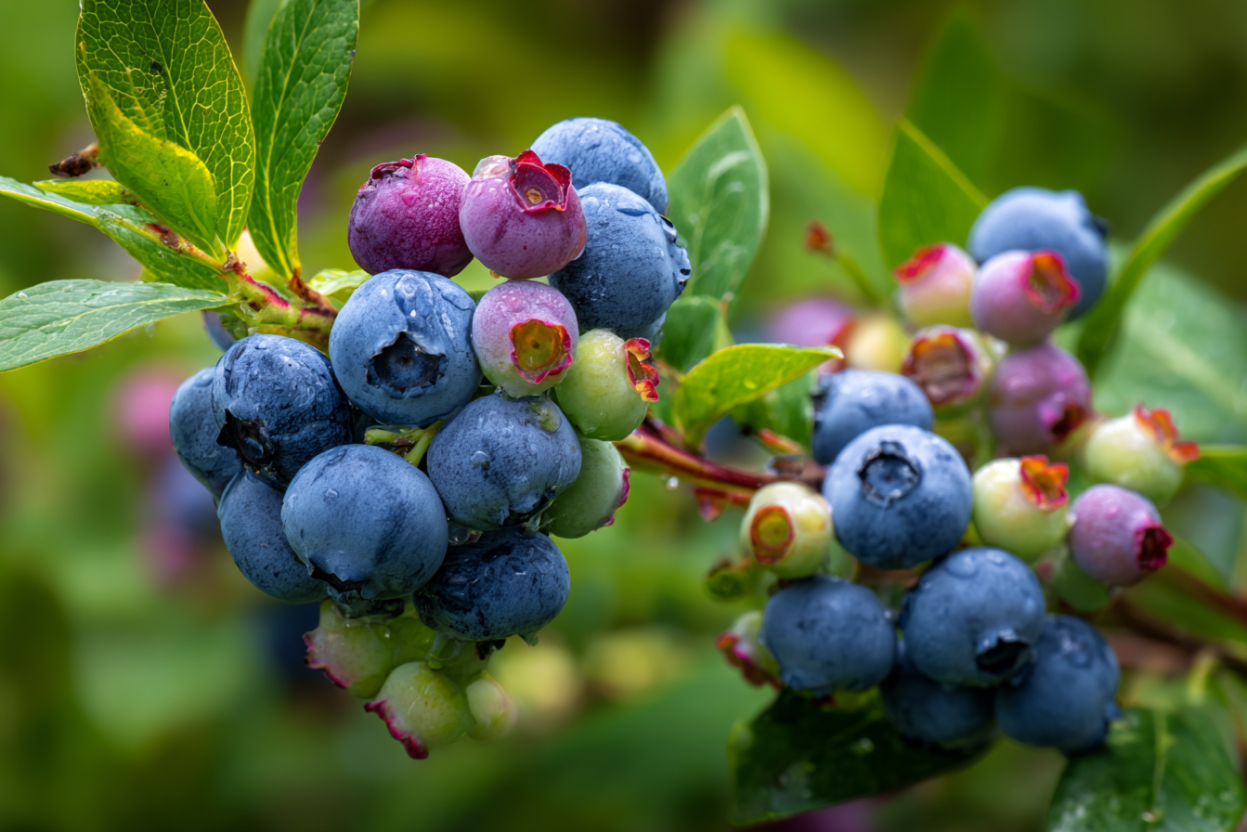
Blueberry (Vaccinium corymbosum)
If you struggle with brain fog, fatigue, or the quiet worry that your body is aging faster than it should, you are far from alone. Millions of people are searching for answers — and one of the most powerful, research-backed answers has been growing wild in forests and fields for thousands of years. The blueberry, small enough to hold between two fingers, carries within it a concentration of protective compounds that modern science is only beginning to fully understand.
This remarkable fruit is one of many gifts the Creator embedded into nature for our benefit. Long before any laboratory measured an antioxidant or mapped a neural pathway, the blueberry was already here — provided by a Designer who knew we would need it. Every compound inside this small berry reflects intention, wisdom, and care for the human body.
This information is for educational purposes only and is not intended to diagnose, treat, cure, or prevent any disease. Always consult with a qualified healthcare provider before making changes to your health regimen.
The Plant
Common Names: Blueberry, Highbush Blueberry, Lowbush Blueberry, Wild Blueberry, Rabbiteye Blueberry, Huckleberry (regional)
Botanical Name: Vaccinium corymbosum L. (Highbush); Vaccinium angustifolium Aiton (Lowbush); Vaccinium virgatum Aiton (Rabbiteye)
Family: Ericaceae (Heath family) — a diverse family that includes cranberries, bilberries, azaleas, and rhododendrons, all sharing a preference for acidic soils.
Description
The blueberry is a woody, perennial shrub that varies significantly depending on species. Highbush blueberries (V. corymbosum) typically grow 4 to 8 feet tall with an upright, multi-stemmed habit. Lowbush blueberries (V. angustifolium) are compact ground-hugging plants, rarely exceeding 2 feet. Rabbiteye blueberries (V. virgatum) can reach 10 feet or more in warm climates.
The leaves are simple, alternate, and elliptical, ranging from bright green in spring and summer to brilliant shades of red, orange, and burgundy in autumn — making blueberry bushes attractive ornamental plants as well. In spring, clusters of small, bell-shaped white to pale pink flowers appear, resembling tiny lanterns hanging from the branches. These develop into the familiar round berries, 5 to 16 millimeters in diameter, with a distinctive dusty blue bloom (a natural waxy coating called the “epicuticular wax”) and a small, crown-shaped calyx at the tip.
The root system is shallow and fibrous, lacking root hairs, which makes blueberries dependent on mycorrhizal fungi for nutrient absorption — a beautiful example of designed symbiosis in nature.
Origin
Blueberries are native to North America, one of the few commercially significant fruits that originated on this continent. Wild blueberries have grown across eastern and central North America for over 13,000 years, following the retreat of the last glaciers. They grow wild today from Newfoundland to Florida and westward to the Great Lakes region. The rabbiteye species is native to the southeastern United States, making it particularly well-suited for growing in Georgia and the surrounding states.
Indigenous peoples of North America were the first to recognize the blueberry’s value, using it as food, medicine, and dye for centuries before European contact. Domestication of the highbush blueberry began in the early 1900s through the pioneering work of Elizabeth White and botanist Frederick Coville in New Jersey, who successfully cultivated wild plants. Today, blueberries are grown commercially across North and South America, Europe, Australia, and parts of Asia.
Brief History
Native American tribes, including the Ojibwe, Penobscot, and many others, relied heavily on blueberries as a food staple. They preserved them by drying in the sun, incorporating them into pemmican (a concentrated mixture of dried meat, fat, and berries), and used them in stews and cakes. The berry held practical significance in daily life across numerous tribes.
When European settlers arrived, Indigenous peoples shared their knowledge of blueberry gathering, preservation, and uses. By the 19th century, wild blueberries were being commercially harvested in Maine and eastern Canada. The 20th century brought domestication, and today the United States produces over 600 million pounds of blueberries annually, with the fruit available year-round through global supply chains.
Growing & Cultivation
Climate & Zones
Blueberries can be grown across a wide range of climates, with species suited to USDA Hardiness Zones 3 through 10. Highbush varieties thrive in Zones 4–8, while Southern Highbush cultivars extend the range into Zones 7–10. Rabbiteye blueberries perform exceptionally well in Zones 7–9, making them ideal for the southeastern United States, including Georgia. Lowbush blueberries are the cold-hardiest, thriving in Zones 3–6.
For growers in Alpharetta and metro Atlanta (Zone 7b–8a), both Southern Highbush and Rabbiteye varieties are excellent choices. Rabbiteye varieties like ‘Tifblue,’ ‘Climax,’ and ‘Premier’ are particularly well-adapted to Georgia’s heat and humidity. Southern Highbush varieties like ‘O’Neal,’ ‘Jubilee,’ and ‘Star’ offer earlier ripening and are also well-suited to this region.
Soil Requirements
Blueberries are exacting about soil. They require acidic soil with a pH of 4.5 to 5.5 — this is non-negotiable. Most garden soils in the Southeast are slightly acidic but may still need amendment. Test your soil before planting. If your pH is too high, incorporate elemental sulfur, peat moss, or pine bark fines to lower it. Aluminum sulfate can provide a quicker but more temporary fix.
The soil must be well-draining yet moisture-retentive — blueberries despise “wet feet” but need consistent moisture. A sandy loam amended with organic matter is ideal. For container growing, use a mix specifically designed for acid-loving plants, or create your own with equal parts peat moss, pine bark, and perlite. Avoid using compost made from hardwood materials, as this tends toward alkalinity.
Water & Sunlight
Blueberries need 1 to 2 inches of water per week during the growing season, and consistent moisture is especially critical during fruit development. Their shallow root system makes them sensitive to drought. Drip irrigation or soaker hoses are preferred over overhead watering, which can promote fungal diseases. Mulch heavily (3–4 inches) with pine bark, pine straw, or wood chips to maintain soil moisture and acidity.
Full sun (at least 6–8 hours of direct sunlight) produces the best fruit set, flavor, and yield. In the Deep South, afternoon shade can be beneficial during the hottest months, protecting against heat stress. Container blueberries can be positioned to take advantage of morning sun and afternoon shade.
Propagation
Cuttings: The most common method. Take softwood cuttings in late spring or hardwood cuttings in late winter. Cuttings should be 4–6 inches long, with the lower leaves removed. Dip in rooting hormone and place in a moist, acidic medium (peat and perlite mix). Keep humidity high with a plastic dome or mist system. Rooting typically takes 8–12 weeks.
Seed: Possible but impractical for most growers. Seeds require cold stratification (2–3 months at 33–40°F) and germinate slowly and unevenly. Seedlings will not be true to the parent variety and may take 3–5 years to fruit.
Division/Suckers: Rabbiteye and lowbush blueberries produce suckers that can be separated and transplanted. Dig in late winter or early spring while the plant is dormant, ensuring each division has its own root system.
Planting
Plant blueberries in late winter to early spring in the Southeast. Space highbush varieties 4–6 feet apart, rabbiteye varieties 6–8 feet apart, in rows 8–10 feet apart. Dig a hole twice the width of the root ball and the same depth. Mix native soil with peat moss or pine bark fines at a 50/50 ratio. Set the plant at the same depth it was growing in its container — do not plant too deeply.
For best fruit production, plant at least two different varieties of the same species for cross-pollination. This is especially important for rabbiteye blueberries, which are largely self-incompatible. Even self-fertile varieties produce larger, earlier-ripening berries with a cross-pollination partner.
Companion planting: Blueberries pair well with other acid-loving plants such as azaleas, rhododendrons, ferns, and strawberries. Planting clover or wildflowers nearby attracts pollinators. Avoid planting near walnut trees (juglone toxicity) or plants that prefer alkaline soil.
Harvesting
Blueberries are ready to harvest when they are fully blue with no red or green coloring at the stem end. The berries should detach easily with a gentle roll of the thumb — if you have to tug, they are not ready. Wait 3–5 days after berries turn fully blue for optimal sweetness, as sugar content continues to increase on the bush. Harvest in the morning after dew has dried for the longest shelf life.
A mature highbush blueberry can produce 5–10 pounds of fruit per season. Rabbiteye varieties may yield even more. The harvest season extends from late May through July in the Southeast, depending on variety — a reason to plant multiple varieties for an extended harvest window.
Drying & Storage
Fresh storage: Refrigerate unwashed blueberries in a single layer on a paper towel-lined container. They keep 1–2 weeks in the refrigerator. Wash only just before eating to preserve the protective bloom.
Freezing: The simplest preservation method. Spread clean, dry berries in a single layer on a baking sheet and freeze until solid, then transfer to freezer bags. Frozen blueberries retain their nutritional profile remarkably well — studies indicate minimal loss of anthocyanin content through freezing.
Dehydrating: Dry at 130–140°F for 10–18 hours in a food dehydrator, or at the lowest oven setting with the door cracked. Dried blueberries store for 6–12 months in airtight containers in a cool, dark location.
Pest & Disease Management
Common pests include blueberry maggot fly, spotted wing drosophila, Japanese beetles, and birds (often the biggest “pest” of all). Netting is the most effective bird deterrent. For insects, maintain good garden hygiene by removing fallen fruit and pruning out weak or damaged wood. Beneficial insects such as parasitic wasps can help manage pest populations naturally.
Diseases to watch for include mummy berry, Botrytis blight, Phytophthora root rot, and anthracnose. Proper spacing for air circulation, avoiding overhead irrigation, and mulching to prevent soil splash are the best organic preventive measures. Copper-based fungicides can be applied in early spring if diseases have been problematic.
The Healing of Growing
Growing blueberries offers benefits long before the first berry ripens. The act of gardening — hands in soil, bare feet on earth, time spent outdoors — has been shown to reduce cortisol levels, improve mood, and support immune function. The soil itself contains beneficial bacteria (Mycobacterium vaccae) with documented antidepressant-like effects, stimulating serotonin production in the brain. When you tend a blueberry bush, pruning its branches, watching its flowers transform into fruit, you are participating in a rhythm older than civilization — and your body responds to that connection with measurable healing. (Lowry et al., 2007 — M. vaccae serotonin research)
Nutritional Profile
Macronutrients
Per 100g of raw blueberries (approximately ⅔ cup):
Calories: 57 kcal | Protein: 0.7g | Carbohydrates: 14.5g | Fiber: 2.4g (10% DV) | Sugars: 10g | Fat: 0.3g | Saturated Fat: trace | Water: 84%
Blueberries are a low-calorie, nutrient-dense fruit. Despite their modest macronutrient numbers, their true power lies in their extraordinary phytonutrient content — blueberries are among the most antioxidant-rich foods ever measured.
Vitamins
Vitamin C: 9.7mg (11% DV) — Supports immune function, collagen production, and acts as a powerful antioxidant. Vitamin C also enhances the absorption of non-heme iron from plant foods and plays a role in neurotransmitter synthesis, including serotonin and norepinephrine.
Vitamin K1: 19.3mcg (16% DV) — Essential for proper blood clotting and increasingly recognized for its role in bone metabolism. Vitamin K1 activates osteocalcin, a protein that helps bind calcium to the bone matrix, supporting bone density.
Vitamin E: 0.57mg (4% DV) — A fat-soluble antioxidant that protects cell membranes from oxidative damage. Works synergistically with vitamin C to neutralize free radicals.
B Vitamins: Blueberries contain small amounts of B6 (0.05mg), thiamine (B1), riboflavin (B2), niacin (B3), pantothenic acid (B5), and folate (6mcg). Together, the B-vitamins in blueberries support energy metabolism, nervous system function, and the production of neurotransmitters including serotonin and dopamine.
Minerals
Manganese: 0.34mg (15% DV) — Essential for antioxidant enzyme function (superoxide dismutase), bone formation, and carbohydrate metabolism. Blueberries are one of the better fruit sources of this often-overlooked mineral.
Potassium: 77mg (2% DV) — Supports heart rhythm, fluid balance, and nerve signaling. While the amount per serving is modest, blueberries contribute to overall dietary potassium intake.
Copper: 0.06mg (7% DV) — Important for iron metabolism, connective tissue formation, and immune function. Copper also plays a role in the enzyme systems that create melanin pigment.
Blueberries also contain small amounts of iron, magnesium, phosphorus, zinc, and calcium. They are very low in sodium (1mg per 100g), making them suitable for sodium-restricted diets.
Phytonutrients & Active Compounds
The true nutritional story of blueberries is written in their phytochemistry. These compounds are what set blueberries apart from nearly every other fruit.
Anthocyanins — The dominant class of polyphenols in blueberries and the source of their deep blue-purple color. Blueberries contain at least 15 different anthocyanins, with malvidin, delphinidin, petunidin, cyanidin, and peonidin glycosides being the most abundant. Anthocyanins are among nature’s most potent antioxidants, and research suggests they cross the blood-brain barrier — a property that makes blueberries uniquely relevant for brain health. A single cup of blueberries provides 150–300mg of anthocyanins.
Quercetin — A flavonol with powerful anti-inflammatory properties. Research suggests quercetin may inhibit histamine release (relevant for allergies), support cardiovascular health, and modulate immune responses.
Myricetin — Another flavonol found in blueberries that has demonstrated anti-inflammatory, antioxidant, and potential neuroprotective properties in laboratory studies.
Chlorogenic Acid — A polyphenol found in high concentrations in blueberries. Research suggests it may support glucose metabolism and cardiovascular health by affecting how the body processes sugar after meals.
Pterostilbene — A compound structurally similar to resveratrol (found in grapes) but with potentially higher bioavailability. Pterostilbene has been studied for its potential effects on cognitive function, cholesterol metabolism, and blood sugar regulation.
Ellagic Acid — An antioxidant polyphenol that has demonstrated potential anti-cancer properties in laboratory studies. It may also support detoxification pathways in the liver.
Proanthocyanidins (Condensed Tannins) — These compounds may support urinary tract health by preventing bacterial adhesion to cell walls, similar to the mechanism in cranberries (a close relative).
Nutrient Notes
Wild (lowbush) blueberries contain significantly higher antioxidant levels than cultivated (highbush) varieties — sometimes two to three times more anthocyanins per gram. Frozen blueberries retain their antioxidant profile well, making them an excellent year-round option. The anthocyanins in blueberries are most concentrated in the skin, so smaller berries (with a higher skin-to-flesh ratio) tend to deliver more antioxidants per serving. Consuming blueberries with a source of healthy fat (such as yogurt or nuts) may improve the absorption of fat-soluble antioxidants. (USDA FoodData Central — Blueberries, raw)
Culinary Uses
Edible Parts
The berry itself is the primary edible portion. The fruit is eaten whole — skin, flesh, and tiny seeds together. The leaves of the blueberry plant are also edible and have been used traditionally in teas, though they have a distinctly different flavor from the fruit. Blueberry flowers are edible and can be used as a delicate garnish.
Flavor Profile
Ripe blueberries offer a balanced sweet-tart flavor with subtle floral and earthy undertones. The sweetness deepens with full ripeness, while a pleasant acidity provides brightness. Wild blueberries tend to have a more intense, concentrated flavor — more complex and tangy — compared to the milder, sweeter cultivated varieties. When cooked, blueberries develop deeper, jammier flavors with enhanced sweetness. Dried blueberries are intensely sweet and chewy with concentrated flavor. The intensity ranges from mild to moderate depending on variety and ripeness.
Preparation
Raw: Blueberries are best eaten fresh, requiring only a gentle wash. They are perfect in smoothies, over cereal, yogurt, or oatmeal, in salads, or simply eaten by the handful. Fresh blueberries need no preparation beyond washing.
Cooked: Blueberries respond well to gentle heat — they make exceptional compotes, sauces, jams, and pie fillings. They pair beautifully with pancakes, muffins, and quick breads. Roasting blueberries intensifies their flavor and creates a syrupy concentration. They can be sautéed briefly with a touch of honey or maple syrup for a warm topping.
Infused: Blueberries can be infused into vinegars, shrubs (drinking vinegars), vodka or other spirits, and simple syrups. Blueberry tea can be made from dried berries or leaves.
Culinary Pairings
Blueberries pair exceptionally with lemon and citrus (the acid brightens their sweetness), vanilla, cinnamon, ginger, basil, mint, and lavender. They complement dairy products (yogurt, cream cheese, ricotta), nuts (almonds, pecans, walnuts), oats and whole grains, and other berries. In savory applications, blueberries work with pork, duck, chicken, and goat cheese, as well as with balsamic vinegar and fresh herbs.
Storage
Store fresh blueberries unwashed in the refrigerator for up to 2 weeks. Remove any damaged berries before storage to prevent mold spread. Bring to room temperature before eating for the best flavor. Freeze on a sheet pan before transferring to bags for long-term storage (up to 12 months). Dried blueberries keep for 6–12 months in airtight containers in a cool, dark place.
Ready to cook with blueberry? View Recipes on Chefts →
Wellness & Therapeutic Uses
Traditional Uses
Native American tribes across eastern North America used blueberries medicinally for generations before European contact. The Ojibwe people prepared blueberry flower tea for what they described as conditions of mental distress. Several tribes used dried blueberry leaves in teas believed to support blood sugar balance and digestive health. The berries were consumed during recovery from illness as a nourishing, easily digestible food. Blueberry root tea was used by some tribes for relaxation and to support women during labor.
In European folk tradition, the closely related bilberry (Vaccinium myrtillus) has been used since the Middle Ages. European herbalists documented its use for diarrhea, scurvy, digestive complaints, and eye health. British Royal Air Force pilots during World War II reportedly consumed bilberry jam before night missions, believing it improved their night vision — a claim that later spurred scientific investigation into anthocyanins and visual function.
Modern Research
Cognitive Function & Brain Health: Research suggests blueberry consumption may support cognitive function, particularly in aging populations. A 2024 roundtable synthesis by leading blueberry researchers concluded that regular consumption is associated with beneficial effects on brain health and cognitive function, with anthocyanins demonstrating the ability to cross the blood-brain barrier. Multiple clinical trials have shown improvements in memory tasks following blueberry supplementation. A 2023 randomized controlled trial found that consuming the equivalent of one cup of fresh wild blueberries daily improved vascular function and cognitive performance in healthy older adults. (Stote et al., 2024 — Frontiers in Nutrition, USA; Kalt et al., 2020 — Advances in Nutrition, Canada/USA)
Cardiovascular Health: Epidemiological studies associate regular blueberry and anthocyanin intake with reduced risk of cardiovascular disease and death. In a clinical trial of 115 participants with metabolic syndrome, consuming 150g of blueberries daily for six months produced sustained improvements in vascular function and lipid status. Research indicates that blueberry anthocyanins may support cardiovascular health through antioxidant and anti-inflammatory effects, positive effects on plasma lipid levels, and modulation of endothelial function. (Kalt et al., 2020 — Advances in Nutrition; Stote et al., 2024 — Frontiers in Nutrition)
Blood Sugar Support: Blueberries have a glycemic index of 53 (considered moderate to low) and research suggests their polyphenols may improve insulin sensitivity. Epidemiological data links regular blueberry and anthocyanin consumption with reduced risk of type 2 diabetes. The fiber content helps slow digestion for more stable blood sugar levels after meals. (Kalt et al., 2020 — Advances in Nutrition)
Anti-Inflammatory Effects: Blueberry anthocyanins have demonstrated significant anti-inflammatory activity in multiple research models. Studies show they suppress pro-inflammatory cytokines (IL-1β, IL-6, TNF-α) and inhibit the NF-κB inflammatory pathway. A notable study found blueberry anthocyanin fractions demonstrated stronger anti-inflammatory activity than 5-aminosalicylic acid (a standard pharmaceutical anti-inflammatory) in a colitis model, despite being used at a much lower dose. (Cássia Perini et al., 2017 — PLOS ONE, Portugal; Esposito et al., 2014 — Journal of Nutritional Biochemistry, USA)
Gut Health: Research indicates blueberry consumption may positively influence the gut microbiome. A systematic review of 16 animal studies found that blueberry consumption improved gut health by enhancing intestinal morphology, reducing gut permeability, suppressing oxidative stress, and modulating the composition of gut microbiota. Blueberry supplementation in rats led to the identification of 3 new phyla and 22 new genera of micro-organisms specifically associated with blueberry feeding. (Stote et al., 2024 — Frontiers in Nutrition)
Exercise Recovery: Studies suggest that blueberry consumption may help attenuate exercise-induced inflammation and oxidative stress. An RCT showed that consuming 150g fresh blueberry equivalent per day (providing 345mg anthocyanins) for 2 weeks countered post-exercise increases in pro-inflammatory lipid mediators following an intense 75-km cycling bout. (Stote et al., 2024 — Frontiers in Nutrition)
Eye Health: Blueberry anthocyanins have shown protective effects on retinal cells. In vitro research demonstrated that blueberry anthocyanins protected human retinal capillary endothelial cells through antioxidant and anti-inflammatory mechanisms, potentially relevant to diabetic retinopathy. Clinical evidence on vision benefits in healthy individuals remains mixed and is an area of ongoing investigation. (Huang et al., 2018 — Oxidative Medicine and Cellular Longevity, China)
Body Systems Supported
Based on available research, blueberries may support multiple body systems: the nervous system (cognitive function, neuroprotection), cardiovascular system (vascular function, blood pressure, lipid profiles), digestive system (gut microbiome, intestinal barrier integrity), immune system (antioxidant defense, anti-inflammatory modulation), endocrine system (insulin sensitivity, blood sugar regulation), integumentary system (skin protection from UV and environmental damage), and the musculoskeletal system (exercise recovery, bone health via vitamin K).
Body Compounds Affected
Research suggests blueberry consumption and its bioactive compounds may influence several key body compounds:
BDNF (Brain-Derived Neurotrophic Factor): Animal studies indicate blueberry anthocyanins may elevate the ERK/CREB/BDNF pathway, supporting neuronal health and cognitive function. (Wang et al., 2022 — Neurochemistry International, China)
Pro-inflammatory Cytokines (IL-1β, IL-6, TNF-α): Multiple studies demonstrate blueberry anthocyanins suppress these inflammatory markers through NF-κB pathway inhibition.
Nitric Oxide: Blueberry anthocyanins may enhance nitric oxide bioavailability, which supports vasodilation and healthy blood flow.
Cortisol: Time spent in nature growing blueberries, combined with the anti-stress effects of their bioactive compounds, may help modulate cortisol levels.
Insulin: Research suggests blueberry polyphenols may improve insulin sensitivity and glucose regulation.
Methods of Use
Fresh Consumption
The simplest and most effective method. Consuming ½ to 1 cup of fresh blueberries daily aligns with the dosages used in most positive clinical trials (equivalent to 150–350g providing 224–742mg anthocyanins). Fresh or frozen blueberries retain their nutritional profile well.
Tea/Infusion (Leaves)
Blueberry leaf tea has a long traditional history. Use 1–2 teaspoons of dried blueberry leaves per cup of hot water (not boiling — use water just below boiling at 190–200°F). Steep for 10–15 minutes covered. May be consumed 1–3 times daily. Blueberry leaf tea has traditionally been used to support blood sugar balance and urinary tract health.
Smoothies & Juicing
Blending blueberries into smoothies preserves all fiber and phytonutrients. Combining with healthy fats (yogurt, avocado, or nut butter) may improve antioxidant absorption. Adding blueberries to green smoothies balances flavor while dramatically increasing antioxidant content.
Dried Berries & Powder
Freeze-dried blueberry powder is increasingly used in clinical research and is a convenient concentrated source of anthocyanins. Look for pure, unsweetened products with no added fillers. Can be added to oatmeal, smoothies, yogurt, or baked goods.
Cosmetic & Beauty Uses
Skin Benefits
Blueberries are gaining significant attention in cosmetic science for their potential to protect and rejuvenate skin. The high concentration of anthocyanins, vitamins C and E, and resveratrol makes blueberry extract a valuable ingredient for topical applications. Research published in the journal Antioxidants suggests that both topical application and dietary consumption of blueberries may help protect skin from environmental stressors including UV radiation and ozone exposure. (Ferrara et al., 2023 — Antioxidants, USA/South Korea)
Key skin benefits supported by research include: reduced collagen breakdown and increased collagen production (anthocyanins applied to skin reduced NF-κB activation in human dermal fibroblasts), protection against UV-induced photoaging, improved skin barrier function, and anti-inflammatory effects that may benefit acne, eczema, and psoriasis flares. The antioxidant compounds in blueberries may help neutralize free radicals that contribute to premature aging.
Blueberry extract is suitable for all skin types, with particular relevance for mature skin, environmentally stressed skin, acne-prone skin, and skin with uneven tone or hyperpigmentation concerns.
Hair Benefits
The vitamin C content in blueberries supports collagen production around hair follicles, while anthocyanins may promote circulation to the scalp. Blueberry is used in some natural hair care formulations for its potential to support shine, scalp health, and hair strength. A rinse made from blueberry tea may add subtle shine and help balance scalp pH.
Application Methods
Face Mask: Blend fresh or thawed blueberries into a paste. Mix with plain yogurt (for lactic acid and gentle exfoliation) or raw honey (for antibacterial and moisturizing properties). Apply to clean skin, leave for 15–20 minutes, and rinse with cool water. Use 1–2 times per week.
Infused Oil: Gently macerate dried blueberries in a carrier oil (jojoba, sweet almond, or rosehip seed oil) for 4–6 weeks, shaking daily. Strain and use as a facial oil or body oil. Note that anthocyanins are water-soluble, so oil infusion captures primarily the fat-soluble components.
Toner: Brew a strong blueberry tea (berries or leaves), cool completely, and use as a face toner applied with a cotton pad. Refrigerate and use within 5–7 days.
Bath Addition: Add 1–2 cups of fresh or frozen blueberries (lightly mashed) to a warm bath for a full-body antioxidant soak. Note: anthocyanins will stain — use caution with light-colored towels and bathtubs.
DIY Formulation Notes
Blueberry extract pairs well with rosehip seed oil, hyaluronic acid, and vitamin E. Be aware that anthocyanins are pH-sensitive and degrade in alkaline conditions — keep DIY preparations at a slightly acidic pH (4.5–6.0) for best stability. Homemade blueberry preparations have a short shelf life due to the absence of preservatives; refrigerate and use within one week for fresh preparations. Freeze-dried blueberry powder is more stable for DIY cosmetics than fresh berries.
Blueberry is among the botanicals being explored for holistic cosmetic applications, where the wisdom of traditional beauty practices meets modern understanding of skin science.
Aromatherapy & Scent
The Aroma
The fresh blueberry has a subtle, delicate scent — not overpowering like many herbs, but gentle and inviting. Ripe blueberries emit a soft, sweet, slightly fruity aroma with faint floral undertones. The scent is strongest when the berries are at peak ripeness on a warm day, or when they are gently crushed between the fingers, releasing volatile aromatic compounds. Walking through a blueberry patch in midsummer, the air carries a quiet sweetness that is part of what makes berry picking such a meditative, restorative experience.
Dried blueberries retain a concentrated, sweeter aroma — more like raisins or dried figs than the delicate scent of the fresh fruit. The intensity is moderate, and dried berries can retain their scent for several months when stored properly. Blueberry leaves have a faint, green, slightly astringent aroma when fresh, becoming more subtle and tea-like when dried.
How Scent Affects Your Body
When you smell a blueberry — or any plant — volatile molecules released by the fruit enter your nose and are detected by olfactory receptors. These receptors send signals directly to the limbic system (the brain’s emotional center) and the hypothalamus (which controls hormones). This pathway bypasses conscious thought, meaning scent affects your emotional and hormonal state within seconds, before you even decide how to react. The gentle, sweet aroma of blueberries is generally associated with comfort, warmth, and pleasant memory activation.
Emotional & Mood Effects
The scent of blueberries is most commonly associated with comfort and nostalgia — many people associate berry scents with positive childhood memories of picking berries, baking, or warm summer days. While blueberry aroma has not been studied as extensively as lavender or citrus in aromatherapy research, fruit aromas in general are associated with mood elevation, reduced stress perception, and feelings of comfort and satisfaction.
Ways to Experience the Scent
Growing blueberry bushes in your garden or on your patio provides gentle aromatic exposure during the flowering and fruiting seasons. Fresh blueberries in a bowl on the counter offer subtle fragrance as they warm to room temperature. Simmering blueberries on the stove with cinnamon and lemon creates a natural, comforting room scent. Dried blueberries in a sachet or potpourri blend add a warm, sweet element. Adding fresh or frozen blueberries to a warm bath releases aromatic compounds into the steam.
Color Therapy
The Colors of Blueberry
The blueberry is a study in color transformation. The berries progress from pale green to pink to deep blue-purple as they ripen, culminating in that distinctive dusty indigo hue created by their natural waxy bloom. Beneath the bloom, the skin is a rich, deep purple-blue. The flesh inside ranges from pale greenish-white to light purple, depending on variety. The leaves transition through the seasons from bright spring green to deep summer green, then blaze into shades of red, orange, and burgundy in autumn. The flowers are white to pale pink, and the stems age to a warm reddish-brown.
Color Wavelengths
The dominant blue-violet color of the blueberry falls in the wavelength range of approximately 380–495nm, spanning violet (380–450nm) through blue (450–495nm). This represents the shortest visible wavelengths and the highest energy portion of the visible light spectrum.
How Blue-Violet Affects the Body
In color therapy principles, blue and violet wavelengths are associated with calming and cooling effects. Blue light is linked to communication, clarity, and calming of the nervous system. Violet and purple wavelengths are associated with meditative states, spiritual reflection, and calming the nervous system. Exposure to blue environments has been shown in research to lower heart rate and blood pressure more effectively than red or green environments. Having blueberry plants or bowls of blueberries in your environment introduces this calming blue-violet energy into your visual field.
The seasonal transformation of blueberry leaves from green (balancing, heart-centered, 495–570nm) to red-orange (energizing, warming, 590–700nm) in autumn means the plant provides different color energies through the year — a natural rhythm of visual therapy.
Using Blueberry for Color Therapy
Place blueberry plants in spaces where calm and focus are desired — meditation spaces, bedrooms, or reading areas benefit from the blue-violet energy during fruiting season. Eating blueberries is a form of “eating the rainbow” — consuming the pigments that create the blue-violet color delivers anthocyanins directly to the body. A bowl of fresh blueberries on a desk provides both visual calming and a healthy snack. The autumn foliage of blueberry bushes brings warming, energizing red-orange color into the garden when shorter days may benefit from that visual warmth.
Frequency & Vibration
The Frequency of Blueberry
While specific MHz frequency measurements for blueberry fruit have not been widely published in the manner of essential oil frequency research (such as Bruce Tainio’s work), blueberries as fresh, living foods are considered to be among the higher-frequency foods. Fresh fruits and vegetables, particularly those consumed raw and recently harvested, are generally understood to vibrate at higher frequencies than processed or cooked foods. Fresh produce typically ranges from 20–27 MHz according to bio-frequency research, while dried herbs may range from 12–22 MHz.
Human Frequency Interaction
Proponents of vibrational medicine suggest that consuming high-frequency foods may support the body’s own frequency. A healthy human body is estimated to vibrate in the range of 62–78 MHz, and consuming fresh, nutrient-dense foods like blueberries is believed to support this healthy range. The concept of entrainment — where a stronger frequency influences a weaker one — suggests that surrounding yourself with living plants and consuming fresh produce may positively influence the body’s energetic state.
Vibrational Applications
Growing blueberry bushes creates a living, vibrating presence in your environment. Consuming blueberries raw and fresh preserves their vibrational properties. Combining blueberry consumption with time spent in nature (grounding, sun exposure, fresh air) amplifies the overall frequency-supportive practice. This is an area where research is emerging, and these concepts should be understood within the broader framework of vibrational wellness practices.
The Living Plant
Benefits of Presence
Simply being around a living blueberry plant offers benefits beyond what you harvest from it. Research on biophilic design demonstrates that the presence of living plants reduces stress, improves focus, and enhances overall well-being. A blueberry bush provides visual interest through every season — delicate spring flowers, the anticipation and reward of summer fruit, spectacular autumn foliage, and the architectural beauty of bare winter stems. This year-round visual engagement with nature, even in a small garden or on a patio, connects you to seasonal rhythms in a way that supports mental health.
Air Purification
While blueberry plants have not been specifically included in the NASA Clean Air Study (which focused primarily on indoor tropical houseplants), all green, photosynthesizing plants contribute to air quality by absorbing carbon dioxide and releasing oxygen. Blueberry bushes, with their dense foliage, contribute meaningful oxygen production to their immediate environment during the growing season. When grown in groups or hedgerows, they create a microenvironment of cleaner, oxygen-enriched air.
Phytoncides
Plants in natural settings release phytoncides — volatile organic compounds with antimicrobial properties. While blueberry-specific phytoncide research is limited, the general principle documented in forest bathing (shinrin-yoku) research applies: time spent among living plants exposes the body to these beneficial compounds. Forest bathing research demonstrates that phytoncide exposure increases Natural Killer (NK) cell activity, supporting immune function. A garden with blueberry bushes and other plants creates a small-scale version of this effect.
Visual & Psychological Benefits
Research consistently demonstrates that viewing plants and nature reduces stress, lowers blood pressure, and improves mood. Studies in healthcare settings show that patients with views of plants and greenery recover faster and require less pain medication than those without plant views. The act of tending a blueberry bush — checking for ripeness, observing pollinators at work, watching the daily transformation of fruit — is a form of mindfulness practice that brings attention to the present moment.
Growing Indoors vs Outdoors
Blueberries can be grown in containers on patios, balconies, or decks, making them accessible even for those without traditional garden space. Dwarf varieties such as ‘Top Hat,’ ‘Northsky,’ and ‘Jelly Bean’ are specifically bred for container culture and can even be grown on a sunny windowsill. While outdoor growing provides the greatest benefits (sunlight, fresh air, soil contact, and full plant development), container growing brings the living plant into closer daily contact, maximizing the psychological and visual benefits of presence.
Touch & Physical Interaction
Gardening Therapy
Horticultural therapy — the use of gardening as a therapeutic practice — is well-established in clinical settings. Working with blueberry plants provides a gentle, rewarding form of this therapy. The tasks involved — planting, mulching, watering, checking soil pH, pruning, and harvesting — engage both fine and gross motor skills, provide light to moderate physical exercise, and create a sense of purpose and accomplishment. The seasonal rhythm of blueberry care provides structure and something to anticipate and nurture.
Soil Contact Benefits
Gardening with blueberries provides direct contact with soil. Research on grounding (earthing) suggests that direct contact with the earth allows electron transfer, which may have anti-inflammatory and stress-reducing effects. The soil contains the beneficial bacterium Mycobacterium vaccae, which research has shown activates serotonin-producing neurons in the brain, producing antidepressant-like effects in animal studies. Every time you dig in the soil around your blueberry plants, you are exposing yourself to these beneficial microbes. (Lowry et al., 2007 — Neuroscience)
The Tactile Experience
Blueberry leaves are smooth and leathery, with a satisfying firmness. The berries themselves are smooth, firm, and cool to the touch, with the distinctive dusty waxy bloom that rubs away under gentle pressure to reveal the glossy skin beneath. Harvesting blueberries is an inherently meditative act — the gentle roll of each berry between thumb and forefinger, the soft pop as it releases from the cluster, the growing weight of the container in your other hand. It is a quiet, repetitive, deeply satisfying tactile experience that naturally draws the mind into a focused, present state.
Harvesting & Processing
The harvest itself is therapy. Moving slowly along a row of bushes, scanning for ripe berries, reaching into the canopy — this is mindful movement at its purest. Sorting berries after picking (removing stems, leaves, and underripe fruit) provides a simple, meditative task. Preparing blueberries for preservation — measuring them for freezing, spreading them on dehydrator trays, cooking them down for jam — connects you to ancient food traditions and provides a deep sense of provision and self-sufficiency.
Water-Based Applications
Teas & Infusions
Blueberry Leaf Tea: Use 1–2 teaspoons of dried blueberry leaves per cup. Pour hot water (190–200°F — just below boiling) over the leaves. Cover and steep for 10–15 minutes. Strain and drink. The tea has a mild, slightly astringent, pleasant flavor. Traditionally used 1–3 cups daily to support blood sugar balance and digestive wellness.
Blueberry Fruit Tea: Lightly crush 2–3 tablespoons of fresh or dried blueberries and steep in hot water for 5–10 minutes. The resulting tea is subtly sweet and beautifully purple. Can be combined with other herbs such as hibiscus, lemon balm, or mint for a custom blend.
Cold Infusion: Place a handful of fresh blueberries in a pitcher of cold water and refrigerate for 4–8 hours. This creates a gently flavored, antioxidant-infused water — a simple way to increase both water and phytonutrient intake.
Herbal Baths
Add 1–2 cups of lightly mashed fresh or thawed blueberries to a warm bath for a full-body soak. The anthocyanins dissolve into the water, creating a light purple bath. Soak for 20–30 minutes. The topical exposure to anthocyanins may provide antioxidant benefits to the skin. Alternatively, prepare a strong blueberry leaf tea and add the strained liquid to the bath. A blueberry foot bath (basin of warm water with mashed berries) offers a more targeted, less messy alternative. Note: blueberries will stain light-colored tubs, cloths, and skin temporarily.
Compresses
Cold compress: Soak a cloth in cooled, strong blueberry leaf or fruit tea and apply to the skin. Traditionally used for minor skin irritations and to deliver antioxidants topically. A cold blueberry compress may soothe puffy eyes and tired skin.
Steam Inhalation
While blueberry is not a traditional steam inhalation herb (like eucalyptus or mint), adding blueberry leaves to a steam inhalation with other respiratory herbs contributes antioxidant compounds to the steam. This is a supporting role rather than a primary application.
Hair Rinses
A cooled blueberry fruit or leaf tea can be used as a final rinse after shampooing. Pour through the hair, gently massage into the scalp, and leave for 2–3 minutes before rinsing with cool water. The antioxidants and mild acidity may support scalp health and add subtle shine to darker hair colors. Use caution with light-colored hair, as anthocyanins may temporarily impart a slight tint.
Historical, Cultural & Biblical Significance
Biblical References
Blueberries (Vaccinium species) are not directly mentioned in Scripture, as they are native to North America and were unknown in the ancient Near East. However, the blueberry’s close relative, the bilberry and other wild berries, would have been part of the broader category of “fruit of the land” that provided sustenance. The Scriptures consistently reference God’s provision through plants and fruits: “And God said, Behold, I have given you every herb bearing seed, which is upon the face of all the earth, and every tree, in the which is the fruit of a tree yielding seed; to you it shall be for meat” (Genesis 1:29, KJV). The blueberry, though unnamed in the biblical text, stands as a powerful example of this promise — a fruit that is both food and provision for the body’s healing needs.
Indigenous Knowledge
No plant is more deeply woven into the food traditions of Native North Americans than the blueberry. The Ojibwe people called the blueberry miin and considered it a gift from the Creator for the nourishment and healing of the people. The five-pointed star shape at the blossom end of the berry held cultural significance. Tribes across the eastern woodlands — including the Wampanoag, Penobscot, Narragansett, Iroquois, and Cherokee — gathered and preserved wild blueberries, incorporating them into pemmican (the original “energy bar”), cornmeal bread, soups, and stews.
Medicinally, various tribes used blueberry in practical healing: leaf teas for digestive support, root preparations for relaxation, and the berries themselves as nourishing food during illness and recovery. The Cherokee used a closely related species for similar purposes. These Indigenous peoples observed what God had designed — their careful documentation of which plants supported which body functions was an observation of truth, and their knowledge was generously shared with European settlers who might not have survived without it.
European Heritage
In Europe, the closely related bilberry (Vaccinium myrtillus) has a parallel history. The 16th-century herbalist John Gerard documented bilberry in his famous herbal. Nicholas Culpeper, the English herbalist, wrote about bilberry’s use for digestive and oral health. Hildegard of Bingen, the 12th-century abbess and herbalist, referenced berries in her medical texts. European folk medicine traditions used bilberry preparations for digestive complaints, eye health, and circulatory support — observations that modern research is now confirming with detailed mechanistic understanding.
The tradition of bilberry consumption by WWII RAF pilots for night vision became one of the most famous examples of traditional use inspiring modern investigation. While the original claims may have been somewhat exaggerated, the resulting research into anthocyanins and vision opened an entirely new field of study.
Modern History
The domestication of the blueberry in the early 20th century by Elizabeth White and Frederick Coville represents one of the most successful plant breeding stories in American agriculture. White, a cranberry farmer’s daughter from Whitesbog, New Jersey, partnered with USDA botanist Coville to identify and cultivate the best wild blueberry plants. By the 1920s, cultivated blueberry bushes were commercially available. Today, the blueberry industry contributes billions to the global economy, and the fruit is recognized worldwide as one of the most nutrient-dense foods available.
Cultural Symbolism
In American culture, blueberry picking has become a cherished summer tradition, symbolizing simplicity, connection to nature, and family togetherness. Blueberries are the state fruit of several U.S. states and are celebrated at festivals across North America. July is National Blueberry Month in the United States — a recognition of both the fruit’s cultural importance and its peak harvest season.
Safety & Precautions
Contraindications
Blueberries consumed as food are among the safest fruits available, with an exceptionally long history of safe consumption. There are no common contraindications for eating blueberries as part of a normal diet. However, individuals with known allergies to plants in the Ericaceae (heath) family should exercise caution. Those scheduled for surgery should be aware that high doses of blueberry supplements (not typical dietary amounts) may theoretically affect blood clotting due to vitamin K content.
Drug Interactions
Blood thinners (Warfarin/Coumadin): Blueberries contain vitamin K, which plays a role in blood clotting. While the amount in normal dietary servings is unlikely to cause problems, individuals on anticoagulant therapy should maintain consistent vitamin K intake rather than dramatically increasing or decreasing blueberry consumption. Consult your healthcare provider about your specific situation.
Diabetes medications: Because blueberry consumption may support blood sugar regulation, individuals taking insulin or oral hypoglycemic medications should monitor blood sugar levels when significantly increasing blueberry intake, as additive effects could theoretically occur.
CYP450 interactions: Some in vitro studies suggest blueberry compounds may interact with certain CYP450 enzymes involved in drug metabolism. The clinical significance at normal dietary intake is considered minimal, but individuals taking medications with a narrow therapeutic window should discuss significant supplementation with their healthcare provider.
Pregnancy & Nursing
Blueberries consumed as food are considered safe during pregnancy and breastfeeding. They provide valuable nutrition including folate, vitamin C, fiber, and antioxidants that support maternal and fetal health. Blueberry leaf tea and concentrated blueberry supplements have not been as thoroughly studied during pregnancy — consult a qualified healthcare provider before using these forms.
Children
Blueberries are one of the earliest and safest fruits to introduce to children, typically suitable from 6 months of age when beginning solid foods. For infants and toddlers, fresh blueberries should be cut in half or mashed to prevent choking, as their round shape and smooth surface pose a choking hazard for small children. Frozen blueberries are particularly firm and should also be halved or thawed before giving to young children.
Elderly
Blueberries are excellent for older adults. The research on cognitive support is particularly relevant for aging populations. No special dosage adjustments are needed for elderly individuals consuming blueberries as food. The fruit’s soft texture makes it easy to eat even for those with dental concerns.
Pets
Dogs: Safe. Blueberries are safe for dogs and are recognized as a healthy treat by the ASPCA and veterinary organizations. Feed in moderation — a handful appropriate to the dog’s size. Frozen blueberries may pose a choking risk for very small dogs.
Cats: Safe. Blueberries are non-toxic to cats, though most cats show little interest in fruit. If your cat enjoys them, a few berries are a safe occasional treat.
Horses: Safe in small quantities as occasional treats.
Birds: Safe and often a natural food source for many bird species. Garden blueberry bushes are beloved by birds (which is why netting is often needed to protect the harvest).
Allergies & Sensitivities
Blueberry allergies are rare but can occur. Individuals with known allergies to other berries (strawberries, cranberries) or to plants in the Ericaceae family should introduce blueberries cautiously. Oral allergy syndrome (tingling or itching in the mouth) has been reported in rare cases, typically in individuals with birch pollen allergies. Contact dermatitis from handling blueberry plants is uncommon. The anthocyanins in blueberries can temporarily stain skin and clothing — this is not a reaction but a natural property of the pigment.
Dosing Guidelines
As a food, there is no established upper limit for blueberry consumption. Clinical studies have used doses ranging from ½ cup to 2 cups of fresh blueberries daily (or equivalent freeze-dried powder) with no reported adverse effects over periods of up to 6 months. A daily intake of ½ to 1 cup of fresh blueberries is a reasonable, well-supported wellness practice. Blueberry leaf tea is typically consumed 1–3 cups daily. Concentrated blueberry extract supplements should be used according to manufacturer guidelines and discussed with a healthcare provider.
Quality & Sourcing
Choose organic blueberries when possible, as conventionally grown berries may carry pesticide residues (blueberries have appeared on the EWG’s “Dirty Dozen” list). Frozen organic blueberries are often more affordable than fresh and retain excellent nutritional quality. Wild (lowbush) blueberries offer higher antioxidant content than cultivated varieties. When purchasing dried blueberries, check labels for added sugar, oils, and preservatives — choose unsweetened, pure products. For supplements, look for products that specify anthocyanin content and are third-party tested.
Signs of Adverse Reaction
While extremely rare, signs of an adverse reaction may include: hives, itching, swelling (particularly of the mouth or throat), digestive upset, or difficulty breathing. These would indicate an allergic reaction. Excessive consumption of blueberries could cause digestive discomfort (gas, bloating, diarrhea) due to the fiber and fructose content. If any allergic symptoms occur, discontinue use and seek medical attention.
Disclaimer
This information is for educational purposes only. It is not intended to diagnose, treat, cure, or prevent any disease. Always consult with a qualified healthcare provider before using any herbal product, especially if you are pregnant, nursing, taking medications, or have a medical condition. If you experience any adverse reaction, discontinue use immediately and seek medical attention.
Want Personalized Guidance?
Every body is unique. What works for one person may not be right for another. If you’d like personalized support in incorporating blueberries into your wellness journey, consider working with a qualified practitioner who can assess your individual needs.
Sources & References
Peer-Reviewed Studies
- The State of the Science on the Health Benefits of Blueberries: A Perspective — Frontiers in Nutrition, 2024, USA
- Recent Research on the Health Benefits of Blueberries and Their Anthocyanins — Advances in Nutrition, 2020, Canada/USA
- Health Promoting Properties of Blueberries: A Review — Critical Reviews in Food Science and Nutrition, 2018, Portugal
- Comparison of Anti-Inflammatory Activities of an Anthocyanin-Rich Fraction from Portuguese Blueberries and 5-Aminosalicylic Acid in a TNBS-Induced Colitis Rat Model — PLOS ONE, 2017, Portugal
- Antioxidant and Anti-Inflammatory Effects of Blueberry Anthocyanins on High Glucose-Induced Human Retinal Capillary Endothelial Cells — Oxidative Medicine and Cellular Longevity, 2018, China
- Berry Anthocyanins Suppress the Expression and Secretion of Proinflammatory Mediators in Macrophages by Inhibiting Nuclear Translocation of NF-κB — Journal of Nutritional Biochemistry, 2014, USA
- Blueberry Anthocyanins Extract Attenuates Acrylamide-Induced Oxidative Stress and Neuroinflammation in Rats — Neurochemistry International, 2022, China
- The Potential Effect of Blueberry on Cognitive Health and Mood State: Systematic Review and Mini Meta-Analysis — Current Neuropharmacology, 2022, International
- The Effect of Blueberry Interventions on Cognitive Performance and Mood: A Systematic Review of Randomized Controlled Trials — Brain, Behavior, and Immunity, 2019, Australia
- Blueberry Supplementation and Skin Health — Antioxidants, 2023, USA/South Korea
- Anthocyanins, Vibrant Color Pigments, and Their Role in Skin Cancer Prevention — International Journal of Molecular Sciences, 2020, International
- Blueberry (Vaccinium spp.) Anthocyanins and Their Functions, Stability, Bioavailability, and Applications — Foods, 2024, China
- Identification of an Immune-Responsive Mesolimbocortical Serotonergic System: Role in Regulation of Emotional Behavior (M. vaccae) — Neuroscience, 2007, UK
Institutional Sources
- USDA FoodData Central — Blueberries, Raw — U.S. Department of Agriculture
- ASPCA Toxic and Non-Toxic Plants Database — American Society for the Prevention of Cruelty to Animals