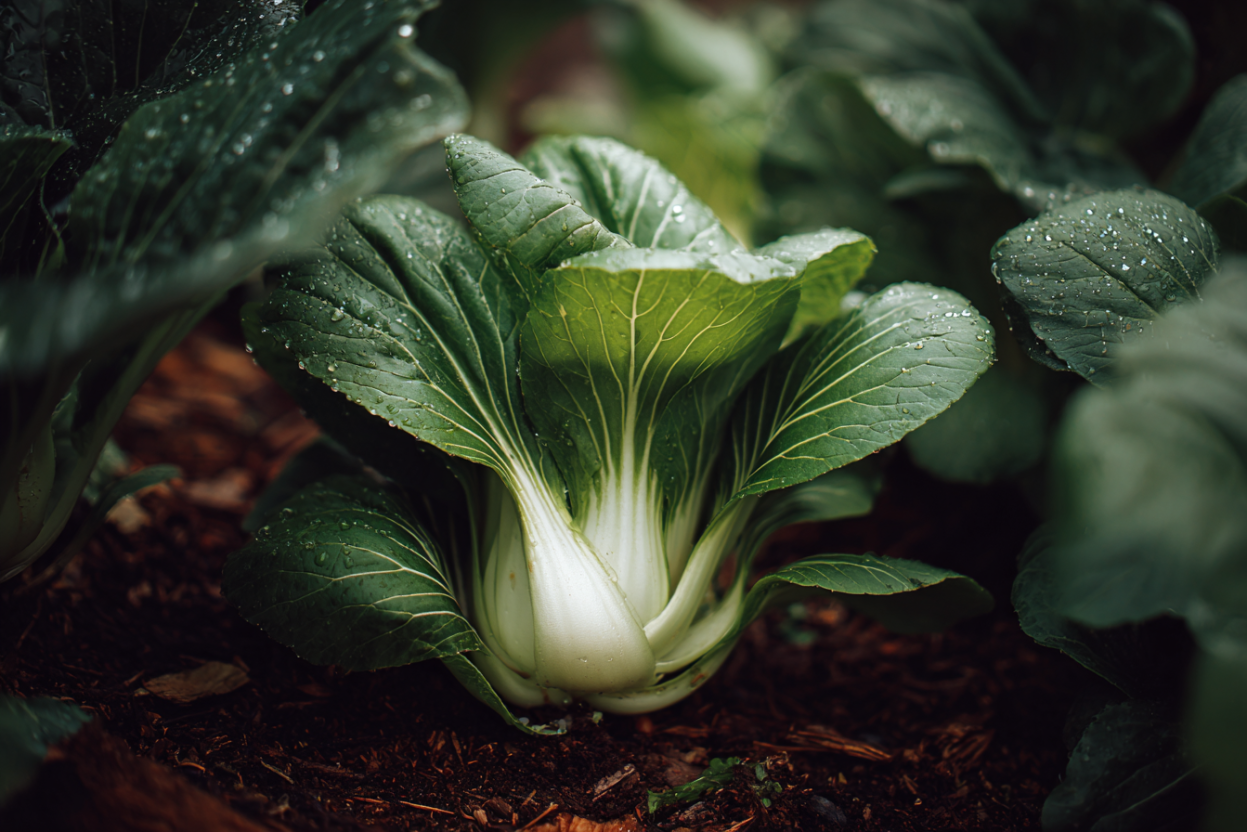
Bok Choy (Brassica rapa subsp. chinensis)
If you are searching for a simple, affordable way to support your bones, strengthen your immune system, and give your body a powerful dose of protective antioxidants — all from a single vegetable — bok choy deserves your full attention. This humble leafy green, cultivated for over fifteen centuries, ranks among the most nutrient-dense foods on the planet, delivering remarkable levels of vitamins A, C, and K for just thirteen calories per serving. Research suggests its unique compounds, particularly glucosinolates and sulforaphane, may play a role in supporting the body’s natural defenses against cellular damage.
This extraordinary plant is one of many gifts embedded in creation for our benefit. Long before modern laboratories could measure its vitamin content or isolate its protective compounds, bok choy was already here — provided by a Creator who knew every cell in your body and every nutrient it would need. The wisdom in this plant’s design is no accident.
The Plant
Common Names: Bok Choy, Pak Choi, Bak Choi, Chinese White Cabbage, Chinese Mustard, Celery Mustard, Spoon Cabbage, Shanghai Green (Shanghai Qing)
Botanical Name: Brassica rapa subsp. chinensis
Family: Brassicaceae (Mustard/Cabbage family) — a large family of cruciferous vegetables that includes broccoli, kale, cauliflower, Brussels sprouts, radishes, and arugula. Members of this family are characterized by their four-petaled flowers arranged in a cross shape and their sulfur-containing glucosinolate compounds.
Description
Bok choy is a non-heading Chinese cabbage that forms an upright, vase-shaped cluster of leaves rather than a tight, round head like Western cabbage. The plant features thick, fleshy white to pale green stalks (petioles) that are crisp, juicy, and somewhat spoon-shaped at the base. These stalks support broad, smooth, dark green leaf blades that are tender and slightly glossy. The entire plant typically reaches 12 to 24 inches tall at maturity, though baby bok choy varieties are harvested at just 6 to 8 inches.
When allowed to bolt, bok choy produces clusters of small, bright yellow four-petaled flowers characteristic of the Brassicaceae family. Seeds are small and round, approximately 1 to 1.5 millimeters in diameter, dark brown to black. The root system is relatively shallow and fibrous, making bok choy well-suited for container growing. Several varieties exist, including standard green bok choy, baby bok choy, Shanghai bok choy (with pale green stalks rather than white), and purple bok choy varieties that contain elevated levels of anthocyanins.
Origin
Bok choy is native to China and is regarded as one of the oldest cultivated vegetables in the world. Its cultivation has been documented since the fifth century CE in Asia, originating in the Yangtze River Delta region. From China, it spread throughout Southeast Asia, becoming a staple in the cuisines of Korea, Japan, Vietnam, Thailand, and the Philippines. Through trade and migration, bok choy eventually reached Europe, North America, and Africa. Today it is grown commercially on every inhabited continent and is increasingly popular in Northern Europe, where its cold tolerance and rapid growth cycle make it an attractive crop.
Brief History
The earliest written records of bok choy cultivation come from Chinese agricultural texts dating to the fifth century. For more than 1,500 years, it has been a cornerstone of Chinese home gardens and market agriculture. Chinese immigrants brought bok choy seeds to North America during the nineteenth century Gold Rush era, establishing it first in California and eventually throughout the continent. In the twentieth century, growing interest in Asian cuisine — combined with increasing research into the health benefits of cruciferous vegetables — propelled bok choy into mainstream Western supermarkets. Today it is one of the most widely consumed vegetables in the world.
Growing & Cultivation
Climate & Zones
Bok choy is remarkably adaptable and can be grown in USDA Hardiness Zones 2 through 11. It is a cool-season crop that thrives in temperatures between 60°F and 70°F (15°C–21°C) but can tolerate temperatures as low as 27°F (-3°C) and as high as 95°F (35°C). In warmer zones like Zone 8 and above, it is best grown as a fall, winter, or early spring crop to avoid premature bolting caused by heat and long daylight hours. In cooler northern climates, spring and fall plantings are ideal. Bok choy is also an excellent candidate for indoor growing year-round, performing well in containers near bright windows or under grow lights.
Soil Requirements
Bok choy prefers rich, loamy, well-draining soil with a pH between 6.0 and 7.5. It is a moderately heavy feeder that benefits from soil amended with compost or well-rotted manure before planting. The soil should retain moisture without becoming waterlogged, as bok choy’s shallow root system is vulnerable to both drought stress and root rot. For container growing, use a high-quality potting mix amended with compost. A two-inch layer of organic mulch helps maintain consistent soil moisture and temperature.
Water & Sunlight
Bok choy requires consistent, moderate watering — approximately one inch per week. The soil should remain evenly moist but never soggy. Irregular watering can cause the stalks to become tough and fibrous or trigger premature bolting. Drip irrigation or soaker hoses are ideal to keep moisture at the root zone and minimize wet foliage, which can invite fungal disease.
This plant performs best in full sun to partial shade, requiring three to five hours of direct sunlight daily. In hot climates, afternoon shade is beneficial and helps prevent bolting. Indoor growers should provide at least six hours of bright indirect light or supplement with grow lights.
Propagation
Seed: Bok choy is almost exclusively grown from seed. Sow seeds directly in the garden or start indoors four to six weeks before the last frost date. Plant seeds a quarter to half inch deep, spaced one inch apart, and thin seedlings to six to twelve inches apart once they develop their first true leaves. Seeds germinate in four to eight days at soil temperatures between 50°F and 80°F (10°C–27°C). For a continuous harvest, practice succession planting every two to three weeks throughout the growing season.
Transplanting: Indoor-started seedlings can be transplanted outdoors after hardening off for one week. Handle seedlings gently, as bok choy does not appreciate root disturbance. Transplant on a cloudy day or in the evening to reduce transplant shock.
Planting
Space standard bok choy plants 6 to 12 inches apart in rows 18 to 30 inches apart. Baby bok choy varieties can be spaced more closely at 4 to 6 inches apart. Plant in spring as soon as the soil can be worked (two to four weeks before the last frost) or in late summer for a fall harvest. In Zone 8 and warmer regions like Georgia, fall planting (September through October) produces the best results, with harvests through winter and early spring.
Harvesting
Bok choy is typically ready to harvest 40 to 60 days after seeding, depending on variety and conditions. Baby bok choy can be harvested as early as 30 days. You can harvest the entire plant by cutting at the soil line, or practice cut-and-come-again harvesting by removing individual outer leaves and allowing the center to continue growing. Harvest in the morning when leaves are most crisp and hydrated. Look for firm, upright stalks and vibrant dark green leaves as indicators of readiness.
Drying & Storage
Fresh bok choy stores for one to two days at room temperature and five or more days refrigerated at approximately 39°F (4°C). Wrap loosely in a damp paper towel inside a plastic bag for best results. Bok choy is not typically dried for culinary use due to its high water content (over 95%), but it can be blanched and frozen for long-term storage. Blanch in boiling water for two minutes, plunge in ice water, drain thoroughly, and freeze in airtight containers for up to twelve months. Fermentation (as in kimchi) is another excellent preservation method with added probiotic benefits.
Pest & Disease Management
Common pests include aphids, cabbage worms, flea beetles, slugs, snails, and cabbage root maggots. Row covers are one of the most effective organic preventive measures, creating a physical barrier against flying insects. Handpicking caterpillars, using diatomaceous earth around the base for slugs, and introducing beneficial insects such as ladybugs and lacewings are all effective natural approaches. Companion planting with aromatic herbs like thyme, rosemary, and sage can also help confuse and deter pests.
Common diseases include downy mildew, leaf blight, black rot, and soft rot. Good air circulation through proper spacing, avoiding overhead watering, rotating crops annually, and removing infected plant material promptly are the best organic disease management strategies.
Companion Planting
Bok choy benefits from being planted near celery, chamomile, dill, garlic, onions, rosemary, sage, thyme, nasturtiums, and borage. Celery and chamomile may improve bok choy’s vigor and flavor. Dill attracts beneficial predatory insects like hoverflies and parasitic wasps. Nasturtiums serve as a trap crop, luring aphids away from the bok choy. Avoid planting near strawberries, tomatoes, or other nightshades, which compete for nutrients and may attract shared pests.
The Healing of Growing
Growing bok choy offers benefits beyond the harvest itself. The act of gardening — hands in soil, time spent outdoors, the rhythm of planting and tending — has been shown to reduce cortisol, improve mood, and support immune function. The soil contains beneficial bacteria (Mycobacterium vaccae) with documented antidepressant effects, stimulating serotonin production in the brain. When you grow your own bok choy, you begin receiving healing before you ever take a single bite. The simple act of touching the earth, feeling the cool smooth leaves, and watching new growth emerge from a seed you planted — this is grounding in the most literal and therapeutic sense.
Nutritional Profile
Macronutrients (per 100g raw)
Bok choy is one of the most nutrient-dense foods on the planet relative to its calorie content. Per 100 grams of raw bok choy (approximately 1.5 cups chopped):
Calories: 13 | Protein: 1.5g | Carbohydrates: 2.2g | Fiber: 1.0g | Sugars: 1.2g | Fat: 0.2g | Water: 95.3%
This remarkable calorie-to-nutrient ratio places bok choy sixth on the Aggregate Nutrient Density Index (ANDI), meaning it delivers one of the highest levels of nutrients per calorie compared to other foods. It falls into the category sometimes called “zero calorie” foods — the energy required to digest it approaches the energy it provides.
Vitamins
Vitamin A: 4,468 IU (149% DV) — Provided primarily through provitamin A carotenoids including beta-carotene (2,681 mcg), lutein, and zeaxanthin. Vitamin A is essential for healthy vision, immune function, cell growth, and maintaining the integrity of skin and mucous membranes. The carotenoid forms found in bok choy also act as powerful antioxidants that protect cells from oxidative damage.
Vitamin C: 45 mg (75% DV) — A critical water-soluble antioxidant that supports immune function, collagen production for skin and connective tissue repair, iron absorption, and protection against free radical damage. Vitamin C is consumed rapidly during infection, making bok choy a valuable food during cold and flu season.
Vitamin K: 45.5 mcg (38% DV) — Essential for proper blood clotting and bone metabolism. Vitamin K promotes osteoblastic (bone-building) activity and has been studied for its potential role in reducing neuronal damage in Alzheimer’s disease patients.
Folate (B9): 66 mcg (16% DV) — Critical for DNA synthesis, cell division, and healthy fetal development during pregnancy. Folate deficiency during pregnancy is associated with neural tube defects in newborns. It also plays a role in reducing homocysteine levels, supporting cardiovascular health.
Vitamin B6 (Pyridoxine): 0.194 mg (10% DV) — Supports over 100 enzymatic reactions in the body, including amino acid metabolism, neurotransmitter synthesis (serotonin, dopamine, GABA), and red blood cell formation.
Bok choy also provides meaningful amounts of riboflavin (B2), pantothenic acid (B5), thiamin (B1), niacin (B3), and vitamin E.
Minerals
Calcium: 105 mg (8% DV) — Essential for bone and tooth structure, muscle contraction, nerve signaling, and blood clotting. Notably, the calcium in bok choy has higher bioavailability than that in spinach, because bok choy is low in oxalates that can block calcium absorption.
Potassium: 252 mg (5% DV) — A critical electrolyte that helps regulate heart rhythm, blood pressure, fluid balance, and muscle contractions. Research suggests adequate potassium intake can help counteract the blood-pressure-raising effects of excess sodium.
Manganese: 0.159 mg (7% DV) — Serves as a cofactor for the antioxidant enzyme superoxide dismutase (SOD) and plays roles in bone formation, blood clotting, and metabolism of amino acids, carbohydrates, and cholesterol.
Iron: 0.80 mg (4% DV) — Required for red blood cell formation and oxygen transport throughout the body. The vitamin C content in bok choy enhances non-heme iron absorption when consumed together.
Phosphorus: 37 mg (3% DV) — Works alongside calcium for bone and tooth structure and is a component of DNA, RNA, and ATP (the body’s energy currency).
Magnesium: 19 mg (5% DV) — Essential for over 300 enzymatic reactions, supports muscle and nerve function, blood sugar regulation, and bone health. Many Americans are deficient in magnesium.
Bok choy also provides zinc, copper, selenium, and sodium in smaller amounts.
Phytonutrients & Active Compounds
Glucosinolates — Bok choy provides approximately 70.7 mg of glucosinolates per one-cup serving. These sulfur-containing compounds are broken down during chewing and digestion into biologically active isothiocyanates (including sulforaphane) and indoles (including indole-3-carbinol). Decades of research suggest these metabolites may help protect cells from DNA damage, inactivate carcinogens, reduce inflammation, and induce apoptosis (programmed death of damaged cells).
Sulforaphane — One of the most studied isothiocyanates in all of nutrition science, formed when glucoraphanin is hydrolyzed by the enzyme myrosinase during chewing or cutting. Research suggests sulforaphane activates the Nrf2 pathway, which upregulates the body’s own antioxidant defense enzymes. It has been extensively studied for its potential chemopreventive properties.
Indole-3-Carbinol (I3C) — Breaks down in the body to form 3,3′-Diindolylmethane (DIM), which has been studied for its role in healthy estrogen metabolism, immune modulation, and cellular protection.
Kaempferol, Quercetin, and Isorhamnetin — Flavonoid antioxidants identified in multiple bok choy cultivars. These compounds have demonstrated anti-inflammatory, cardioprotective, and neuroprotective properties in research settings.
Beta-carotene, Lutein, and Zeaxanthin — Carotenoid pigments that protect eyes from macular degeneration and UV damage, support skin health, and act as systemic antioxidants.
Brassinin — An antimicrobial and antioxidative compound unique to the Brassica family, studied as a chemopreventive agent.
Phenolic Acids — Including caffeic acid, p-coumaric acid, ferulic acid, and hydroxycinnamic acid derivatives, all contributing to bok choy’s total antioxidant capacity.
Nutrient Notes
Bok choy’s calcium is notably more bioavailable than that in many other leafy greens, because it contains very low levels of oxalates (unlike spinach, which contains high oxalates that bind calcium and reduce absorption). The vitamin C present naturally enhances iron absorption from the same food. To maximize sulforaphane production, chop or chew bok choy raw, or chop it and let it sit for several minutes before cooking — this allows the myrosinase enzyme to activate before heat denatures it. Light steaming preserves more glucosinolates than boiling, which can destroy up to 60% of these beneficial compounds as they leach into the water.
Connection to Body Compounds
The B-vitamins in bok choy — particularly B6 and folate — support the production of serotonin, dopamine, and GABA, neurotransmitters essential for mood regulation, sleep, and stress management. The magnesium content may help regulate cortisol, the body’s primary stress hormone. The high antioxidant content, particularly vitamin C and the flavonoids, helps combat oxidative stress that can increase inflammatory markers like C-reactive protein, IL-6, and TNF-alpha. The potassium-to-sodium ratio supports cardiovascular function and may help modulate blood pressure.
Culinary Uses
Edible Parts
The entire above-ground plant is edible. The thick white or pale green stalks are prized for their crisp, juicy texture and mild, slightly sweet flavor. The dark green leaf blades are tender and cook down quickly, offering a flavor slightly more robust than the stalks but much milder than other brassicas like kale or collard greens. The yellow flowers are also edible, though their appearance signals that the leaves may have become slightly bitter. Baby bok choy is typically cooked and served whole or halved for an elegant presentation.
Flavor Profile
Bok choy has a mild, subtly sweet flavor with a faintly peppery or mustardy undertone — far gentler than most cruciferous vegetables. The stalks are crisp and juicy with a clean, almost watery sweetness similar to celery. The leaves offer a slightly deeper, earthier note reminiscent of very mild cabbage or spinach. Raw, the flavor is clean and fresh. Cooking mellows the slight bitterness and amplifies the sweetness. Drying is uncommon for bok choy due to its high water content, but dried bok choy takes on a more concentrated, savory quality used in some traditional Chinese soups.
Preparation
Raw: Baby bok choy leaves make excellent additions to salads, providing crunch and mild flavor. Shred or slice thinly for slaws. To maximize sulforaphane content, consume raw or chop and let rest five to ten minutes before cooking.
Stir-frying: The most popular preparation method. Cut stalks and leaves separately, as stalks need slightly longer cooking. Add stalks first, cook for one to two minutes, then add leaves for thirty seconds to one minute. High heat and quick cooking preserve both nutrients and texture.
Steaming: Steam whole baby bok choy or halved standard bok choy for three to five minutes until stalks are just tender. This method preserves the most nutrients after raw consumption.
Braising and Soups: Bok choy holds up well in brothy soups and braises. Add during the final five to eight minutes of cooking to maintain some texture. It is a classic addition to ramen, pho, and wonton soup.
Grilling and Roasting: Halved baby bok choy can be brushed with oil and grilled or roasted at 425°F for eight to twelve minutes until lightly charred and tender. This caramelization adds a nutty sweetness.
Culinary Pairings
Bok choy pairs beautifully with garlic, ginger, sesame oil, soy sauce, rice vinegar, chili flakes, oyster sauce, toasted sesame seeds, shiitake mushrooms, miso, coconut aminos, and lime. For proteins, it complements chicken, shrimp, salmon, tofu, pork, and beef. It works harmoniously alongside other vegetables like snap peas, bell peppers, carrots, water chestnuts, and bean sprouts.
Storage
Store unwashed bok choy loosely wrapped in a damp paper towel inside a plastic bag in the refrigerator crisper drawer. It will stay fresh for five to seven days. Do not wash until ready to use, as excess moisture accelerates spoilage. For longer storage, blanch and freeze as described in the cultivation section above. Bok choy can also be preserved through lacto-fermentation, as in traditional Korean kimchi, which adds probiotic benefits.
Ready to cook with bok choy? View Recipes on Chefts →
Wellness & Therapeutic Uses
Traditional Uses
In Traditional Chinese Medicine (TCM), bok choy has been used for centuries as a cooling food that supports digestion and reduces internal heat. It was traditionally consumed to soothe stomach inflammation, support bowel regularity, and clear skin conditions associated with excess heat in the body. In TCM’s classification system, bok choy is considered sweet and cooling, entering the Stomach and Large Intestine meridians. It was historically recommended for conditions including constipation, abdominal bloating, and irritability associated with digestive stagnation.
Throughout East and Southeast Asian folk medicine, bok choy was valued as an easily digestible food for the sick and elderly, providing gentle nourishment without taxing the digestive system. Korean traditional medicine used various Brassica vegetables including bok choy in preparations intended to support respiratory health and reduce swelling. In Vietnam and the Philippines, it has long been considered a cooling and detoxifying food, consumed during fevers and inflammatory conditions.
Modern Research
Cancer Prevention Support: Extensive epidemiological research suggests that higher consumption of cruciferous vegetables is associated with a reduced risk of several types of cancer, including lung, colon, breast, prostate, and bladder cancers. The mechanism is primarily attributed to glucosinolates and their breakdown products — sulforaphane and indole-3-carbinol — which research suggests help protect cells from DNA damage, inactivate carcinogens, reduce inflammation, and induce apoptosis in damaged cells. A study published in Food and Chemical Toxicology (2014) specifically examined glucosinolates from pak choi and found they modulated enzymes and inhibited inflammation and colon cancer markers in mice (PubMed). The National Cancer Institute notes that indoles and isothiocyanates from cruciferous vegetables have been found to inhibit cancer development in multiple organs in animal studies (NCI Fact Sheet).
Anti-Inflammatory Activity: The glucosinolate metabolites in bok choy, particularly sulforaphane, have been shown in research to inhibit the expression of pro-inflammatory markers including TNF-alpha and IL-1 beta. The flavonoids kaempferol and quercetin also exhibit anti-inflammatory properties. A comprehensive review in Frontiers in Pharmacology (2021) confirmed the evidence for glucosinolates from cruciferous vegetables in reducing chronic inflammation (PMC).
Cardiovascular Support: Bok choy’s combination of potassium, folate, vitamin C, vitamin B6, and fiber — along with its lack of cholesterol — contributes to cardiovascular wellness. The potassium helps regulate blood pressure, while folate and B6 help manage homocysteine levels, an amino acid associated with increased cardiovascular risk when elevated. Research suggests the anti-inflammatory and antioxidant properties of cruciferous vegetables may help protect against atherosclerosis.
Bone Health Support: The calcium, phosphorus, iron, zinc, magnesium, and vitamin K in bok choy all contribute to building and maintaining bone structure and strength. Vitamin K plays a specific role by promoting osteoblastic activity — the process by which new bone is formed — and may help reduce the risk of fractures. Importantly, the low oxalate content of bok choy means its calcium is more readily absorbed than that from many other plant sources.
Eye Health: Bok choy is rich in beta-carotene, lutein, and zeaxanthin — carotenoids that research suggests may help protect against age-related macular degeneration, cataracts, and UV-related eye damage. These compounds accumulate in the macula and lens of the eye where they filter harmful blue light and neutralize free radicals.
Blood Sugar Support: A meta-analysis including over 750,000 participants found a 13% lower risk of type 2 diabetes associated with high cruciferous vegetable intake (Chen et al., 2018). The fiber content slows glucose absorption, while sulforaphane has been shown in animal studies to help reduce diabetes-related complications.
Body Systems Supported
Based on its nutritional profile and researched compounds, bok choy may provide support to multiple body systems: the immune system (through vitamins A, C, and selenium), digestive system (through fiber and its cooling, anti-inflammatory properties), cardiovascular system (through potassium, folate, and anti-inflammatory compounds), musculoskeletal system (through calcium, vitamin K, and anti-inflammatory isothiocyanates), integumentary system (through vitamins A and C for skin health), nervous system (through B-vitamins and antioxidants), and the endocrine system (through blood sugar-modulating compounds).
Body Compounds Affected
Research suggests bok choy’s nutrients and phytonutrients may influence several key body compounds. The B-vitamins (B6 and folate) are cofactors in the synthesis of serotonin, dopamine, and GABA — neurotransmitters critical for mood, sleep, and stress response. The magnesium content supports healthy cortisol regulation and GABA receptor function. The antioxidant compounds (vitamins A, C, E, and phytonutrients) help modulate inflammatory markers including cytokines (IL-6, TNF-alpha) and C-reactive protein. The sulforaphane content has been shown to upregulate the body’s own antioxidant enzyme production through the Nrf2 pathway, enhancing levels of glutathione and other protective compounds. The vitamin K influences proteins involved in calcium regulation and bone metabolism.
Methods of Use
Culinary Consumption (Primary Method)
The most effective and safest way to receive bok choy’s therapeutic compounds is through regular dietary consumption. Aim for one to two cups of lightly cooked or raw bok choy several times per week as part of a varied diet rich in cruciferous vegetables. For maximum sulforaphane benefit, chop raw bok choy and allow it to rest for five to ten minutes before eating or lightly cooking.
Juice / Smoothie
Raw bok choy can be juiced or blended into smoothies. One to two stalks provides a mild, non-bitter addition. Combine with apple, ginger, lemon, or cucumber for a palatable green juice. Note that raw bok choy contains goitrogenic compounds — individuals with thyroid conditions should consult a healthcare provider about raw cruciferous consumption.
Fermented (Kimchi)
Bok choy can be lacto-fermented in the style of traditional kimchi, combining its phytonutrient benefits with the probiotic benefits of fermentation. Fermentation may increase the bioavailability of certain nutrients while adding beneficial bacteria that support gut health.
Broth / Soup
Adding bok choy to bone broth or vegetable soup combines its mineral content with the gelatin, collagen, and amino acids of the broth for a deeply nourishing preparation. Add during the final five minutes of cooking to preserve nutrients.
Cosmetic & Beauty Uses
Skin Benefits
Bok choy is rich in nutrients that directly support skin health from the inside out. Its exceptionally high vitamin C content is essential for collagen synthesis — the structural protein that keeps skin firm, resilient, and youthful. Vitamin A (as beta-carotene) supports cell turnover and helps maintain smooth, clear skin. The antioxidant flavonoids (quercetin and kaempferol) help protect skin cells from UV-induced free radical damage, one of the primary drivers of premature aging. The selenium content contributes to skin elasticity and may help protect against sun damage.
Bok choy is particularly beneficial for sensitive, acne-prone, and inflamed skin types. Its anti-inflammatory compounds may help calm redness and irritation, while its detoxifying glucosinolates support the body’s ability to clear toxins that can manifest as skin blemishes. The high water content (over 95%) supports overall hydration.
Hair Benefits
The iron and vitamin C combination in bok choy supports healthy hair growth by ensuring adequate oxygen delivery to hair follicles and collagen production for hair structure. Folate and B-vitamins contribute to healthy cell division at the hair root. Vitamin A supports sebum production, which naturally conditions the scalp and keeps hair moisturized. Biotin and zinc, present in smaller amounts, contribute to hair strength and may help reduce breakage and thinning.
Application Methods
The primary cosmetic benefit of bok choy comes from dietary consumption — eating it regularly provides the vitamins and antioxidants that support skin and hair health from within. However, bok choy can also be used topically:
Fresh juice facial: Blend raw bok choy with a small amount of water, strain, and apply the juice as a refreshing, antioxidant-rich facial toner. Leave on for ten to fifteen minutes and rinse with cool water. The vitamin C and water content provide a hydrating, brightening effect.
Cooling compress: Blend chilled bok choy leaves into a paste and apply as a cooling mask for inflamed, irritated, or sunburned skin. Its natural anti-inflammatory properties may help soothe redness and discomfort.
Hair rinse: Simmer bok choy leaves in water for ten minutes, cool, strain, and use as a final hair rinse after shampooing. The mineral content may add shine and the gentle cleansing properties help remove product buildup.
Bok choy is among the botanicals being explored for holistic cosmetic applications, where the wisdom of traditional beauty practices meets modern understanding of skin science.
Aromatherapy & Scent
The Aroma
Bok choy has a subtle, fresh, green aroma when growing or freshly harvested — clean and slightly vegetal with faint mustard-like undertones characteristic of the Brassica family. The scent is most noticeable when the leaves or stalks are crushed, bruised, or cut, which releases the volatile sulfur compounds (including the glucosinolate breakdown products). Fresh bok choy smells like a combination of mild cabbage, celery, and fresh-cut grass — clean and earthy rather than pungent. When cooked, particularly when stir-fried with aromatics, the sulfurous notes mellow and a gentle, slightly sweet vegetal aroma emerges.
Dried bok choy retains a muted, hay-like green scent that is significantly less intense than the fresh plant. Because bok choy is not strongly aromatic, it is not traditionally used as an aromatherapy plant. Its therapeutic scent benefits come indirectly — through the experience of gardening it (the green, earthy smell of the plant and soil) and cooking it (the warm, savory aromas of a stir-fry or soup).
How Scent Affects Your Body
When you smell the fresh green scent of bok choy in a garden or kitchen, volatile molecules enter your nose and bind to olfactory receptors. These receptors send signals directly to the limbic system (the brain’s emotional center) and the hypothalamus (which governs hormone production), bypassing conscious thought. This means the scent begins affecting your body before you consciously register it. Green, vegetal scents like those of fresh vegetables and gardens have been associated with feelings of calm, groundedness, and connection to nature — the same relaxation response triggered by time spent in green spaces.
Emotional & Mood Effects
While bok choy is not an aromatic herb in the traditional sense, the experience of being around the growing plant and preparing it in the kitchen engages the olfactory system in ways that promote grounding, comfort, and a sense of nourishment. The warm cooking aromas of a bok choy stir-fry — mingled with garlic, ginger, and sesame — can trigger memories of shared meals and comfort, activating the brain’s reward centers and promoting feelings of wellbeing.
Ways to Experience the Scent
Growing bok choy indoors or in a kitchen garden provides gentle, ongoing exposure to its fresh green scent. Crushing a leaf between your fingers while gardening releases a burst of green volatile compounds. Simmering bok choy in broth on the stove creates a warm, nourishing aroma that fills the home. These are simple, accessible ways to engage with this plant’s aromatic properties as part of everyday life.
Color Therapy
The Colors of Bok Choy
Bok choy presents a striking contrast of colors. The broad, flat leaf blades are deep emerald green — rich, dark, and glossy when healthy. The thick stalks range from bright white to pale jade green, depending on variety. Baby bok choy tends toward lighter greens overall, while mature standard bok choy shows the strongest white-green contrast. Purple bok choy cultivars introduce deep violet-red tones in the leaves and stems from anthocyanin pigments. When the plant flowers, it produces clusters of bright yellow four-petaled blooms.
Color Wavelengths
The dominant green of bok choy’s leaves falls within the 495–570 nm wavelength range. White stalks reflect the full visible spectrum. Purple varieties add wavelengths in the 380–450 nm (violet) range. Yellow flowers fall in the 570–590 nm range.
How Green Affects the Body
In color therapy, green (495–570 nm) is considered the most balancing and restorative color in the spectrum. It sits at the center of the visible light range and is associated with the heart center in many healing traditions. Exposure to green has been linked to reduced stress, lower heart rate, and feelings of calm and renewal. Research on biophilic design confirms that viewing green plants reduces cortisol levels, improves mood, and enhances cognitive performance. Patients with views of green vegetation from hospital windows have been documented to recover faster than those without.
The white of the stalks represents the full spectrum of visible light and is associated with purity, clarity, and cleansing. Purple varieties, with their shorter-wavelength violet tones, are linked in color therapy to calm nervous system activity and promote meditative states. The yellow flowers, when present, correspond to wavelengths associated with mental clarity, optimism, and gentle stimulation.
Body Compounds Affected
Research on color and light exposure suggests that viewing green environments may help lower cortisol (the primary stress hormone), support serotonin production (the mood-regulating neurotransmitter), and reduce markers of sympathetic nervous system activation (adrenaline and norepinephrine). Simply having green plants in your living or working space provides ongoing, passive exposure to these beneficial wavelengths.
Using Bok Choy for Color Therapy
Grow bok choy in a kitchen window or indoor container garden for daily visual exposure to its rich green leaves. Use bok choy as part of an intentional “green plate” practice — filling your plate with deeply colored green vegetables — which combines the visual benefits of the color with the nutritional benefits of the food. Display purple bok choy varieties for the additional calming effects of violet wavelengths. The simple act of preparing a meal with vibrant bok choy — the deep greens, bright whites, and flashes of yellow — is a multisensory experience that engages color therapy principles naturally.
Frequency & Vibration
The Frequency of Bok Choy
All matter vibrates at a molecular level — this is fundamental physics. Living plants emit measurable bioelectric frequencies as part of their metabolic processes. While specific MHz measurements for bok choy have not been widely published in the way essential oil frequencies have been documented (through Bruce Tainio’s research and similar work), fresh, raw vegetables are generally considered to vibrate at higher frequencies than processed or cooked foods. As a living, rapidly growing plant consumed in its fresh state, bok choy falls into the category of higher-frequency whole foods.
For context, proponents of bio-frequency research note that the healthy human body operates between 62–78 MHz, with cold and flu symptoms appearing around 58 MHz and more serious conditions below that threshold. Fresh produce, consumed raw or minimally processed, is believed to support these higher frequencies.
Human Frequency Interaction
According to the principle of entrainment, a stronger, more coherent vibration can influence a weaker or less coherent one. Proponents of vibrational medicine suggest that consuming high-frequency foods like fresh, raw vegetables may help support the body’s own frequency. Being around living bok choy plants in a garden or indoor growing space also provides proximity to a vibrating, living organism engaged in photosynthesis and respiration — processes that generate their own bioelectric activity.
Vibrational Applications
To maximize any potential frequency benefit, consume bok choy as fresh and raw as possible, or lightly steamed. Growing your own bok choy and harvesting it moments before eating provides the freshest, most vibrant form. Combine bok choy consumption with other high-frequency practices such as time in nature, deep breathing, prayer, or meditation. This is an area where research is emerging, and language should remain appropriately tentative — but the principle of nourishing the body with the freshest, most alive food available is supported by both traditional wisdom and modern nutritional science.
The Living Plant
Benefits of Presence
Simply being around living bok choy plants — in a garden, on a windowsill, or in a kitchen container — provides benefits that go beyond eventual consumption. Research on indoor plants consistently demonstrates that their presence reduces stress, lowers blood pressure, improves mood, and enhances concentration. A landmark study by Roger Ulrich (1984) found that hospital patients with views of vegetation recovered faster and required less pain medication than those with views of walls. The biophilic design movement, built on extensive research, confirms that humans have an innate need for connection with living nature, and that meeting this need measurably improves health outcomes.
Air Purification
While bok choy was not among the specific plants studied in NASA’s Clean Air Study, all living green plants contribute to indoor air quality through the basic process of photosynthesis — absorbing carbon dioxide and releasing oxygen. Leafy green plants like bok choy also increase ambient humidity through transpiration, which can benefit respiratory health in dry indoor environments. The broad, flat leaf surfaces of bok choy provide meaningful surface area for these gas exchange processes.
Phytoncides
Plants in the Brassica family release volatile organic compounds as part of their defense systems. While these are not typically classified as phytoncides in the traditional forest bathing (shinrin-yoku) sense, the sulfur-containing volatile compounds released by cruciferous plants do have documented antimicrobial properties. Research on forest bathing has demonstrated that airborne plant compounds increase the activity of Natural Killer (NK) cells — immune cells that target virally infected cells and tumor cells. While bok choy is not a forest tree, the principle that living plants release beneficial volatile compounds into the surrounding air applies broadly across the plant kingdom.
Visual & Psychological Benefits
Bok choy is a visually appealing plant with its rosette of dark green leaves and contrasting white stalks. Watching it grow from seed to harvest — a process of just 40 to 60 days — provides the psychological reward of nurturing life and the anticipation of harvest. Attention Restoration Theory (Kaplan, 1995) suggests that natural elements, including plants, help restore mental fatigue by providing “soft fascination” — gentle, engaging visual stimulation that allows the mind to rest and recover from directed attention fatigue. Having growing bok choy in your environment supports this restorative process.
Growing Indoors vs Outdoors
Bok choy thrives both indoors and outdoors. Indoor growing is particularly accessible because of its compact size, moderate light needs (a bright window or simple grow light is sufficient), and rapid growth cycle. A single wide pot on a kitchen counter can yield a continuous supply of baby bok choy for harvest. Outdoor growing provides the additional benefits of sunlight exposure, soil contact, fresh air, and the broader sensory experience of gardening. Both settings provide the presence benefits of living plants; outdoor gardening adds the documented advantages of nature exposure, grounding, and vitamin D synthesis.
Touch & Physical Interaction
Gardening Therapy
Horticultural therapy — the use of gardening and plant care as a therapeutic modality — is an established practice supported by decades of research. Growing bok choy is an ideal entry point because of its ease, speed (seed to harvest in as few as 30 days for baby varieties), and the tangible reward of food. The repetitive, rhythmic tasks of planting seeds, watering, thinning seedlings, and harvesting leaves provide a meditative quality that calms the nervous system. Research has shown that horticultural therapy reduces anxiety, depression, and stress while improving self-esteem, social interaction, and cognitive function.
Soil Contact Benefits
When you garden with bare hands (and ideally bare feet), you make direct contact with the earth — a practice known as grounding or earthing. Research suggests this contact allows the transfer of free electrons from the earth’s surface into the body, which may help neutralize free radicals and reduce chronic inflammation. The soil itself contains Mycobacterium vaccae, a beneficial bacterium that has been shown in peer-reviewed research to stimulate serotonin production in the brain, producing a natural antidepressant effect. Every time you dig in the dirt to plant bok choy seeds, you are literally exposing yourself to a mood-boosting microorganism. Additionally, regular soil contact enriches the diversity of your skin and gut microbiome, which research increasingly links to immune function and overall health.
The Tactile Experience
Bok choy offers a pleasing range of textures. The leaves are smooth, slightly waxy, and cool to the touch — thin enough to flex easily between the fingers. The stalks are firm, crisp, and fleshy — satisfyingly substantial. Breaking a stalk produces a clean, wet snap and releases a fresh, green scent. Harvesting baby bok choy involves a satisfying cut at the base with a sharp knife or scissors. Washing the harvested plant under cool running water, separating the leaves, and feeling the crispness of the stalks are all sensory experiences that ground you in the present moment.
Harvesting & Processing
The harvest of bok choy — cutting at the base, gathering the compact rosettes, rinsing the soil away, and arranging them in a bowl or basket — carries a quiet satisfaction. There is something deeply human about growing food with your own hands and bringing it to your own table. The simplicity of bok choy’s preparation (a quick rinse, a few cuts, and into the pan) makes this entire seed-to-plate process accessible even for the busiest schedules. This connection to the food cycle — planting, tending, harvesting, preparing, eating — reestablishes a relationship with nourishment that modern convenience culture has largely severed.
Water-Based Applications
Teas & Infusions
While bok choy is not traditionally prepared as a standalone tea in the way medicinal herbs are, it has a long history of being used in therapeutic broths and light soups in Chinese food therapy. Simmering bok choy in water or broth for five to ten minutes creates a gentle, mineral-rich infusion that has been traditionally consumed to cool internal heat, support digestion, and provide gentle nourishment during illness. The resulting liquid is mild and slightly sweet, easily tolerated by those with poor appetite or digestive distress.
Herbal Baths
Fresh bok choy leaves can be added to a warm bath for a soothing, skin-nourishing soak. The vitamin C, minerals, and anti-inflammatory compounds leach into the bathwater and may help calm irritated or inflamed skin. Use several large leaves or an entire head of bok choy in a muslin bag or directly in warm (not hot) bathwater. Soak for fifteen to twenty minutes. This practice aligns with the broader tradition of vegetable and herbal bathing found in both East Asian and European folk medicine.
Compresses
A cool compress made with blended bok choy can be applied to minor skin irritations, sunburn, or areas of inflammation. Blend fresh bok choy leaves with a small amount of cool water, soak a clean cloth in the liquid, and apply to the affected area for ten to fifteen minutes. The natural cooling properties and vitamin C content may help soothe discomfort. In some traditional preparations, lightly blanched bok choy leaves themselves were applied as a poultice directly to swollen joints or insect bites.
Hair Rinses
A bok choy infusion can be used as a clarifying hair rinse. Simmer a few stalks and leaves in two cups of water for ten minutes, cool completely, strain, and pour over freshly shampooed hair as a final rinse. The mineral content (particularly calcium, iron, and potassium) and gentle cleansing properties may help add shine, remove product buildup, and support scalp health. This practice is most effective when repeated weekly as part of a natural hair care routine.
Historical, Cultural & Biblical Significance
Biblical References
Bok choy is not directly mentioned in Scripture. However, the Brassica family — to which bok choy belongs — includes mustard, which holds one of the most well-known botanical references in the Bible. Jesus said, “The kingdom of heaven is like to a grain of mustard seed, which a man took, and sowed in his field: Which indeed is the least of all seeds: but when it is grown, it is the greatest among herbs, and becometh a tree, so that the birds of the air come and lodge in the branches thereof” (Matthew 13:31–32, KJV). While this refers specifically to mustard and not bok choy, the familial connection is worth noting — both plants belong to the same genus (Brassica), share the same characteristic four-petaled flowers, and produce the same sulfur-containing protective compounds. The principle of a small seed producing abundant nourishment mirrors the generous, nutrient-dense nature of bok choy itself.
Ancient Civilizations
The earliest documented cultivation of bok choy dates to fifth-century China, where it was recorded in agricultural texts as a staple garden vegetable. China has the longest continuous history of vegetable cultivation in the world, and bok choy was among the crops that sustained one of humanity’s greatest civilizations. Archaeological evidence suggests that Brassica vegetables were cultivated in China even earlier, with some scholars estimating initial domestication as far back as 4,000 years ago. The Chinese observed that this plant provided gentle nourishment, supported digestion, and thrived in cool weather — they were observing the Creator’s design, and their observations align with what modern nutritional science confirms.
Eastern Traditions
In Traditional Chinese Medicine, bok choy is classified as a sweet, cooling food that benefits the Stomach and Large Intestine. It was used in food therapy to clear heat, promote urination, and ease constipation. The principle of food-as-medicine is foundational in TCM, and bok choy was prescribed as part of balanced, healing diets for centuries before Western science began studying its individual compounds.
In Korean traditional medicine, Brassica vegetables including bok choy were valued for their cleansing and anti-inflammatory properties. Korean cuisine’s extensive use of fermented Brassica vegetables (as in kimchi) represents both a preservation technology and a wellness practice — the fermentation adds probiotic benefits to the already impressive nutritional profile of the base vegetable.
In Japanese, Vietnamese, Thai, and Filipino culinary and folk medicine traditions, bok choy and related Brassica vegetables have been used as cooling foods during fevers, gentle nourishment during illness, and everyday dietary staples supporting overall vitality.
European Heritage
While bok choy specifically was not cultivated in Europe until relatively modern times, the broader Brassica family has deep European roots. Cabbage, kale, and related vegetables were staple foods throughout medieval Europe and were cultivated in monastery gardens — the institutions that preserved both horticultural and medical knowledge through the Dark Ages. The Greek physician Hippocrates (460–370 BCE) recommended cabbage preparations for digestive complaints. Pliny the Elder (23–79 CE) devoted extensive sections of his Natural History to the medicinal uses of Brassica plants, praising their ability to address digestive, respiratory, and joint complaints. When bok choy was eventually introduced to European and North American markets in the twentieth century, it was readily embraced in part because its family’s reputation for health benefits was already well established.
How Knowledge Was Preserved and Transmitted
The knowledge of bok choy’s cultivation and health properties was preserved through Chinese agricultural texts, oral tradition within farming communities, and the practical transmission of seeds and growing techniques through trade routes, particularly the ancient Silk Road network and the Maritime Silk Road that connected China to Southeast Asia and beyond. Chinese immigrants carried bok choy seeds to every continent, ensuring that this ancient vegetable continued to nourish new generations in new lands. Today, modern scientific research continues to validate what these traditional growers observed for fifteen centuries — that bok choy is a gentle, nourishing, protective food.
Cultural Symbolism
In Chinese culture, bok choy (白菜, bái cài) — literally “white vegetable” — is a symbol of prosperity and wealth. The Chinese phrase “百财” (bǎi cái), meaning “a hundred treasures” or “a hundred forms of wealth,” is a homophone of “白菜.” For this reason, jade carvings of bok choy are common in Chinese art, often displayed in homes and businesses as symbols of good fortune. The most famous example is the Jadeite Cabbage, a Qing Dynasty (19th century) carving housed in the National Palace Museum in Taipei, Taiwan — a masterwork that transformed a single piece of jadeite into a lifelike bok choy with a grasshopper perched on its leaves, symbolizing fertility, purity, and abundance.
Safety & Precautions
Contraindications
Bok choy is generally considered very safe when consumed as a food in normal dietary amounts. The primary concern arises with excessive consumption of raw bok choy in individuals with pre-existing thyroid conditions or iodine deficiency. A case reported in the New England Journal of Medicine documented an 88-year-old woman who developed severe hypothyroidism (myxedema coma) after consuming approximately 1.0 to 1.5 kg (2 to 3 pounds) of raw bok choy daily for several months. This represents extreme overconsumption far beyond normal dietary intake. At normal serving sizes (one to two cups), cooked bok choy poses virtually no thyroid risk for healthy individuals.
Drug Interactions
Blood Thinners (Warfarin/Coumadin): Bok choy is a significant source of vitamin K, which plays a role in blood clotting. Individuals taking warfarin or other vitamin K-dependent anticoagulants should maintain consistent vitamin K intake rather than suddenly increasing or decreasing consumption. Speak with your prescribing physician about dietary vitamin K management.
Thyroid Medications: The goitrogenic compounds in raw cruciferous vegetables may theoretically interfere with thyroid medication effectiveness. Individuals taking levothyroxine (Synthroid) or similar medications should discuss cruciferous vegetable intake with their healthcare provider. Cooking substantially reduces goitrogenic activity.
No other significant drug interactions are widely documented for dietary bok choy. However, as with any food consumed in large quantities, it is prudent to discuss significant dietary changes with your healthcare provider, especially if you take multiple medications.
Pregnancy & Nursing
Bok choy consumed as a food in normal dietary quantities is generally considered safe during pregnancy and breastfeeding. Its folate content actually supports healthy fetal development. However, pregnant and nursing women have higher iodine requirements and may be more susceptible to the effects of goitrogenic compounds. Cooking bok choy before eating it and ensuring adequate iodine intake (through iodized salt, seafood, or dairy) addresses this concern. As always, discuss any dietary questions with your prenatal care provider.
Children
Bok choy is safe and nutritious for children of all ages when prepared age-appropriately. For infants beginning solid foods (typically around six months), bok choy can be steamed until very soft and pureed or mashed. For older children, it can be served in stir-fries, soups, or as a side vegetable. Its mild flavor makes it one of the more child-friendly cruciferous vegetables. No special dosage restrictions apply beyond normal age-appropriate food portions.
Elderly
Bok choy is an excellent food for older adults due to its high nutrient density, easy digestibility when cooked, and bone-supporting calcium and vitamin K content. The primary consideration for elderly individuals is the vitamin K interaction with anticoagulant medications (as noted above) and awareness of thyroid function, which can become more variable with age. Cooked bok choy in normal dietary amounts is well-tolerated and highly beneficial for this population.
Pets
Dogs: Safe in moderation. Bok choy is non-toxic to dogs and can be offered as an occasional treat. It is best served plain (no seasoning, oil, garlic, or onion), lightly steamed or raw in small, chopped pieces. Some dogs may experience gas or mild digestive upset from the fiber content. Treats including bok choy should make up no more than 10% of a dog’s daily food intake.
Cats: Safe in small amounts. Bok choy is not listed as toxic to cats. However, cats are obligate carnivores and do not require vegetable matter. Small amounts of plain, steamed bok choy are unlikely to cause harm, but it should not be a regular dietary component.
Horses: Generally safe in small quantities as part of varied forage, though large amounts of any cruciferous vegetable can cause digestive upset in horses.
If any pet shows signs of vomiting, diarrhea, or lethargy after consuming bok choy, discontinue and contact your veterinarian.
Allergies & Sensitivities
True allergy to bok choy is rare but possible. Individuals with known allergies to other Brassica vegetables (cabbage, broccoli, kale) may experience cross-reactivity. Symptoms could include oral itching, hives, digestive upset, or in rare cases, anaphylaxis. Individuals with ragweed allergies may occasionally experience cross-reactivity with Brassica vegetables. A patch test is not typically necessary for dietary use but would be prudent before topical application of bok choy on the skin.
Thyroid & Goitrogen Considerations
Bok choy contains glucosinolates, which can break down into goitrogenic compounds (thiocyanates) that may interfere with thyroid iodine uptake in very high doses. A 2024 systematic review in the International Journal of Molecular Sciences analyzed 123 studies and concluded that the vast majority of evidence “casts doubt on previous assumptions claiming that brassica plants have antithyroid effects in humans” and that “including brassica vegetables in the daily diet, particularly when accompanied by adequate iodine intake, poses no adverse effects on thyroid function” (PMC). Cooking reduces goitrogenic compounds by 60% to 90%. The key protective factor is ensuring adequate iodine intake in the diet.
Dosing Guidelines
As a food, there is no strict upper limit for bok choy consumption in healthy individuals eating a varied diet. General guidance suggests one to three cups of cooked cruciferous vegetables daily as part of a balanced diet is safe and beneficial. The only documented case of harm involved daily consumption of 1.0 to 1.5 kg (approximately 10 to 15 cups) of raw bok choy for months — a quantity far beyond normal dietary use. Individuals with thyroid conditions should discuss their specific situation with a healthcare provider.
Preparation Safety
Wash bok choy thoroughly under running water before use to remove soil, insects, and potential pesticide residues. Separate individual stalks and rinse the inner surfaces where dirt can collect. Organic bok choy reduces pesticide exposure concerns. Cut away any brown, slimy, or damaged sections. Fresh bok choy should be firm, crisp, and bright-colored — wilted, yellowed, or slimy specimens should be discarded.
Signs of Adverse Reaction
Mild reactions may include gas, bloating, or digestive discomfort, particularly from large servings of raw bok choy. These are common responses to cruciferous vegetables and generally resolve quickly. More serious reactions (rare) could include allergic symptoms such as swelling, hives, or difficulty breathing — seek medical attention immediately if these occur. Signs of thyroid disruption (extreme fatigue, unexplained weight gain, sensitivity to cold) should be evaluated by a healthcare provider, especially in individuals consuming very large amounts of raw cruciferous vegetables.
Disclaimer
This information is for educational purposes only. It is not intended to diagnose, treat, cure, or prevent any disease. Always consult with a qualified healthcare provider before making changes to your health regimen, especially if you are pregnant, nursing, taking medications, or have a medical condition. If you experience any adverse reaction, discontinue use immediately and seek medical attention.
Want Personalized Guidance?
Every body is unique. What works for one person may not be right for another. If you’d like personalized support in incorporating bok choy into your wellness journey, consider working with a qualified practitioner who can assess your individual needs.
Sources & References
Peer-Reviewed Studies
- Glucosinolates from pak choi and broccoli induce enzymes and inhibit inflammation and colon cancer differently – Food and Chemical Toxicology, 2014, Germany
- Glucosinolates in cancer prevention and treatment: experimental and clinical evidence – Journal of Functional Foods, 2023, Iran
- Glucosinolates From Cruciferous Vegetables and Their Potential Role in Chronic Disease – Frontiers in Pharmacology, 2021, Australia
- The role of Sulforaphane in cancer chemoprevention and health benefits: a mini-review – Journal of Cell Communication and Signaling, 2017, USA
- Anticancer properties of sulforaphane: current insights at the molecular level – Frontiers in Oncology, 2023, Pakistan/International
- Multi-targeted prevention of cancer by sulforaphane – Cancer Letters, 2008, USA
- Disposition of glucosinolates and sulforaphane in humans after ingestion of steamed and fresh broccoli – Nutrition and Cancer, 2001, USA
- Do Brassica Vegetables Affect Thyroid Function? — A Comprehensive Systematic Review – International Journal of Molecular Sciences, 2024, Poland
- The role of micronutrients in thyroid dysfunction – BMC Endocrine Disorders, 2020, Saudi Arabia
- Measurement of Environmentally Influenced Variations in Anthocyanin Accumulations in Bok Choy Using Hyperspectral Imaging – Frontiers in Plant Science, 2021, South Korea
- Anthocyanin accumulation and transcriptional regulation of anthocyanin biosynthesis in purple bok choy – Journal of Agricultural and Food Chemistry, 2014, China
Institutional Sources
- Cruciferous Vegetables and Cancer Prevention – National Cancer Institute, USA
- Bok Choy, an Asian Leafy Green Vegetable Emerging in Florida – University of Florida IFAS Extension, 2023, USA
- Myxedema Coma Induced by Ingestion of Raw Bok Choy – New England Journal of Medicine, 2010, USA
Traditional Medicine & Nutritional Sources
- Bok Choy: Nutrition Facts and Potential Benefits – Nutrition Advance, 2024
- Bok choy: Benefits, nutrition, diet, vs spinach, and risks – Medical News Today, 2023
- Nutritional and Bioactive Compounds of Bok-choy: Beneficial Effects on Human Health – Journal of Natural Science Review, 2024
- Bok Choy Nutrients – Nutrivore, 2023
Historical References
- Bok choy (Brassica rapa) – Encyclopaedia Britannica, 2022
- Bok Choy – Overview – ScienceDirect Topics (Encyclopedia of Food Sciences and Nutrition)
- Brassica rapa Chinensis Group (Bok Choy) – Gardenia.net, 2025