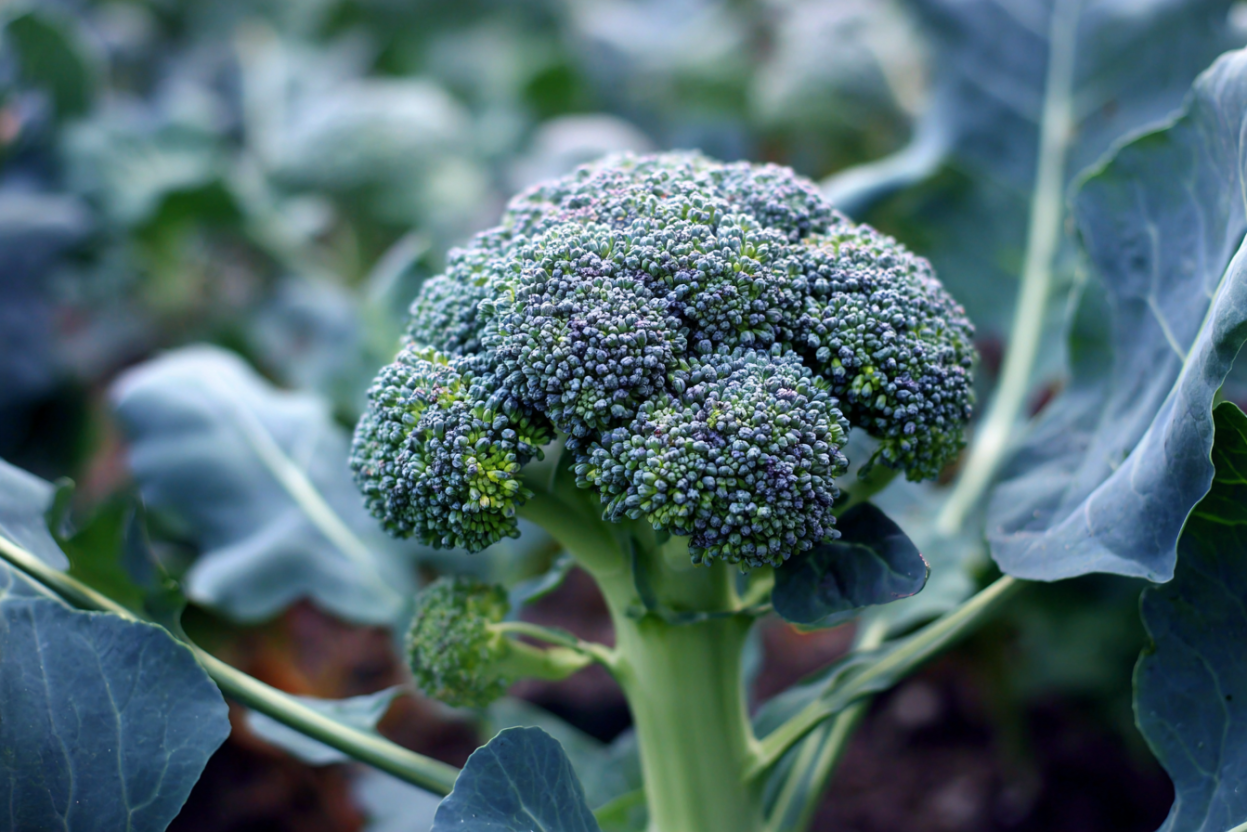
Broccoli (Brassica oleracea var. italica)
If you struggle with chronic inflammation, sluggish digestion, or worry about your long-term cellular health, you are not alone — and one of the most powerful foods God placed on this earth may already be sitting in your refrigerator. Broccoli is not just another green vegetable. It contains sulforaphane, a compound so potent that over 3,000 scientific publications have studied its ability to support the body’s own defense systems at the cellular level.
This remarkable plant is one of many gifts the Creator embedded into nature for our benefit. From its deep green florets packed with vitamin C and vitamin K to the sulfur compounds that activate your body’s own detoxification pathways, every part of broccoli reflects the wisdom of a Designer who provided for every human need — long before any laboratory existed.
The Plant
Common Names: Broccoli, Calabrese broccoli, Italian broccoli, sprouting broccoli, purple sprouting broccoli
Botanical Name: Brassica oleracea var. italica
Family: Brassicaceae (mustard family, also known as Cruciferae — the cruciferous vegetables). This family includes cabbage, cauliflower, kale, Brussels sprouts, and kohlrabi, all of which are remarkably the same species bred for different traits.
Description
Broccoli is a cool-season annual that grows 18 to 36 inches tall with a thick, upright central stalk. Its most recognizable feature is the large flowering head — a dense cluster of unopened flower buds arranged in a tree-like structure, typically deep green to blue-green in color. The head sits atop a sturdy, pale green stalk and is surrounded by large, broad blue-green leaves with prominent veins and a slightly waxy texture. If left unharvested, the tight buds open into small, bright yellow four-petaled flowers — a signature of the Brassicaceae family.
The root system is relatively shallow and fibrous, which makes broccoli sensitive to drought and benefits from consistent moisture. Depending on cultivar, the central head ranges from 3 to 8 inches in diameter. After the main head is cut, many varieties produce smaller side shoots from leaf axils, extending the harvest for weeks. The entire plant emits a distinctive, mildly sulfurous aroma when cut or cooked — a sign of the glucosinolate compounds that make it so beneficial.
Origin
Broccoli originated in the eastern Mediterranean and Asia Minor, developed from the wild cabbage plant (Brassica oleracea var. oleracea) through centuries of careful selective breeding. Etruscan farmers in what is now Tuscany are believed to have begun domesticating wild cabbage around 1100 BCE, selecting plants with larger flower buds and thicker stalks. By the time of the Roman Empire (around the 6th century BCE), primitive forms of broccoli were established garden vegetables in southern Italy and Sicily.
The word “broccoli” comes from the Italian plural of broccolo, meaning “the flowering crest of a cabbage,” derived from brocco — “small nail” or “sprout.” Roman natural historian Pliny the Elder described a vegetable fitting the description of broccoli in the first century CE. Arab traders carried broccoli along their extensive routes during the Middle Ages, helping spread it to parts of Asia and North Africa. It reached northern Europe by the 18th century and was known in England as “Italian asparagus.” Thomas Jefferson planted broccoli seeds at Monticello as early as 1767. Italian immigrants brought broccoli to North America in the 1800s, but it did not gain widespread commercial production until the 1920s in California, which still produces roughly 90% of America’s broccoli today.
Brief History
Broccoli’s journey spans millennia. From Etruscan fields to Roman feasts, from Arab trade routes to Thomas Jefferson’s garden, this plant has traveled with humanity across continents. After World War II, broccoli gained a strong foothold as a staple food crop in the United States. In the early 1990s, researchers at Johns Hopkins University first isolated sulforaphane from broccoli and demonstrated its chemoprotective properties — sparking a wave of scientific research that continues to this day with over 50 clinical trials. Modern breeding has produced varieties like Beneforté, which contains two to three times more glucoraphanin than standard broccoli, developed by crossing commercial broccoli with a wild Brassica variety.
Growing & Cultivation
Climate & Zones
Broccoli grows as an annual in USDA Hardiness Zones 2 through 11, making it one of the most widely adaptable vegetable crops. It is a cool-season crop that thrives when daytime temperatures range between 60°F and 70°F. It can withstand light frosts without injury, and mature plants can tolerate temperatures down to about 20°F with protection. Broccoli performs poorly in sustained heat above 75°F — high temperatures cause the heads to bolt (open into flowers prematurely), resulting in loose, bitter florets. For regions with hot summers, plant for spring harvest before heat arrives, or time a fall crop to mature as temperatures cool. In Zone 8 and warmer (including much of Georgia), fall and winter plantings often produce the best results.
Soil Requirements
Broccoli performs best in fertile, well-drained soil with a texture ranging from sandy loam to clay loam. The ideal soil pH is between 6.0 and 7.0 — slightly acidic to neutral. Broccoli is a heavy feeder that demands nitrogen-rich soil. Work two to four inches of well-aged compost or rotted manure into the planting bed before setting transplants. In the absence of a soil test, apply a balanced fertilizer such as 10-10-10 at 2.5 pounds per 100 square feet before planting. Side-dress with a nitrogen-rich fertilizer three to four weeks after transplanting. Magnesium deficiency can appear during cool, wet periods — correct it by spraying Epsom salts (two tablespoons per gallon of water) onto the foliage. Container growing is possible in pots at least 12 inches deep with quality potting mix amended with compost.
Water & Sunlight
Broccoli needs full sun — at least six to eight hours of direct sunlight daily. Lack of sunlight produces thin, leggy plants and subpar heads. Water consistently, providing at least one to one-and-a-half inches of water per week. The root system is shallow, so maintain even moisture without waterlogging. Avoid wetting the developing heads when watering, as this can encourage rot. The critical moisture periods are during stand establishment and head development. A two- to three-inch layer of organic mulch (straw, shredded leaves, or compost) around the base helps conserve moisture, suppress weeds, and keep soil temperatures cool — all of which broccoli appreciates.
Propagation
Seed: Start seeds indoors six to eight weeks before the last spring frost date. Sow seeds one-quarter to one-half inch deep in sterile, soilless seed-starting mix. Seeds germinate in four to fourteen days at soil temperatures of 65–75°F. Use half-strength fertilizer once the first true leaf appears. Seedlings are ready to transplant when they have four to five true leaves and are about four to six inches tall. Harden off transplants outdoors for several days before planting, gradually increasing sun exposure.
Direct Sow: Seeds can be sown directly outdoors when soil temperatures reach at least 40°F. Plant one-half inch deep, 12 to 24 inches apart, with rows 36 inches apart. Thin seedlings when two to three inches tall.
For a spring crop, transplant two to three weeks before the last frost date. For a fall crop, sow seeds 85 to 100 days before the average first fall frost (typically mid- to late summer). This dual-planting schedule allows two harvests per year in many zones.
Planting
Space transplants 12 to 20 inches apart in rows 36 inches apart. Plant in an area where you have not grown brassica-family crops (cabbage, cauliflower, kale, Brussels sprouts) for the past three to four years to reduce disease pressure. Good companion plants include celery, dill, chamomile, sage, peppermint, rosemary, onions, and potatoes. Avoid planting near beans, tomatoes, or strawberries. Broccoli emits allelochemicals that may adversely affect certain neighboring plants, so rotation and companion planning are important.
Harvesting
Broccoli is ready to harvest 50 to 90 days after transplanting, depending on the variety. Harvest the central head when it reaches three to eight inches in diameter and the flower buds are still tightly closed and deep green. If you see yellow petals beginning to show, harvest immediately — the plant is going to seed. Cut the main stem about six inches below the head at a slant to promote drainage and prevent rot. Leave the lower plant in place. Many varieties will produce smaller side shoots from the leaf axils for weeks after the main head is removed, significantly extending your harvest. Harvest in the morning when heads are cool and firm for best quality.
Drying & Storage
Fresh storage: Unwashed broccoli stores in the refrigerator for three to five days in a loosely wrapped or perforated plastic bag. Do not wash before refrigerating, as moisture promotes decay.
Freezing: Blanch florets in boiling water for three minutes, then plunge into ice water. Drain thoroughly and freeze in airtight bags or containers. Frozen broccoli maintains quality for up to 12 months. Note that commercially produced frozen broccoli may lack the ability to form sulforaphane due to the blanching process inactivating the myrosinase enzyme.
Dehydrating: Broccoli can be dried in a food dehydrator at 125°F for 10–14 hours. Dehydrated broccoli works well in soups, stews, and powdered supplements. Store in airtight containers in a cool, dark place for up to one year.
Pest & Disease Management
Common pests include cabbage worms, cabbage loopers, aphids, flea beetles, and cutworms. The cabbage moth (white butterfly) lays eggs on brassica leaves — the resulting green caterpillars are the primary pest. Organic controls include floating row covers (the most effective prevention), hand-picking caterpillars, Bacillus thuringiensis (Bt) spray, neem oil, and encouraging beneficial insects like parasitic wasps and ladybugs. Companion plants such as dill, rosemary, sage, and marigolds naturally deter pests. Common diseases include clubroot, downy mildew, black rot, and blackleg — all managed through crop rotation, good drainage, adequate spacing for air circulation, and disease-resistant cultivars.
Companion Planting
Broccoli grows well alongside celery, onions, garlic, potatoes, beets, dill, chamomile, sage, rosemary, and peppermint. The aromatic herbs help repel cabbage moths and other pests. Avoid planting with tomatoes, peppers, strawberries, and pole beans. Practice a three- to four-year rotation before planting brassicas in the same bed.
The Healing of Growing
Growing broccoli offers benefits that extend far beyond the harvest. The act of gardening — hands in soil, bare feet on earth, time spent outdoors — has been shown to reduce cortisol, improve mood, and support immune function. The soil contains beneficial bacteria (Mycobacterium vaccae) with documented antidepressant effects, activating serotonin-producing neurons in the brain. When you grow your own broccoli, you receive healing before you ever consume it. The rhythmic tasks of planting, watering, checking for pests, and harvesting connect you to the natural rhythms God designed — and that connection itself is therapeutic.
Nutritional Profile
Macronutrients (per 100g raw broccoli)
Broccoli is exceptionally low in calories — just 34 kcal per 100 grams — while delivering an impressive array of nutrients. It contains 2.82g of protein (including all essential amino acids, particularly high in tryptophan), 6.64g of carbohydrates (of which 2.6g is dietary fiber and just 1.7g is sugar), and only 0.37g of total fat. The composition is approximately 89% water. Despite its minimal caloric content, broccoli ranks among the most nutrient-dense foods available.
Vitamins
Vitamin C: 89.2 mg (99–149% DV) — A powerful antioxidant that supports immune function, collagen production for skin and joint health, and enhances iron absorption. Broccoli provides more vitamin C per serving than many citrus fruits.
Vitamin K: 101.6 mcg (85% DV) — Essential for proper blood clotting, bone metabolism, and calcium regulation. Vitamin K works synergistically with vitamin D to support bone density and cardiovascular health.
Folate (B9): 63 mcg (16% DV) — Critical for DNA synthesis, cell division, and proper neural development. Adequate folate intake during pregnancy helps prevent neural tube defects in newborns.
Vitamin A: 31 mcg (623 IU) — Supports vision, immune function, and skin health. Broccoli leaves contain dramatically more — up to 16,000 IU per 100g.
Vitamin B6 (Pyridoxine): 0.18 mg (9% DV) — Supports neurotransmitter synthesis including serotonin, dopamine, and GABA. Essential for brain function and mood regulation.
Vitamin E: 0.78 mg — A fat-soluble antioxidant that protects cell membranes from oxidative damage. Pantothenic Acid (B5): 0.57 mg — Supports energy metabolism and hormone synthesis. Riboflavin (B2): 0.12 mg and Niacin (B3): 0.64 mg — Support cellular energy production and nervous system function.
Minerals
Potassium: 316 mg (7% DV) — Regulates fluid balance, nerve signals, and muscle contractions. Supports healthy blood pressure. One ounce of broccoli contains as much calcium as one ounce of milk.
Calcium: 47 mg (5% DV) — Essential for bone health, muscle function, and nerve transmission.
Phosphorus: 66 mg (5% DV) — Works with calcium for bone and teeth formation. Supports energy metabolism.
Magnesium: 21 mg (5% DV) — Supports over 300 enzymatic reactions, including muscle and nerve function, blood sugar regulation, and bone health. May help regulate cortisol levels.
Iron: 0.73 mg (4% DV) — Essential for oxygen transport in the blood. Broccoli’s vitamin C content enhances iron absorption. Manganese: 0.21 mg (9% DV) — Supports bone formation, blood clotting, and antioxidant defense. Zinc: 0.41 mg, Selenium: 2.5 mcg, and Copper: 0.05 mg round out the mineral profile.
Phytonutrients & Active Compounds
Sulforaphane is broccoli’s most studied compound. It is an isothiocyanate formed when the precursor glucoraphanin comes into contact with the enzyme myrosinase — which happens when you chew, chop, or crush broccoli. Broccoli sprouts contain 20 to 50 times more glucoraphanin than mature broccoli. Over 3,000 scientific publications describe sulforaphane’s ability to activate the Nrf2 pathway — the body’s master switch for antioxidant defense and detoxification enzymes. Research suggests sulforaphane may support the body’s defense against oxidative stress, inflammation, and cellular damage.
Indole-3-Carbinol (I3C) and its metabolite Diindolylmethane (DIM) are compounds formed from glucobrassicin during digestion. Research suggests these compounds may support healthy estrogen metabolism and cellular health.
Kaempferol — a flavonoid antioxidant associated with anti-inflammatory and cardioprotective properties. Quercetin — another flavonoid that research links to cardiovascular support and immune function. Beta-carotene, lutein, and zeaxanthin — carotenoid antioxidants that support eye health and protect against oxidative damage.
Nutrient Notes
Cooking method dramatically affects broccoli’s nutritional value. Steaming is the optimal cooking method, preserving the most nutrients and sulforaphane-forming capacity. Boiling leaches water-soluble vitamins (especially vitamin C and folate) and can destroy the myrosinase enzyme needed to form sulforaphane. Stir-frying and microwaving also retain most nutrients. Consuming raw broccoli maximizes sulforaphane formation but may be harder to digest for some people. A practical tip supported by research: if you cook broccoli, add a pinch of mustard seed powder after cooking — it provides myrosinase to restore sulforaphane formation.
The B-vitamins in broccoli support serotonin production. The magnesium content may help regulate cortisol. The high vitamin C supports the adrenal glands, which are heavily taxed during chronic stress. The tryptophan content — broccoli covers 12% of daily tryptophan needs per 100g — provides the building block for serotonin and melatonin synthesis.
Culinary Uses
Edible Parts
Nearly every part of the broccoli plant is edible. The florets (flowering heads) are the most commonly consumed, offering a mild, slightly earthy flavor with a pleasant crunch when raw or a tender, sweeter taste when cooked. The stalks are often discarded but are just as nutritious — peel the tough outer layer to reveal a tender, mildly sweet core perfect for slicing into sticks, stir-frying, or adding to soups. The leaves are edible and highly nutritious — richer in certain carotenoids, vitamin E, vitamin K, and calcium than the florets. Use them as you would kale or collard greens. Broccoli sprouts and microgreens are increasingly popular for their concentrated nutrient content — containing 20 to 50 times more sulforaphane precursor than the mature plant.
Flavor Profile
Raw broccoli has a mild, slightly bitter, and earthy flavor with a grassy, fresh quality and a satisfying crunch. Cooking mellows the bitterness and brings out a sweeter, nuttier flavor — especially when roasted at high heat, which caramelizes the natural sugars and creates delicious charred edges. Steaming produces a tender, bright green result with a mild, clean flavor. Overcooked broccoli becomes mushy and releases stronger sulfurous aromas that many find unpleasant — this is often why children (and adults) claim to dislike it. The intensity is mild to moderate, making it one of the most versatile vegetables in the kitchen.
Preparation
Raw: Florets and peeled stalks are excellent in crudité platters, salads, slaws, and smoothies. Pair with hummus, ranch, or other dips. Steamed: Three to five minutes until bright green and tender-crisp — the gold standard for preserving nutrients. Roasted: Toss florets with olive oil, salt, and garlic; roast at 425°F for 15–20 minutes until edges are charred and crispy. One of the most delicious preparations. Stir-fried: Quick, high-heat cooking that preserves color, crunch, and nutrients. Blanched: Brief boiling (one to two minutes) followed by an ice bath, for meal prep and freezing. Sautéed: In butter or olive oil with garlic — simple and satisfying. Pureed: Into soups, sauces, baby food, or pesto. Fermented: Broccoli can be lacto-fermented for a probiotic-rich condiment.
Culinary Pairings
Broccoli pairs beautifully with garlic, lemon, olive oil, butter, Parmesan cheese, cheddar cheese, soy sauce, sesame oil, ginger, red pepper flakes, and mustard. It complements proteins such as chicken, beef, salmon, shrimp, and tofu. It works alongside other vegetables like bell peppers, carrots, mushrooms, and onions. Broccoli is at home in Mediterranean, Asian, American, Italian, Indian, and British cuisine traditions.
Storage
Store unwashed broccoli in the refrigerator for three to five days. Keep it loosely wrapped — not sealed airtight — to allow some airflow. Broccoli stored at room temperature wilts and yellows quickly. For longer preservation, blanch and freeze (up to 12 months), dehydrate, or pickle.
Ready to cook with broccoli? View Recipes on Chefts →
Wellness & Therapeutic Uses
Traditional Uses
Broccoli and its brassica relatives have a long history of use for health support across cultures. Roman physicians, including Pliny the Elder and Galen, wrote about the medicinal virtues of cabbage-family vegetables for digestive complaints, wound healing, and headaches. In the first century CE, Romans consumed broccoli-like vegetables before banquets, believing they helped the body process alcohol. Traditional Italian folk medicine used broccoli to support digestion, relieve constipation, and strengthen constitution during illness.
In Traditional Chinese Medicine (TCM), cruciferous vegetables have been used to support liver qi flow and clear heat from the body. Brassica vegetables are considered cooling foods that help balance excess internal heat — useful for inflammatory conditions. In Ayurvedic medicine, broccoli and similar vegetables are used to balance Kapha dosha, support digestion when cooked with warming spices, and promote detoxification. European folk medicine traditions valued cruciferous vegetables for supporting respiratory health, clearing congestion, and strengthening the constitution.
Modern Research
Cellular Health & Cancer Research: Sulforaphane is broccoli’s most studied compound, with over 3,000 publications and more than 50 clinical trials. Research suggests sulforaphane activates the Nrf2 pathway — the body’s master regulator of antioxidant defense and detoxification enzymes. Epidemiological studies associate regular cruciferous vegetable consumption with reduced risk of several types of cellular dysfunction. A comprehensive review published in Cancers (2021) concluded that sulforaphane demonstrates chemopreventive potential through multiple mechanisms, including induction of apoptosis (programmed cell death in damaged cells), cell cycle arrest, and inhibition of proliferation — demonstrated in prostate, breast, colon, bladder, pancreatic, and oral cell studies (Kaiser et al., 2021).
Inflammation & Oxidative Stress: Sulforaphane’s activation of the Nrf2 pathway upregulates a battery of genes that function in antioxidant defense, cellular detoxification, and cell-protective mechanisms. A 2020 review in Antioxidants examined sulforaphane’s integrative role in reducing inflammation, oxidative stress, and fatigue, concluding it is a potent protective phytochemical (Ruhee & Suzuki, 2020).
Blood Sugar Support: Research indicates that broccoli and sulforaphane may help support healthy blood sugar levels. A critical review published in the Journal of Complementary and Alternative Medicine (2023) summarized clinical trials, in vivo and in vitro models showing that broccoli and sulforaphane have the potential to reduce hyperglycemia, hyperlipidemia, insulin resistance, and diabetes-induced oxidative stress — linked to activation of the Nrf2 and PI3K/Akt pathways (Obafemi et al., 2023).
Cardiovascular Support: A systematic review and dose-response meta-analysis in the International Journal of Epidemiology (2017) found that increased fruit and vegetable intake, with cruciferous vegetables specifically highlighted, was associated with reduced cardiovascular disease risk (Aune et al., 2017). Broccoli’s potassium, fiber, and sulforaphane may all contribute to heart health support.
Digestive Support: Sulforaphane has demonstrated potent bactericidal activity against Helicobacter pylori, the bacteria associated with stomach ulcers and gastric issues. Broccoli’s dietary fiber supports healthy bowel movements and gut microbiome diversity. The compound indole-3-carbinol may support healthy gut lining integrity.
Immune Support: Research published in Nutrition Research demonstrated that broccoli and sulforaphane have immunomodulatory effects, affecting the dialogue between immune cells and supporting the body’s natural defense mechanisms (Bessler & Djaldetti, 2018). A 2023 review in Food Science and Human Wellness further explored the immunomodulatory activities of glucosinolates and sulforaphane in broccoli sprouts (Sirikul & Utama-ang, 2023).
Detoxification Support: Sulforaphane is recognized as one of the most potent natural inducers of Phase II detoxification enzymes. These enzymes help the body neutralize and eliminate environmental toxins, pollutants, and metabolic waste products. Clinical trials in Qidong, China demonstrated that broccoli sprout beverages significantly enhanced the excretion of airborne pollutants including benzene and acrolein (Kensler et al., 2019).
Body Systems Supported
Research and traditional use suggest broccoli may support multiple body systems: the digestive system (fiber, sulforaphane’s anti-H. pylori action), the immune system (vitamin C, sulforaphane’s immunomodulatory effects), the cardiovascular system (potassium, fiber, antioxidants), the endocrine system (I3C and DIM’s role in estrogen metabolism, blood sugar regulation), the musculoskeletal system (vitamin K, calcium for bone health), the integumentary system (vitamin C for collagen, antioxidants for skin protection), the nervous system (B-vitamins, folate, antioxidant neuroprotection), and the respiratory system (anti-inflammatory support).
Body Compounds Affected
Broccoli’s nutrients and phytonutrients may influence several key body compounds. The tryptophan content supports serotonin and melatonin production. B-vitamins serve as cofactors for neurotransmitter synthesis including dopamine and GABA. Magnesium may help regulate cortisol levels. Sulforaphane has been shown to modulate inflammatory markers including TNF-alpha, IL-1β, IL-6, and C-reactive protein through NF-κB pathway inhibition. Indole-3-carbinol and DIM influence estrogen metabolism. Sulforaphane’s Nrf2 activation enhances the body’s production of glutathione — the body’s master antioxidant. Vitamin C supports healthy nitric oxide production for cardiovascular function.
Methods of Use
Fresh/Cooked Consumption
The most effective way to benefit from broccoli is through regular dietary consumption — steamed, raw, or lightly cooked. Aim for at least two to three servings per week of cruciferous vegetables. Steam for three to five minutes to maximize nutrient and sulforaphane retention.
Broccoli Sprouts
Broccoli sprouts are increasingly popular as a concentrated source of glucoraphanin/sulforaphane — containing 20 to 50 times more than mature broccoli. Sprouts can be grown at home in three to five days. Consume raw in salads, sandwiches, or smoothies. Two to four ounces daily is a commonly suggested amount.
Broccoli Sprout Extract (Supplement)
Standardized supplements containing glucoraphanin or sulforaphane are available in capsule form. These have been used in clinical trials. Typical research doses range from 30 to 60 mg of sulforaphane daily, though no standardized therapeutic dose has been established. Consult a qualified healthcare provider before supplementing.
Juicing
Fresh broccoli can be juiced with other vegetables and fruits. Juicing removes fiber but concentrates water-soluble nutrients and phytochemicals. Combine with apple, ginger, or lemon to improve taste.
Cosmetic & Beauty Uses
Skin Benefits
Broccoli seed oil is emerging as a valued ingredient in the natural skincare industry. Cold-pressed from broccoli seeds, it is rich in vitamins A, C, E, and K, along with a unique fatty acid profile dominated by erucic acid (an omega-9 fatty acid comprising over 45–50% of the oil). Research on sulforaphane suggests it may help protect skin cells against UV-induced damage by activating protective enzymes at the cellular level rather than simply acting as a surface sunscreen. Broccoli seed oil benefits all skin types — it is lightweight, non-greasy, and non-comedogenic. It is particularly well-suited for oily, combination, sensitive, and mature skin. Its antioxidant content may help address premature aging, dullness, uneven skin tone, dryness, and environmental damage.
Hair Benefits
Broccoli seed oil is often described as a natural silicone alternative for hair care. Its unique erucic acid content provides a silky, smooth finish that mimics the shine and slip of synthetic silicones — without buildup, without blocking pores on the scalp, and with the added benefit of actually nourishing the hair shaft. It may help with frizz control, shine enhancement, scalp health, and hair strengthening. The lightweight formula penetrates the hair without disturbing the scalp’s natural oil balance.
Application Methods
Broccoli seed oil can be used as a standalone facial oil (two to three drops patted onto clean, damp skin), mixed into existing moisturizers or serums, applied as a hair serum to damp or dry ends, used as a body oil, or incorporated into DIY formulations. Fresh broccoli can also be used in homemade face masks — mash cooked broccoli with honey and yogurt for a nutrient-rich, antioxidant mask. Broccoli water (the liquid from steaming broccoli) can be used as a vitamin-rich toner or hair rinse once cooled.
DIY Formulation Notes
Broccoli seed oil pairs well with carrier oils such as jojoba, rosehip, and argan. In facial serums, use at 10–30% of the total oil blend. For hair serums, it can be used at higher concentrations (30–50%) or neat on ends. Broccoli seed oil has good oxidative stability due to its fatty acid composition. Shelf life of the cold-pressed oil is approximately 12 months when stored in a dark glass bottle in a cool location. Patch test before first use. Avoid combining with strong AHA/BHA exfoliants in the same application.
Broccoli is among the botanicals being explored for holistic cosmetic applications, where the wisdom of traditional beauty practices meets modern understanding of skin science.
Broccoli does not produce a commercially available essential oil through traditional steam distillation. However, broccoli seed oil (a cold-pressed carrier oil) is commercially available and is covered in the Cosmetic & Beauty Uses section above. The seed oil is not an essential oil — it is a fixed oil rich in fatty acids, and its therapeutic properties are attributable to its fatty acid composition, vitamin content, and trace sulforaphane rather than volatile aromatic compounds.
Aromatherapy & Scent
The Aroma
Broccoli’s fresh aroma is distinctly vegetal, green, and mildly sulfurous — a scent that is more “garden” than “fragrance.” The living plant in the garden has a subtle, fresh, green scent when untouched. When leaves or florets are bruised, cut, or crushed, volatile sulfur compounds (produced by the same glucosinolate-myrosinase reaction that creates sulforaphane) are released, creating broccoli’s characteristic aroma. This scent intensifies significantly during cooking — particularly when overcooked or boiled — which is why many people associate broccoli with a strong, sometimes unpleasant smell.
Dried broccoli retains a mild, earthy, hay-like aroma with faint sulfurous notes. The intensity is much less than fresh or cooked. Dried broccoli retains scent for several months when stored properly in airtight containers.
How Scent Affects Your Body
When you smell broccoli — whether fresh from the garden or steaming on the stove — volatile molecules released by the plant enter your nasal passages and make contact with olfactory receptors. These receptors send signals directly to the limbic system (your emotional brain) and hypothalamus (your hormone control center), bypassing conscious thought. This means scent affects your body chemistry before you consciously decide how to feel about it. Broccoli’s scent, while not traditionally used in aromatherapy, provides the body with information about the food — priming the digestive system, activating salivation, and beginning the process of enzyme preparation.
Emotional & Mood Effects
Broccoli is not used as a traditional aromatic herb. However, the general experience of garden scents — the green, earthy aroma of a vegetable garden — is associated with grounding, calming, and stress-reduction effects. Studies on green, vegetal scents show they can promote feelings of connection to nature, reduce mental fatigue, and support attention restoration. For many gardeners, the scent of their brassica patch is deeply comforting and associated with productive, nurturing activity.
Body Compounds Affected
Green, natural plant scents in general have been associated with reduced cortisol levels and increased parasympathetic nervous system activity (the “rest and digest” state). The act of being around growing plants — including their subtle scents — contributes to the well-documented stress-relieving effects of time in nature.
Ways to Experience the Scent
Growing broccoli in your garden or in containers on a patio provides gentle exposure to its natural scent. Harvesting — cutting florets, handling leaves — releases more aromatic compounds and provides a sensory-rich gardening experience. Lightly steaming fresh broccoli fills the kitchen with a warm, vegetal aroma that signals wholesome, nourishing food to the brain.
Color Therapy
The Colors of Broccoli
Broccoli is predominantly deep green — its florets range from forest green to blue-green, while the stalks are lighter, pale green. The large leaves are blue-green with a slightly waxy, silvery-green coating. Some varieties (such as purple sprouting broccoli) feature beautiful violet-purple florets. If left to flower, broccoli produces bright yellow blossoms.
Color Wavelengths
Green light occupies the 495–570 nm range of the visible spectrum. Purple sits in the 380–450 nm range. Yellow is in the 570–590 nm range. Broccoli’s dominant green provides the most consistent color therapy effect.
How Green Affects the Body
Green is the most prevalent color in nature and sits at the center of the visible light spectrum. In color therapy, green is associated with balance, calm, renewal, and heart-centered healing. Exposure to green environments has been shown to reduce blood pressure, slow heart rate, ease muscle tension, and lower cortisol. Green is considered the color of restoration — which is why hospitals, rehabilitation centers, and therapeutic spaces often incorporate green plants and views of nature. The blue-green of broccoli’s foliage adds a cooling, calming quality that bridges the balancing effects of green with the soothing properties of blue (450–495 nm), which is associated with cooling, calming, and communication.
Body Compounds Affected
Exposure to green environments and green wavelengths has been associated with reduced cortisol, enhanced parasympathetic nervous system activity (promoting rest and recovery), and increased serotonin. The calming effect of green visual input may also support healthy GABA activity.
Using Broccoli for Color Therapy
Growing broccoli in your garden or on a windowsill provides ongoing exposure to its rich green color. The large, blue-green leaves are visually striking and contribute to a sense of lush abundance. A bowl of bright green broccoli on the table adds vibrant color to meals. Eating the color — consuming the green pigments (chlorophyll) — delivers additional benefits, as chlorophyll has been studied for its antioxidant and deodorizing properties. Purple sprouting varieties add the calming, meditative quality of violet to your garden and plate.
Frequency & Vibration
The Frequency of Broccoli
While specific MHz frequency measurements for broccoli have not been as widely published as for essential oils (since broccoli does not produce a traditional essential oil), all living matter vibrates at a molecular level — this is fundamental physics. Fresh, raw, organic vegetables are generally considered high-frequency foods in the framework of bio-frequency research. The vibrational quality of fresh broccoli — eaten raw or lightly steamed — is significantly higher than that of processed, cooked, or canned foods.
For reference, according to bio-frequency research (including Bruce Tainio’s pioneering work), a healthy human body vibrates between 62 and 78 MHz. Fresh produce generally measures in the 20–27 MHz range, while processed foods can drop to near 0 MHz. Fresh herbs and essential oils measure significantly higher — rose essential oil, for example, has been measured at 320 MHz.
Human Frequency Interaction
According to the entrainment principle, when two vibrating systems are in proximity, the stronger frequency tends to influence the weaker. Proponents of vibrational medicine suggest that consuming fresh, high-frequency foods like raw broccoli and broccoli sprouts may help support and maintain the body’s optimal frequency range. Being around living broccoli plants in a garden may also contribute positive vibrational input, consistent with the broader research on the health benefits of spending time around living plants.
Vibrational Applications
To maximize vibrational quality, consume broccoli as fresh and minimally processed as possible — raw broccoli sprouts being the highest-frequency option. Growing your own broccoli and harvesting it immediately before eating provides the freshest possible vibrational input. Combining broccoli consumption with other high-frequency practices — prayer, time in nature, clean water, deep breathing — may support overall wellbeing according to this framework.
Note: Frequency measurements of foods represent an area where research is still emerging. The principles described here reflect the work of pioneering researchers in bio-frequency, but more peer-reviewed validation is needed.
The Living Plant
Benefits of Presence
Simply being around living plants — including broccoli growing in your garden or in a container on your patio — provides measurable health benefits beyond any nutritional value. Research on biophilic design (incorporating nature into human environments) consistently shows that visual contact with green, growing plants reduces stress, improves mood, enhances cognitive function, and accelerates healing. Patients in hospital rooms with views of vegetation have been documented to heal faster, require less pain medication, and report higher satisfaction than those without plant views.
Broccoli’s large, lush blue-green leaves and developing heads create an visually satisfying display of abundance and vitality. Watching broccoli grow from seedling to harvest provides a tangible connection to the rhythms of creation — planting, nurturing, and reaping in their proper seasons.
Air Purification
While broccoli was not among the specific plants tested in the NASA Clean Air Study (which focused primarily on houseplants), all green, photosynthesizing plants contribute to air quality by absorbing carbon dioxide and releasing oxygen. Broccoli, as a vigorously growing leafy plant, produces notable oxygen through its large leaf surfaces. Indoor gardening of broccoli sprouts and microgreens can contribute modestly to indoor air quality while providing the visual and psychological benefits of living greenery.
Phytoncides
Plants in the Brassicaceae family, including broccoli, release volatile organic compounds — including sulfur-containing compounds — that have documented antimicrobial properties. While these are not the same phytoncides studied in forest bathing (which are primarily terpenes from coniferous trees), the volatile compounds released by brassica plants do have antimicrobial activity. The characteristic “brassica smell” when plants are growing vigorously indicates the release of these bioactive volatiles into the surrounding environment.
Visual & Psychological Benefits
Research on attention restoration theory (Kaplan, 1995) demonstrates that viewing natural settings — including productive gardens — restores directed attention capacity that becomes fatigued through sustained mental effort. The visual complexity of a broccoli plant — its fractal-like floret structure, its bold leaves, its progression through growth stages — provides the kind of “soft fascination” that allows the mind to rest and recover. Studies consistently show that even brief exposure to green plant environments improves mood, reduces anxiety, and enhances cognitive performance.
Growing Indoors vs Outdoors
Mature broccoli is challenging to grow indoors due to its size and temperature requirements — it truly thrives outdoors in cool weather. However, broccoli sprouts and microgreens are exceptionally easy to grow indoors on a kitchen counter. They require no soil, just a sprouting jar or tray, water, and indirect light. In three to seven days, you have a harvest of incredibly nutrient-dense greens. This indoor growing option provides the living plant benefits of nurturing something alive, the satisfaction of harvest, and the highest-concentration sulforaphane source available — all from your kitchen counter.
Outdoor growing provides the additional benefits of sun exposure (vitamin D), soil contact (grounding and beneficial microbes), fresh air, and the full spectrum of nature connection.
Touch & Physical Interaction
Gardening Therapy
Horticultural therapy — using gardening as a therapeutic practice — is a well-established modality with documented benefits for mental health, cognitive function, physical rehabilitation, and overall wellbeing. Growing broccoli provides a complete cycle of hands-on engagement: preparing soil, planting seeds or transplants, watering, checking for pests (inspecting the undersides of those beautiful large leaves), watching heads develop, and harvesting. Each step is an opportunity for mindful, embodied presence.
Soil Contact Benefits
When you garden barefoot or with bare hands, you make direct contact with the earth — a practice known as grounding or earthing. Research suggests this contact facilitates the transfer of free electrons from the earth into the body, which may help neutralize free radicals and reduce inflammation. Additionally, soil contains Mycobacterium vaccae, a naturally occurring soil bacterium that research has shown activates serotonin-producing neurons in the brain, producing antidepressant-like effects in studies. When you dig in the dirt to plant broccoli, you are literally exposing yourself to a natural mood enhancer. The soil microbiome also contributes to the diversity of your own microbiome when you interact with it — a growing area of research linking environmental microbial exposure to immune health.
The Tactile Experience
Broccoli offers a rich tactile experience. The florets have a unique texture — dense, almost tree-like clusters that feel nubbly, cool, and firm under your fingers. The leaves are large and satisfying to handle — slightly waxy on top, with prominent veins on the underside and a substantial, almost leathery feel. The stalks are smooth, thick, and solid — snapping them produces a satisfying crisp break. Harvesting broccoli — using a sharp knife to cut the main head while cradling it in your hand — is a deeply rewarding tactile experience that connects effort to provision.
Harvesting & Processing
The meditative quality of broccoli harvest extends to preparation. Washing florets under running water, separating the heads into pieces, peeling stalks, trimming leaves — these repetitive, rhythmic tasks have a calming quality similar to other mindfulness practices. The sensory richness of the process — the green scent, the cool crispness, the visual beauty of the vegetable — engages multiple senses simultaneously, grounding you in the present moment. If blanching and freezing a larger harvest, the assembly-line rhythm of blanch, ice bath, drain, and bag becomes its own form of productive meditation.
Water-Based Applications
Teas & Infusions
While broccoli is not traditionally used as a tea herb, its leaves and florets can be infused in hot water to extract water-soluble vitamins (particularly vitamin C and folate), minerals, and some glucosinolate compounds. To prepare: steep one to two tablespoons of fresh or dried broccoli florets and/or leaves in 8 ounces of hot (not boiling) water for 5–10 minutes. Strain and drink warm. This produces a mild, vegetal broth-like beverage. Adding lemon and a pinch of salt improves palatability. Hot infusion temperatures may reduce some sulforaphane-forming capacity, so this is best viewed as a gentle mineral and vitamin extraction rather than a sulforaphane delivery method.
Herbal Baths
Broccoli is not traditionally used in bath preparations. However, the water left from steaming broccoli (“broccoli water”) is rich in water-soluble vitamins and minerals that have leached from the vegetable. This nutrient-rich water can be cooled and added to bathwater for a gentle, vitamin-enriched soak. It can also be used in foot baths. The gentle green color adds a pleasant visual element.
Compresses
In European folk medicine, warm compresses made from cooked cabbage-family leaves (including brassica relatives of broccoli) have been applied externally to swollen joints, inflamed skin, and bruises. A warm compress can be prepared by wrapping lightly steamed broccoli leaves in a clean cloth and applying to the affected area for 15–20 minutes. The warmth promotes circulation, while the plant compounds provide gentle topical contact.
Steam Inhalation
Steaming fresh broccoli releases volatile compounds into the air. While not a traditional steam inhalation herb, the sulfur compounds released during cooking have mild antimicrobial properties. The warm, moist steam from a pot of simmering broccoli can provide comfort during congestion — similar to any warm, moist air inhalation.
Hair Rinses
Cooled broccoli cooking water or a broccoli leaf infusion can be used as a nutrient-rich hair rinse. After shampooing, pour the cooled infusion over the hair and scalp, let sit for two to three minutes, then rinse with clean water. The water-soluble vitamins and minerals provide gentle nourishment to the scalp and hair. For a more concentrated treatment, broccoli seed oil (covered in the Cosmetic section) is more effective for hair benefits.
Historical, Cultural & Biblical Significance
Biblical References
Broccoli as we know it today is not directly mentioned in Scripture, as it was developed through selective breeding from wild cabbage primarily during and after the Roman Empire period. However, the broader cabbage family (Brassica) has ancient roots in the Mediterranean region where much of biblical history unfolded. Vegetables and garden herbs are referenced throughout Scripture — from the Garden of Eden (Genesis 2:9) to the herbs of Passover (Exodus 12:8) to the gardens of wisdom literature. Proverbs 15:17 (KJV) says, “Better is a dinner of herbs where love is, than a stalled ox and hatred therewith” — acknowledging the value of simple plant-based meals prepared with love. While broccoli specifically postdates most biblical texts, it is a product of the same created Brassica oleracea species — wild cabbage — that would have been known in the biblical world.
Ancient Civilizations
The ancient Etruscans (circa 1100 BCE), who settled in what is now Tuscany, are credited with first domesticating wild cabbage into early broccoli-like forms. The Romans were the first civilization to cultivate and document broccoli extensively. Pliny the Elder (23–79 CE) described a vegetable consistent with broccoli in his Naturalis Historia. The Roman cookbook attributed to Apicius includes preparations for brassica vegetables. Roman physicians valued cabbage-family vegetables for their healing properties — Cato the Elder famously championed cabbage as a cure for numerous ailments and credited it with Rome’s ability to do without physicians for centuries. Greek physicians including Hippocrates, Dioscorides, and Galen wrote extensively about the medicinal uses of brassica vegetables for digestive health, wound healing, and constitutional strengthening.
Eastern Traditions
In Traditional Chinese Medicine, cruciferous vegetables including broccoli and Chinese broccoli (gai lan, Brassica oleracea var. alboglabra) have been cultivated and used medicinally for centuries. TCM classifies broccoli as a cooling, slightly bitter vegetable that enters the Spleen and Stomach meridians, supporting digestion and helping clear internal heat. In Ayurvedic medicine, broccoli and similar vegetables are considered beneficial for balancing Kapha dosha when cooked with warming spices like turmeric, cumin, and ginger. Ayurveda recognizes their role in supporting detoxification (ama clearing) and digestive strength (agni).
Indigenous Knowledge
While broccoli itself is not a New World plant, Native American tribes readily adopted and adapted European brassica crops introduced by colonists and missionaries. Various tribes incorporated cabbage-family vegetables into their food and healing practices, recognizing their nutritional density and digestive benefits. In Africa, indigenous brassica relatives (African cabbage, Ethiopian kale) have long traditions of use for both food and medicine, pointing to a global pattern of human recognition of the healing value in this plant family.
European Heritage
After the fall of Rome, broccoli knowledge was preserved largely in Italian monastery gardens and by Arab agricultural scholars who carried it along Mediterranean trade routes. Italian cultivation continued to refine broccoli throughout the Medieval and Renaissance periods. Catherine de’ Medici is credited with introducing broccoli (along with many other Italian foods) to France in the 16th century when she married King Henry II. British gardeners adopted it in the 18th century, initially calling it “Italian asparagus.” The great herbalist John Evelyn mentioned broccoli in his 1699 work Acetaria: A Discourse of Sallets. Thomas Jefferson, an avid gardener and lover of Italian agriculture, planted broccoli at Monticello in 1767 — one of the earliest documented plantings in America.
Cultural Symbolism
In Italian culture, broccoli represents abundance, good health, and the pride of regional cuisine — particularly in Calabria and Sicily where it has been cultivated for millennia. In modern Western culture, broccoli has become an almost universal symbol of healthy eating — the quintessential “eat your vegetables” food. It featured in a famous 1990 moment when U.S. President George H. W. Bush declared his dislike for it, ironically increasing public awareness and ultimately consumption. Today broccoli stands as a cultural icon of the relationship between food and health — exactly the kind of food that God designed to both nourish and heal.
These cultures observed that brassica vegetables — including broccoli’s ancestors — provided remarkable nourishment and healing support. They documented these uses across centuries and continents. While they may not have all known the Creator by name, they were observing His design — and their observations align precisely with what modern research confirms about broccoli’s extraordinary properties.
Safety & Precautions
Contraindications
Broccoli is generally recognized as safe (GRAS) when consumed as food. There are few absolute contraindications. However, individuals with known allergies to brassica-family vegetables should avoid broccoli. Individuals scheduled for surgery should be aware that broccoli’s high vitamin K content could potentially affect blood clotting dynamics — though normal dietary intake typically does not pose a problem.
Drug Interactions
Blood thinners (Warfarin/Coumadin): This is the most significant interaction. Broccoli is high in vitamin K, which plays a key role in blood clotting. Sudden increases or decreases in vitamin K intake can affect warfarin’s efficacy. Patients on warfarin should maintain consistent broccoli consumption (not necessarily avoid it) and inform their healthcare provider of their dietary habits. Thyroid medications: Broccoli contains goitrogens (glucosinolates) that could theoretically affect thyroid hormone synthesis. However, a comprehensive 2024 systematic review of 123 studies concluded that broccoli consumption in the context of a normal, iodine-sufficient diet poses no adverse effects on thyroid function (MDPI, 2024). A 12-week randomized clinical trial specifically found that a broccoli sprout beverage was safe for thyroid hormonal and autoimmune status (Chartoumpekis et al., 2019). CYP450 interactions: Sulforaphane may modulate certain drug-metabolizing enzymes. At high supplement doses (not typical food intake), it could theoretically affect the metabolism of medications processed through these pathways. Consult a healthcare provider if taking concentrated broccoli or sulforaphane supplements alongside medications.
Pregnancy & Nursing
Broccoli is considered safe and beneficial during pregnancy and breastfeeding when consumed as food. Its folate content is particularly valuable during pregnancy for preventing neural tube defects. Its vitamin C, calcium, and iron content support both maternal and fetal health. Concentrated sulforaphane supplements have not been extensively studied in pregnant or nursing women — it is prudent to stick to food-level intake during pregnancy and consult a healthcare provider before using supplements.
Children
Broccoli is safe for children of all ages and is one of the most recommended first vegetables for infants beginning solid foods (typically around six months). Steam and puree for babies. Offer as soft-cooked florets for older babies practicing self-feeding. Overcooked broccoli’s sulfurous taste may deter children — steaming briefly to retain a bright green, mildly sweet flavor is more appealing.
Elderly
Broccoli is safe and particularly beneficial for older adults. Its vitamin K and calcium support bone density. Its antioxidants and sulforaphane may support cognitive health. Its fiber supports digestive regularity. Older adults on warfarin should maintain consistent vitamin K intake as noted above. Those with difficulty chewing may benefit from steamed, pureed, or finely chopped broccoli.
Pets
Dogs: Broccoli is generally safe for dogs in moderation — it should not exceed 10% of their daily food intake. The isothiocyanates in broccoli florets can cause mild gastric irritation in dogs if consumed in large quantities. Stalks present a choking hazard if not cut into small pieces. Cooked, plain broccoli (no seasoning, garlic, or oil) is safest.
Cats: Broccoli is safe for cats in small amounts. It is not toxic, but cats are obligate carnivores and do not need vegetables. Small amounts of steamed broccoli as an occasional treat are acceptable.
Dogs and cats with thyroid conditions should have broccoli intake monitored due to the goitrogen content, though the amounts in normal feeding are generally considered safe.
Allergies & Sensitivities
True broccoli allergy is rare but possible. Symptoms may include hives, swelling, digestive distress, or in severe cases, anaphylaxis. Cross-reactivity may occur in individuals allergic to other Brassicaceae family members (cabbage, cauliflower, mustard). Broccoli contains raffinose, a complex sugar that can cause bloating and gas in some individuals — this is a digestive response, not an allergy. Gradually increasing intake allows gut bacteria to adapt.
Dosing Guidelines
There is no official upper limit for broccoli consumption as food. General dietary guidelines recommend two to three servings of cruciferous vegetables per week. For broccoli sprouts, research studies have used 20–100g daily. For sulforaphane supplements, clinical trials have used 30–60 mg daily, but no standardized therapeutic dose has been established. Start with small amounts and increase gradually to assess tolerance, particularly for digestive comfort.
Quality & Sourcing
Choose organic broccoli when possible to minimize pesticide exposure — broccoli is a moderately sprayed crop. Look for heads with tight, deep green florets and firm stalks. Avoid yellowing florets (a sign of age and nutrient loss). For sprouts, use certified organic sprouting seeds from reputable sources. For supplements, look for products standardized to glucoraphanin or sulforaphane content with third-party testing.
Signs of Adverse Reaction
Mild: Gas, bloating, abdominal discomfort (common and usually temporary as the gut adjusts). Moderate: Persistent digestive distress, skin rash, or itching (may indicate sensitivity). Serious (rare): Difficulty breathing, swelling of face or throat, severe abdominal pain (seek immediate medical attention — may indicate allergy). Discontinue use and consult a healthcare provider if any concerning symptoms develop.
Disclaimer
This information is for educational purposes only. It is not intended to diagnose, treat, cure, or prevent any disease. Always consult with a qualified healthcare provider before using any herbal product or supplement, especially if you are pregnant, nursing, taking medications, or have a medical condition. If you experience any adverse reaction, discontinue use immediately and seek medical attention.
Want Personalized Guidance?
Every body is unique. What works for one person may not be right for another. If you’d like personalized support in incorporating broccoli and its powerful compounds into your wellness journey, consider working with a qualified practitioner who can assess your individual needs.
Sources & References
Peer-Reviewed Studies
- Broccoli or Sulforaphane: Is It the Source or Dose That Matters? — Molecules, 2019, USA. Comprehensive review of sulforaphane bioavailability, efficacy, and over 50 clinical trials.
- Anticancer Properties of Sulforaphane: Current Insights at the Molecular Level — Frontiers in Oncology, 2023. Review of sulforaphane’s anticancer mechanisms via epigenetic and non-epigenetic pathways.
- Sulforaphane: A Broccoli Bioactive Phytocompound with Cancer Preventive Potential — Cancers, 2021, USA. Systematic evaluation of sulforaphane’s role in cancer prevention across multiple malignancies.
- Sulforaphane in Broccoli: The Green Chemoprevention — Role in Cancer Prevention and Therapy — Journal of Oral and Maxillofacial Pathology, 2020, India. Review of sulforaphane as an affordable chemopreventive agent.
- The Integrative Role of Sulforaphane in Preventing Inflammation, Oxidative Stress and Fatigue — Antioxidants, 2020, Japan. Review of sulforaphane’s protective phytochemical properties.
- Beneficial Role of Broccoli and Sulforaphane in the Treatment of Diabetes — Journal of Complementary and Alternative Medicine, 2023, Nigeria. Critical review of clinical trials on antidiabetic potential.
- Fruit and Vegetable Intake and the Risk of Cardiovascular Disease, Total Cancer and All-Cause Mortality — International Journal of Epidemiology, 2017, Norway/UK. Systematic review and dose-response meta-analysis.
- Broccoli and Human Health: Immunomodulatory Effect of Sulforaphane in a Model of Colon Cancer — International Journal of Food Sciences and Nutrition, 2018, Israel.
- Formation, Immunomodulatory Activities, and Enhancement of Glucosinolates and Sulforaphane in Broccoli Sprouts — Food Science and Human Wellness, 2023, Japan/Thailand.
- Broccoli Sprout Beverage Is Safe for Thyroid Hormonal and Autoimmune Status: Results of a 12-Week Randomized Trial — Thyroid, 2019, USA/Greece/China. Clinical trial confirming thyroid safety.
- Do Brassica Vegetables Affect Thyroid Function? — A Comprehensive Systematic Review — International Journal of Molecular Sciences, 2024, Poland. 123-article systematic review concluding normal consumption is safe for thyroid function.
- The Evolutionary History of Wild, Domesticated, and Feral Brassica oleracea — Molecular Biology and Evolution, 2021, USA. Comprehensive phylogenetic and population genetic analysis.
Institutional & Government Sources
- USDA FoodData Central: Broccoli, Raw — U.S. Department of Agriculture. Comprehensive nutritional database.
- Growing Broccoli in Home Gardens — University of Minnesota Extension. Growing guide with soil, planting, and harvesting guidance.
- Broccoli Factsheet — Clemson University Cooperative Extension Home & Garden Information Center. Growing and cultivation reference.
Traditional Medicine & Historical Sources
- Broccoli — Description, Nutrition, & Facts — Encyclopaedia Britannica. Historical and nutritional overview.
- Potential Therapeutic Benefits of Unconventional Oils: Broccoli Seed Oil Assessment — Frontiers in Nutrition, 2023, Italy. Research on broccoli seed oil composition and therapeutic properties.