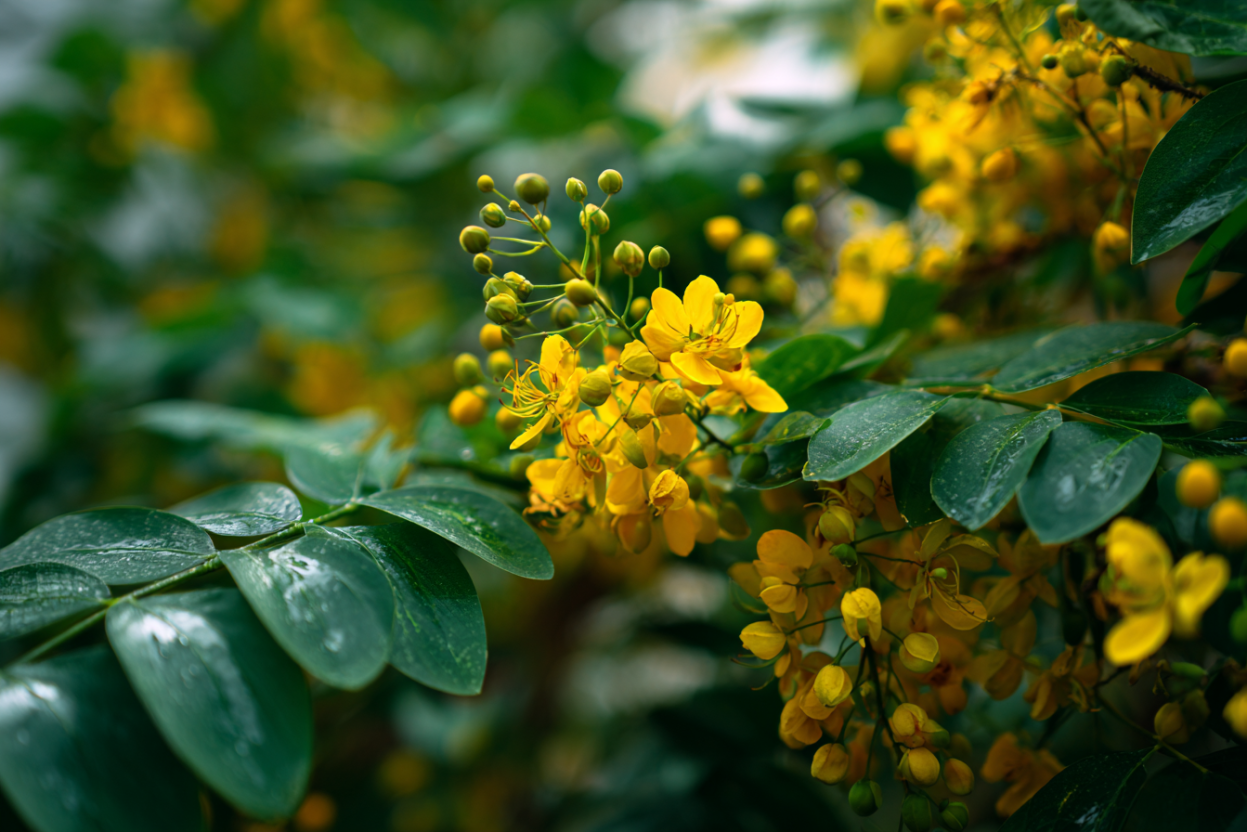
Cassia — Chinese Cinnamon: God’s Warming Spice for the Body
If you struggle with blood sugar swings, sluggish digestion, or the persistent ache of inflamed joints, you are far from alone. Millions search for answers, often unaware that one of the most powerful supportive spices on earth is already sitting in their kitchen cabinet. Cassia — the warm, bold bark that most Americans know simply as “cinnamon” — has been used by cultures on every inhabited continent for thousands of years to support the very systems your body needs most.
This remarkable plant is one of many gifts the Creator embedded into nature for our benefit. Long before modern laboratories identified cinnamaldehyde and polyphenols, God had already placed this aromatic bark in the forests of southern China — and He made sure its healing properties were documented in the earliest written records of human civilization, including His own Word.
The Plant
Common Names: Cassia, Chinese Cinnamon, Cassia Cinnamon, Chinese Cassia, Cassia Bark, Bastard Cinnamon, Rou Gui (肉桂, Chinese)
Botanical Name: Cinnamomum cassia (L.) J.Presl (syn. Cinnamomum aromaticum Nees)
Family: Lauraceae (the Laurel family — a family of aromatic trees and shrubs that includes true cinnamon, bay laurel, avocado, and sassafras)
Description
Cassia is an evergreen tree that grows 10 to 15 meters (33 to 49 feet) tall in its native habitat. The bark is grayish-brown on the outside, with a warm reddish-brown interior that becomes the spice we use. The leaves are hard, elongated, and leathery, reaching 10 to 15 centimeters long. When young, the leaves flush a striking reddish color before maturing to deep glossy green. Small, inconspicuous white to pale yellow flowers bloom in clusters, producing dark purple to black berry-like fruits about the size of a small olive.
The bark is the primary part used — it is thicker, harder, and coarser than its cousin Ceylon cinnamon (Cinnamomum verum). When dried, cassia bark curls into single-layered quills that are distinctly tough and difficult to grind compared to the delicate, multi-layered scrolls of Ceylon cinnamon. The aroma is bold, warm, spicy, and sweet — the scent most Americans associate with “cinnamon.”
Origin
Cassia is native to southern China, particularly the provinces of Guangxi, Guangdong, Yunnan, and Fujian. It is widely cultivated throughout South and Southeast Asia, including Vietnam, Indonesia, India, and Myanmar. The tree thrives in lowland tropical and subtropical environments at elevations up to 500 meters, preferring warm temperatures between 15 and 32°C (59–90°F).
Brief History
Chinese herbalists documented cassia bark as far back as 2700 B.C., making it one of the oldest known spices in human history. It appears in the Shennong Bencao Jing, the foundational encyclopedia of Traditional Chinese Medicine from the Eastern Han Dynasty (25–220 AD). By 500 B.C., cassia had reached Egypt, where it became a valued ingredient in embalming mixtures. The Greeks, Romans, and ancient Hebrews used cassia bark for cooking, perfumery, and medicine. Trade routes carried it across the ancient world, and its value rivaled that of gold in some periods. Since 1963, cassia bark (Cinnamomi cortex) has been listed in the Pharmacopoeia of the People’s Republic of China, with over 500 traditional formulas containing it.
Today, cassia cinnamon is the most common type of cinnamon sold in North America. China and Vietnam remain the primary producers, with Indonesia growing a related species (C. burmannii) for the global market.
Growing & Cultivation
Climate & Zones
Cassia is a tropical to subtropical tree that thrives in USDA Hardiness Zones 10–12. It requires warm temperatures year-round and cannot tolerate frost. In cooler climates (Zones 8–9), cassia can be grown in large containers and brought indoors during winter, or cultivated in a heated greenhouse. For those in Georgia and similar Zone 8 areas, container growing is the most practical approach. The tree prefers annual daytime temperatures between 15 and 32°C (59–90°F) and can tolerate brief periods down to 10°C (50°F).
Soil Requirements
Cassia prefers well-draining, sandy to loamy soil with a slightly acidic to neutral pH (5.5–7.0). The tree does not tolerate waterlogged conditions and is susceptible to fusarium root rot in overly wet soils. For container growing, use a high-quality potting mix amended with perlite for drainage. Rich, humus-heavy soil promotes healthier growth. Avoid heavy clay soils unless heavily amended.
Water & Sunlight
Cassia needs full sun to partial sun — at least 6 hours of direct sunlight daily. Water regularly to maintain consistent moisture, but never allow the roots to sit in standing water. In tropical environments, rainfall often provides sufficient moisture. In containers, water when the top inch of soil feels dry. Cassia benefits from moderate humidity; indoor growers may want to mist regularly or use a humidity tray.
Propagation
Seed: Fresh seeds can be sown in warm, moist soil. Germination takes 2 to 4 weeks at temperatures above 20°C (68°F). Seeds lose viability quickly, so plant them as soon as possible after collection.
Cutting: Semi-hardwood cuttings taken in summer root more reliably with rooting hormone. Place in a warm, humid environment with indirect light. Rooting takes 6 to 8 weeks.
Layering: Air layering is effective for producing larger starter plants from mature trees.
Planting
Plant seedlings or rooted cuttings after all danger of cold has passed. Space trees 8 to 10 feet apart in tropical orchard settings. For container growing, start with a 15- to 20-gallon pot and repot as the tree grows. Cassia responds well to coppicing — established trees can be kept as managed shrubs by cutting back to encourage multiple shoots, which is the traditional method for bark harvest in Chinese plantations.
Harvesting
The bark is the primary harvest. Trees are typically 6 to 10 years old before the first bark harvest. In traditional cultivation, the bark is stripped from young branches or coppiced shoots during the rainy season when sap flow is high and bark separates more easily. The outer bark is scraped away and the inner bark is peeled off in strips, then laid out to dry in the shade. As it dries, the bark naturally curls into the familiar quills. Leaves and twigs can also be harvested for essential oil production at any time.
Drying & Storage
Air dry bark strips in a shaded, well-ventilated area for 3 to 7 days until fully dried. Dried cassia bark, stored in airtight containers away from light and heat, retains potency for 2 to 3 years. Ground cassia powder should be stored in a sealed container in a cool, dark place and used within 6 months for optimal flavor and potency. Whole sticks maintain their properties significantly longer than pre-ground powder.
Pest & Disease Management
Common issues include fusarium root rot (prevent with well-draining soil), witches’ broom disease, and various fungal leaf spots. Thrips, gall-forming mites, and leafhoppers can affect foliage. Young trees are more vulnerable than mature ones. Organic neem oil spray helps manage most insect pests. Ensure good air circulation and avoid overhead watering to prevent fungal issues.
Companion Planting
In tropical settings, cassia grows well alongside other spice trees and tropical plants. Its aromatic compounds may help deter some pests from nearby plantings. Avoid planting in areas with poor drainage or where water collects.
The Healing of Growing
Growing cassia offers benefits beyond the harvest itself. The act of gardening — hands in soil, bare feet on earth, time spent outdoors — has been shown to reduce cortisol, improve mood, and support immune function. The soil contains beneficial bacteria (Mycobacterium vaccae) with documented antidepressant effects. When you tend a cassia tree, you receive healing before you ever harvest a single strip of bark.
Nutritional Profile
Macronutrients
Per 100g of ground cassia cinnamon (USDA FoodData Central): approximately 247 calories, 4g protein, 80.6g carbohydrates (of which 53.1g is dietary fiber and 2.2g sugars), 1.2g fat, and 10.6g water. The extraordinarily high fiber content — over 53% — makes cassia one of the most fiber-dense foods available, though typical serving sizes (1–2 teaspoons) provide modest amounts.
Vitamins
Vitamin K: 31.2 mcg per 100g (26% DV) — Essential for blood clotting and bone metabolism. Supports the body’s ability to form clots when needed and helps direct calcium into bones rather than arteries.
Vitamin A: 15 mcg per 100g — Supports immune function, vision, and skin integrity. Works as an antioxidant in its provitamin forms.
B Vitamins (Niacin, Pantothenic Acid, Pyridoxine): Present in trace amounts — Support energy metabolism, nervous system function, and serotonin production.
Minerals
Manganese: 17.5 mg per 100g (approximately 760% DV) — The standout mineral. Essential for bone formation, metabolism regulation, and antioxidant function via the enzyme superoxide dismutase (SOD). Just one teaspoon of cassia provides roughly 16% of the daily recommended intake.
Calcium: 1,002 mg per 100g (77% DV) — Supports bone density, nerve signaling, muscle contraction, and heart rhythm regulation.
Iron: 8.3 mg per 100g (46% DV) — Essential for oxygen transport in the blood via hemoglobin. Supports energy and prevents anemia.
Potassium: 431 mg per 100g (9% DV) — Helps regulate blood pressure, supports nerve and muscle function, and counteracts sodium’s effects.
Magnesium: 60 mg per 100g (14% DV) — Involved in over 300 enzymatic reactions. Supports muscle and nerve function, blood sugar regulation, and bone health.
Phytonutrients & Active Compounds
Cinnamaldehyde (65–80% of essential oil): The primary bioactive compound responsible for cassia’s flavor, aroma, and many of its studied properties. Research suggests antimicrobial, anti-inflammatory, and blood sugar-supporting activity.
Coumarin: Present in significantly higher amounts than in Ceylon cinnamon. Has mild anticoagulant properties. Excessive intake may stress the liver — this is the primary reason for limiting cassia intake compared to Ceylon cinnamon.
Proanthocyanidins (Type A): Including cinnamtannin B-1, these polyphenolic compounds have been studied for their effects on insulin signaling, platelet aggregation, and calcium modulation.
Cinnamyl Acetate, Cinnamic Acid, Eugenol: Additional bioactive compounds with documented antioxidant and anti-inflammatory properties.
Flavonoid Antioxidants: Including beta-carotene, alpha-carotene, beta-cryptoxanthin, lycopene, lutein, and zeaxanthin. Cassia has one of the highest measured ORAC (Oxygen Radical Absorbance Capacity) values of any food — over 267,000 Trolox equivalents per 100g.
Nutrient Notes
Because cassia is consumed in small amounts (typically 1–6 grams daily), its practical nutritional contribution centers on manganese, fiber, and its extraordinary phytonutrient profile rather than on macronutrient values. The B-vitamins in cassia may support serotonin production, while the magnesium content may help regulate cortisol. The calcium and manganese work synergistically to support bone health.
Culinary Uses
Edible Parts
The inner bark is the primary edible part, used both as whole quills (sticks) and ground into powder. The buds — small, unopened flower buds — are also edible and were prized by ancient Romans; they have a milder, more floral cinnamon flavor and are used especially in Indian cuisine and in traditional pickling recipes. The leaves, while aromatic, are less commonly used culinarily but can be used similarly to bay leaves in slow-cooked dishes.
Flavor Profile
Cassia bark delivers a bold, intense, warm, and spicy-sweet flavor — significantly more pungent than Ceylon cinnamon. Primary notes include warm spice, sweet resin, and a slight sharpness. When cooked, the flavor mellows and deepens. Dried and ground, the intensity remains strong. The bark has a characteristically hard, woody texture compared to Ceylon’s brittle, papery layers.
Preparation
Whole sticks are added to simmering liquids — soups, stews, mulled drinks, poaching syrups — and removed before serving. Ground cassia is used in baking (cinnamon rolls, pies, cookies), sprinkled on oatmeal or fruit, mixed into smoothies, or blended into spice mixes. For maximum flavor, toast whole sticks briefly in a dry pan before use. The extremely hard sticks are difficult to grind at home; a spice grinder or high-powered blender is recommended.
Culinary Pairings
Cassia pairs beautifully with apples, pears, sweet potatoes, winter squash, honey, vanilla, chocolate, cloves, nutmeg, allspice, ginger, cardamom, star anise, turmeric, and black pepper. It complements both sweet dishes (pies, pastries, desserts) and savory applications (curries, stews, marinades, rice dishes, and meat rubs). It is a cornerstone ingredient in Chinese five-spice powder, Indian garam masala, Middle Eastern baharat, and numerous curry blends.
Storage
Store whole sticks in airtight containers in a cool, dark place — they maintain potency for 2 to 3 years. Ground cassia should be stored in sealed containers and used within 6 months, as it loses aromatic compounds and potency over time. Do not refrigerate — moisture degrades quality.
Ready to cook with Cassia? View Recipes on Chefts →
Wellness & Therapeutic Uses
Traditional Uses
Cassia has one of the longest documented histories of any medicinal plant. In Traditional Chinese Medicine, it is considered one of the 50 fundamental herbs and has been used since at least the Eastern Han Dynasty (25–220 AD) for arthritis, pain, digestive complaints, menstrual irregularities, diarrhea, colds, and poor circulation. The Shennong Bencao Jing, Mingyi Bielu, Yaoxing Lun, and Bencao Gangmu all document cassia’s applications. In Ayurveda, cassia (known as Tamalpatra or Tvak) is used to support digestive fire (agni), balance Kapha and Vata doshas, and address bloating, indigestion, menstrual discomfort, and respiratory congestion. Greek physicians including Dioscorides and Galen prescribed cassia for digestive complaints and fevers. Egyptian physicians incorporated it into healing formulations documented in ancient medical papyri.
Modern Research
Blood Sugar Support: Multiple studies suggest cassia may help support healthy blood sugar levels. Research indicates cinnamaldehyde and type A proanthocyanidins may improve insulin sensitivity and enhance glucose uptake by cells. A placebo-controlled human trial showed dose-dependent decreases in fasting blood glucose, triglycerides, LDL cholesterol, and total cholesterol in people with type 2 diabetes at doses of 1–6 grams per day (Khan et al., 2003, Diabetes Care). A 2013 systematic review and meta-analysis confirmed modest improvements in blood sugar markers (Allen et al., 2013, Annals of Family Medicine).
Anti-Inflammatory Support: Cinnamaldehyde has been shown to inhibit inflammatory mediators (iNOS, COX-2, and pro-inflammatory cytokines) while activating anti-inflammatory pathways in laboratory studies (Pannee et al., 2014, Journal of Advanced Pharmaceutical Technology & Research).
Antimicrobial Activity: Both cassia essential oil and cinnamaldehyde demonstrate broad-spectrum activity against bacteria (including Staphylococcus aureus, E. coli, Salmonella), fungi (including Candida species), and certain viruses in laboratory settings (Choi et al., 2001, Archives of Pharmacal Research).
Cardiovascular Support: Research suggests cassia may support cardiovascular health through its effects on blood lipid profiles, circulation, and inflammatory markers. The warming action traditionally attributed to cassia aligns with its documented ability to stimulate peripheral circulation.
Digestive Support: Cassia’s traditional use as a carminative (gas-relieving) and digestive aid is supported by its antispasmodic properties. A 2023 randomized controlled trial found that cassia water extract improved diarrhea symptoms by positively modifying the gut environment (Park et al., 2023, Food & Function).
Anti-Cancer Research: Laboratory studies have demonstrated that cassia essential oil and cinnamaldehyde may induce cell cycle arrest and apoptosis (programmed cell death) in certain cancer cell lines, including oral squamous cell carcinoma (Kang et al., 2016, Environmental Toxicology). This remains an active area of preclinical research.
Body Systems Supported
Digestive system (carminative, antispasmodic, supports gut health), cardiovascular system (circulation, lipid profiles), immune system (antimicrobial properties), endocrine system (insulin sensitivity, blood sugar regulation), musculoskeletal system (anti-inflammatory support for joints), nervous system (neuroprotective research, warming effects), and reproductive system (traditional use for menstrual support).
Body Compounds Affected
Research and traditional use suggest cassia may influence several key body compounds. Insulin: Cinnamaldehyde and proanthocyanidins may enhance insulin sensitivity and support GLUT-4 translocation for glucose uptake. Cortisol: The warming, grounding nature of cassia’s aroma may support stress modulation. Prostaglandins and Cytokines: Cinnamaldehyde has been shown to modulate COX-2 and pro-inflammatory cytokines (IL-1, IL-6, TNF-alpha) in laboratory studies. Nitric Oxide: Cassia compounds have been studied for their effects on NO production, which relates to both inflammation and vascular health.
Methods of Use
Tea/Infusion
Use 1 cassia stick or ½ teaspoon ground cassia per cup. Pour boiling water over the bark and steep for 10 to 15 minutes. Strain and drink 1 to 2 cups daily. Sticks may be re-steeped for a second, milder cup.
Tincture
Cassia bark tinctures are available commercially or can be prepared by macerating bark in alcohol. Typical dosage is 1–2 mL, taken 1 to 3 times daily.
Capsule/Powder
Cassia bark powder in capsule form is widely available. Studies have used dosages ranging from 1 to 6 grams daily. Due to coumarin content, most practitioners recommend limiting cassia supplementation to 1 to 2 grams per day for ongoing use.
Culinary Use
Simply adding cassia to foods — oatmeal, smoothies, baked goods, curries — provides beneficial compounds in food-safe amounts.
Cosmetic & Beauty Uses
Skin Benefits
Cassia’s antimicrobial and anti-inflammatory properties make it a subject of interest for skincare applications. Research on cinnamaldehyde has shown anti-tyrosinase activity, suggesting potential for addressing hyperpigmentation and uneven skin tone (Chou et al., 2013, Botanical Studies). The warming, circulation-stimulating properties may support a healthy glow by promoting blood flow to the skin’s surface. However, cassia can be a skin irritant, especially in concentrated forms — always dilute properly and patch test.
Best suited for: normal to oily skin types seeking antimicrobial support. Use with extreme caution on sensitive skin.
Hair Benefits
Cassia’s antimicrobial properties may support a healthy scalp environment. A cassia tea rinse (cooled) applied after shampooing may add warmth and subtle highlights to brown hair, help address dandruff, and promote scalp circulation. The warming compounds may encourage blood flow to hair follicles.
Application Methods
Infused oils made with cassia bark in a carrier oil (such as jojoba or sweet almond) can be used sparingly for warming massage blends. Cassia powder can be added to face masks in very small amounts (¼ teaspoon per mask), combined with honey, yogurt, or clay. Never apply undiluted cassia essential oil directly to the skin. A cooled strong tea makes an effective hair rinse or toner when used 1 to 2 times per week.
DIY Formulation Notes
Keep cassia at no more than 0.5% concentration in leave-on products. In wash-off products (masks, rinses), up to 1–2% is generally tolerated. Always perform a patch test 24 hours before use. Cassia pairs well with carrier oils like coconut, sweet almond, and jojoba. Do not combine with other warming or potentially irritating ingredients (such as capsaicin). Shelf life of cassia-infused oil is approximately 6 months when stored properly.
Cassia is among the botanicals being explored for holistic cosmetic applications, where the wisdom of traditional beauty practices meets modern understanding of skin science.
Essential Oil Profile
Extraction
Cassia essential oil is obtained primarily by steam distillation of the bark, leaves, or twigs. Bark oil is considered the highest quality and commands the highest price. The yield is approximately 1–2.5% — roughly 80 pounds of freshly prepared bark produces about 2.5 ounces of oil. Leaf oil is also produced commercially and tends to have a slightly different chemical profile. The U.S. FDA recognizes cassia essential oil as Generally Recognized As Safe (GRAS) for food use, and the EPA has exempted it from toxicity reporting requirements.
Chemical Constituents
Cinnamaldehyde (trans-cinnamaldehyde): 70–90% — The dominant compound. An aldehyde responsible for the characteristic spicy aroma and most of the studied antimicrobial, anti-inflammatory, and warming properties.
Coumarin: 1–5% — Present in higher amounts than in Ceylon cinnamon oil. Has mild anticoagulant properties; the compound that necessitates dosage caution.
Cinnamyl Acetate: 1–5% — An ester contributing to the sweet aspects of the aroma and providing mild calming properties.
o-Methoxycinnamaldehyde: 3–5% — An aldehyde with documented antitumor and anti-tyrosinase activity.
Additional compounds: cinnamic acid, eugenol, beta-caryophyllene (a sesquiterpene), delta-cadinene, alpha-copaene, and various minor terpenes.
Aroma Profile
Cassia essential oil is classified as a middle to base note. The scent is warm, spicy, sweet, and intensely cinnamon-like — bolder and more pungent than true cinnamon (Ceylon) oil. The aroma is long-lasting and tends to dominate blends, so use sparingly. It blends well with clove, ginger, cardamom, orange, lemon, frankincense, cedarwood, and sandalwood.
Therapeutic Properties
Cassia essential oil has been traditionally associated with properties that include: antimicrobial, antifungal, antibacterial, anti-inflammatory, antispasmodic, warming, circulatory stimulant, carminative, and mood-supporting (uplifting and grounding simultaneously).
How to Use
Diffusion
Add 1–2 drops to a diffuser (cassia is very potent — start with less). Diffuse for 15–30 minutes. Creates a warm, inviting atmosphere. May support feelings of comfort, warmth, and alertness.
Topical Application
IMPORTANT: Cassia is a “hot” oil. It MUST be heavily diluted before skin application. Maximum recommended dilution is 0.05% for leave-on products (approximately 1 drop per 2 tablespoons of carrier oil). For short-term wash-off applications, up to 0.5% may be used with caution. Always patch test. Keep away from the face, eyes, ears, and mucous membranes. Suitable carrier oils include coconut, jojoba, sweet almond, and olive oil.
Quality & Sourcing
Look for 100% pure cassia essential oil with GC/MS testing available from the supplier. Therapeutic-grade oils should list the botanical name Cinnamomum cassia and specify the plant part (bark or leaf). Chinese-sourced bark oil is generally considered highest quality. Red flags for adulteration include unusually low pricing, synthetic cinnamon fragrance, or lack of testing documentation.
Blending
Cassia blends harmoniously with citrus oils (sweet orange, lemon, grapefruit), spice oils (clove bud, ginger, cardamom, nutmeg), resinous oils (frankincense, myrrh), and woody oils (cedarwood, sandalwood). Use cassia at very low ratios — typically 1–5% of the total blend — as it dominates quickly. For an autumn diffuser blend, try 1 drop cassia, 3 drops sweet orange, and 2 drops clove bud.
Aromatherapy & Scent
The Aroma
Fresh cassia bark emits a warm, sweet, spicy fragrance when snapped or scraped. The living tree releases scent most strongly when bark is damaged or leaves are crushed. After rain in tropical forests, cassia trees contribute to the complex aromatic environment. Dried cassia bark retains its aroma for years, though intensity diminishes over time. Ground cassia releases volatile compounds immediately upon opening a container, filling the surrounding space with its characteristic warm spiciness.
How Scent Affects Your Body
When you inhale the aroma of cassia, volatile molecules — primarily cinnamaldehyde — enter through the nose and bind to olfactory receptors. These receptors send signals directly to the limbic system (the emotional brain) and the hypothalamus (the hormone control center), bypassing conscious thought entirely. This means cassia’s scent affects your body chemistry within seconds, before you even form a thought about what you’re smelling. This direct pathway is why certain scents can instantly evoke powerful memories, emotions, and physiological responses.
Emotional & Mood Effects
The aroma of cassia is generally described as warming, comforting, grounding, and mildly stimulating. It may evoke feelings of safety, nostalgia (especially in Western cultures where it is associated with holiday baking), and emotional warmth. Research on cinnamaldehyde suggests it may help alleviate stress-induced behaviors. The scent tends to be both energizing and comforting — a rare combination that makes it useful for both uplifting mood and soothing anxiety.
Body Compounds Affected
While research specific to cassia’s aroma and neurochemistry is still emerging, the warming aromatic profile suggests potential effects on cortisol (calming stress pathways), serotonin (mood elevation through olfactory stimulation), and norepinephrine (the mild alerting quality). The comforting, nostalgic associations may also trigger oxytocin responses in those who connect the scent with positive memories.
Ways to Experience the Scent
Beyond essential oil diffusion, you can experience cassia’s aroma by simmering whole sticks on the stove in water (add orange peel and cloves for a classic autumn scent), placing sticks in warm drinks, keeping a jar of dried bark on your desk, adding ground cassia to potpourri, incorporating it into baking, or simply snapping a stick and breathing in. A cassia stick in a cup of hot water makes an instantly aromatic workspace companion.
Color Therapy
The Colors of Cassia
Cassia presents a rich palette of warm earth tones. The bark ranges from reddish-brown to deep chocolate brown. Fresh leaves flush reddish-copper when young, maturing to deep, glossy green. The small flowers are pale yellow to cream-white. Berries ripen to deep purple-black. Ground cassia powder is a warm, golden-brown to reddish-brown.
Color Wavelengths
The dominant visual color of cassia bark and powder falls in the warm spectrum — encompassing orange (590–620 nm), red-orange, and brown (a combination of red, orange, and yellow wavelengths). The green of the living foliage falls at 495–570 nm. The pale yellow flowers sit at 570–590 nm.
How Cassia’s Colors Affect the Body
The warm brown and orange tones of cassia bark and powder correspond to wavelengths associated with warming, grounding, and digestive support. Orange light frequencies are linked to creativity, uplifting mood, and supporting digestive function. The deep brown evokes stability and connection to the earth. The green of the living foliage provides the balancing, calming, heart-centered effects associated with green wavelengths. Having cassia’s warm, earthy tones visible in your kitchen or living space adds a subtle grounding element to your environment.
Body Compounds Affected
Exposure to warm-spectrum light and color (orange, red-orange) may influence serotonin and dopamine production through visual pathways, supporting mood and motivation. Green wavelengths from the living plant are associated with cortisol reduction and nervous system calming.
Using Cassia for Color Therapy
Display whole cassia sticks in glass jars in your kitchen for visual warmth. Grow cassia indoors (where climate allows) for the balancing green of its foliage. Use ground cassia in cooking to “eat the rainbow” — consuming the warm-spectrum pigments along with the phytonutrients they represent. The golden-brown color of cassia tea is itself a warm, comforting visual element.
Frequency & Vibration
The Frequency of Cassia
According to bio-frequency research pioneered by Bruce Tainio, essential oils vibrate at measurably high frequencies. While specific published MHz measurements for cassia essential oil vary by source and method, cassia is generally considered a medium-to-high frequency oil. For reference, the healthy human body is said to measure between 62–78 MHz, with disease onset correlating to lower frequencies. Essential oils of the cinnamon family are reported in the range of approximately 102–105 MHz, placing them above baseline human frequency.
Human Frequency Interaction
Proponents of vibrational medicine suggest that when a high-frequency substance (like an essential oil) is brought into proximity with a lower-frequency system (like a stressed human body), the principle of entrainment may allow the stronger frequency to influence the weaker one upward. Being around high-frequency plant materials — through diffusion, topical application, or even proximity to the living plant — may theoretically support the body’s vibrational state.
Essential Oil Frequency
According to frequency research, cassia essential oil’s vibration is attributed primarily to its high cinnamaldehyde content. The oil’s measured frequency places it in the therapeutic range, though these measurements should be understood as emerging research. As with all frequency-related claims, the science is still developing, and language such as “frequency measurements suggest” and “according to bio-frequency research” appropriately reflects the current state of evidence.
Vibrational Applications
To incorporate cassia’s frequency into your wellness practice, consider diffusing the essential oil during prayer or meditation, applying diluted oil to pulse points, keeping dried cassia bark in spaces where you spend significant time, or drinking cassia tea as a mindful practice. Combining cassia with other high-frequency practices — time in nature, prayer, gratitude, clean nutrition — may support overall vibrational wellness.
The Living Plant
Benefits of Presence
Having a living cassia tree in your environment provides benefits that go beyond any supplement or extract. Research on biophilic design demonstrates that the mere presence of living plants reduces stress hormones, improves concentration, and enhances overall well-being. A cassia tree, with its glossy green foliage and aromatic bark, engages multiple senses simultaneously — visual beauty, pleasant scent, and the psychological comfort of nurturing a living thing.
Air Purification
While cassia is not included in the original NASA Clean Air Study plant list (that study focused on common houseplants), all living plants contribute to air quality through photosynthesis — absorbing carbon dioxide and releasing oxygen. Aromatic trees like cassia may also release trace amounts of antimicrobial volatile compounds into the surrounding air, though research on cassia’s specific indoor air-purifying capacity is limited compared to its well-documented essential oil antimicrobial activity.
Phytoncides
Cassia, like many aromatic trees, releases phytoncides — volatile antimicrobial compounds produced by plants as part of their immune defense. Forest bathing (shinrin-yoku) research has demonstrated that exposure to tree phytoncides increases Natural Killer (NK) cell activity in humans, supporting immune surveillance. While specific research on cassia phytoncides in indoor settings is emerging, the tree’s strong aromatic nature suggests meaningful volatile compound release in enclosed spaces.
Visual & Psychological Benefits
Studies consistently show that patients with views of plants heal faster, office workers surrounded by greenery report less stress and higher productivity, and simply looking at living plants activates the parasympathetic (rest and restore) nervous system. The Attention Restoration Theory suggests that natural elements, including indoor plants, help restore depleted cognitive resources.
Growing Indoors vs Outdoors
In USDA Zones 10–12, cassia thrives outdoors year-round. In cooler climates like Georgia (Zone 8), container growing is recommended. Indoors, provide maximum bright light (a south-facing window or supplemental grow light), maintain temperatures above 60°F (15°C), keep humidity moderate to high, and water consistently without waterlogging. Cassia grows slowly indoors but can be maintained as an attractive houseplant for years, offering both visual beauty and subtle aromatherapy from its fragrant leaves and bark.
Touch & Physical Interaction
Gardening Therapy
Horticultural therapy is an established therapeutic practice, and tending a cassia tree provides unique tactile rewards. The act of caring for a living plant — watering, pruning, repotting, monitoring growth — engages the hands and mind in mindful, purposeful activity. For those growing cassia, the annual cycle of new growth (the beautiful reddish-copper young leaves) provides a visual reward for consistent care.
Soil Contact Benefits
Working with soil when planting or repotting cassia provides grounding benefits. Direct contact with earth facilitates electron transfer (the foundation of earthing/grounding science), and exposure to soil bacteria — particularly Mycobacterium vaccae — has been documented to produce antidepressant effects by stimulating serotonin production. The microbiome of healthy soil supports immune function through microbial exposure.
The Tactile Experience
Cassia bark is rough, thick, and woody — satisfying to handle. The leaves are smooth, leathery, and slightly waxy on top, with a softer underside. Crushing a leaf releases aromatic oils onto the fingertips. Snapping a cassia stick produces a distinctive clean break and an immediate burst of fragrance. The act of grinding whole sticks or scraping bark engages both the hands and the olfactory system simultaneously — a multisensory tactile experience.
Harvesting & Processing
For those fortunate enough to grow a mature cassia tree, the harvest process itself is therapeutic. Stripping bark, scraping the outer layer, and watching the inner bark curl as it dries connects you to a practice that is thousands of years old. Bundling dried bark, grinding it by hand, or simply sorting and storing your harvest provides repetitive, meditative activity that many find deeply calming.
Water-Based Applications
Teas & Infusions
Cassia bark tea is one of the simplest and most ancient water-based preparations. Place 1 whole cassia stick or ½ to 1 teaspoon of ground bark in a cup. Pour boiling water (212°F/100°C) over the bark and steep for 10 to 15 minutes. The longer the steep, the stronger the flavor and the more compounds extracted. Drink 1 to 2 cups daily. For a cold infusion, place 2 sticks in a quart of room-temperature water and allow to infuse for 8 to 12 hours in the refrigerator — this produces a milder, subtly sweet drink.
Decoctions
For stronger extraction from the thick bark, simmer 2 to 3 cassia sticks in 3 cups of water for 15 to 20 minutes. This decoction method extracts more of the bark’s compounds than a simple steep and is the traditional preparation method in Chinese medicine. Strain and consume warm.
Herbal Baths
Add 4 to 6 cassia sticks or 2 tablespoons of ground bark to a warm bath. Alternatively, prepare a strong decoction and strain it into the bathwater. The warming properties of cassia make it particularly suitable for baths aimed at supporting sore muscles, cold extremities, or general warming during cold weather. Soak for 15 to 20 minutes. For a foot bath, use 2 to 3 sticks in a basin of warm water — an accessible alternative that still delivers warming benefits through the feet’s many nerve endings.
Compresses
Prepare a strong decoction, soak a clean cloth in the warm liquid, and apply to areas of muscular tension or joint discomfort. A hot cassia compress supports circulation to the affected area. Re-soak and reapply as the compress cools. Use for 15 to 20 minutes.
Steam Inhalation
Add 2 to 3 cassia sticks or 1 to 2 drops of cassia essential oil to a bowl of steaming hot water. Drape a towel over your head and the bowl, and inhale the aromatic steam for 5 to 10 minutes. This may support respiratory comfort during seasonal challenges and delivers cassia’s volatile compounds directly to the respiratory passages. Caution: keep eyes closed, and do not use excessive amounts of essential oil, as cassia can be irritating in concentrated vapors.
Hair Rinses
Prepare a strong cassia tea (3 sticks simmered in 2 cups water for 15 minutes), allow to cool completely, and use as a final hair rinse after shampooing. This may add subtle warm highlights to brown hair, support scalp health through antimicrobial action, and leave hair with a pleasant, subtle scent. Use 1 to 2 times per week.
Historical, Cultural & Biblical Significance
Biblical References
Cassia holds a place of honor in Scripture. It is one of only a handful of plants specifically named as an ingredient in the sacred anointing oil God commanded Moses to prepare.
Exodus 30:23–25 (KJV): “Take thou also unto thee principal spices, of pure myrrh five hundred shekels, and of sweet cinnamon half so much, even two hundred and fifty shekels, and of sweet calamus two hundred and fifty shekels, And of cassia five hundred shekels, after the shekel of the sanctuary, and of oil olive an hin: And thou shalt make it an oil of holy ointment, an ointment compound after the art of the apothecary: it shall be an holy anointing oil.”
Note that God prescribed 500 shekels (approximately 12.5 pounds) of cassia — the same weight as myrrh, and twice as much as cinnamon or calamus. This was not incidental. The Creator specified exact quantities for this sacred oil, and cassia was a primary ingredient.
Psalm 45:8 (KJV): “All thy garments smell of myrrh, and aloes, and cassia, out of the ivory palaces, whereby they have made thee glad.” This Messianic psalm describes garments fragrant with cassia — a picture of the anointed King whose very presence carries the fragrance of God’s chosen spices.
Ezekiel 27:19 (KJV): “Dan also and Javan going to and fro occupied in thy fairs: bright iron, cassia, and calamus, were in thy market.” Here cassia appears as a valuable trade commodity, confirming its significance in the ancient economy.
The Hebrew word qiddah (קִדָּה), translated “cassia” in Exodus and Ezekiel, is related to the root meaning “to bow the head” — possibly referencing the curled bark. In Psalm 45:8, a different Hebrew word, qetsi’oth (קְצִיעוֹת), is used, likely referring to peeled bark strips.
Ancient Civilizations
Egypt: By 500 B.C., cassia had reached Egypt where it was incorporated into embalming mixtures and medicinal preparations. The Egyptians valued aromatic barks for both preservation and healing.
Greece & Rome: Dioscorides described cassia in his Materia Medica (1st century AD). Galen prescribed it for digestive complaints. The Greeks and Romans used cassia bark as a cooking spice, perfume ingredient, and medicine. Pliny the Elder documented its trade value. The Romans particularly prized cassia buds.
Hebrew/Jewish Tradition: Beyond its role in the holy anointing oil, cassia was used in ancient Israelite life for fragrance and trade. It was among the “principal spices” — indicating its high value and importance.
Eastern Traditions
Traditional Chinese Medicine: Cassia (Rou Gui) has been documented since at least 2700 B.C. and is considered one of the 50 fundamental herbs. It first appears in the Shennong Bencao Jing for treating arthritis, and its uses expanded through subsequent texts to include digestive support, menstrual regulation, pain relief, and kidney support. Over 500 TCM formulas contain cassia bark.
Ayurveda: Known as Tamalpatra or Tvak, cassia has been used in Ayurvedic medicine for digestive fire (agni) support, Kapha and Vata balancing, respiratory comfort, and metabolic health. It appears in classical formulations including Chaturmukha Rasa and Trikatu blends.
Indigenous Knowledge
As cassia spread along ancient trade routes, indigenous peoples across Southeast Asia, the Indian subcontinent, and the Middle East incorporated it into their healing traditions. Vietnamese, Indonesian, and Burmese traditional medicine systems all utilized local cassia species for warming, digestive, and antimicrobial applications.
European Heritage
Medieval European herbals, including those by Nicholas Culpeper and John Gerard, documented cassia for digestive complaints, coughs, and as a warming remedy. Monastery gardens preserved knowledge of aromatic spices through the Middle Ages, and cassia remained a valuable trade commodity that helped drive European exploration of Asian trade routes.
Cultural Symbolism
Across cultures, cassia symbolizes warmth, hospitality, abundance, and sacred anointing. In Chinese culture, the cassia tree (guì) is associated with nobility and success. In Western culture, its scent evokes home, comfort, and celebration. These cultures observed God’s design — they documented what worked. The methods they preserved are valid because they observed truth. The credit belongs to the Creator who provided it all.
Safety & Precautions
Contraindications
Cassia bark should be used with caution by individuals with liver disease or impaired liver function (due to coumarin content), bleeding disorders, and scheduled surgeries (discontinue supplemental doses at least 2 weeks before surgery). Those with known sensitivity to cinnamaldehyde should avoid cassia in concentrated forms.
Drug Interactions
Blood Thinners (Warfarin, Coumadin, Plavix, aspirin, DOACs): Cassia contains coumarin, which has anticoagulant properties. Combining supplemental doses of cassia with blood-thinning medications may increase the risk of bleeding. A published case report documented fatal hemorrhage when cassia was combined with dabigatran (Mousa, 2019, European Journal of Case Reports in Internal Medicine).
Diabetes Medications (metformin, sulfonylureas, insulin): Because cassia may lower blood sugar, combining it with diabetes medications could increase the risk of hypoglycemia. Blood sugar should be closely monitored.
Statins and Liver-Metabolized Drugs: Cassia compounds may affect CYP3A4 and CYP2C9 liver enzymes, potentially altering the metabolism of many prescription medications including some blood pressure drugs (amlodipine, diltiazem, felodipine, nifedipine), statins, and acetaminophen.
Blood Pressure Medications: Cassia’s potential effects on CYP enzymes may interact with certain antihypertensive drugs. The beta-blocker metoprolol (metabolized via CYP2D6) may also be affected.
Pregnancy & Nursing
Cassia is traditionally classified as an emmenagogue (may stimulate menstrual flow) and has been historically used for menstrual irregularities. In culinary amounts (as a food spice), cassia is generally considered safe during pregnancy. However, supplemental doses or concentrated forms are not recommended during pregnancy or breastfeeding without guidance from a qualified healthcare provider.
Children
Cassia in food-spice amounts is generally safe for children over age 2. Supplemental doses are not recommended for children without practitioner guidance. Essential oil should be heavily diluted (0.025% or less) for any child-adjacent use, and diffusion should be limited in rooms where young children sleep. Keep essential oil and concentrated products out of children’s reach.
Elderly
Older adults may be more sensitive to cassia’s effects on blood sugar, blood clotting, and liver function, especially given the common use of multiple medications in this population. Start with lower doses and monitor for interactions with existing medications. The coumarin content is of particular concern for elderly individuals on anticoagulation therapy.
Pets
Dogs: Caution. The ASPCA classifies cinnamon as non-toxic to dogs, but large amounts can cause mouth and stomach irritation, vomiting, diarrhea, and changes in heart rate. Cassia’s high coumarin content makes it more concerning than Ceylon cinnamon. Cinnamon essential oil is much more concentrated and should never be applied to dogs. Small amounts of cassia in food are generally well tolerated.
Cats: Caution to Avoid. While the ASPCA does not classify cinnamon as toxic, cats lack the liver enzyme (glucuronyl transferase) needed to break down cinnamon compounds effectively. This means even moderate exposure can lead to compound buildup and potential toxicity. Symptoms of excessive exposure include vomiting, diarrhea, low blood sugar, liver damage, and respiratory distress. Cassia essential oil should NEVER be diffused or applied around cats. Keep all concentrated cassia products away from feline household members.
Horses: Generally safe in small culinary amounts. Birds: Caution — avoid essential oil diffusion near birds, as their respiratory systems are extremely sensitive to volatile compounds.
Allergies & Sensitivities
Cinnamaldehyde is a known contact allergen. Some individuals may develop contact dermatitis from handling cassia bark or products containing cassia oil. Cross-reactivity with balsam of Peru and other Lauraceae family plants is possible. Always patch test topical applications on a small area of skin 24 hours before wider use. If redness, swelling, or irritation occurs, discontinue immediately.
Dosing Guidelines
For cassia bark powder: 1 to 4 grams daily (approximately ½ to 2 teaspoons) is the range used in most studies. Due to coumarin content, most practitioners recommend limiting ongoing cassia intake to 1 to 2 grams daily. The European Food Safety Authority’s tolerable daily intake for coumarin is 0.1 mg per kilogram of body weight. For a 150-pound (68 kg) person, this translates to approximately 6.8 mg of coumarin daily — roughly the amount in 1 to 1.5 teaspoons of cassia powder. Ceylon cinnamon (C. verum) contains far less coumarin and may be preferable for higher-dose, long-term use.
Quality & Sourcing
Purchase cassia from reputable spice suppliers. Whole sticks are less likely to be adulterated than pre-ground powder. Organic certification reduces pesticide concerns. Heavy metal contamination is possible with spices sourced from regions with poor agricultural oversight — choose suppliers who provide testing documentation.
Signs of Adverse Reaction
Mild: Mouth irritation, heartburn, stomach upset, skin rash at site of topical application. Serious (seek medical attention): Unusual bruising or bleeding, dark urine or yellowed skin (suggesting liver stress), difficulty breathing, severe allergic reaction (swelling of face, lips, tongue, throat), dangerously low blood sugar (confusion, trembling, fainting). Discontinue use immediately if any adverse reaction occurs.
When to Seek Medical Care
Seek immediate medical attention if you experience signs of a severe allergic reaction, unexplained bleeding or bruising, symptoms of liver distress (jaundice, dark urine, upper right abdominal pain), or symptoms of dangerously low blood sugar.
Disclaimer
This information is for educational purposes only. It is not intended to diagnose, treat, cure, or prevent any disease. Always consult with a qualified healthcare provider before using any herbal product, especially if you are pregnant, nursing, taking medications, or have a medical condition. If you experience any adverse reaction, discontinue use immediately and seek medical attention.
Want Personalized Guidance?
Every body is unique. What works for one person may not be right for another. If you’d like personalized support in incorporating cassia into your wellness journey, consider working with a qualified practitioner who can assess your individual needs.
Sources & References
Peer-Reviewed Studies
- Cinnamomum cassia Presl: A Review of Its Traditional Uses, Phytochemistry, Pharmacology and Toxicology — Molecules, 2019, China
- Constituents of the essential oil of the Cinnamomum cassia stem bark and the biological properties — Archives of Pharmacal Research, 2001, South Korea
- Chemical composition and tyrosinase inhibitory activity of Cinnamomum cassia essential oil — Botanical Studies, 2013, Taiwan
- Anti-inflammatory effects of essential oil from the leaves of Cinnamomum cassia and cinnamaldehyde on LPS-stimulated J774A.1 cells — Journal of Advanced Pharmaceutical Technology & Research, 2014, Thailand
- Cinnamomum cassia essential oil and cinnamaldehyde induced cell cycle arrest and apoptosis in human oral squamous cell carcinoma HSC-3 cells — Environmental Toxicology, 2017, Taiwan
- Cinnamon improves glucose and lipids of people with type 2 diabetes — Diabetes Care, 2003, Pakistan/USA
- Cinnamon use in type 2 diabetes: an updated systematic review and meta-analysis — Annals of Family Medicine, 2013, USA
- Cinnamon (Cinnamomum cassia) water extract improves diarrhea symptoms by changing the gut environment: a randomized controlled trial — Food & Function, 2023, South Korea
- Adding Herbal Products to Direct-Acting Oral Anticoagulants Can Be Fatal — European Journal of Case Reports in Internal Medicine, 2019, Jordan
- Investigating the chemical composition and antifungal effect of Cinnamomum cassia essential oil — Scientific Reports, 2025, Algeria
Traditional Medicine Sources
- Cinnamon: Usefulness and Safety — National Center for Complementary and Integrative Health (NCCIH), NIH, USA
- Cinnamomum cassia — Overview of Traditional and Modern Uses — ScienceDirect Topics, Multiple Countries
Institutional Sources
- Toxic and Non-Toxic Plants: Cinnamon — ASPCA, USA
- Cinnamomum cassia Plant Profile — Missouri Botanical Garden, USA
- Cinnamon Cassia — Drug Interactions & Dosing — Medscape, USA
Historical References
- Cassia — Bible Definition and References — Bible Study Tools (Smith’s Bible Dictionary, Easton’s Bible Dictionary)
- Cassia (Cinnamon) — A Modern Herbal — Mrs. M. Grieve, 1931, United Kingdom
- Cinnamomum cassia — Historical and Botanical Overview — Wikipedia (with cited sources)