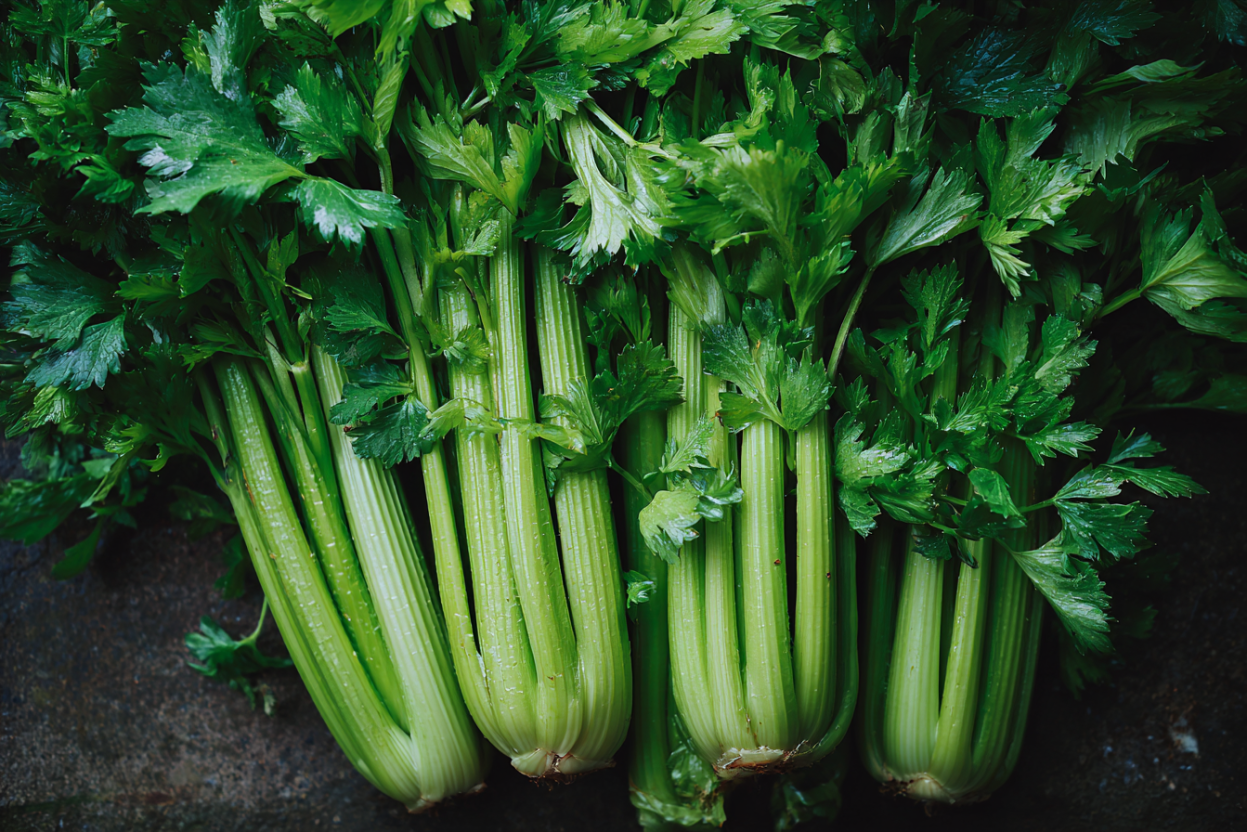
Celery (Apium graveolens)
If you’ve been struggling with blood pressure concerns, persistent inflammation, or digestive discomfort, you’re far from alone — and nature may have provided support that’s been sitting quietly in your refrigerator all along. Celery is one of the most underestimated plants on the planet, carrying a pharmacy’s worth of compounds behind its humble, crunchy exterior. For over three thousand years, civilizations across the globe have turned to this remarkable plant for wellness support — and modern science is now confirming what they observed.
This extraordinary plant is one of many gifts the Creator embedded into nature for our benefit. From the marshlands of the Mediterranean to your kitchen table, celery reflects the wisdom of a Designer who provided for every human need — long before any laboratory existed to study it.
The Plant
Common Names: Celery, Stalk Celery, Pascal Celery, Leaf Celery, Smallage, Wild Celery, Cutting Celery
Botanical Name: Apium graveolens L.
Family: Apiaceae (Umbelliferae) — the carrot and parsley family, known for aromatic plants with hollow stems, compound umbels of flowers, and a wealth of volatile oils
Description
Apium graveolens is a stout biennial or monocarpic perennial herb that typically grows 60–120 cm (2–4 feet) tall. All parts of the plant carry a distinctive, strong celery aroma. The stems are solid with conspicuous grooves running along the surface. Leaves are bright green to yellowish-green, pinnately to bipinnately compound, with rhomboid leaflets reaching up to 6 cm long. During its second year, the plant sends up flowering stalks bearing small greenish-white flowers arranged in compound umbels of 4–12 rays. These develop into tiny, ridged fruits (often called “seeds”) that are packed with essential oils and bioactive compounds. The root system is fibrous in stalk varieties, while the celeriac variety (A. graveolens var. rapaceum) develops a large, bulbous taproot.
Three main cultivated varieties exist today. Stalk celery (A. graveolens var. dulce) is grown for its fleshy, crisp leaf stalks — the form most familiar in American kitchens. Celeriac (A. graveolens var. rapaceum) is cultivated for its large, knobby root, widely popular in European cuisine. Leaf celery (A. graveolens var. secalinum) is grown for its intensely flavored leaves and aromatic seeds.
Origin
Celery is native to the Mediterranean region, with wild populations found in marshlands and wet places across Europe, North Africa, Asia Minor, the Caucasus, and southeastward toward the Himalayas. The wild ancestor, known as smallage, was considerably more bitter and thin-stalked than modern cultivated forms. Over centuries of careful selection — particularly in Italy from the 16th century onward — the plant was transformed from a bitter medicinal herb into the mild, succulent vegetable we know today. By 1699, English horticulturist John Evelyn was recommending it for salads. It arrived in colonial American gardens shortly after, and by the 19th century, celery had become a staple vegetable across Europe and North America.
Brief History
Celery is one of the oldest documented plants in human history. Woven garlands of wild celery leaves were found in the tomb of Pharaoh Tutankhamun (died 1323 BCE), and celery mericarps dating to the 7th century BCE were recovered from the Heraion of Samos in Greece. Homer’s Odyssey (approximately 850 BCE) mentions wild celery growing in meadows surrounding Calypso’s Cave, and the Iliad describes the horses of the Myrmidons grazing on wild celery in the marshes of Troy. The ancient Greeks crowned winners of the Nemean and Isthmian games with celery wreaths — honoring this plant alongside the olive branch given at Olympia. Chinese writings from the 5th century CE document celery’s medicinal use, and Indian Ayurvedic practitioners employed it for centuries to address joint discomfort and fluid retention. The plant appears in Charlemagne’s Capitulary (c. 800 CE) among medicinal herbs the emperor wished cultivated throughout his realm.
Growing & Cultivation
Climate & Zones
Celery thrives in USDA Hardiness Zones 2–10 as a cool-season crop, though it performs best in Zones 5–8 where temperatures consistently range between 60–70°F (15–21°C). It is a long-season crop requiring 120–180 days from seed to harvest. In warmer zones (8–10, including Georgia), celery is best planted as a fall or early spring crop to avoid the heat of summer, which causes bolting and bitter stalks. In cooler zones, it’s typically started indoors in late winter and transplanted after the last frost. Celery does not tolerate hard freezes or prolonged heat above 80°F.
Soil Requirements
Celery demands rich, moisture-retentive soil with excellent organic matter content. It prefers a loamy soil with a pH of 6.0–7.0 (slightly acidic to neutral). Heavy clay should be amended with compost, and sandy soils require additional organic material to retain moisture. Celery is a heavy feeder — work aged compost or well-rotted manure into the bed before planting. For container growing, use a high-quality potting mix enriched with compost, in containers at least 8 inches deep.
Water & Sunlight
Celery is a high-water-demand plant — its wild ancestors grew in marshlands, and cultivated celery retains this thirst. Provide consistent, even moisture throughout the growing season. Never allow the soil to dry out, as water stress causes hollow, bitter stalks. Drip irrigation or soaker hoses work best. Mulch heavily around plants to conserve moisture and keep roots cool. Celery prefers full sun (6+ hours) in cooler climates, but benefits from partial afternoon shade in warmer regions to prevent heat stress.
Propagation
Seed: Celery seeds are tiny and slow to germinate. Start seeds indoors 10–12 weeks before the last expected frost. Sow on the surface of moist seed-starting mix — seeds need light to germinate, so do not cover them. Keep soil consistently moist and warm (65–75°F). Germination takes 14–21 days and can be erratic. Bottom heat helps. Thin to the strongest seedling per cell once true leaves appear.
Base Regrowth: A unique and accessible method — cut the base (bottom 2 inches) from a store-bought celery bunch and place it in a shallow dish of water on a sunny windowsill. Within days, new growth will emerge from the center. Once roots develop, transplant into soil. While this won’t produce full-sized stalks like garden-grown celery, it provides a steady supply of flavorful leaves.
Planting
Transplant seedlings outdoors when nighttime temperatures reliably stay above 50°F. Space plants 6–10 inches apart in rows 24 inches apart. Plant at the same depth they were growing in their pots. Celery pairs well with companion plants including tomatoes, cabbage, beans, spinach, and marigolds (which deter aphids). Avoid planting near corn, parsnips, or Irish potatoes.
Harvesting
Celery can be harvested in stages. Begin by cutting outer stalks when they reach 8 inches tall, allowing the center to continue growing. For whole-plant harvest, wait until the plant is fully mature — typically 120–180 days from seed. Harvest in the morning when stalks are most turgid and crisp. Cut at the base just below soil level. The leaves are edible and contain up to three times more calcium and twelve times more vitamin E than the stalks — never discard them.
Drying & Storage
Fresh celery stores well in the refrigerator for up to two weeks when wrapped in aluminum foil or placed in an airtight container with a damp paper towel. For drying, separate stalks and leaves, wash thoroughly, and dry using a dehydrator at 125–135°F for 6–10 hours until brittle. Air drying in bundled bunches also works in low-humidity environments. Dried celery leaf retains good flavor for up to one year when stored in airtight glass jars away from light. Celery also freezes well — blanch stalks for 3 minutes, shock in ice water, and store in freezer bags for up to 12 months.
Pest & Disease Management
Common pests include aphids, celery leaf miners, carrot rust flies, slugs, and snails. Companion planting with marigolds and nasturtiums helps deter aphids. Handpicking and beer traps manage slugs. For disease, watch for early blight (Cercospora apii), late blight (Septoria apiicola), and fusarium wilt. Prevent fungal diseases through proper spacing for air circulation, avoiding overhead watering, and rotating crops on a 3-year cycle. Neem oil serves as an organic treatment for many pest and fungal issues.
Companion Planting
Celery grows exceptionally well alongside tomatoes — each may deter pests that bother the other. Other good companions include cabbage family crops, beans, spinach, and cosmos flowers. Avoid planting celery near parsnips, carrots (same family — attracts similar pests), or corn.
The Healing of Growing
Growing celery offers benefits far beyond the harvest itself. The act of gardening — hands in soil, bare feet on earth, time spent outdoors — has been shown to reduce cortisol, improve mood, and support immune function. The soil contains beneficial bacteria (Mycobacterium vaccae) with documented antidepressant effects, shown to activate serotonin-producing neurons in a manner similar to antidepressant medications (Lowry et al., 2007, Neuroscience). The grounding practice of placing bare skin against the earth allows electron transfer that research suggests may reduce inflammation and improve sleep (Chevalier et al., 2012, Journal of Environmental and Public Health). When you grow your own celery, you receive healing before you ever take a bite.
Nutritional Profile
Macronutrients
Per 100 grams of raw celery (stalks): Calories: 14 kcal | Water: 95.4g | Protein: 0.7g | Total Carbohydrates: 3.0g | Dietary Fiber: 1.6g | Sugars: 1.3g | Total Fat: 0.2g | Saturated Fat: 0.04g. Celery is one of the lowest-calorie vegetables available, composed of over 95% water, making it an exceptional food for hydration support. Despite its low calorie count, it delivers a meaningful array of vitamins, minerals, and phytonutrients.
Vitamins
Vitamin K: 29.3 mcg (24–37% DV depending on source) — Essential for blood clotting and bone metabolism. Vitamin K activates proteins that help calcium bind to bone matrix, supporting bone density and cardiovascular health by helping prevent calcium deposits in arteries.
Vitamin A: 449 IU (9% DV) — Supports immune function, vision (particularly night vision), and skin cell renewal. Celery provides beta-carotene, which the body converts to active vitamin A as needed.
Vitamin C: 3.1 mg (5% DV) — Supports immune function, collagen production for skin elasticity, and acts as a powerful antioxidant protecting cells from oxidative damage. Note that celery leaves contain significantly more vitamin C than the stalks.
Folate (B9): 36 mcg (9% DV) — Critical for DNA synthesis, red blood cell formation, and neural tube development during pregnancy. Folate also supports methylation pathways that influence mood and detoxification.
Vitamin B6 (Pyridoxine): 0.074 mg (4% DV) — Supports neurotransmitter synthesis including serotonin, dopamine, and GABA. Essential for protein metabolism and immune function.
Riboflavin (B2): 0.057 mg (4% DV) — Supports energy production, cellular function, and the metabolism of fats and medications.
Minerals
Potassium: 260 mg (6–8% DV) — Essential for heart rhythm, muscle contractions, nerve signaling, and blood pressure regulation. Celery’s potassium-to-sodium ratio supports healthy blood pressure balance.
Sodium: 80 mg (3% DV) — While higher in sodium than most vegetables, celery’s sodium is naturally occurring and paired with potassium in a balanced ratio. This natural sodium supports electrolyte balance and hydration.
Calcium: 40 mg (4% DV) — Supports bone and teeth structure, muscle function, nerve signaling, and blood clotting. Celery leaves contain approximately three times more calcium than the stalks.
Manganese: 0.103 mg (4% DV) — A cofactor for enzymes involved in bone formation, blood clotting, amino acid metabolism, and antioxidant defense (superoxide dismutase).
Phosphorus: 24 mg (3% DV) — Works with calcium for bone and teeth formation. Also essential for energy production (ATP) and cell membrane structure.
Magnesium: 11 mg (3% DV) — Supports over 300 enzymatic reactions, including muscle relaxation, nerve function, blood sugar regulation, and energy production.
Phytonutrients & Active Compounds
Celery’s true nutritional power lies in its extraordinary phytochemical profile. These are the compounds that give celery its distinctive therapeutic potential:
Apigenin — A flavone with extensively studied anti-inflammatory, antioxidant, and anxiolytic (anxiety-reducing) properties. Research suggests apigenin may support healthy inflammation response and has demonstrated skin-protective properties in preclinical studies. Celery is one of the richest dietary sources of apigenin.
Luteolin — A flavonoid with potent antioxidant and anti-inflammatory activity. Studies indicate luteolin may support cognitive function and help protect against neuroinflammation. It has also shown promise in reducing UV-induced skin damage in laboratory studies.
Phthalides (3-n-butylphthalide, sedanenolide, sedanolide) — Unique to the Apiaceae family, these compounds are responsible for celery’s distinctive aroma and are associated with many of its traditional uses. Research suggests phthalides may help relax smooth muscle tissue in blood vessel walls, potentially supporting healthy blood pressure. 3-n-butylphthalide (NBP) is now being studied extensively for neuroprotective applications.
Coumarins (including bergapten) — Compounds with documented anti-inflammatory properties. Note that bergapten is also a furanocoumarin that can increase photosensitivity — relevant for topical applications.
Phenolic acids (caffeic acid, p-coumaric acid, ferulic acid) — A trio of powerful antioxidants that help neutralize free radicals. Ferulic acid is particularly valued in skincare for its ability to stabilize other antioxidants like vitamins C and E.
Polyacetylenes (falcarinol, falcarindiol) — Compounds shared with carrots and related plants that have shown anti-inflammatory and potential cancer-protective properties in laboratory studies.
Nutrient Notes
Celery leaves are significantly more nutrient-dense than the stalks — containing up to 300% more vitamin C and 50% more calcium. Never discard them. Pairing celery with healthy fats (such as nut butters, avocado, or olive oil) enhances absorption of the fat-soluble vitamins A, E, and K. Raw celery preserves 100% of its vitamin C and heat-sensitive phytonutrients, while gentle cooking may increase the bioavailability of some antioxidants. Source: USDA FoodData Central.
Culinary Uses
Edible Parts
Every part of the celery plant is edible: stalks (the most commonly consumed part, crisp and mild), leaves (intensely flavored, used like a fresh herb — similar to flat-leaf parsley but with a stronger celery punch), seeds (tiny and highly aromatic, used as a spice), and root (celeriac — a knobby, earthy-flavored root vegetable popular in European cooking). The inner heart of the celery bunch is particularly tender and prized for raw eating.
Flavor Profile
Fresh celery stalks offer a mild, clean, slightly saline flavor with green, herbaceous undertones and a refreshing crunch. The leaves are considerably more intense — aromatic, slightly bitter, and deeply herbal. Celery seeds are warm, concentrated, and slightly spicy with earthy, grassy notes. When cooked, celery mellows substantially, becoming sweet and mellow as a base for soups, stews, and sauces. When dried, the leaf retains good aromatic intensity. Celeriac has a nutty, earthy flavor with a subtle celery essence.
Preparation
Raw celery is best enjoyed with the strings peeled from outer stalks (use a vegetable peeler or paring knife). Stalks are excellent as crudités, in salads, or as vessels for nut butters and dips. For cooking, celery is a foundational aromatic — one-third of the French mirepoix (alongside onion and carrot) and one-third of the Cajun/Creole “holy trinity” (alongside onion and bell pepper). It can be braised, roasted, sautéed, steamed, juiced, or added to smoothies. Celery leaves can be used wherever you’d use parsley — scattered over finished dishes, blended into pesto, or added to stocks and soups. Celery salt (ground celery seed mixed with salt) is a versatile seasoning.
Culinary Pairings
Celery pairs beautifully with a wide range of flavors. Proteins: chicken, tuna, shrimp, egg salad, tofu. Vegetables and fruits: apple, fennel, carrot, onion, potato, walnut, blue cheese. Herbs and spices: parsley, dill, tarragon, thyme, bay leaf, black pepper. Fats: butter, olive oil, cream, peanut butter, almond butter. Acids: lemon juice, apple cider vinegar, white wine.
Storage
Fresh celery keeps best wrapped tightly in aluminum foil (which allows ethylene gas to escape while retaining moisture) and refrigerated — it can last 2–4 weeks this way. Alternatively, stand stalks upright in a glass of water in the refrigerator. Celery freezes well after blanching (3 minutes), though it loses its crunch — use frozen celery for cooked dishes only. Dried celery leaf stores for up to 12 months in airtight glass containers.
Ready to cook with celery? View Recipes on Chefts →
Wellness & Therapeutic Uses
Traditional Uses
Celery’s medicinal history stretches back over three millennia. In ancient Egypt, wild celery was valued enough to be placed in the tombs of pharaohs. Hippocrates (c. 460–370 BCE), the father of Western medicine, recommended celery as a diuretic and nerve tonic. The Roman physician Aulus Cornelius Celsus wrote about celery’s medicinal virtues in De Medicina (c. 30 CE), documenting its use for pain and digestive support. Pliny the Elder noted celery’s value as a diuretic and a remedy for joint discomfort.
In Traditional Chinese Medicine (TCM), celery has been documented since the 5th century CE as a cooling food used to clear liver heat, calm hyperactive liver yang (associated with high blood pressure and headaches), and promote urination. It has been classified as beneficial for the stomach and liver meridians. Ayurvedic medicine has long employed celery seed for rheumatic conditions, fluid retention, digestive complaints, and as a nervine tonic. In European folk medicine, celery was considered a cleansing spring tonic — used to counter the effects of a winter diet heavy in salted meats and lacking fresh produce. Across these traditions, celery has consistently been used for joint support, fluid balance, blood pressure, digestive aid, and as a calming nervine.
Modern Research
Blood Pressure Support: A 2025 systematic review and meta-analysis of 10 randomized controlled trials (511 participants) published in Frontiers in Nutrition found that celery preparations significantly improved systolic blood pressure, diastolic blood pressure, fasting plasma glucose, and triglyceride levels in adults. The mechanism is attributed primarily to celery’s phthalide compounds, which research suggests relax the smooth muscle lining of blood vessels, reducing vascular resistance (Li et al., 2025, Frontiers in Nutrition — China).
Blood Sugar & Lipid Support: A 2022 randomized, triple-blind, placebo-controlled, cross-over clinical trial with 51 hypertensive patients found that celery seed extract (1.34g/day for 4 weeks) not only reduced blood pressure but also significantly reduced fasting blood sugar (from 108.5 to 98.0 mg/dL), total cholesterol, triglycerides, and LDL, while increasing HDL cholesterol. Liver and kidney function markers also improved (Shayani Rad et al., 2022, Inflammopharmacology — Iran).
Anxiety & Depression Support: A 2022 randomized, triple-blind clinical trial found that celery seed extract significantly reduced anxiety scores (BAI) and depression scores (BDI) in hypertensive patients. Symptoms improved included nervousness, inability to relax, dizziness, breathing difficulty, sadness, insomnia, fatigue, and loss of energy (Shayani Rad et al., 2022, Journal of Complementary and Integrative Medicine — Iran).
Neuroprotective Properties: A 2023 scoping review of 26 studies found that celery and its key compound 3-n-butylphthalide (NBP) demonstrated neuroprotective effects relevant to stroke recovery, Parkinson’s disease, Alzheimer’s disease, and epilepsy. NBP is already approved as a prescription medication for acute ischemic stroke in China (Aziz et al., 2023, Molecules — Malaysia).
Antioxidant Activity: A systematic review confirmed that celery possesses powerful antioxidant characteristics due to its content of caffeic acid, p-coumaric acid, ferulic acid, apigenin, luteolin, tannins, saponins, and kaempferol. Both leaf and seed extracts demonstrated significant free radical scavenging activity (Kooti & Daraei, 2017, Journal of Evidence-Based Complementary & Alternative Medicine — Iran).
Anti-Inflammatory Effects: Celery’s phthalides, apigenin, and luteolin all demonstrate anti-inflammatory activity through multiple pathways including inhibition of COX-2, reduction of pro-inflammatory cytokines (TNF-α, IL-1, IL-6), and modulation of NF-κB signaling. These mechanisms have been documented in both in vitro and animal studies (Hedayati et al., 2019, Phytotherapy Research — Iran).
Metabolic Syndrome Support: A 2019 comprehensive review concluded that celery’s most active ingredients demonstrate hypolipidemic (cholesterol-lowering), antidiabetic, and hypotensive (blood pressure-lowering) properties — addressing multiple components of metabolic syndrome simultaneously (Hedayati et al., 2019, Phytotherapy Research — Iran).
Body Systems Supported
Cardiovascular system: Blood pressure regulation through phthalide-mediated vasodilation; lipid profile support; potassium-sodium balance for heart rhythm.
Nervous system: Anxiolytic effects via apigenin (GABA receptor modulation); neuroprotective properties of NBP; mood support; sleep support through calming compounds.
Digestive system: Traditional carminative (gas-reducing) use; fiber for bowel regularity; stomach-soothing properties; support for healthy stomach lining.
Urinary system: Traditional diuretic use — supports fluid balance and may assist the body in eliminating excess uric acid; historically used to support kidney health.
Musculoskeletal system: Anti-inflammatory compounds may support joint comfort; traditional use for gout and rheumatic conditions.
Endocrine system: Blood sugar regulation support; potential effects on cortisol through stress-reducing properties.
Immune system: Antioxidant protection; antimicrobial properties; compounds that support natural killer cell activity.
Body Compounds Affected
Cortisol: Celery’s apigenin content has anxiolytic properties that may help modulate the stress response. The calming effects observed in clinical trials suggest influence on the hypothalamic-pituitary-adrenal (HPA) axis.
Serotonin: The B-vitamins in celery (particularly B6 and folate) serve as cofactors in serotonin synthesis. Celery’s documented antidepressant effects in clinical trials may involve serotonergic pathways.
GABA: Apigenin binds to GABA-A receptors in a manner similar to benzodiazepines (though much more gently), which may explain its calming and sleep-supportive effects.
Inflammatory markers (IL-1, IL-6, TNF-α, C-reactive protein): Multiple celery compounds have been shown to reduce pro-inflammatory cytokines in laboratory and animal studies.
Nitric oxide: Celery’s phthalides support vasodilation, which involves nitric oxide pathways — relevant to blood pressure regulation and circulation.
Prostaglandins: Celery compounds inhibit COX-2 enzyme activity, reducing inflammatory prostaglandin production.
Insulin: Clinical studies show celery consumption improved fasting blood glucose, suggesting support for insulin sensitivity.
Methods of Use
Tea/Infusion
Use dried celery leaf or crushed celery seed. Place 1–2 teaspoons of dried material in a cup, pour boiling water (212°F) over, cover, and steep for 10–15 minutes. Strain. Drink 1–3 cups daily. Celery seed tea has a warm, earthy flavor. Adding a squeeze of lemon brightens the taste.
Juice
Fresh celery juice (using a juicer or blender and strainer) is a popular modern preparation. Typically 4–6 stalks produce one serving. Best consumed on an empty stomach in the morning. Note that juicing removes fiber — eating whole celery retains this benefit.
Tincture
Celery seed tincture is commercially available or can be prepared at home using dried celery seeds and vodka or vegetable glycerin. Typical dosage ranges from 20–40 drops (1–2 mL) in water, 2–3 times daily. Consult a qualified herbalist for individual guidance.
Capsule/Powder
Celery seed extract capsules are widely available. The clinical trial demonstrating blood pressure and mood benefits used a total of 1.34g celery seed extract per day. Celery powder (from dried whole celery) can be added to smoothies, soups, or encapsulated.
Food as Medicine
Simply eating celery regularly — raw, cooked, or as a foundational cooking ingredient — provides steady exposure to its beneficial compounds. Two to four stalks daily is a reasonable wellness-supportive amount.
Cosmetic & Beauty Uses
Skin Benefits
Celery contains two flavonoids — apigenin and luteolin — that have demonstrated significant skin-protective properties in preclinical research. Apigenin has been shown to reduce UV-induced skin damage, suppress skin inflammation, and inhibit matrix metalloproteinase-1 (an enzyme that breaks down collagen), making it relevant for anti-aging applications. A comprehensive review in Phytochemistry concluded that apigenin shows beneficial effects on UV-induced skin damage, vitiligo, dermatitis, wounds, skin aging, and certain types of skin concerns through anti-inflammatory and antioxidant mechanisms (Apigenin dermatological review, 2022, Phytochemistry).
Celery’s phenolic acids — ferulic acid, caffeic acid, and p-coumaric acid — are valued in cosmetic chemistry for their antioxidant properties. Ferulic acid is particularly prized for stabilizing vitamins C and E in skincare formulations and providing photoprotection. Celery extract has also shown promise in animal models of atopic dermatitis, reducing skin inflammation, mast cell infiltration, and inflammatory markers (Anti-atopic dermatitis effects of celery extract, 2020, Journal of Food Science).
Celery’s vitamin K content may help reduce the appearance of dark circles and under-eye puffiness. Its high water content supports skin hydration from within when consumed regularly. Best suited for: all skin types, with particular relevance for those concerned with inflammation, redness, premature aging, and uneven tone.
Hair Benefits
Celery seed essential oil and celery juice have been traditionally used to support scalp health. The antimicrobial and anti-inflammatory properties of celery compounds may help soothe irritated scalps and address dandruff. Celery’s mineral content (calcium, iron, manganese) supports overall hair health when consumed as part of a balanced diet. A celery leaf tea rinse may add shine and help balance oily scalps.
Application Methods
Celery juice facial toner: Juice fresh celery, strain through cheesecloth, and apply with a cotton pad to cleansed skin. Refrigerate and use within 3 days. The natural sodium content acts as a gentle electrolyte for skin cells.
Celery seed infused oil: Gently warm 1 tablespoon of crushed celery seeds in 1/2 cup of jojoba or sweet almond oil on the lowest heat setting for 2–3 hours (or use a mason jar in the sun for 2 weeks). Strain. Use as a facial oil or massage oil. This delivers the anti-inflammatory phthalides and apigenin directly to the skin.
Celery leaf face mask: Blend a handful of celery leaves with a small amount of plain yogurt and raw honey. Apply to the face for 15 minutes, then rinse. The leaves provide antioxidants, the yogurt provides lactic acid for gentle exfoliation, and the honey is humectant and antimicrobial.
Hair rinse: Brew a strong celery leaf tea (2 tablespoons dried leaf to 2 cups boiling water, steeped 30 minutes). Cool, strain, and use as a final rinse after shampooing.
DIY Formulation Notes
Celery seed essential oil should always be diluted before topical use — maximum 1–2% in a carrier oil for facial applications. Celery seed oil pairs well with carrier oils including jojoba, rosehip seed, and argan oil. Important caution: celery contains furanocoumarins (particularly bergapten) that can cause phytophotodermatitis — a skin reaction that occurs when certain plant compounds on the skin are exposed to UV light. Always perform a patch test, and avoid sun exposure after applying celery-based topical preparations.
Celery is among the botanicals being explored for holistic cosmetic applications, where the wisdom of traditional beauty practices meets modern understanding of skin science.
Essential Oil Profile
Extraction
Celery seed essential oil is obtained through steam distillation of the dried ripe fruits (seeds) of Apium graveolens. The oil yield is relatively low — approximately 2–3% of seed weight — contributing to its moderate cost. The resulting oil is a pale yellow to amber liquid with a warm, spicy, herbaceous, and slightly sweet aroma. Major production regions include India, Holland, China, Hungary, and the United States.
Chemical Constituents
The major chemical constituents of celery seed essential oil include:
Limonene (~60–70%) — A monoterpene also found in citrus oils. Provides the bright, fresh, slightly sweet top note. Demonstrates antioxidant, anti-inflammatory, and mood-elevating properties. Contributes to the oil’s cleansing and digestive-supportive properties.
β-Selinene (~15–20%) — A sesquiterpene that contributes to the earthy, warm base note. Demonstrates antioxidant and digestive-supportive properties. This compound distinguishes celery seed oil from citrus oils despite their shared limonene content.
Phthalides (sedanenolide, 3-n-butylphthalide, sedanolide) (~1–3%) — Though present in small amounts, these are the signature compounds of celery oil responsible for its characteristic aroma and many of its therapeutic properties. Associated with vascular relaxation, calming effects, and neuroprotective activity.
Apiol — A phenylpropanoid present in smaller quantities. Can be irritating in high concentrations; contributes to the oil’s emmenagogue properties (stimulating menstrual flow).
Aroma Profile
Celery seed essential oil is classified as a middle note in perfumery. The scent is warm, spicy, herbaceous, and earthy with a clean green freshness and a slightly peppery edge. It has excellent fixative qualities, adding depth and naturalness to blends. The aroma evolves from a bright, fresh top (limonene) to a warm, earthy, musky drydown (selinene and phthalides). It blends well with lavender, chamomile, lemon, grapefruit, orange, bergamot, frankincense, sandalwood, vetiver, and rosemary.
Therapeutic Properties
Using compliant language, celery seed essential oil has traditionally been associated with the following properties: anti-inflammatory (may ease joint and muscle discomfort), diuretic (traditionally used to support fluid balance and reduce water retention), calming/sedative (limonene and phthalides promote relaxation and may support sleep), digestive support (traditionally used for bloating, gas, and indigestion), detoxifying (traditionally used to support liver and kidney function), and antimicrobial (demonstrated activity against certain bacteria and fungi in laboratory studies).
How to Use
Diffusion
Add 3–5 drops of celery seed essential oil to an ultrasonic diffuser. Diffuse for 30–60 minutes at a time. Creates a calming, grounding atmosphere. Especially useful in the evening for relaxation or during periods of stress.
Topical Application
Standard adult dilution: 2–3% (approximately 12–18 drops per ounce of carrier oil). Sensitive skin: 1% (6 drops per ounce). Children over 6: 0.5–1% (3–6 drops per ounce). Best carrier oils include jojoba, fractionated coconut oil, and sweet almond oil. Apply to pulse points, bottom of feet, abdomen (for digestive support), or dilute in a bath with Epsom salts. Avoid sun exposure for 12 hours after topical application due to potential phototoxicity.
Quality & Sourcing
Look for celery seed essential oil that is 100% pure, steam-distilled from Apium graveolens seeds, and accompanied by a GC/MS (Gas Chromatography/Mass Spectrometry) report verifying constituent percentages. Quality indicators include limonene content in the 55–70% range and detectable phthalide levels. Avoid oils with synthetic fragrance additives. Indian and French-sourced oils tend to be high quality. Store in dark glass bottles away from heat and light; shelf life is approximately 3–5 years.
Blending
Celery seed oil blends beautifully with citrus oils (lemon, grapefruit, orange), florals (lavender, chamomile), woods (sandalwood, cedarwood), resins (frankincense, myrrh), and herbaceous oils (rosemary, clary sage). Try: 3 drops celery seed + 3 drops lavender + 2 drops frankincense in a diffuser for deep relaxation. Or: 2 drops celery seed + 3 drops grapefruit + 2 drops juniper berry for a cleansing, fluid-balancing blend.
Aromatherapy & Scent
The Aroma
The living celery plant emits a distinctive, fresh, green, and slightly pungent scent — immediately recognizable and unlike any other vegetable. When fresh, the aroma is crisp and clean with herbaceous, slightly saline undertones. The scent is strongest when leaves or stalks are bruised, crushed, or cut, releasing volatile oils directly into the air. After rain or during warm afternoons, the scent intensifies as the plant releases more volatile compounds into the surrounding air. Simply walking through a garden where celery grows provides gentle aromatic exposure.
When dried, celery leaf and seed retain a concentrated, warm, earthy version of the fresh scent — less green and bright, more deep and herbaceous. Dried celery seed is particularly aromatic and retains its scent potency for 1–2 years when stored properly in sealed containers. The transition from fresh to dried shifts the aroma profile from crisp and green to warm and spicy.
How Scent Affects Your Body
When you inhale the aroma of celery — whether from the fresh plant, dried herb, or essential oil — volatile molecules enter through your nasal passages and bind to olfactory receptors high in the nasal cavity. These receptors send electrical signals directly to the limbic system (your emotional brain) and hypothalamus (the master hormonal control center). This pathway bypasses conscious thought — the scent affects your body chemistry before you’ve had time to think about it. Emotional and physiological responses occur within seconds of inhalation. This is why aromatherapy is such a powerful and immediate modality.
Emotional & Mood Effects
Celery’s aroma — whether from the fresh plant or its essential oil — is predominantly calming and grounding. The high limonene content (shared with citrus oils) provides an uplifting quality, while the earthy phthalides and selinene contribute to a grounding, centering effect. People commonly report feeling: calmer and less anxious, mentally clearer, emotionally balanced (particularly during stressful periods), and more connected to the present moment. The combination of bright and earthy notes creates a uniquely balanced aromatic experience — simultaneously refreshing and settling.
Body Compounds Affected
The scent of celery and its essential oil may influence several body compounds: Cortisol — the calming aromatic profile may help modulate the stress response. GABA — apigenin’s known interaction with GABA receptors extends to inhaled forms, potentially promoting relaxation. Serotonin — limonene inhalation has been associated with uplifted mood in aromatherapy research. Norepinephrine — the grounding quality may help reduce sympathetic nervous system activation.
Ways to Experience the Scent
Beyond essential oil diffusion, there are many simple ways to enjoy celery’s aromatherapy benefits: Grow celery in your kitchen garden or on a sunny windowsill — you’ll receive gentle aromatic exposure every time you water or brush past it. Keep fresh celery on the counter and crush a leaf between your fingers before cooking — a moment of mindful aromatherapy. Make dried celery leaf sachets for your bedside table or closet. Simmer celery stalks and leaves with other aromatics (onion, herbs) on the stove — the steam carries volatile compounds throughout your home. Add fresh celery leaves to a warm bath for a gentle aromatic soak. Brew celery seed tea and inhale the steam before drinking — combining aromatic and internal benefits.
Color Therapy
The Colors of Celery
Celery presents a vibrant palette of greens: stalks range from pale, almost white-green at the inner heart to rich, deep green on outer stalks. Leaves are bright to medium green. Flowers are tiny and greenish-white. Seeds are grayish-brown. The overall visual impression of a celery plant is one of verdant, clean, refreshing green — one of the most soothing colors in nature.
Color Wavelengths
Green light falls in the 495–570 nm wavelength range of the visible spectrum — directly in the center of what the human eye can perceive. This central position means green is the easiest color for the eye to process, requiring the least amount of adjustment from the eye’s lens. This is one reason why green environments feel naturally restful and restorative.
How Green Affects the Body
In color therapy, green is associated with balance, harmony, renewal, and the heart center. Viewing green has been associated with reduced heart rate, lower blood pressure, decreased anxiety, and enhanced sense of well-being. Research on biophilic design consistently demonstrates that exposure to green environments (including green plants) improves mood, reduces stress hormones, enhances creative thinking, and accelerates recovery from illness. A landmark study found that hospital patients with views of green trees recovered faster and required less pain medication than those facing brick walls.
The white of celery’s tiny flowers and pale inner stalks represents full-spectrum light — associated with clarity, purification, and simplicity. Together, the green and white of celery communicate cleansing, freshness, and renewal — perfectly aligned with celery’s traditional use as a detoxifying spring tonic.
Body Compounds Affected
Exposure to green wavelengths has been associated with reduced cortisol production, modulation of autonomic nervous system activity (reducing sympathetic “fight-or-flight” and promoting parasympathetic “rest-and-digest” responses), and enhanced serotonin levels through improved mood state.
Using Celery for Color Therapy
Place a celery plant in your kitchen or near a window where you spend time — the vibrant green is a constant, gentle source of visual calming. Use celery stalks as a fresh green element in your meals (the visual experience of eating colorful food matters). Keep a glass vase of celery stalks with their leafy tops on your desk or kitchen counter — functional and visually therapeutic. “Eating the rainbow” — consuming celery as part of a diverse array of colorful whole foods — ensures your body receives the full spectrum of plant pigments and the compounds they represent.
Frequency & Vibration
The Frequency of Celery
According to bio-frequency research, all living things vibrate at a molecular level — a principle rooted in quantum physics. While specific MHz measurements for the celery plant itself are not widely documented in the peer-reviewed literature, celery seed essential oil has been discussed in vibrational medicine contexts. Essential oils, which concentrate the plant’s volatile compounds, generally vibrate at higher frequencies than the raw plant material. A healthy human body is believed to vibrate in the 62–78 MHz range, according to the pioneering frequency measurements conducted by Bruce Tainio using a calibrated frequency monitor.
Celery’s rich content of volatile compounds — including limonene (also found in high-frequency citrus oils), phthalides, and sesquiterpenes — suggests it carries a moderate-to-high vibrational profile relative to other vegetables. Fresh, living plants generally vibrate higher than dried or processed forms.
Human Frequency Interaction
The principle of entrainment, observed throughout physics, suggests that when two oscillating bodies are in proximity, the weaker tends to synchronize with the stronger. Proponents of vibrational medicine suggest that being around high-frequency plants, consuming them fresh, and using their essential oils may help support and elevate the body’s own frequency. Activities that lower human frequency include consuming processed foods, chronic stress, and environmental toxins. Activities that may raise frequency include consuming fresh, living foods (like raw celery), using essential oils, spending time in nature, and practices of prayer and gratitude.
Essential Oil Frequency
While specific published MHz values for celery seed essential oil vary by source and measurement methodology, it is generally considered a moderate-frequency oil — lower than rose or frankincense, but with a grounding quality that supports emotional balance. The limonene content links it energetically to citrus oils, while the sesquiterpene content (β-selinene) grounds it in the earthy, calming range.
Vibrational Applications
To work with celery’s vibrational qualities: Consume fresh, raw celery as part of a high-frequency, whole-food diet. Grow celery in your living space to bring the vibration of a living plant into your environment. Use celery seed essential oil in diffusion or diluted topical applications when you desire grounding and emotional balance. Combine celery with other high-frequency practices — prayer, time in nature, gratitude — for a holistic approach to supporting your body’s energetic state.
The Living Plant
Benefits of Presence
Simply being in the presence of living plants provides documented health benefits — and celery, with its vibrant green color, aromatic volatile emissions, and air-quality contributions, is no exception. Research on biophilic design (the innate human need to connect with nature) shows that people who live and work around plants experience lower blood pressure, reduced anxiety, improved focus, and faster recovery from mental fatigue. This isn’t about consuming the plant — it’s about the profound impact of simply sharing space with a living organism that photosynthesizes, releases oxygen, and emits beneficial volatile compounds.
Air Purification
While celery is not specifically named in the NASA Clean Air Study (which focused on common houseplants), all green plants contribute to air quality through photosynthesis — absorbing carbon dioxide and releasing oxygen. Celery’s aromatic nature means it also releases volatile organic compounds into the surrounding air, some of which (like certain terpenes) have demonstrated antimicrobial properties. Indoor-grown celery contributes to the green biomass that improves indoor air quality, humidity regulation, and oxygen levels.
Phytoncides
Living plants, including celery, release phytoncides — antimicrobial volatile organic compounds that the plant produces as part of its natural defense system. Forest bathing (shinrin-yoku) research has demonstrated that inhaling phytoncides increases natural killer (NK) cell activity in humans — part of the innate immune system’s defense against pathogens and abnormal cells. While forest bathing studies focused on trees, the principle extends to any living plant that emits volatile compounds. Growing celery and other aromatic herbs indoors creates a small-scale version of this effect in your home.
Visual & Psychological Benefits
Attention Restoration Theory (ART) holds that viewing natural elements — including green plants — allows the brain’s directed attention mechanism to rest and restore. A study published in the Journal of Physiological Anthropology found that interacting with indoor plants reduced physiological and psychological stress compared to computer-based tasks. Research in healthcare settings has consistently shown that patients with plant views heal faster, require less pain medication, and report higher satisfaction. The vibrant green of a celery plant on a windowsill serves as a constant, gentle visual restoration point.
Growing Indoors vs Outdoors
Celery can be grown indoors with moderate success, provided it receives sufficient light (at least 6 hours of direct sunlight or supplemental grow lights), consistent moisture, and cooler temperatures. It adapts well to deep containers on sunny windowsills or under grow lights. For indoor air quality and visual therapy benefits, even the simple practice of regrowing celery from its base in water on a kitchen windowsill provides a living green presence. Outdoors, celery provides all the benefits of garden therapy — time in nature, hands in soil, connection to the growth cycle — in addition to a generous harvest.
Touch & Physical Interaction
Gardening Therapy
Horticultural therapy — the practice of using gardening as a therapeutic intervention — is an established modality with documented benefits for mental health, physical rehabilitation, and cognitive function. Growing celery is a particularly engaging horticultural therapy experience because it is a long-season crop that demands consistent attention: regular watering, feeding, monitoring for pests, and gradual harvesting. This sustained engagement creates a caregiving rhythm that grounds the gardener in routine and purpose. The reward of harvesting crisp, fresh stalks from plants you’ve tended for months provides a deep sense of accomplishment and connection to the food cycle.
Soil Contact Benefits
When you garden barefoot or with bare hands in soil, you experience two documented health benefits. First, grounding (earthing): direct skin contact with the earth allows the transfer of free electrons from the ground into the body, which research suggests may have anti-inflammatory, sleep-improving, and stress-reducing effects. Second, microbial exposure: the soil bacterium Mycobacterium vaccae has been shown to activate serotonin-producing neurons in a manner similar to antidepressant medications. Simply digging in soil to plant celery provides this exposure. The diversity of the soil microbiome may also support the gardener’s own gut and skin microbiome through regular contact.
The Tactile Experience
Celery offers a richly varied tactile experience. Fresh stalks are firm, cool, and ribbed — satisfying to snap and crisp to the touch. Leaves are soft, delicate, and feathery — reminiscent of flat-leaf parsley but more finely divided. Running your fingers along a celery stalk reveals its deeply grooved, almost architectural surface. The seeds are tiny, ridged, and slightly rough between the fingertips, releasing a burst of warm aroma when crushed. Harvesting celery involves the satisfying act of twisting or cutting stalks at the base — a deliberate, grounding motion. The entire sensory experience engages the hands, nose, and eyes simultaneously.
Harvesting & Processing
The meditative quality of harvesting and processing celery is significant. Washing stalks under cold water, feeling the grit of soil rinse away. Separating outer stalks from the heart. Stripping leaves for drying — a repetitive, rhythmic motion that quiets the mind. Slicing stalks with a sharp knife into precise crescents. Drying seeds on a screen and running them through your fingers. Each of these acts connects the practitioner to the ancient human rhythm of growing, gathering, and preserving food — a rhythm that modern life has largely lost, and that something deep within us still craves.
Water-Based Applications
Teas & Infusions
Celery Leaf Tea: Place 1–2 teaspoons of dried celery leaf (or a small handful of fresh leaves) in a cup. Pour boiling water (212°F) over, cover, and steep for 10–15 minutes. Strain. The result is a mild, green, slightly saline tea. Traditionally used to support digestion, fluid balance, and relaxation. Can be enjoyed 1–3 times daily.
Celery Seed Tea: Lightly crush 1 teaspoon of celery seeds using a mortar and pestle (this releases the aromatic oils). Place in a cup, pour boiling water over, cover, and steep for 15–20 minutes. Strain. This tea is more concentrated and medicinally potent than leaf tea — warm, earthy, and spicy. Traditionally used for joint support, blood pressure, and as a diuretic. Drink 1–2 cups daily. Cold infusion: steep seeds in cold water overnight for a gentler extraction.
Herbal Baths
Celery makes an excellent addition to therapeutic baths. Add 4–6 large celery stalks with leaves (chopped) to a muslin bag or directly to warm bathwater. Alternatively, brew a strong celery tea (4 tablespoons dried leaf to 1 quart boiling water, steeped 30 minutes) and add the strained liquid to the bath. Soak for 20–30 minutes. The volatile compounds, minerals, and anti-inflammatory phytonutrients are absorbed through the skin. Traditionally used for joint stiffness, fluid retention, stress, and skin irritation. Add Epsom salts for additional magnesium absorption. For a foot bath: use a concentrated celery seed decoction in a basin of warm water — traditionally used for swollen ankles and tired feet.
Hydrosols
Celery seed hydrosol (also called floral water) is the water-soluble portion collected during steam distillation of the essential oil. While less commonly available than lavender or rose hydrosols, celery seed hydrosol does exist. It carries a gentle version of the seed’s aromatic and therapeutic properties — the water-soluble compounds that don’t make it into the essential oil. It can be used as a facial toner (mist onto cleansed skin), a room spray for calming the atmosphere, or added to compresses. It is milder than the essential oil and generally safe for most skin types.
Compresses
Hot compress: Brew a strong celery seed or leaf tea, soak a clean cloth in the warm liquid, wring slightly, and apply to areas of joint discomfort, muscle stiffness, or abdominal cramping. Cover with a dry towel to retain heat. Reapply when the cloth cools. Cold compress: Use the same tea, chilled. Apply to areas of swelling, puffiness, or inflammation. Particularly useful for puffy eyes — celery’s vitamin K and anti-inflammatory compounds make it well-suited for this application.
Steam Inhalation
Add 1 tablespoon of crushed celery seeds or 3–4 drops of celery seed essential oil to a bowl of steaming hot water. Drape a towel over your head and the bowl, close your eyes, and breathe deeply for 5–10 minutes. This delivers aromatic volatile compounds directly to the respiratory passages and, through the olfactory system, to the brain. Traditionally used for sinus congestion, headaches, and mental fatigue. The calming phthalides and limonene create a soothing, grounding steam experience.
Hair Rinses
A celery leaf tea rinse can benefit hair and scalp. Brew 2–3 tablespoons of dried celery leaf in 2 cups of boiling water, steep for 30 minutes, and strain. After shampooing, pour the cooled tea through hair as a final rinse (do not rinse out). The minerals and phytonutrients may help balance oily scalps, add subtle shine, and soothe scalp irritation. For enhanced results, add a splash of apple cider vinegar to the celery rinse.
Historical, Cultural & Biblical Significance
Biblical References
Celery (Apium graveolens) is not directly mentioned by name in Scripture (KJV). However, celery is native to the lands of the Bible — the Mediterranean, the Middle East, and the marshlands of ancient Israel — and was well known to the ancient Hebrews and their neighbors. The broader family of “bitter herbs” consumed during Passover (as commanded in Exodus 12:8 — “And they shall eat the flesh in that night, roast with fire, and unleavened bread; and with bitter herbs they shall eat it.”) may have included wild celery or its close relatives, as wild celery (smallage) was common in the marshlands of the region and is notably bitter. While we cannot state with certainty that celery was among the specific bitter herbs of Passover, it fits the description and was present in the landscape of biblical history.
Ancient Civilizations
Egypt: Woven garlands of wild celery leaves were discovered in the tomb of Pharaoh Tutankhamun (died 1323 BCE), demonstrating that the plant held significant cultural importance in ancient Egypt. Whether these celery remains represent wild or early cultivated forms remains debated among scholars, but their placement in a pharaoh’s tomb speaks to their perceived value.
Greece: Celery permeates ancient Greek literature and culture. Homer mentions wild celery in both the Iliad (where the horses of the Myrmidons graze on it in the marshes of Troy) and the Odyssey (where it grows in meadows around Calypso’s Cave). The Greeks crowned winners of the Nemean and Isthmian games with celery wreaths — placing it alongside the olive branch of Olympia as a symbol of athletic excellence. Celery appeared on coins from the ancient Sicilian city of Selinunte, named for the Greek word for celery (selinon). Greek physicians including Hippocrates recommended celery as a diuretic and nerve tonic.
Rome: Roman physician Aulus Cornelius Celsus documented celery’s medicinal properties in De Medicina (c. 30 CE). Pliny the Elder and Dioscorides both wrote about celery in their medical and natural history texts. The Romans used celery as both food and medicine, though they cultivated forms were still quite bitter compared to modern varieties.
These ancient civilizations observed that celery provided real benefits for the body — they documented what worked. While they may not have known the Creator by name, they were observing His design, and their observations align with what modern research confirms about celery’s properties.
Eastern Traditions
Traditional Chinese Medicine: Chinese writings from the 5th century CE document celery’s medicinal use. In TCM, celery is classified as a cooling food that clears liver heat, calms hyperactive liver yang (a pattern associated with headaches and elevated blood pressure), promotes urination, and benefits the stomach. It is traditionally used for conditions involving heat patterns — high blood pressure, headaches with a flushed face, and irritability. Modern Chinese researchers have extensively studied celery’s blood pressure-lowering properties, and 3-n-butylphthalide (NBP) from celery is an approved prescription medication for acute ischemic stroke in China.
Ayurveda: Indian Ayurvedic practitioners have used celery seed for thousands of years. In Ayurvedic tradition, celery seed is valued for its capacity to address fluid retention (supporting kapha balance), soothe joint discomfort, support digestion, and calm the nervous system. It is considered warming and pungent, useful for reducing ama (toxic accumulation) in the body.
Indigenous Knowledge
While celery (Apium graveolens) is an Old World species and was not native to the Americas, related plants in the Apiaceae family were used by Native American peoples for similar purposes. European settlers brought celery with them, and it became integrated into American gardens by the colonial period. Bernard M’Mahon’s American Gardener’s Calendar (1806) provided the first extended English-language treatment of celery cultivation in the Americas.
European Heritage
Celery appears in Charlemagne’s Capitulary (c. 800 CE) among the herbs and vegetables the emperor wished cultivated throughout his realm, demonstrating its importance in medieval monastery gardens where much herbal knowledge was preserved. A 9th-century French or Italian poem records celery’s medicinal uses and merits — possibly the oldest use of the word celeri. The transformation of bitter smallage into the mild, sweet celery we know today was largely accomplished in Italy from the 16th century through careful plant selection and breeding. By 1699, English writers were recommending it for salads, and by the 18th century it was established across European kitchen gardens. Celery was considered a luxury vegetable in England and early America — elaborate glass celery vases graced Victorian dining tables.
Cultural Symbolism
In ancient Greece, celery carried associations with both victory (athletic wreaths) and mourning (funerary garlands) — it marked transitions, both triumphs and endings. In European folk tradition, celery gained a reputation as an aphrodisiac — a claim that persists in folk knowledge but lacks scientific support. In modern Western culture, celery has become synonymous with health-consciousness, dieting, and clean eating — particularly through the recent celery juice movement that, whatever its merits or limitations, brought global attention to this ancient plant.
Safety & Precautions
Contraindications
Individuals with known allergy to celery or Apiaceae family plants (carrots, parsley, fennel, dill, coriander) should avoid celery. Celery allergy is more common in Europe than North America and can be severe — even causing anaphylaxis in sensitized individuals. Celery is classified as a major allergen under EU food labeling regulations. Cross-reactivity exists with birch pollen and mugwort pollen (the “celery-birch-mugwort-spice” syndrome). Individuals with active kidney inflammation should use celery medicinally only under healthcare provider supervision, as its diuretic properties may place additional stress on inflamed kidneys. Those with scheduled surgery should discontinue celery seed supplementation at least 2 weeks prior, as it may affect blood pressure and bleeding.
Drug Interactions
Blood thinners (warfarin, heparin, aspirin): Celery’s vitamin K content may interact with warfarin — maintain consistent intake rather than dramatically increasing or decreasing it. Celery’s anti-inflammatory properties may have mild antiplatelet effects.
Blood pressure medications: Celery may enhance the blood pressure-lowering effects of antihypertensive drugs, potentially causing blood pressure to drop too low. Monitor closely if combining.
Diuretic medications: Celery has natural diuretic properties — combining with pharmaceutical diuretics may cause excessive fluid and electrolyte loss.
Diabetes medications: Clinical studies show celery can lower fasting blood glucose. Combining with diabetes medications may increase the risk of hypoglycemia (low blood sugar). Monitor blood sugar carefully.
Sedative medications: Celery’s calming compounds may enhance the effects of sedative drugs including benzodiazepines and barbiturates.
Thyroid medications (levothyroxine): No significant interactions are documented, but as celery influences multiple metabolic pathways, monitor thyroid levels if consuming celery seed supplements regularly.
CYP450 enzymes: Some celery compounds may influence hepatic enzyme activity. If taking medications metabolized by the liver, discuss celery supplementation with your healthcare provider.
Pregnancy & Nursing
Pregnancy: Celery as a food (normal dietary amounts) is considered safe during pregnancy. However, celery seed supplements, celery seed essential oil, and concentrated celery extracts should be avoided during pregnancy. Celery contains apiole, a compound with potential emmenagogue (menstruation-stimulating) and uterotonic properties that could pose risks. Celery seed is traditionally listed as an herb to avoid during pregnancy.
Nursing: Normal dietary consumption of celery is considered safe while breastfeeding. Concentrated supplements have not been adequately studied in nursing mothers. When in doubt: “Not recommended in concentrated or supplemental form during pregnancy or breastfeeding without guidance from a qualified healthcare provider.”
Children
Celery as a food is appropriate for children of all ages once they can safely manage solid foods (typically 6+ months for puréed; over 12 months for raw pieces due to choking risk). Cut raw celery into age-appropriate sizes and supervise young children to prevent choking. Celery seed supplements and essential oils should be used with extra caution in children — reduce dosages significantly and consult a pediatric healthcare provider. Essential oil use in children under 6 should be limited to diffusion only at reduced concentrations. Celery seed essential oil should not be applied topically on children under 2.
Elderly
Celery is generally well-tolerated by older adults and may be particularly relevant given its traditional uses for blood pressure and joint comfort. However, elderly individuals should be cautious when combining celery seed supplements with blood pressure medications, diuretics, or blood thinners — all commonly prescribed in this population. Start with lower doses and monitor for dizziness or excessive fluid loss. The high water content of raw celery is a benefit for elderly individuals at risk of dehydration.
Pets
Dogs: Safe — The ASPCA lists celery as safe for dogs. It’s low in calories and fat, and the crunchy texture may help clean teeth. Cut into small, bite-sized pieces to prevent choking, especially for small breeds. Avoid seasoned celery or celery from cooked dishes containing onion or garlic. Feed in moderation as a treat, not a meal replacement. Celery leaves are safe but may cause mild digestive upset in some dogs due to concentrated compounds.
Cats: Safe (with caution) — Celery is not toxic to cats. Some cats may enjoy small amounts of raw celery, though many are indifferent. Offer small pieces and monitor for digestive tolerance. Celery is an obligate carnivore snack at most — not a dietary staple for cats.
Horses: Safe — Celery can be offered to horses as an occasional treat. Cut into appropriate sizes.
Note: While the vegetable celery is safe for most pets, celery seed essential oil should NOT be used on or around pets without veterinary guidance, as animals metabolize essential oils differently than humans.
Allergies & Sensitivities
Celery allergy is medically significant and is one of the most common food allergies in continental Europe. It is classified as one of the 14 major allergens under EU regulation. Symptoms can range from oral itching and hives to severe anaphylaxis. Cross-reactivity exists with birch pollen (celery-birch syndrome), mugwort pollen, and ragweed — individuals with these pollen allergies may react to raw celery. Cooking often reduces (but does not eliminate) celery’s allergenic proteins. For topical applications, celery contains furanocoumarins (bergapten) that can cause phytophotodermatitis — a sometimes severe skin reaction when the affected area is exposed to UV light. This is relevant for people handling celery in gardens or kitchens and then going into sunlight. Always perform a patch test before using celery-based topical preparations, and avoid sun exposure afterward.
Dosing Guidelines
Whole celery (food): 2–6 stalks daily is a reasonable wellness-supportive amount. No upper limit for normal food consumption in healthy adults. Celery seed tea: 1–2 cups daily. Celery seed extract (capsules): Clinical trials used 1.34g extract per day. Follow product-specific dosing guidance. Celery seed tincture: 1–2 mL (20–40 drops), 2–3 times daily. Celery seed essential oil (topical): Maximum 2–3% dilution in carrier oil for adults. Duration: For supplemental use, periodic breaks (such as 6 weeks on, 1 week off) are generally recommended. Consult with a qualified healthcare provider for individual guidance.
Quality & Sourcing
When purchasing celery seed for medicinal use, ensure it is food-grade or labeled for herbal supplement use — never consume seeds sold for planting, as these are typically treated with fungicides and other chemicals. Choose organic when possible to minimize pesticide exposure (celery ranks consistently among the “Dirty Dozen” produce items with highest pesticide residues). For essential oil, source from reputable companies that provide GC/MS testing. For celery juice, use organic stalks and wash thoroughly.
Signs of Adverse Reaction
Mild: Skin irritation (especially with sun exposure), mild digestive upset, bloating, increased urination. Moderate: Skin rash, oral itching or swelling (potential allergy indicator), excessive drop in blood pressure (dizziness, lightheadedness). Severe (seek immediate medical attention): Difficulty breathing, severe swelling of the face/throat, rapid heartbeat, anaphylaxis. If you experience any allergic symptoms after consuming celery, discontinue use immediately.
Disclaimer
This information is for educational purposes only. It is not intended to diagnose, treat, cure, or prevent any disease. Always consult with a qualified healthcare provider before using any herbal product, especially if you are pregnant, nursing, taking medications, or have a medical condition. If you experience any adverse reaction, discontinue use immediately and seek medical attention.
Want Personalized Guidance?
Every body is unique. What works for one person may not be right for another. If you’d like personalized support in incorporating celery into your wellness journey, consider working with a qualified practitioner who can assess your individual needs.
Sources & References
Peer-Reviewed Studies
- Effects of celery on blood pressure, glycemic and lipid profile in adults: a systematic review and meta-analysis of randomized controlled trials — Frontiers in Nutrition, 2025, China
- Beneficial effects of celery seed extract as a supplement on anxiety and depression in hypertensive patients: a randomized clinical trial — Journal of Complementary and Integrative Medicine, 2022, Iran
- Safety evaluation and biochemical efficacy of celery seed extract capsules in hypertensive patients: a randomized, triple-blind, placebo-controlled, cross-over clinical trial — Inflammopharmacology, 2022, Iran
- Beneficial effects of celery (Apium graveolens) on metabolic syndrome: A review of the existing evidences — Phytotherapy Research, 2019, Iran
- A Review of the Antioxidant Activity of Celery (Apium graveolens L) — Journal of Evidence-Based Complementary & Alternative Medicine, 2017, Iran
- Neurological Applications of Celery (Apium graveolens): A Scoping Review — Molecules, 2023, Malaysia
- Chemistry, technology, and nutraceutical functions of celery: an overview — Critical Reviews in Food Science and Nutrition, 2014, India
- The effect of celery powder on cardiometabolic factors in overweight/obese individuals with type 2 diabetes: a pilot randomized clinical trial — Food Science & Nutrition, 2023, Iran
- Preparation of Celery Essential Oil-Based Nanoemulsion and Evaluation of Anticancer and Antibacterial Activity — International Journal of Nanomedicine, 2020, India
- Anti-atopic dermatitis effects of hydrolyzed celery extract in mice — Journal of Food Science, 2020, South Korea
- Apigenin: A Therapeutic Agent for Treatment of Skin Inflammatory Diseases and Cancer — International Journal of Molecular Sciences, 2023, South Korea
- Identification of an immune-responsive mesolimbocortical serotonergic system: role of Mycobacterium vaccae — Neuroscience, 2007, UK
- Earthing: Health Implications of Reconnecting the Human Body to the Earth’s Surface Electrons — Journal of Environmental and Public Health, 2012, USA
Traditional Medicine Sources
- Celery — Description, Uses, History, & Facts — Encyclopaedia Britannica
- Celery — Historical and Cultural Documentation — Wikipedia (with scholarly citations from Zohary & Hopf, Fragiska, and others)
- Celery First Used as a Medicine — Texas A&M AgriLife Extension
Institutional Sources
- Celery, raw — Nutritional Data — USDA FoodData Central
- Foods You Can Safely Share with Your Pet — ASPCA Animal Poison Control Center
- Apium graveolens (Celery) — North Carolina State Extension Gardener Plant Toolbox
Essential Oil & Aromatherapy Sources
- Essential oil composition, antimicrobial and anti-inflammatory activity of celery seeds from Morocco — Journal of Herbal Medicine, 2024, Morocco
- Celery Seed Essential Oil — Constituent Analysis — Eden Botanicals