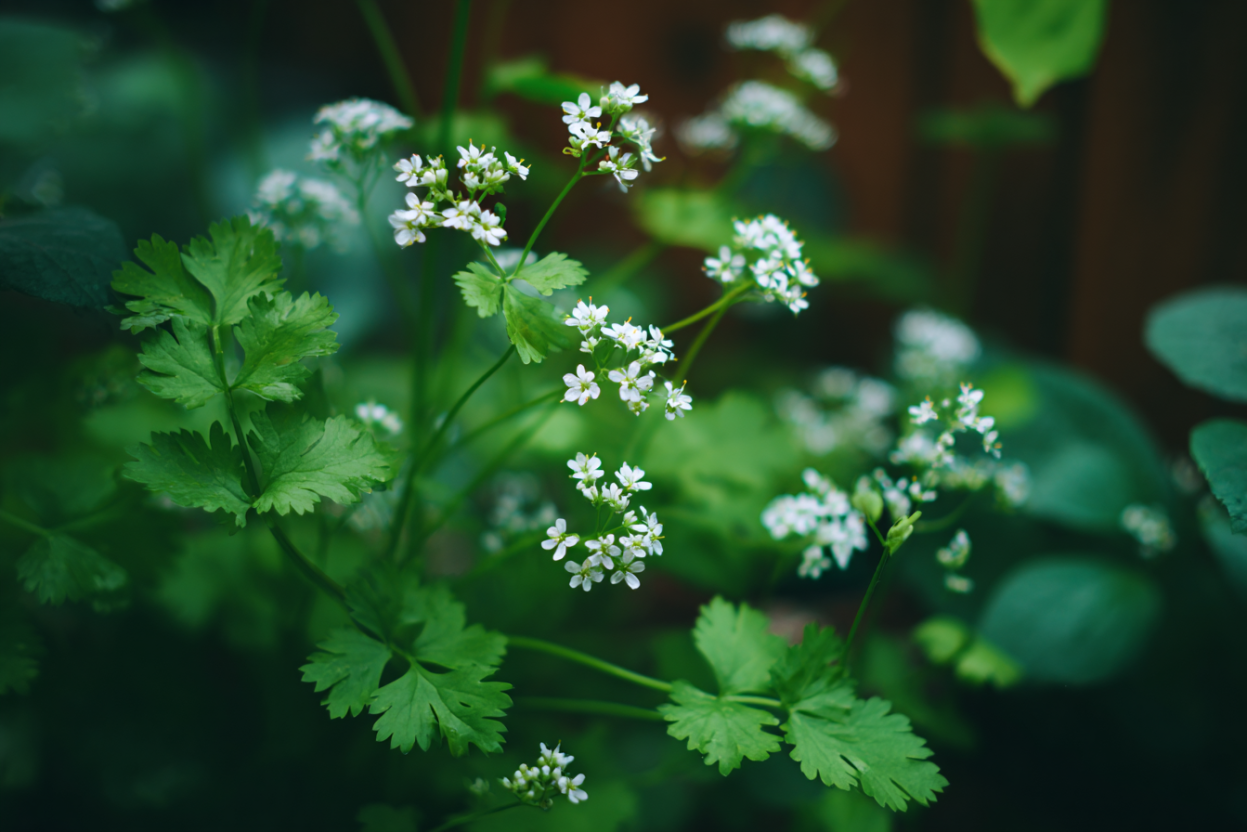
Cilantro (Coriandrum sativum)
If you have ever felt weighed down — by sluggish digestion, brain fog, anxious thoughts, or skin that just does not cooperate — you are not alone. Millions of people live with these quiet struggles every day, searching for answers. What if one of the most powerful supporters of your body’s natural detoxification, calm, and clarity has been sitting in the produce aisle all along?
Cilantro is one of the oldest herbs known to humanity and one of the most remarkable gifts the Creator embedded into nature for our benefit. From the earliest civilizations to modern research laboratories on every continent, this humble green herb keeps revealing layers of purpose that point to a Designer who thought of everything.
The Plant
Common Names: Cilantro, Coriander (seeds), Chinese Parsley, Mexican Parsley, Dhania (Hindi/Urdu), Koriander (German), Coriandre (French), Kozbara (Arabic), Pak Chi (Thai), Xiāngcài (Chinese)
Botanical Name: Coriandrum sativum L.
Family: Apiaceae (Umbelliferae) — the same family as carrots, celery, parsley, fennel, dill, and cumin. Members of this family are recognized by their umbrella-shaped flower clusters and aromatic compounds.
Description
Cilantro is an annual herb that grows 1 to 2 feet tall with a slender, branching stem. The lower leaves are broad, fan-shaped, and deeply lobed — resembling flat-leaf parsley — while the upper leaves become increasingly feathery and fern-like as the plant matures and prepares to flower. The leaves are bright to deep green, smooth, and hairless with a glossy surface.
In mid to late summer, cilantro sends up delicate umbels of tiny white to pale pink flowers that attract a wide variety of pollinators. These flowers give way to small, round, ridged seeds about 3-5mm in diameter. When immature, the seeds (and plant) emit a strong, somewhat pungent aroma that some describe as “bug-like” — in fact, the name Coriandrum may derive from the Greek koris, meaning “bedbug.” As the seeds mature and dry, however, this transforms into the warm, nutty, citrus-spice aroma that makes coriander seed a beloved spice worldwide.
The root system is a slender taproot, which is also edible and prized in Thai and Southeast Asian cooking for its concentrated flavor.
Origin
Cilantro is native to the Mediterranean region and southwestern Asia, spanning from southern Europe through the Middle East to central Asia. It is one of the oldest herbs in recorded human history — coriander seeds were found in a Neolithic cave near the Dead Sea dating to approximately 6000 BCE, and dried seeds were discovered in the tomb of Egyptian pharaoh Tutankhamun, dating to about 1325 BCE.
From its Mediterranean origins, cilantro traveled east along ancient trade routes to India and China, where it became deeply embedded in culinary and medicinal traditions. It spread west to the Americas with Spanish and Portuguese colonizers in the 15th and 16th centuries, where it was eagerly adopted into Mexican, Central American, and South American cuisines. Today, cilantro is cultivated on every inhabited continent and is one of the most widely used herbs in the world.
Brief History
Coriander is mentioned in ancient Sanskrit texts, Egyptian medical papyri, and the Bible itself. The Ebers Papyrus (approximately 1550 BCE), one of the oldest known medical documents, lists coriander among its herbal preparations. Hippocrates, the father of Western medicine, recommended coriander. The Roman physician Dioscorides documented its medicinal properties in his influential De Materia Medica around 65 CE. In Traditional Chinese Medicine, cilantro has been used for centuries as a digestive aid and for promoting the movement of qi. In Ayurvedic medicine, it is classified as a cooling herb that supports all three doshas.
By the medieval period, coriander was cultivated in monastery gardens across Europe and listed in Charlemagne’s decree Capitulare de Villis (circa 800 CE) as a required garden herb. Nicholas Culpeper, the famous 17th-century English herbalist, wrote extensively about coriander’s ability to ease digestive complaints and cool inflammation. When colonists arrived in the Americas, cilantro was among the first herbs planted in New World gardens — a fact recorded in Massachusetts Bay Colony records from the 1670s.
Growing & Cultivation
Climate & Zones
Cilantro thrives in USDA Hardiness Zones 2 through 11, making it one of the most widely adaptable herbs available. It is a cool-season crop that performs best in spring and fall, as it bolts (goes to flower and seed) quickly in sustained heat above 85°F (29°C). In warmer climates like Zone 8 and above, cilantro does best when planted in early spring or late fall. In cooler climates, it can be grown throughout summer. It can also be grown successfully indoors year-round on a sunny windowsill or under grow lights.
Soil Requirements
Cilantro prefers well-draining, loamy soil with a pH of 6.2 to 6.8 (slightly acidic to neutral). It tolerates a range of soil types but does not do well in heavy, waterlogged clay. Amending soil with compost improves drainage and provides the moderate fertility cilantro prefers. For container growing, use a quality potting mix with perlite for drainage. Avoid overly rich soil, which can reduce the intensity of the essential oils and flavor compounds.
Water & Sunlight
Cilantro needs consistent, moderate watering — approximately 1 inch per week. Keep the soil evenly moist but never soggy. Overwatering encourages root rot, while drought stress accelerates bolting. Mulching around the base helps retain soil moisture and keeps roots cool.
This herb performs best in full sun to partial shade. In hot climates, afternoon shade is beneficial and can extend the leafy harvest by delaying bolting. Six hours of direct morning sunlight with afternoon shade is ideal in Zones 8 and above. For indoor growing, provide at least 6 hours of bright light daily; a south-facing window or supplemental grow light works well.
Propagation
Seed (Primary Method): Cilantro is almost always grown from seed, as it does not transplant well due to its sensitive taproot. Sow seeds directly where they will grow, 1/4 inch deep and 1-2 inches apart. Gently crush the round seed husk before planting to speed germination. Seeds germinate in 7-10 days at soil temperatures of 55-68°F (13-20°C). For continuous harvest, practice succession planting — sow new seeds every 2-3 weeks throughout the growing season.
Self-Seeding: Once established, cilantro self-seeds prolifically. Allow some plants to bolt and set seed; they will drop seeds that germinate on their own in subsequent seasons. Many gardeners find cilantro becomes a permanent, self-renewing feature once initially planted.
Planting
Plant cilantro seeds directly in the garden 2-3 weeks before the last expected frost date in spring, or 6-8 weeks before the first expected frost in fall. Space rows 12-15 inches apart. Thin seedlings to 4-6 inches apart once they are a few inches tall. Companion plants that benefit cilantro include tomatoes, peppers, spinach, and legumes. Cilantro also acts as a beneficial companion that attracts predatory insects like lacewings and ladybugs while repelling aphids and spider mites. Avoid planting near fennel, which can cross-pollinate and inhibit cilantro’s growth.
Harvesting
Begin harvesting cilantro leaves when the plant is at least 6 inches tall, typically 3-4 weeks after germination. Cut the outer leaves first, leaving the central growing point intact for continued production. Harvest in the cool morning hours, when essential oil content is highest and leaves are most turgid. For seed (coriander) harvest, allow the plant to flower and set seed. When seed heads turn brown and dry, cut the entire seed head and place it upside down in a paper bag to catch falling seeds.
Drying & Storage
Fresh cilantro stores for 1-2 weeks in the refrigerator with stems in a jar of water, loosely covered with a plastic bag. For drying, bundle stems and hang upside down in a warm, well-ventilated, dark area for 5-7 days, or use a food dehydrator at 95-105°F. Note that dried cilantro leaves lose much of their characteristic flavor; freezing (chopped and placed in ice cube trays with water or oil) preserves flavor far better. Coriander seeds, once thoroughly dried, store for 1-2 years in an airtight container in a cool, dark location.
Pest & Disease Management
Cilantro is relatively pest-resistant due to its aromatic oils. Common pests include aphids, which can be managed with a strong water spray or neem oil; and whiteflies in greenhouse settings. Bacterial leaf spot and powdery mildew can occur in humid conditions — ensure good air circulation and avoid overhead watering. Cilantro’s natural pest-deterrent properties make it an excellent companion plant for the broader garden.
Companion Planting
Cilantro is a generous companion. Its flowers attract hoverflies, parasitic wasps, lacewings, and ladybugs — all of which prey on common garden pests. Plant cilantro near tomatoes, peppers, spinach, beans, and peas for mutual benefit. Its strong scent helps repel potato beetles, spider mites, and aphids. Avoid planting near fennel or dill, which are in the same family and may compete or cross-pollinate.
The Healing of Growing
Growing cilantro offers benefits that begin long before you ever eat it. The act of gardening — hands in soil, bare feet on earth, time spent outdoors in the rhythm of tending living things — has been shown to reduce cortisol, improve mood, and support immune function. The soil itself contains beneficial bacteria, including Mycobacterium vaccae, which research has documented as having natural antidepressant effects by stimulating serotonin production. When you grow your own cilantro, the healing has already begun before the first leaf is harvested.
Nutritional Profile
Macronutrients
Per 100 grams of fresh cilantro leaves (Source: USDA FoodData Central):
Calories: 23 kcal — Cilantro is exceptionally low in calories, making it a nutrient-dense addition to any meal without caloric cost.
Protein: 2.1 g
Carbohydrates: 3.7 g
Dietary Fiber: 2.8 g — Fiber supports digestive health by feeding beneficial gut bacteria and promoting regular bowel movements.
Sugars: 0.87 g
Total Fat: 0.52 g
Water: 92.2%
Vitamins
Vitamin A: 6,748 IU (135% DV) — Critical for vision health, immune function, skin integrity, and cellular communication. Cilantro provides this primarily through beta-carotene and lutein, both powerful carotenoid antioxidants.
Vitamin K: 310 mcg (258% DV) — Essential for proper blood clotting and plays a significant role in bone metabolism by activating osteocalcin, the protein responsible for binding calcium to bone. Research also suggests vitamin K supports cognitive function.
Vitamin C: 27 mg (30% DV) — Supports immune defense, collagen synthesis for skin elasticity, iron absorption, and functions as a powerful antioxidant that neutralizes free radicals.
Vitamin E: 2.5 mg (17% DV) — A fat-soluble antioxidant that protects cell membranes from oxidative damage and supports skin health and immune function.
Folate (B9): 62 mcg (16% DV) — Essential for DNA synthesis and repair, cell division, and particularly important during pregnancy for fetal neural tube development. Folate also supports serotonin production, linking it to mood regulation.
Vitamin B6 (Pyridoxine): 0.149 mg (11% DV) — Involved in over 100 enzyme reactions in the body, including neurotransmitter synthesis (serotonin, dopamine, GABA), hemoglobin production, and amino acid metabolism.
Riboflavin (B2): 0.162 mg (12% DV) — Supports energy production at the cellular level and helps maintain healthy skin, eyes, and nervous system function.
Niacin (B3): 1.114 mg (7% DV) — Supports energy metabolism and has been studied for its role in cardiovascular health and cholesterol balance.
Minerals
Potassium: 521 mg (11% DV) — A crucial electrolyte that regulates heart rhythm, supports nerve signaling, helps muscles contract, and assists in maintaining healthy blood pressure.
Iron: 1.77 mg (22% DV) — Essential for producing hemoglobin, the protein in red blood cells that carries oxygen throughout the body. The vitamin C present in cilantro enhances iron absorption — a beautiful example of synergistic nutrient design.
Manganese: 0.426 mg (19% DV) — Acts as a cofactor for the antioxidant enzyme superoxide dismutase (SOD), supports bone formation, blood clotting, and carbohydrate metabolism.
Copper: 0.225 mg (25% DV) — Involved in iron metabolism, energy production, connective tissue formation, and neurotransmitter synthesis.
Calcium: 67 mg (7% DV) — Supports bone and teeth structure, muscle function, nerve transmission, and hormone secretion.
Magnesium: 26 mg (6% DV) — Essential for over 300 enzymatic reactions including muscle and nerve function, blood sugar regulation, bone health, and energy production. Research connects magnesium to cortisol regulation and stress management.
Phosphorus: 48 mg (7% DV) — Works alongside calcium for bone and teeth health and plays a role in energy storage and transfer (ATP).
Zinc: 0.50 mg (5% DV) — Supports immune function, wound healing, protein synthesis, and DNA creation.
Phytonutrients & Active Compounds
What makes cilantro truly exceptional is not just its vitamins and minerals but its unique collection of bioactive phytochemicals:
Quercetin — A powerful flavonoid antioxidant with documented anti-inflammatory, antiviral, and antihistamine properties. Research suggests quercetin may help stabilize mast cells and reduce allergic responses.
Kaempferol — A flavonoid studied for its anti-inflammatory, antimicrobial, and potential cardioprotective properties. Research indicates kaempferol may help modulate inflammatory pathways.
Apigenin — A flavonoid that research suggests may interact with GABA receptors in the brain, promoting calming effects. Apigenin has also been studied for its potential to support healthy NAD+ levels.
Beta-carotene and Lutein — Carotenoid antioxidants that support vision health and protect cells from oxidative stress. Lutein specifically concentrates in the macula of the eye.
Linalool — The primary terpene in cilantro and coriander, responsible for much of the aroma and researched for anxiolytic (anti-anxiety), sedative, and anti-inflammatory effects. Studies suggest linalool interacts with GABA receptors.
Dodecanal — An aldehyde compound found in cilantro leaves that 2019 FASEB research identified as a potent activator of KCNQ potassium channels, which play a role in neuronal excitability. This mechanism may underlie cilantro’s traditional use for nervous system support.
Phenolic acids (Caffeic acid, Chlorogenic acid) — Antioxidant compounds associated with reduced inflammation and protection against oxidative cellular damage.
Nutrient Notes
Cilantro is one of the most nutrient-dense herbs per calorie, rivaling kale and spinach in some categories while delivering virtually no caloric load. The vitamin C present naturally enhances the absorption of the non-heme iron, demonstrating the elegant synergy within the plant. The fat-soluble vitamins (A, E, K) are best absorbed when cilantro is consumed with a source of healthy fat — a drizzle of olive oil or inclusion in guacamole, for instance, maximizes nutrient uptake. Cooking reduces some vitamin C content, so raw applications preserve the most complete nutritional profile.
Culinary Uses
Edible Parts
Every part of the cilantro plant is edible, offering a range of flavors and textures:
Leaves: The most commonly used part worldwide. Used fresh as garnish, in salsas, salads, curries, chutneys, and soups. Best added at the end of cooking or raw to preserve flavor and nutrients.
Stems: Equally flavorful as the leaves — many chefs chop stems and leaves together. Stems hold up better in cooking and can be added earlier in the process. Thai and Vietnamese cuisines frequently use cilantro stems in curry pastes and broths.
Roots: Prized in Thai cooking for curry pastes, especially in nam prik and tom yum. The roots have a concentrated, earthy cilantro flavor. They can be pounded in a mortar with garlic and white peppercorns to make the classic Thai seasoning base.
Seeds (Coriander): The dried, mature fruit of the plant. Warm, nutty, with citrus and floral notes — an entirely different flavor profile from the fresh leaves. Used whole or ground in spice blends, curries, pickling, baking, and brewing.
Flowers: Edible and delicately flavored. A beautiful, mild garnish for salads and desserts.
Flavor Profile
Fresh cilantro leaves have a bright, citrusy, and slightly peppery flavor with herbaceous green notes. Some people (estimated 4-14% of the population, varying by ethnicity) perceive a soapy taste due to a genetic variation in olfactory receptor genes (OR6A2) that heightens sensitivity to certain aldehyde compounds in the leaf. When cooked, fresh cilantro mellows considerably and loses much of its distinctive character, which is why it is typically added at the end. Dried cilantro leaf retains little of the fresh herb’s vibrancy and is generally a poor substitute. Coriander seed, by contrast, has a warm, sweet, lemon-peel flavor with nutty undertones — toasting the seeds before grinding intensifies their aromatic depth.
Preparation
For fresh use, wash cilantro thoroughly and pat dry. A sharp knife or herb shears prevent bruising. Cilantro works beautifully raw in salsas, guacamole, fresh spring rolls, salads, and as a finishing garnish. It can be blended into green sauces, chimichurri, and chutneys. For infusion, steep fresh leaves in hot water for tea, or infuse into oils and vinegars for culinary use. Coriander seeds are best toasted in a dry pan for 1-2 minutes until fragrant, then ground fresh for maximum flavor.
Culinary Pairings
Cilantro pairs exceptionally well with lime (a classic combination), chili peppers, garlic, ginger, cumin, coconut milk, avocado, tomatoes, black beans, fish, shrimp, chicken, rice, and yogurt. Coriander seed complements cinnamon, cardamom, cloves, fennel, cumin, and black pepper. The fresh leaves are central to cuisines spanning the globe: Mexican, Indian, Thai, Vietnamese, Chinese, Middle Eastern, Ethiopian, and Portuguese traditions all rely heavily on cilantro.
Storage
Store fresh cilantro with stems in a glass of water in the refrigerator, loosely covered with a plastic bag — this extends freshness to 2-3 weeks. Alternatively, wrap in a damp paper towel inside a resealable bag. For longer preservation, chop and freeze in ice cube trays with water or olive oil. Coriander seeds store in an airtight container in a cool, dark place for up to 2 years; ground coriander begins losing potency after about 6 months.
Ready to cook with Cilantro? View Recipes on Chefts →
Wellness & Therapeutic Uses
Traditional Uses
Cilantro and coriander have been used for healing across virtually every major civilization in recorded history. In Ayurvedic medicine, coriander is classified as a cooling herb (sheeta virya) and has been employed for thousands of years to support digestion, reduce inflammation, ease urinary complaints, and calm Pitta imbalances. Ancient Ayurvedic texts describe it as tridoshic — balancing to all three body constitutions.
In Traditional Chinese Medicine (TCM), cilantro (known as Xiāngcài) has been used for centuries to promote the movement of qi, support digestion, ease measles symptoms by encouraging rash eruption, and address food stagnation. It is considered a warm herb that enters the Lung and Stomach meridians.
Ancient Egyptian physicians documented coriander in the Ebers Papyrus (c. 1550 BCE) for digestive complaints, urinary issues, and as a component of medicinal preparations. Greek physicians including Hippocrates recommended coriander, and Dioscorides included it in his De Materia Medica as a remedy for inflammation, digestive distress, and skin conditions. The Roman physician Galen valued it as a cooling medicine.
In Persian (Unani) medicine, coriander has been used extensively for headaches, digestive complaints, and anxiety — practices documented in the Canon of Medicine by Ibn Sina (Avicenna). European folk medicine traditions employed coriander to ease colic, flatulence, and as a carminative. Native American peoples adopted cilantro after its introduction by Spanish colonizers, incorporating it into food medicine preparations.
Modern Research
Heavy Metal Chelation Support: One of cilantro’s most studied properties is its potential to support the body’s natural detoxification of heavy metals. Animal studies have demonstrated that Coriandrum sativum extract may help reduce lead-induced oxidative stress and support the excretion of heavy metals including lead and mercury. A review published in the Journal of Herbmed Pharmacology (2019, Iran) documented cilantro among the most promising herbal compounds for chelation support, noting that its amphoteric electrolytes, phytic acid, and citric acid may help bind and mobilize heavy metals. A double-blind, placebo-controlled trial found that a combination of cilantro tincture and chlorella effectively mobilized and promoted the elimination of heavy metals in test subjects. Research in this area is ongoing and promising.
Nervous System Support & Anticonvulsant Activity: A landmark 2019 study published in FASEB Journal (USA) discovered that dodecanal, a compound abundant in cilantro, is a potent activator of KCNQ voltage-gated potassium channels — a key finding because dysfunction of these channels is implicated in epilepsy and other neurological conditions. This research provided a molecular mechanism for cilantro’s long-standing traditional use as a nervous system calming agent. Multiple animal studies have demonstrated anticonvulsant effects of C. sativum extracts at doses comparable to pharmaceutical agents like diazepam.
Anxiolytic & Sedative Properties: Research published in the Indian Journal of Pharmacology demonstrated that cilantro extract produced anti-anxiety effects comparable to diazepam (Valium) in animal models, without the concerning side effects associated with benzodiazepine medications. Studies attribute these effects primarily to linalool, which interacts with GABA receptors in the brain. A review in the Iranian Journal of Basic Medical Sciences (2021) compiled evidence for the neuroprotective, anxiolytic, sedative-hypnotic, and antidepressant properties of C. sativum and its constituent linalool.
Digestive Support: Traditional use as a digestive aid is supported by modern research showing that cilantro and coriander may promote healthy digestion through carminative (gas-reducing), antispasmodic, and appetite-stimulating actions. Studies suggest coriander extract may support healthy bile production and has demonstrated gastroprotective properties in animal models.
Blood Sugar Support: Multiple studies have demonstrated that C. sativum extracts may help support healthy blood sugar levels. Research published in the Journal of Food Sciences showed that coriander supported healthy liver function and balanced blood sugar in diabetic animal models. The mechanism appears to involve enhanced insulin secretion and improved glucose metabolism. A review in Molecules (2022, Lebanon) documented the hypoglycemic properties alongside cardiovascular benefits.
Cardiovascular Support: Research suggests cilantro and coriander may support cardiovascular health through multiple mechanisms: supporting healthy cholesterol balance (reducing LDL while preserving HDL), providing antihypertensive effects via ACE inhibition activity documented in phytochemical studies, and offering antioxidant protection against oxidative damage to cardiovascular tissues.
Antimicrobial Activity: Coriander essential oil and cilantro extracts have demonstrated significant antimicrobial activity against both Gram-positive and Gram-negative bacteria, including MRSA (methicillin-resistant Staphylococcus aureus). A 2018 study published in the Journal of Medical Microbiology (Portugal) documented that coriander essential oil showed synergistic interactions with antibiotics, even demonstrating antibiotic resistance reversal activity — a finding of enormous potential significance.
Antioxidant & Anti-inflammatory Activity: The polyphenols, flavonoids, and volatile compounds in cilantro provide substantial antioxidant protection. Multiple studies have documented its ability to reduce oxidative stress markers and inflammatory mediators. The antioxidant activity has been attributed to quercetin, kaempferol, and other phenolic compounds.
Body Systems Supported
Nervous System: Anxiolytic, sedative, anticonvulsant, neuroprotective, and memory-supporting properties documented across multiple studies.
Digestive System: Carminative, antispasmodic, appetite-stimulating, gastroprotective, and hepatoprotective actions.
Cardiovascular System: Hypolipidemic, hypotensive, cardioprotective, and anti-atherogenic properties.
Immune System: Antimicrobial, antifungal, antiviral, and immune-modulating effects.
Endocrine System: Blood sugar regulation support, potential hormone-balancing properties.
Integumentary System (Skin): Anti-inflammatory, antioxidant protection, wound-healing support.
Urinary System: Traditional and some modern evidence for diuretic and urinary tract support.
Body Compounds Affected
Research suggests cilantro and its compounds influence several key body compounds:
GABA: Linalool and other compounds in cilantro appear to interact with GABA-A receptors, which may explain the observed anxiolytic and sedative effects. GABA is the body’s primary inhibitory neurotransmitter — when supported, it promotes calm, reduces anxiety, and supports sleep.
Serotonin: The folate and B6 content in cilantro supports serotonin synthesis. Additionally, contact with soil during gardening (Mycobacterium vaccae) has been shown to stimulate serotonin production — growing cilantro may thus support serotonin through multiple pathways.
Cortisol: The anxiolytic properties suggest a modulating effect on the stress response. Aromatherapy research on linalool demonstrates reduced cortisol and stress hormone levels.
Inflammatory Markers (Cytokines, COX-2, Prostaglandins): Cilantro’s anti-inflammatory compounds have been shown to reduce pro-inflammatory cytokines, COX-2, and PGE-2 levels in research settings.
Insulin: Research suggests cilantro may support healthy insulin secretion and sensitivity, potentially through effects on pancreatic beta cells.
Glutathione: As a potent antioxidant food, cilantro may support the body’s production and activity of glutathione, the master antioxidant involved in detoxification pathways.
Methods of Use
Tea/Infusion
Use 1-2 tablespoons of fresh cilantro leaves (or 1-2 teaspoons dried coriander seeds, lightly crushed) per cup of hot water. Steep fresh leaves for 5-10 minutes; steep seeds for 10-15 minutes. Strain and drink warm. May be consumed 2-3 times daily. Adding a squeeze of lemon enhances both flavor and the bioavailability of certain compounds.
Tincture
Cilantro tinctures are commercially available, typically prepared using the fresh leaves in alcohol or glycerin. Common dosages range from 20-40 drops (1-2 ml) taken 2-3 times daily. Tinctures are frequently used in heavy metal chelation support protocols alongside chlorella.
Fresh Consumption
The simplest and arguably most effective method — incorporate generous amounts of fresh cilantro into daily meals. Add to smoothies, juices, salads, soups, and as a finishing herb on virtually any savory dish.
Juice
Fresh cilantro can be juiced alone or combined with celery, cucumber, apple, and lemon for a nutrient-dense green juice. This concentrated form delivers phytonutrients efficiently.
This information is for educational purposes only and is not intended to diagnose, treat, cure, or prevent any disease. Always consult with a qualified healthcare provider before making changes to your health regimen.
Cosmetic & Beauty Uses
Skin Benefits
Cilantro offers notable benefits for skin health, backed by emerging research. The herb is rich in antioxidants — including vitamins A, C, and E, along with quercetin and kaempferol — that help protect skin cells from oxidative stress caused by UV radiation, pollution, and environmental toxins.
A groundbreaking 2014 study published in the Journal of Medicinal Food (Republic of Korea) demonstrated that cilantro leaf extract protected against UVB-induced photoaging by upregulating procollagen type I synthesis and suppressing MMP-1 (the enzyme that degrades collagen). This research suggests cilantro may support skin firmness and help the skin resist the visible effects of sun damage. A 2022 study in Scientific Reports (Egypt) further confirmed coriander essential oil’s anti-aging potential, demonstrating the highest collagenase, elastase, tyrosinase, and hyaluronidase inhibitory activities compared to other Apiaceous oils tested.
Cilantro’s anti-inflammatory properties make it supportive for sensitive, irritated, and acne-prone skin. Its antimicrobial activity may help keep the skin microbiome balanced, while its antioxidants support overall skin health and radiance. The vitamin A content (as beta-carotene) supports cell turnover, which is beneficial for dull skin, uneven tone, and the appearance of aging.
Hair Benefits
Cilantro has traditionally been used to support scalp health and hair vitality. Its antimicrobial properties may help address dandruff-related scalp concerns. The vitamins A, C, and K, along with iron and other minerals, support the nutritional foundation needed for healthy hair growth. Cilantro tea or infusion used as a hair rinse may add shine, soften hair, and support scalp health.
Application Methods
Infused Oil: Steep fresh cilantro in a carrier oil (jojoba, sweet almond, or grapeseed) for 2-4 weeks in a cool, dark place. Strain and use as a facial oil, body oil, or scalp treatment. The infused oil carries the herb’s antioxidant compounds in a skin-nourishing base.
Face Mask: Blend fresh cilantro leaves with honey, yogurt, or aloe vera gel for a soothing, antioxidant-rich face mask. Apply for 15-20 minutes and rinse with cool water.
Toner: Brew a strong cilantro tea, allow to cool, and use as a facial toner with a cotton pad. Store in the refrigerator for up to one week.
Hair Rinse: Steep a large handful of fresh cilantro in boiling water for 20 minutes, strain, cool, and use as a final rinse after shampooing.
Bath Addition: Add fresh or dried cilantro to a warm bath for a soothing, aromatic soak that delivers topical benefits while providing aromatherapy.
DIY Formulation Notes
When incorporating cilantro into homemade preparations, use fresh plant material within 1-2 days of harvest for maximum potency. Oil infusions should use dried material to prevent microbial growth from water content. Homemade water-based preparations (toners, rinses) should be refrigerated and used within 5-7 days. Pair cilantro infused oil with jojoba (for oily skin), sweet almond (for dry skin), or rosehip (for aging skin). Always perform a patch test before applying any new preparation to the face.
Cilantro is among the botanicals being explored for holistic cosmetic applications, where the wisdom of traditional beauty practices meets modern understanding of skin science.
Essential Oil Profile
There are two distinct essential oils from this plant: Coriander Seed Essential Oil (the most common commercially) and Cilantro Leaf Essential Oil (also called Cilantro Herb Oil). Their compositions differ significantly.
Extraction
Coriander Seed Oil: Extracted by steam distillation of the dried, mature seeds (fruits). The yield is approximately 0.1-2.6% depending on variety and growing conditions. This is the most widely available commercial product.
Cilantro Leaf Oil: Extracted by steam distillation of the fresh aerial parts (leaves and stems). The yield is much lower, making it more expensive and less commonly found. The chemical profile differs dramatically from the seed oil.
Chemical Constituents
Coriander Seed Oil — Primary Constituents:
Linalool (55-80%): The dominant compound — a monoterpene alcohol with well-documented calming, anti-anxiety, anti-inflammatory, and antimicrobial properties. Coriander seed oil actually contains a higher percentage of linalool than lavender oil.
γ-Terpinene (0.6-14%): A monoterpene with antioxidant properties.
α-Pinene (1-11%): An anti-inflammatory, bronchodilator, and memory-supporting compound.
Camphor (0-6%): Provides cooling, analgesic effects.
Geranyl Acetate (2-18%): Contributes floral notes and antimicrobial properties.
Geraniol (1-5%): Antioxidant and skin-supportive compound.
Limonene (1-3%): Uplifting, supportive of healthy immune function.
Cilantro Leaf Oil — Primary Constituents:
The leaf oil is dominated by aldehydes rather than alcohols: (E)-2-Decenal (16-47%), Linalool (12-30%), Decanal (5-19%), (E)-2-Dodecenal (4-9%), and Dodecanal — notably the compound identified for its KCNQ potassium channel activating properties.
Aroma Profile
Coriander Seed Oil: Classified as a middle note. Sweet, warm, spicy, slightly woody with lemony-herbaceous undertones. It is grounding yet uplifting. Blends beautifully with citrus oils (bergamot, orange, lemon), spice oils (cardamom, ginger, cinnamon), floral oils (neroli, jasmine), and wood oils (sandalwood, cedarwood).
Cilantro Leaf Oil: Classified as a top note. Fresh, bright, herbaceous, and green with a citrus quality. More pungent and polarizing than the seed oil.
Therapeutic Properties
Using compliant language, coriander essential oil research suggests the following properties: calming and relaxing (linalool interacting with GABA receptors), antimicrobial (effective against both Gram-positive and Gram-negative bacteria, including MRSA), anti-inflammatory, analgesic (pain-relieving, particularly for muscle and joint discomfort), digestive support (carminative, antispasmodic), antioxidant, and skin-supportive (anti-aging research).
How to Use
Diffusion
Add 3-5 drops to an ultrasonic diffuser. Diffuse for 30-60 minutes to create a calming, stress-reducing environment. Particularly beneficial in the evening or during times of tension. Combines well with lavender for enhanced relaxation.
Topical Application
Always dilute before skin application. Standard adult dilution: 2-3% (12-18 drops per ounce of carrier oil). For sensitive skin: 1% (6 drops per ounce). For children over 6: 0.5-1%. Suitable carrier oils include jojoba, sweet almond, fractionated coconut oil, or grapeseed oil. Apply to pulse points, temples, or abdomen (for digestive support).
Quality & Sourcing
Look for oils that are 100% pure, steam-distilled, and preferably accompanied by a GC/MS (Gas Chromatography/Mass Spectrometry) test report. Quality coriander seed oil should show linalool content above 55%. Be cautious of oils sold at suspiciously low prices. Primary sourcing regions include Russia, India, Morocco, Romania, and Egypt. Organic or wildcrafted oils reduce pesticide exposure risk.
Blending
Coriander seed oil blends harmoniously with bergamot, clary sage, cypress, frankincense, ginger, grapefruit, lemon, neroli, orange, petitgrain, sandalwood, and vetiver. For a calming blend: combine 3 drops coriander with 2 drops lavender and 1 drop frankincense. For digestive support: combine 2 drops coriander with 2 drops ginger and 2 drops peppermint in a carrier oil for abdominal massage.
Aromatherapy & Scent
The Aroma
Fresh Plant Aroma: Fresh cilantro emits a distinctive bright, citrusy, and herbaceous scent that intensifies when the leaves are touched, crushed, or cut. The aroma is strongest in warm conditions and after rain, when volatile molecules are most actively released. The scent is complex — carrying green, citrus, and slightly soapy-aldehydic notes due to the (E)-2-decenal and dodecanal compounds. Proximity matters: standing near a large patch of cilantro in a garden on a warm day provides a gentle, uplifting aromatic experience, while crushing a leaf between your fingers releases a burst of concentrated volatile compounds.
Dried Plant Aroma: Dried cilantro leaves lose most of their bright aromatic quality, retaining only a faint, hay-like green scent. Dried coriander seeds, however, develop a warm, sweet, nutty, and citrus-spice aroma that deepens and improves with curing. This transformation reflects a fundamental shift in the volatile compound profile as the plant matures and dries.
How Scent Affects Your Body
When you inhale the aroma of fresh cilantro, volatile molecules travel through the nasal passages to the olfactory epithelium, where specialized receptor neurons detect them. These receptors send signals directly to the limbic system — the brain’s emotional processing center — and to the hypothalamus, which governs hormone release. This pathway bypasses the conscious, analytical parts of the brain. Your body responds to the scent before your thinking mind even processes what you are smelling. This is why certain plant aromas can immediately shift your mood, ease tension, or evoke vivid memories.
Emotional & Mood Effects
The scent of fresh cilantro is generally experienced as refreshing, clarifying, and gently uplifting. Many people report it as an appetite stimulant — the bright green aroma signals “fresh food” to the brain. Coriander seed essential oil, rich in linalool, leans more toward calming, grounding, and anxiety-reducing effects. Research on linalool inhalation in human studies has demonstrated reduced aggressiveness, increased relaxation, and improved sedation — effects attributed to its interaction with GABA receptors and modulation of the autonomic nervous system.
Body Compounds Affected
Research on linalool (the primary aromatic compound) suggests inhalation may influence GABA activity in the brain, promoting calming effects. Studies have also shown linalool inhalation can reduce cortisol levels and lower sympathetic nervous system activity (the “fight or flight” response). The bright, citrusy aldehydes in fresh cilantro may have a mild stimulating and clarifying effect, potentially supporting alertness and focus. Overall, the aromatic profile of cilantro and coriander provides a balancing experience — clarifying without overstimulating, calming without sedating.
Ways to Experience the Scent
Growing cilantro on a kitchen windowsill provides daily aromatic exposure simply through proximity and tending. Crush fresh leaves between your fingers while gardening for an immediate aromatic burst. Place fresh cuttings in a small vase of water on your desk or bedside table. Simmer fresh cilantro with citrus peel on the stove for a natural room freshener. Add fresh or dried coriander seeds to a warm bath for aromatic hydrotherapy. Place a sachet of dried coriander seeds in a drawer or under your pillow for a subtle, warm, calming scent. Use coriander seed essential oil in a diffuser for sustained aromatic benefits.
Color Therapy
The Colors of Cilantro
Cilantro is predominantly a deep, vibrant green — the color of its lush, tender leaves and slender stems. New growth tends toward a brighter, more yellow-green, while mature leaves settle into a richer, deeper green. The small flowers are white to pale pink, and the mature coriander seeds are tan to golden-brown. The roots, used in some cuisines, are a pale cream-white.
Color Wavelengths
Green light occupies the wavelength range of approximately 495-570nm in the visible spectrum, sitting at the center of what our eyes can perceive. White light is the full visible spectrum combined (380-700nm). The soft pink of the flowers falls in the 620-700nm (red) range combined with white.
How Green Affects the Body
Green is the color most associated with balance, renewal, and the heart. In color therapy principles, exposure to green light and green environments is considered balancing and calming — neither stimulating nor sedating, but harmonizing. Green is associated with the heart chakra in Eastern traditions, linking it to emotional equilibrium, compassion, and connection. Research in environmental psychology confirms that exposure to green natural environments reduces blood pressure, lowers cortisol, improves mood, and accelerates healing. Patients with views of green vegetation recover faster from surgery — a finding documented in landmark research published in Science magazine.
The white of cilantro’s flowers represents full-spectrum light — purifying and clarifying in color therapy traditions. The warm brown-gold of coriander seeds relates to grounding, stability, and earth connection.
Body Compounds Affected
Exposure to green environments has been documented to reduce cortisol (the stress hormone), support balanced blood pressure (cardiovascular relaxation), and improve overall mood through mechanisms that may involve serotonin and dopamine activity. The visual presence of living green plants provides ongoing micro-doses of this balancing color wavelength.
Using Cilantro for Color Therapy
Keeping a pot of fresh cilantro on your kitchen windowsill or desk provides continuous exposure to its vibrant green color. Use cilantro as a bright green garnish to add color therapy to your meals — eating the color green adds the benefit of chlorophyll and the phytonutrients that create the green pigment. When cilantro blooms, the delicate white flowers offer visual calm and simplicity. Place fresh cilantro in a small vase for both aromatic and visual benefit. Growing cilantro in your garden connects you to the broader green landscape, amplifying the color therapy benefits of time in nature.
Frequency & Vibration
The Frequency of Cilantro
While specific MHz frequency measurements for fresh cilantro herb have not been widely published in the available bio-frequency literature, coriander essential oil has been categorized among moderate-to-high frequency essential oils. According to bio-frequency research pioneered by Bruce Tainio and others, essential oils generally measure between 52 and 320 MHz. Coriander seed essential oil, being rich in linalool (a compound also dominant in high-frequency lavender oil), is estimated to carry a moderate frequency in this range.
For reference, the healthy human body generally measures between 62-78 MHz, with lower frequencies associated with the onset of illness (58 MHz for cold/flu susceptibility) and higher frequencies associated with vibrant health. Living plants, as actively growing and metabolizing organisms, emit their own vibrational frequencies as well.
Human Frequency Interaction
According to the principle of entrainment — a physics phenomenon where a stronger vibration influences a weaker one — being around high-frequency substances may support the body’s own frequency. Proponents of vibrational medicine suggest that consuming fresh, living herbs and using pure essential oils may help support the body’s optimal frequency. Fresh cilantro, as a living plant rich in volatile aromatic compounds, offers both the frequency of living plant matter and the vibrational qualities of its unique chemical compounds.
Essential Oil Frequency
Coriander seed essential oil carries a vibrational profile influenced by its dominant compound, linalool. According to bio-frequency research, linalool-rich oils are associated with calming, harmonizing frequencies. Using coriander essential oil in diffusion or topical application may provide both the chemical and vibrational properties of the plant’s concentrated essence.
Vibrational Applications
To incorporate cilantro’s vibrational qualities into your life: consume fresh, raw cilantro regularly (living food carries the highest frequency); grow cilantro in your home and garden (living plants emit ongoing frequency); use pure coriander seed essential oil in diffusion or topical application; and combine with other high-frequency practices such as time in prayer, time in nature, clean water, and whole foods. The emerging field of bio-frequency research continues to document how everything in creation vibrates at the molecular level — a truth that is physics, not mysticism.
Note: Frequency measurements for essential oils and living organisms represent an area where research is still developing. The figures referenced above are based on the pioneering work of Bruce Tainio and others in the bio-frequency field.
The Living Plant
Benefits of Presence
Simply being near a living cilantro plant provides benefits beyond any consumption or extraction. Research on biophilic design — the human need for connection with nature — demonstrates that having living plants in indoor spaces reduces stress, improves concentration, enhances mood, and even supports immune function. A pot of cilantro on your windowsill is not just a convenient herb garden; it is a living presence that your body and mind respond to in measurable ways.
Air Purification
While cilantro was not among the specific plants tested in the well-known NASA Clean Air Study, all green plants contribute to indoor air quality through photosynthesis — absorbing carbon dioxide and releasing oxygen during daylight hours. Aromatic herbs like cilantro release volatile organic compounds (phytoncides) that research suggests may have antimicrobial properties, helping to cleanse the air around them. The humidity released through plant transpiration also helps maintain moisture levels in dry indoor environments, benefiting respiratory health and skin.
Phytoncides
Cilantro, like many aromatic herbs, releases volatile antimicrobial compounds known as phytoncides. Forest bathing (shinrin-yoku) research, primarily from Japan, has demonstrated that phytoncides released by plants increase Natural Killer (NK) cell activity in humans — part of the innate immune system that helps the body defend against pathogens and abnormal cells. While the phytoncide output of a small indoor herb plant is modest compared to a forest, the principle is the same: aromatic plants share their protective chemistry with the air around them, and those nearby benefit.
Visual & Psychological Benefits
Research in environmental psychology consistently demonstrates that viewing green plants reduces physiological markers of stress (including heart rate, blood pressure, and cortisol levels), improves attention and focus (Attention Restoration Theory), and supports emotional well-being. In healthcare settings, patients with views of vegetation have been documented to heal faster, require less pain medication, and report higher satisfaction. Having fresh green cilantro visible in your kitchen or workspace provides a small but meaningful connection to these documented benefits of plant presence.
Growing Indoors vs Outdoors
Cilantro grows well in both settings. For indoor growing, use a pot at least 8 inches deep (to accommodate the taproot) with drainage holes. Place in a south-facing window with at least 6 hours of bright light, or supplement with a grow light. Indoor cilantro provides the combined benefits of plant presence, aromatherapy (touching the plant releases scent), color therapy (vibrant green in your living space), and convenient access for culinary and wellness use.
For outdoor growing, the benefits expand dramatically. Time spent tending cilantro in a garden provides grounding contact with the earth, broader exposure to phytoncides from surrounding plants, full-spectrum sunlight exposure (supporting vitamin D synthesis), and the well-documented psychological benefits of gardening itself. Outdoor cilantro also attracts beneficial pollinators, contributing to the health of your broader garden ecosystem.
Touch & Physical Interaction
Gardening Therapy
Horticultural therapy is an established therapeutic practice used in hospitals, rehabilitation centers, senior care facilities, and mental health programs worldwide. Working with cilantro — planting seeds, thinning seedlings, watering, harvesting, and processing — provides gentle, purposeful physical activity that engages the hands, senses, and mind simultaneously. The repetitive, mindful nature of gardening tasks has been shown to reduce anxiety, improve mood, and provide a sense of accomplishment and connection to something larger than oneself.
Soil Contact Benefits
When you plant cilantro seeds or tend your herb garden with bare hands and bare feet on the earth, you engage in grounding (earthing) — direct physical contact with the earth’s surface that allows the transfer of free electrons from the ground into your body. Research published in the Journal of Environmental and Public Health has documented that grounding reduces inflammation, improves sleep, and normalizes cortisol rhythms. Additionally, the soil itself contains Mycobacterium vaccae, a bacterium that research from the University of Bristol demonstrated stimulates serotonin production in the brain — literally, a natural antidepressant living in the dirt beneath your hands.
The Tactile Experience
Touching cilantro is a sensory experience. The leaves are smooth, cool, and slightly silky between the fingers. When gently rubbed, they release a burst of volatile oils that fills the air with the herb’s characteristic bright, citrusy scent. The stems are tender and slightly waxy. The flowers are delicate and soft. Harvesting involves the satisfying tactile experience of holding a bunch of fresh herbs, feeling the coolness of the leaves, and the gentle resistance of the stems as they are cut. Coriander seeds, when dry, are hard, round, and ridged — pleasing to roll between the fingers and satisfying to crush in a mortar and pestle, releasing a warm, nutty aroma with each stroke.
Harvesting & Processing
The act of harvesting cilantro — selecting the best leaves, cutting at the stem, gathering into bundles — is a meditative practice. Stripping leaves for drying, bundling stems, grinding coriander seeds in a mortar and pestle — each of these activities engages the hands in rhythmic, purposeful work that quiets the mind and connects you to the ancient human practice of gathering and preparing plant medicine. There is a deep satisfaction in harvesting something you grew yourself, preparing it with your own hands, and knowing exactly what it is and where it came from. This connection to the rhythm of planting, growing, and harvesting is one of the quiet gifts of working with plants.
Water-Based Applications
Teas & Infusions
Cilantro Leaf Tea: Place 1-2 tablespoons of fresh cilantro leaves (or 1 teaspoon dried) in a cup. Pour hot water (approximately 200°F / 93°C — just below boiling) over the herb. Steep for 5-10 minutes, covered to retain volatile compounds. Strain and drink. This infusion has traditionally been used to support digestion, ease bloating, and promote calm. May be consumed 2-3 times daily.
Coriander Seed Tea: Lightly crush 1-2 teaspoons of coriander seeds with the back of a spoon or in a mortar. Add to a cup of boiling water. Steep for 10-15 minutes. Strain. This warming, slightly sweet tea has been used traditionally for digestive complaints, bloating, and blood sugar support. A cold infusion (seeds steeped overnight in room-temperature water) may have different extraction properties and is a common Ayurvedic preparation.
Herbal Baths
Add a large handful of fresh cilantro leaves (or 1/4 cup of crushed coriander seeds) to a muslin bag or directly to warm bath water (95-100°F / 35-38°C). Soak for 20-30 minutes. The warm water opens pores and allows the volatile compounds to be absorbed through the skin while simultaneously providing aromatherapy benefits through inhalation. Cilantro baths have traditionally been used for skin irritation, inflammation, and as a general detoxification support. A foot bath using the same preparation offers a convenient alternative that still provides therapeutic contact.
Hydrosols
Coriander hydrosol (also called coriander flower water) is the water portion remaining after steam distillation of coriander seeds. It contains water-soluble aromatic compounds in gentle concentration. Coriander hydrosol has a sweet, slightly spicy aroma and is used as a facial toner for oily and combination skin, a gentle room spray, or added to bath water. It provides a milder aromatic experience than the essential oil, making it suitable for sensitive individuals and children.
Compresses
Hot Compress: Brew a strong cilantro tea (double the herb amount), soak a clean cloth in the warm liquid, wring gently, and apply to areas of muscle tension, digestive discomfort (over the abdomen), or inflamed joints. The warmth promotes circulation while the plant compounds provide their therapeutic effects. Reapply as the cloth cools.
Cold Compress: Brew the same strong tea, allow to cool fully and refrigerate. Soak a cloth in the cold preparation and apply to areas of swelling, headache (forehead and temples), or skin irritation. The cold reduces inflammation while the plant compounds provide soothing relief.
Steam Inhalation
Add a generous handful of fresh cilantro (or 3-5 drops of coriander essential oil) to a bowl of steaming hot water. Drape a towel over your head and the bowl, creating a tent. Breathe deeply through your nose for 5-10 minutes. This delivers volatile compounds directly to the respiratory passages and olfactory system. Traditionally used for congestion, sinus support, and the calming effects of linalool inhalation. Exercise caution with steam temperature to avoid burns.
Hair Rinses
Prepare a strong cilantro infusion (large handful of fresh cilantro in 2 cups of hot water, steeped 20-30 minutes, strained). After shampooing, pour the cooled tea over hair as a final rinse. The antimicrobial properties may support scalp health, while the nutrients and antioxidants add shine and softness. This rinse has been used traditionally to address dandruff and promote healthy hair. For a more concentrated rinse, use coriander seed decoction (simmer 2 tablespoons crushed seeds in 2 cups water for 15 minutes, strain, and cool).
Historical, Cultural & Biblical Significance
Biblical References
Coriander is one of the relatively few plants mentioned by name in Scripture, and its reference is profoundly significant. When God provided manna to sustain the Israelites during their forty years in the wilderness, the Bible describes it using coriander as a reference point:
“And the house of Israel called the name thereof Manna: and it was like coriander seed, white; and the taste of it was like wafers made with honey.” — Exodus 16:31 (KJV)
“And the manna was as coriander seed, and the colour thereof as the colour of bdellium.” — Numbers 11:7 (KJV)
That God chose coriander as the comparison for the appearance of the miraculous bread from heaven tells us that coriander was intimately familiar to the Israelites — so common and well-known that it could serve as a universal reference point. Coriander was not a rare or exotic plant to the people of the Bible; it was a staple, a companion of daily life, a plant they knew by touch and sight and taste. And it was this humble, familiar seed that God chose to compare to His direct provision. There is something beautiful in that — the Creator using one of His ordinary gifts to describe an extraordinary one.
Ancient Civilizations
Egypt: Coriander seeds were found in the tomb of Pharaoh Tutankhamun (c. 1325 BCE), suggesting it held enough value to accompany a king into the afterlife. The Ebers Papyrus (c. 1550 BCE), one of the oldest surviving medical texts, documents coriander as a medicinal herb. Egyptian physicians used it in preparations for digestive complaints, urinary issues, and as an ingredient in compound remedies.
Greece and Rome: Hippocrates (c. 460-370 BCE) recommended coriander for various ailments. Dioscorides included it in his De Materia Medica (c. 65 CE), the most influential herbal text in Western history for over 1,500 years, describing it for inflammation and skin conditions. Pliny the Elder documented its cultivation across the Roman Empire. Galen (c. 130-210 CE) classified it according to his humoral system and valued it as a cooling medicine. The Romans introduced coriander to Britain, where it was cultivated until the fall of the empire — and then preserved by monastic communities.
Mesopotamia and Hebrew Tradition: Archaeological evidence places coriander in the Nahal Hemar cave near the Dead Sea (c. 6000 BCE), making it one of the earliest spices found in an archaeological context. Its deep familiarity in Hebrew culture is confirmed by its biblical mention as a common reference point.
Eastern Traditions
Traditional Chinese Medicine: Cilantro (Xiāngcài) has been documented in Chinese medical texts for centuries. It entered the Chinese pharmacopeia as a warming herb used to promote sweating, support digestion, address food stagnation, and aid in the eruption of rashes during measles (helping the body complete the immune process). It is classified as entering the Lung and Stomach meridians.
Ayurveda: Sanskrit medical texts, including the Charaka Samhita (c. 400 BCE – 200 CE), document coriander (Dhanyaka) extensively. In Ayurvedic practice, coriander is classified as tridoshic — beneficial for all three constitutional types (Vata, Pitta, Kapha). It is particularly valued for cooling Pitta aggravation, supporting digestive fire (Agni) without overheating, and calming urinary and inflammatory conditions. Coriander water (seeds soaked overnight) remains a widely used Ayurvedic preparation today.
Unani (Persian) Medicine: Ibn Sina (Avicenna, 980-1037 CE) described coriander in his Canon of Medicine, the most comprehensive medical text of the medieval Islamic world. He recommended it for headaches, digestive complaints, anxiety, and inflammation — uses remarkably consistent with modern research findings.
Indigenous Knowledge
While cilantro is not native to the Americas, its rapid adoption into indigenous food and medicine traditions after Spanish colonization speaks to its clear utility. Indigenous peoples across Central and South America incorporated cilantro into their healing and culinary practices, often integrating it with existing native herbs. In Africa, various traditional medicine systems have long used coriander for digestive complaints, fever, and as an antimicrobial agent.
European Heritage
Charlemagne’s Capitulare de Villis (c. 800 CE) mandated the cultivation of coriander in royal gardens — a decree that helped preserve herbal knowledge through the medieval period. Benedictine and Cistercian monks maintained coriander in their monastery physic gardens, carrying forward the healing knowledge of the ancient world. During the Renaissance, herbalists including John Gerard (1597) and Nicholas Culpeper (1652) documented coriander’s medicinal properties extensively. Culpeper wrote of its ability to ease digestive complaints and cool inflammation — observations that modern research has validated.
Coriander was among the herbs brought to the New World by colonists. Massachusetts Bay Colony records from the 1670s document it among the earliest herbs cultivated in American gardens — one of the many threads connecting the ancient world to the modern one.
Cultural Symbolism
In many cultures, coriander has symbolized love, health, and protection. In parts of Europe, coriander was woven into wedding traditions and harvest celebrations. In the language of flowers (Victorian floriography), coriander represented hidden worth — an apt symbol for a plant whose medicinal and nutritional gifts were always present, waiting to be recognized. Across Asia, the Middle East, and the Americas, cilantro has become a symbol of cultural identity and culinary heritage — a humble green herb that connects cuisines and communities across the world.
These diverse cultures — Egyptian, Greek, Roman, Hebrew, Chinese, Indian, Persian, European, and many others — all observed that coriander provided benefits for the body. They documented these observations in their medical texts and oral traditions. While they may not have all known the Creator by name, they were observing His design — and their observations align with what modern research confirms about Coriandrum sativum‘s remarkable properties.
Safety & Precautions
Contraindications
Cilantro consumed in normal culinary amounts is generally recognized as safe (GRAS) for most people. Those with known allergies to the Apiaceae/Umbelliferae family (carrots, celery, parsley, fennel, dill, caraway, anise) should use caution, as cross-reactivity is possible. People scheduled for surgery should discuss cilantro consumption (particularly in concentrated supplement form) with their surgeon, as it may have mild blood-thinning properties due to its high vitamin K content.
Drug Interactions
Blood-thinning medications (Warfarin/Coumadin): Cilantro is very high in vitamin K (258% DV per 100g), which plays a role in blood clotting. Consistent intake is more important than avoidance — sudden large increases or decreases in vitamin K intake can affect INR levels. People on warfarin should maintain consistent cilantro consumption and inform their healthcare provider.
Diabetes medications: Research suggests cilantro may help lower blood sugar. When combined with diabetes medications, there is a theoretical risk of hypoglycemia (blood sugar dropping too low). Monitor blood sugar carefully when adding significant amounts of cilantro to your regimen.
Blood pressure medications: Cilantro may have mild hypotensive (blood pressure-lowering) effects. Those already taking antihypertensive medications should be aware of potential additive effects.
Sedative medications: The calming and sedative properties of cilantro’s compounds (particularly linalool) may compound the effects of benzodiazepines, barbiturates, or other sedative medications.
Photosensitizing medications: Some compounds in the Apiaceae family can cause photosensitivity. While this is not commonly reported with cilantro, individuals taking photosensitizing medications should be aware.
Pregnancy & Nursing
Cilantro consumed in normal culinary amounts is generally considered safe during pregnancy and breastfeeding. However, concentrated cilantro supplements, tinctures, or medicinal doses have not been sufficiently studied during pregnancy and nursing. Some traditional sources have classified coriander as having mild emmenagogue properties (promoting menstrual flow). As a precaution, it is not recommended to consume cilantro in medicinal concentrations during pregnancy or breastfeeding without guidance from a qualified healthcare provider.
Children
Cilantro in culinary amounts is generally appropriate for children of all ages. Essential oil use should follow age-appropriate dilution guidelines: for children over 6, use 0.5-1% dilution; for children ages 2-6, use 0.25-0.5% dilution; and essential oils are generally not recommended for topical use on children under 2. Internal use of coriander essential oil is not recommended for children.
Elderly
Cilantro is generally safe for older adults. However, those taking multiple medications (particularly blood thinners, diabetes medications, or blood pressure medications) should be aware of potential additive effects. Elderly individuals may be more sensitive to the sedative properties of linalool-rich preparations. Start with smaller amounts when introducing cilantro in supplement form and monitor for interactions with existing medications.
Pets
Dogs: Non-Toxic — According to the ASPCA and AKC, cilantro is non-toxic to dogs and may be fed in small quantities as an occasional addition to their food. Use only the leaves; stems may be harder to digest. Watch for individual sensitivities.
Cats: Non-Toxic — The ASPCA lists cilantro (Coriandrum sativum) as non-toxic to cats. However, cats may not enjoy the taste and should only be offered small amounts. Monitor for any digestive upset.
Horses: Non-Toxic — The ASPCA lists cilantro as non-toxic to horses.
Birds: Unknown — Limited data is available. Consult an avian veterinarian before offering to pet birds.
Allergies & Sensitivities
Allergic reactions to cilantro are uncommon but have been documented, including contact dermatitis (skin rash from handling the plant), oral allergy syndrome (tingling or itching in the mouth), and in rare cases, more severe reactions including hives and facial swelling. Individuals with allergies to other Apiaceae family plants should use caution. The genetic variation that causes cilantro to taste like soap (OR6A2 gene) is a taste perception difference, not an allergy. For topical use, always perform a patch test on a small area of skin before broader application.
Dosing Guidelines
Culinary use: No established upper limit for normal food consumption.
Tea/Infusion: 1-2 cups daily is a commonly recommended amount.
Tincture: Typical commercial preparations recommend 20-40 drops (1-2 ml) 2-3 times daily. Follow manufacturer guidelines.
Essential Oil (diffusion): 3-5 drops in an ultrasonic diffuser for 30-60 minutes at a time.
Essential Oil (topical): Always diluted. 2-3% for adults, 1% for sensitive skin, 0.5% for children over 6.
Do not use coriander essential oil internally unless specifically directed by a qualified aromatherapist or healthcare provider.
Quality & Sourcing
Purchase fresh cilantro from trusted sources. Organic is preferred to reduce pesticide exposure. A 2013 FDA study found that 15% of imported coriander spice samples tested positive for Salmonella contamination — purchase from reputable spice companies and consider that heating (cooking) eliminates this risk. For essential oils, demand GC/MS testing reports and purchase from companies that provide transparency about sourcing and testing.
Signs of Adverse Reaction
Mild: Digestive upset, nausea, diarrhea (usually from excessive consumption), skin rash or irritation (contact or topical use).
Serious (seek medical attention): Hives, facial swelling, throat swelling, difficulty breathing, rapid heartbeat, dizziness, or any sign of severe allergic reaction.
If you experience any adverse reaction, discontinue use immediately.
Disclaimer
This information is for educational purposes only. It is not intended to diagnose, treat, cure, or prevent any disease. Always consult with a qualified healthcare provider before using any herbal product, especially if you are pregnant, nursing, taking medications, or have a medical condition. If you experience any adverse reaction, discontinue use immediately and seek medical attention.
Want Personalized Guidance?
Every body is unique. What works for one person may not be right for another. If you’d like personalized support in incorporating Cilantro into your wellness journey, consider working with a qualified practitioner who can assess your individual needs.
Sources & References
Peer-Reviewed Studies
- Coriandrum sativum L.: A Review on Ethnopharmacology, Phytochemistry, and Cardiovascular Benefits – Molecules, 2022, Lebanon
- Coriander (Coriandrum sativum): A promising functional food toward the well-being – Food Research International, 2018, Thailand
- Neuroprotective effects of Coriandrum sativum and its constituent, linalool: A review – Iranian Journal of Basic Medical Sciences, 2021, Iran
- Coriander (Coriandrum sativum) Polyphenols and Their Nutraceutical Value against Obesity and Metabolic Syndrome – Molecules, 2023, Italy
- Morphohistometric analysis of the effects of Coriandrum sativum on cortical and cerebellar neurotoxicity – Folia Morphologica, 2021, Saudi Arabia/Egypt
- Coriander essential oil and linalool – interactions with antibiotics against Gram-positive and Gram-negative bacteria – Journal of Medical Microbiology, 2018, Portugal
- Coriander leaf extract exerts antioxidant activity and protects against UVB-induced photoaging of skin – Journal of Medicinal Food, 2014, Republic of Korea
- Coriander (Coriandrum sativum L.) essential oil and oil-loaded nano-formulations as an anti-aging potentiality via TGFβ/SMAD pathway – Scientific Reports, 2022, Egypt
- Chemical Compositions of Commercial Essential Oils From Coriandrum sativum Fruits and Aerial Parts – Natural Product Communications, 2020, USA
- Essential Oil from Coriandrum sativum: A review on Its Phytochemistry and Biological Activity – Molecules, 2023, India
- Essential oil compositions of different accessions of Coriandrum sativum L. from Iran – Natural Product Research, 2010, Iran
- Chelation: Harnessing and Enhancing Heavy Metal Detoxification — A Review – The Scientific World Journal, 2013, Canada
- Heavy metals detoxification: A review of herbal compounds for chelation therapy in heavy metals toxicity – Journal of Herbmed Pharmacology, 2019, Iran
Traditional Medicine Sources
- Potential Health Benefits of Coriander – McCormick Science Institute, USA
- Cilantro: Overview, Uses, Side Effects, Precautions, Interactions, Dosing and Reviews – WebMD
Institutional Sources
- Coriander (cilantro) leaves, raw — FoodData Central – USDA, USA
- Cilantro — Toxic and Non-Toxic Plants – ASPCA, USA
Historical References
- Exodus 16:31 KJV — Manna described as like coriander seed – King James Bible Online
- Coriander (Coriandrum sativum L.) essential oil: Chemistry and biological activity – Asian Pacific Journal of Tropical Biomedicine, 2015