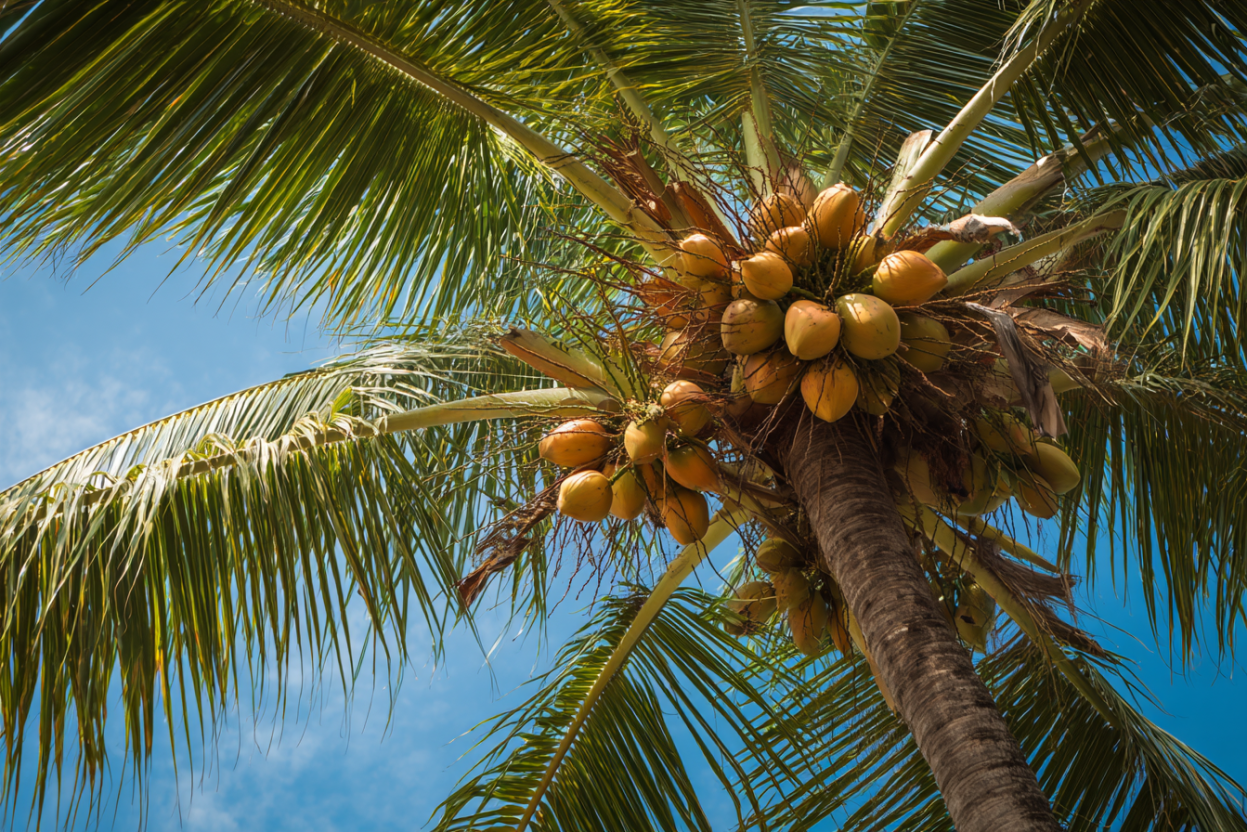
Coconut (Cocos nucifera)
If you struggle with dehydration, skin that won’t stop drying out, digestive discomfort, or an immune system that never seems strong enough — you are not alone. Millions of people face these challenges daily, and many never realize that one of the most complete healing foods on the planet has been growing in tropical coastlines since long before modern medicine existed.
The coconut palm has been called “the tree of life” by cultures across the globe — and for good reason. Every part of this remarkable tree provides something the human body can use. This is not coincidence. This is design. The Creator who formed your body also provided for it, embedding solutions into creation that science is only now beginning to fully understand.
The Plant
Common Names: Coconut, Coconut Palm, Coco, Nariyal (Hindi), Kelapa (Malay/Indonesian), Kopra (dried kernel), “The Tree of Life,” Kalpavriksha (Sanskrit — “the all-giving tree”)
Botanical Name: Cocos nucifera L.
Family: Arecaceae (Palm family)
Description
The coconut palm is an arborescent monocotyledon — technically not a “tree” in the strictest botanical sense, as it has no bark, no branches, and no secondary growth. Its trunk is a single unbranched stem that can reach 30 meters (about 98 feet) in height in tall varieties, crowned by a canopy of 25 to 30 pinnate (feathered) leaves, each stretching 4 to 6 meters long. The leaves emerge from a single terminal bud at the apex of the trunk and arch gracefully outward, creating a distinctive silhouette recognized worldwide.
The trunk is smooth, gray-brown, and marked with ring-like scars where old leaves have fallen. The root system is fibrous and fasciculated — no taproot — which allows the palm to anchor in sandy, coastal soils where most trees cannot survive. Coconut palms can handle high winds, salt spray, and sandy or even mangrove soils.
The fruit — the coconut itself — is botanically a drupe, not a true nut. It consists of three layers: a smooth outer exocarp (green when immature), a thick fibrous mesocarp (the husk or coir), and a hard, dark endocarp (the brown shell with three characteristic “eyes”). Inside the shell is the white flesh (endosperm) and liquid endosperm — the coconut water. A mature coconut takes 11 to 12 months to develop fully.
There are over 400 varieties of Cocos nucifera worldwide, falling into two main groups: Tall varieties (comprising over 95% of coconut palms, reaching up to 30 meters, bearing fruit at 5 to 7 years, and living 60 to 100 years) and Dwarf varieties (smaller, producing fruit earlier, but with shorter lifespans of 40 to 50 years).
Origin
The exact origin of the coconut is debated, but the consensus points to Southeast Asia — likely the region of Malaysia, Indonesia, and the Philippines — and the islands between the Indian and Pacific Oceans. Some researchers believe the coconut palm has existed for more than 55 million years. From Southeast Asia, coconuts spread both naturally (via ocean currents — the buoyant fruit can survive months floating at sea) and through human migration and trade. Around 4,000 years ago, colonizing mariners began spreading coconuts eastward through the South Pacific. From India, the coconut reached East Africa, and after the age of European exploration, it was introduced to West Africa, the Caribbean, and the Americas.
Today, coconut palms grow in over 90 tropical and subtropical countries. Indonesia, the Philippines, and India are the world’s largest producers, collectively accounting for the majority of the global harvest. The palms thrive in warm, humid coastal environments between roughly 25°N and 25°S latitude.
Brief History
Humans have used coconuts for at least half a million years by some archaeological estimates, though documented use stretches back approximately 4,000 years. Ancient Sanskrit texts refer to the coconut palm as “Kalpavriksha” — the tree that grants all wishes — reflecting its astonishing versatility. In Ayurvedic medicine, coconut oil has been used therapeutically for nearly 4,000 years. Marco Polo described the coconut in his 13th-century writings, calling it “Pharaoh’s nut.” Portuguese and Spanish explorers of the 15th and 16th centuries carried coconuts throughout the tropical world, establishing plantations in Africa, the Caribbean, and Central America. The name “coconut” itself derives from the Portuguese and Spanish word “coco,” meaning “head” or “skull,” a reference to the three-eyed face on the shell.
Growing & Cultivation
Climate & Zones
Coconut palms thrive in USDA Hardiness Zones 10b through 12, requiring consistently warm temperatures between 70°F and 95°F (21°C–35°C). They are strictly tropical and will not tolerate frost. Even brief exposure to temperatures below 40°F (4°C) can cause serious damage. In the continental United States, outdoor cultivation is limited to southern Florida, Hawaii, and the southernmost tip of Texas. For those outside these zones, dwarf varieties can be grown in large containers and brought indoors during cooler months, though fruit production will be limited.
Soil Requirements
Coconut palms are remarkably adaptable to soil conditions. They prefer well-draining, sandy or loamy soils with a slightly acidic to neutral pH (5.0–8.0). They tolerate saline soils that would kill most plants, which is why they flourish in coastal environments. Good drainage is essential — coconuts do not tolerate waterlogged roots. When growing in containers, use a well-draining mix of potting soil, perlite, and sand. Adding organic matter or compost improves nutrient content without compromising drainage.
Water & Sunlight
Coconut palms require full sun — at least 6 to 8 hours of direct sunlight daily. They thrive in areas with annual rainfall of 60 to 100 inches (1,500–2,500 mm), evenly distributed throughout the year. In drier climates, supplemental irrigation is necessary. Young palms should be watered regularly until established. Mature palms are moderately drought-tolerant but produce significantly better with consistent moisture. High humidity (70–80%) is ideal. Overwatering and poor drainage lead to root rot — one of the few conditions that reliably kills coconut palms.
Propagation
Coconut palms are propagated exclusively from seed — the coconut fruit itself. Select a mature, fully ripe coconut that still has the husk attached. When shaken, you should hear water sloshing inside. Lay the coconut on its side in a warm, moist environment (ideally 90°F/32°C) and partially bury it with about one-third exposed. Keep consistently moist. Germination takes 3 to 6 months. Once a shoot appears, transplant carefully, as coconut seedlings develop a taproot-like primary root early on. There is no cutting, division, or grafting method for coconut propagation — each palm grows from a single seed.
Planting
When transplanting a seedling outdoors, dig a hole twice the size of the root ball. Space palms at least 20 to 30 feet apart (Tall varieties) or 15 to 20 feet apart (Dwarf varieties). Plant at the same depth as the seedling was growing — never bury the stem. Coconut palms grow well as standalone specimens and do not require companion planting, though they coexist beautifully with tropical understory plants like ginger, turmeric, and taro.
Harvesting
Tall varieties begin bearing fruit at 5 to 7 years; Dwarf varieties at 3 to 5 years. A healthy, mature palm can produce 50 to 200 coconuts per year. Coconut water is best harvested from young, green coconuts at 6 to 7 months of maturity. Coconut meat is most abundant in fully mature brown coconuts at 11 to 12 months. Harvesting can be done by climbing, using long-handled cutting tools, or by collecting fallen fruit. Ripe coconuts fall naturally when ready.
Drying & Storage
Fresh coconut meat (once removed from the shell) should be refrigerated and used within 4 to 5 days, or frozen for up to 6 months. Desiccated (dried) coconut is produced by grating the meat and drying it at low temperatures — sun drying, oven drying at 140°F (60°C), or using a food dehydrator. Dried coconut stores for 6 to 12 months in an airtight container at room temperature. Coconut oil, when properly stored in a sealed container away from light and heat, has one of the longest shelf lives of any cooking oil — up to 2 years for virgin coconut oil.
Pest & Disease Management
Common pests include the coconut rhinoceros beetle, red palm weevil, coconut mite, and various scale insects. Lethal yellowing disease, a phytoplasma infection spread by planthoppers, is one of the most devastating diseases affecting coconut palms — it has destroyed millions of palms in the Caribbean and Florida. Bud rot (caused by Phytophthora palmivora) and stem bleeding are also concerns. Natural pest management includes maintaining palm health through proper nutrition, removing and destroying infected tissue, using biological controls (such as the Oryctes virus for rhinoceros beetle), and planting resistant varieties when available.
Companion Planting
Coconut palms pair well with other tropical plants in a layered agroforestry system. Traditional tropical gardens plant coconuts with cacao, banana, papaya, turmeric, ginger, black pepper, and pineapple — creating a multi-story garden where each layer receives appropriate light. Nitrogen-fixing plants like legumes and clover can be grown as ground cover beneath coconut palms to improve soil fertility.
The Healing of Growing
Tending a coconut palm — even a small container-grown dwarf variety — connects you to the rhythms of tropical nature. The act of gardening, hands in soil and feet on earth, has been shown to reduce cortisol, improve mood, and support immune function. Soil contains beneficial bacteria (Mycobacterium vaccae) with documented antidepressant effects. When you grow any plant, including coconut, you receive healing before you ever consume it.
Nutritional Profile
Macronutrients
Raw coconut meat per 100g contains approximately 354 calories. The macronutrient breakdown is 33.5g fat, 15.2g carbohydrate (of which 9g is dietary fiber and 6.2g sugars), and 3.3g protein. Coconut is a high-fat food, with about 81% of its calories coming from fat. The majority of this fat is saturated, but the type of saturated fat in coconut is uniquely different from animal-derived saturated fat — and this distinction matters enormously.
The Medium-Chain Triglycerides (MCTs)
Coconut’s fat profile is dominated by medium-chain fatty acids (MCFAs), particularly lauric acid (approximately 49% of the fat), myristic acid, caprylic acid, and capric acid. Unlike long-chain fatty acids found in most animal fats, MCFAs are absorbed more rapidly in the digestive tract and transported directly to the liver, where they are preferentially used for energy production rather than fat storage. This metabolic pathway means coconut fat behaves differently in the body than traditional saturated fats.
Vitamins
Manganese: 1.5mg (65% DV) — Essential for bone formation, blood clotting, and metabolizing amino acids, cholesterol, and carbohydrates. Also plays a key role in antioxidant defense as a cofactor for the enzyme superoxide dismutase.
Copper: 0.44mg (49% DV) — Vital for iron metabolism, nervous system function, and the formation of red blood cells and collagen. Supports energy production at the cellular level.
Selenium: 10.1mcg (18% DV) — A powerful antioxidant mineral that supports thyroid function, immune health, and protects cells from oxidative damage.
Iron: 2.4mg (13% DV) — Necessary for oxygen transport in the blood, energy metabolism, and immune function.
Phosphorus: 113mg (9% DV) — Works with calcium to build strong bones and teeth. Also essential for energy production (ATP) and cell membrane integrity.
Zinc: 1.1mg (10% DV) — Supports immune function, wound healing, DNA synthesis, and cell division. Essential for sense of taste and smell.
Potassium: 356mg (8% DV) — Critical for heart rhythm, muscle contractions, nerve signaling, and fluid balance.
Magnesium: 32mg (8% DV) — Essential for over 300 enzymatic reactions, supports muscle and nerve function, blood sugar regulation, and bone health.
Folate: 26mcg (7% DV) — Vital for DNA synthesis and cell division. Particularly important during pregnancy for preventing neural tube defects.
Phytonutrients & Active Compounds
Lauric Acid — The dominant fatty acid in coconut (approximately 49% of total fat), lauric acid is converted in the body to monolaurin, a compound with documented antimicrobial, antiviral, and antifungal properties. Lauric acid is also one of the primary fatty acids found in human breast milk.
Phenolic Compounds — Virgin coconut oil contains gallic acid, caffeic acid, p-coumaric acid, and ferulic acid, which act as antioxidants and contribute to anti-inflammatory effects.
Cytokinins — Found primarily in coconut water, these plant hormones have demonstrated anti-aging, anti-cancer, and anti-thrombotic properties in research.
Phytosterols — Coconut contains beta-sitosterol, stigmasterol, and campesterol, which may support healthy cholesterol levels.
Nutrient Notes
Coconut’s manganese content is exceptional — a single cup of raw coconut meat provides over 100% of the daily recommended intake. The MCT content makes coconut unique among whole foods, as most dietary fats are long-chain. Coconut water is notably rich in potassium and electrolytes. The fiber content (9g per 100g of meat) supports digestive health and promotes a slow, steady release of energy. Coconut meat is naturally low in sugar relative to its fiber content, making it a favorable food for blood sugar management.
Connection to Body Compounds
The MCTs in coconut may support the production of ketone bodies, which can serve as an alternative fuel source for the brain. The magnesium and potassium content may help regulate cortisol. The lauric acid and its conversion to monolaurin support immune-related compounds. B-vitamins present in coconut support serotonin and dopamine pathways, though in modest amounts.
Culinary Uses
Edible Parts
Nearly every part of the coconut fruit is edible or produces edible products:
Coconut Meat (Endosperm) — The white flesh lining the inside of the shell. Young coconut meat is soft, jelly-like, and sweet. Mature coconut meat is firm, dense, and rich. Used fresh, dried (desiccated), shredded, or pressed for oil and milk.
Coconut Water — The clear liquid inside young green coconuts. Naturally sterile, rich in electrolytes, and subtly sweet. Not to be confused with coconut milk.
Coconut Milk & Cream — Produced by pressing grated mature coconut meat with water. The first press yields thick coconut cream; subsequent presses yield thinner coconut milk. A staple in Thai, Indian, Filipino, Caribbean, and West African cooking.
Coconut Oil — Extracted from dried copra (refined) or fresh meat (virgin coconut oil). Used for cooking, baking, and as a finishing oil.
Coconut Sugar — Made from the sap of coconut flower buds. Has a lower glycemic index than refined cane sugar.
Coconut Flour — Made from dried, defatted coconut meat. High in fiber, low in carbohydrates, and gluten-free.
Coconut Vinegar — Fermented from coconut sap or coconut water. Used in Filipino and Southeast Asian cuisines.
Coconut Aminos — A soy sauce alternative made from fermented coconut sap. Lower in sodium than soy sauce.
Flavor Profile
Fresh coconut meat has a mild, sweet, nutty flavor with a rich, creamy texture. Young coconut is delicate and slightly floral. Mature coconut is denser and more intensely coconut-flavored. Toasting coconut deepens the flavor to a warm, caramelized nuttiness. Coconut oil has a subtle, pleasant aroma when virgin-pressed; refined coconut oil is more neutral. Coconut water is mildly sweet with a slightly mineral, refreshing quality.
Preparation
To open a mature coconut, locate the three “eyes,” puncture the softest one with a screwdriver or awl, and drain the water. Then wrap the coconut in a towel and strike firmly with a hammer, or bake at 375°F for 15 minutes to crack the shell. Fresh meat can be eaten raw, shredded, sliced into chips, blended into smoothies, pressed for milk, or used in baking. Coconut oil has a smoke point of approximately 350°F (virgin) to 400°F (refined), making it suitable for medium-heat cooking, baking, and sautéing.
Culinary Pairings
Coconut pairs beautifully with tropical fruits (mango, pineapple, papaya, passion fruit), citrus (lime, lemon), warm spices (cinnamon, cardamom, ginger, turmeric, chili), chocolate, vanilla, rice, lemongrass, curry leaves, shrimp, chicken, and fish. It is foundational in the cuisines of Southeast Asia, South Asia, the Pacific Islands, the Caribbean, Brazil, and West Africa.
Storage
Whole, unopened coconuts store at room temperature for 2 to 4 months. Once opened, refrigerate fresh meat in water for 4 to 5 days, or freeze for up to 6 months. Coconut oil stores at room temperature (it solidifies below 76°F/24°C) for up to 2 years when sealed. Desiccated coconut keeps for 6 to 12 months in an airtight container. Canned coconut milk, once opened, should be refrigerated and used within 5 to 7 days.
Ready to cook with coconut? View Recipes on Chefts →
Wellness & Therapeutic Uses
Traditional Uses
Coconut has been used therapeutically for thousands of years across multiple healing traditions. In Ayurvedic medicine, coconut oil has been employed for nearly 4,000 years for skin conditions, wound healing, digestive complaints, and as a base oil (carrier) for herbal medicines. The Sanskrit text Charaka Samhita references coconut for its cooling, moistening, and nourishing properties.
In Traditional Chinese Medicine (TCM), coconut is classified as sweet in flavor and neutral in temperature. It is used to tonify yin, moisten dryness, support the lungs and stomach, and promote body fluid production.
In Filipino traditional medicine, virgin coconut oil is a cornerstone remedy applied to wounds, burns, skin infections, and used internally for digestive wellness. In the Pacific Islands, coconut water has been used historically as an emergency intravenous fluid — and this use has been documented in medical literature from World War II and in remote medical settings.
In West African and Caribbean folk medicine, coconut water is used for rehydration during illness, and coconut oil is applied topically for skin health and protection.
Modern Research
Antimicrobial Properties: Lauric acid and its monoglyceride form, monolaurin, have demonstrated broad-spectrum antimicrobial activity. Research published in the Journal of Medicinal Food shows that coconut oil and its derivatives exhibit activity against Staphylococcus aureus, Streptococcus species, Escherichia coli, Candida albicans, and certain enveloped viruses. A 2013 study demonstrated that virgin coconut oil’s medium-chain fatty acids significantly inhibited the growth of Clostridium difficile, a dangerous hospital-acquired pathogen. A 2025 randomized clinical trial found that coconut oil rinsing significantly reduced pathogenic bacteria and inflammatory markers (IL-6 and TNF-alpha) in patients with periodontitis.
Skin Health: A landmark 2008 double-blind controlled trial (Verallo-Rowell et al.) demonstrated that virgin coconut oil significantly reduced Staphylococcus aureus colonization in atopic dermatitis patients — with a 95% clearance rate compared to 50% for olive oil. A 2014 randomized, double-blind clinical trial with 117 pediatric patients showed that topical virgin coconut oil improved SCORAD index scores, transepidermal water loss, and skin hydration in mild to moderate atopic dermatitis. A 2004 trial confirmed coconut oil is as effective and safe as mineral oil when used as a moisturizer for xerosis (dry skin).
Hydration & Electrolyte Support: Multiple clinical studies have confirmed that coconut water is comparable to commercial sports drinks for post-exercise rehydration. A 2002 crossover study with exercise-dehydrated athletes found that fresh coconut water was effective for whole-body rehydration, was easier to consume, and caused less nausea and stomach upset than commercial sports drinks. Coconut water’s natural electrolyte profile — high in potassium, with glucose and minerals — has been studied as an oral rehydration solution for mild gastroenteritis in children.
Blood Sugar Support: Research suggests that coconut’s MCT content and fiber may support healthy blood sugar management. The medium-chain fats in coconut are metabolized differently than long-chain fats, potentially supporting insulin sensitivity. A systematic review and meta-analysis (Dhanasekara et al., 2022) examined the effects of coconut consumption on glycemic control.
Immune Support: Coconut oil, when ingested or applied topically, is broken down to release lauric acid and monolaurin — both recognized antimicrobial agents. Research reviewed in the Journal of the Sri Lankan Medical Association (2020) noted that coconut oil metabolites have antimicrobial activity without promoting resistant organisms, and may help modulate anti-inflammatory immune responses.
Body Systems Supported
Digestive System — Coconut’s MCTs are easily absorbed, coconut fiber supports regularity, and lauric acid may support a healthy gut microbiome. Coconut water has traditionally been used for digestive support during illness.
Immune System — Lauric acid and monolaurin have demonstrated antimicrobial, antifungal, and antiviral properties in research.
Integumentary System (Skin) — Virgin coconut oil supports skin barrier function, reduces transepidermal water loss, and may help manage S. aureus colonization.
Cardiovascular System — Population studies of high-coconut-consuming communities (Tokelau, Kitavan) show excellent cardiovascular health. Research suggests lauric acid may interact favorably with cholesterol metabolism.
Nervous System — MCTs can be converted to ketone bodies, which may serve as alternative brain fuel. This area is being actively researched in the context of cognitive support.
Musculoskeletal System — The manganese in coconut supports bone formation and connective tissue health.
Body Compounds Affected
The MCTs in coconut may support ketone body production, which can influence brain energy metabolism and may have implications for BDNF (brain-derived neurotrophic factor). Lauric acid has been shown to reduce pro-inflammatory cytokines (IL-6, TNF-alpha) in clinical research. The electrolyte content of coconut water supports healthy balance of minerals critical for nerve and muscle function. The magnesium content may support GABA activity and cortisol regulation.
Methods of Use
Coconut Water (Hydration)
Drink fresh from a young green coconut or purchase pure, unflavored coconut water. Consume 8 to 16 oz for rehydration after exercise or illness. Best fresh; avoid brands with added sugars.
Virgin Coconut Oil (Internal)
Start with 1 teaspoon daily, gradually increasing to 1 to 2 tablespoons daily. Can be taken directly, blended into smoothies, or used in cooking. Choose cold-pressed, unrefined, virgin coconut oil for maximum benefit.
Coconut Oil (Topical)
Apply directly to skin as a moisturizer, to minor wounds, or to dry, irritated skin. For oil pulling (oral health), swish 1 tablespoon of coconut oil in the mouth for 15 to 20 minutes, then spit out.
Coconut Milk (Culinary/Nutritional)
Use full-fat coconut milk in cooking, smoothies, or as a dairy alternative. Provides MCTs, potassium, and healthy fats in a versatile culinary format.
Cosmetic & Beauty Uses
Skin Benefits
Coconut oil is one of the most researched natural emollients in dermatological literature. Clinical trials have demonstrated its effectiveness as a moisturizer for xerosis (dry skin), its ability to improve skin barrier function (reducing transepidermal water loss), and its antimicrobial effects against S. aureus — a bacterium that commonly colonizes and worsens eczema.
Virgin coconut oil benefits dry, sensitive, and eczema-prone skin most significantly. Its lauric acid content provides both moisturizing and antimicrobial action simultaneously. In vitro studies have demonstrated that VCO increases filaggrin content in skin cells — a protein essential for maintaining the skin barrier — and reduces the production of pro-inflammatory cytokines.
For acne-prone skin, the relationship is nuanced. While lauric acid has potent antimicrobial effects against Propionibacterium acnes (the bacterium associated with inflammatory acne), coconut oil is highly comedogenic for some individuals. Those with oily or acne-prone skin should patch test carefully, or use coconut oil derivatives (like fractionated coconut oil) rather than whole virgin coconut oil.
Hair Benefits
Coconut oil is uniquely beneficial for hair because its primary fatty acid, lauric acid, has a high affinity for hair proteins. Research has shown that coconut oil, unlike mineral oil and sunflower oil, can penetrate the hair shaft and reduce protein loss from both undamaged and damaged hair when used as a pre-wash or post-wash treatment. This makes it particularly effective for strengthening brittle, dry, or chemically treated hair.
As a scalp treatment, coconut oil may help manage dandruff and dry scalp conditions due to its antifungal properties. Warm coconut oil can be massaged into the scalp, left for 30 minutes to overnight, then washed out with a gentle shampoo.
Application Methods
Moisturizer: Apply a thin layer of virgin coconut oil to damp skin after bathing. Best for dry, normal, and sensitive skin types. Hair Mask: Warm 2 to 3 tablespoons of coconut oil, apply to hair from mid-length to ends, wrap in a towel, and leave for 30 minutes to overnight before shampooing. Lip Balm: Apply a small amount directly to lips for moisture and protection. Makeup Remover: Gently massage a small amount into skin to dissolve makeup, then wipe or rinse. Cuticle Oil: Rub into nail beds and cuticles to soften and strengthen.
DIY Formulation Notes
In homemade cosmetic preparations, virgin coconut oil can be used at 5 to 100% depending on the product. It pairs well with carrier oils like jojoba, sweet almond, and argan oil. In emulsions, coconut oil contributes to a rich, creamy texture. For body butters, combine with shea butter and cocoa butter at a ratio of roughly 1:1:1. Essential oils like lavender, tea tree, and frankincense complement coconut oil’s skin benefits. Shelf life of homemade coconut oil preparations is approximately 6 to 12 months when stored away from light and heat.
Coconut is among the botanicals being explored for holistic cosmetic applications, where the wisdom of traditional beauty practices meets modern understanding of skin science.
Essential Oil Profile
Note: Coconut does not produce a true essential oil through steam distillation. What is commonly sold as “coconut oil” is a fixed/carrier oil — not a volatile essential oil. There is no commercially available coconut essential oil in the traditional aromatherapy sense. However, coconut’s carrier oil properties are so significant therapeutically that this section covers Virgin Coconut Oil (VCO) and Fractionated Coconut Oil (FCO) as the relevant coconut-derived oils.
Extraction
Virgin Coconut Oil (VCO) is extracted from fresh, mature coconut kernel through wet processing methods — including cold pressing, centrifuging coconut milk, or natural fermentation — without chemical refining, bleaching, or deodorizing. This preserves the natural phenolic compounds, aroma, and bioactive properties. Refined Coconut Oil (RBD) is extracted from dried copra using heat and sometimes solvents, then refined, bleached, and deodorized. Fractionated Coconut Oil is produced by separating the medium-chain triglycerides (primarily caprylic and capric acid) from whole coconut oil, resulting in a liquid oil that remains stable at all temperatures.
Key Chemical Constituents
Virgin coconut oil’s composition is approximately: Lauric acid (45–53%), Myristic acid (16–21%), Caprylic acid (5–10%), Capric acid (4–8%), Palmitic acid (7–10%), Oleic acid (5–8%), Stearic acid (1–3%), Caproic acid (0.2–0.5%), plus trace phenolic compounds (gallic acid, caffeic acid, p-coumaric acid, ferulic acid) that contribute antioxidant activity.
Therapeutic Properties
Using compliant language: Virgin coconut oil has been associated with antimicrobial, anti-inflammatory, emollient, moisturizing, antioxidant, and skin barrier-supporting properties in published research. Fractionated coconut oil is primarily valued as a lightweight carrier oil for diluting essential oils for topical application.
How to Use
As a Carrier Oil
Fractionated coconut oil is one of the most popular carrier oils in aromatherapy due to its light texture, lack of scent, long shelf life, and excellent skin absorption. Standard dilution: 2–3% essential oil in carrier for adults (approximately 12–18 drops essential oil per ounce of carrier). For sensitive skin or children: 0.5–1%.
Topical Application
Virgin coconut oil can be applied directly to skin. It solidifies below approximately 76°F (24°C) and liquefies above that temperature. Warm between palms before applying. For targeted therapeutic use, blend with essential oils appropriate for the condition.
Quality & Sourcing
Choose organic, cold-pressed, unrefined, virgin coconut oil for maximum therapeutic benefit. The oil should smell and taste like fresh coconut. Look for products in glass jars (to avoid chemical leaching from plastic). For aromatherapy carrier use, fractionated coconut oil should be clear, odorless, and liquid at room temperature. Quality indicators include organic certification, third-party testing, and sourcing from the Philippines, Sri Lanka, or other traditional coconut-producing regions.
Aromatherapy & Scent
The Aroma
The fresh coconut — when cracked open — releases a distinctive, mildly sweet, creamy, tropical scent that is instantly recognizable and widely beloved. This aroma comes from a combination of volatile compounds including delta-octalactone, gamma-nonalactone, and various short-chain fatty acid esters. The scent is strongest when the coconut is freshly opened and diminishes as the meat dries. Virgin coconut oil retains much of this fresh coconut aroma. Dried coconut (desiccated) has a sweeter, more concentrated but less fresh scent. Toasted coconut develops warm, caramelized, nutty aromatic notes.
How Scent Affects Your Body
When you smell coconut, volatile molecules enter your nose and bind to olfactory receptors high in the nasal cavity. These receptors send electrical signals directly to the limbic system — the brain’s emotional center — and the hypothalamus, which regulates hormones. This pathway bypasses the conscious, analytical brain. Your body responds emotionally and hormonally within seconds, before you even consciously process the scent. Coconut’s aroma, with its associations of warmth, tropical environments, and vacation, tends to trigger relaxation responses rapidly.
Emotional & Mood Effects
Coconut’s scent is commonly reported to produce calming, comforting, and mood-lifting effects. The warm, sweet, tropical associations can reduce perceived stress, evoke positive memories, and create a sense of ease. While coconut does not have the concentrated volatile oil profile of herbs like lavender or peppermint, its scent is widely used in candles, personal care products, and environments designed for relaxation.
Body Compounds Affected
While specific research on coconut aroma’s effects on neurotransmitters is limited compared to essential oils, the general research on pleasant, sweet scents suggests potential for modest cortisol reduction and increased subjective well-being. The relaxation response associated with coconut’s aroma may indirectly support serotonin and endorphin activity.
Ways to Experience the Scent
Opening and eating fresh coconut provides the most authentic aromatic experience. Cooking with coconut milk or oil releases fragrant compounds into the kitchen. Warming coconut oil on skin releases its natural scent gradually. Toasting shredded coconut produces rich, warming aromas. Coconut can be simmered with water, cinnamon, and vanilla on the stove for a natural room fragrance. Using virgin coconut oil as a body moisturizer after bathing provides sustained gentle scent throughout the day.
Color Therapy
The Colors of Coconut
The coconut palm and its fruit display a striking range of colors across its lifecycle. The leaves are deep emerald green (mature) to bright yellow-green (new growth), with golden-brown hues as they age. The fruit exterior transitions from bright green (immature) through yellow and orange to brown (mature). The husk fiber is golden-brown. The shell is deep chocolate brown. The meat is brilliant, clean white. The coconut water is crystal clear. The coconut oil is white when solid and clear when liquid. This full spectrum — green, yellow, brown, and white — provides a rich color palette.
Color Wavelengths
Green (leaves): 495–570nm — the most balanced, calming color in the visible spectrum. White (meat, oil): full-spectrum visible light — associated with purity, clarity, and completeness. Brown (husk, shell): a warm, earthy tone combining red and yellow wavelengths in lower intensity — associated with grounding and stability.
How These Colors Affect the Body
The dominant green of the living coconut palm falls in the wavelength range most associated with balance, calm, and connection to nature. Green light exposure has been associated with reduced stress and heart rate in environmental psychology research. The white of the coconut meat, when used in food preparation, contributes to the visual perception of purity and freshness. Having a coconut palm in your environment — even viewing images of tropical coconut groves — activates the biophilic response, triggering subtle reductions in stress hormones.
Body Compounds Affected
Exposure to green environments has been associated with reduced cortisol and increased parasympathetic nervous system activity. White-colored foods are often psychologically associated with cleanliness and simplicity, which can support mindful eating.
Using Coconut for Color Therapy
If you live in zones 10b–12, a coconut palm in your yard provides continuous green color therapy. Images or artwork of coconut palms can bring tropical green into any environment. Incorporating the white of coconut meat, milk, and oil into meals adds visual brightness and balance to the plate. The practice of “eating the rainbow” benefits from coconut’s brilliant white as a full-spectrum complement to colorful fruits and vegetables.
Frequency & Vibration
The Frequency of Coconut
While specific frequency measurements for the coconut palm or coconut oil in MHz have not been widely documented in the same manner as certain essential oils (such as rose or lavender), coconut oil has been classified among medium-frequency carrier oils in vibrational medicine literature. Living coconut palms, like all living plants, vibrate at molecular frequencies. The massive biological activity within a coconut palm — continuously producing fruit, circulating nutrients through a 30-meter trunk, and synthesizing complex fats — suggests significant energetic output.
Human Frequency Interaction
According to bio-frequency research (notably Bruce Tainio’s work), a healthy human body vibrates at 62–78 MHz. Frequency measurements suggest that fresh, living, and minimally processed foods generally carry higher frequencies than processed or synthetic substances. Fresh coconut water, virgin coconut oil, and raw coconut meat — all minimally processed — are considered by proponents of vibrational medicine to support human frequency through the entrainment principle, where a stronger or more coherent frequency may positively influence a weaker one.
Vibrational Applications
For those interested in frequency-based wellness, consuming fresh, raw coconut products may be preferable to highly processed coconut derivatives. Being in the presence of a living coconut palm — or any large, healthy tree — may offer frequency benefits consistent with forest bathing research. Combining coconut oil with high-frequency essential oils (such as rose, frankincense, or lavender) as a carrier creates both a therapeutic and a frequency-supportive blend.
Note: Frequency measurements of plants and essential oils remain an area where research is emerging. The information above reflects the current state of vibrational medicine literature and should be considered alongside conventional scientific evidence.
The Living Plant
Benefits of Presence
The coconut palm is more than a source of food and oil — it is a living presence that contributes to human wellness simply by existing in your environment. Research on biophilic design demonstrates that the presence of plants — particularly large, dramatic ones like palms — reduces perceived stress, improves mood, increases creativity, and supports faster recovery from illness. The coconut palm, with its graceful fronds and distinctive tropical silhouette, is one of the most psychologically evocative plants on Earth — its mere image triggers associations of rest, warmth, and relaxation.
Air Purification
While the coconut palm was not specifically included in NASA’s Clean Air Study, palms as a family are recognized for their air-purifying qualities. The areca palm and bamboo palm (close relatives in the palm family) were among the top performers in the NASA study. All palms produce oxygen through photosynthesis and can improve indoor air quality and humidity. Large coconut palms grown outdoors significantly contribute to local oxygen production and carbon sequestration.
Phytoncides
Forest bathing research (shinrin-yoku) has demonstrated that trees release phytoncides — volatile antimicrobial compounds — that, when inhaled, increase Natural Killer (NK) cell activity in humans and may boost immune surveillance. While phytoncide research has focused primarily on coniferous and broad-leaf forests, tropical forests containing palms have also shown similar effects. Being near coconut palms in a natural tropical setting likely provides phytoncide exposure as part of the broader forest ecosystem.
Visual & Psychological Benefits
Research consistently shows that viewing plants reduces cortisol, lowers blood pressure, and improves attention (Attention Restoration Theory, Kaplan 1995). Patients in healthcare settings with views of greenery recover faster. The coconut palm’s tall, clean trunk and crown of swaying fronds is particularly calming — the rhythmic movement of the leaves in wind adds a meditative visual quality. For people who cannot grow coconut palms, viewing images of tropical palm settings has been shown to activate similar relaxation responses.
Growing Indoors vs Outdoors
Dwarf coconut varieties can be grown indoors in large containers (at least 10 gallons) in bright, sunny locations. They will not grow as large as outdoor palms and are unlikely to produce fruit indoors, but they provide the psychological and air-quality benefits of a living tropical plant. Outdoors, coconut palms reach their full potential in tropical zones, where their presence creates a living canopy that benefits the entire garden ecosystem.
Touch & Physical Interaction
Gardening Therapy
Tending a coconut palm — planting, watering, feeding, clearing old fronds, and harvesting — engages the body in purposeful, rhythmic physical activity. Horticultural therapy research demonstrates that working with plants reduces anxiety, depression, and cortisol while improving self-esteem and social connection. The coconut palm, with its slow growth and long lifespan, teaches patience and rewards consistent care with decades of productivity.
Soil Contact Benefits
Gardening barefoot around coconut palms in tropical environments provides grounding (earthing) — the transfer of free electrons from the earth’s surface into the body through direct skin contact. Research on grounding suggests benefits including reduced inflammation, improved sleep, and normalized cortisol rhythms. Soil also contains Mycobacterium vaccae, a bacterium that, when inhaled or contacted through skin, has been shown to stimulate serotonin production and reduce anxiety in animal studies.
The Tactile Experience
The coconut itself offers a rich tactile journey. The outer husk is rough and fibrous — running your fingers through coir fiber is a grounding sensory experience. The shell is hard, smooth, and cool, with a satisfying weight in the hand. Cracking open a coconut — feeling the shell give way, hearing the crack, seeing the white meat revealed — is deeply satisfying. The fresh meat is smooth, slightly slippery, and cool. Rubbing coconut oil between your palms — feeling it transition from solid to liquid with body heat — is a uniquely soothing sensory experience. Shredding fresh coconut by hand is meditative, repetitive work that engages fine motor skills and tactile awareness.
Harvesting & Processing
In traditional coconut-producing cultures, the entire process of harvest and preparation is a communal, meditative, and deeply connecting activity. Climbing a coconut palm (or using traditional harvesting tools), husking with a spike, cracking the shell, grating the meat, pressing for milk — each step involves focused physical engagement. Even in a home kitchen, the process of opening and preparing a whole coconut is a mindful practice that slows you down, engages multiple senses, and connects you to a food tradition stretching back thousands of years.
Water-Based Applications
Teas & Infusions
While coconut meat is not typically “steeped” like herbs, coconut-based water applications are extensive. Coconut water itself is the primary water-based preparation — a natural, sterile, electrolyte-rich solution produced by the plant. It can be consumed fresh at room temperature or chilled. For a therapeutic coconut infusion, simmer shredded fresh or dried coconut in water for 15 to 20 minutes to extract fats, minerals, and subtle flavor — this produces a light coconut broth used in traditional medicine. Coconut can also be combined with true tea herbs (such as ginger, turmeric, or lemongrass) to create nourishing, MCT-rich herbal teas.
Herbal Baths
Adding coconut milk (a full can of full-fat coconut milk) to a warm bath creates an emollient soak that moisturizes and softens skin. This practice has roots in South Asian and Pacific Island traditions. The MCTs in coconut milk coat the skin during soaking, reducing transepidermal water loss after the bath. For additional benefit, combine with Epsom salts and a few drops of lavender essential oil. Bath temperature should be warm, not hot — approximately 98–102°F (37–39°C). Soak for 20 to 30 minutes. Particularly beneficial for dry, irritated, or eczema-prone skin.
A coconut milk foot soak (warm water with coconut milk and a tablespoon of coconut oil) softens calluses, moisturizes cracked heels, and provides antifungal support from the lauric acid content.
Compresses
Warm coconut oil can be applied as a compress for muscle stiffness or joint discomfort. Soak a clean cloth in warmed (not hot) coconut oil, wring slightly, and apply to the affected area for 15 to 20 minutes. The warmth and MCTs work together to promote comfort and deliver fatty acids to the skin. Cold coconut water-soaked cloths can be applied to sunburned or inflamed skin for cooling relief.
Steam Inhalation
While coconut is not a primary steam inhalation herb (it lacks the volatile compounds of eucalyptus or peppermint), adding a tablespoon of coconut oil to a steam inhalation bowl can help carry the benefits of essential oils that are added alongside it. The coconut oil provides a soothing, moisturizing quality to the steam. This is particularly useful in dry climates or during winter when nasal passages are prone to dryness.
Hair Rinses
A light coconut milk rinse (dilute canned coconut milk with equal parts water) can be used as a final hair rinse after shampooing. Leave on for 3 to 5 minutes, then rinse with cool water. This leaves hair smoother, more manageable, and adds subtle shine. For deep conditioning, apply full-strength coconut milk to hair, cover with a shower cap for 30 minutes, then shampoo out. This is particularly beneficial for dry, damaged, or curly hair types.
Historical, Cultural & Biblical Significance
Biblical References
The coconut palm (Cocos nucifera) is not directly mentioned by name in Scripture. However, the broader palm family holds deep significance throughout the Bible. The Hebrew word tamar (palm) appears repeatedly. Psalm 92:12 (KJV) declares: “The righteous shall flourish like the palm tree: he shall grow like a cedar in Lebanon.” Palm trees were carved throughout Solomon’s temple (1 Kings 6:29, 32, 35; 7:36, KJV) and appear prominently in Ezekiel’s vision of the future temple (Ezekiel 40–41, with 13 references to palm trees). Palm branches were waved before Christ at His triumphal entry into Jerusalem (John 12:13, KJV), symbolizing victory, peace, and the recognition of a king. In Leviticus 23:40, God instructs the Israelites to take palm branches during the Feast of Tabernacles as part of their worship.
While the date palm (Phoenix dactylifera) is the species most commonly associated with biblical references, the coconut palm belongs to the same family (Arecaceae) and shares the symbolic significance of abundance, provision, righteousness, and flourishing that Scripture attributes to palms. The fact that the coconut palm provides food, water, oil, shelter, fiber, and fuel from a single tree reflects the provision of a Creator who designed everything with purpose.
Ancient Civilizations
Ancient Sanskrit writings (dating back approximately 4,000 years) reference the coconut palm as Kalpavriksha — “the tree that grants all wishes” — reflecting the extraordinary number of uses the tree provides. The Sushruta Samhita, an ancient Ayurvedic text, documents coconut’s therapeutic applications. In ancient India, coconut played a role in festivals, offerings, and daily life as both food and medicine. Ancient Tamil literature (Sangam period, circa 300 BCE–300 CE) contains extensive references to coconut cultivation and use.
Coconut is depicted in Mesopotamian art dating to approximately 2,500 BCE, suggesting early trade connections. Greek and Roman writers, including Cosmas Indicopleustes (6th century CE), documented the coconut as they encountered it through trade with India and the East.
Eastern Traditions
In Ayurveda, coconut is classified as sweet (madhura) in taste and cooling (sheeta) in energy. It is used to pacify Pitta dosha (excess heat and inflammation), nourish tissues (dhatus), and support ojas (vital energy). Coconut oil is a primary base oil for Ayurvedic head massage (Shiro Abhyanga) and is used in Panchakarma cleansing therapies.
In Traditional Chinese Medicine, coconut is classified as sweet, neutral, and entering the Stomach and Spleen meridians. It is used to tonify yin, generate fluids, relieve thirst, and moisten dryness. Coconut water is used to cool internal heat.
Indigenous Knowledge
Pacific Island cultures — including Hawaiian, Samoan, Tongan, Fijian, and Polynesian peoples — developed comprehensive knowledge of every part of the coconut palm. The coconut was food, medicine, building material, rope fiber, fuel, and water container. Polynesians carried coconuts on their voyaging canoes as a source of food and hydration during ocean crossings spanning thousands of miles. In the Philippines, coconut has been central to daily life, food, and medicine for millennia — the nation remains one of the world’s largest coconut producers.
In West African, Caribbean, and Brazilian traditional medicine, coconut oil and coconut water are used for skin conditions, digestive complaints, fever, and general nourishment. In coastal East Africa, the coconut palm was a cornerstone of traditional Swahili healing practices.
European Heritage
Europeans first encountered coconuts through trade with India and Southeast Asia. Marco Polo described the coconut in the 13th century. Portuguese explorers named it “coco” (skull) in the 15th century. As European colonial powers established tropical plantations, coconut became a global commodity. Coconut oil was widely used in Europe for soap-making, lamp fuel, and cooking from the 16th through 19th centuries before being partly displaced by petroleum-based products and seed oils.
Cultural Symbolism
In Hindu culture, the coconut is considered auspicious and is broken at the beginning of new ventures, weddings, and religious ceremonies — symbolizing the breaking of ego and the release of inner purity (the white meat within). In many tropical cultures, the coconut palm symbolizes resilience, abundance, hospitality, and the interconnection between humans and the natural world. The fact that every part of the coconut tree is useful has made it a universal symbol of provision and sustainability.
Safety & Precautions
Contraindications
Coconut is a food consumed safely by billions of people worldwide. However, some individuals should exercise caution. Those with tree nut allergies should be aware that the FDA classifies coconut as a tree nut for labeling purposes, though botanically it is a drupe. True coconut allergy is relatively rare but does exist. Those with a diagnosed coconut allergy should avoid all coconut-derived products, including oil, milk, cream, flour, and personal care products containing coconut derivatives (such as cocamidopropyl betaine in shampoos).
Drug Interactions
Coconut products, particularly coconut oil, have no widely documented severe drug interactions. However, because MCTs may affect blood lipid profiles, individuals taking cholesterol-lowering medications (statins) should discuss coconut oil consumption with their healthcare provider. Those taking blood-thinning medications should be aware that very high doses of coconut oil have theoretical potential to affect platelet aggregation. Coconut water’s high potassium content is a consideration for individuals on potassium-sparing diuretics or those with kidney disease who must monitor potassium intake.
Pregnancy & Nursing
Coconut in all common food forms (meat, water, oil, milk) is generally considered safe during pregnancy and breastfeeding when consumed as part of a normal diet. Coconut oil applied topically is also widely regarded as safe. Interestingly, lauric acid — the dominant fatty acid in coconut — is also the primary antimicrobial fatty acid in human breast milk, suggesting an inherent biological compatibility. As with any food, moderation is advisable. Women with specific health conditions should consult their healthcare provider.
Children
Coconut is generally safe for children of all ages when introduced appropriately. Coconut meat should be finely shredded or offered as coconut butter for young children to prevent choking. Coconut water can be offered to children over 6 months as an occasional hydration source, though it should not replace breast milk or formula. Coconut oil can be applied topically to infant skin and is used traditionally in many cultures for baby massage. Always introduce new foods one at a time and watch for allergic reactions.
Elderly
Coconut products are well-tolerated by most elderly individuals. The MCTs in coconut oil are easily digested and may provide a readily available energy source. Research is exploring MCT’s potential role in cognitive support for aging populations. The high caloric density of coconut products should be considered for elderly individuals monitoring caloric intake. Coconut water, while hydrating, should be consumed mindfully by elderly individuals with kidney issues due to its potassium content.
Pets
Dogs: Caution. Coconut and coconut-based products are not toxic to dogs according to the ASPCA, but the flesh, milk, and oil may cause stomach upset, loose stools, or diarrhea due to the MCT content. Give only in small amounts. Coconut water is high in potassium and should be avoided. Coconut oil can be applied topically to dry skin or paw pads in small amounts.
Cats: Caution. Similar to dogs — not toxic, but cats may experience digestive upset from the oils. Cats are obligate carnivores and do not need coconut in their diet. Small amounts are unlikely to cause harm, but regular feeding is not recommended. Avoid coconut water for cats.
Horses: Generally safe in small quantities. Coconut oil is sometimes used as a feed supplement for coat health and additional calories. Introduce gradually.
Allergies & Sensitivities
True coconut allergy is uncommon but can range from mild (skin irritation, hives) to severe (anaphylaxis in rare cases). Contact dermatitis from coconut-derived ingredients in personal care products (particularly cocamidopropyl betaine) is more commonly reported than food allergy. Individuals with known sensitivities should perform a patch test before using coconut oil topically: apply a small amount to the inner wrist, cover, and wait 24 hours. Coconut does not share allergenic proteins with tree nuts, so most tree nut-allergic individuals can tolerate coconut — but should confirm with an allergist.
Dosing Guidelines
For culinary use, there are no strict dosing guidelines — coconut can be consumed as part of a normal, varied diet. For therapeutic use of virgin coconut oil, common recommendations in the literature range from 1 to 3 tablespoons per day for adults, introduced gradually (start with 1 teaspoon). For coconut water, 1 to 2 cups daily is typical. Excessive consumption of coconut oil (more than 3 to 4 tablespoons daily) may cause digestive discomfort, particularly diarrhea, in individuals unaccustomed to MCTs.
Quality & Sourcing
Choose organic, virgin, cold-pressed coconut oil from reputable producers. Look for “virgin” or “extra virgin” labels (indicating minimal processing). Avoid partially hydrogenated coconut oil, which contains trans fats. For coconut water, choose brands with no added sugar, preservatives, or flavoring — ideally “not from concentrate.” Desiccated coconut should be unsweetened when used for health purposes.
Signs of Adverse Reaction
Mild reactions to excessive coconut oil consumption include loose stools, diarrhea, and stomach cramps — these typically resolve by reducing the amount. More serious reactions (allergic response) include hives, swelling of lips/tongue/throat, difficulty breathing, or anaphylaxis — these require immediate medical attention. Topical reactions include redness, itching, or rash at the application site — discontinue use if this occurs.
Disclaimer
This information is for educational purposes only. It is not intended to diagnose, treat, cure, or prevent any disease. Always consult with a qualified healthcare provider before using any herbal product, especially if you are pregnant, nursing, taking medications, or have a medical condition. If you experience any adverse reaction, discontinue use immediately and seek medical attention.
Want Personalized Guidance?
Every body is unique. What works for one person may not be right for another. If you’d like personalized support in incorporating coconut into your wellness journey, consider working with a qualified practitioner who can assess your individual needs.
Sources & References
Peer-Reviewed Studies
- Coconut (Cocos nucifera L.: Arecaceae): In health promotion and disease prevention — Asian Pacific Journal of Tropical Medicine, 2011, India
- Cocos nucifera (L.) (Arecaceae): A phytochemical and pharmacological review — Brazilian Journal of Medical and Biological Research, 2015, Brazil
- Antimicrobial Potential of Cocos nucifera (Coconut) Oil on Bacterial Isolates — Cureus, 2023, India
- Biomedical Applications of Lauric Acid: A Narrative Review — Cureus, 2024, Multiple countries
- Antimicrobial effects of virgin coconut oil and its medium-chain fatty acids on Clostridium difficile — Journal of Medicinal Food, 2013, USA
- Anti-inflammatory and antimicrobial efficacy of coconut oil for periodontal pathogens: a triple-blind randomized clinical trial — BMC Oral Health, 2025, Spain
- Coconut Oil and Immunity: What do we really know about it so far? — Journal of the Association of Physicians of India, 2020, Sri Lanka
- Novel antibacterial and emollient effects of coconut and virgin olive oils in adult atopic dermatitis — Dermatitis, 2008, Philippines
- The effect of topical virgin coconut oil on SCORAD index, transepidermal water loss, and skin capacitance in mild to moderate pediatric atopic dermatitis — International Journal of Dermatology, 2014, Philippines
- A randomized double-blind controlled trial comparing extra virgin coconut oil with mineral oil as a moisturizer for mild to moderate xerosis — Dermatitis, 2004, Philippines
- In vitro anti-inflammatory and skin protective properties of Virgin coconut oil — Journal of Traditional and Complementary Medicine, 2019, India
- Rehydration after exercise with fresh young coconut water, carbohydrate-electrolyte beverage and plain water — Journal of Physiological Anthropology and Applied Human Science, 2002, Malaysia
- Comparison of coconut water and a carbohydrate-electrolyte sport drink on measures of hydration and physical performance in exercise-trained men — Journal of the International Society of Sports Nutrition, 2012, USA
- Rehydration with sodium-enriched coconut water after exercise-induced dehydration — Southeast Asian Journal of Tropical Medicine and Public Health, 2007, Malaysia
- Young coconut water for home rehydration in children with mild gastroenteritis — Southeast Asian Journal of Tropical Medicine and Public Health, 1992, Indonesia
- The antimicrobial activity of liposomal lauric acids against Propionibacterium acnes — Biomaterials, 2009, USA
- Lauric Acid Is an Inhibitor of Clostridium difficile Growth in Vitro and Reduces Inflammation in a Mouse Infection Model — Frontiers in Microbiology, 2017, Canada/Chile
Traditional Medicine Sources
- Antimicrobial Properties of Lauric Acid and Monolaurin in Virgin Coconut Oil: A Review — ChemBioEng Reviews, 2022, Indonesia
- Coconut (Cocos nucifera L.: Arecaceae): In health promotion and disease prevention (Full Review) — Asian Pacific Journal of Tropical Medicine, 2011, India
Institutional Sources
- USDA FoodData Central — Coconut Meat, Raw — USDA Agricultural Research Service, 2024, USA
- People Foods to Avoid Feeding Your Pets — Coconut Section — ASPCA, USA
Historical References
- Palm Tree — Smith’s Bible Dictionary — BibleStudyTools.com
- Palm Tree — International Standard Bible Encyclopedia — InternationalStandardBible.com