Cranberry (Vaccinium macrocarpon)
If you have ever dealt with the discomfort of a urinary tract infection, you already know how disruptive it can be to your daily life. Millions of people — particularly women — face recurrent UTIs, and the cycle of antibiotics can feel endless. What if God placed a small, tart, ruby-red berry in the bogs of North America that science is now confirming may help support your body’s natural defenses against these very infections?
The cranberry is one of only three commercially grown fruits native to North America, and it has been sustaining and supporting human health since long before any laboratory existed. Like every plant rooted in the soil of this earth, the cranberry reflects the wisdom of a Creator who provided for our needs before we even knew what those needs were.
The Plant
Common Names: Cranberry, American Cranberry, Large Cranberry, Bearberry, Crane Berry
Botanical Name: Vaccinium macrocarpon Aiton
Family: Ericaceae (Heath family) — the same family as blueberries, bilberries, and rhododendrons, known for thriving in acidic soils and producing antioxidant-rich fruits.
Description
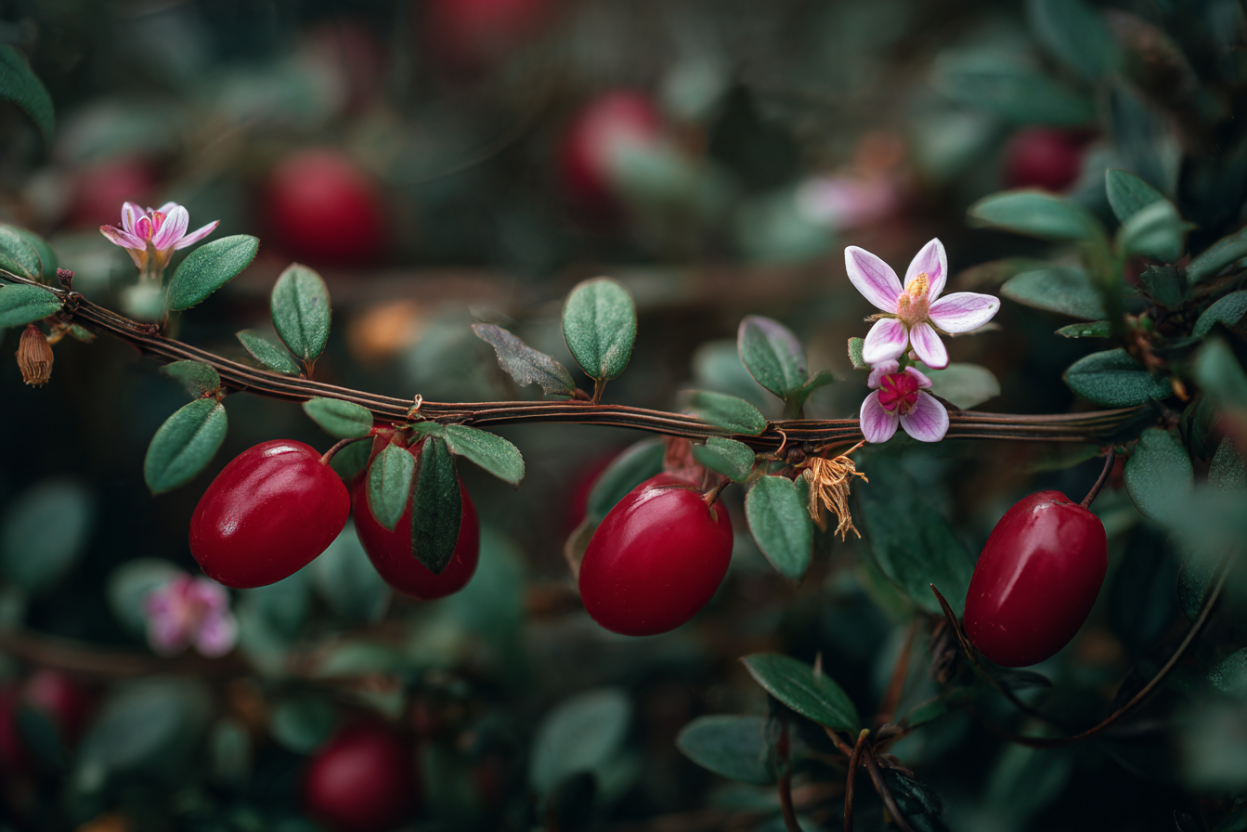
The cranberry is a low-growing, woody, evergreen perennial vine that creeps along the ground, rarely reaching more than 8 to 18 inches in height. Its slender, wiry stems can trail up to 6 feet long, sending out runners that root along the soil surface. The leaves are small, oval, and leathery with a glossy dark green surface that takes on bronze and reddish hues in autumn and winter — an adaptation to the nutrient-poor soils the plant calls home.
In late spring and early summer, delicate pink-white flowers appear, each with four petals that curve backward to expose the stamens — a shape early European settlers thought resembled the head and bill of a crane, giving the berry its name: “crane berry.” By September and October, the bright red berries develop at the tips of short, upright branches. Each berry is small and round, roughly the size of a marble, with a characteristically tart, acidic flavor (pH 2.3–2.5) and four tiny seeds encased within.
Origin
The cranberry is native to the bogs, marshes, and wetlands of northeastern North America, stretching from the maritime provinces of Canada south through New England and the upper Midwest. It is one of only three commercially cultivated fruits native to this continent (alongside the blueberry and the Concord grape). Today, the largest commercial cranberry operations are in Wisconsin, Massachusetts, New Jersey, Oregon, and Washington in the United States, as well as in Quebec and British Columbia in Canada. Cranberry cultivation has also spread to Chile, parts of northern Europe, and the Greater Khingan Range in northeastern China.
Brief History
Indigenous peoples of North America were the first to recognize the cranberry’s value. Native American tribes including the Wampanoag, Lenape, and Algonquin used cranberries for food, medicine, and fabric dye for centuries before European contact. They mixed dried cranberries with animal fat and dried meat to make pemmican — a high-energy food that could sustain travelers for months. They also applied crushed cranberry poultices to wounds and used the berries to draw toxins from arrow injuries.
European settlers quickly adopted the cranberry, and sailors carried them on voyages to prevent scurvy thanks to the fruit’s vitamin C content. The first commercial cranberry bog was established by Captain Henry Hall in Dennis, Massachusetts, around 1816. By the late 1800s, nearly thirty states were cultivating cranberries. Today, the United States produces approximately 400 million pounds of cranberries annually, and the fruit has become one of the most studied and well-documented functional foods in the world.
Growing & Cultivation
Climate & Zones
Cranberries thrive in USDA Hardiness Zones 2 through 7, with optimal performance in Zones 4 through 6. They require 1,000 to 2,500 chill hours (temperatures between 32°F and 45°F) during winter dormancy to set flowers and produce fruit the following season. This makes them ideal for cooler northern climates but challenging in the Deep South or arid Southwest. Contrary to popular belief, cranberries do not grow in standing water — commercial growers flood bogs only at harvest time to float the berries for easier collection.
Soil Requirements
Cranberries demand highly acidic soil with a pH between 4.0 and 5.5. They thrive in sandy, peaty soils rich in organic matter with excellent drainage. If your native soil is alkaline or heavy clay, raised beds or container growing with a custom mix of peat moss, coarse sand, and aged pine bark is the best approach. Soil amendments like sulfur can help lower pH over time. Avoid lime and limestone entirely — these are fatal to cranberry beds.
Water & Sunlight
Cranberries need consistently moist soil but not waterlogged conditions. Their shallow root systems (only about 6 inches deep) require regular irrigation, roughly 1 inch of water per week. Overwatering leads to root rot, while drought causes yield loss. Full sun is preferred, though the plants benefit from some afternoon shade in warmer regions. Avoid south-facing sites in hot climates.
Propagation
Cranberries are most successfully propagated through stem cuttings or by transplanting rooted runners. Growing from seed is not recommended for home gardeners, as germination is slow and unreliable, and plants may take two or more years to produce fruit. Take 6-inch cuttings from healthy runners in spring, root them in moist, acidic sand-peat mix, and transplant once established. Most home growers purchase 2- to 3-year-old starter plants from specialty nurseries for faster harvests.
Planting
Plant cranberries in spring after the last frost. Space plants 2 to 3 feet apart, setting the crown level with the soil surface — planting too deep will inhibit growth. Cranberries spread via runners and will eventually fill in as a dense ground cover. A 4-foot by 8-foot raised bed can yield approximately 2 to 3 pounds of berries once established. For containers, use pots at least 8 inches deep and 18 inches wide, filled with acidic potting mix. Companion plants include blueberries, azaleas, and other acid-loving species. Avoid planting near lime-loving plants or in areas where alkaline irrigation water is the only option.
Harvesting
Cranberries typically begin bearing fruit when plants are 3 to 4 years old. Berries ripen in September through October and are harvested before the first hard frost. To test for ripeness, cut a berry open and check the seeds — brown seeds indicate readiness. The skin also deepens to a rich, dark red. Harvest by gently raking or hand-picking berries from the upright stems. Fresh cranberries should bounce when dropped (a traditional test of quality) and feel firm to the touch.
Drying & Storage
Fresh cranberries store well in the refrigerator for 3 to 4 weeks or can be frozen whole for up to a year with minimal nutrient loss. For drying, use a food dehydrator at 130°F to 140°F for 10 to 16 hours until leathery but still slightly pliable. Store dried cranberries in airtight containers in a cool, dark place. Dried cranberries retain most of their antioxidant compounds, though some vitamin C is lost during the dehydration process.
Pest & Disease Management
Common cranberry pests include cranberry fruitworm, cranberry weevil, and spotted fireworm. Organic management includes handpicking, pheromone traps, and applications of neem oil or spinosad before bloom. Fungal diseases such as fruit rot and upright dieback can be minimized by maintaining good airflow, avoiding overhead watering, and applying organic copper fungicide when necessary. Sanding the beds every two to three years (applying a thin layer of coarse sand in early spring) helps suppress weeds and encourages new runner growth.
Companion Planting
Cranberries grow well alongside other acid-loving plants including blueberries, lingonberries, azaleas, and rhododendrons. Avoid planting near heavy feeders or alkaline-soil plants that would require lime applications. Moss and low-growing ferns can serve as compatible ground cover around cranberry beds.
The Healing of Growing
Growing cranberries offers benefits that extend well beyond the harvest. The act of tending a cranberry bed — kneeling in the soil, feeling the cool dampness of peat beneath your fingers, watching the slow transformation from pink flower to crimson fruit — is itself a form of therapy. Research has shown that gardening reduces cortisol, improves mood, and supports immune function. The soil itself contains beneficial bacteria (Mycobacterium vaccae) with documented antidepressant-like effects. When you grow your own cranberries, you receive healing before you ever taste the first berry. (Lowry et al., 2007 — Mycobacterium vaccae research)
Nutritional Profile
Macronutrients
Per 100 grams of raw, fresh cranberries (approximately 1 cup): Calories: 46 kcal. Protein: 0.5g. Carbohydrates: 12.2g. Dietary Fiber: 4.6g (18% DV). Sugars: 4.0g. Fat: 0.1g. Water: 87.4%. Cranberries are notably low in calories and fat while being rich in fiber — making them one of the most nutrient-dense fruits available per calorie.
Vitamins
Vitamin C: 13.3mg (15% DV) — A powerful antioxidant essential for immune defense, collagen synthesis, and cellular protection from oxidative damage. Vitamin C also enhances iron absorption from plant foods.
Vitamin E: 1.2mg (8% DV) — A fat-soluble antioxidant that protects cell membranes from free radical damage, supports skin integrity, and works synergistically with vitamin C.
Vitamin K1 (Phylloquinone): 5.1mcg (4% DV) — Essential for proper blood clotting and bone metabolism. Vitamin K1 activates proteins involved in calcium binding in bones and blood vessels.
Vitamin A (as beta-carotene): 60 IU (1% DV) — Supports vision, immune function, and skin health. Concentrated in the deep red pigments of the berry skin.
B Vitamins: Small but meaningful amounts of B1 (thiamine), B2 (riboflavin), B3 (niacin), B5 (pantothenic acid), and B6 are present, collectively supporting energy metabolism and nervous system function.
Minerals
Manganese: 0.36mg (16% DV) — A cofactor for the antioxidant enzyme superoxide dismutase (SOD), essential for bone formation, blood clotting, and metabolic function.
Copper: 0.06mg (7% DV) — Required for iron metabolism, connective tissue formation, and the function of cytochrome c oxidase in cellular energy production. Often deficient in modern Western diets.
Potassium: 85mg (2% DV) — Vital for maintaining fluid balance, nerve signal transmission, and healthy blood pressure regulation.
Additional minerals include small amounts of iron, calcium, phosphorus, magnesium, and zinc.
Phytonutrients & Active Compounds
The true power of the cranberry lies not in its macronutrient profile but in its extraordinary concentration of bioactive plant compounds. Cranberries possess one of the highest ORAC (Oxygen Radical Absorbance Capacity) scores of any common fruit — 9,584 µmol TE per 100g — indicating exceptional antioxidant strength.
A-Type Proanthocyanidins (PACs): These are the signature compounds of cranberry. Unlike the B-type PACs found in most other fruits, cranberry’s A-type PACs have a unique molecular structure that prevents pathogenic bacteria (particularly E. coli) from adhering to the walls of the urinary tract and stomach lining. This anti-adhesion mechanism is what makes cranberry uniquely effective for urinary tract and gastric health.
Quercetin: Cranberries are among the richest fruit sources of quercetin, a flavonol with potent anti-inflammatory, antihistamine, and antioxidant properties. Research suggests quercetin may support cardiovascular health and help modulate immune response.
Myricetin: Another powerful flavonol present in significant quantities, associated with neuroprotective and anti-inflammatory effects in preclinical research.
Anthocyanins (Peonidin and Cyanidin): These are the pigments responsible for cranberry’s deep red color. They act as potent antioxidants and have been studied for their anti-inflammatory and cardiovascular protective effects.
Ursolic Acid: Found primarily in cranberry skin, ursolic acid has been researched for its anti-inflammatory properties and its potential role in supporting muscle health and metabolic function.
Hydroxycinnamic Acids: Including chlorogenic acid and caffeic acid, these phenolic compounds contribute to the cranberry’s overall antioxidant capacity and have been associated with blood sugar regulation.
Nutrient Notes
The bioactive compounds in cranberries are most concentrated in the berry skin, meaning whole fresh or dried berries provide significantly more benefit than filtered cranberry juice. Cranberry juice cocktails, in particular, typically contain only 25–30% actual cranberry juice, with large amounts of added sugar that can negate health benefits. The polyphenols in cranberries have relatively low bioavailability; however, recent research suggests they influence health through gene expression pathways and modulation of the gut microbiome, not just direct antioxidant activity. Consuming cranberries with a source of healthy fat may improve absorption of fat-soluble compounds like vitamin E and ursolic acid.
Source: USDA FoodData Central — Cranberries, raw
Culinary Uses
Edible Parts
The entire berry is edible, including the skin, flesh, and seeds. The skin holds the highest concentration of antioxidant pigments. The tiny seeds within are safe to consume and contain small amounts of omega-3 and omega-6 fatty acids. Leaves and stems are not typically consumed.
Flavor Profile
Cranberries are intensely tart and acidic, with a sharp, astringent quality that makes them one of the few berries rarely eaten raw and unaccompanied. The primary flavor notes are sour and slightly bitter, with subtle fruity undertones that become more apparent when cooked. Drying concentrates the sugars and mellows the tartness somewhat, while cooking with sweeteners brings out a rich, jammy depth. The aroma of fresh cranberries is clean, bright, and faintly fruity with a crisp, almost wine-like quality.
Preparation
Raw cranberries can be chopped and added to salads, relishes, or smoothies where their tartness provides a bright counterpoint to sweeter ingredients. Cooking is the most common preparation — cranberries naturally contain pectin, so they gel beautifully when simmered into sauces, compotes, and preserves. They can be roasted alongside root vegetables, baked into breads and muffins, or simmered into chutneys. Dried cranberries work well in trail mixes, oatmeal, grain bowls, and baked goods. For herbal teas, dried cranberries can be steeped alone or combined with hibiscus, rose hips, or cinnamon.
Culinary Pairings
Cranberries pair beautifully with orange and citrus (which complement and temper the tartness), warming spices like cinnamon, ginger, clove, and allspice, nuts like pecans and walnuts, and sweeter fruits like apples and pears. They complement proteins including poultry (the classic Thanksgiving pairing), pork, and game meats. Cheeses — particularly brie, goat cheese, and aged cheddar — pair wonderfully with cranberry in both savory and sweet applications. Healthy fats like olive oil and coconut oil help absorb the fat-soluble nutrients present in the berry.
Storage
Fresh cranberries keep 3 to 4 weeks refrigerated in their original packaging. They freeze exceptionally well — simply spread on a baking sheet, freeze until firm, then transfer to freezer bags for up to 12 months. Dried cranberries should be stored in airtight containers in a cool, dark location and will keep for 6 to 12 months. When purchasing dried cranberries, seek out unsweetened or minimally sweetened varieties to avoid excessive added sugar.
Ready to cook with cranberry? View Recipes on Chefts →
Wellness & Therapeutic Uses
Traditional Uses
Native American peoples were the first to document cranberry’s healing applications. The Wampanoag, Lenape, and other northeastern tribes used cranberry poultices to draw infection from wounds and applied them to arrow injuries. They consumed cranberries to support digestive health and mixed them into pemmican for sustained nutrition during long journeys. European settlers adopted cranberry use for preventing scurvy on ocean voyages, recognizing the fruit’s ability to keep sailors healthy during months at sea without fresh provisions.
By the 19th century, cranberry was being used in American folk medicine for kidney and bladder complaints — a use that science would validate more than a century later. In parts of Europe, the closely related Vaccinium oxycoccos (European cranberry) was used similarly for urinary and digestive complaints.
Modern Research
Urinary Tract Health — This is the most extensively studied benefit of cranberry. A landmark 2023 Cochrane Systematic Review analyzed 50 randomized controlled trials involving 8,857 participants and concluded that cranberry products probably reduce the risk of symptomatic, culture-verified UTIs in women with recurrent infections (RR 0.74), in children (RR 0.46), and in people susceptible to UTIs following medical interventions (RR 0.47). The mechanism is well-established: cranberry’s A-type proanthocyanidins prevent E. coli bacteria from adhering to the urothelial cells lining the bladder, a critical first step in infection development. Research indicates that a minimum daily intake of 36mg of PACs is needed for clinically meaningful anti-adhesion effects, and that this protection may last up to 10 hours after consumption. (Williams et al., Cochrane Database Syst Rev, 2023, Australia)
Gastric Health & H. pylori — Cranberry’s anti-adhesion properties extend beyond the bladder. A double-blind, randomized, placebo-controlled trial involving 522 H. pylori-positive adults found that twice-daily consumption of proanthocyanidin-standardized cranberry juice (44mg PAC per serving) for 8 weeks decreased H. pylori infection rates by 20% compared to placebo. This bacterium is a major risk factor for stomach ulcers and gastric cancer, and cranberry’s ability to inhibit its adhesion to the gastric mucosa represents a promising complementary dietary strategy. (Li et al., J Gastroenterol Hepatol, 2021, China/USA)
Cardiovascular Support — A growing body of research suggests cranberry polyphenols may support heart health through multiple mechanisms. Studies indicate they may increase resistance of LDL cholesterol to oxidation, inhibit platelet aggregation, and exert anti-inflammatory effects on vascular tissue. An 8-week randomized controlled trial found that daily consumption of a cranberry polyphenol beverage reduced fasting C-reactive protein (an inflammatory marker), improved insulin regulation, and increased HDL cholesterol compared to placebo. A systematic review and meta-analysis found that cranberry supplementation significantly reduced systolic blood pressure and body mass index. (Chew et al., Eur J Nutr, 2019, USA; McKay & Blumberg, Nutr Rev, 2007, USA)
Oral Health — Cranberry compounds may help maintain oral health by reducing the ability of Streptococcus mutans (the primary cavity-causing bacterium) to adhere to tooth enamel and form biofilm. Research suggests that cranberry’s anti-adhesion mechanism reduces plaque formation and may help prevent gum disease and dental caries.
Anti-Inflammatory & Antioxidant Effects — The combined polyphenolic profile of cranberry (PACs, anthocyanins, quercetin, and phenolic acids) demonstrates potent anti-inflammatory activity. Research shows cranberry proanthocyanidins suppress the NF-κB inflammatory pathway in macrophages, reduce expression of pro-inflammatory mediators including TNF-α, IL-6, and COX-2, and may help attenuate chronic inflammation associated with obesity and metabolic dysfunction. (Šimunović et al., Nutrients, 2022, Latvia/USA)
Gut Microbiome — Emerging research shows that cranberry polyphenols and their metabolites positively influence the gut microbiome. Cranberry proanthocyanidins interfere with colonization by extraintestinal pathogenic E. coli, attenuate gut barrier dysfunction, and interact synergistically with beneficial gut bacteria. New research indicates cranberry xyloglucans and isoprenoids work alongside PACs to modulate bacterial adhesion, coaggregation, and biofilm formation in the gastrointestinal tract. (Blumberg et al., Adv Nutr, 2016, USA)
Body Systems Supported
Based on available research, cranberry has demonstrated support for the following body systems: urinary system (anti-adhesion UTI prevention), digestive system (gastric health, H. pylori suppression, gut microbiome support), cardiovascular system (antioxidant protection, lipid profile support, blood pressure), immune system (antioxidant defense, anti-inflammatory modulation), and the integumentary system (skin protection through internal antioxidant activity).
Body Compounds Affected
Cranberry consumption has been associated with effects on several key body compounds. Research suggests cranberry polyphenols may lower C-reactive protein (a marker of systemic inflammation), reduce TNF-α and IL-6 (pro-inflammatory cytokines), support healthy insulin regulation, increase HDL cholesterol, improve nitric oxide availability (supporting vascular relaxation), and increase superoxide dismutase (SOD) activity (a critical endogenous antioxidant enzyme). By modulating these inflammatory markers and supporting endogenous antioxidant defenses, cranberry supports the body’s ability to maintain homeostasis at a cellular level.
Methods of Use
Fresh or Frozen Berries
The most direct and beneficial way to consume cranberry. Fresh berries can be added to smoothies, eaten alongside other fruits to temper tartness, or incorporated into meals. Frozen cranberries retain virtually all of the beneficial compounds of fresh and are available year-round. A daily serving of ½ to 1 cup provides meaningful levels of bioactive compounds.
Unsweetened Cranberry Juice
Pure, unsweetened cranberry juice (not cocktail) provides concentrated PACs and other polyphenols. Research protocols typically use 240mL (8 oz) of cranberry juice one to two times daily. Look for products that list cranberry juice as the first and ideally only ingredient.
Cranberry Powder or Capsules
Standardized cranberry extract supplements, particularly those standardized to PAC content (minimum 36mg PACs daily), have shown efficacy in clinical research for UTI prevention. Dosages in clinical studies have ranged from 500mg to 1,500mg of cranberry extract daily. Quality products will provide a Certificate of Analysis and specify PAC content.
Dried Cranberries
Retain significant antioxidant activity, though some vitamin C is lost. Choose unsweetened varieties to avoid excessive sugar. Useful as a snack, in cooking, or steeped in hot water as a simple infusion.
Tea Infusion
Dried cranberries can be steeped in hot water (just below boiling) for 10 to 15 minutes to create a tart, antioxidant-rich tea. Combining with rose hips, hibiscus, or a cinnamon stick enhances both flavor and nutritional benefit.
Cosmetic & Beauty Uses
Skin Benefits
Cranberry is increasingly recognized as a powerhouse ingredient in natural skincare. Its extraordinary antioxidant concentration — among the highest of any common fruit — makes it effective at combating the free radical damage that drives premature aging, hyperpigmentation, and loss of elasticity. A 2024 randomized, double-blinded, placebo-controlled clinical trial found that six weeks of cranberry polyphenol beverage consumption significantly reduced UVB-induced erythema (sunburn), improved skin elasticity on the face and forearm, and enhanced skin smoothness, particularly in women over 40. The study also found improved superoxide dismutase (SOD) activity, a key endogenous antioxidant. (Cranberry Beverage and Skin Health, Nutrients, 2024, USA)
Cranberry benefits multiple skin types and concerns: its vitamin C content supports collagen production and brightening for dull skin. Its natural salicylic acid and astringent properties help clear pores and reduce excess sebum for oily and acne-prone skin. The quercetin and ursolic acid content provide anti-inflammatory benefits helpful for rosacea-prone and sensitive skin. Its essential fatty acid profile (particularly in cranberry seed oil, which contains a balanced ratio of omega-3, omega-6, and omega-9) deeply hydrates dry and mature skin.
Hair Benefits
Cranberry’s vitamin C and A content supports scalp health and may promote stronger, more resilient hair. The antioxidants protect the scalp from oxidative damage that can contribute to hair thinning. A cranberry tea rinse (made by steeping dried cranberries and straining) can add shine and luster to hair while the natural acidity helps smooth the cuticle. Cranberry seed oil can be applied to dry scalps and brittle hair ends as a deep conditioning treatment.
Application Methods
Cranberry can be incorporated into topical skincare through several approaches: cranberry seed oil (cold-pressed from the seeds, rich in essential fatty acids and tocotrienols — apply directly or blend into face creams at 5–10%), cranberry extract in serums and moisturizers (look for it as a listed active ingredient), fresh cranberry face masks (puree fresh berries, mix with plain yogurt or honey, apply for 15 minutes), and cranberry tea as a toner (brew a strong infusion, cool, and apply with a cotton pad). For hair, use cooled cranberry infusion as a final rinse after shampooing.
DIY Formulation Notes
Cranberry seed oil is stable and absorbs well into skin without excessive greasiness. It pairs beautifully with jojoba oil, rosehip seed oil, and argan oil as carriers. Cranberry extract can be added to homemade lotions and creams at 1–5% concentration. Due to the fruit’s natural acidity, always patch-test cranberry-based formulations before applying to the full face, particularly for sensitive skin. Homemade cranberry products should be refrigerated and used within 5 to 7 days unless a natural preservative is included.
Cranberry is among the botanicals being explored for holistic cosmetic applications, where the wisdom of traditional beauty practices meets modern understanding of skin science.
Essential Oil & Seed Oil Profile
Note: Cranberry does not yield a traditional steam-distilled essential oil. However, cranberry seed oil — a cold-pressed carrier oil extracted from the tiny seeds within the berry — is commercially available and has significant therapeutic and cosmetic value.
Extraction
Cranberry seed oil is obtained through cold-pressing the seeds of Vaccinium macrocarpon. The oil yield is relatively low, requiring large volumes of cranberry pomace (the byproduct of juice production), which contributes to its premium price. Cold-pressing preserves the oil’s delicate fatty acid profile and antioxidant compounds.
Key Constituents
Cranberry seed oil is distinctive among plant oils for its nearly equal ratio of omega-3 (alpha-linolenic acid), omega-6 (linoleic acid), and omega-9 (oleic acid) fatty acids — a balance rarely found in nature. It also contains tocotrienols (a highly bioactive form of vitamin E), phytosterols, phospholipids, and carotenoids. This unique profile makes it exceptionally beneficial for skin barrier support and anti-inflammatory applications.
How to Use
Cranberry seed oil is used primarily as a topical oil or carrier oil. Apply a few drops directly to the face or body as a moisturizer, blend into homemade skincare formulations at 5–15%, or use as a carrier for essential oil blends. It absorbs well without a heavy, greasy feel. Store in a cool, dark place; shelf life is approximately 12 months unopened. It is not used for diffusion or aromatherapy in the traditional essential oil sense.
Aromatherapy & Scent
The Aroma
The scent of fresh cranberries is bright, clean, subtly fruity, and faintly tart — not a powerfully aromatic plant like lavender or rosemary, but a gentle, refreshing presence. Crushing a fresh cranberry releases a burst of crisp, slightly acidic aroma with undertones of green apple and berry. The scent is strongest when berries are freshly crushed or cooked. Dried cranberries have a mellower, sweeter, and more concentrated fruity scent, retaining their pleasant aroma for several months when properly stored.
How Scent Affects Your Body
When you smell cranberries — whether slicing through fresh berries or simmering them on the stove — volatile aromatic molecules enter your nasal passages and bind to olfactory receptors. These receptors send signals directly to the limbic system (your brain’s emotional processing center) and the hypothalamus (which regulates hormones). This pathway bypasses conscious thought, which is why certain scents can shift your mood within seconds. The bright, fruity scent of cranberries is generally associated with feelings of alertness, comfort, and seasonal well-being.
Emotional & Mood Effects
Cranberry’s aroma profile is uplifting, energizing, and comforting. The crisp tartness awakens the senses (similar to citrus fruits), while the deeper, cooked-berry notes evoke warmth and nostalgia — particularly in cultures where cranberry is associated with harvest celebrations and family gatherings. Simmering cranberries on the stove creates a natural room fragrance that may improve mood and create a sense of home.
Ways to Experience the Scent
Since cranberry does not produce an essential oil suitable for diffusion, experiencing its aroma comes through whole-plant methods: simmering fresh or frozen cranberries on the stove with cinnamon sticks and orange peel, creating dried cranberry sachets for drawers and closets, adding dried cranberries to potpourri blends, incorporating fresh cranberries into table centerpieces (their bright color adds visual therapy as well), or simply crushing a few berries while preparing food.
Color Therapy
The Colors of Cranberry
The cranberry is a study in the color red. The mature berry ranges from bright crimson to deep ruby red, with some varieties developing near-black undertones at full ripeness. Unripe berries are pale green, transitioning through white and pink as they mature. The foliage is glossy dark green throughout the growing season, turning bronze and reddish-brown in autumn. The delicate flowers are soft pink to white.
Color Wavelengths
Red light falls in the 620–700nm wavelength range of the visible spectrum — the longest visible wavelengths and the lowest energy in the visible light range. The deep red of a ripe cranberry is produced by anthocyanin pigments (peonidin and cyanidin) that absorb blue-green light and reflect red wavelengths.
How Red Affects the Body
In color therapy, red is associated with energy, vitality, warmth, and stimulation. Red wavelengths are believed to increase circulation, stimulate the adrenal glands, and promote a sense of groundedness and physical presence. Research in chromotherapy suggests that exposure to red light and red environments may increase heart rate, raise blood pressure slightly, and enhance feelings of energy and alertness. In contrast, the green of cranberry’s foliage is associated with balance, calm, and heart-centered healing — falling in the 495–570nm range. Together, the red fruit against green foliage creates a visually harmonious and energetically balanced plant presence.
Body Compounds Affected
Visual exposure to the color red has been associated with increased adrenaline and cortisol production (stimulatory), while green environments are associated with cortisol reduction and parasympathetic nervous system activation. Having a cranberry plant in your environment offers both energizing (red berries) and calming (green foliage) visual stimulation throughout the seasons.
Using Cranberry for Color Therapy
Place bowls of fresh cranberries on tables or countertops during autumn and winter months to bring the energizing vibration of red into your living space. Use cranberry plants as ornamental ground cover in garden areas where you spend time — the year-round green of the foliage provides constant “nature connection” benefits, while the autumn display of red berries adds seasonal energy. In the kitchen, eating the deep red of cranberries is itself a form of “eating the rainbow” — consuming the very pigments (anthocyanins) that your eyes respond to, delivering the color’s therapeutic compounds directly to your body.
Frequency & Vibration
The Frequency of Cranberry
While specific MHz frequency measurements for whole fresh cranberry have not been widely published in the peer-reviewed literature the way some essential oils have been measured (through the work of researchers like Bruce Tainio), cranberry is understood within the framework of vibrational nutrition to be a moderate-to-high frequency food. Fresh, raw fruits and vegetables are generally considered to vibrate at higher frequencies than processed or cooked foods, and cranberry’s exceptional antioxidant density suggests significant bioelectric activity at the cellular level.
Human Frequency Interaction
According to bio-frequency research, the healthy human body operates between 62 and 78 MHz. Disease processes may begin when frequency drops below 58 MHz. Proponents of vibrational medicine suggest that consuming high-frequency, fresh whole foods — including raw berries like cranberry — may support the body’s optimal frequency range. The principle of entrainment suggests that when a weaker oscillating body comes into contact with a stronger one, the weaker tends to synchronize. Consuming fresh, vital plant foods is one way this principle is applied in practice.
Vibrational Applications
For those interested in frequency-based wellness: consume cranberries fresh and raw whenever possible to maximize their energetic vitality. Combine cranberry consumption with other high-frequency practices such as time in nature, prayer, meditation, deep breathing, and exposure to sunlight. Growing cranberries and harvesting them yourself adds the frequency benefits of gardening, earth contact, and the intentional relationship with a living plant.
Note: Frequency measurements of foods and plants represent an emerging area of research. While the principles are grounded in physics (all matter vibrates at a molecular level), clinical applications require further study. The information here reflects the current understanding within the bio-frequency wellness community.
The Living Plant
Benefits of Presence
Having a cranberry plant in your living environment — whether a garden bed or a large container — provides healing benefits that go beyond any preparation or consumption. Research on biophilic design has shown that simply being in the presence of living plants reduces psychological stress, improves mood, and enhances cognitive function. The cranberry vine’s evergreen foliage provides year-round visual connection to nature, while the seasonal progression from flower to fruit offers a tangible reminder of natural rhythms and the Creator’s provision.
Air Purification
While cranberry has not been specifically studied in the NASA Clean Air Study (which focused primarily on tropical indoor plants), all living plants contribute to air quality through photosynthesis — absorbing carbon dioxide and releasing oxygen. Cranberry plants, as evergreen perennials, continue this process year-round. When grown outdoors, they contribute to the broader ecosystem’s air quality and support pollinator health — cranberry bogs are important habitats for bees and other beneficial insects.
Visual & Psychological Benefits
Research has consistently demonstrated that exposure to natural green environments reduces cortisol levels, lowers blood pressure, and improves mood. Attention Restoration Theory (developed by environmental psychologists Rachel and Stephen Kaplan) proposes that natural settings restore directed attention and reduce mental fatigue. Studies in healthcare settings have shown that patients with views of plants and nature heal faster and require less pain medication. Even a small cranberry bed or container plant can provide these evidence-based benefits of nature connection. The seasonal drama of cranberry — the pale flowers of spring, the lush green of summer, the brilliant red of autumn harvest — provides a living calendar that connects you to the Creator’s design.
Growing Indoors vs Outdoors
Cranberries are best suited to outdoor cultivation where they can receive adequate sun, achieve dormancy through winter cold, and spread naturally via runners. They are challenging to grow indoors due to their chill-hour requirements and need for full sun. However, a container-grown cranberry plant can be kept on a patio, deck, or balcony in cooler climates and brought to a protected area during extreme cold. In Zones 2 through 7, outdoor growing is straightforward with proper soil preparation.
Touch & Physical Interaction
Gardening Therapy
Working with cranberry plants offers unique therapeutic touchpoints. Horticultural therapy — the practice of using gardening and plant care as a therapeutic modality — is an established discipline with documented benefits for depression, anxiety, PTSD, and cognitive decline. Tending a cranberry bed involves gentle, repetitive motions: weeding by hand, sanding the beds in spring, checking soil moisture, and hand-harvesting the berries in autumn. These activities promote mindfulness and provide a sense of purpose, accomplishment, and connection to the rhythm of the seasons.
Soil Contact Benefits
Cranberry cultivation puts your hands directly in contact with the acidic, peaty soil these plants love. This soil contact offers multiple documented benefits: grounding (or earthing) — direct skin contact with the earth allows electron transfer that research associates with reduced inflammation and improved sleep. The soil bacterium Mycobacterium vaccae, found in garden soils, has demonstrated antidepressant-like effects in animal studies by stimulating serotonin production. Soil exposure also supports microbiome diversity, which is increasingly understood as foundational to immune health.
The Tactile Experience
The cranberry plant offers a gentle, pleasant tactile experience. The leaves are small, smooth, and leathery — cool to the touch with a slight glossiness. The wiry stems are thin and flexible, easy to handle without gloves. The berries themselves are firm and smooth, with a satisfying pop when squeezed. The harvest experience is particularly tactile and meditative — gently raking or picking each small berry from its upright stem, feeling the cool weight of the gathered fruit in your hands. There is something deeply grounding about this simple, ancient activity.
Harvesting & Processing
The act of harvesting cranberries — bending close to the earth, selecting ripe berries by color and firmness, sorting and collecting them — is a form of active meditation. Processing cranberries for storage (sorting, washing, drying, freezing, or cooking) provides additional sensory engagement: the bright color, the tart scent, the satisfying pop of berries in a pot, the transformation from raw fruit to sauce, relish, or preserves. These processing activities connect you to the ancient human tradition of food preservation and stewardship.
Water-Based Applications
Teas & Infusions
Dried cranberries make a pleasant, tart herbal infusion. Use approximately 1 to 2 tablespoons of dried cranberries per cup of water. Bring water to a boil, pour over the berries, and steep covered for 10 to 15 minutes. The resulting tea is a deep rose-pink color with a tart, fruity flavor. It may be consumed hot or iced, 1 to 3 cups daily. For added benefit and flavor, combine with dried hibiscus, rose hips, or a cinnamon stick. Unlike juice, a cranberry infusion retains more of the beneficial fiber and has no added sugars.
Herbal Baths
Cranberry can be added to bath water for a gentle, antioxidant-rich soak. Add 1 cup of fresh or frozen cranberries to a muslin bag or cheesecloth pouch and suspend under running bath water (warm, not hot — approximately 98–100°F). Alternatively, brew a strong cranberry infusion (4 tablespoons dried berries to 4 cups boiling water, steeped 20 minutes) and strain into the bath. The gentle acidity and antioxidant compounds may help soothe irritated skin. Cranberry foot baths using the same method can support foot health and provide a relaxing evening ritual.
Compresses
A warm cranberry compress can be prepared by soaking a clean cloth in a strong cranberry infusion. Apply to areas of minor skin irritation or muscle tension for 15 to 20 minutes. The antioxidant compounds in the infusion may provide gentle topical benefits.
Hair Rinses
A cranberry tea rinse (brewed strong and cooled to room temperature) can be poured over hair after shampooing as a final rinse. The natural acidity helps close the hair cuticle, adding shine and smoothness, while the antioxidant compounds may support scalp health. This is particularly beneficial for dull or color-treated hair. Do not rinse out — simply towel-dry as usual.
Historical, Cultural & Biblical Significance
Biblical References
Cranberry (Vaccinium macrocarpon) is not directly mentioned in Scripture. The plant is native exclusively to North America and was unknown in the biblical world. However, the broader Ericaceae (heath) family and the principle of God providing healing plants are deeply scriptural. Genesis 1:29 (KJV) declares: “And God said, Behold, I have given you every herb bearing seed, which is upon the face of all the earth, and every tree, in the which is the fruit of a tree yielding seed; to you it shall be for meat.” The cranberry, with its extraordinary array of healing compounds, stands as a powerful example of this divine provision — a fruit designed by the Creator with precise biochemistry to protect the human urinary system, digestive tract, cardiovascular system, and more.
Ancient Civilizations
Because cranberry is native to North America, it was unknown to the ancient civilizations of Egypt, Greece, Rome, and the Middle East. However, the closely related European cranberry (Vaccinium oxycoccos) and lingonberry (Vaccinium vitis-idaea) were used in northern European folk medicine for urinary complaints, stomach ailments, and wound care — suggesting that the Ericaceae family’s healing properties were recognized wherever these plants grew naturally.
Indigenous Knowledge
The indigenous peoples of North America possessed sophisticated knowledge of cranberry’s medicinal value. The Wampanoag people of present-day Massachusetts used cranberries in poultices to draw poison and infection from wounds, including arrow injuries. The Lenape (Delaware) people used cranberry preparations for blood disorders and stomach complaints. Multiple northeastern tribes incorporated cranberries into pemmican — a preservation method that kept the fruit’s nutritional benefits available through long winters and extended journeys. They also used cranberry juice as a fabric dye, producing deep red and pink colors. This indigenous knowledge represents centuries of careful observation of God’s design in creation. While they may not have known the Creator by name, they were observing His design — and their observations align with what modern research confirms about cranberry’s remarkable anti-adhesion and antimicrobial properties.
European Heritage
European settlers in North America quickly adopted cranberry from indigenous peoples. By the early 1600s, cranberries were being sent back to Europe as curiosities and potential trade goods. Sailors carried cranberries on ocean voyages to prevent scurvy, recognizing the fruit’s preservative qualities (high acid content naturally resists spoilage) and vitamin C content. The first commercial cranberry cultivation began around 1816 in Massachusetts, and by the late 19th century, cranberry growing had become a significant agricultural industry. The cranberry became permanently woven into American culture through its association with the Thanksgiving holiday — a tradition that traces back to the shared meals between Pilgrims and Wampanoag people.
Cultural Symbolism
In American culture, the cranberry symbolizes harvest, gratitude, and resilience. The berry’s ability to thrive in acidic, nutrient-poor bog soils where few other fruit-bearing plants can survive has made it a symbol of persistence and adaptation. In New England, cranberry bogs are considered cultural landmarks, and the annual harvest is celebrated as a community event. The cranberry’s deep red color has also made it a symbol of vitality and health — associations that modern science now confirms through its extraordinary antioxidant profile.
Safety & Precautions
Contraindications
Cranberry is generally recognized as safe (GRAS) when consumed as food. However, concentrated cranberry supplements should be used with caution in individuals with a history of calcium-oxalate kidney stones. Cranberries contain oxalates, and concentrated supplements may increase urinary oxalate levels, potentially raising the risk of stone formation in susceptible individuals. Those with known kidney stone history should consult their healthcare provider before taking cranberry supplements.
Drug Interactions
Warfarin (Blood Thinners): Case reports have suggested a potential interaction between large quantities of cranberry juice and warfarin, with some cases showing elevated INR (International Normalized Ratio). However, multiple controlled clinical trials have not found a clinically significant interaction at moderate cranberry consumption levels. In 2011, the FDA approved the removal of the cranberry warning from warfarin labeling based on the weight of clinical evidence showing no interaction at normal dietary intake. Nevertheless, as a precaution, individuals taking warfarin should maintain consistent cranberry intake and inform their healthcare provider. (Cranberry Institute — Warfarin Review)
CYP450 Enzymes: Cranberry may have mild effects on certain liver enzymes (specifically CYP2C9) that metabolize some medications, including certain statins and antidepressants. At normal dietary levels, this is unlikely to be clinically significant, but those taking medications metabolized by CYP2C9 should be aware.
Aspirin/Salicylate Sensitivity: Cranberries contain naturally occurring salicylic acid. People with known aspirin or salicylate sensitivity should exercise caution with large amounts of cranberry.
Pregnancy & Nursing
Cranberry consumed as food (fresh berries, sauce, juice) is generally considered safe during pregnancy and breastfeeding. The 2023 Cochrane review did not find evidence of UTI prevention benefit specifically in pregnant women, and some cranberry products contain high sugar content that should be moderated. Concentrated cranberry supplements during pregnancy have not been extensively studied, so it is recommended to consult a qualified healthcare provider before taking supplemental doses during pregnancy or nursing.
Children
Cranberry is safe for children when consumed as food. The 2023 Cochrane review found that cranberry products reduced UTI risk in children (5 studies, 504 participants). Fresh cranberries can be a choking hazard for very young children (under 2 years) and should be cut into small pieces. Dried cranberries may be given to children over 2 years in moderation. Avoid giving cranberry juice cocktails to children due to high sugar content; opt for unsweetened cranberry diluted with water instead.
Elderly
Cranberry is well-tolerated by older adults when consumed as food. The Cochrane review found less evidence of UTI prevention benefit in elderly institutionalized populations specifically. Elderly individuals taking warfarin or other blood-thinning medications should maintain consistent cranberry intake and inform their physician. Those with kidney disease should consult their provider regarding oxalate intake.
Pets
Dogs: Safe in moderation. Fresh and dried cranberries (plain, without added sugar or xylitol) are not toxic to dogs and may be given as occasional treats. Avoid cranberry products containing raisins, xylitol, grapes, sugar, or alcohol — these are toxic to dogs. Large amounts may cause gastrointestinal upset. Cranberry supplements formulated for dogs are available for urinary health support.
Cats: Safe in moderation. Plain cranberries are not toxic to cats but should only be given occasionally in very small quantities. Cats are obligate carnivores and should not rely on plant foods. Avoid all sweetened or processed cranberry products for cats.
Other Pets: Fresh cranberries are reported safe for birds, guinea pigs, and hamsters in small amounts. Always introduce new foods gradually and consult a veterinarian if uncertain.
Allergies & Sensitivities
Cranberry allergy is rare but possible. Individuals with known allergies to other Ericaceae family members (blueberries, lingonberries) may have cross-reactivity. Cranberries contain natural salicylates, so those with aspirin sensitivity should be cautious. For topical use, always perform a patch test before applying cranberry-based products to the face or large areas of skin.
Dosing Guidelines
For general wellness: ½ to 1 cup of fresh cranberries daily, or 8 oz of unsweetened cranberry juice daily. For UTI prevention: clinical research has used cranberry supplements standardized to at least 36mg of proanthocyanidins (PACs) daily. Cranberry extract capsules: typically 500mg to 1,500mg daily in divided doses. Duration: cranberry can be consumed as food indefinitely. Supplemental use for specific health goals is generally studied in periods of 2 to 12 weeks.
Quality & Sourcing
When purchasing cranberry supplements, look for products that specify PAC content (standardized to at least 36mg daily), provide a Certificate of Analysis, and ideally have third-party testing for purity. Avoid cranberry juice cocktails that are primarily sugar water with minimal actual cranberry content. For fresh berries, select firm, brightly colored fruit with intact skin. Organic cranberries are available and recommended to minimize pesticide exposure.
Signs of Adverse Reaction
Mild reactions may include stomach upset, diarrhea, or nausea (typically from excessive consumption). If you experience any allergic symptoms (hives, swelling, difficulty breathing), discontinue use immediately and seek medical attention. If you are on blood-thinning medication and notice unusual bruising or bleeding, contact your healthcare provider promptly.
Disclaimer
This information is for educational purposes only. It is not intended to diagnose, treat, cure, or prevent any disease. Always consult with a qualified healthcare provider before using any herbal product, especially if you are pregnant, nursing, taking medications, or have a medical condition. If you experience any adverse reaction, discontinue use immediately and seek medical attention.
Want Personalized Guidance?
Every body is unique. What works for one person may not be right for another. If you’d like personalized support in incorporating cranberry into your wellness journey, consider working with a qualified practitioner who can assess your individual needs.
Sources & References
Peer-Reviewed Studies
- Cranberries for preventing urinary tract infections — Williams G, et al., Cochrane Database Syst Rev, 2023, Australia
- Suppression of Helicobacter pylori infection by daily cranberry intake: A double-blind, randomized, placebo-controlled trial — Li ZX, et al., J Gastroenterol Hepatol, 2021, China/USA
- Chronic consumption of a low calorie, high polyphenol cranberry beverage attenuates inflammation and improves glucoregulation and HDL cholesterol — Chew B, et al., Eur J Nutr, 2019, USA
- Cranberries (Vaccinium macrocarpon) and cardiovascular disease risk factors — McKay DL, Blumberg JB, Nutr Rev, 2007, USA
- Cranberry: Chemical Composition, Antioxidant Activity and Impact on Human Health: Overview — Šimunović K, et al., Nutrients, 2022, Latvia/USA/Russia
- Impact of Cranberries on Gut Microbiota and Cardiometabolic Health — Blumberg JB, et al., Adv Nutr, 2016, USA/Germany
- Cranberry Reduces the Risk of Urinary Tract Infection Recurrence in Otherwise Healthy Women: A Systematic Review and Meta-Analysis — Fu Z, et al., J Nutr, 2017, USA
- Consumption of cranberry as adjuvant therapy for urinary tract infections in susceptible populations: A systematic review and meta-analysis — Liu H, et al., PLoS One, 2021, China
- Polyphenol-Rich Cranberry Beverage Positively Affected Skin Health, Skin Lipids, Skin Microbiome, Inflammation, and Oxidative Stress in Women — Nutrients, 2024, USA
- A high molecular mass constituent of cranberry juice inhibits Helicobacter pylori adhesion to human gastric mucus — Burger O, et al., FEMS Immunol Med Microbiol, 2000, Israel
- Cranberry flavonoids, atherosclerosis and cardiovascular health — Reed J, Crit Rev Food Sci Nutr, 2002, USA
- Evidences of the cardioprotective potential of fruits: the case of cranberries — Ruel G, Couillard C, Mol Nutr Food Res, 2007, Canada
- Cranberry Research Progress: A Systematic Review of Chemical Composition, Pharmacological Mechanisms, Clinical Applications, and Nutritional Significance — Int J Mol Sci, 2025, China
- Identification of an immune-responsive mesolimbocortical serotonergic system: potential role in regulation of emotional behavior — Lowry CA, et al., Neuroscience, 2007, UK (Mycobacterium vaccae research)
- Cranberry: A Promising Natural Product for Animal Health and Performance — Antioxidants, 2025, Review
Institutional Sources
- USDA FoodData Central — Cranberries, raw — U.S. Department of Agriculture
- USDA PLANTS Profile — Vaccinium macrocarpon — U.S. Department of Agriculture
- Cranberries and Warfarin — Cranberry Institute
- Cardiovascular Health and Anti-inflammatory Benefits Research Library — Cranberry Institute
Traditional Medicine & Historical Sources
- The Can-Do Cranberry: USDA Forest Service Ethnobotany Resource — U.S. Forest Service
- American Cranberry Research Guide — University of Wisconsin-Madison