Culantro (Eryngium foetidum)
If you struggle with digestive discomfort, stubborn inflammation, or recurring infections, you are not alone — and a powerful tropical herb may have been waiting in the margins of your awareness this whole time. Culantro has been relied upon for centuries across Central America, the Caribbean, South America, and Southeast Asia by people who understood that what grows from the earth often holds the answers the body needs.
This remarkable plant is one of many gifts the Creator embedded into nature for our benefit. Long before laboratories existed, culantro was already here — provided by a Designer who knew we would need it. Every leaf, every volatile compound, every nutrient it contains reflects intentional, purposeful creation.
The Plant
Common Names: Culantro, Mexican coriander, long coriander, sawtooth coriander, spiny coriander, recao (Puerto Rico), shadow beni or shado beni (Trinidad and Tobago), chardon béni (Martinique), ngò gai (Vietnam), bhandhania (Hindi), fitweed (Guyana), spiritweed, fit weed, false coriander, chicória-do-Pará (Brazil), ban dhaniya (India), cilantro cimarrón
Botanical Name: Eryngium foetidum L.
Family: Apiaceae (the carrot and parsley family, which also includes cilantro, celery, parsnip, dill, and fennel)
Description
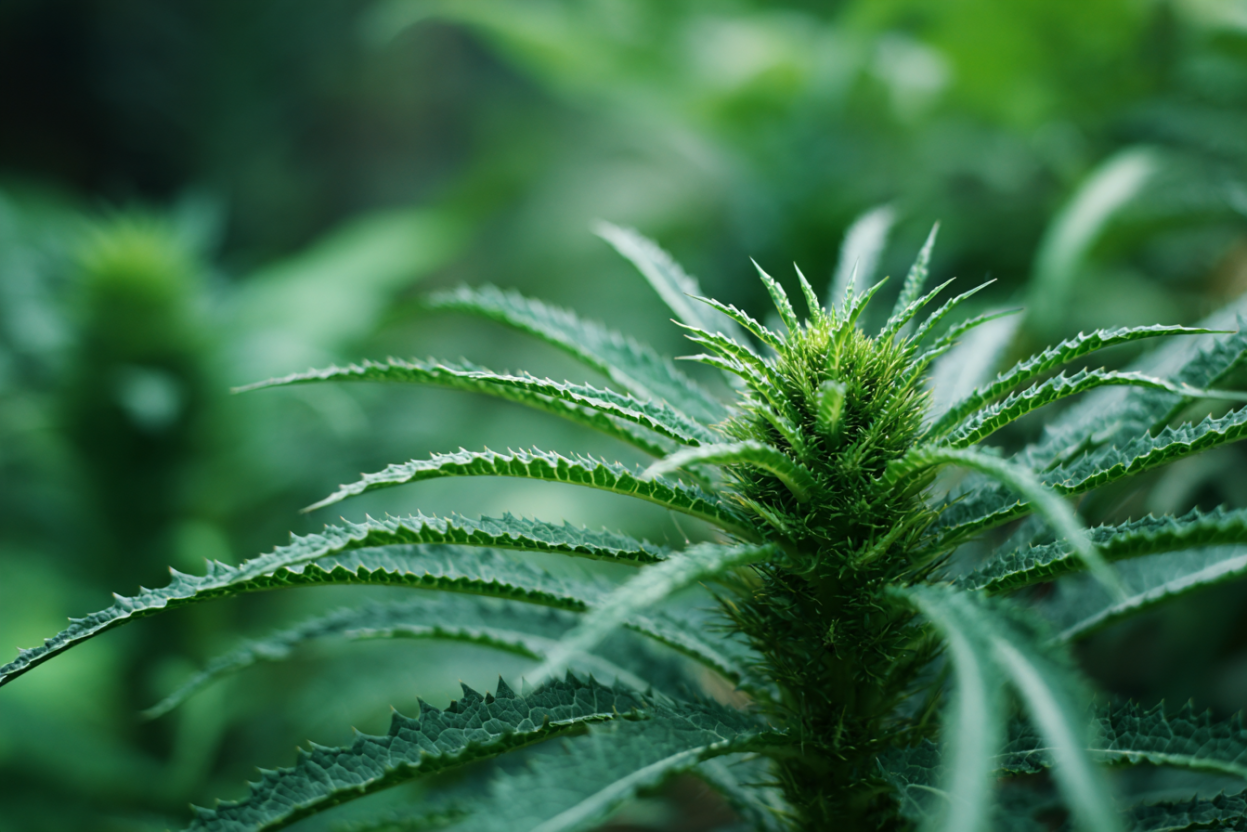
Culantro is a tropical biennial or short-lived perennial herb that grows in a distinctive basal rosette pattern close to the ground. The plant typically reaches 30 to 60 cm (12 to 24 inches) in height, though it stays lower and more compact in its vegetative stage. The leaves are the star of the plant — long, lance-shaped (oblanceolate), 8 to 20 cm long and 3 to 4 cm wide, with prominently serrated or “sawtooth” margins tipped with small yellowish spines. Each leaf is thick, fleshy, and deep green, with a smooth, glossy surface. The whole plant is glabrous (hairless) and powerfully aromatic.
When culantro bolts (typically in response to long days, heat, or stress), it sends up a stiff, erect flowering stalk that branches successively at the top. The flowers are small, whitish-green, and form in dense, cylindrical heads surrounded by spiny bracts. The fruit is small, globose to ovoid, and covered with rounded protrusions. The root system consists of a fleshy, branched taproot.
It is critical to distinguish culantro (Eryngium foetidum) from cilantro (Coriandrum sativum). While both belong to the Apiaceae family and share a similar pungent aroma, they are entirely different plants. Culantro has long, serrated, blade-like leaves, while cilantro has delicate, feathery, rounded leaves. Culantro’s flavor is significantly more intense and robust than cilantro’s, and unlike cilantro, culantro retains its flavor exceptionally well when dried or cooked.
Origin
Culantro is native to continental tropical America and the Caribbean — specifically Mexico, Central America, and parts of South America. It grows naturally in moist, shaded habitats near cultivated areas, forest edges, and along riverbanks throughout its native range. The plant thrives in the understory where it receives filtered light, rich soil moisture, and warm temperatures year-round.
From its point of origin, culantro spread throughout the tropical world. It was introduced to Southeast Asia around the 1880s by Chinese immigrants, who adopted it as a substitute for cilantro due to its similar pungent aroma. Today it grows widely across the Caribbean, Central and South America, India (particularly the northeastern states of Assam, Manipur, Mizoram, Meghalaya, Nagaland, Tripura, and Sikkim), Vietnam, Thailand, Cambodia, Myanmar, Bangladesh, and parts of tropical Africa. In the United States, it grows naturally in Florida, Georgia, Hawaii, and Puerto Rico.
Brief History
Indigenous peoples of Central and South America were the first to recognize culantro’s dual value as both a food seasoning and a healing herb. Long before European contact, it was integrated into daily cuisine and folk medicine across tropical America. The botanical name foetidum comes from the Latin word for “bad smell” — a misnomer that reflects European unfamiliarity rather than the truth of this herb’s complex, beloved aroma. The genus name Eryngium derives from the Greek name for sea holly (Eryngium vulgare).
As trade routes expanded and migration patterns shifted, culantro traveled across oceans. Chinese immigrants brought it to Southeast Asia in the 1880s, where it was quickly adopted into local cuisines. Caribbean communities spread its use throughout the islands, making it indispensable in dishes like Trinidad’s green seasoning, Puerto Rico’s sofrito, and countless other regional preparations. Today, the growing West Indian, Latin American, and Asian immigrant communities in the United States, Canada, and the United Kingdom have created a significant and expanding international market for culantro.
Growing & Cultivation
Climate & Zones
Culantro thrives in USDA Hardiness Zones 10 through 12 as a perennial. In Zones 8 and 9, it can be grown as a warm-season annual, planted after the last frost and harvested through fall. In cooler zones (7 and below), culantro is best grown as a summer annual or maintained year-round as a container plant brought indoors during cold months. The plant is frost-tender and will not survive temperatures below 40°F (4°C). It performs best in warm, humid conditions with temperatures between 70°F and 95°F (21°C–35°C).
Soil Requirements
Culantro prefers rich, moist, loamy to clay-loam soils with a slightly acidic to neutral pH of 5.5 to 7.0. Good organic matter content is important — amend with compost or well-rotted manure before planting. The soil should retain moisture without becoming waterlogged. For containers, use a high-quality potting mix enriched with compost. Culantro is naturally found growing in heavy, moist soils near cultivated areas, so it tolerates heavier soils better than most herbs.
Water & Sunlight
Culantro requires consistent moisture — the soil should remain evenly moist but not soggy. Water regularly, especially during hot, dry periods. Mulching around the plants helps retain soil moisture and keeps roots cool. Overwatering that leads to standing water can cause root rot.
Unlike most culinary herbs, culantro actually prefers partial shade to full shade. In its native habitat, it grows on the forest floor under a canopy. Plants grown in full sun tend to bolt (flower) much more quickly, produce smaller, tougher leaves, and lose their characteristic succulence and deep green color. For the best leaf production, provide 50 to 75 percent shade. Morning sun with afternoon shade is ideal. Indoors, bright indirect light or a spot near a north- or east-facing window works well. Grow lights are suitable if natural light is limited.
Propagation
Seed: Culantro is most commonly grown from seed. Sow seeds on the surface of moist soil or barely cover them (1/8 inch deep at most), as they require light to germinate. Germination is slow — typically 14 to 28 days — and can be improved with bottom heat at 75°F (24°C). Start seeds indoors 8 to 10 weeks before the last frost date for transplanting outdoors. Seeds are tiny, so sow thinly and keep consistently moist. Patience is key with culantro germination.
Division & Self-Seeding: Established plants will self-seed readily if allowed to flower. In tropical climates, culantro naturalizes easily. Mature rosettes can sometimes be divided, though this is less common than seed propagation. The plant does not propagate well from stem cuttings.
Planting
Transplant seedlings outdoors after all danger of frost has passed. Space plants 4 to 6 inches apart within rows and 6 to 8 inches between rows. Culantro grows well as a companion understory planting beneath taller crops like tomatoes, peppers, or corn that provide natural shade. It also thrives as a border plant along garden edges that receive partial shade. Container planting is excellent — use pots at least 8 inches deep to accommodate the taproot.
Harvesting
Harvest outer leaves from the rosette as needed once the plant is established (typically when at least 6 to 8 leaves have formed, around 60 to 75 days from sowing). Cut or pull individual outer leaves, leaving the center growing point intact so the plant continues producing new foliage. Harvest in the morning after dew has dried for the best flavor concentration. The leaves are most flavorful before the plant begins to bolt. Once flowering starts, leaves become tougher and less aromatic — regularly remove flower stalks to prolong the vegetative harvest period.
Drying & Storage
Culantro is one of the few herbs that dries exceptionally well, retaining both good color and strong flavor after drying. Air-dry by hanging small bundles in a warm, well-ventilated area away from direct sunlight for 5 to 7 days. A dehydrator set at 95°F to 105°F also works well. Once fully dry, crumble and store in airtight glass containers in a cool, dark place. Dried culantro retains its flavor for up to 12 months. Fresh leaves can also be frozen — chop and freeze in ice cube trays with water or oil for convenient use year-round. Fresh leaves stored in a sealed container lined with a damp paper towel will keep in the refrigerator for 7 to 10 days.
Pest & Disease Management
Culantro is remarkably pest-resistant. Aphids are the most common pest; manage them with a strong spray of water or neem oil solution. Slugs and snails may occasionally feed on the tender leaves — hand-pick or use organic slug barriers. Root-knot nematodes (Meloidogyne incognita) can be a concern in tropical soils where culantro is grown in succession with other host vegetables. Practice crop rotation to minimize this risk. Disease issues are rare but may include leaf spot in overly humid, poorly ventilated conditions. Ensure adequate spacing and airflow.
Companion Planting
Culantro pairs well with taller crops that provide shade: tomatoes, peppers, corn, and okra. It also grows well alongside other tropical herbs and leafy greens. Avoid planting next to other Apiaceae family members (cilantro, parsley, carrots, dill) to reduce shared pest and disease pressure. Culantro can serve as a beneficial living mulch due to its low-growing rosette habit, helping to retain soil moisture and suppress weeds beneath taller companion plants.
The Healing of Growing
Growing culantro offers benefits beyond the harvest itself. The act of gardening — hands in soil, bare feet on earth, time spent outdoors — has been shown to reduce cortisol, improve mood, and support immune function. The soil contains beneficial bacteria (Mycobacterium vaccae) with documented antidepressant effects. Tending a culantro patch in a shaded garden corner becomes a meditative practice: the simple rhythm of watering, observing new leaf growth, and harvesting what you need connects you to the earth and the intentional design of creation. When you grow your own culantro, you receive healing before you ever consume it.
Nutritional Profile
Macronutrients
Per 100 grams of fresh culantro leaves: approximately 23 calories, 2.1 g protein, 3.7 g carbohydrates, 2.8 g dietary fiber, 0.5 g fat, and 86 to 88 percent moisture. Culantro is a low-calorie, nutrient-dense herb that adds substantial nutritional value relative to the small amounts used in cooking.
Vitamins
Vitamin A: Approximately 10,460 IU per 100 g (significantly exceeding the daily value) — Supports vision health, immune function, skin integrity, and cellular growth. Vitamin A acts as a powerful antioxidant, protecting cells from oxidative damage and supporting healthy mucous membranes throughout the respiratory and digestive tracts.
Vitamin C: 150 to 200 mg per 100 g (approximately 167–222% DV) — Supports immune defense, collagen synthesis, iron absorption, and acts as a potent antioxidant. This makes culantro one of the richest herbal sources of vitamin C available, far exceeding citrus fruits gram for gram.
Vitamin B1 (Thiamine): 0.8 mg per 100 g — Essential for converting food into energy, supporting nervous system function, and maintaining healthy heart muscle.
Vitamin B2 (Riboflavin): Approximately 60 mg per 100 g — Supports energy metabolism, healthy liver function, cellular growth, and the metabolism of fats, drugs, and steroids. Riboflavin also plays a role in maintaining healthy skin, eyes, and nerve function.
Vitamin E: 2.5 mg per 100 g — A fat-soluble antioxidant that protects cell membranes from oxidative damage and supports immune function.
Minerals
Calcium: 67 mg per 100 g (approximately 7% DV) — Essential for bone and teeth strength, muscle contraction, nerve signaling, and blood clotting.
Iron: 1.77 mg per 100 g (approximately 10% DV) — Critical for oxygen transport in the blood via hemoglobin, energy production, and immune function. The vitamin C content in culantro significantly enhances iron absorption when consumed together.
Potassium: 521 mg per 100 g (approximately 11% DV) — Regulates fluid balance, supports proper muscle and nerve function, and helps maintain healthy blood pressure.
Magnesium: 26 mg per 100 g (approximately 6% DV) — Essential for over 300 enzymatic reactions in the body, supports muscle and nerve function, blood sugar regulation, and bone health.
Phosphorus: 48 mg per 100 g — Works alongside calcium for bone health, supports energy production via ATP, and helps maintain proper pH balance in the body.
Sodium: 46 mg per 100 g — Necessary for fluid balance and nerve transmission, present in naturally low amounts.
Phytonutrients & Active Compounds
Eryngial (E-2-dodecenal): The signature volatile aldehyde compound responsible for culantro’s characteristic aroma. Research suggests it possesses antimicrobial, anti-inflammatory, and anthelmintic (anti-parasitic) properties. It is the dominant compound in the essential oil from culantro leaves.
Flavonoids: Including kaempferol — a well-studied flavonoid with documented antioxidant, anti-inflammatory, and potential anti-cancer properties. Flavonoids support cardiovascular health and may help modulate the body’s inflammatory response.
Phenolic Acids: Caffeic acid and chlorogenic acid are present in significant amounts. Chlorogenic acid has been studied for its role in blood sugar regulation and antioxidant protection. Caffeic acid demonstrates anti-inflammatory and antimicrobial activity.
Carotenoids: Lutein and beta-carotene are present in culantro leaves. Lutein supports eye health and may protect against macular degeneration, while beta-carotene converts to vitamin A in the body and acts as an antioxidant.
Saponins: Plant-based compounds that may support immune function and have been studied for antimicrobial and anti-inflammatory properties.
Tannins: Polyphenolic compounds with astringent properties that may support wound healing and digestive health.
Triterpenoids: Including stigmasterol — a plant steroid with documented anti-inflammatory properties that may help modulate the body’s fever response.
Nutrient Notes
Culantro’s exceptionally high vitamin A and C content make it a standout among culinary herbs. Gram for gram, its vitamin C content rivals or exceeds that of many fruits considered vitamin C powerhouses. The iron and calcium content, while moderate, becomes significant when culantro is used generously as it is in Caribbean and Latin American cooking (where it is used by the handful, not the pinch). The vitamin C present enhances iron bioavailability. The B-vitamins in culantro support serotonin production and healthy liver function, which in turn supports the body’s ability to regulate cortisol and insulin.
Culinary Uses
Edible Parts
Leaves: The primary edible part. Used extensively as a seasoning, marinade ingredient, and garnish. The leaves can be used fresh or dried, chopped finely or left whole for slow-cooking.
Stems: Edible but tougher than the leaves. Best used finely chopped in cooked dishes where they soften during preparation.
Roots: Used traditionally in some cultures as a flavoring in soups and broths. The root has a more concentrated, earthy flavor compared to the leaves.
Flavor Profile
Culantro has a bold, pungent, herbaceous flavor often described as a more intense version of cilantro — with earthy, slightly citrusy, and distinctly “green” notes. The aroma is powerfully aromatic, penetrating, and complex. When cooked, the flavor mellows slightly but retains its character far better than cilantro (which tends to lose its flavor with heat). When dried, culantro keeps excellent color and flavor — making it one of the few herbs that is nearly as useful dried as fresh. The intensity ranges from strong to very strong; a little goes a long way.
Preparation
Fresh culantro leaves can be used raw in salsas, salads, chutneys, and as a garnish. For cooked dishes, add culantro toward the end of cooking to preserve maximum flavor, or add early in slow-cooked dishes where it infuses deeply. Chop finely with a sharp knife (a food processor works well for larger batches). Culantro is a foundation ingredient in many Caribbean and Latin seasoning bases — particularly Trinidad’s “green seasoning” (blended with thyme, scallions, garlic, and hot peppers) and Puerto Rico’s sofrito. In Vietnamese cuisine, fresh leaves are torn or sliced and added to pho and other soups.
Culinary Pairings
Culantro pairs beautifully with: proteins (chicken, fish, shrimp, beef, pork, goat), other herbs and aromatics (garlic, ginger, scallion, thyme, hot peppers, cilantro), spices (cumin, coriander seed, turmeric, allspice), acids (lime juice, vinegar, tamarind), and fats (coconut oil, olive oil, avocado). It features prominently in Caribbean, Central American, South American, Vietnamese, Thai, Cambodian, and Indian (northeastern) cuisines.
Storage
Store fresh leaves wrapped in a damp paper towel inside a sealed container or bag in the refrigerator for 7 to 10 days. For longer preservation, freeze chopped leaves in ice cube trays with water or oil, or dry the leaves using a low-temperature dehydrator or air-drying method. Dried culantro stores well for up to 12 months in airtight containers away from light and heat. Culantro can also be blended into pastes with oil and frozen in portions.
Ready to cook with culantro? View Recipes on Chefts →
Wellness & Therapeutic Uses
Traditional Uses
Culantro has one of the most extensive traditional use profiles of any tropical herb. Across its native range and in regions where it has been adopted, it has been used for centuries for a wide range of health concerns. In the Caribbean (particularly Trinidad and Tobago, Puerto Rico, and Jamaica), it has traditionally been used as a tea for fever, colds, flu, digestive discomfort, and constipation. In Guyana, it is known as “fitweed” for its traditional use in supporting those experiencing convulsions and epileptic episodes — the old botanical synonym E. antihystericum directly references this use.
In Brazilian Amazonian folk medicine, culantro has been used for malaria, hemorrhages, and gastrointestinal disorders. The root decoction is traditionally taken as a sudorific (sweat-inducing), diuretic, febrifuge (fever-reducing), and stimulant. The leaf juice or decoction is used as a laxative and remedy for colds and fever. In traditional Indian medicine (particularly in the northeastern states), it has been valued for stomach complaints, worm infestations, and as a general tonic. In Ayurvedic tradition, culantro is recognized for its digestive, anti-inflammatory, and detoxifying properties.
Traditional Chinese Medicine adopted culantro after its introduction to Southeast Asia, incorporating it primarily for digestive support and as an aromatic, warming herb. Throughout Latin America and the Caribbean, the whole plant decoction has traditionally been used to support those with hypertension, asthma, earache, burns, snake bites, scorpion stings, stomach aches, and infertility complications.
Modern Research
Anti-Inflammatory Activity: Research published in the Asian Pacific Journal of Cancer Prevention (2012) demonstrated that E. foetidum leaf extract suppressed inflammatory mediators (iNOS, COX-2, TNF-α, and IL-6) in LPS-activated macrophage cells in a dose-dependent manner. The extract also reduced nitric oxide and intracellular reactive oxygen species. These effects were attributed to the inhibition of JNK and p38 phosphorylation pathways. The ethanol extract was found to contain lutein, beta-carotene, chlorogenic acid, kaempferol, and caffeic acid — compounds known for their anti-inflammatory bioactivity (Mekhora et al., 2012, Thailand, in vitro study).
An earlier study published in Phytotherapy Research (1999) isolated phytosterol fractions from E. foetidum leaves and demonstrated anti-inflammatory and analgesic effects using chronic and acute inflammation models in rats (Garcia et al., 1999, Spain, animal study).
A 2013 study in BioMed Research International used an in vitro digestion model with Caco-2 intestinal cells and found that the bioaccessible fraction from culantro leaves reduced inflammatory mediators MCP-1 and IL-8, and decreased intracellular reactive oxygen species — suggesting potential gut-level anti-inflammatory benefits from simply eating the herb (Dawilai et al., 2013, Thailand, in vitro study).
Anticonvulsant Activity: A study published in the West Indian Medical Journal (1986) demonstrated anticonvulsant properties of an aqueous extract of E. foetidum (known locally as “spirit weed”), supporting the traditional Caribbean use of the herb for seizures and convulsive conditions (Simon & Singh, 1986, Jamaica, animal study).
Antimicrobial Activity: Research has shown selective antibacterial activity of culantro against Salmonella species and the Erwinia genus of bacteria. The essential oil compound eryngial has been the subject of a US patent application for its effectiveness against parasitic trypanosomes, nematodes, fungi, and bacteria. A methanol extract of culantro demonstrated antimicrobial activity against Helicobacter pylori, the bacterium associated with peptic ulcers and gastric cancer (Paul et al., 2011, Trinidad and Tobago, review).
Anthelmintic (Anti-Parasitic) Activity: The University of the West Indies at Mona, Jamaica, investigated the use of eryngial as a treatment for human Strongyloides stercoralis infection (strongyloidiasis). The anthelmintic activity of culantro has been attributed primarily to its eryngial content.
Antioxidant Activity: A 2017 study on E. foetidum essential oils from Nigeria found significant antioxidant capacity in both DPPH free radical scavenging and FRAP (ferric reducing antioxidant power) assays. The leaf oil demonstrated particularly strong antioxidant activity (Thomas et al., 2017, Nigeria, in vitro study).
Hepatoprotective (Liver-Supportive) Activity: Pharmacological screening has indicated hepatoprotective effects, with the herb’s riboflavin and antioxidant content supporting healthy liver function and the body’s natural detoxification processes.
Body Systems Supported
Digestive System: Carminative properties help relieve gas and bloating; traditional use for stomach aches, constipation, diarrhea, and appetite stimulation. Antimicrobial activity may support a healthier gut microbial balance.
Immune System: Exceptionally high vitamin C and vitamin A content support immune defense. Antimicrobial, antifungal, and antiviral properties identified in research.
Nervous System: Documented anticonvulsant activity; traditional use for calming the “spirit” and supporting those with neurological concerns. The plant’s common names “spiritweed” and “fitweed” directly reference this traditional application.
Musculoskeletal System: Anti-inflammatory and analgesic properties may support those experiencing joint discomfort and muscle pain.
Respiratory System: Traditional use for asthma, colds, coughs, and congestion, particularly in Caribbean folk medicine. Stigmasterol content may help address fever and flu symptoms.
Cardiovascular System: Traditional use for hypertension support; potassium content supports healthy blood pressure regulation.
Integumentary System (Skin): Traditional topical use for burns and wounds; anti-inflammatory compounds support skin healing.
Endocrine System: Research suggests potential blood sugar-regulating properties; riboflavin supports healthy liver function, which influences insulin and hormone metabolism.
Body Compounds Affected
Based on available research and the known actions of culantro’s constituents: the anti-inflammatory compounds (particularly the phytosterols, kaempferol, and caffeic acid) may influence prostaglandin production, TNF-alpha, IL-6, and nitric oxide levels. The antioxidant compounds (vitamin C, beta-carotene, lutein) help reduce oxidative stress and may support healthy levels of BDNF and protect neural tissue. The riboflavin content supports liver function involved in insulin regulation. The calming traditional uses suggest possible effects on GABA pathways, though specific research on culantro’s neurotransmitter effects is still limited. The vitamin C content supports cortisol regulation, as the adrenal glands are among the organs with the highest concentration of vitamin C in the body.
Methods of Use
Tea/Infusion
Use 1 to 2 tablespoons of fresh chopped leaves (or 1 teaspoon dried) per cup of hot water. Pour water just off the boil (200°F/93°C) over the herb. Steep for 10 to 15 minutes, covered. Strain and drink. Traditionally consumed 1 to 3 cups daily. The tea has a strong, savory, herbaceous flavor — some prefer to add honey or lime to improve palatability.
Tincture
Culantro leaves can be tinctured using the folk method with high-proof alcohol. Typical dosage range for herbal tinctures is 1 to 2 mL (approximately 30 to 60 drops), taken 2 to 3 times daily in water. Consult a qualified herbalist for specific preparation guidance.
Culinary Integration
The most accessible and culturally significant method of incorporating culantro into a wellness routine is through regular dietary use. Adding generous amounts of fresh or dried culantro to soups, stews, marinades, chutneys, and sauces provides ongoing nutritional and phytochemical benefits as part of a whole-food approach to health.
Poultice/Compress
Fresh leaves can be crushed and applied topically to minor burns, insect bites, and skin irritations — a traditional application across Caribbean and Latin American cultures.
Root Decoction
The roots are traditionally simmered (decocted) for 15 to 20 minutes and the liquid consumed as a febrifuge, diuretic, and general stimulant.
Cosmetic & Beauty Uses
Skin Benefits
Culantro’s exceptionally high vitamin C content makes it a noteworthy botanical for skin health. Vitamin C is essential for collagen synthesis — the protein that gives skin its structure, firmness, and elasticity. The antioxidant compounds (beta-carotene, lutein, kaempferol, and caffeic acid) help protect skin cells from oxidative damage caused by UV exposure, pollution, and environmental stressors. The anti-inflammatory properties may benefit those with inflammatory skin concerns such as acne, irritation, or redness. Vitamin A (abundant in culantro) supports skin cell turnover and repair.
Skin types that may benefit most include: oily and acne-prone skin (antimicrobial and anti-inflammatory properties), mature or aging skin (antioxidant protection and collagen support), and irritated or inflamed skin (soothing anti-inflammatory action).
Hair Benefits
The iron, B-vitamins, and vitamin C content in culantro support scalp circulation and healthy hair follicle function. Iron deficiency is one of the most common nutritional causes of hair thinning, and culantro’s combination of iron with high vitamin C (which enhances iron absorption) makes it a synergistic food for hair health. A strong culantro tea infusion used as a hair rinse may help support scalp health, add shine, and strengthen hair from the outside in.
Application Methods
Culantro can be incorporated into topical formulations in several ways: as a strong tea infusion used as a facial toner or hair rinse; blended fresh into face mask preparations mixed with honey, yogurt, or clay; infused into carrier oils (such as jojoba, coconut, or olive oil) by steeping dried leaves for 2 to 4 weeks; or added to homemade herbal bath soaks. For any topical application, perform a patch test first, as some individuals may experience skin sensitivity to Apiaceae family plants.
DIY Formulation Notes
For infused oils, use a 1:5 ratio of dried culantro to carrier oil. For tea-based toners, brew a strong infusion (double strength), cool completely, and store in the refrigerator for up to one week. Culantro pairs well with carrier oils like jojoba (for facial use) and coconut oil (for hair treatments). Avoid combining with other known sensitizers if you have reactive skin. Homemade preparations have a limited shelf life — refrigerate and use within 5 to 7 days for water-based preparations.
Culantro is among the botanicals being explored for holistic cosmetic applications, where the wisdom of traditional beauty practices meets modern understanding of skin science.
Essential Oil Profile
Extraction
Culantro essential oil is obtained primarily through steam distillation or hydrodistillation of the leaves, stems, and sometimes roots. The essential oil yield is relatively low compared to more commonly distilled herbs, which contributes to its higher cost and limited commercial availability. Different plant parts produce oils with distinct chemical profiles — leaf oil is dominated by aliphatic aldehydes, while root oil contains a higher proportion of aromatic aldehydes.
Chemical Constituents
The essential oil of culantro leaves is characterized by a high proportion of aliphatic aldehydes, which sets it apart from many other herb oils. Key constituents include:
(E)-2-Dodecenal (eryngial): The dominant compound, typically comprising 28 to 60 percent of leaf oil depending on geographic origin. This aldehyde is responsible for culantro’s characteristic pungent aroma and has demonstrated antimicrobial, anti-inflammatory, and anthelmintic properties in research.
Dodecanal: Present at approximately 7 to 15 percent in leaf oil. An aliphatic aldehyde contributing to the overall aroma profile.
13-Tetradecenal: Found at approximately 5 to 27 percent. Another long-chain aldehyde contributing to the complex scent.
2,4,5-Trimethylbenzaldehyde (and isomers): Present at approximately 10 to 16 percent in leaf oil and dominating the root oil (up to 57 percent). These aromatic aldehydes contribute warm, slightly sweet notes.
Other minor constituents include caryophyllene oxide, alpha-cadinol, tau-cadinol, (E)-2-tridecenal, and various sesquiterpenes. The chemical composition varies significantly based on geographic origin, growing conditions, and the plant part used.
Aroma Profile
Culantro essential oil is classified as a middle to top note. The scent is intensely herbaceous, green, pungent, and somewhat soapy-aldehyde — unmistakably “cilantro-like” but deeper and more persistent. Over time, the initial sharp, green top note mellows into warmer, slightly earthy, woody undertones. It blends well with citrus oils (lime, lemon, bergamot), other herbaceous oils (basil, thyme), and warm spice oils (black pepper, ginger).
Therapeutic Properties
Research suggests culantro essential oil may possess: antimicrobial activity (against bacteria, fungi, and parasites), antioxidant capacity (demonstrated in DPPH and FRAP assays), anti-inflammatory properties, and potential insect-repellent or larvicidal activity. These properties are attributed primarily to the high aldehyde content, particularly eryngial.
How to Use
Diffusion
Culantro essential oil is not commonly available as a standalone product for aromatherapy diffusion. If obtained, use 3 to 5 drops in a diffuser for short periods (30 minutes on, 30 minutes off). The scent is extremely strong and may be overwhelming in enclosed spaces.
Topical Application
Always dilute before skin application. Standard adult dilution: 2 to 3 percent (approximately 12 to 18 drops per ounce of carrier oil). Sensitive skin: 1 percent. Children: not recommended for essential oil use. Patch test 24 hours before broader application. Suitable carrier oils include jojoba, sweet almond, and fractionated coconut oil.
Quality & Sourcing
Due to its limited commercial production, culantro essential oil can be difficult to source. Look for oils that provide GC/MS testing data, identify the botanical name (Eryngium foetidum) clearly, specify the country of origin and plant part used, and are sold by reputable suppliers. Beware of adulteration with cilantro (Coriandrum sativum) oil, which has a different chemical profile despite the similar common name.
Blending
Culantro essential oil blends well with lime, lemon, bergamot, basil, black pepper, ginger, and coriander seed oil. Use sparingly in blends (1 to 3 drops maximum) as its scent is dominant. Purpose-based blend ideas: for a digestive support diffusion blend, combine 2 drops culantro with 3 drops ginger and 3 drops lime. For a warming topical blend, combine 1 drop culantro with 3 drops black pepper and 4 drops sweet orange in a carrier oil.
Aromatherapy & Scent
The Aroma
The fresh living culantro plant emits a strong, penetrating, pungent herbaceous aroma that fills the surrounding air — especially when leaves are touched, bruised, or disturbed. The scent is most intense after rain, in warm humid conditions, and during the early morning hours when volatile compounds are most concentrated. Simply walking past a culantro patch and brushing against the leaves releases a burst of aroma. Fresh culantro smells green, sharp, slightly soapy, and distinctly “cilantro-like” but deeper and more robust.
When dried, culantro retains its scent remarkably well — far better than most herbs. The dried aroma is warmer, more concentrated, and slightly earthy compared to the fresh plant. Dried material retains good aromatic potency for 6 to 12 months when stored properly in airtight containers.
How Scent Affects Your Body
When you smell culantro, volatile molecules (primarily eryngial and other aldehydes) are released from the plant and drawn into the nasal cavity with each breath. These molecules contact olfactory receptors high in the nasal passage, which convert the chemical information into electrical signals. These signals travel directly to the limbic system (the brain’s emotional center) and the hypothalamus (which controls hormone release) — bypassing the conscious thinking brain entirely. This means the scent of culantro begins affecting your mood, emotions, and even hormone levels within seconds, before you’ve had time to think about it.
Emotional & Mood Effects
The scent of culantro is generally described as stimulating and clarifying rather than sedating. Its sharp, green, pungent aroma may help with mental alertness, focus, and energy. For many people from Caribbean, Latin American, and Southeast Asian cultures, the scent of culantro also triggers powerful comfort and nostalgia — evoking memories of home cooking, family gatherings, and cultural identity. This emotional comfort response can reduce stress and promote a sense of belonging and security.
Body Compounds Affected
While specific studies on culantro’s aroma and neurochemistry are limited, research on aromatic herbs in the same family and with similar volatile profiles suggests that pungent, green-herbaceous scents may stimulate norepinephrine (promoting alertness), support healthy cortisol regulation through the calming effect of familiar scents, and may influence serotonin pathways through the comfort-nostalgia response. The antimicrobial volatile compounds (particularly eryngial) released into the air around the living plant also contribute to air purification, which supports respiratory health.
Ways to Experience the Scent
Growing culantro on a windowsill or in a shaded garden corner provides ongoing aromatic benefit through daily proximity. Fresh cuttings placed in a glass of water on the kitchen counter release scent into the room. Crushing leaves between your fingers while gardening delivers an immediate, concentrated burst of aroma. Dried culantro in a sachet placed near a cooking area creates a subtle background fragrance. Simmering fresh or dried leaves on the stove (as part of cooking or simply in water) fills the kitchen with its characteristic scent. Adding fresh leaves to a warm bath provides both aromatic and topical benefits simultaneously.
Color Therapy
The Colors of Culantro
Culantro is predominantly a deep, rich green plant. The large, blade-like leaves are a vibrant, dark green with a glossy surface that intensifies the color. New growth may be a slightly lighter, brighter green. When the plant bolts, the flower stalks produce small, whitish-green to pale green-yellow flower heads surrounded by spiny green bracts. The overall visual impression is one of lush, verdant greenness — especially when grown in its preferred shaded, moist conditions where the leaves achieve their maximum size and deepest color.
Color Wavelengths
Green light occupies the 495 to 570 nm wavelength range in the visible spectrum. It sits at the center of the visible light spectrum — the wavelength to which the human eye is most sensitive. This is not accidental; humans evolved surrounded by green vegetation, and our visual systems are finely tuned to perceive and respond to green wavelengths.
How Green Affects the Body
In color therapy principles, green is considered the color of balance, harmony, and restoration. Green wavelengths are associated with calming the nervous system, reducing anxiety, promoting emotional equilibrium, and supporting heart-centered feelings of peace and connection. Research on green environments consistently shows that exposure to green spaces reduces blood pressure, lowers cortisol levels, improves mood, and accelerates healing (hospital patients with views of greenery have been shown to recover faster). Having culantro’s lush green rosettes in your home or garden adds this visual-therapeutic green presence to your daily environment.
Body Compounds Affected
Exposure to green wavelengths and green environments has been associated with reduced cortisol levels, increased parasympathetic nervous system activation (promoting calm), and improved serotonin balance. The psychological comfort of being around green plants may also support healthy oxytocin levels through the nurturing act of plant care.
Using Culantro for Color Therapy
Place potted culantro in living spaces, kitchens, or work areas where its deep green leaves provide a constant calming visual presence. Grow it as an understory plant in a patio garden where you spend time relaxing. Cut fresh leaves and place them in a small dish of water on your desk or nightstand for a concentrated dose of green. When culantro is used in cooking, “eating the green” delivers the plant’s color-associated nutrients (chlorophyll, lutein, beta-carotene) directly into the body — you are literally eating the green wavelength.
Frequency & Vibration
The Frequency of Culantro
While specific MHz frequency measurements for culantro have not been widely published in the available literature, the plant falls within the category of fresh herbs — which, according to bio-frequency research (including the work of Bruce Tainio), tend to measure between 20 and 27 MHz for fresh herbs, with higher-frequency herbs reaching into the 40 to 75 MHz range. Essential oils derived from aromatic herbs can measure significantly higher. For reference, a healthy human body typically vibrates between 62 and 78 MHz. Cold and flu symptoms may onset around 58 MHz, and disease processes have been associated with frequencies below 58 MHz.
Human Frequency Interaction
According to the entrainment principle in vibrational medicine, a stronger or more coherent frequency can influence and “entrain” a weaker or less coherent one. Proponents of vibrational medicine suggest that being in proximity to living plants, consuming fresh plant material, and using essential oils may help support and maintain the body’s optimal frequency range. Fresh, living herbs like culantro — being alive, metabolically active, and emitting volatile organic compounds — represent a higher-frequency food source compared to processed, devitalized foods.
Essential Oil Frequency
Essential oils are among the highest-frequency natural substances measured. While specific culantro essential oil frequency data is not widely available, aromatic herb essential oils generally measure in the 46 to 72 MHz range. The concentration of volatile compounds during distillation amplifies the energetic signature of the plant. Using culantro essential oil (when available) may therefore provide a more concentrated frequency influence than the fresh or dried plant alone.
Vibrational Applications
To incorporate culantro’s vibrational energy: consume fresh culantro regularly as part of whole, living food meals; grow the living plant in your home for ongoing proximity to its biofield; use the essential oil in diffusion or topical application when available; and combine culantro consumption with other high-frequency practices such as prayer, gratitude, time in nature, and intentional rest. Frequency measurements suggest that maintaining a diet rich in fresh herbs, fruits, and vegetables may support the body’s natural vibrational state.
Note: Frequency measurement of living organisms and plant materials is an emerging area of research. While the principles described here are supported by bio-frequency researchers and vibrational medicine practitioners, this remains a developing field. The claims above reflect the current understanding among proponents of this modality.
The Living Plant
Benefits of Presence
Simply being around living culantro plants offers healing benefits that go beyond consumption. Research on biophilic design (the human need to be near living things) and indoor plant studies consistently demonstrates that the presence of living plants reduces stress hormones, improves attention and productivity, enhances mood, and creates a sense of calm and well-being. Culantro’s lush, green rosette of broad leaves makes a visually appealing and psychologically soothing addition to any indoor or shaded outdoor space.
Air Purification
While culantro has not been specifically included in the NASA Clean Air Study, all green plants contribute to indoor air quality through the basic process of photosynthesis — absorbing carbon dioxide and releasing oxygen. Culantro’s broad, thick leaves provide a substantial surface area for gas exchange relative to its compact size. Additionally, the volatile compounds (particularly eryngial and other aldehydes) continuously released by the living plant have documented antimicrobial properties, which may contribute to reducing airborne pathogens in indoor environments.
Phytoncides
Culantro releases volatile organic compounds — its aromatic aldehydes — into the surrounding air continuously. These compounds function similarly to phytoncides (the antimicrobial volatile compounds studied in forest bathing research). Phytoncides from plants have been shown to increase Natural Killer (NK) cell activity in the human immune system, reduce stress hormones, and support overall immune function. While culantro’s specific phytoncide profile differs from forest trees, the principle of antimicrobial volatile compound release into the surrounding air applies. Having culantro growing indoors means a constant, low-level release of these beneficial compounds into your breathing space.
Visual & Psychological Benefits
Research from healthcare, workplace, and residential settings consistently shows that the visual presence of plants reduces perceived stress, improves concentration (attention restoration theory), increases feelings of well-being, and can even reduce pain perception. Patients in hospital rooms with plant views recovered faster and required less pain medication. For culantro specifically, its deep green color, interesting sawtooth leaf shape, and rosette growth pattern create an engaging, calming visual focal point. Caring for the plant — watering, harvesting, observing growth — adds the therapeutic benefits of nurturing a living thing.
Growing Indoors vs Outdoors
Culantro is exceptionally well-suited for indoor growing because it prefers shade and indirect light — unlike most herbs that demand full sun. A bright kitchen windowsill (north or east facing) or a spot under grow lights provides ideal conditions. Use a deep pot (at least 8 inches) with good drainage, keep the soil consistently moist, and maintain temperatures above 60°F. Outdoors, culantro thrives in shaded garden beds, under tree canopies, or on covered porches and patios. In tropical climates, it naturalizes easily and may return year after year.
Touch & Physical Interaction
Gardening Therapy
Horticultural therapy — the practice of using gardening as a therapeutic tool — is an established modality recognized by healthcare professionals worldwide. Working with culantro brings the practitioner into a unique sensory relationship with the plant. Tending to it in its preferred shaded, moist environment often means working in cool, calm garden spaces rather than hot, exposed beds — creating a more meditative gardening experience.
Soil Contact Benefits
When you garden culantro barefoot or with bare hands in the soil, you benefit from grounding (earthing) — the transfer of electrons from the earth into the body, which research suggests may reduce inflammation, improve sleep, and support cardiovascular health. The soil itself contains Mycobacterium vaccae, a beneficial bacterium that has been shown to stimulate serotonin production and provide antidepressant-like effects in animal studies. Regular soil contact also diversifies the skin and gut microbiome, which is increasingly understood to be foundational to overall health.
The Tactile Experience
Touching culantro is a distinctive sensory experience. The leaves are thick, slightly fleshy, and smooth on the surface with a glossy, almost waxy feel. The serrated edges provide a gentle prickliness under the fingertips — not sharp enough to cut, but textured enough to engage the sense of touch. When you pinch or tear a leaf, it releases an immediate burst of pungent, cilantro-like aroma — a multi-sensory moment that engages touch, smell, and sight simultaneously. The sturdy, grooved stems are firm and satisfying to grasp. Harvesting involves pulling or cutting individual outer leaves from the rosette, a repetitive, rhythmic motion that can be deeply meditative.
Harvesting & Processing
The act of harvesting culantro — systematically selecting the largest outer leaves, cutting them at the base, stacking them in your hand — is a quiet, repetitive activity that naturally induces a meditative state. Processing the harvest (washing, patting dry, chopping, bundling for drying) engages fine motor skills and focused attention while surrounding you with the herb’s strong aroma. Stripping leaves for drying, chopping for green seasoning, or blending into marinades are all hands-on activities that connect you to the food cycle in a meaningful, grounding way. This is not abstract wellness — this is the physical, tactile experience of providing for yourself and your family from the earth.
Water-Based Applications
Teas & Infusions
Culantro tea is the most traditional water-based preparation. Use 1 to 2 tablespoons of fresh chopped leaves (or 1 teaspoon dried) per cup (8 oz) of water. Pour water heated to just below boiling (200°F/93°C) over the herb, cover, and steep for 10 to 15 minutes. Strain and drink. The tea has a strong, savory, herbaceous flavor. For a milder preparation, reduce steeping time or herb quantity. Cold infusion (steeping in room temperature water for 2 to 4 hours) produces a gentler flavor and may preserve more heat-sensitive vitamins. Traditional use suggests 1 to 3 cups daily for general wellness support.
Herbal Baths
Throughout the Caribbean (particularly Trinidad and Tobago), culantro is used in herbal baths for various conditions. The whole plant is traditionally boiled and the resulting water used for bathing, particularly for chickenpox, measles, chills, and feverish conditions. For a therapeutic bath, prepare a strong decoction by simmering a large handful (approximately 1/2 cup) of fresh culantro in 2 quarts of water for 15 to 20 minutes. Strain and add the liquid to a warm (not hot) bath. Soak for 20 to 30 minutes. A foot soak using the same preparation is a practical alternative. The combination of warm water, absorbed plant compounds, and the herb’s aroma creates a multi-modal therapeutic experience.
Decoctions
When using culantro roots (which are denser than leaves), a decoction is more effective than an infusion. Place 1 tablespoon of chopped fresh root (or 1 teaspoon dried) in 2 cups of water. Bring to a boil, then reduce heat and simmer for 15 to 20 minutes. Strain and drink. Root decoctions are traditionally used as a febrifuge, diuretic, and general tonic.
Compresses
A warm compress can be prepared by soaking a clean cloth in a strong culantro infusion or decoction and applying it to the affected area. Use warm compresses for muscle aches, joint discomfort, and congestion. Cool compresses (prepared the same way but cooled) can be applied to minor burns, inflamed skin, or insect bites. Apply for 15 to 20 minutes, resoaking as needed.
Steam Inhalation
For respiratory congestion, colds, and sinus discomfort, add a generous handful of fresh culantro leaves (or 2 tablespoons dried) to a large bowl of steaming hot water. Lean over the bowl with a towel draped over your head and the bowl, and inhale the steam gently through the nose for 5 to 10 minutes. The volatile compounds — particularly the antimicrobial aldehydes — are carried by the steam directly into the respiratory passages. Use caution with steam temperature to avoid burns; keep face at a comfortable distance.
Hair Rinses
A strong culantro tea infusion, cooled to room temperature, can be used as a final rinse after shampooing. Pour the infusion through the hair and over the scalp, gently massaging the scalp for 1 to 2 minutes. For maximum benefit, allow it to remain on the hair for 5 minutes before rinsing with cool water (or leave it in for an intensive treatment). This may help support scalp health, promote shine, and deliver iron and B-vitamins topically to the scalp.
Historical, Cultural & Biblical Significance
Biblical References
Culantro (Eryngium foetidum) is not directly mentioned in Scripture, as it is native to the tropical Americas and was unknown in the biblical world. However, plants of the same family (Apiaceae) were well known in biblical lands — including coriander, dill (anise), and cumin, all of which are mentioned in Scripture. Coriander (Coriandrum sativum), culantro’s closest culinary relative, is referenced in Exodus 16:31 (KJV): “And the house of Israel called the name thereof Manna: and it was like coriander seed, white; and the taste of it was like wafers made with honey.” And again in Numbers 11:7. While culantro itself is not named, the Creator who designed manna to resemble coriander also designed culantro with its remarkable healing properties — and placed it in the hands of the peoples who would need it most.
Ancient Civilizations
Because culantro is native to the Americas, its recorded history begins with the indigenous peoples of Central and South America rather than the ancient civilizations of the Mediterranean and Near East. Pre-Columbian peoples of tropical America observed that culantro provided relief for digestive complaints, fevers, pain, and parasitic infections, and they documented these uses through oral tradition long before European contact. After European colonization, the herb was documented by colonial-era naturalists and botanists, and its uses were incorporated into the emerging body of New World herbal knowledge.
Eastern Traditions
Culantro was introduced to Southeast Asia around the 1880s by Chinese immigrants. In the relatively short time since its adoption, it has become deeply integrated into the food and folk medicine traditions of the region. In India’s northeastern states, it is used in traditional remedies for stomach disorders and as a general tonic. In Vietnam, Thailand, Cambodia, and Myanmar, it is valued both culinarily and medicinally. While culantro does not have the millennia-deep history in TCM or Ayurveda that older Asian herbs possess, Indian Ayurvedic practitioners have recognized its digestive, anti-inflammatory, and detoxifying properties and have begun incorporating it into their botanical framework.
Indigenous Knowledge
The indigenous peoples of tropical America — including the Amazonian communities of Brazil, Peru, Ecuador, and Colombia — are the original keepers of culantro knowledge. They observed that this plant provided digestive relief, fever reduction, anti-parasitic action, and wound healing. They documented this use through generations of oral tradition, hands-on practice, and culinary integration. Caribbean indigenous peoples similarly recognized the plant’s anti-convulsant properties, leading to the names “fitweed” and “spiritweed.” While they may not have known the Creator by name, they were observing His design — and their observations align remarkably with what modern pharmacological research confirms about culantro’s anti-inflammatory, antimicrobial, anticonvulsant, and antioxidant properties.
At least seven North American indigenous tribes specifically mentioned the use of Eryngium species (typically the roots) as an anti-snake venom therapy, and recent research has found evidence supporting the functional effectiveness of this traditional use.
European Heritage
Culantro’s integration into European knowledge came primarily through colonial-era documentation of New World plants. While it never achieved the widespread European use of its relative cilantro (which originated in the Mediterranean), European botanists classified and documented the plant. Gerard’s herbal name foetidum (“bad-smelling”) reflects European cultural bias rather than the plant’s true value — a reminder that the worth of a plant is not determined by initial appearances. The broader Eryngium genus was known in Europe through the sea holly (E. maritimum), which has its own European folk medicine tradition.
Cultural Symbolism
In Caribbean culture, culantro represents home, heritage, and identity. It is foundational to the “green seasoning” that defines Trinidadian cooking, the sofrito that anchors Puerto Rican cuisine, and the herbal baths that mark healing traditions across the islands. For diaspora communities in the United States, Canada, and the United Kingdom, finding culantro in a market triggers an immediate, visceral connection to home. The plant symbolizes cultural continuity, ancestral wisdom, and the unbroken thread of traditional knowledge passed from generation to generation.
Safety & Precautions
Contraindications
Culantro is generally considered safe when consumed in culinary amounts as part of a normal diet. However, the concentrated forms (teas, tinctures, decoctions, essential oil) require more caution. Those with known allergies to Apiaceae family plants (carrots, celery, parsley, cilantro, fennel, dill) may experience cross-reactive allergic responses and should use culantro with caution. Traditional use in some cultures includes the whole plant decoction as an emmenagogue (menstrual flow stimulant) and abortifacient, which means it should be avoided in concentrated therapeutic doses by anyone who is pregnant or may become pregnant.
Drug Interactions
Due to its traditional use for blood pressure and blood sugar regulation, culantro in therapeutic doses (teas, tinctures, supplements) may interact with: blood pressure medications (potential additive hypotensive effect), diabetes medications (potential additive blood sugar-lowering effect), blood-thinning medications (some Apiaceae family herbs may affect coagulation), and sedative medications (the anticonvulsant properties suggest possible CNS interaction). If you are taking any prescription medications, consult with your healthcare provider before using culantro therapeutically (beyond normal culinary use).
Pregnancy & Nursing
Pregnancy: Culantro in normal culinary amounts is generally considered safe during pregnancy. However, concentrated preparations (strong teas, tinctures, root decoctions) should be avoided during pregnancy due to the plant’s traditional use as an emmenagogue and abortifacient. Ethnobotanical research from Amazonian communities lists E. foetidum among plants contraindicated in pregnancy. Not recommended in therapeutic doses during pregnancy without guidance from a qualified healthcare provider.
Nursing: Safety during breastfeeding for therapeutic doses has not been established. Culinary use is generally considered safe. Consult a qualified healthcare provider before using concentrated preparations while nursing.
Children
Culantro as a food seasoning is generally appropriate for children of all ages in the amounts typically used in cooking. As a therapeutic tea, use reduced amounts (1/4 to 1/2 adult dose) for children over 6 years. Not recommended for children under 2 in therapeutic preparations. Essential oil use on or around children is not recommended. Always consult a pediatric healthcare provider before giving herbal preparations to children.
Elderly
Culantro is generally safe for elderly adults in culinary amounts. For therapeutic use, start with lower doses (half the standard adult dose) and monitor for any interactions with existing medications — particularly blood pressure, blood sugar, and blood-thinning medications, which are commonly prescribed in older adults. The anti-inflammatory properties may be particularly beneficial for age-related joint discomfort, but should be used alongside (not instead of) prescribed treatments.
Pets
Dogs: Generally considered non-toxic. Culantro is not listed as toxic to dogs by the ASPCA. Small amounts are unlikely to cause harm, though large quantities of any plant material may cause gastrointestinal upset.
Cats: Generally considered non-toxic. Not listed as toxic to cats. As with dogs, monitor for any individual sensitivities and avoid feeding large amounts.
While culantro is not considered toxic to common household pets, always monitor your animals around any plant material. If a pet shows signs of distress after ingestion, contact your veterinarian or the ASPCA Animal Poison Control Center at (888) 426-4435.
Allergies & Sensitivities
As a member of the Apiaceae family, culantro may trigger allergic reactions in individuals sensitive to other plants in this family (celery, carrots, parsley, cilantro, fennel, dill, anise). Symptoms may include skin rash, itching, swelling of lips or mouth, or in rare cases, more severe allergic responses. Some individuals may experience contact dermatitis from handling the fresh plant. Perform a patch test before using culantro topically. Photosensitivity (increased sun sensitivity) is possible with some Apiaceae family plants — exercise caution with topical applications before sun exposure.
Dosing Guidelines
Culinary use: No established limit for normal dietary consumption. Use as desired in cooking.
Tea: 1 to 3 cups daily of standard infusion (1-2 tablespoons fresh or 1 teaspoon dried per cup) is the traditional range. Do not exceed 3 cups daily without professional guidance.
Duration: For therapeutic use, take for 2 to 4 weeks, then take a 1-week break. Continuous long-term therapeutic use without breaks is not recommended, as one study suggested that prolonged daily consumption at very high doses (approximately 35 times normal culinary amounts) may affect kidney function over 24 weeks.
Quality & Sourcing
Purchase culantro from reputable sources — specialty grocery stores, Caribbean and Asian markets, or trusted farmers’ markets. Ensure it is correctly identified (long, serrated leaves — NOT the delicate, round leaves of cilantro). For dried culantro, look for intact green color and strong aroma. For growing, source seeds from reputable herb seed suppliers. When foraging or wildcrafting, ensure positive identification and collect from areas free of pesticides, herbicides, and heavy metal contamination.
Signs of Adverse Reaction
Mild reactions may include: skin rash or itching (contact or ingested), mild nausea, or digestive upset. More serious signs requiring immediate medical attention include: severe allergic reaction (swelling of face, throat, or tongue; difficulty breathing; rapid heartbeat), persistent vomiting, or any unusual neurological symptoms. If any adverse reaction occurs, discontinue use immediately.
Disclaimer
This information is for educational purposes only. It is not intended to diagnose, treat, cure, or prevent any disease. Always consult with a qualified healthcare provider before using any herbal product, especially if you are pregnant, nursing, taking medications, or have a medical condition. If you experience any adverse reaction, discontinue use immediately and seek medical attention.
Want Personalized Guidance?
Every body is unique. What works for one person may not be right for another. If you’d like personalized support in incorporating culantro into your wellness journey, consider working with a qualified practitioner who can assess your individual needs.
Sources & References
Peer-Reviewed Studies
- Eryngium foetidum L.: A Review — Paul JHA, Seaforth CE, Tikasingh T. Fitoterapia, 2011. Trinidad and Tobago. Comprehensive review of ethnomedicinal uses, phytochemistry, and pharmacological activities.
- Eryngium foetidum L. (Apiaceae): A Literature Review of Traditional Uses, Chemical Composition, and Pharmacological Activities — Rodrigues TLM, Silva MEP, Gurgel ESC, Oliveira MS, Lucas FCA. Evidence-Based Complementary and Alternative Medicine, 2022. Brazil. Systematic literature review covering 2011–2021.
- Eryngium foetidum Suppresses Inflammatory Mediators Produced by Macrophages — Mekhora C, Muangnoi C, Chingsuwanrote P, et al. Asian Pacific Journal of Cancer Prevention, 2012. Thailand. In vitro study demonstrating suppression of iNOS, COX-2, TNF-α, and IL-6.
- Anti-Inflammatory Activity of Bioaccessible Fraction from Eryngium foetidum Leaves — Dawilai S, Muangnoi C, Praengamthanachoti P, Tuntipopipat S. BioMed Research International, 2013. Thailand. In vitro digestion study with Caco-2 cells.
- Demonstration of Anticonvulsant Properties of an Aqueous Extract of Spirit Weed (Eryngium foetidum L.) — Simon OR, Singh N. West Indian Medical Journal, 1986. Jamaica. Animal study demonstrating anticonvulsant activity.
- Eryngium foetidum L. Essential Oils: Chemical Composition and Antioxidant Capacity — Thomas PS, Essien EE, Ntuk SJ, Choudhary MI. Medicines, 2017. Nigeria. GC-MS analysis and antioxidant activity assessment.
- Topical Anti-Inflammatory Activity of Phytosterols Isolated from Eryngium foetidum on Chronic and Acute Inflammation Models — Garcia M, Saenz M, Gomez M, et al. Phytotherapy Research, 1999. Spain. Animal study on anti-inflammatory and analgesic effects.
- Anti-Inflammatory and Analgesic Properties from Leaves of Eryngium foetidum L. (Apiaceae) — Saenz M, Fernandez M, Garcia M. Phytotherapy Research, 1997. Spain. Demonstrated anti-inflammatory and analgesic effects of leaf decoction.
Review Articles & Monographs
- Eryngium foetidum L. (Apiaceae): A Literature Review — Full Text (PMC) — Rodrigues et al., 2022. Open access comprehensive review with pharmacological activity tables.
- Eryngium foetidum L. Essential Oils: Chemical Composition and Antioxidant Capacity — Full Text (PMC) — Thomas et al., 2017. Open access essential oil analysis.
- Pharmacological Screening of Eryngium foetidum Linn – A Review — Hemachandra GHTK, Thuvaragan S, Sanmugarajah V. Borneo Journal of Pharmacy, 2021. Sri Lanka. Comprehensive pharmacological review.
Institutional & Agricultural Sources
- Culantro: A Much Utilized, Little Understood Herb — Ramcharan C. Purdue University, New Crop Resource Online Program, 1999. United States. Comprehensive cultivation and utilization guide.
- Culantro — WorldCrops, University of Massachusetts Amherst. United States. Growing guides and cultural information.
- Eryngium foetidum — Wikipedia. General reference with cited sources for common names, distribution, and uses.
Traditional Medicine Sources
- Eryngium foetidum — Culantro — AyurWiki. Ayurvedic classification, properties, and traditional uses.
- Eryngium foetidum L. — India Biodiversity Portal. Nutritional data and traditional uses from Indian ethnobotanical sources.