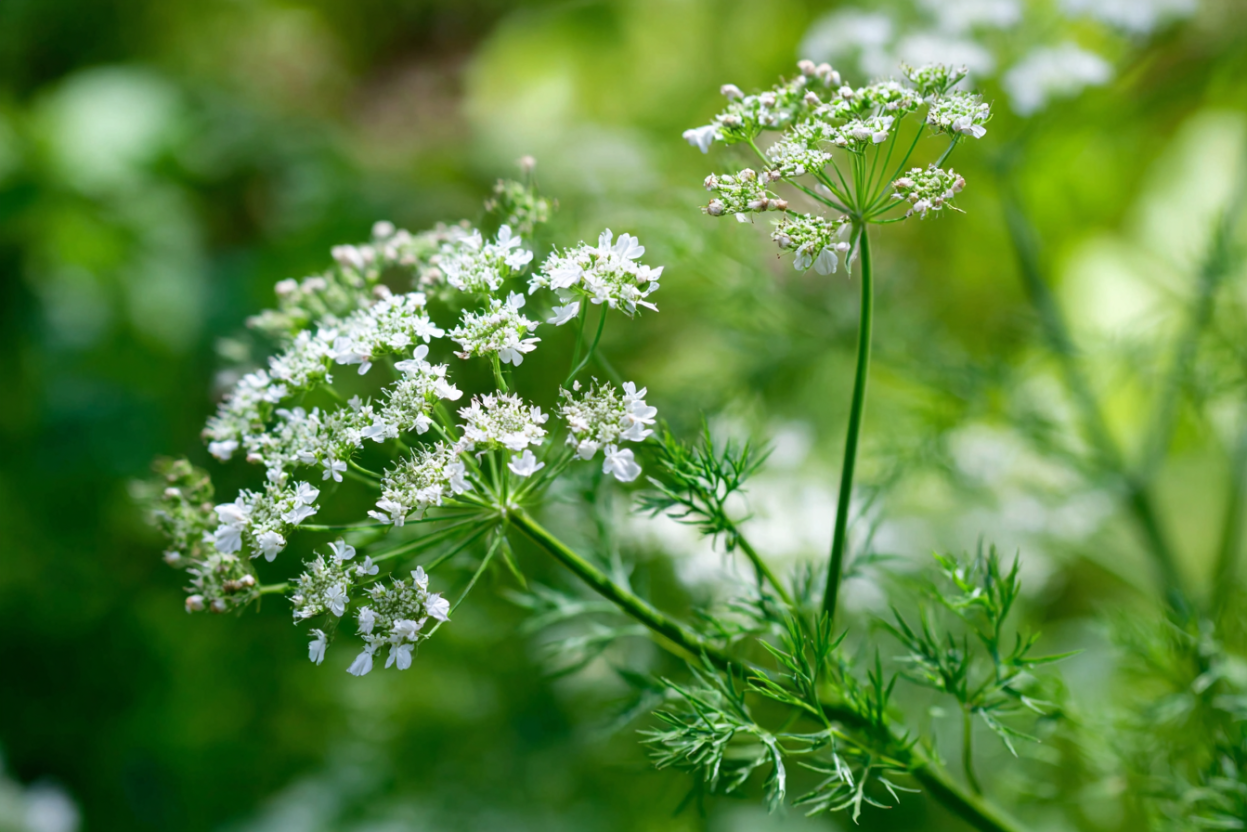
Cumin (Cuminum cyminum)
If you have ever struggled with sluggish digestion, stubborn bloating, or the frustrating cycle of blood sugar spikes and crashes, you are far from alone. Millions of people battle these issues daily, often unaware that one of the most powerful allies for their body has been sitting in their spice cabinet all along. Cumin — the warm, earthy seed that anchors cuisines from India to Mexico — has been used for thousands of years not just for flavor, but for wellness.
This humble seed is a profound example of the Creator’s provision. Before any laboratory existed, before any pharmaceutical company was formed, God placed this plant in the earth — designed with compounds that support digestion, stabilize blood sugar, strengthen immunity, and nourish the body at the cellular level. Every layer of cumin’s complexity points back to a Designer who knew exactly what we would need.
The Plant
Common Names: Cumin, Cummin, Jeera, Zeera, Comino, Kümmel (German), Kamoun (Arabic)
Botanical Name: Cuminum cyminum L.
Family: Apiaceae (the carrot/parsley family — also includes carrots, celery, parsley, dill, cilantro, fennel, and anise)
Description
Cumin is a small, slender annual herb that grows between 12 and 20 inches tall. Its stems are smooth, branching, and somewhat angular, often drooping under the weight of its seed heads as they mature. The leaves are finely dissected into thread-like leaflets, giving the plant a delicate, feathery appearance with a blue-green hue. The leaves are typically 5 to 10 centimeters long and compound, often turning back at the tips.
In mid to late summer, cumin produces small, irregular flowers in umbel formations — clusters that resemble tiny umbrellas. Each branch may carry three to nine umbels, with five to seven umbellets per umbel. The flowers are typically white or pink, and they are hermaphroditic, containing both male and female reproductive organs.
After pollination, the flowers give way to the seeds — technically schizocarps, or aggregate fruiting bodies that split into two single-seeded units called mericarps. The seeds are oblong, about a quarter-inch long, ridged lengthwise, and range from gray-green when immature to brownish-yellow when ready for harvest. The entire plant is aromatic, but the seeds carry the strongest scent — warm, earthy, slightly peppery, and unmistakable.
Origin
Cumin is native to the eastern Mediterranean region, stretching through the Middle East and into Central Asia. Its original range spans from upper Egypt through Iraq, Iran, and Afghanistan, reaching into the Indian subcontinent. Today, India is the largest producer and consumer of cumin in the world, followed by Iran, Syria, Turkey, and China. The plant thrives in arid and semi-arid climates with long, hot growing seasons and well-drained soil.
Brief History
Cumin is one of the oldest cultivated spices in human history, with archaeological evidence of its use dating back at least 5,000 years. Ancient Egyptians used cumin both as a culinary spice and as a preservative in mummification. Greek and Roman physicians — including Hippocrates, Dioscorides, and Pliny the Elder — documented its medicinal properties extensively. It was so valued in the ancient world that it was used as currency in some cultures and as a symbol of faithfulness in others.
Cumin traveled along the great trade routes — the Silk Road and the Spice Route — spreading from the Middle East into Asia, North Africa, and eventually the Americas through Spanish and Portuguese colonization. It became a foundational spice in Indian, Mexican, North African, and Middle Eastern cuisines, where it remains indispensable today. The second most popular seed spice in the world after black pepper, cumin has never lost its place at the human table.
Growing & Cultivation
Climate & Zones
Cumin grows best in USDA Hardiness Zones 5 through 10, though it truly thrives where summers are long, hot, and dry. This is a warm-season annual that requires approximately 100 to 120 frost-free days to reach maturity and produce viable seed. Ideal growing temperatures range between 60°F and 80°F (16°C to 27°C), and the plant can tolerate heat up to about 90°F (32°C). Cumin does not tolerate frost — in cooler climates (Zones 5-6), seeds should be started indoors four to six weeks before the last frost date and transplanted outdoors once soil temperatures reach 60°F consistently.
Soil Requirements
Cumin performs best in well-drained, sandy loam soil. It adapts to a range of nutrient levels but prefers a slightly alkaline pH between 6.8 and 7.5. Excellent drainage is critical — cumin’s taproot will rot in waterlogged conditions, and high humidity promotes fungal diseases like Fusarium wilt. In heavy clay soils, amend with coarse sand and compost. For container growing, mix equal parts garden soil, coarse sand, and compost for optimal drainage. Avoid high-nitrogen fertilizers, which promote leafy growth at the expense of seed production and essential oil content.
Water & Sunlight
Cumin is drought-tolerant once established and prefers dry conditions, especially as seeds approach maturity. Water moderately during germination and early growth, then reduce watering as the plant flowers and sets seed. Overwatering is the most common cause of cumin failure in home gardens. The plant requires full sun — at least six to eight hours of direct sunlight daily. In its native range, cumin basks in intense Mediterranean and Middle Eastern sun.
Propagation
Cumin is propagated exclusively by seed. Soak seeds for four to eight hours in room-temperature water before planting to improve germination rates. Sow seeds a quarter-inch deep in rows, spacing groups of three to four seeds every four to eight inches, with about 18 to 24 inches between rows. Germination takes 7 to 14 days at 68°F to 77°F (20°C to 25°C). Once seedlings reach about two inches tall, thin to one plant every eight inches. Cumin develops a taproot that resents disturbance, so if starting indoors, use deep cells or biodegradable pots and transplant gently.
Planting
In Zones 7 through 10, cumin can be direct-sown outdoors after the last frost once soil has warmed to at least 60°F to 65°F. In Zones 5 and 6, start indoors four to six weeks before the last frost date and harden off seedlings before transplanting. Pair cumin with companion plants like onions and garlic, which may confuse aphids. Keep fennel at a distance, as it can inhibit neighboring plants through chemical allelopathy.
Harvesting
Cumin is ready to harvest when approximately 75% of the seed heads have turned brown, typically 90 to 120 days after planting. Monitor the color change closely — seeds shatter easily and can be lost if left too long. Cut entire stalks in the morning after dew has dried. Bundle stalks and hang upside down in a dark, well-ventilated area over a sheet or tray to catch seeds that fall as they dry. After 7 to 10 days, thresh by rubbing the seed heads between your hands or gently beating the bundles with a stick — exactly as described in Isaiah 28:27.
Drying & Storage
Cumin seeds should be fully dried before storage — they should snap cleanly when bent. Store whole seeds in airtight glass containers in a cool, dark place. Whole seeds retain their flavor and potency for up to two to three years. Ground cumin loses flavor much more quickly and should be used within six months. For the best flavor, toast and grind whole seeds just before use. Seeds can also be frozen in airtight bags for extended preservation.
Pest & Disease Management
The most common threats to cumin include aphids, which cluster on new growth; Fusarium wilt, a soil-borne fungal disease that causes wilting and yellowing; and Alternaria blight, which produces brown spots on leaves. Prevention is the best strategy: ensure excellent drainage, avoid overhead watering, rotate crops annually, and plant in full sun with good air circulation. Companion planting with alliums (onion family) provides natural pest deterrence. The plant is naturally deer-resistant and rabbit-resistant.
Companion Planting
Cumin grows well alongside onions, garlic, coriander, and legumes. Legumes fix nitrogen in the soil, providing a modest nutrient boost without the excess nitrogen that reduces cumin’s essential oil content. Avoid planting near fennel, dill, or other strong-scented Apiaceae family members that may cross-pollinate or compete for resources.
The Healing of Growing
Growing cumin offers benefits that extend well beyond the harvest. The act of gardening — hands in soil, time spent outdoors, the rhythm of planting, tending, and harvesting — has been shown to reduce cortisol levels, improve mood, and support immune function. The soil itself contains beneficial bacteria, including Mycobacterium vaccae, which research has documented as having antidepressant effects through serotonin pathway stimulation. When you grow your own cumin, you begin receiving its healing benefits long before the first seed is ground. (Lowry et al., 2007 — PNAS)
Nutritional Profile
Macronutrients
Per 100 grams of cumin seeds (USDA FoodData Central #170923):
Calories: 375 kcal. Protein: 17.8g. Total Carbohydrates: 44.2g. Dietary Fiber: 10.5g. Sugars: 2.3g. Total Fat: 22.3g (Saturated: 1.5g, Monounsaturated: 14.0g, Polyunsaturated: 3.3g). Water: 8.1g.
While cumin is used in small quantities as a spice (a typical serving is 1 teaspoon or about 2.1g, providing roughly 8 calories), its nutrient density is remarkable. Even small daily amounts contribute meaningfully to mineral and vitamin intake.
Vitamins
Vitamin A: 1,270 IU (25% DV) — Supports vision, immune function, and skin cell turnover. Acts as an antioxidant in its beta-carotene form, protecting cells from oxidative damage.
Vitamin B1 (Thiamine): 0.63mg (53% DV) — Essential for converting carbohydrates into energy, supporting nervous system function, and maintaining proper muscle contraction.
Vitamin B2 (Riboflavin): 0.33mg (25% DV) — Critical for energy production, cellular function, and the metabolism of fats, drugs, and steroids.
Vitamin B3 (Niacin): 4.6mg (29% DV) — Supports energy metabolism, DNA repair, and helps maintain healthy cholesterol levels.
Vitamin B6: 0.44mg (26% DV) — Vital for neurotransmitter synthesis, including serotonin, dopamine, and GABA. Supports brain health and helps the body create hemoglobin.
Vitamin C: 7.7mg (9% DV) — Supports immune function, collagen production, and acts as a powerful antioxidant that protects cells from oxidative damage.
Vitamin E: 3.3mg (22% DV) — A fat-soluble antioxidant that protects cell membranes from free radical damage and supports skin health.
Vitamin K: 5.4mcg (5% DV) — Essential for proper blood clotting and bone calcium regulation.
Minerals
Iron: 66.4mg (369% DV per 100g; 1.4mg or 17.5% DV per teaspoon) — Critical for hemoglobin production and oxygen transport throughout the body. Cumin is one of the most iron-dense foods in existence. Iron deficiency affects up to 20% of the world’s population.
Calcium: 931mg (72% DV) — Essential for bone density, muscle contraction, nerve signaling, and hormone secretion.
Magnesium: 366mg (87% DV) — Required for over 300 enzymatic reactions in the body. Supports muscle and nerve function, blood sugar regulation, energy production, and bone health.
Phosphorus: 499mg (40% DV) — Works with calcium to build and maintain strong bones and teeth. Also involved in energy metabolism and cell repair.
Potassium: 1,788mg (38% DV) — Helps regulate fluid balance, muscle contractions, and nerve signals. Essential for maintaining healthy blood pressure.
Zinc: 4.8mg (44% DV) — Supports immune function, wound healing, DNA synthesis, and cell division.
Manganese: 3.3mg (145% DV) — Important for bone formation, blood clotting, reducing inflammation, and metabolizing amino acids, cholesterol, and carbohydrates.
Copper: 0.87mg (97% DV) — Important for iron metabolism, red blood cell formation, and maintaining healthy connective tissue.
Selenium: 5.2mcg (9% DV) — Acts as a cofactor for antioxidant enzymes, supports thyroid function, and helps protect against oxidative stress.
Phytonutrients & Active Compounds
Cuminaldehyde — The primary aromatic compound in cumin (20-50% of essential oil content). An aromatic monoterpenoid aldehyde with documented antimicrobial, anti-inflammatory, antidiabetic, and neuroprotective properties. Research suggests it may inhibit alpha-synuclein fibrillation, a process involved in neurodegenerative diseases.
Thymol — A natural monoterpene phenol with strong antimicrobial and antifungal properties.
p-Cymene — A monoterpene hydrocarbon with anti-inflammatory and antioxidant effects.
γ-Terpinene — A monoterpene contributing to the fresh, spicy aroma and possessing antioxidant activity.
β-Pinene — A monoterpene with anti-inflammatory properties found in many aromatic plants.
Flavonoids — Including apigenin and luteolin, which are powerful antioxidants that neutralize free radicals and support cellular health.
Phenolic compounds — Cumin seeds are notably rich in phenols, the primary group of plant antioxidants. Fresh, unprocessed cumin contains the highest phenolic content.
Nutrient Notes
Cumin’s iron is non-heme iron (plant-based), which is less readily absorbed than heme iron from animal sources. To maximize absorption, consume cumin with vitamin C-rich foods — the vitamin C in a squeeze of lime or lemon over a cumin-seasoned dish significantly enhances iron uptake. Calcium and tannins can inhibit iron absorption, so avoid pairing cumin-heavy meals with large amounts of dairy or strong tea. The B-vitamins in cumin support serotonin production and nervous system function, while the magnesium content may help regulate cortisol and promote muscle relaxation.
Culinary Uses
Edible Parts
Seeds (whole and ground) — The primary culinary part. Used whole for tempering (tadka), toasting, and infusing oils. Ground into powder for spice blends, rubs, and seasoning. Leaves — Young cumin leaves are edible and can be used similarly to cilantro, though they are less commonly available. Flowers — Edible and mildly flavored, though rarely used in cooking.
Flavor Profile
Cumin’s flavor is warm, earthy, nutty, and slightly peppery with a faint sweetness. Raw cumin seeds have a slightly bitter, astringent quality that mellows dramatically when toasted or cooked. The aroma is distinctive — smoky and complex, immediately recognizable. Ground cumin is more intense than whole seeds and should be added earlier in cooking to integrate fully. Dried cumin is stronger and more concentrated than fresh plant material.
Preparation
Toasting: Dry-toast whole seeds in a skillet over medium heat for one to two minutes until fragrant and slightly darkened. This releases essential oils and deepens the flavor. Tempering (Tadka): Heat oil or ghee in a pan, add whole cumin seeds until they sizzle and pop, then pour over dals, soups, or vegetables. Grinding: Toast seeds first, then grind in a spice grinder or mortar and pestle for freshest flavor. Blooming in oil: Add ground cumin to hot oil or fat at the beginning of cooking to release fat-soluble flavor compounds.
Culinary Pairings
Cumin pairs beautifully with coriander, turmeric, chili, garlic, ginger, lime, cilantro, paprika, cinnamon, and oregano. It complements proteins like lamb, chicken, beef, chickpeas, lentils, and black beans. Cumin is a foundational ingredient in spice blends including garam masala, curry powder, taco seasoning, chili powder, ras el hanout, berbere, baharat, and adobo.
Storage
Store whole cumin seeds in airtight glass containers in a cool, dark, dry place. Whole seeds retain potency for two to three years. Ground cumin should be stored in the refrigerator in an airtight container and used within six months, as it loses flavor rapidly after grinding. For best results, buy whole seeds and grind as needed.
Ready to cook with cumin? View Recipes on Chefts →
Wellness & Therapeutic Uses
Traditional Uses
Cumin has been used medicinally for thousands of years across virtually every major healing tradition. In Ayurvedic medicine, cumin (jeera) has been prescribed for centuries to support digestion, reduce bloating and flatulence, and promote appetite. It is considered a carminative and digestive stimulant in the Ayurvedic pharmacopoeia. In Traditional Chinese Medicine, cumin has been used to warm the middle jiao (digestive center), relieve abdominal pain, and address diarrhea. Ancient Egyptian healers used cumin medicinally and in mummification. Greek and Roman physicians — Hippocrates, Dioscorides, and Pliny — documented its use for digestive complaints, eye conditions, and as a general tonic. In Persian and Unani medicine, cumin was used to address kidney and bladder conditions, jaundice, fever, and headache. Across Indian folk medicine, cumin water (jeera water) has been a household remedy for indigestion, diarrhea, and morning sickness for generations.
Modern Research
Digestive Support: Modern research has confirmed what traditional healers observed for millennia. Studies suggest cumin may increase the activity of digestive enzymes, potentially speeding up digestion. Cumin also appears to increase the release of bile from the liver, which helps digest fats and certain nutrients in the gut. A 2013 clinical case series involving 57 patients with irritable bowel syndrome (IBS) reported improved symptoms — including abdominal pain and bloating — after taking concentrated cumin extract for two weeks. (Agah et al., 2013 — Middle East J Dig Dis, Iran)
Blood Sugar Support: Multiple clinical trials suggest cumin may help support healthy blood sugar levels. A 2017 double-blind, randomized, placebo-controlled trial evaluated the effect of cumin essential oil on glycemic indices in patients with type 2 diabetes and found improvements in blood glucose and insulin sensitivity. (Jafari et al., 2017 — J Res Med Sci, Iran) Cuminaldehyde has been identified as a compound that may support healthy blood sugar metabolism through alpha-glucosidase inhibition.
Weight Management: A 2014 randomized controlled trial involving 88 overweight and obese women found that consuming 3 grams of cumin powder in yogurt daily for three months produced significant decreases in body weight, body mass index (BMI), waist circumference, and body fat mass. The cumin group also showed improved cholesterol profiles. (Zare et al., 2014 — Complement Ther Clin Pract, Iran)
Cholesterol & Lipid Support: Research indicates cumin supplementation may support healthy cholesterol levels. Studies have shown significant reductions in total cholesterol, triglycerides, and LDL (“bad”) cholesterol, with increases in HDL (“good”) cholesterol in supplemented groups. (Zare et al., 2014)
Anti-Inflammatory Properties: Cumin essential oil has been shown to suppress NF-κB signaling pathways and inhibit the production of pro-inflammatory markers including TNF-α, IL-1, and IL-6. These pathways are central to chronic inflammation. (Johri, 2011 — Pharmacognosy Reviews, India)
Antimicrobial Activity: Cumin essential oil and its primary constituent cuminaldehyde have demonstrated antimicrobial activity against foodborne pathogens including Bacillus cereus, Staphylococcus aureus, Escherichia coli, and Salmonella. (Wongkattiya et al., 2019 — J Complement Integr Med, Thailand)
Antioxidant Activity: Cumin supplementation has been shown to enhance the activity of antioxidant enzymes such as superoxide dismutase (SOD) and catalase, while reducing oxidative stress markers like malondialdehyde (MDA). The flavonoids apigenin and luteolin in cumin seeds contribute significantly to this antioxidant capacity.
Neuroprotective Potential: Research has found that cuminaldehyde may inhibit alpha-synuclein fibrillation, a process central to the pathophysiology of Parkinson’s disease and other neurodegenerative conditions. The compound showed comparable activity to baicalein, a well-known fibrillation inhibitor. (Morshedi et al., 2015 — PLoS ONE, Iran)
Memory & Cognitive Support: Animal studies suggest cumin extract may support cognitive function. One study found that cumin extract attenuated scopolamine-induced memory loss in rats through a noninvasive biochemical approach. (Koppula & Choi, 2011 — Pharm Biol, South Korea)
Body Systems Supported
Digestive System: Stimulates digestive enzymes, increases bile production, supports gut motility, may relieve IBS symptoms. Immune System: Antimicrobial compounds, antioxidant support, iron for immune cell production. Nervous System: B-vitamins support neurotransmitter production; cuminaldehyde shows neuroprotective potential. Cardiovascular System: May support healthy cholesterol levels, blood pressure regulation through potassium content. Endocrine System: May support blood sugar regulation and insulin sensitivity. Musculoskeletal System: Rich in calcium, magnesium, and phosphorus for bone support. Integumentary System: Antioxidants and vitamin E support skin health from within.
Body Compounds Affected
Cumin’s nutrients and bioactive compounds may influence several key body compounds. The B-vitamins (especially B6) are direct cofactors in the synthesis of serotonin, dopamine, and GABA. The magnesium content supports GABA receptor function, which promotes relaxation and calm. Research suggests cumin may help modulate cortisol levels through its anti-stress effects. The anti-inflammatory action reduces pro-inflammatory cytokines including TNF-α, IL-1, and IL-6. Cumin’s effects on blood sugar involve insulin sensitivity and glucose metabolism pathways. The antioxidant activity helps regulate nitric oxide and may influence prostaglandin production.
Methods of Use
Tea/Infusion
Cumin tea (jeera water) is one of the simplest and most traditional preparations. Use 1 to 2 teaspoons of whole cumin seeds per cup of water. Bring water to a boil, add seeds, reduce heat, and simmer for 5 to 10 minutes. Strain and drink warm. May be taken one to three times daily for digestive support. A cold infusion can be made by soaking seeds in room-temperature water overnight.
Tincture
Cumin tinctures are prepared by steeping crushed seeds in alcohol (typically 40-60% ethanol) for four to six weeks. Typical dosage ranges from 1 to 3 milliliters, two to three times daily. Consult a qualified herbalist for personalized guidance.
Powder/Capsule
Ground cumin can be taken in capsule form or mixed into food. Typical supplemental doses in research studies have ranged from 75mg to 3g daily, depending on the form (whole powder vs. concentrated extract). Start with smaller amounts and increase gradually.
Culinary Use as Medicine
Simply incorporating cumin generously into daily cooking is the most accessible and time-tested method. A teaspoon of cumin added to a meal provides approximately 1.4mg of iron, meaningful B-vitamin content, and a range of bioactive compounds.
Cosmetic & Beauty Uses
Skin Benefits
Cumin offers notable benefits for the skin, rooted in its antioxidant, anti-inflammatory, and antimicrobial properties. The vitamin E content (22% DV per 100g) acts as a fat-soluble antioxidant that protects skin cell membranes from free radical damage — one of the primary drivers of premature aging. The anti-inflammatory compounds in cumin may help soothe irritated skin and reduce redness. Cumin’s antimicrobial properties, particularly from cuminaldehyde, may support acne-prone skin by helping manage bacterial overgrowth on the skin’s surface.
Cumin may benefit oily and combination skin types through its astringent properties, and mature skin through its antioxidant protection. Its iron and vitamin content also support skin health from the inside when consumed regularly as a dietary spice.
Hair Benefits
The iron, zinc, and B-vitamin content in cumin may support scalp health and hair growth when consumed regularly. Iron deficiency is one of the most common causes of hair thinning and loss, especially in women. A cumin-infused rinse may help strengthen hair, add shine, and support a healthy scalp environment due to its antimicrobial properties.
Application Methods
Cumin-infused oil: Gently warm a carrier oil (such as jojoba, sweet almond, or olive oil) with a tablespoon of crushed cumin seeds over low heat for 20 to 30 minutes. Strain and use as a facial oil, body oil, or scalp treatment. Face mask: Mix ground cumin with raw honey and turmeric to create an anti-inflammatory facial mask. Apply for 10 to 15 minutes and rinse. Toner: Use cooled cumin tea as a facial toner — its astringent and antimicrobial properties may benefit oily or blemish-prone skin. Hair rinse: Brew a strong cumin tea, cool completely, and use as a final rinse after shampooing.
DIY Formulation Notes
When incorporating cumin into homemade cosmetics, use at a concentration of 1 to 5% in oil-based formulations. Jojoba oil and sweet almond oil are excellent carrier oils that pair well with cumin’s earthy aroma. Do not combine cumin essential oil with citrus essential oils for leave-on skin products, as the combination may increase photosensitivity. Homemade cumin-infused oils should be stored in dark glass containers, refrigerated, and used within three to four weeks.
Cumin is among the botanicals being explored for holistic cosmetic applications, where the wisdom of traditional beauty practices meets modern understanding of skin science.
Essential Oil Profile
Extraction
Cumin essential oil is obtained primarily through steam distillation of dried, crushed cumin seeds (Cuminum cyminum). The seeds contain 2.3% to 5% essential oil by weight, depending on growing conditions and origin. Hydrodistillation is the most common method, though supercritical CO2 extraction produces a higher-quality oil with a fuller chemical profile. The yield is relatively modest — approximately 30 to 50 pounds of cumin seeds produce one pound of essential oil, contributing to its moderate cost.
Chemical Constituents
Aldehydes (50-70% of total oil): Cuminaldehyde (20-50%) is the dominant compound and the signature aroma molecule. It is responsible for much of cumin oil’s therapeutic activity, including antimicrobial, anti-inflammatory, and antidiabetic effects. p-Mentha-1,3-dien-7-al and p-mentha-1,4-dien-7-al are present in significant quantities.
Monoterpene Hydrocarbons (30-50%): γ-Terpinene (7-16%) contributes to antioxidant activity and the fresh, spicy aroma. β-Pinene (9-13%) possesses anti-inflammatory properties. p-Cymene (9-12%) is an aromatic hydrocarbon with documented anti-inflammatory and antioxidant effects. α-Pinene and myrcene are present in smaller amounts.
Alcohols (2-5%): Cuminol (cumin alcohol), terpinen-4-ol, and α-terpineol contribute subtle nuances to the oil’s aroma and therapeutic profile.
Aroma Profile
Cumin essential oil is classified as a middle note in aromatherapy blending. The scent is warm, spicy, earthy, and slightly sharp with a nutty undertone. It is intense and persistent — a little goes a very long way. Over time, the sharp top notes soften, revealing a warmer, more mellow base. Cumin oil blends well with coriander, cardamom, rosemary, lavender, carrot seed, and chamomile essential oils.
Therapeutic Properties
Cumin essential oil is traditionally associated with the following properties (using compliant language): may support healthy digestion as a carminative; may promote antimicrobial activity; may support anti-inflammatory responses; may help with relaxation and stress relief; may support healthy blood sugar metabolism; may act as an antioxidant; has traditionally been used as an antispasmodic.
How to Use
Diffusion
Add 2 to 3 drops of cumin essential oil to a diffuser. Due to its intensity, cumin is best blended with complementary oils — try 2 drops cumin with 3 drops coriander and 2 drops sweet orange for a warming, digestive-support blend. Diffuse for 30 to 60 minutes at a time.
Topical Application
Always dilute cumin essential oil before applying to skin. Standard adult dilution: 2 to 3% (approximately 12 to 18 drops per ounce of carrier oil). Sensitive skin: 1% dilution. Children over 6: 0.5 to 1%. Apply to the abdomen in a clockwise motion for digestive support, or to the soles of the feet. Important: Cumin essential oil may be phototoxic — avoid direct sun exposure on treated skin for 12 to 18 hours after application.
Quality & Sourcing
When purchasing cumin essential oil, look for the botanical name Cuminum cyminum on the label. Quality indicators include GC/MS testing reports (gas chromatography–mass spectrometry), single-origin sourcing, and a cuminaldehyde content between 20% and 50%. Be cautious of oils that are unusually cheap, as adulteration with synthetic cuminaldehyde or dilution with carrier oils is possible. Store essential oils in dark glass bottles away from heat and light.
Blending
Cumin essential oil blends harmoniously with coriander seed, cardamom, ginger, black pepper, rosemary, lavender, chamomile (Roman or German), carrot seed, and citrus oils like sweet orange and bergamot. For a digestive blend: 3 drops cumin, 3 drops coriander, 2 drops ginger in one ounce of carrier oil. For a warming, grounding blend: 2 drops cumin, 4 drops sandalwood, 2 drops frankincense.
Aromatherapy & Scent
The Aroma
The scent of fresh cumin plants is subtle and herbaceous, with a mild earthy quality. The leaves carry a faint green, grassy aroma. It is the seeds that carry cumin’s signature fragrance — warm, earthy, nutty, and slightly peppery. When seeds are crushed or rubbed between the fingers, the volatile oils are released, producing a powerful aromatic burst. The scent is strongest when seeds are freshly toasted, as heat releases the essential oils and deepens the warm, smoky notes.
Dried cumin seeds retain their aroma remarkably well — whole seeds stored properly will maintain strong scent for two to three years. Ground cumin is more immediately aromatic but loses intensity much faster, typically within six months. The aroma of cumin essential oil is the most concentrated form — warm, intense, spicy, and persistent, with a sharpness that mellows over time.
How Scent Affects Your Body
When you inhale cumin’s aroma, volatile molecules enter through the nose and interact with olfactory receptors in the nasal cavity. These receptors send electrical signals directly to the limbic system — the brain’s emotional processing center — and to the hypothalamus, which controls hormone production. This pathway bypasses conscious thought, meaning cumin’s scent begins affecting your body chemistry within seconds of inhalation, before you have time to consciously process what you are smelling.
Emotional & Mood Effects
Cumin’s warm, earthy aroma is generally associated with grounding and centering effects. It may help create a sense of warmth and comfort, particularly during cold weather or when feeling emotionally scattered. The scent has been traditionally associated with stimulating appetite and activating digestion — even the smell of cooking cumin can begin the body’s digestive preparation (cephalic phase of digestion). Many people associate cumin’s aroma with comfort foods and home cooking, which activates nostalgic, calming emotional responses.
Body Compounds Affected
While research on cumin’s aromatherapeutic effects specifically is still emerging, the general principles of aromatherapy suggest that warm, spicy aromas like cumin may help modulate cortisol levels (stress hormone) and may stimulate digestive enzyme secretion through the cephalic digestive response. The grounding quality of earthy scents has been associated with parasympathetic nervous system activation, which promotes the “rest and digest” state.
Ways to Experience the Scent
Growing cumin in a garden or windowsill container, toasting whole cumin seeds in a dry skillet before cooking, crushing fresh seeds with a mortar and pestle, simmering cumin seeds in water on the stove for a warm kitchen aroma, adding whole seeds to potpourri blends alongside cinnamon and coriander, or making cumin tea are all practical, accessible ways to experience cumin’s aromatherapeutic properties without essential oils.
Color Therapy
The Colors of Cumin
Cumin presents a palette of warm, earthy tones. The seeds range from gray-green when immature to a warm brownish-yellow or amber when fully ripe and dried. The flowers are white or pale pink. The leaves are a distinctive blue-green with fine, thread-like leaflets. The stems are green, sometimes with a yellowish tone as the plant matures.
Color Wavelengths
The dominant colors of the cumin seed — amber, brown, and warm yellow — fall in the yellow-to-orange range of the visible spectrum, approximately 570 to 620nm. The green of the foliage occupies the 495 to 570nm range, while the white flowers reflect the full visible spectrum.
How Cumin’s Colors Affect the Body
According to color therapy principles, the warm yellow and amber tones of cumin seeds correspond to wavelengths associated with mental clarity, optimism, and digestive stimulation. Yellow light (570-590nm) is traditionally associated with the solar plexus area — the body’s center of digestion and personal power. The green of cumin’s foliage corresponds to wavelengths associated with balance, calm, and heart-centered energy (495-570nm). The white of its flowers provides full-spectrum light exposure, associated with purifying and clarifying effects.
Body Compounds Affected
Exposure to warm yellow and amber tones has been associated in color therapy research with stimulation of digestive processes and mental alertness. Green wavelengths are commonly associated with stress reduction and emotional balance.
Using Cumin for Color Therapy
Keeping a jar of golden-brown cumin seeds visible on the kitchen counter or dining table provides passive exposure to its warm, stimulating color. Growing cumin plants in a sunny kitchen window offers the balancing green of its foliage. The act of cooking with cumin — seeing the golden seeds sizzle in oil — combines visual color therapy with the aromatherapy of its scent in a natural, integrated healing experience.
Frequency & Vibration
The Frequency of Cumin
While specific MHz frequency measurements for cumin seeds have not been as widely documented as some other plant materials, cumin essential oil falls within the range of essential oils that have been measured using biofrequency monitoring equipment. According to bio-frequency research pioneered by Bruce Tainio, essential oils generally range from 52 MHz to 320 MHz. Cumin essential oil, being rich in aldehydes and terpenes, is believed to occupy a moderate-to-high frequency range. For context, a healthy human body typically measures between 62 and 78 MHz, while disease onset has been associated with frequencies below 58 MHz.
Human Frequency Interaction
According to proponents of vibrational medicine, when the body’s frequency drops due to stress, illness, poor nutrition, or environmental toxins, exposure to higher-frequency substances — including essential oils and living plants — may support the body’s return to its optimal frequency range. This concept is based on the entrainment principle from physics, where a stronger vibration can influence a weaker one. Being around living cumin plants, using cumin essential oil, and consuming fresh, high-quality cumin seeds may contribute to this supportive effect.
Essential Oil Frequency
Frequency measurements suggest that cumin essential oil vibrates at a frequency that may support digestive and immune system function. The concentration of bioactive volatile compounds in the essential oil represents a more potent frequency source than the dried seed alone.
Vibrational Applications
Using cumin essential oil in diffusion, consuming freshly ground cumin seeds, and growing cumin plants are all ways to bring this plant’s vibrational energy into your environment. Combining cumin with other high-frequency practices — such as prayer, time in nature, and clean nutrition — may amplify these effects. It is important to note that this is an area where research is emerging, and these concepts should be considered alongside, not in place of, established medical science.
The Living Plant
Benefits of Presence
Simply being around living plants provides documented health benefits that go beyond any extraction or consumption. Cumin, grown in a garden bed, raised planter, or deep container, offers the visual calming effect of greenery, the psychological benefits of caring for a living thing, and a tangible connection to the natural world. Research on biophilic design — the concept that humans benefit from connection to nature in their living spaces — consistently shows that the presence of plants reduces stress, improves mood, and enhances cognitive function.
Air Purification
While cumin has not been specifically studied in the NASA Clean Air Study (which focused on larger-leaved tropical plants), all green plants contribute to indoor air quality through photosynthesis — absorbing carbon dioxide and releasing oxygen during daylight hours. The aromatic compounds released by cumin’s foliage and seeds also contribute antimicrobial volatile compounds to the surrounding air. Growing cumin alongside other herbs in an indoor herb garden creates a miniature ecosystem that collectively improves air quality.
Phytoncides
Cumin, like many aromatic plants, releases phytoncides — volatile antimicrobial compounds that plants produce as a natural defense mechanism. Research on forest bathing (shinrin-yoku) has demonstrated that exposure to plant-released phytoncides increases natural killer (NK) cell activity in the human immune system. While cumin’s phytoncide production is modest compared to large trees, the aromatic compounds released when brushing against or handling the plant contribute to this beneficial effect, especially in an enclosed growing space.
Visual & Psychological Benefits
Research consistently demonstrates that patients in healthcare settings who have views of plants heal faster than those without plant exposure. Studies on workplace productivity show that the presence of plants improves focus, reduces fatigue, and lowers self-reported stress levels. Even viewing images of plants produces measurable stress reduction. Cumin’s delicate, feathery foliage and tiny white or pink flowers provide a visually calming, nature-connected experience for indoor growers.
Growing Indoors vs. Outdoors
Cumin can be grown indoors in a deep container (at least 10 inches deep to accommodate its taproot) placed in a sunny south-facing window receiving at least six to eight hours of direct light. Indoor cumin may not produce as abundant a seed harvest as outdoor-grown plants but still provides the benefits of living plant presence, aromatherapy from handling the plant, and modest culinary yields. Outdoors, cumin thrives in garden beds with full sun and excellent drainage. Outdoor growing provides the added benefits of direct sun exposure, fresh air, and the grounding effect of working with soil.
Touch & Physical Interaction
Gardening Therapy
Horticultural therapy — the practice of using gardening as a therapeutic activity — is an established clinical modality. Working with cumin from seed to harvest engages the hands, stimulates the senses, and provides a structured, purposeful activity with a tangible reward. The repetitive motions of planting, watering, thinning, and harvesting activate the parasympathetic nervous system, promoting a state of calm focus. For cumin specifically, the 100 to 120-day growing cycle provides a meaningful season-long commitment that structures time in nature and creates anticipation.
Soil Contact Benefits
When gardening with cumin, direct contact with soil provides documented health benefits. The practice of grounding or earthing — making direct physical contact with the earth — has been associated with reduced inflammation, improved sleep, and reduced cortisol levels through the transfer of free electrons from the earth’s surface to the body. Additionally, soil contains Mycobacterium vaccae, a beneficial bacterium that research has shown stimulates serotonin production in the brain, producing antidepressant-like effects. Exposure to diverse soil microbiomes also supports the human immune system through training and modulation.
The Tactile Experience
Cumin offers a rich sensory experience through touch. The leaves are soft, fine, and feathery — almost silky between the fingers, with a gentle release of herbal aroma when handled. The stems are smooth and slender, slightly ribbed. The flowers are tiny and delicate to the touch. The seeds, when mature, have a distinctive texture — slightly ridged, firm, and dry. Rolling cumin seeds between the thumb and forefinger releases their signature scent in an immediate, intimate sensory connection. The act of rubbing dried seed heads to release seeds engages hand muscles and provides a satisfying, meditative rhythm.
Harvesting & Processing
The harvest of cumin is inherently meditative. Cutting seed stalks, bundling them, hanging them to dry, and then threshing the seeds — gently rubbing seed heads between the palms or beating with a light rod — creates a rhythmic, repetitive experience that quiets the mind. Winnowing the seeds from the chaff, sorting, and storing them provides a sense of accomplishment, provision, and connection to the ancient rhythm of agriculture that humans have practiced for millennia. There is something deeply centering about holding seeds you grew yourself — a direct line from soil to hand.
Water-Based Applications
Teas & Infusions
Cumin Tea (Jeera Water) — Hot Infusion: Bring 2 cups of water to a boil. Add 1 to 2 teaspoons of whole cumin seeds. Reduce heat and simmer for 5 to 10 minutes. Strain into a cup. May be consumed warm, one to three times daily. Traditionally used for digestive support, bloating, and general wellness.
Cold Infusion (Overnight Jeera Water): Add 2 teaspoons of whole cumin seeds to a glass of room-temperature water. Cover and let steep overnight (8 to 12 hours). Strain and drink first thing in the morning on an empty stomach. This method extracts water-soluble compounds gently without heat, preserving delicate volatile oils.
Hot infusions extract more compounds more quickly but may lose some volatile oils to evaporation. Cold infusions are gentler and may preserve a broader range of water-soluble compounds, though extraction is slower and less complete for certain constituents.
Herbal Baths
A cumin bath can be prepared by simmering 3 to 4 tablespoons of whole cumin seeds in a quart of water for 15 minutes, straining, and adding the concentrated liquid to a warm (not hot) bath. Soak for 20 to 30 minutes. The warm water opens pores, allowing cumin’s antimicrobial and anti-inflammatory compounds to contact the skin while the steam carries aromatic molecules into the airways. Cumin baths have been traditionally used for skin irritation, muscle fatigue, and general relaxation. A cumin foot soak using the same preparation in a basin of warm water is an accessible alternative for those who cannot take a full bath.
Compresses
Warm Compress: Brew a strong cumin tea (3 teaspoons per cup, simmered 10 minutes). Soak a clean cloth in the warm liquid, wring gently, and apply to the abdomen for digestive discomfort, or to sore muscles. Reapply as the cloth cools. Cool Compress: Use the same preparation but allow it to cool completely. Apply to inflamed skin areas or minor irritation.
Steam Inhalation
Add 1 to 2 teaspoons of crushed cumin seeds (or 2 to 3 drops of cumin essential oil) to a large bowl of steaming hot water. Drape a towel over your head and the bowl to create a tent. Breathe deeply through the nose for 5 to 10 minutes. This method delivers cumin’s volatile compounds directly to the respiratory passages and is traditionally used for congestion, sinus discomfort, and upper respiratory support. Caution: keep eyes closed during steam inhalation and maintain a comfortable distance from the hot water to avoid burns.
Hair Rinses
A cumin tea hair rinse can be made by simmering 2 tablespoons of cumin seeds in 2 cups of water for 15 minutes, then straining and cooling completely. After shampooing, pour the cumin rinse over the hair and scalp. Allow it to sit for 3 to 5 minutes, then rinse with cool water. This may help support scalp health, add subtle shine, and provide antimicrobial benefits for the scalp environment. Can be used once or twice per week.
Historical, Cultural & Biblical Significance
Biblical References
Cumin holds a significant place in Scripture, mentioned in both the Old and New Testaments. In Isaiah 28:25, 27 (KJV), the prophet describes the agricultural wisdom God gives to the farmer: “When he hath made plain the face thereof, doth he not cast abroad the fitches, and scatter the cummin…” and “For the fitches are not threshed with a threshing instrument, neither is a cart wheel turned about upon the cummin; but the fitches are beaten out with a staff, and the cummin with a rod.” This passage illustrates God’s wisdom in teaching humanity how to work with each plant according to its nature — cumin seeds are too delicate for heavy threshing tools and must be gently beaten with a rod, exactly as farmers still practice today.
In Matthew 23:23 (KJV), Jesus addresses the Pharisees: “Woe unto you, scribes and Pharisees, hypocrites! for ye pay tithe of mint and anise and cummin, and have omitted the weightier matters of the law, judgment, mercy, and faith: these ought ye to have done, and not to leave the other undone.” This passage reveals that cumin was so valued and commonly cultivated in Israel that it was subject to tithing — the giving of a tenth to God. Jesus does not condemn the tithing of cumin; He condemns the neglect of justice, mercy, and faith. The mention confirms cumin’s importance in everyday biblical-era life as both a culinary staple and an item of economic value.
Ancient Civilizations
The ancient Egyptians used cumin both as a culinary spice and in mummification practices, evidence of which has been found in tombs dating back thousands of years. The Ebers Papyrus (circa 1550 BC), one of the oldest and most important medical documents in history, references cumin among medicinal plants. In ancient Greece, Hippocrates documented cumin’s digestive properties, and Dioscorides included it in De Materia Medica as a remedy for digestive complaints and eye conditions. The Romans valued cumin so highly that it became a symbol of greed — it was said that Emperor Marcus Aurelius was nicknamed “Cumin” for his supposed frugality. Pliny the Elder documented cumin’s use as a medicinal herb and seasoning. In ancient Mesopotamia, cumin appears in cuneiform tablets documenting food preparation and trade.
Eastern Traditions
In Ayurvedic medicine (India), cumin has been documented in Sanskrit texts for thousands of years. Known as “jiraka” or “jeera,” it is classified as having a warm energy and pungent taste, used to kindle the digestive fire (agni), reduce toxins (ama), and balance all three doshas — particularly Vata and Kapha. Cumin is a cornerstone of Ayurvedic digestive formulas. In Traditional Chinese Medicine, cumin has been used to warm the middle burner (digestive system), dispel cold, and relieve abdominal pain and diarrhea. In Unani medicine (Greco-Arabic tradition), cumin was prescribed for kidney and bladder conditions, jaundice, fever, and headache.
Indigenous Knowledge
While cumin is not native to the Americas, it was introduced through Spanish and Portuguese colonization and quickly adopted into Mexican traditional medicine and cuisine, where it became a fundamental ingredient. In North Africa, cumin has been used in traditional healing practices for digestive complaints, respiratory issues, and as a galactagogue (to promote milk production in nursing mothers). Across the Middle East and Central Asia, cumin has been woven into traditional medicine for millennia, used for everything from toothache to wound healing.
European Heritage
During the medieval period, cumin was cultivated in monastery gardens throughout Europe, where monks preserved and transmitted botanical and medical knowledge. It appeared in Renaissance herbals, including those by John Gerard and Nicholas Culpeper, who documented its uses for flatulence, digestive weakness, and as a warming spice. In European folk tradition, cumin was associated with faithfulness and loyalty — brides and grooms in some regions carried cumin seeds during their wedding ceremony. Cumin was also used as currency and was a standard trade commodity along European spice routes.
Cultural Symbolism
Across cultures, cumin has symbolized faithfulness, prosperity, and protection. In some Middle Eastern traditions, cumin was scattered during weddings as a blessing. In medieval Europe, it was believed that carrying cumin seeds would prevent theft. These symbolic associations — rooted in cumin’s value and ubiquity — reflect the deep integration of this plant into human culture for millennia.
Each of these cultures observed that cumin provided digestive support, warmth, and nourishment. They documented these uses across thousands of years and dozens of languages. While they may not have known the Creator by name, they were observing His design — and their observations align with what modern research confirms about cumin’s remarkable properties.
Safety & Precautions
Contraindications
Cumin in culinary amounts is generally considered safe for most people. However, concentrated forms (supplements, essential oil, large therapeutic doses) should be used with caution. Individuals with bleeding disorders should be cautious, as some research suggests cumin may slow blood clotting. Discontinue concentrated cumin supplements at least two weeks before scheduled surgery.
Drug Interactions
Cumin may interact with blood-thinning medications (warfarin, aspirin, heparin) due to potential anticoagulant effects. It may interact with diabetes medications by further lowering blood sugar — monitor glucose levels closely if using cumin supplements alongside diabetes drugs. Cumin may interact with antibiotics, potentially enhancing their effects. Individuals taking any prescription medication should consult their healthcare provider before using cumin in supplemental or concentrated forms.
Pregnancy & Nursing
Cumin in normal culinary quantities is generally considered safe during pregnancy and nursing and has been used in traditional cuisine by pregnant and nursing women for centuries. However, concentrated cumin supplements, cumin essential oil, and large therapeutic doses should be avoided during pregnancy unless directed by a qualified healthcare provider. Some traditional sources classify cumin as an emmenagogue (a substance that may stimulate menstrual flow), warranting caution in concentrated forms during pregnancy.
Children
Cumin as a food spice is appropriate for children. It can be introduced into the diet in small amounts after the age of 8 to 12 months as part of normal food diversification. Cumin essential oil should be used with extra caution in children — dilute to 0.5% or less for children over 6, and avoid use entirely in children under 2. Cumin tea may be given in small amounts (1 to 2 tablespoons) to children over 2 for mild digestive discomfort, but consult a pediatrician first.
Elderly
Cumin is generally well-tolerated by older adults. Given the higher likelihood of medication use in elderly populations, particular attention should be paid to potential interactions with blood thinners, diabetes medications, and blood pressure medications. Smaller doses may be appropriate. The iron, calcium, and magnesium content of cumin may be particularly beneficial for elderly individuals at risk of nutrient deficiencies.
Pets
Dogs: Cumin is not toxic to dogs in small amounts. Small quantities may be tolerated without issue, but larger amounts can cause gastrointestinal upset including gas, bloating, and diarrhea. Use with caution and consult a veterinarian.
Cats: Cumin is generally considered non-toxic to cats, but cats’ digestive systems are more sensitive than dogs’. Avoid giving cumin to cats intentionally, and consult a veterinarian if your cat ingests a significant amount.
Note: The ASPCA lists caraway (Carum carvi, sometimes called “Persian cumin”) as toxic to dogs, cats, and horses. This is a different plant than true cumin (Cuminum cyminum). Always confirm the botanical name to avoid confusion.
Allergies & Sensitivities
Cumin belongs to the Apiaceae (parsley/carrot) family. Individuals with known allergies to other Apiaceae plants — including celery, carrot, fennel, coriander, dill, or anise — may experience cross-reactivity. Symptoms may include skin irritation, itching, or more serious allergic responses in sensitized individuals. A patch test is recommended before first-time topical use of cumin-infused products or essential oil. Cumin essential oil may cause photosensitivity — avoid sun exposure on treated skin areas for 12 to 18 hours after application.
Dosing Guidelines
Culinary use: 1 to 2 teaspoons daily in food is the most common and safest form. Cumin tea: 1 to 2 teaspoons of seeds per cup, one to three cups daily. Cumin powder supplement: Studies have used 75mg to 3g daily with beneficial effects. Do not exceed 3g daily of concentrated cumin without professional guidance. Essential oil: Always dilute; 2 to 3% for topical adult use. Internal use of cumin essential oil should only be undertaken under the guidance of a qualified aromatherapist.
Quality & Sourcing
Purchase cumin from reputable sources to avoid adulteration, heavy metal contamination, and pesticide residues. Whole seeds are less susceptible to adulteration than pre-ground powder. Look for organic certification when possible. Store in airtight containers away from heat and moisture.
Signs of Adverse Reaction
Mild reactions: Stomach upset, gas, heartburn, skin irritation. These typically resolve by reducing or discontinuing use. Serious reactions requiring medical attention: Difficulty breathing, swelling of the face or throat, severe skin reaction, signs of hypoglycemia (shakiness, confusion, sweating) if used alongside diabetes medication. Discontinue use immediately and seek medical attention if serious symptoms occur.
Disclaimer
This information is for educational purposes only. It is not intended to diagnose, treat, cure, or prevent any disease. Always consult with a qualified healthcare provider before using any herbal product, especially if you are pregnant, nursing, taking medications, or have a medical condition. If you experience any adverse reaction, discontinue use immediately and seek medical attention.
Want Personalized Guidance?
Every body is unique. What works for one person may not be right for another. If you’d like personalized support in incorporating cumin into your wellness journey, consider working with a qualified practitioner who can assess your individual needs.
Sources & References
Peer-Reviewed Studies
- Cumin extract for symptom control in patients with irritable bowel syndrome: A case series — Agah S. et al., Middle East J Dig Dis, 2013, Iran
- Evaluation the effect of 50 and 100 mg doses of Cuminum cyminum essential oil on glycemic indices, insulin resistance and serum inflammatory factors on patients with diabetes type II — Jafari S. et al., J Res Med Sci, 2017, Iran
- Effect of cumin powder on body composition and lipid profile in overweight and obese women — Zare R. et al., Complement Ther Clin Pract, 2014, Iran
- Cuminaldehyde as the Major Component of Cuminum cyminum, a Natural Aldehyde with Inhibitory Effect on Alpha-Synuclein Fibrillation and Cytotoxicity — Morshedi D. et al., PLoS ONE, 2015, Iran
- Antibacterial activity of cuminaldehyde on food-borne pathogens, the bioactive component of essential oil from Cuminum cyminum L. collected in Thailand — Wongkattiya N. et al., J Complement Integr Med, 2019, Thailand
- Cuminum cyminum and Carum carvi: An update — Johri R.K., Pharmacognosy Reviews, 2011, India
- Biochemical Composition of Cumin Seeds, and Biorefining Study — Merah O. et al., Biomolecules, 2020, France/Lebanon
- Cumin (Cuminum cyminum L.): A review of its ethnopharmacology, phytochemistry and biological activities — Allaq A.A. et al., Biomed Res Ther, 2020, Malaysia
- Cumin (Cuminum cyminum L.) from traditional uses to potential biomedical applications — Mnif S. & Aifa S., Chem Biodivers, 2015, Tunisia
- Identification of an immune-responsive mesolimbocortical serotonergic system: potential role in regulation of emotional behavior (Mycobacterium vaccae) — Lowry C.A. et al., PNAS, 2007, UK
Traditional Medicine Sources
- Cumin: Potential Health Benefits — Nutrition Today, 2021, USA
- Cuminum cyminum extract attenuates scopolamine-induced memory loss and stress-induced urinary biochemical changes in rats — Koppula S. & Choi D.K., Pharm Biol, 2011, South Korea
Institutional Sources
- USDA FoodData Central — Spices, cumin seed (#170923) — U.S. Department of Agriculture
- Cuminum cyminum (Cumin) Plant Profile — North Carolina State University Extension
Historical References
- Plants of the Bible — Cumin — Old Dominion University
- Cummin — Bible Dictionary Entry — Bible Study Tools (Smith’s, Easton’s, and ISBE dictionaries)