Dill (Anethum graveolens)
If you have ever struggled with bloating after a meal, restless nights, or stubborn cholesterol numbers, you are far from alone. Millions of people face these daily battles, often turning to medications that come with side effects of their own. What if the support you have been looking for has been growing quietly in gardens for thousands of years?
Dill is one of those extraordinary gifts embedded into creation for our benefit. Long before any laboratory existed, this fragrant herb was already here — provided by a Creator who knew we would need it. Every feathery leaf, every tiny seed, every burst of yellow flower reflects a design so intentional that modern science is still uncovering what ancient civilizations already knew.
This information is for educational purposes only and is not intended to diagnose, treat, cure, or prevent any disease. Always consult with a qualified healthcare provider before making changes to your health regimen.
The Plant
Common Names: Dill, Dill Weed, Dill Seed, European Dill, Shubit (Hebrew), Sabbath Herb, Anethon (Greek), Sowa (Indian Dill)
Botanical Name: Anethum graveolens L.
Family: Apiaceae (Umbelliferae) — the celery and parsley family, characterized by aromatic compounds and umbrella-shaped flower clusters
Description
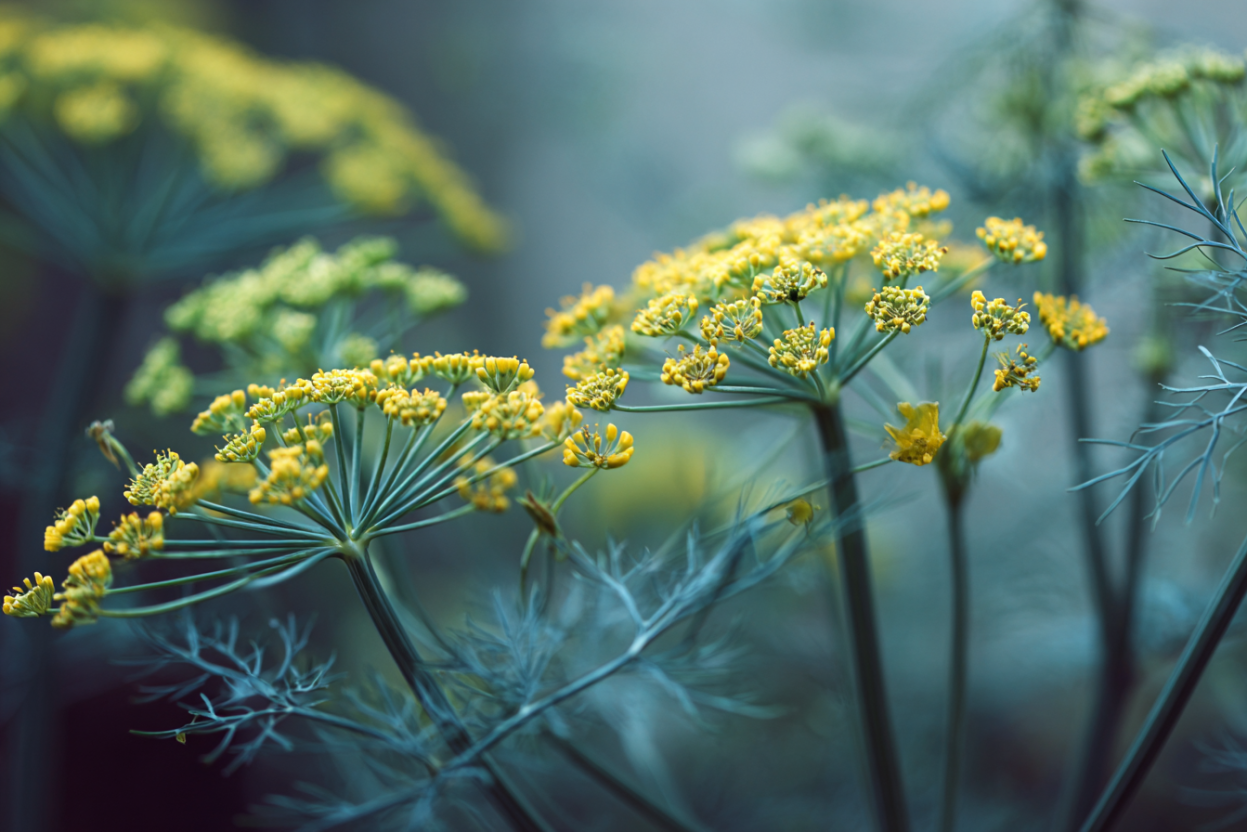
Dill is an upright, graceful annual or biennial herb that typically grows between two and four feet tall, though some cultivars stay more compact. Its single, hollow, finely ridged stem branches near the top and supports an airy canopy of feathery, thread-like leaves that are blue-green in color and remarkably soft to the touch. The leaves are pinnately divided into fine, wispy segments that give the plant a delicate, fern-like appearance unlike most other culinary herbs.
In midsummer, dill produces flat-topped compound umbels up to ten inches across, bearing clusters of tiny yellow flowers. These flowers are magnets for beneficial insects and pollinators. After pollination, the flowers give way to small, oval, flattened seeds — light brown with paler ridges — that carry their own distinct flavor and aroma, different from the leaves. The taproot is slender and spindle-shaped, making dill somewhat resistant to transplanting once established.
Perhaps the most immediately striking feature of dill is its scent. The Latin name graveolens derives from the Latin word gravis, meaning “heavy” or “strong,” referring to the plant’s powerful, distinctive aroma — a sweet, herbaceous fragrance with notes of anise, citrus, and warm grass that is released whenever the leaves are brushed or crushed.
Origin
Dill is native to the Mediterranean region and Western Asia, with its original range extending from southern Europe through northern Africa and into southwestern and central Asia. It has been cultivated for so long — at least five thousand years — that it now grows wild across much of Europe, the Middle East, and temperate Asia. Trade routes carried dill seeds east to India and China, and westward throughout Europe. Today, major commercial growing regions include Egypt, India, Pakistan, the United States, and several Eastern European countries, though dill adapts well to temperate climates worldwide.
Brief History
Dill is among the oldest known cultivated herbs. Egyptian medical texts dating back nearly five thousand years reference its use. Greek and Roman physicians including Hippocrates and Dioscorides documented its applications. The English word “dill” is believed to derive from the Old Norse dilla, meaning “to soothe” or “to lull,” reflecting its longstanding reputation as a calming herb. The plant was so valued in ancient Israel that it was subject to tithing under Talmudic law. From medieval monastery gardens to colonial American kitchen plots, dill has maintained an unbroken chain of cultivation and use across cultures and continents.
Growing & Cultivation
Climate & Zones
Dill thrives in USDA Hardiness Zones 2 through 11, making it one of the most versatile herbs for home gardeners across nearly every climate in the United States. It prefers warm summers with plenty of sunshine and performs best when daytime temperatures are between 60°F and 75°F. In very hot climates (Zones 9-11), dill tends to bolt quickly and is best grown as a fall, winter, or early spring crop. In cooler zones, it flourishes as a spring-through-summer annual.
Soil Requirements
Dill prefers well-draining, moderately rich, loamy soil with a pH between 5.5 and 6.5, though it tolerates a wider range. It does not require heavily amended soil and actually produces more aromatic oils in somewhat lean conditions. Heavy clay should be amended with compost or sand to improve drainage. For container growing, a standard potting mix with added perlite works well. Avoid waterlogged conditions, which invite root rot.
Water & Sunlight
Dill needs full sun — at least six to eight hours of direct sunlight daily. It tolerates light afternoon shade in hot climates but will become leggy and weak in too much shade. Water needs are moderate. Keep soil consistently moist but never soggy during germination and early growth. Once established, dill is reasonably drought-tolerant but produces the best foliage with regular, even moisture — about one inch per week. Overwatering leads to yellowing and root problems.
Propagation
Seed (primary method): Dill is almost always grown from seed, as its taproot makes transplanting difficult. Sow seeds directly where you want the plants to grow, about 1/4 inch deep, after the last frost date. Seeds germinate in 10 to 14 days at soil temperatures of 60°F to 70°F. For continuous harvest, practice succession planting every two to three weeks throughout the growing season. Dill also self-seeds freely — once established in a garden, it often returns year after year on its own.
Planting
Space plants 12 inches apart in rows 18 to 24 inches apart. Thin seedlings to these distances when they reach about two inches tall. Companion plants that pair well with dill include lettuce, cucumbers, onions, and brassicas (cabbage, broccoli). Dill attracts beneficial predatory insects like lacewings and ladybugs, and serves as a host plant for swallowtail butterfly caterpillars. Avoid planting near fennel, as the two can cross-pollinate and produce off-flavored seeds. Also avoid planting near carrots, as dill can inhibit their growth.
Harvesting
Leaves (Dill Weed): Begin harvesting leaves once the plant is at least eight inches tall. Snip from the top to encourage bushier growth. Leaves are most flavorful just before the plant flowers. Harvest in the morning after dew has dried for the best essential oil content.
Seeds: Allow flower heads to mature until seeds turn light brown. Cut the seed heads and hang them upside down in a paper bag in a warm, dry location. Seeds will fall into the bag as they dry over one to two weeks. Store in an airtight container.
Flowers: Harvest flowers when fully open for culinary use or cut them to delay seed production and extend leaf harvest.
Drying & Storage
Fresh dill keeps in the refrigerator for up to one week when stems are placed in water like a bouquet and loosely covered. For drying, hang bundles upside down in a warm, well-ventilated area away from direct sunlight for five to seven days. Alternatively, use a dehydrator at 95°F to 105°F. Dried dill weed retains flavor for about four to six months when stored in an airtight container away from light and heat. Seeds maintain potency for up to three years. Dill also freezes well — chop fresh leaves and freeze in ice cube trays with water or olive oil.
Pest & Disease Management
Dill is relatively pest-resistant. Common issues include aphids (spray with a strong stream of water or use neem oil), tomato hornworms, and the occasional parsley worm (swallowtail caterpillar — many gardeners prefer to leave these, as they become beneficial pollinators). Diseases include Alternaria leaf blight and occasional powdery mildew, both managed by ensuring good air circulation and avoiding overhead watering. Companion planting with marigolds can deter some pest species naturally.
Companion Planting
Dill is an excellent companion for cucumbers, lettuce, onions, and brassicas. It attracts beneficial insects including hoverflies, ladybugs, and parasitic wasps that prey on garden pests. Avoid planting near fennel or carrots. Dill planted near tomatoes may initially benefit them by repelling certain pests, but as dill matures it may inhibit tomato growth.
The Healing of Growing
Growing dill offers benefits beyond the harvest itself. The act of gardening — hands in soil, bare feet on earth, time spent outdoors — has been shown to reduce cortisol, improve mood, and support immune function. The soil contains beneficial bacteria (Mycobacterium vaccae) with documented mood-boosting effects. When you grow your own dill, you receive healing before you ever consume it. The simple rhythm of planting, tending, and harvesting connects you to the earth and to the design of the One who made it all grow.
Nutritional Profile
Macronutrients
Per 100 grams of fresh dill weed (USDA FoodData Central): Calories: 43 | Protein: 3.5g | Carbohydrates: 7g | Fiber: 2.1g | Sugars: minimal | Fat: 1.1g (primarily unsaturated). Despite its feathery appearance, dill packs a surprising nutritional density for a culinary herb.
Vitamins
Vitamin A: 7,718 IU (257% DV) — Dill is exceptionally rich in vitamin A, primarily as beta-carotene. This supports eye health, immune function, skin integrity, and serves as a powerful antioxidant that protects cells from oxidative damage.
Vitamin C: 85mg (142% DV) — A potent antioxidant that supports immune defense, collagen production for skin and joint health, iron absorption, and protection against free radical damage. Fresh dill is one of the richest herbal sources of vitamin C.
Folate (B9): 150mcg (38% DV) — Essential for DNA synthesis, cell division, and especially critical during pregnancy for fetal neural tube development. Folate also supports red blood cell production and helps convert homocysteine to methionine, protecting cardiovascular health.
Riboflavin (B2): 0.3mg (18% DV) — Supports energy metabolism, cellular function, and the metabolism of fats, drugs, and steroids.
Niacin (B3): 1.6mg (8% DV) — Supports energy production, DNA repair, and nervous system function.
Minerals
Manganese: 1.3mg (55% DV) — Essential for bone formation, blood clotting, metabolism of carbohydrates and amino acids, and serves as a cofactor for the antioxidant enzyme superoxide dismutase (SOD).
Iron: 6.6mg (37% DV) — Critical for oxygen transport in the blood via hemoglobin, energy production, and immune function. Dill’s vitamin C content enhances iron absorption from this and other plant sources when eaten together.
Calcium: 208mg (21% DV) — The most abundant mineral in the body, essential for bone and tooth structure, muscle contraction, nerve signaling, and blood clotting.
Magnesium: 55mg (14% DV) — Essential for over 300 enzymatic reactions, supports muscle and nerve function, blood sugar regulation, blood pressure control, and bone health.
Potassium: 738mg (21% DV) — An electrolyte that regulates fluid balance, muscle contractions, and nerve signals. Adequate potassium intake is associated with lower blood pressure and reduced stroke risk.
Copper: 0.15mg (7% DV) — A cofactor for vital enzymes including cytochrome c-oxidase and superoxide dismutase. Supports iron metabolism, nervous system function, and connective tissue formation.
Phytonutrients & Active Compounds
Flavonoids: Dill contains significant flavonoids including kaempferol and quercetin, both of which have demonstrated antioxidant, anti-inflammatory, and cardioprotective properties in research. Kaempferol has also shown potential anticancer activity in laboratory studies.
Monoterpenes: Carvone and d-limonene are the dominant monoterpenes responsible for dill’s distinctive aroma. Carvone has demonstrated antimicrobial, antispasmodic, and carminative (gas-relieving) properties. D-limonene has shown antioxidant activity and may support healthy detoxification pathways.
Coumarins and Furanocoumarins: Dill contains small amounts of these compounds, which have been studied for their anti-inflammatory and antimicrobial effects.
Phenolic acids: Including chlorogenic acid and rosmarinic acid, which contribute to the plant’s overall antioxidant capacity.
Nutrient Notes
While individual servings of dill as a garnish are small (typically 1-2 tablespoons), regular use adds meaningful micronutrient intake over time. Dill’s vitamin C content enhances iron absorption from plant-based foods when consumed together — making it an ideal pairing with iron-rich greens and legumes. The flavonoid content of fresh dill is significantly higher than dried, so fresh is preferred where possible for maximum phytonutrient benefit. The B-vitamins in dill support serotonin production, while its magnesium content may help regulate cortisol levels.
Culinary Uses
Edible Parts
Every above-ground part of the dill plant is edible. Leaves (dill weed) are the most commonly used, prized for their delicate, grassy-anise flavor. Seeds carry a warmer, more pungent flavor with citrus and caraway notes, used as a spice. Flowers are edible and beautiful as garnish, carrying a flavor between the leaves and seeds. Stems are edible when young and tender, though older stems become woody.
Flavor Profile
Fresh dill weed offers a bright, grassy sweetness with subtle notes of anise, lemon, and parsley. It is aromatic rather than pungent, with a clean finish. When cooked, the flavor softens and can become muted with prolonged heat, so dill is best added at the end of cooking or used raw. Dried dill retains some of the grassy character but loses much of its brightness — flavor intensity is roughly one-third that of fresh. Dill seeds are distinctly different: warm, slightly bitter, with prominent caraway and citrus notes. The seeds intensify with toasting.
Preparation
Raw: Dill shines brightest when used fresh — snipped into salads, stirred into yogurt or sour cream, scattered over cold soups, mixed into dips, or used as a finishing herb on any dish. Fresh dill is essential in Scandinavian gravlax (cured salmon) and tzatziki sauce.
Cooked: Add dill in the last few minutes of cooking to preserve flavor. It pairs beautifully with steamed or roasted potatoes, sautéed fish, egg dishes, light soups, and cream sauces. Dill seeds can be added earlier in cooking as their flavor is more heat-stable.
Preserved: Dill is the signature herb in dill pickles. Both leaves and flower heads are added to brine along with cucumbers. Dill seeds are used in pickling spice blends, bread dough, and vinegar infusions.
Culinary Pairings
Dill complements salmon, trout, shrimp, and most seafood; eggs in every preparation; potatoes (roasted, boiled, salads); cucumbers; yogurt and sour cream; cream cheese; lemon; capers; mustard; garlic; beets; carrots; peas; and rice. It pairs beautifully with dressings featuring lemon or vinegar. Dill works in combination with chives, parsley, tarragon, and mint but can overwhelm more subtle herbs if used too generously.
Storage
Fresh dill stores best in the refrigerator with stems in a glass of water and a loose plastic bag over the leaves — this method extends freshness to seven to ten days. Alternatively, wrap in a damp paper towel inside a sealed bag. For long-term storage, freeze chopped dill in ice cube trays with water or olive oil. Dried dill weed should be stored in an airtight container away from light and heat; use within four to six months. Dill seeds keep for up to three years in similar conditions.
Ready to cook with dill? View Recipes on Chefts →
Wellness & Therapeutic Uses
Traditional Uses
Dill has been used as a healing herb for at least five thousand years, with documentation spanning nearly every major healing tradition. In ancient Egypt, dill was referenced in medical papyri as a soothing agent for digestive discomfort and pain. Greek physicians including Hippocrates and Dioscorides described dill as a carminative and digestive aid. In Roman culture, gladiators were rubbed with dill oil before combat and dill was burned as incense. The entire tradition of “gripe water” for infant colic traces back to dill’s centuries-old use — the English word “dill” itself comes from the Old Norse dilla, meaning “to soothe.”
In Ayurvedic medicine (India), the closely related Indian dill (Anethum sowa) has been used traditionally for digestive complaints, flatulence, colic, hiccups, and as a galactagogue (to support lactation in nursing mothers). Traditional Chinese Medicine records dill seed as a warming herb used to promote qi circulation, warm the kidneys, and relieve abdominal pain and distention. In Persian traditional medicine (Unani), dill has been valued as a skin softener, purifying agent, and digestive support for centuries. Throughout European folk medicine, dill seeds have been steeped as tea for sleep support, digestive ease, and freshening breath.
Modern Research
Cholesterol and Lipid Support: A 2021 systematic review and meta-analysis of randomized controlled trials (330 subjects across 7 RCTs) found that Anethum graveolens supplementation significantly decreased LDL cholesterol (by approximately 15.6 mg/dL) and showed favorable trends for triglycerides and total cholesterol. A separate 2022 updated systematic review of 6 RCTs (171 subjects) confirmed significant reductions in total cholesterol, LDL, and triglycerides with dill supplementation. These findings align with traditional uses and suggest dill may support healthy lipid levels.
Blood Sugar Support: Research suggests dill may support healthy blood sugar metabolism. A comprehensive review published in the Journal of Tropical Medicine (2016) documented that administration of dill seed and leaf extracts in diabetic models significantly reduced glucose levels while improving antioxidant capacity. Human clinical trials have shown similar trends, particularly in people with type 2 diabetes.
Antioxidant Activity: Multiple studies have confirmed potent antioxidant properties in both dill leaf and seed extracts. A 2016 study demonstrated that dill’s aqueous extract showed significant antiradical and antioxidant activity at various concentrations, attributed primarily to its phenolic proanthocyanidins and flavonoid constituents. The antioxidant compounds help neutralize free radicals and may reduce oxidative stress associated with chronic disease.
Antimicrobial Properties: Dill seed essential oil has demonstrated activity against a range of microorganisms. A 2003 study from the University of Vienna showed high antimicrobial activity against Aspergillus niger, Saccharomyces cerevisiae, and Candida albicans. A 2014 study further demonstrated that dill seed essential oil induced apoptosis in the pathogen Candida albicans through a reactive oxygen species-mediated mechanism.
Menstrual Pain Support: A double-blind, randomized clinical trial (2014, Iran, 75 participants) compared dill powder to mefenamic acid (a standard NSAID) for primary dysmenorrhea. The study found that dill was as effective as mefenamic acid in reducing menstrual pain severity, with fewer reported side effects. A separate clinical trial comparing ginger, dill, and cumin found dill seeds were the most effective of the three for reducing menstrual pain.
Anti-Inflammatory Activity: Research on dill essential oil has documented anti-inflammatory properties. A 2015 study analyzed the phenolic profile and confirmed measurable anti-inflammatory activity of Anethum graveolens essential oil, with key compounds limonene and sabinene identified as primary contributors.
Wound Healing: A 2019 study demonstrated that topical application of dill essential oil on MRSA-infected wounds in an animal model significantly reduced the inflammatory phase and accelerated re-epithelialization, angiogenesis, and collagen deposition, performing favorably compared to mupirocin (a standard antibiotic ointment).
Skin Comfort: A 2024 randomized double-blind clinical trial found that topical Anethum graveolens oil preparation significantly improved sleep quality and quality of life while reducing skin pruritus (itching) and dryness in hemodialysis patients, suggesting meaningful anti-inflammatory and skin-soothing benefits.
Body Systems Supported
Digestive System: Dill has been used for millennia as a carminative (gas-relieving) and antispasmodic herb. The monoterpene carvone relaxes smooth muscle in the gastrointestinal tract, which may ease bloating, flatulence, and cramping. Dill has traditionally supported appetite and healthy digestion.
Cardiovascular System: Research suggests dill may support heart health through its effects on cholesterol, triglycerides, and its rich antioxidant content, including the flavonoids kaempferol and quercetin which have documented cardioprotective properties.
Endocrine System: Studies indicate dill may influence blood sugar metabolism and thyroid hormone levels. Research has documented hypoglycemic effects in diabetic models, suggesting a role in supporting healthy blood sugar already within normal range.
Reproductive System: Traditional use as a galactagogue (lactation support) and documented effects on menstrual pain through its antispasmodic properties. Dill has also been studied for its emmenagogue properties (ability to promote menstrual flow).
Nervous System: Traditional use as a calming, soothing herb. The essential oils contain compounds that may promote relaxation and support restful sleep. The Norse origin of its name — “to soothe” — reflects this ancient recognition.
Immune System: Rich in vitamin C (142% DV per 100g fresh) and containing antimicrobial compounds, dill supports immune defense through both nutritional content and bioactive compounds.
Integumentary System (Skin): Both topical and internal applications have been studied for skin benefits, including anti-inflammatory effects, wound healing support, and relief from pruritus.
Body Compounds Affected
Research suggests dill may influence several key body compounds. The flavonoids and B-vitamins present in dill support serotonin production through their role in neurotransmitter synthesis pathways. Dill’s documented calming and sleep-supportive properties suggest possible effects on GABA pathways. Its antispasmodic action involves modulation of prostaglandin activity, which explains its effectiveness in menstrual pain studies. The antioxidant compounds help reduce inflammatory cytokines including TNF-alpha and IL-6. The documented blood sugar effects indicate influence on insulin sensitivity. The calming properties and sleep-supportive traditional uses suggest potential influence on cortisol regulation.
Methods of Use
Tea/Infusion
Use 2 teaspoons of fresh dill weed (or 1 teaspoon dried) per cup of hot water. Steep covered for 5 to 10 minutes. For seed tea, lightly crush 1 teaspoon of dill seeds and steep in boiling water for 10 to 15 minutes. Strain and drink. Traditional use is 1 to 3 cups daily for digestive support.
Tincture
Dill seed tinctures are prepared using dried seeds and alcohol (typically 1:5 ratio in 45% alcohol). A common dosage range is 1 to 2 mL (approximately 20 to 40 drops) taken up to three times daily, diluted in water. Consult a qualified herbalist for personalized guidance.
Culinary Use
The simplest and most accessible method. Regular incorporation of fresh and dried dill into the diet provides cumulative nutritional and therapeutic benefit. Use generously in salads, dressings, soups, and fish dishes.
Capsule/Powder
Dill seed powder is available in capsule form. Clinical trials have used doses ranging from 650mg to 1000mg of dill powder taken twice daily. Always follow product-specific dosage guidelines and consult a healthcare provider.
Cosmetic & Beauty Uses
Skin Benefits
Dill has a long history in Persian traditional medicine as a skin softener and purifying agent. Modern research supports these traditional applications. The antioxidant flavonoids kaempferol and quercetin help protect skin cells from oxidative damage caused by UV exposure and environmental pollutants. Dill’s anti-inflammatory properties may help calm irritated, red, or sensitive skin. The vitamin C content supports collagen synthesis, contributing to skin firmness and elasticity. Clinical research has demonstrated that topical dill oil preparations can reduce skin dryness and pruritus, making it potentially beneficial for dry, itchy, or mature skin types.
Dill may be particularly helpful for oily and acne-prone skin due to its antimicrobial properties. The essential oil constituents carvone and limonene have demonstrated activity against bacteria and fungi commonly associated with skin concerns.
Hair Benefits
Dill seed oil has traditionally been used to support scalp health and may help address dandruff due to its antimicrobial properties. The rich mineral content — particularly iron, calcium, and manganese — supports the nutritional needs of hair follicles. A strong dill tea used as a hair rinse may add shine and support scalp circulation. The monoterpenes in dill essential oil may help invigorate the scalp when diluted in a carrier oil and massaged in.
Application Methods
Infused Oil: Gently warm a carrier oil (jojoba, sweet almond, or olive oil) with fresh or dried dill for several hours using the double-boiler method. Strain and use for massage, facial oil, or hair treatment. Face Steam: Add fresh dill to a bowl of hot water and tent a towel over your head for a 5-10 minute facial steam — the aromatic compounds open pores and the antimicrobial properties cleanse. Toner: Brew a strong dill tea, cool completely, and use as a facial toner with a cotton pad. Hair Rinse: Pour cooled dill tea over hair after shampooing for added shine and scalp support.
DIY Formulation Notes
For topical preparations, dill essential oil should always be diluted — a typical concentration for skin products is 1-2%. Dill pairs well with carrier oils like jojoba (for oily skin), rosehip (for mature skin), and sweet almond (general purpose). Avoid combining dill essential oil with other photosensitizing ingredients if sun exposure is expected. Homemade dill-infused oil has a shelf life of approximately two to three months when stored in a cool, dark place. Always perform a patch test before first use of any new topical preparation.
Dill is among the botanicals being explored for holistic cosmetic applications, where the wisdom of traditional beauty practices meets modern understanding of skin science.
Essential Oil Profile
Extraction
Dill essential oil is produced through steam distillation of either the seeds (fruit) or the aerial parts (herb/weed) of the plant. These produce two distinct essential oils with different chemical profiles. Dill seed oil is the more commercially common product, yielding approximately 2.5% to 4.8% essential oil by weight of seed. Dill weed (herb) oil is distilled from the leaves and stems and has a different character, with α-phellandrene as its dominant compound rather than carvone. The yield is lower for herb oil, which contributes to higher pricing.
Chemical Constituents
Dill Seed Oil — Primary Compounds:
D-Carvone (30-60%): A monoterpene ketone responsible for dill’s warm, sweet-spicy character. Research has demonstrated carminative (digestive), antispasmodic, antifungal, and antioxidant properties. Carvone is also the primary compound in caraway oil, explaining their similar aroma profiles.
D-Limonene (30-45%): A monoterpene hydrocarbon contributing the fresh, citrusy note. Limonene has documented antioxidant, anti-inflammatory, and potential anticancer properties. It is generally recognized as safe (GRAS) by the FDA.
α-Phellandrene (up to 20% in herb oil): Contributes to dill’s fresh, green character. More prominent in dill weed oil than seed oil.
Other notable constituents include dill ether (dill’s unique fingerprint compound), sabinene, myrcene, α-pinene, and p-cymene.
Aroma Profile
Dill seed essential oil is classified as a middle note in perfumery. The scent opens fresh and herbaceous with a warm, slightly sweet, caraway-like spiciness. It is clean and green with subtle citrus undertones. The aroma is moderate in intensity — present but not overwhelming. Dill blends well with citrus oils (bergamot, lemon), other seed oils (caraway, coriander), herbaceous oils (rosemary, basil), and spice oils (nutmeg, black pepper).
Therapeutic Properties
Research suggests dill essential oil may have the following properties: carminative (supports digestion, eases gas), antispasmodic (relaxes smooth muscle), antimicrobial (active against various bacteria, fungi, and yeasts), antioxidant (neutralizes free radicals), anti-inflammatory (reduces inflammatory markers), calming/relaxing (traditionally used for restlessness and sleep support), and galactagogue (traditionally used to support milk production).
How to Use
Diffusion
Add 3-5 drops of dill essential oil to a diffuser for digestive comfort and a calming atmosphere. Limit diffusion to 30-60 minutes at a time. Dill pairs well with lavender for relaxation or with lemon for an uplifting digestive blend.
Topical Application
Always dilute before applying to skin. Standard adult dilution is 2-3% (approximately 12-18 drops per ounce of carrier oil). For sensitive skin, reduce to 1%. For children over 6, use 0.5-1%. Apply diluted oil to the abdomen in a clockwise motion for digestive support, or to the temples and wrists for calming effects. A patch test is always recommended before first topical use.
Quality & Sourcing
Look for 100% pure, therapeutic-grade dill essential oil with a GC/MS (gas chromatography/mass spectrometry) report available. The report should show carvone and limonene as the dominant compounds for seed oil. Reputable suppliers source from Egypt, India, Hungary, or Eastern Europe. Beware of adulteration with synthetic carvone or blending with cheaper caraway oil. The oil should be sold in dark glass bottles and stored away from heat and light. Properly stored, dill essential oil maintains potency for approximately two to three years.
Blending
Dill essential oil blends harmoniously with: citrus oils (bergamot, lemon, orange, grapefruit), herbaceous oils (rosemary, basil, thyme), spice oils (coriander, caraway, nutmeg, black pepper), floral oils (geranium, lavender), and resinous oils (frankincense). A simple digestive support blend: 3 drops dill, 2 drops peppermint, 2 drops ginger in 1 ounce of carrier oil, massaged clockwise on the abdomen.
Aromatherapy & Scent
The Aroma
Fresh Plant: Living dill emits a bright, clean, herbaceous-sweet aroma with anise and grass notes when its leaves are touched or brushed. The scent is strongest in the morning hours after dew has evaporated, when the sun warms the volatile oils. Simply running your hand through the ferny foliage releases a burst of fresh, green fragrance that is immediately uplifting and soothing. The scent deepens and becomes more complex as flower heads develop.
Dried Plant: Drying concentrates some aspects of dill’s aroma while diminishing others. The fresh, green brightness fades, replaced by a warmer, more mellow herbaceous character. Dried dill weed retains noticeable scent for three to six months when stored properly. Dried seeds hold their aromatic potency significantly longer — up to three years — carrying the warm, slightly bitter, caraway-like character that is distinct from the fresh leaf scent.
How Scent Affects Your Body
When you smell dill, volatile aromatic molecules — primarily carvone, limonene, α-phellandrene, and dill ether — are released from the plant and inhaled through your nose. Olfactory receptors high in the nasal passage detect these molecules and send electrical signals directly to the limbic system (the emotional brain) and the hypothalamus (the body’s hormone control center). This pathway bypasses conscious thought entirely. Your body responds emotionally and chemically to the scent within seconds — before you even form an opinion about whether you like the smell. This is why certain aromas can instantly shift your mood or trigger vivid memories.
Emotional & Mood Effects
Smelling fresh dill typically produces a calming and settling effect. The aroma is grounding without being sedating — it quiets mental chatter and eases tension while keeping you alert. Many people report that dill’s scent creates a sense of comfort and domestic warmth (perhaps connected to food memories of home cooking). The fresh, green notes are gently uplifting and clarifying, while the deeper seed aroma is more warming and grounding. Dill is not stimulating in the way peppermint or rosemary are, nor is it as deeply sedating as lavender. It occupies a middle ground — a gentle, reliable calm.
Body Compounds Affected
While specific clinical studies on dill aromatherapy and neurotransmitter levels are limited, the calming effects of its primary aromatic compounds are supported by related research. Limonene, a major constituent, has been studied for its anxiolytic (anxiety-reducing) properties and its ability to increase serotonin levels in certain brain regions in animal studies. The overall calming effect of dill aroma suggests potential influence on cortisol reduction (stress hormone) and possible support for GABA activity (the body’s primary calming neurotransmitter). Traditional use as a sleep aid suggests potential support for melatonin pathways.
Ways to Experience the Scent
Beyond essential oil, there are many ways to enjoy dill’s aromatherapy benefits. Grow the plant indoors on a sunny windowsill and brush the leaves as you pass. Place fresh-cut dill in a vase of water in your kitchen or workspace. Crush fresh leaves between your fingers while gardening for an instant mood boost. Create dried sachets of dill seed for dresser drawers or under your pillow for gentle sleep support. Simmer fresh dill stems in water on the stove for a gentle, room-filling aroma. Add fresh or dried dill to a warm bath for a soothing soak. Brew dill tea and inhale the steam before drinking.
Color Therapy
The Colors of Dill
Dill presents primarily in green — its feathery leaves are a distinctive blue-green to bright green, depending on variety and stage of growth. New growth tends toward brighter, more vivid green, while mature foliage develops the characteristic blue-green tone. In midsummer, dill erupts in yellow — flat-topped clusters of tiny golden-yellow flowers that can span up to ten inches across. The seeds that follow are a light brown to tan, with pale ridges. The hollow stems are green with subtle white striping. This progression — green to yellow to brown — mirrors the natural cycle of growth, flowering, and seed-set.
Color Wavelengths
Green (495-570nm): The dominant color of dill’s foliage falls squarely in the green wavelength range. Green is the color of the heart chakra in traditional color therapy and sits at the center of the visible spectrum — making it the most balanced, harmonizing color.
Yellow (570-590nm): Dill’s bright flower clusters emit yellow wavelengths. Yellow is associated with mental clarity, optimism, and stimulation of the digestive system — intriguingly aligned with dill’s traditional use as a digestive herb.
How These Colors Affect the Body
According to color therapy principles, green wavelengths promote balance, calm, and a sense of connection to nature. Viewing green has been associated with reduced heart rate, lower blood pressure, and decreased stress. Biophilic design research confirms that green environments improve mood, attention, and recovery from mental fatigue. Having dill plants in your living or working space provides continuous exposure to these calming green wavelengths. Yellow wavelengths are associated with mental stimulation, optimism, and digestive function. The appearance of dill’s yellow flowers may provide visual uplift and energy, particularly during the gray days when summer’s peak brightness is welcome.
Body Compounds Affected
Exposure to green environments has been associated with reduced cortisol levels and increased parasympathetic nervous system activity. Yellow light has been studied for its potential to increase serotonin availability and support positive mood states. Together, the green-and-yellow color palette of a dill garden in bloom may offer a gentle, compound influence on stress hormones and mood neurotransmitters.
Using Dill for Color Therapy
Place potted dill on a kitchen windowsill where you will see its green foliage daily during food preparation. Grow dill in garden beds visible from frequently used windows. Use fresh dill sprigs as table centerpieces — the feathery green softens any space. When dill is in bloom, cut yellow flower heads for arrangements that bring solar, uplifting energy indoors. If you eat the rainbow, dill’s green contributes to the green spectrum, and its yellow flowers add to the yellow — edible color therapy on your plate.
Frequency & Vibration
The Frequency of Dill
All matter vibrates at a molecular level — this is established physics. Living plants emit measurable electromagnetic frequencies, and essential oils derived from plants have been documented with specific frequency ranges. According to bio-frequency research pioneered by Bruce Tainio, essential oils generally vibrate at significantly higher frequencies than the human body at rest. While specific published MHz measurements for dill essential oil are not as widely documented as some other oils (such as rose or frankincense), dill falls within the range of herbaceous essential oils, which generally measure between 46 and 70 MHz.
For context, a healthy human body typically measures between 62 and 78 MHz. Cold and flu symptoms have been associated with frequencies around 58 MHz. Proponents of vibrational medicine suggest that exposure to higher-frequency substances may help support and maintain the body’s own optimal frequency range.
Human Frequency Interaction
The principle of entrainment suggests that a stronger, more coherent frequency can influence a weaker or less coherent one. According to this framework, being around living plants — and using plant-derived essential oils — may help support the body’s electromagnetic frequency. Consuming fresh, living foods (like raw herbs from the garden) provides the highest frequency input, as processing and drying reduce vibrational energy. Growing dill and consuming it fresh from the garden may offer frequency benefits that dried or processed forms cannot fully replicate.
Essential Oil Frequency
Dill essential oil, like other steam-distilled plant essences, represents a concentrated form of the plant’s aromatic and energetic compounds. While specific MHz measurements should be interpreted cautiously — this is an area where research is still emerging — the general principle that essential oils vibrate at higher frequencies than most common substances is supported by Tainio’s frequency research and the broader field of bioelectromagnetics.
Vibrational Applications
To use dill for frequency support, the freshest and most alive forms are preferred. Growing dill and spending time near the living plant provides proximity to its vibrational field. Consuming fresh-picked dill introduces its compounds directly into the body. Diffusing dill essential oil fills your environment with its aromatic frequency. Combining these practices with other high-frequency habits — prayer, meditation, time in nature, clean water, whole foods — creates a supportive vibrational environment for overall wellness.
Important Note: Frequency measurements and vibrational medicine represent an area where research is still developing. The principles described here reflect the perspective of proponents of bio-frequency research and should be considered alongside conventional understanding of plant medicine.
The Living Plant
Benefits of Presence
Simply having a living dill plant in your space offers benefits beyond anything you will ever extract, brew, or consume from it. Research on biophilic design — the human need to connect with living systems — shows that the presence of plants in indoor environments reduces stress, improves attention, and promotes a sense of wellbeing. Dill’s delicate, feathery foliage provides a uniquely soft, natural visual texture that differs from the broad leaves of most houseplants. Its gentle swaying in a breeze and its responsive fragrance when touched create a multisensory experience that deepens the human-nature connection.
Air Purification
While dill is not among the plants specifically studied in the NASA Clean Air Study, all green plants contribute to indoor air quality through photosynthesis — absorbing carbon dioxide and releasing oxygen. Dill’s aromatic volatile compounds, including carvone and limonene, have documented antimicrobial properties, suggesting that the volatile organic compounds (VOCs) released by a living dill plant may help reduce airborne microbial populations in the immediate vicinity. The plant also contributes to humidity regulation through transpiration, which can benefit dry indoor environments.
Phytoncides
Dill releases volatile organic compounds — phytoncides — into the surrounding air. These are the same types of antimicrobial volatile compounds studied in forest bathing (shinrin-yoku) research, which has demonstrated that exposure to plant-released phytoncides increases Natural Killer (NK) cell activity in the human immune system. While dill’s phytoncide production is on a smaller scale than a forest, having aromatic herb plants like dill in your living space provides a miniature version of the same principle. The monoterpenes limonene and α-phellandrene that give dill its scent are in the same family of compounds shown to benefit immune function in forest bathing research.
Visual & Psychological Benefits
Research consistently shows that viewing plants reduces stress, improves mood, and enhances cognitive function. Hospital studies have demonstrated that patients with views of greenery heal faster, require less pain medication, and report higher satisfaction. Office studies show improved productivity and reduced fatigue when plants are present. Dill’s unique appearance — its fine, thread-like leaves and airy architecture — provides a particularly calming visual quality. The act of watching dill grow, flower, and set seed also connects you to natural rhythms and seasonal awareness, which has been associated with improved psychological wellbeing.
Growing Indoors vs Outdoors
Dill can be grown indoors, though it performs best outdoors where it has access to full sunlight and natural air movement. For indoor growing, place dill in the sunniest window available (south-facing is ideal in the Northern Hemisphere) or supplement with a grow light providing at least 6 hours of direct light daily. Use a deep pot (at least 10-12 inches) to accommodate dill’s taproot. Compact cultivars like ‘Fernleaf’ are better suited to indoor growing than standard varieties. Even if indoor dill does not reach its full outdoor potential, the presence benefits — aroma, visual beauty, and connection to nature — are fully available.
Touch & Physical Interaction
Gardening Therapy
Horticultural therapy is a recognized therapeutic practice, and working with dill engages nearly every aspect of it. Dill is easy to grow, responds quickly, and provides tangible results — from first sprouts in 10-14 days to harvestable leaves in just a few weeks. This rapid feedback loop makes dill particularly rewarding for new gardeners and therapeutic garden programs. The hands-on activities of sowing seeds, thinning seedlings, watering, and harvesting create a mindful, present-moment experience that naturally quiets anxious thinking and grounds attention in the physical world.
Soil Contact Benefits
When you garden with dill — especially barefoot or with bare hands in the soil — you receive benefits that extend beyond the plant itself. Grounding (earthing) occurs when your skin makes direct contact with the earth, allowing electron transfer that research suggests may reduce inflammation and improve sleep. The soil itself is alive with beneficial microorganisms, including Mycobacterium vaccae, a soil bacterium that has been documented to stimulate serotonin production in the brain. A 2007 study published in Neuroscience demonstrated that exposure to M. vaccae activated serotonin neurons in mice, producing effects similar to antidepressant medications. When you dig in the dirt to plant your dill, you are literally receiving mood-boosting compounds through your skin and respiratory system.
The Tactile Experience
Dill offers a uniquely pleasurable tactile experience. The leaves are extraordinarily soft — fine, thread-like fronds that feel almost silky when run through the fingers. There is nothing prickly, rough, or scratchy about dill. Touching the foliage immediately releases aromatic oils, creating a multisensory experience of touch and smell simultaneously. The hollow stems have a smooth, slightly waxy texture. Flowers are delicate and papery. Seeds are small, flat, and smooth with gentle ridges — satisfying to roll between the fingers. This combination of softness and fragrance makes dill one of the most pleasant herbs to handle.
Harvesting & Processing
Harvesting dill is meditative. Snipping feathery leaves from the plant requires gentle attention and a light touch. Bundling stems for drying involves the repetitive, rhythmic motion that research associates with reduced anxiety and improved mindfulness. Stripping leaves from stems and crumbling dried dill releases aromatic compounds that engage the olfactory system while hands are occupied with tactile work. Collecting seeds from dried flower heads is a particularly satisfying task — tapping the heads over a bowl and watching the tiny seeds fall. Each of these activities connects you to the rhythm of the seasons, the provision of the earth, and the simple accomplishment of working with what God has provided.
Water-Based Applications
Teas & Infusions
Dill Leaf Tea (Infusion): Place 2 teaspoons of fresh dill weed (or 1 teaspoon dried) in a cup. Pour 8 ounces of hot water (just below boiling, around 200°F) over the herb. Cover and steep for 5 to 10 minutes. Strain and drink. This gentle infusion has a mild, pleasant flavor and has been traditionally used for digestive comfort, mild bloating, and relaxation. One to three cups daily is the traditional range.
Dill Seed Tea (Decoction-style Infusion): Lightly crush 1 teaspoon of dill seeds with a mortar and pestle to release the aromatic oils. Place in a cup and pour 8 ounces of boiling water over them. Cover and steep for 10 to 15 minutes. Strain and drink. Seed tea is stronger and more warming than leaf tea, with more pronounced carminative properties. This is the preparation closest to traditional “gripe water” used for centuries to soothe digestive discomfort.
Cold Infusion: For a milder, refreshing preparation, add fresh dill sprigs and thinly sliced cucumber to cold water and refrigerate for several hours. This gentle infusion provides hydration with subtle herbal benefits and is particularly pleasant in warm weather.
Herbal Baths
Dill has been used in bath preparations across multiple cultures. For a full body bath, tie a generous handful of fresh dill (leaves, stems, and flower heads) in a muslin cloth or place in a mesh bag. Drop into warm bathwater (95-100°F) and allow to infuse for 5 minutes before entering. Alternatively, brew a very strong dill tea (4-6 tablespoons of dried dill in 1 quart of boiling water, steeped 20 minutes) and strain the liquid into the bath. Soak for 15 to 20 minutes. Dill baths have traditionally been used for skin soothing, muscle relaxation, and general calming. A dill foot bath is an excellent alternative when a full bath is not possible — use the same proportions in a basin of warm water and soak feet for 15 to 20 minutes.
Hydrosols
Dill hydrosol (the aromatic water produced as a byproduct of steam distillation) is available from specialty aromatherapy suppliers. Dill hydrosol is much gentler than the essential oil and can be used directly on the skin as a facial mist, toner, or body spray. It retains the calming, fresh-herbaceous scent and mild antimicrobial properties of the plant in a water-soluble, skin-safe form. It is particularly pleasant as a digestive support — a small amount can be added to drinking water — and as a gentle facial spray for oily or combination skin.
Compresses
Warm Compress: Brew a strong dill tea (2 tablespoons dried dill or a large handful of fresh in 2 cups of hot water, steeped 15 minutes). Soak a clean cloth in the warm tea, wring gently, and apply to the abdomen for digestive discomfort, or to areas of muscle tension. Reapply when the cloth cools. Warm dill compresses have been traditionally used for menstrual cramps and abdominal bloating.
Cool Compress: Use the same preparation, cooled to room temperature or refrigerated. Apply to the forehead or temples for headache relief, or to skin irritations for soothing comfort.
Steam Inhalation
Add a handful of fresh dill (or 2 tablespoons dried) to a large bowl of steaming hot water. Tent a towel over your head and the bowl and inhale deeply for 5 to 10 minutes. Dill steam inhalation provides the aromatherapy benefits of the volatile oils directly to the respiratory passages. This method has been traditionally used for sinus congestion, respiratory comfort, and general calming. The antimicrobial compounds in the steam may also provide mild respiratory support.
Hair Rinses
Brew a strong dill tea (3 tablespoons dried dill or a large bunch of fresh in 2 cups of boiling water, steeped until cooled). Strain thoroughly. After shampooing, pour the cooled dill tea over your hair as a final rinse. Do not rinse out. This may add subtle shine, support scalp health through dill’s antimicrobial properties, and leave a light, pleasant herbal fragrance. This rinse is particularly suited for oily scalps due to dill’s astringent and antimicrobial qualities.
Historical, Cultural & Biblical Significance
Biblical References
Dill is referenced in the New Testament in Matthew 23:23 (KJV): “Woe unto you, scribes and Pharisees, hypocrites! for ye pay tithe of mint and anise and cummin, and have omitted the weightier matters of the law, judgment, mercy, and faith: these ought ye to have done, and not to leave the other undone.”
The word translated as “anise” in the KJV is the Greek word ἄνηθον (anethon), which modern biblical scholars and lexicographers universally agree refers to dill (Anethum graveolens), not true anise (Pimpinella anisum). The Latin botanical name Anethum directly derives from this Greek word. Jesus was pointing out that the Pharisees were meticulous about tithing even small garden herbs like dill while neglecting the more important matters of justice, mercy, and faith. Talmudic law (Ma’aseroth 4:5) specifically records that dill — its seeds, leaves, and stems — was subject to tithe, confirming how embedded this herb was in the daily agricultural and religious life of ancient Israel.
This passage tells us something powerful: dill was valuable enough to tithe, common enough that everyone knew it, and woven deeply into the fabric of daily life in the land where Jesus walked and taught. It was a garden staple of the people of God.
Ancient Civilizations
Egypt: Dill appears in Egyptian medical texts, including references believed to date back as far as 3000 BC. The Ebers Papyrus (c. 1550 BC), one of the oldest known medical documents, references plants in the Apiaceae family for medicinal applications. Dill was used by Egyptian healers as a soothing agent and was found in Egyptian tomb artifacts.
Greece: Hippocrates, the father of Western medicine, documented dill’s use as a digestive aid. Dioscorides (c. 40-90 AD) detailed dill in his De Materia Medica, describing its carminative and digestive properties. Greek athletes reportedly burned dill oil and rubbed the residue on their bodies before competition. The Greeks also used dill oil in baths and as a sleep aid.
Rome: Roman naturalist Pliny the Elder documented dill extensively. Roman gladiators applied dill oil to their skin before combat. Dill was a common culinary and medicinal herb throughout the Roman Empire and was spread through Roman trade routes to distant provinces across Europe and North Africa.
Hebrew Tradition: As confirmed by both the New Testament and the Talmud, dill (Hebrew: shabhath) was a garden staple in ancient Israel. Its leaves, stems, and seeds were all subject to tithing, indicating that every part of the plant was valued and utilized in daily life.
Eastern Traditions
Traditional Chinese Medicine: Dill seed (called shi luo zi) is classified as a warming herb in TCM, used to promote qi (energy) circulation, warm the kidneys, and relieve abdominal pain and distention. It has traditionally been prescribed for stomach cold patterns, including nausea, vomiting, and poor appetite associated with cold constitutions.
Ayurveda: The closely related Indian dill (Anethum sowa) has been used in Ayurvedic medicine for centuries, documented in classical Sanskrit texts for digestive complaints, flatulence, colic, and as a galactagogue to support nursing mothers. Dill is considered to balance Vata and Kapha doshas while potentially increasing Pitta in excess.
Persian/Unani Medicine: Dill holds an honored place in Persian traditional medicine, where it has been used as a skin softener, purifying agent, digestive support, and general tonic. The rich tradition of Iranian herbal medicine has produced many of the modern clinical trials investigating dill’s therapeutic properties.
Indigenous Knowledge
While dill is not native to the Americas, it was among the herbs brought by European colonists to the New World in the 17th century. Colonial American herb gardens commonly included dill, and it quickly became established in North American gardens and kitchens. In Scandinavian cultures, dill has been a foundational culinary herb for centuries, essential to traditional preparations of fish, potatoes, and pickled vegetables. Throughout Eastern Europe, dill is so central to cuisine and medicine that many households cannot imagine cooking without it.
European Heritage
During the medieval period, dill was cultivated in monastery gardens across Europe, where monks preserved knowledge of its medicinal properties through written herbals. Nicholas Culpeper (1616-1654), the famous English herbalist, documented dill as a “digestive” herb. Charlemagne reportedly required dill to be available at his banquets to relieve guests who had eaten or drunk too much. In Scandinavian folk tradition, dill was associated with protection and comfort — expectant mothers were said to carry dill for good fortune, and dill was hung in doorways as a welcoming herb.
Cultural Symbolism
Across cultures, dill has been associated with comfort, nourishment, and domestic wellbeing. Its very name — from the Norse dilla, “to soothe” — speaks to its essential character. In European wedding traditions, dill was sometimes included in bridal bouquets as a symbol of domestic happiness. In many Eastern European cultures, dill represents the warmth and abundance of the family kitchen. It is a humble herb that has quietly nourished civilizations for millennia — each culture observing the design of the Creator and passing down what they learned about His provision.
These cultures observed that dill provided digestive comfort, calming effects, and nourishment. They documented these uses across continents and centuries. While they may not have all known the Creator by name, they were observing His design — and their observations align with what modern research confirms about dill’s remarkable properties.
Safety & Precautions
Contraindications
Dill used in normal culinary quantities (as food) is generally recognized as safe for most healthy adults. However, when used in concentrated medicinal doses (extracts, supplements, essential oil), the following precautions apply. People with known allergies to plants in the Apiaceae (carrot/celery) family — including caraway, celery, coriander, fennel, and carrot — may experience cross-reactive allergic responses to dill. People with hypothyroidism (underactive thyroid) should use medicinal-dose dill with caution, as research suggests it may lower thyroid hormone levels, potentially worsening symptoms. Discontinue medicinal use at least two weeks before scheduled surgery, as dill may affect blood sugar control.
Drug Interactions
Diabetes Medications: Dill extract may lower blood sugar levels. Taking medicinal doses of dill alongside diabetes medications (metformin, glimepiride, insulin, etc.) could cause blood sugar to drop too low. Monitor blood sugar closely if using both, and consult your healthcare provider.
Blood Thinners: Dill contains compounds that may have mild effects on blood clotting. While culinary use is generally safe, concentrated extracts used alongside anticoagulant or antiplatelet medications (warfarin, aspirin, clopidogrel) should be discussed with a healthcare provider.
Thyroid Medications: Due to potential effects on thyroid hormone levels, medicinal-dose dill should be used cautiously alongside thyroid medications (levothyroxine).
Sedatives: Dill’s calming properties may enhance the effects of sedative medications. Use caution if combining medicinal dill preparations with sleep aids or anti-anxiety medications.
Lithium: Dill may have diuretic effects, which could affect lithium levels in the body. Consult your healthcare provider if taking lithium.
Pregnancy & Nursing
Dill used in normal culinary (food) amounts is generally considered safe during pregnancy and breastfeeding. However, medicinal doses of dill (concentrated extracts, supplements, essential oil) are not recommended during pregnancy. Dill has documented emmenagogue properties (ability to stimulate menstrual flow) and the seeds have been traditionally used for this purpose. This action could theoretically pose a risk during pregnancy. Dill has been traditionally used as a galactagogue to support milk production during breastfeeding, but insufficient clinical evidence exists to confirm safety at medicinal doses. Not recommended in medicinal doses during pregnancy. Consult a qualified healthcare provider before using dill supplements while pregnant or breastfeeding.
Children
Dill tea (in diluted form) has a long history of traditional use for infant colic — it is one of the original ingredients in “gripe water.” For children over 2 years, dilute dill tea to half strength. For children over 6, standard herbal tea preparations at reduced serving sizes are generally considered appropriate. Dill essential oil should be used with extra caution around children: avoid topical application on children under 2, and use no more than 0.5% dilution for children ages 2-6 (approximately 3 drops per ounce of carrier oil). As with any herbal preparation for children, consult a pediatrician or qualified herbalist for age-appropriate guidance.
Elderly
Older adults may benefit from dill’s digestive-supportive properties but should be aware of potential interactions with common medications including blood thinners, diabetes medications, thyroid medications, and blood pressure medications. Start with lower doses and monitor for any adverse effects. The sedative properties may be more pronounced in elderly individuals, particularly those already taking medications that cause drowsiness.
Pets
Dogs: Non-toxic. The ASPCA lists dill as non-toxic to dogs. In small amounts, dill may even offer digestive benefits. However, the essential oil should not be applied directly to dogs, and large quantities of any herb can cause stomach upset. Dill essential oil may cause dermatitis with prolonged skin contact.
Cats: Non-toxic. The ASPCA lists dill as non-toxic to cats. As with dogs, small amounts of the fresh or dried herb are generally safe, but essential oil should be used with extreme caution around cats due to their limited ability to metabolize certain aromatic compounds.
Horses: Non-toxic. The ASPCA lists dill as non-toxic to horses.
While dill is classified as non-toxic to common household pets, always introduce any new plant material gradually and watch for individual sensitivities. If a pet consumes a large quantity of dill or shows signs of digestive upset, contact your veterinarian.
Allergies & Sensitivities
People with known allergies to the Apiaceae (Umbelliferae) family — which includes carrot, celery, fennel, caraway, coriander, parsley, and anise — may experience cross-reactive allergic responses to dill. Symptoms can include contact dermatitis, oral allergy syndrome (itching or swelling in the mouth), and in rare cases, more severe allergic reactions. Dill essential oil may cause photosensitivity in some individuals — avoid direct sun exposure on skin where dill oil has been applied. Always perform a patch test before first topical use of any dill preparation.
Dosing Guidelines
Culinary use: No upper limit for normal food use — season to taste. Tea: 1-3 cups daily of standard infusion. Seed powder (capsules): 650mg to 1000mg twice daily has been used in clinical trials, typically for 8-12 weeks. Tincture: 1-2 mL up to three times daily. Essential oil (topical): 2-3% dilution for adults, 0.5-1% for children and sensitive skin. Do not take dill essential oil internally without the guidance of a qualified aromatherapist or healthcare provider trained in essential oil use.
Quality & Sourcing
Purchase dill (fresh, dried, or as essential oil) from reputable suppliers. Organic sources reduce pesticide exposure concerns. For essential oil, request a GC/MS report confirming purity and composition. Dried dill weed should be green, not brown or gray, and should retain noticeable aroma. Dill seeds should be whole and fragrant. Supplements should be manufactured under GMP (Good Manufacturing Practice) standards with third-party testing.
Signs of Adverse Reaction
Mild: Skin rash or itching (contact dermatitis), mild digestive upset, increased sensitivity to sunlight. Moderate: Increased menstrual bleeding, noticeable drop in blood sugar (dizziness, shakiness, sweating), allergic reaction (hives, swelling). Serious (seek immediate medical attention): Difficulty breathing, severe allergic reaction (anaphylaxis), signs of extremely low blood sugar or blood pressure.
Disclaimer
This information is for educational purposes only. It is not intended to diagnose, treat, cure, or prevent any disease. Always consult with a qualified healthcare provider before using any herbal product, especially if you are pregnant, nursing, taking medications, or have a medical condition. If you experience any adverse reaction, discontinue use immediately and seek medical attention.
Want Personalized Guidance?
Every body is unique. What works for one person may not be right for another. If you’d like personalized support in incorporating dill into your wellness journey, consider working with a qualified practitioner who can assess your individual needs.
Sources & References
Peer-Reviewed Studies
- The effects of Anethum graveolens (dill) supplementation on lipid profile and glycemic control: a systematic review and meta-analysis of randomized controlled trials – Critical Reviews in Food Science and Nutrition, 2022, Iran/International
- Anethum graveolens L. (Dill) Effect on Human Lipid Profile: An Updated Systematic Review – Current Problems in Cardiology, 2022, Iran
- The Role of Anethum graveolens L. (Dill) in the Management of Diabetes – Journal of Tropical Medicine, 2016, Iran
- Aqueous Extract of Anethum Graveolens L. has Potential Antioxidant and Antiglycation Effects – Iranian Journal of Medical Sciences, 2016, Iran
- Effect of Dill (Anethum graveolens) on the severity of primary dysmenorrhea in compared with mefenamic acid: A randomized, double-blind trial – Journal of Research in Medical Sciences, 2014, Iran
- Phenolic profile, antioxidant capacity and anti-inflammatory activity of Anethum graveolens L. essential oil – Natural Product Research, 2015, Iran
- Composition, quality control, and antimicrobial activity of the essential oil of long-time stored dill (Anethum graveolens L.) seeds from Bulgaria – Journal of Agricultural and Food Chemistry, 2003, Austria/Bulgaria
- Dill (Anethum graveolens L.) seed essential oil induces Candida albicans apoptosis in a metacaspase-dependent manner – Fungal Biology, 2014, China
- Effectiveness of topical administration of Anethum graveolens essential oil on MRSA-infected wounds – Biomedicine & Pharmacotherapy, 2019, Iran
- Effect of Dill (Anethum graveolens) Oil on Pruritus and Quality of Life of Hemodialysis Patients: A Randomized Double-Blind Three-Arm Controlled Trial – Evidence-Based Complementary and Alternative Medicine, 2024, Iran
- The effect of 12 weeks Anethum graveolens (dill) on metabolic markers in patients with metabolic syndrome; a randomized double blind controlled trial – DARU Journal of Pharmaceutical Sciences, 2012, Iran
- Antioxidant activity of Anethum graveolens L. essential oil constituents and their chemical analogues – Journal of Food Processing and Preservation, 2019, India
- Chemical Composition and Bioactivity of Dill Seed (Anethum graveolens L.) Essential Oil from Plants Grown under Shading – Foods, 2024, Serbia
Safety & Institutional Sources
- ASPCA: Dill — Toxic and Non-Toxic Plants – American Society for the Prevention of Cruelty to Animals
- EFSA: Safety and efficacy of dill herb oil for use in dogs and cats – EFSA Journal, 2022, European Food Safety Authority
- Dill: Uses, Side Effects, Interactions, Dosing – WebMD Supplements
- Dill weed, fresh — USDA FoodData Central – U.S. Department of Agriculture
Traditional Medicine & Historical Sources
- Dill — International Standard Bible Encyclopedia – BiblicalTraining
- Anise; Dill — Bible Definition and References – Bible Study Tools
- Dietary supplements for dysmenorrhoea (Cochrane Review) – Cochrane Database of Systematic Reviews, 2020