Elderberry (Sambucus nigra)
If your immune system feels like it has been running on empty — if cold and flu season leaves you dreading every sniffle — you are not alone. Millions of people search each year for ways to support their body’s natural defenses. What many are discovering is something ancient cultures have known for thousands of years: the humble elderberry may be one of the most powerful immune-supporting plants the earth has ever produced.
This remarkable berry is one of the many gifts the Creator embedded into nature for our benefit. Long before laboratories existed, long before clinical trials had a name, the elderberry was already here — provided by a God who knew we would need it.
This information is for educational purposes only and is not intended to diagnose, treat, cure, or prevent any disease. Always consult with a qualified healthcare provider before making changes to your health regimen.
The Plant
Common Names: Elderberry, Black Elder, European Elder, Elder, Common Elder, Elderflower (flowers), Bore Tree, Pipe Tree, Devil’s Wood
Botanical Name: Sambucus nigra L.
Family: Adoxaceae (formerly classified in Caprifoliaceae, the honeysuckle family)
Description
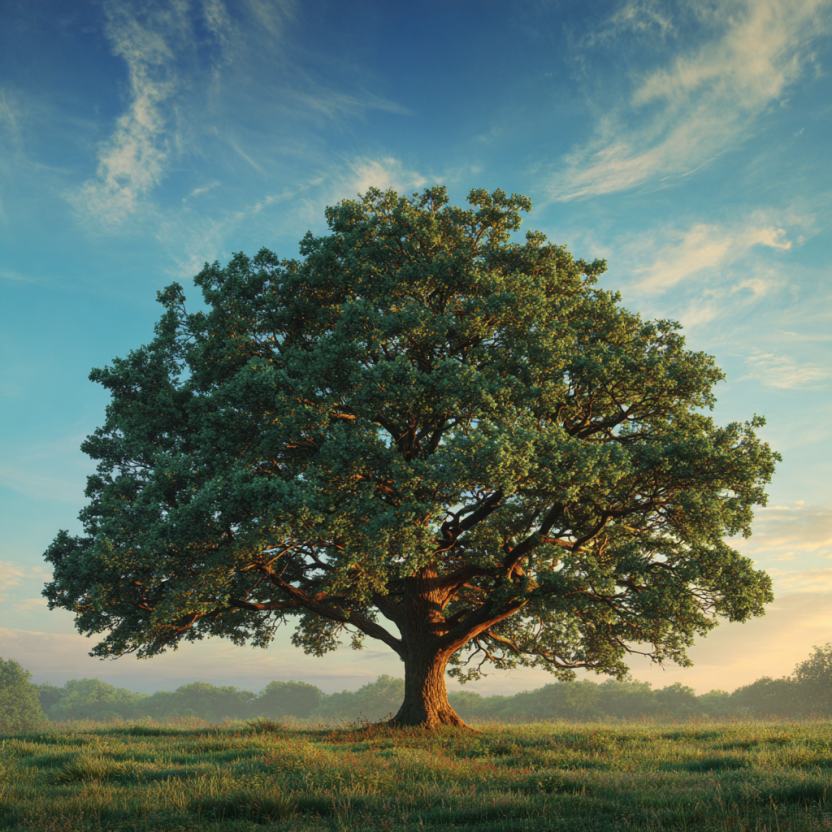
Elderberry is a fast-growing, deciduous shrub or small tree that typically reaches 10 to 20 feet in height, though some specimens grow as tall as 30 feet under ideal conditions. It often forms a multi-stemmed, bushy shape with arching branches that spread 6 to 12 feet wide. The bark is light gray-brown on older wood, becoming corky and furrowed with age, while younger branches are smooth and green with prominent lenticels. A distinctive feature is the soft, white pith inside the stems, which can be easily pushed out to create hollow tubes — a characteristic that gave the plant its ancient use as a material for flutes and pipes.
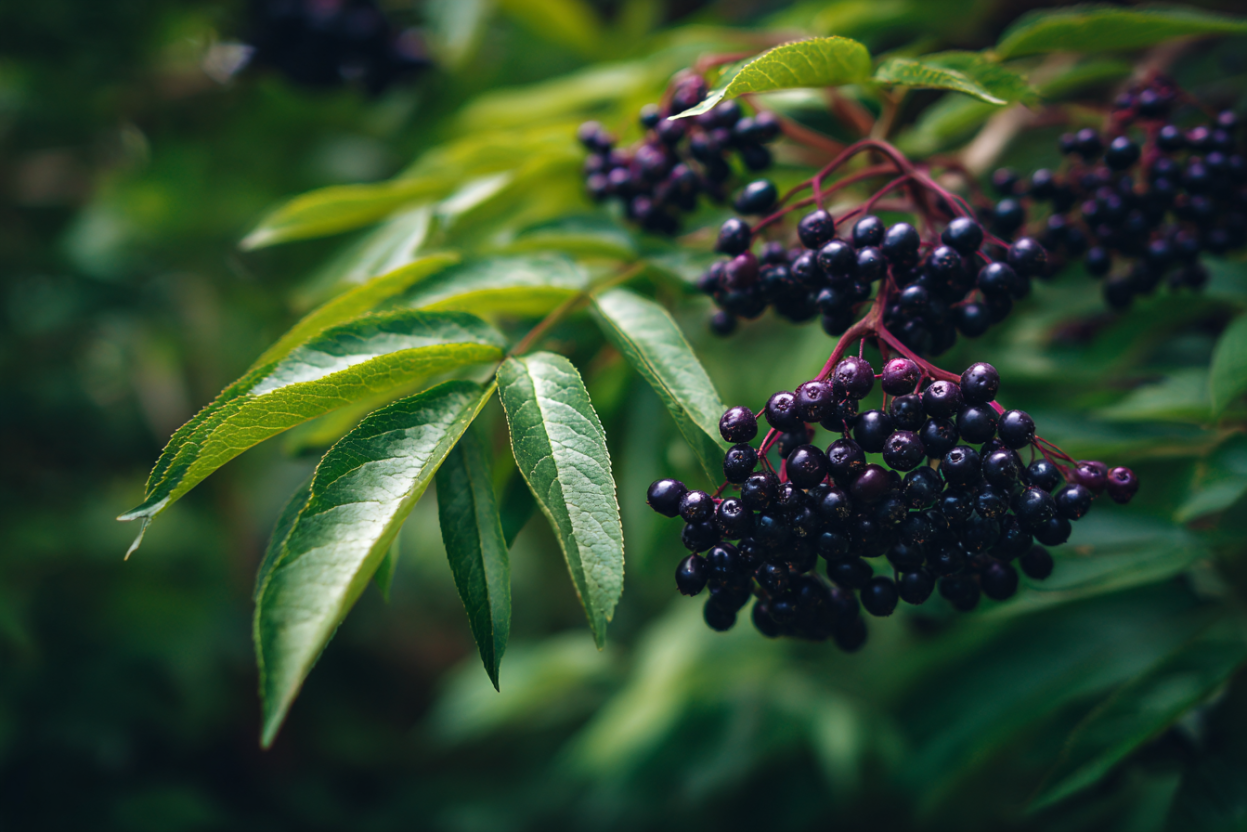
The leaves are pinnately compound, arranged in opposite pairs along the stem, with five to nine serrated, lance-shaped leaflets measuring 2 to 5 inches long. When crushed, the leaves emit a somewhat unpleasant, musty odor. The flowers, in striking contrast, are delightfully fragrant — tiny, creamy-white, five-petaled blossoms that cluster together in large, flat-topped arrangements called corymbs, spanning 4 to 10 inches across. These showy flower clusters bloom from late spring through early summer and attract a wide array of pollinators. The berries that follow are small, round drupes approximately one-quarter inch in diameter. They ripen from green to deep purple-black in late summer to early fall and hang in heavy, drooping clusters.
Origin
Black elderberry is native to Europe, Northern Africa, and Western and Central Asia. It has naturalized across much of North America and can now be found growing wild on every inhabited continent. Its close relative, the American elderberry (Sambucus nigra ssp. canadensis), is native to eastern and central North America. The blue elderberry (Sambucus nigra ssp. cerulea) grows natively in western North America. Archaeological evidence places elderberry in human use since the Stone and Bronze Ages — elderberry seeds have been found in Neolithic dwellings in Switzerland dating to approximately 2,000 BCE.
Brief History
Elderberry holds a rare distinction in the plant world: it has been used by virtually every major civilization in recorded history. Hippocrates, the father of modern medicine (460–370 BCE), referred to the elder tree as his “medicine chest” because of the wide array of ailments it addressed. Theophrastus described it in his Historia Plantarum in the 4th century BCE. Dioscorides documented it extensively in De Materia Medica, recommending wine made from its roots as a remedy for snake bite. Pliny the Elder wrote about its many applications in his encyclopedic Natural History. The plant traveled through trade routes and monastery gardens across medieval Europe, eventually crossing the Atlantic with European settlers who found that Native American peoples had already been using their own elderberry species for generations. Today, elderberry is among the most commercially popular herbal supplements worldwide, with demand continuing to rise.
Growing & Cultivation
Climate & Zones
Elderberry is remarkably adaptable and thrives across USDA Hardiness Zones 3 through 9, depending on the species and cultivar. The European black elderberry (S. nigra) performs best in Zones 4 through 8, while the American elderberry (S. canadensis) is cold-hardy down to Zone 3. Elderberry tolerates a wide range of climates, from the cool summers of the northern United States and Canada to the heat of the southeastern states. It requires approximately 100 to 150 chill hours (temperatures below 45°F) to ensure proper dormancy and productive spring growth. In warmer zones (9 and above), select cultivars specifically adapted to low-chill conditions.
Soil Requirements
Elderberry grows in a wide range of soil types but performs best in rich, moist, well-draining soil with a pH between 5.5 and 6.5 (slightly acidic to near neutral). It tolerates clay, loam, and sandy soils, though heavy clay benefits from raised beds or compost amendments to improve drainage. Elderberry favors nitrogen-rich, phosphate-rich soils. Incorporating compost or aged manure before planting will improve nutrient availability and water-holding capacity. Container growing is possible with at least a 20-gallon pot and quality potting mix amended with compost.
Water & Sunlight
Elderberry prefers full sun — at least six to eight hours of direct sunlight daily — for maximum fruit production. It will tolerate partial shade but yields fewer flowers and berries. In hot southern climates, some afternoon shade can be beneficial. Water needs are moderate: elderberry prefers consistent moisture, especially during fruit development, requiring approximately 1 to 2 inches per week during the growing season. While established plants are reasonably drought-tolerant, extended dry periods will reduce berry quality and yield. Mulching around the base conserves soil moisture and suppresses weeds. Elderberry is somewhat shallow-rooted, with the critical root zone in the top 6 to 10 inches, so consistent surface moisture matters.
Propagation
Seed: Elderberry can be grown from seed, though this method is the slowest and seeds rarely come true to the parent plant. Fresh seeds require cold stratification (60 to 90 days at 33–41°F) to break dormancy. Germination can be erratic and may take several months.
Softwood Cuttings: The most reliable propagation method. Take 6- to 8-inch cuttings from current-season growth in late spring or early summer. Remove lower leaves, dip in rooting hormone, and place in moist potting mix. Keep humidity high and roots typically develop within 3 to 4 weeks.
Hardwood Cuttings: Take 8- to 12-inch dormant cuttings in late fall or winter. Plant directly in the ground or in pots with the top two buds above the soil line. These will root in spring.
Division: Established elderberry plants produce suckers from the root system. These can be carefully separated with attached roots and transplanted in early spring or late fall.
Planting
Plant elderberry in early spring after the last hard frost, or in late summer to early fall to allow root establishment before winter. Space plants 4 to 6 feet apart within a row and 8 to 10 feet between rows if planting multiple rows. Dig holes slightly larger than the root ball, set the plant at the same depth it was growing previously, and backfill with amended soil. Water deeply at planting. For cross-pollination and best fruit set, plant at least two different cultivars. Popular American cultivars include ‘Adams,’ ‘Johns,’ ‘Nova,’ ‘York,’ ‘Bob Gordon,’ and ‘Wyldewood.’ Popular European cultivars include ‘Black Beauty,’ ‘Black Lace,’ and ‘Haschberg.’
Harvesting
Harvest elderberries when the entire cluster has turned deep purple-black and the berries are soft and slightly glossy. Do not harvest green or partially ripe berries, as they contain higher levels of cyanogenic glycosides. Harvest timing is typically late August through September in most of the United States. Cut entire clusters (cymes) from the shrub using garden shears. Harvest in the morning after dew has dried. Strip berries from the stems using a fork or by freezing the clusters first (frozen berries separate easily from stems). Elderflowers can be harvested in late spring to early summer when most of the tiny flowers in a cluster have opened. Snip entire flower heads and use fresh or dry for later use.
Drying & Storage
Fresh elderberries can be refrigerated for up to one week or frozen immediately for long-term storage (up to one year). For drying, spread cleaned, stemmed berries in a single layer on dehydrator trays and dry at 135°F for 12 to 24 hours until fully dry and slightly shriveled. Alternatively, air dry in a well-ventilated area away from direct sunlight. Store dried berries in airtight glass jars in a cool, dark place for up to one year. Elderflowers can be dried by hanging small bundles upside down in a dark, well-ventilated space for one to two weeks. Store dried flowers in airtight containers away from light and heat for up to one year.
Pest & Disease Management
Elderberry is generally robust but can be affected by several issues. Common pests include elder shoot borers, aphids, Japanese beetles, and spotted wing drosophila (a fruit fly that targets ripening berries). Birds are perhaps the greatest “pest” — they love ripe elderberries and can strip a bush quickly, so netting may be necessary. Common diseases include powdery mildew, leaf spots, canker, and Tomato Ringspot Virus. Organic management strategies include removing and destroying affected canes, ensuring good air circulation through proper spacing and pruning, applying neem oil or insecticidal soap for soft-bodied insects, and encouraging beneficial predatory insects. Prune out dead, damaged, and old canes annually during dormancy. Companion planting with herbs that attract beneficial insects can also help.
Companion Planting
Elderberry grows well alongside other moisture-loving plants and pollinator-attracting species. Good companions include comfrey (dynamic nutrient accumulator), yarrow, bee balm, echinacea, and most native wildflowers. Clover or other nitrogen-fixing cover crops planted nearby can enrich the soil. Elderberry itself can serve as a windbreak or living fence for a vegetable garden. Avoid planting elderberry near walnut trees, as juglone from walnut roots may inhibit growth.
The Healing of Growing
Growing elderberry offers benefits that begin long before the harvest. The act of gardening — hands in soil, feet on earth, time spent outdoors — has been shown to reduce cortisol levels, improve mood, and support immune function. The soil itself contains Mycobacterium vaccae, a beneficial bacterium with documented antidepressant effects that enters the body through skin contact and inhalation. Research on horticultural therapy demonstrates that regular gardening reduces symptoms of anxiety and depression, lowers blood pressure, and improves overall well-being. When you grow your own elderberry, you receive healing before you ever pick a single berry.
Nutritional Profile
Macronutrients
Per 100 grams of raw elderberries (USDA FoodData Central): Calories: 73 kcal. Protein: 0.66 g. Carbohydrates: 18.4 g. Dietary Fiber: 7 g. Sugars: approximately 11 g (natural fruit sugars). Total Fat: 0.5 g (including 0.023 g saturated, 0.08 g monounsaturated, 0.25 g polyunsaturated with omega-3 and omega-6 fatty acids). Water content: approximately 80%.
Vitamins
Vitamin C: 36 mg (60% DV) — A powerful antioxidant that supports immune function, promotes collagen synthesis for skin health, and enhances iron absorption. Elderberries contain significantly more vitamin C than many common fruits.
Vitamin A: 600 IU (20% DV) — Essential for maintaining healthy mucous membranes, supporting vision health, and promoting proper immune cell development. Elderberries provide substantially more vitamin A than blueberries or blackberries.
Vitamin B6 (Pyridoxine): 0.23 mg (18% DV) — Critical for neurotransmitter synthesis, including serotonin and dopamine production. Supports brain development, nervous system function, and hemoglobin formation.
Thiamine (B1): 0.07 mg (6% DV) — Supports energy metabolism and nervous system function. Niacin (B3): 0.5 mg (3% DV) — Supports cellular energy production and DNA repair. Riboflavin (B2): 0.06 mg (5% DV) — Essential for cellular growth and energy production. Pantothenic acid (B5): 0.14 mg (3% DV) — Necessary for synthesis of coenzyme A and fatty acid metabolism. Folate: 6 mcg (2% DV) — Supports DNA synthesis and cell division.
Minerals
Potassium: 280 mg (8% DV) — An essential electrolyte that helps regulate heart rhythm, supports proper muscle function, and maintains healthy blood pressure.
Iron: 1.6 mg (20% DV) — Critical for oxygen transport in the blood via hemoglobin, supports energy production, and plays a role in immune function. Elderberry’s iron content is notably high for a fruit.
Phosphorus: 39 mg (6% DV) — Supports strong bones and teeth, energy production through ATP synthesis, and kidney function. Calcium: 38 mg (4% DV) — Essential for bone health, muscle contraction, and nerve signal transmission. Magnesium: 5 mg (1% DV) — Supports over 300 enzymatic reactions in the body. Copper: 0.061 mg (7% DV) — Supports iron metabolism and connective tissue formation. Zinc: 0.11 mg (1% DV) — Supports immune function and wound healing.
Phytonutrients & Active Compounds
Anthocyanins — primarily cyanidin-3-glucoside and cyanidin-3-sambubioside — are the dominant bioactive compounds in elderberry and the primary source of its deep purple-black color. These flavonoids are among the most potent antioxidants found in nature and are responsible for much of elderberry’s immune-supporting and antiviral activity. Research suggests anthocyanins modulate immune response by enhancing cytokine production and may inhibit viral replication.
Quercetin — a flavonol with documented anti-inflammatory, antioxidant, and antiviral properties. Research suggests quercetin may support cardiovascular health and help regulate inflammatory responses. Rutin — a bioflavonoid that supports capillary wall integrity and may improve microcirculation. Isorhamnetin and Kaempferol — additional flavonoids that contribute to the plant’s overall antioxidant capacity. Chlorogenic acid — a phenolic acid with documented antioxidant activity and potential blood-sugar-supporting properties. Polysaccharides — recent research has identified elderberry polysaccharides as potent immune modulators that can stimulate dendritic cell maturation and enhance T-cell immune responses.
Nutrient Notes
Elderberry possesses one of the highest antioxidant capacities among edible berries. Its ORAC (Oxygen Radical Absorbance Capacity) value of approximately 10,775 TE per 100 g is nearly double that of blueberries (approximately 5,562 TE). The anthocyanins in elderberry have relatively low oral bioavailability — absorption studies show that less than 1% of ingested anthocyanins reach the bloodstream unchanged — but their metabolites continue to exert biological activity. Vitamin C in elderberry enhances the absorption of the plant’s non-heme iron, making the two nutrients synergistic. Processing (cooking, heating) reduces some vitamin C content but concentrates anthocyanins and makes the berries safe to consume by breaking down cyanogenic glycosides present in raw fruit.
Culinary Uses
Edible Parts
Berries — the primary edible part, used extensively in cooking and preservation. Must be cooked before consuming. Raw elderberries contain sambunigrin, a cyanogenic glycoside that can cause nausea. Flowers — the delicate, fragrant elderflowers are edible both raw and cooked. They are used in fritters, cordials, teas, and as garnishes. Leaves, stems, bark, and roots are NOT edible and should never be consumed, as they contain higher concentrations of toxic compounds.
Flavor Profile
Raw elderberries are intensely tart with a slight bitterness and a deep, musky berry flavor. Cooked elderberries develop a rich, sweet-tart character reminiscent of a blend between blackberry, blueberry, and grape with subtle earthy undertones. Dried elderberries have a concentrated, wine-like sweetness. The flavor intensity is strong, which is why elderberries are typically prepared with sweeteners and other fruits. Elderflowers, by contrast, are delicate, sweet, and floral with a honey-like, lightly perfumed character and subtle hints of muscat grape and pear.
Preparation
Always cook elderberries before eating them. Common preparations include simmering berries in water with sweetener to make syrup, boiling with sugar and pectin for jams and jellies, baking into pies and cobblers (often combined with apples or other fruits), fermenting into wine and cordials, and reducing into sauces for meats. Elderflowers can be dipped in light batter and fried as fritters, steeped in hot water for tea, infused into sugar syrups for cordials and cocktails, or added to baked goods for delicate flavor. Elderflower cordial is a beloved traditional beverage across Europe — made by steeping flowers in a sugar-water solution with lemon and citric acid.
Culinary Pairings
Elderberry pairs beautifully with warming spices like cinnamon, cloves, ginger, and star anise. It complements other fruits including apples, pears, lemons, and blackberries. It works well with honey and maple syrup as sweeteners, with game meats like venison and duck as a sauce or glaze, and with rich cheeses. Elderflowers pair with citrus (especially lemon), mint, cucumber, light white wines, and sparkling water.
Storage
Fresh elderberries should be refrigerated and used within one week. For longer storage, freeze berries on a sheet pan before transferring to freezer bags (up to 12 months). Elderberry syrup can be refrigerated for 2 to 3 months or frozen in ice cube trays for longer storage. Dried elderberries keep for up to one year in airtight glass containers stored in a cool, dark location. Elderflowers are best used fresh but can be dried or frozen. Dried flowers keep 6 to 12 months in airtight containers.
Ready to cook with elderberry? View Recipes on Chefts →
Wellness & Therapeutic Uses
Traditional Uses
Elderberry has one of the longest documented histories of therapeutic use of any plant in the world. Hippocrates (460–370 BCE) considered the elder tree his “medicine chest” and documented its use for a wide range of ailments. Dioscorides, in his De Materia Medica (1st century CE), recommended elder preparations for respiratory conditions, fluid retention, and inflammation. Throughout European folk medicine, elderberry was used as a diaphoretic (to promote sweating during fevers), an antipyretic (to reduce fever), a diuretic, and an expectorant. The flowers were used for cold and flu symptoms, skin conditions, and eye inflammation. In Traditional Chinese Medicine, elder species have been used to support joint health and reduce fluid accumulation. Native American peoples used their native elderberry species (S. canadensis) for respiratory support, fever reduction, and as a general tonic — the Mohegan people gave elderflower tea to infants for colic, while the Menominee used it to reduce fevers. In Ayurvedic traditions, elder has been used to support the respiratory system and as a cleansing herb.
Modern Research
Immune System Support — This is the most extensively researched benefit of elderberry. A 2019 meta-analysis published in Complementary Therapies in Medicine, analyzing four randomized, controlled clinical trials with a total of 180 participants, found that elderberry supplementation substantially reduced upper respiratory symptoms, yielding a large mean effect size. The authors concluded that elderberry presents a potentially safer alternative for routine cases of the common cold and influenza (Hawkins et al., 2019). A landmark double-blind, placebo-controlled study found that Sambucol (standardized elderberry extract) reduced the duration of flu symptoms to 3-4 days compared to 7-8 days in the placebo group (Zakay-Rones et al., 2004). A 2016 randomized, double-blind placebo-controlled trial involving air travelers found that elderberry supplementation reduced both cold duration and severity of symptoms (Tiralongo et al., 2016).
Cytokine and Immune Modulation — Research published in the European Cytokine Network demonstrated that elderberry extract significantly increased production of inflammatory cytokines (IL-1β, TNF-α, IL-6, IL-8) in healthy human monocytes, with TNF-α production increasing up to 44.9-fold. This suggests elderberry may activate the healthy immune system (Barak et al., 2001). More recent 2022 research demonstrated that elderberry polysaccharides potently induced dendritic cell maturation and enhanced T-cell immune responses, with water-extracted fractions outperforming ethanol extracts (Stoidl et al., 2022).
Antiviral Activity — In vitro studies have shown elderberry extract to be effective against 10 strains of influenza virus. The mechanism appears to involve anthocyanins binding to the virus surface and blocking its ability to infect host cells. Elderberry flavonoids may bind to the H1N1 virus and inhibit its ability to enter and infect cells. Emerging research has also explored elderberry’s potential against other viral infections (Liu et al., 2022).
Antioxidant Activity — Multiple studies have confirmed elderberry’s exceptional antioxidant capacity. Its ORAC value is among the highest of all commonly consumed fruits. The anthocyanins and polyphenols in elderberry have demonstrated the ability to reduce oxidative stress markers in both in vitro and in vivo studies (Sidor & Gramza-Michałowska, 2015).
Cardiovascular Support — Elderberry contains plant sterols that may help reduce LDL cholesterol absorption. Research suggests the anthocyanins in elderberry may help lower atherosclerosis risk and support healthy blood pressure levels. The flavonoids quercetin and rutin present in elderberry support capillary strength and microcirculation.
Blood Sugar Support — Research has suggested that water-soluble compounds in elder flowers can stimulate glucose metabolism and promote insulin secretion through pancreatic β-cells. An extract of elder flowers was shown to significantly increase glucose uptake and glycogenesis in vitro (Sidor & Gramza-Michałowska, 2015).
Body Systems Supported
Immune System — This is elderberry’s primary area of support. It may enhance cytokine production, stimulate natural killer (NK) cell activity, promote dendritic cell maturation, and support the body’s antiviral defenses. Respiratory System — traditionally used for coughs, congestion, sinus support, and bronchial comfort. Cardiovascular System — the anthocyanins, quercetin, and sterols may support healthy cholesterol levels, blood pressure, and circulation. Digestive System — the high fiber content supports gut motility, and elderberry has traditional use as a gentle digestive support. Integumentary System (Skin) — antioxidants support skin health from within, and topical applications may reduce inflammation. Musculoskeletal System — research suggests elderberry polyphenols may support bone mineral density and inhibit bone resorption. Nervous System — the vitamin B6 content supports neurotransmitter synthesis, and anthocyanins have shown neuroprotective potential in preliminary research.
Body Compounds Affected
The compounds in elderberry may influence several key body compounds. The high vitamin B6 content supports serotonin and dopamine synthesis. The immune-modulating effects involve regulation of cytokines including IL-1β, IL-6, TNF-α, and IL-8. The antioxidant activity may help modulate C-reactive protein and other inflammatory markers. The potential blood-sugar-supporting effects involve insulin signaling pathways. The stress-modulating effects of the plant’s antioxidants may indirectly support healthy cortisol levels by reducing oxidative stress that can dysregulate the HPA axis.
Methods of Use
Tea/Infusion
Use 1 to 2 tablespoons of dried elderberries per cup of water. Bring water to a boil, add berries, reduce heat, and simmer for 15 to 20 minutes (a decoction is preferred for berries, as a simple steep may not fully extract the compounds or adequately reduce cyanogenic glycosides). Strain and sweeten with honey if desired. Elderflower tea is simpler: steep 1 to 2 teaspoons of dried flowers in hot (not boiling) water for 5 to 10 minutes. Can be consumed 2 to 3 times daily during cold and flu season.
Syrup
The most popular preparation. Simmer dried elderberries with water, cinnamon, cloves, and ginger for 45 minutes to 1 hour. Strain, allow to cool slightly, then add raw honey (typically a 1:1 ratio of liquid to honey). Store in the refrigerator for up to 3 months. Standard dosage: adults — 1 tablespoon daily for prevention, 1 tablespoon every 2 to 3 hours during acute symptoms. Children over 2 — 1 teaspoon daily for prevention.
Tincture
Elderberry tinctures are made by macerating dried berries in alcohol (typically 80-proof vodka) for 4 to 6 weeks, then straining. Standard adult dosage is typically 30 to 60 drops (1-2 mL) up to three times daily. Glycerin-based tinctures (glycerites) are available as alcohol-free alternatives suitable for children.
Capsules/Powder
Elderberry is widely available in capsule and powdered extract form. Standardized extracts typically provide a consistent concentration of anthocyanins. Follow manufacturer dosage guidelines. Common dosage ranges for standardized extracts are 150 to 600 mg daily.
Lozenges & Gummies
Commercially available elderberry lozenges and gummies provide a convenient delivery method. These are particularly popular for children (age-appropriate formulations) and for use during travel.
Cosmetic & Beauty Uses
Skin Benefits
Elderberry is emerging as a powerhouse ingredient in natural skincare due to its exceptional antioxidant content, anti-inflammatory properties, and rich vitamin profile. The anthocyanins in elderberry help neutralize free radicals that contribute to premature aging, while flavonoids like quercetin and rutin support capillary integrity and improve microcirculation — delivering more oxygen and nutrients to skin cells. A 2019 study published in Photochemistry and Photobiology demonstrated that elderberry extract helped protect human skin keratinocytes from UVB-induced damage by scavenging free radicals, reducing reactive oxygen species (ROS) generation, and decreasing expression of MMP-1 (an enzyme that breaks down collagen). The researchers concluded that elderberry represents a potential agent against skin photoaging and inflammation (Salvador et al., 2019).
Elderberry benefits all skin types but is particularly suited for sensitive, mature, and acne-prone skin. Its astringent properties help tighten pores, while its antimicrobial and antifungal compounds may help balance excess oils and reduce acne-causing bacteria. The high vitamin A content supports cell turnover and even skin tone, and research suggests elderberry may help reduce hyperpigmentation by modulating melanin production.
Hair Benefits
Elderberry’s high vitamin and antioxidant content may support scalp health, hair strength, and natural shine. The anthocyanins and bioflavonoids promote healthy circulation to the scalp, which supports hair follicle function. Traditional use includes elderflower rinses for brightening and softening hair. The iron and B-vitamin content, when consumed internally, supports hair growth by ensuring adequate oxygen and nutrient delivery to hair follicles.
Application Methods
Elderberry can be incorporated into skincare through several approaches. Infused oils can be made by steeping dried elderberries in a carrier oil (jojoba, rosehip, or sweet almond) for 4 to 6 weeks, then straining. This oil can be used directly as a facial serum or added to homemade creams and lotions. Face masks can be prepared by mixing elderberry powder with honey and yogurt for an antioxidant treatment. Toners can be made from cooled elderflower tea applied with a cotton pad. Bath additions — adding elderflower infusion or dried flowers to a warm bath provides gentle skin-soothing benefits. Hair rinses — a strong elderberry or elderflower tea makes an excellent final rinse after shampooing.
DIY Formulation Notes
When incorporating elderberry into homemade skincare, use dried berries or flowers (fresh berries may stain skin). Oil infusions should use a 1:4 ratio of dried berries to carrier oil. Elderberry pairs well with carrier oils like jojoba, rosehip seed, and argan oil. It combines synergistically with other antioxidant-rich botanicals like rosehip, green tea, and vitamin E. Avoid combining elderberry oil infusions with highly alkaline ingredients, as this may degrade the anthocyanins. Homemade water-based elderberry preparations (toners, sprays) should be refrigerated and used within one week, or preserved with a natural preservative system.
Elderberry is among the botanicals being explored for holistic cosmetic applications, where the wisdom of traditional beauty practices meets modern understanding of skin science.
Note: Elderberry (Sambucus nigra) does not produce a widely commercially available essential oil in the traditional sense. While the plant contains volatile aromatic compounds, the berry and flower are not typically steam-distilled for commercial essential oil production. However, elderberry seed oil (a cold-pressed carrier oil) is available and valued in cosmetics, and elderflower absolute and CO2 extracts are produced on a smaller scale for the fragrance and natural perfumery industries.
Aromatherapy & Scent
The Aroma
The scent experience of the elder tree varies dramatically between its parts. The elderflowers are the aromatic stars — they emit a sweet, honey-like, lightly muscat fragrance that is strongest on warm summer mornings and intensifies when the blooms are fully open. The scent is floral, delicate, and slightly creamy, with subtle notes of pear and lychee. Proximity enhances the experience; standing near a blooming elder bush is one of the pleasures of early summer. Fresh elderberries have a mild, earthy, slightly wine-like aroma when ripe. The scent becomes richer and more complex when berries are crushed or cooked. The leaves and bark, by contrast, have an unpleasant, musky, somewhat acrid smell that is most noticeable when they are bruised or broken.
Dried elderflowers retain much of their sweet fragrance for 6 to 12 months when stored properly. Dried elderberries develop a concentrated, raisin-like, wine-forward aroma that is deeper and less fruity than the fresh berry scent.
How Scent Affects Your Body
When you inhale the fragrance of elderflowers, volatile aromatic molecules enter your nasal passages and make contact with olfactory receptors in the upper nasal cavity. These receptors send signals directly to the limbic system — the brain’s emotional processing center — and the hypothalamus, which governs hormonal responses. This pathway bypasses conscious thought, which is why scent can trigger emotional and physiological responses within seconds, before you even decide how to react. The sweet, floral scent of elderflowers activates calming pathways in the brain.
Emotional & Mood Effects
The fragrance of elderflower is generally experienced as calming, uplifting, and gently cheerful. It evokes a sense of summer, openness, and connection to nature. Many people report feeling comforted and grounded when experiencing elderflower scent, making it a gentle mood lifter without being overstimulating. The aroma may help ease mild tension and promote a sense of well-being.
Body Compounds Affected
While specific research on elderflower aromatherapy effects on body compounds is limited, floral aromatics as a category are associated with gentle reductions in cortisol and increases in serotonin availability. The calming quality of sweet floral scents may support GABA activity, promoting relaxation without sedation.
Ways to Experience the Scent
Growing elderberry in your garden or near a window provides the most authentic aromatic experience during bloom season. Fresh elderflower cuttings placed in a vase bring the fragrance indoors. Dried elderflowers can be placed in sachets for drawers and closets, added to potpourri blends, simmered in water on the stove for a gentle room fragrance, placed under your pillow for a subtly calming night-time scent, or added to a warm bath. Elderflower tea preparation fills the kitchen with a delicate, honey-like aroma that contributes to the overall sensory experience of the remedy.
Color Therapy
The Colors of Elderberry
The elder tree presents a striking progression of colors through the seasons. In spring and early summer, the flowers are creamy white to ivory, appearing in large, flat-topped clusters. The leaves are bright medium green when young, deepening to dark green at maturity, and turning yellowish in autumn. The berries undergo a dramatic color journey — beginning bright green, shifting to red, then ripening to a deep, lustrous purple-black that is among the darkest hues found in the edible plant world. The bark transitions from green on young stems to light grayish-brown on mature wood.
Color Wavelengths
The dominant color of the ripe elderberry falls in the violet/purple range of the visible spectrum, approximately 380-450 nm. The white flowers span the full visible spectrum. The green leaves fall in the 495-570 nm range.
How These Colors Affect the Body
According to color therapy principles, violet and deep purple (380-450 nm) are associated with calming the nervous system, supporting meditative and spiritual states, and promoting restful awareness. Purple light has been studied for its effects on brain wave patterns, with some research suggesting it can promote alpha-wave states associated with relaxation and creativity. White (full spectrum) is associated with purifying, clarifying energy and provides the benefits of all color wavelengths. Green (495-570 nm) is the most balancing color, associated with heart-centered calm, nature connection, stress relief, and emotional equilibrium. Having an elderberry plant in your environment provides exposure to the calming green of its foliage throughout the growing season, the full-spectrum white of its flowers in early summer, and the deeply calming purple-black of its berries in late summer.
Body Compounds Affected
Exposure to green environments has been documented to support cortisol reduction and promote parasympathetic nervous system activation. The color purple has been associated with calming nervous system activity and may support melatonin production in low-light settings.
Using Elderberry for Color Therapy
Place elderberry plants where they can be seen from windows or outdoor living spaces to benefit from the green foliage throughout the growing season. Bring freshly cut elderflower branches indoors during bloom for the white full-spectrum experience. Display bowls of freshly harvested purple-black berries on the table for visual exposure to the calming violet spectrum. Consuming elderberries — “eating the rainbow” — delivers the anthocyanin pigments internally, providing color-based nutrition from the inside out.
Frequency & Vibration
The Frequency of Elderberry
While specific frequency measurements for elderberry in MHz are not as extensively documented as those for some essential oils (since elderberry does not produce a widely distilled essential oil), the plant’s exceptionally high concentration of bioactive compounds suggests a relatively high vibrational profile. For reference, healthy human bodies are believed to vibrate in the range of 62–78 MHz according to bio-frequency research, with disease onset occurring when frequency drops below 58 MHz. Living plants, particularly those rich in complex phytochemicals, are generally considered to emit higher frequencies than processed or synthetic substances.
Human Frequency Interaction
According to the principle of entrainment, a stronger frequency can influence a weaker one. Proponents of vibrational medicine suggest that being around high-frequency plants, consuming them, or working with their preparations may help support the body’s own frequency. Elderberry’s exceptionally rich phytochemical profile — with its concentrated anthocyanins, flavonoids, and other bioactive compounds — may contribute to its perceived vitality-enhancing properties. The act of gardening with elderberry, drinking elderberry tea, or simply being near the living plant may support the body’s energetic state.
Vibrational Applications
To benefit from elderberry’s vibrational qualities, consider growing the plant in or near your living space. Consuming fresh elderberry preparations (syrup, tea, tincture) is another way to interact with the plant’s energetic profile. Combining elderberry consumption with other high-frequency practices — prayer, meditation, time in nature, deep breathing — may enhance the overall experience. As with all frequency-related claims, this is an area where research is emerging, and these perspectives should be considered within a broader framework of well-being.
The Living Plant
Benefits of Presence
Simply being around the living elderberry plant offers benefits beyond any preparation or consumption. Research on biophilic design — the integration of living plants into human environments — consistently demonstrates that proximity to plants reduces stress, improves mood, enhances cognitive function, and accelerates healing. Elderberry, with its lush green foliage, showy flower clusters, and ornamental berry displays, provides visual richness that engages attention restoration processes described in environmental psychology. Studies of hospital patients have shown that those with views of plants and greenery recover faster, require less pain medication, and report better emotional well-being.
Air Purification
While elderberry has not been specifically included in the NASA Clean Air Study (which tested primarily indoor houseplants), all broadleaf deciduous shrubs contribute to air quality improvement through standard photosynthesis — absorbing carbon dioxide and releasing oxygen during daylight hours. Outdoor elderberry plants in garden settings contribute meaningfully to the immediate air quality around your home. The plant’s large compound leaves provide substantial surface area for gas exchange and particulate trapping.
Phytoncides
Elderberry releases volatile organic compounds (VOCs), including phytoncides — antimicrobial substances that plants emit to protect themselves from pests and pathogens. Forest bathing (shinrin-yoku) research from Japan has demonstrated that exposure to plant phytoncides increases the activity and number of Natural Killer (NK) cells in the human immune system, with effects lasting up to 30 days after exposure. While the specific phytoncides released by elderberry have not been extensively cataloged, the plant’s known antimicrobial properties suggest it contributes meaningfully to the antimicrobial environment around it. Spending time near your elderberry plants — gardening, harvesting, or simply sitting nearby — exposes you to these beneficial volatile compounds.
Visual & Psychological Benefits
Elderberry provides year-round visual interest: bright green spring foliage, dramatic white flower clusters in early summer, heavy purple-black berry clusters in late summer, and warm yellow autumn leaf color. This seasonal progression connects the observer to the rhythms of nature, which research consistently links to improved psychological well-being. The plant’s attraction to birds, bees, and butterflies adds movement and life to the garden environment, further enhancing the restorative experience.
Growing Indoors vs Outdoors
Elderberry is best grown outdoors where it can reach its full size, receive adequate sunlight, and undergo proper winter dormancy. It is not well-suited as a permanent indoor plant due to its size and chill requirements. However, dwarf cultivars can be grown in large containers on patios, decks, or balconies where they receive full sun. For those without outdoor space, elderflowers and dried elderberries can be kept indoors to provide some aromatic and visual benefit. The act of tending a container-grown elderberry on a balcony provides many of the same therapeutic gardening benefits as a full garden setting.
Touch & Physical Interaction
Gardening Therapy
Horticultural therapy — the use of gardening activities for therapeutic benefit — is an established practice recognized by the American Horticultural Therapy Association. Working with elderberry provides a particularly rich horticultural therapy experience because the plant requires hands-on interaction at multiple stages throughout the year: spring pruning and cleanup, summer watering and monitoring, late-summer harvesting, and fall processing and preservation. Each stage offers distinct therapeutic benefits through purposeful physical activity, sensory engagement, and the satisfaction of working with a deeply useful plant.
Soil Contact Benefits
When you garden with elderberry — especially if you garden barefoot or with bare hands — you benefit from direct earth contact. Grounding (or earthing) research suggests that physical contact with the earth’s surface allows the transfer of free electrons into the body, which may reduce inflammation and support antioxidant processes. Additionally, soil contains Mycobacterium vaccae, a bacterium that has been shown in research to stimulate serotonin production in the brain, producing effects similar to antidepressant medication. Exposure to diverse soil microorganisms also supports a healthy human microbiome. Digging, planting, mulching, and weeding around your elderberry plants provides these benefits naturally.
The Tactile Experience
Elderberry offers a varied tactile experience. The leaves are smooth on top with a slightly rougher underside and fine serrations along the edges. The flower clusters feel delicate and airy — light as clouds in the hand, with tiny individual flowers that feel like soft, textured velvet. The ripe berries feel plump, round, and slightly firm, bursting gently when squeezed. The bark on younger wood is smooth and almost waxy, while older wood becomes rough and cork-like. The soft white pith inside the stems has a unique spongy, marshmallow-like texture — a feature that has fascinated people since ancient times.
Harvesting & Processing
The act of harvesting elderberries is deeply meditative. Cutting heavy clusters of dark berries, stripping them from stems with a fork, and sorting through the harvest creates a rhythmic, repetitive activity that naturally calms the mind. Processing elderberries — simmering them into syrup, straining through cloth, adding honey — engages multiple senses simultaneously and creates a deep connection to the ancient tradition of herbal preparation. The deep purple stain left on your hands after working with elderberries is a visible reminder of the powerful compounds you are about to consume. This kind of hands-on, purposeful work connects us to the rhythm of seasons and provides a sense of accomplishment and provision that modern life often lacks.
Water-Based Applications
Teas & Infusions
Elderberry Decoction (berries): Because elderberries are dense, small fruits, a decoction (simmered extraction) is more effective than a simple steep. Use 1 to 2 tablespoons of dried elderberries per cup of water. Bring to a boil, then reduce heat and simmer for 15 to 20 minutes. Strain through a fine mesh strainer. Can be consumed 2 to 3 times daily. Always use cooked/simmered elderberries, never raw.
Elderflower Infusion (flowers): Elderflowers are delicate and require only a standard hot infusion. Place 1 to 2 teaspoons of dried elderflowers in a cup. Pour hot water (just below boiling, approximately 200°F) over the flowers. Cover and steep for 5 to 10 minutes. Strain and enjoy. Elderflower tea has been traditionally used to support sweating during fevers, as a gentle diuretic, and as a calming respiratory support. Can be consumed 2 to 3 times daily.
Herbal Baths
Elderflower baths have a long European tradition for soothing irritated skin, promoting relaxation, and supporting the body during colds and flu. To prepare, make a strong infusion using 1/2 cup dried elderflowers steeped in 1 quart of hot water for 20 to 30 minutes. Strain and add the liquid to a warm bath (98–102°F). Soak for 20 to 30 minutes. This is particularly beneficial for conditions involving skin irritation, general tension, and congestion. An elderflower foot bath using the same preparation in a basin of warm water provides similar but more targeted benefits and is an accessible alternative for those who cannot take full baths.
Compresses
Warm compress: Prepare a strong elderflower or elderberry infusion, soak a clean cloth in the warm liquid, wring slightly, and apply to affected areas for 15 to 20 minutes. Warm elderflower compresses have been traditionally used for sinus congestion, muscle tension, and to promote circulation to swollen joints. Cool compress: Allow the infusion to cool, or refrigerate. Apply a soaked cloth to sunburned skin, minor skin irritations, or puffy eyes. Elderflower’s anti-inflammatory properties make it well-suited for topical cooling applications.
Steam Inhalation
Elderflower steam inhalation is a time-honored method for respiratory support. Add 2 to 3 tablespoons of dried elderflowers to a large bowl of just-boiled water. Drape a towel over your head, lean over the bowl (at a comfortable distance to avoid burns), and breathe deeply through your nose for 5 to 10 minutes. This method may help open nasal passages, loosen congestion, and deliver the plant’s volatile compounds directly to the respiratory tract. Use with caution and keep eyes closed during steam inhalation.
Hair Rinses
Elderflower tea makes an excellent hair rinse. Prepare a strong infusion (3 to 4 tablespoons dried flowers per quart of water, steeped 30 minutes). Allow to cool. After shampooing and conditioning, pour the infusion over the hair as a final rinse. It may help add softness, subtle shine, and a light floral scent to the hair. Elderflower rinses have been traditionally used to soothe irritated scalps and may help with dandruff when used regularly.
Historical, Cultural & Biblical Significance
Biblical References
Elderberry is not directly mentioned by name in Scripture. However, the elder tree was well-known throughout the biblical lands and was growing in the regions where biblical events unfolded. A later Christian tradition associates the elder tree with the account of Judas, though this is medieval legend rather than scriptural text. What we do know is that the people of the biblical world lived in intimate relationship with the plant kingdom, and the elder tree — common throughout the Mediterranean, Near East, and Europe — would have been familiar to them. The healing principles embedded in plants like elderberry reflect the Creator’s provision described throughout Scripture: “And God said, Behold, I have given you every herb bearing seed, which is upon the face of all the earth” (Genesis 1:29, KJV).
Ancient Civilizations
Archaeological evidence confirms elderberry’s use dating to the Stone and Bronze Ages — elderberry seeds have been discovered in Neolithic dwellings in Switzerland and Italy, dating to approximately 3,000–4,000 BCE. In ancient Greece, Theophrastus (371–287 BCE) described the elder in his Historia Plantarum. Hippocrates (460–370 BCE) considered it his “medicine chest” and prescribed its preparations widely. Dioscorides (40–90 CE) documented elder extensively in De Materia Medica, describing the use of different plant parts and noting the hollow stems that made excellent pipes. Pliny the Elder (23–79 CE) wrote about elder’s numerous applications in his Natural History and recognized it as a distinct species. The Egyptians, while not leaving extensive elder-specific records, used plants of this region for similar applications documented in the medical papyri.
These ancient physicians observed what God designed into the elder tree — they documented what worked. While they may not have known the Creator by name, they were observing His design, and their observations align remarkably with what modern research confirms about elderberry’s properties.
Eastern Traditions
In Traditional Chinese Medicine (TCM), elder species have been used for centuries to support what TCM calls “damp” conditions — fluid accumulation, swelling, and joint discomfort. Elder preparations were used to promote urination and support the movement of fluids through the body. In Ayurveda, elder is classified as having cooling properties and has been used traditionally to support the respiratory system, promote sweating during fevers, and as a gentle cleansing herb. Both traditions recognized elder’s particular affinity for the respiratory and lymphatic systems, a finding that modern immunology research continues to validate.
Indigenous Knowledge
Native American peoples had a deep and practical relationship with their native elderberry species (Sambucus canadensis and S. cerulea) long before European contact. The Mohegan people used elderflower tea for infant colic. The Menominee used it to reduce fevers. Various tribes used elderberry preparations for respiratory support, skin conditions, pain relief, and as a general tonic. The flowers, berries, bark, and even the hollow stems (used as spiles for tapping maple syrup and as blowgun shafts) were all utilized. European settlers learned many elderberry applications from indigenous peoples, adding this knowledge to what they already carried from the European herbal tradition.
European Heritage
Elderberry was perhaps the most important domestic medicinal plant in European folk tradition. It was often called “the medicine chest of the country people” and “the poor man’s pharmacy.” Every part of the plant was used. Medieval monastery gardens cultivated elder as an essential medicinal, and the great Renaissance herbalists — John Gerard (1545–1612), Nicholas Culpeper (1616–1654), and Johann Bauhin (1541–1613) — all documented its extensive applications. In 1644, Martin Blochwich published an entire book devoted to the elder tree, Anatomia Sambuci, describing more than 70 conditions for which various elder preparations were used. Elder was so valued in parts of Europe that it was considered poor form to cut one down without asking permission of the tree — a reflection of the deep cultural respect for this generous provider.
Cultural Symbolism
The elder tree has held deep cultural significance across European traditions. The English word “elder” derives from the Anglo-Saxon aeld, meaning fire — a reference to the practice of hollowing out elder stems to make blowpipes for starting fires. In Danish and Scandinavian tradition, the elder was associated with protection and blessing. Throughout European folk culture, elder trees were planted near homes for their medicinal accessibility. Elderflower water became a staple of Renaissance beauty care, and elderberry wine has been a household tradition across Britain and Northern Europe for centuries. The plant features prominently in European art, literature, and seasonal celebrations — particularly in midsummer festivals when the flowers bloom.
Safety & Precautions
Contraindications
While cooked elderberry and elderflower preparations are generally considered safe for most adults, elderberry should be used with caution by individuals with autoimmune conditions (such as lupus, rheumatoid arthritis, or multiple sclerosis) due to its immune-stimulating properties, which could theoretically exacerbate overactive immune responses. Individuals with planned surgery should discontinue elderberry supplements at least two weeks before the procedure due to potential effects on immune function. Those with known allergies to plants in the Adoxaceae (formerly Caprifoliaceae) family should avoid elderberry.
Drug Interactions
Immunosuppressants: Elderberry’s immune-stimulating effects may counteract the intended action of immunosuppressive medications (cyclosporine, azathioprine, corticosteroids used for autoimmune conditions, organ transplant medications). Consult with a healthcare provider before combining. Diabetes medications: Elderberry may have blood-sugar-lowering effects, so combined use with diabetes medications could theoretically result in hypoglycemia — monitor blood sugar closely. Diuretics: Elderberry and especially elderflower have mild diuretic properties and may enhance the effects of diuretic medications. Theophylline and other CYP450-metabolized drugs: Some preliminary research suggests elderberry flavonoids may affect certain cytochrome P450 enzymes, though clinical significance is not fully established.
Pregnancy & Nursing
There is currently no reliable or sufficient scientific evidence to support the safety of elderberry supplementation during pregnancy or breastfeeding. While cooked elderberry and elderflower preparations have a long history of traditional use, the concentrated extracts and standardized supplements common today have not been studied adequately in pregnant or nursing women. Not recommended during pregnancy or breastfeeding without guidance from a qualified healthcare provider.
Children
Cooked elderberry preparations — particularly commercially prepared syrups, gummies, and lozenges designed for children — are generally considered safe for children over the age of 2 when used at age-appropriate doses. Children under 1 year should not be given elderberry products, particularly syrups containing honey (due to botulism risk from honey). Always use child-specific formulations and follow manufacturer dosage guidelines. Raw elderberries and uncooked preparations should never be given to children.
Elderly
Elderly individuals can generally use cooked elderberry preparations safely, though caution is warranted due to the higher likelihood of medication interactions (especially with immunosuppressants, diabetes medications, and blood pressure medications common in older adults). Start with lower doses and monitor for any adverse effects. The diuretic properties of elderflower may be more pronounced in older adults — ensure adequate hydration.
Pets
Dogs: TOXIC. All parts of the elderberry plant — leaves, stems, bark, roots, and unripe berries — contain cyanogenic glycosides that can release cyanide during digestion. Even ripe raw berries pose a risk. Symptoms of elderberry poisoning in dogs include vomiting, diarrhea (possibly bloody), drooling, weakness, difficulty breathing, and in severe cases, organ failure. If your dog ingests any part of an elderberry plant, contact your veterinarian or the Pet Poison Helpline (855-764-7661) immediately.
Cats: TOXIC. Cats are even more sensitive to elderberry toxicity than dogs. Clinical signs include severe agitation, vomiting, diarrhea, drooling, tremors, and respiratory or cardiovascular depression. Seek immediate veterinary care if ingestion is suspected.
Horses and Livestock: TOXIC. Horses, cattle, goats, and many other farm animals are susceptible to cyanide toxicity from elderberry ingestion. Keep livestock away from elderberry plantings.
Allergies & Sensitivities
Elderberry can cause allergic reactions in individuals sensitive to plants in the Adoxaceae family. Cross-reactivity with other plants has not been extensively documented. Elderflower pollen may trigger allergic responses in sensitive individuals. For topical use, perform a patch test on a small area of skin before widespread application. Some individuals may experience mild gastrointestinal upset even from properly prepared elderberry products.
Dosing Guidelines
For properly cooked elderberry preparations, general adult dosage guidelines include: Elderberry syrup — 1 tablespoon (15 mL) daily for prevention, up to 1 tablespoon every 2 to 3 hours during acute symptoms, for up to 5 days. Elderberry tea/decoction — 1 to 3 cups daily. Standardized extract capsules — 150 to 600 mg daily (follow manufacturer directions). Elderberry should not be used continuously at high doses for extended periods. Cycle usage (for example, 5 days on, 2 days off) may be preferable for ongoing preventive use, though research on optimal long-term dosing is limited.
Critical Raw Plant Safety Warning
Raw elderberries, green (unripe) elderberries, leaves, stems, bark, and roots contain sambunigrin, a cyanogenic glycoside that releases hydrogen cyanide during digestion. Consuming raw or improperly prepared elderberries can cause nausea, severe vomiting, diarrhea, and in extreme cases of large ingestion, coma or death. ALWAYS cook elderberries thoroughly before consumption. Cooking, heating, drying at adequate temperatures, and fermentation break down these toxic compounds. Commercial elderberry supplements undergo processing that eliminates this risk. Red elderberries (Sambucus racemosa) are more toxic and should be avoided entirely.
Quality & Sourcing
When purchasing elderberry products, look for standardized extracts from reputable manufacturers who conduct third-party testing. Verify that products are made from Sambucus nigra or S. canadensis (not S. racemosa). Look for clear labeling of the elderberry species, the part used (berry vs. flower), and the standardization method. For dried elderberries, purchase from reliable suppliers who can confirm the berries are European or American elderberry, properly dried and free from contamination. Organic certification provides additional assurance regarding pesticide exposure.
Signs of Adverse Reaction
Mild reactions may include stomach upset, nausea, or loose stools — these may indicate sensitivity, an excessively large dose, or inadequately prepared product. More serious reactions requiring immediate medical attention include severe vomiting, bloody diarrhea, dizziness, numbness, difficulty breathing, or rapid heart rate — these may indicate cyanide exposure from improperly prepared products and warrant emergency care.
Disclaimer
This information is for educational purposes only. It is not intended to diagnose, treat, cure, or prevent any disease. Always consult with a qualified healthcare provider before using any herbal product, especially if you are pregnant, nursing, taking medications, or have a medical condition. If you experience any adverse reaction, discontinue use immediately and seek medical attention.
Want Personalized Guidance?
Every body is unique. What works for one person may not be right for another. If you’d like personalized support in incorporating elderberry into your wellness journey, consider working with a qualified practitioner who can assess your individual needs.
Sources & References
Peer-Reviewed Studies
- Black elderberry (Sambucus nigra) supplementation effectively treats upper respiratory symptoms: A meta-analysis of randomized, controlled clinical trials – Complementary Therapies in Medicine, 2019, USA
- The effect of Sambucol, a black elderberry-based, natural product, on the production of human cytokines: I. Inflammatory cytokines – European Cytokine Network, 2001, Israel
- Randomized study of the efficacy and safety of oral elderberry extract in the treatment of influenza A and B virus infections – Journal of International Medical Research, 2004, Norway
- Elderberry supplementation reduces cold duration and symptoms in air-travellers: A randomized, double-blind placebo-controlled clinical trial – Nutrients, 2016, Australia
- Polysaccharides from European Black Elderberry Extract Enhance Dendritic Cell Mediated T Cell Immune Responses – International Journal of Molecular Sciences, 2022, Austria/Italy
- Elderberry (Sambucus nigra L.): Bioactive Compounds, Health Functions, and Applications – Journal of Agricultural and Food Chemistry, 2022, China
- The effects of Sambucus nigra berry on acute respiratory viral infections: A rapid review of clinical studies – Advances in Integrative Medicine, 2020, Australia
- An evidence-based systematic review of elderberry and elderflower (Sambucus nigra) by the Natural Standard Research Collaboration – Journal of Dietary Supplements, 2014, USA
- Sambucus nigra L. ameliorates UVB-induced photoaging and inflammatory response in human skin keratinocytes – Photochemistry and Photobiology, 2019, Taiwan
- Absorption and excretion of elderberry (Sambucus nigra L.) anthocyanins in healthy humans – Methods and Findings in Experimental and Clinical Pharmacology, 2007, Germany
- Bioactive properties of Sambucus nigra L. as a functional ingredient for food and pharmaceutical industry – Journal of Functional Foods, 2015, Poland
- Development of Potential Therapeutic Agents from Black Elderberries (the Fruits of Sambucus nigra L.) – Molecules, 2024, USA
- The Pros and Cons of Using Elderberry (Sambucus nigra) for Prevention and Treatment of COVID-19 – Complementary Medicine Research, 2022, International
Traditional Medicine & Historical Sources
- Elderberry (Sambucus nigra): from Natural Medicine in Ancient Times to Protection against Witches in the Middle Ages – A Brief Historical Overview – Acta Horticulturae (ISHS), 2015, Slovakia
- Herbs in History: Elderberry – American Herbal Products Association, Historical Review
- Elderberry, an Ancient Remedy: A Comprehensive Study of the Bioactive Compounds in Three Sambucus nigra L. Subspecies – Annual Review of Food Science and Technology, 2024, USA
Institutional & Government Sources
- USDA FoodData Central – Elderberries, Raw – U.S. Department of Agriculture, Agricultural Research Service
- How to Grow Elderberry in Your Garden – Utah State University Extension
- Elderberry and Elderflower (Sambucus spp.): A Cultivation Guide for Florida – University of Florida IFAS Extension
- Elderberry – University of Florida/IFAS Gardening Solutions
- Potential Use of Elderberry (Sambucus nigra L.) as Natural Colorant and Antioxidant in the Food Industry – Molecules, 2021, Portugal/Spain
Pet Safety Sources
- Elderberry Is Toxic To Cats – Pet Poison Helpline
- Is Elderberry Safe for Dogs? – Pet Poison Helpline