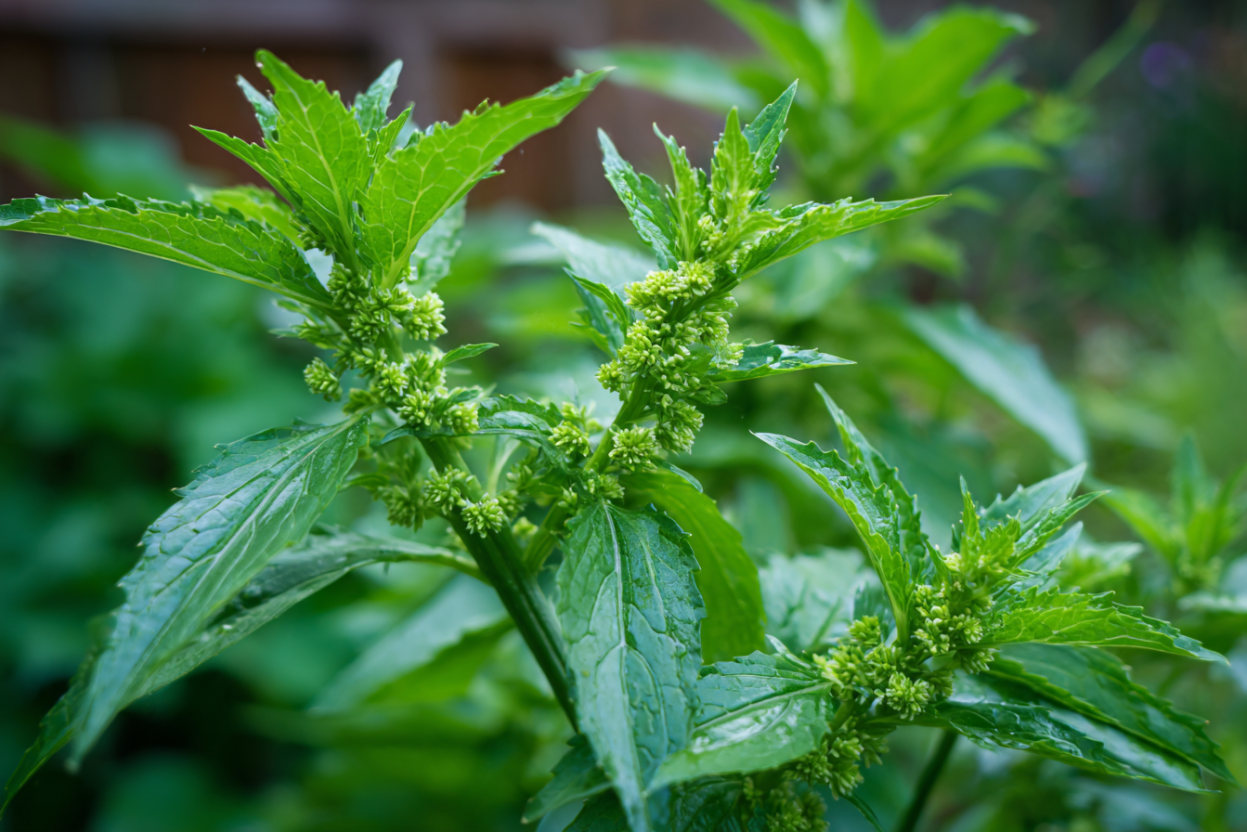
Epazote — God’s Pharmacy for the Gut
If you struggle with digestive discomfort — bloating after meals, that heavy feeling in your gut, or the embarrassing consequences of a good pot of beans — you are not alone. Millions of people deal with these everyday challenges, often without realizing that a powerful, pungent herb has been supporting healthy digestion for thousands of years. Epazote is one of the most widely used medicinal plants on the planet, recognized by the World Health Organization for its traditional significance, and backed by a growing body of modern research confirming what ancient peoples already knew.
This remarkable plant is one of many gifts the Creator embedded into nature for our benefit. Long before laboratories existed, long before the pharmaceutical industry drew its first breath, epazote was already here — provided by a God who knew that His children would need support for the very bodies He designed. Every compound in this plant, every volatile oil, every mineral — all of it reflects intentional design.
The Plant
Common Names: Epazote, Wormseed, Mexican Tea, Jesuit’s Tea, Paico, Yerba de Santa Maria, Paico Macho, Hierba Hormiguera, Mastruz (Brazil), M’khinza (Morocco)
Botanical Name: Dysphania ambrosioides (L.) Mosyakin & Clemants (formerly Chenopodium ambrosioides L.)
Family: Amaranthaceae (Amaranth family, formerly classified in Chenopodiaceae — the Goosefoot family). This places epazote in the same broad family as spinach, beets, quinoa, and lamb’s quarters.
Description
Epazote is an annual or short-lived perennial herb that grows upright to a height of 2 to 4 feet (0.6–1.2 meters), with many irregular side branches radiating from a central stem. The stems are angular, often tinged reddish-purple, and covered in fine hairs. The leaves are oblong-lanceolate, reaching up to 5 inches (12 cm) long, with coarsely toothed or serrated margins — though the shape can vary even on the same plant, with some leaves smooth-edged and others deeply notched. Both stems and leaves are studded with minute glands that secrete aromatic oil, giving the entire plant its unmistakable pungent character.
The flowers are tiny, greenish, and unremarkable in appearance — produced on branched spikes (panicles) at the tips of stems, blooming from midsummer through fall. The seeds are nearly black, very small, and oval-shaped, enclosed in persistent sepals that curve inward. The plant produces enormous quantities of these tiny seeds, which is one reason it self-sows so readily and can become invasive.
The most distinctive feature of epazote is its scent. Crush a leaf and the fragrance hits immediately — bold, resinous, almost petroleum-like, with notes of camphor, citrus, mint, and something entirely its own. The Aztec name says it plainly: epazōtl comes from the Nahuatl words epatl (skunk) and tzotl (sweat). It is an acquired scent, but those who cook with it come to love it.
Origin
Epazote is native to Central America, southern Mexico, and South America. It is believed that the Maya civilization was among the first to cultivate and use it — both as food and as medicine. From its birthplace in Mesoamerica, the plant spread through Spanish colonization to Europe in the 17th century, where it quickly earned the name “Jesuit’s Tea” after the missionaries who carried it. Today, it grows wild or semi-wild throughout the tropical and subtropical Americas, the southern and eastern United States (especially Texas and the Southeast), parts of Europe, Africa, and Asia. In many regions, it is considered a common weed of roadsides, disturbed land, and cultivated fields.
Brief History
The Aztec and Maya peoples used epazote as both a culinary herb and a powerful medicine for intestinal parasites — a use that would become its defining historical identity. When Spanish explorers and Jesuit missionaries encountered the plant, they recognized its value and carried it back to Europe. By the 19th century, the essential oil of epazote (chenopodium oil) became one of the most widely used antiparasitic remedies worldwide, particularly in mass deworming campaigns. A German pharmacist living in Brazil first isolated the key compound ascaridole from the plant in 1895. Throughout the 20th century, the plant’s traditional uses were studied more formally, and today over 800 scientific publications address its properties.
Growing & Cultivation
Climate & Zones
Epazote thrives in USDA Hardiness Zones 6a through 11b. In Zones 8 and above, it behaves as a short-lived perennial, returning from rootstock or self-sown seed year after year. In Zones 6 and 7, it is typically grown as an annual, dying back with hard frost but often reappearing from seed the following spring. In Zones 4 and 5, it can still be grown successfully as a warm-season annual — it is a fast grower and can produce a generous harvest even in short growing seasons. Epazote is native to tropical and subtropical climates, so it loves heat and performs best when daytime temperatures are between 68°F and 86°F (20–30°C).
Soil Requirements
Epazote is famously unfussy about soil. It grows well in sandy, loamy, clay, or even rocky soils. It tolerates a wide pH range from 5.2 to 8.3. It does not require rich, amended soil — in fact, it thrives in poor soils where other herbs might struggle. The one firm requirement is good drainage. Epazote does not tolerate waterlogged or constantly wet roots. For container growing, a standard potting mix with added perlite for drainage works well.
Water & Sunlight
Full sun produces the best growth and the highest concentration of aromatic oils. Epazote can tolerate partial shade but will be leggier and less flavorful. Water needs are moderate — the plant is quite drought-tolerant once established, thanks to its deep root system and waxy leaf surface. Water regularly during establishment, then allow soil to dry between waterings. Overwatering is a more common problem than underwatering. In hot, dry climates, occasional deep watering is sufficient.
Propagation
Seed is the primary propagation method. Seeds are tiny and require light to germinate — press them gently onto the soil surface and barely cover them. Optimal germination temperature is around 70°F (21°C). Seeds typically sprout in 7 to 14 days. You can start seeds indoors in mid-spring and transplant after the last frost, or direct sow outdoors once soil has warmed in late spring. Some growers recommend soaking seeds in water for 24 hours before planting to speed germination.
Self-seeding is epazote’s most reliable propagation method. Once established, the plant produces enormous quantities of seed that readily germinate the following season. Many gardeners plant epazote once and never need to replant — volunteers appear every spring.
Planting
Space plants 15 to 24 inches apart, or grow one plant per container. Container growing is strongly recommended to control the plant’s invasive tendencies. The ascaridole compound in epazote’s leaves actually inhibits the growth of nearby plants (allelopathy), so keep it at a distance from tender seedlings or plants that need space to establish. On the positive side, epazote’s strong scent can mask the scent of neighboring plants from insect pests, providing a natural form of companion protection.
Harvesting
You can begin harvesting leaves approximately 55 days after sowing, once plants reach 6 to 12 inches tall. Young leaves have a milder, richer flavor than mature leaves, which become more intensely pungent and camphor-like. Harvest in the morning after the dew has dried for best flavor and oil content. Harvest before flowering for culinary use — once the plant begins to flower and set seed, the leaves become stronger and the plant directs energy toward reproduction. Pinching off flower buds encourages continued leaf production. Regular harvesting promotes bushier, more productive growth.
Drying & Storage
To dry, hang whole stems upside down in a cool, well-ventilated area away from direct sunlight. Alternatively, use a dehydrator set to 95–105°F (35–40°C). Once thoroughly dry, strip leaves from stems and store in airtight glass jars in a cool, dark place. Dried epazote retains flavor for up to six months. Fresh leaves can be stored in the refrigerator wrapped in damp paper towels inside a plastic bag for about one week, or placed upright in a glass of water like a bouquet.
Pest & Disease Management
Epazote’s pungent essential oils repel most common garden pests. Thrips are the primary pest concern — treat with insecticidal soap if needed. Be aware that epazote can serve as a “host reservoir” for certain plant viruses, including lettuce mosaic virus and tomato spotted wilt virus. Avoid planting near susceptible crops like lettuce or tomatoes. If ants are a problem elsewhere in the garden, scattered crushed epazote leaves may help repel them.
Companion Planting
Because of its allelopathic properties (it inhibits growth of nearby plants through chemical compounds in its leaves), epazote is best grown in its own container or at the edges of a garden. However, its ability to mask nearby plants’ scents from insects can provide partial pest protection to neighbors. Keep it away from young seedlings and delicate plants that are still establishing.
The Healing of Growing
Growing epazote offers benefits beyond the harvest itself. The act of gardening — hands in soil, time spent outdoors, the rhythmic work of tending plants — has been shown to reduce cortisol, improve mood, and support immune function. The soil contains beneficial bacteria (Mycobacterium vaccae) with documented antidepressant effects. When you grow your own epazote, you receive healing before you ever consume it.
Nutritional Profile
Macronutrients
Per 100 grams of raw epazote leaves (Source: USDA FoodData Central):
Calories: 32 kcal | Protein: 0.33g | Carbohydrates: 7.44g | Dietary Fiber: 3.8g | Total Fat: 0.52g
This is an extremely low-calorie herb with a notable fiber content relative to its weight. Because epazote is used in small quantities as a seasoning rather than consumed in bulk, these macronutrients contribute modestly to daily intake — but the micronutrient density is where epazote truly stands out.
Vitamins
Folate (Vitamin B9): 215 µg (54% DV) — This is epazote’s standout vitamin. Folate is essential for DNA synthesis, cell division, and red blood cell formation. It is critically important for fetal neural tube development, though epazote itself is contraindicated in pregnancy due to other compounds (see Safety section).
Pyridoxine (Vitamin B6): 0.152 mg (12% DV) — Supports amino acid metabolism, neurotransmitter synthesis (including serotonin and dopamine), and immune function.
Riboflavin (Vitamin B2): 0.348 mg (27% DV) — Functions as a coenzyme in energy metabolism and supports cellular function, growth, and development.
Niacin (Vitamin B3): 0.639 mg (4% DV) — Supports energy metabolism, DNA repair, and nervous system function.
Vitamin C: 3.6 mg (6% DV) — Supports immune function, collagen production, and acts as an antioxidant that protects cells from oxidative damage.
Vitamin A: 57 IU (2% DV) — Supports vision, immune function, and cellular communication. Epazote also contains beta-carotene (38 µg), which the body converts to vitamin A.
Minerals
Manganese: 3.098 mg (135% DV) — This is remarkably high. Manganese serves as a cofactor for the antioxidant enzyme superoxide dismutase (SOD), supports bone formation, blood clotting, and metabolism of amino acids, carbohydrates, and cholesterol.
Calcium: 275 mg (27% DV) — Essential for bone and tooth health, muscle contraction, nerve signaling, and blood clotting.
Magnesium: 121 mg (29% DV) — Involved in over 300 enzymatic reactions, supports muscle and nerve function, blood sugar regulation, and bone health.
Potassium: 470 mg (10% DV) — Acts as a vasodilator, helping to regulate blood pressure, supports nerve signaling and muscle contraction.
Iron: 1.88 mg (10% DV) — Essential for oxygen transport in the blood via hemoglobin, supports energy metabolism and immune function.
Phosphorus: 86 mg (7% DV) — Works alongside calcium for bone and tooth formation, supports energy production and cell membrane integrity.
Zinc: 1.10 mg (10% DV) — Supports immune function, wound healing, DNA synthesis, and cell division.
Copper: 0.190 mg (21% DV) — Supports iron metabolism, connective tissue formation, and functions as a cofactor for several enzymes.
Selenium: 0.9 µg (2% DV) — Supports thyroid function and acts as an antioxidant through selenoproteins.
Phytonutrients & Active Compounds
Epazote’s therapeutic power comes largely from its volatile monoterpene compounds, concentrated in the tiny oil glands covering its leaves and stems. Over 330 chemical compounds have been identified in different parts of the plant.
Ascaridole (up to 60–70% of the essential oil) — A rare monoterpene peroxide (1,4-peroxido-p-menth-2-ene) that is the primary bioactive compound responsible for epazote’s antiparasitic activity. It is believed to generate reactive oxygen species in parasitic worm cells, leading to their destruction. Ascaridole is relatively uncommon in the plant kingdom — boldo is one of the few other plants containing it.
α-Terpinene — A monoterpene with documented antioxidant and antimicrobial properties.
p-Cymene — Demonstrates antibacterial and anti-inflammatory properties in laboratory studies. May modulate gastrointestinal smooth muscle tone.
Limonene — Associated with digestive comfort and may help alleviate bloating and gas. Also studied for its potential mood-lifting properties through the olfactory system.
β-Myrcene — May contribute to muscle relaxation and reduction of intestinal spasms.
Flavonoids — Including quercetin, rutin, and hesperidin. These are powerful antioxidants with documented anti-inflammatory, antiviral, and anticancer properties.
Phenolic acids — Including caffeic acid, p-coumaric acid, and gallic acid. Known for antioxidant and anti-inflammatory activity.
Nutrient Notes
It is important to understand that epazote is used as a seasoning herb, not a bulk vegetable. A typical culinary serving might be 2–4 grams (a few leaves), not 100 grams. At those amounts, the most significant nutritional contributions are the volatile compounds (which exert effects at very small doses), along with meaningful amounts of manganese and folate. The B-vitamins in epazote may support serotonin production, while the magnesium content may help with cortisol regulation. The calcium and phosphorus support bone health, and the potassium contributes to cardiovascular function.
Culinary Uses
Edible Parts
Leaves — The primary edible part. Young leaves have a milder, more nuanced flavor; mature leaves are much stronger. Used fresh or dried. Stems — Young, tender stems can be used along with leaves. Flowers — Edible but very potent. Generally not preferred over leaves. Seeds — NOT recommended for culinary use. Seeds contain the highest concentration of essential oils and ascaridole, making them potentially dangerous in any significant quantity.
Flavor Profile
Epazote is an herb of bold personality. Raw, the scent is resinous, medicinal, and almost petroleum-like — with layers of camphor, citrus, anise, mint, and something entirely unique. The flavor is pungent, slightly bitter, with peppery and minty notes. Some describe hints of oregano, fennel, or tarragon. Cooking mellows and transforms the flavor considerably, bringing out savory depth while reducing the sharp edge. The dried herb is less intense than fresh but retains its distinctive character. Epazote is truly an acquired taste — but those who grow up with it in their cuisine consider it irreplaceable.
Preparation
Epazote is most commonly added to dishes during cooking, typically in the last 15 minutes, allowing the volatile oils to infuse the dish while the heat softens the raw intensity. A few whole sprigs or 1–2 tablespoons of chopped fresh leaves per pot of beans is the classic proportion. Fresh leaves can also be added to quesadillas, tamales, and salsas. Always use epazote sparingly — a little goes a very long way. Remove whole stems before serving, as you would a bay leaf.
Culinary Pairings
Epazote pairs naturally with black beans, pinto beans, corn, squash, chiles, tomatoes, eggs, cheese (especially Oaxacan cheese and queso fresco), chicken, and pork. It complements lime, cumin, oregano, and cilantro. Traditional Mexican dishes that feature epazote include frijoles de la olla (pot beans), enfrijoladas, tamales, chilaquiles, pozole, and quesadillas with squash blossoms.
Storage
Store fresh epazote wrapped in a damp paper towel inside a plastic bag in the refrigerator for up to one week, or stand stems upright in a glass of water covered loosely with a bag. For longer storage, dry the leaves (air dry or dehydrator at low heat) and store in an airtight jar in a cool, dark place for up to six months. Crumble dried leaves finely before using to release flavor.
Ready to cook with epazote? View Recipes on Chefts →
Wellness & Therapeutic Uses
Traditional Uses
Epazote’s healing history stretches back thousands of years. The Maya are believed to be among the first to harness its properties, using it to support digestive health and address intestinal parasites. The Aztec people used it extensively as both a culinary and medicinal herb, focusing on its carminative (anti-gas) and vermifuge (worm-expelling) properties. They also used it for nervous disorders, asthma, and menstrual support.
In Latin American folk medicine, epazote has been used for centuries across Mexico, Central America, the Caribbean, and Brazil. All parts of the plant — roots, leaves, flowers, and seeds — have been prepared as poultices, baths, teas, and decoctions to address respiratory disorders, digestive complaints, urogenital issues, skin wounds, and musculoskeletal injuries. In Brazil, where it is known as “mastruz,” it is one of the most commonly used medicinal plants, employed for everything from intestinal parasites to bone healing.
In Moroccan traditional medicine (where it is known as “m’khinza”), it has been used as an antiseptic, analgesic, antipyretic, and galactagogue. Ayurvedic practitioners have begun incorporating epazote, attributing its pungent taste and hot potency to the ability to stimulate digestive fire (agni) and clear stagnation in the gut.
Modern Research
Antiparasitic Activity: Research consistently supports epazote’s traditional use against intestinal parasites. A clinical study gave epazote leaf extract to 72 children and adults with intestinal parasitic infections, finding antiparasitic efficacy in 56% of cases overall — with 100% effectiveness against Ancylostoma and Trichuris species, and 50% against Ascaris (MacDonald et al., Journal of Ethnopharmacology, 1991, UK). The active compound ascaridole is believed to generate reactive oxygen species in parasitic cells. A separate study with 30 children (ages 3–14) with intestinal roundworms also demonstrated efficacy of epazote preparations.
Anti-inflammatory & Pain-Relieving Activity: A significant Brazilian study validated the anti-inflammatory, pain-relieving, and wound-healing effects of epazote ethanol extract in animal models. The extract inhibited key inflammatory mediators including TNF-α (by 50%), nitric oxide (by 78%), and prostaglandin E2. Topical application of 5% extract significantly reduced wound area compared to untreated controls (Trivellato Grassi et al., Journal of Ethnopharmacology, 2013, Brazil).
Antimicrobial Activity: The essential oil of Brazilian epazote was evaluated against eight postharvest deteriorating fungi — growth was completely inhibited at 0.3% concentration and by 90–100% at 0.1% concentration (Jardim et al., Journal of Chemical Ecology, 2008, Brazil). Ascaridole has also been documented with antifungal effects, with topical application effectively addressing ringworm in clinical animal studies within 7–12 days.
Amoebicidal Activity: Research demonstrated that epazote essential oil was effective against Entamoeba histolytica both in vitro and in vivo. When administered orally to infected hamsters, the essential oil reversed amoebic liver abscess at both 8 mg/kg and 80 mg/kg doses, with results comparable to the standard drug metronidazole (Ávila-Blanco et al., Evidence-Based Complementary and Alternative Medicine, 2014, Mexico).
Antioxidant Activity: Multiple studies have confirmed the antioxidant capacity of epazote extracts and essential oils, which help protect cells from oxidative damage caused by free radicals. Five new bioactive compounds with antioxidant and anti-inflammatory activity were isolated from the plant (Song et al., Journal of Asian Natural Products Research, 2015, China).
Bone Regeneration: Brazilian research found that an aqueous extract of epazote stimulated bone neoformation, with wound closure and new bone tissue observed within 10 days in animal models — comparable to bone graft materials (Pinheiro Neto et al., BMC Complementary and Alternative Medicine, 2017, Brazil).
Body Systems Supported
Digestive System — The primary system epazote supports. Its carminative (anti-gas) properties are its most well-known culinary and therapeutic benefit. The volatile oils help reduce bloating, cramping, and flatulence. Traditionally used for indigestion, stomach discomfort, and intestinal parasites.
Immune System — The antimicrobial, antifungal, and antiparasitic properties support the body’s defense against harmful organisms. Antioxidant compounds help protect immune cells from oxidative damage.
Musculoskeletal System — Traditional use as a poultice for contusions, sprains, and muscle pain. Research on bone regeneration supports potential musculoskeletal applications.
Integumentary System (Skin) — Traditional use for wound healing, eczema, and skin disorders. Modern research validates anti-inflammatory and wound-healing activity with topical application.
Respiratory System — Traditional use for coughs, congestion, bronchitis, and asthma in multiple cultures.
Body Compounds Affected
Research suggests epazote influences several key body compounds. The anti-inflammatory effects operate through inhibition of TNF-α (a major inflammatory cytokine), prostaglandin E2, substance P (a neuropeptide involved in pain signaling), nitric oxide (in excessive inflammatory quantities), and bradykinin (a mediator of inflammation and pain). The reduction of the enzyme myeloperoxidase (MPO) indicates reduced neutrophil-driven inflammation. These mechanisms help explain the plant’s traditional reputation for addressing pain, swelling, and inflammatory conditions.
Methods of Use
Tea/Infusion
Steep 1–2 grams (approximately 1 teaspoon) of dried epazote leaves in 200–300 ml of hot water for 5–10 minutes. Strain and sip. Traditionally consumed 2–3 times daily after meals to support digestion. For parasite cleansing protocols, traditional use limits courses to 5–7 days. Do not exceed recommended amounts — epazote contains potent compounds that can cause adverse effects in large doses.
Culinary Infusion
The most common and safest method of use. Add a few fresh or dried leaves to beans, soups, stews, and corn dishes during cooking. This delivers the carminative benefits at safe, food-grade levels.
Poultice/Compress
In traditional practice, crushed fresh leaves are applied topically as a poultice for skin wounds, contusions, and musculoskeletal pain. The paste is applied to the affected area and covered with cloth.
Cosmetic & Beauty Uses
Skin Benefits
Epazote has a long history of topical use for skin conditions. Research validates its anti-inflammatory and wound-healing properties when applied to the skin. The ethanol extract at 5% concentration demonstrated significant wound-area reduction in studies. Traditional uses include poultices for eczema, dermal wounds, and skin infections. The antimicrobial properties of ascaridole and other terpenes may support topical application for minor skin issues.
Hair Benefits
In some Latin American folk traditions, epazote infusions have been used as a rinse for scalp health, particularly to address lice — a use directly related to the plant’s insecticidal properties. The antimicrobial action may also support a healthy scalp environment.
Application Methods
For topical use, a cooled strong infusion (tea) can be used as a wash or compress. Fresh leaves can be crushed into a paste for direct application. Important: Always perform a patch test before applying epazote to larger skin areas, as the volatile oils can cause irritation or allergic reactions in sensitive individuals. Do not apply essential oil of epazote directly to the skin — it is too concentrated and potentially toxic.
DIY Formulation Notes
If incorporating epazote into homemade skincare preparations, use weak infusions or diluted tinctures rather than essential oil. The oil is too potent for safe cosmetic use in most applications. An infusion of dried leaves strained and added to a simple cream or lotion base at 5–10% is a reasonable starting point. Shelf life of homemade epazote preparations is short — use within a few days and refrigerate.
Epazote is among the botanicals being explored for holistic cosmetic applications, where the wisdom of traditional beauty practices meets modern understanding of skin science.
Essential Oil Profile
Extraction
Epazote essential oil is obtained primarily through steam distillation of the aerial parts (leaves, stems, and especially the seeds and flowering tips). The seeds and fruit contain the highest concentration of essential oil. Yield is approximately 1% on a fresh-weight basis. The oil is also known as “chenopodium oil” or “oil of wormseed.” It was historically one of the most important antiparasitic essential oils in global medicine.
Chemical Constituents
Ascaridole (40–70%) — The dominant compound. A monoterpene peroxide with potent antiparasitic, antifungal, and sedative/analgesic properties. In pure form, it decomposes violently when heated. Notably, ascaridole content varies by region — epazote grown in Mexico tends to have lower ascaridole content than that grown in Europe or Asia.
α-Terpinene (up to 37%) — Antioxidant, antimicrobial monoterpene.
p-Cymene (up to 50% in some chemotypes) — Anti-inflammatory, analgesic, antibacterial aromatic hydrocarbon.
Limonene — Digestive support, antimicrobial, mood-supporting monoterpene.
β-Myrcene — Muscle relaxant, anti-inflammatory, analgesic monoterpene.
Additional minor compounds: Thymol, camphor, carvacrol, trans-isocarveol, piperitone, and others in smaller amounts.
Aroma Profile
Epazote essential oil is a middle note with a sharp, herbaceous, camphoraceous, slightly toxic-smelling aroma. It is pungent, medicinal, and not traditionally used in perfumery. The scent is immediately recognizable — once smelled, never forgotten. It is not a pleasant diffusion oil and is used therapeutically, not aromatically.
Therapeutic Properties
The essential oil has been documented to exhibit anthelmintic (vermifuge), antifungal, antibacterial, amoebicidal, anti-inflammatory, analgesic, sedative, insecticidal, and antioxidant properties. Research supports these uses, particularly the antiparasitic and antifungal applications.
How to Use
CRITICAL SAFETY WARNING
Epazote essential oil is one of the more dangerous plant essential oils. Humans have died from overdoses. The essential oil should ONLY be used under the supervision of a qualified aromatherapist or healthcare provider. It is NOT suitable for home diffusion, casual topical use, or internal consumption. The oil is classified as having medium severity toxicity. Its use in aromatherapy is limited and requires extreme caution.
Topical Application (Professional use only)
If used topically, heavy dilution is required — 0.5% or less in a carrier oil. Many aromatherapists choose not to use this oil at all due to the availability of safer alternatives.
Quality & Sourcing
If purchasing epazote essential oil, look for GC/MS tested oils from reputable suppliers with verified ascaridole content. Be aware that regional variation significantly affects composition. Store away from heat (ascaridole is heat-sensitive and can decompose). Keep well out of reach of children and pets.
Aromatherapy & Scent
The Aroma
The living, fresh epazote plant produces a powerful, distinctive aroma that can be detected several feet away. The scent is strongest when leaves are touched, crushed, or brushed against — the oil glands rupture and release volatile molecules into the air. After rain, the scent intensifies as moisture activates the surface oils. The fresh plant smells boldly herbal, with layers of camphor, petroleum, mint, citrus, and a savory musk. It is strong enough that in gardens, epazote can often be smelled before it is seen.
When dried, the aroma softens somewhat but retains its character for several months if stored properly. Dried epazote has a more muted, hay-like quality with the camphor and herbal notes remaining dominant. The scent intensity fades gradually over storage life.
How Scent Affects Your Body
When you smell epazote, volatile terpene molecules — limonene, α-terpinene, p-cymene, and others — are released from the plant and inhaled through the nose. Olfactory receptors in the nasal cavity detect these molecules and send signals directly to the limbic system (the brain’s emotional processing center) and the hypothalamus (which controls hormone release). This pathway bypasses conscious thought entirely, meaning the scent affects your body’s emotional state and hormonal response within seconds, before you consciously decide how to react.
Emotional & Mood Effects
The scent of epazote is primarily grounding and clarifying. Its sharp, herbal intensity tends to focus attention, clear mental fog, and bring awareness to the present moment. It is not a relaxing or sedative scent in the way lavender is — rather, it is bracing and centering. For those who grew up with it in their cuisine and gardens, the scent carries deep comfort associations — the smell of home cooking, of a grandmother’s kitchen, of cultural identity. These personal associations add powerful emotional dimensions beyond the chemistry.
Body Compounds Affected
While specific research on the isolated aroma effects of epazote is limited, the constituent compounds offer clues. Limonene, a significant component, has been studied for its potential to increase serotonin and reduce cortisol when inhaled. The overall terpene profile may support mild stress relief through activation of the olfactory-limbic pathway.
Ways to Experience the Scent
Growing epazote in a container on a patio or kitchen windowsill provides daily aromatic exposure when leaves are brushed or touched. Fresh cuttings placed in water on the kitchen counter release scent into the room. Crushing a few leaves between your fingers during gardening or meal preparation provides an immediate sensory experience. Adding fresh sprigs to a pot of simmering beans fills the kitchen with the herb’s characteristic aroma. Dried leaves tucked into a small sachet can be placed near a cooking area for a gentler ambient scent.
Color Therapy
The Colors of Epazote
Epazote’s primary colors are green (leaves, stems, flowers) with accents of reddish-purple along the stems, and near-black seeds. New growth is a bright, vivid green. Mature leaves deepen to a rich medium green. The flowers are tiny and pale greenish-yellow. In fall, the plant may develop warmer tones as it goes to seed.
Color Wavelengths
Green falls in the 495–570 nm range of the visible light spectrum. The reddish-purple stem accents fall near the 620–700 nm (red) and 380–450 nm (violet) ranges.
How Green Affects the Body
Green is the most balancing and calming color in the spectrum, sitting at the midpoint between warm and cool wavelengths. Exposure to green is associated with reduced stress, lower blood pressure, enhanced feelings of calm, and a sense of natural connection. Green is traditionally linked to the heart center — it promotes emotional equilibrium, compassion, and renewal. Having a living green plant in your environment provides continuous, gentle exposure to this beneficial wavelength.
Body Compounds Affected
Research on nature exposure (which provides abundant green-spectrum light) suggests that viewing green living plants may support cortisol reduction and promote parasympathetic (rest-and-digest) nervous system activity. The visual stimulation of green wavelengths is associated with improved mood and reduced mental fatigue.
Using Epazote for Color Therapy
Place a potted epazote plant near a workspace to receive the balancing effects of its green foliage. The vivid, serrated leaves are visually interesting and engage attention in a gentle way that supports attention restoration. The reddish-purple stem accents add a subtle energizing element to the primarily calming green palette.
Frequency & Vibration
The Frequency of Epazote
Specific MHz frequency measurements for epazote have not been published in the available scientific literature. However, as a strongly aromatic, terpene-rich herb, it likely falls in the moderate-to-high frequency range relative to other plants. Aromatic herbs as a group tend to measure higher than non-aromatic plants due to the energetic activity of volatile compound production. For reference, a healthy human body generally vibrates between 62–78 MHz according to bio-frequency researchers, while essential oils have been measured at significantly higher frequencies.
Human Frequency Interaction
According to bio-frequency research, the principle of entrainment suggests that a stronger, higher frequency can influence a weaker, lower one. Proponents of vibrational medicine believe that being around high-frequency plants — and especially consuming or inhaling their aromatic compounds — may help support and raise the body’s own frequency. Epazote’s intense aromatic output and rich terpene profile suggest significant vibrational activity at the molecular level.
Vibrational Applications
Growing or keeping fresh epazote nearby provides continuous vibrational exposure. Using the herb in cooking creates an intimate frequency exchange through consumption. The aromatic compounds released during cooking or when touching the plant offer inhalation-based frequency interaction. These are areas where research is emerging, and the mechanisms are still being studied.
The Living Plant
Benefits of Presence
Simply being around a living epazote plant provides benefits that go beyond any preparation or extraction. The visual presence of a green, growing plant triggers biophilic responses — the innate human connection to living things that reduces stress and enhances wellbeing. Research on indoor plants consistently demonstrates that their presence reduces anxiety, improves mood, enhances concentration, and can even accelerate healing in healthcare settings.
Air Purification
While epazote has not been specifically included in the NASA Clean Air Study, its prolific release of volatile organic compounds (phytoncides) suggests antimicrobial activity in the surrounding air. The terpene compounds released by the living plant — including α-terpinene, p-cymene, and limonene — have documented antibacterial and antifungal properties that may contribute to a cleaner air environment in the immediate vicinity. Epazote’s strong scent is a clear indicator of active volatile compound release.
Phytoncides
Epazote is an excellent phytoncide producer. The plant continuously releases volatile antimicrobial compounds through its leaf glands — these are the same compounds responsible for its powerful aroma. Forest bathing research demonstrates that phytoncides from trees and aromatic plants can increase Natural Killer (NK) cell activity in humans, supporting immune function. While epazote is not a forest tree, having it growing in your home or garden provides a concentrated source of these antimicrobial volatiles in your immediate environment.
Visual & Psychological Benefits
The act of tending an epazote plant provides cognitive engagement and a sense of purpose. Watching it grow rapidly (it is one of the faster-growing herbs) provides positive feedback and a sense of accomplishment. The distinctive appearance — angular stems, notched leaves, visible oil glands — makes it an interesting plant to observe closely, promoting mindful attention. According to Attention Restoration Theory, natural elements like plants help restore mental fatigue by engaging the mind in a gentle, non-demanding way.
Growing Indoors vs Outdoors
Epazote can be grown indoors on a sunny windowsill that receives at least 6 hours of direct sunlight, or under a grow light. It does best in a pot with well-draining soil. Indoors, the aromatic benefits are concentrated in a smaller space, providing more intensive phytoncide exposure. Outdoors, the plant grows more vigorously and can reach its full 3–4 foot height. In either setting, the living plant provides continuous sensory engagement through its visual presence and aromatic activity.
Touch & Physical Interaction
Gardening Therapy
Epazote is an ideal plant for horticultural therapy because it is forgiving, fast-growing, and requires minimal fuss. There is deep satisfaction in tending a plant that practically takes care of itself — the gardener receives the benefits of plant care without the frustration of a finicky subject. The act of checking on the plant, watering it, pinching off flower buds to encourage leaf growth, and harvesting leaves for the kitchen creates a rhythmic, purposeful routine that supports mental health.
Soil Contact Benefits
When gardening with epazote outdoors, direct contact with soil provides grounding (earthing) benefits — the transfer of electrons from the earth through skin contact, which research suggests may reduce inflammation, improve sleep, and normalize circadian rhythms. The soil also contains the beneficial bacterium Mycobacterium vaccae, which has been shown to stimulate serotonin production and produce antidepressant-like effects in animal studies. Gardening barefoot amplifies these benefits.
The Tactile Experience
Touching epazote is a multi-sensory experience. The leaves are somewhat rough and slightly fuzzy to the touch, dotted with tiny glandular bumps (the oil glands). When pressed or rubbed between the fingers, the glands burst and release the plant’s characteristic oils — the skin immediately picks up the aroma, and the fingertips feel the slightly sticky residue of the essential oils. The stems are angular and firm, with a smooth-to-slightly-ridged texture. Running a hand down a stem to strip the leaves is a satisfying, repetitive motion that engages mindfulness naturally.
Harvesting & Processing
The simple act of picking epazote leaves for dinner — walking to the garden or windowsill, selecting sprigs, tearing or cutting leaves, adding them to a simmering pot — connects the gardener to an unbroken chain of human activity stretching back thousands of years. The Aztec woman picking epazote for her pot of beans performed the same motions, engaged the same senses. There is quiet power in participating in an activity that has nourished humans for millennia. Bundling stems for drying, stripping dried leaves from stems, crumbling dried leaves into jars — each step engages the hands and the senses in therapeutic, meditative work.
Water-Based Applications
Teas & Infusions
Standard Infusion: Place 1–2 grams (approximately 1 teaspoon) of dried epazote leaves in a cup. Pour 200–300 ml of hot water (just below boiling) over the leaves. Steep for 5–10 minutes. Strain thoroughly. The tea has a distinctly herbal, somewhat spinach-like flavor despite the pungent raw scent. Traditionally consumed after meals to support digestion, 2–3 times daily for short periods (5–7 days maximum for therapeutic use). Cold infusion produces a gentler extraction with less volatile oil content.
Herbal Baths
In Latin American and North African folk medicine, epazote baths have been used for skin conditions, muscle aches, and general wellness. To prepare, make a strong infusion using a generous handful (approximately 30–50g) of fresh or dried epazote in 1–2 liters of boiling water. Steep for 20–30 minutes, strain thoroughly, and add the liquid to a warm bath. Soak for 15–20 minutes. The antimicrobial and anti-inflammatory properties of the dissolved compounds may support skin health and provide muscular comfort. A foot bath using the same preparation can serve as a gentler alternative.
Compresses
Warm compress: Soak a clean cloth in a strong, warm epazote infusion. Wring out excess liquid and apply to the affected area for 15–20 minutes. Traditionally used for muscle soreness, joint discomfort, and minor skin irritations. Cool compress: Use the same method with a cooled infusion, applied to areas of swelling or inflammation.
Steam Inhalation
Add a small handful of fresh or dried epazote leaves to a bowl of steaming hot water. Cover the head with a towel and lean over the bowl, breathing the aromatic steam for 5–10 minutes. Traditionally used for congestion, sinus discomfort, and respiratory support. Caution: use moderate amounts and keep eyes closed, as the volatile oils can irritate mucous membranes in high concentration.
Hair Rinses
A cooled epazote infusion can be used as a final rinse after shampooing to support scalp health, particularly in traditional applications for scalp parasites. Pour the strained, cooled tea over the hair and scalp, allow it to sit for several minutes, then rinse with clean water.
Historical, Cultural & Biblical Significance
Biblical References
Epazote is not directly mentioned in Scripture. As a plant native to the Americas, it was unknown in the biblical world of the Middle East and Mediterranean. However, the principle behind epazote’s use — that God provides plants to support human health and nourishment — is deeply biblical. Genesis 1:29 (KJV) declares: “And God said, Behold, I have given you every herb bearing seed, which is upon the face of all the earth, and every tree, in the which is the fruit of a tree yielding seed; to you it shall be for meat.” Epazote, with its seeds and edible leaves, stands as one of these “herbs bearing seed” — provided for our benefit.
Ancient Civilizations
The Maya civilization is believed to be among the earliest cultivators of epazote, using it both as food and medicine. The Aztec people developed a rich understanding of the plant, naming it epazōtl in Nahuatl and using it as a key culinary herb, a carminative, and a vermifuge. They also employed it for nervous disorders, respiratory conditions, and menstrual support. Aztec herbalists likely maintained distinct cultivated varieties — local tradition in parts of Mexico still recognizes different “types” of epazote optimized for culinary versus medicinal use.
When Spanish explorers and Jesuit missionaries arrived in the Americas in the 16th and 17th centuries, they recognized the value of epazote and carried it back to Europe, where it was cultivated and studied. The name “Jesuit’s Tea” reflects this transmission of knowledge through the missionary network. By the 19th century, the plant had spread to warm regions worldwide.
Eastern Traditions
Epazote was not part of the original materia medica of Traditional Chinese Medicine or Ayurveda, as it is a New World plant. However, once introduced to these regions through global trade, practitioners in both traditions adapted it into their frameworks. Ayurvedic practitioners have described epazote as having pungent taste (katu rasa) and hot potency (ushna veerya), suitable for stimulating digestive fire and clearing kapha stagnation. In parts of Asia and Africa where the plant naturalized, local healing traditions adopted it for its familiar antiparasitic and digestive applications.
Indigenous Knowledge
Mesoamerican peoples — Maya, Aztec, and subsequent Nahua communities — developed the deepest traditional knowledge of epazote. Their understanding was practical and time-tested: the right amount in beans prevents gas; a stronger preparation expels worms; a poultice soothes wounds. This knowledge was passed through oral tradition and culinary practice for generations.
In Brazil, where the plant is known as “mastruz” or “erva de Santa Maria,” it became deeply embedded in folk medicine traditions, used for everything from parasites to respiratory infections. It is so commonly used that during the COVID-19 pandemic, Brazilian herbalists widely recommended it, prompting researchers to investigate and also issue safety warnings about excessive use.
In North Africa, particularly Morocco, epazote (m’khinza) is recommended by traditional herbalists as an antiseptic, antipyretic, and galactagogue. Its integration into Moroccan folk medicine demonstrates how the plant was adopted and adapted by cultures far from its origin.
These cultures observed that epazote provided real, measurable benefits. They documented these uses in their traditions. While they may not have known the Creator by name, they were observing His design — and their observations align with what modern research confirms about epazote’s properties.
European Heritage
After reaching Europe through Jesuit missionaries, epazote entered the European pharmacopoeia as a vermifuge. The German pharmacist Heinrich Klever, working in Brazil in 1895, first isolated ascaridole from the plant — a milestone in understanding its mechanism of action. Throughout the 19th and early 20th centuries, “oil of chenopodium” was a standard antiparasitic remedy used in mass deworming campaigns worldwide. European and American pharmaceutical companies produced and distributed it as a primary treatment for intestinal worms until synthetic alternatives became available.
Cultural Symbolism
Epazote holds deep cultural significance in Mexican and Central American cuisine. It is an identity herb — its presence in a pot of beans is a marker of traditional cooking, of home, of cultural continuity. The name itself, derived from Nahuatl, connects living speakers to their Aztec ancestors. In regions where it grows wild, it is a symbol of resilience and abundance — a plant that provides freely, requires nothing, and keeps coming back. For diaspora communities, finding fresh epazote at a market can be a powerful moment of cultural reconnection.
Safety & Precautions
Contraindications
Epazote is safe in small culinary quantities but can be dangerous in large doses or concentrated forms. The essential oil and seeds contain high concentrations of ascaridole, a compound that is toxic in excess. Humans have died from overdoses of epazote essential oil. Symptoms of toxicity include severe gastroenteritis with pain, vomiting, and diarrhea, dizziness, headache, temporary deafness, kidney and liver damage, convulsions, paralysis, and — in extreme cases — death. The therapeutic window is narrow, which is why this plant demands respect and moderation.
Drug Interactions
Specific drug interaction studies for epazote are limited. However, based on its known properties, use caution with: blood thinners (epazote contains vitamin K and compounds that may affect clotting); sedatives (ascaridole has documented sedative properties); hepatotoxic medications (epazote may stress the liver at high doses); and nephrotoxic medications (kidney effects have been documented in toxicity cases). Consult a qualified healthcare provider before using epazote therapeutically if you take any prescription medications.
Pregnancy & Nursing
AVOID during pregnancy. Epazote is classified as an emmenagogue and uterine stimulant. It may cause uterine contractions, bleeding, and has been associated with risk of miscarriage. Despite its high folate content, the potential risks to pregnancy far outweigh any nutritional benefit. AVOID during breastfeeding unless specifically guided by a qualified healthcare provider — while it is traditionally used as a galactagogue in some cultures, the volatile oils may pass through breast milk.
Children
Extreme caution with children. Children are significantly more susceptible to epazote toxicity than adults. The essential oil and seed preparations should NEVER be given to children. Small amounts of cooked leaf in food (as a seasoning spice) are considered low-risk for older children, but therapeutic doses should be avoided. A fatal case of a 4-year-old child from repeated high-dose epazote infusions has been documented in the medical literature. Children under 6 should not consume epazote tea. Children under 2 should not consume epazote in any form.
Elderly
Older adults may be more sensitive to the hepatic (liver) and renal (kidney) effects of epazote’s compounds. Use lower doses and shorter durations for any therapeutic application. Avoid the essential oil entirely. Culinary use as a seasoning spice is generally considered safe in moderate amounts.
Pets
Dogs: TOXIC. According to the ASPCA, epazote is toxic to dogs. The essential oils (ascaridole, limonene, p-cymene) are the primary toxic compounds. Clinical signs include vomiting and diarrhea, particularly with concentrated oil exposure.
Cats: TOXIC. ASPCA lists epazote as toxic to cats. Keep all epazote plants, dried herbs, and preparations out of reach of cats.
Horses: TOXIC. ASPCA classifies epazote as toxic to horses as well.
Note: Toxicity is relatively low when the plant is consumed in small quantities (as a spice), but high if concentrated essential oils are ingested. If you suspect your pet has consumed epazote or its essential oil, contact the ASPCA Poison Control Center at (888) 426-4435 or your local veterinarian immediately.
Allergies & Sensitivities
Individuals with allergies to plants in the Amaranthaceae family (which includes spinach, beets, quinoa, and lamb’s quarters) may potentially react to epazote. Skin contact with the plant or its oils can cause contact dermatitis in sensitive individuals. Always perform a patch test before topical application. The strong volatile oils may irritate mucous membranes in sensitive persons when inhaled in concentration.
Dosing Guidelines
Culinary use: 2–4 fresh leaves or 1 teaspoon dried leaves per pot of beans/soup (serves 4–6). Safe for regular use. Tea: 1–2 grams dried leaf per cup, 2–3 times daily, for no more than 5–7 consecutive days. Essential oil: NOT recommended for home use. Professional supervision only. Signs of overuse: Nausea, dizziness, headache, abdominal pain, ringing in the ears. If these occur, discontinue immediately.
Quality & Sourcing
Epazote can be confused with other weedy Chenopodium species when foraging. Always verify identification by scent (the aroma is distinctive) and leaf shape, or purchase from trusted herb suppliers. For culinary use, seek out fresh bunches at Latin American grocery stores or grow your own. Dried epazote is available from specialty spice retailers. Avoid wild-harvested material from roadsides or contaminated sites due to potential heavy metal or pesticide exposure.
Signs of Adverse Reaction
Mild: Nausea, stomach upset, headache, dizziness. Discontinue use. Moderate: Vomiting, diarrhea, ringing in the ears, visual disturbance. Discontinue immediately and monitor. Severe (seek emergency medical care): Convulsions, paralysis, loss of consciousness, severe abdominal pain, signs of liver or kidney distress (dark urine, jaundice, reduced urination). These are most likely to occur with essential oil ingestion or very large doses of the plant.
Disclaimer
This information is for educational purposes only. It is not intended to diagnose, treat, cure, or prevent any disease. Always consult with a qualified healthcare provider before using any herbal product, especially if you are pregnant, nursing, taking medications, or have a medical condition. If you experience any adverse reaction, discontinue use immediately and seek medical attention.
Want Personalized Guidance?
Every body is unique. What works for one person may not be right for another. If you’d like personalized support in incorporating epazote into your wellness journey, consider working with a qualified practitioner who can assess your individual needs.
Sources & References
Peer-Reviewed Studies
- Essential Oils and Extracts from Epazote (Dysphania ambrosioides): A Phytochemical Treasure with Multiple Applications – Plants (MDPI), 2025, International
- From popular use to pharmacological validation: a study of the anti-inflammatory, anti-nociceptive and healing effects of Chenopodium ambrosioides extract – Journal of Ethnopharmacology, 2013, Brazil
- Composition and antifungal activity of the essential oil of the Brazilian Chenopodium ambrosioides L. – Journal of Chemical Ecology, 2008, Brazil
- Amoebicidal Activity of Essential Oil of Dysphania ambrosioides (L.) Mosyakin & Clemants in an Amoebic Liver Abscess Hamster Model – Evidence-Based Complementary and Alternative Medicine, 2014, Mexico
- Five new bioactive compounds from Chenopodium ambrosioides – Journal of Asian Natural Products Research, 2015, China
- Chenopodium ambrosioides as a bone graft substitute in rabbits radius fracture – BMC Complementary and Alternative Medicine, 2017, Brazil
- Studies on the traditional herbal anthelmintic Chenopodium ambrosioides L.: ethnopharmacological evaluation and clinical field trials – Journal of Ethnopharmacology, 1991, UK/Mexico
- Comprehensive phytochemical and toxicological analysis of Chenopodium ambrosioides (L.) fractions – Open Life Sciences, 2024, Morocco
- Efficacy of the intralesional treatment with Chenopodium ambrosioides in the murine infection by Leishmania amazonensis – Journal of Ethnopharmacology, 2008, Brazil
- A Fatal Case Report of Chenopodium ambrosioides L. (M’khinza) Intoxication – PMC, 2024, Morocco
Comprehensive Reviews
- Ethnomedical uses, chemical constituents, and evidence-based pharmacological properties of Chenopodium ambrosioides L.: extensive overview – Future Journal of Pharmaceutical Sciences, 2021, International
Institutional & Database Sources
- USDA FoodData Central – Nutritional data for epazote, raw
- ASPCA Toxic and Non-Toxic Plants: Epazote – Pet toxicity information
- NC State Extension Gardener Plant Toolbox: Dysphania ambrosioides – Botanical and cultivation data
Traditional Medicine & Historical Sources
- Tropical Plant Database: Chenopodium ambrosioides – Comprehensive traditional use documentation
- Identification of an immune-responsive mesolimbocortical serotonergic system: potential role in regulation of emotional behavior – Neuroscience, 2007 (Mycobacterium vaccae research)