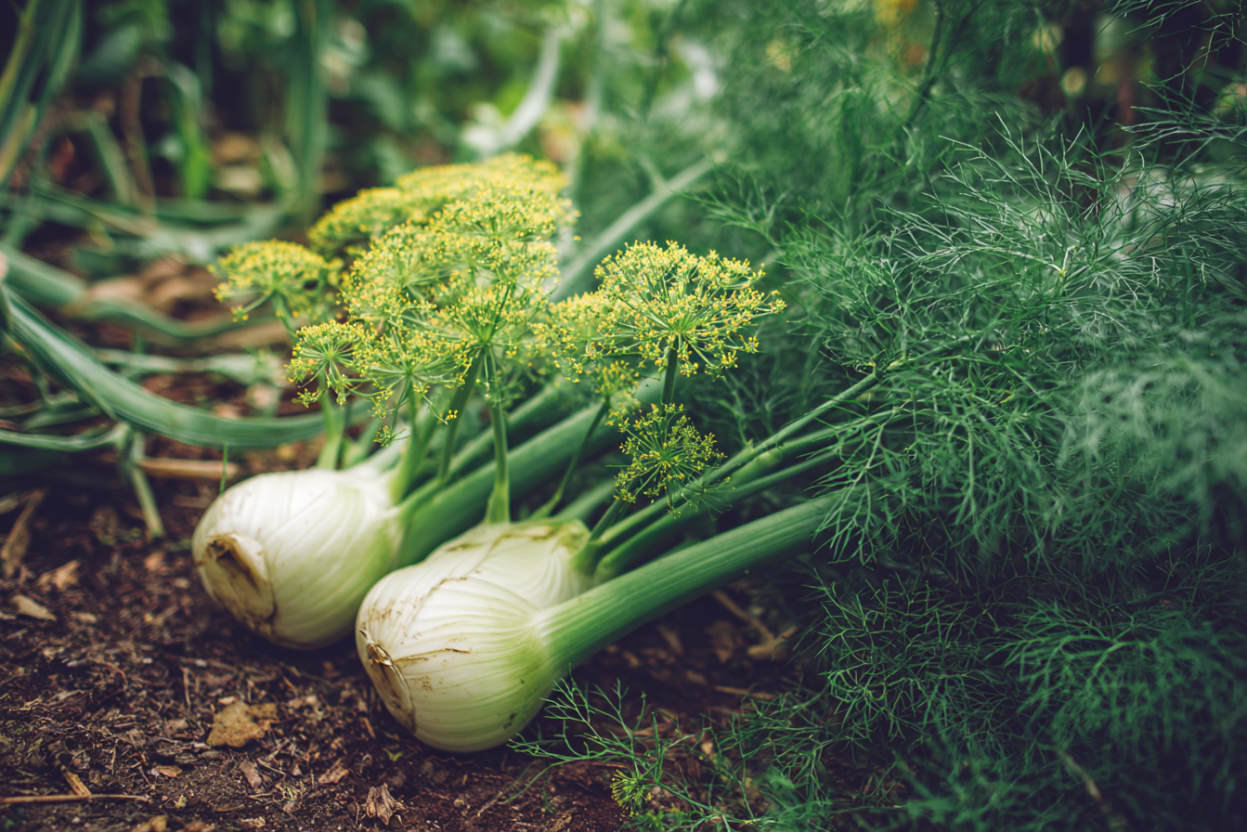
Fennel (Foeniculum vulgare)
If you have ever wrestled with bloating after a meal, struggled with persistent digestive discomfort, or sought a natural way to soothe the restless feeling in your gut, you are far from alone. Millions of people deal with these challenges every day — and for thousands of years, one plant has quietly provided support. Fennel has been a trusted companion of the human digestive system since the days of ancient Egypt, Greece, and Rome, and modern research is finally catching up to what our ancestors already knew.
This remarkable plant is one of many gifts the Creator embedded into nature for our benefit. Every part of fennel — from the crisp, sweet bulb to the feathery fronds and the aromatic seeds — reflects the wisdom of a Designer who provided not just food, but nourishment that supports the body at every level. Long before laboratories existed, fennel was already here, waiting to be discovered.
This information is for educational purposes only and is not intended to diagnose, treat, cure, or prevent any disease. Always consult with a qualified healthcare provider before making changes to your health regimen.
The Plant
Common Names: Fennel, Sweet Fennel, Florence Fennel, Finocchio, Wild Fennel, Bronze Fennel
Botanical Name: Foeniculum vulgare Mill.
Family: Apiaceae (Umbelliferae) — the carrot and parsley family, known for aromatic members including dill, caraway, anise, cumin, celery, and parsley
Description
Fennel is a hardy, aromatic, perennial herb that commands attention in any garden. It grows upright with smooth, grooved, blue-green stems that can reach four to six feet tall — and occasionally up to eight feet in ideal conditions. The plant branches toward the top, giving it an airy, elegant stature.
The leaves are finely divided into thread-like segments, creating a soft, feathery appearance similar to dill but more robust. New growth emerges bright green in spring, while bronze fennel varieties produce stunning deep purple-bronze foliage that gradually shades to green as the season progresses. The foliage is intensely aromatic, releasing a warm anise-like fragrance when touched or brushed.
In midsummer, fennel produces large, flat-topped clusters of tiny golden-yellow flowers arranged in compound umbels — the signature parasol shape of the Apiaceae family. These blooms are magnets for beneficial insects, particularly bees and swallowtail butterflies. Florence fennel (var. azoricum) forms a distinctive swollen, bulb-like base at the stem that is prized as a culinary vegetable. After flowering, the seeds develop in pairs, each one oblong and slightly curved, about three to four millimeters long, with fine vertical ridges on the surface. These seeds carry the plant’s most concentrated aromatic compounds.
Fennel develops a deep, strong taproot that can search for moisture in dry conditions, making established plants surprisingly drought tolerant.
Origin
Fennel originated along the shores of the southern Mediterranean region, where it still grows wild along coastal areas, rocky hillsides, and riverbanks. From its Mediterranean cradle, fennel traveled the ancient world through trade routes. The Greeks and Romans cultivated it extensively. Emperor Charlemagne required its cultivation on all imperial farms across Central Europe. Through naturalization and deliberate cultivation, fennel now grows on every inhabited continent — throughout Europe, Asia, North and South America, Africa, and Australia. India, Egypt, China, Syria, and Turkey are among the leading producers today.
Brief History
Fennel has been intertwined with human civilization for at least five thousand years. Ancient Egyptians grew it and documented its properties in medical papyri. The Greeks called it “marathon” — the famous Battle of Marathon in 490 BC was fought on a field covered with wild fennel. Roman soldiers and gladiators ate fennel seeds believing it gave them strength and courage. Pliny the Elder documented over twenty uses for fennel in his Natural History.
The plant traveled along the Silk Road to China, where it became part of Traditional Chinese Medicine under the name “xiao hui xiang.” In India, fennel seeds (saunf) became an essential part of daily life, commonly chewed after meals to aid digestion and freshen breath — a tradition that continues to this day. During the Middle Ages, European monasteries preserved fennel knowledge and cultivation, incorporating it into their medicinal gardens. By the colonial era, fennel had spread to the Americas, where it naturalized so successfully in California that it now grows wild along highways and hillsides throughout the state.
Growing & Cultivation
Climate & Zones
Fennel thrives in USDA Hardiness Zones 4 through 9, with some varieties performing well in Zone 10 under the right conditions. Common (herb) fennel is a self-sowing biennial or short-lived perennial that overwinters reliably in Zones 6 through 9. In colder zones (4 and 5), it is typically grown as an annual. Florence (bulb) fennel is grown as an annual everywhere and performs best when it matures during cool weather. Fennel prefers moderate temperatures between 60°F and 75°F but tolerates lows down to 15°F once established and can handle brief heat up to 90°F.
Soil Requirements
Fennel performs best in rich, well-drained, loamy soil with a pH between 5.5 and 7.5 (slightly acidic to slightly alkaline). It will tolerate clay and sandy soils once established but appreciates organic matter worked into the planting area. Good drainage is essential — fennel’s taproot is susceptible to rot in waterlogged conditions. For container growing, use a deep pot (at least 12 inches) with quality potting mix and excellent drainage holes.
Water & Sunlight
Full sun is ideal, with a minimum of six hours of direct sunlight per day. Fennel can tolerate partial shade but produces less vigorous growth and fewer seeds. Water requirements are moderate — about one inch per week — but consistent moisture is critical for Florence fennel to develop plump, well-formed bulbs. Herb fennel, once established, is surprisingly drought tolerant thanks to its deep taproot. Overwatering is more dangerous than underwatering. Signs of overwatering include yellowing lower leaves and soft, mushy stems at soil level.
Propagation
Seed is the primary method of propagation. Sow seeds directly in the garden about the time of the last spring frost, or in midsummer for a fall crop (which is often more successful for Florence fennel). Plant seeds one-quarter to one-half inch deep, spaced six to twelve inches apart. Germination takes seven to twelve days at soil temperatures of 60°F to 70°F. For an earlier start, seeds can be sown indoors under grow lights about four weeks before the last frost date. Fennel has a sensitive taproot and does not transplant well once established, so handle seedlings gently and transplant when small. Fennel also freely self-seeds — remove spent flower heads to prevent unwanted spread.
Planting
The best time to plant depends on your goal. For bulb fennel, late summer sowing (about sixty days before the first fall frost) tends to produce the best results, as the shorter days and cooling temperatures discourage bolting. For herb fennel, spring planting after the last frost works well. Space plants six to twelve inches apart in rows. Fennel is not an ideal companion plant for most vegetables — it can inhibit the growth of beans, tomatoes, peppers, and other nightshades. It does well planted near dill (though cross-pollination is possible) and works beautifully as an ornamental backdrop in perennial borders.
Harvesting
Fennel offers multiple harvests from a single plant. Feathery fronds can be snipped any time for fresh culinary use — early morning harvest preserves the most flavor. Florence fennel bulbs are ready when the base swells to about three inches across, typically sixty to ninety days from sowing. Cut the bulb at soil level. Seeds are harvested when the flower heads turn brown and dry, usually in late summer to early fall. Cut the heads into a paper bag and rub gently between your fingers to release the seeds. Fennel pollen, collected by gently shaking blooming umbels over a bowl, is considered a culinary delicacy.
Drying & Storage
Fresh fennel fronds keep in the refrigerator for about a week, wrapped loosely in a damp paper towel. Florence fennel bulbs store in the crisper drawer for up to two weeks. For drying, hang bundled stems upside down in a warm, dark, well-ventilated area for one to two weeks. Alternatively, use a dehydrator at 95°F to 105°F. Dried fennel seeds should be stored in airtight containers in a cool, dark place, where they will retain their potency for two to three years. Fennel fronds can also be frozen — lay them flat on a baking sheet, freeze, and transfer to freezer bags.
Pest & Disease Management
Fennel is remarkably pest and disease resistant. The most common issues include aphids (which can be managed with a strong spray of water or neem oil), slugs in damp conditions, and occasional carrot rust fly or leafhoppers. Stem and root rot can develop in poorly drained soil — prevention through proper drainage is the best approach. One welcome “pest” is the Eastern black swallowtail butterfly, whose brightly striped caterpillars feed on fennel foliage. Many gardeners consider these a bonus rather than a problem and plant extra fennel specifically to support these beautiful pollinators.
Companion Planting
Fennel is somewhat allelopathic, meaning it releases compounds that can inhibit nearby plant growth. Avoid planting fennel near tomatoes, peppers, beans, and kohlrabi. It does well planted on its own or with other Mediterranean herbs. Fennel excels as a pollinator-friendly and beneficial insect plant — its flowers attract parasitic wasps, ladybugs, hoverflies, and lacewings that help control garden pests naturally.
The Healing of Growing
Growing fennel offers benefits beyond the harvest itself. The act of gardening — hands in soil, bare feet on earth, time spent outdoors — has been shown to reduce cortisol, improve mood, and support immune function. The soil contains beneficial bacteria (Mycobacterium vaccae) with documented antidepressant effects. Simply brushing against fennel’s aromatic fronds while working in the garden releases volatile compounds that may calm the mind and lift the spirit. When you grow your own fennel, you receive healing before you ever consume it.
Nutritional Profile
Macronutrients
Per 100 grams of raw fennel bulb (USDA FoodData Central), fennel provides approximately 31 calories, 1.24 grams of protein, 7.3 grams of carbohydrates (including 3.1 grams of dietary fiber and 3.93 grams of natural sugars), and only 0.2 grams of fat. This makes fennel an exceptionally low-calorie, nutrient-dense food. Fennel seeds are far more concentrated: per 100 grams of dried seeds, they provide approximately 345 calories, 15.8 grams of protein, 52 grams of carbohydrates (including a remarkable 39.8 grams of dietary fiber), and 14.9 grams of fat (mostly unsaturated).
Vitamins
Vitamin C: Raw fennel bulb provides approximately 12 mg per 100g (13% DV). This essential vitamin supports immune function, collagen production for skin and joint health, and acts as a powerful antioxidant that protects cells from oxidative damage. Vitamin C also enhances iron absorption from plant foods.
Vitamin A: Fennel provides approximately 963 IU per 100g (19% DV) of raw bulb, primarily as beta-carotene. This fat-soluble vitamin supports vision, immune health, skin integrity, and cellular communication throughout the body.
B Vitamins: Fennel seeds are particularly rich in B vitamins. Niacin (B3) provides 6.05 mg per 100g of seeds (37% DV), supporting energy metabolism and nervous system function. Pyridoxine (B6) at 0.47 mg (36% DV) is essential for neurotransmitter synthesis, including the production of serotonin and dopamine. Thiamin (B1) at 0.41 mg (34% DV) supports carbohydrate metabolism and nerve function. Riboflavin (B2) at 0.35 mg (27% DV) supports cellular energy production.
Folate: Fennel bulb provides approximately 27 mcg per 100g (7% DV). Folate is critical for DNA synthesis, cell division, and is especially important during pregnancy for preventing neural tube defects.
Minerals
Potassium: 414 mg per 100g of raw bulb (12% DV). This essential mineral acts as a vasodilator, helping regulate blood pressure. It also supports proper muscle contraction, nerve signaling, and fluid balance throughout the body.
Calcium: 49 mg per 100g raw bulb; 1196 mg per 100g dried seeds. Calcium is the most abundant mineral in the body, essential for bone and teeth structure, muscle function, nerve transmission, and blood clotting.
Iron: Fennel seeds are an exceptional plant-based iron source at 18.5 mg per 100g (232% DV). Iron is required for red blood cell formation, oxygen transport throughout the body, and cellular energy production.
Manganese: Fennel seeds provide 6.5 mg per 100g (284% DV). This trace mineral is essential for bone formation, blood clotting, metabolism, and serves as a cofactor for the antioxidant enzyme superoxide dismutase (SOD).
Magnesium: 385 mg per 100g of dried seeds (96% DV). Magnesium is essential for over 300 enzymatic reactions in the body, including muscle and nerve function, blood sugar regulation, bone health, and the production of DNA and protein.
Copper: Fennel seeds provide 1.07 mg per 100g (118% DV). Copper is essential for iron metabolism, red blood cell production, nervous system health, and collagen formation.
Zinc: 3.7 mg per 100g of dried seeds (33% DV). Zinc is a cofactor for hundreds of enzymes that regulate growth and development, immune function, wound healing, and DNA synthesis.
Phosphorus: 487 mg per 100g of dried seeds. Phosphorus works in partnership with calcium for bone and tooth health and plays a role in how the body uses carbohydrates and fats.
Phytonutrients & Active Compounds
Fennel is rich in bioactive compounds that give it distinctive therapeutic potential. Trans-anethole, the primary volatile compound (comprising 60-80% of fennel essential oil), is responsible for the characteristic anise-like aroma and has demonstrated anti-inflammatory, antioxidant, and anti-cancer properties in research. Fenchone, the second major compound, has shown antibacterial, blood-sugar-lowering, and anti-inflammatory effects. Estragole (methyl chavicol) provides antiseptic and digestive-soothing properties. Limonene, a monoterpene also found in citrus, contributes antioxidant and mood-uplifting properties.
The flavonoids present in fennel include quercetin and kaempferol, both powerful antioxidants that help remove harmful free radicals from the body and may provide protection against oxidative stress-related conditions. Fennel also contains phenolic acids including rosmarinic acid, chlorogenic acid, p-coumaric acid, and ferulic acid, all of which contribute to its overall antioxidant capacity.
Nutrient Notes
The iron in fennel seeds is non-heme iron, which is best absorbed when consumed alongside vitamin C — conveniently, fennel itself provides vitamin C, creating a natural synergistic pairing. The high fiber content of fennel seeds (nearly 40% by weight) binds to bile salts in the colon, potentially supporting healthy cholesterol levels. Fennel’s potassium-to-sodium ratio is favorable for cardiovascular health. The B-vitamins in fennel, particularly B6, support the production of serotonin and other neurotransmitters. The magnesium content may help regulate cortisol and support relaxation.
Culinary Uses
Edible Parts
Nearly every part of the fennel plant is edible. The bulb (Florence fennel) is the most widely used part, eaten raw or cooked with a sweet, mild anise flavor and crisp, celery-like texture. The fronds (feathery leaves) are used as a fresh herb, similar to dill, adding a delicate anise note to dishes. The hollow stalks can be used as aromatic straws or chopped into soups and stocks. Seeds are the most concentrated flavor source, used whole or ground as a spice. Flowers make beautiful, flavorful garnishes, and the highly prized fennel pollen is considered a gourmet delicacy with intensely concentrated flavor — sometimes called the “spice of angels” by Italian chefs.
Flavor Profile
Fennel’s signature flavor is warm, sweet, and unmistakably anise-like, though milder and more nuanced than anise itself. The bulb is the mildest part, with a clean, refreshing sweetness that intensifies slightly when cooked. Raw fennel is crisp and bright; roasting or braising brings out deeper caramel notes and softens the anise quality significantly. The seeds carry the strongest flavor — warm, slightly sweet, and aromatic with a lingering warmth. Dried fennel retains its character well but becomes more concentrated and slightly woody over time.
Preparation
Raw fennel bulb is stunning thinly shaved in salads with citrus and olive oil. Roasting fennel at 400°F until golden and caramelized transforms it into a sweet, mellow side dish. It can be braised in broth or wine until silky tender, sautéed in olive oil, grilled in thick wedges, or added to soups and stews. The fronds are best used fresh — stir them into dishes at the end of cooking or use as a garnish. Seeds are often lightly toasted in a dry pan to release their essential oils before adding to recipes. Fennel tea is made by steeping one to two teaspoons of lightly crushed seeds in hot water for five to ten minutes.
Culinary Pairings
Fennel pairs beautifully with citrus (orange, lemon, grapefruit), olive oil, fish and seafood (especially salmon, sea bass, and sardines), pork (fennel seeds are essential in Italian sausage), chicken, and cheeses (particularly Parmesan, goat cheese, and ricotta). Complementary spices include cumin, coriander, black pepper, and red pepper flakes. It works naturally with other Mediterranean herbs like thyme, oregano, and basil. In sweeter applications, fennel pairs with apple, pear, honey, and vanilla.
Storage
Fresh fennel bulbs should be wrapped in plastic and stored in the refrigerator crisper, where they keep for up to two weeks. Fronds wilt quickly — store them separately in a damp paper towel and use within a few days. Dried fennel seeds, stored in an airtight container away from heat and light, retain full flavor for two to three years. Fennel bulb can be frozen after blanching in boiling water for three minutes, then plunging into ice water before freezing flat on a baking sheet.
Ready to cook with fennel? View Recipes on Chefts →
Wellness & Therapeutic Uses
Traditional Uses
Fennel’s therapeutic use stretches back to the oldest recorded civilizations. Ancient Egyptian physicians documented fennel in their medical papyri for digestive complaints and as a general tonic. Greek physicians Hippocrates and Dioscorides prescribed fennel for nursing mothers to promote milk flow and for respiratory and digestive conditions. Roman naturalist Pliny the Elder recorded over twenty fennel applications in his Natural History. In Traditional Chinese Medicine, fennel (xiao hui xiang) has been used for centuries to warm the digestive system, relieve abdominal pain, and address kidney-related discomfort. Ayurvedic practitioners have long used fennel to balance digestive fire (agni) and to cool pitta-related inflammation. In European folk medicine, fennel was one of the nine sacred herbs of the Anglo-Saxons and was hung over doorways on Midsummer’s Eve for protection. Indian traditional medicine uses fennel seeds (saunf) after meals as a digestive aid — a practice observed by hundreds of millions of people daily.
Modern Research
Digestive Support: Fennel has been used traditionally for over forty types of ailments, with the strongest evidence supporting its role in digestive health. Research suggests that fennel’s volatile oils, particularly anethole, may relax smooth muscles in the gastrointestinal tract, supporting relief from bloating, gas, and intestinal spasms. A comprehensive review published in BioMed Research International (2014) confirmed fennel’s carminative, digestive, and anti-flatulent properties across multiple study types (Badgujar et al., India).
Menopausal Support: A randomized, triple-blind, placebo-controlled trial published in Menopause journal (2017) found that fennel supplementation was associated with improvement in menopausal symptoms in postmenopausal women without serious side effects (Rahimikian et al., Tehran University of Medical Sciences, Iran, 90 participants).
Antimicrobial Activity: Multiple studies have demonstrated fennel’s broad-spectrum antimicrobial properties. Research shows effectiveness against various bacterial, fungal, and viral organisms, attributed primarily to trans-anethole, fenchone, and other volatile compounds. A 2011 study confirmed antimicrobial activity of fennel essential oil against both Gram-positive and Gram-negative bacteria as well as fungi (Anwar et al., Egypt).
Anti-Inflammatory & Antioxidant: Fennel contains numerous compounds with documented anti-inflammatory effects. A comprehensive 2023 review published in Critical Reviews in Food Science and Nutrition (Ferrara et al.) compiled evidence of fennel’s antioxidant, anti-inflammatory, antimicrobial, hepatoprotective, bronchodilatory, and memory-enhancing activities across multiple in vitro and in vivo studies.
Cardiovascular Support: A 2025 comprehensive review in Pharmaceuticals journal compiled evidence that fennel demonstrates antihypertensive, cardioprotective, vasorelaxant, hypolipidemic, antiplatelet, and anticoagulant effects in multiple experimental models, attributed to its volatile oils, flavonoids, and phenolic acids.
Anxiety & Stress: According to a 2022 review, extracts from fennel may support improvement in anxiety symptoms, though most studies to date have been conducted in animals or with small sample sizes, and more human clinical research is needed.
Galactagogue (Milk Production): Fennel has been traditionally used as a galactagogue agent for lactating mothers across multiple cultures. Its mild estrogenic properties, attributed to anethole, are believed to support this traditional use.
Body Systems Supported
Research and traditional use suggest fennel may support multiple body systems: the digestive system (carminative, anti-spasmodic, appetite-stimulating properties), respiratory system (bronchodilatory, expectorant effects), reproductive system (mild estrogenic effects, menstrual comfort, menopausal support), cardiovascular system (blood pressure and lipid support), immune system (antimicrobial, antioxidant effects), nervous system (anxiolytic, memory-enhancing potential), and the integumentary system (anti-inflammatory and antioxidant skin protection).
Body Compounds Affected
Fennel’s bioactive compounds may influence several important body compounds. Research suggests fennel may help lower cortisol levels through its calming effects on the nervous system. The B-vitamins, particularly B6, support serotonin and dopamine production. Fennel’s anti-inflammatory compounds may help modulate prostaglandins and cytokines, particularly IL-6 and TNF-alpha. Its estrogenic effects are linked to interaction with estrogen receptors. The magnesium content supports GABA activity, the brain’s primary calming neurotransmitter. Fennel’s diuretic action may relate to its effects on nitric oxide pathways. Because of its inhibition of cytochrome P450 3A4 (CYP3A4), fennel may affect the metabolism of certain medications.
Methods of Use
Tea/Infusion
Use one to two teaspoons of lightly crushed fennel seeds per cup of hot water (not quite boiling, around 200°F). Steep for five to ten minutes, covered. Strain and drink. Traditionally consumed after meals for digestive support. May be consumed two to three times daily.
Tincture
Fennel tinctures are prepared by macerating seeds in alcohol. Typical dosage ranges from 1-2 mL (20-40 drops) taken two to three times daily in water. Glycerite (non-alcohol) versions are available for those who prefer to avoid alcohol.
Capsule/Powder
Fennel seed powder is available in capsule form, with typical dosages ranging from 480-960 mg per day. Ground fennel can also be sprinkled directly on food.
Whole Seeds
Simply chewing a pinch of whole fennel seeds after meals is perhaps the most ancient and most accessible method of use. This practice delivers the volatile oils directly and provides immediate digestive support.
Cosmetic & Beauty Uses
Skin Benefits
Fennel offers notable benefits for the skin thanks to its antioxidant, anti-inflammatory, and antimicrobial properties. The antioxidant compounds — particularly quercetin, kaempferol, and vitamin C — may help protect skin cells from free radical damage caused by UV exposure and environmental pollutants, supporting a more youthful appearance. Fennel’s anti-inflammatory properties may soothe irritated and inflamed skin, making it potentially beneficial for those with sensitive or redness-prone skin. Its antimicrobial action may support clearer skin by helping manage bacteria associated with breakouts. Fennel is suitable for most skin types, with particular traditional applications for oily and combination skin due to its toning and purifying qualities.
Hair Benefits
Fennel has been used traditionally to support scalp health and promote hair vitality. Its antimicrobial properties may help maintain a healthy scalp environment. Fennel tea used as a final hair rinse may add shine and softness. Some traditional practices use fennel-infused oil massaged into the scalp to support circulation and nourish hair follicles. Fennel’s mineral content — particularly iron, zinc, and copper — supports the overall nutrient supply needed for healthy hair growth.
Application Methods
A simple fennel-infused oil can be prepared by gently warming fennel seeds in a carrier oil (such as jojoba, sweet almond, or olive oil) at low heat for two hours, then straining. This oil can be used for facial massage, body oil, or scalp treatment. Fennel tea that has been cooled can be used as a facial toner (applied with cotton pad), a hair rinse, or a soothing compress for tired or puffy eyes. A simple facial steam is prepared by adding a tablespoon of fennel seeds to a bowl of hot water and draping a towel over the head to capture the aromatic steam for five to ten minutes. Fennel seed powder can be mixed with honey or yogurt for a facial mask.
DIY Formulation Notes
When adding fennel essential oil to homemade preparations, maintain a maximum dilution of 2-3% for body products and 1% for facial products. Suitable carrier oils include jojoba, grapeseed, sweet almond, and rosehip. Do not combine fennel essential oil with other strongly estrogenic herbs without professional guidance. Homemade fennel preparations should be stored in dark glass containers and used within two to four weeks for infusions, or six months for oil-based preparations. Always perform a patch test before first use.
Fennel is among the botanicals being explored for holistic cosmetic applications, where the wisdom of traditional beauty practices meets modern understanding of skin science.
Essential Oil Profile
Extraction
Fennel essential oil is obtained primarily through steam distillation of crushed fennel seeds (technically fruits). The yield is approximately 2-6% by weight, meaning it takes roughly 15-50 pounds of fennel seeds to produce one pound of essential oil. CO2 extraction is also used for a product that more closely preserves the complete aromatic profile of the seed. Two primary varieties exist commercially: sweet fennel oil (F. vulgare var. dulce), which is higher in trans-anethole and preferred for therapeutic use, and bitter fennel oil (F. vulgare var. vulgare), which contains more fenchone and estragole.
Chemical Constituents
The primary constituents of sweet fennel essential oil include trans-anethole (60-80%), a phenylpropanoid responsible for the characteristic sweet, anise-like aroma and most of the oil’s therapeutic properties including anti-inflammatory, antibacterial, and antioxidant effects. Fenchone (8-15%) is an oxygenated monoterpene that contributes antibacterial, anti-inflammatory, and blood-sugar-supporting properties. Estragole/methyl chavicol (3-10%) is a phenylpropanoid with antiseptic and digestive-soothing effects. Limonene (2-9%) is a monoterpene with antioxidant and uplifting properties. Minor components include alpha-pinene, camphene, myrcene, alpha-phellandrene, cineole, and p-anisaldehyde, each contributing to the oil’s overall therapeutic complexity.
Aroma Profile
Fennel essential oil is classified as a middle note in perfumery. The scent is warm, sweet, and herbaceous with a prominent anise character, softer and more rounded than anise essential oil. The top notes are bright and slightly peppery, the heart is warm and sweet, and the dry-down is soft, slightly spicy, and lingering. It blends well with lavender, geranium, rose, sandalwood, citrus oils (particularly lemon and bergamot), and spice oils like black pepper and cardamom.
Therapeutic Properties
Fennel essential oil has traditionally been valued for its carminative (gas-relieving), anti-spasmodic, expectorant, galactagogue (milk-promoting), diuretic, and mild estrogenic properties. Research suggests it may also support antimicrobial, anti-inflammatory, antioxidant, and analgesic functions.
How to Use
Diffusion
Add 3-5 drops to an ultrasonic or nebulizing diffuser. Diffuse for 30-60 minutes at a time. The warm, sweet scent may promote feelings of comfort and digestive ease. Combines beautifully with lavender for evening relaxation or with citrus for a bright, uplifting atmosphere.
Topical Application
Always dilute before applying to skin. Standard adult dilution: 2-3% (approximately 12-18 drops per ounce of carrier oil). Sensitive skin dilution: 1% (6 drops per ounce). Children over 6 years: 0.5-1% (3-6 drops per ounce). Apply diluted oil to abdomen in gentle clockwise circles for digestive support, or to chest for respiratory comfort. Avoid use on children under 6 years. Fennel oil may cause photosensitive reactions in some individuals — avoid direct sun exposure on treated skin for 12-24 hours.
Quality & Sourcing
Quality fennel essential oil should be verified by GC/MS (Gas Chromatography/Mass Spectrometry) testing, which confirms the chemical profile and detects adulteration. Look for oils that specify the botanical name (Foeniculum vulgare), the variety (sweet/dulce vs bitter/vulgare), the country of origin, and the extraction method. Reputable suppliers will provide batch-specific GC/MS reports upon request. Avoid oils that simply say “fennel” without botanical specifics, as these may be synthetic or adulterated with cheaper anise oil. Sweet fennel oil should show trans-anethole content above 60%.
Blending
Fennel blends harmoniously with floral oils (lavender, geranium, rose, ylang ylang), citrus oils (bergamot, lemon, sweet orange, grapefruit), spice oils (cardamom, black pepper, ginger), wood oils (sandalwood, cedarwood), and herbal oils (basil, marjoram, rosemary). For digestive support blends, combine with peppermint and ginger. For women’s wellness blends, combine with clary sage and geranium. For respiratory support, combine with eucalyptus and lemon.
Aromatherapy & Scent
The Aroma
The living fennel plant emits a warm, sweet, anise-like fragrance that intensifies when the leaves are touched, brushed, or crushed between the fingers. In the garden, fennel’s scent is strongest during warm afternoons when the sun heats the volatile oils, and immediately after a light rain when moisture releases the aromatic compounds from the leaves and flowers. Simply standing near a mature fennel plant on a warm day, you will notice the gentle wafts of its characteristic sweetness.
Dried fennel retains its aroma remarkably well. Dried seeds remain powerfully aromatic for two to three years when stored properly. Dried fronds retain a softer, more hay-like version of the fresh scent for six to twelve months. When dried seeds are lightly crushed or heated, they release a concentrated burst of warm, sweet fragrance.
How Scent Affects Your Body
When you smell fennel, volatile molecules released by the plant are inhaled through the nose, where they contact olfactory receptors at the top of the nasal cavity. These receptors are directly wired to the limbic system — the emotional brain — and the hypothalamus, which controls hormone production. This pathway is unique: unlike sight, sound, or touch, smell bypasses the thinking brain entirely and triggers emotional and hormonal responses within seconds. This is why a single whiff of a familiar scent can instantly shift your mood or transport you to a memory.
Emotional & Mood Effects
Fennel’s warm, sweet aroma is generally associated with comfort, digestive ease, and gentle grounding. Most people experience it as calming and warming without being sedating. It may promote feelings of courage and confidence (as the ancient Greeks and Romans believed), soothe nervous tension, and create a sense of domestic warmth and safety. The aroma is particularly comforting during times of digestive unease, as the olfactory response can begin to relax the gut even before any compound is ingested.
Body Compounds Affected
While specific studies on fennel aroma alone are limited, research on anethole-rich essential oils suggests that inhaling fennel-type scents may support a reduction in cortisol levels, promote GABA receptor activity (supporting calm), and gently influence serotonin pathways. The overall effect is one of warm relaxation without drowsiness — a calming without sedation that supports both mood and digestive function.
Ways to Experience the Scent
Beyond essential oil diffusion, there are many ways to enjoy fennel’s aromatic benefits. Grow fennel in pots on a sunny windowsill and brush the fronds as you pass by. Place fresh-cut fennel stalks in a vase of water on your kitchen counter. Crush a few seeds between your fingers and inhale before meals. Make sachets of dried fennel seeds for drawers and closets. Simmer a tablespoon of fennel seeds in a small pot of water on the stove for a natural room freshener. Add fennel fronds or seeds to a warm bath. Tuck a small sachet of dried fennel seeds under your pillow for gentle nighttime comfort. In warmer months, simply spend time near your fennel plants in the garden.
Color Therapy
The Colors of Fennel
Fennel presents a lovely range of colors throughout its growth cycle. The foliage is a soft, blue-green in common varieties, while bronze fennel varieties display striking deep purple-bronze leaves that gradually shade toward green. The flowers are bright golden-yellow, arranged in flat-topped clusters that light up the garden in summer. The seeds transition from green to pale tan-brown as they ripen. The bulb of Florence fennel is a clean, creamy white with pale green ribs. The stems are smooth and pale green with a blue-green tinge.
Color Wavelengths
Fennel’s dominant visual colors carry specific wavelengths. The golden-yellow flowers fall in the 570-590 nm range, associated with mental clarity, optimism, and stimulation of the solar plexus region. The green foliage falls in the 495-570 nm range, associated with balance, calm, heart-centeredness, and deep connection to nature. Bronze fennel’s purple-bronze tones approach the violet end of the spectrum (380-450 nm), linked to spiritual awareness, meditative calm, and nervous system support.
How Fennel’s Colors Affect the Body
The golden-yellow of fennel flowers may stimulate feelings of warmth, happiness, and mental alertness. Yellow is traditionally associated with the digestive system in color therapy, making fennel’s bright blooms a visual reflection of its digestive-support properties. The surrounding green foliage provides a balancing counterpoint — calming the nervous system, supporting heart-centered feelings, and reinforcing the connection to the natural world. Having a fennel plant in view — whether in the garden or on a windowsill — provides gentle exposure to these beneficial wavelengths throughout the day.
Body Compounds Affected
Exposure to green wavelengths has been associated with reduced cortisol levels and improved mood. Yellow light exposure may support serotonin production and mental clarity. Research on color therapy suggests that regular visual exposure to natural greens and golds may support overall hormonal balance and emotional well-being.
Using Fennel for Color Therapy
Place fennel plants where you will see them frequently — near a kitchen window, along a garden path, or in a workspace. Use cut fennel flowers as a bright, cheerful table centerpiece to bring yellow’s uplifting energy into your dining space. Grow bronze fennel among green varieties for a visually rich, multi-wavelength planting. When eating fennel, enjoy the visual as well — the white bulb, green fronds, and golden seeds offer a full color therapy experience. Eating the rainbow is not just a saying; it is a way of delivering diverse wavelength energies to the body through the visual and nutritional pathways simultaneously.
Frequency & Vibration
The Frequency of Fennel
According to bio-frequency research pioneered by Bruce Tainio and others, all living things emit measurable electrical frequencies. A healthy human body typically measures between 62-78 MHz. When the body’s frequency drops below 58 MHz, susceptibility to illness may increase. Plants and their essential oils have been measured to vibrate at various frequencies. While specific published MHz measurements for fennel essential oil vary by source and methodology, fennel is generally categorized as a moderate-to-high frequency plant, consistent with its traditional association with vitality, courage, and digestive warmth.
Human Frequency Interaction
The principle of entrainment suggests that when two vibrating systems are in proximity, the stronger vibration can influence the weaker one. Proponents of vibrational medicine believe that being around high-frequency plants, consuming them, or inhaling their essential oils may help support and elevate the body’s own frequency. While this is an area where research is still emerging and peer-reviewed data is limited, the concept aligns with the documented physiological effects of plant exposure — reduced stress hormones, improved mood, and enhanced immune markers — all of which are consistent with a body moving toward greater vitality.
Essential Oil Frequency
Fennel essential oil, as a concentrated extraction of the plant’s volatile compounds, may carry a more concentrated vibrational signature than the whole plant. According to frequency measurement proponents, essential oils generally measure higher than fresh herbs, which in turn measure higher than dried herbs. This hierarchy reflects the concentration of bioactive, vibrating molecules in each form.
Vibrational Applications
To use fennel for frequency support, consider keeping a living fennel plant in your personal space, incorporating fresh fennel into daily meals, diffusing fennel essential oil during times of low energy or illness, or simply spending time in a garden where fennel grows. Combining fennel with other high-frequency practices — such as prayer, gratitude, time in nature, and restful sleep — may amplify the benefits.
The Living Plant
Benefits of Presence
Simply being near a living fennel plant offers a constellation of benefits that go beyond any extract or preparation. The visual presence of greenery has been shown to reduce psychological stress, improve attention and focus, and support emotional well-being. Fennel’s tall, feathery form and golden blooms create a particularly soothing visual experience — it is both structured and soft, providing what biophilic design researchers describe as an ideal “complexity-to-order” ratio for human comfort. In healthcare settings, research has shown that patients with views of plants and nature recover faster and require less pain medication than those without.
Air Purification
While fennel has not been specifically included in NASA’s famous Clean Air Study (which focused on common houseplants), all green plants contribute to indoor air quality by absorbing carbon dioxide and releasing oxygen through photosynthesis. Fennel’s large leaf surface area and vigorous growth make it a productive oxygen producer. Growing fennel indoors or in a greenhouse adds living green material that naturally humidifies and freshens the surrounding air.
Phytoncides
Fennel, like many aromatic plants, releases volatile organic compounds — including phytoncides — into the surrounding air. These naturally antimicrobial substances are the same type of compounds responsible for the health benefits of forest bathing (shinrin-yoku). Research on forest bathing has demonstrated that inhaling phytoncides increases Natural Killer (NK) cell activity in the immune system, reduces cortisol, lowers blood pressure, and improves mood. While fennel’s phytoncide output is modest compared to a forest, having aromatic plants like fennel in your living space provides a small-scale version of these benefits.
Visual & Psychological Benefits
The attention restoration theory suggests that natural elements, including living plants, help the brain recover from mental fatigue by providing a form of effortless fascination. Fennel’s gently swaying fronds, the golden glow of its flowers, and the arrival of swallowtail butterflies it attracts all contribute to a living, dynamic presence that refreshes the mind. Studies on workplace productivity consistently show that offices with plants see improvements in concentration, satisfaction, and reduced sick days.
Growing Indoors vs Outdoors
Fennel can be grown indoors in a large, deep container (at least 12 inches deep to accommodate the taproot) placed in the sunniest window available, ideally south-facing with at least six hours of direct light. A grow light can supplement natural light in darker homes. However, fennel truly thrives outdoors where it can grow to its full height, bloom freely, attract pollinators, and self-seed. An outdoor fennel planting offers the full range of benefits — visual beauty, phytoncides, pollinator habitat, and the invitation to touch, smell, and interact with the living plant.
Touch & Physical Interaction
Gardening Therapy
Horticultural therapy — the use of gardening as a therapeutic practice — is an established discipline supported by decades of research. Working with fennel engages multiple senses simultaneously: the fragrance when leaves are brushed, the visual beauty of the plant, the tactile experience of handling different plant parts, and the satisfying rhythm of planting, tending, and harvesting. This multi-sensory engagement has been shown to reduce depression, anxiety, and stress while improving self-esteem and social functioning.
Soil Contact Benefits
When you garden barefoot or with bare hands, you benefit from grounding (also called earthing) — the transfer of electrons from the earth into your body, which research suggests may reduce inflammation, improve sleep, and normalize cortisol rhythms. The soil itself contains Mycobacterium vaccae, a beneficial bacterium that has been shown in studies to stimulate serotonin production and support immune function. Contact with garden soil also exposes you to a diverse community of microorganisms that may benefit your skin and gut microbiome.
The Tactile Experience
Fennel offers a rich tactile landscape. The fronds are impossibly soft and fine — running your fingers through them is one of gardening’s simple pleasures. The stalks are smooth, firm, and slightly cool to the touch. Florence fennel bulbs are dense and crisp, satisfying to hold. The seeds are tiny, ridged, and slightly oily when crushed between the fingers, releasing their warm fragrance instantly. The flowers are a delicate, complex structure — touching the flat-topped umbels reveals hundreds of tiny individual blooms. Even the taproot, when pulled at season’s end, offers the satisfying resistance and earthy release of a well-rooted plant being freed from the ground.
Harvesting & Processing
Harvesting fennel is a meditative practice. Snipping fronds with kitchen scissors, carefully cutting a bulb at the base, or collecting seed heads into a paper bag all require gentle, focused attention — the kind of present-moment awareness that functions as a form of mindfulness practice. Processing fennel — stripping seeds from dried heads, bundling fronds for drying, or slicing a fresh bulb — engages the hands in repetitive, purposeful motion that calms the mind and provides a deep sense of connection to the rhythm of seasons and the gifts of the earth.
Water-Based Applications
Teas & Infusions
Fennel tea is one of the oldest and most widely used herbal preparations in the world. For a standard infusion, use one to two teaspoons of lightly crushed fennel seeds per cup of water heated to approximately 200°F (just below boiling). Pour the water over the seeds, cover, and steep for five to ten minutes. Strain and drink. Fennel tea may be consumed hot or cold. A stronger infusion can be made by using a tablespoon of seeds and steeping for fifteen to twenty minutes. Fresh fennel fronds can also be steeped in hot water for a lighter, more delicate tea. Fennel tea has traditionally been consumed two to three times daily, particularly after meals for digestive comfort.
Herbal Baths
A fennel bath combines the benefits of hydrotherapy with fennel’s aromatic and skin-soothing properties. To prepare, make a strong infusion using one-quarter cup of fennel seeds steeped in a quart of boiling water for twenty minutes, then strain and add the liquid to a warm bath (around 98-100°F). Alternatively, place fennel seeds and fronds in a muslin bag and hang it under the running faucet as the bath fills. Soak for twenty to thirty minutes. Fennel baths have traditionally been used to soothe tired muscles, support digestive comfort (through aromatic inhalation), and calm the nervous system. A fennel foot bath (using a smaller quantity in a basin of warm water) offers many of the same benefits and is more accessible for daily use.
Hydrosols
Fennel hydrosol — the aromatic water produced as a by-product of steam distillation — is gentler than the essential oil and can be used directly on the skin without dilution. Fennel hydrosol makes an excellent facial toner (spritz or apply with cotton pad), a soothing spray for puffy eyes, or a gentle digestive support when added to drinking water (one to two tablespoons per glass). It is sometimes available from specialty aromatherapy suppliers.
Compresses
A warm fennel compress is prepared by soaking a clean cloth in strong fennel tea, wringing it out, and applying it to the area of concern. Warm compresses applied to the abdomen may support digestive comfort. Cool fennel compresses applied to the eyes may help reduce puffiness and soothe tired eyes — a traditional use dating back centuries. Reapply as the compress cools or warms to room temperature.
Steam Inhalation
Add a tablespoon of fennel seeds (or two to three drops of fennel essential oil) to a bowl of steaming hot water. Drape a towel over your head, close your eyes, and lean over the bowl, breathing deeply for five to ten minutes. This method has been traditionally used to support respiratory comfort, open congested airways, and deliver fennel’s volatile compounds directly to the respiratory tract. Use caution to avoid burns from the steam, and keep eyes closed.
Hair Rinses
A fennel hair rinse is prepared by making a strong fennel seed tea (two tablespoons of seeds per quart of water, steeped until cool). After shampooing, pour the cooled fennel tea over the hair as a final rinse. This traditional practice is believed to add shine, support scalp health, and leave a subtle, pleasant fragrance. The rinse does not need to be washed out.
Historical, Cultural & Biblical Significance
Biblical References
Fennel is not directly named in the King James Version of the Bible. However, some translations — including the Amplified Bible and the Douay-Rheims — translate the Hebrew word for “fitches” or “dill” in Isaiah 28:25 as “fennel,” reflecting the close botanical relationship between fennel and its Apiaceae family relatives. The verse reads in the KJV: “When he hath made plain the face thereof, doth he not cast abroad the fitches, and scatter the cummin, and cast in the principal wheat and the appointed barley and the rie in their place?” (Isaiah 28:25, KJV). This passage beautifully illustrates God’s wisdom in agricultural design — each plant placed with purpose and intention. Whether the specific plant is fennel, dill, or another umbel herb, the principle remains: the Creator gave detailed wisdom about planting, cultivation, and harvest.
Fennel was certainly well known in the biblical world. It is native to the Mediterranean region where Scripture was written, and it grew abundantly in the Holy Land. While plants of the Apiaceae family, including related herbs like dill, anise, cumin, and coriander, are clearly referenced in Scripture, fennel’s presence in the physical landscape of the Bible is beyond question, even if its name does not appear in every translation.
Ancient Civilizations
The ancient Egyptians cultivated fennel and documented its properties in medical papyri, including the famous Ebers Papyrus (circa 1550 BC), which contains remedies involving fennel-family plants. Egyptian physicians used it for digestive support and as a general strengthening agent.
The ancient Greeks held fennel in extraordinary esteem. They called it “marathon” — and the famous Battle of Marathon in 490 BC was fought on a field of wild fennel. Greek athletes consumed fennel to build strength without gaining weight. Hippocrates, the father of Western medicine, prescribed fennel tea for nursing mothers. Dioscorides documented its use for digestive and urinary support in his De Materia Medica, one of the most influential medical texts in history.
The Romans adopted Greek fennel knowledge and expanded upon it. Pliny the Elder recorded over twenty applications for fennel in his encyclopedic Natural History. Roman soldiers carried fennel on long marches, believing it provided endurance and courage. The Romans introduced fennel cultivation throughout their empire, spreading the plant across Europe and into North Africa and Britain.
Eastern Traditions
In Traditional Chinese Medicine, fennel (xiao hui xiang) has been used for centuries, first documented in the Shen Nong Ben Cao Jing (the earliest known Chinese pharmacopoeia). TCM practitioners observed that fennel warms the digestive system, disperses cold from the abdomen, and relieves pain. It is classified as warm in nature and is associated with the liver, kidney, spleen, and stomach meridians. Chinese practitioners observed God’s design in fennel’s ability to warm and move stagnant energy — and modern research confirms its anti-spasmodic and carminative effects.
In Ayurvedic medicine, fennel (saunf or madhurika in Sanskrit, meaning “the sweet one”) holds a place of honor as one of the most widely used digestive spices. Ayurvedic practitioners observed that fennel balances all three doshas (vata, pitta, and kapha) — a rare and valuable quality among herbs. It is traditionally used to strengthen digestive fire (agni) without overheating, to cool inflammation, and to freshen the breath. The widespread Indian practice of chewing fennel seeds after meals reflects thousands of years of observed benefit.
Indigenous Knowledge
While fennel is not native to the Americas, once it was introduced by European settlers, Native American communities recognized its value and incorporated it into their practices. California indigenous peoples, where fennel naturalized extensively, used it for digestive support and as a food source. In Africa, fennel traveled along ancient trade routes and was adopted into traditional medicine practices across North Africa and the Horn of Africa for digestive and respiratory support. These cultures observed God’s design — they documented what worked — and their observations align with what modern research confirms about fennel’s properties.
European Heritage
During the Middle Ages, fennel was one of the most important plants in European monastery gardens, where monks preserved and expanded upon ancient herbal knowledge. Charlemagne’s edict requiring fennel cultivation on all imperial farms ensured its spread across Central Europe. The great herbals of the Renaissance — including John Gerard’s Herball (1597) and Nicholas Culpeper’s Complete Herbal (1653) — devoted extensive entries to fennel’s properties. English folk tradition held fennel as one of the nine sacred herbs. Fennel was also a key ingredient in the medieval “gripe water” preparations used to soothe infant colic — a use that continues to this day.
Cultural Symbolism
Across cultures, fennel has symbolized courage, strength, longevity, and protection. The Greeks associated it with Prometheus, who used a giant fennel stalk to carry fire from Mount Olympus to humanity — a metaphor for bringing light and knowledge to the world. In medieval Europe, fennel was hung over doorways on Midsummer’s Eve and carried to ward off negative influences. In Italian culture, the word “finocchio” (fennel) carries deep culinary affection, with Florence fennel being among the most beloved vegetables in Italian cooking. In India, offering fennel seeds after a meal is an act of hospitality and care for the guest’s comfort.
Safety & Precautions
Contraindications
Fennel should be used with caution or avoided by individuals with hormone-sensitive conditions, including estrogen-receptor-positive breast cancer, uterine fibroids, and endometriosis, due to fennel’s mild estrogenic activity from trans-anethole. Individuals with known allergy to Apiaceae family plants (carrots, celery, parsley, dill) should exercise caution as cross-reactivity is possible. People with oral allergy syndrome related to birch or mugwort pollen may also react to fennel. Those scheduled for surgery should discontinue fennel supplementation at least two weeks prior, as it may affect blood clotting.
Drug Interactions
Research has demonstrated that fennel inhibits cytochrome P450 3A4 (CYP3A4), a key enzyme involved in metabolizing many medications. This means fennel may alter the effectiveness or blood levels of drugs metabolized by this enzyme. A significant interaction between fennel and ciprofloxacin (a common antibiotic) has been documented. Fennel may interact with blood-thinning medications (warfarin, aspirin, heparin), estrogen-based medications (birth control pills, hormone replacement therapy), diabetes medications (due to blood-sugar-lowering effects), blood pressure medications, and seizure medications. Always consult a qualified healthcare provider before combining fennel with any medication.
Pregnancy & Nursing
Due to fennel’s estrogenic and emmenagogue (menstruation-promoting) properties, it is generally recommended to avoid concentrated fennel preparations during pregnancy. While no evidence of teratogenicity (birth defects) has been recorded in research, the estrogenic activity warrants caution. Small culinary amounts used as seasoning are generally considered acceptable. For nursing mothers, fennel has been traditionally used as a galactagogue (milk promoter); however, this use should be discussed with a healthcare provider, as fennel compounds can pass into breast milk.
Children
Fennel tea in diluted form has been traditionally used for infant colic, and some commercial “gripe water” preparations contain fennel. However, concentrated fennel preparations and essential oil should be used with caution in children. Fennel essential oil should not be used on children under 6 years of age. For children ages 6-12, use only at reduced dilution (0.5-1%) and with professional guidance. One reported concern involves possible premature breast development (thelarche) in girls exposed to concentrated fennel preparations over extended periods, attributed to estrogenic activity. For older children, fennel as a food spice is generally considered safe in normal culinary quantities.
Elderly
Older adults may be more sensitive to fennel’s effects on blood pressure and blood sugar. Those taking multiple medications should consult their healthcare provider before adding concentrated fennel preparations, given the CYP3A4 interaction potential. Fennel tea in moderate amounts (one to two cups daily) is generally well-tolerated in the elderly population. Start with lower doses and monitor for any changes in the effects of current medications.
Pets
Dogs: Non-toxic. According to the ASPCA, fennel (Foeniculum vulgare) is classified as non-toxic to dogs. Small amounts of fresh fennel may be offered safely, though concentrated essential oil should be avoided.
Cats: Non-toxic. The ASPCA classifies fennel as non-toxic to cats. However, cats should not be given concentrated fennel essential oil, and large quantities of the plant may cause mild gastrointestinal upset. The ASPCA notes: “Low risk if consumed in small quantities in food; avoid concentrated oil.”
Horses: Non-toxic. The ASPCA classifies fennel as non-toxic to horses.
Important Note: Do NOT confuse true fennel (Foeniculum vulgare) with “dog fennel” (Eupatorium capillifolium or Anthemis cotula), which are completely different plants and ARE toxic to pets. True fennel has feathery leaves, yellow umbrella-shaped flowers, and a sweet anise scent. Dog fennel has fern-like leaves, daisy-like flowers, and a pungent, unpleasant odor.
Allergies & Sensitivities
Fennel can cause allergic reactions in sensitive individuals, particularly those with existing allergies to Apiaceae family plants (celery, carrots, parsley) or birch/mugwort pollen. Reactions may include oral itching, hives, or in rare cases, anaphylaxis. Fennel essential oil may cause skin sensitization or phototoxic reactions in some individuals — always perform a patch test before first topical use and avoid sun exposure on treated skin. Contact dermatitis from handling the fresh plant, while uncommon, has been reported.
Dosing Guidelines
For fennel tea: one to two teaspoons of crushed seeds per cup, two to three times daily. For fennel seed capsules: 480-960 mg per day in divided doses. For tincture: 1-2 mL (20-40 drops) two to three times daily. Duration of use: fennel is generally considered safe for ongoing use in culinary amounts. For therapeutic doses, consider cycling (two weeks on, one week off) or consult a qualified herbalist. Signs of overuse may include nausea, loss of appetite, or allergic skin reactions.
Quality & Sourcing
Purchase fennel seeds and products from reputable suppliers who can verify organic growing practices and absence of heavy metal contamination. Fennel essential oil should always be accompanied by GC/MS testing documentation. Avoid products labeled simply “fennel” without botanical specification, as adulteration with cheaper anise or synthetic anethole is possible.
Signs of Adverse Reaction
Mild reactions may include nausea, skin rash, or digestive discomfort. More serious reactions that require medical attention include difficulty breathing, swelling of the face or throat, severe abdominal pain, or signs of an allergic reaction (hives, swelling, difficulty swallowing). Discontinue use immediately if any adverse reaction occurs.
Disclaimer
This information is for educational purposes only. It is not intended to diagnose, treat, cure, or prevent any disease. Always consult with a qualified healthcare provider before using any herbal product, especially if you are pregnant, nursing, taking medications, or have a medical condition. If you experience any adverse reaction, discontinue use immediately and seek medical attention.
Want Personalized Guidance?
Every body is unique. What works for one person may not be right for another. If you’d like personalized support in incorporating fennel into your wellness journey, consider working with a qualified practitioner who can assess your individual needs.
Sources & References
Peer-Reviewed Studies
- Foeniculum vulgare Mill: A Review of Its Botany, Phytochemistry, Pharmacology, Contemporary Application, and Toxicology – BioMed Research International, 2014, India
- Medicinal properties of Foeniculum vulgare Mill. in traditional Iranian medicine and modern phytotherapy – Chinese Journal of Integrative Medicine, 2012, Iran
- Exploring fennel (Foeniculum vulgare): Composition, functional properties, potential health benefits, and safety – Critical Reviews in Food Science and Nutrition, 2023, Italy
- Effect of Foeniculum vulgare Mill. (fennel) on menopausal symptoms in postmenopausal women: a randomized, triple-blind, placebo-controlled trial – Menopause, 2017, Iran
- Cardiovascular Effects, Phytochemistry, Drug Interactions, and Safety Profile of Foeniculum vulgare Mill. (Fennel): A Comprehensive Review – Pharmaceuticals, 2025, Multiple Countries
- Chemical Composition, Antimicrobial and Antioxidant Activities of Essential Oils from Organically Cultivated Fennel Cultivars – Molecules, 2011, Egypt
- Chemical composition of fennel seed extract and determination of fenchone in commercial formulations by GC-MS method – Future Journal of Pharmaceutical Sciences, 2019, Pakistan
- Preventative and therapeutic effects of fennel (Foeniculum vulgare) seed extracts against necrotizing enterocolitis – Journal of Food Science, 2020, Turkey
- Cytotoxicity of the Essential Oil of Fennel (Foeniculum vulgare) from Tajikistan – Medicines, 2017, Tajikistan/Germany
- The effect of fennel essential oil and trans-anethole on antibacterial activity of mupirocin against Staphylococcus aureus – Phytomedicine, 2019, Poland
- Comparison of the Essential Oil Content, Constituents and Antioxidant Activity from Different Plant Parts during Development Stages of Wild Fennel – Horticulturae, 2023, Montenegro
Traditional Medicine Sources
- Pharmacological, nutraceutical, functional and therapeutic properties of fennel (Foeniculum vulgare) – International Journal of Food Properties, 2023
- Revisiting the medicinal plants of the Bible and the Holy Land – Research Outreach, 2023, Israel
Institutional Sources
- Fennel Bulb, Raw — USDA FoodData Central – U.S. Department of Agriculture, USA
- Fennel — Toxic and Non-Toxic Plants – ASPCA Animal Poison Control, USA
- Foeniculum vulgare Mill. Plant Profile – USDA Plants Database, USA
- Foeniculum vulgare — NC Extension Gardener Plant Toolbox – North Carolina State University Extension, USA
- How to Grow Fennel in Your Garden – Utah State University Extension, USA
Historical References
- Information, Uses, Health Benefits, and Nutritional Value for Fennel – Wikifarmer, 2024
- Fill the World with Fennel — Fennel in Scripture and Garden – Garden in Delight, 2024