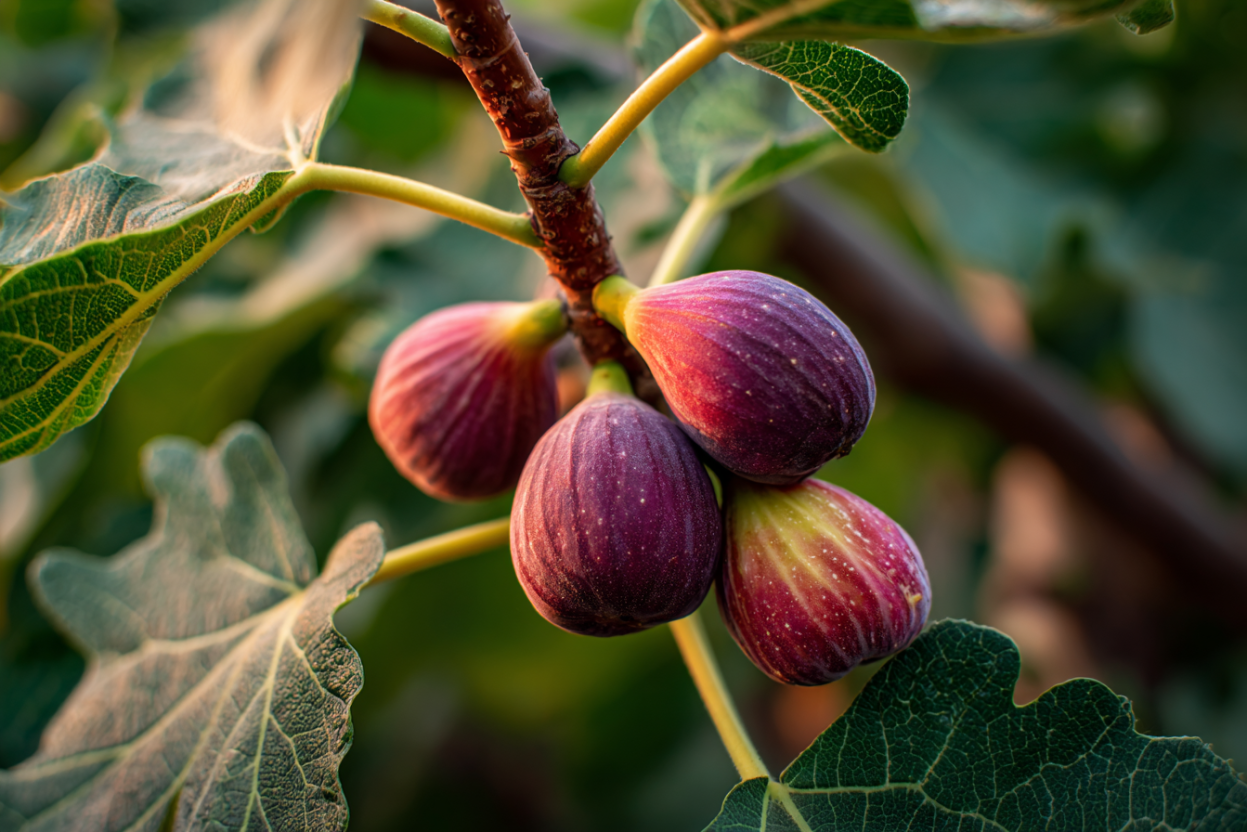
Fig (Ficus carica) — God’s Ancient Fruit of Abundance
If you struggle with digestive discomfort, blood sugar concerns, or simply feel like your body isn’t getting the deep nourishment it needs, you’re not alone. Millions of people search for answers — and one of nature’s oldest, most generous answers has been growing in gardens and wild groves for thousands of years. The fig is not just a fruit. It is a powerhouse of fiber, minerals, and bioactive compounds that modern science is only beginning to fully understand.
This remarkable fruit is among the very first gifts the Creator placed in the hands of humanity. The fig tree is the third tree mentioned by name in Scripture — appearing in the Garden of Eden itself. From Genesis to Revelation, the fig stands as a symbol of provision, peace, and the faithfulness of a God who thought of every need before we ever knew we had it.
The Plant
Common Names: Fig, Common Fig, Edible Fig, Adriatic Fig, Honey Fig (Celeste), Brown Turkey Fig, Black Mission Fig
Botanical Name: Ficus carica L.
Family: Moraceae (Mulberry family) — a large family of over 1,400 species that includes mulberries, breadfruit, and the banyan tree. Members of this family typically produce a milky latex sap.
Description
The common fig is a deciduous tree or large shrub with smooth, silvery-gray bark that can reach heights of 10 to 30 feet, with an equal or wider spread. Its branches spread broadly, creating a canopy of dense, cooling shade in the summer months. The leaves are the fig’s most recognizable feature — large, deeply lobed with three to seven finger-like divisions, rough-textured on top and softly hairy underneath. They can extend up to 10 inches in length and width. The leaves emit a distinctive warm, green, slightly coconut-like fragrance when touched or bruised.
Unlike most fruit trees, the fig does not display visible blossoms before fruiting. Its hundreds of tiny flowers are hidden inside the developing fruit structure, called a syconium — a hollow, fleshy receptacle that eventually becomes the fig we eat. The fruit itself is pear-shaped, ranging from green to yellow-green to deep purple or nearly black depending on the variety, with sweet, jam-like flesh that ranges from amber to deep strawberry-red inside. The interior contains numerous tiny, edible seed-like structures called drupelets.
The fig tree is among the most ancient cultivated plants. Hundreds of cultivars exist worldwide. In the United States, popular varieties include Brown Turkey (reliable and cold-hardy), Celeste (exceptionally sweet), Black Mission (dark purple with intense flavor), Kadota (green-skinned, mild and sweet), Chicago Hardy (cold-tolerant for northern growers), and Desert King (suited to cooler coastal climates).
Origin
The fig tree is native to western Asia and the eastern Mediterranean region, encompassing modern-day Turkey, Iran, Syria, and surrounding areas. Archaeological evidence suggests figs may have been cultivated as early as 11,000 years ago — making the fig potentially the very first fruit domesticated by humans, predating wheat and barley cultivation by over a thousand years. From its origins, the fig spread throughout the Mediterranean basin via ancient trade routes, becoming a staple of Egyptian, Greek, Roman, and Middle Eastern cultures. Spanish missionaries brought fig trees to the Americas in the 1500s, first to Florida and then to California, where the renowned Mission fig takes its name. Today, figs are cultivated across the Mediterranean, the Middle East, North Africa, California, Texas, and the southeastern United States, as well as parts of South America, India, and China.
Brief History
Figs are mentioned in some of the earliest surviving written records. Ancient Sumerian tablets from approximately 2,500 BC reference the fig. The Egyptians cultivated figs extensively and included fig residue in tomb offerings. Greek athletes at the original Olympic games consumed figs as a primary training food, and the Romans considered the fig sacred to Bacchus. The famous Roman naturalist Pliny the Elder documented over 29 varieties in the first century AD. Fig trees traveled the Silk Road and other ancient trade routes, establishing themselves in every warm-temperate region of the known world. In the Americas, fig trees were among the first European-imported fruit trees planted at the Jamestown settlement in Virginia by 1621.
Growing & Cultivation
Climate & Zones
Fig trees thrive in USDA hardiness zones 7 through 11, where mild winters and long, hot summers encourage reliable fruit production without winter protection. Cold-hardy varieties such as Chicago Hardy, Brown Turkey, and Celeste can survive in zone 6 with proper winter protection — wrapping, mounding, or container growing brought indoors during the coldest months. In zones 8 through 10, figs grow as carefree landscape trees requiring minimal intervention. Established trees can typically survive temperatures down to about 15°F, though top growth may die back in severe cold. The root system is significantly hardier, surviving temperatures well below 0°F and resprouting vigorously in spring.
Soil Requirements
Fig trees are remarkably adaptable to different soil types. They prefer well-draining, loamy soil with a slightly acidic to neutral pH of 6.0 to 6.5, though they tolerate a wide range from 5.5 to 8.0. They grow well in sandy, loamy, and even somewhat rocky soils. The primary requirement is good drainage — fig roots will rot in waterlogged conditions. Amend heavy clay soils with compost and coarse organic matter to improve drainage. For container growing, use a high-quality potting mix with added perlite and compost. Fig trees are notably tolerant of poor and even somewhat alkaline soils.
Water & Sunlight
Fig trees require full sun — at least 7 to 8 hours of direct sunlight daily. Sun exposure is essential not just for fruit ripening and sweetness but for triggering the formation of new flower buds for the following season. Figs are moderately drought-tolerant once established, thanks to their deep and extensive root systems. During establishment (the first two years), water deeply and regularly — about 1 to 1.5 inches per week. Mature trees need supplemental watering during extended dry periods and during fruit development. Overwatering causes fruit splitting, root rot, and bland-tasting fruit. Allow the top few inches of soil to dry between waterings.
Propagation
Cuttings: The easiest and most common method. Take 6 to 8-inch dormant hardwood cuttings in late winter or early spring. Cuttings should be pencil-thick or slightly larger, taken from healthy one- or two-year-old wood. Dip in rooting hormone (optional but helpful), plant in moist potting mix or sand, and keep warm. Rooting typically occurs within 4 to 8 weeks. Many gardeners root cuttings in a simple glass of water on a sunny windowsill.
Layering: Bend a low-hanging branch to the ground, wound the underside slightly, cover with soil, and secure with a stone or landscape staple. Roots develop at the buried section within one growing season. Sever from the parent plant the following dormant season.
Seed: While possible, seed propagation is rarely used because the resulting trees will not grow true to the parent variety and may take many years to fruit.
Planting
Plant fig trees in spring after the last frost or in early fall in mild climates. Dig a hole two to three times wider than the root ball and just as deep. Position the tree so the top of the root ball is level with the surrounding soil surface. Backfill with native soil amended lightly with compost. Water deeply at planting. Space trees 10 to 15 feet apart for standard varieties, closer (6 to 8 feet) for smaller or more heavily pruned trees. In zones 7 and below, plant against a south-facing wall for reflected warmth and wind protection. Fig trees make excellent espalier subjects trained flat against walls and fences.
Companion planting: Figs pair well with comfrey (deep nutrient mining), borage (pollinator support), strawberries (ground cover), herbs like rue and marigolds (pest deterrence). Avoid planting near black walnut trees, which produce juglone toxic to many plants.
Harvesting
Figs ripen on the tree and do not continue to ripen significantly after picking — harvest timing is critical. A ripe fig droops slightly on its stem, feels soft to gentle pressure, and its skin color deepens to the variety’s mature shade. A slight crack or bead of nectar at the eye (bottom opening) indicates peak sweetness. Harvest gently by lifting the fig upward from its drooping position and twisting lightly. Many varieties produce two crops: an early breba crop on the previous year’s wood (June) and a larger main crop on new growth (August through October). Fresh figs are highly perishable — they last only 5 to 7 days refrigerated and 1 to 2 days at room temperature.
Drying & Storage
Drying is the traditional method of preserving figs and has been practiced for millennia. Cut figs in half and dry in a food dehydrator at 135°F for 8 to 12 hours, or sun-dry in hot, dry climates over 2 to 3 days on screens. Oven drying at 140°F with the door slightly ajar for 8 to 24 hours also works. Dried figs store for 6 to 12 months in airtight containers in a cool, dark location. Figs can also be frozen whole or halved — spread on a sheet pan to flash-freeze, then transfer to freezer bags for up to 12 months. Fig preserves, jams, and fig paste are traditional preservation methods used worldwide.
Pest & Disease Management
Fig trees are remarkably resistant to most pests and diseases. The most common issues include fig rust (a fungal disease causing leaf spots — manage with good air circulation and by removing fallen leaves), root-knot nematodes in sandy soils, and fig mosaic virus (transmitted by the fig mite — causes leaf mottling but rarely kills the tree). Birds and squirrels are often the biggest challenge during fruiting — netting is the most effective organic solution. Dried fruit beetles may enter through the fruit’s eye; choose closed-eye varieties in humid climates. Most fig pest issues can be managed without chemical intervention through good sanitation, pruning for airflow, and physical barriers.
The Healing of Growing
Growing a fig tree offers benefits that begin long before the first fruit ripens. The act of gardening itself — hands in soil, feet on earth, time spent outdoors — has been shown to reduce cortisol levels, improve mood, and support immune function. Soil contains the beneficial bacterium Mycobacterium vaccae, which research has demonstrated produces documented antidepressant effects by stimulating serotonin production. When you tend your fig tree, you receive healing before you ever taste the fruit. The fig tree itself, with its broad, sheltering canopy, invites you to slow down, sit beneath its shade, and simply be present — an ancient practice described throughout Scripture as a symbol of peace and rest.
Nutritional Profile
Macronutrients
Fresh figs (per 100g, approximately 2 medium figs): Calories: 74, Protein: 0.75g, Carbohydrates: 19.2g, Dietary Fiber: 2.9g (10% DV), Sugars: 16.3g (naturally occurring fructose, glucose, and sucrose), Fat: 0.3g, Saturated Fat: 0.06g.
Dried figs (per 100g, approximately 8-10 figs): Calories: 249, Protein: 3.3g, Carbohydrates: 63.9g, Dietary Fiber: 9.8g (35% DV), Sugars: 47.9g, Fat: 0.93g. Drying concentrates both nutrients and natural sugars significantly.
Vitamins
Vitamin K: 4.7 mcg per 100g fresh (6% DV) — Supports blood clotting and bone metabolism. Vitamin K activates proteins that bind calcium into the bone matrix and regulates calcium distribution in the body.
Vitamin B6 (Pyridoxine): 0.11 mg per 100g fresh (6% DV) — Essential for neurotransmitter synthesis, including serotonin and dopamine production. Supports amino acid metabolism and red blood cell formation.
Vitamin C: 2 mg per 100g fresh — Although modest in quantity, vitamin C in figs contributes to antioxidant defense and supports collagen production for skin health and wound healing.
Thiamin (B1): 0.06 mg per 100g fresh — Supports energy metabolism and nerve function. Dried figs provide higher concentrations.
Riboflavin (B2): 0.05 mg per 100g fresh — Supports cellular energy production and acts as a cofactor for antioxidant enzymes.
Minerals
Potassium: 232 mg per 100g fresh (5% DV); 680 mg per 100g dried (14% DV) — A critical electrolyte that helps regulate heart rhythm, blood pressure, fluid balance, and nerve signals. Of all common fruits, figs rank among the highest in overall mineral content.
Calcium: 35 mg per 100g fresh; 162 mg per 100g dried (12% DV) — Essential for bone strength, muscle contraction, nerve transmission, and blood clotting. Figs are one of the richest fruit sources of calcium.
Magnesium: 17 mg per 100g fresh; 68 mg per 100g dried (16% DV) — Required for over 300 enzymatic reactions in the body. Supports muscle and nerve function, blood sugar regulation, and bone health. Many Americans are deficient in magnesium.
Iron: 0.37 mg per 100g fresh; 2.03 mg per 100g dried (11% DV) — Essential for oxygen transport in red blood cells, energy production, and immune function.
Manganese: 0.13 mg per 100g fresh; 0.51 mg per 100g dried (22% DV) — Supports bone formation, blood clotting, and acts as a cofactor for the powerful antioxidant enzyme superoxide dismutase (SOD).
Copper: 0.07 mg per 100g fresh; 0.29 mg per 100g dried (32% DV) — Required for red blood cell production, iron metabolism, and connective tissue formation.
Zinc: 0.15 mg per 100g fresh; 0.55 mg per 100g dried — Supports immune function, wound healing, DNA synthesis, and taste perception.
Phytonutrients & Active Compounds
Polyphenols: Figs are rich in polyphenolic compounds, particularly in the skin. These include chlorogenic acid, gallic acid, rutin, catechins, and epicatechins — powerful antioxidants associated with cardiovascular protection and anti-inflammatory activity.
Flavonoids: Quercetin, quercetin-3-O-glucoside, quercetin-3-O-rutinoside, luteolin, and cyanidin (the pigment in dark-skinned varieties). Flavonoids support vascular health, modulate inflammatory pathways, and exhibit neuroprotective properties.
Anthocyanins: Present in dark-skinned varieties (Black Mission, Brown Turkey). These deep purple-red pigments function as potent antioxidants and may support cardiovascular health and cognitive function.
Ficin: A proteolytic (protein-digesting) enzyme unique to figs, similar to papain in papaya and bromelain in pineapple. Ficin supports digestive function and has been studied for anti-inflammatory properties.
Furanocoumarins: Primarily psoralen and bergapten, concentrated in the leaves and sap rather than the fruit. These compounds have been historically used to support skin conditions and are photosensitizing agents — they interact with UV light.
Pectin: A soluble fiber found in fig flesh that supports healthy cholesterol levels and contributes to the fruit’s gel-like texture when preserved.
Benzaldehyde: A naturally occurring compound in figs that has been studied for potential anti-tumor properties.
Nutrient Notes
Dried figs concentrate nutrients significantly — 100g of dried figs delivers roughly 3 to 5 times the mineral content of fresh figs. However, this also concentrates natural sugars. The calcium in figs is reasonably bioavailable, though pairing with vitamin D-rich foods enhances absorption. The iron in figs (non-heme iron) absorbs best when consumed alongside vitamin C sources. Fig fiber — a combination of soluble pectin and insoluble cellulose in the skin — provides both digestive and cardiovascular support. The glycemic index of dried figs is 61 (moderate), and the fiber content helps moderate blood sugar response.
Connection to Body Compounds
The B-vitamins in figs support serotonin and dopamine production, key neurotransmitters for mood and emotional well-being. The high magnesium content may help regulate cortisol (the stress hormone) and support GABA activity, promoting calmness. Potassium supports healthy blood pressure and cardiovascular function. The antioxidant compounds in figs may help modulate inflammatory markers such as TNF-alpha, IL-6, and C-reactive protein.
Culinary Uses
Edible Parts
Fruit (entire fig): The whole fig is edible — skin, flesh, and seeds. Fresh figs are eaten whole as a snack, sliced in salads, or used in cooking. Dried figs serve as a concentrated sweetener, snack, and baking ingredient. Leaves: Fig leaves are edible and have been used culinarily for centuries, primarily as a wrapping for baking or grilling fish, meats, and cheeses. The leaves impart a subtle coconut-like, herbaceous flavor to foods cooked within them. Fig leaf is also used to make tea and to infuse into syrups and creams. Note: Handle leaves with care and avoid prolonged skin contact with the sap in sunlight, as furanocoumarins can cause skin reactions.
Flavor Profile
Fresh figs offer a delicate, honey-sweet flavor with notes of berry (particularly in dark-skinned varieties), light floral undertones, and a subtle jam-like richness. The texture is unique — soft, yielding flesh with a gentle crunch from the tiny seeds. Dried figs have a more concentrated sweetness — almost caramel-like — with chewy, dense texture. The flavor of figs is mild enough to complement both sweet and savory preparations. When cooked, figs develop deeper, more complex caramelized notes. The skin contributes a slight earthiness while the interior is purely sweet.
Preparation
Fresh figs require no preparation beyond a gentle rinse. They are best eaten at room temperature for fullest flavor. Slice in half for salads and appetizers, or eat whole. Figs roast beautifully — halve, drizzle with honey or balsamic, and roast at 400°F for 15 to 20 minutes. They grill well too, developing smoky caramel notes. Figs cook down into thick jams, preserves, and compotes with minimal added sugar due to their natural sweetness. Dried figs rehydrate well when soaked in warm water, wine, or juice. Fig paste (made by blending dried figs with a small amount of water) serves as a natural sweetener in baking.
Culinary Pairings
Figs pair exceptionally with: cheeses (especially goat cheese, blue cheese, brie, ricotta, and aged cheeses), nuts (walnuts, almonds, pistachios, pecans), cured meats (prosciutto, pancetta, salami), honey and balsamic vinegar, herbs (rosemary, thyme, basil, mint), citrus (orange, lemon zest), warm spices (cinnamon, cardamom, star anise, vanilla), dark chocolate, and whole grains (oats, wheatberries, farro). They also complement roasted meats (lamb, pork, chicken) and add depth to salad dressings and vinaigrettes.
Storage
Fresh figs are highly perishable. Store at room temperature and consume within 1 to 2 days for peak quality, or refrigerate for up to 5 to 7 days. Do not stack or press fresh figs, as they bruise easily. For longer storage, freeze whole figs on a sheet pan, then transfer to freezer bags (up to 12 months). Dried figs keep 6 to 12 months in airtight containers in a cool, dark pantry. Once opened, store dried figs in the refrigerator to maintain quality.
Ready to cook with fig? View Recipes on Chefts →
Wellness & Therapeutic Uses
Traditional Uses
The fig has been used as a healing food and traditional remedy for thousands of years across nearly every major civilization. In ancient Egypt, figs were consumed for vitality and used in poultices for skin conditions. The Ebers Papyrus (c. 1550 BC) includes fig-based preparations. Greek and Roman physicians including Hippocrates, Dioscorides, and Pliny prescribed figs for digestive ailments, respiratory complaints, sore throats, and as a general restorative. In Traditional Chinese Medicine (TCM), figs have been used to support digestive health, moisten the lungs, and relieve constipation. Ayurvedic medicine employs figs to balance Vata and Pitta doshas, support respiratory function, and nourish the reproductive system. Across the Middle East and Mediterranean, figs have been used traditionally as a laxative, a poultice for boils and skin conditions (notably in 2 Kings 20:7, where a fig poultice was applied to King Hezekiah’s illness), and as nourishment for recovery from illness. African traditional medicine has employed various parts of the fig tree to support digestive, respiratory, and skin health.
Modern Research
Digestive Health: Research consistently supports the traditional use of figs as a digestive aid. The high fiber content (both soluble and insoluble) promotes healthy bowel movements. A 2011 study in rats found that fig fruit extract had laxative effects and supported colon motility. The proteolytic enzyme ficin may further assist protein digestion. Studies suggest fig consumption may support gut microbiome diversity due to prebiotic fiber content.
Blood Sugar Support: Multiple studies have investigated the fig’s effect on blood sugar regulation. Fig leaf extract has shown particular promise — a 1998 study published in Diabetes Research and Clinical Practice found that fig leaf tea consumed alongside meals reduced the need for exogenous insulin in type 1 diabetes patients. Animal studies have demonstrated that fig leaf and bud extracts may reduce blood glucose levels and support insulin sensitivity, potentially through AMPK activation and inhibition of hepatic gluconeogenesis.
Cardiovascular Support: The potassium content of figs (particularly dried figs) may support healthy blood pressure. Animal studies have shown fig extract may help lower blood pressure. The soluble fiber pectin in figs may support healthy cholesterol levels by binding bile acids in the digestive tract. Fig seed extracts have demonstrated anti-hyperlipidemic potential in animal models, beneficially modifying lipid profiles.
Anti-inflammatory Properties: Extensive in vitro and animal research demonstrates that fig extracts — from fruit, leaves, and latex — exhibit significant anti-inflammatory activity. Studies show modulation of key inflammatory signaling proteins including TNF-alpha, IL-1β, and IL-6. These properties have been attributed to the plant’s rich phenolic, flavonoid, and triterpenoid content.
Antioxidant Activity: Figs contain a diverse range of antioxidant compounds. The phenolics and anthocyanins in fig fruit and leaves demonstrate significant free radical scavenging activity in laboratory studies. Dark-skinned varieties generally contain higher antioxidant levels than green varieties.
Bone Health: Figs are one of the richest fruit sources of calcium, and also provide magnesium, manganese, and vitamin K — all critical for bone metabolism. The combination of these minerals makes figs a potentially valuable dietary addition for supporting bone density.
Skin Health: A 2022 randomized, double-blind clinical trial published in the Journal of Clinical Medicine found that a cream containing Ficus carica fruit extract improved skin barrier function and hydration in participants with mild dermatitis. A separate double-blind, randomized human trial demonstrated that fig leaf tea consumption significantly reduced symptoms in patients with mild atopic dermatitis, as measured by the Eczema Area and Severity Index (EASI).
Body Systems Supported
Digestive system (fiber for regularity, ficin for protein digestion, prebiotic support), cardiovascular system (potassium, fiber, antioxidants), musculoskeletal system (calcium, magnesium, manganese for bone health), endocrine system (blood sugar modulation), immune system (antioxidant compounds, zinc), integumentary system (skin health through antioxidants and anti-inflammatory compounds), nervous system (B-vitamins, magnesium), and reproductive system (traditionally used in Ayurveda for reproductive support; contains zinc and iron).
Body Compounds Affected
Research and traditional use suggest that figs may influence several body compounds. The B-vitamins and magnesium in figs support serotonin production pathways. Magnesium also supports healthy GABA activity, promoting calm. The potassium and fiber content may help modulate cortisol indirectly by supporting cardiovascular and metabolic health. Fig’s anti-inflammatory compounds have been shown in studies to reduce pro-inflammatory cytokines including TNF-alpha, IL-1β, and IL-6. Animal studies suggest fig extracts may support nitric oxide production and endothelial function.
Methods of Use
Fresh or Dried Fruit
The simplest and most traditional method. Eat 2 to 4 fresh figs or 3 to 5 dried figs daily as a nutrient-dense snack or incorporated into meals. Dried figs soaked overnight in water and consumed in the morning is a time-honored approach for digestive support.
Fig Leaf Tea
Steep 1 to 2 dried fig leaves (or one fresh leaf, torn) in hot water for 10 to 15 minutes. Traditionally consumed before or with meals. Clinical research has explored this preparation for blood sugar support and skin health. Choose fig varieties known to have lower furanocoumarin content when possible, and avoid excessive sun exposure after consuming fig leaf tea due to potential photosensitivity.
Fig Syrup
Dried figs simmered in water and strained create a traditional syrup used for digestive support and as a natural sweetener. This preparation has been used across the Mediterranean for centuries.
Cosmetic & Beauty Uses
Skin Benefits
Fig fruit extract is rich in antioxidants, vitamins, and the enzyme ficin — a natural exfoliant similar to papain in papaya. Ficin gently dissolves dead skin cells, promoting cell turnover and a brighter complexion. The polyphenols and flavonoids in figs provide free radical protection. Fig fruit’s natural sugars and polysaccharides act as humectants, drawing moisture to the skin. Clinical research has demonstrated that Ficus carica fruit extract improves skin barrier function and hydration. Fig is suitable for most skin types, particularly dull, dry, mature, and combination skin.
Important caution: Fig LEAF sap and latex contain psoralens (furanocoumarins) that are phototoxic — they can cause severe burns, blistering, and hyperpigmentation when skin is exposed to sunlight after contact. Never apply raw fig leaf sap, latex, or leaf preparations to skin before sun exposure. The fruit itself does not contain significant psoralens and is generally safe for topical use.
Hair Benefits
Fig fruit is rich in iron, zinc, and B-vitamins — all essential nutrients for healthy hair growth. The moisturizing properties of fig fruit extract may benefit dry or damaged hair. Traditionally, fig-based preparations have been used as conditioning treatments to add shine and strengthen hair. The calcium content supports overall hair follicle health.
Application Methods
Fresh fig face mask: Mash 1 to 2 ripe figs and apply to clean skin for 15 to 20 minutes. Rinse with warm water. The natural enzymes and sugars gently exfoliate and moisturize. Fig-infused oil: Dried figs can be infused into carrier oils (jojoba, sweet almond) for use as a facial or body oil. Fig in bath: Add dried figs or a strong fig tea to bathwater for a skin-softening soak. Always perform a patch test before applying fig preparations to the face.
DIY Formulation Notes
When formulating with fig fruit extract, use at 1 to 5% concentration in creams and serums. Fig pairs well with carrier oils such as jojoba, argan, and sweet almond. Avoid combining fig leaf-based preparations with photosensitizing essential oils (bergamot, lemon). Homemade fig preparations have a short shelf life (3 to 5 days refrigerated) and should be made in small batches. Never use raw fig leaf sap or latex directly on skin.
Fig is among the botanicals being explored for holistic cosmetic applications, where the wisdom of traditional beauty practices meets modern understanding of skin science.
Aromatherapy & Scent
The Aroma
The fresh fig tree has a distinctive, complex fragrance. The large lobed leaves release a warm, green, herbaceous scent with notable coconut and woody undertones when touched or brushed against — a scent often described as “green milk” due to the latex in the leaves. This aroma is strongest in warm weather, particularly in the heat of a summer afternoon. The ripe fruit itself offers a soft, honey-sweet scent that intensifies as the fig reaches peak ripeness — warm, fruity, and gently intoxicating. Dried figs develop a richer, more caramelized aroma — deep, warm, and slightly nutty.
How Scent Affects Your Body
When you stand near a fig tree on a warm day or crush a fresh fig leaf between your fingers, volatile aromatic molecules are released into the air. These molecules are drawn into the nose with each breath, where olfactory receptors in the upper nasal passages detect them and send electrical signals directly to the limbic system — the brain’s emotional center — and to the hypothalamus, which governs hormone release. This pathway bypasses conscious processing. The body responds to scent within seconds, before you consciously decide how you feel about it. This is why simply walking through a fig orchard can shift your emotional state.
Emotional & Mood Effects
The scent of fresh fig leaves and ripe fruit is widely described as calming, grounding, and comforting. The warm, green, slightly sweet aroma promotes a sense of safety and connection to nature. In perfumery, fig is classified among “green” and “comforting” scent families. The fragrance may support relaxation, reduce mental tension, and promote a feeling of warmth and well-being. The combination of green leafy notes and sweet fruit undertones creates an aroma that is both uplifting and grounding — energizing without overstimulating.
Body Compounds Affected
While specific studies on fig aroma and neurotransmitter levels are limited, the green, warm, and sweet scent profile of fig aligns with aromatic compounds known to support serotonin and GABA activity. Green, leafy aromas have been associated with stress reduction and cortisol modulation in environmental psychology research. The comforting, sweet elements may promote oxytocin-related feelings of warmth and safety.
Ways to Experience the Scent
Grow a fig tree on your patio, in your garden, or in a large container near a sunny window or doorway. Simply brushing past the leaves on a warm day releases the distinctive aroma. Place fresh fig leaves in a vase of water in your kitchen or living area. Crush a leaf gently and inhale. Keep a bowl of ripe figs on your countertop — the fragrance fills the room as they reach peak ripeness. Simmer dried figs with cinnamon and vanilla on the stove for a warming kitchen aroma. Tuck dried fig leaves under your pillow for a subtle, comforting scent.
Color Therapy
The Colors of Fig
The fig tree presents a rich palette across its lifecycle. The broad, deeply lobed leaves display a vibrant deep green in summer, sometimes yellowing beautifully in autumn before dropping. The fruit offers extraordinary color diversity: varieties range from pale green and golden yellow (Kadota, Adriatic) to rich brown-purple (Brown Turkey) to deep violet-black (Black Mission). The interior flesh ranges from translucent amber to vivid strawberry-red to deep ruby. The bark is smooth and silver-gray.
Color Wavelengths
Green (leaves): 495-570nm — the middle of the visible spectrum. Purple/violet (dark fruit): 380-450nm — the shortest visible wavelengths. Red (interior flesh): 620-700nm — the longest visible wavelengths. The fig tree essentially offers a broad-spectrum color therapy experience from a single plant.
How Fig’s Colors Affect the Body
The deep green of fig foliage falls in the balancing, calming center of the color spectrum. Green is associated with heart-centered energy, emotional balance, and connection to the natural world. Research on “attention restoration theory” demonstrates that viewing green vegetation reduces mental fatigue and restores cognitive focus. The purple and violet tones of dark-skinned figs correspond to the shortest visible wavelengths, associated with calming the nervous system and promoting meditative states. The red tones of fig flesh correspond to energizing, warming, circulation-supporting wavelengths. Having a fig tree in your garden or a bowl of ripe figs on your table provides multi-wavelength color exposure throughout the seasons.
Using Fig for Color Therapy
Place a fig tree where you spend time daily — on a patio, near a kitchen window, or in your garden. The broad green leaves provide calming visual influence during the growing season. Display fresh figs in a clear bowl on your table or kitchen counter to bring the rich purple, green, and red tones into your living space. Eating the rainbow of fig colors — the purple skin, the red flesh, the green varieties — provides not just nutritional benefit but visual-sensory nourishment. Grow multiple fig varieties for a range of color exposure across the harvest season.
Frequency & Vibration
The Frequency of Fig
While specific MHz frequency measurements for the fig tree and fruit have not been widely published in the literature in the way that essential oil frequencies have been documented (per Bruce Tainio’s research), the fig is a living organism that vibrates at a molecular level — this is fundamental physics. Fresh, ripe fruits and living plants generally vibrate at higher frequencies than processed or cooked foods. Fresh figs, as a whole, living food consumed close to harvest, are considered a relatively high-frequency food in vibrational nutrition frameworks.
Human Frequency Interaction
According to bio-frequency research, a healthy human body vibrates between 62 and 78 MHz. Fresh foods and living plants are believed to support and potentially elevate human frequency through the principle of entrainment — where a stronger, more coherent frequency influences a weaker or less coherent one. Spending time around a living fig tree, consuming fresh figs, and engaging with the plant through gardening may all contribute to this interaction. Proponents of vibrational medicine suggest that consuming fresh, whole, plant-based foods like figs supports the body’s natural frequency range.
Vibrational Applications
Consume figs fresh and as close to harvest as possible for maximum vibrational benefit. Spend quiet time near your fig tree — sitting in its shade, touching the leaves, breathing the scent. Combine fig consumption with other high-frequency practices such as prayer, meditation, time in nature, and gratitude. Growing your own figs connects you to the full vibrational cycle of the plant from leaf to fruit.
The Living Plant
Benefits of Presence
The fig tree has served as a symbol of peace, rest, and security for millennia — and modern research validates why being near trees promotes well-being. Simply viewing green vegetation reduces blood pressure, lowers cortisol, and activates the parasympathetic (rest-and-restore) nervous system. The fig tree’s broad canopy of large, deeply lobed leaves creates an exceptionally lush, sheltering visual environment. A mature fig tree in your yard or garden provides a living therapeutic space — shade for rest, beauty for the eyes, fruit for nourishment, and connection to something living and growing.
Air Purification
While the common fig tree (Ficus carica) is primarily an outdoor or patio plant and was not included in the original NASA Clean Air Study (which focused on houseplants), its close relatives in the Ficus genus — including Ficus benjamina (weeping fig) — were found to effectively remove formaldehyde, xylene, and toluene from indoor air. The broad, large leaves of the fig tree contribute to oxygen production and humidity regulation in outdoor living spaces. Any substantial tree canopy improves local air quality by filtering particulates and producing oxygen.
Phytoncides
Trees, including fig trees, release volatile organic compounds called phytoncides — antimicrobial substances that plants produce to protect themselves from pathogens and insects. Forest bathing (shinrin-yoku) research demonstrates that exposure to tree-produced phytoncides increases Natural Killer (NK) cell activity in the human immune system — an effect that has been measured lasting for days after forest exposure. While specific phytoncide profiles for Ficus carica require further study, the principle extends to all living trees. Spending time in the presence of your fig tree may provide similar, scaled benefits to forest bathing.
Visual & Psychological Benefits
Research consistently demonstrates that people who have views of trees and green vegetation experience lower stress, faster healing, improved attention, and better mood. The fig tree, with its dramatic leaves and lush growth, is particularly visually engaging. Healthcare settings research (Roger Ulrich’s foundational studies) shows patients with views of vegetation recover faster from surgery than those with views of walls. Having a fig tree visible from your window or in your outdoor living space provides ongoing, passive psychological benefit.
Growing Indoors vs Outdoors
Fig trees are primarily outdoor plants that require full sun and seasonal dormancy to fruit reliably. However, they can be grown in large containers (20+ gallons) on sunny patios, balconies, and decks, and moved indoors for winter protection in cold climates. Some dwarf varieties (Petite Negra, Little Miss Figgy) are better suited to container culture and indoor wintering. Indoors, place near the largest, sunniest window available. Even if your fig does not fruit prolifically indoors, the living presence of the tree — its scent, greenery, and tactile appeal — provides therapeutic value. Outdoors, the fig tree achieves its full potential as a shade tree, habitat for wildlife, and source of abundant fruit.
Touch & Physical Interaction
Gardening Therapy
The fig tree is an ideal plant for horticultural therapy. Its growth is forgiving and vigorous — it recovers from heavy pruning, propagates easily from cuttings, and rewards even novice gardeners with fruit. The seasonal rhythm of tending a fig tree — pruning in winter, watching new growth in spring, nurturing fruit development in summer, and harvesting in late summer and fall — provides a deeply grounding annual cycle. Horticultural therapy research demonstrates that regular engagement with plants reduces anxiety, depression, and blood pressure while improving self-esteem and sense of purpose.
Soil Contact Benefits
Planting, pruning, and weeding around your fig tree puts your hands in soil — and soil contact has measurable health benefits. Mycobacterium vaccae, a common soil bacterium, has been documented to stimulate serotonin production and reduce anxiety in animal studies. Grounding (direct skin contact with the earth) allows electron transfer that research suggests may reduce inflammation and improve sleep. Gardening barefoot near your fig tree compounds these benefits — you receive the microbiome benefits of soil contact alongside the electrical grounding benefits of earth connection.
The Tactile Experience
The fig tree offers a rich and varied tactile experience. The leaves are distinctly textured — rough and slightly bristly on top, soft and downy underneath. Running your fingers along the deeply lobed edges is engaging and meditative. The bark is smooth and cool to the touch, with a silver-gray surface that invites the hand. The ripe fruit itself provides one of nature’s most satisfying tactile experiences — a gentle yielding softness that tells your fingers the fig is ready. The act of twisting a ripe fig from the branch, feeling its weight and warmth from the sun, connects you sensorially to the harvest in a way that selecting produce from a refrigerated shelf cannot replicate.
Harvesting & Processing
Fig harvesting is an inherently meditative activity. Because figs ripen individually rather than all at once, harvest requires daily attention — walking to the tree, examining each fruit, selecting only those perfectly ready. This repetitive, focused, daily engagement is deeply calming. Processing figs — slicing for drying, cooking into preserves, or simply arranging a bowl of fresh fruit — provides satisfying, purposeful handwork. The warm fragrance released during drying or cooking creates a multisensory therapeutic experience.
Water-Based Applications
Teas & Infusions
Fig Leaf Tea: Steep 1 to 2 dried fig leaves (or 1 fresh leaf, torn into pieces) in 8 to 10 oz of hot water (just below boiling, approximately 200°F) for 10 to 15 minutes. Strain and drink. The resulting tea has a mild, slightly sweet, herbaceous flavor with faint coconut undertones. Traditionally consumed 1 to 3 times daily, often before or with meals. Clinical research has studied this preparation for blood sugar support and atopic dermatitis symptom relief.
Fig Fruit Tea/Infusion: Slice 2 to 3 dried figs and steep in hot water for 10 to 15 minutes. The result is a naturally sweet, warming beverage. Add cinnamon, ginger, or cardamom for additional flavor and benefits. This preparation provides a gentle way to receive fig’s minerals and soluble fiber.
Herbal Baths
Add a strong decoction of dried fig leaves or a large handful of dried fig fruit to a warm bath (100-104°F). Soak for 20 to 30 minutes. The minerals, polyphenols, and gentle aromatics of fig create a skin-softening, calming bathing experience. Fig leaf baths have been used traditionally in Mediterranean and Middle Eastern cultures for skin soothing. Avoid fig leaf baths before sun exposure due to the presence of photosensitizing furanocoumarins. A fig fruit foot bath — steeping dried figs in warm water and soaking feet for 20 minutes — provides mineral absorption and relaxation.
Compresses
Fig has a long history in poultice and compress applications. A warm compress made from mashed fresh or reconstituted dried figs has been applied traditionally to boils, abscesses, and skin irritations. This use is referenced in Scripture — Isaiah 38:21 describes a fig poultice applied for healing purposes. To prepare a warm compress, mash fresh or rehydrated dried figs into a paste, spread on clean cloth, and apply to the affected area for 20 to 30 minutes. The proteolytic enzyme ficin and the fruit’s natural compounds provide the basis for this traditional application.
Steam Inhalation
While fig is not commonly used for steam inhalation in the way that eucalyptus or peppermint are, dried fig leaves can be added to a bowl of steaming water for a gentle, warming inhalation. Drape a towel over your head and breathe the steam for 5 to 10 minutes. This may provide gentle respiratory comfort and the calming benefits of the fig leaf’s aromatic compounds.
Hair Rinses
A strong fig leaf tea, cooled to room temperature, can be used as a hair rinse after shampooing. Pour through the hair, massage into the scalp, and leave for 5 minutes before rinsing (or leave in as a final rinse). The minerals and gentle conditioning properties of fig may support scalp health and add shine. Dried fig fruit steeped in warm water creates a mineral-rich rinse that may benefit dry or brittle hair.
Historical, Cultural & Biblical Significance
Biblical References
The fig tree holds extraordinary prominence in Scripture — it appears over 50 times across both the Old and New Testaments. It is the third tree mentioned by name in the Bible, after the Tree of Life and the Tree of the Knowledge of Good and Evil.
“And the eyes of them both were opened, and they knew that they were naked; and they sewed fig leaves together, and made themselves aprons.” — Genesis 3:7 (KJV). The very first mention of any specific plant in the context of human use.
The fig tree is listed among the seven species that define the abundance of the Promised Land: “A land of wheat, and barley, and vines, and fig trees, and pomegranates; a land of oil olive, and honey.” — Deuteronomy 8:8 (KJV)
To sit under one’s own vine and fig tree became the quintessential biblical expression of peace, security, and God’s blessing: “And Judah and Israel dwelt safely, every man under his vine and under his fig tree, from Dan even to Beer-sheba, all the days of Solomon.” — 1 Kings 4:25 (KJV). This image is repeated in Micah 4:4 and Zechariah 3:10.
Figs were used medicinally in Scripture. When King Hezekiah was gravely ill, the prophet Isaiah instructed: “And Isaiah said, Take a lump of figs. And they took and laid it on the boil, and he recovered.” — 2 Kings 20:7 (KJV). This is one of the clearest biblical examples of a plant-based healing remedy applied under God’s direction through a prophet.
Jesus used the fig tree in powerful teachings — including the parable of the barren fig tree (Luke 13:6-9), the cursing of the fruitless fig tree (Mark 11:13-21), and the fig tree as a sign of the times (Matthew 24:32). Jesus saw Nathanael under the fig tree before they had met (John 1:48-50) — a moment of divine perception that prompted Nathanael’s immediate confession of faith.
Ancient Civilizations
The fig is among the oldest cultivated plants in human history. Archaeological evidence from the Jordan Valley dates cultivated fig remains to approximately 9400-9200 BC — potentially making the fig the first domesticated crop. Ancient Egyptians prized figs highly; fig remnants have been found in tombs, and the Ebers Papyrus (c. 1550 BC) includes fig-based medicinal preparations. Greek culture revered the fig — Hippocrates recommended figs for fever and digestive complaints, while Dioscorides documented their medicinal properties in De Materia Medica. Greek athletes consumed figs as a primary training food, and laws were enacted to prevent the export of the finest figs. The Romans considered the fig sacred and foundational — legend held that Romulus and Remus were sheltered under a fig tree. Pliny the Elder documented over 29 varieties. Cato instructed Roman farmers in fig cultivation. The Hebrew tradition valued figs as essential sustenance — pressed fig cakes were travel food, military provisions, and healing poultices.
Eastern Traditions
Traditional Chinese Medicine has documented the use of figs for centuries. In TCM, the fig fruit is considered sweet and neutral to cool in nature, entering the lung, stomach, and large intestine meridians. It is used to clear heat, moisten the lungs, promote fluid production, relieve cough, and support digestive regularity. The Chinese name for fig, wuhuaguo (无花果), means “fruit without flower” — referencing the hidden internal blossoms.
Ayurvedic medicine (India) classifies the fig as Anjeer. It is considered beneficial for balancing Vata and Pitta doshas, supporting respiratory health, nourishing the reproductive system, and building strength during recovery from illness. Dried figs soaked in milk have been traditionally consumed as a restorative tonic.
Indigenous Knowledge
While the common fig (Ficus carica) is not native to the Americas, Native American peoples quickly adopted the tree after it was introduced by Spanish missionaries in the 1500s. Various tribes in the southeastern United States and California incorporated figs into their diets and traditional practices. Across Africa, various Ficus species (many closely related to Ficus carica) have been extensively used in traditional healing systems for digestive complaints, skin conditions, respiratory ailments, and wound healing. Middle Eastern traditional medicine has used every part of the fig tree — fruit, leaves, bark, latex, and root — for thousands of years, with applications documented in Unani medicine and traditional Arabic medicine systems.
European Heritage
During the medieval period, fig trees were cultivated in monastery gardens throughout southern Europe, and monks preserved knowledge of fig cultivation and medicinal use. Nicholas Culpeper’s 17th-century herbal described figs as opening obstructions of the liver and spleen, and recommended them for conditions of the lungs and chest. Figs traveled with colonial settlers to the New World — Spanish missions planted fig trees up the California coast, giving us the Black Mission variety. In the American South, Brown Turkey and Celeste figs became beloved dooryard trees, often passed down through generations.
Cultural Symbolism
The fig has symbolized fertility, abundance, and knowledge across cultures. In ancient Greece, the fig was associated with Demeter (harvest and fertility). In Roman culture, the fig represented prosperity and the foundation of civilization itself. Throughout the Mediterranean and Middle East, offering figs to guests has been a sign of hospitality and generosity. The fig tree’s long lifespan and slow, steady growth have made it a symbol of patient investment and enduring provision. In art and literature, the fig appears in countless works as an emblem of paradise, abundance, and the sweetness of life.
These cultures — from ancient Egypt to Greece, from China to India, from the Holy Land to the American South — observed that the fig provided nourishment and support for the body. While they may not all have known the Creator by name, they were observing His design. Their observations align with what modern research continues to confirm about the fig’s remarkable properties.
Safety & Precautions
Contraindications
Figs are generally recognized as safe when consumed as food in normal dietary amounts. Those with known allergies to Ficus species, latex, or birch pollen should exercise caution due to potential cross-reactivity. People scheduled for surgery should be aware that figs contain vitamin K and may have blood sugar-lowering effects — consult your healthcare provider regarding timing of consumption around surgical procedures.
Drug Interactions
Blood thinners (Warfarin/Coumadin): Figs contain vitamin K, which plays a role in blood clotting. Consistent (not necessarily eliminated) intake is recommended — sudden large increases or decreases in fig consumption may affect INR levels. Discuss with your healthcare provider.
Diabetes medications: Fig leaf preparations and fig fruit have been associated with blood sugar-lowering effects. If you take insulin or oral hypoglycemic medications, monitor blood sugar closely and consult your healthcare provider before adding fig leaf tea or large amounts of dried figs to your routine.
CYP3A4 interactions: Furanocoumarins in fig leaves (similar to those in grapefruit) may inhibit the CYP3A4 enzyme involved in drug metabolism, potentially increasing blood levels of certain medications. This is primarily a concern with fig leaf preparations, not the fruit. If you take medications metabolized by CYP3A4, consult your healthcare provider before using fig leaf tea or supplements.
Pregnancy & Nursing
Fresh and dried figs consumed as food in normal dietary amounts are generally considered safe during pregnancy and breastfeeding. Figs provide valuable calcium, iron, and fiber during pregnancy. However, concentrated fig leaf extracts, fig leaf tea, and medicinal-dose preparations have not been adequately studied for safety during pregnancy and breastfeeding. Not recommended in supplemental or medicinal doses during pregnancy or breastfeeding without guidance from a qualified healthcare provider.
Children
Fresh and dried figs are generally appropriate for children over age 1 as a nutritious snack. Cut fresh figs into age-appropriate pieces to prevent choking in young children. Dried figs may be a choking hazard for very young children — chop finely or rehydrate before serving. The natural laxative effect of figs may be more pronounced in children — start with small amounts. Fig leaf tea and concentrated extracts are not recommended for children without practitioner guidance.
Elderly
Figs are an excellent food for older adults due to their high calcium, magnesium, and potassium content — all nutrients important for bone health, cardiovascular function, and muscle function. The natural laxative effect is often welcome. Those taking blood-thinning medications (common in elderly populations) should maintain consistent fig intake and discuss with their healthcare provider. The high potassium content warrants monitoring for those with kidney disease or on potassium-sparing medications.
Pets
Dogs: Caution. Fresh fig fruit in very small amounts is generally tolerated by dogs. However, the fig tree — leaves, bark, branches, and sap — contains proteolytic enzyme ficin and psoralens that are toxic to dogs. The ASPCA lists Ficus species as toxic to dogs. Symptoms of fig tree exposure include gastrointestinal distress (vomiting, diarrhea), drooling, and skin irritation from sap contact. Keep dogs away from fig trees and do not allow them to chew on leaves or branches.
Cats: Toxic. The ASPCA lists Ficus species as toxic to cats. Cats should be kept away from all parts of the fig tree. The sap and leaves can cause gastrointestinal and dermal irritation. Symptoms include vomiting, diarrhea, drooling, and skin irritation. If ingestion is suspected, contact your veterinarian or the ASPCA Animal Poison Control Center at (888) 426-4435 immediately.
Horses: Toxic. The ASPCA lists Ficus species as toxic to horses. Keep horses away from fig trees.
Allergies & Sensitivities
Fig allergy can occur, particularly in individuals with latex allergy or birch pollen sensitivity due to cross-reactive proteins. Oral allergy syndrome (itching or tingling in the mouth and throat) is the most common reaction. More severe allergic reactions are rare but possible. The milky latex sap of the fig tree is a well-documented skin irritant. Contact with fig tree sap followed by sun exposure can cause phytophotodermatitis — a potentially severe skin reaction with blistering, burning, and long-lasting hyperpigmentation. This is caused by the furanocoumarins psoralen and bergapten in the leaves and sap. The fruit itself does not contain significant amounts of these compounds. Always wear gloves when pruning fig trees and avoid skin contact with the white sap.
Dosing Guidelines
As food: No upper limit has been established for figs consumed as part of a normal, balanced diet. A reasonable daily intake is 2 to 4 fresh figs or 3 to 5 dried figs. Excessive dried fig consumption may cause digestive discomfort due to high fiber and sugar content. Fig leaf tea: 1 to 3 cups daily is the range studied in clinical research. Duration of supplemental use should be discussed with a qualified healthcare provider.
Quality & Sourcing
Choose organic figs when possible, as conventionally grown figs may be treated with pesticides. Dried figs should not be treated with sulfur dioxide (sulfites) if you are sensitive — seek unsulfured varieties. Inspect dried figs for signs of mold or insect infestation. Purchase from reputable sources. The freshest dried figs will be soft and pliable, not rock-hard or overly sticky. For fig leaves (tea use), source from trees that have not been sprayed with pesticides or herbicides.
Signs of Adverse Reaction
Mild reactions may include digestive discomfort, bloating, or loose stools (often from excessive consumption). Oral itching or tingling may indicate allergy. Skin redness, blistering, or burning after contact with fig tree sap — especially followed by sun exposure — requires medical attention. Seek immediate medical care for any signs of severe allergic reaction (difficulty breathing, swelling of the face or throat, rapid heartbeat, dizziness).
Disclaimer
This information is for educational purposes only. It is not intended to diagnose, treat, cure, or prevent any disease. Always consult with a qualified healthcare provider before using any herbal product, especially if you are pregnant, nursing, taking medications, or have a medical condition. If you experience any adverse reaction, discontinue use immediately and seek medical attention.
Want Personalized Guidance?
Every body is unique. What works for one person may not be right for another. If you’d like personalized support in incorporating fig into your wellness journey, consider working with a qualified practitioner who can assess your individual needs.
Sources & References
Peer-Reviewed Studies
- Physicochemistry, Nutritional, and Therapeutic Potential of Ficus carica — A Promising Nutraceutical – Drug Design, Development and Therapy, 2024, Malaysia/Oman
- Traditional uses, phytochemistry and pharmacology of Ficus carica: A review – Journal of Ethnopharmacology, 2014, India
- Phytochemistry, biological activities, industrial and traditional uses of fig (Ficus carica): A review – Chemico-Biological Interactions, 2022, Pakistan
- Exploring the pharmacological versatility of Ficus carica: Modulating classical immunometabolism and beyond – Pharmacological Research, 2023, Iran
- Efficacy and Safety of Fig (Ficus carica L.) Leaf Tea in Adults with Mild Atopic Dermatitis: A Double-Blind, Randomized, Placebo-Controlled Trial – Nutrients, 2022, Japan
- A comprehensive review on phytochemistry, bioactivities, toxicity studies, and clinical studies on Ficus carica Linn. leaves – Journal of Ethnopharmacology, 2021, China
- Ficus carica L. (Moraceae): Phytochemistry, Traditional Uses and Biological Activities – Evidence-Based Complementary and Alternative Medicine, 2013, Portugal
- Ficus carica L.: Metabolic and biological screening – Food and Chemical Toxicology, 2010, Portugal
- Phytochemical composition and health benefits of figs (fresh and dried): A review of literature from 2000 to 2022 – Nutrients, 2023, USA
- Recent insight on nutritional value, active phytochemicals, and health-enhancing characteristics of fig (Ficus carica) – Food Safety and Health, 2024, Saudi Arabia
- The Curious Cases of Burn by Fig Tree Leaves – Indian Journal of Dermatology, 2019, Iran
- Ficus carica Latex Modulates Immunity-Linked Gene Expression in Human Papillomavirus Positive Cervical Cancer Cell Lines – International Journal of Molecular Sciences, 2023, Turkey/UK
Traditional Medicine & Institutional Sources
- USDA FoodData Central — Fig, Raw – U.S. Department of Agriculture, 2020
- USDA FoodData Central — Fig, Dried – U.S. Department of Agriculture, 2020
- Toxic and Non-toxic Plants: Fig – ASPCA Animal Poison Control, USA
- PLANTS Profile: Ficus carica L. – USDA PLANTS Database, USA
Historical References
- Fig — Easton’s Bible Dictionary – Bible Study Tools
- Are Figs Good For You? Get the Whole Sweet Story – American Heart Association, 2021