Garlic Chives (Allium tuberosum)
If you have ever struggled with sluggish digestion, low energy, or simply felt that your body could use a gentle reset, you are far from alone. Millions of people search daily for ways to support their immune system, improve circulation, and bring their bodies back into balance. For over five thousand years, one humble herb has been quietly doing exactly that — and it may already be growing in your neighbor’s garden.
Garlic chives are one of the Creator’s most generous and understated gifts. Packed with vitamins, sulfur compounds, and antioxidants, this resilient little plant has nourished and supported human health across every continent where it has taken root. Like all of creation, garlic chives reflect the wisdom of a Designer who provided for every human need — long before any laboratory existed to confirm what generations already knew.
The Plant
Common Names: Garlic Chives, Chinese Chives, Chinese Leek, Oriental Garlic, Asian Chives, Flat Chives, Nira (Japanese), Buchu (Korean), Jiǔ Cài (Chinese 韭菜)
Botanical Name: Allium tuberosum Rottl. ex Spreng.
Family: Amaryllidaceae (Onion family) — part of the broader Allium genus, which includes garlic, onions, leeks, and common chives
Description
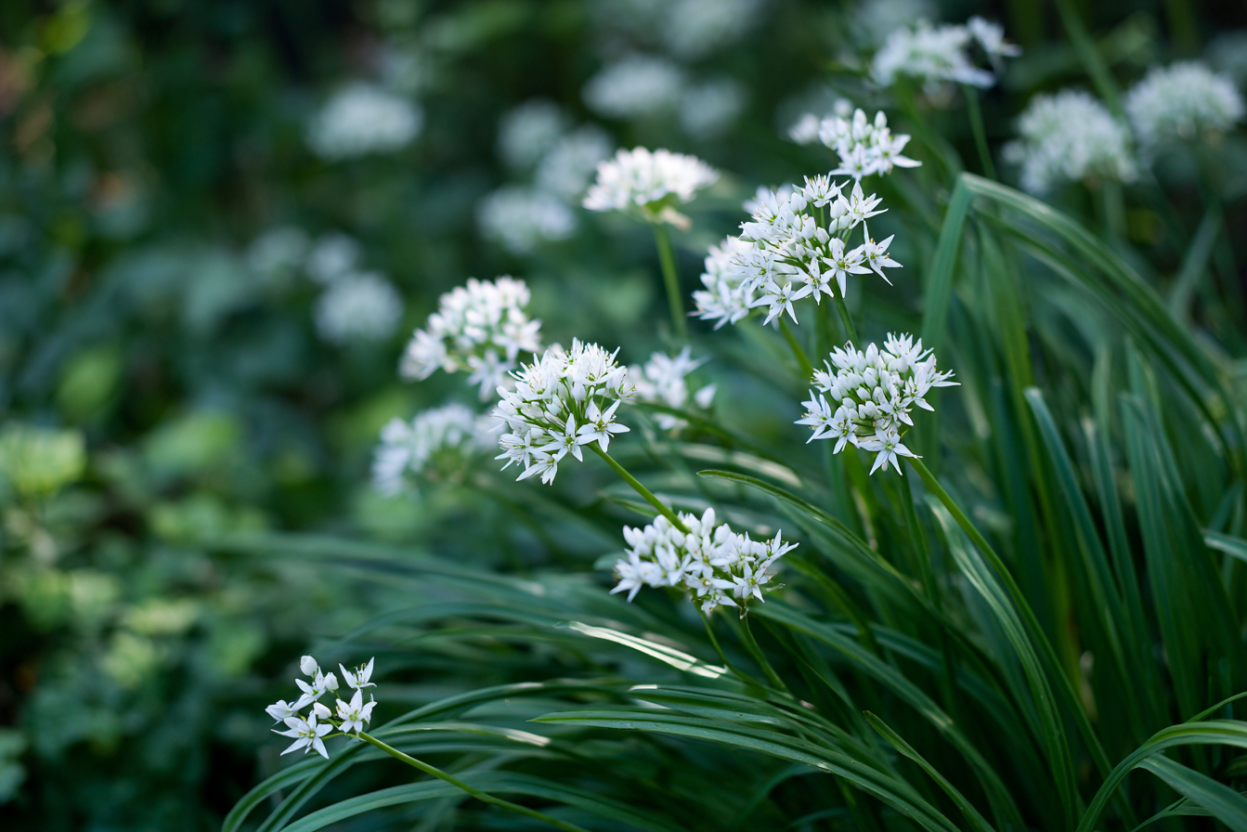
Garlic chives are a hardy, rhizomatous, clump-forming perennial herb that grows 12 to 24 inches tall. Unlike common chives, which have hollow, tubular leaves, garlic chives produce flat, strap-shaped, grass-like leaves that are gray-green in color, approximately 1.5 to 8 mm wide, with a triangular cross-section. The leaves arch gently downward at the tips, forming an attractive fountain of greenery that remains tidy throughout the growing season.
The plant grows from a small, elongated bulb — about 10 mm across — that is tough and fibrous. Unlike onion or garlic bulbs, this bulb is not used for culinary purposes. The bulb attaches individually to a stout rhizome similar to that of an iris, and each bulb produces four to nine leaves. In late summer to early fall, sturdy flower stalks rise two to three feet above the foliage, bearing loose umbels of many small, white, star-shaped flowers with a sweet, honey-like fragrance. These blooms are highly attractive to bees, butterflies, and other pollinators. After flowering, dark papery capsules form, filled with hard, triangular black seeds.
The entire plant — leaves, stems, and flowers — carries a distinctive mild garlic aroma, especially when the leaves are bruised or cut. This garlic essence, rather than an onion flavor, is what distinguishes garlic chives from their common chive cousins.
Origin
Garlic chives are native to the Chinese province of Shanxi and the broader Siberian-Mongolian-North Chinese steppe region. From this origin, they spread across Southeast Asia and eventually throughout the temperate and subtropical world. The species was first formally described by Johan Peter Rottler, with the name validly published by Curt Polycarp Joachim Sprengel in 1825 — though the plant had been cultivated and revered in Asia for thousands of years before Western botanists recorded it. Today, garlic chives grow wild in scattered locations across the United States, including Illinois, Michigan, Ohio, Nebraska, Alabama, and Iowa, and are cultivated in herb gardens worldwide.
Brief History
Garlic chives have been cultivated in China for over five thousand years, making them one of the oldest continuously used culinary and wellness herbs in human history. They were recorded in ancient Chinese herbal texts as both a food and a healing plant, with the seeds (Jiǔ Cài Zǐ) receiving special attention in Traditional Chinese Medicine for their warming, tonifying properties. The plant spread through trade and migration across Korea, Japan, India, Nepal, and Southeast Asia, becoming deeply embedded in each region’s cuisine and folk medicine. European explorers are believed to have carried garlic chives to the Americas, where they naturalized readily due to their aggressive self-seeding habit. In Central Asian countries like Kazakhstan and Kyrgyzstan, Dungan farmers introduced the plant through their ties to neighboring China.
Growing & Cultivation
Climate & Zones
Garlic chives are cold-hardy perennials that thrive in USDA Hardiness Zones 4 through 9 (some sources extend this range to Zones 3–10). In warmer areas (Zone 8 and above), they may remain green year-round. In colder zones, leaves and stalks die back completely in winter and resprout vigorously from the roots and rhizomes each spring. They adapt well to Georgia’s climate and are a reliable choice for year-round gardening in the Southeast. They can also be grown indoors on a sunny windowsill or under grow lights in any climate.
Soil Requirements
Garlic chives prefer well-draining, loamy soil with a pH between 6.0 and 7.0. They are remarkably tolerant of poor soils and will grow in sandy, clay, or rocky conditions, though they perform best when given reasonably fertile ground. Amending heavy clay with compost improves drainage and root development. For container growing, a standard potting mix with good drainage works well. Add perlite if needed to prevent waterlogging, as saturated roots can lead to rot.
Water & Sunlight
Full sun is ideal — at least six hours of direct sunlight daily. Garlic chives will tolerate partial shade, particularly afternoon shade in hotter climates, but reduced light produces less vigorous growth and weaker flavor. Regarding water, these plants enjoy consistent moisture but are notably drought-tolerant once established. Water as needed during dry spells, allowing the soil to dry slightly between waterings. Overwatering is a greater threat than underwatering — yellowing leaves and mushy bases signal too much moisture. Avoid overhead watering to reduce the risk of fungal disease and thrips.
Propagation
Seed: Sow seeds indoors 6–8 weeks before the last frost, or direct sow outdoors in early to mid-spring when soil temperatures reach 50–70°F. Plant seeds at a depth of ¼ inch. Germination takes 7–14 days. Thin seedlings to 6–12 inches apart. Plants take 80–90 days from seed to reach harvestable size, and may need up to a full year to become fully established.
Division: This is the fastest method. Lift established clumps in early spring and separate them into smaller sections, each with several bulbs and a portion of the rhizome. Replant immediately at the same depth. Clumps should be divided every 2–3 years to maintain vigor, encourage blooming, and prevent overcrowding.
Self-seeding: Garlic chives self-seed aggressively. If you do not want them to spread, deadhead flower stalks promptly after blooming but before seeds set. If you welcome natural expansion, allow some seed heads to remain — they will scatter readily.
Planting
Plant garlic chives in spring after the last frost. Space transplants or thinned seedlings 6–12 inches apart. In rows, allow 12 inches between rows. Garlic chives make excellent companion plants alongside carrots, grapes, roses, and tomatoes — their garlic scent deters aphids, Japanese beetles, and certain other pests from neighboring plants. Avoid planting near beans and peas, as alliums can inhibit their growth.
Harvesting
Harvest leaves when they reach about 6 inches tall. Cut them at the base, leaving about 2 inches of growth to encourage regrowth. Morning harvest, after dew has dried, yields the best flavor. Do not harvest in the first year from seed — let the plant establish. The flowers are also edible and should be picked shortly after opening. Seed pods can be collected for replanting once they turn dark and papery. Regular harvesting encourages tender new growth and keeps the plant producing throughout the season.
Drying & Storage
Fresh garlic chives are best used immediately, as they lose flavor more quickly than common chives. For short-term storage, wrap loosely in a damp paper towel and refrigerate for up to one week. For longer preservation, freezing is preferable to drying — chop leaves and freeze in ice cube trays with water or olive oil. If drying, use a dehydrator at 95–105°F or air-dry in small bundles in a warm, well-ventilated area away from direct sunlight. Dried garlic chives retain some flavor but lose their vibrant color and much of their aromatic potency. Store dried material in airtight containers away from light; shelf life is approximately 6–12 months.
Pest & Disease Management
Garlic chives are remarkably pest-resistant, largely because their sulfur compounds repel many common garden pests. However, they can occasionally attract thrips, particularly if grown near grain crops. Avoid overhead watering and practice integrated pest management to control thrips. Onion root maggots may occasionally affect the bulbs. Downy mildew and rust are the most common diseases, typically occurring in cool, moist conditions. Good air circulation, proper spacing, and avoiding overwatering are the best prevention methods. Companion planting with garlic chives actually protects nearby vegetables from aphids, carrot flies, and Japanese beetles.
Companion Planting
Plant garlic chives alongside carrots, tomatoes, roses, grapes, and brassicas to take advantage of their natural pest-deterrent properties. Their sulfurous scent confuses and repels many pest insects. Avoid planting near beans, peas, and other legumes, as alliums may suppress their growth. Garlic chives also make excellent border plants, edging, and ground cover, and work beautifully in herb spirals and permaculture food forest understory layers.
The Healing of Growing
Growing garlic chives offers benefits well beyond the harvest. The act of gardening — hands in soil, bare feet on earth, time spent outdoors — has been shown to reduce cortisol, improve mood, and support immune function. The soil contains beneficial bacteria, including Mycobacterium vaccae, which has documented antidepressant effects. Research published in Neuroscience demonstrated that contact with this soil organism stimulates serotonin production, producing effects comparable to certain pharmaceutical antidepressants (Lowry et al., 2007). When you grow your own garlic chives, you receive healing before you ever consume them.
Nutritional Profile
Macronutrients
Per 100 grams of fresh garlic chives: approximately 30 calories, 3.27 g protein, 4.4 g carbohydrates, 2.5 g dietary fiber, 1.9 g sugar, and 0.73 g fat. This makes garlic chives a low-calorie, nutrient-dense food — ideal for adding substantial nutrition without significant caloric impact.
Vitamins
Vitamin A: 4,353 IU (145% DV) — Garlic chives contain more vitamin A than any other member of the Allium family. This fat-soluble vitamin is essential for vision, immune function, skin health, and cellular communication. The beta-carotene content also provides powerful antioxidant protection.
Vitamin C: 58.1 mg (97% DV) — A potent antioxidant that supports immune function, collagen production for skin and joint health, and enhances iron absorption. Vitamin C also protects cells from oxidative damage caused by free radicals.
Vitamin K: 212.7 mcg (177% DV) — Critical for proper blood clotting and bone health. Research suggests adequate vitamin K intake promotes osteoblastic activity (bone formation) and may help limit neuronal damage, playing an established role in supporting those at risk for cognitive decline.
Folate (Vitamin B9): 105 mcg (26% DV) — Essential for DNA synthesis, cell division, and red blood cell formation. Adequate folate during pregnancy may help prevent neural tube defects. Folate also triggers the production of mood-supporting compounds such as serotonin and dopamine.
Other B Vitamins: Garlic chives contain meaningful amounts of riboflavin (B2), niacin (B3), pantothenic acid (B5), pyridoxine (B6), and thiamine (B1), supporting energy metabolism, nervous system function, and red blood cell production.
Minerals
Potassium: 296 mg (8% DV) — Helps regulate blood pressure, supports heart rhythm, and is essential for proper muscle and nerve function. Potassium works in balance with sodium to maintain healthy fluid levels throughout the body.
Calcium: 92 mg (9% DV) — Crucial for bone strength, muscle contraction, nerve transmission, and blood clotting. Plant-based calcium from garlic chives contributes to the diverse intake needed for optimal bone health.
Phosphorus: 58 mg (8% DV) — Works closely with calcium to build strong bones and teeth. Also plays a role in how the body uses carbohydrates and fats, and is needed for protein synthesis and cellular repair.
Magnesium: 42 mg (10% DV) — Essential for over 300 enzymatic reactions in the body. Supports muscle and nerve function, blood sugar regulation, blood pressure management, and bone health. Many adults are deficient in this critical mineral.
Iron: 1.60 mg (20% DV) — Necessary for oxygen transport through hemoglobin in red blood cells. The vitamin C content in garlic chives enhances iron absorption, making this a well-designed nutritional pairing by nature.
Copper: 0.157 mg (17% DV) — Supports iron metabolism, connective tissue formation, and the function of the immune and nervous systems. Also serves as a cofactor for antioxidant enzymes.
Other Minerals: Zinc, manganese, selenium, and sodium are all present in meaningful trace amounts, contributing to immune function, antioxidant defense, thyroid health, and metabolic processes.
Phytonutrients & Active Compounds
Organosulfur Compounds: Garlic chives are rich in sulfur-containing compounds including allicin, diallyl disulfide, dimethyl disulfide, allyl methyl disulfide, and dimethyl trisulfide. These are the same class of compounds that give garlic its renowned health-supporting properties. Research suggests these compounds provide antimicrobial, antioxidant, and cardiovascular support.
Flavonoids: Kaempferol and quercetin derivatives are present throughout the plant. These flavonoids are associated with anti-inflammatory and antioxidant activity. A novel compound, kaempferol-3-O-(6″-feruloyl)-sophoroside, was recently isolated from garlic chive shoots and shown to promote cellular growth pathways (Ryu et al., 2021).
Carotenoids: Lutein and zeaxanthin accumulate in the retina of the eye and may help prevent age-related macular degeneration. Beta-carotene provides additional antioxidant protection and converts to vitamin A as needed.
Steroidal Saponins: The seeds contain unique steroidal glycosides including spirostanols and furostanols. Research has identified 27 steroidal glycosides from garlic chive seeds, several of which demonstrated bioactive properties in laboratory studies (PMC7700350, 2020).
Phenylpropane Glycosides: Tuberonoid A and B, along with various nucleosides and lignan compounds, contribute to the plant’s unique phytochemical profile.
Nutrient Notes
Garlic chives offer an exceptional concentration of vitamins A, C, and K relative to their caloric content — making them one of the most nutrient-dense garnish herbs available. The simultaneous presence of vitamin C and iron creates a naturally synergistic pairing that enhances mineral absorption. For maximum nutritional benefit, consume raw or minimally cooked, as heat degrades vitamin C and some of the volatile sulfur compounds. The organosulfur compounds are best activated by chopping or crushing the leaves and allowing them to sit for a few minutes before use — similar to the allicin activation in garlic.
Connection to Body Compounds
The B-vitamins and folate in garlic chives support serotonin and dopamine production — key neurotransmitters for mood regulation and emotional wellbeing. The magnesium content may help regulate cortisol, the body’s primary stress hormone. The sulfur compounds support glutathione production, the body’s master antioxidant and a critical component of detoxification pathways. The vitamin K content supports osteocalcin, a protein essential for calcium integration into bone tissue.
Culinary Uses
Edible Parts
Nearly every above-ground part of garlic chives is edible. The flat, green leaves are the most commonly used portion, offering a mild garlic flavor that is gentler than raw garlic cloves. The flower buds and open flowers are also edible, with a slightly stronger garlic flavor and a pleasant crunch, making them an elegant addition to salads and garnishes. The flower stalks are used extensively in Asian cuisine, particularly stir-fried as a vegetable in their own right. In China, when the leaves are blanched by growing them in darkness, they produce yellow garlic chives (jiǔ huáng), considered a delicacy for stir-fry dishes. The fibrous underground bulbs are not typically consumed due to their tough texture and sharp flavor.
Flavor Profile
The primary flavor is a gentle, sweet garlic with mild onion undertones — significantly more subtle than raw garlic. Fresh leaves carry a delicate aromatic quality. When cooked, the flavor mellows further and becomes almost buttery. Dried garlic chives retain some garlic character but lose their freshness and most of their aromatic complexity. The intensity is mild to moderate, making garlic chives ideal for those who enjoy garlic essence without the bite.
Preparation
Garlic chives are best used fresh, added at the end of cooking to preserve their flavor and nutritional value. They can be chopped into salads, scattered over soups, folded into egg dishes, blended into compound butters, and stirred into soft cheeses and dips. In Asian cooking, the leaves and flower stalks are stir-fried quickly over high heat with oil, often paired with eggs, shrimp, pork, or tofu. Garlic chives are a signature ingredient in Korean buchimgae (savory pancakes), Chinese jiǔ cài hé zi (chive pocket pies), mandu and dumplings throughout East Asia, and yi mein noodle dishes. They are also used to make garlic chive flower sauce (韭花酱), a fermented condiment. For infusions, fresh leaves can be steeped in vinegar or light oils to create flavored condiments.
Culinary Pairings
Garlic chives pair beautifully with eggs in any form, shrimp and seafood, pork, tofu, potatoes, rice, soy sauce, sesame oil, ginger, scallions, and mild cheeses. They complement mushrooms, miso, noodles, and spring vegetables. For dressings and sauces, they blend well with lemon, olive oil, yogurt, and cream cheese.
Storage
Use fresh garlic chives as soon as possible for best flavor. Wrap loosely in a damp paper towel and refrigerate for up to one week. For longer storage, chop and freeze in ice cube trays with water or olive oil. Drying is possible but diminishes flavor significantly. Infusing into vinegars or oils is an excellent preservation method that captures both flavor and nutritional compounds. The edible flowers can be harvested at peak bloom and added to herb vinegars, creating a beautiful and flavorful condiment.
Ready to cook with Garlic Chives? View Recipes on Chefts →
Wellness & Therapeutic Uses
Traditional Uses
Garlic chives have a documented history of therapeutic use spanning over two thousand years. In Traditional Chinese Medicine (TCM), the plant holds a significant place as a warming herb. The leaves (jiǔ cài) have been used to support digestive health, increase appetite, alleviate abdominal pain, and address diarrhea. The seeds (jiǔ cài zǐ) are classified among the “tonic herbs for Yang Deficiency” and have been prescribed to support kidney function, address lower back pain, and promote vitality. TCM practitioners have used garlic chive seeds for conditions such as nocturnal emission, urinary incontinence, and low libido — applications supported by the warming, Yang-tonifying nature attributed to the plant.
In Indian traditional medicine, the whole plant — including the roots — has been used to support respiratory health during coughs and colds, as a digestive aid, and as a gentle detoxifier. In Korean folk medicine, garlic chives have been valued for their ability to support blood circulation and as a general vitality tonic. Roman physicians noted that allium vegetables like chives could relieve sunburn pain, soothe sore throats, and act as a mild diuretic to support fluid balance.
Modern Research
Antioxidant Activity: Garlic chives contain polyphenols, carotenoids, vitamin C, and flavonoids that demonstrate strong antioxidant potential. These compounds act as free-radical scavengers that may help prevent lipid peroxidation and DNA damage. Studies on Allium species consistently demonstrate significant antioxidant capacity, which is associated with reduced risk of chronic disease (Tang et al., Food Research International, 2017, China).
Blood Sugar Support: A study using diabetic rat models found that butanol fractions from Allium tuberosum significantly decreased fasting blood glucose, triglycerides, total cholesterol, and LDL-C while improving antioxidant enzyme status. The extract also upregulated renal antioxidant enzymes and decreased pro-inflammatory cytokines, suggesting promise for metabolic health support (Li QM et al., Biomedicine & Pharmacotherapy, 2019, China).
Liver Support: Research demonstrated that Allium tuberosum extract decreased markers of liver damage (ALP, ALT, AST) in mice with induced acute liver injury. The extract also reduced malondialdehyde and pro-inflammatory cytokines IL-1β, IL-6, and TNF-α, while improving antioxidant levels. These hepatoprotective effects were attributed to the plant’s antioxidant and anti-inflammatory activities (Tang et al., 2017, China).
Antimicrobial Properties: Studies indicate that garlic chives demonstrate significant antibacterial activity — in some research, even more potent than garlic (Allium sativum). The essential oil compounds, particularly diallyl disulfide, have shown effectiveness against Gram-positive bacteria including Salmonella typhimurium, Escherichia coli, Staphylococcus aureus, and Listeria monocytogenes. Antifungal activity has been demonstrated against Aspergillus niger, A. flavus, and A. fumigatus.
Cardiovascular Support: The organosulfur compounds in garlic chives, similar to those in garlic, have been associated with potential cardiovascular benefits. Research on allicin and related compounds suggests support for healthy blood pressure and cholesterol levels. In animal studies, garlic chive extract reduced serum cholesterol, triglycerides, LDL-C, and atherogenic index in hyperlipidemic models.
Reproductive Health Research: An in vivo study found that seed extracts of Allium tuberosum significantly improved sexual behavior parameters in male rats, increased serum testosterone levels, and elevated nitric oxide levels. The study suggested vasorelaxant properties on corpus cavernosum smooth muscle, supporting the traditional TCM use of garlic chive seeds as a Yang tonic (Guohua et al., BMC Complementary Medicine, 2017, China).
Cytotoxic Research: Thiosulfinates isolated from garlic chives demonstrated strong cytotoxic activity against human cancer cells in vitro and significant antitumor activity in vivo, with increased life spans observed in mice inoculated with Sarcoma-180 tumor cells. The crude thiosulfinates also induced apoptosis in MCF-7 breast cancer cells (Kim et al., Journal of Agricultural and Food Chemistry, 2007, South Korea).
Body Systems Supported
Digestive System: Garlic chives have been traditionally used to stimulate appetite, promote healthy digestion, alleviate bloating, and address diarrhea and abdominal discomfort. The dietary fiber content supports regular bowel movements, while the sulfur compounds may help maintain a healthy gut microbiome by suppressing harmful bacteria and fungi.
Immune System: The high vitamin C and allicin content supports immune function by enhancing white blood cell activity and providing antimicrobial protection. The sulfur compounds offer broad-spectrum antimicrobial activity.
Cardiovascular System: Organosulfur compounds may support healthy blood pressure and cholesterol levels. Potassium contributes to heart rhythm regulation. Allicin and ajoene are documented vasodilators.
Musculoskeletal System: Exceptional vitamin K content supports bone formation through osteoblastic activity. Calcium, phosphorus, and magnesium provide the mineral building blocks for bone density.
Nervous System: Folate and B-vitamins support neurotransmitter production. Choline supports memory, mood, and nerve function. Vitamin K may help limit neuronal damage associated with cognitive decline.
Integumentary System (Skin): Vitamin A and C support collagen production, skin repair, and protection from UV-related oxidative damage.
Urinary System: Traditional use as a mild diuretic. The seeds have been used in TCM to support kidney function and address urinary incontinence.
Reproductive System: TCM has used garlic chive seeds for centuries to support male reproductive vitality. Modern animal studies support potential aphrodisiac and testosterone-supporting properties.
Body Compounds Affected
The folate and B-vitamins in garlic chives support the production of serotonin and dopamine — neurotransmitters critical for mood regulation, motivation, and emotional wellbeing. Choline supports acetylcholine, essential for memory and learning. The sulfur compounds support glutathione production — the body’s master antioxidant. The magnesium content may help modulate cortisol (the stress hormone). Research suggests that the seed extracts may influence testosterone and nitric oxide levels. The anti-inflammatory compounds have been shown to reduce pro-inflammatory cytokines including IL-1β, IL-6, and TNF-α.
Methods of Use
Tea/Infusion
Use 1–2 tablespoons of fresh chopped garlic chive leaves per cup of hot water (not boiling — 180°F is ideal to preserve volatile compounds). Steep for 5–10 minutes. This gentle infusion supports digestion when taken after meals. May be consumed 1–3 times daily. The seeds can also be decocted — simmer 1 teaspoon of dried seeds in 2 cups of water for 15–20 minutes, strain, and drink warm.
Fresh Consumption
The most direct and bioavailable method. Add raw chopped leaves generously to meals as a garnish, in salads, or blended into sauces and dressings. Consuming the leaves raw preserves the maximum content of vitamin C and volatile sulfur compounds.
Juice/Smoothie
Fresh garlic chive leaves can be juiced alongside other vegetables or blended into green smoothies. This concentrates the nutrients and makes larger amounts more palatable.
Poultice
Traditionally, crushed fresh leaves have been applied topically to minor cuts and insect bites, leveraging the plant’s antimicrobial sulfur compounds. Crush fresh leaves, apply to the affected area, and cover with a clean cloth for 20–30 minutes.
Cosmetic & Beauty Uses
Skin Benefits
Garlic chives offer notable benefits for skin health thanks to their high concentration of vitamins A and C, both of which are essential for collagen production and skin cell renewal. Vitamin C is a powerful antioxidant that protects skin from UV-induced free radical damage, while vitamin A supports cellular turnover and helps maintain smooth, even-toned skin. The sulfur compounds in garlic chives have natural antimicrobial properties that may support the management of acne-causing bacteria when used topically. The allicin content may also help reduce inflammation associated with blemishes and irritation. Garlic chives may benefit oily, acne-prone, and combination skin types due to their antimicrobial and astringent qualities.
Hair Benefits
The sulfur compounds in garlic chives are particularly relevant for hair health. Sulfur is a key building block of keratin, the protein that makes up hair structure. Traditional folk use of garlic chive preparations on the scalp suggests support for scalp circulation and follicle health. The vitamin C content aids iron absorption, which is essential for oxygen delivery to hair follicles, while the B-vitamins support the cellular energy production needed for hair growth. A rinse made from garlic chive tea may help address dandruff and itchy scalp conditions due to the antimicrobial properties of the sulfur compounds.
Application Methods
Infused Oil: Gently warm a carrier oil (such as jojoba or sweet almond) with a generous handful of chopped fresh garlic chive leaves on very low heat for 1–2 hours. Strain thoroughly. This infused oil can be applied to the scalp or used in facial massage for oily or acne-prone skin. Use within 2 weeks when refrigerated.
Face Mask: Blend fresh garlic chive leaves with plain yogurt and a small amount of honey. Apply to the face for 10–15 minutes, then rinse. The lactic acid in yogurt combined with the antimicrobial properties of the chives may help clarify congested skin. Always perform a patch test first, as some individuals may experience sensitivity.
Hair Rinse: Steep a generous handful of fresh garlic chives in 2 cups of boiling water for 30 minutes. Cool completely, strain, and use as a final rinse after shampooing. This may help with scalp circulation and dandruff.
DIY Formulation Notes
When incorporating garlic chives into homemade preparations, keep infused oils at 5–10% concentration in final products. Combine with carrier oils like jojoba (for oily skin) or sweet almond (for normal to dry skin). Do not combine garlic chive preparations with strong acids (AHA/BHA) or retinol, as the sulfur compounds may cause irritation when layered with active skincare ingredients. Homemade infused oils should be stored in the refrigerator and used within 2 weeks. Always patch test before facial application.
Garlic chives are among the botanicals being explored for holistic cosmetic applications, where the wisdom of traditional beauty practices meets modern understanding of skin science.
Essential Oil Profile
Note: Garlic chives do not produce a widely available commercial essential oil in the same manner as lavender or peppermint. However, steam distillation and other extraction methods have been used in research settings to isolate the volatile oil compounds from the plant, and these have been studied for their biological activity.
Key Chemical Constituents
The essential oil of Allium tuberosum contains primarily sulfur-based volatile compounds, including dimethyl disulfide, allyl methyl disulfide, dimethyl trisulfide, allyl methyl trisulfide, methyl 1-propenyl disulfide, and diallyl disulfide. The leaves also contain linalool and flavonoid glycosides. These compounds are responsible for the plant’s characteristic garlic aroma and many of its documented antimicrobial properties.
Therapeutic Properties
Research on these extracted volatile compounds suggests antimicrobial activity (effective against both bacteria and fungi), antioxidant activity, and potential anti-tumor properties. The sulfur compounds, particularly diallyl disulfide, have been studied for their broad-spectrum activity against foodborne pathogens. Allyltrisulfide demonstrated inhibitory effects against Aspergillus species at relatively low concentrations.
Practical Note
Because garlic chive essential oil is not widely available commercially, the most practical way to experience the plant’s aromatic and volatile compounds is through direct use of the fresh plant — crushing leaves, growing the plant indoors, or preparing fresh infusions. For those seeking sulfur-rich essential oils from the Allium family, garlic essential oil (Allium sativum) is more readily available and shares many of the same compound classes.
Aromatherapy & Scent
The Aroma
Fresh garlic chives emit a gentle, sweet garlic scent that is noticeably milder than raw garlic. The aroma is most pronounced when the leaves are bruised, crushed, or cut — this physical disruption breaks cell walls and activates the volatile sulfur compounds. In the garden, the scent becomes particularly noticeable in the warmth of midday or after rain, when the volatile oils evaporate more readily. The flowers have a lighter, sweeter, almost honey-like fragrance that is quite pleasant.
When dried, garlic chives retain a faint garlic character, but much of the fresh aromatic quality is lost. Dried material may smell more like dried grass with subtle garlic undertones. The scent of dried leaves fades within 6–12 months, even when properly stored.
How Scent Affects Your Body
When you smell garlic chives — whether while gardening, cooking, or simply being near the plant — volatile sulfur molecules are released into the air and inhaled through the nose. These molecules bind to olfactory receptors, which send signals directly to the limbic system (the emotional brain) and the hypothalamus (hormone control center). This pathway bypasses conscious thought, meaning the aroma begins affecting your body before you decide how to react. This is the same mechanism used in all aromatherapy — the nose provides a direct highway to the brain’s emotional and hormonal command centers.
Emotional & Mood Effects
The scent of garlic chives is generally considered grounding and centering. In TCM, the warming nature of the plant correlates with its aromatic warmth — the scent is associated with feelings of comfort, vitality, and appetite stimulation. For many people, the smell of garlic and garlic-family herbs triggers positive associations with home cooking, nourishment, and family, which can produce calming and comforting emotional responses. The scent may also be mildly energizing, as the sulfur compounds stimulate the senses.
Body Compounds Affected
While specific studies on garlic chive aromatherapy are limited, research on allium-family aromas suggests that inhaling sulfur-containing plant volatiles may have mild stimulatory effects that support alertness and appetite. The comforting associations of garlic-scented cooking environments may modestly support serotonin through positive emotional response, and the appetite-stimulating quality suggests influence on ghrelin and digestive enzyme secretion.
Ways to Experience the Scent
Grow garlic chives on a kitchen windowsill and brush the leaves as you pass. Crush a leaf between your fingers while gardening to release the aromatic compounds. Add fresh-cut garlic chive stems to a small vase in the kitchen. Simmer fresh leaves in a pot of water on the stove for a gentle garlic-scented atmosphere. Add fresh or dried leaves to a warm bath for a subtly aromatic soak. Tuck dried leaves into sachets for drawers or closets — the scent is mild enough to be pleasant rather than overpowering.
Color Therapy
The Colors of Garlic Chives
Garlic chives present a calming palette of green and white. The leaves are gray-green, a soft, muted tone that differs from the bright greens of many herbs. New growth emerges in a brighter, more vivid green. The flowers are pure white — small, star-shaped, and borne in loose, round umbels that create a cloud-like effect above the foliage. The seed pods transition from dark green to beige-brown as they mature. The overall visual impression is one of gentle, understated beauty.
Color Wavelengths
The dominant green of the foliage corresponds to wavelengths of approximately 495–570 nm in the visible spectrum. White, the color of the flowers, contains the full visible spectrum (all wavelengths combined). These two colors together create a particularly balanced and soothing visual experience.
How These Colors Affect the Body
Green is the color of balance. It sits at the center of the visible spectrum and is associated with calming, heart-centered energy, nature connection, and restoration. Research in environmental psychology consistently shows that exposure to green environments reduces stress, lowers blood pressure, and improves mood — a phenomenon known as the “green effect.” White is associated with purification, clarity, and full-spectrum light benefits. Together, the green-and-white palette of garlic chives makes them an excellent choice for spaces where you want to promote calm, clarity, and a sense of well-being.
Using Garlic Chives for Color Therapy
Place potted garlic chives on desks, kitchen counters, or near windows where you spend significant time — the green foliage provides constant, gentle visual calming. When the white flowers bloom in late summer, they add a brightening, clarifying visual element. Cutting the flowers for small arrangements brings white light energy indoors. As an edible plant, you also “eat the color” — consuming green foods is associated with heart health and detoxification in many traditional color-nutrition frameworks.
Frequency & Vibration
The Frequency of Garlic Chives
Specific MHz frequency measurements for garlic chives are not widely documented in the published literature. However, the Allium family as a whole is considered to carry moderate to high-frequency energy, particularly due to the sulfur-rich volatile compounds that make these plants so biologically active. In bio-frequency research, fresh living plants are understood to emit higher frequencies than dried material, and plants with strong aromatic or medicinal properties tend to vibrate at higher levels than plants without these properties.
For reference, a healthy human body is understood to vibrate at 62–78 MHz. Frequency measurements suggest that cold and flu symptoms may onset around 58 MHz, and disease states may appear below 58 MHz. Fresh herbs are generally considered high-frequency foods, supporting the body’s natural vibration.
Human Frequency Interaction
According to the entrainment principle in vibrational medicine, a stronger frequency will influence a weaker one. Proponents of vibrational medicine suggest that consuming fresh, living, high-frequency plants — like freshly harvested garlic chives — may help support and raise the body’s natural frequency. Being in the presence of living plants also exposes the body to their subtle electromagnetic field. While this is an area where research is still emerging, the principle aligns with the broader documented benefits of plant-rich diets and nature exposure on human health.
Vibrational Applications
To engage with the vibrational properties of garlic chives, prioritize consuming them fresh and raw. Grow them in your living or working space so you benefit from their living presence. Combine garlic chive consumption with other high-frequency practices such as time in nature, meditation, prayer, and clean eating. The act of growing, harvesting, and consuming your own garlic chives creates a full-circle interaction with the plant’s frequency — from seed to table.
The Living Plant
Benefits of Presence
Simply being around living garlic chive plants — whether in your garden, on your windowsill, or in a container on your patio — offers healing benefits beyond any consumption or preparation. Research consistently demonstrates that the presence of living plants reduces stress, lowers blood pressure, improves air quality, and supports psychological wellbeing. This is the principle behind biophilic design: humans are wired to thrive in the presence of living greenery.
Air Purification
While garlic chives were not specifically included in NASA’s Clean Air Study, allium family plants are known to release sulfur-based volatile compounds (phytoncides) that have documented antimicrobial activity. These compounds may help reduce airborne bacteria and fungi in indoor spaces. Living garlic chive plants also perform standard plant photosynthesis — absorbing carbon dioxide and releasing oxygen during daylight hours. A cluster of garlic chives on a sunny windowsill contributes modestly to improved indoor air quality while providing easy access for harvesting.
Phytoncides
Garlic chives release volatile organic compounds, including sulfur-rich phytoncides, into the surrounding air. Forest bathing (shinrin-yoku) research has demonstrated that phytoncides from trees and plants increase Natural Killer (NK) cell activity in humans — a key component of immune defense. While garlic chive phytoncides have not been studied as extensively as those from coniferous forests, the antimicrobial properties of allium volatiles suggest similar potential benefits in smaller, indoor settings. The garlic scent you notice when brushing the leaves is, in fact, your body encountering these bioactive airborne compounds.
Visual & Psychological Benefits
Research on the psychological effects of indoor plants shows that even small plants on a desk or windowsill can reduce perceived stress, improve concentration, and enhance feelings of well-being. A study published in the Journal of Physiological Anthropology found that active interaction with indoor plants (such as transplanting or watering) reduced both physiological and psychological stress compared to computer-based tasks. The graceful, fountain-like growth habit of garlic chives provides an aesthetically pleasing visual focal point, and the late-season white flowers offer additional beauty when many other herbs have finished their season.
Growing Indoors vs Outdoors
Garlic chives adapt well to indoor growing, provided they receive at least six hours of bright light daily — a south-facing windowsill is ideal. They can also thrive under grow lights. Use a container at least 6–8 inches deep with good drainage. Indoor plants may not flower as prolifically but will produce reliable leaf harvests year-round. Outdoors, garlic chives provide all the benefits of nature contact — sunlight, fresh air, soil microbiome exposure, and the meditative quality of garden work — amplifying the healing potential considerably.
Touch & Physical Interaction
Gardening Therapy
Horticultural therapy is an established therapeutic practice recognized by healthcare institutions worldwide. Working with garlic chives provides an accessible entry point into this healing modality. Their hardiness makes them forgiving for beginners, and their continuous production through the growing season offers repeated opportunities for the satisfying rhythm of planting, tending, and harvesting. The simple act of caring for a living thing — watching it grow, respond to your care, and produce food — has been shown to reduce anxiety, improve self-esteem, and create a sense of purpose.
Soil Contact Benefits
When you garden with bare hands or bare feet on the earth, you experience grounding — the transfer of electrons from the earth’s surface into your body. Research on earthing suggests that this contact may reduce inflammation, improve sleep, and normalize cortisol patterns. Additionally, direct contact with garden soil exposes your skin microbiome to beneficial organisms, including Mycobacterium vaccae, a soil bacterium with documented antidepressant effects. The microbiome diversity gained through regular soil contact may support immune function and reduce inflammatory responses.
The Tactile Experience
Garlic chives offer a distinctive tactile experience. The flat, strap-like leaves are smooth and slightly waxy, with a gentle flexibility that feels satisfying between the fingers. Running your thumb along a leaf releases the garlic aroma — a multi-sensory moment that engages both touch and smell simultaneously. The flower stalks are firm and slightly fibrous, with a clean snap when harvested. The flower clusters feel delicate and papery, and the small, hard, triangular black seeds provide a contrasting texture — small, smooth, and precise. Even the simple act of pulling weeds from around the clumps and feeling the density of the root mass is a grounding, tactile experience.
Harvesting & Processing
Harvesting garlic chives is a meditative activity. Gathering handfuls of leaves, snipping them at the base, and arranging them for use connects you to an ancient rhythm that millions of hands have repeated across thousands of years. The repetitive motion of chopping the leaves for cooking is calming — a form of moving meditation. Bundling stalks for drying, stripping flowers for vinegar, and processing seeds for next year’s planting all provide sustained, gentle engagement with the plant that quiets the mind and grounds the body in the present moment.
Water-Based Applications
Teas & Infusions
The simplest water-based preparation is a fresh garlic chive infusion. Use 1–2 tablespoons of fresh chopped leaves per cup of hot water (approximately 180°F — below boiling to preserve volatile compounds). Steep for 5–10 minutes, strain, and drink warm. This gentle tea has traditionally been used to support digestion after meals. For a cold infusion, steep the same proportions in room-temperature water for 2–4 hours in the refrigerator. Cold infusion produces a milder flavor and preserves more of the heat-sensitive vitamin C content. Consume 1–3 cups daily as desired.
Decoctions (Seeds)
Garlic chive seeds, being harder and more compact than leaves, benefit from a decoction method. Add 1 teaspoon of dried seeds to 2 cups of water in a small saucepan. Bring to a simmer (not a rolling boil) and maintain for 15–20 minutes. Strain and drink warm. This method is traditional in TCM for the seed preparation (jiǔ cài zǐ), used to support kidney function and vitality. The longer extraction time allows the water to draw out the steroidal saponins and other compounds from the hard seed coat.
Herbal Baths
Add a generous handful (about 1 cup) of fresh garlic chive leaves — or ½ cup dried — to a muslin bag or directly into a warm bath (95–100°F). Soak for 20–30 minutes. The sulfur compounds may support the skin’s natural defenses and provide a warming, circulation-supporting experience. A garlic chive foot soak using the same proportions in a basin of warm water is a more accessible alternative that still allows the volatile compounds to be absorbed through the feet and inhaled through steam.
Compresses
For a warm compress, prepare a strong infusion (double the normal concentration), soak a clean cloth in the warm liquid, wring lightly, and apply to sore muscles or stiff joints for 15–20 minutes. The warmth combined with the plant’s anti-inflammatory sulfur compounds may provide comfort. For a cold compress, prepare the infusion and chill before applying to minor skin irritations or insect bites.
Steam Inhalation
Add a handful of fresh garlic chive leaves to a bowl of steaming water. Drape a towel over your head and the bowl, and breathe the steam gently for 5–10 minutes. The volatile sulfur compounds, released into the steam, have antimicrobial properties that may support respiratory comfort during seasonal congestion. This traditional method has been used across Asian cultures to support clear breathing during colds. Caution: keep the face at least 12 inches from the water to avoid burns, and take breaks if the steam feels too intense.
Hair Rinses
Steep a large handful of fresh garlic chives in 2 cups of boiling water for 30–45 minutes. Cool completely and strain thoroughly. Use as a final rinse after shampooing — pour through the hair, massage into the scalp, and leave for 2–3 minutes before rinsing with cool water. The sulfur compounds may support scalp health, and the vitamins nourish the hair. Regular use (1–2 times per week) may help address dandruff, itchy scalp, and dull hair.
Infused Vinegar
While not strictly a water preparation, garlic chive vinegar combines water-based extraction with the solvent power of acetic acid. Fill a clean jar with fresh garlic chive leaves and flowers, cover with apple cider vinegar or white wine vinegar, seal, and store in a cool dark place for 2–4 weeks. Strain and use as a salad dressing base, hair rinse (diluted 1:3 with water), or a tonic (1 tablespoon in water before meals).
Historical, Cultural & Biblical Significance
Biblical References
Garlic chives (Allium tuberosum) are not directly mentioned by name in Scripture. However, the broader allium family — garlic, onions, and leeks — is referenced in the Bible. In Numbers 11:5 (KJV), the Israelites in the wilderness recalled the foods of Egypt: “We remember the fish, which we did eat in Egypt freely; the cucumbers, and the melons, and the leeks, and the onions, and the garlick.” This passage confirms that allium vegetables were staple foods in the ancient Near East and were deeply valued for both their flavor and their nourishing properties. While garlic chives specifically originated in Asia rather than the Middle East, they belong to the same family that God’s people relied upon for sustenance, and their compounds work through the same biochemical mechanisms as the garlic and leeks mentioned in Scripture.
Ancient Civilizations
Garlic chives have their deepest roots in ancient China, where they were first cultivated approximately 3,000–5,000 years ago, primarily in the Shanxi province. The earliest Chinese herbal texts documented the plant as both a food and a wellness support, with particular attention to the seeds as a tonic for vitality and digestion. Classical TCM texts reference the warming properties of the plant and its affinity for the Kidney and Liver organ systems. In ancient India, garlic chives were adopted into Ayurvedic-influenced folk practices, with the whole plant (including roots) used to support respiratory health and as a digestive aid. Greek and Roman physicians, while more familiar with common chives and garlic, recognized the medicinal value of allium vegetables broadly. Roman poets noted that allium herbs could soothe sore throats and act as mild diuretics.
Eastern Traditions
In Traditional Chinese Medicine, garlic chives have been documented for over two thousand years. The seeds (Jiǔ Cài Zǐ) are classified as a Yang tonic targeting the Kidney and Liver meridians, prescribed for conditions associated with Yang deficiency — including low vitality, lower back pain, and urinary issues. The leaves are used to promote Qi movement in the digestive tract. In Korean traditional medicine, garlic chives (buchu) have been valued as a blood-circulating herb and a general vitality support. In Ayurvedic-influenced Indian practices, particularly in the northeastern states like Manipur, the plant is known as maroi nakuppi and is used both as a culinary staple and a folk remedy for coughs, colds, and general debility.
Indigenous Knowledge
While garlic chives are not native to the Americas and thus do not have Native American traditional use, they have been adopted into the herbal traditions of every region they have reached. In Central Asian countries, Dungan farmers brought garlic chives into the cuisines of Kazakhstan and Kyrgyzstan, where they are used in traditional dishes like manty, samsa, and laghman. In Nepal, the plant is used in the traditional dish dunduko sag. Throughout Southeast Asia — Vietnam, Thailand, the Philippines — garlic chives are woven into both cuisine and folk healing traditions.
European Heritage
Garlic chives arrived in Europe through trade routes and, later, through European explorers who encountered the plant in Asia. The species was formally described by Western botanists in 1825, but European herbalists and gardeners had already been growing it as a curiosity and culinary herb. European folk herbalism integrated garlic chives into the broader understanding of allium herbs — valued for their antimicrobial properties, digestive support, and role as garden companions that protect other plants from pests. Monastery gardens, which preserved so much herbal knowledge through the Middle Ages, often included various allium species for both kitchen and apothecary use.
Cultural Symbolism
In Chinese culture, garlic chives carry associations of vitality, longevity, and the renewal of spring. The Chinese character for garlic chives (韭) suggests resilience and returning growth — appropriate for a plant that can be cut repeatedly and always comes back stronger. In Korean culture, buchu is a comfort food deeply associated with home cooking and family meals. The late-summer white flowers of garlic chives have made them popular in ornamental gardening, symbolizing simplicity and understated beauty.
These cultures observed that garlic chives provided digestive comfort, immune support, and renewed vitality. They documented these uses in their herbal texts and culinary traditions. While they may not have known the Creator by name, they were observing His design — and their observations align precisely with what modern research confirms about this plant’s rich phytochemical profile.
Safety & Precautions
Contraindications
Garlic chives are generally considered safe when consumed as food in normal culinary amounts. However, individuals with known allergies to allium vegetables (garlic, onions, leeks) should exercise caution, as cross-reactivity is possible. Those with bleeding disorders or those scheduled for surgery should be aware that allium compounds have documented anticoagulant and antithrombotic properties — excessive consumption in the days before surgery may be inadvisable. Individuals with gastrointestinal reflux (GERD) or sensitive stomachs may find that large quantities of garlic chives exacerbate symptoms due to the sulfur compounds.
Drug Interactions
Blood Thinners (Warfarin, Aspirin, Clopidogrel): The high vitamin K content of garlic chives may interfere with warfarin efficacy (vitamin K counteracts warfarin). Conversely, the allicin and ajoene compounds have anticoagulant effects that could amplify the effects of blood-thinning medications. Patients on anticoagulant therapy should maintain consistent intake and discuss with their healthcare provider.
Blood Sugar Medications: Research suggests garlic chive extract may lower blood glucose. Individuals on diabetes medications should monitor blood sugar carefully and discuss with their provider before consuming large therapeutic amounts.
Blood Pressure Medications: Allicin and related compounds are vasodilators and may have hypotensive effects. Combined with prescription blood pressure medications, this could potentially enhance the lowering effect.
CYP450 Enzymes: Organosulfur compounds from allium plants may interact with the cytochrome P450 enzyme system, potentially affecting the metabolism of various medications. Consult with a pharmacist or physician if taking multiple medications.
Pregnancy & Nursing
Garlic chives consumed as a normal part of the diet are generally considered safe during pregnancy and breastfeeding. However, therapeutic doses — particularly of the seeds, which are used in TCM as a uterine-influencing herb — should be avoided during pregnancy without guidance from a qualified healthcare provider. Pregnant and nursing women should enjoy garlic chives as food but refrain from concentrated seed preparations or supplemental amounts.
Children
Garlic chives are safe for children over 2 years of age when consumed as a normal food ingredient. Introduce in small amounts to check for any allium sensitivity. Seed decoctions and concentrated preparations are not recommended for children under 12 without professional guidance. For children aged 6–12, smaller culinary portions are appropriate.
Elderly
Elderly individuals may safely enjoy garlic chives as food. Special attention should be given to potential interactions with blood-thinning medications (commonly prescribed to seniors) and blood pressure medications. The high vitamin K content is particularly relevant for those on warfarin — consistency of intake is more important than avoidance. Garlic chives offer excellent nutritional value for seniors due to their dense vitamin and mineral content in a low-calorie, easy-to-digest form.
Pets
Dogs: TOXIC. All Allium species, including garlic chives, are toxic to dogs. The sulfur-containing oxidants (SCOs) cause oxidative damage to red blood cells, leading to Heinz body hemolytic anemia. Symptoms may not appear for several days after ingestion and include vomiting, diarrhea, lethargy, pale gums, rapid breathing, weakness, and dark-colored urine. Japanese dog breeds (Akita, Shiba Inu) are especially sensitive. Seek veterinary care immediately if ingestion is suspected. (VCA Animal Hospitals)
Cats: HIGHLY TOXIC. Cats are even more susceptible to allium toxicity than dogs. Even small amounts of garlic chives can cause serious red blood cell damage. Keep all garlic chive plants, fresh cuttings, and food containing garlic chives away from cats. If ingestion is suspected, contact your veterinarian or the ASPCA Animal Poison Control Center (888-426-4435) immediately. (ASPCA)
Birds: TOXIC. Birds are also indicated for allium toxicity and should not be given garlic chives.
Horses: While horses are generally less sensitive to alliums than dogs or cats, garlic chives are not recommended for equine consumption and should be fenced off from grazing areas.
Allergies & Sensitivities
Individuals with allium allergies (garlic, onion, leek, common chive) may also react to garlic chives. Symptoms may include skin irritation, gastrointestinal upset, or respiratory discomfort. Contact dermatitis is possible when handling the plant, particularly for those with sensitive skin. Always perform a patch test before applying garlic chive preparations topically. Phototoxicity has not been documented with garlic chives, but caution is warranted with any plant-based skin application before sun exposure.
Dosing Guidelines
As a culinary herb, there is no established maximum dose — enjoy as part of a normal, varied diet. For therapeutic tea preparations, 1–3 cups of leaf infusion per day is a commonly suggested range. For seed decoctions, traditional TCM dosing ranges from 3–9 grams of dried seeds per day. Do not exceed these amounts without professional guidance. Consume garlic chives as part of a varied diet rather than relying on extremely large quantities for extended periods.
Quality & Sourcing
If growing your own, use organic practices to avoid pesticide residue on this herb you will consume frequently. If purchasing fresh garlic chives, look for bright green, firm leaves without yellowing or sliminess. If purchasing dried material, ensure it comes from a reputable source with no additives or fillers. Garlic chives are easy to grow at home, making them one of the simplest herbs to self-source and ensure quality.
Signs of Adverse Reaction
Mild reactions may include stomach upset, bloating, or skin irritation. More serious signs — such as persistent nausea, severe abdominal pain, or signs of an allergic reaction (hives, swelling, difficulty breathing) — warrant immediate discontinuation and medical attention. If you notice any unusual bruising or prolonged bleeding (which could indicate an interaction with blood-thinning compounds), consult your healthcare provider.
Disclaimer
This information is for educational purposes only. It is not intended to diagnose, treat, cure, or prevent any disease. Always consult with a qualified healthcare provider before using any herbal product, especially if you are pregnant, nursing, taking medications, or have a medical condition. If you experience any adverse reaction, discontinue use immediately and seek medical attention.
Want Personalized Guidance?
Every body is unique. What works for one person may not be right for another. If you’d like personalized support in incorporating garlic chives into your wellness journey, consider working with a qualified practitioner who can assess your individual needs.
Sources & References
Peer-Reviewed Studies
- Allium tuberosum: Antidiabetic and hepatoprotective activities — Food Research International, 2017, China
- Allium tuberosum alleviates diabetic nephropathy by suppressing hyperglycemia-induced oxidative stress and inflammation — Biomedicine & Pharmacotherapy, 2019, China
- Cytotoxic and antitumor activities of thiosulfinates from Allium tuberosum L. — Journal of Agricultural and Food Chemistry, 2007, South Korea
- Phytochemicals in Chinese Chive (Allium tuberosum) Induce Skeletal Muscle Cell Proliferation via PI3K/Akt/mTOR and Smad Pathways — International Journal of Molecular Sciences, 2021, South Korea
- Steroidal Glycosides from Allium tuberosum Seeds and Their Roles in Promoting Testosterone Production of Rat Leydig Cells — Molecules, 2020, China
- In vitro and in vivo aphrodisiac properties of the seed extract from Allium tuberosum — BMC Complementary Medicine and Therapies, 2017, China/South Africa
- Phytochemicals from Allium tuberosum Show Potent Inhibitory Activity against Non-Small Cell Lung Cancer Targets — Applied Sciences, 2022, India
- Identification of an immune-responsive mesolimbocortical serotonergic system: Potential role in regulation of emotional behavior (Mycobacterium vaccae) — Neuroscience, 2007, UK
Traditional Medicine Sources
- Jiu Cai Zi (Garlic Chive Seeds) in Chinese Medicine — Me & Qi TCM Database
- Traditional uses, phytochemicals and pharmacological properties of Allium tuberosum Rottl. ex Spreng. — Journal of Pharmacognosy and Phytochemistry, 2019, India
- Ingredient: Chinese Chive — Traditional Chinese Medicine Profile — Caring Sunshine
Institutional Sources
- Garlic Chives, Allium tuberosum — University of Wisconsin-Madison Extension
- How to Grow Garlic Chives (Allium tuberosum) — UNH Extension
- USDA FoodData Central — U.S. Department of Agriculture
- People Foods to Avoid Feeding Your Pets — ASPCA
- Onion, Garlic, Chive, and Leek Toxicity in Dogs — VCA Animal Hospitals
- Garlic and Onion (Allium spp) Toxicosis in Animals — Merck Veterinary Manual
Historical References
- Allium tuberosum — History, Cultivation, and Uses — Wikipedia (general reference)
- Chive — Historical and Traditional Uses — White Rabbit Institute of Healing