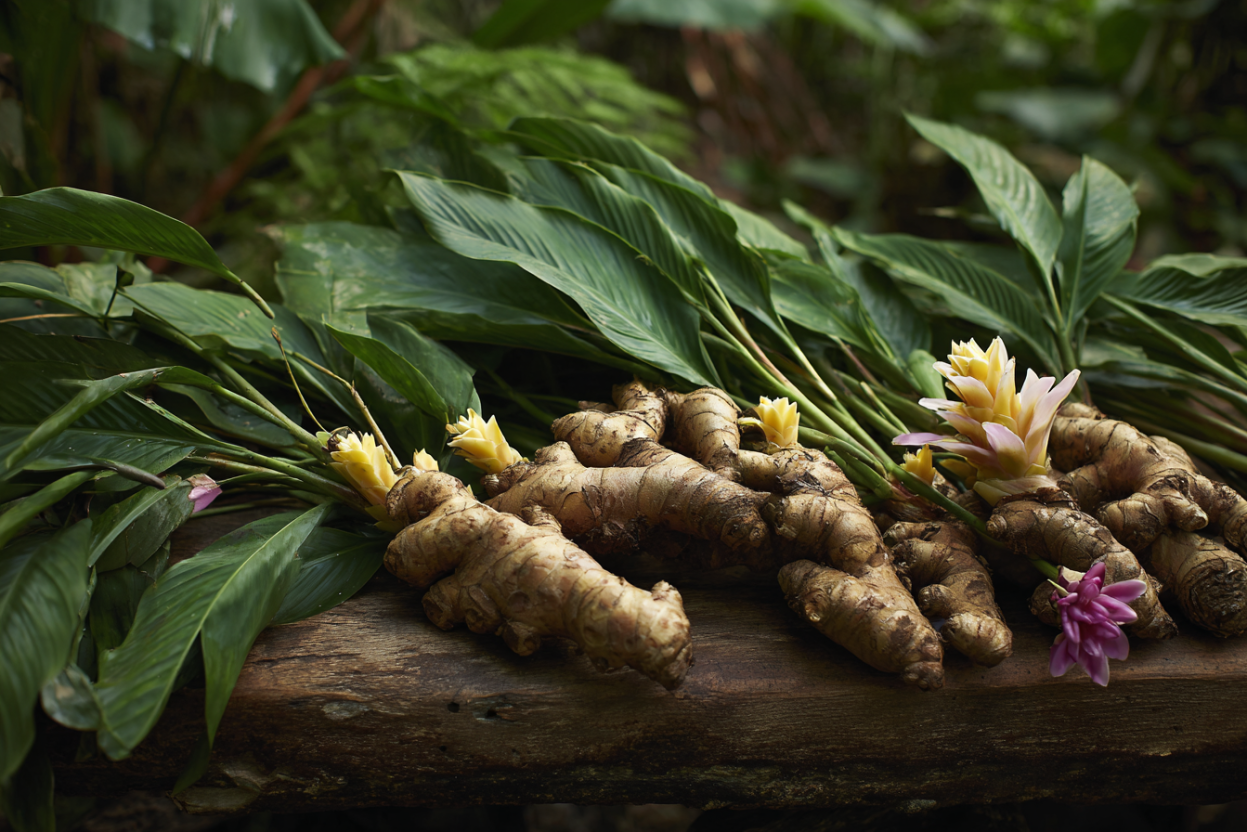
Ginger (Zingiber officinale)
If you have ever struggled with nausea, chronic inflammation, sluggish digestion, or that stubborn stiffness in your joints, you are far from alone. Millions of people face these challenges every single day, and many have found unexpected support in one of the oldest and most studied plants on earth — ginger.
This extraordinary rhizome is one of the most generous gifts the Creator placed into the soil for humanity’s benefit. Long before a single laboratory was built, ginger was already here — provided by a God who knew we would need it, who designed its compounds to work in harmony with the bodies He also designed.
This information is for educational purposes only and is not intended to diagnose, treat, cure, or prevent any disease. Always consult with a qualified healthcare provider before making changes to your health regimen.
The Plant
Common Names: Ginger, Ginger Root, Common Ginger, Canton Ginger, Stem Ginger, Garden Ginger
Botanical Name: Zingiber officinale Roscoe
Family: Zingiberaceae (the Ginger family, which includes turmeric, cardamom, and galangal)
Description
Ginger is a tropical herbaceous perennial that grows from thick, knobby, aromatic underground stems called rhizomes. Above ground, the plant sends up reed-like shoots that reach three to four feet tall, with long, narrow, lance-shaped leaves that have a glossy green surface and a subtle fragrance when brushed or crushed. The leaves grow alternately along the stem in two ranks, giving the foliage an elegant, grass-like appearance.
When allowed to mature for two or more years, ginger may produce cone-shaped flower spikes bearing small, pale yellow flowers edged in purple. These blooms are beautiful but relatively rare outside tropical climates. The rhizome itself — the part most commonly used — features a tan to light brown skin with a firm, fibrous interior that ranges from pale yellow to deeper golden hues depending on the variety. Fresh ginger has a distinctive, sharp, warm aroma and a pungent, slightly sweet, spicy taste that is unmistakable.
Origin
Ginger is native to the tropical forests of Southeast Asia, most likely originating in the region encompassing modern-day India, southern China, and the islands of the Malay Archipelago. It has been cultivated for so long — at least 4,400 years — that wild ginger no longer exists in nature. Today, ginger is grown commercially across the tropics, with India and China together producing more than half of the world’s supply. Other major producers include Nigeria, Nepal, Indonesia, Thailand, and Bangladesh. In the Western Hemisphere, Jamaica and parts of Central America also cultivate high-quality ginger.
Brief History
Ginger is one of the oldest documented spice-medicines in human history. Ancient Sanskrit, Chinese, Greek, Roman, and Arabic texts all reference it prominently. It traveled the ancient trade routes from Asia to the Mediterranean world, becoming one of the first Oriental spices to reach Europe. By the fourteenth century, a pound of ginger in England cost as much as a live sheep. The Romans introduced it to northern Europe, and after the fall of Rome, Arab traders controlled much of the ginger trade for centuries. Spanish explorers brought ginger to the New World in the sixteenth century, and it thrived in the Caribbean — Jamaican ginger became prized for its quality. In every culture it touched, ginger was valued both in the kitchen and in the healing traditions of the people.
Growing & Cultivation
Climate & Zones
Ginger thrives outdoors year-round in USDA Hardiness Zones 9 through 12, where temperatures remain warm and frost-free. In Zone 8, ginger can be grown as a seasonal crop if rhizomes are harvested before the first frost or mulched heavily. For gardeners in cooler zones (Zones 3 through 8), ginger grows beautifully in containers that can be brought indoors when temperatures drop below 50°F. This makes ginger accessible to nearly anyone willing to provide it with warmth, moisture, and patience.
Ginger is a tropical plant that loves consistent warmth. It grows best when daytime temperatures range between 70°F and 85°F (21°C to 29°C). It cannot tolerate frost, and growth stalls when temperatures fall below 55°F. In the Alpharetta, Georgia area (Zone 7b/8a), ginger is best started indoors in late winter and moved outside after the last frost, then harvested in fall or brought back inside before cold weather arrives.
Soil Requirements
Ginger demands loose, loamy, well-draining soil that is rich in organic matter. Heavy clay soils will stunt rhizome development and invite rot. The ideal pH ranges from 5.5 to 6.5 — slightly acidic to nearly neutral. Amend garden beds generously with compost and aged organic matter. For containers, use a high-quality potting mix blended with perlite and compost. Adding a small amount of coarse sand improves drainage. Ginger is a heavy feeder and rewards generous soil preparation with robust rhizome growth.
Water & Sunlight
Keep the soil consistently moist but never waterlogged. Ginger’s tropical origins mean it appreciates regular watering during the active growing season, with reduced watering as the plant enters dormancy in the fall. Overwatering — especially in heavy soil — leads quickly to rhizome rot. Misting the foliage helps replicate tropical humidity.
Ginger prefers partial shade to filtered sunlight — two to five hours of dappled light daily is ideal. In hot southern climates, protection from intense afternoon sun prevents leaf scorch. Morning sun with afternoon shade works well. Indoors, a bright window with indirect light or a grow light set on a timer provides adequate energy.
Propagation
Rhizome Division: Ginger is propagated almost exclusively by dividing the rhizome. Select plump, fresh rhizomes with visible growth buds (eyes). Organic ginger from a nursery or reputable source is best, as conventional grocery store ginger is often treated with a growth inhibitor. Cut the rhizome into sections, each at least one to two inches long with at least one or two eyes. Allow cut pieces to dry for 24 to 48 hours so the wounds callus over, which helps prevent rot. Soak overnight in warm water before planting to encourage sprouting.
Planting
Plant rhizome pieces about one inch deep with the eyes pointing upward, spacing them eight to twelve inches apart. In containers, choose a wide pot (at least twelve inches in diameter) since rhizomes grow laterally rather than deeply. Water lightly after planting and keep the soil warm — ginger will not sprout until soil temperatures reach at least 68°F, with 77°F being optimal. Shoots may take two to four weeks to appear. Apply two inches of organic mulch to retain warmth and moisture.
Companion Planting: Ginger grows well alongside turmeric, lemongrass, cilantro, and chili peppers. Beans and legumes planted nearby fix nitrogen in the soil, which benefits ginger. Avoid planting near walnut trees, whose roots produce juglone, a compound that inhibits many plants.
Harvesting
Ginger takes eight to ten months to reach full maturity, but “baby ginger” can be harvested after just four months. Baby ginger has thinner skin, milder flavor, and lower fiber content — perfect for pickling or fresh use. For mature ginger, wait until the leaves begin to yellow and die back in fall. Harvest by carefully digging up the entire clump. Cut the stems an inch above the rhizome. Reserve some healthy pieces with buds for replanting.
Drying & Storage
Fresh ginger stores well in the refrigerator for up to three weeks when kept unpeeled in a paper bag or wrapped loosely. For longer storage, peel and freeze ginger — it grates easily from frozen and retains about 95% of its active compounds for up to six months. To dry ginger, slice thinly and dehydrate at 95°F to 115°F until brittle. Store dried ginger in airtight glass containers away from light and heat. Dried ginger has a different chemical profile than fresh — during drying, gingerols convert to shogaols, which research suggests may be even more potent in supporting the body’s inflammatory response.
Pest & Disease Management
Ginger is relatively resistant to pests but can be affected by root-knot nematodes, aphids, and fungal issues like rhizome rot (caused by Pythium species) and bacterial wilt. Prevention is the best strategy: ensure good drainage, avoid overwatering, rotate planting locations, and remove any infected material immediately. Neem oil spray helps manage aphids and other soft-bodied insects. Healthy soil rich in beneficial microorganisms provides natural disease suppression.
The Healing of Growing
Growing ginger offers benefits beyond the harvest itself. The act of gardening — hands in soil, bare feet on earth, time spent outdoors — has been shown to reduce cortisol, improve mood, and support immune function. The soil contains beneficial bacteria (Mycobacterium vaccae) with documented antidepressant effects. When you grow your own ginger, you receive healing before you ever consume it. The rhythm of caring for a living plant, watching new shoots emerge from the earth, and harvesting what you have tended connects you to the ancient rhythm of stewardship that the Creator designed into our relationship with the land.
Nutritional Profile
Macronutrients
Per 100 grams of fresh, raw ginger root (USDA FoodData Central #169231): Calories: 80 kcal. Protein: 1.8g. Total Carbohydrates: 17.8g. Dietary Fiber: 2.0g. Sugars: 1.7g. Total Fat: 0.75g. Saturated Fat: 0.2g. Water: 78.9g.
Ginger is low in calories but dense in bioactive compounds that far exceed what a simple macronutrient profile reveals. Its true nutritional power lies in its phytonutrients.
Vitamins
Vitamin B6 (Pyridoxine): 0.16mg (12% DV) — Essential for neurotransmitter synthesis, including serotonin and dopamine. Supports brain function, mood regulation, and hemoglobin production.
Vitamin C: 5mg (6% DV) — Acts as an antioxidant, supports immune function, aids collagen production, and enhances iron absorption from plant foods.
Niacin (B3): 0.75mg (5% DV) — Supports energy metabolism, DNA repair, and healthy skin. Plays a role in converting food into usable energy at the cellular level.
Pantothenic Acid (B5): 0.2mg (4% DV) — Critical for synthesizing coenzyme A, which is involved in fatty acid metabolism and the production of hormones and cholesterol.
Riboflavin (B2): 0.03mg (3% DV) — Acts as a coenzyme in energy production and supports cellular function, growth, and the metabolism of fats and drugs.
Minerals
Potassium: 415mg (9% DV) — A vital electrolyte that helps regulate fluid balance, muscle contractions, and nerve signals. Supports healthy blood pressure levels.
Manganese: 0.23mg (10% DV) — Required for bone formation, blood clotting, and the activity of superoxide dismutase (SOD), one of the body’s most important antioxidant enzymes.
Copper: 0.23mg (25% DV) — Essential for iron absorption, nerve function, red blood cell formation, and the production of collagen and elastin for skin and connective tissue integrity.
Magnesium: 43mg (10% DV) — Involved in over 300 enzymatic reactions in the body, supporting muscle and nerve function, blood sugar regulation, bone health, and energy production.
Phosphorus: 34mg (3% DV) — Works alongside calcium to build and maintain strong bones and teeth. Also plays a role in how the body uses carbohydrates and fats.
Iron: 0.6mg (3% DV) — Necessary for the production of hemoglobin, which carries oxygen throughout the body, and myoglobin, which provides oxygen to muscles.
Phytonutrients & Active Compounds
Ginger’s true medicinal power resides in its remarkable array of bioactive phytonutrients. Over 400 different compounds have been identified in the ginger rhizome, with the most significant being:
Gingerols (especially 6-Gingerol): The primary pungent compound in fresh ginger, responsible for much of its flavor and health-supporting properties. Research suggests 6-gingerol may support healthy inflammatory response, act as a potent antioxidant, and influence multiple signaling pathways including NF-κB and COX-2.
Shogaols (especially 6-Shogaol): Formed when gingerols are dehydrated during drying or cooking. Studies indicate 6-shogaol may be even more bioactive than gingerol, with stronger antioxidant and inflammation-modulating properties. This means dried ginger has a different — and in some ways more concentrated — therapeutic profile than fresh.
Zingerone: A less pungent compound produced when ginger is cooked. Has a sweet, spicy aroma similar to vanillin and research suggests it may support antioxidant and anti-inflammatory pathways.
Paradols: Minor pungent compounds structurally related to gingerols. Research suggests antiplatelet and antioxidant activity.
Volatile Oils: Including zingiberene (the major sesquiterpene, 20-30% of the essential oil), β-bisabolene, α-curcumene, α-farnesene, and β-sesquiphellandrene. These give ginger its characteristic aroma and contribute antimicrobial properties.
Diarylheptanoids: Including curcumin-like compounds that contribute to ginger’s antioxidant capacity.
Nutrient Notes
Ginger’s bioavailability is enhanced when consumed with healthy fats (such as coconut oil or olive oil) and black pepper, which contains piperine — a compound shown to increase absorption of many phytonutrients. Cooking transforms gingerols into zingerone, while drying produces shogaols, so different preparations deliver different benefits. Consuming ginger in multiple forms — fresh, dried, cooked, and as tea — provides the broadest spectrum of its compounds.
The B-vitamins in ginger, particularly B6, support serotonin production in the body. The magnesium content may help regulate cortisol, the body’s primary stress hormone. The potent antioxidant activity of gingerols and shogaols helps neutralize free radicals and may support the body’s natural inflammatory response pathways.
Culinary Uses
Edible Parts
The rhizome is the primary edible portion of ginger and the most widely used. Young stems and leaves are also edible and are used in some Asian cuisines, particularly in salads and as wrapping for steamed dishes. The flower buds, while rare outside tropical gardens, are edible and sometimes used as a garnish or in salads in Southeast Asian cooking.
Flavor Profile
Fresh ginger delivers a bright, peppery, slightly sweet, and warming flavor with lemony and earthy undertones. The pungency hits first, followed by warmth that lingers. When cooked, ginger becomes milder, sweeter, and more aromatic. Dried ginger is sharper, hotter, and more concentrated than fresh, with a deeper, spicier character. The aroma of fresh ginger is clean, citrusy, and invigorating — unmistakable and appetite-stimulating.
Preparation
Fresh ginger is most commonly peeled (using the edge of a spoon to preserve as much flesh as possible) and then sliced, minced, grated, or julienned. It can be used raw in dressings and smoothies, sautéed as a base for stir-fries and curries, simmered in soups and stews, or steeped in hot water for tea. Ginger can be preserved by pickling (the pink ginger served with sushi), candying (crystallized ginger), or infusing into oils, vinegars, and syrups. Ground dried ginger is a staple in baking — gingerbread, gingersnaps, and spice cakes all depend on it.
Culinary Pairings
Ginger pairs beautifully with garlic, soy sauce, sesame, citrus (lemon, lime, orange), honey, turmeric, chili peppers, cilantro, coconut, and lemongrass. It complements proteins like chicken, fish, shrimp, tofu, and pork. It enhances the flavor of carrots, sweet potatoes, squash, and leafy greens. In baking, it marries well with cinnamon, cloves, nutmeg, allspice, molasses, and brown sugar.
Storage
Store unpeeled fresh ginger in the refrigerator crisper drawer for up to three weeks. For longer storage, freeze whole or grated ginger — it grates easily straight from the freezer and maintains flavor for six months. Dried ground ginger keeps in a sealed container for up to two years but gradually loses potency. Fresh ginger can also be stored in a jar of vodka or sherry in the refrigerator for several months.
Ready to cook with ginger? View Recipes on Chefts →
Wellness & Therapeutic Uses
Traditional Uses
Ginger is one of the most extensively documented plants in the history of traditional medicine, used across virtually every major healing tradition on earth. In Traditional Chinese Medicine (TCM), ginger (known as shēngjiāng for fresh and gānjiāng for dried) has been used for over 2,500 years to warm the body, support digestion, and address what practitioners call “cold” conditions — including nausea, poor appetite, and respiratory congestion. Fresh and dried ginger are considered distinct medicines in TCM, with different therapeutic properties.
In Ayurveda, India’s ancient medical system, ginger is revered as vishwabhesaj — “the universal medicine.” Ayurvedic texts dating back over 4,000 years describe ginger as a warming herb that kindles agni (digestive fire), supports circulation, and helps clear excess kapha (mucus and congestion). It is considered one of the most important herbs in the Ayurvedic pharmacopoeia.
Greek and Roman physicians including Dioscorides, Galen, and Pliny documented ginger’s use for digestive support, warming the body, and as an antidote. Egyptian healers used it similarly, and it appeared in medieval European herbals from Hildegard of Bingen to Nicholas Culpeper, who recommended it for digestive complaints and respiratory support. African traditional medicine uses ginger for fever, colds, and digestive issues across numerous regions and cultures.
Modern Research
Ginger is among the most extensively studied medicinal plants in modern science. A comprehensive systematic review of 109 randomized controlled trials found consistent evidence for ginger’s role in supporting digestive function, healthy inflammatory response, and metabolic health (Anh et al., Nutrients, 2020, South Korea). An umbrella review of 24 systematic reviews found the strongest evidence for ginger’s ability to support comfort during pregnancy-related nausea (large effect size, GRADE: high), joint comfort in osteoarthritis (small effect size, GRADE: high), and blood sugar regulation (Marx et al., Nutrition Reviews, 2022, Australia).
A 2025 systematic review of meta-analyses confirmed that ginger supplementation was associated with significant reductions in C-reactive protein (CRP), high-sensitivity CRP, and tumor necrosis factor-α — key markers of the body’s inflammatory response. In patients with type 2 diabetes, ginger was associated with improvements in fasting blood glucose and HbA1c levels (Frontiers in Pharmacology, 2025, multiple countries).
A 2025 systematic review of 41 randomized controlled trials examining ginger and cardiovascular biomarkers found that ginger supplementation was associated with improvements in fasting blood sugar, insulin levels, HOMA-IR, HbA1c, triglycerides, LDL cholesterol, HDL cholesterol, and systolic blood pressure (Rjabi et al., Journal of Dietary Supplements, 2025, Iran).
Body Systems Supported
Digestive System: Perhaps ginger’s most well-established use. Research suggests it may support gastric motility, comfort after meals, and healthy digestive function. Its carminative properties may help the body manage intestinal gas.
Immune System: Ginger’s antioxidant and antimicrobial compounds may support the body’s natural defense systems. Research suggests it may help modulate immune cell activity and support healthy immune function.
Musculoskeletal System: Studies suggest ginger may support joint comfort and flexibility, particularly in relation to osteoarthritis. Its influence on COX-2 and prostaglandin pathways is one proposed mechanism.
Cardiovascular System: Research indicates ginger may support healthy blood pressure, cholesterol levels, and circulation. Its antiplatelet properties have been documented in multiple studies.
Nervous System: Emerging research suggests ginger compounds may have neuroprotective properties, potentially supporting cognitive function and healthy brain aging through antioxidant and anti-inflammatory mechanisms.
Endocrine System: Studies suggest ginger may support healthy blood sugar regulation and insulin sensitivity, with potential benefits for metabolic health.
Respiratory System: Traditional use for respiratory congestion is supported by ginger’s warming properties and research suggesting it may support bronchial comfort and clear airways.
Body Compounds Affected
Ginger influences an impressive range of body compounds. Research suggests it may help modulate prostaglandins and cytokines (including IL-1, IL-6, and TNF-alpha) through its effects on COX-2 and NF-κB pathways. It may help lower C-reactive protein, a key marker of inflammation. Through its effects on serotonin receptors (particularly 5-HT3), ginger may influence serotonin signaling — which is one proposed mechanism for its anti-nausea effects. The warming sensation of ginger activates substance P pathways through TRPV1 receptors, similar to capsaicin. Ginger’s documented effects on blood sugar regulation suggest influence on insulin signaling. Research also suggests effects on cortisol modulation and support for the body’s antioxidant enzyme systems including superoxide dismutase (SOD) and glutathione peroxidase.
Methods of Use
Tea/Infusion
Use fresh ginger root — slice or grate one to two inches of fresh rhizome per cup of boiling water. Steep for 10 to 15 minutes, covered, for a mild tea, or simmer gently for 20 minutes for a stronger decoction. Add honey and lemon to taste. May be consumed two to three times daily. For dried ginger tea, use one-half to one teaspoon of dried ginger per cup.
Tincture
Ginger tinctures are widely available commercially, prepared by extracting the rhizome in alcohol. A typical dosage is 30 to 90 drops (1 to 3 mL) taken two to three times daily, though individual products vary. Tinctures offer a concentrated form that is convenient for travel.
Capsule/Powder
Dried ginger powder in capsule form is commonly available. Typical dosage ranges used in research are 250mg to 1g of dried ginger, taken one to three times daily. Some studies have used up to 2g per day. Always follow product-specific recommendations.
Fresh Consumption
Incorporating fresh ginger into food — grated into stir-fries, added to smoothies, juiced, or chewed in small slices — provides the full spectrum of gingerols and volatile oils in their most bioavailable form.
Cosmetic & Beauty Uses
Skin Benefits
Ginger’s potent antioxidant compounds — particularly gingerols, shogaols, and zingerone — offer meaningful benefits when applied topically. Research suggests these compounds may help protect skin cells from oxidative stress caused by UV radiation and environmental pollutants. Molecular modeling studies have predicted ginger’s ability to inhibit collagenase and elastase — two enzymes responsible for breaking down collagen and elastin — which may help support skin elasticity and firmness. Board-certified dermatologists have noted ginger’s potential to support scar appearance, even skin tone, and provide a healthy glow through improved microcirculation.
Ginger may benefit all skin types. For oily or acne-prone skin, its antimicrobial properties (particularly from α-pinene and limonene in the essential oil) may help manage bacteria associated with breakouts. For dry or mature skin, its antioxidant properties may help protect against premature aging. For sensitive skin, patch testing is essential, as ginger can be warming and potentially irritating for some individuals.
Hair Benefits
Ginger has a long history of use in traditional hair care. Its warming properties may improve scalp circulation, supporting nutrient delivery to hair follicles. The antimicrobial compounds may help manage dandruff and support a healthy scalp microbiome. A ginger-infused hair rinse can add shine and promote scalp health. To use, steep several slices of fresh ginger in hot water, cool, strain, and pour over hair after shampooing.
Application Methods
Ginger can be incorporated into skincare through several approaches: ginger-infused oils (steep fresh ginger in a carrier oil like jojoba or sweet almond for two to four weeks), ginger face masks (mix grated fresh ginger with honey and apply for 10 minutes), ginger toners (diluted ginger tea applied with a cotton pad), and ginger-infused bath soaks. Always dilute ginger before applying to the face, as concentrated ginger can cause irritation, especially on sensitive skin.
DIY Formulation Notes
When using fresh ginger in homemade preparations, keep concentration moderate — a little goes a long way. For infused oils, use a ratio of about one part ginger to four parts carrier oil. Ginger pairs well with carrier oils like coconut, jojoba, sweet almond, and rosehip. Do not combine fresh ginger with other strong actives like retinol or chemical exfoliants, as this may cause irritation. Homemade ginger preparations should be used within one to two weeks (refrigerated) for fresh preparations, or within three months for properly made infused oils.
Ginger is among the botanicals being explored for holistic cosmetic applications, where the wisdom of traditional beauty practices meets modern understanding of skin science.
Essential Oil Profile
Extraction
Ginger essential oil is primarily obtained through steam distillation of the dried, unpeeled rhizome. CO2 (supercritical fluid) extraction is also used and produces a fuller-spectrum extract that more closely resembles the composition of the fresh rhizome, retaining a higher concentration of gingerols. The yield is approximately 1.5 to 3% by weight, meaning it takes roughly 30 to 60 pounds of dried ginger to produce one pound of essential oil — which accounts for its moderate price point among essential oils.
Chemical Constituents
The primary constituents of steam-distilled ginger essential oil are sesquiterpenes, including α-zingiberene (the dominant compound at 20-30%), β-sesquiphellandrene, ar-curcumene, β-bisabolene, and α-farnesene. Monoterpenes present include camphene, β-phellandrene, limonene, and 1,8-cineole. Aldehydes include geranial and neral (together known as citral). CO2-extracted ginger oil retains the non-volatile pungent principles — gingerols and shogaols — that are largely absent from steam-distilled oil.
Aroma Profile
Ginger essential oil is classified as a middle note with warm, spicy, woody, and slightly sweet characteristics. The initial impression is sharp and fresh, evolving into a warm, earthy base as it dries down. It blends well with citrus oils (lemon, orange, bergamot), other spice oils (black pepper, cardamom, cinnamon), woodsy oils (cedarwood, sandalwood), and floral oils (ylang ylang, rose).
Therapeutic Properties
Research suggests ginger essential oil may exhibit analgesic, anti-inflammatory, antimicrobial, antioxidant, carminative, circulatory stimulant, digestive, and warming properties. The warming quality makes it popular in massage blends for muscle comfort and joint support. Its aroma has been studied for its potential to support digestive comfort and reduce feelings of nausea. The anxiolytic (calming) effect of ginger essential oil has been confirmed in animal studies.
How to Use
Diffusion
Add 3 to 5 drops of ginger essential oil to a diffuser for 30 to 60 minutes. Creates a warm, inviting atmosphere and may support digestive comfort and emotional grounding. Blends beautifully with sweet orange or lemon for an uplifting combination.
Topical Application
Always dilute before applying to skin. Standard adult dilution is 2 to 3% (approximately 12 to 18 drops per ounce of carrier oil). For sensitive skin, use 1% (6 drops per ounce). For children over six, use 0.5 to 1%. Apply to the abdomen for digestive support, to muscles and joints for warming comfort, or to the bottoms of feet for general wellness. Jojoba, sweet almond, and fractionated coconut oil are excellent carriers for ginger oil.
Quality & Sourcing
Look for ginger essential oil that is 100% pure, therapeutic grade, and ideally verified by GC/MS (Gas Chromatography/Mass Spectrometry) testing. The oil should be sourced from Zingiber officinale — the species matters. High-quality ginger oil is pale yellow to amber in color with a strong, warm, spicy aroma. Avoid oils that smell flat or synthetic. Sri Lanka, India, and Madagascar produce some of the finest ginger essential oils.
Blending
Ginger blends beautifully with frankincense (for joint support and grounding), peppermint (for digestive comfort), eucalyptus (for respiratory support), lavender (for calming warmth), and citrus oils (for uplifting energy). A warming massage blend might combine 4 drops ginger, 3 drops black pepper, and 3 drops lavender in one ounce of carrier oil.
Aromatherapy & Scent
The Aroma
Fresh ginger has a bright, clean, peppery-citrus aroma with warm, earthy undertones. Breaking or grating the rhizome releases volatile compounds that sharpen the scent dramatically — the aroma is strongest when the cells are freshly ruptured. Living ginger plants have a subtle, green, slightly spicy fragrance noticeable when the leaves are brushed or crushed. The scent is most pronounced during warm afternoons when volatile oils are actively released.
Dried ginger has a warmer, deeper, more concentrated aroma — less citrusy and more spicy-woody than fresh. The shift in scent reflects the chemical transformation of gingerols into shogaols during the drying process. Well-stored dried ginger retains its aroma for one to two years, though it gradually fades over time.
How Scent Affects Your Body
When you inhale ginger’s aroma, volatile molecules enter your nose and bind to olfactory receptors in the nasal cavity. These receptors send signals directly to the limbic system — the brain’s emotional center — and the hypothalamus, which controls hormone release. This pathway bypasses conscious thought entirely, meaning ginger’s scent affects your body chemistry within seconds, before you have time to analyze or decide how to respond. This direct olfactory-limbic connection is why scent can trigger immediate emotional and physiological shifts.
Emotional & Mood Effects
The aroma of ginger is generally described as warming, grounding, and gently stimulating. It tends to produce feelings of comfort and security, similar to the sensation of being in a warm kitchen. Research suggests ginger’s aroma may help support mental clarity and focus without overstimulation. It is often used in aromatherapy as an emotional “warming” agent — helpful for feelings of emotional coldness, withdrawal, or apathy. The scent may also support feelings of confidence and vitality.
Body Compounds Affected
Inhaling ginger’s volatile compounds may influence several body compounds. The warming sensation activates TRPV1 (vanilloid) receptors, which can trigger the release of substance P and influence endorphin pathways. Research suggests that ginger’s aroma may support serotonin receptor activity (particularly 5-HT3 receptors), which is one proposed mechanism for its anti-nausea effects through inhalation. The calming-yet-stimulating quality of ginger aroma suggests a balancing effect on cortisol and the stress response — warming without agitating.
Ways to Experience the Scent
Beyond essential oil diffusion, there are many ways to enjoy ginger’s aroma. Grow a ginger plant indoors and brush the leaves as you pass. Keep fresh ginger on the kitchen counter and grate it daily. Simmer sliced ginger in water on the stove for a natural, kitchen-filling fragrance. Add fresh ginger slices to a hot bath. Place dried ginger pieces in a sachet near your bed. Make a pot of ginger tea and breathe the steam before drinking. Add fresh ginger to smoothies and inhale as you blend. These simple acts bring you into contact with the plant’s volatile compounds in gentle, natural ways.
Color Therapy
The Colors of Ginger
The ginger plant presents a palette of natural greens and golds. Its leaves are a rich, vibrant green — the deep green of tropical vitality. The rhizome exterior ranges from pale tan to golden brown, while the interior flesh ranges from pale ivory-yellow to deep golden-amber depending on the variety. Young “baby ginger” features a pink-tipped, cream-colored skin that is almost translucent. Some varieties, like red ginger, feature rhizome flesh in warm pink-red tones. When ginger blooms, its rare flowers display pale yellow petals with purple edges — a striking combination.
Color Wavelengths
The dominant green of ginger’s foliage falls within the 495-570nm wavelength range. The golden-yellow tones of the rhizome correspond to approximately 570-590nm. Green wavelengths are associated with balance, harmony, and the heart center. Yellow wavelengths are linked to mental clarity, optimism, and digestive support — fitting, given ginger’s most established use.
How These Colors Affect the Body
Exposure to green — the color of ginger’s living foliage — is documented to have calming, balancing effects on the nervous system. This is consistent with biophilic design research showing that exposure to green environments reduces stress and improves mood. The golden-yellow of ginger’s flesh aligns with color therapy traditions that associate yellow with mental stimulation, confidence, and digestive energy. Simply having a ginger plant in your environment provides both green (foliage) and eventually golden (rhizome at harvest) color therapy benefits.
Body Compounds Affected
Research on light wavelengths suggests that green light exposure may support serotonin balance and reduce cortisol. Yellow-spectrum light exposure has been associated with alertness and cognitive function. While these effects are primarily studied through dedicated light therapy, the presence of these colors in your living environment contributes to overall visual well-being.
Using Ginger for Color Therapy
Place a living ginger plant in a room where you spend time for consistent green-spectrum visual exposure. At harvest, the golden rhizomes bring warm yellow energy into your kitchen. When cooking with ginger, the golden-yellow color infuses into foods, broths, and teas — “eating the rainbow” in its most literal and therapeutic sense. Arranging fresh ginger alongside green herbs on a kitchen counter creates a visually balancing tableau of green and gold.
Frequency & Vibration
The Frequency of Ginger
According to bio-frequency research pioneered by Bruce Tainio and others, ginger essential oil has been measured at approximately 56 MHz. While this places it in the moderate range compared to some essential oils (rose oil measures approximately 320 MHz, for example), it is significantly higher than the frequency associated with illness onset in the human body (58 MHz and below). Fresh herbs and living plants are generally understood to vibrate at higher frequencies than processed foods, with fresh herbs ranging from 20 to 27 MHz and dried herbs somewhat lower.
Human Frequency Interaction
The entrainment principle in physics states that a stronger frequency tends to influence a weaker one, gradually bringing them into alignment. Proponents of vibrational medicine suggest that being around higher-frequency plants and consuming them may help support the body’s own electromagnetic frequency. According to bio-frequency research, a healthy human body resonates between 62 and 78 MHz, with frequency dropping as wellness declines. By this framework, consuming and being around plants like ginger may provide gentle frequency support.
Essential Oil Frequency
Ginger essential oil, at approximately 56 MHz, is considered a warming, grounding oil in vibrational aromatherapy. Its frequency may complement higher-frequency oils in blends — for example, combining ginger (grounding warmth) with frankincense or rose (higher spiritual frequencies) may create a balanced, full-spectrum vibrational profile.
Vibrational Applications
To support personal frequency through ginger: consume fresh ginger daily, diffuse the essential oil, grow a living plant in your space, and combine ginger with other high-frequency practices like prayer, meditation, spending time in nature, and listening to healing frequencies. Frequency measurements in this field are still emerging, and while the principles are grounded in physics, specific frequency values should be understood as approximate and part of a developing area of research.
The Living Plant
Benefits of Presence
Having a living ginger plant in your home or garden provides healing benefits that go beyond any preparation or extraction. Research on biophilic design demonstrates that living plants reduce stress, improve air quality, support cognitive function, and provide a visual connection to the natural world. The presence of green, growing things satisfies a deep human need — we were designed to live among plants, and our bodies respond measurably when we do.
Air Purification
While ginger has not been specifically included in the NASA Clean Air Study, plants in the Zingiberaceae family contribute to indoor air quality through basic photosynthesis — absorbing carbon dioxide and releasing oxygen. Ginger’s broad tropical leaves provide a moderate surface area for gas exchange. As a living plant, it also helps regulate indoor humidity, releasing moisture through transpiration. In dry indoor environments (especially during winter heating months), this natural humidity support benefits skin, respiratory passages, and overall comfort.
Phytoncides
Living ginger plants release volatile organic compounds, including the terpenes and aromatic compounds that give the plant its characteristic scent. These phytoncides — antimicrobial volatile compounds emitted by plants — are the same compounds that make forest bathing (shinrin-yoku) so beneficial. Japanese research has shown that phytoncide exposure increases Natural Killer (NK) cell activity, which supports immune function. While ginger’s phytoncide output is more modest than a forest of cypress or pine trees, having aromatic plants like ginger in your living space contributes to a phytoncide-rich environment.
Visual & Psychological Benefits
Research consistently demonstrates that viewing living plants reduces stress, improves mood, enhances attention, and supports faster recovery from mental fatigue. Studies in healthcare settings have shown that patients with views of plants and greenery experience faster recovery times and require less pain medication. Having a ginger plant on your desk, windowsill, or kitchen counter provides these documented visual-psychological benefits throughout your day. The act of tending the plant — watering, misting, watching new shoots emerge — adds a layer of mindful engagement that compounds these benefits.
Growing Indoors vs Outdoors
Ginger is well-suited for indoor growing, making it accessible even in cold climates. Provide a wide container (at least 12 inches in diameter), well-draining potting mix, warm temperatures (above 65°F), indirect light, and consistent moisture. Indoor ginger may grow more slowly than outdoor tropical plantings but still produces usable rhizomes. Outdoors in warm climates (Zones 9-12), ginger grows more vigorously and benefits from natural humidity, soil microbes, and gentle breezes. Whether indoors or out, the living plant brings beauty, fragrance, and healing presence to your environment.
Touch & Physical Interaction
Gardening Therapy
Working with ginger engages the body and mind in ways that clinical research has shown to reduce anxiety, improve mood, lower blood pressure, and support cognitive function. Horticultural therapy — the use of gardening as therapeutic intervention — is an established practice in rehabilitation centers, hospitals, and mental health programs. Planting, tending, and harvesting ginger provides a structured, purposeful, and sensory-rich activity that connects you to the rhythm of growth and the satisfaction of nurturing life.
Soil Contact Benefits
When you work with soil to plant and tend ginger, your skin comes into contact with a rich community of microorganisms. Among them is Mycobacterium vaccae, a soil bacterium that research has shown activates serotonin-producing neurons in the brain — producing a measurable antidepressant effect. Gardening barefoot or with bare hands also allows for grounding (earthing), the transfer of electrons from the earth’s surface into the body. Research published in the Journal of Environmental and Public Health suggests that grounding may support healthy inflammatory response, improve sleep, and reduce stress.
The Tactile Experience
Ginger offers a rich and varied tactile experience. The rhizome is firm and cool in your hand, with a knobby, organic shape that feels satisfying to hold. Breaking or cutting into fresh ginger releases a burst of fragrance and reveals the fibrous, juicy interior. The skin is thin enough to scrape off with a spoon edge — a surprisingly meditative action. Grating fresh ginger engages your grip, your sense of smell, and your fine motor skills simultaneously. The leaves, when grown, are smooth, slightly waxy, and cool to the touch. The entire experience of handling ginger engages multiple senses at once.
Harvesting & Processing
Harvesting ginger has a treasure-hunt quality — you dig into the earth and pull out the golden rhizome, brushing away soil to reveal the shape of what has been growing hidden beneath the surface. This act of uncovering what was hidden, of receiving what the earth has produced, carries a deep satisfaction that goes beyond nutrition. Processing ginger — peeling, slicing, grating, drying, stringing for drying — provides repetitive, rhythmic motions that can become meditative. The strong, warming scent released during processing engages the olfactory system, compounding the therapeutic benefits of the physical work.
Water-Based Applications
Teas & Infusions
Ginger tea is one of the oldest and simplest herbal preparations on earth. For a standard infusion, slice or grate one to two tablespoons of fresh ginger root per cup of water. Bring water to a boil, add ginger, and simmer gently for 10 to 20 minutes (longer simmering produces a stronger, more pungent brew). Strain and add honey and lemon to taste. For dried ginger tea, steep one-half to one teaspoon of dried ginger powder in boiling water for 5 to 10 minutes. Hot ginger tea is traditionally used for digestive comfort, warming the body, and respiratory support. Cold-brewed ginger tea (steeped in cold water for 8 to 12 hours) produces a milder, less pungent beverage that is refreshing and easier on the stomach.
Herbal Baths
A ginger bath provides warming, circulatory-stimulating benefits through the skin — the body’s largest organ. To prepare: simmer a four-inch piece of sliced fresh ginger (or two tablespoons of dried ginger powder) in two quarts of water for 20 minutes. Strain and add the liquid to a warm bath (100-104°F). Soak for 15 to 20 minutes. A ginger bath may support muscle comfort, promote circulation, encourage sweating (which may support detoxification), and create a deeply warming, relaxing experience. For a ginger foot bath, use the same preparation in a basin large enough for both feet — this is particularly beneficial for cold extremities and may support circulation.
Hydrosols
Ginger hydrosol (also called ginger floral water) is the water portion collected during the steam distillation of ginger essential oil. It contains trace amounts of the plant’s water-soluble compounds and has a milder, gentler profile than the essential oil. Ginger hydrosol can be used as a facial toner (misted on the skin), as a gentle digestive support (a tablespoon in water), or as a hair rinse for scalp health. It is suitable for sensitive skin when the essential oil may be too strong.
Compresses
A hot ginger compress brings warming, circulation-supporting benefits to specific areas of the body. Prepare a strong ginger decoction (simmer ginger in water for 30 minutes), soak a clean cloth in the hot (not scalding) liquid, wring partially, and apply to the desired area for 10 to 20 minutes. Hot ginger compresses have traditionally been applied to stiff or uncomfortable joints, the lower back, and the abdomen for digestive support. A cold ginger compress (using chilled ginger tea) may be applied to areas of localized warmth or puffiness.
Steam Inhalation
Adding fresh ginger slices or a few drops of ginger essential oil to a bowl of steaming water creates a therapeutic steam that may support respiratory comfort and sinus health. Lean over the bowl with a towel draped over your head and breathe slowly for 5 to 10 minutes. The warming, antimicrobial volatile compounds in the steam may help open airways and support comfort during seasonal congestion. Use caution to avoid burns from the hot water.
Hair Rinses
A ginger hair rinse may support scalp health, improve shine, and help manage dandruff. Prepare by simmering sliced fresh ginger in water for 20 minutes, strain, and allow to cool to a comfortable temperature. After shampooing, pour the ginger rinse over the hair and scalp, massage gently, and leave on for two to three minutes before rinsing with cool water. The gentle antimicrobial action may help balance the scalp microbiome, while the warming properties may support circulation to the hair follicles.
Historical, Cultural & Biblical Significance
Biblical References
Ginger is not directly mentioned by name in Scripture, though plants closely related to it and spices that traveled the same trade routes are referenced. The “spices” and “sweet cane” mentioned in various passages (Song of Solomon 4:14, Ezekiel 27:19) may have included ginger among the precious aromatics traded along the ancient routes between Asia and the Middle East. What is certain is that by the time of Christ, the spice trade that brought ginger from Asia to the Mediterranean was well established. The wisdom of the Creator in providing such a potent healing plant to humanity — one that ancient peoples across every culture discovered and valued — speaks to the depth of His provision, whether or not the specific word “ginger” appears in the text.
Ancient Civilizations
The Egyptians grew ginger and used it both culinarily and medicinally. Greek physicians Dioscorides (first century AD) documented ginger in his De Materia Medica as a digestive aid and warming agent. Galen recommended it similarly. Roman commerce brought ginger from India through Arab traders, and it became one of the most valued spices in the ancient Mediterranean world. Pliny the Elder recorded ginger in his Natural History, noting it came from Arabia — likely because Arab traders concealed its true Eastern origin to maintain their trade monopoly.
Eastern Traditions
In Traditional Chinese Medicine, ginger was first recorded in the Shen Nong Ben Cao Jing (The Divine Farmer’s Materia Medica), one of the oldest Chinese medical texts, compiled around 200 AD but reflecting knowledge passed down for centuries before. Confucius (551-479 BC) was said to eat ginger with every meal. TCM distinguishes between fresh ginger (shēngjiāng, used for surface conditions and nausea) and dried ginger (gānjiāng, used for deeper internal cold). In Ayurveda, ginger appears in the earliest texts including the Charaka Samhita (circa 200 BC), where it is classified as a key digestive herb and given the title “universal medicine.” These cultures observed God’s design — and their detailed observations align with what modern research confirms about ginger’s properties.
Indigenous Knowledge
As ginger spread through the tropics, indigenous cultures across the Pacific Islands, Africa, and eventually the Americas adopted it into their healing practices. Hawaiian traditional medicine uses a related species (awapuhi, Zingiber zerumbet) for similar purposes. African traditional healers across West Africa, East Africa, and the Horn of Africa have used ginger for centuries to support digestion, manage fever, and promote warmth during cold or damp conditions. In the Caribbean, ginger became a staple of folk medicine after Spanish and Portuguese traders introduced it in the sixteenth century. Jamaican ginger beer and ginger-based remedies remain deeply embedded in Caribbean healing culture.
European Heritage
Medieval European monasteries preserved and cultivated ginger knowledge when much of the classical world’s learning was at risk of being lost. Hildegard of Bingen (1098-1179) recommended ginger for digestive complaints. Nicholas Culpeper’s seventeenth-century herbal documented its warming, digestive, and circulatory uses. Gingerbread became one of the most popular confections in medieval Europe — Henry VIII reportedly requested a ginger recipe to guard against plague. Queen Elizabeth I is credited with the invention of the gingerbread man. By the Renaissance, ginger was firmly established in both European kitchens and apothecaries.
Cultural Symbolism
Across cultures, ginger has symbolized warmth, vitality, prosperity, and welcome. In many Asian cultures, ginger is a traditional gift for new mothers, symbolizing warmth and recovery. In the Caribbean, ginger beer is served at celebrations and family gatherings. The phrase “ginger up” — meaning to enliven or invigorate — entered the English language directly from the plant’s reputation. Ginger’s cultural journey mirrors the path of human civilization itself — carried along trade routes, adopted by every culture it touched, valued by the wealthy and accessible to the common person alike.
Safety & Precautions
Contraindications
Ginger is generally recognized as safe (GRAS) by the U.S. FDA when used in amounts commonly found in food. However, at therapeutic dosages (above 4g of dried ginger per day), some individuals may experience heartburn, gas, or digestive discomfort. Individuals with gallstones should consult a healthcare provider before using concentrated ginger preparations, as ginger may stimulate bile flow. Those scheduled for surgery should discontinue concentrated ginger supplements at least two weeks prior, as ginger may affect blood clotting.
Drug Interactions
Blood thinners (Warfarin, Heparin, Aspirin): Ginger has demonstrated antiplatelet activity in research. While culinary amounts are generally considered safe, concentrated supplements may enhance the effects of blood-thinning medications. Consult your healthcare provider.
Diabetes medications: Ginger may support lower blood sugar levels. Individuals taking insulin or oral hypoglycemic medications should monitor blood sugar carefully when adding ginger supplements, as the combined effect could cause blood sugar to drop too low.
Blood pressure medications: Ginger may support lower blood pressure. Combined with antihypertensive drugs, this could potentially cause blood pressure to drop below desired levels.
Other potential interactions: Ginger may affect the metabolism of certain drugs processed by the liver’s CYP450 enzyme system. If you take prescription medications, discuss ginger supplementation with your healthcare provider.
Pregnancy & Nursing
Ginger has been studied more extensively in pregnancy than almost any other herb, and evidence supports its use for pregnancy-related nausea — an umbrella review rated this evidence as GRADE: high. Most studies used dosages of 250mg to 1g of dried ginger daily. However, some practitioners advise caution with large doses due to ginger’s potential emmenagogue effects (promoting menstrual flow). Culinary amounts of ginger are widely considered safe during pregnancy. For therapeutic doses, consult your healthcare provider. Safety data during breastfeeding is limited; culinary use is generally considered safe.
Children
Ginger in food-appropriate amounts is generally considered safe for children over two years of age. For therapeutic use in children, doses should be significantly reduced — typically one-quarter to one-half of the adult dose, depending on the child’s weight. Ginger tea made mild (short steep time, diluted) can be offered to children over two for stomach comfort. Ginger essential oil should be used with extra caution in children: dilute to 0.5% or less and avoid use on children under two. Do not give ginger supplements to children without guidance from a qualified healthcare provider.
Elderly
Older adults may be more sensitive to ginger’s effects on blood sugar, blood pressure, and blood clotting. Start with lower doses and monitor for any adverse effects. Ginger may interact with medications commonly prescribed for older adults, including blood thinners, diabetes medications, and heart medications. A healthcare provider can help determine the appropriate dosage and monitor for interactions.
Pets
Dogs: Ginger is generally considered safe for dogs in small amounts and is sometimes used by veterinarians for nausea and motion sickness. However, large amounts may cause gastrointestinal upset. Always consult your veterinarian before giving ginger to your dog.
Cats: Small amounts of ginger are generally considered safe for cats and are occasionally used for nausea. Cats are more sensitive than dogs, so use with caution and always consult your veterinarian. Ginger essential oil should not be used on or around cats, as cats lack certain liver enzymes needed to metabolize concentrated essential oils safely.
Horses: Ginger has been used in equine practice and is generally considered safe in appropriate doses. Consult an equine veterinarian for guidance.
Allergies & Sensitivities
Ginger allergy is uncommon but possible. Individuals with allergies to other members of the Zingiberaceae family (turmeric, cardamom, galangal) may be at higher risk for cross-reactivity. Fresh ginger applied to the skin may cause contact dermatitis in sensitive individuals. Always perform a patch test before topical use. Ginger essential oil can be irritating to sensitive skin if insufficiently diluted.
Dosing Guidelines
For general wellness support, 1 to 2 grams of fresh ginger per day (about a one-inch piece) is a common culinary amount. For therapeutic support, research has used 250mg to 2g of dried ginger powder daily, typically divided into two to four doses. Most clinical trials have used doses in the range of 1 to 1.5g of dried ginger per day. Do not exceed 4g of dried ginger per day without professional guidance. Ginger is generally considered safe for long-term use at culinary doses; for higher therapeutic doses, periodic breaks are prudent.
Quality & Sourcing
Choose organic ginger when possible to minimize pesticide exposure. Fresh ginger should be firm, smooth-skinned, and aromatic — avoid rhizomes that are soft, wrinkled, or moldy. For supplements, look for standardized extracts that specify gingerol content and are third-party tested. For essential oil, verify purity through GC/MS testing documentation.
Signs of Adverse Reaction
Mild reactions may include heartburn, diarrhea, mouth irritation, or stomach discomfort. More serious reactions (rare) may include allergic reactions (rash, difficulty breathing, swelling), significant changes in blood sugar, or unusual bleeding or bruising. If you experience any adverse reaction, discontinue use and seek medical attention if symptoms are significant.
Disclaimer
This information is for educational purposes only. It is not intended to diagnose, treat, cure, or prevent any disease. Always consult with a qualified healthcare provider before using any herbal product, especially if you are pregnant, nursing, taking medications, or have a medical condition. If you experience any adverse reaction, discontinue use immediately and seek medical attention.
Want Personalized Guidance?
Every body is unique. What works for one person may not be right for another. If you’d like personalized support in incorporating ginger into your wellness journey, consider working with a qualified practitioner who can assess your individual needs.
Sources & References
Peer-Reviewed Studies
- Ginger on Human Health: A Comprehensive Systematic Review of 109 Randomized Controlled Trials – Nutrients, 2020, South Korea
- Orally Consumed Ginger and Human Health: An Umbrella Review – Nutrition Reviews, 2022, Australia
- Pharmacological Properties of Ginger: What Do Meta-Analyses Say? A Systematic Review – Frontiers in Pharmacology, 2025, Multiple Countries
- Ginger (Zingiber officinale) Supplementation and Biomarkers of Cardiovascular Disease – A Systematic Review – Journal of Dietary Supplements, 2025, Iran
- A Critical Review of Ginger’s Antioxidant, Anti-Inflammatory, and Immunomodulatory Activities – Frontiers in Nutrition, 2024, Multiple Countries
- Therapeutic Health Effects of Ginger: Updated Narrative Review Exploring the Mechanisms of Action – Nutrition Reviews, 2023, Australia
- The Use of Ginger for the Treatment of Pain: A Systematic Review of Clinical Trials – Pain Medicine, 2011, United Kingdom
- Benefits of Ginger and Its Constituent 6-Shogaol in Inhibiting Inflammatory Processes – Pharmaceuticals, 2021, Austria
- Ginger Bioactives: A Comprehensive Review of Health Benefits and Potential Food Applications – Antioxidants, 2023, Pakistan
- Ginger for Healthy Ageing: A Systematic Review on Current Evidence of Its Antioxidant, Anti-Inflammatory, and Anticancer Properties – Oxidative Medicine and Cellular Longevity, 2022, Italy
- Gingerols and Shogaols: Important Nutraceutical Principles from Ginger – Phytochemistry, 2015, South Africa
Traditional Medicine & Historical Sources
- The Amazing and Mighty Ginger – Herbal Medicine: Biomolecular and Clinical Aspects, 2nd edition, NCBI Bookshelf, 2011, USA
- Clinical Aspects and Health Benefits of Ginger in Both Traditional Chinese Medicine and Modern Industry – Acta Agriculturae Scandinavica, 2019, China/Sweden
- Zingiber officinale Essential Oil: A Review on Its Composition and Bioactivity – Clinical Phytoscience, 2019, Iran
Institutional Sources
- USDA FoodData Central: Ginger Root, Raw (#169231) – USDA, USA
- Ginger Growing Guide – Texas A&M AgriLife Extension Service, USA
- Ginger, Zingiber officinale – Wisconsin Horticulture Extension, USA
- Ginger – Veterinary Use – VCA Animal Hospitals, USA
Dermatological & Cosmetic Research
- Compounds in Indonesian Ginger Rhizome Extracts and Their Potential for Anti-Skin Aging Based on Molecular Docking – Cosmetics, 2022, Indonesia
- Effects of Ginger on Skin Conditions: A Non-Quantitative Review Article – Journal of the Turkish Academy of Dermatology, 2013, Iran