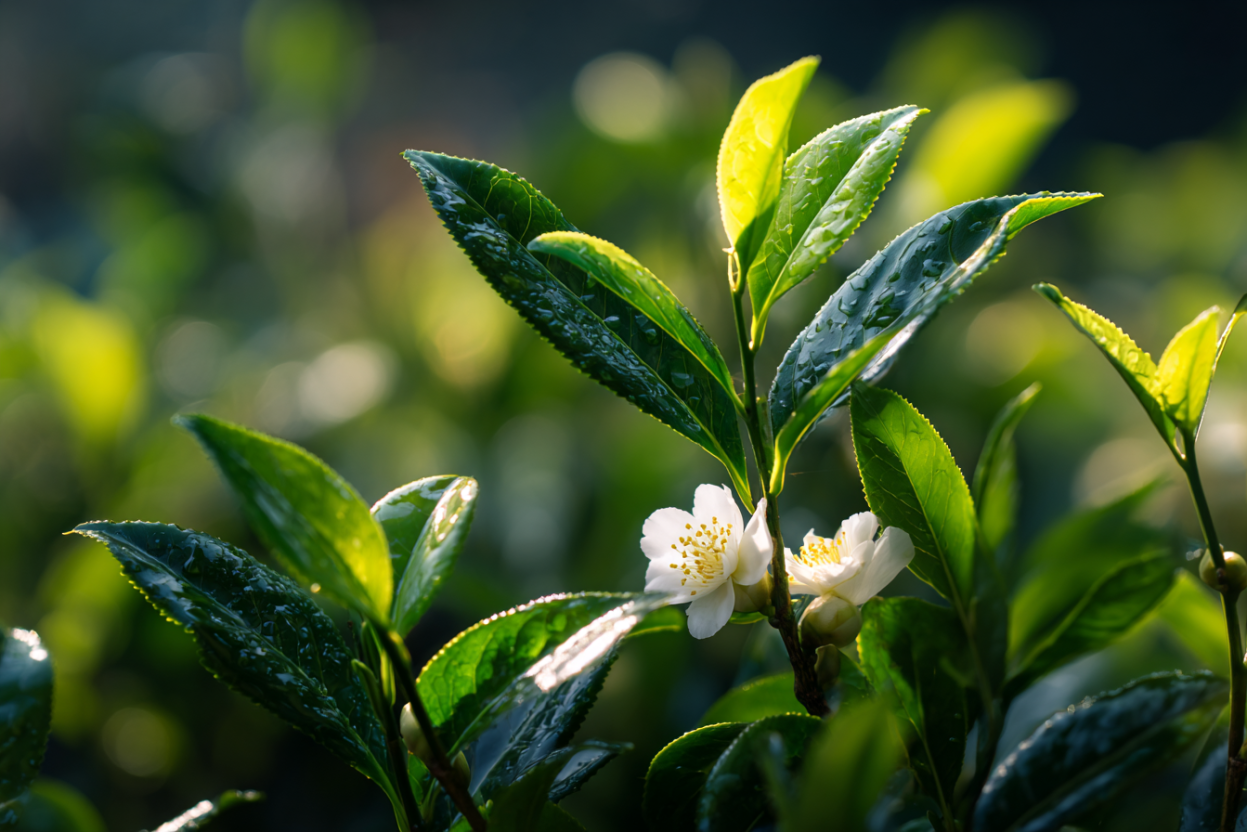
Green Tea (Camellia sinensis)
If you struggle with fatigue, brain fog, or a sense that your body is under constant stress, you are far from alone. Millions of people wake up each morning searching for something to sharpen their mind, calm their nerves, and protect their body from the slow accumulation of damage that leads to disease. What if one of the most powerful supports for your mind and body has been quietly growing on hillsides across Asia for thousands of years — available to you in a simple cup?
Green tea is one of the Creator’s most generous gifts to humanity. From a single plant, He provided a source of calm alertness, potent cellular protection, and deep nourishment for both body and spirit. Long before a single laboratory existed, this plant was already here — provided by a Designer who knew exactly what we would need.
This information is for educational purposes only and is not intended to diagnose, treat, cure, or prevent any disease. Always consult with a qualified healthcare provider before making changes to your health regimen.
The Plant
Common Names: Green Tea, Tea Plant, Tea Shrub, Chinese Tea, Japanese Tea, Cha, Matcha (powdered form)
Botanical Name: Camellia sinensis (L.) Kuntze
Family: Theaceae (the Tea family)
Description
Camellia sinensis is an evergreen shrub or small tree that, left unpruned, can reach up to 16 meters (about 52 feet) in height. In cultivation, it is typically maintained at waist height — around 3 to 5 feet — to facilitate easy leaf harvesting. The plant has a dense, bushy, rounded growth habit with multiple stems emerging from the base.
The leaves are the star of this plant. They are alternate, simple, and lanceolate to elliptical in shape, with finely serrated edges. The upper surface is a deep, glossy dark green, while the underside is a lighter green. Young leaves are bright green, tender, and covered with fine silvery hairs — these are the leaves prized for tea production. Mature leaves become leathery and darker. The leaves range from 2 to 14 centimeters in length depending on the variety.
The flowers are small, delicate, and beautiful — white to cream-colored with 7 to 8 petals surrounding a bright cluster of golden-yellow stamens. They bloom in fall and winter, measuring about 1 to 1.5 inches across, and carry a subtle, sweet fragrance that attracts bees and other pollinators. The fruit is a small capsule containing one to three rounded seeds, which mature from green to dark brown over about 12 months. These seeds can be pressed to yield tea seed oil, used in cooking and cosmetics.
Two primary varieties exist. Camellia sinensis var. sinensis (the China type) produces smaller leaves and is more cold-tolerant, thriving in temperate climates. Camellia sinensis var. assamica (the Assam type) from India has larger leaves and prefers tropical conditions. Most commercially available tea plants are hybrids between these two varieties.
Origin
Green tea is native to southern China, northern Myanmar, and the Assam region of India, where it grows naturally in forested hills with mild temperatures and abundant rainfall. From these origins, tea spread across East Asia, becoming central to Chinese, Japanese, Korean, and Vietnamese cultures. Through ancient trade routes — including the Silk Road and maritime spice routes — tea reached the Middle East, Europe, Africa, and eventually the Americas. Today, major tea-producing countries include China, India, Sri Lanka, Kenya, Japan, and Indonesia.
Brief History
Legend credits Chinese Emperor Shen Nung with discovering tea around 2737 BCE when tea leaves blew into his pot of boiling water, producing a pleasant aroma and invigorating drink. The earliest reliable written references to tea appear in Chinese texts from the 3rd century CE. Lu Yu’s classic The Classic of Tea (760 CE) established tea culture as a serious pursuit. Tea was introduced to Japan by Buddhist monks around the 9th century and became central to Japanese culture through the tea ceremony. European traders encountered tea in the 16th century, and by the 17th century, tea had become one of the most traded commodities in the world, shaping global economics and even sparking political revolutions — including the Boston Tea Party that helped ignite American independence.
Growing & Cultivation
Climate & Zones
Camellia sinensis var. sinensis (China type) is hardy in USDA Zones 7 through 9, tolerating temperatures down to about 10°F (-12°C) once established. The Assam variety requires tropical conditions of Zone 10b and above. Most hybrid tea plants available in the United States perform well in Zones 7-9 outdoors, and can be grown in containers in colder zones if brought indoors during winter. Tea plants thrive in temperatures between 55°F and 90°F (13-32°C). They prefer high humidity and consistent moisture.
Soil Requirements
Tea plants require well-drained, acidic soil with a pH between 4.5 and 5.5 — similar to what blueberries, azaleas, and rhododendrons prefer. A soil pH above 5.5 stunts growth and may cause untimely flowering. Amend heavy clay soils with organic matter, pine bark, and peat to improve drainage and acidity. For container growing, use a camellia or azalea soil mix. Mulching with pine needles helps maintain soil acidity and suppress weeds. If your soil is naturally alkaline, container growing with an acidic potting mix is the most reliable approach.
Water & Sunlight
Tea plants need consistent moisture — the soil should stay evenly moist but never waterlogged. They cannot tolerate “wet feet.” Water regularly, especially during the first two years and during dry spells. Use rainwater when possible, as tap water may be too alkaline. Container plants dry out quickly and may need daily watering in summer. Misting leaves during dry periods mimics their natural humid environment.
Partial shade to full sun is ideal. Dappled sunlight beneath taller trees best mimics their natural forest-understory habitat. In cooler climates, full sun is tolerated well. In hot southern regions, afternoon shade prevents leaf scorch. Indoors, provide bright indirect light or a south-facing window.
Propagation
Seed: Fresh seeds can be planted in pots or directly in the ground. Cover with a light layer of soil, keep moist, and expect germination in 2 to 4 weeks. Seeds are best planted fresh, as viability decreases with time.
Cutting: Semi-hardwood cuttings taken in summer root well with the aid of rooting hormone. Take 4- to 6-inch cuttings from healthy current-year growth, remove lower leaves, dip in rooting hormone, and place in moist perlite or a sand-peat mix. Keep humidity high with a plastic cover. Rooting typically takes 8 to 12 weeks.
Layering: Low branches can be layered by bending them to the ground, wounding the underside, and covering with soil while keeping the tip exposed. Roots form at the wound site over several months.
Planting
Plant in early spring or fall. Prepare a bed at least 3 by 3 feet. Dig a hole twice the width of the root ball and the same depth — do not plant too deep. Backfill with amended soil and water thoroughly. Space plants 3 to 4 feet apart if planting in rows. Mulch within 4 inches of the stem. Allow the plant to grow to desired height before beginning to harvest, as harvesting prevents further vertical growth.
Harvesting
The traditional harvest involves plucking the top two or three youngest leaves plus the bud from each shoot — this is called a “flush.” In temperate climates, harvesting occurs from late spring through early fall, every 1 to 2 weeks during the growing season. Spring (May) flushes produce the lightest, most aromatic, highest quality tea. Summer flushes have slightly more tannin. Fall flushes tend to be the lowest quality. Harvest in the morning after the dew has dried for the best flavor.
Drying & Storage
To make green tea at home, immediately steam or pan-fire the freshly picked leaves for 1 to 2 minutes to halt oxidation — this is what keeps green tea green. Then roll the leaves gently and dry them in a dehydrator at 120-150°F or in an oven on the lowest setting until fully dry and crisp. Store dried green tea in an airtight, opaque container away from light, heat, and moisture. Properly stored, dried green tea retains quality for 6 to 12 months. Freezing fresh leaves before processing is also an option.
Pest & Disease Management
Tea plants are relatively pest-resistant. The most common issue is cottony camellia scale, which appears as white cottony masses on stems and leaf undersides. Aphids, spider mites, and planthoppers may also appear. Organic treatments include neem oil, insecticidal soap, and encouraging beneficial predator insects like ladybugs. Common diseases include fungal leaf spots, anthracnose, root rot (from waterlogged soil), and petal blight. Ensure good air circulation, proper drainage, and avoid overhead watering. Yellow leaves with green veins indicate chlorosis from alkaline soil — treat by adding chelated iron or acidifying the soil.
Companion Planting
Tea plants grow well alongside other acid-loving plants such as blueberries, azaleas, rhododendrons, and gardenias. Ferns and hostas make good groundcover companions in shaded settings. Avoid planting near plants that prefer alkaline soil or that compete aggressively for root space.
The Healing of Growing
Growing your own tea plant offers benefits that begin long before your first cup. The act of gardening — hands in soil, bare feet on earth, time spent outdoors — has been shown to reduce cortisol, improve mood, and support immune function. The soil contains beneficial bacteria (Mycobacterium vaccae) with documented antidepressant effects. Researchers at the University of Bristol found that exposure to this soil bacterium activated serotonin-producing neurons in the brain. When you tend your tea plant, you receive healing before you ever brew a single leaf.
Nutritional Profile
Macronutrients
One cup of brewed green tea (245g) contains approximately 2 calories, 0.5g protein, 0g fat, and less than 0.5g carbohydrates. Green tea is essentially calorie-free when consumed without sweeteners or milk, making it one of the most nutrient-dense beverages per calorie on earth. Its value lies not in macronutrients but in its extraordinary concentration of bioactive compounds.
Vitamins
Riboflavin (Vitamin B2): Approximately 0.06 mg per cup (about 5% DV) — supports cellular energy production, helps convert other B-vitamins into usable forms, and acts as an antioxidant cofactor.
Vitamin C: Present in fresh tea leaves at approximately 8 mg per 100g of dry leaf. Some is lost during processing but remains present in lighter brews — supports immune function, collagen production, and acts as a powerful antioxidant protecting cells from oxidative damage.
Small amounts of folate, thiamin, and vitamin K are also present. The vitamin K content is significant: dried green tea leaves contain notable vitamin K, which is relevant for individuals on blood-thinning medications.
Minerals
Manganese: Approximately 0.5 mg per cup (about 20% DV) — essential for bone formation, blood clotting, metabolism of carbohydrates and amino acids, and serves as a cofactor for the antioxidant enzyme superoxide dismutase.
Potassium: Approximately 21 mg per cup — supports heart function, muscle contractions, nerve signaling, and fluid balance.
Trace amounts of magnesium, zinc, chromium, selenium, and fluoride are also present. The fluoride content supports dental health, and chromium may assist with blood sugar regulation.
Phytonutrients & Active Compounds
This is where green tea truly shines. The bioactive compound profile of green tea is one of the most extensively studied in all of botanical science.
Catechins (Polyphenols) — Green tea is approximately 30% polyphenols by dry weight. The primary catechins include:
Epigallocatechin gallate (EGCG): The most abundant and powerful catechin, accounting for about 65% of the catechin content. EGCG is one of the most potent natural antioxidants known to science, with demonstrated effects on inflammation, cellular protection, metabolic support, and cardiovascular health. A single cup of green tea provides approximately 50-100 mg of EGCG.
Epigallocatechin (EGC), epicatechin gallate (ECG), and epicatechin (EC): These additional catechins work synergistically with EGCG, each contributing antioxidant, anti-inflammatory, and antimicrobial properties.
L-Theanine — A unique amino acid found almost exclusively in tea. L-theanine accounts for 1-2% of dry leaf weight and roughly half of the total amino acid content. This compound crosses the blood-brain barrier and directly influences brain chemistry — increasing alpha brain waves (associated with calm alertness), raising GABA, serotonin, and dopamine levels, and modulating glutamate activity. L-theanine is what gives green tea its distinctive ability to produce relaxed focus without drowsiness.
Caffeine: Green tea contains approximately 25-50 mg of caffeine per cup (about half that of coffee). When combined with L-theanine, caffeine produces a smooth, sustained alertness without the jitteriness or crash associated with coffee.
Flavonoid glycosides: Including quercetin, myricetin, and kaempferol — these compounds contribute additional antioxidant protection and have been associated with cardiovascular support and anti-inflammatory activity.
Chlorogenic acid and theogallin: Additional polyphenolic compounds that support metabolic health.
Saponins: Found in tea leaves and seeds, these compounds have shown promise in reducing fat digestion by inhibiting gastric and pancreatic lipases.
Nutrient Notes
The bioavailability of green tea catechins is enhanced by consuming tea on an empty stomach or with vitamin C (lemon juice). Milk proteins may bind catechins and reduce absorption. Iron supplements and high-calcium foods taken simultaneously may also decrease catechin absorption. Conversely, catechins can reduce iron absorption from plant-based sources, which is important for individuals with iron-deficiency anemia. Brewing temperature and time significantly affect catechin extraction — water at 160-180°F (71-82°C) steeped for 2-3 minutes produces optimal catechin levels without excessive bitterness.
Culinary Uses
Edible Parts
The leaves and leaf buds are the primary edible parts. Young, tender leaves (the top two leaves and bud) are used for high-quality tea. Older leaves produce more robust, sometimes bitter brews. Tea seeds yield tea seed oil, a culinary oil popular in Chinese and Japanese cooking. The flowers, while edible, are rarely consumed. Powdered green tea leaves (matcha) are consumed whole, providing the full nutritional content of the leaf.
Flavor Profile
Green tea’s flavor varies dramatically by variety, growing region, and preparation. Primary flavor notes include vegetal, grassy, and slightly sweet, with secondary notes of marine/seaweed (particularly Japanese varieties like gyokuro), nutty, floral, or toasty (Chinese pan-fired varieties like Dragon Well). The unique umami quality comes from L-theanine. Fresh green tea tastes bright and clean. Overbrewed green tea becomes astringent and bitter from excessive tannin extraction. Matcha has a more concentrated, creamy, almost sweet vegetal flavor with pronounced umami.
Preparation
As a beverage: The most universal preparation. Heat water to 160-180°F (not boiling — boiling water scorches the leaves and produces bitterness). Use about 1 teaspoon of loose leaf per cup. Steep 1-3 minutes. High-quality leaves can be re-steeped 2-3 times, with each infusion revealing different flavor notes.
As matcha: Sift 1-2 teaspoons of matcha powder into a bowl, add 2-3 ounces of hot water (not boiling), and whisk vigorously with a bamboo whisk until frothy. Can be added to smoothies, lattes, and baked goods.
In cooking: Green tea powder (matcha or culinary-grade sencha powder) is used in ice cream, mochi, cakes, cookies, noodles, and savory seasoning rubs for fish and poultry. Brewed green tea can be used as a poaching liquid for fish or a base for grain dishes like green tea rice (ochazuke).
Culinary Pairings
Green tea pairs well with light proteins like white fish, chicken, and tofu. It complements citrus (especially lemon and yuzu), ginger, honey, jasmine, mint, and vanilla. In savory applications, it pairs with soy sauce, sesame, sea salt, and rice. Its astringency cuts through rich, fatty foods, making it an excellent digestive companion to meals.
Storage
Store loose leaf green tea in an airtight, opaque container away from light, heat, moisture, and strong odors (tea absorbs surrounding aromas). Keep at cool room temperature or refrigerate. High-quality green tea is best consumed within 6-12 months of purchase. Matcha powder should be refrigerated after opening and used within 1-2 months for optimal freshness and color. Freezing loose leaf tea in airtight packaging can extend shelf life.
Ready to cook with Green Tea? View Recipes on Chefts →
Wellness & Therapeutic Uses
Traditional Uses
Green tea has been used as a health-supporting beverage for nearly 5,000 years. In Traditional Chinese Medicine (TCM), tea has been used since at least the 3rd century CE to support digestion, clear the mind, eliminate toxins, and promote alertness. The Shennong Bencao Jing (Divine Farmer’s Classic of Materia Medica), one of the oldest Chinese medical texts, references tea for its ability to benefit the body and sharpen the mind.
In Japanese traditional medicine, green tea — particularly matcha — was embraced by Buddhist monks as an aid for meditation, promoting a state of calm alertness that supported extended periods of concentration. The monk Eisai wrote Kissa Yōjōki (How to Stay Healthy by Drinking Tea) in 1211, describing tea as a “divine remedy” for supporting overall vitality.
In Ayurvedic tradition, tea was recognized as a digestive stimulant and mental clarity supporter. In European folk medicine, after tea arrived in the 17th century, it was used to support digestion, relieve headaches, and promote energy.
Modern Research
Green tea is one of the most scientifically studied plants on earth, with thousands of peer-reviewed papers published across multiple countries. The following summarizes key areas of research:
Antioxidant Activity: EGCG is a potent free-radical scavenger. A comprehensive review in Molecules (2019, China) confirmed that green tea polyphenols demonstrate strong antioxidant activity, protecting cells from DNA damage and oxidative stress. The antioxidant potency of EGCG has been measured at 25-100 times greater than vitamin C and vitamin E in some assays.
Cognitive Function & Neuroprotection: L-theanine crosses the blood-brain barrier within approximately 30 minutes of ingestion. A systematic review of 9 randomized controlled studies (270 participants) found that L-theanine at 200 mg was associated with reductions in stress and anxiety under acute stress conditions. Animal neurochemistry studies demonstrate that L-theanine increases brain serotonin, dopamine, and GABA levels. Research also suggests L-theanine increases brain-derived neurotrophic factor (BDNF), which supports neuronal growth and survival.
Cardiovascular Support: Multiple population studies from Japan, China, and the Netherlands associate regular green tea consumption with reduced risk factors for cardiovascular concerns. Research suggests EGCG may support healthy blood pressure, cholesterol levels, and blood vessel function. A 2006 study of over 40,000 Japanese adults found that those consuming 5+ cups of green tea daily had significantly lower cardiovascular mortality.
Metabolic Support: Green tea catechins, particularly EGCG combined with caffeine, have been associated with increased thermogenesis and fat oxidation. A meta-analysis published in the European Journal of Clinical Nutrition (2014, UK) reviewed human intervention studies on green tea and body weight.
Blood Sugar Support: A 2006 study in Annals of Internal Medicine involving over 17,000 Japanese adults found that habitual green tea consumption was associated with a reduced risk of type 2 diabetes, with the greatest association seen in those consuming 6+ cups daily.
Hepatoprotective Properties: Studies indicate that green tea polyphenols may support liver health by enhancing antioxidant activity, reducing oxidative stress, and lowering serum liver enzyme markers. However, concentrated green tea extract supplements (especially taken on an empty stomach) have been associated with rare cases of liver injury, highlighting the importance of moderate consumption and whole-food forms.
Antimicrobial Activity: Green tea catechins demonstrate antibacterial, antiviral, and antifungal properties in laboratory studies. EGCG has been shown to inhibit the growth of various pathogenic bacteria and has demonstrated activity against oral bacteria that cause cavities and gum disease.
Body Systems Supported
Nervous system — L-theanine promotes alpha brain waves, supports calm focus, and may protect against neurodegenerative processes. Cardiovascular system — Catechins support healthy blood vessel function, cholesterol balance, and blood pressure. Digestive system — Traditional use as a digestive aid; catechins support gut microbiome diversity. Immune system — Antioxidant compounds support immune cell function and overall immune resilience. Endocrine system — May support healthy blood sugar metabolism and insulin sensitivity. Integumentary system — Polyphenols protect skin from UV damage and support skin health. Musculoskeletal system — Manganese supports bone formation; EGCG has demonstrated anti-inflammatory properties relevant to joint health.
Body Compounds Affected
Serotonin: L-theanine has been shown to increase serotonin levels in the brain, which may contribute to mood stability and emotional well-being.
Dopamine: L-theanine promotes dopamine release in the striatum, supporting motivation, reward signaling, and sense of well-being.
GABA: L-theanine increases GABA levels — the brain’s primary inhibitory neurotransmitter — promoting relaxation without sedation.
Cortisol: Research indicates L-theanine may lower cortisol levels and reduce cardiovascular reactivity under cognitive or social stress conditions.
Melatonin: Animal studies suggest L-theanine may support melatonin production, potentially contributing to improved sleep quality.
Norepinephrine: L-theanine has been observed to modulate norepinephrine levels, contributing to its calming yet alert effect.
BDNF (Brain-Derived Neurotrophic Factor): Emerging research suggests green tea compounds may support BDNF levels, which are critical for neuronal health, learning, and memory.
Inflammatory markers: EGCG has been shown to modulate cytokines (IL-1, IL-6, TNF-alpha) and other inflammatory markers, supporting a balanced inflammatory response.
Methods of Use
Tea/Infusion
Use 1 teaspoon of loose leaf green tea per 8 oz cup. Water temperature: 160-180°F (71-82°C). Steep time: 1-3 minutes. May be consumed 2-4 cups daily. Higher quality teas can be re-steeped multiple times.
Matcha (Whole Leaf Powder)
1-2 teaspoons of matcha powder whisked into hot water provides the full spectrum of leaf compounds, including the fiber and fat-soluble nutrients lost when steeping and discarding leaves. Because the whole leaf is consumed, matcha delivers significantly higher catechin and L-theanine content per serving.
Capsule/Extract
Standardized green tea extract capsules typically provide 250-500 mg of catechins per dose. Most clinical studies use 400-800 mg of catechins daily. Important: high-dose concentrated extracts should be taken with food, as fasting consumption has been associated with rare cases of liver stress.
Topical
Brewed green tea can be applied as a skin toner or compress. Green tea extract is incorporated into many commercial skincare products for its antioxidant and anti-inflammatory properties.
Cosmetic & Beauty Uses
Skin Benefits
Green tea’s EGCG is one of the most researched botanical ingredients in dermatological science. A review in the Journal der Deutschen Dermatologischen Gesellschaft noted over 150 published studies examining green tea’s effects on skin. Key benefits include potent antioxidant protection against UV-induced damage, reduction of inflammation associated with acne and rosacea, regulation of sebum production (particularly beneficial for oily and acne-prone skin), support for skin elasticity and collagen preservation, and potential for reducing the appearance of fine lines and hyperpigmentation.
A randomized, double-blind, placebo-controlled trial (2016, Taiwan) demonstrated that 1,500 mg of decaffeinated green tea extract daily for four weeks significantly reduced inflammatory acne lesions in women. Topical studies using 1-5% EGCG showed significant improvements in both inflammatory and non-inflammatory acne lesions after 8 weeks. A clinical study using 2% EGCG gel on photoaged skin showed marked improvement in skin texture and appearance in 45% of subjects after 4 weeks.
Green tea benefits virtually all skin types but is especially well-suited for oily, acne-prone, sensitive, and mature skin.
Hair Benefits
Green tea’s antioxidants and caffeine content may stimulate hair follicles, improving circulation to the scalp and potentially supporting hair growth. EGCG has been studied for its potential to modulate DHT (dihydrotestosterone), a hormone implicated in pattern hair loss. A green tea rinse can add shine, reduce dandruff (thanks to antimicrobial properties), and soothe an itchy scalp. The tannins in green tea help seal hair cuticles, producing smoother, shinier hair.
Application Methods
Face toner: Brew green tea, cool completely, and apply to the face with a cotton pad after cleansing. Refrigerate the remaining tea for up to 3 days.
Eye compress: Place cooled, damp green tea bags over closed eyes for 10-15 minutes to reduce puffiness and soothe tired eyes.
Face mask: Mix 1 tablespoon of matcha powder with 1 tablespoon of honey and a small amount of yogurt. Apply to face for 10-15 minutes.
Hair rinse: Brew a strong pot of green tea, cool to room temperature, and pour over freshly washed hair as a final rinse. Leave in (do not rinse out) for maximum benefit.
Bath addition: Add 3-4 green tea bags or 1/4 cup of loose leaf tea to a warm bath for a full-body antioxidant soak.
DIY Formulation Notes
Green tea extract is typically used at 1-5% concentration in cosmetic formulations. It pairs well with carrier oils like jojoba and sweet almond oil. Combine with vitamin C for enhanced antioxidant synergy. Green tea is generally non-irritating but perform a patch test when using concentrated extracts. Homemade preparations have a short shelf life — refrigerate and use within 3-5 days. Adding vitamin E oil as a preservative can extend shelf life slightly.
Green tea is among the botanicals being explored for holistic cosmetic applications, where the wisdom of traditional beauty practices meets modern understanding of skin science.
Essential Oil Profile
Camellia sinensis does not produce a true essential oil through traditional steam distillation in the way that lavender or peppermint does. However, there are two commercially available oil products derived from the tea plant:
Green Tea Absolute: Obtained through solvent extraction, green tea absolute captures the aromatic compounds of the tea leaf. It is used primarily in perfumery and aromatherapy blending rather than therapeutic applications. The aroma is fresh, green, slightly sweet, and herbaceous — reminiscent of freshly brewed green tea.
Tea Seed Oil (Camellia Oil): Cold-pressed from the seeds of Camellia sinensis (or the related Camellia oleifera), tea seed oil is a light, non-greasy carrier oil rich in oleic acid. It is excellent for skin and hair care — highly moisturizing, quickly absorbed, and suitable for sensitive skin. It has been used in East Asian beauty traditions for centuries. Tea seed oil is also used as a cooking oil in parts of China and Japan.
Because green tea does not yield a conventional essential oil, the aromatic and therapeutic benefits are best accessed through the whole plant — brewed tea, matcha, or extract — rather than through an essential oil pathway.
Aromatherapy & Scent
The Aroma
The living tea plant has a subtle, fresh, green scent — the leaves release a mild herbaceous fragrance when touched or brushed against. Scent is strongest on warm, humid mornings and after rainfall, when volatile compounds are most readily released. The flowers emit a delicate, sweet, honey-like fragrance in autumn.
Freshly picked tea leaves have a bright, grassy, slightly sweet aroma. As the leaves are dried (for green tea, after brief steaming or pan-firing), the aroma becomes more complex — toasty, nutty, and vegetal with marine undertones in some varieties. Dried green tea retains its aroma well for 6-12 months when stored properly. Matcha powder has a concentrated, creamy, vegetal aroma.
How Scent Affects Your Body
When you inhale the aroma of green tea, volatile molecules enter your nasal passages and contact olfactory receptors. These receptors send signals directly to the limbic system (the emotional center of the brain) and the hypothalamus (which regulates hormones), bypassing the conscious thinking brain. This means the scent of green tea begins affecting your emotional state and body chemistry within seconds — before you consciously register the experience.
Emotional & Mood Effects
The scent of green tea is primarily calming, centering, and clarifying. Research on green tea aroma suggests it promotes a state of relaxed alertness — similar to the neurological state produced by drinking it. The fragrance has been used in Japanese tea ceremonies for centuries as an integral part of the meditative, mindfulness-enhancing ritual. Inhaling green tea aroma may reduce feelings of anxiety, support mental clarity, and promote a sense of groundedness and present-moment awareness.
Body Compounds Affected
While most research on green tea’s compound-modulating effects focuses on ingestion, studies on aromatic exposure to green tea suggest that the volatile compounds may help lower cortisol levels and promote alpha brain wave activity — effects consistent with GABA and serotonin modulation. The act of the tea ritual itself (slowing down, inhaling, mindfulness) compounds these effects.
Ways to Experience the Scent
Growing the plant indoors (the living plant emits subtle fragrance, especially when leaves are gently rubbed), keeping fresh-cut stems in a vase, inhaling the steam from a freshly brewed cup, adding dried green tea to sachets or potpourri, simmering loose green tea on the stove for natural room fragrance, adding green tea bags to a warm bath, and placing a small sachet of dried tea under your pillow for calming nighttime aromatherapy.
Color Therapy
The Colors of Green Tea
The dominant color of the green tea plant is, naturally, green — the deep, glossy green of its mature leaves, the vibrant bright green of new growth, and the vivid emerald of matcha powder. Flowers are white to cream with golden yellow stamens. Seeds and mature fruit are brown. The brewed liquid ranges from pale golden-green to a deeper jade depending on variety and preparation.
Color Wavelengths
Green light occupies the wavelength range of approximately 495-570 nm in the visible spectrum. This is the center of what the human eye can perceive, and it is the color most associated with nature, growth, and balance. White (the flower color) represents the full visible spectrum.
How Green Affects the Body
Green is considered the most balancing color in color therapy. It is associated with the heart center, emotional equilibrium, and feelings of renewal. Research on exposure to green environments consistently shows reductions in blood pressure, heart rate, and cortisol levels. Studies on attention restoration theory demonstrate that viewing green plants improves cognitive function and reduces mental fatigue. The color green is calming without being sedating, making it the most restful color for the human visual system.
Body Compounds Affected
Exposure to green environments has been associated with reduced cortisol, increased parasympathetic nervous system activity (promoting rest and recovery), and improved serotonin-related mood states. The visual experience of green is processed through brain pathways that overlap with relaxation and stress-reduction circuits.
Using Green Tea for Color Therapy
Place a living green tea plant in your workspace or living area for constant green visual exposure. Use matcha in cooking to add vibrant green color to your plate — “eating the rainbow” with green tea provides both the visual benefit and the nutritional compound. Keep a glass teapot for brewing, so you can observe the beautiful green-gold color of the steeping tea. Grow the plant near a window where its glossy leaves catch and reflect light throughout the day.
Frequency & Vibration
The Frequency of Green Tea
According to bio-frequency research (Bruce Tainio and others), plants and their extracts vibrate at measurable electromagnetic frequencies. While specific MHz readings for the green tea plant are not as widely published as those for common essential oils, green tea is generally considered a medium-to-high frequency plant. The essential oil absolutes and fresh plant material are believed to vibrate at frequencies consistent with promoting mental clarity and emotional balance. For reference, a healthy human body is reported to vibrate between 62-78 MHz, and green tea — as a living, chlorophyll-rich plant consumed as a whole food — is understood to support the body’s natural frequency range.
Human Frequency Interaction
Proponents of vibrational medicine suggest that consuming or being around high-frequency plants may support the body’s own electromagnetic frequency. Frequency measurements suggest that fresh, living plants emit higher frequencies than dried material, and that the act of brewing and mindfully consuming tea may itself create a frequency-supporting ritual through the combination of hydration, plant compounds, and meditative attention.
Vibrational Applications
To engage with green tea’s frequency potential: grow a living tea plant in your home, consume freshly brewed high-quality green tea mindfully (rather than while distracted), combine green tea consumption with other frequency-supporting practices such as prayer, deep breathing, or time in nature, and use the tea ritual as an intentional moment of slowing down — this intentionality itself has been shown to shift brain wave patterns toward alpha states.
Note: Bio-frequency measurement of plants is an area where research is still emerging. The information above reflects reported observations rather than fully established scientific consensus.
The Living Plant
Benefits of Presence
Simply having a living green tea plant in your home provides benefits that go beyond any tea you might eventually brew from it. Research on biophilic design — the human need for connection with nature — consistently demonstrates that living plants in indoor spaces reduce stress, improve mood, enhance concentration, and even support physical healing. Patients in hospital rooms with plants or plant views recover faster and require less pain medication.
Air Purification
While Camellia sinensis was not among the specific plants studied in the NASA Clean Air Study, it is an evergreen plant with dense foliage that contributes to indoor air quality through natural oxygen production and humidity regulation. All green, photosynthesizing plants absorb carbon dioxide and release oxygen during daylight hours. The tea plant’s dense leaf structure provides substantial photosynthetic surface area relative to its size.
Phytoncides
Like many evergreen plants, the tea plant releases volatile organic compounds — including phytoncides — that have documented antimicrobial properties. Research on forest bathing (shinrin-yoku) has shown that phytoncides from living plants increase Natural Killer (NK) cell activity in humans, supporting immune function. While the specific phytoncide profile of Camellia sinensis is less studied than that of coniferous trees, the principle applies: living plants release beneficial volatile compounds into their surrounding air.
Visual & Psychological Benefits
The tea plant is an attractive evergreen with glossy dark leaves and delicate white flowers in autumn. Its presence provides year-round greenery, even during winter months. According to attention restoration theory, viewing natural greenery helps restore depleted attentional capacity — making a tea plant an excellent companion for a home office or study area. The meditative act of tending the plant — watering, pruning, observing new growth — provides additional stress-reduction benefits.
Growing Indoors vs Outdoors
Green tea plants adapt well to container growing and can thrive indoors if given bright indirect light, consistent moisture, and acidic soil. Outdoors in Zones 7-9, they make excellent landscape shrubs, hedges, or specimen plants. Indoor plants benefit from occasional misting to maintain humidity. Outdoors, the plant provides additional ecological value — its flowers feed bees and pollinators, and its dense foliage offers shelter to small birds.
Touch & Physical Interaction
Gardening Therapy
Working with a tea plant engages all the senses — the smooth, glossy texture of the leaves, the satisfying rhythm of pruning, the earthy scent of amended soil. Horticultural therapy is a well-established practice in rehabilitation, mental health treatment, and elder care programs. The tea plant, with its year-round greenery and the tangible reward of producing your own tea, offers a uniquely motivating gardening experience.
Soil Contact Benefits
Gardening barefoot or with bare hands in soil provides grounding (earthing) — the transfer of electrons from the earth’s surface to the body. Research published in the Journal of Environmental and Public Health suggests that grounding may reduce inflammation, improve sleep, and reduce stress. The soil also contains Mycobacterium vaccae, a naturally occurring bacterium that has been shown in research at the University of Bristol to stimulate serotonin production in the brain, producing an antidepressant-like effect.
The Tactile Experience
Tea plant leaves have a distinctive texture — smooth and waxy on top, slightly softer underneath, with finely serrated edges that catch the fingertips. Young leaves are tender and slightly fuzzy with fine silvery hairs. The sensation of plucking the tender tip leaves — a gentle pinch and twist — is a meditative, repetitive motion that many tea gardeners find deeply calming. Handling dried tea leaves engages the senses differently: the papery, slightly rough texture, the concentrated fragrance released by the warmth of your hands, and the satisfying crumble of properly dried leaves.
Harvesting & Processing
The tea harvesting ritual — walking through the garden in the morning, selecting the best leaves, plucking carefully — is inherently meditative. Processing your own tea involves rolling, steaming, and drying leaves by hand — repetitive, sensory-rich activities that promote mindfulness and a profound sense of accomplishment. There is a unique satisfaction in brewing a cup from leaves you grew, picked, and processed yourself — a direct connection between person, plant, and the Creator who designed them both.
Water-Based Applications
Teas & Infusions
Standard Green Tea Infusion: Use 1 teaspoon of loose leaf per 8 oz of water at 160-180°F (71-82°C). Steep 1-3 minutes. For a lighter, sweeter brew, use lower temperature water and shorter steep times. For a stronger brew with more catechins, increase steep time to 3-5 minutes (but expect more bitterness). May be consumed 2-4 cups daily for general wellness support.
Cold Infusion: Place 1 tablespoon of green tea in a quart of cold or room temperature water. Refrigerate for 4-8 hours. Cold brewing produces a smoother, less bitter tea with slightly different catechin extraction — some research suggests cold brewing preserves certain delicate compounds while extracting less caffeine.
Herbal Baths
Add 4-6 green tea bags (or 1/3 cup loose leaf in a muslin bag) to warm bathwater. Soak for 20-30 minutes. The catechins and other polyphenols absorb through the skin, providing antioxidant support. Green tea baths have traditionally been used to soothe irritated skin, calm sunburn, and promote relaxation. Water temperature should be warm (98-102°F) rather than hot, as very hot water can degrade some beneficial compounds. For a foot bath, use 2-3 tea bags in a basin of warm water — excellent after a long day.
Compresses
Cool compress: Brew strong green tea, cool in the refrigerator, soak a clean cloth, and apply to sunburned, irritated, or inflamed skin for 15-20 minutes. The tannins and catechins help reduce redness and soothe irritation. Cool green tea compresses applied to the eyes can help reduce puffiness.
Warm compress: Brew green tea at normal strength, soak a cloth while still warm, and apply to stiff or sore areas. The warmth promotes circulation while the tea compounds provide local anti-inflammatory support.
Steam Inhalation
Add 2 tablespoons of loose green tea to a bowl of hot (just off boiling) water. Drape a towel over your head and the bowl and inhale the steam for 5-10 minutes. This method delivers volatile aromatic compounds directly to the respiratory system and can help open nasal passages, soothe respiratory discomfort, and provide a calming aromatic experience. The steam also benefits facial skin — opening pores and delivering antioxidant compounds topically.
Hair Rinses
Brew a strong pot of green tea (2-3 teaspoons per cup, steeped for 5 minutes). Cool to room temperature or slightly warm. After shampooing, pour the tea over hair as a final rinse. Do not rinse out. The tannins seal the hair cuticle for improved shine, the antioxidants support scalp health, and the caffeine may stimulate hair follicles. Used 2-3 times per week, green tea rinses can help reduce dandruff and improve overall hair vitality.
Historical, Cultural & Biblical Significance
Biblical References
Green tea (Camellia sinensis) is not directly mentioned in Scripture. The tea plant is native to East Asia and did not grow in the biblical lands of the ancient Near East. However, the principle of God providing healing plants for humanity is deeply scriptural. Genesis 1:29 (KJV) states: “And God said, Behold, I have given you every herb bearing seed, which is upon the face of all the earth, and every tree, in the which is the fruit of a tree yielding seed; to you it shall be for meat.” Ezekiel 47:12 (KJV) speaks of trees whose “leaf thereof shall be for medicine.” While the tea plant was not known to the biblical writers, it is part of the created order — one of the “every herb” given for humanity’s benefit.
Ancient Civilizations
Chinese civilization has the longest documented relationship with tea. Emperor Shen Nung (approximately 2737 BCE) is credited with its discovery. By the time of the Han Dynasty (206 BCE–220 CE), tea was an established beverage. The Tang Dynasty (618–907 CE) saw tea elevated to a high cultural art — Lu Yu’s The Classic of Tea (760 CE) is one of the earliest monographs on any single plant in world literature. The Chinese observed that tea supported digestion, cleared the mind, and promoted vitality. They may not have known the Creator by name, but they were observing His design — and their observations align with what modern research confirms about green tea’s properties.
Eastern Traditions
In Traditional Chinese Medicine (TCM), tea was first documented as a medicinal substance in the Shennong Bencao Jing. It was classified as a cooling, slightly bitter herb that clears heat, resolves dampness, promotes urination, and benefits the eyes and mind. It was prescribed for headaches, sluggish digestion, and fatigue.
In Japanese tradition, tea was introduced by Buddhist monks in the 9th century who brought seeds from China. The monk Eisai (1141–1215) championed tea as a health-supporting practice and wrote Kissa Yōjōki. Japanese tea culture evolved into the tea ceremony (chanoyu) — a practice centered on mindfulness, simplicity, and beauty. Matcha, the powdered green tea used in the ceremony, became both a spiritual and health practice.
In Ayurveda (India), the Assam region where Camellia sinensis var. assamica grows wild was home to traditional uses of the plant long before the British established the tea industry there. Ayurvedic practitioners recognized tea’s stimulating and astringent qualities and used it to support digestion, alertness, and detoxification.
Indigenous Knowledge
The indigenous peoples of Assam (India), Yunnan (China), and northern Myanmar were likely the first humans to use the tea plant, long before any recorded history. The Singpho and Khamti tribes of Assam have traditional practices involving fermented tea leaves (similar to modern pu-erh tea) that predate all recorded tea history. In Yunnan, China, ancient tea trees estimated at over 1,000 years old stand as living testimony to the deep relationship between local peoples and the tea plant.
European Heritage
Tea reached Europe through Portuguese and Dutch traders in the early 17th century. By the mid-1600s, it was popular in the Netherlands and England. Catherine of Braganza, wife of King Charles II, popularized tea drinking in the English court. British demand for tea drove the establishment of massive plantations in India and Ceylon (Sri Lanka). European herbalists and physicians began studying tea’s properties — noting its stimulating, digestive, and diuretic qualities. The plant became so culturally and economically significant that it shaped colonial history, trade routes, and even revolutions.
Cultural Symbolism
Tea symbolizes hospitality in virtually every culture that consumes it — offering tea is a universal gesture of welcome and friendship. In Chinese culture, serving tea to elders is a sign of respect. In Japanese culture, the tea ceremony embodies the principles of harmony, respect, purity, and tranquility. In British culture, tea became a social ritual connecting people across class boundaries. In Moroccan and Middle Eastern cultures, mint tea is a symbol of generosity and community. Across all these traditions, tea represents the simple act of slowing down, being present, and sharing a moment of peace.
Safety & Precautions
Contraindications
Green tea in moderate amounts (2-4 cups daily) is considered safe for most adults. However, green tea should be used with caution or avoided by individuals with severe anxiety disorders (caffeine may worsen symptoms), iron-deficiency anemia (tannins and catechins can reduce iron absorption from plant foods), bleeding disorders (tea may have mild blood-thinning properties), and severe liver disease (especially in concentrated extract/supplement form). Individuals preparing for surgery should inform their doctor of green tea consumption, as it may affect blood clotting and drug metabolism.
Drug Interactions
Fourteen drug interactions have been documented with green tea. Key interactions include:
Blood thinners (Warfarin/Coumadin): Green tea contains vitamin K, which promotes blood clotting and may reduce the effectiveness of warfarin. Large or sudden changes in green tea intake (especially large quantities of concentrated extract) can alter INR levels. Consistent, moderate intake is key — discuss with your prescribing physician.
Statins (atorvastatin, rosuvastatin, simvastatin): Green tea may affect absorption and blood levels of statin medications, potentially leading to increased side effects or reduced effectiveness.
Blood pressure medications (ACE inhibitors like lisinopril, beta-blockers like nadolol): Green tea may reduce the blood levels or effectiveness of these medications.
Antipsychotics and certain antidepressants: Caffeine in green tea is metabolized by CYP1A2 liver enzyme — the same pathway used by clozapine, olanzapine, and amitriptyline. Competition for this enzyme may increase drug levels and risk of side effects.
Iron supplements: Tannins in green tea can significantly reduce iron absorption. Take iron supplements at least 2 hours apart from green tea.
Stimulant medications: The caffeine in green tea may compound the effects of other stimulant drugs, increasing risk of elevated heart rate and blood pressure.
Pregnancy & Nursing
Green tea is considered possibly safe during pregnancy when consumed in moderate amounts (no more than about 2 cups per day, keeping total caffeine intake under 200 mg daily). However, green tea may reduce folate absorption, a nutrient critical for preventing neural tube defects. Pregnant women should discuss green tea consumption with their healthcare provider. Caffeine from green tea passes into breast milk and may affect a nursing infant — excessive consumption should be avoided while breastfeeding.
Children
Small amounts of mild green tea are generally considered safe for children over age 6. However, children are more sensitive to caffeine. Limit intake and opt for lightly brewed tea. Green tea extract supplements are not recommended for children without professional guidance. For younger children, decaffeinated green tea is a safer choice.
Elderly
Green tea is generally well-tolerated by older adults and may offer particular benefits for cognitive health and cardiovascular support. However, elderly individuals should be aware of interactions with common medications (especially blood thinners, blood pressure medications, and statins). The caffeine in green tea, while moderate, may affect sleep quality — consuming green tea before noon is advisable for those sensitive to caffeine. Start with 1-2 cups daily and monitor for any effects.
Pets
Dogs: Caution. The caffeine and theobromine in tea can be toxic to dogs in large quantities, causing restlessness, vomiting, elevated heart rate, and in severe cases, seizures. Keep tea leaves and tea bags out of reach. Small incidental exposure is unlikely to cause serious harm, but deliberate feeding is not recommended.
Cats: Caution. Cats are more sensitive to caffeine and theobromine than dogs. While the ASPCA lists Camellia japonica (the ornamental camellia) as non-toxic to cats, the caffeine content in Camellia sinensis poses a risk. Symptoms of toxicity include vomiting, diarrhea, lethargy, increased heart rate, and in severe cases, tremors. Keep the plant and all tea products away from cats. Interestingly, L-theanine supplements (derived from green tea) have been used in veterinary medicine to calm anxious cats at appropriate doses under veterinary guidance — but this is not the same as allowing a cat to consume tea or tea leaves.
Horses: Generally safe in small amounts; tea is occasionally used in equine supplements. However, large quantities of caffeine-containing plants should be avoided.
Allergies & Sensitivities
True allergy to green tea is rare but possible. Some individuals may be sensitive to the caffeine content (jitteriness, heart palpitations, anxiety). Those with ragweed or chrysanthemum allergies may have cross-sensitivity to plants in the same botanical neighborhood, though Camellia sinensis is in the Theaceae family, not Asteraceae. Skin sensitivity to topical green tea extract is uncommon but perform a patch test before widespread application.
Dosing Guidelines
General wellness: 2-4 cups of brewed green tea daily (providing roughly 200-400 mg of catechins and 100-200 mg of caffeine). Upper limit: most research considers up to 8 cups daily to be safe for most adults, though caffeine sensitivity varies. Green tea extract supplements: 250-500 mg of standardized catechins, 1-2 times daily with food. Do not exceed 800 mg of catechins from supplements daily. Signs of excessive intake include nausea, irritability, insomnia, headache, and heart palpitations. Duration: Green tea can be consumed daily as part of a long-term wellness routine. Periodic breaks from high-dose supplements may be advisable.
Quality & Sourcing
Green tea quality varies enormously. Choose organic when possible to minimize pesticide exposure. Look for tea sourced from reputable regions (Japan, China, Taiwan). For supplements, look for products with third-party testing and standardized catechin content. Avoid products with fillers or artificial additives. Green tea is susceptible to heavy metal contamination from polluted soils — sourcing from known, clean growing regions is important. Matcha quality is designated by grades — ceremonial grade is the highest quality for drinking; culinary grade is suitable for cooking.
Signs of Adverse Reaction
Mild reactions include stomach upset, nausea (especially when consumed on an empty stomach), insomnia, restlessness, and headache. More serious signs requiring medical attention include rapid or irregular heartbeat, severe dizziness, signs of liver distress (jaundice, dark urine, unusual fatigue — particularly with concentrated extract supplements), and signs of allergic reaction (difficulty breathing, hives, swelling). If you experience any of these, discontinue use immediately and seek medical attention.
Disclaimer
This information is for educational purposes only. It is not intended to diagnose, treat, cure, or prevent any disease. Always consult with a qualified healthcare provider before using any herbal product, especially if you are pregnant, nursing, taking medications, or have a medical condition. If you experience any adverse reaction, discontinue use immediately and seek medical attention.
Want Personalized Guidance?
Every body is unique. What works for one person may not be right for another. If you’d like personalized support in incorporating green tea into your wellness journey, consider working with a qualified practitioner who can assess your individual needs.
Sources & References
Peer-Reviewed Studies
- The Neuropharmacology of L-theanine (N-ethyl-L-glutamine): A Possible Neuroprotective and Cognitive Enhancing Agent – Journal of Herbal Pharmacotherapy, 2006, USA
- Neurobiological Effects of the Green Tea Constituent Theanine and Its Potential Role in the Treatment of Psychiatric and Neurodegenerative Disorders – Nutritional Neuroscience, 2014, Australia
- A Comprehensive Insight on the Health Benefits and Phytoconstituents of Camellia sinensis and Recent Approaches for Its Quality Control – Molecules, 2019, Egypt
- Green Tea (Camellia sinensis): A Review of Its Phytochemistry, Pharmacology, and Toxicology – Molecules, 2022, China
- Green Tea (Camellia sinensis) and L-theanine: Medicinal Values and Beneficial Applications in Humans — A Comprehensive Review – Biomedicine & Pharmacotherapy, 2017, Pakistan
- Green Tea and Other Tea Polyphenols: Effects on Sebum Production and Acne Vulgaris – Antioxidants, 2017, USA
- Does Supplementation with Green Tea Extract Improve Acne in Post-Adolescent Women? A Randomized, Double-Blind, and Placebo-Controlled Clinical Trial – Complementary Therapies in Medicine, 2016, Taiwan
- The Effects of Green Tea on Acne Vulgaris: A Systematic Review and Meta-Analysis of Randomized Clinical Trials – Phytotherapy Research, 2020, South Korea
- A Novel Theanine Complex, Mg-L-Theanine Improves Sleep Quality via Regulating Brain Electrochemical Activity – Frontiers in Nutrition, 2022, Turkey
- Theanine, γ-Glutamylethylamide, a Unique Amino Acid in Tea Leaves, Modulates Neurotransmitter Concentrations in the Brain Striatum Interstitium in Conscious Rats – Amino Acids, 2008, Japan
- The Impact of Green Tea and Its Bioactive Compounds on Mood Disorder Symptomology and Brain Derived Neurotrophic Factor: A Systematic Review of Randomized Controlled Trials – Nutrients, 2025, USA
- A Review of the Role of Green Tea (Camellia sinensis) in Antiphotoaging, Stress Resistance, Neuroprotection, and Autophagy – Nutrients, 2019, Italy
- Overview of Green Tea Interaction with Cardiovascular Drugs – Current Pharmaceutical Design, 2015, Italy
- Potential Therapeutic Effects of Green Tea (Camellia sinensis) in Eye Diseases, A Review – Heliyon, 2024, Iran
Traditional Medicine Sources
- Efficacy and Safety of Oral Green Tea Preparations in Skin Ailments: A Systematic Review of Clinical Studies – Nutrients, 2022
- Green Tea in Dermatology — Myths and Facts – JDDG: Journal der Deutschen Dermatologischen Gesellschaft, 2015, Germany
Institutional Sources
- ASPCA Toxic and Non-Toxic Plants: Common Camellia – ASPCA, USA
- Green Tea Drug Interactions – Drugs.com
- Black and Green Tea Information for Pets – VCA Animal Hospitals
- Growing Tea Plants at Home – Gardening Know How
- Growing Camellia Sinensis – American Camellia Society
Historical References
- Camellia sinensis (Tea Tree): Comprehensive Plant Profile – Gardenia.net
- Camellia sinensis Plant Profile – Missouri Botanical Garden