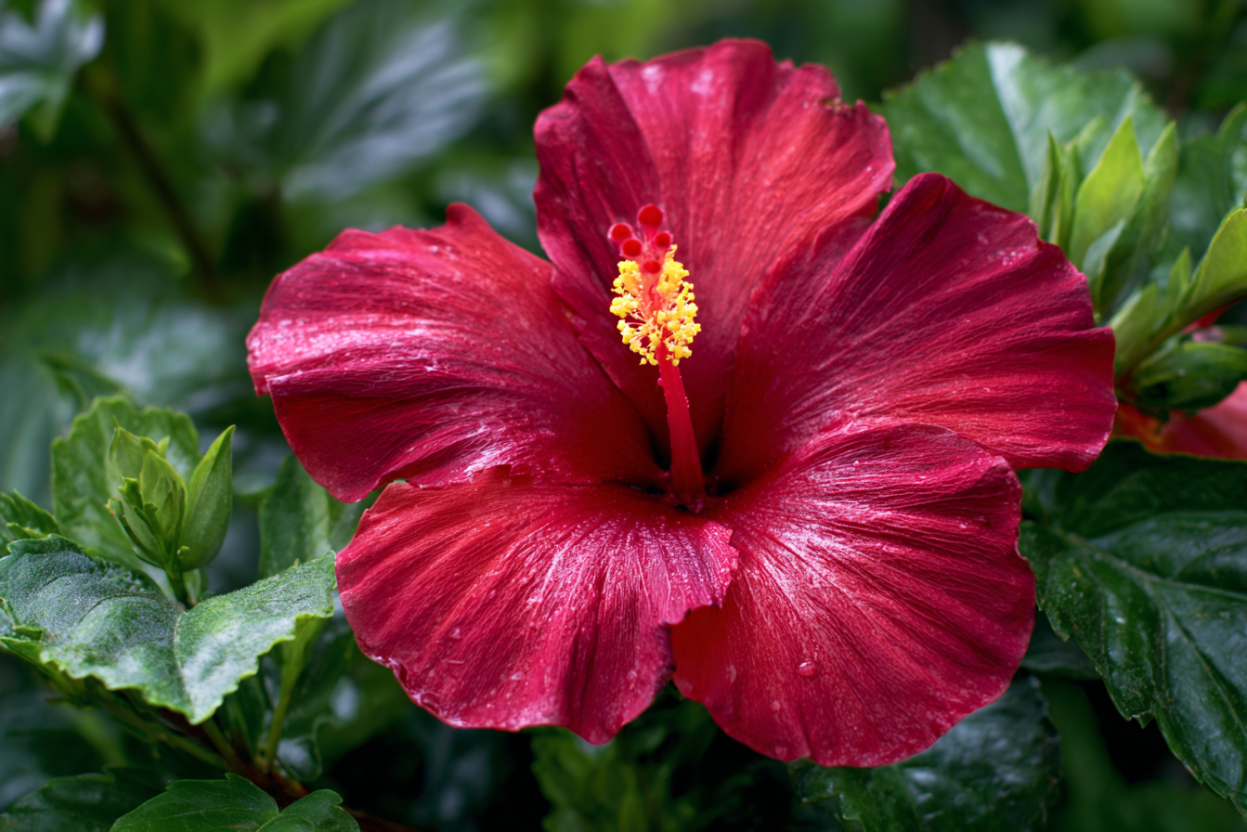
Hibiscus (Roselle) — God’s Ruby-Red Gift for Heart, Blood & Vitality
If you have been told your blood pressure is creeping up, your cholesterol numbers are heading the wrong direction, or you simply feel the weight of stress bearing down on your body day after day — you are far from alone. Millions of people wrestle with these concerns, often feeling trapped between medications with long lists of side effects and a desire for something more aligned with how their body was designed to function. There is a plant that has been quietly supporting human health for over 6,000 years, and modern science is finally catching up to what ancient cultures already knew.
Hibiscus — specifically Hibiscus sabdariffa, known as Roselle — is one of the Creator’s most generous gifts to the human body. Its deep ruby-red calyces are packed with anthocyanins, organic acids, and vitamin C, and the research supporting its role in cardiovascular wellness is substantial and growing. Like all of creation, this remarkable plant reflects the wisdom of a Designer who knew exactly what we would need — long before we had the instruments to measure why it works.
This information is for educational purposes only and is not intended to diagnose, treat, cure, or prevent any disease. Always consult with a qualified healthcare provider before making changes to your health regimen.
The Plant
Common Names: Roselle, Red Sorrel, Jamaican Sorrel, Florida Cranberry, Indian Sorrel, Karkadé (Egypt/Sudan), Bissap (West Africa), Zobo (Nigeria), Agua de Jamaica (Mexico), Sour Tea (Iran), Krachiap Daeng (Thailand)
Botanical Name: Hibiscus sabdariffa L.
Family: Malvaceae (the mallow family — related to okra, cotton, marshmallow, and hollyhock, known for their mucilaginous properties and showy flowers)
Description
Hibiscus sabdariffa is an erect, bushy herbaceous subshrub that can reach four to seven feet tall and nearly as wide when given space. The stems are typically smooth and round, often displaying striking reddish or burgundy coloring that hints at the anthocyanin richness within. The alternate leaves are deeply lobed — often three to five lobes — measuring three to five inches long, with toothed margins and reddish veins running through their green tissue.
The flowers open as delicate, creamy-yellow blossoms with a rose or maroon eye at their center. They are beautiful but fleeting, lasting only about a day. It is what comes after the flower that matters most — the fleshy, bright crimson calyx that swells around the developing seed pod. These calyces are the primary harvest, prized for their tart, cranberry-like flavor and their extraordinary concentration of beneficial compounds. Fresh calyces are firm and succulent; dried, they become deep burgundy and intensely fragrant.
Origin
Roselle is native to West and Central Africa, with Sudan considered one of the earliest centers of cultivation — evidence of its use stretches back approximately 6,000 years. From Africa, it traveled along ancient trade routes to Egypt, where it became the legendary “Karkadé” — the Tea of the Pharaohs. By the 16th century, it had spread to India, Southeast Asia, and the West Indies. Today it grows throughout the tropics and subtropics worldwide, from Mexico to the Philippines, from Thailand to the Caribbean, and it can be cultivated as an annual in temperate regions like the southeastern United States.
Brief History
The Ebers Papyrus, an ancient Egyptian medical text dating to approximately 1550 BCE, references hibiscus as a remedy for coughs and other ailments — making it one of humanity’s earliest documented medicinal plants. Egyptian royalty prized Karkadé not only for its cooling properties in desert heat but also for its vibrant color, and it became customary to toast weddings with glasses of the ruby-red beverage — a tradition that continues in Egypt today. The Greek physician and botanist Dioscorides gave the plant its name, derived from the Greek hibiskos, meaning “marsh mallow.” In India, it became part of Ayurvedic practice. In Traditional Chinese Medicine, the bark, leaves, and flowers were all utilized. African cultures from Sudan to Nigeria to Senegal developed their own distinctive preparations — Zobo, Bissap, Sobolo — each reflecting centuries of inherited knowledge about this plant’s remarkable properties.
Growing & Cultivation
Climate & Zones
Roselle thrives as a perennial in USDA Hardiness Zones 8 through 11. In cooler zones (3 through 7), it grows vigorously as an annual when started indoors and transplanted after the last frost. It is a tropical plant at heart and loves warmth, humidity, and long growing seasons. In Zone 8 and warmer areas like Georgia, it performs beautifully when planted after soil temperatures reach at least 75°F. Roselle is photoperiod-sensitive — it blooms when day length drops below about 13 hours, which means flowering typically begins in October in most North American locations, with calyces maturing in November.
Soil Requirements
Roselle adapts to a wide variety of soils but performs best in well-drained, fertile, sandy loam with a pH between 5.5 and 7.0. Amend clay soils with compost and coarse sand to improve drainage. In containers, use a high-quality potting mix enriched with compost. The plant tolerates poor soil better than most vegetables but rewards rich, well-amended ground with heavier calyx production. It will not tolerate waterlogged soil — good drainage is essential to prevent root rot.
Water & Sunlight
As a relative of okra, Roselle has moderate to high water needs, especially during establishment and the heat of summer. Water deeply and regularly, allowing the top inch of soil to dry between waterings. Once the deep taproot is established, the plant demonstrates some drought tolerance, but consistent moisture produces the best harvest. Full sun is non-negotiable — at least six hours of direct sunlight daily, with more being better. Plants grown in even partial shade will stunt and bolt without producing a usable harvest of calyces.
Propagation
From Seed: Start seeds indoors 6 to 8 weeks before your last frost date. Sow seeds ¼ inch deep in warm soil (75–85°F). Germination takes 5 to 10 days. Transplant outdoors once all danger of frost has passed and nighttime temperatures remain above 55°F. From Cuttings: Stem cuttings can be rooted in moist soil or water, though plants from cuttings tend to produce fewer flowers. Seed Saving: Allow a few calyces to dry completely on the plant until pods turn brown and crack open. Collect seeds and store in a cool, dark place for next season.
Planting
Space plants 24 to 36 inches apart in rows at least 5 feet apart. Roselle plants can reach 5 to 7 feet tall and equally wide, so give them room. In containers, use at least a 15- to 20-gallon pot with drainage holes, and stake for support. Good companion plants include nasturtiums (also edible), marigolds (which suppress nematodes), basil, and dill. Avoid planting near heavy feeders that will compete for nutrients.
Harvesting
Harvest the calyces 7 to 10 days after flowering, when they are firm, fully colored, and the seed pod inside is still tender — typically about one inch wide. Use clean clippers to avoid damaging branches. Harvest in the morning after dew has dried for the best flavor and color. Each plant can produce dozens of calyces over its harvest window. The young leaves are also edible and can be harvested anytime — they have an acidic, rhubarb-like flavor excellent in salads and cooked greens.
Drying & Storage
Separate calyces from the seed pods. Spread in a single layer on drying racks in a warm, well-ventilated area away from direct sunlight, or use a food dehydrator at 110–135°F. Drying takes 2 to 4 days depending on humidity. Properly dried calyces are deep burgundy and slightly leathery. Store in airtight glass jars in a cool, dark place. Dried calyces retain their potency for 12 to 18 months. They can also be frozen fresh for longer-term storage.
Pest & Disease Management
Roselle is relatively pest-resistant. Occasional issues include aphids, whiteflies, flea beetles, and Japanese beetles. Organic management includes neem oil spray, insecticidal soap, companion planting with marigolds and basil, and encouraging beneficial insects like ladybugs and lacewings. Root rot is the primary disease concern — prevention through good drainage and avoiding overwatering is the best approach. In humid conditions, watch for leaf spot and powdery mildew; improve air circulation by proper spacing.
Companion Planting
Roselle pairs well with nasturtiums, marigolds, zinnias, basil, and dill. Its large size can provide dappled shade for heat-sensitive crops like cucumbers. It attracts pollinators including bees, butterflies, and hummingbirds, making it a valuable addition to any pollinator garden.
The Healing of Growing
Growing Roselle offers benefits that begin long before the first calyx is harvested. The act of gardening — hands in soil, bare feet on earth, time spent outdoors — has been shown to reduce cortisol levels, improve mood, and support immune function. The soil itself contains beneficial bacteria (Mycobacterium vaccae) with documented antidepressant effects, stimulating serotonin production in the brain. When you grow your own Roselle, you receive healing before you ever brew a cup of tea. The rhythm of planting, tending, and harvesting connects you to the seasons and to the Creator who designed them all.
Nutritional Profile
Macronutrients
Per 100 grams of raw Roselle calyces, approximately: 49 calories, 0.96g protein, 11.31g carbohydrates, 0.64g fat. The calyces are low in calories and sugars but rich in dietary fiber, organic acids (citric, malic, tartaric, and the unique hibiscus acid), and water-soluble compounds that give the plant its extraordinary health-supporting properties.
Vitamins
Vitamin C: Roselle calyces are exceptionally rich in ascorbic acid — research indicates they may contain up to nine times more vitamin C than citrus fruits by weight. Vitamin C is essential for immune defense, collagen production for skin and joint health, and acts as a powerful antioxidant protecting cells from oxidative damage.
Vitamin A (as beta-carotene): The leaves and calyces provide significant beta-carotene, with studies showing Roselle contains up to four times more beta-carotene than carrots. Vitamin A supports vision, immune function, skin health, and cellular communication.
B Vitamins: Roselle provides niacin (B3), riboflavin (B2), and pyridoxine (B6). These B vitamins are critical for energy metabolism, nervous system function, and the production of neurotransmitters like serotonin and dopamine.
Minerals
Calcium: Present in significant amounts in both calyces and leaves — supports bone health, muscle function, nerve signaling, and blood clotting.
Iron: Roselle provides notable iron content, essential for oxygen transport in the blood, energy production, and immune function. The vitamin C present in the same plant enhances iron absorption — a beautiful example of synergistic design.
Potassium: Approximately 260mg per 100g of calyces — critical for blood pressure regulation, heart rhythm, fluid balance, and nerve function.
Magnesium: Essential for over 300 enzymatic reactions in the body, supporting muscle and nerve function, blood sugar regulation, bone health, and the production of DNA and protein. Magnesium also plays a key role in regulating cortisol levels.
Phytonutrients & Active Compounds
This is where Roselle truly distinguishes itself. The plant contains a remarkable array of bioactive compounds:
Anthocyanins — particularly delphinidin-3-sambubioside and cyanidin-3-sambubioside — are the pigments responsible for the deep red color. These are among the most potent antioxidants found in any plant food, with demonstrated cardiovascular, anti-inflammatory, and neuroprotective properties.
Hibiscus Acid (Hydroxycitric Acid) — a unique organic acid found almost exclusively in Roselle, with research suggesting roles in lipid metabolism and weight management support.
Polyphenols and Flavonoids — including quercetin and kaempferol, which contribute powerful antioxidant and anti-inflammatory activity. Research suggests Roselle may contain more antioxidant activity than green tea.
Organic Acids — citric, malic, tartaric, and ascorbic acids contribute to the tart flavor and support digestive function and mineral absorption.
Mucilage — a gel-like substance found in the leaves and calyces that soothes mucous membranes and supports digestive health.
Nutrient Notes
The vitamin C in Roselle significantly enhances the bioavailability of its iron content, while the organic acids improve mineral absorption overall. The anthocyanins are water-soluble, meaning they extract readily into tea and other water-based preparations. Drying concentrates many nutrients, though some vitamin C is lost during the process. For maximum nutritional benefit, consume both fresh and dried preparations.
Culinary Uses
Edible Parts
Calyces: The primary culinary harvest. They have a tart, cranberry-like flavor — bright, fruity, and slightly astringent. Used fresh or dried for beverages, jams, jellies, sauces, pies, syrups, and more. The tart flavor comes from the high concentration of organic acids. Leaves: Young leaves and tender stems have a mild, acidic flavor reminiscent of rhubarb or sorrel. Eaten raw in salads or cooked as a potherb — used extensively in African and Asian cuisines in soups, stews, and sauces. Seeds: Roasted seeds serve as a coffee substitute or are ground into a powder for soups and sauces. Seeds are a good source of protein and fat.
Flavor Profile
Roselle’s flavor is distinctly tart-sweet, often compared to cranberry with notes of citrus and berry. Fresh calyces are crisper and more subtle; dried calyces produce a more intense, concentrated tartness. When cooked, the tartness mellows and becomes fruitier. The natural pectin content makes calyces excellent for jams and jellies without added thickeners. The flavor pairs beautifully with ginger, cinnamon, cloves, mint, citrus, and honey.
Preparation
Fresh calyces can be eaten raw in salads, chopped into slaws, or blended into smoothies. For cooking, they work in any recipe calling for cranberries. The dried calyces steep into a vibrant, ruby-red tea — hot or iced. For syrups, simmer dried calyces with sugar and water. For jams, combine with sugar and cook until thickened — the natural pectin does much of the work. In Mexico, Agua de Jamaica is made by steeping dried calyces in water with sugar, often served over ice. In Nigeria, Zobo is infused with ginger, cloves, and pineapple.
Culinary Pairings
Roselle pairs exceptionally well with ginger, cinnamon, cloves, allspice, cardamom, vanilla, citrus (lime, orange, lemon), mint, honey, maple syrup, and apple. In savory applications, it complements poultry, pork, and fish. Its tartness makes it an excellent substitute for cranberries in any recipe.
Storage
Fresh calyces store in the refrigerator for up to two weeks. Freeze fresh calyces for up to a year. Dried calyces keep in an airtight glass jar in a cool, dark place for 12 to 18 months. Homemade syrups and jams should be refrigerated and used within several weeks, or canned for long-term storage.
Ready to cook with Roselle? View Recipes on Chefts →
Wellness & Therapeutic Uses
Traditional Uses
Roselle has been used across virtually every tropical and subtropical culture for millennia. In ancient Egypt, it was consumed as a cooling beverage and used to support respiratory health. In Sudan and across West Africa, the tea has been used traditionally to support healthy blood pressure, as a diuretic, and as a mild laxative. In Iran, “sour tea” has been consumed for generations to promote cardiovascular wellness. In Traditional Chinese Medicine, the bark, leaves, and calyces are used to support liver and digestive health. In Ayurvedic medicine, Roselle has been used for digestive disorders, urinary tract support, and as a blood purifier. In the Caribbean, it is a staple wellness beverage, particularly during the holiday season. The Zeliang tribe of Nagas in Northeast India uses Roselle to support stomach health by boiling the leaves and calyces. In Fiji, leaf juice has been used for digestive support.
Modern Research
Blood Pressure Support: This is Roselle’s most extensively researched benefit. A 2022 systematic review and meta-analysis of 17 randomized controlled trials published in Nutrition Reviews found that Hibiscus sabdariffa consumption resulted in a significant reduction in systolic blood pressure of −7.10 mmHg compared to placebo. The mechanisms include vasodilator activity, diuretic efficacy, and ACE-inhibiting properties — the same mechanism targeted by common blood pressure medications. A 2020 review of seven trials confirmed these effects on both systolic and diastolic blood pressure. A 2025 systematic review reinforced these findings, concluding that Roselle represents an effective, cost-effective option for blood pressure management. (Ellis et al., Nutrition Reviews, 2022, UK; Izquierdo-Vega et al., Molecules, 2022, Mexico)
Cholesterol & Lipid Support: Research indicates Roselle may help support healthy cholesterol levels. Studies have demonstrated reductions in LDL (“bad” cholesterol) and triglycerides, with increases in HDL (“good” cholesterol). A 14-day study showed participants who consumed Roselle tea experienced a decrease in total cholesterol from 134 to 101.7 mg/dL and LDL from 84.70 to 37.97 mg/dL. The mechanism involves antioxidative effects and activation of AMPK through phosphorylation, as well as inhibition of adipogenic transcription factors. (Abdallah, Journal of Complementary and Integrative Medicine, 2021, USA)
Blood Sugar Support: Research suggests Roselle may support healthy blood sugar levels by slowing post-meal glucose rise and improving insulin sensitivity. The mechanism involves anti-insulin resistance through inhibition of phosphorylation of IRS-1, similar to the action of gliptin medications. A 2020 review found that Roselle tea significantly lowered fasting blood glucose levels. (Izquierdo-Vega et al., Molecules, 2022, Mexico)
Anti-Inflammatory Properties: A 2024 review analyzing studies from 2019 to 2024 confirmed significant anti-inflammatory activity, with Roselle extracts shown to reduce inflammatory markers including IL-1, IL-6, and TNF-α. These findings support potential applications for degenerative diseases, intestinal dysfunction, and atherosclerosis. (Applicability of H. sabdariffa with Anti-Inflammatory Potential, PMC, 2024, Brazil)
Antimicrobial Activity: A comprehensive 2024 review documented significant antimicrobial activity against bacteria including E. coli and Staphylococcus aureus, as well as fungi including Candida albicans. The active compounds disrupt microbial membranes and inhibit enzyme activity. This supports both its traditional use and potential applications as a natural food preservative. (Antimicrobial Effects of Hibiscus Species, PMC, 2024)
Neuroprotective Effects: Research has shown Roselle may protect against neuroinflammation by decreasing inflammatory markers in brain cells, protect against glucotoxicity, and improve memory function by inhibiting hyperphosphorylated tau protein formation — a hallmark of Alzheimer’s disease. (Abdallah, Journal of Complementary and Integrative Medicine, 2021, USA)
Antioxidant Activity: Roselle demonstrates potent antioxidant effects, attributed primarily to its anthocyanin, flavonoid, and polyphenol content. These compounds scavenge free radicals, reduce oxidative stress, and may help protect against chronic diseases including cardiovascular disease, cancer, and neurological decline.
Urinary Tract Support: A randomized Phase III clinical study with 93 participants found that supplementation with Hibiscus sabdariffa extract reduced symptoms related to urinary tract infections and their recurrence at a rate comparable to antibiotic treatment. (Izquierdo-Vega et al., 2022)
Weight Management Support: A 2023 review and meta-analysis found evidence suggesting that Roselle in combination with other plant extracts may support weight loss in both healthy individuals and those with obesity, potentially through its effects on lipid metabolism via hibiscus acid and AMPK activation.
Body Systems Supported
Cardiovascular System: Blood pressure regulation, cholesterol support, vascular flexibility, ACE inhibition. Digestive System: Mild laxative effect, carminative properties, mucilage soothes gut lining. Urinary System: Diuretic properties, UTI support, kidney health. Immune System: High vitamin C, antimicrobial activity, antioxidant support. Nervous System: Neuroprotective effects, anti-neuroinflammatory properties. Endocrine System: Blood sugar regulation, potential effects on insulin sensitivity. Integumentary System: Antioxidant protection for skin health, anti-aging support.
Body Compounds Affected
Research suggests Roselle may influence several key body compounds: Cortisol — the high antioxidant content and blood pressure-lowering effects may support healthy cortisol regulation. Nitric Oxide — vasodilation effects suggest involvement in nitric oxide pathways. Inflammatory Markers (Cytokines, IL-1, IL-6, TNF-α) — demonstrated reduction in inflammatory markers. Insulin — improved insulin sensitivity documented. Prostaglandins — anti-inflammatory effects suggest modulation of prostaglandin pathways. C-Reactive Protein — some research indicates reduction in this inflammation marker.
Methods of Use
Tea/Infusion
The most common and most studied preparation. Use 1 to 2 tablespoons of dried calyces per 8 ounces of hot water (not boiling — approximately 200°F). Steep 5 to 10 minutes, covered. Strain. May be served hot or iced. Research has used up to 720 mL (approximately 3 cups) daily for up to 6 weeks safely. For a cold infusion, steep calyces in room temperature water for 4 to 8 hours in the refrigerator — this produces a milder, sweeter beverage.
Tincture
Roselle tincture can be prepared using dried calyces in alcohol or glycerin. Typical dosage is 2 to 4 mL taken two to three times daily. Tinctures offer concentrated benefits and longer shelf life than tea.
Capsule/Powder
Dried calyx powder in capsule form is commercially available. Research has used dosages of 500 mg to 2 grams daily, depending on the preparation and concentration. Powdered calyces can also be added to smoothies, foods, or taken with water.
Culinary Consumption
Fresh or dried calyces consumed as food — in jams, sauces, beverages, and dishes — provide ongoing, lower-dose support that integrates seamlessly into daily life.
Cosmetic & Beauty Uses
Skin Benefits
Roselle has earned the nickname “Nature’s Botox” in the skincare world — and not without reason. The calyces are a natural source of alpha-hydroxy acids (AHAs), which gently exfoliate dead skin cells, promote cell turnover, and reveal brighter, more even skin underneath. The high anthocyanin content provides potent antioxidant protection against free radical damage from UV exposure and environmental pollutants.
A 2022 study published in Antioxidants explored the skin care potential of Roselle from Okinawa, Japan, and found that hibiscus acid specifically demonstrated strong anti-oxidative stress effects, effectively reducing extracellular ATP secretion and carbonyl protein production while maintaining healthy levels of glutathione — a key cellular antioxidant. The researchers concluded that Roselle extract and its active compound hibiscus acid promoted extracellular matrix synthesis in skin fibroblasts, supporting skin elasticity and firmness. (Potential of H. sabdariffa and Hibiscus Acid to Reverse Skin Aging, Antioxidants, 2022, Japan)
Skin types that benefit: Roselle is suitable for most skin types. Its astringent properties help balance oily and combination skin by minimizing the appearance of pores. Its antioxidant content supports mature and aging skin. The gentle exfoliation benefits dull and uneven skin. The anti-inflammatory properties soothe sensitive and irritated skin. People with very sensitive skin should patch test first, as the natural acids can be potent.
Specific skin concerns addressed: Fine lines and wrinkles (through collagen support and elastin degradation inhibition), hyperpigmentation and dark spots (through AHA exfoliation and brightening), dullness and uneven skin tone, large pores, acne (through antimicrobial and astringent properties), and sun damage (through antioxidant protection).
Hair Benefits
In Ayurvedic tradition, hibiscus has been used as a natural hair tonic for centuries. Roselle is rich in amino acids and bioactive compounds that nourish hair follicles, supporting stronger, healthier hair growth. The anthocyanins may help prevent premature graying by supporting natural pigment production. The mucilage content acts as a natural conditioner, softening hair, reducing frizz, and making it easier to detangle. The antimicrobial properties help maintain a healthy scalp, addressing dandruff and itchiness. A Roselle tea rinse adds shine, strengthens hair strands, and gently cleanses the scalp.
Application Methods
Infused Oil: Steep dried calyces in a carrier oil (jojoba, sweet almond, or olive) for 4 to 6 weeks in a warm, sunny spot. Strain. Use as a facial oil, body oil, or hair treatment. Face Mask: Mix powdered dried calyces with honey and yogurt for an exfoliating, brightening mask. Apply for 10 to 15 minutes, then rinse. Toner: Brew a strong Roselle tea, cool, and apply to clean skin with a cotton pad. The natural acids help balance pH and tighten pores. Hair Rinse: Brew a strong Roselle tea, cool, and use as a final rinse after shampooing. Leave in or rinse out. Bath Soak: Add a handful of dried calyces or a strong Roselle tea to bath water for skin-softening, antioxidant benefits.
DIY Formulation Notes
Roselle extract is generally used at 1 to 5% concentration in cosmetic formulations. It pairs well with carrier oils like rosehip, jojoba, and argan. Avoid combining with other strong AHA products to prevent over-exfoliation. Homemade preparations using dried calyces should be used within 1 to 2 weeks when water-based, or within 3 to 6 months when oil-based. Always patch test before first use.
Roselle is among the botanicals being explored for holistic cosmetic applications, where the wisdom of traditional beauty practices meets modern understanding of skin science.
Essential Oil Profile
Hibiscus sabdariffa does not produce a commercially significant essential oil through steam distillation. However, Roselle seed oil is extracted by cold pressing or solvent extraction and is gaining recognition in cosmetic and wellness applications. The seed oil is a rich source of gamma-tocopherol (a form of vitamin E), linoleic acid, and oleic acid, giving it notable antioxidant and skin-nourishing properties.
For aromatic purposes, Roselle is primarily experienced through the scent of the fresh or dried plant, or through Roselle hydrosol (the water portion collected during steam distillation of the calyces). Roselle hydrosol, when available, offers a gentle, floral-tart aroma and the water-soluble compounds of the plant in a form suitable for skin toning, room misting, and hair care.
Because Roselle does not yield a traditional essential oil, it is most commonly used in aromatherapy through dried sachets, simmering on the stove, adding to bath water, or brewing as tea — all of which release the plant’s volatile aromatic compounds into the environment.
Aromatherapy & Scent
The Aroma
Fresh Roselle calyces have a bright, fruity, tart aroma — reminiscent of cranberries with floral undertones and a hint of citrus. The scent is most prominent when the calyces are freshly harvested and still glistening with morning dew. Crushing the calyces between your fingers releases a burst of fruit-forward fragrance. The leaves have a subtler, green, slightly acidic scent. Dried Roselle calyces develop a deeper, more concentrated aroma — richer, more wine-like, with berry and plum notes. The dried scent is moderately strong and retains well for months when stored in sealed containers.
How Scent Affects Your Body
When you inhale the aroma of Roselle — whether from a steaming cup of tea, a simmering pot on the stove, or dried calyces in a sachet — volatile molecules enter your nose and contact olfactory receptors. These receptors send signals directly to the limbic system (your emotional brain) and the hypothalamus (which controls hormone release), bypassing conscious thought entirely. This is why the warm, fruity aroma of Roselle tea can shift your mood before you even take the first sip. The response is measurable, immediate, and real — this is physiology, not imagination.
Emotional & Mood Effects
The aroma of Roselle is generally described as comforting and uplifting. Its warm, fruity scent promotes a sense of relaxation without drowsiness — making it ideal for unwinding at the end of the day while still remaining alert. The tartness in the aroma has a clarifying quality that can help cut through mental fog. Many users report feeling calmer, more centered, and more present when drinking Roselle tea, which combines the aromatic experience with the physiological effects of the plant’s compounds.
Body Compounds Affected
While specific studies on Roselle’s aroma and neurotransmitter effects are limited, the overall experience of consuming Roselle tea — which combines aromatic, gustatory, and physiological pathways — has been associated with reduced cortisol levels (through its blood-pressure-lowering and anti-anxiety effects) and potential support for serotonin pathways (through its B-vitamin content and anti-inflammatory activity in the brain).
Ways to Experience the Scent
Brew a pot of Roselle tea and let the aroma fill your kitchen. Place a bowl of dried calyces on your desk or bedside table as a natural potpourri. Simmer dried calyces with cinnamon sticks and cloves on the stove for a warming, whole-home fragrance. Add dried calyces to a muslin bag and place in your pillow for a subtle nighttime scent. Crush fresh calyces while gardening and breathe in the burst of fruity fragrance. Add dried calyces to a warm bath for a full sensory experience.
Color Therapy
The Colors of Roselle
Roselle is a visual feast. The calyces are its crown jewel — a deep ruby-red to crimson that intensifies as they mature. The stems run from green to a striking burgundy-red. The leaves are green with prominent reddish veins, sometimes taking on a bronze or purple tint in new growth. The flowers open as soft, creamy yellow with a dramatic dark red or maroon eye at the center — a brief but beautiful display. When steeped, the dried calyces release a breathtaking deep garnet to magenta liquid that captures light like a stained-glass window.
Color Wavelengths
The dominant colors of Roselle fall primarily in the red spectrum (620–700nm) with secondary representation in the green spectrum (495–570nm) from foliage. Red wavelengths are among the longest in the visible spectrum and carry distinct physiological effects.
How Red Affects the Body
Red wavelengths (620–700nm) are energizing and stimulating. Exposure to red is associated with increased circulation, warming effects, heightened alertness, and stimulation of the adrenal glands. Red is also associated with vitality, passion, and grounding energy. The contrast of the deep green foliage provides a balancing counterpoint — green wavelengths (495–570nm) are calming, heart-centered, and restorative. Having a Roselle plant in your environment provides both energizing red and calming green — a balanced visual therapy.
Body Compounds Affected
Exposure to red light wavelengths has been associated with increased circulation and potentially subtle effects on adrenaline and cortisol levels. Green exposure is associated with reduced cortisol and increased feelings of calm. The combined visual experience of the Roselle plant offers a dynamic, balanced color therapy.
Using Roselle for Color Therapy
Place Roselle plants where you can see them regularly — their dramatic coloring provides ongoing visual stimulation. Brew Roselle tea and take a moment to appreciate the color before drinking — the deep garnet liquid is visually calming and centering. Use cut Roselle branches as striking floral arrangements that bring vibrant color into any room. For “eating the rainbow,” consuming the deep red calyces provides the anthocyanin pigments that function as both color therapy and antioxidant support — the color you see IS the compound that supports you.
Frequency & Vibration
The Frequency of Roselle
While specific frequency measurements for Roselle in MHz have not been extensively documented in the way that some essential oils have been (through Bruce Tainio’s research), we know that all living plants vibrate at a molecular level — this is fundamental physics. Plants with high concentrations of volatile organic compounds and bioactive phytochemicals are generally considered to have higher vibrational frequencies. Roselle’s extraordinary concentration of anthocyanins, polyphenols, and organic acids suggests it is a high-frequency plant.
For reference, healthy human bodies vibrate in the range of 62 to 78 MHz. Fresh herbs are generally measured around 20 to 27 MHz, and dried herbs around 12 to 22 MHz. Fresh, living Roselle plants — with their active production of volatile compounds and phytoncides — are likely in the upper range of fresh herb frequencies.
Human Frequency Interaction
According to the principle of entrainment, a stronger or more coherent frequency can influence a weaker or less coherent one. Proponents of vibrational medicine suggest that being around living plants, consuming high-frequency foods, and using aromatic plant preparations may support healthy human frequency. The ancient practice of spending time in gardens and among living plants — long before frequency could be measured — may reflect an intuitive understanding of this interaction.
Vibrational Applications
Growing Roselle in your home garden or in containers brings its living frequency into your daily environment. Drinking freshly brewed Roselle tea introduces its bioactive compounds directly into your body. Combining Roselle tea with mindful breathing, prayer, or meditation may amplify the benefits by creating a coherent state of relaxation that supports healthy frequency.
Note: Frequency measurement of plants and human bodies is an area where research is still emerging. The information above draws from bio-frequency research and vibrational medicine principles. While promising, these concepts should be understood as supportive rather than conclusive.
The Living Plant
Benefits of Presence
Simply being around a living Roselle plant offers benefits that extend well beyond its harvest. Research on biophilic design — the human need to connect with nature — demonstrates that having living plants in your environment reduces stress hormones, lowers blood pressure, and improves mood. A Roselle plant, with its dramatic height, striking burgundy stems, tropical foliage, and beautiful flowers, provides a particularly engaging living presence. Watching it grow, change, flower, and produce its vibrant calyces creates an ongoing connection to the rhythm of the seasons.
Air Purification
While Roselle has not been specifically tested in the NASA Clean Air Study, plants in the Malvaceae family are known to contribute positively to indoor air quality through standard photosynthesis — absorbing carbon dioxide and releasing oxygen. During the growing season, a healthy Roselle plant’s large leaf surface area supports meaningful gas exchange. Like most plants, Roselle produces oxygen primarily during daylight hours. For air quality benefits, place it in a well-lit room where its size (it can grow quite large indoors) makes it an effective green presence.
Phytoncides
Roselle releases volatile organic compounds (VOCs), including the aromatic molecules responsible for its distinctive scent. These plant-emitted compounds are part of the broader category of phytoncides — antimicrobial volatile substances that plants produce to protect themselves from insects, fungi, and bacteria. Research on forest bathing (shinrin-yoku) has demonstrated that exposure to phytoncides increases Natural Killer (NK) cell activity in the human immune system, reduces cortisol, and lowers blood pressure. While large-scale forest effects are stronger than individual plants, having aromatic plants like Roselle in your environment contributes to this beneficial effect — particularly when you touch the leaves and calyces, releasing their aromatic compounds.
Visual & Psychological Benefits
Research consistently shows that patients in healthcare settings who have views of plants heal faster and require less pain medication. Office workers with plants nearby report higher productivity and lower stress. Attention Restoration Theory suggests that natural elements like plants provide “soft fascination” that allows mental fatigue to recover without effort. A Roselle plant — with its dynamic growth, changing colors, and dramatic flowering — provides particularly rich visual engagement.
Growing Indoors vs Outdoors
Roselle can be grown indoors in large containers (at least 15 to 20 gallons) with bright, direct sunlight — a south-facing window or supplemental grow lights. Indoors, it will likely stay smaller but can still produce flowers and calyces. It thrives outdoors in warm climates and grows most vigorously in garden settings where it has room to reach its full size. Even growing it as an annual in cooler climates provides a full season of living plant benefits, from the therapeutic value of planting the seed to the satisfaction of the harvest.
Touch & Physical Interaction
Gardening Therapy
Horticultural therapy — the practice of using gardening as therapeutic intervention — is well-established in rehabilitation centers, mental health facilities, and elder care programs. Roselle is an excellent plant for this purpose because it grows quickly (providing visible progress and satisfaction), requires consistent care (creating routine and purpose), and produces an edible, usable harvest (providing a tangible reward for effort). The plant’s entire lifecycle — from planting the seed to harvesting the ruby-red calyces — takes about six to eight months, offering an extended period of therapeutic engagement.
Soil Contact Benefits
When you garden with bare hands or bare feet, you benefit from grounding (earthing) — the transfer of electrons from the earth into your body, which research suggests reduces inflammation and promotes physiological calm. The soil itself contains Mycobacterium vaccae, a harmless soil bacterium that has been shown to stimulate serotonin production in the brain, producing measurable antidepressant effects. Your soil microbiome exposure during gardening also supports your own microbiome diversity — a key factor in immune health and mental well-being.
The Tactile Experience
Roselle offers a rich sensory experience through touch. The leaves are smooth to slightly textured, with a satisfying heft. The stems are firm and woody, with the burgundy varieties particularly striking to handle. The calyces are the highlight — plump, fleshy, and smooth when fresh, with a satisfying snap when harvested. Running your fingers over the glossy surface of a fresh calyx is a grounding, present-moment experience. The flowers are delicate and soft, lasting just a day — a reminder to appreciate beauty in the moment. When drying the calyces, the repetitive process of separating calyces from seed pods, spreading them on racks, and turning them provides meditative, rhythmic engagement.
Harvesting & Processing
The harvest of Roselle calyces is inherently therapeutic. Each calyx must be individually clipped and separated from the seed pod — a focused, repetitive task that encourages mindfulness and presence. Many growers describe the harvest as meditative, almost prayerful. Processing the calyces — whether for drying, making jam, or brewing tea — extends this engagement into the kitchen, connecting the gardener to the full journey from earth to cup. There is a deep satisfaction in brewing a pot of tea from calyces you grew, harvested, and dried with your own hands.
Water-Based Applications
Teas & Infusions
The standard hot infusion is the most common and most studied preparation. Use 1 to 2 tablespoons of dried Roselle calyces per 8 ounces of water heated to about 200°F (just below boiling). Steep covered for 5 to 10 minutes. The result is a vibrant, deep garnet tea with a bright, tart flavor. Strain and enjoy hot, or cool and serve over ice. May be sweetened with honey, agave, or stevia. For a stronger preparation, increase the amount of calyces or steep longer. For a cold infusion, place dried calyces in room-temperature water in the refrigerator for 4 to 8 hours — this produces a milder, sweeter beverage with less tartness. Research studies have used up to 3 cups daily for up to 6 weeks safely.
Herbal Baths
Add ½ to 1 cup of dried Roselle calyces to a muslin bag or directly to hot bath water. Allow to steep for 10 to 15 minutes before entering the bath. The naturally occurring AHAs gently soften and exfoliate the skin, the anthocyanins provide antioxidant benefits, and the organic acids help restore healthy skin pH. The water will turn a beautiful pink to red — a visually therapeutic experience in itself. Soak for 20 to 30 minutes. This is particularly beneficial for dull, tired skin, muscle soreness, and general relaxation. For a foot bath, use 2 to 3 tablespoons of dried calyces in a basin of warm water.
Compresses
Brew a strong Roselle tea (double-strength), soak a clean cloth in the warm tea, and apply to the skin. A warm compress may support circulation and provide antioxidant benefits topically. A cool compress may help soothe inflammation, puffiness, and tired eyes. Ancient Egyptian practitioners applied Roselle-soaked cloths to achy muscles and joints — a tradition thousands of years old.
Steam Inhalation
Add a handful of dried Roselle calyces to a bowl of hot (not boiling) water. Drape a towel over your head and the bowl, and breathe in the fruity, warm steam for 5 to 10 minutes. This delivers aromatic compounds directly to the respiratory system while the steam itself helps open airways and support respiratory comfort. This is particularly beneficial during seasonal changes when respiratory comfort is a priority.
Hair Rinses
Brew a strong Roselle tea, allow it to cool completely, and use as a final rinse after shampooing. Pour through the hair and either leave in or rinse out with cool water. The natural acids help restore scalp pH, the anthocyanins add shine and may deepen color in dark hair, the antimicrobial properties support scalp health, and the mucilage helps condition and detangle. Use 1 to 2 times per week for best results.
Historical, Cultural & Biblical Significance
Biblical References
Hibiscus sabdariffa (Roselle) is not directly mentioned by name in Scripture. However, plants of the mallow family (Malvaceae) were known in the biblical world, and the broader genus Hibiscus includes species native to the regions of the Bible. The land of Egypt — where Roselle has been cultivated since the time of the Pharaohs — features prominently throughout Scripture, from the time of Abraham through the Exodus and beyond. When the children of Israel lived in Egypt, Karkadé was already a well-established beverage. While we cannot say with certainty that the Israelites drank Roselle tea, it is entirely possible that this plant was among the provisions of that land.
What we do know is that God created all plants and called them good (Genesis 1:12, KJV: “And the earth brought forth grass, and herb yielding seed after his kind, and the tree yielding fruit, whose seed was in itself, after his kind: and God saw that it was good.”). Roselle — with its remarkable capacity to support the human cardiovascular system, its abundance of antioxidants, and its ability to grow in challenging tropical climates where access to conventional medicine is often limited — beautifully reflects the provision of a Creator who knows every need before it arises.
Ancient Civilizations
Ancient Egypt: The Ebers Papyrus (approximately 1550 BCE), one of the oldest surviving medical documents, references hibiscus as a remedy for coughs and other ailments. Egyptian royalty prized Karkadé as the “Tea of the Pharaohs,” and it became integral to social celebrations — a tradition that endures in Egyptian weddings today. The calyces were used medicinally, nutritionally, and as a dye for textiles and cosmetics. Roselle grew along the nutrient-rich banks of the Nile, and its dried calyces were among the carefully preserved botanical resources of the ancient world.
Ancient Greece: The physician Dioscorides, whose De Materia Medica remained the authoritative botanical reference for over 1,500 years, named the genus Hibiscus from the Greek hibiskos, meaning “marsh mallow.” While he was likely referencing a related European species, his naming established the botanical framework that later encompassed H. sabdariffa as it traveled the trade routes.
Sudan & West Africa: Sudan is considered one of the oldest centers of Roselle cultivation, with evidence of use stretching back 6,000 years. Across West Africa, Roselle became a cornerstone of traditional medicine and daily life — known as Bissap in Senegal (where it is the national drink), Zobo in Nigeria, Sobolo in Ghana, and by dozens of other names across the continent. It was used to lower body temperature, support cardiovascular health, as a diuretic, and as a mild laxative. These cultures observed God’s design and documented what worked — passing their knowledge down through generations.
Eastern Traditions
Traditional Chinese Medicine: Roselle was adopted into TCM as it spread to Asia by the 16th century. The bark, leaves, and calyces are all utilized. In TCM, Roselle is classified as cooling and sour, used to support liver function, clear heat, and promote healthy digestion. Ayurveda: In India, Roselle has been valued for digestive support, blood purification, and as a hair and skin tonic. The Zeliang tribe of Nagas in Northeast India uses it for stomach disorders. The Meiteis ethnic group uses pulp extracts for urinary tract support. Ayurvedic texts recognize it for pacifying Kapha and Vata doshas.
Indigenous Knowledge
Across Africa, the knowledge of Roselle’s properties was preserved through oral tradition and passed from mother to daughter, healer to apprentice, for millennia. When the transatlantic slave trade forcibly displaced African peoples to the Caribbean and Americas, Roselle traveled with them — grown in subsistence gardens as a living connection to ancestral knowledge and homeland. In Jamaica, Trinidad, and throughout the Caribbean, it became a cultural staple, particularly during Christmas celebrations. In Mexico, Agua de Jamaica became one of the country’s most beloved beverages — a testament to how traditional knowledge crosses borders and thrives.
European Heritage
European awareness of Roselle grew through colonial contact with tropical regions. As botanical gardens expanded in the 17th and 18th centuries, European naturalists documented the plant’s properties. Today, it is grown in botanical gardens throughout Europe and has gained significant popularity as an herbal tea, driven by the same cardiovascular research that validates what ancient cultures already knew.
Cultural Symbolism
Roselle symbolizes hospitality and community across Africa — offering someone a glass of Bissap or Zobo is a gesture of welcome and warmth. In Egypt, it represents vitality and joy, its ruby color a natural metaphor for lifeblood. In the Caribbean, it represents resilience and cultural preservation — a plant that survived the Middle Passage and continues to nourish communities. The deep red color has made it a universal symbol of vitality and the life-giving force that flows through all living things.
These cultures observed that Roselle provided remarkable health benefits. They documented these uses in their traditions and passed them through generations. While they may not have all known the Creator by name, they were observing His design — and their observations align beautifully with what modern research confirms about Roselle’s properties.
Safety & Precautions
Contraindications
Roselle tea and supplements should be used with caution or avoided in the following situations: individuals with already low blood pressure (hypotension), as Roselle may lower it further; individuals scheduled for surgery (discontinue use at least 2 weeks before scheduled procedures due to effects on blood pressure and blood sugar); individuals with estrogen-sensitive conditions, as Roselle contains phytoestrogens.
Drug Interactions
Blood Pressure Medications (Antihypertensives): Moderate interaction. Roselle may lower blood pressure, which could cause an additive effect when combined with medications like ACE inhibitors (captopril, lisinopril), calcium channel blockers, or diuretics (hydrochlorothiazide). A 2020 study found that Roselle extract significantly altered captopril pharmacokinetics in animal models, reducing plasma concentration of the drug. (Pharmacokinetic Herb-Drug Interaction Study, Evidence-Based Complementary and Alternative Medicine, 2020)
Diabetes Medications: Moderate interaction. Roselle may lower blood sugar, which could compound the effects of insulin, metformin, or sulfonylureas. Blood sugar should be monitored closely if combining.
Chloroquine: Major interaction. Roselle may reduce the absorption and effectiveness of the anti-malarial drug chloroquine. Do not combine.
Acetaminophen (Tylenol): Minor interaction. Roselle may increase the rate at which the body processes acetaminophen, potentially reducing its effectiveness.
Diclofenac (NSAIDs): Roselle may alter the pharmacokinetics of this anti-inflammatory medication.
Hormonal Medications: Because Roselle contains phytoestrogens, there is theoretical potential for interaction with birth control pills, hormone replacement therapy, or other hormonal medications, though no direct studies exist.
(WebMD: Hibiscus Sabdariffa Interactions; Drugs.com: Hibiscus)
Pregnancy & Nursing
Roselle is not recommended during pregnancy. There is evidence it may stimulate menstrual flow and potentially cause uterine contractions, increasing the risk of miscarriage. The phytoestrogens may also affect hormone levels during pregnancy. A review of safety literature found no scientific evidence to support the safety of Roselle use during pregnancy. During breastfeeding, safety has not been established. While some African traditions use Roselle seeds to promote lactation, this has not been validated by human research. The safest approach is to avoid Roselle during both pregnancy and breastfeeding unless specifically approved by a qualified healthcare provider. (Enwerem et al., Nursing & Care Open Access Journal, 2016, Nigeria/USA)
Children
Roselle tea has been consumed by children in many African and Caribbean cultures for generations. Research suggests it is possibly safe for adolescents aged 12 to 18 at a dose of 2 grams three times daily for up to 4 weeks. For children under 12, safety data is limited. For younger children, dilute Roselle tea (half strength) and offer in small amounts. As always, consult a pediatrician before using herbal preparations with children.
Elderly
Older adults should use caution due to the blood-pressure-lowering effects, which could compound with common elderly medications for hypertension and diabetes. Start with lower doses and monitor blood pressure and blood sugar levels. The diuretic effect may require increased water intake to prevent dehydration, particularly in those already taking diuretic medications.
Pets
Dogs: Generally considered non-toxic. The ASPCA classifies Hibiscus (Hibiscus syriacus, a related species) as non-toxic to dogs. Roselle (H. sabdariffa) is widely considered safe, though large quantities may cause mild gastrointestinal upset (vomiting, diarrhea). Exercise caution and prevent excessive consumption.
Cats: Generally considered non-toxic, though some cats may experience mild digestive upset if they consume hibiscus plant material. The ASPCA does not list hibiscus as toxic to cats. However, individual cats may react differently, so monitor and discourage ingestion.
Horses: Classified as non-toxic by the ASPCA.
If any pet shows signs of distress after consuming Roselle — vomiting, diarrhea, lethargy, drooling — contact your veterinarian or the ASPCA Animal Poison Control Center at (888) 426-4435.
Allergies & Sensitivities
Allergic reactions to Roselle are rare but possible. Individuals with known allergies to plants in the Malvaceae (mallow) family should exercise caution. Symptoms may include skin itching, rash, or gastrointestinal upset. For topical use, always perform a patch test — apply a small amount of Roselle tea or extract to the inner forearm and wait 24 hours before broader application. The natural AHAs may cause temporary redness or tingling on sensitive skin.
Dosing Guidelines
Based on available research: Tea — 1 to 3 cups daily (using 1 to 2 tablespoons dried calyces per cup), studied safely for up to 6 weeks at up to 720 mL daily. Extract/Supplement — 500 mg to 2 grams daily, depending on preparation and concentration. Do not exceed recommended doses. Take breaks from supplementation — consult a healthcare provider for guidance on long-term use. Signs of overconsumption may include excessively low blood pressure (dizziness, lightheadedness), low blood sugar, or gastrointestinal discomfort.
Quality & Sourcing
Purchase dried Roselle calyces from reputable suppliers who can verify the species (H. sabdariffa, not ornamental varieties). Look for organic certification to avoid pesticide residue. Sudanese and Nigerian Roselle is considered the industry gold standard for quality, color, and flavor. Avoid products with added colors or fillers. Whole dried calyces are preferable to pre-ground powder, as they retain potency longer and are easier to verify for quality.
Signs of Adverse Reaction
Mild reactions may include stomach upset, gas, nausea, or temporary redness from topical application. More serious signs requiring medical attention include dizziness or fainting (from blood pressure drop), symptoms of severely low blood sugar, persistent vomiting or diarrhea, or signs of allergic reaction (swelling, difficulty breathing, hives). Discontinue use immediately if any adverse reaction occurs.
Disclaimer
This information is for educational purposes only. It is not intended to diagnose, treat, cure, or prevent any disease. Always consult with a qualified healthcare provider before using any herbal product, especially if you are pregnant, nursing, taking medications, or have a medical condition. If you experience any adverse reaction, discontinue use immediately and seek medical attention.
Want Personalized Guidance?
Every body is unique. What works for one person may not be right for another. If you’d like personalized support in incorporating Roselle into your wellness journey, consider working with a qualified practitioner who can assess your individual needs.
Sources & References
Peer-Reviewed Studies
- Physiological Effects and Human Health Benefits of Hibiscus sabdariffa: A Review of Clinical Trials – Molecules, 2022, Mexico
- A systematic review and meta-analysis of the effects of Hibiscus sabdariffa on blood pressure and cardiometabolic markers – Nutrition Reviews, 2022, UK
- Mechanisms of Action of Nutritionally Rich Hibiscus sabdariffa’s Therapeutic Uses in Major Common Chronic Diseases – Journal of Complementary and Integrative Medicine, 2021, USA
- Applicability of Hibiscus sabdariffa L. Extract With Anti-Inflammatory Potential in Human Health: A Review – PMC, 2024, Brazil
- A Comprehensive Review of the Antimicrobial Effects of Hibiscus Species – PMC, 2024
- Therapeutic Potential of Hibiscus sabdariffa Linn. in Attenuating Cardiovascular Risk Factors – Pharmaceuticals, 2023
- Efficacy and safety of Hibiscus sabdariffa in cardiometabolic health: An overview of reviews and updated dose-response meta-analysis – Phytomedicine, 2025, Iran
- Potential of Hibiscus sabdariffa L. and Hibiscus Acid to Reverse Skin Aging – Antioxidants, 2022, Japan
- Pharmacokinetic Herb-Drug Interaction between Hibiscus sabdariffa Calyces Aqueous Extract and Captopril in Rats – Evidence-Based Complementary and Alternative Medicine, 2020
- Evaluation of nutritional and elemental compositions of green and red cultivars of roselle: Hibiscus sabdariffa L. – Scientific Reports, 2021, Nigeria
- Exploring the Health Benefits and Therapeutic Potential of Roselle (Hibiscus sabdariffa) in Human Studies: A Comprehensive Review – Cureus, 2023
Traditional Medicine & Safety Sources
- Hibiscus sabdariffa L: Safety and Efficacy During Pregnancy and Lactation – Nursing & Care Open Access Journal, 2016, Nigeria/USA
- Nutritional and Health Importance of Hibiscus Sabdariffa: A Review – Journal of Nutrition Health & Food Engineering, 2017
- WebMD: Hibiscus Sabdariffa – Uses, Side Effects, Interactions
- Drugs.com: Hibiscus – Uses, Benefits & Dosage
- RxList: Hibiscus – Health Benefits, Side Effects, Uses
Institutional & Agricultural Sources
- Ultra-Niche Crops Series: Roselle (Hibiscus sabdariffa L.) Production and Marketing in New Jersey – Rutgers University NJAES
- Hibiscus sabdariffa – NC State Extension Gardener Plant Toolbox
- ASPCA: Hibiscus – Non-Toxic to Dogs, Cats, Horses
Historical References
- Herbs in History: Hibiscus sabdariffa – A Historical Perspective – Australian Medicinal Herbs, 2025
- Botanical Profile: Hibiscus – NuHerbs, 2022
- Hibiscus Through Time, Cultures and Science – Oriire