Lovage (Levisticum officinale)
If you have ever dealt with bloating, sluggish digestion, or that heavy feeling that makes you want to skip meals instead of enjoy them — you are far from alone. Millions of people struggle with digestive discomfort daily, often without realizing that one of nature’s most powerful digestive allies has been quietly growing in European gardens for over two thousand years. Lovage is that ally — bold in flavor, rich in healing compounds, and remarkably underappreciated.
This extraordinary plant is one of the many gifts the Creator embedded into the natural world for our benefit. Long before modern laboratories identified quercetin, phthalides, and volatile oils, lovage was already here — provided by a Designer who knew exactly what the human body would need.
The Plant
Common Names: Lovage, Love Parsley, Maggi Plant, Smellage, Sea Parsley, Céleri Perpétuel, Mountain Celery
Botanical Name: Levisticum officinale W.D.J. Koch
Family: Apiaceae (Umbelliferae) — the carrot and parsley family, known for aromatic members including celery, dill, fennel, coriander, parsley, and caraway
Description
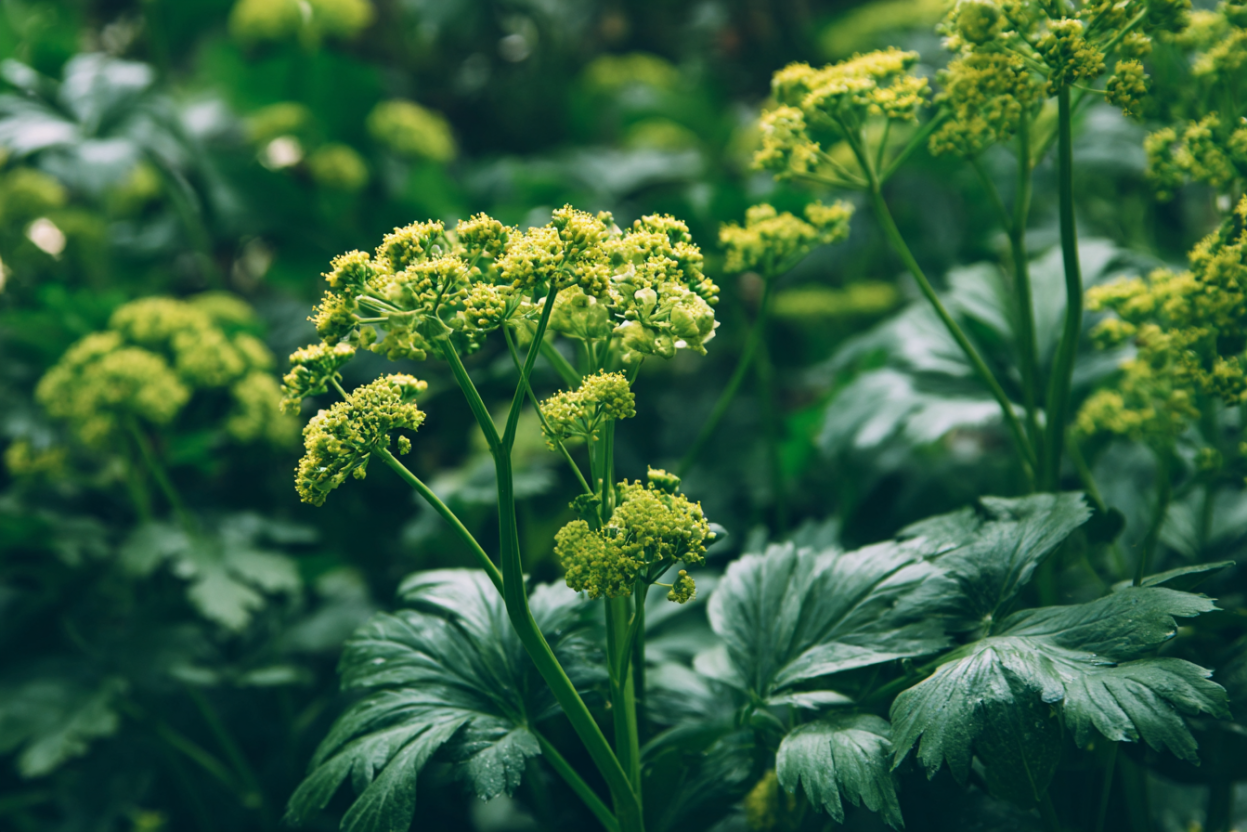
Lovage is a striking, vigorous perennial that commands attention in any garden. It grows tall — often reaching 1.5 to 2 meters (5 to 6.5 feet) at full maturity — with thick, hollow, grooved stems that branch upward in a robust, celery-like fashion. The leaves are a glossy, deep green with sharply toothed leaflets arranged in a compound, pinnate pattern that somewhat resembles a larger, darker version of Italian flat-leaf parsley or celery leaves.
From July through August, lovage produces small, yellow-green flowers clustered together in flat-topped umbrella-shaped groupings called umbels — the signature form of the Apiaceae family. These blooms are highly attractive to beneficial insects, especially bees and hoverflies. After flowering, the plant produces small, oval, ribbed brown seeds that carry concentrated aromatic compounds.
The root system is substantial — a thick, fleshy, branching taproot with a rough, rusty-brown exterior and dense, off-white interior. This root is the part most valued in traditional herbal medicine. The entire plant possesses a characteristically strong, warm aroma that most people describe as intensely celery-like, with deeper notes of anise, yeast, and a hint of citrus. This distinctive scent earned it the popular European nickname “Maggi plant,” for its resemblance to the flavor of the well-known seasoning.
Origin
The exact origins of lovage remain a topic of scholarly debate, with botanists placing its native range somewhere between the mountainous regions of southern Europe (likely Liguria, Italy — from which its Latin name Ligusticum derives) and the highlands of southwest Asia, possibly Iran and Afghanistan. The plant has been cultivated and naturalized throughout Europe for so long that its original wild range is difficult to determine with precision. Today, lovage grows wild or cultivated across most of Europe, particularly France, Germany, Hungary, and the Balkans. It has naturalized in parts of northeastern North America, where English colonists introduced it centuries ago.
Brief History
Lovage has been cultivated for at least two millennia. The ancient Greeks and Romans prized it as both a culinary herb and a medicinal plant, with prominent physicians like Dioscorides, Pliny the Elder, and Galen documenting its uses. The Romans are credited with spreading lovage throughout their empire, introducing it to Britain and northern Europe. During the medieval period, lovage became a staple of European monastery gardens, where monks preserved and expanded botanical healing knowledge. The Emperor Charlemagne included lovage among the essential plants to be grown on imperial estates in his famous Capitulare de Villis (circa 800 AD). In the 12th century, St. Hildegard of Bingen documented lovage for relieving coughs, abdominal pain, and heart conditions. The herb reached North America with early English colonists and was commonly grown in colonial kitchen and medicinal gardens.
Growing & Cultivation
Climate & Zones
Lovage is remarkably cold-hardy, thriving in USDA Hardiness Zones 3 through 9. It tolerates harsh winters with ease, dying back to the ground in late autumn and re-emerging vigorously each spring from its established root system. It performs best in cool to temperate climates and may struggle in extreme summer heat, particularly in the deep South. In warmer zones (8–9), provide afternoon shade and consistent moisture. Lovage can also be grown in containers, though it requires a large, deep pot (at least 12 inches) to accommodate its substantial root system.
Soil Requirements
Lovage prefers rich, deep, moist, and well-draining soil. It thrives in loamy soil amended with compost or well-rotted manure. The plant is adaptable, tolerating sandy, loamy, and even clay soils as long as drainage is adequate. Preferred pH range is mildly acidic to mildly alkaline (6.0–7.5). For container growing, use a high-quality potting mix enriched with compost. Work compost into the planting area to a depth of 12 inches, as lovage develops deep roots.
Water & Sunlight
Lovage needs consistent moisture but cannot tolerate waterlogged conditions. Water deeply once or twice per week, more frequently during hot, dry spells. The plant has moderate drought tolerance once established but performs best with regular watering. Mulching around the base helps retain soil moisture and keeps roots cool. For sunlight, lovage grows in full sun to partial shade. It appreciates at least 6 hours of direct sunlight daily but benefits from afternoon shade in regions with intense summer heat.
Propagation
Seed: Lovage can be grown from seed, though germination can be slow and somewhat irregular. Sow seeds indoors 6–8 weeks before the last frost, barely covering them with soil (they need some light to germinate). Keep soil moist at 60–70°F (15–21°C). Germination takes 10–20 days. Transplant seedlings outdoors after the last frost when they have developed several true leaves. Seeds can also be direct-sown in autumn for spring germination.
Division: The easiest and most reliable method. In early spring or autumn, carefully dig up an established plant (3+ years old) and divide the root mass with a sharp spade, ensuring each division has several growing points and healthy roots. Replant divisions immediately at the same depth and water well.
Spacing: Give lovage plenty of room — plant divisions or seedlings 24–36 inches apart. This plant gets large and needs air circulation.
Planting
The best time to plant lovage is in early spring after the last frost, or in early autumn to allow root establishment before winter. Plant at the same depth the divisions or seedlings were previously growing. Lovage makes an excellent companion plant, as it is reported to improve the health and flavor of neighboring plants. It attracts beneficial insects including hoverflies (which eat aphids) and pollinators. Plant near vegetables and other herbs, but give it a spot where its tall stature will not shade smaller plants.
Harvesting
Lovage is generous — leaves, stems, seeds, and roots are all usable. Harvest leaves anytime during the growing season, from spring through late autumn. Young, tender leaves have the best flavor. The strongest flavor is found in the leaves just before the plant flowers. Cut stems at the base to encourage new growth. For the most concentrated volatile oils, harvest leaves in the morning after the dew has dried.
Seeds ripen in late summer to early autumn. Harvest seed heads when they turn brown and dry. Roots can be harvested from plants that are at least three years old. Dig roots in early spring or late autumn. Clean and slice roots for drying.
Drying & Storage
Hang small bundles of leaves upside down in a warm, dark, well-ventilated area. Alternatively, use a dehydrator at 95–105°F (35–40°C). Leaves dry in 3–5 days when air-dried. Dried lovage retains good flavor for 6–12 months when stored in airtight containers in a cool, dark place. Leaves can also be frozen — chop fresh leaves and freeze in ice cube trays with a small amount of water or olive oil. Roots should be sliced thinly and dried in a dehydrator or low oven until brittle. Seeds can be stored in airtight containers for up to two years.
Pest & Disease Management
Lovage is relatively pest-resistant. The most common issues are leaf miners, which create visible tunnels in leaves. Remove and destroy affected leaves. Aphids occasionally appear and can be managed with a strong spray of water or insecticidal soap. Slugs and snails may target young plants — use beer traps, copper barriers, or diatomaceous earth. Root rot can develop in waterlogged soil, so ensure proper drainage. Powdery mildew is possible in humid conditions with poor air circulation; maintain adequate spacing to prevent this.
Companion Planting
Lovage is considered an excellent companion plant. It is reported to improve the vigor and flavor of nearby plants, and its tall umbel flowers attract beneficial insects including hoverflies, lacewings, and parasitic wasps — all of which prey on garden pests. Grow it near beans, root vegetables, and fruit trees. Avoid planting directly next to low-growing herbs that it could overshadow.
The Healing of Growing
Growing lovage offers benefits beyond the harvest itself. The act of gardening — hands in soil, bare feet on earth, time spent outdoors — has been shown to reduce cortisol levels, improve mood, and support immune function. The soil contains beneficial bacteria (Mycobacterium vaccae) with documented antidepressant effects, stimulating serotonin production upon skin contact. When you grow your own lovage, you receive healing before you ever consume it. The grounding effect of touching the earth — what researchers call electron transfer — may reduce inflammation and restore the body’s natural electrical balance.
Nutritional Profile
Lovage is a nutrient-dense herb that delivers meaningful amounts of vitamins, minerals, and bioactive plant compounds, even in modest culinary portions. While comprehensive USDA data for lovage per 100g is limited compared to more mainstream herbs, available research and compositional analyses provide a clear picture of its nutritional value.
Macronutrients
Lovage leaves are very low in calories, containing approximately 20–25 calories per 100g of fresh leaves. They provide modest amounts of protein (approximately 3–4g per 100g), carbohydrates (approximately 4–5g), and negligible fat. The herb is a good source of dietary fiber, which supports digestive regularity and gut health.
Vitamins
Vitamin C: Lovage is a rich source of vitamin C (ascorbic acid), supporting immune function, collagen production, and serving as a powerful antioxidant that protects cells from oxidative damage. Fresh leaves provide a meaningful contribution to daily vitamin C needs.
Vitamin K: Present in significant amounts, vitamin K is essential for proper blood clotting and bone metabolism. It helps direct calcium into bones rather than soft tissues.
B-Complex Vitamins: Lovage provides several B vitamins including B6 (pyridoxine), riboflavin (B2), and niacin (B3), all of which support energy metabolism, nervous system function, and the production of neurotransmitters like serotonin and dopamine.
Vitamin A: Present as beta-carotene in the deep green leaves, vitamin A supports vision, immune health, and skin integrity.
Minerals
Calcium: Lovage provides meaningful calcium, essential for bone strength, muscle contraction, nerve signaling, and cardiovascular function.
Potassium: An important electrolyte that regulates fluid balance, muscle function, and blood pressure. Potassium also helps counteract the effects of excess sodium.
Magnesium: Essential for over 300 enzymatic reactions in the body, magnesium supports muscle and nerve function, blood sugar regulation, bone health, and may help regulate cortisol levels.
Iron: Contributes to oxygen transport in the blood and energy production. The vitamin C present in lovage enhances iron absorption when consumed together.
Phytonutrients & Active Compounds
Lovage’s true nutritional power lies in its remarkable array of bioactive compounds. Research has identified the following key groups:
Quercetin: A potent flavonoid and natural antihistamine. Research suggests quercetin may support cardiovascular health, reduce inflammation, modulate immune response, and help manage allergic reactions by inhibiting histamine release.
Rutin: The dominant flavonoid in lovage leaves. Rutin supports capillary and blood vessel integrity, may reduce bruising, and has documented antioxidant and anti-inflammatory properties.
Kaempferol: Another flavonoid with research-supported antioxidant, anti-inflammatory, and potential cardioprotective properties.
Phenolic Acids (Chlorogenic, Neochlorogenic, Ferulic, Gallic, Ellagic): These polyphenols contribute to lovage’s potent antioxidant capacity — up to 860 mg GAE per 100g fresh weight. They have been associated with blood sugar regulation, cardiovascular support, and cellular protection.
Phthalides (Z-Ligustilide, E-Ligustilide, Butylphthalide): A class of compounds largely unique to the Apiaceae family. Phthalides have demonstrated antispasmodic, anti-inflammatory, and neuroprotective properties in research studies. Z-ligustilide is the dominant compound in lovage root essential oil.
Coumarins and Furanocoumarins: Present in lovage root and leaves. Coumarins have shown sedative, anti-inflammatory, and vasodilatory properties in research. Note that furanocoumarins are also responsible for the photosensitivity reaction some people experience.
Nutrient Notes
The bioavailability of lovage’s polyphenols may increase significantly after digestion. In vitro research has demonstrated that simulated gastrointestinal digestion actually enhances the anti-inflammatory and antimicrobial properties of lovage phenolic acids. The vitamin C naturally present in the leaves enhances absorption of the plant’s iron content. To maximize nutritional benefit, use lovage fresh when possible, as drying reduces vitamin C content (though it concentrates other compounds).
Culinary Uses
Edible Parts
Lovage is entirely edible — every part of the plant has a place in the kitchen. Leaves are the most commonly used part, offering a bold, celery-like flavor that intensifies with cooking. They are excellent added fresh to salads, or stirred into soups and stews. Stems can be used like celery stalks — chopped into soups, used as a stir stick for Bloody Marys, or blanched and eaten as a vegetable. Young, tender stems are less fibrous and work best. Seeds carry a concentrated, warm, celery-anise flavor and can be used like celery seed in pickling, baking, or seasoning blends. Roots are substantial and starchy, with a deep, earthy, celery-like taste. They can be peeled and roasted, sautéed, added to soups, or grated raw into salads.
Flavor Profile
Lovage tastes like celery’s bolder, more complex cousin. The primary flavor notes are intensely celery-like with a warm, yeasty, umami depth — the characteristic that earned it the nickname “Maggi plant.” Secondary notes include anise, parsley, and a subtle citrus undertone. When fresh, the aroma is sharp, herbaceous, and invigorating. Cooking mellows and deepens the flavor, bringing out the savory umami qualities. Dried lovage is more concentrated — use about one-third the amount you would use fresh. The flavor intensity is strong, so a little goes a long way.
Preparation
Lovage can be used raw in salads, sandwiches, and dressings. It pairs beautifully with eggs — try it in omelets, frittatas, or egg salad. For cooking, add lovage leaves to soups, stews, broths, and sauces. It is particularly popular in European cuisine for potato dishes, meat stews, and mushroom preparations. The stems can be blanched and used as a vegetable side dish. Seeds are used in pickling brines, bread dough, and spice rubs. Roots can be peeled, sliced, and roasted alongside other root vegetables, or grated into soups for body and depth.
Culinary Pairings
Lovage complements a wide range of foods. It pairs well with proteins including chicken, pork, white fish, eggs, and legumes. For vegetables, it shines with potatoes, carrots, mushrooms, peas, tomatoes, and zucchini. Complementary herbs and spices include parsley, dill, thyme, bay leaf, black pepper, and paprika. It works well with fats such as butter, olive oil, and cream, and with acids like lemon juice and vinegar.
Storage
Store fresh lovage in the refrigerator wrapped in a damp paper towel inside a plastic bag for up to 1–2 weeks. Do not wash before storing — rinse just before use. For longer storage, chop leaves and freeze in ice cube trays with water or broth. Dried lovage should be kept in an airtight container in a cool, dark place for up to 6–12 months. Lovage can also be infused into vinegars and oils for an extended shelf life and a flavorful culinary ingredient.
Ready to cook with lovage? View Recipes on Chefts →
Wellness & Therapeutic Uses
Traditional Uses
Lovage has been employed as a healing herb for at least 2,000 years across multiple cultural traditions. Ancient Greek and Roman physicians, including Dioscorides, Pliny the Elder, and Galen, documented lovage for digestive complaints, urinary issues, and sore throats. In European folk medicine, lovage root tea was a standard remedy for bloating, flatulence, colic, poor appetite, and kidney stones. The herb was used extensively in medieval monastery gardens as a carminative, spasmolytic, and diuretic. In Bulgarian folk medicine, a decoction of lovage roots has historically been used to increase diuresis and stimulate appetite — the Bulgarian name for lovage translates to “nine powers,” reflecting the plant’s wide-ranging traditional applications. In Celtic tradition, lovage leaves were placed in the shoes of weary travelers and added to baths to relieve muscle aches and exhaustion. German, Austrian, and Swiss herbalists have long used lovage root as a primary ingredient in diuretic tea mixtures for urinary tract support.
Modern Research
Modern scientific investigation is beginning to validate many of lovage’s traditional uses, though clinical trials remain limited. The following findings come from laboratory, animal, and preliminary human studies.
Anti-inflammatory Activity: Research demonstrates that lovage extracts inhibit key pro-inflammatory enzymes, including lipoxygenase (LOX) and cyclooxygenase-2 (COX-2) — the same pathways targeted by conventional anti-inflammatory medications. A 2020 study from the University of Life Sciences in Lublin, Poland, found that phenolic acid fractions from lovage leaves exhibited significant anti-inflammatory properties, which increased further after simulated digestion. A 2024 study from Kerman University of Medical Sciences, Iran, confirmed that lovage dichloromethane extract reduced expression of NF-κB pathway genes and COX-2 protein in colorectal carcinoma cell lines.
Antimicrobial Properties: Phthalide compounds isolated from lovage roots have demonstrated antibacterial activity against Staphylococcus aureus, Escherichia coli, and vancomycin-resistant Enterococcus (VRE) in laboratory studies. Lovage root components have also shown antimycobacterial effects, suggesting potential applications in supporting the body’s defenses against certain pathogens.
Antioxidant Capacity: Multiple studies confirm that lovage is a potent source of antioxidants. The plant’s polyphenol content (up to 860 mg GAE per 100g fresh weight) contributes to significant free-radical scavenging activity. Research suggests these compounds may help protect cells from oxidative stress associated with chronic disease and aging.
Diuretic and Urinary Tract Support: The European Medicines Agency (EMA) Committee on Herbal Medicinal Products has assessed lovage root and recognizes its traditional use for increasing urine output as part of “irrigation therapy” for lower urinary tract discomfort and kidney stone prevention. Lovage acts as an aquaretic — a type of diuretic that promotes urination without causing significant electrolyte loss. A clinical investigation in Iran demonstrated that lovage administration significantly reduced urine cystine levels in patients with cystinuria, suggesting potential support for kidney stone prevention.
Neuroprotective Potential: Z-ligustilide, the dominant phthalide in lovage root, has been the subject of neuroprotection research. Methanolic extracts of lovage have been shown to inhibit acetylcholinesterase (97.6% inhibition) in vitro — the same enzyme targeted by conventional Alzheimer’s disease medications. While clinical trials are still needed, this finding suggests lovage may support cognitive function.
Anti-metabolic Syndrome Effects: Research indicates that lovage phenolic acids may inhibit enzymes involved in metabolic syndrome, including ACE (angiotensin-converting enzyme), lipase, amylase, and glucosidase. These findings suggest potential support for blood pressure regulation, blood sugar management, and healthy lipid metabolism.
Body Systems Supported
Lovage has traditionally been used to support multiple body systems. Its documented applications primarily involve the digestive system (carminative, antispasmodic, appetite stimulant), the urinary system (diuretic, kidney stone prevention, urinary tract support), the respiratory system (expectorant, decongestant), the musculoskeletal system (joint pain relief, anti-inflammatory), the nervous system (potential neuroprotective effects), the immune system (antimicrobial, antioxidant), and the cardiovascular system (ACE inhibition, antioxidant protection).
Body Compounds Affected
Based on available research, lovage may influence several key body compounds. Its quercetin content acts as a natural histamine inhibitor, potentially reducing allergic inflammatory responses. The angelic acid and other volatile compounds in lovage have mild analgesic properties. The magnesium content may help regulate cortisol and support muscle relaxation. The herb’s antioxidant polyphenols may help modulate inflammatory markers including cytokines, prostaglandins, and COX-2. Research on COX-2 and LOX inhibition suggests lovage may affect prostaglandin production. The acetylcholinesterase inhibition noted in studies suggests lovage may help preserve acetylcholine levels, supporting memory and cognitive function. The B-vitamin content supports production of serotonin and dopamine.
Methods of Use
Tea/Infusion
For leaves: Use 1–2 teaspoons of dried lovage leaves (or 1 tablespoon fresh) per cup of boiling water. Steep covered for 10–15 minutes. Strain and drink up to 3 times daily. For a stronger digestive tea, combine with peppermint or fennel.
Decoction (Root)
The root requires a decoction. Use 2–3 grams of dried, chopped root per cup of water. Bring to a gentle boil in a covered pot, then simmer for 15–20 minutes. Strain and drink up to 3 times daily. This is the traditional preparation for urinary tract support.
Tincture
Lovage root tincture has traditionally been administered at 0.5–2 mL (approximately 10–40 drops), three times daily. Tinctures extract both water-soluble and alcohol-soluble compounds and are convenient for consistent dosing.
Poultice/Compress
Externally, lovage has traditionally been applied as a warm poultice to boils, sore throats, and areas of joint discomfort. Bruise fresh leaves and apply directly, or soak a cloth in strong lovage tea and apply as a compress.
Cosmetic & Beauty Uses
Skin Benefits
Lovage has been valued in traditional cosmetic applications for centuries. Its anti-inflammatory and antimicrobial properties make it suitable for supporting skin prone to acne, irritation, and redness. The quercetin and other flavonoids in lovage contribute antioxidant protection, which may help address signs of oxidative damage to the skin. Traditional European herbalism utilized lovage infusions and poultices for soothing psoriasis, eczema, and general dermatitis. The astringent properties of the tannins present in lovage may help tone and tighten the skin. Lovage is generally well-suited for oily, combination, and acne-prone skin types due to its clarifying and mildly astringent nature.
Hair Benefits
Lovage tea used as a final hair rinse has been a traditional European beauty practice for promoting scalp health, adding shine, and supporting hair strength. The antimicrobial properties may help address dandruff and itchy scalp. A strong infusion of lovage leaves, cooled and used as a rinse after shampooing, can leave hair fragrant, glossy, and manageable. The essential oil from lovage seeds has been traditionally used by aromatherapists to address freckles and dark spots on the skin.
Application Methods
Lovage can be incorporated into topical preparations in several ways. An infused oil can be made by steeping dried lovage leaves in a carrier oil (such as jojoba or sweet almond) for 4–6 weeks, then straining. This oil can be used directly or added to homemade creams and lotions. Facial steams with fresh or dried lovage open pores and deliver volatile compounds to the skin. Toners can be made from cooled lovage tea and applied with a cotton pad. Bath additions — strong lovage tea or muslin bags of dried lovage added to warm bathwater — provide a full-body skin treatment with aromatherapy benefits.
DIY Formulation Notes
When incorporating lovage into homemade formulations, use dried plant material at 1–5% of total weight. Lovage pairs well with carrier oils like jojoba, grapeseed, and rosehip for facial preparations. Do not combine with other photosensitizing ingredients (bergamot, lemon oil, St. John’s Wort). Homemade water-based preparations (teas, toners) should be refrigerated and used within 5–7 days, or preserved with natural preservatives for longer shelf life.
Lovage is among the botanicals being explored for holistic cosmetic applications, where the wisdom of traditional beauty practices meets modern understanding of skin science.
Essential Oil Profile
Extraction
Lovage essential oil is obtained primarily through steam distillation of the roots, leaves, or seeds — each yielding an oil with a distinct chemical profile. Root oil is the most commercially valued for therapeutic purposes, while leaf and seed oils are more commonly used in the fragrance and flavoring industries. The essential oil yield is relatively low: approximately 0.6–1.0% from leaves, 0.6–2.8% from fruits/seeds, and 0.2–0.5% from roots. This low yield contributes to the oil’s relatively high market price. Root distillation is the most labor-intensive, requiring plant material from specimens at least three years old.
Chemical Constituents
The essential oil composition varies significantly depending on the plant part distilled, the growing region, and the harvest stage.
Root Oil is dominated by phthalides, particularly Z-ligustilide (37–80%), with smaller amounts of E-ligustilide, pentylcyclohexadiene (7–12%), p-allylanisole, and β-phellandrene. Phthalides are the compounds most associated with lovage’s therapeutic properties, including antispasmodic, anti-inflammatory, and neuroprotective effects.
Leaf Oil is dominated by monoterpenes, particularly α-terpinyl acetate (38–70%), β-phellandrene (10–13%), Z-ligustilide (4–30%), limonene, and myrcene. This profile gives leaf oil a brighter, more herbaceous-citrus character.
Seed/Fruit Oil contains primarily β-phellandrene (34–48%), Z-ligustilide (35–39%), and smaller amounts of α-terpinyl acetate. This oil has the most balanced profile between the herbaceous and warm-spicy notes.
Aroma Profile
Lovage essential oil is classified as a middle note in perfumery. The scent is warm, spicy-sweet, herbaceous, and deeply aromatic, with a strong celery-like base and notes of anise and musk. Root oil has a deeper, earthier, more medicinal quality, while leaf oil is brighter and greener. The aroma evolves over time from a sharp, green top note to a warm, slightly sweet, musky drydown. It blends well with lavender, rose, bay, galbanum, opopanax, oakmoss, and spice oils.
Therapeutic Properties
Research suggests lovage essential oil may possess the following properties (using compliant language): antispasmodic, antimicrobial, anti-inflammatory, carminative (supporting digestion), diuretic, expectorant, and sedative. The essential oil demonstrated inhibition against human head and neck squamous carcinoma cell lines in laboratory research. Compounds from lovage root yielded antimycobacterial effects in vitro studies.
How to Use
Diffusion
Add 3–5 drops of lovage essential oil to a diffuser. Diffuse for 30–60 minutes at a time. The warm, grounding aroma may promote relaxation, ease mental fatigue, and support respiratory comfort.
Topical Application
Always dilute lovage essential oil before applying to skin. Standard adult dilution is 1–2% (6–12 drops per ounce of carrier oil). Use 0.5–1% for sensitive skin, elderly, or children over 12. Lovage contains furanocoumarins that can cause photosensitivity — do not apply to skin that will be exposed to direct sunlight or UV light within 12–18 hours. Suitable carrier oils include jojoba, sweet almond, and fractionated coconut oil.
Quality & Sourcing
When purchasing lovage essential oil, look for the botanical name Levisticum officinale on the label. Request GC/MS testing reports to verify chemical composition. Quality lovage oil is most commonly sourced from Hungary, France, and Germany. The oil should be a pale yellow to amber color with a strong, characteristic celery-anise scent. Red flags for adulteration include unusually low prices and lack of documentation.
Blending
Lovage oil blends well with other Apiaceae family oils (angelica, coriander seed), floral oils (lavender, rose, geranium), woody oils (cedarwood, sandalwood), and spice oils (ginger, black pepper). A grounding blend: 3 drops lovage, 3 drops lavender, 2 drops cedarwood in a diffuser. A digestive support blend for topical use: 2 drops lovage, 3 drops peppermint, 2 drops ginger in 1 ounce carrier oil — massage gently over the abdomen.
Aromatherapy & Scent
The Aroma
The living lovage plant emits a warm, complex aroma that is immediately recognizable — intensely celery-like with deeper layers of yeast, anise, and a musky sweetness. The scent is strongest when the leaves are touched, brushed against, or crushed. After rain, the plant releases a particularly vivid wave of fragrance as moisture activates the volatile oil glands on the leaf surfaces. Early morning and late afternoon tend to bring the most pronounced scent, as the plant’s volatile oil production peaks during these periods.
Dried lovage retains much of its aromatic character, though the scent shifts toward a warmer, more concentrated quality — less green and fresh, more savory and deep. The dried herb can remain fragrant for 6–12 months in proper storage. Crushed dried leaves release a satisfying burst of aroma that fills a kitchen instantly.
How Scent Affects Your Body
When you inhale lovage’s aroma, volatile molecules released by the plant enter your nose and bind to olfactory receptors. These receptors send signals directly to the limbic system — the brain’s emotional processing center — and the hypothalamus, which regulates hormones. This pathway bypasses conscious thought entirely. Your body begins responding to the scent before you consciously process what you are smelling. This is why aroma can shift your mood, trigger memories, and affect your physiology within seconds of inhaling.
Emotional & Mood Effects
Lovage’s warm, herbaceous aroma is primarily grounding and centering. It creates a sense of comfort and stability — like returning to a warm kitchen after a long day. The scent is also mildly clarifying, helping to cut through mental fog and promote focus. Aromatherapists describe lovage essential oil as helpful for reducing stress, fatigue, depression, and feelings of melancholy. The warm, earthy quality of the root oil is particularly associated with grounding and calming effects, while the leaf aroma leans more toward mental clarity and invigoration.
Body Compounds Affected
While specific studies on lovage aroma’s effects on neurotransmitters are limited, general aromatherapy research combined with lovage’s known chemical profile suggests the scent may help lower cortisol levels (the primary stress hormone) through its calming, grounding quality. The sedative properties attributed to lovage essential oil suggest potential influence on GABA activity, which promotes relaxation. The uplifting aspects of the scent may mildly support serotonin and dopamine activity, improving mood and reducing feelings of fatigue.
Ways to Experience the Scent
You do not need an essential oil to enjoy lovage’s aroma. Simply growing the plant on a sunny porch or windowsill fills the surrounding space with fragrance. Brushing your hand across the leaves as you walk through the garden releases a burst of scent. Place fresh cuttings in a vase of water on your kitchen counter. Crush dried leaves into sachets and place in closets, drawers, or under your pillow. Simmer fresh or dried lovage leaves gently on the stove with water for a natural home fragrance. Add fresh sprigs or a muslin bag of dried lovage to a warm bath. These methods allow you to receive the aromatic benefits of lovage without any processing or special equipment.
Color Therapy
The Colors of Lovage
Lovage presents a rich palette of greens and yellows throughout its growing season. The leaves are a deep, glossy green — darker than most kitchen herbs — providing a strong visual presence in any garden or indoor setting. New spring growth emerges in a lighter, brighter green. The flowers are a soft yellow-green, clustered in airy umbels that add a cheerful contrast to the dark foliage. Seeds mature to a warm brown. The root, when freshly dug and cleaned, reveals a rusty brown exterior and creamy off-white interior.
Color Wavelengths
Green wavelengths fall between 495–570 nm in the visible spectrum, making green the central color and the one most associated with balance and restoration. Yellow-green (the flower color) sits around 570–590 nm, at the transition between calming green and stimulating yellow.
How Green Affects the Body
Green light wavelengths are associated with balance, calm, and heart-centered healing in color therapy traditions. Green is the color of nature and is deeply connected to feelings of renewal, growth, and restoration. Research on biophilic design consistently shows that exposure to green environments reduces blood pressure, lowers cortisol, and improves mood. The yellow-green of lovage flowers adds a subtle uplifting, mentally clarifying quality. Having lovage’s rich, dark green foliage in your living space provides constant low-level exposure to the calming green wavelength — one of the simplest forms of passive color therapy available.
Body Compounds Affected
Research on green environment exposure suggests that viewing green plants may help lower cortisol, support parasympathetic nervous system activation, and promote a sense of well-being — effects associated with balanced serotonin and GABA activity.
Using Lovage for Color Therapy
Place a potted lovage plant in areas where you spend significant time — a kitchen window, a home office, or a sitting area. The rich, deep green foliage provides a soothing visual anchor. In summer, cut stems with their yellow-green flower umbels for a natural arrangement that combines the calming effect of green with the cheerful optimism of yellow. Eating lovage — consuming the green color — is itself a form of “eating the rainbow,” bringing the green wavelength’s energy directly into the body.
Frequency & Vibration
The Frequency of Lovage
While specific MHz measurements for lovage essential oil have not been widely published in the same manner as some more commercially prominent oils, lovage is classified among aromatic plants with significant volatile oil content. Essential oils from the Apiaceae family generally fall in the moderate frequency range. According to bio-frequency researchers, healthy human bodies vibrate at 62–78 MHz, and higher-frequency plants and oils may help support the body’s optimal frequency. Fresh herbs and aromatic plants tend to carry higher frequencies than processed foods.
Human Frequency Interaction
The principle of entrainment suggests that when a stronger, more coherent frequency meets a weaker one, the weaker frequency tends to shift toward the stronger. Proponents of vibrational medicine suggest that spending time around living, aromatic plants like lovage — or using their essential oils — may help support the body’s frequency through this entrainment effect. While peer-reviewed research in this area is still emerging, the measurable electromagnetic properties of plant compounds are an area of growing scientific interest.
Essential Oil Frequency
Frequency measurements of essential oils (following the pioneering work of Bruce Tainio) vary depending on the plant part, extraction method, and testing methodology. Lovage root oil, rich in phthalides, and lovage leaf oil, rich in monoterpenes, would be expected to fall in the moderate range among essential oils. Using lovage oil in diffusion or topical application introduces these vibrational compounds into your personal energy field.
Vibrational Applications
To incorporate lovage’s frequency into your wellness routine, consider growing the living plant in your home or garden for continuous vibrational presence, diffusing the essential oil during meditation or quiet reflection, or simply spending mindful time near the plant — touching its leaves, inhaling its scent, and being present with the living creation.
The Living Plant
Benefits of Presence
The simple act of being around a living lovage plant provides benefits that go beyond any extraction or consumption. Research on biophilic design — the human need for nature connection — consistently demonstrates that having living plants in indoor spaces reduces stress, lowers blood pressure, improves cognitive performance, and enhances overall mood. Lovage, with its dramatic height, lush foliage, and aromatic presence, is particularly effective at creating a sense of abundant natural life in a space.
Air Purification
While lovage has not been specifically included in the NASA Clean Air Study, aromatic plants in general contribute to indoor air quality through several mechanisms. Lovage actively releases phytoncides — volatile antimicrobial compounds — that studies suggest can reduce airborne bacteria and fungal spores. Like all green plants, lovage converts carbon dioxide to oxygen through photosynthesis. Its large leaf surface area means it produces a meaningful amount of oxygen for a single plant. It also contributes to humidity regulation through transpiration, releasing moisture into dry indoor environments.
Phytoncides
Lovage is rich in volatile organic compounds that function as natural phytoncides — the same class of antimicrobial airborne chemicals studied in forest bathing (shinrin-yoku) research. Research from Japan and Korea has demonstrated that exposure to plant phytoncides increases Natural Killer (NK) cell activity — a critical component of the immune system’s ability to identify and destroy abnormal cells. While most phytoncide research has focused on forest trees, aromatic herbs like lovage release similar volatile compounds at a smaller scale, bringing a measure of the forest bathing effect into your home.
Visual & Psychological Benefits
Research consistently shows that viewing green plants reduces stress, improves attention, and speeds recovery from mental fatigue. The Attention Restoration Theory, developed by environmental psychologists Rachel and Stephen Kaplan, explains that natural elements like plants engage “soft fascination,” allowing the brain’s directed attention mechanisms to rest and recover. Healthcare studies have demonstrated that patients with views of plants heal faster and require less pain medication. Having lovage — a tall, stately, vigorous plant — in your living or working environment provides continuous access to these restorative visual benefits.
Growing Indoors vs Outdoors
Lovage can be grown indoors in a large, deep container with at least 6 hours of sunlight or a strong grow light. Indoor plants tend to be smaller but still produce fragrant, usable foliage. A sunny south-facing window or supplemental grow lighting works best. Outdoors, lovage truly thrives — reaching its full 5–6 foot height, producing abundant foliage, flowers, and seeds. Outdoor growing provides the additional benefits of time in nature, grounding through soil contact, and exposure to natural light — compounding the plant’s wellness benefits far beyond what the herb itself provides.
Touch & Physical Interaction
Gardening Therapy
Horticultural therapy — the practice of using gardening for physical and psychological healing — is a well-established therapeutic modality used in rehabilitation centers, mental health facilities, and elder care communities. Working with lovage provides a particularly satisfying gardening experience because the plant is vigorous, forgiving, and rewarding. It grows rapidly, responds well to cutting (producing fresh flushes of growth), and provides multiple harvestable parts throughout the growing season. This combination of low frustration and high reward makes lovage an ideal plant for therapeutic gardening.
Soil Contact Benefits
Planting, weeding, and harvesting lovage brings you into direct contact with soil — and soil contact is itself a healing activity. Grounding, or earthing, involves direct skin contact with the earth’s surface, which allows the transfer of free electrons from the ground into the body. Research suggests this may reduce inflammation, improve sleep, and normalize cortisol rhythms. Additionally, soil contains Mycobacterium vaccae, a beneficial bacterium that has demonstrated antidepressant effects in research, stimulating serotonin production when it contacts the skin. Every time you dig in the garden around your lovage, you are receiving this microbial benefit.
The Tactile Experience
Lovage offers a rich tactile experience. The leaves are smooth, cool, and slightly glossy — firm enough to hold their shape but flexible enough to feel alive when you run a finger across the surface. Crushing a leaf between your fingers releases a burst of warm, celery-like aroma and a slightly oily residue from the volatile oils. The stems are thick, hollow, and satisfyingly firm to snap. The flowers, when they appear, feel delicate and papery. Harvesting lovage is deeply sensory — the sound of the stem snapping, the rush of fragrance, the visual reward of holding a bundle of fresh herbs.
Harvesting & Processing
The repetitive, rhythmic motions of harvesting and processing lovage — cutting stems, stripping leaves, bundling for drying, tying bunches, arranging on drying racks — provide a meditative quality that calms the mind and brings awareness into the present moment. Processing herbs by hand connects you to an ancient human tradition. There is a quiet satisfaction in watching a rack of lovage leaves slowly dry, knowing you are preserving something valuable from your own garden. This sense of provision and self-sufficiency nourishes something beyond the body.
Water-Based Applications
Teas & Infusions
Lovage leaf tea is the simplest and most accessible water-based preparation. Use 1–2 teaspoons of dried lovage leaves (or 1 tablespoon chopped fresh) per 8 ounces of boiling water. Pour the water over the herb, cover, and steep for 10–15 minutes. Strain and drink warm or at room temperature. This infusion is traditionally consumed for digestive comfort, as a gentle diuretic, and as a warming tonic. The flavor is savory and pleasant — like a rich, herbal broth. For a cold infusion, steep lovage in room-temperature water for 4–8 hours in the refrigerator for a milder, refreshing preparation.
Decoctions
The roots and seeds of lovage require a decoction — a longer, simmered extraction — to release their deeper compounds. Use 2–3 grams of dried, chopped lovage root per cup of water. Place root and water in a covered pot, bring to a gentle boil, then reduce to a simmer for 15–20 minutes. Strain and allow to cool slightly before drinking. Root decoctions are the traditional preparation for urinary tract support and kidney stone prevention. This method extracts the phthalides, coumarins, and other less volatile compounds that the root holds.
Herbal Baths
Adding lovage to bathwater is a European tradition dating back centuries. For a full-body herbal bath, prepare a strong tea using a generous handful (approximately 1/2 cup) of dried lovage leaves steeped in a quart of boiling water for 20 minutes. Strain and add the liquid to warm bathwater. Alternatively, fill a muslin bag with dried lovage and hang it from the bath faucet so hot water runs through it as the tub fills. A lovage bath may soothe muscle aches, support circulation, calm the skin, and deliver aromatherapy benefits through the steam. Bathe for 15–20 minutes. For a convenient alternative, a lovage foot bath uses the same proportions in a smaller basin and provides grounding relaxation after a long day.
Compresses
A warm compress made from strong lovage tea can be applied to areas of muscle tension, joint discomfort, or skin irritation. Soak a clean cloth in hot (not scalding) lovage tea, wring gently, and apply to the affected area for 15–20 minutes. Re-soak and reapply as the cloth cools. A cold compress — using chilled lovage tea — can be applied to areas of swelling, inflammation, or puffy skin. This method is particularly traditional for sore throats — a cloth soaked in warm lovage tea wrapped around the throat.
Steam Inhalation
For respiratory comfort, add a small handful of fresh or dried lovage leaves to a bowl of steaming hot water. Drape a towel over your head and the bowl, close your eyes, and breathe deeply through your nose for 5–10 minutes. The volatile oils released in the steam may help open airways, reduce congestion, and provide expectorant support. This method is traditionally used for colds, bronchitis, and sinus congestion. Use caution to avoid burning yourself with the steam.
Hair Rinses
A lovage hair rinse is simple and effective. Prepare a strong infusion by steeping 2–3 tablespoons of dried lovage in a quart of boiling water for 20–30 minutes. Cool to a comfortable temperature, strain thoroughly, and pour over freshly shampooed hair as a final rinse. Do not rinse out. This traditional preparation is believed to promote scalp health, reduce dandruff, add shine, and leave hair with a subtle, pleasant herbal fragrance.
Historical, Cultural & Biblical Significance
Biblical References
Lovage is not directly mentioned by name in Scripture. However, plants of its family — the Apiaceae — were well known in the biblical world. Dill, coriander, and cumin are all mentioned in Scripture and belong to the same botanical family as lovage. The aromatic, seed-bearing herbs of the field referenced broadly in Genesis and throughout the Old Testament would have included plants of similar character. While we cannot point to a specific verse for lovage, the broader pattern of God’s provision through aromatic, healing herbs is woven throughout His Word — from the garden of Eden to the “leaves for the healing of the nations” described in Revelation 22:2 (KJV).
Ancient Civilizations
The ancient Greeks documented lovage extensively. Dioscorides, the first-century Greek physician whose De Materia Medica remained the standard pharmaceutical reference for over 1,500 years, recorded lovage as a digestive aid and diuretic. Hippocrates, the father of Western medicine, referenced plants of the Apiaceae family for urinary and digestive conditions. Pliny the Elder documented lovage in his Naturalis Historia, noting its culinary and medicinal applications across the Roman world. The Romans used lovage extensively — both in cooking and in medicine — and are credited with spreading the plant throughout their empire, from the Mediterranean to Britain. The famous Roman cookbook attributed to Apicius includes lovage as an ingredient in numerous recipes, confirming its important role in Roman cuisine. These civilizations observed what God had placed in creation and documented what worked — their observations align with what modern research continues to confirm about lovage’s properties.
Eastern Traditions
While lovage itself (Levisticum officinale) is primarily a European herb, closely related species have been used extensively in Traditional Chinese Medicine. Ligusticum species — lovage’s near botanical relatives — are among the most important herbs in TCM, used for blood circulation, pain relief, and gynecological conditions. The compound Z-ligustilide, dominant in lovage root, is the same bioactive phthalide found in the Chinese herb Dang Gui (Angelica sinensis) and Chuan Xiong (Ligusticum striatum), both cornerstones of TCM practice. This connection suggests that different cultures, separated by thousands of miles, independently discovered the healing value of the same class of plant compounds — each observing the same truth embedded in the Creator’s design.
Indigenous Knowledge
While lovage is not native to North America, European settlers brought it with them, and it was adopted into the herbal practices of some colonial-era communities. Native American herbalism utilized many plants in the Apiaceae family — including osha root (Ligusticum porteri), a closely related species prized for respiratory and immune support. The shared chemistry between osha and lovage speaks to the universal patterns of healing God embedded across plant families worldwide.
European Heritage
Medieval European monastery gardens preserved lovage as one of their essential medicinal plants. The Emperor Charlemagne’s Capitulare de Villis (circa 800 AD) mandated lovage cultivation on imperial estates, ensuring its preservation and widespread availability. In the 12th century, St. Hildegard of Bingen — the German Benedictine abbess, herbalist, and polymath — documented lovage for coughs, abdominal pain, and heart conditions. Nicholas Culpeper, the famous 17th-century English herbalist, recommended lovage extensively in his Complete Herbal, advising it for sore throats, digestive issues, and as a topical treatment for boils. Throughout Eastern Europe, lovage remained a kitchen and garden staple — it continues to be far more popular in countries like Hungary, Poland, Romania, and Bulgaria than in the English-speaking world.
Cultural Symbolism
The English name “lovage” derives from the Old French luvesche, which in turn came from the Latin Ligusticum — referring to Liguria, Italy. Over time, the name was folk-etymologically associated with “love,” leading to lovage’s reputation as an herb associated with affection and romance. In Central and Eastern European folk traditions, lovage was added to baths before weddings, given as gifts between sweethearts, and included in culinary dishes prepared for family gatherings. In Bulgarian tradition, the name translates to “nine powers,” reflecting the people’s deep respect for the plant’s wide-ranging benefits.
Safety & Precautions
Contraindications
Lovage should not be used therapeutically (beyond normal culinary amounts) by individuals with kidney disease, kidney inflammation, or impaired kidney function — the herb’s diuretic properties may exacerbate these conditions. Lovage should also be avoided by individuals with edema caused by heart disease, as irrigation therapy is not appropriate in these cases. Those scheduled for surgery should discontinue therapeutic use of lovage at least two weeks prior, as the herb may have mild anticoagulant effects.
Drug Interactions
Diuretic Medications: Lovage has natural diuretic effects and may potentiate the action of prescription diuretics (“water pills”), potentially causing excessive fluid loss, electrolyte imbalance, dizziness, and dangerously low blood pressure. Blood Thinners (Anticoagulants): Lovage root may increase the risk of bleeding in patients taking anticoagulants such as warfarin. The coumarin compounds in lovage may have additive effects with these medications. Blood Pressure Medications: There is concern that lovage may affect sodium levels and blood pressure, potentially interfering with antihypertensive medications. Photosensitizing Drugs: Lovage contains furanocoumarins that increase photosensitivity. Combined with other photosensitizing medications, the risk of severe sunburn or skin reactions increases.
Pregnancy & Nursing
Pregnancy: AVOID. Lovage is considered LIKELY UNSAFE during pregnancy. It has documented emmenagogue effects — meaning it may stimulate uterine contractions or initiate menstruation, which could cause miscarriage. Do not use lovage therapeutically during pregnancy. Normal culinary amounts in food are generally considered acceptable, but consult a healthcare provider. Nursing: CAUTION. Insufficient reliable information exists regarding the safety of therapeutic lovage use during breastfeeding. Avoid therapeutic use while nursing, or consult a qualified healthcare provider.
Children
Lovage in normal food amounts is generally considered safe for children. Therapeutic use (teas, tinctures, concentrated preparations) should be approached with caution in children. For children over 6, use half the adult dose of lovage tea. Avoid therapeutic use in children under 2 without professional guidance. Essential oil should not be used on or around infants and young children.
Elderly
Older adults may be more sensitive to lovage’s diuretic effects and potential interactions with commonly prescribed medications (blood thinners, blood pressure medications, diuretics). Start with lower doses and monitor for any adverse effects. Ensure adequate fluid intake when using lovage as a diuretic.
Pets
Dogs: TOXIC. According to the ASPCA, lovage is toxic to dogs. The toxic principles are volatile oils, especially phthalide lactones. Clinical signs include diuretic effects and increased urination.
Cats: TOXIC. According to the ASPCA, lovage is toxic to cats due to the same volatile oils and phthalide lactones.
Horses: TOXIC. The ASPCA lists lovage as toxic to horses as well.
If you grow lovage, ensure it is planted in areas not accessible to pets. If you suspect your pet has ingested lovage, contact your veterinarian or the ASPCA Animal Poison Control Center at (888) 426-4435 immediately.
Allergies & Sensitivities
Individuals with allergies to celery, carrots, fennel, dill, or other Apiaceae family plants may experience cross-reactive allergic responses to lovage. The most significant sensitivity concern with lovage is photosensitivity (photodermatitis). Lovage contains furanocoumarins that, when applied to the skin or consumed in large amounts, can dramatically increase the skin’s sensitivity to ultraviolet light. This can result in severe sunburn, blistering, or skin rash — a condition well documented in field workers who harvest lovage. If using lovage topically or consuming it regularly in therapeutic amounts, use sun protection and limit UV exposure. A patch test is recommended before applying any lovage preparation to the skin.
Dosing Guidelines
Traditional dosing: 4–8 grams of dried root or leaf material daily, divided into 2–3 doses. Root decoction: 2–3 grams of root, decocted in water, consumed up to 3 times daily. Tincture: 0.5–2 mL, three times daily. Do not exceed recommended amounts. Long-term continuous use at therapeutic doses is not well studied — consider periodic breaks (e.g., 5 days on, 2 days off, or use for 4–6 weeks followed by a 1–2 week break).
Quality & Sourcing
Purchase lovage from reputable herbal suppliers who provide testing for heavy metals, pesticides, and proper botanical identification. Growing your own lovage is the surest way to know exactly what you are consuming. If purchasing dried herb, look for vibrant green color and strong aroma — dull, brown material has likely lost much of its potency.
Signs of Adverse Reaction
Mild reactions may include stomach upset, increased urination, or minor skin irritation. More serious reactions warranting immediate medical attention include severe skin blistering after sun exposure (photodermatitis), allergic reaction (swelling of face or throat, difficulty breathing, hives), excessive bleeding or bruising, or signs of significant dehydration. If you experience any adverse reaction, discontinue use immediately and seek medical attention.
Disclaimer
This information is for educational purposes only. It is not intended to diagnose, treat, cure, or prevent any disease. Always consult with a qualified healthcare provider before using any herbal product, especially if you are pregnant, nursing, taking medications, or have a medical condition. If you experience any adverse reaction, discontinue use immediately and seek medical attention.
Want Personalized Guidance?
Every body is unique. What works for one person may not be right for another. If you’d like personalized support in incorporating lovage into your wellness journey, consider working with a qualified practitioner who can assess your individual needs.
Sources & References
Peer-Reviewed Studies
- In vitro Antioxidant, Anti-inflammatory, Anti-metabolic Syndrome, Antimicrobial, and Anticancer Effect of Phenolic Acids Isolated from Fresh Lovage Leaves [Levisticum officinale Koch] Elicited with Jasmonic Acid and Yeast Extract — Molecules, 2020, Poland
- Antioxidative and Potentially Anti-inflammatory Activity of Phenolics from Lovage Leaves Levisticum officinale Koch Elicited with Jasmonic Acid and Yeast Extract — Molecules, 2019, Poland
- Lovage (Levisticum officinale W.D.J. Koch) Roots: A Source of Bioactive Compounds towards a Circular Economy — Resources, 2020, Portugal
- Characterization and Antibacterial Activity of Phthalides from the Roots of the Medicinal Herb Levisticum officinale W.D.J. Koch — Iranian Journal of Pharmaceutical Research, 2020, Iran
- Anti-inflammatory and Apoptotic Effects of Levisticum Officinale Koch Extracts on HT 29 and Caco-2 Human Colorectal Carcinoma Cell Lines — Galen Medical Journal, 2024, Iran
- Chemical and bioactive characterization of the aromatic plant Levisticum officinale W.D.J. Koch: a comprehensive study — Food & Function, 2020, Portugal
- Clinical Investigation of Levisticum officinale (Lovage) Effectiveness in Patients with Cystinuria — Journal of Urology Research, 2016, Iran
Traditional Medicine & Herbal Monographs
- Lovage Uses, Benefits & Dosage — Drugs.com Professional Monograph — Drugs.com, 2025, USA
- Lovage — Overview, Uses, Side Effects, Precautions, Interactions, Dosing — WebMD, USA
- Lovage: Health Benefits, Side Effects, Uses, Dose & Precautions — RxList, USA
- Levisticum officinale — Plants for a Future Database — PFAF, UK
Institutional Sources
- Lovage — ASPCA Animal Poison Control — ASPCA, USA
- European Medicines Agency (EMA) Committee on Herbal Medicinal Products — Assessment Report on Levisticum officinale Koch, radix (referenced in pharmacological monographs)
Historical References
- Lovage Roots — Historical and Culinary Information — Specialty Produce, USA
- Potential health benefits of the plant Levisticum officinale (lovage) in relation to its polyphenolic content — Acta Scientifica Naturalis, 2023, Bulgaria