Oregano — Joy of the Mountain, God’s Antimicrobial Gift
If you have ever reached for an antibiotic and wondered whether nature might offer something to support your body’s own defenses, you are not alone. Millions struggle with recurring infections, digestive distress, and weakened immunity — and the answer may already be growing in your garden or sitting in your spice cabinet. Oregano, one of the most potent herbs on earth, has been used for thousands of years to support the immune system, promote healthy digestion, and protect the body from harmful microorganisms.
This remarkable plant is one of many gifts the Creator embedded into nature for our benefit. Its very name means “Joy of the Mountain” — a fitting description for an herb that thrives in rugged, sun-drenched landscapes and offers such profound support for the human body. Long before laboratories existed, oregano was already here — provided by a Designer who knew we would need it.
The Plant
Common Names: Oregano, Wild Marjoram, Mountain Mint, Joy of the Mountain, Spanish Thyme, Greek Oregano
Botanical Name: Origanum vulgare L.
Family: Lamiaceae (the mint family, known for aromatic leaves, square stems, and essential oil–producing glands)
Description
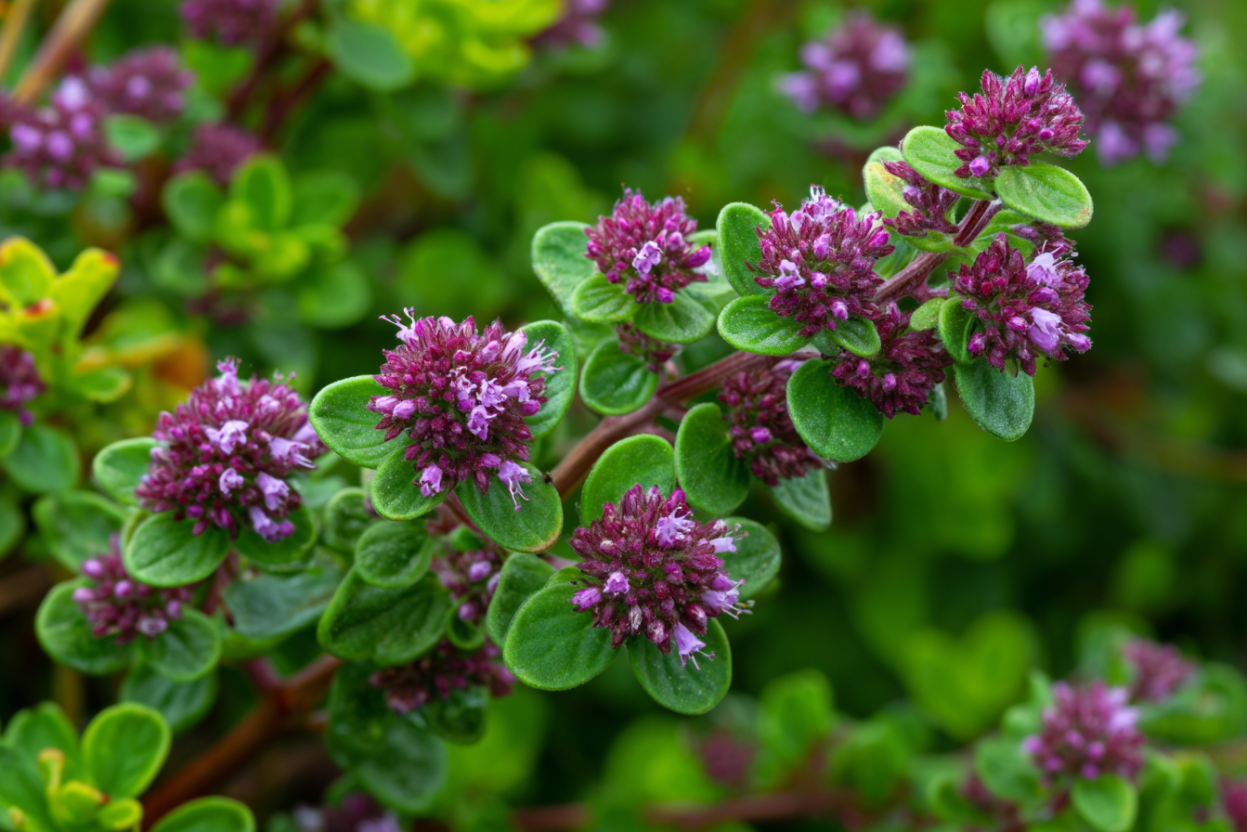
Oregano is a hardy, bushy perennial herb that grows 12 to 30 inches tall with a spreading habit that can cover 18 to 24 inches. Its stems are square — a hallmark of the mint family — and become woody at the base as the plant matures. The leaves are small, oval, opposite, and range from bright green to grayish-green depending on variety. They are covered in tiny glandular hairs that release the plant’s signature warm, pungent aroma when touched or brushed against.
In summer, oregano produces clusters of small tubular flowers in shades of pink, purple, or white, held in rounded terminal spikes. These flowers are highly attractive to bees, butterflies, and other pollinators. The root system is fibrous and spreading, with the plant readily forming new roots along stems that contact soil. The entire above-ground plant is aromatic, but the leaves and flowering tops contain the highest concentration of essential oils.
Origin
Oregano is native to the Mediterranean region, particularly the hillsides and rocky terrain of Greece, Turkey, and the surrounding areas. It thrives in warm, dry, mountainous conditions — the Greek name origanos comes from oros (mountain) and ganos (joy or delight), literally meaning “Joy of the Mountain.” The plant has naturalized across Europe, Central Asia, and North Africa, and was brought to the Americas by European colonists. Today it grows wild or is cultivated on every inhabited continent.
Brief History
Oregano’s documented use stretches back more than 3,000 years. The ancient Greeks used it both as a seasoning and as a medicinal herb. Hippocrates, the father of Western medicine, employed oregano for respiratory conditions and digestive complaints. Dioscorides recorded its antiseptic and warming properties in his first-century Materia Medica. The Romans adopted oregano enthusiastically, spreading it throughout their empire along trade routes. During the Middle Ages, Islamic physicians prized oregano oil as a powerful germ killer. The herb became a staple of European monastery gardens, where monks preserved herbal knowledge through centuries of upheaval. Oregano arrived in the United States with European settlers but did not become widely popular in American cooking until soldiers returning from World War II brought home a taste for the Mediterranean flavors they had encountered in Italy.
Growing & Cultivation
Climate & Zones
Oregano thrives in USDA Hardiness Zones 4 through 10, making it one of the most adaptable herbs for North American gardeners. It is both cold-hardy and heat-tolerant. In zones 4 and 5, the plant may die back to the ground in winter but returns vigorously in spring from established roots. In warmer zones (8–10, including Georgia), oregano behaves as a true evergreen perennial. It also grows well indoors on a sunny windowsill or under grow lights, making it accessible to gardeners in any zone.
Soil Requirements
Oregano prefers well-draining, moderately fertile soil with a pH between 6.0 and 8.0. Sandy or loamy soil is ideal. The plant actually produces more potent essential oils in lean, somewhat rocky soil — rich soil produces lush growth but dilutes the aromatic compounds. Avoid heavy clay or waterlogged conditions, which promote root rot. For containers, a standard potting mix amended with perlite or coarse sand provides excellent drainage. Oregano is remarkably tolerant of poor soil conditions, which is part of what made it so successful across the rocky Mediterranean hillsides where it evolved.
Water & Sunlight
Full sun (6 to 8 hours of direct sunlight daily) is ideal. Oregano can tolerate partial shade, but the flavor and essential oil content will be significantly reduced. The plant is drought-tolerant once established and prefers to dry out between waterings. Overwatering is the most common mistake — yellowing leaves and root rot signal too much moisture. Water deeply but infrequently, allowing the top inch of soil to dry before watering again. In hot summer climates, watering once or twice a week is usually sufficient. Indoor plants need a south-facing window or supplemental grow lights providing at least 6 hours of light.
Propagation
Seed: Start indoors 6 to 8 weeks before the last frost date. Sow seeds on the surface of moist seed-starting mix — they need light to germinate. Do not cover. Germination takes 7 to 14 days at 65–70°F. Thin seedlings to the strongest plants once they develop true leaves.
Cutting: Take 4- to 6-inch stem cuttings from new growth in late spring or early summer. Remove lower leaves, dip in rooting hormone (optional), and place in moist potting mix or a glass of water. Roots develop in 2 to 4 weeks. This method produces plants identical to the parent and is the preferred method for preserving the flavor profile of superior varieties.
Division: Divide established clumps every 3 to 4 years in spring or early fall. Dig the entire root mass, separate into sections with healthy roots and shoots, and replant immediately.
Layering: Oregano naturally layers when stems contact soil. Pin a low-growing stem to the ground with a U-shaped wire, cover the contact point with soil, and wait for roots to form before severing from the parent plant.
Planting
Space plants 12 to 18 inches apart. Oregano spreads vigorously, so give it room or contain it in a pot. Plant after all danger of frost has passed, or year-round in zones 8 and above. Oregano pairs well as a companion with tomatoes, peppers, basil, and other Mediterranean vegetables. It may help repel aphids and some pests when interplanted in the garden.
Harvesting
Harvest leaves and stems just before the plant begins to flower — this is when essential oil concentration peaks. The best time of day to harvest is mid-morning, after dew has dried but before the heat of the day causes volatile oils to dissipate. Cut stems back to just above a leaf node, leaving at least one-third of the plant to ensure continued growth. You can harvest oregano multiple times throughout the growing season. Regular harvesting encourages bushier, more productive growth.
Drying & Storage
Bundle 4 to 6 stems together and hang upside down in a warm, dry, well-ventilated area away from direct sunlight. Drying takes 1 to 2 weeks depending on humidity. Alternatively, use a dehydrator at 95–105°F for 1 to 4 hours. Once completely dry, strip leaves from stems and store in airtight glass containers in a cool, dark location. Properly dried oregano retains potency for up to 1 year. Oregano can also be frozen — chop fresh leaves and freeze in ice cube trays with a small amount of water or olive oil.
Pest & Disease Management
Oregano is remarkably resistant to most pests and diseases, largely due to its own essential oils. Aphids, spider mites, and leaf miners may occasionally appear. A strong spray of water or neem oil handles most infestations. Root rot is the primary disease concern, caused by overwatering or poorly draining soil. Fungal issues can develop in humid conditions with poor air circulation — spacing plants properly and avoiding overhead watering are the best prevention.
Companion Planting
Oregano is an excellent companion plant. It benefits tomatoes, peppers, eggplant, squash, and beans. Its aromatic oils may help repel aphids, spider mites, and cabbage butterflies. Avoid planting oregano near mint, as both spread aggressively and will compete for space. Oregano’s flowers attract beneficial pollinators and predatory insects like ladybugs and hoverflies.
The Healing of Growing
Growing oregano offers benefits beyond the harvest itself. The act of gardening — hands in soil, bare feet on earth, time spent outdoors — has been shown to reduce cortisol, improve mood, and support immune function. The soil contains beneficial bacteria (Mycobacterium vaccae) with documented antidepressant effects. When you grow your own oregano, you receive healing before you ever consume it. Brushing against the plant releases its aromatic oils into the air around you, offering a spontaneous aromatherapy session with every garden visit.
Nutritional Profile
Macronutrients
Per 100 grams of dried oregano (USDA FoodData Central):
Calories: 265 kcal. Protein: 9 g. Total Carbohydrates: 69 g. Dietary Fiber: 42.5 g (an exceptionally high fiber content — 170% of the daily value). Sugars: 4 g. Total Fat: 4.3 g (primarily unsaturated). While no one consumes 100 grams of dried oregano in a sitting, even a tablespoon (about 3 grams) delivers a concentrated burst of micronutrients far beyond what the small serving size might suggest.
Vitamins
Vitamin K: 621.7 mcg per 100 g (518% DV) — Essential for blood clotting, bone metabolism, and calcium regulation. Oregano is one of the richest herbal sources of vitamin K available.
Vitamin E: 18.3 mg per 100 g (122% DV) — A fat-soluble antioxidant that protects cell membranes from oxidative damage and supports immune function and skin health.
Vitamin B6 (Pyridoxine): 1.04 mg per 100 g (80% DV) — Critical for neurotransmitter synthesis, including serotonin and dopamine production. Supports brain health, mood regulation, and immune response.
Folate (B9): 237 mcg per 100 g (59% DV) — Essential for DNA synthesis, cell division, and fetal development. Supports red blood cell production and cardiovascular health.
Vitamin A: 1701 IU per 100 g (57% DV) — Supports vision, immune function, and skin integrity. Present as beta-carotene and other carotenoids, providing antioxidant protection.
Vitamin C: 2.3 mg per 100 g (3% DV, in dried form) — While modest in dried oregano, fresh oregano provides significantly more. Supports immune function, collagen production, and acts as a powerful antioxidant.
Additional B vitamins present include Riboflavin (B2: 0.53 mg, 41% DV), Niacin (B3: 4.6 mg, 29% DV), Pantothenic Acid (B5: 0.92 mg, 18% DV), and Thiamin (B1: 0.18 mg, 15% DV).
Minerals
Iron: 36.8 mg per 100 g (460% DV) — One of the richest plant sources of iron available. Essential for oxygen transport in the blood, energy production, and immune function.
Manganese: 4.99 mg per 100 g (203% DV) — A cofactor for the antioxidant enzyme superoxide dismutase. Supports bone formation, blood clotting, and metabolism of carbohydrates and amino acids.
Calcium: 1,597 mg per 100 g (160% DV) — Essential for bone health, nerve transmission, and muscle contraction. Oregano is an often-overlooked calcium source.
Magnesium: 270 mg per 100 g (64% DV) — Essential for over 300 enzymatic reactions. Supports muscle and nerve function, blood sugar regulation, bone health, and sleep quality.
Potassium: 1,260 mg per 100 g (27% DV) — Critical for heart rhythm regulation, fluid balance, nerve transmission, and blood pressure management.
Zinc: 2.7 mg per 100 g (25% DV) — Supports immune function, wound healing, and DNA synthesis.
Phosphorus: 148 mg per 100 g (12% DV) — Works with calcium for bone and teeth formation. Supports energy metabolism and cell repair.
Phytonutrients & Active Compounds
Carvacrol is the most abundant and most studied compound in oregano. It is a phenolic monoterpenoid with documented antimicrobial, antioxidant, anti-inflammatory, and antifungal properties. Research suggests carvacrol disrupts the cell membranes of harmful bacteria, making it effective against a broad spectrum of pathogens including Staphylococcus aureus, E. coli, and Candida species.
Thymol is a natural antifungal closely related to carvacrol. It supports immune function and has been shown to protect against environmental toxins. Together with carvacrol, thymol accounts for much of oregano’s antimicrobial power.
Rosmarinic acid is a powerful polyphenol antioxidant found abundantly in oregano. It helps protect cells from free radical damage, supports anti-inflammatory responses, and has been studied for its potential neuroprotective effects.
Additional compounds include beta-caryophyllene (a sesquiterpene that interacts with the endocannabinoid system and supports anti-inflammatory pathways), naringin (a flavonoid with antioxidant properties), terpinene and p-cymene (monoterpenes that serve as precursors to carvacrol), and significant amounts of beta-carotene, lutein, and zeaxanthin (carotenoid antioxidants that support eye health and cellular protection).
Nutrient Notes
Oregano ranks among the highest antioxidant-capacity foods measured by ORAC (Oxygen Radical Absorbance Capacity) testing, with dried oregano scoring higher than most fruits and vegetables per gram. The iron in oregano is non-heme iron — pairing it with vitamin C–rich foods (tomatoes, bell peppers, citrus) enhances absorption significantly. The calcium in oregano is better absorbed when paired with vitamin D and magnesium, both of which can be supported through sun exposure and other dietary sources. The fat-soluble vitamins A, E, and K in oregano are best absorbed when consumed with dietary fats — which naturally occurs in Mediterranean cuisine where oregano is drizzled with olive oil over food.
Connection to Body Compounds
The high B-vitamin content in oregano — particularly B6 — supports the production of serotonin, dopamine, and GABA in the brain, all of which regulate mood, sleep, and stress response. The magnesium content may help regulate cortisol levels. The iron supports proper oxygenation, which directly affects energy levels and cognitive function. Beta-caryophyllene interacts with the body’s endocannabinoid system (CB2 receptors), which may influence pain perception and inflammatory response.
Culinary Uses
Edible Parts
Leaves: The primary culinary part. Used fresh or dried. Dried oregano is actually more concentrated in flavor than fresh due to the evaporation of water, which concentrates the essential oils. Fresh leaves have a brighter, slightly more bitter, and less pungent flavor.
Flowers: Edible and attractive as a garnish. They carry a milder version of the leaf’s flavor and can be sprinkled over salads, pasta, or pizza for both visual appeal and gentle herbal taste.
Stems: Young, tender stems can be used in cooking, though they are typically removed before serving. Woody stems are useful for infusions and broths.
Flavor Profile
Oregano delivers a warm, aromatic, slightly bitter, and peppery flavor with earthy, camphoraceous undertones. The aroma is pungent, herbaceous, and unmistakably Mediterranean. When dried, the flavor intensifies and becomes more concentrated, with a subtle sweetness emerging alongside the characteristic warmth. When cooked, oregano’s flavor mellows and integrates into dishes, releasing its oils slowly over heat. The intensity is moderate to strong — a little goes a long way, especially with dried oregano.
Preparation
Fresh oregano can be used raw in salads, sprinkled over finished dishes, or added during the last few minutes of cooking. Dried oregano should be added earlier in the cooking process to allow the heat to rehydrate and release its flavor. One teaspoon of dried oregano equals approximately one tablespoon of fresh. For oil infusions, gently warm olive oil with fresh or dried oregano over low heat for 15 to 20 minutes, then strain. For vinegar infusions, pack a jar with fresh oregano, cover with white wine or apple cider vinegar, and let steep for 2 to 4 weeks.
Culinary Pairings
Oregano pairs beautifully with tomatoes, garlic, olive oil, lemon, onion, basil, thyme, and rosemary. It complements proteins including chicken, lamb, beef, pork, and fish. It enhances roasted and grilled vegetables, beans, lentils, and egg dishes. Oregano is foundational in Italian, Greek, Turkish, Mexican, and other Mediterranean and Latin cuisines. It is a key ingredient in za’atar spice blends, Italian seasoning, herbes de Provence, and many chili powder blends.
Storage
Fresh oregano keeps 7 to 10 days in the refrigerator when wrapped loosely in a damp paper towel and placed in a plastic bag, or when stored upright in a glass of water like a bouquet. Dried oregano should be kept in an airtight glass container away from heat, light, and moisture, where it retains peak flavor for up to one year. For freezing, chop fresh leaves and freeze in ice cube trays with olive oil or water — these are ready-to-use flavor cubes for cooking.
Ready to cook with Oregano? View Recipes on Chefts →
Wellness & Therapeutic Uses
Traditional Uses
Oregano has been used medicinally for more than three millennia across virtually every culture that encountered it. In ancient Greece, Hippocrates employed oregano as an antiseptic and for respiratory and gastrointestinal ailments. Dioscorides documented its use in his first-century Materia Medica for digestive issues, joint pain, and as a warming remedy. Roman physicians including Pliny the Elder and Galen prescribed oregano for poisonous bites, respiratory complaints, and digestive troubles.
In Traditional Chinese Medicine (TCM), species of Origanum have been used to support respiratory function, promote sweating for fever relief, and ease digestive discomfort. In Ayurveda, oregano has been classified as a warming herb that supports digestion (Agni), clears respiratory passages, and helps balance Kapha dosha. European folk medicine employed oregano tea for colds, coughs, sore throats, and indigestion. During the Middle Ages, Islamic physicians used oregano oil as a potent antimicrobial. Native American tribes used wild oregano species for respiratory infections, fevers, and general pain relief.
Modern Research
Antimicrobial Activity: Research consistently demonstrates that oregano and its primary constituents — carvacrol and thymol — possess broad-spectrum antimicrobial properties. A 2025 study published in Frontiers in Pharmacology found that oregano essential oil exhibited potent antibacterial activity against both Gram-positive and Gram-negative bacteria, including drug-resistant strains of MRSA, with carvacrol showing synergistic effects when combined with conventional antibiotics (in vitro and mouse model study, China). A 2019 review in International Journal of Molecular Sciences documented oregano’s effectiveness against foodborne pathogens including E. coli, Salmonella, and Staphylococcus aureus (review of multiple studies, USA/Mexico).
Antioxidant Properties: Oregano ranks among the most antioxidant-rich herbs tested. A 2018 study in Plants journal confirmed that flavonoids and phenolic acids from oregano — particularly rosmarinic acid — demonstrate significant free radical scavenging activity (in vitro, Mexico). A 2022 study in soldiers performing combat readiness tests showed that 500 mg of Origanum vulgare significantly increased superoxide dismutase (SOD) and total antioxidant capacity while reducing malondialdehyde (a marker of oxidative stress) — a human clinical trial (n=24, Iran).
Anti-inflammatory Effects: Carvacrol and beta-caryophyllene in oregano have demonstrated anti-inflammatory activity in multiple studies. A 2017 study in the Journal of Skin Disease (published through Biochimie Open) showed oregano essential oil reduced inflammatory markers in a human skin disease model (in vitro, USA). Beta-caryophyllene binds to CB2 endocannabinoid receptors, which modulate the inflammatory response.
Gastrointestinal Support: A 2019 comprehensive review in International Journal of Molecular Sciences documented oregano’s positive effects on gastrointestinal health, including reduction of intestinal inflammation and support for beneficial gut bacteria. Traditional use for bloating, indigestion, and diarrhea is supported by oregano’s carminative and antispasmodic properties (review, USA).
Antifungal Properties: Oregano oil has demonstrated effectiveness against Candida species. A 2021 study in Zeitschrift für Naturforschung C found that oregano essential oil inhibited Candida biofilm formation (in vitro, Turkey). Carvacrol disrupts fungal cell membranes, which may support the body in managing yeast overgrowth.
Blood Sugar Support: A 2016 study in the Journal of Food Science showed that an ethyl acetate extract of Origanum vulgare helped prevent streptozotocin-induced diabetes in mice through antioxidant, anti-inflammatory, and anti-apoptotic mechanisms (animal study, Serbia). Emerging research suggests oregano may support healthy blood sugar regulation, though human clinical trials are still needed.
Respiratory Support: Oregano’s traditional use for respiratory conditions is supported by its expectorant, antispasmodic, and antimicrobial properties. Carvacrol has been shown to support airway relaxation and help thin mucus, which may assist the body during respiratory challenges.
Body Systems Supported
Immune system: Broad-spectrum antimicrobial, antiviral, and antifungal properties support immune defense. Digestive system: Carminative, antispasmodic, and gut-supportive effects promote healthy digestion. Respiratory system: Expectorant and bronchial-relaxing properties support clear breathing. Nervous system: B-vitamins and aromatic compounds support mood and cognitive function. Cardiovascular system: Antioxidant activity and potassium content may support heart health. Integumentary system (skin): Antimicrobial and anti-inflammatory effects support skin health. Musculoskeletal system: Anti-inflammatory properties may help with discomfort. Endocrine system: Antioxidant protection for endocrine tissues; emerging research on blood sugar regulation.
Body Compounds Affected
Oregano’s compounds interact with multiple body systems at a biochemical level. The B6 content supports serotonin and dopamine synthesis. Magnesium may help modulate cortisol and support GABA activity. Beta-caryophyllene interacts with CB2 receptors in the endocannabinoid system, potentially influencing anandamide and inflammatory cytokines (IL-6, TNF-alpha). The antioxidant compounds help protect against oxidative stress, which affects prostaglandin production and overall inflammatory response. Carvacrol has been shown to influence GABA-ergic systems in animal studies — a 2013 study in the Iranian Journal of Pharmaceutical Research found that the antinociceptive effect of oregano extract in rats may involve GABAergic pathways.
Methods of Use
Tea/Infusion
Use 1 to 2 teaspoons of dried oregano leaves (or 1 tablespoon fresh) per cup of boiling water. Steep covered for 10 to 15 minutes. Strain. Drink up to 3 cups daily. Honey and lemon are common additions. Traditionally used for respiratory congestion, sore throat, digestive discomfort, and general immune support.
Tincture
Oregano tincture is prepared by macerating fresh or dried herb in alcohol (typically 80-proof vodka) for 4 to 6 weeks. Typical dosage ranges from 1 to 2 mL (approximately 30 to 60 drops) taken 2 to 3 times daily, diluted in water or juice. Often used during acute immune challenges.
Oil of Oregano (Diluted)
Oil of oregano is a diluted preparation of oregano essential oil in a carrier oil (typically olive oil), sold as a supplement. Typical dosage is 2 to 4 drops under the tongue or in a capsule, 1 to 3 times daily. This should not be confused with undiluted essential oil, which should never be taken internally without professional guidance.
Capsule/Powder
Dried oregano powder is available in capsule form, typically 500 to 1,000 mg per capsule. Common dosage ranges from 500 mg to 1,500 mg daily, though specific needs vary. Always follow product instructions or the guidance of a qualified practitioner.
Culinary Use as Medicine
Simply incorporating generous amounts of oregano into daily cooking provides a consistent, gentle level of support. The Mediterranean diet — rich in oregano, olive oil, garlic, and fresh vegetables — has been extensively studied and associated with reduced rates of cardiovascular disease, certain cancers, and overall inflammation.
This information is for educational purposes only and is not intended to diagnose, treat, cure, or prevent any disease. Always consult with a qualified healthcare provider before making changes to your health regimen.
Cosmetic & Beauty Uses
Skin Benefits
Oregano’s potent antibacterial, antifungal, and antioxidant properties make it a valuable botanical for skincare. The carvacrol in oregano has been shown to inhibit the growth of Propionibacterium acnes, the bacterium primarily responsible for acne breakouts. Rosmarinic acid provides antioxidant protection against free radical damage that contributes to premature aging, fine lines, and loss of skin elasticity. Thymol offers additional antifungal benefits, which may help address fungal skin conditions.
Skin types that may benefit most include oily and acne-prone skin (due to antibacterial and astringent properties), mature skin (due to antioxidant protection), and skin prone to minor infections or irritation (due to antimicrobial and anti-inflammatory effects). Those with sensitive skin should proceed with caution and always dilute oregano preparations appropriately.
Hair Benefits
Oregano supports scalp health through its antimicrobial properties, which may help address dandruff and seborrheic dermatitis. The anti-inflammatory compounds can soothe an irritated scalp. Antioxidants like rosmarinic acid protect hair follicles from oxidative stress, which contributes to thinning and premature graying. An oregano tea rinse after shampooing can add shine and support a healthy scalp environment.
Application Methods
Infused Oil: Steep dried oregano in a carrier oil (olive, jojoba, or sweet almond) for 2 to 4 weeks in a warm, sunny location. Strain thoroughly. Use as a spot treatment for blemishes or as a scalp massage oil. Store in a dark glass bottle for up to 6 months.
Facial Steam: Add 2 tablespoons of fresh or 1 tablespoon of dried oregano to a bowl of steaming water. Drape a towel over your head and steam for 5 to 10 minutes. This opens pores, allows antimicrobial volatile compounds to reach the skin, and promotes circulation.
Toner: Brew a strong oregano tea, let it cool, and use as a facial toner with a cotton pad. Refrigerate and use within one week.
Bath Addition: Add a strong oregano infusion or a muslin bag of dried oregano to bathwater for full-body skin support.
Hair Rinse: Steep 2 tablespoons of dried oregano in 2 cups of boiling water for 20 minutes. Cool and strain. Pour over freshly washed hair as a final rinse. Do not rinse out. Repeat once or twice weekly.
DIY Formulation Notes
When adding oregano essential oil to homemade skincare products, dilute to 0.5–1% for facial products and 1–2% for body products. Pair with gentle carrier oils like jojoba (for oily skin) or sweet almond oil (for dry skin). Oregano blends well with tea tree, lavender, and frankincense for enhanced antimicrobial and calming effects. Avoid combining with other “hot” essential oils (cinnamon, clove) to prevent irritation. Homemade preparations containing fresh oregano should be refrigerated and used within one to two weeks. Oil-based infusions last longer (3 to 6 months) when stored properly.
Oregano is among the botanicals being explored for holistic cosmetic applications, where the wisdom of traditional beauty practices meets modern understanding of skin science.
Essential Oil Profile
Extraction
Oregano essential oil is obtained primarily through steam distillation of the dried leaves and flowering tops of Origanum vulgare. It takes approximately 1,000 pounds of dried oregano herb to produce about 1 pound of essential oil, which contributes to the oil’s relatively higher cost. CO2 extraction is also used commercially and may preserve a broader spectrum of volatile compounds. Steam distillation remains the standard for therapeutic-grade oil.
Chemical Constituents
Phenols (60–85%): Carvacrol (typically 60–80%) — the dominant compound, responsible for the majority of oregano oil’s antimicrobial, antioxidant, and anti-inflammatory properties. Thymol (1–5%) — antifungal, antiseptic, and immune-supportive.
Monoterpenes (10–20%): Gamma-terpinene and para-cymene — precursors to carvacrol, contributing antioxidant activity and supporting the overall therapeutic synergy of the oil. Alpha-terpinene — additional antioxidant support.
Sesquiterpenes (2–5%): Beta-caryophyllene — anti-inflammatory, interacts with CB2 receptors. Beta-bisabolene — minor component with anti-inflammatory properties.
Monoterpene Alcohols (1–5%): Linalool — calming, anti-anxiety. Borneol — mild analgesic. Terpinen-4-ol — antimicrobial.
Aroma Profile
Oregano essential oil is classified as a middle note in aromatherapy blending. The scent is warm, spicy, herbaceous, and camphoraceous with a medicinal quality. It is intense and pungent — a little goes a long way. Over time, the top volatile notes dissipate first, leaving the warmer, earthier base tones. Oregano oil blends well with lavender (to soften intensity), tea tree (for enhanced antimicrobial blends), eucalyptus (for respiratory blends), citrus oils like lemon and orange (for uplift), cedarwood, and rosemary.
Therapeutic Properties
Research suggests oregano essential oil may support the body through the following properties: antimicrobial, antifungal, antiviral, anti-inflammatory, analgesic (pain-relieving), antioxidant, antiparasitic, expectorant, carminative, and immune-supporting. It is considered one of the most potent antimicrobial essential oils available.
How to Use
Diffusion
Add 2 to 3 drops to a diffuser — oregano oil is very strong, so less is more. Diffuse for 30 to 60 minutes at a time, with breaks between sessions. Useful during cold and flu season for air purification and respiratory support. Do not diffuse around cats — oregano oil contains phenols that are toxic to felines (see Safety section).
Topical Application
Always dilute before applying to skin. Standard adult dilution: 1–2% (6 to 12 drops per ounce of carrier oil). For sensitive skin or initial use: 0.5% (3 drops per ounce). For children over 6: 0.25–0.5%. Oregano oil is a “hot” oil — it can cause a warming or burning sensation on skin if insufficiently diluted. Apply a small patch test before wider use. Suitable carrier oils include olive, coconut, jojoba, and sweet almond oil.
Quality & Sourcing
Look for oil labeled as Origanum vulgare — not Origanum marjorana (sweet marjoram), which has a very different chemical profile. Quality oregano oil should contain a minimum of 60% carvacrol, verified by GC/MS (Gas Chromatography/Mass Spectrometry) testing. Reputable companies provide batch-specific GC/MS reports. Sourcing from Mediterranean regions (Turkey, Greece) generally yields the highest carvacrol content. Red flags for adulteration include very low prices, lack of GC/MS documentation, and oils that smell synthetic or unusually mild.
Blending
Oregano blends well with lavender (calming complement to oregano’s intensity), tea tree (enhanced antimicrobial), eucalyptus (respiratory support), lemon (brightening and cleansing), frankincense (anti-inflammatory synergy and spiritual grounding), rosemary (mental clarity and circulation), and thyme (shared antimicrobial chemistry). A common immune-support blend: 2 drops oregano, 3 drops tea tree, 2 drops lemon in a diffuser or diluted in carrier oil for topical application to the soles of the feet.
Aromatherapy & Scent
The Aroma
Fresh oregano has a warm, herbaceous, slightly peppery scent with green, camphoraceous undertones. The aroma is strongest when the leaves are touched, crushed, or brushed against — the glandular trichomes on the leaf surface burst open and release volatile oils. Scent is most potent in warm weather, during the hours just before flowering, and after rain when humidity amplifies volatile release. Simply walking through or near an oregano patch bathes you in its aromatic compounds.
When dried, oregano’s scent becomes more concentrated, warmer, and less green. The camphoraceous and slightly medicinal quality becomes more pronounced. Dried oregano retains significant aromatic potency for 6 to 12 months when stored properly in an airtight container away from light and heat.
How Scent Affects Your Body
When you smell oregano — fresh, dried, or as an essential oil — volatile molecules released by the plant enter your nasal passages and reach the olfactory epithelium. Olfactory receptor neurons detect these specific molecular shapes and send electrical signals directly to the limbic system (the brain’s emotional center) and the hypothalamus (which controls hormones). This pathway bypasses the conscious, analytical brain entirely. Your body begins responding emotionally and hormonally within seconds of inhaling oregano’s scent — before you even consciously register the smell.
Emotional & Mood Effects
The aroma of oregano is primarily warming, grounding, and clarifying. Many people report feeling more alert, centered, and confident when inhaling oregano’s scent. Its warming quality can feel comforting during cold or damp weather, and its pungency can promote a sense of invigoration and mental clarity. Unlike floral scents that tend toward relaxation, oregano’s herbal-spicy aroma tends to be mildly stimulating without causing agitation — a state sometimes described as “alert calm.”
Body Compounds Affected
While specific research on oregano aroma and neurotransmitter levels is still emerging, the general profile of warm, herbaceous essential oils suggests that inhaling oregano may support healthy cortisol regulation (reducing excess stress hormone), mildly stimulate norepinephrine (supporting alertness), and — through beta-caryophyllene’s interaction with CB2 receptors — modulate the endocannabinoid system, which influences mood, pain perception, and immune function.
Ways to Experience the Scent
Beyond essential oil diffusion, there are many simple ways to experience oregano’s aromatic benefits. Grow the plant indoors on a sunny windowsill and brush the leaves as you pass by. Place fresh cuttings in a small vase in your kitchen or workspace. Crush leaves between your fingers while gardening. Tuck a sachet of dried oregano in a drawer or near your pillow. Simmer fresh or dried oregano in a pot of water on the stove as a whole-home aromatherapy method. Add a handful of fresh oregano to a warm bath. These simple, accessible methods deliver aromatic benefits without requiring any extracted products.
Color Therapy
The Colors of Oregano
Oregano presents a palette of primarily green and purple/pink tones. The leaves are a rich, medium green — sometimes with grayish or silvery undertones depending on the variety. New growth tends to be lighter, brighter green. The flowers range from soft pink to purplish-pink to white. Stems may show hints of reddish-purple, especially at nodes and in mature growth. The overall visual impression is one of abundant green foliage punctuated with delicate, jewel-toned flower clusters.
Color Wavelengths
Green wavelengths (495–570 nm) dominate oregano’s visual profile, with secondary contributions from pink-to-purple wavelengths (380–495 nm for purple, red-spectrum for pink).
How Green Affects the Body
Green sits at the center of the visible spectrum and is the most balancing, harmonizing color in color therapy. Green wavelengths are associated with the heart center, emotional equilibrium, and a connection to nature. Research on biophilic design demonstrates that exposure to green environments reduces cortisol, lowers blood pressure, and improves mood. The green of oregano’s foliage naturally invites this calming, balancing response. The pink-purple flowers add a secondary layer: purple wavelengths are associated with calming the nervous system and supporting meditation, while pink is linked to nurturing, gentle, heart-opening energy.
Body Compounds Affected
Exposure to green environments has been associated with reduced cortisol levels and increased parasympathetic nervous system activity. Purple/violet light exposure has been studied for its calming effects on brain wave activity. Simply having oregano growing in your environment — a pot of green leaves with clusters of purple-pink flowers — provides a quiet, continuous dose of these color wavelengths.
Using Oregano for Color Therapy
Place oregano plants in areas where you spend significant time — a kitchen windowsill, an office desk near natural light, a patio table. The green foliage provides ongoing visual balancing throughout the day. When in bloom, cut stems of oregano flowers and place them in a small vase as a natural purple-pink color therapy accent in a bedroom or meditation space. Eating oregano’s green leaves and purple flowers is literally “eating the rainbow” — ingesting the very pigment compounds (chlorophyll, anthocyanins) that produce these healing colors.
Frequency & Vibration
The Frequency of Oregano
According to bio-frequency research pioneered by Bruce Tainio using a calibrated frequency monitor (BT3), oregano essential oil has been measured at approximately 104 MHz. This places oregano oil in the higher range of essential oil frequencies, though below the highest-frequency oils like rose (320 MHz) or frankincense (147 MHz). For context, a healthy human body vibrates in the range of 62–78 MHz, and disease processes are associated with lower frequencies (below 58 MHz).
The living oregano plant also vibrates at measurable frequencies, though specific measurements for the whole plant are less documented than for essential oils. Fresh herbs are generally considered higher-frequency than dried herbs, and living plants higher than harvested material.
Human Frequency Interaction
According to the principle of entrainment — where a stronger frequency influences a weaker one — the high frequency of oregano oil (104 MHz) may support the human body’s own frequency. Proponents of vibrational medicine suggest that being around high-frequency plants, consuming high-frequency foods, and using high-frequency essential oils may help support the body’s optimal vibration. Frequency measurements suggest that negative emotions, processed foods, and environmental toxins lower human body frequency, while positive emotions, fresh whole foods, prayer, and essential oils may help elevate it.
Essential Oil Frequency
Oregano essential oil’s measured frequency of approximately 104 MHz makes it one of the higher-frequency antimicrobial oils. This is significant because it suggests that oregano oil may support the body not only through its chemical constituents but also through its energetic signature. Bio-frequency research is an area where evidence is still developing, and these measurements should be understood within that context.
Vibrational Applications
To use oregano for frequency support, consider growing a living oregano plant in your home or workspace for continuous vibrational presence. Diffuse oregano essential oil during times of immune challenge. Combine with other high-frequency practices such as prayer, worship music, and time in nature. Consume fresh oregano regularly as part of a whole-foods diet — fresh, living foods carry higher frequencies than processed alternatives.
The Living Plant
Benefits of Presence
Simply being around a living oregano plant offers health benefits that go beyond consumption. The plant releases volatile organic compounds into the surrounding air — carvacrol, thymol, and other terpenes — that naturally purify the air and provide subtle, ongoing aromatherapy. Research on biophilic design confirms that living plants in indoor environments reduce stress hormones, improve mood, enhance focus, and support a greater sense of well-being. Oregano’s dense, textured green foliage provides the visual benefits of greenery, and its aromatic presence adds an additional sensory dimension that many common houseplants lack.
Air Purification
While oregano was not included in the original NASA Clean Air Study (which focused primarily on larger tropical houseplants), its volatile essential oil compounds — particularly carvacrol and thymol — have documented antimicrobial effects on airborne microorganisms. Studies on oregano essential oil have shown effectiveness against airborne bacteria and fungi. A living oregano plant continuously releases low levels of these antimicrobial compounds into the surrounding air, providing a gentle, ongoing air-cleaning effect. Oregano produces oxygen through photosynthesis during daylight hours, contributing to improved indoor air quality.
Phytoncides
Oregano releases phytoncides — antimicrobial volatile compounds that plants produce to protect themselves from pathogens. These same compounds benefit humans when inhaled. Forest bathing research (shinrin-yoku) has demonstrated that exposure to plant-derived phytoncides increases Natural Killer (NK) cell activity, which supports the immune system’s ability to identify and destroy compromised cells. While most forest bathing research has focused on coniferous trees, the principle applies to all aromatic plants. Oregano, as one of the most aromatically potent herbs, may offer significant phytoncide exposure even from a single potted plant.
Visual & Psychological Benefits
Research consistently shows that the presence of plants in indoor environments reduces perceived stress, improves attention and concentration (Attention Restoration Theory), and enhances overall satisfaction with a space. Healthcare studies have demonstrated that patients with views of plants or greenery recover faster and require less pain medication. Having oregano in your living space contributes to these benefits while simultaneously offering the practical advantage of a fresh culinary herb always within reach.
Growing Indoors vs Outdoors
Oregano thrives both indoors and outdoors, making it highly accessible. Indoors, it needs a south-facing window with at least 6 hours of direct sunlight (or supplemental grow lights), well-draining soil, and careful watering (allow soil to dry between waterings). A 6- to 8-inch pot is sufficient. Outdoors, oregano benefits from natural rainfall, full sun exposure, and the opportunity to spread — its aromatic output is generally greater outdoors where air circulation and sunlight are abundant. In Georgia (zones 7b–8a), oregano grows year-round outdoors and can serve as an attractive, low-maintenance ground cover or border plant.
Touch & Physical Interaction
Gardening Therapy
Working with oregano engages multiple senses simultaneously — the warm scent released by handling the plant, the visual green of the foliage, the texture of the leaves, the rhythm of pruning and harvesting. Horticultural therapy is an established therapeutic practice used in hospitals, rehabilitation centers, and mental health facilities. The simple acts of watering, pruning, and harvesting oregano provide a structured, mindful activity that reduces anxiety, improves mood, and creates a sense of purpose and accomplishment.
Soil Contact Benefits
When you garden with oregano — planting, weeding, or harvesting — your hands (and ideally bare feet) make contact with the earth. This contact provides two documented benefits. First, grounding (earthing) allows the transfer of free electrons from the earth’s surface into the body, which research suggests reduces chronic inflammation, improves sleep, and reduces pain. Second, soil exposure introduces beneficial microorganisms, including Mycobacterium vaccae, a soil bacterium that research has shown stimulates serotonin production in the brain, producing antidepressant-like effects in animal studies. Touching the soil is, quite literally, medicine.
The Tactile Experience
Oregano leaves are small, slightly fuzzy, and firm — they feel like miniature velvet between the fingers. When you rub or pinch a leaf, it releases a burst of warm, spicy scent that fills your immediate space. The stems are square and slightly rough, becoming woodier toward the base. Harvesting oregano involves a satisfying, repetitive motion — gathering stems, stripping leaves, feeling the contrast between the tender leaf and the sturdy stem. The flowers, when present, are soft and papery. Every interaction with the plant releases essential oils onto your skin, providing topical exposure to the antimicrobial and anti-inflammatory compounds.
Harvesting & Processing
The act of harvesting oregano — cutting stems just above a leaf node, gathering bundles, tying them with twine, hanging them to dry — carries a meditative quality. It connects you to the rhythms of the growing season and to thousands of years of human herbal tradition. Stripping dried leaves from stems, crumbling them between your palms, and filling a glass jar with your own homegrown herb creates a deep sense of provision and self-sufficiency. Processing oregano into teas, infused oils, or vinegars extends this hands-on therapy, engaging fine motor skills and creating tangible products from the garden.
Water-Based Applications
Teas & Infusions
Oregano tea is the simplest and most traditional water-based preparation. Use 1 to 2 teaspoons of dried oregano (or 1 tablespoon of fresh leaves) per 8 ounces of boiling water. Pour the water over the herb, cover to prevent volatile oils from escaping with the steam, and steep for 10 to 15 minutes. Strain and drink. Hot infusion brings out the full spectrum of water-soluble compounds including flavonoids, phenolic acids, and minerals. For a cold infusion (gentler extraction, less bitter), steep in room-temperature water for 4 to 8 hours in the refrigerator. Traditionally used for digestive upset, respiratory congestion, sore throat, and general immune support. Up to 3 cups daily is a common recommendation in herbalism.
Decoctions
While the leaves and flowers of oregano are best prepared as infusions, if using woodier stems or roots of the plant, a decoction may be appropriate. Add plant material to cold water, bring to a boil, then reduce heat and simmer gently for 15 to 20 minutes. Strain and use. This method extracts denser compounds from harder plant parts.
Herbal Baths
Brew a very strong oregano infusion using 1/2 cup of dried oregano in a quart of boiling water. Steep for 30 minutes, strain, and add the liquid to warm (not hot) bathwater. Alternatively, place dried oregano in a muslin bag or large tea infuser and drop directly into the bath. Soak for 20 to 30 minutes. Oregano baths have traditionally been used to support the body during respiratory challenges, ease muscle discomfort, support skin health, and promote relaxation. The antimicrobial compounds in the water provide gentle topical exposure over the entire body. A foot bath using the same preparation is a simpler alternative — soak feet for 20 to 30 minutes in a basin of warm oregano infusion.
Hydrosols
Oregano hydrosol (also called floral water or distillate water) is the water portion remaining after steam distillation of oregano essential oil. It contains water-soluble aromatic compounds in a much gentler concentration than the essential oil. Oregano hydrosol is available from specialty herb and aromatherapy suppliers. It can be used as a facial toner, a skin spray for minor irritations, added to compresses, or used as a room spray for gentle air purification. It is appropriate for those who find essential oils too intense.
Compresses
For a hot compress, steep a strong oregano infusion, soak a clean cloth in the warm liquid, wring slightly, and apply to the affected area. Hot oregano compresses are traditionally used for muscle tension, joint discomfort, and congested sinuses (applied to the chest or across the bridge of the nose). For a cold compress, chill the infusion and apply the soaked cloth to areas of swelling, minor burns, or headaches. Reapply as needed for 15 to 20 minutes.
Steam Inhalation
Add 1 to 2 tablespoons of fresh oregano (or 2 teaspoons of dried) to a large bowl of steaming water. You may also add 1 to 2 drops of oregano essential oil. Drape a towel over your head to create a tent, lean over the bowl at a comfortable distance (be careful not to burn yourself), and inhale the steam deeply through your nose for 5 to 10 minutes. This method delivers antimicrobial volatile compounds directly to the respiratory passages and is traditionally used for sinus congestion, bronchial discomfort, and during cold and flu season. Caution: Keep eyes closed during steam inhalation to avoid irritation from the volatile oils.
Hair Rinses
Brew a strong oregano tea using 2 tablespoons of dried oregano per 2 cups of boiling water. Steep 20 minutes, cool to a comfortable temperature, and strain thoroughly. After shampooing, pour the rinse slowly over your hair and scalp. Gently massage into the scalp for 1 to 2 minutes. Do not rinse out — allow hair to air dry. The antimicrobial properties support scalp health and may help address dandruff. The rinse can also enhance hair shine and provide a pleasant, lingering herbal scent.
Historical, Cultural & Biblical Significance
Biblical References
Oregano has a profound and direct connection to Scripture through the Hebrew word ezov (אֵזוֹב). Translated as “hyssop” in most English Bibles (KJV), the great Jewish scholar Maimonides (1138–1204 AD), along with Saadia Gaon and other authoritative Jewish commentators, identified ezov as Origanum syriacum — Syrian oregano, also known as “Bible hyssop” or za’atar. This plant is a close relative of common oregano (Origanum vulgare), sharing the same genus, many of the same compounds, and the same characteristic carvacrol-dominant essential oil. A 1988 study in Economic Botany by Fleisher & Fleisher concluded that the biblical ezov is indeed the carvacrol chemotype of Majorana syriaca (Syrian oregano), and that the ancient tradition of its ritual use gave rise to both the Middle Eastern za’atar spice culture and the European oregano spice tradition.
The ezov/oregano appears throughout Scripture in contexts of cleansing and purification:
“And ye shall take a bunch of hyssop, and dip it in the blood that is in the bason, and strike the lintel and the two side posts with the blood that is in the bason; and none of you shall go out at the door of his house until the morning.” — Exodus 12:22 (KJV). At the first Passover in Egypt, God instructed the Israelites to use ezov to apply the protective blood of the lamb to their doorposts.
“Then shall the priest command to take for him that is to be cleansed two birds alive and clean, and cedar wood, and scarlet, and hyssop.” — Leviticus 14:4 (KJV). Ezov was used in the ritual purification of those healed from leprosy.
“Purge me with hyssop, and I shall be clean: wash me, and I shall be whiter than snow.” — Psalm 51:7 (KJV). David used the image of ezov metaphorically to represent the cleansing of the heart and spirit — a plant known for physical cleansing became a symbol of spiritual purification.
“And there was set a vessel full of vinegar: and they filled a spunge with vinegar, and put it upon hyssop, and put it to his mouth.” — John 19:29 (KJV). At the crucifixion, a sponge soaked in vinegar was placed on a stalk of hyssop/ezov and offered to Jesus. The very herb used to apply the blood of the Passover lamb to the doorposts was present at the cross — where the true Lamb of God shed His blood.
It is remarkable that modern science has confirmed what God built into this plant from the beginning: oregano/ezov possesses some of the most potent antimicrobial and cleansing properties of any herb on earth. God commanded its use for purification thousands of years before humans understood the science of microbiology.
Ancient Civilizations
The ancient Egyptians were familiar with oregano-group herbs and used aromatic plants in both medicine and preservation. The ancient Greeks gave oregano its name and elevated it to a primary medicinal herb. Hippocrates (460–370 BC) prescribed oregano for respiratory and gastrointestinal ailments. Dioscorides (40–90 AD) documented oregano extensively in his Materia Medica, describing its warming, antiseptic, and digestive properties. The Romans adopted Greek herbal knowledge and spread oregano throughout their empire. Pliny the Elder recorded its use in his Naturalis Historia, and Galen employed it in complex herbal formulations.
Eastern Traditions
In Traditional Chinese Medicine, aromatic herbs related to oregano have been used to clear external wind-heat, promote sweating, support respiratory function, and move stagnant Qi in the digestive system. In Ayurveda, oregano-type herbs are classified as katu (pungent) and ushna (warming), used to kindle digestive fire (Agni), clear Kapha accumulation in the respiratory tract, and support healthy circulation. The herb is considered beneficial for Kapha and Vata constitutions.
Indigenous Knowledge
Several Native American tribes used wild oregano species (particularly Monarda species, sometimes called “wild oregano” in North America) for respiratory infections, fevers, colds, and as a general antiseptic. The practical healing knowledge of these peoples — observing and documenting what worked — aligns remarkably with what modern science confirms about oregano’s antimicrobial properties. In the Mediterranean region, herbalists, village healers, and homemakers passed down oregano wisdom through generations of oral tradition, long before formal scientific study began.
European Heritage
During the Middle Ages, oregano was preserved in European monastery gardens, where monks carefully cultivated medicinal herbs and recorded their properties. Islamic physicians during this era — who had access to both Greek medical texts and their own extensive research — used oregano oil as a powerful antimicrobial. The Renaissance herbalists Gerard, Culpeper, and Parkinson all documented oregano’s medicinal uses. Gerard (1597) recommended it for head colds and respiratory complaints. Culpeper classified it as a warming herb under the dominion of Mercury. Oregano remained a core European medicinal herb through the colonial era and into the modern period.
Cultural Symbolism
In Greek culture, oregano symbolized joy and happiness — newly married couples were crowned with oregano wreaths, and the herb was planted on graves to ensure the peace of the departed. In Roman tradition, it represented love and health. In medieval Europe, oregano was placed in homes and churches as a protective herb against illness. Across Mediterranean cultures, a thriving oregano plant near the home was considered a sign of good fortune and wholesome living — a reflection of the practical wisdom that aromatic, antimicrobial plants genuinely promote a healthier environment.
Safety & Precautions
Contraindications
Oregano in culinary amounts is generally recognized as safe (GRAS) by the FDA. Medicinal or supplemental doses of oregano — particularly oregano oil — require more caution. Individuals with known allergies to plants in the Lamiaceae (mint) family (which includes basil, lavender, mint, sage, and thyme) should exercise caution, as cross-reactivity is possible. Those scheduled for surgery should discontinue medicinal doses of oregano at least 2 weeks prior, as it may affect blood clotting.
Drug Interactions
Blood-thinning medications (Warfarin, Heparin, Aspirin): Oregano is very high in vitamin K, which affects blood clotting. Additionally, oregano may have mild blood-thinning properties at medicinal doses. Those on anticoagulant therapy should be aware of potential interactions.
Diabetes medications: Oregano may lower blood sugar levels. Those on blood sugar-lowering medications should monitor levels closely if using oregano in medicinal doses.
Lithium: Oregano may have diuretic effects, which could affect lithium levels in the body. Consult a healthcare provider before combining.
CYP450 enzyme interactions: Some compounds in oregano may affect liver enzyme activity (CYP1A2, CYP3A4), potentially altering the metabolism of certain medications. Those on medications metabolized by these enzymes should consult their healthcare provider.
Pregnancy & Nursing
Oregano is considered safe in normal culinary amounts during pregnancy and breastfeeding. However, medicinal doses — particularly oregano essential oil — should be avoided during pregnancy. Oregano has traditionally been classified as an emmenagogue (a substance that may stimulate menstrual flow), which raises theoretical concerns about uterine stimulation in pregnancy. Oregano oil should not be used internally during pregnancy or nursing without the guidance of a qualified healthcare provider. The herb has been used as a galactagogue (milk-production supporter) in Turkish folk medicine, though safety data for this use is limited.
Children
Culinary oregano is generally appropriate for children over age 2. Oregano tea can be given in diluted form to children over 6. Oregano essential oil should not be used on or around infants and should be used with extreme caution in children — always at much lower dilutions (0.25–0.5% maximum) and never internally. Children under 2 should not be given oregano in any form other than very small culinary amounts.
Elderly
Older adults may be more sensitive to oregano’s effects on blood sugar and blood clotting. Lower doses are advisable when beginning supplementation. Those on multiple medications should consult their healthcare provider due to potential drug interactions. Culinary use is generally safe and beneficial.
Pets
Dogs: Toxic. The ASPCA classifies oregano as toxic to dogs. The essential oils (phenols and terpenoids) in oregano can cause gastrointestinal irritation, including vomiting and diarrhea. While a small amount of dried oregano in food is unlikely to cause serious harm, the plant should be kept out of reach, and oregano essential oil should never be applied to or used around dogs.
Cats: Toxic — Higher risk. Cats are particularly vulnerable because they lack the glucuronyl transferase liver enzymes needed to metabolize phenolic compounds like carvacrol and thymol. All forms of oregano — fresh, dried, and especially essential oil — are toxic to cats. Oregano essential oil should never be diffused in spaces where cats live, applied to cats, or made accessible in any form. Symptoms of toxicity include vomiting, diarrhea, drooling, lethargy, and in severe cases, liver damage.
Horses: Toxic. The ASPCA lists oregano as toxic to horses as well. Keep oregano plants away from pastures and feeding areas.
If a pet ingests oregano, contact your veterinarian or the ASPCA Poison Control Center at (888) 426-4435 immediately.
Allergies & Sensitivities
Individuals allergic to plants in the Lamiaceae family may react to oregano. Contact dermatitis is possible with topical oregano oil use. Oregano essential oil is a “hot” oil that can cause skin irritation, burning, or redness if applied undiluted or at too high a concentration. Always perform a patch test before widespread topical use. Oregano may cause gastrointestinal upset in sensitive individuals when taken in medicinal doses internally.
Dosing Guidelines
Dried herb (tea): 1–2 teaspoons per cup, up to 3 cups daily. Tincture (1:5): 1–2 mL, 2–3 times daily. Oregano oil capsules (standardized): follow product directions, typically 500–1,000 mg daily. Oil of oregano (diluted in carrier oil): 2–4 drops, 1–3 times daily by mouth. Essential oil (diffusion): 2–3 drops per session, limited to 30–60 minutes. Essential oil (topical): always diluted to 1–2% in carrier oil. Duration: short-term use (2–3 weeks) for intensive purposes. For ongoing support, use culinary amounts or take periodic breaks from supplemental doses.
Quality & Sourcing
Ensure oregano products are from reputable sources. For essential oil, look for Origanum vulgare (not marjoram), with GC/MS testing available. Dried oregano should be organic when possible to avoid pesticide residues. For medicinal use, choose products standardized for carvacrol content. Be aware that “oregano oil” supplements vary enormously in potency — look for products that disclose carvacrol percentage (60–80% is typical for therapeutic-grade oil).
Signs of Adverse Reaction
Mild reactions may include stomach upset, nausea, or skin irritation. More serious reactions — though rare — include difficulty breathing (allergic reaction), significant digestive distress, or rash spreading beyond the application site. Discontinue use immediately if any adverse reaction occurs and seek medical attention for serious symptoms.
Disclaimer
This information is for educational purposes only. It is not intended to diagnose, treat, cure, or prevent any disease. Always consult with a qualified healthcare provider before using any herbal product, especially if you are pregnant, nursing, taking medications, or have a medical condition. If you experience any adverse reaction, discontinue use immediately and seek medical attention.
Want Personalized Guidance?
Every body is unique. What works for one person may not be right for another. If you’d like personalized support in incorporating oregano into your wellness journey, consider working with a qualified practitioner who can assess your individual needs.
Sources & References
Peer-Reviewed Studies
- Oregano (Origanum vulgare) extract for food preservation and improvement in gastrointestinal health — International Journal of Molecular Sciences, 2019, USA/Mexico
- Flavonoids and Phenolic Acids from Oregano: Occurrence, Biological Activity and Health Benefits — Plants (Basel), 2018, Mexico
- Essential Oils of Oregano: Biological Activity beyond Their Antimicrobial Properties — Molecules, 2017, Mexico
- Oregano (Origanum vulgare) Consumption Reduces Oxidative Stress and Markers of Muscle Damage after Combat Readiness Tests in Soldiers — Nutrients, 2022, Iran
- Antibacterial activities of oregano essential oils and their active components — Frontiers in Pharmacology, 2025, China
- Carvacrol and human health: A comprehensive review — Phytotherapy Research, 2018, Italy
- A study of the minimum inhibitory concentration and mode of action of oregano essential oil, thymol and carvacrol — Journal of Applied Microbiology, 2001, UK/Greece
- Anti-inflammatory, tissue remodeling, immunomodulatory, and anticancer activities of oregano essential oil in a human skin disease model — Biochimie Open, 2017, USA
- Oregano essential oil inhibits Candida spp. biofilms — Zeitschrift für Naturforschung C, 2021, Turkey
- Antinociceptive effect of aqueous extract of Origanum vulgare L. in male rats: Possible involvement of the GABAergic system — Iranian Journal of Pharmaceutical Research, 2013, Iran
- Chemical Composition, and Antioxidant and Antimicrobial Activity of Oregano Essential Oil — Molecules, 2024, Poland
- A carvacrol-rich essential oil extracted from oregano exerts potent antibacterial effects against Staphylococcus aureus — Frontiers in Microbiology, 2021, China
Traditional Medicine & Ethnobotanical Sources
- Potential Health Benefits of Oregano — Scientific Overview — McCormick Science Institute, USA
- Oregano — Drugs and Lactation Database (LactMed) — National Library of Medicine, 2023, USA
- Identification of biblical hyssop and origin of the traditional use of oregano-group herbs in the Mediterranean region — Fleisher & Fleisher, Economic Botany, 1988, Israel
Institutional Sources
- USDA FoodData Central — Spices, oregano, dried — U.S. Department of Agriculture, 2019
- Toxic and Non-Toxic Plants: Oregano — ASPCA Animal Poison Control, USA
- Ezov — Biblical hyssop identification and historical context — Wikipedia (encyclopedic reference)
Historical References
- Origanum syriacum (Bible Hyssop) — History and Traditional Uses — Wikipedia (encyclopedic reference)
- Dioscorides, De Materia Medica, c. 50–70 AD — Historical herbal reference documenting oregano’s medicinal properties
- Gerard, John, Herball, or Generall Historie of Plantes, 1597 — Renaissance herbal documenting oregano for respiratory complaints