Rose (Rosa spp.)
If you have ever struggled with anxiety, sleepless nights, or skin that shows every year of stress you have carried — you are not alone. Millions of people search for relief from these burdens every day. What many do not realize is that one of the most beloved flowers on Earth has been quietly supporting human wellness for thousands of years. The rose is not merely a symbol of beauty. It is a powerfully therapeutic plant with an extraordinary range of benefits that modern science is only now beginning to confirm.
This remarkable plant is one of the Creator’s most generous gifts to humanity. Long before any laboratory existed, the rose was already here — provided by a Designer who knew that the human body, mind, and spirit would need exactly what this plant offers. Every petal, every hip, every drop of oil reflects a wisdom far beyond our own.
This information is for educational purposes only and is not intended to diagnose, treat, cure, or prevent any disease. Always consult with a qualified healthcare provider before making changes to your health regimen.
The Plant
Common Names: Rose, Damask Rose, Cabbage Rose, Dog Rose, Wild Rose, Apothecary’s Rose, Rosa de Castilla, Gole Mohammadi, Gulab, Mei Gui Hua
Botanical Name: Rosa damascena Mill. (Damask Rose), Rosa centifolia L. (Cabbage Rose), Rosa canina L. (Dog Rose/Rose Hip), Rosa gallica L. (Apothecary’s Rose)
Family: Rosaceae — the rose family, one of the largest plant families, which also includes apples, strawberries, cherries, almonds, and hawthorn. Members share characteristic five-petaled flowers and produce nutrient-dense fruits.
Description
Roses are woody perennial shrubs that range from compact bushes barely one foot tall to climbing varieties that reach over twenty feet. The stems are typically armed with thorns (technically called prickles), which vary in size and density by species. Leaves are pinnately compound, meaning each leaf is divided into several smaller leaflets, usually five to seven, with serrated edges and a medium to deep green color.
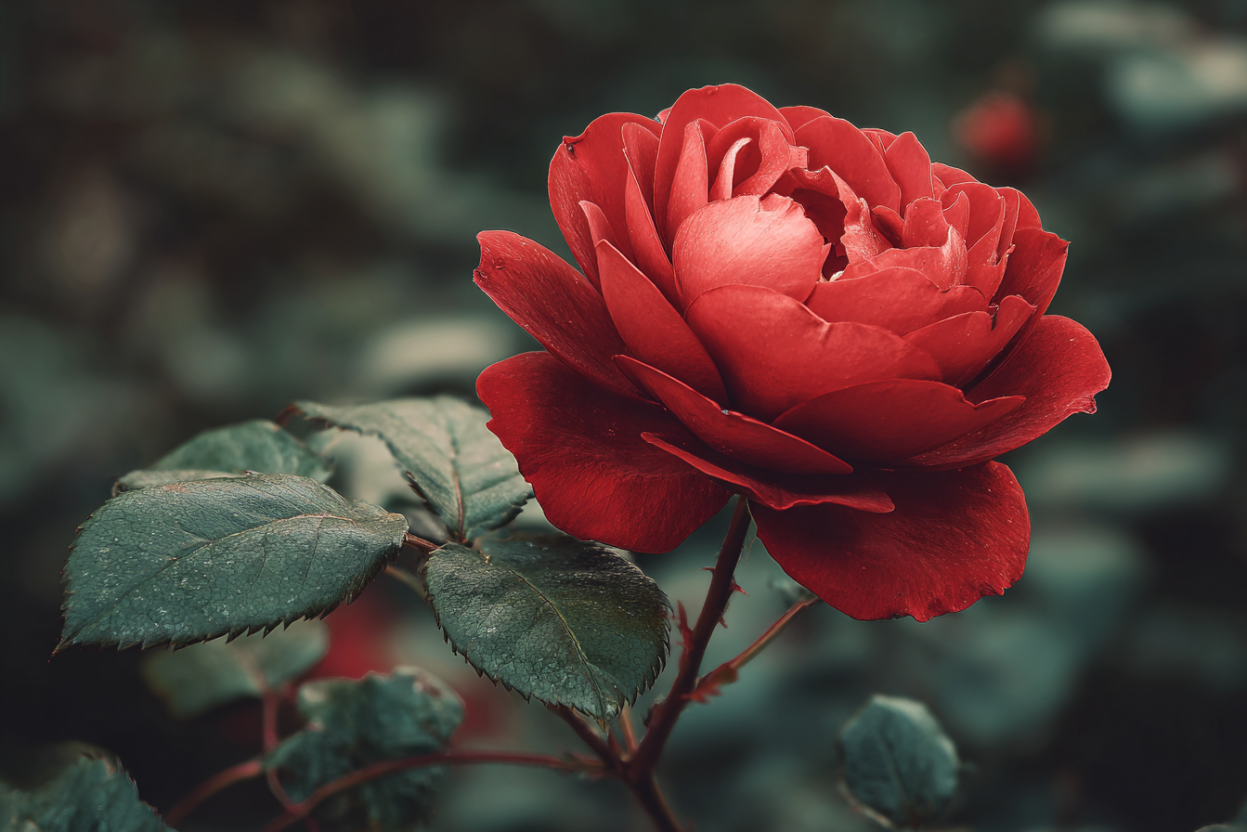
Flowers are the glory of the rose. Wild species produce simple five-petaled blooms, while cultivated varieties may have dozens of layered petals in full, rounded forms. Colors span the entire spectrum — from pure white through every shade of pink, red, orange, yellow, lavender, and deep crimson. Some varieties are bicolored or change hue as they mature. Blooms appear from late spring through fall in most climates, and many modern cultivars are repeat-flowering.
The fruit of the rose — the rose hip — develops after flowering. It is a small, round to oval structure, typically bright red or orange when ripe, measuring roughly half an inch to an inch in diameter. Rose hips are among the richest plant sources of vitamin C on Earth. The root system is deep and fibrous, allowing roses to access water and nutrients well below the soil surface.
Origin
Roses are native to Asia, with the center of origin believed to be in the region spanning modern-day Iran, Turkey, and Central Asia. The genus Rosa contains over 300 species and more than 30,000 cultivated varieties. From their Asian origin, roses spread along ancient trade routes — carried by merchants, healers, and conquerors — to every temperate region on Earth. The Damask rose (Rosa damascena) is believed to have been brought to Europe by Crusaders returning from the Middle East, while the Dog rose (Rosa canina) has been native to Europe, northwest Africa, and western Asia since antiquity.
Brief History
Human use of roses stretches back at least 5,000 years. Fossil evidence suggests roses have existed for 35 million years. The ancient Persians were the first to cultivate roses systematically and to develop the art of rose water distillation — a technique credited to the 10th-century physician Avicenna (Ibn Sina). Ancient Egyptians used roses in burial rites, and rose petals have been found in Egyptian tombs. Greeks and Romans cultivated roses extensively for medicinal purposes, perfumery, and culinary use. Hippocrates, Pliny the Elder, and Dioscorides all documented the therapeutic applications of roses in their medical writings. In Traditional Chinese Medicine, the rose (Mei Gui Hua) has been used for centuries to move stagnant qi, soothe the liver, and support emotional wellness. Ayurvedic medicine employs rose (Gulab) as a cooling, heart-supporting, and skin-nourishing herb.
Growing & Cultivation
Climate & Zones
Roses are remarkably adaptable plants that grow in USDA Hardiness Zones 2 through 11, depending on the species and variety. The most commonly grown garden roses thrive in Zones 5 through 9. Species roses and rugosa types can handle Zones 2 through 3 with no winter protection. In Zones 8 through 10, roses may bloom nearly year-round with proper care. Container-grown roses can be brought indoors in colder climates or grown as houseplants with adequate light.
Soil Requirements
Roses prefer rich, loamy, well-draining soil with a pH between 6.0 and 6.5 (slightly acidic). Heavy clay can be amended with compost and perlite to improve drainage. Sandy soils benefit from added organic matter to increase water retention. The ideal soil is fertile, moisture-retentive but not waterlogged, and rich in organic matter. For container growing, use a high-quality potting mix amended with compost and perlite.
Water & Sunlight
Roses need approximately one inch of water per week, delivered deeply rather than frequently. Drip irrigation or soaker hoses are ideal, as overhead watering promotes fungal diseases. Water in the morning to allow foliage to dry during the day. Established roses have moderate drought tolerance, but consistent watering produces the best blooms and healthiest plants.
Full sun is essential — a minimum of six hours of direct sunlight daily, with eight or more hours being ideal. Morning sun is particularly important, as it dries dew from the leaves and reduces disease. In very hot climates (Zone 9 and above), some afternoon shade can prevent heat stress and color fading.
Propagation
Seed: Rose hips can be harvested in fall, the seeds extracted, cold-stratified for 6–10 weeks in the refrigerator, and then planted indoors. Germination is irregular and may take several weeks to months. Growing from seed produces genetically unique plants.
Cutting: Semi-hardwood cuttings taken in late summer to early fall root well. Cut a 6–8 inch section of healthy stem just below a leaf node, remove the lower leaves, dip in rooting hormone, and plant in moist perlite or a sand-peat mix. Keep humid under a clear dome until rooted (4–8 weeks). This is the most reliable method for home gardeners.
Division: Own-root roses can be divided by digging and separating rooted sections of the plant in early spring or fall.
Layering: Bend a flexible stem to the ground, pin it down, cover with soil, and keep moist. Roots will form at the buried section over several months. Sever from the parent plant once established.
Planting
The best time to plant roses is early spring (after the last frost) or fall (at least six weeks before the first hard freeze). Space plants 2–4 feet apart depending on mature size. Dig a hole twice as wide and just as deep as the root ball. Amend backfill soil with compost. For grafted roses, position the bud union at or slightly below soil level in cold climates, or at soil level in warm climates. Water deeply immediately after planting.
Companion planting partners include lavender, catmint, garlic, chives, marigolds, and geraniums. Garlic and chives are particularly beneficial — their sulfur compounds may help deter aphids. Avoid planting roses near large trees that compete aggressively for water and nutrients.
Harvesting
Petals: Harvest in the early morning just after the dew has dried, when aromatic oils are at their peak. Pick fully opened flowers or petals that are about to drop. Handle gently to avoid bruising.
Rose Hips: Harvest in late fall after the first frost, which concentrates sugars and vitamins. Hips should be bright red or orange and slightly soft to the touch. Use scissors or pruners to clip them from the stem. Remove the stem and blossom end before processing.
Leaves and Buds: Young leaves and unopened buds can be harvested for teas and preparations throughout the growing season.
Drying & Storage
Spread petals in a single layer on a screen or drying rack in a warm, dry, well-ventilated area away from direct sunlight. Petals dry in 3–7 days. Rose hips can be halved, seeds removed, and dried at 110–135°F in a dehydrator, or air-dried for 1–2 weeks. Store dried material in airtight glass jars away from light and heat. Properly dried and stored petals retain fragrance for 6–12 months. Rose hips maintain potency for up to one year.
Pest & Disease Management
Common pests include aphids, Japanese beetles, spider mites, and thrips. Organic solutions include neem oil sprays, insecticidal soap, companion planting with garlic and chives, and encouraging beneficial insects like ladybugs and lacewings. Common diseases include black spot, powdery mildew, and rust. Prevention through proper spacing, air circulation, morning watering, and avoiding wetting foliage is the best strategy. Baking soda sprays (1 tablespoon per gallon of water with a few drops of dish soap) can help prevent fungal issues.
Companion Planting
Plant roses alongside lavender, catmint, sage, thyme, garlic, chives, allium, marigolds, and geraniums for pest deterrence and visual beauty. Avoid planting near boxwood, which competes for nutrients, or near large shade trees.
The Healing of Growing
Growing roses offers benefits beyond the harvest itself. The act of tending a rose garden — hands in soil, time spent outdoors, the repetitive rhythm of pruning and watering — has been shown to reduce cortisol, improve mood, and support immune function. The soil contains beneficial bacteria (Mycobacterium vaccae) with documented antidepressant effects. Research published in Neuroscience (2007) demonstrated that exposure to this soil bacterium activated serotonin-producing neurons in mice. When you grow your own roses, you receive healing before you ever harvest a single petal.
Nutritional Profile
Rose hips are the primary edible-nutritional part of the rose plant. They are exceptionally rich in vitamin C and contain a broad spectrum of vitamins, minerals, and bioactive compounds. Rose petals, while lower in caloric content, provide their own unique array of nutrients.
Macronutrients (per 100g rose hips)
Calories: 162 | Protein: 1.6g | Carbohydrates: 38.2g | Fiber: 24.1g (96% DV) | Sugars: 2.6g | Fat: 0.3g
Source: USDA FoodData Central
Vitamins
Vitamin C: 426mg per 100g (473% DV) — Rose hips contain 20–40 times more vitamin C than oranges. This powerful antioxidant supports immune function, collagen synthesis, iron absorption, and protects cells from oxidative damage. Vitamin C is also essential for the production of neurotransmitters including serotonin and norepinephrine.
Vitamin A (as beta-carotene and lycopene): Rose hips contain significant carotenoids including lycopene (6.8mg per 100g), beta-carotene, lutein, and zeaxanthin. These support vision, skin health, and immune function while acting as potent antioxidants.
Vitamin E: Present in rose hip seeds, this fat-soluble antioxidant protects cell membranes from oxidative damage and supports skin integrity and immune function.
Vitamin K: 25.9mcg per 100g (22% DV) — Essential for blood clotting and bone metabolism.
B Vitamins: Rose hips contain riboflavin (B2), niacin (B3), pantothenic acid (B5), and pyridoxine (B6), all supporting energy metabolism and nervous system function.
Minerals
Manganese: 1.02mg per 100g (44% DV) — Critical for bone formation, blood clotting, and metabolism of amino acids, cholesterol, and carbohydrates.
Calcium: 169mg per 100g (13% DV) — Supports bone health, muscle function, nerve transmission, and cellular signaling.
Iron: 1.06mg per 100g (6% DV) — Essential for oxygen transport in the blood and energy production. The high vitamin C content dramatically enhances iron absorption.
Magnesium: 69mg per 100g (16% DV) — Essential for over 300 enzymatic reactions, supports muscle and nerve function, blood sugar regulation, and bone health.
Potassium: 429mg per 100g (9% DV) — Supports heart rhythm, muscle contraction, and fluid balance.
Phosphorus: 61mg per 100g (5% DV) — Works with calcium for bone and tooth health, and supports energy production.
Phytonutrients & Active Compounds
GOPO (galactolipid): A unique compound found in rose hips, (2S)-1,2-di-O-[(9Z,12Z,15Z)-octadeca-9,12,15-trienoyl]-3-O-β-D-galactopyranosyl glycerol, that research suggests has significant anti-inflammatory properties. Studies indicate it may inhibit the migration of white blood cells to inflamed tissues.
Polyphenols: Including quercetin, kaempferol, catechin, and ellagic acid. These powerful antioxidants support cardiovascular health and have been associated with anti-inflammatory and anticancer properties in research.
Anthocyanins: The pigments responsible for the red and pink colors in rose hips and petals. Research suggests they may support cardiovascular health, cognitive function, and reduce inflammatory markers.
Lycopene: 6.8mg per 100g — One of the most potent carotenoid antioxidants. Associated with reduced risk of chronic diseases in epidemiological studies.
Essential fatty acids: Rose hip seed oil contains linoleic acid (omega-6) and alpha-linolenic acid (omega-3), which support skin barrier function, reduce inflammation, and support cardiovascular health.
Nutrient Notes
The vitamin C in rose hips is remarkably resilient compared to many other plant sources, though some degradation occurs during drying and processing. Low-temperature drying preserves the most vitamin C. The high fiber content (24g per 100g) supports digestive health and feeds beneficial gut bacteria. The combination of vitamin C with iron makes rose hips particularly valuable for supporting healthy iron levels. The B-vitamins present support serotonin and dopamine production, while the magnesium content may help regulate cortisol levels.
Culinary Uses
Edible Parts
Petals: Sweet, mildly floral flavor. Used fresh in salads, desserts, syrups, and as garnish. Can be dried for teas. Remove the white base of each petal (the “heel”) as it can be bitter.
Rose Hips: Tangy, slightly sweet, reminiscent of cranberry and apple. Used for jams, jellies, syrups, sauces, teas, and powders. Seeds and fine hairs inside must be removed before eating (the hairs are irritating).
Buds: Dried rose buds make a delicate, fragrant tea and can be used as a flavoring.
Rose Water: The hydrosol from steam distillation. Used extensively in Middle Eastern, Indian, and Persian cuisine for beverages, desserts, and savory dishes.
Flavor Profile
Fresh rose petals offer a sweet, fragrant, mildly floral taste that varies by variety — deep red roses tend to have the most intense flavor. Rose hips are tart and fruity. Rose water is delicate and perfumed. When cooked, rose flavor becomes more subtle and honeyed. When dried, rose petals intensify slightly in flavor and aroma.
Preparation
Always use organically grown, unsprayed roses for culinary purposes. Wash petals gently and pat dry. Rose hips should be halved, seeds and fine hairs removed, then used fresh or dried. Rose hip tea requires a longer steep (15–20 minutes) to fully extract vitamins. Rose petals can be candied, made into preserves, infused into honey or vinegar, or blended into sugar for a fragrant baking ingredient.
Culinary Pairings
Rose pairs beautifully with cardamom, pistachio, saffron, vanilla, honey, lemon, berries, dark chocolate, almonds, cream, and goat cheese. It complements lamb, chicken, and duck in Middle Eastern and North African cuisine. Rose hip pairs well with apples, cinnamon, ginger, and orange.
Storage
Fresh petals should be used the day they are harvested for best flavor. They can be refrigerated in a damp paper towel for 1–2 days. Dried petals and rose hips store for 6–12 months in airtight glass jars away from light. Rose water keeps for up to two years when stored in a cool, dark place.
Ready to cook with rose? View Recipes on Chefts →
Wellness & Therapeutic Uses
Traditional Uses
The rose is one of the most universally used medicinal plants in human history. In Traditional Chinese Medicine (TCM), Mei Gui Hua (rose bud) has been used for centuries to regulate qi, soothe liver stagnation, promote blood circulation, and support emotional balance. Ayurvedic medicine classifies rose (Gulab) as a cooling herb that pacifies excess Pitta, supports the heart, nourishes the skin, and calms the mind. In Persian medicine, rose water and rose preserves (Gulkand) have been used since at least the 10th century for digestive support, headaches, and emotional wellness — the great physician Avicenna (Ibn Sina) was the first to document rose water distillation. European folk medicine used rose preparations for sore throats, digestive complaints, and women’s health. Native American tribes used preparations from wild roses (particularly Rosa woodsii and Rosa blanda) as cough support and for eye and skin health.
Modern Research
A comprehensive systematic review of clinical trials published in Complementary Therapies in Medicine (2017, Iran) examined 12 eligible clinical trials and found promising evidence for the effectiveness of Rosa damascena in supporting pain management, with antimicrobial, anti-inflammatory, and antioxidant effects demonstrated across 30 in vitro and 21 animal studies. (PubMed 28917365)
A 2022 systematic review examining 38 studies found that Rosa damascena essential oil, extracts, and dried preparations showed significant effects on mental health conditions including anxiety, sleep disturbance, and depressive symptoms. The mechanisms identified included reduced sympathetic nervous system activity, modulation of neurotransmitters, and stimulation of nerve growth factors. (PubMed 35653142)
Research published in the Journal of Pharmacy and Pharmacology (2020) confirmed a wide spectrum of pharmacological activity for Rosa damascena including antidepressant, anti-inflammatory, analgesic, antioxidant, antimicrobial, and blood sugar-supporting properties. (PubMed 31709541)
A 2014 double-blind cross-over clinical trial in Iran with 92 participants found that Rosa damascena extract had comparable effects to Mefenamic acid for supporting comfort during primary dysmenorrhea, without the chemical side effects. (PubMed 24719710)
A 2021 randomized, double-blind placebo-controlled clinical trial found that 1g of Rosa damascena powder taken three times daily for 12 weeks meaningfully supported healthy liver enzyme levels in patients with non-alcoholic fatty liver concerns. (PubMed 34422077)
Body Systems Supported
Nervous System: Research suggests rose preparations may support relaxation, healthy mood, and restful sleep through effects on the parasympathetic nervous system and neurotransmitter modulation.
Digestive System: Rose has traditionally been used as a gentle support for digestive comfort. Research supports its antispasmodic effects on smooth muscle. Rose hip fiber supports healthy gut function.
Immune System: The extraordinary vitamin C content of rose hips supports immune function. Antimicrobial properties have been documented across multiple studies.
Cardiovascular System: Rose oil has been shown to reduce blood pressure and heart rate in clinical studies. Rose hip polyphenols support healthy cholesterol levels.
Musculoskeletal System: Rose hip GOPO compound has been extensively studied for joint comfort support, particularly for osteoarthritis.
Integumentary System (Skin): Both internal and topical rose applications support skin health through antioxidant protection, hydration, and collagen support.
Reproductive System: Traditional use for menstrual comfort is supported by clinical research. Rose has also been studied for supporting healthy sexual function.
Endocrine System: Rose oil inhalation has been shown to decrease salivary cortisol levels, suggesting a role in supporting healthy stress response.
Body Compounds Affected
Cortisol: Rose oil inhalation has been demonstrated to lower salivary cortisol in multiple clinical studies, including research by Fukui et al. showing decreased cortisol and testosterone levels after rose oil inhalation in healthy participants. (PMC Review)
Serotonin & GABA: The flavonoids in rose, including quercetin and kaempferol, have been shown to interact with GABAergic and serotonergic pathways. Research suggests the anxiolytic activity of rose may be partly mediated through affinity for central benzodiazepine receptors. (PMC 3586833)
Epinephrine & Norepinephrine: Clinical research has shown rose aromatherapy may reduce plasma epinephrine and norepinephrine concentrations.
Prostaglandins & Inflammatory Markers: Rose hip GOPO has demonstrated anti-inflammatory activity by reducing C-reactive protein levels and inhibiting inflammatory cytokines including IL-1, IL-6, and TNF-alpha.
Methods of Use
Tea/Infusion
Rose petal tea: 1–2 tablespoons dried petals per cup, steep 5–10 minutes in water just below boiling (190°F). Rose hip tea: 1–2 tablespoons crushed dried rose hips per cup, steep 15–20 minutes in boiling water. May be consumed 2–3 times daily.
Tincture
Rose petal tincture is made by macerating fresh or dried petals in alcohol (typically 40–50% vodka) for 4–6 weeks. Typical dosage is 1–2 ml (20–40 drops), 2–3 times daily. Rose hip tincture follows a similar process using dried rose hips.
Powder/Capsule
Rose hip powder is available commercially. Clinical studies have used dosages of 2.5–5g daily. It can be added to smoothies, yogurt, or taken in capsule form.
Rose Water
Used internally (1–2 tablespoons in water) for digestive comfort and externally as a toner and calming facial mist.
Cosmetic & Beauty Uses
Skin Benefits
Rose has been a cornerstone of skin care across cultures for millennia. Modern research confirms what traditional practitioners have long observed — rose preparations support skin health through multiple mechanisms.
A 2024 review published in Frontiers in Pharmacology provided comprehensive evidence that rosehip extracts exhibit specific activities against multiple skin concerns including wound healing, collagen synthesis support, atopic dermatitis, and photoaging. (PubMed 38666029)
A double-blind clinical study of 34 subjects found that standardized rose hip powder taken orally for 8 weeks significantly improved skin moisture, elasticity, and reduced the appearance of crow’s-feet wrinkles compared to baseline measurements. (PubMed 26604725)
Suitable for: All skin types. Particularly beneficial for mature, dry, and sensitive skin. Rose hip seed oil is lightweight enough for oily and combination skin. Rose water is gentle enough for the most sensitive complexions.
Skin concerns addressed: Aging and fine lines, dryness, uneven tone, hyperpigmentation, scars, redness, inflammation, dullness, and sun damage.
Hair Benefits
Rose water and rose hip oil support scalp health by providing moisture and reducing inflammation. The vitamin C in rose hips supports collagen production, which is essential for hair follicle structure. Rose water used as a final rinse adds shine and a gentle fragrance while helping to balance scalp pH. Rose hip oil can be applied as a lightweight pre-wash treatment for dry, damaged, or frizzy hair.
Application Methods
Rose Water Toner: Apply pure rose water to cleansed skin with a cotton pad or spray bottle. Use morning and evening. Provides hydration, pH balancing, and mild astringent effects.
Rose Hip Seed Oil: Apply 2–3 drops to damp skin after cleansing, morning and/or evening. Can be used alone or mixed into moisturizer. Rich in essential fatty acids and vitamin A that support skin regeneration.
Rose Petal Face Mask: Blend fresh or rehydrated dried petals with honey and yogurt for a soothing, hydrating mask. Leave on 15–20 minutes.
Rose Infused Oil: Fill a jar with dried rose petals and cover with a carrier oil (jojoba, sweet almond, or olive). Infuse for 4–6 weeks in a warm, sunny spot, shaking daily. Strain and use for facial massage, body oil, or as a base for homemade creams.
DIY Formulation Notes
Rose hip seed oil can be used at 10–100% concentration in facial formulations. It pairs exceptionally well with jojoba, argan, and sea buckthorn oils. Rose essential oil should be used at 0.5–2% in skin care products due to its potency. Rose water can replace plain water in almost any formulation. Avoid combining rose hip oil with strong exfoliating acids; use at different times of day. Homemade rose preparations without preservatives should be refrigerated and used within 1–2 weeks.
Rose is among the botanicals being explored for holistic cosmetic applications, where the wisdom of traditional beauty practices meets modern understanding of skin science.
Essential Oil Profile
Extraction
Rose essential oil (Rose Otto) is primarily obtained through steam distillation of fresh rose petals, predominantly from Rosa damascena (Damask Rose) and Rosa centifolia (Cabbage Rose). Rose Absolute is obtained through solvent extraction, producing a thicker, more intensely fragrant product used primarily in perfumery. Rose essential oil is one of the most precious and expensive oils in the world — it takes approximately 10,000 pounds (4,500 kg) of fresh rose petals to produce just one pound (450 ml) of Rose Otto. This extraordinary yield ratio, combined with the labor-intensive hand-harvesting of flowers at dawn, accounts for the oil’s significant cost.
Chemical Constituents
More than 95 compounds have been identified in rose essential oil. The primary bioactive constituents include:
Monoterpene Alcohols: β-Citronellol (14.5–47.5%) and geraniol (5.5–18%) — These are the main compounds responsible for the oil’s therapeutic properties. Research shows they contribute to anti-inflammatory, antimicrobial, antispasmodic, and calming effects. (Akram et al., 2020)
Phenylethyl Alcohol: Present in rose water and absolute (up to 78%), contributing to the characteristic rose fragrance and demonstrating antimicrobial properties.
Nerol: (4–15%) — A monoterpenoid contributing to the floral scent and supporting relaxation effects.
Linalool: (0.7–2.8%) — Known for calming and sedative-supporting properties.
Other compounds: Nonadecane, heneicosane, farnesol, eugenol, methyl eugenol, caryophyllene, and rose oxide — each contributing to the oil’s complex therapeutic profile and distinctive aroma.
Aroma Profile
Rose essential oil is classified as a middle to base note. The scent is deep, rich, sweet, and intensely floral — warm, honeyed, and slightly spicy with green undertones. The fragrance evolves over time: the initial impression is bright and dewy, transitioning to a warm, full-bodied floral heart, settling into a deep, honeyed, slightly musky base. Rose blends beautifully with sandalwood, frankincense, geranium, lavender, bergamot, ylang ylang, clary sage, neroli, and patchouli.
Therapeutic Properties
Rose essential oil has been associated with the following properties in research: calming and relaxing, mood-supporting (antidepressant), anti-anxiety (anxiolytic), analgesic (pain-supporting), anti-inflammatory, antimicrobial, antispasmodic, aphrodisiac, and skin-supporting (cicatrisant). A comprehensive review of 13 clinical trials involving 772 participants confirmed physiological relaxation, analgesic, and anti-anxiety effects of rose oil in humans. (PMC 5511972)
How to Use
Diffusion
Add 2–4 drops to a diffuser for aromatic benefits. Due to the precious nature and cost of pure rose oil, even 1–2 drops can fill a room with fragrance. Diffuse for 30–60 minutes at a time.
Topical Application
Rose oil must always be diluted before skin application. Standard adult dilution: 1–2% (6–12 drops per ounce of carrier oil). Sensitive skin: 0.5–1%. Children over 6: 0.5%. Ideal carrier oils include jojoba, sweet almond, argan, and rosehip seed oil. Apply to pulse points, over the heart, or on the abdomen.
Quality & Sourcing
Due to its extreme cost, rose essential oil is one of the most commonly adulterated oils on the market. Synthetic rose fragrance, geranium oil, or palmarosa oil are frequently added or substituted. Look for oils that provide GC/MS (gas chromatography/mass spectrometry) testing results. Premium sources include Bulgaria (Valley of Roses), Turkey (Isparta region), and Iran (Kashan). A genuine Rose Otto may solidify or become semi-solid at cool temperatures due to its natural wax content — this is a sign of authenticity, not a defect.
Blending
Rose blends harmoniously with nearly every essential oil category. Particularly complementary pairings include rose with frankincense (spiritual/meditative blend), rose with lavender (deeply calming), rose with sandalwood (grounding and warming), rose with bergamot (uplifting and heart-opening), and rose with geranium (a more affordable way to extend the rose note).
Aromatherapy & Scent
The Aroma
The scent of a living rose bush is one of the most complex and beloved aromas in nature. Fresh roses release their fragrance most intensely in the morning hours, when volatile oils concentrate in the petals overnight and are released as temperatures rise. The scent is also strongest after a gentle rain, when moisture activates volatile molecules. Walking through a rose garden in early morning is a profoundly calming sensory experience. The fragrance diminishes as the day heats up, making dawn the peak aromatic moment.
When dried, rose petals retain their fragrance for months, though the scent shifts from the fresh, dewy quality to a deeper, more honeyed, slightly powdery character. Properly dried rose petals maintain their scent for 6–12 months. Crushing dried petals between your fingers releases a burst of fragrance that, while different from fresh, is still distinctly and beautifully rose.
How Scent Affects Your Body
When you inhale the scent of rose, volatile aromatic molecules enter the nasal passages and are detected by olfactory receptors — there are approximately 400 different types in the human nose. These receptors convert the chemical signal into electrical impulses that travel directly to the limbic system, which includes the amygdala (emotional center) and hippocampus (memory center), and the hypothalamus (which controls hormone release). This pathway bypasses the cognitive brain entirely, which is why a scent can change your emotional state before you consciously register what you are smelling. The entire process occurs within seconds.
Emotional & Mood Effects
The scent of rose is primarily calming, comforting, and heart-opening. Research and traditional use consistently associate rose aroma with reduced anxiety, emotional comfort during grief or heartbreak, gentle uplift from sadness, enhanced feelings of love and connection, and deep relaxation without sedation. Rose is unique among aromatic plants in its ability to be simultaneously calming and gently uplifting — it soothes without dulling.
Body Compounds Affected
Inhalation of rose aroma has been clinically demonstrated to lower salivary cortisol levels, reduce plasma epinephrine and norepinephrine concentrations, decrease sympathetic nervous system activity (as measured by heart rate variability), and reduce blood pressure and breathing rate. These effects indicate rose scent’s ability to shift the body from a stress-dominant (sympathetic) state toward a calm, restorative (parasympathetic) state. The flavonoid compounds in rose that reach the brain through olfactory pathways may also interact with GABA receptors, supporting the calming effect. (Mohebitabar et al., 2017)
Ways to Experience the Scent
Beyond essential oil, you can experience the healing fragrance of rose by growing roses near windows and doorways, placing fresh-cut roses in your bedroom or workspace, crushing fresh petals between your hands while gardening, keeping dried rose petal sachets in drawers and on nightstands, placing dried petals under your pillow, simmering rose petals on the stove with water and cinnamon, adding fresh or dried petals to a warm bath, and spraying pure rose water as a room and linen mist.
Color Therapy
The Colors of Rose
The rose offers an extraordinary range of colors. Flowers span from pure white through cream, yellow, peach, salmon, every shade of pink, coral, orange, deep red, crimson, burgundy, mauve, lavender, and near-black. Leaves are medium to deep green, sometimes with reddish-bronze new growth. Rose hips are vivid orange to bright red when ripe. Stems can be green, reddish-brown, or dark brown.
Color Wavelengths
The most iconic rose colors — red and pink — carry specific wavelength signatures. Red light falls in the 620–700nm range, while pink (a combination of red and white light) spans the full spectrum with red emphasis. Green foliage reflects light in the 495–570nm range.
How Rose Colors Affect the Body
Red roses (620–700nm): Red light wavelengths are energizing and stimulating. They are associated with increased circulation, warmth, passion, vitality, and courage. Exposure to red may increase heart rate and activate the sympathetic nervous system. Having red roses in your environment can bring warmth and energy to a space.
Pink roses (red + white spectrum): Pink carries the warmth of red but is tempered by the calming influence of the full spectrum. Pink is associated with nurturing, gentleness, compassion, and heart-opening. It is one of the most universally calming and comforting colors in color therapy.
Yellow roses (570–590nm): Yellow light supports mental clarity, optimism, focus, and cheerfulness. Having yellow roses in a workspace may support creative thinking.
White roses (full spectrum): White represents the full visible spectrum and is associated with purifying, clarifying, and full-spectrum energetic balance.
Green foliage (495–570nm): The green of rose leaves provides the most balancing and calming wavelength in the visible spectrum. Green is associated with heart-centered healing, nature connection, and emotional equilibrium.
Body Compounds Affected
Exposure to pink and green wavelengths has been associated with reduced cortisol and increased parasympathetic nervous system activity in environmental psychology research. Red wavelengths may stimulate adrenaline release. The combined visual experience of a rose garden — green foliage interspersed with colorful blooms — provides a natural form of color therapy that engages multiple beneficial wavelengths simultaneously.
Using Rose for Color Therapy
Place pink or red roses in spaces where you want to feel warmth, love, and emotional comfort — bedrooms and living rooms. Place yellow roses in workspaces or kitchens for mental clarity. White roses work well in meditation spaces or healing rooms. A garden with multiple rose colors provides a naturally balanced color therapy environment.
Frequency & Vibration
The Frequency of Rose
According to bio-frequency research conducted by Bruce Tainio of Tainio Technology, rose essential oil has been measured at 320 MHz — the highest frequency of any essential oil tested, and significantly higher than any other natural substance measured. For comparison, fresh produce measured up to 15 MHz, dried herbs from 12–22 MHz, and fresh herbs from 20–27 MHz. Other essential oils ranged from 52 MHz (basil) to 181 MHz (helichrysum).
The human body frequency ranges documented in this research include: healthy human body 62–78 MHz, cold or flu onset at approximately 58 MHz, susceptibility to disease below 58 MHz, and the beginning of cellular breakdown at 25 MHz.
Important note: While these frequency measurements have been widely cited in the aromatherapy community, they have not been independently replicated in peer-reviewed scientific journals. The measurements come from proprietary equipment developed by Tainio Technology. The concept that living things emit measurable bioelectric frequencies is grounded in physics, but specific MHz values for essential oils should be considered emerging research rather than established scientific fact.
Human Frequency Interaction
Proponents of vibrational medicine suggest that because rose essential oil vibrates at such an extraordinarily high frequency, it has the potential to influence human bioelectric frequency through the principle of entrainment — the tendency for two oscillating systems to synchronize when in proximity. According to this framework, using high-frequency substances like rose oil may support the body’s ability to maintain the higher frequency ranges associated with wellness.
Essential Oil Frequency
Rose oil’s purported 320 MHz frequency places it dramatically above all other measured essential oils. For context: frankincense measures 147 MHz, lavender 118 MHz, myrrh 105 MHz, and sandalwood 96 MHz. This extraordinary measurement, if validated, would make rose the most powerful frequency-supporting natural substance available.
Vibrational Applications
Those working with vibrational approaches use rose essential oil during meditation, prayer, and energy healing practices. Simply holding a bottle of pure rose oil, diffusing it in a room, or applying a diluted drop over the heart center are common practices. Combining rose with other high-frequency activities — prayer, time in nature, gratitude practices — may create a synergistic environment for overall wellness.
The Living Plant
Benefits of Presence
Simply being around living rose plants provides therapeutic benefits that extend beyond any harvest or extraction. Research on biophilic design and nature exposure consistently demonstrates that living plants in the human environment reduce stress, improve cognitive function, and support emotional wellbeing. Roses, with their visually complex flowers, rich fragrance, and varied colors, engage multiple senses simultaneously — making them particularly powerful as living therapeutic companions.
Air Purification
While roses were not among the plants specifically studied in NASA’s Clean Air Study, living rose bushes — like all green plants — produce oxygen through photosynthesis and contribute to indoor and outdoor air quality. Outdoor rose gardens contribute to local air quality and provide habitat for beneficial pollinators including bees and butterflies. Indoor miniature roses provide moderate oxygen production and contribute to a healthier living environment.
Phytoncides
Roses release volatile organic compounds (VOCs) that include terpenes and other aromatic molecules. While research on phytoncides has focused primarily on forest trees (the “forest bathing” or shinrin-yoku research), aromatic garden plants including roses release similar antimicrobial volatile compounds into the surrounding air. Time spent in a rose garden provides exposure to these compounds in a gentle, natural way. Forest bathing research has demonstrated that phytoncides increase Natural Killer (NK) cell activity and support immune function — aromatic garden plants may provide similar benefits on a smaller scale.
Visual & Psychological Benefits
Research consistently shows that viewing plants and natural scenes reduces cortisol levels, lowers blood pressure, and improves mood. A landmark study by Roger Ulrich (1984) demonstrated that hospital patients with views of nature recovered faster from surgery than those facing a brick wall. The visual complexity and beauty of roses — their intricate petal arrangements, range of colors, and seasonal changes — provide rich material for attention restoration, the psychological process by which nature exposure replenishes depleted cognitive resources.
Growing Indoors vs Outdoors
Miniature roses and some compact varieties can thrive indoors with adequate light (at least 6 hours of direct sunlight or strong supplemental grow lights). Indoor roses benefit the home through their fragrance, visual beauty, and the gentle pleasure of daily care. Outdoor rose gardens provide the full spectrum of benefits — aromatherapy, color therapy, grounding through soil contact, phytoncide exposure, and the meditative rhythm of seasonal care. If you can grow roses outdoors, the benefits multiply; if your space only allows a windowsill miniature rose, you still receive meaningful therapeutic value from its presence.
Touch & Physical Interaction
Gardening Therapy
Rose gardening is one of the most popular and beloved forms of horticultural therapy worldwide. The varied tasks involved — planting, pruning, deadheading, training climbers, harvesting — provide a rich, multi-sensory, physically engaged experience that grounds the gardener in the present moment. The American Horticultural Therapy Association recognizes gardening as a therapeutic modality for improving physical, psychological, and social wellbeing.
Soil Contact Benefits
When you garden barefoot or with bare hands, direct skin contact with the earth facilitates electron transfer — the foundation of grounding or earthing research. Studies suggest this contact may reduce inflammation, improve sleep, and normalize cortisol rhythms. Additionally, the soil bacterium Mycobacterium vaccae, encountered during gardening, has been shown in research to activate serotonin-releasing neurons in the brain, producing antidepressant-like effects. Your microbiome also benefits from exposure to the diverse bacteria present in healthy garden soil.
The Tactile Experience
The rose offers an exceptionally rich tactile experience. Petals are silky, cool, and impossibly soft — one of the most pleasurable textures in the plant world. Leaves are smooth on top with a slightly rough, veined underside. Stems are firm and woody, with the distinctive texture of thorns requiring careful, mindful handling. Rose hips are smooth and firm when fresh, with a slight give when ripe. The act of deadheading spent blooms — pinching the stem just above a five-leaflet set — is a gentle, repetitive motion that becomes meditative with practice.
Harvesting & Processing
Harvesting rose petals at dawn is a deeply sensory and meditative practice. The cool morning air, the dew on the petals, the intensifying fragrance as you handle each bloom — this is slow, intentional work that naturally brings the mind into the present moment. Processing roses — stripping petals from stems, spreading them for drying, bundling rosebuds, or making rose water — provides the repetitive, rhythmic motion that research associates with reduced anxiety and improved mood. The act of transforming fresh petals into dried preparations, infused oils, or rose water creates a tangible sense of accomplishment and connection to the ancient tradition of herbal preparation.
Water-Based Applications
Teas & Infusions
Rose Petal Tea: Place 1–2 tablespoons of dried rose petals (or a small handful of fresh petals) in a cup. Pour water heated to 190–200°F (just below boiling) over the petals. Steep for 5–10 minutes. Strain and enjoy. The flavor is delicate, floral, and mildly sweet. Can be consumed 2–3 times daily. Hot infusion extracts more aromatic compounds, while cold infusion (steeping in room-temperature water for 4–8 hours) produces a more subtle flavor and preserves heat-sensitive vitamin C.
Rose Hip Tea: Use 1–2 tablespoons of crushed or halved dried rose hips per cup of boiling water. Steep for 15–20 minutes (longer than most herbal teas, as the hips are dense and require time to release their compounds). Strain through a fine mesh strainer to remove fine hairs. The flavor is tart and fruity, similar to hibiscus with apple notes. Excellent blended with hibiscus, cinnamon, or ginger.
Herbal Baths
A rose petal bath is one of the simplest and most luxurious water-based applications. Add 1–2 cups of dried rose petals (or 2–3 cups of fresh petals) to a muslin bag or directly to warm bath water (95–100°F). Soak for 20–30 minutes. The combination of warm water, rose fragrance, and the gentle compounds released provides multi-pathway therapeutic benefit — skin nourishment through the water, aromatherapy through the steam, and muscular relaxation through the warm water itself. Rose petal foot baths use the same ratio in a smaller container and are an excellent alternative when a full bath is not available.
Hydrosols
Rose hydrosol (rose water) is the aqueous portion produced during steam distillation of rose petals. It contains water-soluble plant compounds including phenylethyl alcohol, citronellol, geraniol, and nerol in gentle concentrations. Rose water is one of the most widely available and versatile hydrosols. It can be used as a facial toner, an ingredient in beverages and cooking, a cooling mist for hot days, an addition to bath water, and a gentle cleanser for sensitive skin. High-quality rose water should have a clean, true rose fragrance without any synthetic overtones.
Compresses
Cool rose water compress: Soak a clean cloth in chilled rose water and apply to the forehead, eyes, or any area of inflammation. Excellent for headaches, puffy eyes, and sunburn. Leave in place for 10–15 minutes. Refresh as needed.
Warm rose tea compress: Brew a strong rose petal tea, soak a cloth in the warm (not hot) liquid, and apply to areas of muscle tension or menstrual discomfort. The warmth and botanical compounds work together for comfort support.
Steam Inhalation
Add 1–2 tablespoons of dried rose petals (or 2–3 drops of rose essential oil) to a bowl of steaming hot water. Drape a towel over your head and the bowl, and inhale the steam gently for 5–10 minutes with your eyes closed. This delivers aromatic compounds directly to the respiratory system while the steam opens nasal passages. Beneficial for congestion, stress, and as a facial treatment that simultaneously hydrates skin and delivers aromatherapy benefits.
Hair Rinses
Brew a strong rose petal tea (double the normal concentration) and allow it to cool completely. After shampooing and conditioning, pour the rose tea rinse through your hair as a final rinse. Do not rinse out. This adds shine, delivers gentle conditioning, helps balance scalp pH, and leaves a subtle, beautiful fragrance. Rose hip tea can also be used — the vitamin C and tannic acid provide additional shine and may help with scalp concerns.
Historical, Cultural & Biblical Significance
Biblical References
The rose is referenced in Scripture, though the precise botanical identity of the Hebrew word chabatsteleth (חֲבַצֶּלֶת) is debated among scholars — some translating it as “rose,” others as “crocus” or “narcissus.” The King James Version renders it as “rose” in two significant passages:
“I am the rose of Sharon, and the lily of the valleys.” — Song of Solomon 2:1 (KJV)
“The wilderness and the solitary place shall be glad for them; and the desert shall rejoice, and blossom as the rose.” — Isaiah 35:1 (KJV)
The Apocryphal books also reference roses, including Sirach (Ecclesiasticus) 24:14: “I was exalted like a palm tree in En-gaddi, and as a rose plant in Jericho.” And Wisdom of Solomon 2:8: “Let us crown ourselves with rosebuds, before they be withered.”
Regardless of the exact species referenced, the rose has held profound symbolic significance throughout Christian tradition. The five petals of the wild rose have been associated with the five wounds of Christ. The red rose symbolizes His sacrificial love. White roses represent purity. The rose garden has been used as a symbol of paradise. The very word “rosary” derives from “rosarium” (rose garden), connecting prayer to the beauty and fragrance of the rose.
Ancient Civilizations
Egypt: Rose petals have been found in ancient Egyptian tombs. Roses were used in funerary wreaths and cosmetic preparations. Cleopatra is famously said to have filled a room knee-deep with rose petals for her meeting with Mark Antony.
Greece: The Greek physician Hippocrates (460–370 BC) documented the use of rose preparations for various ailments. Dioscorides (40–90 AD) described rose in his De Materia Medica, noting it for digestive support, headache, and eye concerns. The Greeks associated the rose with Aphrodite, goddess of love, and used rose garlands at celebrations.
Rome: Pliny the Elder documented 32 medicinal uses for the rose. Romans used roses lavishly — at banquets, in baths, and as medicine. Galen (129–216 AD) incorporated rose preparations into his medical practice, particularly rose oil and rose water.
Persia/Iran: The Iranian physician Avicenna (Ibn Sina, 980–1037 AD) is credited with perfecting the process of rose water distillation. His Canon of Medicine describes rose as beneficial for the heart, mind, and digestion. Iran remains one of the world’s great centers of rose cultivation and rose water production today.
Eastern Traditions
Traditional Chinese Medicine: Rose (Mei Gui Hua, 玫瑰花) has been documented in Chinese medical texts for centuries. It is classified as warm in nature, sweet and slightly bitter in taste, and entering the liver and spleen meridians. It is used to regulate qi, relieve stagnation, harmonize the blood, support the liver, and ease emotional distress. It is commonly prescribed for premenstrual discomfort, digestive stagnation, and emotional tension.
Ayurveda: Rose (Gulab) is considered cooling, sweet, and astringent in Ayurvedic classification. It pacifies Pitta and Vata doshas. Gulkand — a traditional sweet preserve made from rose petals and sugar — has been used for centuries as a digestive tonic, coolant, and mood support. Rose water (Gulab Jal) is used extensively in Ayurvedic skin care and as a culinary and therapeutic ingredient.
Indigenous Knowledge
Native American tribes across North America used wild roses (Rosa species) extensively. The Cheyenne used rose hip tea for respiratory and stomach support. The Okanagan-Colville used rose hip preparations for eye health. Many tribes consumed rose hips as an important source of nutrition — particularly vitamin C — during winter months. Rose root and bark preparations were used for cough support by several nations. European settlers learned much of their early knowledge of American wild roses from indigenous peoples.
European Heritage
Medieval monastery gardens throughout Europe cultivated roses for medicinal use. The Apothecary’s Rose (Rosa gallica officinalis) was grown specifically for its therapeutic properties and was central to the medieval herbalist’s pharmacopoeia. Nicholas Culpeper (1616–1654) wrote extensively about rose preparations in his Complete Herbal. John Gerard’s Herball (1597) documented multiple rose preparations. The phrase “sub rosa” (under the rose) originated from the Roman practice of hanging a rose over a meeting to indicate that all discussion was confidential — a testament to the deep cultural significance of this plant.
Cultural Symbolism
The rose is the most universally recognized flower across human cultures. It symbolizes love, beauty, honor, devotion, and the unfolding of divine mystery. In wedding traditions worldwide, roses represent the beauty and fragrance of committed love. In memorial traditions, roses honor the memory of the departed. In art and literature from every century and culture, the rose appears as a symbol of that which is most beautiful, most precious, and most worthy of attention. This universal resonance speaks to something the Creator embedded in this plant that transcends language and culture.
Safety & Precautions
Contraindications
Rose preparations (tea, food-grade rose water, rose hips) are generally considered safe for most adults when used in culinary and moderate supplemental amounts. Those with known allergies to the Rosaceae family should exercise caution. Individuals with a history of kidney stones should be cautious with high-dose rose hip supplements due to the significant vitamin C content, which may increase oxalate excretion in susceptible individuals.
Drug Interactions
Blood thinners (Warfarin/Coumadin): Rose hips contain vitamin C, which at high doses may decrease the effectiveness of warfarin. Rose hips may also have mild blood-thinning properties of their own. Consult your healthcare provider if you take anticoagulant medications.
Estrogen medications: Vitamin C may increase the body’s absorption of estrogen. Those on hormone replacement therapy or hormonal contraceptives should be aware of this potential interaction.
Lithium: Rose hip’s diuretic properties may affect how the body eliminates lithium, potentially increasing lithium levels. Those taking lithium should consult their healthcare provider.
Antacids (aluminum-containing): Vitamin C may increase aluminum absorption from antacids. Separate rose hip consumption from antacid use by at least two hours.
Diabetes medications: Rose has demonstrated blood sugar-supporting effects in some studies. Those on diabetes medications should monitor blood sugar levels carefully when adding rose preparations.
Pregnancy & Nursing
Rose petal tea and food-grade rose water in moderate amounts are generally considered safe during pregnancy in many traditional medicine systems (Ayurveda classifies rose as a safe, cooling herb for pregnancy). However, rose hip supplements in concentrated or high-dose forms should be used with caution. Rose essential oil should be used sparingly (if at all) during the first trimester and only in low dilutions during later pregnancy. Not recommended during pregnancy or breastfeeding without guidance from a qualified healthcare provider.
Children
Rose petal tea and food-grade rose water are generally considered gentle enough for children over age 2, in moderate amounts. Rose hip tea may be introduced at the same age. Essential oil use in children should be limited to diffusion at low concentrations for children over 6, and topical application should be at 0.25–0.5% dilution. Avoid essential oil use in children under 2.
Elderly
Rose preparations are generally well-tolerated by older adults. However, those taking multiple medications should consult their healthcare provider due to potential interactions (particularly with blood thinners, diabetes medications, and lithium). Lower doses of rose hip supplements may be appropriate for those with sensitive digestion.
Pets
Dogs: Non-toxic. According to the ASPCA, roses (Rosa species) are non-toxic to dogs. However, thorns can cause physical injury to the mouth and paws. Ingesting large amounts of stem material could cause intestinal blockage.
Cats: Non-toxic. The ASPCA classifies roses as non-toxic to cats. The same thorn and ingestion warnings apply. Note that some plants with “rose” in their name (Christmas Rose, Desert Rose, Moss Rose) ARE toxic to pets — ensure you are dealing with true roses (genus Rosa).
Horses: Non-toxic. Roses are safe for horses.
Important: Roses treated with pesticides, herbicides, or synthetic fertilizers can be harmful to pets. Always use organic practices if your pets have access to your rose garden. Rose essential oil should never be applied to or diffused near pets without veterinary guidance.
Allergies & Sensitivities
Those with allergies to the Rosaceae family (which includes strawberries, apples, and almonds) may experience cross-reactivity. Patch test rose oil preparations on a small area of skin before widespread use — apply a diluted drop to the inner forearm, cover, and wait 24–48 hours. Rose essential oil can cause skin sensitization in some individuals, particularly if oxidized or used undiluted. Photosensitivity is not typically a concern with rose oil, unlike some citrus oils.
Dosing Guidelines
Rose hip powder: Clinical studies have used 2.5–5g daily for up to 12 weeks. Rose petal tea: 1–3 cups daily. Rose water (internal): 1–2 tablespoons, 2–3 times daily. Rose essential oil (topical): 1–2% dilution for adults. Rose hip tea: 1–3 cups daily. Discontinue use and consult a healthcare provider if any adverse reaction occurs.
Quality & Sourcing
Purchase rose products from reputable suppliers who test for pesticide residues, heavy metals, and adulterants. Rose essential oil should come with a GC/MS report. Wild-harvested rose hips should come from clean environments away from roads and industrial sites. Organic certification is particularly important for roses, as conventionally grown roses are among the most heavily sprayed ornamental crops.
Signs of Adverse Reaction
Mild: Nausea, stomach upset, diarrhea (usually from excessive doses of rose hip). Moderate: Skin rash, hives, or itching from topical application. Serious (seek medical attention): Difficulty breathing, swelling of face or throat, severe abdominal pain.
Disclaimer
This information is for educational purposes only. It is not intended to diagnose, treat, cure, or prevent any disease. Always consult with a qualified healthcare provider before using any herbal product, especially if you are pregnant, nursing, taking medications, or have a medical condition. If you experience any adverse reaction, discontinue use immediately and seek medical attention.
Want Personalized Guidance?
Every body is unique. What works for one person may not be right for another. If you’d like personalized support in incorporating rose into your wellness journey, consider working with a qualified practitioner who can assess your individual needs.
Sources & References
Peer-Reviewed Studies
- Chemical constituents, experimental and clinical pharmacology of Rosa damascena: a literature review – Journal of Pharmacy and Pharmacology, 2020, Pakistan/International
- A systematic review of the efficacy and safety of Rosa damascena Mill. – Complementary Therapies in Medicine, 2017, Iran
- Evidence for Rosa damascena efficacy in mental disorders in preclinical and clinical trials – Systematic Review, 2022, Iran
- Pharmacological Effects of Rosa Damascena – Iranian Journal of Basic Medical Sciences, 2011, Iran
- Therapeutic efficacy of rose oil: A comprehensive review of clinical evidence – Avicenna Journal of Phytomedicine, 2017, Iran
- The Effect of Rosa Damascena Extract on Primary Dysmenorrhea: A Double-blind Cross-over Clinical Trial – Iranian Red Crescent Medical Journal, 2014, Iran
- The Efficacy of Rosa damascena on Liver Enzymes in Nonalcoholic Fatty Liver Disease: A Randomized Double-Blind Clinical Trial – Evidence-Based Complementary and Alternative Medicine, 2021, Iran
- The effects of Rosa damascene aromatherapy on anxiety and sleep quality in burn patients – Complementary Therapies in Clinical Practice, 2022, Iran
- The effectiveness of a standardized rose hip powder on cell longevity, skin wrinkles, moisture, and elasticity – Clinical Interventions in Aging, 2015, Denmark
- Unveiling the mechanisms for the development of rosehip-based dermatological products: an updated review – Frontiers in Pharmacology, 2024, Malaysia
- Anti-Inflammatory and Skin Barrier Repair Effects of Topical Application of Some Plant Oils – International Journal of Molecular Sciences, 2017, Taiwan/Spain
- Inhibitory effect of Rosa damascena Mill flower essential oil, geraniol and citronellol on rat ileum contraction – Research in Pharmaceutical Sciences, 2013, Iran
- The impact of Rosa damascena Mill. on gastrointestinal disorders: systematic review and meta-analysis – DARU Journal of Pharmaceutical Sciences, 2025, Iran
Traditional Medicine Sources
- Rose hip (Rosa canina L): A functional food perspective – Functional Foods in Health and Disease, 2014, USA
- Rose Hips, wild — USDA FoodData Central – U.S. Department of Agriculture
Institutional Sources
- Rose — Toxic and Non-Toxic Plants – ASPCA Animal Poison Control Center
- Rose Hip: Overview, Uses, Side Effects, Precautions, Interactions, Dosing – WebMD
Historical References
- Ascorbic Acid Content of Rose Hip Fruit Depending on Altitude – Journal of Applied Botany and Food Quality, 2015, Romania
- Evaluation of Rosa damascena mouthwash in the treatment of recurrent aphthous stomatitis – Journal of Oral Pathology and Medicine, 2011, Egypt