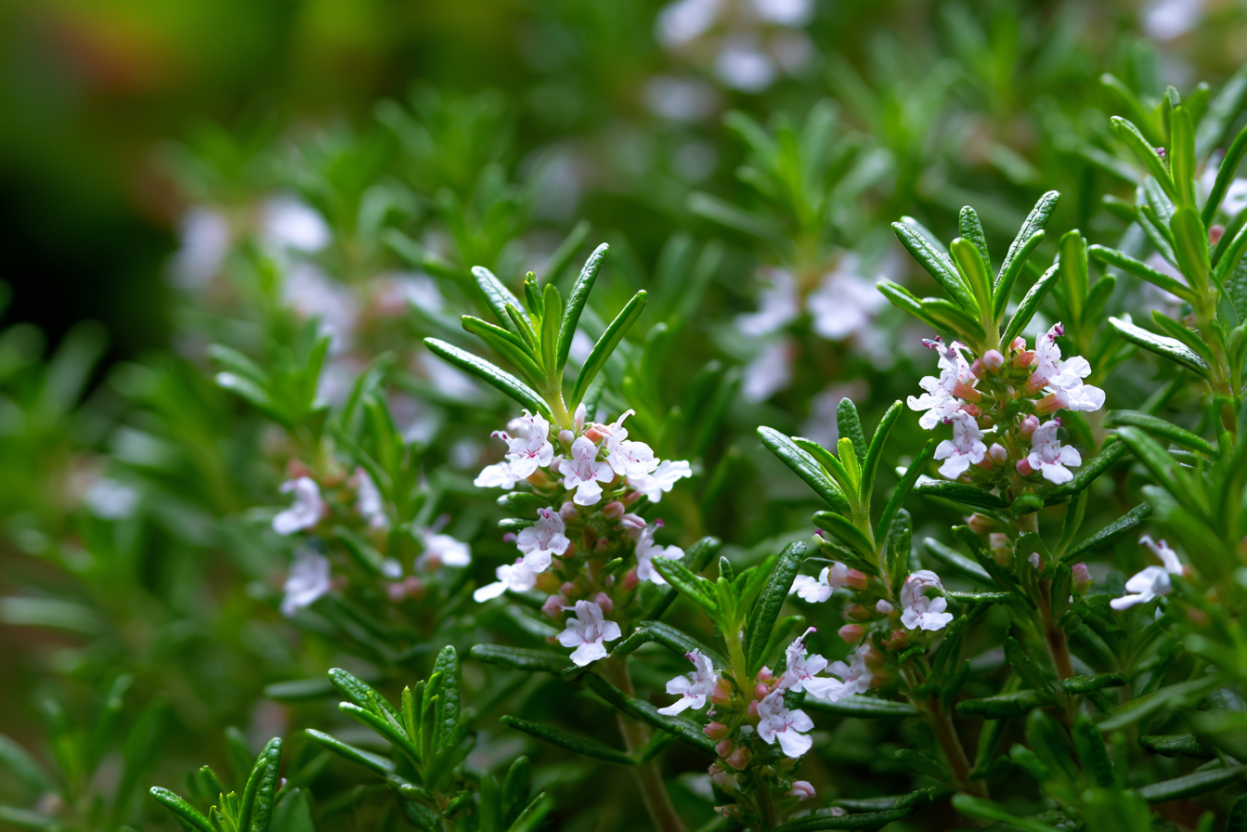
Savory (Satureja hortensis & Satureja montana)
If you have ever struggled with bloating, gas, or digestive discomfort after a meal, you are far from alone. Millions of people deal with these issues daily, often reaching for over-the-counter remedies without realizing that a simple herb — one that has been easing digestive complaints for over two thousand years — may already be growing in gardens around the world. Savory is one of the oldest culinary and medicinal herbs in recorded history, and modern research is only beginning to confirm what traditional healers observed centuries ago.
This remarkable plant is one of many gifts the Creator embedded into nature for our benefit. Like all of creation, savory reflects the wisdom of a Designer who provided for every human need — including the need for good digestion, calm nerves, and a body that can fight infection naturally.
The Plant
Common Names: Summer Savory, Winter Savory, Bean Herb, Garden Savory, Bohnenkraut (German), Sarriette (French), Ajedrea (Spanish), Kondari (Georgian), Chubritsa (Bulgarian)
Botanical Name: Satureja hortensis L. (Summer Savory), Satureja montana L. (Winter Savory)
Family: Lamiaceae (Mint family) — known for aromatic leaves, square stems, and a wealth of essential oil-producing members including thyme, rosemary, oregano, and mint.
Description
The genus Satureja contains approximately 200 species, but the two most widely cultivated and recognized are summer savory and winter savory. Summer savory (S. hortensis) is an annual herb that grows 30 to 60 cm (12 to 24 inches) tall, with a bushy, branching habit. Its leaves are slender, linear, and bronze-green in color — smooth to the touch with a slightly glossy surface. Small tubular flowers appear from July through September in the northern hemisphere, ranging from white to pale lilac or pink. The entire plant is highly aromatic, releasing a warm, peppery fragrance when touched.
Winter savory (S. montana) is a semi-evergreen perennial that grows as a small woody shrub up to 40 to 60 cm tall. It features stiffer, darker green lanceolate leaves and white to pale pink flowers. Its stems become woody at the base over time, and it forms a compact, mound-shaped growth habit. Winter savory is hardier than its summer cousin, tolerating cold temperatures and poor soils with resilience.
Both species share the characteristic square stems of the mint family and produce dense clusters of small, two-lipped flowers that are highly attractive to bees and other pollinators.
Origin
Savory is native to the Mediterranean region, southeastern Europe, the Middle East, and parts of Central Asia. Summer savory likely originated in the eastern Mediterranean and western Asian regions, while winter savory is more concentrated in southern Europe, particularly around the Balkan Peninsula, Italy, and southern France. Today, savory grows wild across much of southern and central Europe, and it is cultivated commercially in France, the former Yugoslavia, Albania, Spain, Germany, Canada, the United Kingdom, and the United States. In India, it is cultivated in the Kashmir region. France is recognized as the leading producer of commercial savory, with the former Yugoslav varieties considered a premier grade.
Brief History
Savory has been in human use for over 2,000 years. The ancient Romans were among the first to cultivate it extensively, using it as a seasoning before black pepper became widely available through trade routes. Roman writer Pliny the Elder gave the plant its Latin name Satureja, which some scholars connect to the word “satyr” — the mythological creatures associated with wild fields and forests where savory grew abundantly. During the reign of Julius Caesar, the Romans introduced savory to England, where it quickly became a prized kitchen and medicinal herb. The Saxons called it “savory” for its distinctively pungent, pleasant taste. In the 17th century, English botanist Nicholas Culpeper documented savory’s carminative (gas-expelling) properties, further establishing its medicinal reputation. The herb was first brought under formal cultivation in the 19th century; before that, it was primarily harvested from wild-growing populations.
Growing & Cultivation
Climate & Zones
Summer savory is an annual that can be grown in USDA Zones 1 through 11 — essentially anywhere with a growing season long enough to support 60 to 90 days of warm weather. Winter savory is a perennial hardy through Zones 5 through 11, capable of overwintering in moderate climates and returning each spring. Both species thrive in warm, Mediterranean-type conditions but are adaptable to a wide range of environments. In colder regions, winter savory can be grown in containers and brought indoors during freezing months. Both types are suitable for indoor growing on a sunny windowsill or under grow lights.
Soil Requirements
Savory prefers well-draining, sandy to loamy soil with a pH between 6.7 and 7.3 (neutral to slightly alkaline). It does not demand rich soil — in fact, savory grown in lean or somewhat poor soil often produces more concentrated essential oils and more intense flavor. Heavy clay soils should be amended with sand or perlite to improve drainage. For container growing, a standard potting mix combined with additional perlite works well. Savory is quite tolerant of rocky and chalky soils, making it well-suited to Mediterranean-style and rock gardens.
Water & Sunlight
Both species are drought tolerant once established and prefer moderate watering. Allow the soil to dry slightly between waterings. Overwatering — especially in heavy soils — can lead to root rot. Savory requires full sun, meaning at least 6 to 8 hours of direct sunlight per day. In extremely hot climates (Zones 9 through 11), some afternoon shade can be beneficial. Indoor plants need a south-facing window or supplemental grow light to produce the best growth and oil content.
Propagation
Seed: Summer savory is most commonly grown from seed. Sow seeds indoors 4 to 6 weeks before the last frost date, or direct sow after all danger of frost has passed. Seeds are tiny and should be sown on the surface or barely covered with 1/8 inch of soil, as they require light to germinate. Germination takes 10 to 15 days at temperatures between 60°F and 70°F (15°C to 21°C). Thin seedlings to 10 to 12 inches apart.
Cutting: Winter savory propagates well from softwood cuttings taken in late spring or early summer. Take 4 to 6 inch cuttings from new growth, remove the lower leaves, dip in rooting hormone, and place in moist perlite or a sandy soil mix. Roots typically develop within 3 to 4 weeks.
Division: Established winter savory plants can be divided in spring or fall by carefully separating root clumps and replanting immediately.
Planting
Space summer savory plants 10 to 12 inches apart in rows 18 inches apart. Winter savory needs slightly more room — 12 to 15 inches between plants. Both species make excellent companion plants for beans and other legumes, as savory has traditionally been planted alongside beans to improve their flavor and may help deter bean beetles. Savory also pairs well with onions, garlic, and other Mediterranean herbs. Avoid planting near cucumbers or other plants that prefer consistently moist conditions.
Harvesting
Summer savory can be harvested once plants reach 6 inches tall. The best time to harvest is just before or during early flowering, when essential oil content peaks. Harvest in the morning after dew has dried for the highest concentration of volatile oils. Cut the top 6 to 8 inches of stems. Regular harvesting encourages bushier growth and prolongs the productive season. Winter savory can be harvested year-round in mild climates, though the flavor is best during active growth in spring and summer.
Drying & Storage
Savory dries exceptionally well and retains its flavor for months. Air drying is the preferred method: tie small bundles of stems together and hang upside down in a warm, dark, well-ventilated area for 1 to 2 weeks. Alternatively, use a dehydrator set to 95°F to 105°F (35°C to 40°C). Once fully dry, strip the leaves from stems and store in airtight glass containers in a cool, dark location. Dried savory maintains its potency for up to 12 months. Fresh savory can also be frozen in ice cube trays with a small amount of water or olive oil.
Pest & Disease Management
Savory is notably resistant to most pests and diseases thanks to its high concentration of aromatic essential oils. Aphids may occasionally appear on new growth — a strong spray of water or neem oil solution will address them. Spider mites can be a problem in very dry indoor conditions; increasing humidity and using insecticidal soap will help. Root rot from overwatering is the most common disease concern. Good drainage and proper spacing for air circulation are the best preventive measures. Savory’s aromatic oils actually repel many garden pests, making it a valuable companion plant for pest management.
Companion Planting
Savory has a long history as a companion plant for beans — this pairing is so well-known in German-speaking countries that savory earned the name “Bohnenkraut” (bean herb). Savory is believed to improve bean flavor and may deter bean weevils and aphids. It also grows well alongside tomatoes, onions, garlic, and other Mediterranean herbs like rosemary and thyme. Avoid planting near fennel, which can inhibit the growth of many herbs.
The Healing of Growing
Growing savory offers benefits beyond the harvest itself. The act of gardening — hands in soil, bare feet on earth, time spent outdoors — has been shown to reduce cortisol, improve mood, and support immune function. The soil contains beneficial bacteria (Mycobacterium vaccae) with documented antidepressant effects. When you grow your own savory, you receive healing before you ever consume it. The simple rhythm of tending plants, watching them grow, and harvesting what you need connects you to the natural cycle that the Creator designed for human flourishing.
Nutritional Profile
Macronutrients
Per 100 grams of dried, ground savory (USDA FoodData Central):
Calories: 272 kcal. Protein: 6.73 g. Total Carbohydrates: 68.73 g. Dietary Fiber: 45.7 g (an extraordinarily high fiber content). Sugars: minimal. Total Fat: 5.91 g, with saturated fat at approximately 3.26 g, monounsaturated fat at 0.87 g, and polyunsaturated fat at 0.78 g. While these numbers per 100 grams appear high, remember that savory is used as a seasoning — a typical serving is 1 to 2 teaspoons (roughly 2 to 4 grams), making the caloric contribution negligible while still delivering concentrated nutrients.
Vitamins
Vitamin A: 5,310 IU (177% DV) — Supports vision, immune function, skin health, and cellular communication. Vitamin A also serves as a powerful antioxidant that helps protect cells from free radical damage.
Vitamin C: 50 mg (83% DV) — Supports immune function, collagen production, and acts as a powerful antioxidant that protects cells from oxidative damage. Essential for wound healing and iron absorption.
Vitamin B6 (Pyridoxine): 1.81 mg (130% DV) — Plays a critical role in maintaining healthy levels of GABA, a calming neurotransmitter in the brain. Also supports serotonin and dopamine production, protein metabolism, and red blood cell formation.
Niacin (Vitamin B3): 4.08 mg (25% DV) — Supports energy metabolism, DNA repair, and nervous system function. Plays a role in maintaining healthy cholesterol levels.
Thiamine (Vitamin B1): 0.37 mg (25% DV) — Essential for converting nutrients into energy and for proper nerve function. Supports brain health and mental clarity.
Riboflavin (Vitamin B2): 0.33 mg (19% DV) — Required for energy production at the cellular level and for maintaining healthy skin, eyes, and nerve function.
Minerals
Iron: 37.88 mg (474% DV) — Essential for the formation of red blood cells and the transport of oxygen throughout the body. Iron also supports energy metabolism and immune function. Savory is one of the most iron-dense herbs available.
Manganese: 6.1 mg (265% DV) — Serves as a cofactor for the antioxidant enzyme superoxide dismutase (SOD), one of the body’s primary defenses against oxidative stress. Also supports bone health and metabolism.
Calcium: 2,132 mg (210% DV) — Vital for bone and tooth health, muscle contraction, nerve signaling, and blood clotting. While a single serving of savory provides only a fraction of this, the concentration is remarkable among herbs.
Magnesium: 377 mg (94% DV) — Essential for over 300 enzymatic reactions in the body, including muscle and nerve function, blood sugar regulation, blood pressure control, and bone health. Magnesium also supports the production of GABA and helps regulate cortisol.
Potassium: 1,051 mg (30% DV) — A critical electrolyte that helps regulate heart rhythm, blood pressure, and fluid balance. Supports muscle contraction and nerve function.
Phosphorus: 140 mg (14% DV) — Works alongside calcium for bone and teeth formation. Also involved in energy production and cell membrane integrity.
Zinc: 4.3 mg (29% DV) — Supports immune function, wound healing, protein synthesis, and DNA formation. Essential for taste and smell perception.
Selenium: 4.6 mcg (7% DV) — Plays an important role in thyroid hormone metabolism, DNA synthesis, and protection from oxidative damage.
Phytonutrients & Active Compounds
Savory’s true therapeutic power lies in its rich array of bioactive plant compounds. Rosmarinic acid is the dominant polyphenolic compound in savory, known for its potent antioxidant, anti-inflammatory, and immunostimulating properties. Carvacrol, the primary monoterpene phenol in savory essential oil (ranging from 1% to 63% depending on variety and growing conditions), has been extensively studied for its antimicrobial, anti-inflammatory, and antioxidant effects. Thymol, structurally similar to carvacrol, provides antiseptic and antifungal properties. γ-Terpinene and p-cymene are additional monoterpene hydrocarbons that contribute to both the aroma and the therapeutic effects. Savory also contains flavonoids including apigenin, luteolin, hesperidin, and naringin, as well as tannins, ursolic acid, and oleanolic acid.
Nutrient Notes
The concentration of minerals in dried savory is exceptional compared to most herbs. Iron bioavailability from plant sources is generally lower than from animal sources, but the significant vitamin C content in savory can enhance non-heme iron absorption when consumed together. The high magnesium content is notable because magnesium deficiency is common in modern diets and is associated with anxiety, poor sleep, and muscle cramps — conditions savory has traditionally been used to support. The B6 content is particularly important because pyridoxine is directly involved in the production of GABA, the brain’s primary calming neurotransmitter, and serotonin, which supports mood and sleep.
Culinary Uses
Edible Parts
Leaves are the primary edible part, used both fresh and dried. They carry the full flavor and aroma of the plant. Tender stems can be used in cooking, especially when bundled into bouquets garnis. Flowers are edible and make attractive, mildly flavored garnishes. Seeds are small but can be used as a spice. All edible parts are safe for consumption in culinary quantities.
Flavor Profile
Summer savory has a warm, peppery, slightly sweet flavor with notes of thyme, mint, and marjoram. It was used as a pepper substitute before black pepper became widely available in Europe. The flavor is moderately strong when fresh and concentrates when dried. Winter savory is bolder, more pungent, and slightly more bitter — better suited to long-cooked dishes. Fresh savory has a brighter, more herbaceous quality, while dried savory develops deeper, earthier notes. When cooked, the peppery edge mellows and the herbal warmth becomes more rounded.
Preparation
Savory can be used raw in salads, chopped over fresh vegetables, or stirred into dressings and dips. For cooked dishes, add fresh savory toward the end of cooking to preserve its aromatic qualities. Dried savory can be added earlier, as it releases flavor more slowly. The herb infuses beautifully into oils, vinegars, and butter. Savory is one of the traditional herbs in herbes de Provence (alongside rosemary, thyme, and oregano) and is often included in bouquets garnis and fines herbes mixtures.
Culinary Pairings
Savory pairs exceptionally well with beans and legumes of all types — this is its most famous culinary partnership. It complements poultry, pork, lamb, and egg dishes beautifully. The herb enhances root vegetables, mushrooms, and tomato-based sauces. It works well with complementary herbs like thyme, rosemary, marjoram, and parsley. Olive oil and butter are ideal fat pairings. Lemon juice and vinegar enhance savory’s brightness. In German cuisine, savory is used with green beans, sausages, and potato dishes. In Bulgarian and Georgian cuisine, ground dried savory (chubritsa and kondari) is a fundamental table spice used as commonly as salt and pepper.
Storage
Fresh savory can be stored in the refrigerator wrapped in a damp paper towel inside a plastic bag for up to one week, or placed upright in a glass of water covered loosely with a plastic bag. Dried savory should be stored in an airtight glass container in a cool, dark place, where it will maintain its potency for up to 12 months. Fresh leaves can be frozen — either whole in freezer bags or chopped and suspended in olive oil in ice cube trays for convenient cooking portions.
Ready to cook with savory? View Recipes on Chefts →
Wellness & Therapeutic Uses
Traditional Uses
Savory has been used as a medicinal herb for over two millennia across multiple cultures. In ancient Rome, Pliny the Elder recommended savory for digestive complaints and as an appetite stimulant. Greek physicians including Dioscorides documented its use for stomach disorders and as a warming tonic. In traditional Iranian medicine, savory has been used extensively for treating stomach and intestinal disorders including indigestion, cramps, nausea, and diarrhea. European folk medicine traditions employed savory teas for sore throats, coughs, and respiratory congestion. In Germany and Austria, savory was specifically paired with beans not only for flavor but because it was believed to prevent the flatulence associated with legume consumption — a traditional use that modern research on its carminative properties supports. In the Georgian Caucasus region, ground savory (kondari) has been a fundamental spice and folk remedy for centuries. Traditional European herbalists, including Nicholas Culpeper in the 17th century, noted savory’s “wind-expelling” and warming properties, recommending it for colic and digestive discomfort.
Modern Research
Antispasmodic and Anti-Diarrheal Activity: A study published in the Journal of Ethnopharmacology demonstrated that summer savory essential oil exhibited significant antispasmodic effects on isolated rat ileum, relaxing intestinal smooth muscle in a manner similar to the pharmaceutical drug dicyclomine. The oil also inhibited castor oil-induced diarrhea in mice at a dose of 0.1 ml/100g. Researchers concluded that savory essential oil may have clinical benefits for conditions involving intestinal contractile overactivity, such as colic (Hajhashemi et al., 2000, Iran — animal study).
Antioxidant and Cell-Protective Effects: Research published in Oxidative Medicine and Cellular Longevity (2013) demonstrated that rosmarinic acid-rich extracts of summer savory significantly protected human Jurkat T cells against oxidative stress induced by hydrogen peroxide. The aqueous extract doubled the activity of catalase and superoxide dismutase — two of the body’s primary antioxidant enzymes. LC-MS analysis confirmed the presence of rosmarinic acid and flavonoids including hesperidin and naringin in the protective phenolic fraction (Chkhikvishvili et al., 2013, Israel/Georgia — in vitro cell study).
Antimicrobial Properties: Multiple studies have demonstrated savory’s significant antimicrobial activity. Research published in the Journal of Agricultural and Food Chemistry showed that essential oil and methanol extracts of S. hortensis exhibited strong antibacterial, antifungal, and antioxidant activity in vitro (Güllüce et al., 2003, Turkey — in vitro study). The antimicrobial effects are primarily attributed to carvacrol and thymol, which have been shown effective against foodborne pathogens including E. coli, Staphylococcus aureus, Salmonella, and Candida albicans.
Anti-Inflammatory Activity: Studies have demonstrated that summer savory powder and its polyphenolic fraction (particularly rosmarinic acid) exhibit anti-inflammatory characteristics comparable to pharmaceutical agents such as prednisolone and indomethacin in animal models. The anti-inflammatory and anti-allergic activity has been linked to rosmarinic acid’s ability to inhibit pro-inflammatory cytokines including TNF-alpha and IL-6, as well as to scavenge reactive oxygen species (Hajhashemi et al., 2002; Uslu et al., 2003, Iran — animal studies).
Anti-Platelet Activity: Research has demonstrated that methanol extract of S. hortensis has an inhibitory effect on blood platelet adhesion, aggregation, and secretion. This activity has been attributed to carvacrol, monoterpene hydrocarbons, flavonoids like apigenin, and phenolic acids like labiatic acid. This property may support its traditional use in cardiovascular and circulatory wellness (Babajafari et al., 2015, Iran — in vitro study).
Antidiabetic Potential: Studies on Satureja species have demonstrated blood sugar-lowering and lipid-modifying effects. A double-blind randomized controlled trial examining a related species (S. khuzestanica) found that the essential oil improved serum glucose, lipid profiles, and markers of oxidative stress in patients with type 2 diabetes (Vosough-Ghanbari et al., 2010, Iran — human clinical trial, small study). Traditional European use of savory tea for managing excessive thirst in diabetic patients may have pharmacological basis.
Body Systems Supported
Digestive system: Savory’s strongest traditional and research-backed application. May support healthy digestion, help ease gas and bloating, support healthy intestinal motility, and promote appetite. Its antispasmodic effects may help soothe cramping.
Immune system: The potent antimicrobial, antifungal, and antioxidant properties of savory’s bioactive compounds may support the body’s natural defenses against infection.
Nervous system: The high vitamin B6 content supports GABA production. Traditional use as a calming herb suggests nervine properties. Carvacrol has demonstrated sedative effects in some animal studies.
Cardiovascular system: Anti-platelet and anti-inflammatory properties may support circulatory health. The potassium content supports healthy blood pressure.
Respiratory system: Traditional use for sore throats, coughs, and congestion. Expectorant and antiseptic properties may support respiratory health.
Musculoskeletal system: Traditional use for muscle pain. Anti-inflammatory and analgesic properties of Satureja species have been documented in animal studies.
Integumentary system (skin): Antimicrobial and antioxidant properties support wound healing and skin health when applied topically.
Endocrine system: Potential blood sugar support. Reproductive stimulatory effects observed in animal studies with Satureja species essential oils.
Body Compounds Affected
Research and traditional use suggest savory may influence several important body compounds. GABA: Savory’s exceptional vitamin B6 content directly supports the production of GABA, the brain’s primary inhibitory (calming) neurotransmitter. Serotonin: B6 is also a cofactor in serotonin synthesis, suggesting potential mood and sleep support. Cortisol: The magnesium content may help regulate cortisol levels, and the calming traditional uses suggest an adaptogenic or nervine quality. Inflammatory markers: Rosmarinic acid has been shown to reduce pro-inflammatory cytokines including TNF-alpha and IL-6, and to modulate prostaglandin production. Nitric oxide: Carvacrol has demonstrated vasodilatory effects that may be mediated through nitric oxide pathways. Acetylcholine: Some Satureja species have shown acetylcholinesterase inhibitory activity, which may be relevant to cognitive support.
Methods of Use
Tea/Infusion
Use 1 to 2 teaspoons of dried savory leaves (or 1 tablespoon fresh) per 8 ounces of hot water. Steep for 10 to 15 minutes, covered. Strain and drink. May be consumed 2 to 3 times daily. Best taken after meals for digestive support, or before bed for calming effects. Add honey and lemon if desired.
Tincture
Savory tincture is prepared by macerating dried or fresh herb in alcohol (typically 40% to 60% ethanol) for 4 to 6 weeks. Typical dosage ranges from 1 to 3 ml (20 to 60 drops), taken 2 to 3 times daily in water or juice. Tinctures concentrate the bioactive compounds and have a longer shelf life than dried herb.
Culinary Consumption
Regular use of savory as a culinary seasoning provides low-level, consistent intake of its beneficial compounds. This is the gentlest and most accessible way to incorporate savory into a wellness routine. Using savory with bean dishes provides digestive support exactly when it is most needed.
Steam Inhalation
For respiratory support, add a handful of fresh or dried savory to a bowl of steaming water. Tent a towel over the head and bowl, and breathe deeply for 5 to 10 minutes. The volatile oils may help support clear airways and soothe irritated mucous membranes.
Cosmetic & Beauty Uses
Skin Benefits
Savory offers several properties that may benefit the skin. Its potent antioxidant profile — led by rosmarinic acid, carvacrol, and flavonoids — may help protect skin cells from oxidative stress and environmental damage. The antimicrobial properties of carvacrol and thymol make savory a traditional choice for supporting clear skin and addressing minor skin concerns. Anti-inflammatory compounds including rosmarinic acid may help soothe irritated or inflamed skin. Savory is best suited for oily and combination skin types due to its astringent properties, and may be beneficial for those with acne-prone skin because of its antibacterial action. For mature skin, the antioxidant content may help support skin’s natural defense against premature aging.
Hair Benefits
Savory tea used as a hair rinse has been a traditional practice in Mediterranean cultures. The antimicrobial properties may support a healthy scalp environment, potentially helping with dandruff and itchy scalp. The astringent quality can help balance scalp oil production. Rosmarinic acid’s antioxidant properties may help protect hair follicles from oxidative stress, and the herb’s circulation-supporting properties may promote a healthy scalp environment conducive to normal hair growth.
Application Methods
Infused oil: Combine dried savory with a carrier oil such as jojoba, sweet almond, or olive oil in a 1:5 ratio. Allow to infuse in a warm, dark place for 4 to 6 weeks, shaking daily. Strain and use as a facial or body oil. This is the gentlest topical method.
Toner: Brew a strong savory tea (double strength), cool completely, and use as a facial toner with a cotton pad. Store in the refrigerator for up to 5 days.
Face mask: Combine ground dried savory with honey and plain yogurt for a soothing, antimicrobial mask. Apply for 15 minutes and rinse with warm water.
Bath addition: Add a strong savory tea (1 quart) or a muslin bag filled with dried savory to your bath for full-body skin benefits and aromatherapy combined.
DIY Formulation Notes
When incorporating savory into homemade products, use dried herb infusions at a concentration of 5% to 15% of the total formulation. Savory pairs well with carrier oils like jojoba (for oily skin), sweet almond (for normal skin), and rosehip (for mature skin). Avoid combining savory essential oil with other “hot” essential oils like cinnamon or clove to prevent skin irritation. Always perform a patch test before using any new topical preparation. Homemade savory-infused products should be used within 2 weeks if water-based (refrigerated) or within 3 to 6 months if oil-based.
Savory is among the botanicals being explored for holistic cosmetic applications, where the wisdom of traditional beauty practices meets modern understanding of skin science.
Essential Oil Profile
Extraction
Savory essential oil is obtained primarily through steam distillation of the aerial parts (leaves and flowering tops) of both summer and winter savory. The oil yield ranges from approximately 0.5% to 2.5% of plant material weight, meaning it takes roughly 100 to 200 pounds of plant material to produce a single pound of essential oil. This relatively low yield contributes to the oil’s moderate price point. CO2 extraction methods are also used to produce higher-quality extracts that more closely match the plant’s natural chemical profile.
Chemical Constituents
Summer savory essential oil is characterized by carvacrol (42% to 63% in cultivated forms) as the dominant compound, followed by γ-terpinene (18% to 41%), p-cymene (5% to 9%), and smaller amounts of thymol, α-terpinene, β-caryophyllene, and β-bisabolene. In wild forms of summer savory, thymol (29% to 43%) may be the primary constituent instead of carvacrol, depending on growing conditions and chemotype. Winter savory oil is similar in composition, with carvacrol often being the major compound (5% to 84%, depending on location) along with thymol, linalool, and p-cymene.
Carvacrol (monoterpenoid phenol): The primary active compound responsible for savory oil’s antimicrobial, antioxidant, anti-inflammatory, and antifungal properties.
Thymol (monoterpenoid phenol): Provides antiseptic, antifungal, and preservative properties. Structurally very similar to carvacrol.
γ-Terpinene (monoterpene hydrocarbon): Contributes to the antioxidant activity of the oil and serves as a biosynthetic precursor to carvacrol.
p-Cymene (monoterpene hydrocarbon): Supports anti-inflammatory and analgesic effects. Also contributes to the characteristic warm aroma.
β-Caryophyllene (sesquiterpene): A dietary cannabinoid that may interact with CB2 receptors in the endocannabinoid system, supporting anti-inflammatory effects.
Aroma Profile
Savory essential oil is classified as a middle note in aromatherapy blending. It has a warm, sharp, herbaceous, and spicy scent with distinct peppery undertones. The aroma is reminiscent of thyme and oregano but with its own distinctive warmth. Intensity is moderate to strong. As the scent evolves, the sharp top notes soften into a warmer, more mellow herbaceous finish. It blends well with lavender, rosemary, thyme, pine, eucalyptus, bergamot, and citrus oils.
Therapeutic Properties
Research suggests savory essential oil may have the following properties: antimicrobial, antifungal, antioxidant, anti-inflammatory, antispasmodic, analgesic (pain-relieving), carminative (gas-relieving), expectorant, and immunostimulating. These properties have been documented across multiple studies using in vitro, animal, and limited human research models.
How to Use
Diffusion
Add 3 to 5 drops to an ultrasonic diffuser. Diffuse for 30 to 60 minutes at a time. Savory oil’s warm, herbaceous scent may support mental clarity and a sense of well-being. It may also help purify the air due to its antimicrobial properties. Because savory oil is potent, use fewer drops than you might with gentler oils like lavender.
Topical Application
Savory essential oil is a “hot” oil and must always be diluted before skin application. Standard adult dilution: 1% to 2% (6 to 12 drops per ounce of carrier oil). Sensitive skin: 0.5% to 1% (3 to 6 drops per ounce). Children over 6: 0.5% (3 drops per ounce). Avoid use on children under 6 without professional guidance. Suitable carrier oils include jojoba, sweet almond, fractionated coconut, and olive oil. Apply diluted oil to the soles of feet, chest (for respiratory support), or abdomen (for digestive support).
Quality & Sourcing
When purchasing savory essential oil, look for oils that include the botanical name (Satureja hortensis or Satureja montana) on the label, have been GC/MS tested with results available, specify the country of origin, and are sold in dark amber or cobalt glass bottles. France, Turkey, and the Balkan region produce some of the highest-quality savory oils. Be cautious of oils that seem unusually inexpensive, as adulteration with synthetic carvacrol or inferior grade oils is possible. A reputable supplier will provide batch-specific test reports upon request.
Blending
Savory oil blends harmoniously with lavender (which also softens its intensity), rosemary, thyme, eucalyptus, tea tree, lemon, bergamot, and pine. For a warming, immune-supportive blend, combine 2 drops savory with 3 drops lemon and 2 drops rosemary. For digestive support, blend 2 drops savory with 3 drops ginger and 2 drops peppermint in a carrier oil for abdominal massage. For respiratory support, blend 2 drops savory with 3 drops eucalyptus and 2 drops pine in a diffuser.
Aromatherapy & Scent
The Aroma
Fresh savory releases a warm, peppery, and distinctly herbaceous fragrance when its leaves are rubbed or brushed against. The scent is reminiscent of thyme but spicier and slightly more complex, with faint minty and camphoraceous undertones. The aroma is strongest during the heat of a sunny afternoon when the volatile oils are most actively released, and becomes especially pronounced when the leaves are crushed between the fingers during harvesting or food preparation. In the garden, simply walking past savory on a warm day releases a gentle cloud of its characteristic fragrance.
When dried, savory’s scent becomes more concentrated, warmer, and earthier. The fresh brightness diminishes somewhat, replaced by a deeper, more rounded herbal quality. The peppery notes remain prominent. Well-dried savory retains its scent for 6 to 12 months when stored properly in airtight containers away from heat and light.
How Scent Affects Your Body
When you inhale the aroma of savory, volatile molecules released by the plant enter the nasal passages and bind to olfactory receptors. These receptors send signals directly to the limbic system — the brain’s emotional center — and the hypothalamus, which controls hormonal responses. This pathway is unique because it bypasses the conscious, analytical brain. Your body begins responding to the scent before you even decide what you think about it. This is why certain aromas can instantly shift your mood, trigger memories, or change your physical state. The response occurs within seconds of inhalation.
Emotional & Mood Effects
The warm, spicy aroma of savory is generally associated with grounding and centering effects. It may help promote a sense of warmth and comfort, support mental clarity and focus, and ease feelings of fatigue. The herbaceous quality connects the mind to nature, while the peppery warmth may help stimulate alertness without overstimulation. Savory’s aroma is considered mildly energizing and uplifting, making it a good choice for morning or midday use when you need both clarity and calm.
Body Compounds Affected
While specific research on savory’s aroma effects on neurotransmitters is limited, related research on its constituent compounds provides insight. Carvacrol, the dominant aromatic compound in savory, has demonstrated anxiolytic (anti-anxiety) effects in animal studies, suggesting potential influence on GABA pathways. Aromatic herbs in the Lamiaceae family broadly have been associated with cortisol reduction, serotonin modulation, and improved GABA activity when their scents are inhaled. The warm, spicy quality of savory’s aroma may also stimulate circulation and promote the release of endorphins associated with warmth and comfort.
Ways to Experience the Scent
Beyond essential oil diffusion, there are many ways to benefit from savory’s aroma. Grow a pot of savory on your kitchen windowsill and brush the leaves gently when you walk past. Place fresh cuttings in a small vase near your workspace. Crush a few leaves between your fingers while gardening for an immediate aromatic boost. Create dried sachets by filling small muslin bags with dried savory for dresser drawers or under your pillow. Simmer dried savory on the stove with water, cinnamon, and citrus peel to scent your home naturally. Add fresh or dried savory to a hot bath and breathe in the herbal steam. Include savory in an herbal steam inhalation for both aromatic and respiratory benefits.
Color Therapy
The Colors of Savory
Savory presents predominantly in the green spectrum, with bronze-green to dark green leaves that darken as the plant matures. The flowers are delicate, ranging from white to pale lilac and soft pink depending on the species. Winter savory tends toward slightly darker green foliage with white to pale pink flowers. New growth is lighter, more yellow-green, while mature leaves deepen to a rich, dark green. In autumn, summer savory may take on bronze tones before completing its annual cycle.
Color Wavelengths
The dominant green color of savory’s foliage falls within the 495 to 570 nm wavelength range. The lilac and pink flower tones span approximately 380 to 450 nm (violet range) and red-influenced pink wavelengths. White flowers reflect the full visible spectrum.
How Green Affects the Body
Green is the most abundant color in nature, and color therapy recognizes it as deeply balancing, calming, and heart-centered. Green wavelengths are associated with a sense of equilibrium, renewal, and connection to the natural world. Exposure to green has been associated with reduced blood pressure, lowered heart rate, and decreased muscle tension. The heart chakra in traditional energy systems corresponds to green — appropriate for a plant that has been valued for its comforting, nourishing qualities throughout human history. The lilac and pink tones of savory’s flowers add elements of gentle spiritual calm (violet) and nurturing warmth (pink) to the plant’s overall color-therapy profile.
Body Compounds Affected
Research in chromotherapy and environmental psychology suggests that exposure to green environments may lower cortisol levels, support parasympathetic nervous system activity (rest-and-digest mode), and promote feelings of safety and restoration. The calming influence of green may support GABA activity and modulate serotonin, contributing to improved mood and reduced anxiety.
Using Savory for Color Therapy
Place savory plants in living spaces, workspaces, or kitchens where you spend significant time to benefit from the calming green color. A windowsill herb garden that includes savory provides daily visual exposure to healing green wavelengths. When savory flowers, the lilac and pink blooms add complementary healing colors. Eating savory as a fresh, green garnish allows you to literally consume the color’s wavelength alongside the herb’s bioactive compounds — “eating the rainbow” in practice.
Frequency & Vibration
The Frequency of Savory
While specific MHz frequency measurements for savory essential oil are not as widely documented as those for some other oils like rose or lavender, savory belongs to the Lamiaceae family whose essential oils are generally associated with moderate to high frequency ranges. Based on bio-frequency research pioneered by Bruce Tainio, essential oils from aromatic herbs in this family typically fall in the range of 46 to 75 MHz. For context, a healthy human body is believed to vibrate between 62 and 78 MHz, with cold and flu symptoms emerging around 58 MHz and disease developing below that threshold.
Human Frequency Interaction
According to proponents of vibrational medicine, being around high-frequency plants — and especially using their concentrated essential oils — may help support and elevate the body’s own frequency. The principle of entrainment suggests that when a stronger, consistent frequency is introduced near a weaker or fluctuating one, the weaker frequency tends to synchronize with the stronger. Frequency measurements suggest that living plants and their essential oils may serve as natural frequency supporters, helping the body maintain its optimal energetic range. Being around savory in the garden, diffusing its oil, or consuming the herb in food may all contribute to this interaction at a subtle level.
Essential Oil Frequency
The essential oil of savory, with its high concentration of carvacrol and other monoterpene phenols, is believed to carry a frequency consistent with its potent antimicrobial and protective properties. According to bio-frequency research, oils with strong antimicrobial properties tend to vibrate in ranges that are inhospitable to pathogens, which vibrate at lower frequencies. This may help explain why savory oil has been traditionally used to purify and protect — it brings a frequency that supports health and vitality.
Vibrational Applications
To use savory for frequency support, consider diffusing the essential oil in living or working spaces to create a high-frequency environment. Grow living savory plants in areas where you spend the most time. Consume savory tea or use savory in cooking regularly to introduce the plant’s molecular frequency internally. Combine savory with other high-frequency practices such as prayer, meditation, time in nature, and gratitude to create a synergistic elevation of personal frequency. It is important to note that frequency measurement of plants and essential oils is an area where research is still emerging, and statements about specific frequencies should be understood within that context.
The Living Plant
Benefits of Presence
Simply being around a living savory plant offers benefits that extend beyond any consumption or extraction. Research in biophilic design and environmental psychology consistently demonstrates that having living plants in your environment reduces stress, improves mood, enhances cognitive function, and promotes a sense of well-being. Savory, with its attractive green foliage and pleasant scent, provides these benefits while also offering the practical advantage of being a culinary herb always ready for harvest.
Air Purification
While savory has not been specifically studied in the NASA Clean Air Study, aromatic herbs in the Lamiaceae family are known to release volatile organic compounds with antimicrobial properties that may help purify indoor air. Living savory plants contribute oxygen to their environment through photosynthesis during daylight hours and release pleasant, potentially air-purifying phytoncides. As a relatively compact plant, savory is well-suited to indoor growing in kitchen windows, herb gardens, or small containers — placing it exactly where air quality benefits are most needed.
Phytoncides
Savory is known to release phytoncides — antimicrobial volatile organic compounds that plants emit to protect themselves from pathogens. These same compounds, when inhaled by humans, have been associated with increased natural killer (NK) cell activity, reduced cortisol levels, and enhanced immune function. Forest bathing (shinrin-yoku) research from Japan has documented these effects extensively. Having aromatic herbs like savory in your home creates a miniature version of this effect. The carvacrol and thymol released by living savory plants may provide continuous, low-level antimicrobial benefit to the air in your living spaces.
Visual & Psychological Benefits
Research has consistently demonstrated that viewing plants reduces psychological stress. A landmark study by Roger Ulrich showed that hospital patients with views of nature recovered faster from surgery. Indoor plants have been shown to improve workplace productivity by 15%, reduce tension and anxiety, improve attention span and concentration, and promote a sense of nurturing and connection. Savory’s fine-textured, graceful foliage and delicate flowers provide visual complexity that engages the attention restoration process — your mind can rest and recharge by softly focusing on the living plant.
Growing Indoors vs Outdoors
Savory thrives both indoors and outdoors, making it accessible to almost anyone. For indoor growing, place in a south-facing window with at least 6 hours of direct light, or supplement with a grow light. Use well-draining potting mix in a container with drainage holes. Water when the top inch of soil is dry. Indoor savory can be harvested year-round, providing both culinary and presence benefits continuously. Outdoors, savory performs beautifully in herb gardens, border plantings, containers, and raised beds. In either setting, having savory plants you tend personally deepens the therapeutic connection between you and the natural world.
Touch & Physical Interaction
Gardening Therapy
Horticultural therapy — the use of gardening activities for therapeutic benefit — is an established practice supported by extensive research. Working with savory offers all the benefits of garden therapy in a plant that is forgiving, easy to grow, and rewarding to harvest. The act of sowing tiny savory seeds, thinning seedlings, pinching back growth, and harvesting leaves provides purposeful, repetitive activity that calms the mind and engages the body in gentle physical work. The immediate sensory reward of rubbing savory’s aromatic leaves is a built-in mindfulness prompt that brings you fully into the present moment.
Soil Contact Benefits
When you garden savory directly in the ground — especially barefoot or with bare hands — you engage in grounding (earthing). Direct contact with the earth allows for the transfer of free electrons from the ground into the body, which research suggests may reduce inflammation, improve sleep, normalize cortisol patterns, and reduce pain. Additionally, the soil itself contains beneficial microorganisms, notably Mycobacterium vaccae, a soil bacterium that has been shown in research to stimulate serotonin production and have antidepressant-like effects. Exposure to this bacterium through routine gardening contact may support mood and immune health.
The Tactile Experience
Touching savory is a multi-sensory experience. Summer savory has soft, slightly hairy leaves that feel delicate between the fingers. The slender stems are flexible when young and slightly woody as they mature. When you pinch a leaf or rub the foliage, the essential oils release immediately, coating your fingers with a warm, spicy fragrance that lingers. Winter savory feels stiffer and more leathery, with smaller, harder leaves and woody stems — a more textured tactile experience. Harvesting savory involves gentle grasping and snipping movements that engage fine motor skills and provide satisfying sensory feedback. The flowers are tiny, soft, and almost papery to the touch.
Harvesting & Processing
The act of harvesting savory — snipping stems in the morning sun, gathering bundles, bringing them inside to dry — carries a meditative quality. Stripping dried leaves from stems is a repetitive, rhythmic activity that naturally calms the nervous system in the same way that knitting, beading, or other repetitive handwork does. Bundling stems for drying, tying them with twine, hanging them in a warm room — these small acts connect you to generations of herbalists who performed the same rituals. Grinding dried savory in a mortar and pestle releases a burst of aroma that is both therapeutic in itself and deeply satisfying as an accomplishment. The entire process, from seed to seasoning, provides a tangible connection to the rhythms of nature and the provision of the Creator.
Water-Based Applications
Teas & Infusions
Savory tea is the most traditional and widely accessible water-based preparation. Use 1 to 2 teaspoons of dried savory (or 1 tablespoon fresh) per 8 ounces (240 ml) of water. Bring water to a full boil (212°F / 100°C), pour over the herb, cover to retain volatile oils, and steep for 10 to 15 minutes. Strain through a fine mesh strainer. For a stronger infusion intended for therapeutic use, increase the herb amount to 1 tablespoon dried per cup and steep for 20 to 30 minutes. Savory tea can be consumed warm or cooled and served over ice. The flavor is warm, peppery, and herbal. Two to three cups daily is a common traditional recommendation.
Herbal Baths
Savory makes an excellent bath herb. Prepare a strong infusion using 1/4 to 1/2 cup of dried savory in a quart of boiling water, steep for 30 minutes, strain, and add to a warm bath. Alternatively, place dried savory in a muslin bag or large tea infuser and hang it under the running bathwater. Soak for 20 to 30 minutes. Savory baths may help soothe muscle aches, support skin health through antimicrobial action, and provide combined aromatherapy benefits as the warm water releases the volatile oils. Water temperature between 95°F and 100°F (35°C to 38°C) is ideal. A savory foot bath is an excellent alternative — use a smaller amount of herb (2 tablespoons) in a basin of warm water and soak feet for 15 to 20 minutes.
Hydrosols
Savory hydrosol (the water portion collected during steam distillation of the essential oil) is a gentler alternative to the essential oil for topical and aromatic applications. While not as widely available commercially as lavender or rose hydrosol, savory hydrosol can be found through specialty suppliers. It contains trace amounts of the essential oil’s water-soluble compounds and has a softer, more subtle fragrance. Savory hydrosol can be used as a facial toner, room spray, or added to bath water. It is gentle enough for most skin types and does not require dilution like the essential oil.
Compresses
A warm savory compress can be applied to areas of muscle tension, digestive discomfort, or localized pain. Prepare a strong savory tea, soak a clean cloth in the warm liquid, wring out the excess, and apply to the affected area for 15 to 20 minutes. Repeat as needed. A cold compress (using chilled savory tea) may be used on minor burns, insect bites, or inflamed skin to take advantage of the herb’s anti-inflammatory and antimicrobial properties.
Steam Inhalation
Add a generous handful of fresh savory (or 2 tablespoons dried) to a large bowl and pour boiling water over it. Drape a towel over your head and the bowl, creating a tent, and breathe deeply through your nose for 5 to 10 minutes. This method delivers the volatile antimicrobial and expectorant compounds directly to the respiratory passages. It may be helpful during times of seasonal respiratory challenges, congestion, or sore throat. Use caution with the hot water, and keep eyes closed to avoid irritation from the volatile oils.
Hair Rinses
A savory hair rinse is prepared by brewing a strong tea (2 tablespoons dried savory per quart of water, steeped 30 minutes, strained, and cooled). After shampooing, pour the cooled tea over hair and scalp as a final rinse. Do not rinse out — allow it to remain. This can be done 2 to 3 times per week. The antimicrobial properties may help support a healthy scalp, the astringent quality can help balance oil production, and the antioxidant compounds may help protect and nourish the hair and scalp.
Historical, Cultural & Biblical Significance
Biblical References
Savory is not directly mentioned by name in Scripture. However, plants of the Lamiaceae (mint) family — to which savory belongs — are referenced throughout the Bible. Mint and hyssop, close relatives of savory, appear in multiple passages. Hyssop in particular holds deep significance as a purification herb used in temple rituals and at the Passover (Exodus 12:22, Psalm 51:7, John 19:29 KJV). Savory grew abundantly in the Mediterranean and Middle Eastern regions where biblical events unfolded, and aromatic herbs were central to daily life, temple worship, and healing practices. While savory itself may not carry a specific scriptural name, it is part of the family of aromatic herbs that the Creator provided in abundance across the biblical landscape.
Ancient Civilizations
The ancient Romans were the first documented civilization to cultivate and popularize savory. Roman writer Pliny the Elder recorded savory’s uses in his Naturalis Historia, and Roman soldiers carried it as a flavoring and digestive aid as they expanded the empire. The Romans introduced savory to England during their occupation, establishing it as a staple of European herbalism. Ancient Greeks knew savory well — Dioscorides included it in his De Materia Medica, the foundational text of Western herbalism, recommending it for digestive complaints, respiratory support, and topical applications. Ancient Egyptian records suggest the use of aromatic herbs from the same family for embalming, perfumery, and medicine, though specific documentation of savory in Egyptian papyri is limited.
Eastern Traditions
While savory is primarily a Mediterranean and European herb, its use in traditional Iranian medicine (Unani-influenced) is extensively documented. Iranian traditional healers have used savory for centuries to treat stomach and intestinal disorders, infections, and respiratory complaints — and modern Iranian researchers have produced much of the current scientific literature validating these traditional uses. In the Georgian Caucasus region, savory (kondari) holds a place of cultural importance similar to salt and pepper in Western cuisine — it is a fundamental spice that appears in nearly every household and is deeply embedded in Georgian culinary and folk medicine traditions. Bulgarian traditional medicine uses savory (chubritsa) as a staple seasoning and digestive herb, and it appears in traditional remedy preparations throughout the Balkans.
Indigenous Knowledge
Native American traditions utilized a related species, Satureja douglasii (yerba buena), which grows natively in California and the Pacific Northwest. Native peoples of California and Alaska used yerba buena as a healing tea for digestive complaints, fever reduction, and general wellness support. This demonstrates that indigenous peoples across the globe independently observed the same types of healing properties in Satureja species — observing the same design from the same Designer. In European folk medicine, savory was a cottage garden essential. Country healers in France, Germany, Italy, and England relied on savory tea for stomach complaints, colds, and sore throats. Mothers kept dried savory in the kitchen not only for seasoning but as the first remedy reached for when a child had a stomachache or a family member came down with congestion.
European Heritage
During the medieval period, savory was cultivated in monastery gardens throughout Europe — the monks who preserved ancient Greek and Roman knowledge also preserved the plants themselves. Savory was included in the herb gardens of Charlemagne’s Capitulare de villis (circa 800 AD), the decree that listed plants to be grown in every imperial garden. Renaissance herbalists documented savory extensively. Nicholas Culpeper (1616–1654) wrote that savory “expels wind and is a good remedy for the colic,” affirming centuries of traditional use. John Gerard’s Herball (1597) also included savory among important medicinal and culinary herbs. The herb was among the plants brought to the New World by European colonists, establishing its presence in American gardens from the earliest days of settlement. Savory became a key ingredient in herbes de Provence, the iconic French seasoning blend, and remains a fundamental herb in the cuisines and folk medicine traditions of southern France, Italy, the Balkans, and the Caucasus to this day.
Cultural Symbolism
In various European traditions, savory was associated with warmth, hospitality, and good digestion. The German name “Bohnenkraut” (bean herb) reflects its inseparable cultural connection to legume cookery. In the language of flowers, savory has traditionally symbolized interest, spice, and warmth of character. The plant’s long history as a kitchen herb — present in homes across Europe for over two millennia — gives it a symbolic connection to the hearth, the family table, and the nourishing care of home cooking.
Safety & Precautions
Contraindications
Savory is generally recognized as safe (GRAS) when used as a culinary spice in normal food amounts. However, medicinal doses (concentrated teas, tinctures, or essential oil use) require more caution. Individuals with known allergies to plants in the Lamiaceae (mint) family — including thyme, oregano, basil, rosemary, or lavender — should exercise caution with savory. Those with active gastrointestinal bleeding or ulcers should consult a healthcare provider before using savory in therapeutic amounts, as its stimulating effect on the digestive tract could be contraindicated.
Drug Interactions
Savory may interact with certain medications. Blood thinners (anticoagulants/antiplatelets): Research has demonstrated that savory extract may inhibit platelet aggregation. Individuals taking warfarin, aspirin, clopidogrel, or other blood-thinning medications should use savory in medicinal amounts only under healthcare provider guidance. Diabetes medications: Studies suggest potential blood sugar-lowering effects, which could compound with diabetes medications. Monitor blood sugar closely. Sedative medications: Savory may have mild sedative properties; use caution when combining with sleep aids or anti-anxiety medications. Lithium: Savory may have diuretic properties that could affect lithium levels. Discontinue medicinal use of savory at least 2 weeks before any scheduled surgery due to potential effects on blood clotting.
Pregnancy & Nursing
Culinary amounts of savory are generally considered safe during pregnancy and breastfeeding. However, medicinal amounts are not recommended during pregnancy or while nursing without guidance from a qualified healthcare provider. Some Satureja species have demonstrated emmenagogue (menstruation-promoting) and uterine-stimulating properties in traditional use and preliminary research, which warrants caution during pregnancy. Information regarding safety and efficacy of medicinal doses during pregnancy and lactation is currently insufficient for definitive recommendations.
Children
Culinary use of savory is appropriate for children of all ages as a normal food seasoning. For therapeutic use (tea, tincture), savory tea may be given to children over age 6 in reduced amounts (half the adult dose). For children aged 2 to 6, use only very dilute savory tea (1/4 adult strength) for short periods. Essential oil should not be used on children under 6, and children aged 6 to 12 should use only 0.5% dilution topically. Always consult a pediatrician before using herbs therapeutically with children.
Elderly
Elderly adults can benefit from savory’s digestive and nutritional properties. Start with lower therapeutic doses (half the standard adult dose) and increase gradually as tolerated. Be especially aware of potential interactions with blood thinners, blood pressure medications, and diabetes medications, which are commonly prescribed in elderly populations. The mild sedative properties of savory may be beneficial for older adults with sleep difficulties but should be monitored in those already taking sleep aids.
Pets
Dogs: Non-toxic. According to the ASPCA, both summer savory (Satureja hortensis) and winter savory (Satureja montana) are listed as non-toxic to dogs.
Cats: Non-toxic. The ASPCA lists savory as non-toxic to cats.
Horses: Non-toxic. The ASPCA lists savory as non-toxic to horses.
While savory is classified as non-toxic, consumption of any plant material in large amounts may cause mild gastrointestinal upset in pets. Monitor pets and contact your veterinarian if any adverse symptoms develop after plant ingestion.
Allergies & Sensitivities
Individuals with allergies to other Lamiaceae family plants may experience cross-reactivity with savory. Ragweed allergy sufferers should also exercise caution, as some cross-reactivity between botanical families has been reported. Savory essential oil is classified as a skin irritant when applied undiluted — it is a “hot” oil and must always be properly diluted before topical use. A patch test is recommended before first topical use of any savory preparation: apply a small amount of diluted oil or tea to the inner forearm, cover with a bandage, and wait 24 hours to check for irritation.
Dosing Guidelines
Culinary use: No dosage limit as a normal food seasoning. Tea: 1 to 2 teaspoons dried herb per cup, 2 to 3 cups daily. Tincture: 1 to 3 ml (20 to 60 drops), 2 to 3 times daily. Essential oil: Always diluted, 1% to 2% concentration for adults. Therapeutic use should generally be limited to 2 to 4 weeks at a time, followed by a 1-week break. Signs of overuse may include digestive irritation, headache, or skin sensitivity. Discontinue use if any adverse effects occur.
Quality & Sourcing
Purchase dried savory from reputable herb suppliers who test for pesticide residues, heavy metals, and microbial contamination. Organic sources are preferred. For essential oil, require GC/MS testing documentation and verify botanical identity. Growing your own savory is the best way to ensure quality, freshness, and freedom from contaminants.
Signs of Adverse Reaction
Mild reactions may include upset stomach, nausea, or skin irritation from topical use. More serious reactions (rare) could include allergic responses such as hives, swelling, difficulty breathing, or rapid heartbeat. If any serious reaction occurs, discontinue use immediately and seek medical attention. If essential oil is accidentally ingested undiluted or contacts eyes, seek immediate medical help.
Disclaimer
This information is for educational purposes only. It is not intended to diagnose, treat, cure, or prevent any disease. Always consult with a qualified healthcare provider before using any herbal product, especially if you are pregnant, nursing, taking medications, or have a medical condition. If you experience any adverse reaction, discontinue use immediately and seek medical attention.
Want Personalized Guidance?
Every body is unique. What works for one person may not be right for another. If you’d like personalized support in incorporating savory into your wellness journey, consider working with a qualified practitioner who can assess your individual needs.
Sources & References
Peer-Reviewed Studies
- Antispasmodic and anti-diarrhoeal effect of Satureja hortensis L. essential oil — Journal of Ethnopharmacology, 2000, Iran
- Rosmarinic acid-rich extracts of summer savory (Satureja hortensis L.) protect Jurkat T cells against oxidative stress — Oxidative Medicine and Cellular Longevity, 2013, Israel/Georgia
- Summer Savory: From the Selection of Traditional Applications to the Novel Effect in Relief, Prevention, and Treatment of a Number of Serious Illnesses — Journal of Traditional and Complementary Medicine, 2014, USA
- A comprehensive review of summer savory (Satureja hortensis L.): promising ingredient for production of functional foods — Frontiers in Pharmacology, 2023, Romania/International
- Phytochemical Profile and Biological Activities of Satureja hortensis L.: A Review of the Last Decade — Molecules, 2018, Romania
- Nutritional Value of Savory Herb (Satureja hortensis L.) and Plant Response to Variable Mineral Nutrition Conditions — Plants, 2020, Poland
- Effects of aqueous extracts of Satureja hortensis L. on rhinosinusitis treatment in rabbit — Journal of Ethnopharmacology, 2003, Iran
- Effects of Satureja khuzestanica on serum glucose, lipids and markers of oxidative stress in patients with type 2 diabetes mellitus — Evidence-Based Complementary and Alternative Medicine, 2010, Iran
Traditional Medicine & Review Sources
- Savory: Uses, Benefits & Dosage — Drugs.com Natural Products Professional Database, 2025, USA
- Summer Savory — Wikipedia (historical and botanical overview), International
Institutional Sources
- USDA FoodData Central — U.S. Department of Agriculture, Nutritional Data
- Toxic and Non-toxic Plants: Savory (Summer) — ASPCA Animal Poison Control, USA
- Summer Savory Herb Nutrition Facts and Health Benefits — Nutrition and You (USDA data reference)
Essential Oil & Phytochemistry
- Antiphytoviral Activity of Satureja montana L. ssp. variegata Essential Oil and Phenol Compounds — Molecules, 2018, Croatia
- Satureja Hortensis: Essential Oils in Food Preservation, Flavor and Safety — ScienceDirect Topics, 2016, International