Shiso (Perilla)
If you struggle with seasonal allergies, chronic inflammation, or skin that seems to age faster than you’d like, you are far from alone — and nature may have already provided support you haven’t discovered yet. For over two thousand years, cultures across Asia have turned to a single aromatic herb to calm allergic reactions, soothe inflamed tissues, and nourish the body from the inside out. That herb is shiso — also known as perilla — and modern science is now confirming what generations of healers observed long ago.
This remarkable plant is one of many gifts the Creator embedded into nature for our benefit. Like every leaf, seed, and root in God’s pharmacy, shiso reflects the wisdom of a Designer who provided for every human need — long before laboratories existed to study why it works.
The Plant
Common Names: Shiso, Perilla, Beefsteak Plant, Purple Mint, Perilla Mint, Chinese Basil, Wild Basil, Rattlesnake Weed, Summer Coleus
Botanical Name: Perilla frutescens (L.) Britton — var. crispa (Shiso) and var. frutescens (Korean Perilla / Egoma)
Family: Lamiaceae (Mint family) — known for aromatic leaves, square stems, and a wealth of essential oil-producing members including basil, rosemary, lavender, and mint
Description
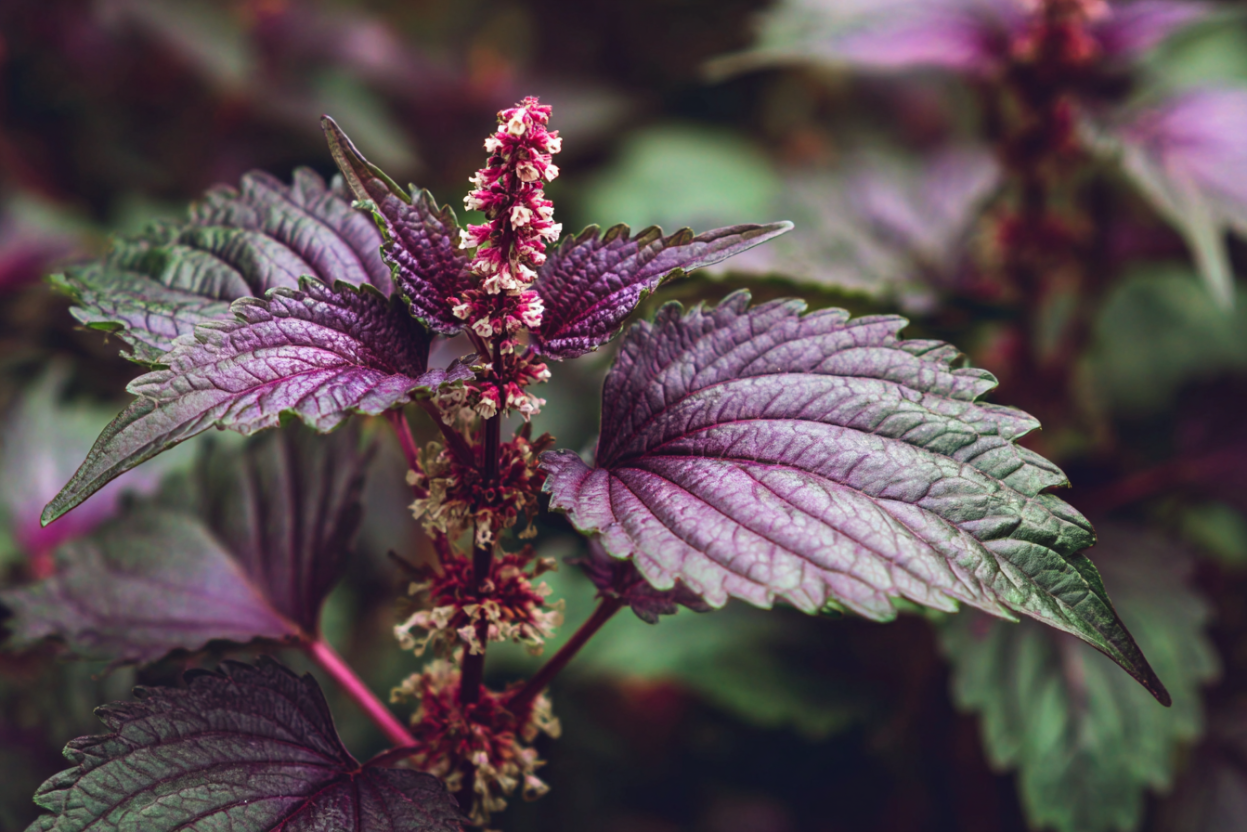
Shiso is a fast-growing, aromatic annual herb that reaches 30 to 100 cm (1 to 3 feet) tall, with a spread of about 30 to 45 cm (1 to 1.5 feet). True to its mint family heritage, it features the characteristic square stems covered in fine hairs. The leaves are its most striking feature — broadly ovate, 7 to 12 cm long, with serrated (toothed) edges and a distinctive crinkled or ruffled texture, depending on the variety. Leaf color ranges from vivid green to deep purple-red, and some varieties display both colors simultaneously, with green tops and purple undersides. The purple-leaf varieties inspired the common name “beefsteak plant,” as their rich burgundy hue resembles raw meat.
Small, tubular, two-lipped flowers appear in late summer through early fall, arranged in terminal spikes (racemes). Flower color ranges from white to pale lavender or purple. After flowering, the plant produces small gray-brown nutlets (seeds) encased in a distinctive bag-like calyx — in fact, the name “Perilla” is believed to derive from a word meaning “bag.” When leaves are crushed, they release an intensely aromatic scent that is difficult to compare to any single herb — people variously detect notes of cinnamon, basil, anise, mint, cumin, and citrus all at once.
Origin
Shiso is native to the mountainous regions of China and India, with its native range extending through Nepal, Bangladesh, Myanmar, Southeast Asia, Korea, Japan, and the Russian Far East. It has been cultivated in China for more than 2,000 years. One of the earliest written references appears in the Chinese text Supplementary Records of Renowned Physicians (名醫別錄, Míng Yī Bié Lù), written around 500 AD. The plant was introduced to Japan between the eighth and ninth centuries, where it became deeply integrated into cuisine and medicine. It reached England around 1855, when purple-leaf varieties captivated gardening enthusiasts. Today, shiso grows wild or cultivated across much of the temperate and subtropical world, and has naturalized (and in some areas become invasive) across the southeastern United States.
Brief History
Chinese materia medica texts from the Han dynasty (c. 202 BC–220 AD) cite “zi su” leaves for alleviating coughs and summer-heat symptoms. By the 8th century, Japanese Buddhist monks cultivated shiso in temple gardens, incorporating it into pickles and digestive remedies. Korean use of perilla seed oil for skin conditions dates back to the Goryeo period (918–1392 CE). Colonial botanical surveys in the 1800s recorded its export from Japan to Europe, where herbalists began experimenting with its essential oil. In the 1990s, the Japanese name “shiso” entered the English lexicon, propelled by the worldwide popularity of sushi, where green shiso leaves serve as an iconic garnish.
Growing & Cultivation
Climate & Zones
Shiso grows as an annual in most climates and thrives in USDA Hardiness Zones 2 through 11, though it performs best in Zones 5 through 10. It prefers warm temperatures between 60°F and 75°F (15°C to 24°C) and is frost tender — temperatures below 32°F (0°C) will kill the plant. In subtropical and tropical regions, it may behave as a short-lived perennial. Because it grows so quickly from seed, it is easily started fresh each spring even in cold climates. Indoor growing is also possible with adequate light.
Soil Requirements
Shiso prefers light, well-drained soil — sandy or loamy types are ideal. It tolerates a range of pH from mildly acidic to mildly alkaline (pH 5.5 to 7.5), with a slightly acidic preference around pH 5.5 to 6. The soil should be rich in organic matter but does not need to be heavily fertilized. For container growing, a standard potting mix with added perlite for drainage works well. Amending garden beds with compost before planting provides a good foundation.
Water & Sunlight
Full sun is ideal — shiso needs at least 6 hours of direct sunlight daily for best leaf production and flavor development. It will tolerate partial shade, especially in hot climates where afternoon shade prevents wilting. Water needs are moderate; the plant prefers consistently moist but not waterlogged soil. Water deeply when the top inch of soil feels dry. Overwatering leads to root rot, while prolonged drought causes wilting and reduced leaf quality. Mulching around the base helps retain moisture and regulate soil temperature.
Propagation
Seed: Shiso is most commonly grown from seed. Seeds require light for germination — sow them on the soil surface and press gently without covering. Some growers recommend cold stratification (refrigerating seeds for 1 to 2 weeks) to improve germination rates. Start seeds indoors 4 to 6 weeks before the last frost date, or direct sow after all danger of frost has passed. Germination takes 7 to 21 days at 65–75°F (18–24°C). Shiso self-seeds prolifically, and in many gardens, it returns reliably each year from dropped seeds.
Cutting: Stem cuttings can be rooted in water or moist potting mix. Take 4 to 6 inch cuttings from healthy stems, remove the lower leaves, and place in water. Roots typically appear within 1 to 2 weeks. This method is useful for propagating a favorite variety mid-season.
Planting
Space plants 12 to 18 inches apart. When transplanting seedlings, plant at the same depth they grew in their starter pots. Pinch the growing tips when plants reach about 6 inches tall to encourage bushy, branching growth and delay flowering. Shiso pairs well as a companion plant with tomatoes, peppers, and basil. Avoid planting near other invasive mint family members, as they may compete aggressively.
Harvesting
Harvest leaves regularly once the plant has at least 4 to 6 sets of true leaves. Pick individual leaves or snip stem tips — both methods encourage continued growth. For the strongest flavor and highest essential oil content, harvest in the morning after dew has dried but before the heat of the day. Flowers are also edible and can be harvested as they appear. Seeds are harvested in autumn when the flower spikes dry and the seed pods turn brown — cut the entire spike and shake seeds into a bag or onto a tray.
Drying & Storage
Fresh leaves store in the refrigerator wrapped in a damp paper towel inside a sealed bag for up to one week. For drying, bundle small stems together and hang upside down in a warm, dark, well-ventilated area for 1 to 2 weeks. Alternatively, use a food dehydrator at 95–105°F (35–40°C). Dried leaves should be stored in airtight glass jars away from light and heat, where they retain flavor for 6 to 12 months. Note that drying significantly concentrates certain beneficial compounds — research has shown dried perilla leaves accumulate dramatically higher levels of the anticancer flavonoids apigenin and luteolin compared to fresh leaves. Seeds store well in airtight containers in a cool, dry place for up to a year.
Pest & Disease Management
Shiso is remarkably pest-resistant, partly thanks to its strong aromatic oils which deter many common garden pests. Occasional issues include aphids, spider mites, and Japanese beetles. Organic solutions include neem oil spray, insecticidal soap, or a strong blast of water to dislodge aphids. Fungal diseases such as powdery mildew can occur in humid conditions with poor air circulation — prevention is best achieved through proper spacing and watering at the base rather than overhead. Companion planting with marigolds, garlic, or chives provides additional pest deterrence.
Companion Planting
Shiso grows well with tomatoes, peppers, and beans. Its aromatic oils may help repel certain pests from neighboring crops. Avoid planting near fennel, which can inhibit the growth of most herbs. Shiso’s rapid growth and broad leaves also serve as effective ground shading, helping suppress weeds around taller plants.
The Healing of Growing
Growing shiso offers benefits beyond the harvest itself. The act of gardening — hands in soil, bare feet on earth, time spent outdoors — has been shown to reduce cortisol, improve mood, and support immune function. The soil contains beneficial bacteria (Mycobacterium vaccae) with documented antidepressant effects. When you grow your own shiso, you receive healing before you ever consume it. The simple, meditative rhythm of tending an herb garden — pinching leaves, breathing in the plant’s rich aroma, feeling the sun on your skin — is itself a form of therapy that modern research increasingly validates (Matthews et al., 2007, Journal of Epidemiology & Community Health).
Nutritional Profile
Macronutrients
Per 100g of fresh shiso leaves, the nutritional profile is remarkably lean yet nutrient-dense: approximately 37 calories, less than 1g of fat, 7g of carbohydrates (nearly all of which is dietary fiber at 7g), and negligible protein and sugars. This makes shiso one of the most fiber-rich fresh herbs available — that 7g of dietary fiber per 100g represents about 25% of the Daily Value, supporting digestive health and feeding beneficial gut bacteria.
Vitamins
Vitamin C: 26mg (29% DV) — Supports immune function, collagen production, and acts as a powerful antioxidant that protects cells from oxidative damage. Vitamin C also enhances the absorption of iron from plant sources.
Vitamin A (as beta-carotene): Shiso, particularly the purple variety, is a significant source of beta-carotene and other carotenoids. Beta-carotene converts to Vitamin A in the body, supporting vision, skin health, and immune function.
Riboflavin (Vitamin B2): Present in meaningful amounts, riboflavin plays essential roles in energy metabolism, cellular function, and the metabolism of fats and drugs.
Minerals
Calcium: 230mg (18% DV) — Essential for bone and tooth health, muscle function, nerve signaling, and blood clotting. This is a notably high calcium content for a fresh herb.
Iron: 1.6mg (9% DV) — Critical for oxygen transport in the blood (hemoglobin), energy production, and immune function. The Vitamin C content in shiso enhances iron absorption.
Potassium: 500mg (11% DV) — Vital for heart rhythm regulation, fluid balance, nerve signaling, and muscle contraction. Adequate potassium intake is associated with healthy blood pressure.
Phytonutrients & Active Compounds
Shiso’s true nutritional power lies in its remarkable array of bioactive compounds — over 400 have been identified in various parts of the plant. The most significant include:
Rosmarinic Acid — The most extensively studied compound in shiso. This polyphenol (an ester of caffeic acid) demonstrates powerful anti-inflammatory, antioxidant, anti-allergic, and antimicrobial properties. Research suggests it inhibits the inflammatory enzymes COX-1 and COX-2, reduces histamine release from mast cells, and suppresses allergic immunoglobulin responses.
Perillaldehyde — The signature monoterpene that gives shiso its distinctive aroma. Studies indicate antimicrobial, anti-inflammatory, antidepressant, and anticancer properties. It is classified as “generally recognized as safe” (GRAS) by the FDA.
Luteolin — A flavonoid with strong anti-inflammatory, anti-allergic, and neuroprotective activity. Research shows it inhibits histamine release from mast cells in a dose-dependent manner, helping reduce immediate allergic reactions.
Apigenin — Another powerful flavonoid known for anti-anxiety, anti-inflammatory, and anticancer properties. Apigenin has demonstrated the ability to bind to GABA receptors in the brain, producing a calming effect.
Alpha-Linolenic Acid (ALA) — Perilla seed oil is one of the richest plant sources of this omega-3 fatty acid, containing 53–62% ALA. This essential fatty acid supports cardiovascular health, brain function, and helps regulate the body’s inflammatory response.
Anthocyanins (in purple varieties) — Including shisonin and malonylshisonin. These pigments provide potent antioxidant activity, supporting cardiovascular health and protecting cells from oxidative damage.
Caffeic Acid and Ferulic Acid — Additional phenolic acids with antioxidant and anti-inflammatory properties that work synergistically with rosmarinic acid.
Nutrient Notes
The bioavailability of shiso’s compounds is enhanced by consuming the leaves fresh or lightly prepared — heat can reduce some volatile compounds, though it may concentrate others (like flavonoids in dried leaves). The rosmarinic acid in shiso is well-absorbed orally. The omega-3 fatty acids in the seeds are best accessed through cold-pressed oil, as heat degrades ALA. Consuming shiso with a small amount of fat (such as olive oil) can enhance the absorption of its fat-soluble carotenoids and Vitamin E.
Connection to Body Compounds
The rosmarinic acid in shiso has been shown to modulate inflammatory cytokines (IL-4, IL-5, TNF-alpha), potentially lowering the body’s inflammatory burden. The flavonoids apigenin and luteolin may support GABA activity in the brain, promoting calm and supporting sleep. The omega-3 ALA in perilla seeds supports healthy serotonin receptor function and may help regulate cortisol through its anti-inflammatory effects on the HPA axis.
Culinary Uses
Edible Parts
Leaves: The primary culinary part, used both fresh and dried. Green shiso (ōba) and purple/red shiso (aka-jiso) have different culinary applications. Green shiso is preferred as a fresh herb and garnish. Purple shiso is primarily used for pickling (especially with umeboshi plums) and as a natural food colorant.
Seeds: Eaten raw, roasted, or ground. Seeds are pressed for their omega-3-rich oil. In Korean cuisine, roasted perilla seeds are ground into a spicy condiment. In parts of India (Kumaon region), seeds are eaten raw and the seed oil is used for cooking.
Flowers: Edible flower spikes make an elegant garnish and are used in tempura. The flower buds (hojiso) are a traditional Japanese garnish for sashimi.
Sprouts and Microgreens: Young seedlings (mejiso) are used as a delicate garnish in Japanese cuisine.
Flavor Profile
Shiso has one of the most complex flavor profiles in the herb world. Its taste is often described as a unique convergence of basil, mint, cinnamon, anise, and citrus — with subtle hints of clove and cumin. The flavor is aromatic, slightly spicy, and refreshing, with a mild peppery warmth. Green shiso is milder and more aromatic; purple shiso is more assertive with a slightly astringent quality. When dried, the flavor becomes more concentrated and the mint and anise notes intensify. Cooked shiso mellows considerably, contributing a warm, herbaceous background note rather than a sharp foreground flavor.
Preparation
Fresh shiso leaves are most commonly used raw — as wraps for sushi or grilled meats, torn into salads, or stacked under sashimi as an edible garnish. In Korean cuisine, whole leaves are marinated in soy sauce, garlic, and sesame oil as a banchan (side dish). Leaves are also deep-fried in tempura batter, added to soups in the last minutes of cooking, and chopped into rice dishes and noodle bowls. For tea, fresh or dried leaves are steeped in hot water. Perilla seed oil is used as a finishing oil for salads and dipping sauces — its nutty, earthy flavor does not hold up well to high heat, so it is best used uncooked or added at the very end of cooking.
Culinary Pairings
Shiso pairs beautifully with seafood (especially raw fish, shrimp, and crab — it has traditionally been used as an antidote for seafood allergies), rice, soy sauce, sesame, ginger, garlic, miso, citrus (especially yuzu and lemon), cucumber, avocado, tofu, and grilled meats. It complements other fresh herbs like basil, mint, and cilantro. In fruit applications, it enhances stone fruits, berries, and watermelon.
Storage
Fresh leaves: wrap in a damp paper towel and store in a sealed bag in the refrigerator for up to one week. For longer storage, freeze whole leaves between sheets of parchment paper in a freezer bag (texture will soften, but flavor holds well for cooked applications). Dried leaves maintain quality for 6–12 months in airtight containers away from light and heat. Perilla seed oil should be stored in the refrigerator in a dark bottle once opened, as its high ALA content makes it susceptible to oxidation.
Ready to cook with shiso? View Recipes on Chefts →
Wellness & Therapeutic Uses
Traditional Uses
Shiso holds a distinguished place in the pharmacopoeias of multiple cultures, with more than 2,000 years of documented therapeutic use:
Traditional Chinese Medicine (TCM): In TCM, perilla is classified as a warm, pungent herb that enters the Lung and Spleen meridians. The Chinese Pharmacopoeia documents three distinct medicinal materials from the plant: Perillae Folium (dried leaves), Perillae Caulis (dried stems), and Perillae Fructus (ripe fruit/seeds), each with different therapeutic applications. The leaves are traditionally used for dispersing cold, promoting Qi circulation, and resolving phlegm. The stems are a classical remedy for morning sickness and restless fetus. The seeds are used for cough, asthma, and constipation. Perilla appears in numerous classical formulas, including Banxia Houpu Decoction for depression and Saiboku-to for asthma.
Japanese Kampo Medicine: In Japan, dried leaves and stems are used in the herbal formula Saiboku-to, traditionally prescribed for bronchial asthma. Fresh green shiso leaves are served alongside raw seafood not merely as garnish, but as a practical antidote — believed for centuries to prevent food poisoning and reduce allergic reactions to shellfish.
Korean Traditional Medicine: Perilla seed oil (deulgireum) has been prized for skin conditions since the Goryeo period (918–1392 CE). Perilla leaves and seeds are used in traditional formulas for respiratory conditions, digestive support, and general wellness.
Ayurveda and Indian Tradition: In the Himalayan regions and Northeast India, perilla seeds (known by various local names including “silam” in Nepal) are a traditional food and medicine. Seeds are eaten raw, roasted, or pressed for oil. In Manipuri cuisine, ground roasted seeds are used in salads. Siddha practitioners have documented perilla’s anti-inflammatory and nervine tonic properties.
Modern Research
Anti-Allergic Activity (Human Clinical Trial): A randomized, double-blind, placebo-controlled trial on 29 patients with seasonal allergic rhinoconjunctivitis found that perilla extract enriched with rosmarinic acid (50 or 200 mg/day for 21 days) significantly reduced symptoms including itchy nose, watery eyes, and itchy eyes. Treatment also significantly decreased the numbers of neutrophils and eosinophils in nasal lavage fluid. No adverse events were reported (Takano et al., 2004, Experimental Biology and Medicine, Japan).
Anti-Allergic Activity (Animal Studies): Rosmarinic acid from perilla extract significantly inhibited allergic inflammation induced by house dust mite allergen in mice, preventing increases in eosinophils in bronchoalveolar lavage fluids and reducing lung expression of IL-4, IL-5, and eotaxin. The anti-allergic potency of rosmarinic acid was found to be more effective than tranilast, a modern anti-allergic drug (Sanbongi et al., 2004, Clinical and Experimental Allergy, Japan; Makino et al., 2003, Biological and Pharmaceutical Bulletin, Japan).
Anti-Inflammatory Activity: Multiple studies confirm that perilla leaf extract suppresses inflammatory cytokines (IL-1β, IL-6, TNF-α) and the activity of macrophages and neutrophils. Rosmarinic acid inhibits the enzyme cyclooxygenase (similar mechanism to aspirin), and the perilla-derived compound perilloxin inhibits COX with an IC50 of 23.2 μM. Luteolin-rich fractions from perilla seed meal have also shown potential anti-inflammatory effects against inflammation induced by the spike glycoprotein S1 of SARS-CoV-2 in lung cells (Ferrante et al., 2023, Applications of Perilla frutescens Extracts in Clinical Practice, PMC, Italy).
Antidepressant and Sleep Support: Research indicates that perilla essential oil, when inhaled, increases expression of GABA receptors and levels of both GABA and serotonin in the brain. Animal studies demonstrate that perilla essential oil through the GABAergic pathway significantly improves sleep latency and total sleep duration. Water extract of perilla and perillaldehyde have been shown to prolong sleep time in animal models (Zhong et al., 2021, Journal of Ethnopharmacology, China).
Neuroprotective Effects: Perilla seed oil plays a neuroprotective role by reducing the sensitivity of brain cells to reactive oxygen and nitrogen species. Fermented perilla has been shown to ameliorate sleep deprivation-induced cognitive impairment through antioxidant pathways and BDNF (brain-derived neurotrophic factor) signaling in mice (Seo et al., 2024, Nutrients, South Korea).
Cardiovascular Support: Perilla seed oil, with its exceptionally high alpha-linolenic acid content (53–62%), has been studied for its effects on cardiovascular risk factors. Long-term dietary supplementation with perilla oil in Japanese elderly subjects showed favorable changes in serum fatty acid composition and cardiovascular risk markers. Perilla oil has also demonstrated the ability to inhibit platelet aggregation and thrombus formation, potentially supporting healthy circulation (Aochen et al., 2023, Frontiers in Nutrition, India).
Anticancer Potential: Rosmarinic acid from perilla demonstrated significant inhibition of tumorigenesis in a murine two-stage skin carcinogenesis model. Perillaldehyde has been shown to inhibit the viability of gastric cancer cell lines by inducing autophagy via the AMPK pathway. Perilla seed oil inhibited colon tumor development in rats, likely due to the high ALA content modifying colonic cell membrane sensitivity to carcinogens. These studies remain preclinical (Osakabe et al., 2004, Carcinogenesis, Japan; Hou et al., 2022, Molecules, China).
Gastric Protection: Rosmarinic acid-enriched fraction from perilla leaves strongly protected against indomethacin-induced gastric ulcer in rats, supporting traditional use for stomach soothing.
Antidiabetic Potential: Phenolic compounds in perilla, including rosmarinic acid and flavonoids, have demonstrated aldose reductase inhibitory activity and alpha-glucosidase inhibitory effects, suggesting potential support for blood sugar management (Ahmed, 2019, Molecules, Iraq/Hungary).
Body Systems Supported
Respiratory System: Traditionally used for asthma, coughs, colds, and congestion. Rosmarinic acid reduces allergic inflammation in airways.
Immune System: Anti-allergic compounds modulate IgE responses. Antimicrobial properties provide broad-spectrum support.
Nervous System: GABAergic and serotonergic effects support calm, sleep, and mood. Neuroprotective via BDNF signaling.
Digestive System: Carminative, stomachic, and anti-spasmodic properties. Traditional use for nausea, vomiting, and food poisoning.
Cardiovascular System: Omega-3 ALA supports healthy lipid profiles and inhibits platelet aggregation.
Integumentary (Skin): Protects against UV-induced damage, supports collagen, and reduces inflammation.
Endocrine System: May support blood sugar regulation through alpha-glucosidase inhibition.
Body Compounds Affected
GABA: Perilla essential oil increases GABA receptor expression and GABA levels in the brain, contributing to calming and sleep-promoting effects.
Serotonin: Perilla essential oil inhalation has been associated with increased serotonin levels. Omega-3 ALA from seeds supports healthy serotonin receptor function.
Cytokines (IL-4, IL-5, IL-6, TNF-α): Rosmarinic acid and luteolin suppress pro-inflammatory cytokine production, reducing allergic and inflammatory cascades.
Histamine: Luteolin inhibits histamine release from mast cells in a dose-dependent manner.
Prostaglandins: Perilloxin and rosmarinic acid inhibit cyclooxygenase, reducing prostaglandin-mediated inflammation.
BDNF (Brain-Derived Neurotrophic Factor): Fermented perilla has been shown to support BDNF signaling, promoting neural health and cognitive function.
Methods of Use
Tea/Infusion
Use 1 to 2 tablespoons of fresh leaves (or 1 teaspoon dried) per cup. Pour boiling water over leaves and steep for 3 to 5 minutes. Drink 1 to 3 cups daily. Green shiso produces a lighter, more aromatic tea; purple shiso yields a deeper, more astringent brew. May be sweetened with honey.
Tincture
A tincture can be prepared using fresh or dried leaves macerated in alcohol (typically 40–60% ethanol) for 4 to 6 weeks. Typical dosage range is 1–2 mL (20–40 drops) taken 2–3 times daily. Glycerite preparations offer an alcohol-free alternative.
Seed Oil (Internal)
Cold-pressed perilla seed oil can be taken as a dietary supplement — typically 1 teaspoon (5 mL) daily — for its omega-3 ALA content. It can also be used as a culinary finishing oil. Do not heat to high temperatures.
Capsule/Powder
Dried perilla leaf powder or standardized extract capsules are available. Typical dosage ranges in studies have used 50–200 mg of rosmarinic acid-enriched extract per day. Follow manufacturer guidance on specific products.
Poultice/Compress
Fresh crushed leaves applied directly to insect bites, minor skin irritations, or as a cooling compress. Traditionally used topically for inflammation.
Cosmetic & Beauty Uses
Skin Benefits
Shiso is emerging as a powerhouse ingredient in natural skincare, with research supporting its use across multiple skin concerns. The high rosmarinic acid content provides potent anti-inflammatory and antioxidant protection, making it suitable for sensitive, acne-prone, and aging skin types. A clinical evaluation involving 30 subjects (ages 35–55) found that a cream containing perilla seed extract, applied twice daily for four weeks, significantly improved skin elasticity and reduced melanin content (hyperpigmentation) compared to a control cream — with no reported skin irritations (Mungmai et al., 2020, Cosmetics, Thailand).
Research from Seoul National University demonstrated that perilla leaf extract protects against UV-induced damage to dermal collagen, significantly inhibiting matrix metalloproteinases (MMP-1 and MMP-3) — the enzymes responsible for breaking down collagen and elastin in aging skin. The extract also reduced UV-induced reactive oxygen species (ROS), suggesting powerful photoprotective potential (Bae et al., 2017, Journal of Ethnopharmacology, South Korea).
Additional research shows perilla extract enhances DNA repair response in UVB-damaged keratinocytes, promotes healthy cell cycle regulation, and supports skin cell homeostasis after sun exposure (Kim et al., 2021, Nutrients, South Korea).
Key skin benefits include:
Anti-aging: Collagen synthesis promotion, MMP inhibition, and antioxidant protection. Hyperpigmentation: Melanogenesis inhibition — perilla pomace extract reduced melanin content in a dose-dependent manner without inducing cell damage. Inflammation and redness: Powerful anti-inflammatory action calms irritated, reactive skin. Acne: Antimicrobial properties combined with anti-inflammatory action address both the cause and symptoms. Barrier support: Perilla phytocomplex has been shown to preserve tight junction expression in keratinocytes, supporting skin barrier integrity.
Hair Benefits
Perilla seed oil’s rich omega-3 content nourishes the scalp and may support healthy hair growth by reducing inflammation at the follicle level. Korean traditional medicine has used perilla oil for scalp conditions for centuries. Perilla is also a component of the herb Houttuynia cordata Thunb (HC), used in the treatment of alopecia. A tea or infusion of shiso leaves used as a final hair rinse may add shine and help soothe an itchy, dry scalp. The anthocyanins in purple shiso may also contribute subtle toning effects on gray or light hair.
Application Methods
Infused Oil: Steep fresh or dried shiso leaves in a carrier oil (jojoba, sweet almond, or grapeseed) for 4–6 weeks in a warm, dark place. Strain and use as a facial or body oil. Facial Steam: Add a handful of fresh shiso leaves to a bowl of hot water and tent a towel over your head — the aromatic steam opens pores while delivering anti-inflammatory compounds. Face Mask: Blend fresh shiso leaves with honey and plain yogurt for a soothing, anti-inflammatory mask. Bath Soak: Add a strong shiso tea infusion or muslin bag of fresh/dried leaves to bath water for a calming, skin-soothing soak. Hair Rinse: Brew a strong shiso tea, cool, and use as a final rinse after shampooing.
DIY Formulation Notes
Perilla seed oil can be used at 5–30% in oil-based formulations (serums, facial oils, balms). It blends well with lighter carrier oils like jojoba and argan. Due to its high ALA content, perilla seed oil is prone to oxidation — add Vitamin E (0.5–1%) as an antioxidant in DIY formulations and store products in dark bottles in cool conditions. Shelf life of homemade perilla oil preparations is typically 3–6 months when stored properly. Perilla leaf extract (water or alcohol-based) can be added to toners and mists at 2–10%.
Shiso is among the botanicals being explored for holistic cosmetic applications, where the wisdom of traditional beauty practices meets modern understanding of skin science.
Essential Oil Profile
Extraction
Shiso essential oil is obtained primarily through steam distillation of the leaves and aerial parts of the plant. The oil yield is approximately 0.3–1.3% of plant material, which is moderate for an aromatic herb. Cold-press methods are used for the seed oil (which is a fixed oil, not an essential oil, and is discussed separately). The leaf essential oil is the true “essential oil” product. Due to the relatively modest yield, pure shiso essential oil can be more expensive than common essential oils. Quality is best when the plant is harvested at or just before flowering.
Chemical Constituents
The chemical profile of shiso essential oil varies significantly by chemotype. The PA (perillaldehyde) chemotype — the one most associated with culinary shiso — contains:
Perillaldehyde (50–82%): The dominant monoterpene aldehyde. Responsible for shiso’s characteristic aroma. Research indicates antimicrobial, anti-inflammatory, antidepressant, and anticancer properties. Classified GRAS by the FDA.
D-Limonene (4–8%): A monocyclic monoterpene with documented antioxidant, anti-inflammatory, and potential anticancer activity. Used clinically to dissolve cholesterol-containing gallstones and for heartburn relief.
1,4-Cineole / Eucalyptol (4–7%): An oxide with respiratory benefits — decongestant, mucolytic, and anti-inflammatory.
β-Caryophyllene (1–5%): A sesquiterpene that uniquely binds to CB2 cannabinoid receptors, providing anti-inflammatory effects without psychoactive properties.
Linalool (1–2%): A monoterpene alcohol with well-documented calming, anxiolytic, and anti-inflammatory properties.
Perilla Alcohol: Present in small amounts, investigated for anticancer properties.
Important Note: The PK (perilla ketone) chemotype — common in wild/weed populations — contains high levels of perilla ketone, which is a potent lung toxin to livestock and should NOT be used for aromatherapy. Only use essential oil from verified PA-chemotype, food-grade shiso varieties.
Aroma Profile
Shiso essential oil is classified as a top to middle note. The scent is complex, fresh, and herbaceous, with warm spicy-sweet undertones. Top notes are bright and slightly minty-citrus (from the perillaldehyde and limonene). Middle notes reveal warm, spicy, slightly anise-like depth. The aroma evolves on the skin over time, becoming warmer and more grounded. It blends well with citrus oils (lemon, bergamot, yuzu), other mint-family oils (basil, rosemary, lavender), woody oils (cedarwood, sandalwood), and spice oils (clove, cinnamon).
Therapeutic Properties
Using compliant language: Shiso essential oil may support the body’s natural antimicrobial defenses, help promote a calm and relaxed state, support respiratory comfort, provide antioxidant protection, and promote a sense of emotional balance. Research suggests anti-inflammatory, anxiolytic, and sleep-supportive properties through the GABAergic pathway.
How to Use
Diffusion
Add 3–5 drops to a diffuser. Diffuse for 30–60 minutes at a time, with breaks between sessions. Particularly beneficial before bedtime for its calming, GABA-supporting properties.
Topical Application
Always dilute before applying to skin. Standard adult dilution: 2–3% (approximately 12–18 drops per ounce of carrier oil). For sensitive skin: 1% (6 drops per ounce). For children over 6: 0.5–1% (3–6 drops per ounce). Recommended carrier oils: jojoba, sweet almond, fractionated coconut oil.
Quality & Sourcing
When purchasing shiso essential oil, look for: GC/MS (Gas Chromatography/Mass Spectrometry) testing results confirming the PA-chemotype with perillaldehyde content ≥50%. Sourcing from reputable suppliers who verify the plant variety (var. crispa for culinary/therapeutic use). Organic certification when possible. Avoid oils from wild-harvested perilla (higher risk of PK-chemotype contamination).
Blending
Shiso essential oil blends beautifully with lavender (enhanced calming), bergamot (uplifting and soothing), lemon (bright and clarifying), rosemary (stimulating and protective), cedarwood (grounding), and frankincense (meditative). A suggested calming blend: 3 drops shiso, 3 drops lavender, 2 drops bergamot in a diffuser.
Aromatherapy & Scent
The Aroma
The fresh living shiso plant emits a strong, distinctive aroma even without being touched — but the scent intensifies dramatically when leaves are brushed, crushed, or rubbed between the fingers. This is because the essential oil is stored in glandular trichomes (tiny oil glands) on the leaf surface that burst with physical contact. The fresh scent is complex and multilayered: an initial bright, almost citrusy top note gives way to warm spice, then a minty-herbaceous base. Many people find it unlike any other single herb — simultaneously reminiscent of basil, cinnamon, anise, and mint, yet entirely its own.
The scent is strongest in the heat of the day (when volatile oils are actively evaporating), after rain (when water droplets release oils from the leaf surface), and when the plant is touched during gardening. Purple varieties tend to have a slightly more intense, camphoraceous aroma than green varieties.
When dried, shiso retains its aroma well — the scent becomes more concentrated, warmer, and slightly more anise-forward. Properly dried shiso in an airtight container can retain meaningful scent for 6 to 12 months.
How Scent Affects Your Body
When you inhale the aroma of shiso, volatile molecules released from the plant enter through your nose and bind to olfactory receptors. These receptors send electrical signals directly to the limbic system — the emotional center of your brain — and the hypothalamus, which controls hormone production. This pathway is uniquely direct; unlike your other senses, smell does not need to pass through the thalamus first. This means the scent of shiso can produce emotional and physiological responses within seconds, before your conscious mind even processes what you’re smelling.
Emotional & Mood Effects
The scent of shiso is generally described as calming, grounding, and mildly uplifting — a rare combination. The perillaldehyde and linalool content contribute to relaxation and anxiety reduction, while the limonene provides a subtle energizing brightness. Many people report that the aroma promotes mental clarity alongside calm — not a drowsy sedation, but a focused peace. In TCM, shiso’s ability to “regulate Qi and relieve depression” aligns with these aromatic effects.
Body Compounds Affected by the Scent
Research on perilla essential oil inhalation specifically indicates: increased GABA levels and GABA receptor expression in the brain (calming, anti-anxiety), increased serotonin levels (mood elevation, sense of wellbeing), and potential cortisol reduction through the calming effect on the nervous system. These findings from animal models are consistent with the traditional use of perilla scent for anxiety, depression, and insomnia.
Ways to Experience the Scent
Growing shiso on a kitchen windowsill, patio, or in a container by your front door — brush the leaves each time you pass. Place fresh cuttings in a vase of water on your nightstand or desk. Crush a few leaves and hold them near your face during moments of stress. Tuck dried shiso leaves into sachets for drawers and closets. Simmer fresh or dried leaves in water on the stove for a gentle room scent. Add fresh leaves to a warm bath for an aromatic soak. Place dried leaves under your pillow for calming nighttime aromatherapy.
Color Therapy
The Colors of Shiso
Shiso is one of the most visually striking herbs in the garden, with a color palette that shifts with variety, season, and growing conditions. Green shiso (ōba): vibrant bright green to deep forest green leaves. Purple/Red shiso (aka-jiso): deep burgundy, purple-red, or maroon leaves — sometimes so dark they appear almost black. Bicolor varieties: green upper surfaces with purple-red undersides. Flowers: white to pale lavender or soft purple. Seeds: gray-brown when mature.
Color Wavelengths
Green (495–570nm): The dominant color of green shiso varieties. Green wavelengths are associated with balance, harmony, calming, and heart-centered energy. Green is the most restful color for the human eye — the eye can distinguish more shades of green than any other color, likely an evolutionary adaptation to our natural environments.
Violet/Purple (380–450nm): The dominant color of purple shiso. Violet wavelengths are associated with calming the nervous system, supporting meditative states, and promoting a sense of spiritual connection. Purple has historically been linked to creativity and introspection.
How Shiso’s Color Affects the Body
Simply viewing the rich purple leaves of aka-jiso or the vibrant green of ōba has measurable effects on the nervous system. Green environments have been repeatedly shown to reduce cortisol, lower heart rate, and improve mood (the foundation of “green therapy” and forest bathing research). Purple hues, being at the shorter end of the visible spectrum, carry more energy per photon and have been associated with calming brain wave patterns. Having shiso plants in your living or working space provides passive color therapy throughout the day.
Body Compounds Affected
Exposure to green environments has been linked to cortisol reduction and parasympathetic nervous system activation. Purple/violet light exposure has been associated with calming brain activity. The anthocyanins responsible for purple shiso’s color — when consumed — also act as powerful antioxidants, providing an internal form of “color therapy” through the diet.
Using Shiso for Color Therapy
Place purple shiso in the bedroom or meditation space for its calming violet energy. Use green shiso in workspaces and living areas for its balancing, restorative green wavelength. Use shiso as a cut herb arrangement — the colorful leaves are strikingly beautiful in a vase and last several days in water. “Eat the rainbow” — consuming both green and purple shiso varieties provides the antioxidant benefits of both color spectrums.
Frequency & Vibration
The Frequency of Shiso
While specific MHz measurements for fresh shiso plants have not been widely published in the same manner as some other herbs, its close mint-family relatives are generally considered high-frequency plants. Essential oils from the Lamiaceae family typically register among the higher-frequency plant extracts. According to bio-frequency research, healthy humans vibrate at approximately 62–78 MHz, while disease onset begins below 58 MHz. Plants and their essential oils generally vibrate at frequencies above the human baseline — with some essential oils reaching well over 100 MHz.
Proponents of vibrational medicine suggest that the aromatic complexity of shiso — with its rich blend of monoterpenes, sesquiterpenes, and phenylpropanoids — would place it among the higher-frequency culinary herbs. The strong, immediate aromatic response when touching the living plant indicates vigorous energetic activity at the molecular level.
Human Frequency Interaction
The principle of entrainment suggests that when a body with a lower vibration comes into contact with a body vibrating at a higher frequency, the lower frequency tends to rise to match the higher one. Being around living shiso plants, inhaling their aroma, consuming them fresh, or diffusing the essential oil may all contribute to supporting the body’s natural vibrational frequency. This is an area where research is emerging and more measurement studies are needed.
Essential Oil Frequency
Frequency measurements suggest that mint-family essential oils generally fall in the moderate-to-high range. Shiso essential oil, with its dominant perillaldehyde content and complex terpene profile, would likely register in this range. No specific peer-reviewed measurement has been published for shiso essential oil at this time.
Vibrational Applications
Keep a living shiso plant in your home or workspace. Incorporate fresh shiso into your daily diet. Diffuse shiso essential oil during meditation or prayer. Combine shiso with other high-frequency practices such as gratitude, worship, time in nature, and adequate hydration with clean water.
The Living Plant
Benefits of Presence
Simply being near a living shiso plant provides measurable benefits beyond any consumption or extraction. Research on indoor plants and biophilic design demonstrates that the presence of living greenery reduces stress hormones, improves attention and focus, and promotes a sense of wellbeing. Shiso is particularly well-suited for this role because it is easy to grow indoors, highly aromatic (providing passive aromatherapy), visually striking (providing color therapy), and actively releases beneficial volatile compounds into the surrounding air.
Air Purification
While shiso was not specifically included in the famous NASA Clean Air Study, aromatic herbs in the mint family are known to contribute to indoor air quality through their active emission of phytoncides — antimicrobial volatile organic compounds that plants release as part of their natural defense system. Shiso’s vigorous production of aromatic compounds means it is actively releasing antimicrobial molecules into the air around it. Like all living plants, shiso also contributes to oxygen production and humidity regulation in indoor spaces.
Phytoncides
Shiso is a prolific producer of volatile organic compounds, including perillaldehyde and limonene — both of which have documented antimicrobial properties. When you grow shiso indoors, these compounds are passively released into the air, contributing to a cleaner microbial environment. Forest bathing (shinrin-yoku) research has shown that plant-derived phytoncides increase Natural Killer (NK) cell activity in humans — a critical component of immune surveillance. While the concentrations from a single indoor plant are smaller than a forest environment, the principle applies: living plants in your space support your immune system simply by being alive and breathing alongside you.
Visual & Psychological Benefits
Research in healthcare settings has demonstrated that patients with views of plants and nature heal faster and require less pain medication. Attention Restoration Theory (ART) shows that viewing nature — even a single plant on a desk — helps restore mental fatigue and improve focus. The rich colors of shiso (vibrant green or deep purple) are particularly engaging visually, and the plant’s dynamic growth habit provides the satisfying sense of nurturing a living thing.
Growing Indoors vs Outdoors
Shiso thrives both indoors and outdoors. For indoor growing, provide at least 6 hours of bright light (a south-facing window or supplemental grow light). Use well-draining potting mix and water when the top inch of soil is dry. Pinch tips regularly to keep the plant bushy and prevent premature flowering. Indoor shiso is typically smaller than outdoor-grown plants but can produce abundant, usable leaves for months. Outdoors, shiso benefits from natural sunlight, rainfall, and air circulation, producing larger plants with more intense aroma and flavor. Whether indoors or out, the plant provides healing benefits through its presence.
Touch & Physical Interaction
Gardening Therapy
Horticultural therapy — the use of plants and gardening as a therapeutic modality — is an established practice with a strong research base. Growing shiso offers a particularly rich sensory experience: the distinct texture of its crinkled leaves, the immediate aromatic burst when brushing against the plant, the satisfying rhythm of pinching stems and harvesting leaves, and the visual reward of watching a fast-growing plant respond to your care. These experiences engage multiple senses simultaneously, pulling attention into the present moment — a practice that functions as a natural form of mindfulness.
Soil Contact Benefits
When you garden with shiso — hands in the dirt, perhaps barefoot on the ground — you gain benefits from the earth itself. Grounding (or earthing) involves direct physical contact with the earth’s surface, allowing the transfer of free electrons from the earth into the body. Research suggests this may reduce inflammation, improve sleep, and normalize cortisol rhythms. Additionally, the soil bacterium Mycobacterium vaccae has been shown to trigger serotonin release in the brain, producing antidepressant effects. Every time you work in the soil around your shiso plants, you’re receiving this natural mood boost.
The Tactile Experience
Shiso leaves offer a unique tactile experience. The crinkled, ruffled texture of many varieties feels pleasantly textured under the fingers — not smooth like basil, but not rough like sage. There is a slight fuzziness to some varieties, with fine hairs along the stems (typical of the mint family’s characteristic square stems). The leaves are pliable and slightly thick, giving a satisfying resistance when pinched for harvest. And then there is the signature moment — the aromatic burst when a leaf is rubbed between the fingers, releasing volatile oils that immediately reach the nose. This is a multisensory experience: touch activates scent, which activates the limbic system, producing an instantaneous shift in mood.
Harvesting & Processing
The act of harvesting shiso is inherently meditative. Each leaf is individually selected, gently pinched from the stem. The repetitive motion is calming. The aroma envelops you as you work. When you move to processing — stripping leaves, bundling stems for drying, or arranging leaves for preservation — the hands-on work continues this gentle therapy. For seed collection, the rhythmic shaking of dried flower spikes to release seeds connects you to the ancient human practice of saving seed, preparing for next season, participating in the cycle of growth. These simple acts counter the disconnection of modern life and reconnect us to what our hands were made to do.
Water-Based Applications
Teas & Infusions
Shiso tea is one of the most accessible and traditional ways to experience this herb’s benefits. For a standard hot infusion: Use 1–2 tablespoons of fresh leaves (or 1 teaspoon dried) per 8 oz cup. Pour boiling water (212°F / 100°C) over the leaves. Steep for 3–5 minutes (longer steeping increases the astringent, more medicinal quality). Strain and drink. The tea can be enjoyed 1–3 times daily. Purple shiso produces a beautiful magenta-colored tea. Green shiso yields a pale golden-green infusion. Both may be sweetened with honey.
For a cold infusion: Place leaves in room temperature water and refrigerate for 4–8 hours. Cold infusion extracts fewer tannins (less bitterness) while preserving delicate aromatic compounds. Excellent as a summer refreshment.
Herbal Baths
Add a generous handful of fresh shiso leaves (or 1/2 cup dried) to a muslin bag and hang it under the running faucet as you fill the bath, or steep in hot water first and add the strong infusion to the bath. Water temperature: warm (not hot) for relaxation, around 98–100°F (37–38°C). Soak for 15–20 minutes. A shiso bath is particularly beneficial for skin irritation, stress relief, muscle tension, and general relaxation. The aromatic steam from the warm bath provides simultaneous aromatherapy benefits. For a foot bath, use 2 tablespoons of dried shiso in a basin of warm water — especially soothing for tired, aching feet.
Hydrosols
Shiso hydrosol (the aromatic water portion from steam distillation of the essential oil) is available from specialty suppliers, though less common than rose or lavender hydrosols. It offers a gentle way to experience the plant’s benefits — suitable for use as a facial toner, body mist, or linen spray. Hydrosols are much milder than essential oils and generally safe for direct skin application without dilution. Shiso hydrosol has a subtle, fresh, herbaceous scent and can be particularly soothing for sensitive or irritated skin.
Compresses
Hot compress: Steep shiso leaves in hot water, soak a clean cloth in the infusion, wring slightly, and apply to areas of muscle tension, joint discomfort, or congestion. Cold compress: Prepare the infusion as above, cool or refrigerate, and apply to areas of inflammation, swelling, insect bites, or headache. Replace the compress as it reaches body temperature.
Steam Inhalation
Add a handful of fresh shiso leaves (or 2 tablespoons dried, or 2–3 drops essential oil) to a bowl of steaming water. Tent a towel over your head and the bowl, and breathe deeply for 5–10 minutes. This is particularly beneficial for sinus congestion, respiratory discomfort, colds, and headaches. The steam delivers antimicrobial volatile compounds directly to the respiratory mucosa. Take breaks if the steam is too intense, and keep eyes closed during the treatment.
Hair Rinses
Brew a strong shiso infusion (double the amount of plant material for a regular tea), let cool to room temperature, and use as a final rinse after shampooing. Do not rinse out — leave it in. This can help soothe an itchy or inflamed scalp, add shine, and provide antioxidant protection to the hair shaft. Purple shiso rinses may impart a subtle tint to light-colored hair over repeated use.
Historical, Cultural & Biblical Significance
Biblical References
Shiso (Perilla frutescens) is not directly mentioned in Scripture by name. The plant is native to East and Southeast Asia and would not have been part of the botanical landscape of ancient Israel. However, the mint family (Lamiaceae) to which shiso belongs is well represented in the Bible — mint, hyssop, and other aromatic herbs of this family were known and used in biblical times. Jesus Himself referenced mint in Matthew 23:23 (KJV): “Woe unto you, scribes and Pharisees, hypocrites! for ye pay tithe of mint and anise and cummin…” — confirming the significance of the Lamiaceae family in the daily life of His people. The Creator who placed mint in the fields of Israel placed shiso in the mountains of China and India — the same design, the same wisdom, the same provision for His children across the globe.
Ancient Civilizations
China: Shiso has been cultivated in China for more than 2,000 years. It appears in the Supplementary Records of Renowned Physicians (名醫別錄, c. 500 AD) and in the foundational TCM text Essential Recipes Worth a Thousand Gold for Emergencies (備急千金要方, c. 652 AD) by Sun Simiao, where Perilla Fruit Decoction is prescribed for various conditions. In the Materia Medica of Southern Yunnan (滇南本草, 1436), Perilla Fruit Powder appears for cough treatment. The Chinese Pharmacopoeia has continuously listed perilla’s three medicinal parts (leaves, stems, and fruit) for centuries.
Japan: Introduced between the 8th and 9th centuries, shiso was cultivated by Buddhist monks in temple gardens. It became integral to Japanese cuisine and Kampo medicine. The herbal formula Saiboku-to, which includes perilla, has been used for centuries to manage asthma. Green shiso (ōba) became an essential sushi garnish, and purple shiso (aka-jiso) became inseparable from the art of umeboshi (pickled plum) making.
Korea: Perilla has been cultivated on the Korean peninsula since before the Unified Silla era (668–935 AD). Perilla seed oil became a staple cooking oil and medicinal preparation. The Goryeo period (918–1392 CE) saw perilla oil specifically valued for skin conditions. To this day, perilla leaves (kkaennip) are a beloved part of Korean cuisine and traditional medicine.
Eastern Traditions
Traditional Chinese Medicine: TCM classifies perilla as warm in nature and pungent in taste, entering the Lung and Spleen meridians. It is used to promote the movement of Qi, disperse cold, resolve phlegm, and harmonize the middle burner (digestive system). Different parts carry different properties: leaves disperse exterior cold, stems regulate Qi and calm the fetus, and seeds descend Qi and resolve phlegm.
Ayurveda: In the Himalayan and Northeast Indian traditions, perilla has been used as both food and medicine for generations. The seeds are considered warming and nourishing. By the 19th century, Siddha practitioners had documented perilla’s anti-inflammatory and nervine tonic uses in regional texts of Southern India.
Indigenous Knowledge
Indian Regional Traditions: In Kumaon (Uttarakhand), cultivated perilla seeds are eaten raw and the oil is used for cooking. Roasted seeds are ground into spicy chutney. In Manipur, ground roasted seeds are used in salads. The Khasis, Assamese, Bodos, Nagas, and other ethnic groups of Northeast India each have their own preparations and names for the plant — a testament to how deeply embedded it is in the food traditions of the region.
Southeast Asian Traditions: In Vietnam, where it is known as tía tô, perilla leaves are a standard accompaniment to soups, spring rolls, and other dishes, valued both for flavor and for their health-supporting properties. Thai traditional medicine also incorporates perilla for respiratory and digestive support.
European Heritage
Purple-leaf shiso arrived in England around 1855, initially valued as an ornamental “bedding plant” for its dramatic foliage. By 1862, English gardeners were already reporting enthusiastic (perhaps excessive) use of the plant in garden designs. While it never achieved the medicinal prominence in Europe that it holds in Asia, European herbalists and colonial botanists recognized its potential and documented its properties. Modern European researchers — particularly in Italy, Germany, and Lithuania — have contributed significantly to the scientific understanding of perilla’s pharmacological activities.
Cultural Symbolism
In Japanese culture, shiso leaves symbolize vitality and health — they are so commonly served with raw fish that they have become synonymous with the purity and freshness of Japanese cuisine. In Korean culture, perilla leaves represent warmth, home cooking, and the generosity of the table — offering someone a perilla leaf wrapped around rice and meat is an act of care. The purple color of aka-jiso has historically been associated with royalty and spiritual awareness in multiple cultures.
These cultures observed that shiso provided relief for allergies, respiratory distress, inflammation, and digestive discomfort. They documented these uses across thousands of years and hundreds of texts. While they may not have all known the Creator by name, they were observing His design — and their observations align remarkably with what modern research now confirms about this plant’s properties.
Safety & Precautions
Contraindications
Shiso is generally considered safe when consumed as a food in normal culinary amounts. However, therapeutic doses (concentrated extracts, essential oil, or large amounts of tea) should be approached with awareness. Individuals with known allergies to plants in the Lamiaceae (mint) family should exercise caution. Due to its traditional use for regulating Qi and its potential effects on smooth muscle, persons with bleeding disorders or those scheduled for surgery should consult their healthcare provider before using therapeutic doses.
Drug Interactions
Blood Thinners: Perilla seed oil’s omega-3 fatty acid content and the anti-platelet aggregation properties of the plant may enhance the effects of anticoagulant and antiplatelet medications (warfarin, aspirin, clopidogrel). Consult your healthcare provider.
Blood Pressure Medications: Some research suggests perilla may have mild hypotensive effects. Those taking blood pressure medications should monitor accordingly.
Sedatives and Sleep Medications: Due to shiso’s GABAergic activity, it may enhance the effects of sedative medications, benzodiazepines, or sleep aids.
Diabetes Medications: Perilla compounds may lower blood sugar. Those taking diabetes medications should monitor blood glucose levels carefully.
Immunosuppressants: Shiso’s immunomodulatory properties may interact with immunosuppressive drugs. Consult your provider.
Pregnancy & Nursing
Shiso has a complex history regarding pregnancy. In TCM, perilla stems are actually used to calm the fetus and alleviate morning sickness — and some traditions consider it beneficial during pregnancy. However, the same TCM tradition notes that it should be used judiciously. Given the plant’s effects on smooth muscle and Qi movement, and the lack of modern clinical trials in pregnant women, the cautious approach is: not recommended during pregnancy or breastfeeding without guidance from a qualified healthcare provider. Culinary amounts (a few leaves as garnish) are generally considered acceptable.
Children
Shiso consumed as a food (culinary amounts) is generally considered safe for children of all ages — it is a common food ingredient for children in Japan and Korea. For therapeutic use (teas, supplements, essential oil): use age-appropriate doses. Essential oil should be diluted to 0.5–1% for children over 6 and avoided in children under 2 without professional guidance. Shiso tea in mild concentrations may be offered to children over age 2.
Elderly
Elderly individuals should start with lower doses of any therapeutic preparation and be particularly aware of potential interactions with common medications for blood pressure, blood sugar, blood clotting, and sleep. The gentle tea form is generally well tolerated in older adults.
Pets
Dogs: Caution/Potentially Toxic. Wild perilla (particularly the PK chemotype containing perilla ketone) is considered toxic to some animals. While the culinary shiso varieties used in cooking are different, it is prudent to keep shiso plants and especially dried plant material or essential oil away from dogs.
Cats: Caution/Unknown. Essential oils in general pose risks to cats due to their limited ability to metabolize certain compounds. Keep shiso essential oil away from cats. Fresh leaves in small amounts are likely low risk but data is limited.
Horses: Toxic. Wild Perilla frutescens is a documented cause of acute interstitial pneumonia in cattle and horses — a potentially fatal condition called “perilla mint toxicosis” caused by perilla ketone. This affects primarily the wild weed form (PK chemotype), but all perilla should be kept out of livestock pastures. The perilla ketone is present in all parts of the plant, especially flower and seed heads.
Cattle and Ruminants: Toxic. Cattle are the most commonly affected by perilla mint toxicosis. The furan ketones are severely toxic to lung tissue, causing proliferation of type II pneumocytes and often fatal acute interstitial pneumonia.
If you suspect a pet or livestock animal has ingested perilla, contact your veterinarian immediately.
Allergies & Sensitivities
Cross-reactivity may occur in individuals allergic to other Lamiaceae family members (basil, mint, rosemary, lavender, sage). Perform a patch test before first topical use: apply a small amount of diluted preparation to the inner forearm and wait 24 hours. Skin contact with fresh perilla plants may occasionally cause contact dermatitis in sensitive individuals. The essential oil should never be applied undiluted to the skin.
Dosing Guidelines
Tea: 1–3 cups daily. Tincture: 1–2 mL (20–40 drops) 2–3 times daily. Standardized rosmarinic acid extract: 50–200 mg daily (based on clinical trial dosing). Perilla seed oil: 1–2 teaspoons daily as a dietary supplement. Essential oil (topical): 2–3% dilution in carrier oil for adults. Signs of overuse may include digestive upset, drowsiness, or headache. Discontinue if any adverse effects occur.
Quality & Sourcing
Purchase shiso products from reputable sources that can verify the plant variety (var. crispa for culinary/therapeutic use). For essential oil, request GC/MS testing to confirm the PA-chemotype. For perilla seed oil, look for cold-pressed, unrefined products stored in dark bottles. Organic certification is preferred when available. Be cautious of very inexpensive perilla essential oils, which may be from the PK-chemotype (containing the lung-toxic perilla ketone) or may be adulterated with synthetic perillaldehyde.
Signs of Adverse Reaction
Mild: Digestive upset, drowsiness, mild headache, skin rash (topical use). Serious (seek medical attention): Difficulty breathing, severe skin reaction, swelling of face/throat, rapid heart rate, or any symptoms of allergic reaction. In animals: Difficulty breathing, open-mouth breathing, lethargy — seek emergency veterinary care immediately.
Disclaimer
This information is for educational purposes only. It is not intended to diagnose, treat, cure, or prevent any disease. Always consult with a qualified healthcare provider before using any herbal product, especially if you are pregnant, nursing, taking medications, or have a medical condition. If you experience any adverse reaction, discontinue use immediately and seek medical attention.
Want Personalized Guidance?
Every body is unique. What works for one person may not be right for another. If you’d like personalized support in incorporating shiso into your wellness journey, consider working with a qualified practitioner who can assess your individual needs.
Sources & References
Peer-Reviewed Studies
- Extract of Perilla frutescens enriched for rosmarinic acid inhibits seasonal allergic rhinoconjunctivitis in humans – Experimental Biology and Medicine, 2004, Japan
- Rosmarinic acid in perilla extract inhibits allergic inflammation induced by mite allergen in a mouse model – Clinical and Experimental Allergy, 2004, Japan
- Anti-allergic effect of Perilla frutescens and its active constituents – Biological and Pharmaceutical Bulletin, 2003, Japan
- Effect of Perilla frutescens var. acuta Kudo and rosmarinic acid on allergic inflammatory reactions – Experimental Biology and Medicine, 2011, South Korea
- Rosmarinic acid inhibits epidermal inflammatory responses: anticarcinogenic effect of Perilla frutescens extract – Carcinogenesis, 2004, Japan
- Perilla frutescens leaves extract ameliorates UV radiation-induced extracellular matrix damage in human dermal fibroblasts and hairless mice skin – Journal of Ethnopharmacology, 2017, South Korea
- Perilla frutescens Extracts Enhance DNA Repair Response in UVB Damaged HaCaT Cells – Nutrients, 2021, South Korea
- Ethnomedicinal, Phytochemical and Pharmacological Investigations of Perilla frutescens (L.) Britt – Molecules, 2019, Iraq/Hungary
- Perilla frutescens: A traditional medicine and food homologous plant – Food Chemistry: X, 2023, China
- Applications of Perilla frutescens Extracts in Clinical Practice – International Journal of Molecular Sciences, 2023, Italy
- Perilla frutescens: A Rich Source of Pharmacological Active Compounds – Molecules, 2022, China
- Perilla frutescens L.: a dynamic food crop worthy of future challenges – Frontiers in Nutrition, 2023, India
- A comprehensive review on nutritional, nutraceutical, and industrial perspectives of perilla seeds – Heliyon, 2024, India
- Pro-Angiogenic Effects of Essential Oil from Perilla frutescens and Its Main Component (Perillaldehyde) – Molecules, 2021, China
- Ameliorating Effect of Fermented Perilla frutescens on Sleep Deprivation-Induced Cognitive Impairment Through Antioxidant and BDNF Signaling in Mice – Nutrients, 2024, South Korea
- Collagenase and Melanogenesis Inhibitory Effects of Perilla Frutescens Pomace Extract – Cosmetics, 2020, Thailand
- A Novel Perilla frutescens Cell-Derived Phytocomplex Regulates Keratinocytes Inflammatory Cascade and Barrier Function – Molecules, 2023, Italy
- Comprehensive Review of Perilla frutescens: Chemical Composition, Pharmacological Mechanisms, and Industrial Applications – Molecules, 2025, China
Traditional Medicine Sources
- A Review on Nutritional Value, Functional Properties and Pharmacological Application of Perilla – Biomedical and Pharmacology Journal, 2019, India
- Perilla frutescens — Plants For A Future Database – PFAF, UK
- Effect of oral treatment of Perilla frutescens and its constituents on type-I allergy in mice – Biological and Pharmaceutical Bulletin, 2001, Japan
Institutional Sources
- Perilla Mint — Guide to Poisonous Plants – Colorado State University, USA
- The effectiveness of gardening as an intervention: A systematic review – Journal of Epidemiology & Community Health, 2007
Historical References
- Shiso — Historical and Botanical Overview – Wikipedia (multiple cited primary sources)
- Perilla frutescens — Historical Cultivation and Global Distribution – Wikipedia (multiple cited primary sources)