Stevia (Stevia rebaudiana)
If you struggle with blood sugar management, weight control, or simply the desire to enjoy something sweet without the consequences of refined sugar, you are far from alone. Millions of people face this daily tension — the body craves sweetness, but sugar feeds inflammation, spikes insulin, and drives metabolic disease. What if the Creator already placed the answer in a leaf?
Stevia is one of the most remarkable gifts embedded in creation — a plant whose leaves are 200 to 300 times sweeter than sugar, yet contain zero calories and do not raise blood glucose. This is not a laboratory invention. This is a leaf, grown from soil, watered by rain, designed with precision that no human chemist could replicate.
This information is for educational purposes only and is not intended to diagnose, treat, cure, or prevent any disease. Always consult with a qualified healthcare provider before making changes to your health regimen.
The Plant
Common Names: Stevia, Sweetleaf, Sugar Leaf, Candy Leaf, Sweet Herb of Paraguay, Honey Leaf, Ka’a He’ê (Guaraní — “sweet grass”), Meethi Tulsi (Hindi)
Botanical Name: Stevia rebaudiana Bertoni
Family: Asteraceae (the sunflower and daisy family — one of the largest plant families on earth, encompassing over 32,000 species)
Description
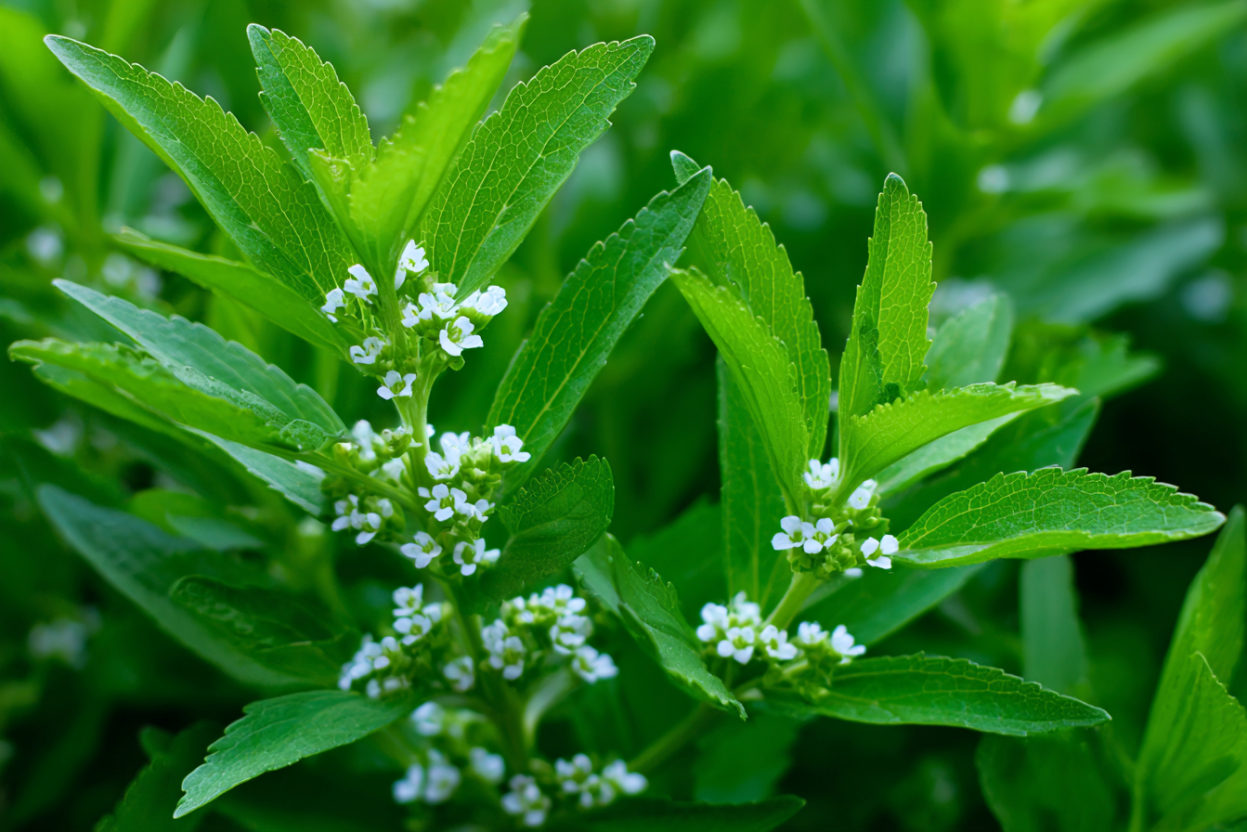
Stevia is a tender perennial herb that grows as a small, branching shrub reaching 30 to 80 centimeters (1 to 2.5 feet) in height and spreading to a similar width. The plant has an upright, bushy habit with multiple branching stems. Its oblong, aromatic leaves are approximately 2.5 centimeters (1 inch) long, with a prominent midrib and serrated edges. The leaves are arranged oppositely along the stems — growing in pairs, one on each side — and have a medium green color with a slightly rough, matte texture.
When you brush against the leaves or crush them between your fingers, you will notice a faintly herbaceous, slightly licorice-like aroma. But the most striking feature is what happens when you place a fresh leaf on your tongue — an intense, lingering sweetness unlike anything you would expect from a simple green leaf. The tiny white flowers appear in late summer and early fall, each cluster composed of five small tubular florets with delicate light purple accents. The flowers produce no significant fragrance and are often trimmed by growers to preserve the sweetness and quality of the leaves. The plant produces small, ribbed, spindle-shaped fruits containing seeds, though germination rates are notoriously low — often below 10 percent.
Origin
Stevia is native to the highlands of northeastern Paraguay and the adjoining border regions of Brazil, specifically the Amambay region. It grows naturally in semiarid habitats ranging from subtropical grasslands to mountain terrain, along riverbanks and at the edges of marshy areas. The plant thrives in warm, humid climates with sandy, slightly acidic soils and moderate temperatures.
From its South American homeland, stevia’s cultivation spread first to Japan in the 1960s and 1970s, where it was commercially developed as a sweetener and quickly gained widespread acceptance. From Japan, cultivation expanded across Southeast Asia, particularly to China, which is now the world’s largest producer. Today stevia is grown commercially in Paraguay, Brazil, Japan, China, India, Kenya, the United States, and parts of Europe, and it has been embraced in over 60 countries worldwide.
Brief History
The Guaraní people of Paraguay and Brazil used stevia leaves for over 1,500 years, calling it “Ka’a He’ê” — meaning “sweet grass.” They used the leaves to sweeten bitter yerba mate tea and other beverages, and the plant held a place in their traditional practices for supporting wellness. Some historical reports suggest stevia was known in Spain as early as the 16th century, though it did not reach broader European awareness until much later.
In 1899, Swiss-Italian botanist Moisés Santiago Bertoni provided the first scientific description of the plant after encountering it in Paraguay, initially naming it Eupatorium rebaudianum. He later renamed it Stevia rebaudiana — the genus honoring Spanish botanist and physician Pedro Jaime Esteve (1500–1556), and the species honoring Paraguayan chemist Ovidio Rebaudi, who first extracted the plant’s sweet compounds. In 1931, French chemists Bridel and Lavieille isolated the specific glycosides — stevioside and rebaudioside — responsible for the plant’s remarkable sweetness. By the 1970s, Japan had developed the first commercial stevia sweetener, and the country embraced it widely. The FDA granted “Generally Recognized as Safe” (GRAS) status to highly purified steviol glycosides in 2008, and the European Union approved stevia additives in 2011.
Growing & Cultivation
Climate & Zones
Stevia is winter hardy in USDA Hardiness Zones 10 to 11, where it can grow as a true perennial. In Zones 8 and 9, it may survive mild winters with heavy mulching and protection. In Zones 3 through 7, stevia is best grown as an annual or brought indoors before the first frost. The plant cannot survive hard freezes. For gardeners in Georgia and the southeastern United States, stevia thrives during the warm growing season from spring through fall and can be overwintered indoors in containers.
Stevia prefers moderate to warm temperatures between 59°F and 86°F (15°C to 30°C) and humidity levels between 60 and 80 percent. It struggles in extreme heat above 95°F and does not tolerate frost.
Soil Requirements
Stevia grows best in loamy, well-draining, slightly acidic soil with a pH between 6.0 and 7.0. Sandy loam with good organic content is ideal. The plant does not tolerate waterlogged or heavy clay soils — root rot is one of the most common problems when drainage is poor. Amend heavy soils with compost, perlite, or coarse sand to improve drainage. For container growing, use a high-quality potting mix with added perlite.
Water & Sunlight
Stevia requires consistent moisture but should never sit in standing water. Water regularly to keep the soil evenly moist, especially during hot weather. A layer of organic mulch around the base helps retain moisture and keep roots cool. Signs of overwatering include yellowing lower leaves and wilting despite wet soil — these indicate root rot. Full sun (6 to 8 hours of direct sunlight daily) produces the sweetest leaves. In hot southern climates, the plant benefits from light afternoon shade during the peak of summer. Indoor plants need a bright south-facing window or supplemental grow lights providing at least 12 hours of light.
Propagation
Seed: Stevia seeds are notoriously unreliable. Germination rates are often below 10 percent, and the resulting plants may show wide variation in sweetness. If starting from seed, sow indoors 8 to 10 weeks before the last frost date, pressing seeds lightly onto the surface of moist seed-starting mix without covering them (they need light to germinate). Keep at 68–77°F (20–25°C). Germination takes 1 to 3 weeks when it occurs at all. Because of these challenges, most growers prefer vegetative propagation.
Cuttings: This is the most reliable method. Take 3- to 4-inch stem tip cuttings from a healthy mother plant in late spring or early summer. Remove the lower leaves, dip the cut end in rooting hormone, and place in moist perlite, vermiculite, or a light seed-starting mix. Keep in a warm, humid environment (a clear plastic bag or dome works well) out of direct sunlight. Roots should develop in 2 to 3 weeks. Once rooted, gradually harden off before transplanting.
Division: Mature stevia plants can be divided in spring. Carefully separate rooted sections from the base of an established plant and replant immediately.
Planting
Transplant stevia outdoors after all danger of frost has passed and nighttime temperatures remain consistently above 50°F (10°C). Space plants 12 to 18 inches apart. Plant at the same depth as the nursery pot — do not bury the stem. Pinch back the growing tips after transplanting to encourage bushier growth and more leaf production. Fertilize lightly every 4 to 6 weeks during the growing season with a balanced organic fertilizer. Avoid high-nitrogen fertilizers, which can reduce the concentration of sweet glycosides in the leaves.
Harvesting
Harvest stevia leaves throughout the growing season by pinching or cutting stems back by about one-third. The leaves are sweetest just before the plant flowers, as flowering reduces the concentration of steviol glycosides. In temperate climates, perform a major harvest in early fall before the first frost. The best time to harvest is in the morning after the dew has dried. Cut entire stems and strip the leaves. Discard the stems — the sweetness is concentrated in the leaves.
Drying & Storage
Stevia leaves dry quickly and easily. Bundle small bunches of stems and hang upside down in a warm, dry, well-ventilated area away from direct sunlight. Alternatively, spread individual leaves on a screen or dehydrator tray. At 100–110°F (38–43°C), leaves will dry in 12 to 24 hours. Dried leaves are generally sweeter than fresh leaves because the drying process concentrates the glycosides. Once fully dry and crisp, strip leaves from stems (if not already done) and store whole or crush into powder using a blender, coffee grinder, or mortar and pestle. Store dried stevia in airtight glass jars in a cool, dark place. Properly dried and stored leaves retain their sweetness for 1 to 2 years.
Pest & Disease Management
Stevia is remarkably pest-resistant. The sweet compounds that make it attractive to humans are actually a natural defense — most insects find steviol glycosides unappealing. However, monitor for aphids, spider mites, and whiteflies, especially on indoor plants. Root rot from overwatering and fungal diseases from poor air circulation are the most common problems. Prevent these by ensuring excellent drainage, proper spacing, and good airflow. Neem oil spray addresses most pest issues organically.
Companion Planting
Stevia grows well alongside tomatoes, peppers, and other warm-season vegetables. Some gardeners report that stevia planted near susceptible crops may help deter certain pests due to its strong glycoside content. Avoid planting near mint or other aggressive spreaders that may compete for resources.
The Healing of Growing
Growing stevia offers benefits beyond the harvest itself. The act of gardening — hands in soil, bare feet on earth, time spent outdoors — has been shown to reduce cortisol, improve mood, and support immune function. The soil contains beneficial bacteria (Mycobacterium vaccae) with documented antidepressant-like effects (Lowry et al., 2007, PNAS). When you grow your own stevia, you receive healing before you ever sweeten your first cup of tea.
Nutritional Profile
While stevia is primarily valued as a zero-calorie sweetener, the whole leaf contains a surprisingly rich nutritional profile. The quantities consumed as a sweetener are small, so the nutritional contribution per serving is modest — but for those who use stevia leaves regularly in teas or as fresh additions, these nutrients add up.
Macronutrients (per 100g dried stevia leaves)
Calories: approximately 270 kcal | Protein: 8–16g | Carbohydrates: 59–69g | Fiber: 8–11g | Fat: 3–4g | Ash: 7–8g
Note: When used as a sweetener, actual consumption of stevia leaf material is extremely small — typically less than 1 gram per serving — so caloric contribution is effectively zero in practical use.
Vitamins
Vitamin C — present in fresh leaves, supports immune function, collagen production, and acts as a powerful antioxidant. Vitamin A (as beta-carotene) — supports vision, immune health, and skin integrity. B vitamins including riboflavin (B2), niacin (B3), and folic acid — essential for energy metabolism, nervous system function, and cell division. Vitamin B12 — has been identified in some analyses of stevia leaves, though amounts vary by growing conditions.
Minerals
Potassium: 1,799 mg/100g dried leaves — essential for heart rhythm, muscle contraction, and nerve signaling. One of the richest mineral components of stevia leaf. Calcium: 190–470 mg/100g — critical for bone health, muscle function, and nerve transmission. Magnesium: 347–598 mg/100g — essential for over 300 enzymatic reactions, supports muscle and nerve function, blood sugar regulation, and bone health. Iron: present in significant quantities — necessary for oxygen transport in blood and energy production. Phosphorus: 27–198 mg/100g — supports bone structure and energy metabolism. Zinc: 3.7–4.2 mg/100g — supports immune function, wound healing, and cell division. Sodium, Copper, Manganese, and Chromium are also present in stevia leaves.
Phytonutrients & Active Compounds
The true power of stevia lies in its unique phytochemistry:
Steviol Glycosides — the signature compounds responsible for stevia’s sweetness. The leaves contain approximately 9.1% stevioside and 3.8% rebaudioside A, along with rebaudiosides B through F, steviolbioside, and dulcoside A. These diterpene glycosides are 200–300 times sweeter than sucrose yet are not metabolized for energy, meaning they contribute zero calories.
Polyphenols and Flavonoids — including kaempferol, quercetin, and chlorogenic acid. These compounds provide potent antioxidant activity, helping to neutralize free radicals and protect cells from oxidative damage. Kaempferol has been researched for its potential role in supporting healthy cell growth.
Phytosterols — plant-based compounds structurally similar to cholesterol that may support healthy cholesterol levels.
Essential Amino Acids — stevia leaves contain nine essential amino acids including glutamic acid, aspartic acid, lysine, serine, isoleucine, alanine, proline, tyrosine, and methionine.
Fatty Acids — including palmitic, palmitoleic, stearic, oleic, linoleic, and linolenic acids.
Nutrient Notes
The polyphenols in stevia leaves exhibit higher radical scavenging ability than commercial stevioside alone, and research has shown antioxidant activity comparable to or exceeding that of BHT and alpha-tocopherol. The chromium content may play a role in stevia’s ability to support healthy blood sugar metabolism. When consumed as a whole-leaf tea, stevia delivers its full spectrum of nutrients in a bioavailable, water-soluble form.
Culinary Uses
Edible Parts
Leaves — the primary edible part. Fresh leaves can be eaten directly from the plant, added to beverages, or used in cooking. Dried leaves are generally sweeter than fresh and are ground into powder for use as a sweetener. Stems contain minimal sweetness and are typically discarded.
Flavor Profile
The primary flavor is intensely sweet — 30 to 40 times sweeter than sugar in fresh leaf form and significantly more when dried or extracted. Secondary notes include a mild herbaceous, slightly licorice-like quality, and some varieties (particularly those higher in stevioside relative to rebaudioside A) carry a noticeable bitter aftertaste. The sweetness onset is slightly slower than sugar, and the sweet sensation lingers longer on the palate. The intensity is strong — a small amount goes a very long way.
Preparation
Fresh leaf: Place 1–2 fresh leaves directly into hot or cold beverages for natural sweetening. Muddle leaves slightly to release more flavor. Fresh leaves can also be minced and added to fruit salads, yogurt, or smoothies.
Dried leaf: Crush or grind dried leaves into a fine green powder. Approximately 1 teaspoon of dried stevia leaf powder equals the sweetness of roughly 1 cup of sugar, though this varies by plant variety and individual taste preference. Dried leaves can be steeped as a tea or added to recipes.
Liquid extract: Steep fresh or dried stevia leaves in water or food-grade alcohol to create a concentrated liquid sweetener. A simple water extraction involves simmering leaves for 20 minutes, straining, and reducing the liquid. Store refrigerated for up to 2 weeks.
Cooking and baking: Stevia is heat-stable up to approximately 392°F (200°C), making it suitable for most cooking applications. However, it does not caramelize, brown, or provide the bulk that sugar does in baked goods. In baking, stevia works best as a partial sugar replacement combined with a bulking agent. It dissolves well in liquids and works excellently in beverages, sauces, dressings, and marinades.
Culinary Pairings
Stevia pairs well with citrus fruits (lemon, lime, grapefruit) — the acidity balances stevia’s sweetness. It complements berries, mint, ginger, cinnamon, vanilla, cocoa, and yogurt. Stevia works beautifully in herbal teas alongside chamomile, peppermint, or rooibos. It pairs with the bitterness of green tea, mate, and dark chocolate.
Storage
Fresh stevia leaves can be refrigerated in a damp paper towel inside a sealed bag for up to one week. Dried whole leaves or powder should be stored in airtight glass containers in a cool, dark location and will maintain potency for 1 to 2 years. Homemade liquid stevia extract keeps refrigerated for approximately 2 weeks.
Ready to cook with Stevia? View Recipes on Chefts →
Wellness & Therapeutic Uses
Traditional Uses
The Guaraní people of Paraguay used stevia for over 1,500 years — not only as a sweetener for bitter beverages like mate, but also as a traditional wellness support. In South American folk medicine, stevia was historically used to support healthy blood sugar levels, cardiovascular wellness, digestive comfort, and as a general tonic. In Brazil, stevia leaf tea has been used traditionally to support metabolic wellness. In Traditional Chinese Medicine, stevia has been incorporated as a cooling, balancing herb. Ayurvedic practitioners have explored its use in formulations aimed at supporting metabolic balance.
Modern Research
Blood Sugar Support: Research suggests that stevia and its glycosides may support healthy blood sugar metabolism. A 2022 systematic review and meta-analysis published in Food Science & Nutrition analyzed 16 preclinical studies and found that stevia leaf demonstrated antihyperglycemic effects at doses of 200, 300, and 400 mg/kg (Chowdhury et al., 2022, Bangladesh). A human clinical study found that stevia leaf significantly lowered fasting and post-prandial blood glucose levels in patients with non-insulin dependent diabetes (Ritu & Nandini, 2016, J Sci Food Agric, India). The mechanism may involve stevioside’s ability to open calcium channels in pancreatic beta cells, supporting natural insulin function.
Blood Pressure Support: A landmark 1-year multicenter, randomized, double-blind, placebo-controlled study of 106 hypertensive patients in China found that oral stevioside (250 mg three times daily) significantly decreased both systolic and diastolic blood pressure compared to placebo (Chan et al., 2000, Br J Clin Pharmacol, China). A subsequent 2-year trial confirmed these results with sustained blood pressure reduction and improved quality of life (Hsieh et al., 2003, Clin Ther, Taiwan). Research suggests the mechanism may involve inhibition of calcium influx in vascular smooth muscle cells, similar to calcium channel-blocking medications (Liu et al., 2003, Pharmacology, Taiwan).
Antioxidant Properties: Multiple studies confirm that stevia leaf extracts possess significant antioxidant activity. The polyphenols, flavonoids, and chlorogenic acids in stevia leaves scavenge free radicals and may help protect cells from oxidative stress. A study on diabetic rats demonstrated that stevia whole leaf powder and its extracted polyphenols reduced malondialdehyde (a marker of oxidative damage) in the liver while improving antioxidant enzyme status (Shivanna et al., 2013, J Diabetes Complications, India).
Anti-Inflammatory Effects: Research suggests that stevia extract may modulate inflammatory pathways. Studies have demonstrated that stevioside inhibits the production of pro-inflammatory cytokines TNF-α, IL-6, and IL-1 by downregulating the NF-κB signaling pathway (Peteliuk et al., 2021, EXCLI Journal, Ukraine). This suggests potential application in supporting the body’s healthy inflammatory response.
Antimicrobial Properties: Stevia extracts have demonstrated antimicrobial activity in laboratory studies. Research indicates effectiveness against oral bacteria associated with dental cavities, including Streptococcus mutans, S. sobrinus, and Lactobacillus acidophilus. A fermented hot-water extract of stevia showed bactericidal activity against E. coli O157:H7 and other food-borne pathogens. Stevia extract has also demonstrated antiviral activity in laboratory studies, including preliminary research regarding anti-rotavirus effects (Takahashi et al., 2001, Antiviral Res, Japan).
Weight Management Support: As a zero-calorie sweetener that does not affect blood glucose or insulin levels the way sugar does, stevia may support weight management goals when used as part of a balanced approach to nutrition. The WHO’s Joint Expert Committee on Food Additives has approved an acceptable daily intake of steviol glycoside of up to 4 mg/kg of body weight.
Kidney Support: Preliminary research has explored stevia’s renoprotective (kidney-protective) properties in animal models, with some studies suggesting stevia may support healthy kidney function in the context of metabolic stress.
Body Systems Supported
Endocrine system — may support healthy insulin function and blood sugar regulation. Cardiovascular system — research suggests support for healthy blood pressure levels. Digestive system — traditional use as a digestive tonic and carminative. Immune system — stevioside has demonstrated immunomodulatory effects, stimulating both humoral and cellular immunity. Integumentary system (skin) — antioxidant and anti-inflammatory properties may support skin health. Urinary system — traditional use as a mild diuretic and renoprotective agent.
Body Compounds Affected
Insulin — stevioside may support calcium channel function in pancreatic beta cells, influencing natural insulin response. Cytokines (TNF-α, IL-6, IL-1) — stevia extract has been shown to downregulate pro-inflammatory cytokine production through NF-κB pathway modulation. Nitric oxide — some research suggests stevia may influence nitric oxide pathways, which are involved in blood vessel relaxation and blood pressure regulation. Prostaglandins — anti-inflammatory activity suggests modulation of prostaglandin synthesis.
Methods of Use
Tea/Infusion
The simplest and most traditional preparation. Add 1–2 fresh stevia leaves or ½ teaspoon dried crushed leaves per cup of hot water (not boiling — approximately 175–185°F / 80–85°C). Steep for 5 to 10 minutes. A longer steep yields more sweetness but may increase any bitter aftertaste. Can be enjoyed alone or combined with other herbal teas. Drink 1 to 3 cups daily.
Powdered Leaf
Dried stevia leaf ground to a fine powder can be added directly to beverages, smoothies, oatmeal, or used in cooking. Start with very small amounts — approximately ⅛ to ¼ teaspoon — and adjust to taste. Whole-leaf powder retains the full spectrum of nutrients and phytocompounds.
Liquid Extract
Available commercially or homemade (steep leaves in food-grade alcohol or water). Concentrated liquid stevia allows precise dosing — typically 2 to 4 drops per serving. Alcohol-based tinctures have a longer shelf life.
Cosmetic & Beauty Uses
Skin Benefits
Stevia’s antioxidant and anti-inflammatory properties make it a compelling ingredient for topical skin applications. The polyphenols and flavonoids in stevia leaf may help protect skin from oxidative stress caused by UV exposure and environmental toxins. Stevia extract has been explored for use in formulations targeting blemish-prone skin, redness, and irritation. Its antimicrobial properties may support healthy skin microbiome balance. Some research suggests that stevioside may support the skin’s natural healing processes.
Stevia extract has traditionally been used in compresses and washes for minor skin irritations, blemishes, and redness. A simple tea made from stevia leaves, cooled and applied with a cotton pad, serves as a gentle, antioxidant-rich toner suitable for oily, combination, and sensitive skin types.
Hair Benefits
A strong stevia leaf rinse may support scalp health due to its antimicrobial properties. Some traditional applications suggest stevia leaf tea as a rinse for dandruff and itchy scalp. The antioxidant compounds may help protect hair from environmental damage. Steep a generous handful of dried stevia leaves in hot water for 15 to 20 minutes, strain, cool, and use as a final rinse after shampooing.
Application Methods
Stevia leaf tea can serve as a gentle facial toner applied with cotton pads morning and evening. A thick paste of dried stevia powder mixed with aloe vera gel or honey makes a soothing face mask applied for 15 to 20 minutes. For a full-body experience, add a strong stevia leaf infusion to bathwater. Stevia-infused oil (steep dried leaves in a carrier oil such as jojoba or sweet almond for 2 to 4 weeks) can be used as a skin-nourishing treatment.
DIY Formulation Notes
When incorporating stevia into homemade cosmetics, use stevia leaf infusion or extract at 1 to 5 percent of total formulation. Stevia pairs well with carrier oils like jojoba, sweet almond, and grapeseed. It complements other botanical ingredients such as aloe vera, chamomile, and green tea. Homemade water-based preparations should be refrigerated and used within one to two weeks to maintain freshness. Add a natural preservative like vitamin E oil or rosemary extract for oil-based preparations.
Stevia is among the botanicals being explored for holistic cosmetic applications, where the wisdom of traditional beauty practices meets modern understanding of skin science.
Essential Oil Profile
Stevia does not produce a commercially significant essential oil in the traditional aromatherapy sense. While volatile aromatic compounds are present in the leaves — contributing to its subtle herbaceous scent — these are present in very small quantities and are not typically steam-distilled for essential oil production. The plant’s primary valuable extractives are its steviol glycosides (water-soluble sweet compounds), not volatile aromatic oils.
However, the leaves do contain volatile terpenes and aromatic compounds including caryophyllene, spathulenol, caryophyllene oxide, and various sesquiterpenes that contribute to its scent and may have biological activity. These compounds are present in the living plant and are released when leaves are crushed or dried.
Aromatherapy & Scent
The Aroma
The fresh stevia plant has a subtle, mildly herbaceous aroma that is neither strong nor particularly distinctive. When leaves are gently crushed between the fingers, the scent becomes more apparent — a green, slightly grassy, faintly sweet smell with hints of hay or dried herbs. Some describe a mild licorice-like undertone. The scent is strongest on warm days, particularly in the afternoon when volatile compounds are released more readily by solar warmth.
When dried, stevia leaves develop a slightly more concentrated herbaceous and hay-like aroma. The scent remains mild compared to strongly aromatic herbs like lavender or rosemary. Dried stevia retains its subtle fragrance for the duration of its shelf life (1 to 2 years) when stored properly. The aroma of stevia tea — whether from fresh or dried leaves — is gentle, warm, and slightly green with sweet undertones.
How Scent Affects Your Body
When you inhale stevia’s mild aromatic compounds, volatile molecules enter through the nasal passages and contact olfactory receptors in the nasal epithelium. These receptors send signals directly to the limbic system — the brain’s emotional center — and the hypothalamus, which governs hormonal responses. This pathway bypasses conscious thought, meaning the body begins responding to plant aromas before any deliberate processing occurs. While stevia’s scent is subtle, the act of preparing and inhaling stevia tea activates this pathway in combination with the calming ritual of tea-making itself.
Emotional & Mood Effects
Stevia’s mild aroma is generally perceived as calming and grounding. The experience of working with stevia leaves — crushing them, steeping them, inhaling the warm vapor of stevia tea — contributes to a gentle relaxation response. The sweetness detected even by scent may trigger positive associations with comfort and nourishment. While stevia is not primarily valued for its aromatherapeutic properties, the whole sensory experience of growing, harvesting, and preparing this plant offers centering and mindfulness benefits.
Ways to Experience the Scent
Growing stevia on a kitchen windowsill provides daily proximity to its subtle fragrance. Crushing fresh leaves between your fingers while gardening releases aromatic compounds. Simmering stevia leaves gently on the stove creates a warm, sweet-herbaceous scent in the home. Steeping fresh or dried leaves as a tea allows inhalation of warm aromatic vapors before drinking. Dried stevia leaves can be added to herbal sachets or potpourri blends to add a mild, green sweetness.
Color Therapy
The Colors of Stevia
Stevia presents predominantly in the green spectrum — its leaves are medium to bright green throughout the growing season, with new growth sometimes appearing as a lighter, more vibrant yellow-green. The tiny flowers are white with subtle light purple accents. Seeds and dried stems are brown. Dried stevia leaves shift to a muted olive to sage green.
Color Wavelengths
Green light occupies the wavelength range of approximately 495–570 nm, positioned at the center of the visible spectrum. White encompasses the full visible spectrum. The dominant color experience of the living stevia plant is solidly within the green range.
How Green Affects the Body
Green is the color of balance. At the center of the visible spectrum, green wavelengths are neither stimulating like warm colors nor sedating like cool colors — they occupy a restorative middle ground. Research on color exposure demonstrates that green environments promote relaxation, reduce stress, and support visual comfort. Green is associated with the heart center — feelings of compassion, openness, and emotional equilibrium. Exposure to green living plants has been shown to lower blood pressure, reduce muscle tension, and improve mood. For a plant already associated with balancing blood sugar and blood pressure, stevia’s green visual presence reinforces the same themes through a different pathway.
Body Compounds Affected
Exposure to green environments has been associated with reduced cortisol levels and increased parasympathetic nervous system activity (the “rest and digest” response). Time spent viewing green plants may support serotonin levels and contribute to a sense of calm and wellbeing.
Using Stevia for Color Therapy
Place potted stevia plants on your kitchen counter, desk, or windowsill where they provide a constant source of living green color. The bright green leaves are visually soothing and serve as a daily reminder of nature’s provision. Harvesting fresh green leaves for your tea creates an intentional moment of color exposure combined with the ritual of preparation.
Frequency & Vibration
The Frequency of Stevia
While specific MHz frequency measurements for stevia are not widely documented in published literature, the plant belongs to a category of herbs recognized in bio-frequency research as possessing vibrant life energy. Living plants, by their nature, vibrate at higher frequencies than processed foods or synthetic substances. Fresh herbs and green leafy plants are generally considered to maintain frequencies in the range supportive of human wellness.
For reference, according to bio-frequency research (Bruce Tainio), the healthy human body maintains a frequency between 62 and 78 MHz. Cold and flu symptoms may appear when frequency drops to around 58 MHz, and disease processes may begin below that threshold. Fresh herbs are generally documented in the range of 20–27 MHz, while dried herbs measure 12–22 MHz.
Human Frequency Interaction
Proponents of vibrational medicine suggest that being around living plants — particularly those consumed as food or tea — may support the body’s own frequency through the principle of entrainment, where a stronger, coherent frequency influences a weaker or disrupted one. Stevia, as a living herb consumed in whole-leaf form, delivers not only chemical compounds but also the vibrational signature of a living organism. According to this framework, consuming fresh or minimally processed stevia may offer frequency support that refined sugar (which measures at or near 0 MHz as a processed substance) cannot.
Vibrational Applications
Choose fresh or dried whole-leaf stevia over heavily processed stevia extracts to retain more of the plant’s natural energetic profile. Grow stevia in your home environment so that the living plant contributes its vitality to your living space. Combine stevia tea with other high-frequency practices such as prayer, meditation, spending time outdoors, and consuming fresh whole foods. The intentional act of replacing refined sugar with a living plant product represents a deliberate choice toward higher vibrational wellness.
Note: Frequency measurements of plants and the human body represent an emerging area of research. While measurements have been documented by researchers such as Bruce Tainio, this field continues to develop. The principles described here are presented as complementary perspectives, not established medical fact.
The Living Plant
Benefits of Presence
Research on biophilic design and indoor plants demonstrates that simply being in the presence of living greenery reduces stress, improves mood, and enhances cognitive function. A potted stevia plant on your kitchen counter or windowsill serves as more than a sweetener source — it is a living, breathing piece of creation that modifies your indoor environment.
Air Purification
While stevia has not been specifically studied in the NASA Clean Air Study, all living green plants contribute to indoor air quality through basic photosynthesis — absorbing carbon dioxide and releasing oxygen during daylight hours. Stevia, like other actively growing herbs, adds to the oxygen content of indoor spaces and contributes to humidity regulation through transpiration.
Phytoncides
Plants release volatile organic compounds called phytoncides as part of their natural defense system. While stevia is not as strongly aromatic as coniferous trees or herbs like rosemary, it does release volatile terpenes (including caryophyllene and spathulenol) into the surrounding air. Forest bathing research has demonstrated that phytoncides increase Natural Killer (NK) cell activity in the human immune system. Indoor herb gardens, including stevia, create a miniature version of this effect in the home environment.
Visual & Psychological Benefits
Research consistently demonstrates that patients in healthcare settings who have views of plants or nature recover faster, require less pain medication, and report higher satisfaction. The same principles apply to everyday living — having plants visible in your workspace improves focus, reduces perceived stress, and supports attention restoration. Stevia’s bright green foliage and bushy growth habit make it a visually pleasant addition to any indoor space.
Growing Indoors vs Outdoors
Stevia grows successfully indoors in a bright south-facing window or under grow lights. Indoor plants need consistent moisture, good drainage, and adequate light (at least 12 hours daily). Outdoor growing in warm seasons provides the full spectrum of nature-connection benefits — sunlight, fresh air, soil contact, and seasonal rhythm. For the most comprehensive healing experience, grow stevia outdoors during warm months and bring it inside (or start new plants from cuttings) before the first frost.
Touch & Physical Interaction
Gardening Therapy
Working with stevia plants engages the established principles of horticultural therapy — a recognized therapeutic practice used in healthcare settings worldwide. The repetitive, gentle tasks of watering, pinching, harvesting, and processing stevia leaves bring the gardener into a state of focused, present-moment awareness that mirrors mindfulness practices.
Soil Contact Benefits
When you garden barefoot or with bare hands in soil, you participate in grounding (earthing) — the transfer of electrons from the earth’s surface into the body. Research suggests grounding may reduce inflammation, improve sleep, normalize cortisol rhythms, and reduce pain. The soil also contains Mycobacterium vaccae, a beneficial bacteria that has demonstrated antidepressant-like effects by stimulating serotonin production in the brain. Every time you pot, transplant, or tend your stevia plant, you are exposed to these soil-based benefits.
The Tactile Experience
Stevia leaves have a slightly rough, matte texture — not smooth like basil nor fuzzy like sage. They are firm yet pliable, with a satisfying gentle crinkle when handled. The act of crushing a leaf between your fingertips releases a subtle sweetness you can almost feel. Harvesting stevia involves pinching or cutting stems — a rhythmic, meditative process. Stripping leaves from harvested stems for drying provides a repetitive, calming activity perfect for unwinding at the end of a day. Grinding dried leaves into powder with a mortar and pestle engages multiple senses simultaneously — touch, smell, sight, and sound.
Harvesting & Processing
The entire process of harvesting, drying, stripping, and grinding stevia leaves is deeply satisfying. There is a particular kind of contentment in transforming a living plant into a jar of homemade sweetener — knowing exactly what is in it, where it came from, and that your own hands made it possible. This connection to the process of provision — growing what you need, preparing it with care, storing it for future use — echoes the deepest patterns of human self-sufficiency and gratitude.
Water-Based Applications
Teas & Infusions
Standard infusion: Add 1–2 fresh leaves or ½ teaspoon dried crushed stevia leaves per cup of hot water (175–185°F / 80–85°C). Steep 5–10 minutes. Strain and enjoy. For a simple sweet tea, combine stevia leaves with your favorite herbal blend — chamomile, peppermint, rooibos, or green tea. Hot and cold infusions work equally well. For cold infusion, add stevia leaves to cold water and refrigerate for 4–8 hours for a gentle, naturally sweet water.
Concentrated syrup: Simmer a generous handful of stevia leaves in 2 cups of water for 20 minutes. Strain, then reduce liquid by half over low heat. Store refrigerated in a glass jar for up to 2 weeks. Use drops at a time to sweeten beverages, dressings, and recipes.
Herbal Baths
Add a strong stevia leaf tea (4–6 tablespoons of dried leaves steeped in 1 quart of boiling water for 20 minutes, strained) to a warm bath. The antioxidant and anti-inflammatory compounds in stevia may support skin comfort and provide a subtle, soothing bathing experience. A stevia foot bath — using the same concentration in a basin of warm water — provides a simpler alternative with similar topical benefits.
Compresses
A warm compress soaked in strong stevia leaf tea can be applied to areas of minor skin irritation. The anti-inflammatory and antimicrobial properties of the leaf compounds may provide soothing support. Apply a warm, stevia-saturated cloth for 10–15 minutes. A cool compress using chilled stevia tea may help soothe heat-related skin discomfort.
Steam Inhalation
While stevia is not primarily used for steam inhalation (it lacks the volatile menthol or eucalyptol of traditional respiratory herbs), adding stevia leaves to a steam inhalation alongside eucalyptus, peppermint, or thyme provides a pleasant sweetness to the experience and delivers stevia’s volatile compounds to the airways.
Hair Rinses
A strong stevia leaf tea, cooled to room temperature, makes a gentle hair and scalp rinse. Pour through clean, wet hair after shampooing. The antimicrobial compounds may support scalp health, and the rinse adds subtle softness. Leave on for 2–3 minutes, then rinse with cool water or leave in.
Historical, Cultural & Biblical Significance
Biblical References
Stevia (Stevia rebaudiana) is not directly mentioned in Scripture — the plant is native to South America and would not have been known in the biblical world. However, the Scriptures speak frequently of sweetness, honey, and the goodness of God’s provision. Psalm 19:10 declares God’s judgments “sweeter also than honey and the honeycomb” (KJV). Proverbs 24:13 says, “My son, eat thou honey, because it is good; and the honeycomb, which is sweet to thy taste” (KJV). God embedded sweetness into creation as a gift — not just for pleasure, but as a pointer toward His own goodness. Stevia, a leaf that is 300 times sweeter than sugar with zero harm to the body, reflects the lavish generosity of a Creator who provides abundantly.
Ancient Civilizations
As a New World plant, stevia does not appear in Egyptian, Greek, Roman, or Hebrew historical records. Its documented history begins with the indigenous peoples of South America.
Indigenous Knowledge — The Guaraní People
The Guaraní people of Paraguay and southern Brazil are the original custodians of stevia knowledge. For over 1,500 years, they recognized the extraordinary sweetness of the “Ka’a He’ê” (“sweet grass”) growing in the highland regions of northeastern Paraguay. They used the leaves primarily to sweeten yerba mate — the bitter, caffeine-rich beverage that remains a cultural staple in South America — and other medicinal teas. The Guaraní also valued stevia as a wellness support in their traditional practices. While the Guaraní may not have known the Creator by name, they were observing His design — and their careful observation and documentation of this plant’s remarkable properties align with what modern research now confirms about stevia’s biological activities.
European Discovery
Some historical accounts suggest stevia was known in Spain as early as the 16th century, brought by explorers returning from South America. However, broader European scientific awareness did not come until 1899, when Swiss-Italian botanist Moisés Santiago Bertoni, then Director of Agriculture at the College of Agriculture in Asuncion, Paraguay, provided the first formal scientific description. Bertoni noted that “a few leaves of Stevia are enough to sweeten a large cup of strong tea or coffee.” In 1905, Paraguayan chemist Dr. Ovidio Rebaudi first extracted and analyzed the sweet compounds. French chemists Bridel and Lavieille completed the isolation and characterization of stevioside in 1931.
Eastern Traditions & Modern Adoption
Japan became the first country to fully embrace stevia commercially. Beginning in the 1960s and 1970s, Japanese researchers developed practical extraction methods and the country adopted stevia sweeteners widely — by the 1990s, stevia accounted for approximately 40 percent of Japan’s sweetener market. This adoption spread throughout Asia, particularly to China, South Korea, and Southeast Asian nations. China became the world’s largest stevia producer and now cultivates the plant extensively. In recent decades, stevia has been embraced globally — approved as a food additive in the European Union (2011), granted GRAS status in the United States (2008 for purified steviol glycosides), and accepted in over 60 countries worldwide.
Cultural Symbolism
Stevia represents a powerful symbolic narrative: nature’s answer to one of modernity’s greatest health challenges. In a world where refined sugar consumption has been linked to epidemic levels of obesity, diabetes, and metabolic disease, stevia stands as evidence that the Creator already placed the solution in the earth before the problem became widespread. The plant symbolizes sweetness without harm — provision without consequence — generosity that costs the body nothing.
Safety & Precautions
Contraindications
Individuals with chronic low blood pressure should use stevia with caution, as stevia may further lower blood pressure. Anyone scheduled for surgery should discontinue stevia at least 2 weeks prior, as its blood-sugar-lowering and blood-pressure-lowering properties could interact with anesthesia and surgical management. Individuals with known allergies to plants in the Asteraceae (daisy/ragweed) family — including ragweed, chrysanthemums, marigolds, and daisies — may potentially experience cross-reactivity with stevia, though documented allergic reactions to stevia are rare.
Drug Interactions
Diabetes medications: Stevia may lower blood sugar. Using stevia alongside insulin, metformin, glipizide, glyburide, or other blood-sugar-lowering medications could theoretically enhance their effects, potentially causing blood sugar to drop too low. Monitor blood glucose carefully.
Blood pressure medications: Stevia may lower blood pressure. Using stevia alongside ACE inhibitors, calcium channel blockers, beta-blockers, or other antihypertensive medications could enhance their effects. Monitor blood pressure regularly.
Lithium: Stevia may act as a mild diuretic, potentially affecting how the body eliminates lithium. This could increase lithium levels and the risk of side effects. Consult a healthcare provider before using stevia if taking lithium.
CYP450 enzymes: Emerging research suggests that steviol (the aglycone metabolite of steviol glycosides) may interact with pregnane X receptor (PXR) and aryl hydrocarbon receptor (AHR), which are involved in the regulation of drug-metabolizing enzymes. While clinical significance is not yet established, this suggests potential for food-drug interactions with medications metabolized through these pathways.
Pregnancy & Nursing
Highly purified steviol glycosides (such as rebaudioside A found in commercial products like Truvia) are generally regarded as safe for use during pregnancy in moderation. However, whole-leaf stevia and crude stevia extract have not been sufficiently studied for safety during pregnancy or lactation. Historical use in some South American traditions involved stevia as a potential contraceptive agent — while modern research has not confirmed this effect at normal consumption levels, the precautionary principle applies. Not recommended during pregnancy or breastfeeding without guidance from a qualified healthcare provider.
Children
Purified stevia sweeteners are confirmed safe for children by the FDA. However, whole-leaf stevia products are less well studied in pediatric populations. Stevia should not be given to infants under 12 months, as sweeteners of any kind are not recommended at this age. For children over 2 years of age, use modest amounts. The primary concern is that excessive reliance on non-caloric sweeteners may displace nutrient-dense foods in growing children’s diets.
Elderly
Generally considered safe. Elderly individuals taking blood pressure or diabetes medications should monitor their levels carefully when adding stevia to their routine, as the additive effects could be more pronounced in those with reduced metabolic function. Start with small amounts.
Pets
Dogs: NON-TOXIC. The ASPCA classifies Stevia rebaudiana as non-toxic to dogs. In large quantities, stevia may cause mild gastrointestinal upset or diarrhea, but it is not considered dangerous. Stevia is far safer for dogs than xylitol, which is severely toxic. (ASPCA Plant Toxicity Database)
Cats: NON-TOXIC. The ASPCA classifies stevia as non-toxic to cats. Cats cannot taste sweetness due to a genetic adaptation, so they receive no pleasure from stevia. In large amounts, mild digestive upset is possible. No reason to intentionally feed stevia to cats.
Horses: NON-TOXIC. The ASPCA lists stevia as non-toxic to horses.
Allergies & Sensitivities
True allergic reactions to stevia are rare but possible, particularly in individuals with Asteraceae/Compositae family allergies. Symptoms could include hives, itching, swelling, or digestive upset. Some individuals experience mild gastrointestinal discomfort (bloating, nausea) when consuming stevia, particularly commercial blends containing sugar alcohols like erythritol. A small percentage of people perceive a strong bitter or metallic aftertaste that limits tolerability. If trying stevia for the first time, start with a small amount to assess tolerance.
Dosing Guidelines
The WHO’s Joint Expert Committee on Food Additives (JECFA) established an acceptable daily intake (ADI) of up to 4 mg of steviol per kg of body weight. The European Food Safety Authority (EFSA) adopted the same ADI. For a 150-pound (68 kg) adult, this equates to approximately 272 mg of steviol equivalents per day — a generous amount for typical sweetener use. As a whole-leaf preparation, 2–4 fresh leaves or ½ to 1 teaspoon of dried leaf per cup of tea, consumed 1–3 times daily, is a reasonable and well-tolerated amount.
Quality & Sourcing
When purchasing stevia, choose organic, non-GMO products from reputable sources. Whole dried stevia leaf and pure stevia leaf powder offer the full spectrum of the plant’s compounds. Many commercial stevia products contain minimal actual stevia alongside fillers like maltodextrin, dextrose, or sugar alcohols — read labels carefully. For the purest experience, grow your own stevia or purchase whole dried leaves from a trusted herb supplier.
Signs of Adverse Reaction
Mild reactions may include bloating, nausea, or diarrhea — typically from overconsumption or sensitivity to additives in commercial products. Discontinue use if you experience persistent digestive upset, headache, dizziness, or signs of allergic reaction (hives, swelling, difficulty breathing). Seek medical attention immediately for any severe reaction.
Disclaimer
This information is for educational purposes only. It is not intended to diagnose, treat, cure, or prevent any disease. Always consult with a qualified healthcare provider before using any herbal product, especially if you are pregnant, nursing, taking medications, or have a medical condition. If you experience any adverse reaction, discontinue use immediately and seek medical attention.
Want Personalized Guidance?
Every body is unique. What works for one person may not be right for another. If you’d like personalized support in incorporating stevia into your wellness journey, consider working with a qualified practitioner who can assess your individual needs.
Sources & References
Peer-Reviewed Studies
- Natural sweetener Stevia rebaudiana: Functionalities, health benefits and potential risks – Peteliuk V, et al., EXCLI Journal, 2021, Ukraine
- Effect of stevia leaves (Stevia rebaudiana Bertoni) on diabetes: A systematic review and meta-analysis of preclinical studies – Chowdhury AI, et al., Food Science & Nutrition, 2022, Bangladesh
- Nutritional composition of Stevia rebaudiana, a sweet herb, and its hypoglycaemic and hypolipidaemic effect on patients with non-insulin dependent diabetes mellitus – Ritu M & Nandini J, J Sci Food Agric, 2016, India
- A double-blind placebo-controlled study of the effectiveness and tolerability of oral stevioside in human hypertension – Chan P, et al., Br J Clin Pharmacol, 2000, China/Taiwan
- Efficacy and tolerability of oral stevioside in patients with mild essential hypertension: a two-year, randomized, placebo-controlled study – Hsieh MH, et al., Clin Ther, 2003, Taiwan
- Mechanism of the antihypertensive effect of stevioside in anesthetized dogs – Liu JC, et al., Pharmacology, 2003, Taiwan
- Antioxidant, anti-diabetic and renal protective properties of Stevia rebaudiana – Shivanna N, et al., J Diabetes Complications, 2013, India
- Anti diabetic property of aqueous extract of Stevia rebaudiana Bertoni leaves in Streptozotocin-induced diabetes in albino rats – Ahmad U & Ahmad RS, BMC Complement Altern Med, 2018, Pakistan
- Effect of the natural sweetener, steviol glycoside, on cardiovascular risk factors: a systematic review and meta-analysis of randomised clinical trials – Onakpoya IJ & Heneghan CJ, Eur J Prev Cardiol, 2015, UK
- Analysis of anti-rotavirus activity of extract from Stevia rebaudiana – Takahashi K, et al., Antiviral Res, 2001, Japan
- Investigation of the antihypertensive effect of oral crude stevioside in patients with mild essential hypertension – Ferri LA, et al., Phytother Res, 2006, Brazil
- An evidence-based systematic review of stevia by the Natural Standard Research Collaboration – Ulbricht C, et al., Cardiovasc Hematol Agents Med Chem, 2010, USA
- Stevia rebaudiana, a Versatile Food Ingredient: The Chemical Composition and Medicinal Properties – Mlambo S, et al., J Nanomaterials, 2022, South Africa
Traditional Medicine & Ethnobotanical Sources
- Stevia rebaudiana: Its agricultural, biological, and chemical properties – Brandle JE, et al., Can J Plant Sci, 1998, Canada
- A review on the improvement of Stevia [Stevia rebaudiana (Bertoni)] – Yadav AK, et al., Can J Plant Sci, 2011, India
- Stevia Uses, Benefits & Dosage – Drugs.com Professional Monograph – Drugs.com Natural Products Database, ongoing, USA
Institutional Sources
- ASPCA Toxic and Non-Toxic Plants: Stevia – American Society for the Prevention of Cruelty to Animals, USA
- Stevia – Integrative Medicine Database – Memorial Sloan Kettering Cancer Center, USA
- Stevia rebaudiana – NC State Extension Gardener Plant Toolbox – North Carolina State University Extension, USA
Horticultural Therapy & Soil Microbiome
- Identification of an immune-responsive mesolimbocortical serotonergic system: Potential role in regulation of emotional behavior – Lowry CA, et al., PNAS, 2007, USA (Mycobacterium vaccae research)