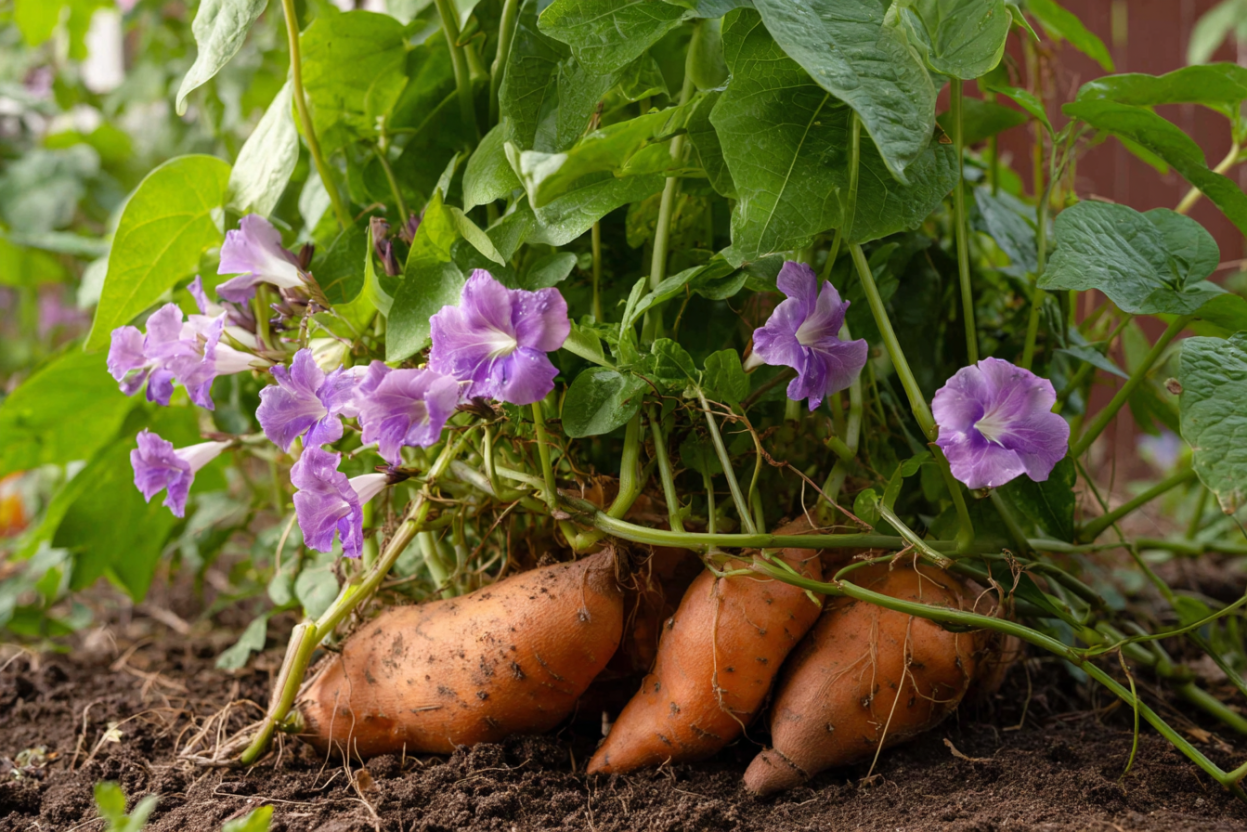
Sweet Potato (Ipomoea batatas)
If you struggle with blood sugar fluctuations, low energy, poor skin health, or stubborn inflammation, you are far from alone — and nature may have provided support you have not yet discovered in one of the most humble, accessible foods on earth.
For over five thousand years, civilizations across the globe have turned to the sweet potato not just as sustenance, but as a source of profound nourishment. Modern science is finally catching up to what indigenous peoples of Central and South America knew millennia ago — this vibrant root vegetable is a powerhouse of healing compounds that support nearly every system in the body.
This remarkable plant is one of many gifts the Creator embedded into nature for our benefit. From the rich orange flesh bursting with beta-carotene to the nutrient-dense leaves that rival spinach in nutritional value, every part of the sweet potato reflects the wisdom of a Designer who provided for every human need — long before laboratories existed.
The Plant
Common Names: Sweet Potato, Batata, Camote, Kumara, Boniato, Patate Douce, Süßkartoffel, Satsumaimo (Japan), Goguma (Korea), Shakarkandi (India)
Botanical Name: Ipomoea batatas (L.) Lam.
Family: Convolvulaceae (Morning Glory family — a relative of the ornamental morning glory, not related to the common white potato, which belongs to the nightshade family Solanaceae)
Description
The sweet potato is a herbaceous perennial vine typically grown as an annual in temperate climates. It produces trailing or climbing vines that can extend six to sixteen feet in length, creating a lush, attractive groundcover of heart-shaped or deeply lobed leaves that range from bright green to deep purple, depending on the variety. The leaves are alternately arranged on smooth, flexible stems and can reach three to six inches across.
Flowering is uncommon in temperate growing regions but occurs in tropical settings, producing funnel-shaped flowers in shades of lavender, pink, or white — resembling their morning glory cousins. The real treasure lies underground, where the plant develops enlarged tuberous roots with smooth skin ranging from copper-orange, red, and purple to white, cream, and tan. The flesh inside varies by cultivar — from deep orange (highest in beta-carotene), to vivid purple (rich in anthocyanins), to creamy white and yellow.
The root system is fibrous and extensive, with storage roots forming at the nodes of underground stems. Unlike true potatoes, which are stem tubers, sweet potatoes are modified storage roots — an important botanical distinction. A single plant can produce three to eight sizeable roots per season under favorable conditions.
Origin
Sweet potatoes originated in the tropical regions of Central and South America, with archaeological evidence of cultivation in Peru dating back to 2500–1850 BCE and cultivation records reaching to at least 750 BCE. They were a staple food for indigenous peoples throughout the Americas, including the Maya and Aztec civilizations, who valued them for both nutrition and cultural significance.
The global journey of the sweet potato is one of the most fascinating stories in botanical history. Long before European contact, sweet potatoes somehow reached Polynesia — carbon-dated remnants from around 1000–1100 CE have been found in the Pacific Islands. The Polynesian word for sweet potato, “kuumala,” closely resembles the Quechuan word “kumara,” suggesting ancient transoceanic contact between South American and Polynesian peoples.
Christopher Columbus brought sweet potatoes to Spain in the late fifteenth century, launching the plant’s spread through Europe, Africa, and Asia. Spanish and Portuguese traders carried sweet potatoes to the Philippines, China, and Japan during the sixteenth century. The plant entered China during the Ming Dynasty, where it quickly became essential to food security. By the seventeenth century, sweet potatoes were being cultivated in Virginia, and by the eighteenth century, Native American tribes such as the Cherokee and Seminole had adopted them into their food traditions.
Today, sweet potatoes are cultivated in over 115 countries, with China leading global production. They rank as the world’s sixth most important food crop, with annual production exceeding 90 million tonnes.
Brief History
The sweet potato’s integration into world cuisine and medicine reflects centuries of cultural exchange. George Washington Carver, the pioneering American agricultural scientist, compiled over one hundred sweet potato recipes and championed the crop’s potential for nutrition and soil health in the American South. During World War II, sweet potatoes served as a critical food security crop in Japan and other nations facing shortages. In the twentieth and twenty-first centuries, organizations such as the International Potato Center (CIP) have developed orange-fleshed sweet potato varieties specifically to combat vitamin A deficiency in developing nations — an effort that has saved millions of lives, particularly among children in sub-Saharan Africa.
Growing & Cultivation
Climate & Zones
Sweet potatoes thrive as perennials in USDA Hardiness Zones 9–12 and can be grown as annuals in Zones 5–8, provided there are at least 90–120 frost-free days in the growing season. They perform best in warm, humid conditions and require soil temperatures above 65°F (18°C) for planting. The ideal growing temperature range is 75°F to 95°F. Prolonged exposure below 50°F causes chilling injury to both vines and roots. In northern zones, gardeners can extend the season using black plastic mulch, row covers, or greenhouse growing to maintain warm soil temperatures.
Soil Requirements
Sweet potatoes prefer well-drained, loose, sandy loam soil with a slightly acidic pH of 5.5–6.5. Heavy clay soils should be avoided, as they restrict root development and can lead to misshapen roots and rot. Raised beds or mounded rows are ideal, especially in areas with heavier soils. Avoid excessive nitrogen fertilization, which encourages lush vine growth at the expense of root development. Light, well-aerated soil allows the tuberous roots to expand freely, producing plump, well-shaped potatoes. Incorporating compost before planting improves soil structure and drainage without excessive nitrogen.
Water & Sunlight
Sweet potatoes need full sun — at least six to eight hours of direct sunlight daily. They require consistent moisture during establishment and mid-season growth, approximately one inch of water per week. Deep watering encourages deeper root development. Reduce watering as harvest approaches to prevent skin cracking and rot. While sweet potatoes are surprisingly drought-tolerant once established, prolonged dry spells will reduce yields. Overwatering, especially in poorly drained soils, leads to root rot and poor storage quality.
Propagation
Sweet potatoes are grown from “slips” — small rooted sprouts that emerge from a mature sweet potato root, not from seed. To produce slips, place a whole sweet potato partially submerged in water or in warm, moist soil at 75–80°F. Within four to six weeks, sprouts will emerge. Once slips reach six to twelve inches in length with visible roots, they can be gently twisted off and transplanted. Slips can also be purchased from reputable nurseries and mail-order suppliers. For best results, use disease-free, certified stock to avoid transferring soilborne viruses.
Planting
Transplant slips outdoors three to four weeks after the last spring frost, once soil temperatures have reliably reached 65°F. Plant slips in raised mounds or ridged rows, burying at least two to three nodes beneath the soil surface and leaving the growing tip exposed. Space slips nine to twelve inches apart in rows three to six feet apart. Water thoroughly at transplanting and keep soil consistently moist for the first one to two weeks until roots establish. Black plastic mulch can significantly improve yields in cooler climates by warming the soil and retaining moisture.
Harvesting
Sweet potatoes are typically ready for harvest 90–120 days after transplanting, depending on the variety and climate. Harvest before the first frost — even a light frost can damage the vines, and cold-damaged roots do not store well. Signs of readiness include yellowing lower leaves and roots that have reached a desirable size (check by gently digging around the base of a plant). Use a garden fork carefully, inserting at least twelve inches from the base of the plant to avoid cutting roots. Handle roots gently, as freshly dug sweet potatoes bruise easily.
After harvest, curing is essential. Place unwashed sweet potatoes in a warm (80–85°F), humid (85–90% humidity) space for seven to ten days. This heals skin wounds, converts starches to sugars (improving flavor), and dramatically extends storage life. After curing, store in a cool, dark, well-ventilated area at 55–60°F. Properly cured and stored sweet potatoes can last four to six months or longer.
Drying & Storage
Sweet potato roots are best stored fresh after curing, as described above. For long-term preservation, sweet potatoes can be sliced thin and dehydrated at 125–135°F for eight to twelve hours to make chips or flour. They can also be cooked, mashed, and frozen in airtight containers for up to twelve months. Sweet potato leaves can be blanched and frozen or air-dried at low temperatures for use in teas and broths.
Pest & Disease Management
Common pests include sweet potato weevils (the most destructive pest worldwide), wireworms, grubs, and whiteflies. Deer are attracted to the foliage, and voles may feed on the roots underground. Organic management strategies include rotating crops (do not plant in the same location for at least three years), using certified disease-free slips, maintaining healthy soil biology, and encouraging beneficial insects. Companion planting with herbs such as rosemary and marigolds may help deter pests. Common diseases include Fusarium wilt, black rot, and soft rot — all best prevented through good soil drainage, crop rotation, and proper curing and storage.
Companion Planting
Sweet potatoes pair well with beans (which fix nitrogen without causing excessive leaf growth), root vegetables like beets, and aromatic herbs such as thyme, oregano, and summer savory. Avoid planting near squash or other vining crops that compete for space. Sunflowers planted nearby can attract pollinators and beneficial insects. The sprawling sweet potato vines themselves serve as a living mulch, suppressing weeds and retaining soil moisture for neighboring plants.
The Healing of Growing
Growing sweet potatoes offers benefits beyond the harvest itself. The act of gardening — hands in soil, bare feet on earth, time spent outdoors — has been shown to reduce cortisol, improve mood, and support immune function. The soil contains beneficial bacteria (Mycobacterium vaccae) with documented antidepressant effects, stimulating serotonin production in the brain. Research published in the journal Neuroscience demonstrated that exposure to this soil bacterium activated neurons in the brain that produce serotonin, the “feel-good” neurotransmitter. When you grow your own sweet potatoes, you receive healing before you ever consume them — through touch, through sunshine, through the grounding connection of bare feet on living earth.
Nutritional Profile
Macronutrients
Per 100 grams of raw sweet potato (orange-fleshed), according to USDA FoodData Central:
Calories: 86 kcal. Protein: 1.6 g. Carbohydrates: 20.1 g (primarily complex starch with a higher amylose-to-amylopectin ratio than white potatoes, meaning slower digestion and steadier blood sugar response). Fiber: 3.0 g (supports digestive health and feeds beneficial gut bacteria). Sugars: 4.2 g (natural sugars that increase during curing and cooking). Fat: 0.1 g (virtually fat-free, with no saturated fat or cholesterol).
Vitamins
Vitamin A (as beta-carotene): 14,187 IU (283% DV) — The single most extraordinary nutrient in orange-fleshed sweet potatoes. Beta-carotene is a provitamin A carotenoid that the body converts to retinol (active vitamin A), essential for vision, immune defense, skin cell renewal, and reproduction. Just 100 grams provides nearly three times the daily recommended amount.
Vitamin C: 2.4 mg (4% DV) — Supports immune function, collagen synthesis for skin elasticity, and acts as a water-soluble antioxidant. Levels increase slightly with cooking methods such as baking.
Vitamin B6 (Pyridoxine): 0.209 mg (15% DV) — Critical for amino acid metabolism, neurotransmitter synthesis (including serotonin and dopamine), and healthy red blood cell formation.
Vitamin B5 (Pantothenic acid): 0.8 mg (16% DV) — Essential for energy production and the synthesis of coenzyme A, which supports adrenal function and hormone production.
Vitamin E: 0.26 mg (2% DV) — A fat-soluble antioxidant that protects cell membranes from oxidative damage, supporting skin health and cardiovascular function.
Also present in meaningful amounts: Thiamin (B1), Riboflavin (B2), Niacin (B3), and Folate — all of which serve as cofactors for enzymatic reactions throughout the body’s metabolic processes.
Minerals
Potassium: 337 mg (7% DV) — Vital for maintaining healthy blood pressure, proper muscle contraction, nerve signal transmission, and fluid balance. Sweet potatoes provide more potassium per serving than many fruits commonly associated with this mineral.
Manganese: 0.258 mg (11% DV) — Supports bone formation, blood clotting, and antioxidant enzyme function (particularly superoxide dismutase). Also plays a role in carbohydrate and fat metabolism.
Magnesium: 25 mg (6% DV) — Essential for over 300 enzymatic reactions, including energy production, muscle and nerve function, blood sugar regulation, and bone health.
Iron: 0.61 mg (7.5% DV) — Necessary for oxygen transport via hemoglobin and energy metabolism. The vitamin C content in sweet potatoes helps enhance iron absorption.
Calcium: 30 mg (3% DV) — Supports bone structure, muscle function, and nerve signaling.
Phosphorus: 47 mg (7% DV) — Works with calcium for bone and teeth formation and is involved in energy storage and transfer (ATP).
Phytonutrients & Active Compounds
Beyond basic vitamins and minerals, sweet potatoes contain a remarkable array of bioactive compounds that contribute to their therapeutic potential:
Beta-carotene: The most abundant carotenoid in orange-fleshed varieties. A powerful antioxidant that protects cells from free radical damage and converts to vitamin A as needed. Research indicates that beta-carotene accumulates in the skin, providing a degree of natural photoprotection against UV damage.
Anthocyanins: Concentrated in purple-fleshed varieties. These flavonoid pigments exhibit potent antioxidant and anti-inflammatory activity. Studies suggest they modulate the NF-κB inflammatory pathway and activate the Nrf2 transcription factor, providing cellular protection against oxidative stress.
Chlorogenic acid: The most abundant polyphenol antioxidant in sweet potatoes. Research indicates it may support healthy blood sugar metabolism and exhibit antimicrobial properties.
Caffeoylquinic acid derivatives: Including 3,4,5-tri-caffeoylquinic acid, which research suggests may increase glucagon-like peptide-1 (GLP-1) secretion — a hormone involved in blood sugar regulation and satiety signaling.
Sporamin: A unique storage protein found in sweet potato roots that demonstrates antioxidant properties and may support the body’s natural defense against oxidative stress.
Caiapo (acidic glycoprotein): Isolated primarily from the peel of white-skinned sweet potatoes. Clinical trials have demonstrated its potential to support healthy blood sugar levels, insulin sensitivity, and cholesterol metabolism.
Nutrient Notes
Beta-carotene absorption is significantly enhanced when consumed with a small amount of fat — pairing sweet potatoes with olive oil, butter, avocado, or coconut oil can increase carotenoid absorption by up to 600%. Baking or roasting sweet potatoes increases the bioavailability of certain nutrients while concentrating flavors through natural starch-to-sugar conversion. Boiling can cause some water-soluble vitamins (particularly vitamin C) to leach into the cooking water — retaining and using that liquid preserves nutrients. The leaves of the sweet potato plant are edible and, weight for weight, provide more iron, vitamin C, folate, vitamin K, and potassium than the root itself — making the entire plant a nutritional powerhouse.
Culinary Uses
Edible Parts
Nearly every part of the sweet potato plant is edible. The tuberous root is the most widely consumed portion — baked, boiled, roasted, steamed, fried, or mashed. The young leaves and tender shoot tips are eaten as a leafy green vegetable throughout Asia, Africa, and the Pacific Islands, where they are considered highly nutritious and flavorful. Even the stems of young growth can be consumed after light cooking. The only caution is that raw sweet potato roots contain trypsin inhibitors that can interfere with protein digestion — cooking eliminates these entirely.
Flavor Profile
The flavor of sweet potato depends on the variety. Orange-fleshed varieties offer a naturally sweet, earthy taste with notes of caramel and brown sugar, especially when baked or roasted (as the starch converts to maltose). White- and cream-fleshed varieties are milder, starchier, and less sweet — often compared to a chestnut or mild potato flavor. Purple-fleshed varieties carry a slightly nutty, earthy flavor with moderate sweetness. Fresh sweet potato leaves taste mildly spinach-like with a faint peppery note.
Preparation
Sweet potatoes are extraordinarily versatile. They can be baked whole (pierce the skin and bake at 400°F for 45–60 minutes), roasted in cubes or wedges, steamed, boiled, mashed, pureed into soups, spiralized into noodles, sliced thin and dehydrated into chips, or grated raw into salads. The skin is edible and nutritious — scrub well rather than peeling. For maximum beta-carotene absorption, cook with a small amount of healthy fat.
Sweet potato leaves are typically sautéed with garlic and a splash of soy sauce or oyster sauce, blanched and dressed, or added to soups and stews in the final minutes of cooking. In Filipino cuisine, the leaves (called “talbos ng kamote”) are a popular green vegetable.
Culinary Pairings
Sweet potatoes pair beautifully with warming spices (cinnamon, nutmeg, ginger, allspice, cumin), healthy fats (butter, coconut oil, olive oil, tahini), proteins (black beans, chickpeas, chicken, pork, eggs), complementary vegetables (kale, onions, peppers, Brussels sprouts), acids (lime juice, apple cider vinegar), and sweeteners (maple syrup, honey, brown sugar). They also shine in both savory and sweet applications — from curries and stews to pies and breads.
Storage
Store fresh sweet potatoes in a cool (55–60°F), dark, well-ventilated area — never in the refrigerator, as temperatures below 50°F cause the center to harden and develop an unpleasant taste. Properly cured roots will keep four to six months. Cooked sweet potato can be refrigerated for up to five days or frozen for up to twelve months. Sweet potato leaves should be used within two to three days of harvest and stored loosely wrapped in the refrigerator.
Ready to cook with Sweet Potato? View Recipes on Chefts →
Wellness & Therapeutic Uses
Traditional Uses
The sweet potato has a long history of therapeutic use across multiple cultures. In Traditional Chinese Medicine (TCM), sweet potato has been used to tonify Qi (vital energy), nourish the spleen and stomach, promote yin fluids, and support kidney energy — all contributing to improved digestion, hydration, and stamina. Chinese practitioners documented its use for treating digestive weakness, chronic fatigue, and poor appetite.
In Ayurvedic medicine, sweet potato is considered a balya (strength-promoting) food with madhura rasa (sweet taste). It is used to pacify Vata dosha, support muscle tissue building, and promote healthy reproductive function. Ayurvedic practitioners have traditionally recommended sweet potato for conditions involving weakness, underweight, and convalescence.
Indigenous peoples of Central and South America used sweet potato not only as a staple food but also applied the mashed root topically to soothe burns, insect bites, and skin inflammation. In parts of Africa, sweet potato leaves have been used traditionally to support lactation, ease digestive complaints, and address anemia. In Japan, the “Caiapo” extract from white-skinned sweet potatoes has been used as a folk remedy for blood sugar management for generations.
Modern Research
Blood Sugar Support: One of the most well-researched therapeutic properties of sweet potato. A systematic review published in Foods (2023) analyzed 28 studies and identified phenolic acids, flavonols, and anthocyanins as the compounds responsible for sweet potato’s blood sugar-supporting activity. Clinical trials using Caiapo (a glycoprotein extracted from white sweet potato peel) demonstrated significant reductions in HbA1c (a marker of long-term blood sugar control) and fasting blood glucose in patients with type 2 diabetes after two to three months of daily 4g supplementation. A Cochrane systematic review examined three randomized controlled trials totaling 140 participants and found evidence supporting improved metabolic control, though the authors noted more research was needed. Animal studies have shown that orange-fleshed sweet potato may upregulate GLP-1 gene expression, downregulate DPP-4, and improve insulin sensitivity, with restorative effects on pancreatic beta cells.
Antioxidant and Anti-Inflammatory Activity: Sweet potatoes — particularly the purple-fleshed and orange-fleshed varieties — rank among the highest antioxidant vegetables. Purple sweet potato anthocyanins have been shown to modulate the NF-κB inflammatory pathway and activate the Nrf2 transcription factor, providing cellular protection. A review published in the Journal of Food Science and Nutrition confirmed potent free-radical scavenging capacity, with the intensity of flesh color correlating directly with antioxidant strength.
Liver Support: Multiple animal studies have demonstrated hepatoprotective effects from sweet potato extracts. A systematic review found that sweet potato consumption improved hepatic biomarkers, suggesting support for liver detoxification and function.
Cardiovascular Support: The potassium, fiber, and antioxidant content of sweet potatoes may support heart health. Research indicates that purple sweet potato anthocyanins improve lipid profiles — increasing HDL cholesterol while decreasing LDL cholesterol and triglycerides. The high potassium-to-sodium ratio supports healthy blood pressure.
Digestive Health: The dietary fiber in sweet potatoes supports regular bowel function and feeds beneficial gut microbiota. A human intervention trial demonstrated improvement in constipation with regular sweet potato consumption. Purple sweet potato anthocyanins have been shown to help normalize gut microbiota composition in animal models of type 2 diabetes.
Vitamin A Deficiency: Orange-fleshed sweet potatoes have been the cornerstone of global efforts to combat vitamin A deficiency. Eight human intervention trials reviewed in a systematic analysis demonstrated that regular consumption of orange-fleshed sweet potatoes significantly improved vitamin A status, particularly in children and women of reproductive age in developing countries.
Immune Support: The beta-carotene, vitamin C, and polyphenols in sweet potatoes contribute to immune function through multiple pathways — supporting mucosal barrier integrity, white blood cell production, and antioxidant defense. Sweet potato leaf extracts have demonstrated antimicrobial activity against bacterial strains including MRSA and Pseudomonas aeruginosa, with effective antibiofilm properties.
Body Systems Supported
Digestive system — Fiber supports motility, gut microbiome health, and nutrient absorption. Immune system — Vitamin A, vitamin C, and polyphenols strengthen immune defenses. Cardiovascular system — Potassium, fiber, and anthocyanins support heart and blood vessel health. Endocrine system — Caiapo and caffeoylquinic acids support healthy insulin signaling and blood sugar metabolism. Integumentary system (skin) — Beta-carotene, vitamin C, and anthocyanins protect and nourish skin from within. Nervous system — B-vitamins and magnesium support nerve function and neurotransmitter production. Musculoskeletal system — Manganese and magnesium support bone health and muscle function. Respiratory system — Vitamin A supports mucosal membrane health throughout the respiratory tract.
Body Compounds Affected
The B-vitamins in sweet potato (particularly B6 and folate) are essential cofactors in the production of serotonin and dopamine — neurotransmitters that regulate mood, sleep, motivation, and emotional wellbeing. The magnesium content may help regulate cortisol (the stress hormone), as magnesium is required for proper HPA axis function. The complex carbohydrates in sweet potatoes support steady tryptophan delivery to the brain, which is a precursor to both serotonin and melatonin production. Purple sweet potato anthocyanins have been shown to reduce pro-inflammatory cytokines including TNF-alpha, IL-1, and IL-6. The fiber content supports insulin regulation by slowing glucose absorption. The antioxidant compounds support BDNF (brain-derived neurotrophic factor) through their neuroprotective activity.
Methods of Use
Whole Food Consumption
The primary and most accessible method. Baked, steamed, or roasted sweet potato consumed three to four times per week provides consistent nutritional support. Eat with skin intact for maximum fiber. Pair with a healthy fat source for optimal beta-carotene absorption. Both roots and leaves are beneficial.
Tea/Infusion
Sweet potato leaves can be dried and steeped as an herbal tea. Use one tablespoon of dried leaves per cup of hot water. Steep for five to ten minutes. This preparation delivers polyphenols, vitamins, and minerals in a gentle, easily absorbed form. In some traditions, a decoction of sliced sweet potato root is simmered for blood sugar support.
Powder/Capsule
Sweet potato powder (from dehydrated and ground roots or leaves) is available as a dietary supplement. Purple sweet potato extract capsules are marketed for their concentrated anthocyanin content. White sweet potato peel extract (Caiapo) has been used in clinical trials at dosages of 4 grams per day for blood sugar support.
Juice
Raw sweet potato can be juiced, typically combined with carrots, ginger, and apple for palatability. This provides concentrated beta-carotene and enzymes, though it removes the beneficial fiber.
This information is for educational purposes only and is not intended to diagnose, treat, cure, or prevent any disease. Always consult with a qualified healthcare provider before making changes to your health regimen.
Cosmetic & Beauty Uses
Skin Benefits
Sweet potato is emerging as a significant ingredient in natural skincare, and for good reason. A 2025 review published in Food Science & Nutrition examined the role of sweet potato root in collagen synthesis and skin rejuvenation, finding that beta-carotene and anthocyanins enhance fibroblast activity, improve the skin’s architecture, and support collagen production. Topical sweet potato root extracts have been shown to improve skin barrier function and accelerate wound healing.
When consumed, the beta-carotene in sweet potatoes converts to retinol (vitamin A), which supports skin cell turnover, repair, and renewal — acting as a gentler, internal version of the topical retinoids used in commercial skincare. The vitamin C content supports collagen synthesis, promoting skin elasticity and firmness. Research suggests that dietary beta-carotene accumulates in the skin over time, providing a degree of internal photoprotection against UV damage — complementing (not replacing) topical sunscreen.
All skin types can benefit from sweet potato, though it is particularly valuable for mature skin (collagen support), dry skin (hydration from polysaccharides), sensitive or inflamed skin (anti-inflammatory compounds), and uneven skin tone (beta-carotene’s role in cell renewal).
Hair Benefits
The beta-carotene, vitamin C, and iron in sweet potatoes support healthy hair growth and scalp health. Vitamin A regulates sebum production, keeping the scalp moisturized without excess oiliness. Iron supports oxygen delivery to hair follicles, and vitamin C enhances iron absorption while supporting the collagen matrix that surrounds hair roots. Sweet potato leaf rinses have been used traditionally in parts of Asia and Africa for scalp nourishment and to add shine to hair.
Application Methods
DIY Sweet Potato Face Mask: Mash one-quarter cup of cooked, cooled sweet potato with one teaspoon of honey and one teaspoon of plain yogurt. Apply evenly to clean skin, leave for fifteen to twenty minutes, and rinse with lukewarm water. Use once weekly for nourishing, brightening effects.
Sweet Potato Hair Rinse: Simmer sweet potato peels in water for twenty minutes. Cool, strain, and use as a final rinse after shampooing. The nutrients in the peel — beta-carotene, vitamin C, and minerals — nourish the scalp and add softness to hair.
Dietary Approach (Most Effective): Consuming sweet potatoes three to four times weekly provides sustained, systemic benefits for skin and hair that topical applications alone cannot match. Allow eight to twelve weeks for visible improvements in skin texture, tone, and radiance.
DIY Formulation Notes
Fresh sweet potato puree can be combined with carrier oils such as jojoba, sweet almond, or coconut oil for a nourishing body treatment. Due to its starchy nature, fresh preparations should be used immediately and not stored. For longer shelf life, sweet potato extract or sweet potato powder can be incorporated into homemade creams and serums at 1–5% concentration. Sweet potato extract pairs well with ingredients like honey, aloe vera, turmeric, and vitamin E oil for enhanced benefits.
Sweet potato is among the botanicals being explored for holistic cosmetic applications, where the wisdom of traditional beauty practices meets modern understanding of skin science.
Sweet potato (Ipomoea batatas) does not produce a commercially available essential oil. While the plant has volatile aromatic compounds, it is not steam-distilled or cold-pressed for essential oil production. Its therapeutic benefits are accessed through whole-food consumption, topical application of fresh preparations, and supplement extracts rather than essential oil form. This section is not applicable.
Aromatherapy & Scent
The Aroma
The living sweet potato plant produces a mild, green, herbaceous scent from its leaves and vines — a fresh, clean aroma characteristic of the morning glory family. When leaves are crushed between the fingers, they release a subtle earthy-green fragrance. The scent is not strong or assertive, making it a gentle background presence in the garden rather than a dominant aromatic experience.
The root itself, when raw, has a mild, starchy, earthy smell. When baked or roasted, however, the sweet potato transforms — releasing a warm, caramel-sweet, deeply comforting aroma as its starches convert to sugars. This cooked aroma is one of the most universally appealing food scents, evoking warmth, comfort, and nourishment. Dried sweet potato leaves retain a light, hay-like scent that is subtle and pleasant.
How Scent Affects Your Body
Volatile aromatic molecules released during cooking are inhaled through the nose, where olfactory receptors detect them and send signals directly to the limbic system (the emotional brain) and the hypothalamus (which governs hormone regulation). This pathway bypasses conscious thought, meaning the body responds emotionally and hormonally before the mind fully processes the smell. The warm, sweet aroma of baking sweet potatoes activates comfort and safety responses — which is why the scent feels inherently calming and nurturing.
Emotional & Mood Effects
The aroma of baking sweet potato is primarily comforting and grounding. Warm, sweet food aromas have been associated in research with reduced anxiety, increased feelings of safety, and activation of reward pathways in the brain. The scent may also stimulate appetite and evoke positive memory associations — particularly for those who associate sweet potato with home-cooked meals and family gatherings.
Body Compounds Affected
While specific research on sweet potato aroma and neurotransmitters is limited, warm food aromas in general have been associated with increased serotonin activity (comfort and wellbeing) and reduced cortisol (stress relief). The anticipatory pleasure of smelling food cooking is linked to dopamine release. These effects are enhanced when the aroma is personally meaningful — connected to positive memories or cultural traditions.
Ways to Experience the Scent
Growing sweet potato vines indoors or on a patio provides a gentle green scent. Baking sweet potatoes fills the home with a warm, inviting aroma — this is itself a form of aromatherapy, creating a calming, grounding atmosphere. Simmering sweet potato with cinnamon and cloves creates a comforting seasonal simmer pot. Adding dried sweet potato leaves to herbal tea blends provides a mild, earthy aromatic note during steeping.
Color Therapy
The Colors of Sweet Potato
Sweet potato is one of nature’s most color-diverse plants. The root flesh ranges from deep vibrant orange (most common), to rich purple and violet, to creamy white and pale yellow — each color indicating a different phytochemical profile. The skin varies from copper-orange, reddish-brown, and deep purple to tan and cream. The leaves are bright to deep green, with some ornamental varieties producing stunning purple, chartreuse, and variegated foliage. Flowers, when they appear, are lavender to pale pink — a soft, meditative hue.
Color Wavelengths
The dominant orange of the most common sweet potato flesh corresponds to the 590–620 nm wavelength range — the orange band of the visible spectrum. Purple-fleshed varieties correspond to approximately 380–450 nm (violet range). The green of the foliage falls in the 495–570 nm range.
How These Colors Affect the Body
Orange (590–620 nm): In color therapy principles, orange is associated with creativity, joy, emotional warmth, and digestive support. It is considered an uplifting, energizing color that stimulates appetite and social engagement. Having orange-fleshed sweet potatoes visible in your kitchen or on your plate introduces this warming, optimistic energy into your daily environment.
Purple/Violet (380–450 nm): Purple is associated with calm, spiritual awareness, and nervous system relaxation. Purple-fleshed sweet potatoes on the plate introduce a meditative, calming visual energy. In chromotherapy, violet is linked to supporting the crown and third eye energy centers.
Green (495–570 nm): The green of sweet potato foliage provides the balancing, calming energy of nature. Green is the most restful color for the human eye and is associated with heart-centered healing, equilibrium, and renewal. Growing sweet potato vines indoors brings this balancing green energy into living spaces.
Body Compounds Affected
Exposure to green environments has been documented to reduce cortisol and support parasympathetic nervous system activation. Warm colors like orange have been associated with increased endorphin and dopamine activity. Consuming “the rainbow” — eating foods of varied colors — ensures exposure to the widest range of phytochemicals, each with its own therapeutic benefit.
Using Sweet Potato for Color Therapy
Grow ornamental sweet potato vines in indoor containers for their vivid green, purple, or chartreuse foliage — bringing living color into your environment. Display orange-fleshed sweet potatoes in a kitchen bowl as both a beautiful and nourishing visual element. Prepare meals intentionally incorporating all three sweet potato colors (orange, purple, white) for a visually stunning and phytochemically diverse plate. The act of “eating the rainbow” is itself a form of color therapy — each pigment delivering specific wavelength energy along with its associated nutrients.
Frequency & Vibration
The Frequency of Sweet Potato
While specific MHz measurements for sweet potato have not been widely published in the bio-frequency literature (most frequency research has focused on essential oils and aromatic herbs), sweet potato is a living plant with measurable molecular vibration. Fresh, living plants generally vibrate at higher frequencies than processed foods. Raw, organic sweet potatoes — freshly harvested and full of vital enzymes — would be expected to carry a moderate-to-high frequency as a dense, nutrient-rich whole food.
For reference, a healthy human body is reported to vibrate at approximately 62–78 MHz, while fresh produce generally maintains frequencies in a supportive range. The transition from living food to processed food represents a measurable drop in vibrational energy.
Human Frequency Interaction
According to proponents of vibrational medicine, consuming high-frequency, living foods supports the body’s own frequency. Fresh, organically grown sweet potatoes — particularly when consumed raw or minimally processed — may contribute to maintaining the body’s energetic baseline. The entrainment principle suggests that a stronger frequency can influence a weaker one, meaning that surrounding yourself with living plants and consuming vibrant, fresh foods may help support your body’s energetic state.
Vibrational Applications
Growing sweet potato vines in your living space introduces the frequency of a living, growing organism into your environment. Consuming freshly harvested sweet potatoes preserves more of the plant’s vital energy than long-stored or heavily processed preparations. Combining fresh sweet potato consumption with other high-frequency practices — such as time in nature, prayer, meditation, and hydration with pure water — may create a synergistic effect on personal wellbeing.
Note: Bio-frequency measurement of foods and plants is an emerging area of research. While frequency measurements are cited by researchers such as Bruce Tainio, peer-reviewed validation of specific food frequencies remains limited. The principles presented here are based on the foundational concepts of vibrational medicine and should be understood in that context.
The Living Plant
Benefits of Presence
Sweet potato vines are among the most visually appealing and accessible living plants you can bring into your home or garden. Their lush, trailing foliage — available in vibrant green, deep purple, and lime-chartreuse varieties — provides a connection to nature that research consistently links to reduced stress, improved mood, and enhanced cognitive function. Studies on biophilic design demonstrate that simply having plants in view reduces cortisol levels, lowers blood pressure, and improves focus and productivity. The sprawling, vigorous growth habit of sweet potato vines provides an abundance of living green presence for minimal investment.
Air Purification
While sweet potato was not among the original NASA Clean Air Study plants, living sweet potato vines contribute to indoor air quality through basic photosynthetic activity — absorbing carbon dioxide and releasing oxygen. As a fast-growing, densely leafed plant, sweet potato vine offers significant leaf surface area for gas exchange. Indoor sweet potato vines also contribute to humidity regulation, releasing moisture through transpiration, which can benefit dry indoor environments, particularly during winter months when heating systems reduce indoor humidity.
Phytoncides
Like many living plants, sweet potato vines release volatile organic compounds — including phytoncides — that serve as the plant’s natural defense against pathogens. While specific phytoncide research on sweet potato is limited compared to forest trees, the broader body of forest bathing (shinrin-yoku) research demonstrates that plant-emitted volatile compounds increase Natural Killer (NK) cell activity in humans, supporting immune surveillance. Having multiple living plants in your environment, including vigorous growers like sweet potato vine, creates a miniature version of this forest bathing effect indoors.
Visual & Psychological Benefits
Research in healthcare settings has demonstrated that patients with views of plants and green spaces heal faster, require less pain medication, and report better mood outcomes. Attention Restoration Theory, developed by Rachel and Stephen Kaplan, demonstrates that exposure to natural elements — even indoor plants — restores directed attention and reduces mental fatigue. The vibrant colors of ornamental sweet potato vines (purple, chartreuse, green) provide a visually stimulating yet calming presence that supports both relaxation and gentle mental engagement.
Growing Indoors vs Outdoors
Sweet potato vines thrive both indoors and outdoors. Indoor growing is remarkably easy — simply suspend a sweet potato partially in water (using toothpicks) and watch roots and vines emerge within weeks. Transfer to a pot of well-draining soil for long-term growth, or maintain as a water-rooted plant. Place in a bright window with indirect to direct sunlight. Outdoors, sweet potato vines serve as an attractive, fast-growing groundcover that suppresses weeds while providing edible leaves and roots. In USDA Zones 9–12, they can be grown as perennials. In cooler zones, they perform beautifully as warm-season annuals, providing lush greenery from late spring through first frost.
Touch & Physical Interaction
Gardening Therapy
Growing sweet potatoes is a deeply satisfying gardening experience that engages the body and calms the mind. Horticultural therapy — the practice of using gardening activities as a therapeutic modality — is recognized by healthcare systems worldwide for its benefits in reducing depression, anxiety, and chronic stress. Sweet potato cultivation offers an accessible entry point: the plants are forgiving, vigorous, and rewarding, making them ideal for beginner gardeners and therapeutic garden programs.
Soil Contact Benefits
When you garden sweet potatoes, you interact directly with the earth. Research on grounding (or earthing) demonstrates that direct physical contact with the soil transfers free electrons from the earth into the body, reducing inflammation and supporting circadian rhythm regulation. The soil microbiome itself provides benefits — Mycobacterium vaccae, a common soil bacterium, has been shown in research published in Neuroscience to stimulate serotonin-producing neurons in the brain, producing antidepressant-like effects. Every time you plunge your hands into the garden soil to plant, tend, or harvest sweet potatoes, you expose yourself to these beneficial organisms.
The Tactile Experience
Sweet potato offers a rich tactile journey. The leaves are smooth and slightly waxy, cool to the touch on a warm day. The vines are flexible, smooth-stemmed, and satisfying to guide and train. At harvest time, the experience is uniquely rewarding — carefully digging with your hands around the base of the plant, feeling the soil give way, and uncovering the smooth, firm roots hidden beneath. The skin of a freshly harvested sweet potato is cool, slightly damp, and silky — a texture that is inherently pleasing. Processing sweet potatoes — scrubbing the skins, slicing the dense, brightly colored flesh, feeling the starchy moisture on your hands — is a sensory experience that grounds you in the present moment.
Harvesting & Processing
The harvest of sweet potatoes is one of gardening’s great celebrations. After months of patient growth, the act of lifting the vines and gently forking the earth to reveal the bounty below is deeply satisfying — a tangible connection to the cycle of planting, nurturing, and receiving. The repetitive, meditative motions of washing, curing, and storing the harvest offer a form of moving meditation. For those who dry sweet potato leaves or slice roots for dehydrating, the rhythmic work of preparation provides a calming, purposeful activity that reduces mental chatter and promotes mindfulness.
Water-Based Applications
Teas & Infusions
Sweet Potato Leaf Tea: Dry fresh sweet potato leaves in a well-ventilated area or dehydrator at low temperature (95–105°F) until crisp. Use one tablespoon of dried leaves per cup (8 oz) of water heated to just below boiling (200°F). Steep for five to ten minutes, covered. Strain and enjoy. This tea provides polyphenols, vitamins, and minerals with a mild, earthy, slightly grassy flavor. May be consumed one to three cups daily.
Sweet Potato Root Decoction: Slice one small sweet potato (skin on) into thin rounds. Simmer in four cups of water for twenty to thirty minutes. Strain and drink warm. This preparation extracts soluble fiber, minerals, and some water-soluble vitamins. Traditionally used in parts of Asia for digestive support and gentle energy.
Herbal Baths
A bath prepared with sweet potato can nourish the skin and provide a soothing, warming experience. Boil two to three cups of diced sweet potato (or a generous handful of fresh leaves) in a large pot of water for twenty minutes. Strain the liquid and add to a warm bath (98–102°F). Soak for fifteen to twenty minutes. The beta-carotene, vitamin C, and polyphenols in the water may provide mild antioxidant benefits for the skin, while the warmth of the bath promotes relaxation and circulation. For a foot bath, use a smaller quantity of the same preparation in a basin of warm water — beneficial for tired, dry, or cracked feet.
Compresses
A warm sweet potato compress can be applied to sore muscles or areas of tension. Prepare a strong decoction as described above. Soak a clean cloth in the warm (not hot) liquid, wring gently, and apply to the affected area for ten to fifteen minutes. The warmth promotes blood flow, and the plant’s compounds contact the skin directly. A cool sweet potato compress (using chilled decoction) may be soothing for minor skin irritation or puffiness.
Steam Inhalation
While sweet potato is not a primary steam inhalation herb, adding a few slices of fresh sweet potato to a bowl of steaming water — along with aromatic herbs like thyme, rosemary, or eucalyptus — creates a nutrient-infused steam that moisturizes the airways. The gentle, slightly sweet steam can be comforting during cold weather or dry indoor conditions. Inhale the steam for five to ten minutes with a towel draped over the head, keeping the face at a comfortable distance.
Hair Rinses
A sweet potato rinse for hair delivers beta-carotene and minerals directly to the scalp and hair shaft. Boil sweet potato peels (rich in concentrated nutrients) in water for fifteen to twenty minutes. Cool to room temperature, strain, and pour through freshly shampooed hair as a final rinse. Do not rinse out — allow the hair to dry naturally. This rinse may add softness, subtle shine, and scalp nourishment over time with regular use.
Historical, Cultural & Biblical Significance
Biblical References
Sweet potato is not directly mentioned in Scripture. As a plant native to the Americas, it was unknown in the ancient Near East during the periods in which the Bible was written. However, the Creator’s provision of nourishing root vegetables is a biblical theme — root crops and the fruits of the earth are celebrated as evidence of God’s care for His people. The principle of Genesis 1:29 — “And God said, Behold, I have given you every herb bearing seed, which is upon the face of all the earth, and every tree, in the which is the fruit of a tree yielding seed; to you it shall be for meat” (KJV) — encompasses the sweet potato as part of the Creator’s complete provision for humanity.
Ancient Civilizations
The sweet potato’s documented history begins with the indigenous peoples of Central and South America, who cultivated it for at least five thousand years. Archaeological evidence from Peru dates cultivation to 2500–1850 BCE, with formal cultivation records reaching back to 750 BCE. The Maya and Aztec civilizations valued sweet potatoes not only as a food source but as tribute payments to rulers. Spanish missionary Bernardino de Sahagún documented their importance in sixteenth-century indigenous life.
The Polynesian peoples represent one of the most intriguing chapters in sweet potato history. Charred sweet potato remnants carbon-dated to 1000–1100 CE have been found in the Pacific Islands — centuries before European contact. The linguistic connection between the Polynesian “kuumala” and the Quechuan “kumara” suggests ancient transoceanic exchange. Whether Polynesians sailed to South America or vice versa, the sweet potato’s Pacific journey remains one of botanical history’s great mysteries — and a testament to the plant’s importance to human civilization.
Eastern Traditions
In Traditional Chinese Medicine, sweet potato entered China during the Ming Dynasty (approximately the sixteenth century). Historical texts record that Lin Huaizhi, a physician practicing in Vietnam, helped introduce the plant to Chinese cultivation. Sweet potato rapidly became essential to Chinese food security, credited with preventing famines and supporting millions. TCM classifies sweet potato as sweet in flavor and neutral in temperature, entering the Spleen and Kidney meridians, used to tonify Qi, strengthen the Spleen, and nourish Yin.
In Ayurvedic tradition, sweet potato is classified with the madhura (sweet) rasa and is considered Vata-pacifying. It is recommended for building strength, supporting reproductive tissue (shukra dhatu), and nourishing the body during recovery and convalescence.
In Japan, the sweet potato (satsumaimo) arrived via China in the seventeenth century and became a critical survival food. Japanese folk medicine has used white sweet potato extract for blood sugar management — a tradition that later led to the scientific isolation of the Caiapo compound now studied internationally.
Indigenous Knowledge
The indigenous peoples of the Americas — the originators of sweet potato cultivation — developed sophisticated agricultural methods for growing, selecting, and storing varieties suited to diverse climates and purposes. After European colonization, Cherokee and Seminole tribes in North America adopted the sweet potato into their traditional diets. In West Africa, sweet potato was readily adopted because of its similarity to the yam — a plant deeply embedded in cultural identity. The enslaved peoples of the American South embraced sweet potato as a substitute for their traditional West African yams, transforming it into a cultural staple that remains central to Southern cuisine and identity today.
In Polynesian and Pacific Island cultures, sweet potato became a staple food that outstripped yams in importance due to its adaptability and ease of cultivation. In Papua New Guinea and Hawaii, sweet potato has been a foundation of traditional diets for centuries.
European Heritage
Columbus brought sweet potatoes to Spain in the late fifteenth century. In sixteenth-century England, sweet potato was considered an exotic delicacy and reputed aphrodisiac — Shakespeare referenced it in The Merry Wives of Windsor (1602). John Gerard described the “potato” (sweet potato) in his influential 1597 Herball. Initially a food of the upper classes, sweet potato gradually became accessible to broader populations, particularly during times of scarcity. George Washington Carver’s work at Tuskegee Institute in the late nineteenth and early twentieth centuries championed the sweet potato’s potential for nutrition, agriculture, and innovation, compiling over one hundred practical recipes.
Cultural Symbolism
Sweet potato symbolizes sustenance, resilience, and provision across many cultures. In the American South, it represents cultural identity, family tradition, and the enduring spirit of communities that transformed hardship into nourishment. In Japan, the roasted sweet potato (yaki-imo) is a symbol of autumn comfort. In many developing nations, the orange-fleshed sweet potato has become a symbol of hope — a simple food that can save lives by preventing vitamin A deficiency in children. Across cultures, the sweet potato represents what the Creator has always provided: humble, accessible, deeply nourishing sustenance available to all.
Safety & Precautions
Contraindications
Sweet potato is generally considered very safe when consumed as food. However, individuals with a history of kidney stones (particularly calcium oxalate stones) should moderate their intake, as sweet potatoes contain moderate levels of oxalates. Those with known allergies to plants in the Convolvulaceae family should exercise caution.
Drug Interactions
Sweet potatoes are high in vitamin K (particularly the leaves), which may interact with anticoagulant medications such as warfarin — large, sudden changes in vitamin K intake can alter the medication’s effectiveness. The blood sugar-lowering properties of sweet potato (particularly Caiapo extract) may have additive effects with diabetes medications, potentially causing hypoglycemia if not monitored. Individuals on blood sugar-lowering medications should discuss regular sweet potato consumption or supplementation with their healthcare provider. The high potassium content may be a consideration for individuals on potassium-restricted diets due to kidney disease or those taking potassium-sparing diuretics.
Pregnancy & Nursing
Sweet potato consumed as food is considered safe and even beneficial during pregnancy and breastfeeding. Its high vitamin A (as beta-carotene) content supports fetal development, and the folate, iron, and fiber provide important prenatal nutrition. In many cultures, sweet potato is a recommended food during pregnancy. However, concentrated sweet potato supplements (particularly high-dose vitamin A or Caiapo extract) should be discussed with a healthcare provider, as excessive preformed vitamin A can be harmful during pregnancy. Beta-carotene from food sources has not been associated with vitamin A toxicity.
Children
Sweet potato is one of the most commonly recommended first foods for infants, typically introduced at six months of age as a puree. It is well-tolerated, nutrient-dense, naturally sweet, and has a low allergenic potential. Children of all ages can safely consume sweet potatoes as part of a balanced diet. Orange-fleshed sweet potato is specifically recommended by the World Health Organization for children in regions at risk for vitamin A deficiency.
Elderly
Sweet potato is an excellent food for older adults. Its soft texture when cooked makes it easy to chew and digest. The potassium content supports cardiovascular health, and the fiber promotes digestive regularity. The beta-carotene supports vision and immune function. Elderly individuals on blood-thinning or blood sugar medications should maintain consistent intake levels and discuss any significant dietary changes with their healthcare provider.
Pets
Dogs: Cooked sweet potato (without added seasonings, butter, or sugar) is safe and commonly used as a healthy dog treat and in commercial dog foods. Sweet potato provides fiber, vitamins, and minerals that can support canine digestive health. Raw sweet potato should be avoided as it is difficult for dogs to digest. The ASPCA lists sweet potato vine as non-toxic to dogs, though ingestion of large amounts of raw vine material can cause gastrointestinal upset.
Cats: Cooked sweet potato in small amounts is generally safe for cats. The ASPCA lists sweet potato vine as non-toxic to cats. However, cats are obligate carnivores and derive limited nutritional benefit from sweet potato. It should only be offered as an occasional treat, not a dietary staple.
Horses: The ASPCA lists sweet potato vine as non-toxic to horses. Cooked sweet potato can be offered as an occasional treat.
Note: Some ornamental sweet potato vine varieties (bred for foliage color rather than food production) have been reported to cause gastrointestinal distress in pets when consumed in large quantities. Use food-grade sweet potato varieties when growing in environments with curious pets.
Allergies & Sensitivities
True sweet potato allergy is rare but has been documented, including rare cases of anaphylaxis. Individuals with known sensitivities to latex or plants in the Convolvulaceae family may have cross-reactive potential. When using sweet potato topically for the first time, a patch test on a small area of skin is recommended before full application.
Dosing Guidelines
As a whole food, there is no strict upper limit — sweet potato can be safely consumed daily as part of a balanced diet. A typical supportive intake is one-half to one medium sweet potato three to five times per week. Excessive consumption (multiple sweet potatoes daily over extended periods) can lead to carotenemia — a harmless, temporary orange discoloration of the skin caused by beta-carotene accumulation. This resolves upon reducing intake. For Caiapo supplementation, clinical trials used 4 grams per day — consult a healthcare provider before using concentrated supplements.
Quality & Sourcing
Choose organic sweet potatoes when possible to minimize pesticide exposure. Conventional sweet potatoes generally have lower pesticide residues than many other produce items, but organic is preferred. Avoid sweet potatoes with soft spots, mold, or sprouts in storage (sprouted sweet potatoes are not toxic but indicate declining quality). When purchasing sweet potato supplements, look for third-party tested products with verified ingredient sourcing.
Signs of Adverse Reaction
Mild reactions may include bloating or gas (from the fiber content, especially when increasing intake quickly), or skin discoloration (carotenemia — harmless). Serious reactions requiring medical attention would include signs of allergic response: hives, swelling, difficulty breathing, or anaphylaxis. Discontinue use and seek medical care immediately if any serious symptoms occur.
Disclaimer
This information is for educational purposes only. It is not intended to diagnose, treat, cure, or prevent any disease. Always consult with a qualified healthcare provider before using any herbal product, especially if you are pregnant, nursing, taking medications, or have a medical condition. If you experience any adverse reaction, discontinue use immediately and seek medical attention.
Want Personalized Guidance?
Every body is unique. What works for one person may not be right for another. If you’d like personalized support in incorporating sweet potato into your wellness journey, consider working with a qualified practitioner who can assess your individual needs.
Sources & References
Peer-Reviewed Studies
- Sweet Potato (Ipomoea batatas [L.] Lam) — A Valuable Medicinal Food: A Review — Journal of Medicinal Food, 2014, India/International
- Mechanism of Anti-Diabetic Activity from Sweet Potato (Ipomoea batatas): A Systematic Review — Foods, 2023, Indonesia
- Sweet Potato for Type 2 Diabetes Mellitus — Cochrane Database of Systematic Reviews, 2019, International
- White Sweet Potato Ameliorates Hyperglycemia and Regenerates Pancreatic Islets in Diabetic Mice — Food & Nutrition Research, 2020, Taiwan
- Purple Sweet Potato Anthocyanins Normalize Blood Glucose and Restore Gut Microbiota in Mice with T2DM — Heliyon, 2024, China
- Sweet Potato (Ipomoea batatas L.) Leaves as Nutritional and Functional Foods — Food Chemistry, 2014, China
- Sweet Potato Leaves: Properties and Synergistic Interactions That Promote Health and Prevent Disease — Nutrition Reviews, 2010, United States
- Bioactive Compounds, Antioxidants, and Health Benefits of Sweet Potato Leaves — International Journal of Molecular Sciences, 2021, Multiple countries
- Sweet Potato (Ipomoea batatas L.) Phenotypes: From Agroindustry to Health Effects — International Journal of Molecular Sciences, 2022, International
- Unveiling the Role of Sweet Potato Root in Skin Health: A New Approach to Collagen Synthesis and Rejuvenation — Food Science & Nutrition, 2025, International
Systematic Reviews & Comprehensive Reviews
- A Comprehensive Review of Sweet Potato (Ipomoea batatas [L.] Lam): Revisiting the Associated Health Benefits — Trends in Food Science & Technology, 2021
- Nutrition-related Health Outcomes of Sweet Potato Consumption: A Systematic Review — Food Bioscience, 2022, Australia
- Sweet Potato: A Review of Its Past, Present, and Future Role in Human Nutrition — Advances in Food and Nutrition Research, 2007, United States
- Proximate Composition, Health Benefits, and Food Applications in Bakery Products of Purple-Fleshed Sweet Potato — Foods, 2024, Spain
Dermatological & Cosmetic Research
- Unveiling the Role of Sweet Potato Root in Skin Health (Full Text) — Food Science & Nutrition, 2025
- Exploring the Effects of Sweet Potato Leaves on Skin Health — From Antimicrobial to Immunomodulator — Molecules, 2025, Portugal
Institutional Sources
- ASPCA: Sweet Potato Vine — Non-Toxic to Dogs, Cats, and Horses — ASPCA Animal Poison Control Center
- USDA Sweet Potato Nutritional Analysis — North Carolina Sweet Potato Commission / USDA
Historical References
- A Sweet Potato History — Library of Congress, Inside Adams Blog, 2010
- A Brief History of Sweet Potatoes — Baker Creek Heirloom Seeds, 2025