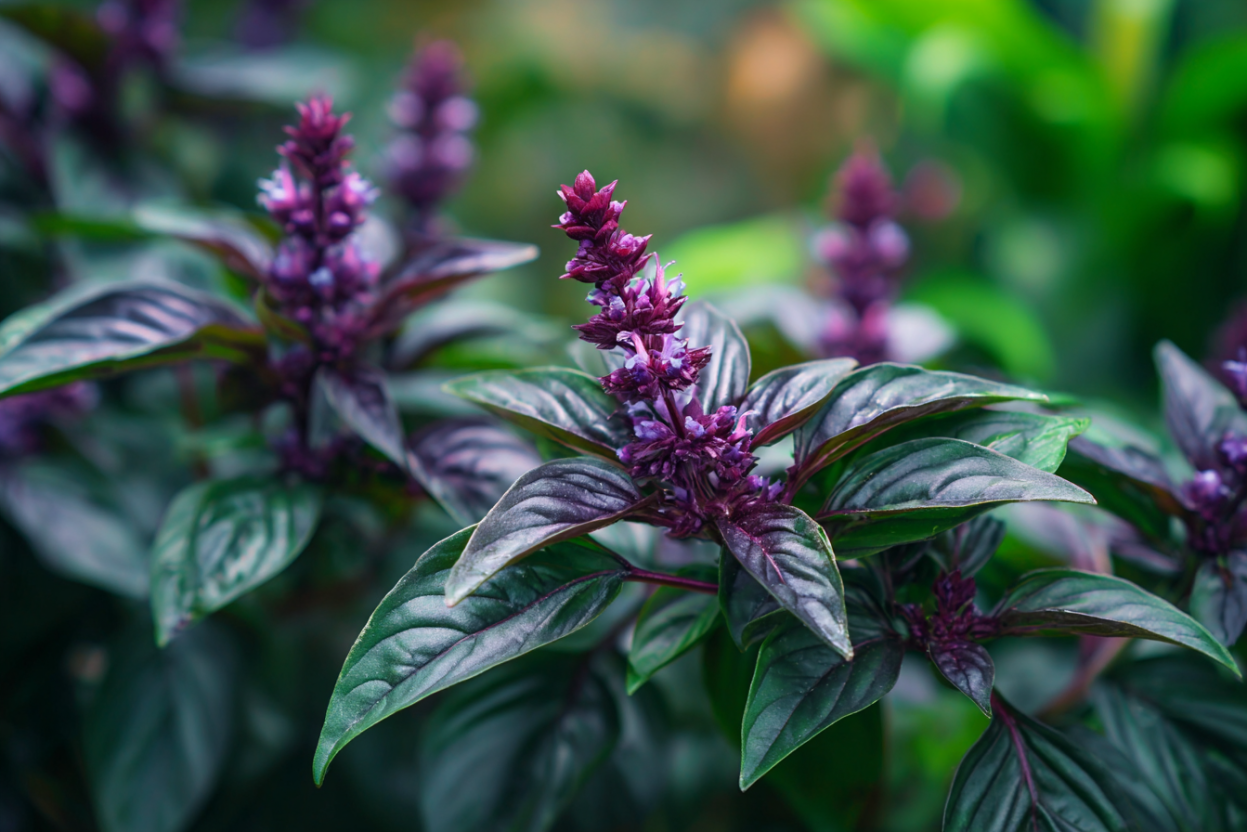
Thai Basil (Ocimum basilicum var. thyrsiflora)
If you have ever struggled with ongoing digestive discomfort, restless nights, or that relentless feeling of stress that seems to sit in your chest and refuse to leave — you are not alone. Millions of people search for relief every day, and many never realize that one of the most powerful supporters of their wellness has been sitting on the shelf of their local Asian grocery store all along. Thai Basil has been used for centuries across Southeast Asia not just to flavor food, but to support the body in ways that modern research is only beginning to confirm.
This remarkable herb is one of many gifts embedded into creation for our benefit. Like every plant that grows from the soil, Thai Basil reflects the wisdom of a Designer who knew exactly what the human body would need — long before any laboratory existed to study it. Every compound, every aroma, every vibrant purple stem points back to a Creator who provides.
The Plant
Common Names: Thai Basil, Asian Basil, Anise Basil, Licorice Basil, Bai Horapa (Thai), Chi Neang Vorng (Cambodian), Húng Quế (Vietnamese), Rau Quế (Vietnamese)
Botanical Name: Ocimum basilicum var. thyrsiflora
Family: Lamiaceae (the mint family — known for aromatic leaves, square stems, and opposite leaf arrangement)
Description
Thai Basil is an aromatic, herbaceous plant that grows 30 to 60 centimeters (12 to 24 inches) tall with a compact, bushy habit. Its most distinctive feature is the striking contrast between its narrow, glossy, deep green leaves and its reddish-purple stems. The leaves are slightly smaller and more pointed than those of sweet basil, with finely serrated edges and a smooth, somewhat waxy texture. They grow in opposite pairs along the stem — a hallmark of the mint family.
When the plant flowers, it produces beautiful spikes of small, pink to purple blossoms that are themselves edible and attractive to pollinators. The entire plant is intensely aromatic, releasing a complex fragrance that blends anise, licorice, and warm spice when the leaves are touched or bruised. Unlike sweet basil, Thai Basil holds its structure and flavor remarkably well under heat, making it a culinary powerhouse in hot dishes.
Thai Basil is a tender perennial in frost-free zones (USDA 10–11) but is most commonly grown as a warm-season annual in temperate climates. It grows vigorously during hot summer months, producing multiple harvests in a single season when regularly pinched back.
Origin
Thai Basil is native to Southeast Asia, with its center of origin debated between India and the broader tropical regions of South and Southeast Asia. The genus Ocimum has a primary center of diversity in Africa and a secondary center in Asia, and basil cultivation has been documented for nearly 5,000 years. Thai Basil specifically was developed and adapted for Southeast Asian culinary traditions, diverging from the sweet basil varieties that became staples in Mediterranean cooking.
From its origins, Thai Basil spread along ancient spice routes to the Mediterranean, through the Middle East, and eventually to the Americas. Today it grows across the globe in warm climates, from the home gardens of Thailand and Vietnam to commercial farms in California, Italy, France, Morocco, and far beyond. It thrives wherever summer heat provides the warmth this tropical herb craves.
Brief History
The Ocimum genus has been revered for millennia. In India, basil species have been integral to Ayurvedic medicine for thousands of years. Ancient Greeks knew basil as “basilikon,” meaning “royal” or “kingly” — reflecting the high esteem in which this herb was held. Egyptian records suggest basil was used in embalming preparations and as a medicinal herb as early as the time of the ancient pharaohs.
Thai Basil specifically rose to prominence through the culinary traditions of Thailand, Vietnam, Laos, and Cambodia, where its heat-stable anise flavor became essential to dishes like pho, green curry, stir-fries, and spicy soups. As Southeast Asian cuisines gained global popularity in the 20th century, Thai Basil followed — moving from specialty ingredient to a widely available herb found in markets worldwide. The cultivar “Siam Queen,” an All-America Selections winner in 1997, helped popularize Thai Basil among Western gardeners.
Growing & Cultivation
Climate & Zones
Thai Basil is perennial in USDA zones 10–11 and grown as a warm-season annual everywhere else. It is highly heat-tolerant — thriving in temperatures between 75–95°F (24–35°C) — and will not tolerate frost. In cooler zones (4–9), start seeds indoors 6–8 weeks before the last frost date, or direct sow after all danger of frost has passed and soil temperatures reach at least 60°F (16°C). Thai Basil can also be grown indoors year-round near a bright, south-facing window or under grow lights.
Soil Requirements
Thai Basil prefers rich, well-draining soil with a slightly acidic to neutral pH of 6.0–7.0. Loamy soil amended with compost is ideal. In containers, use a high-quality potting mix with good drainage. The plant tolerates a range of soil types but does not do well in waterlogged or heavy clay soil without amendment. Adding aged compost or worm castings improves fertility and drainage simultaneously.
Water & Sunlight
Full sun is essential — Thai Basil needs 6–8 hours of direct sunlight daily. It tolerates partial afternoon shade in extremely hot climates but produces the most aromatic oils in full sun. Water consistently, keeping soil evenly moist but never soggy. During hot summer weather, this may mean daily watering for container plants. Mulching around the base helps retain moisture and regulate soil temperature. Signs of overwatering include yellowing lower leaves and root rot.
Propagation
From Seed: Sow seeds 1/4 inch deep in warm, moist seed-starting mix. Germination takes 5–10 days at 70–75°F (21–24°C). Seeds need light to germinate — press gently into the soil surface and cover lightly. Thin seedlings to 6–12 inches apart once they develop their first true leaves.
From Cuttings: Take 4–6 inch stem cuttings just below a leaf node. Remove lower leaves and place in a glass of water. Roots develop within 7–14 days. Transplant to soil once roots are 1–2 inches long. This method produces genetically identical plants and is faster than seed starting.
Planting
Space plants 12–18 inches apart in garden beds or use one plant per 8–12 inch container. Thai Basil makes an excellent companion plant for tomatoes, peppers, and eggplant — it may help repel aphids, mosquitoes, and certain flies while attracting beneficial pollinators. Avoid planting near rue or sage, which may inhibit basil growth.
Harvesting
Begin harvesting once the plant reaches 6–8 inches tall. Harvest in the morning after dew has dried, when essential oil concentration is highest. Pinch or cut stems just above a leaf node to encourage branching and bushier growth. Regular harvesting delays flowering and extends the productive life of the plant. Once flowers appear, the leaves become slightly more bitter — though the flowers themselves are edible and beautiful as garnish.
Drying & Storage
For fresh storage, place stems in a glass of water at room temperature (not refrigerated — cold damages basil leaves). Fresh Thai Basil will keep 5–7 days this way. To dry, bundle 4–6 stems together and hang upside down in a warm, dark, well-ventilated area for 1–2 weeks. Alternatively, use a dehydrator at 95–105°F (35–41°C). Store dried Thai Basil in airtight glass jars away from light and heat — it retains flavor for 6–12 months. Leaves can also be frozen in olive oil in ice cube trays for convenient cooking portions.
Pest & Disease Management
Common pests include aphids, Japanese beetles, slugs, and spider mites. Thai Basil’s strong aromatic oils naturally deter many insects. For aphids, a strong spray of water or neem oil solution works well. Fusarium wilt and downy mildew are the primary disease concerns — prevent these by ensuring good air circulation, avoiding overhead watering, and rotating planting locations. Companion planting with marigolds and garlic can further deter pests naturally.
Companion Planting
Thai Basil pairs well with tomatoes, peppers, eggplant, asparagus, and oregano. It may help repel mosquitoes, flies, and aphids from nearby plants. Avoid planting near rue, sage, or common thyme, which may negatively affect growth. Planting Thai Basil among vegetables creates a fragrant, pest-deterrent polyculture that mimics the diversity of natural ecosystems.
The Healing of Growing
Growing Thai Basil offers benefits beyond the harvest itself. The act of gardening — hands in soil, bare feet on earth, time spent outdoors — has been shown to support cortisol reduction, mood improvement, and immune function. The soil contains beneficial bacteria (Mycobacterium vaccae) that research has linked to antidepressant-like effects through serotonin pathway activation (Lowry et al., 2007, PNAS). When you grow your own Thai Basil, you receive healing before you ever consume it — through sunlight on your skin, microbes in the soil, and the grounding practice of tending living things.
Nutritional Profile
Macronutrients
Per 100 grams of fresh Thai Basil (values based on USDA FoodData Central for Ocimum basilicum, fresh):
Calories: 23 kcal | Protein: 3.15g | Carbohydrates: 2.65g | Fiber: 1.6g | Sugars: 0.3g | Fat: 0.64g (Saturated: 0.04g, Monounsaturated: 0.09g, Polyunsaturated: 0.39g including Omega-3: 0.32g)
Vitamins
Vitamin K: 414.8 mcg (346% DV) — Essential for blood clotting and bone metabolism. Vitamin K activates proteins that bind calcium into bone matrix, supporting skeletal strength.
Vitamin A: 5,275 IU (106% DV, as beta-carotene, lutein, and zeaxanthin) — Supports immune function, vision health, and skin cell integrity. Beta-carotene also acts as a powerful antioxidant protecting cells from oxidative damage.
Vitamin C: 18 mg (20% DV) — Supports immune function, collagen production, and acts as an antioxidant. Enhances absorption of non-heme iron from plant sources.
Folate (B9): 68 mcg (17% DV) — Critical for DNA synthesis, cell division, and neural tube development. Supports methylation processes throughout the body.
Minerals
Manganese: 1.15 mg (50% DV) — Cofactor for antioxidant enzymes (SOD), supports bone formation and blood sugar regulation.
Calcium: 177 mg (18% DV) — Essential for bone and tooth structure, nerve transmission, muscle contraction, and cardiovascular function.
Iron: 3.17 mg (18% DV) — Vital for oxygen transport via hemoglobin, energy production, and immune function. Plant-based iron absorption is enhanced by the vitamin C also present in basil.
Magnesium: 64 mg (15% DV) — Supports over 300 enzymatic reactions, including muscle and nerve function, blood sugar regulation, and bone health.
Potassium: 295 mg (6% DV) — Helps regulate heart rate, blood pressure, and fluid balance. Works with sodium to maintain cellular function.
Copper: 0.39 mg (43% DV) — Supports iron metabolism, connective tissue formation, and immune function.
Phytonutrients & Active Compounds
Thai Basil is rich in bioactive phytonutrients that distinguish it from many other culinary herbs:
Methyl Chavicol (Estragole): The dominant essential oil compound in Thai Basil (up to 70% of the essential oil in some chemotypes). This phenylpropanoid gives Thai Basil its distinctive anise-licorice aroma and flavor. Research suggests antimicrobial and anti-inflammatory properties.
Linalool: A monoterpenoid present in significant quantities. Studies indicate linalool may support cortisol reduction, serotonin production, and GABAergic activity — contributing to calming and stress-relieving effects (Cho et al., 2018, Biomolecules & Therapeutics).
Eugenol: A phenylpropanoid with well-documented antioxidant, anti-inflammatory, and analgesic properties. Research demonstrates eugenol suppresses NF-κB signaling, reducing inflammatory cytokine production (Barboza et al., 2018, Oxidative Medicine).
Rosmarinic Acid: A polyphenol with potent antioxidant and anti-inflammatory activity. Research suggests it may modulate allergic and inflammatory responses.
Orientin & Vicenin: Flavonoid antioxidants documented in basil leaves that help protect cellular structures from oxidative stress and radiation damage.
Beta-carotene, Lutein, Zeaxanthin: Carotenoid antioxidants that support eye health and protect against macular degeneration.
Nutrient Notes
While Thai Basil is typically consumed in smaller quantities than 100 grams per serving, it is remarkably nutrient-dense per calorie. The vitamin K content alone makes even a small handful nutritionally significant. The synergistic presence of vitamin C alongside iron enhances non-heme iron bioavailability — a natural design that maximizes what the body can absorb. The B-vitamins present in Thai Basil support serotonin production, while the magnesium content may help regulate cortisol — connecting this humble herb to your body’s stress-response chemistry.
Culinary Uses
Edible Parts
Leaves: The primary edible part — used fresh, torn, or sliced in dishes. Stronger and more heat-stable than sweet basil. Best added at the end of cooking for fresh flavor, or during cooking for infused depth.
Stems: Young, tender stems are edible and can be chopped into stir-fries. Older stems are tougher but excellent for simmering in broths and soups to extract flavor.
Flowers: Fully edible with a milder, slightly sweet version of the leaf flavor. Beautiful as garnish on salads, cocktails, and plated dishes.
Seeds: When soaked in water, Thai Basil seeds develop a gelatinous coating similar to chia seeds and are used in Southeast Asian beverages and desserts.
Flavor Profile
Thai Basil delivers a bold, complex flavor profile: a pronounced anise-licorice sweetness layered with warm spice, a hint of pepper, and subtle clove-like notes. It is more assertive than sweet basil — pungent, aromatic, and slightly peppery. When cooked, the flavor mellows and deepens without disappearing, unlike sweet basil which wilts rapidly. Dried Thai Basil retains its licorice notes but loses some freshness and brightness.
Preparation
Thai Basil is most commonly used fresh. Whole leaves are stirred into hot dishes at the last moment, torn and scattered over soups just before serving, or layered into spring rolls and wraps raw. It withstands high-heat cooking methods like stir-frying and deep-frying far better than Mediterranean basil varieties. For infusions, bruise leaves gently to release aromatic oils before steeping. Thai Basil can also be blended into pestos (with a distinctly Southeast Asian twist), muddled into cocktails, or steeped as a fragrant tea.
Culinary Pairings
Thai Basil pairs beautifully with: coconut milk, lime, lemongrass, galangal, chili peppers, garlic, ginger, fish sauce, soy sauce, rice noodles, chicken, shrimp, tofu, eggplant, green beans, and bell peppers. It complements proteins of all kinds and elevates simple rice and noodle dishes. The anise notes harmonize particularly well with spicy, sour, and sweet flavor combinations.
Storage
Store fresh Thai Basil upright in a glass of water at room temperature, loosely covered with a plastic bag. Do not refrigerate — cold temperatures cause the leaves to blacken and wilt. Fresh sprigs will keep 5–7 days this way. For longer preservation, freeze whole leaves in ice cube trays with olive oil or water, or dry in a dehydrator for shelf-stable storage lasting 6–12 months.
Ready to cook with Thai Basil? View Recipes on Chefts →
Wellness & Therapeutic Uses
Traditional Uses
Thai Basil and its close relatives in the Ocimum genus have been used therapeutically for thousands of years across multiple traditions. In Ayurvedic medicine, basil species have been employed for digestive support, respiratory complaints, fever reduction, and as a general tonic for over 3,000 years. In Traditional Chinese Medicine (TCM), basil has been classified as a warming herb used to support digestion, promote circulation, and ease stomach discomfort. Southeast Asian folk medicine traditions have used Thai Basil specifically for nausea, flatulence, stomach cramps, insomnia, and as an aid for women during and after childbirth.
Ancient Greek and Roman physicians, including Dioscorides and Pliny the Elder, documented basil’s use for headaches, digestive complaints, and as an aromatic medicine. Egyptian healers employed basil preparations for embalming and for treating various ailments. European folk medicine used basil teas and poultices for coughs, respiratory congestion, and minor wounds.
Modern Research
Anti-Inflammatory Activity: A comprehensive review published in Inflammopharmacology (2023) confirmed that Ocimum basilicum and its main constituents demonstrate significant anti-inflammatory and immunomodulatory effects, including suppression of pro-inflammatory cytokines (IL-1β, IL-6, TNF-α) and inhibition of NF-κB signaling pathways (Boskabady et al., 2023, Iran).
Respiratory Support: A review in Frontiers in Pharmacology (2022) documented that O. basilicum and its constituents — particularly linalool — show both relieving and preventing effects on obstructive pulmonary conditions. The plant demonstrated bronchodilatory properties, reduced mucus hypersecretion, and suppressed lung inflammation markers in preclinical studies (Eftekhar et al., 2022, Frontiers in Pharmacology, Iran).
Antimicrobial Properties: Research has demonstrated that basil essential oil — rich in linalool, eugenol, and methyl chavicol — exhibits significant antibacterial activity against both Gram-positive and Gram-negative bacteria, as well as antifungal activity against Aspergillus and Candida species (Shirazi et al., 2014, Journal of Mycology).
Antioxidant Effects: The essential oil of O. basilicum var. thyrsiflora demonstrated the highest antioxidant activity among tested basil varieties, attributed to its high linalool content (Kaurinovic et al., 2017, BMC Complementary Medicine, Serbia).
Stress and Mood Support: Linalool — a major constituent of Thai Basil essential oil — has been shown to reduce cortisol levels, increase serotonin production, and produce anxiolytic effects in both animal and human studies. Research demonstrated that linalool inhalation significantly reduced plasma cortisol and improved behavioral markers of stress (Cho et al., 2018, Biomolecules & Therapeutics, South Korea).
Blood Sugar Support: Research suggests that basil bioactive compounds may influence carbohydrate metabolism and oxidative stress markers, with potential supportive effects for blood sugar regulation when combined with a balanced diet.
Body Systems Supported
Digestive System: Traditionally used to ease bloating, flatulence, stomach cramps, and nausea. The essential oils may support healthy gut motility.
Immune System: Antioxidant and antimicrobial compounds support immune defense. Vitamin A and C content further bolster immune function.
Nervous System: Linalool’s documented effects on cortisol reduction and serotonin modulation support nervous system calming. May support healthy sleep and stress response.
Respiratory System: Historically and scientifically supported for respiratory comfort. Bronchodilatory and anti-inflammatory properties may support clear breathing.
Cardiovascular System: Eugenol and other compounds may support healthy circulation and offer antioxidant protection to vascular tissue.
Integumentary System (Skin): Anti-inflammatory and antimicrobial properties support skin health when applied topically.
Body Compounds Affected
Cortisol: Linalool inhalation has been shown to reduce salivary and plasma cortisol levels in human studies, suggesting Thai Basil’s aroma may help modulate the body’s primary stress hormone.
Serotonin: Research indicates linalool promotes serotonin release, contributing to mood support and emotional wellbeing.
GABA: Linalool has been shown to increase chloride current from GABA receptor stimulation, contributing to its calming and anxiolytic effects.
Pro-inflammatory Cytokines (IL-1β, IL-6, TNF-α): Basil compounds suppress the production of these inflammatory markers through NF-κB pathway inhibition.
Nitric Oxide: Basil terpenoids suppress iNOS and NO production, which may help reduce inflammation-driven tissue damage.
Methods of Use
Tea/Infusion
Use 1 tablespoon of fresh leaves (or 1 teaspoon dried) per cup of hot water (not quite boiling — around 190°F/88°C). Steep 5–10 minutes covered. Drink 1–3 cups daily. Thai Basil tea has a gentle anise-licorice flavor that is naturally soothing.
Tincture
Thai Basil tinctures are prepared using fresh or dried herb steeped in alcohol or vegetable glycerin for 4–6 weeks. Typical use is 30–60 drops (1–2 mL) taken 2–3 times daily diluted in water. Consult a qualified herbalist for personalized guidance.
Culinary Consumption
The simplest and most traditional method — adding fresh Thai Basil to food delivers its beneficial compounds in the most natural and bioavailable form. Even adding a generous handful to hot soup provides meaningful exposure to its essential oils and nutrients.
Steam Inhalation
Add a handful of fresh Thai Basil leaves to a bowl of steaming hot water. Drape a towel over your head and breathe deeply for 5–10 minutes. This method delivers aromatic compounds directly to the respiratory system and olfactory pathway.
Cosmetic & Beauty Uses
Skin Benefits
Thai Basil contains compounds that research suggests may benefit multiple skin types. Its essential oils — particularly eugenol and linalool — demonstrate anti-inflammatory, antibacterial, and antioxidant activity relevant to skin health. A 2025 review published in Current Pharmaceutical Design confirmed basil’s potential in dermatology, noting its bioactive compounds help neutralize reactive oxygen species and reduce inflammation through NF-κB and MAPK pathway modulation (PubMed, 2025).
Oily and acne-prone skin may benefit from basil’s antibacterial properties. Mature skin may be supported by its antioxidant action against free radical damage. Sensitive or inflamed skin may respond to its anti-inflammatory effects — though always patch-test first.
Hair Benefits
Thai Basil’s circulation-supporting properties may promote scalp health and, by extension, hair vitality. A basil-infused rinse may help soothe itchy, flaky scalps and add subtle shine to hair. The antimicrobial properties may help address scalp conditions related to fungal or bacterial overgrowth.
Application Methods
Infused Oil: Steep fresh Thai Basil leaves in a carrier oil (jojoba, sweet almond, or olive oil) in a sealed jar for 2–4 weeks, shaking daily. Strain and use for facial massage, body oil, or as a base for homemade skincare. A 1–2% concentration of basil essential oil in carrier oil is appropriate for most adults.
Face Steam: Add fresh Thai Basil leaves to steaming water and hold your face over the bowl for 5–10 minutes. This opens pores, delivers aromatic compounds to the skin, and provides respiratory benefits simultaneously.
Hair Rinse: Brew a strong Thai Basil tea (4 tablespoons fresh herb per quart of water, steeped 30 minutes, strained, cooled). Pour over hair after shampooing as a final rinse. Do not rinse out.
DIY Formulation Notes
When incorporating Thai Basil into homemade cosmetic preparations, use at 1–2% concentration for essential oil in carrier oil formulations. Pair with carrier oils like jojoba (all skin types), sweet almond (dry skin), or grapeseed (oily skin). Avoid combining basil essential oil with other “hot” oils like cinnamon or oregano. Homemade basil-infused oils should be stored in dark glass bottles and used within 3–6 months.
Thai Basil is among the botanicals being explored for holistic cosmetic applications, where the wisdom of traditional beauty practices meets modern understanding of skin science.
Essential Oil Profile
Extraction
Thai Basil essential oil is obtained through steam distillation of the fresh leaves and flowering tops. The yield is typically 0.1–0.5% (meaning several hundred pounds of plant material produce a small volume of oil), which contributes to the relatively moderate price of this essential oil compared to more difficult-to-extract oils. The leaves and flowers contain the highest concentration of volatile compounds.
Chemical Constituents
The essential oil of Ocimum basilicum var. thyrsiflora has been shown to be dominated by linalool (up to 68% in some analyses), distinguishing it from other basil chemotypes. Key constituents include:
Linalool (monoterpene alcohol, 40–68%): Calming, anti-inflammatory, anxiolytic, antimicrobial. This is the compound most responsible for Thai Basil oil’s relaxing properties.
Methyl Chavicol/Estragole (phenylpropanoid, 15–40%): Provides the anise-licorice aroma. Antimicrobial, anti-inflammatory, local anesthetic properties.
Eugenol (phenylpropanoid, 2–7%): Potent antioxidant, anti-inflammatory, and analgesic. Also found in clove oil.
1,8-Cineole (Eucalyptol) (oxide, 3–11%): Respiratory support, decongestant, antimicrobial.
Beta-Caryophyllene (sesquiterpene, 1–4%): Anti-inflammatory, interacts with CB2 endocannabinoid receptors.
Aroma Profile
Thai Basil essential oil is classified as a top to middle note. The scent is fresh, sweet, herbaceous, and distinctly anise-like with warm, spicy undertones. It is brighter and more complex than sweet basil oil. The aroma evolves from sharp, licorice-forward top notes to a softer, warm, slightly balsamic dry-down. It blends well with lavender, bergamot, clary sage, geranium, lemon, lime, black pepper, and cedarwood.
Therapeutic Properties
Research suggests Thai Basil essential oil may have the following properties: antimicrobial, anti-inflammatory, antioxidant, analgesic, antispasmodic, carminative, calming/relaxing, and decongestant.
How to Use
Diffusion
Add 3–5 drops to an ultrasonic diffuser. Run for 30–60 minutes in a well-ventilated room. Excellent for creating a calming atmosphere, supporting clear breathing, or freshening a space naturally.
Topical Application
Always dilute before applying to skin. Standard adult dilution: 2–3% (12–18 drops per ounce of carrier oil). Sensitive skin: 1% (6 drops per ounce). Children over 6: 0.5–1% (3–6 drops per ounce). Not recommended for children under 2 without professional guidance. Patch test on inner forearm before wider use.
Quality & Sourcing
Look for essential oil that is 100% pure, has a GC/MS (gas chromatography/mass spectrometry) report available, lists the botanical name (Ocimum basilicum var. thyrsiflora), country of origin, extraction method, and lot number. Avoid oils that are unusually cheap, list “fragrance oil” anywhere, or do not provide testing documentation. Quality Thai Basil oil should smell complex, fresh, and distinctly anise-like — never synthetic or flat.
Blending
Thai Basil essential oil blends beautifully with: lavender (relaxation blend), lemon or bergamot (uplifting blend), eucalyptus or peppermint (respiratory blend), and cedarwood or frankincense (grounding blend). Start with a ratio of 2:1 complementary oil to basil oil and adjust to personal preference.
Aromatherapy & Scent
The Aroma
Fresh Thai Basil emits a bold, complex fragrance the moment you brush against it or tear a leaf. The scent is intensely aromatic — a vivid blend of sweet anise, warm licorice, subtle pepper, and fresh green herbaceous notes. The aroma is strongest when leaves are bruised, crushed, or warmed — early morning sun on a basil plant releases a wave of scent that can fill a small garden. After rain, the volatile oils are released in a burst of fragrance.
When dried, Thai Basil retains its licorice-anise character but becomes more muted and earthy. The bright, fresh top notes diminish while the warm, slightly spicy base notes become more prominent. Dried Thai Basil retains detectable scent for 6–12 months when stored properly in airtight containers away from light.
How Scent Affects Your Body
When you smell Thai Basil, volatile aromatic molecules are released from the plant and inhaled through the nose. These molecules bind to olfactory receptors in the nasal epithelium, which send electrical signals directly to the limbic system — the brain’s emotional center — and the hypothalamus, which regulates hormones. This pathway is uniquely direct: scent bypasses conscious thought and affects the body within seconds. This is why a single inhalation can shift your mood, calm your heart rate, or trigger a vivid memory before you consciously process what you are smelling.
Emotional & Mood Effects
The scent of Thai Basil is generally experienced as: calming and grounding (from linalool), uplifting and clarifying (from the bright anise notes), and gently energizing without overstimulation. Many people describe the aroma as centering — it brings a sense of presence and alertness while simultaneously easing tension. It is an excellent scent for times when you need to be both calm and focused.
Body Compounds Affected
The aromatic compounds in Thai Basil — particularly linalool — have been shown in research to influence: cortisol (reduction through HPA axis modulation), serotonin (increased release, contributing to mood elevation), GABA (enhanced receptor activity, supporting calm), and norepinephrine/dopamine (restored levels under stress conditions) (De Sousa et al., 2023, Molecules, Brazil).
Ways to Experience the Scent
You do not need essential oil to benefit from Thai Basil’s aroma. Grow a pot on your kitchen windowsill and brush the leaves as you walk by. Place a fresh bouquet of Thai Basil stems in a vase on your desk. Crush a leaf between your fingers and inhale while gardening. Tuck dried leaves into sachets for drawers and pillows. Simmer fresh stems in water on the stove to scent your home. Add fresh leaves to a warm bath. Steep a cup of Thai Basil tea and inhale the steam before drinking. Every one of these methods delivers aromatic compounds to your olfactory system.
Color Therapy
The Colors of Thai Basil
Thai Basil is a visually striking plant. Its leaves are a deep, vibrant green. Its stems display a distinctive reddish-purple hue. Its flowers bloom in soft pink to purple shades. New growth often shows lighter, brighter green tones, while mature leaves deepen in color. The contrast between purple stems and green leaves is one of this plant’s most recognizable features.
Color Wavelengths
Green (leaves): 495–570 nm — the dominant color of this plant.
Purple/Violet (stems, flowers): 380–450 nm — a secondary color with its own therapeutic properties.
How These Colors Affect the Body
Green sits at the center of the visible light spectrum and is associated with balance, harmony, and calming. Research in chromotherapy suggests that exposure to green wavelengths may support cardiovascular balance, help reduce blood pressure, and promote a sense of peace and connection. Green is the most prevalent color in natural environments, and its presence triggers biophilic responses associated with safety, rest, and restoration.
Purple/Violet carries the shortest wavelength and highest frequency in the visible spectrum. It is associated with calming the nervous system, supporting meditation and introspection, and promoting spiritual awareness. The purple accents in Thai Basil may contribute subtle violet-spectrum visual input when the plant is present in your environment.
Body Compounds Affected
Exposure to green environments has been associated with cortisol reduction and parasympathetic nervous system activation. The visual experience of greenery may support serotonin levels and reduce sympathetic (stress) nervous activity. Spending time around living green plants — including Thai Basil — provides ongoing, passive exposure to these wavelengths.
Using Thai Basil for Color Therapy
Place a living Thai Basil plant where you will see it regularly — on a kitchen counter, desk, or bedside table. The visual contrast of green and purple creates a naturally harmonious display. Use cut stems of Thai Basil (with flowers if available) as a decorative table arrangement that doubles as color therapy. Consuming the plant’s green leaves and purple flowers means you are literally “eating the rainbow” — taking in the color’s pigment compounds (chlorophyll and anthocyanins) internally.
Frequency & Vibration
The Frequency of Thai Basil
According to bio-frequency research, notably the work of Bruce Tainio, essential oils are among the highest-frequency substances measured. Fresh herbs and essential oils vibrate at frequencies significantly above the baseline of the human body. While specific MHz measurements for Thai Basil essential oil are not widely published in peer-reviewed literature, basil essential oil is generally categorized as a moderate-to-high frequency oil, consistent with other herbs in the Lamiaceae family.
For context, frequency measurements suggest: a healthy human body vibrates at approximately 62–78 MHz, while cold and flu onset may begin around 58 MHz, and essential oils range from approximately 52 MHz (basil range) up to 320 MHz (rose oil). Fresh herbs generally measure higher than dried herbs, and essential oils concentrate that frequency further.
Human Frequency Interaction
The principle of entrainment suggests that when a higher-frequency substance interacts with a lower-frequency system, the lower frequency tends to rise to meet the higher. Proponents of vibrational medicine believe that being around living herbs, consuming fresh plant material, and inhaling essential oils may support the body’s own frequency. While this is an area where research is still emerging, the concept aligns with the measurable electromagnetic properties of both living plants and living human tissue.
Essential Oil Frequency
According to Tainio’s frequency measurements, basil essential oil measures approximately 52 MHz. While this is lower than some floral oils, it is still significantly above the human baseline. The act of steam distillation concentrates the plant’s volatile compounds — and with them, the energetic signature of the plant.
Vibrational Applications
To use Thai Basil for frequency support: keep a living plant in your home or workspace, consume fresh Thai Basil regularly, diffuse the essential oil during meditation or prayer, and combine with other high-frequency practices such as prayer, gratitude, time in nature, and clean eating. These practices work synergistically — the plant’s frequency is one element in a broader approach to vibrant wellness.
The Living Plant
Benefits of Presence
Simply being around a living Thai Basil plant provides therapeutic benefit — beyond any consumption or extraction. Research on biophilic design demonstrates that the presence of living plants in indoor environments reduces stress, improves mood, and supports cognitive function. Thai Basil, with its striking color contrast, pleasant aroma, and relatively easy care requirements, is an ideal plant for bringing these benefits into your daily space.
Air Purification
While Thai Basil was not included in the original NASA Clean Air Study, all living plants contribute to indoor air quality through oxygen production and carbon dioxide absorption. Thai Basil’s active photosynthesis during daylight hours contributes fresh oxygen to your environment. As an aromatic herb, it also releases volatile compounds — some of which may have mild antimicrobial effects on airborne pathogens.
Phytoncides
Thai Basil releases volatile organic compounds (VOCs) — including the same aromatic molecules found in its essential oil — into the surrounding air. These naturally occurring phytoncides have documented antimicrobial properties. Forest bathing research (shinrin-yoku) has demonstrated that plant-released phytoncides can increase Natural Killer (NK) cell activity in humans, supporting immune function. While a single potted basil plant is not a forest, the principle scales — more living plants in your environment means more exposure to these beneficial volatile compounds.
Visual & Psychological Benefits
Research consistently shows that viewing plants reduces perceived stress, improves attention and focus (Attention Restoration Theory), and supports recovery in healthcare settings. Patients with views of greenery recover faster from surgery and require less pain medication. Simply having a Thai Basil plant on your desk may support productivity, creativity, and emotional regulation throughout your workday.
Growing Indoors vs Outdoors
Thai Basil thrives both indoors and outdoors. For indoor growing, place near a bright south-facing window or under full-spectrum grow lights for 10–12 hours daily. Use a well-draining pot with a saucer, water when the top inch of soil is dry, and harvest regularly to encourage bushy growth. Outdoors, Thai Basil becomes part of a larger ecosystem — attracting pollinators, deterring pests, and contributing to the biodiversity of your garden. Both settings provide presence benefits; outdoor growing adds the benefits of sunlight exposure, fresh air, and direct grounding contact with the earth.
Touch & Physical Interaction
Gardening Therapy
Horticultural therapy is an established therapeutic practice, and Thai Basil is one of the most rewarding herbs to grow. The rapid growth cycle provides visible results within weeks, offering a sense of accomplishment and connection to the rhythm of seasons. Caring for a living plant engages mindfulness — the focused attention on watering, pruning, and observing growth naturally anchors the mind in the present moment.
Soil Contact Benefits
Gardening with Thai Basil — especially barefoot in the garden — provides grounding (earthing) benefits through direct contact with the earth’s surface. Research suggests that electron transfer from the earth during direct skin contact may help neutralize free radicals and reduce inflammation. The soil itself is a living ecosystem: exposure to beneficial soil bacteria, particularly Mycobacterium vaccae, has been shown in research to activate serotonin-producing neurons in the brain, producing antidepressant-like effects. Your microbiome also benefits from diverse microbial exposure during soil contact.
The Tactile Experience
Thai Basil is a pleasure to touch. The leaves are smooth, slightly glossy, and firm — more sturdy than delicate sweet basil. Running your fingers along the purple stems reveals a subtle ridging typical of the mint family’s square-stem structure. Brushing the leaves releases an immediate burst of anise fragrance. Harvesting involves a satisfying pinch-and-snap at the node, and the act of gathering a handful of fragrant stems engages sight, smell, and touch simultaneously.
Harvesting & Processing
The meditative quality of harvesting Thai Basil should not be underestimated. The repetitive, rhythmic motions — pinching stems, collecting leaves, bundling for drying — are naturally calming. Stripping leaves from stems for drying, arranging bundles to hang, or grinding dried basil by hand connects you to the same actions humans have performed with herbs for thousands of years. This is not merely food preparation — it is a therapeutic practice that engages the body, calms the mind, and deepens your relationship with the plant that will nourish you.
Water-Based Applications
Teas & Infusions
Thai Basil tea is the simplest and most accessible water-based preparation. Use 1–2 tablespoons of fresh leaves (or 1 teaspoon dried) per 8 oz cup of hot water just below boiling (190°F/88°C). Steep covered for 5–15 minutes — longer steeping extracts more compounds but may increase bitterness slightly. For a stronger medicinal infusion, use 1/4 cup fresh herb per cup and steep for 30 minutes. Drink hot or cooled, 1–3 cups daily. Cold infusion (steeping in room-temperature water for 2–4 hours) produces a milder, sweeter tea that preserves more volatile aromatic compounds.
Herbal Baths
Add 1–2 generous handfuls of fresh Thai Basil (or 1/2 cup dried) to a warm bath. Alternatively, prepare a strong infusion and strain it into the bathwater. The aromatic compounds are released by the warm water, creating a dual therapy: absorption through the skin and inhalation through the steam. Soak for 20–30 minutes. Thai Basil baths may support relaxation, ease muscle tension, and promote respiratory comfort. For a simpler option, use a Thai Basil foot soak — steep a large handful in a basin of warm water and soak feet for 15–20 minutes.
Compresses
Prepare a strong infusion, strain, and soak a clean cloth in the warm liquid. Apply as a warm compress to areas of discomfort — sore muscles, tension headaches (across the forehead), or minor skin irritations. For a cooling compress, allow the infusion to cool to room temperature or refrigerate before applying. Reapply as needed for 15–20 minutes.
Steam Inhalation
Add a large handful of fresh Thai Basil to a bowl of steaming water. Drape a towel over your head to create a tent, close your eyes, and breathe deeply through the nose for 5–10 minutes. This method is particularly supportive during seasonal congestion, sinus discomfort, or when you simply need a moment of calming aromatherapy. Caution: keep face at a comfortable distance from the steam to avoid burns.
Hair Rinses
Brew a strong Thai Basil tea (4 tablespoons fresh herb or 2 tablespoons dried per quart of water), steep 30 minutes, and strain thoroughly. After shampooing, pour the cooled infusion over hair as a final rinse. The antimicrobial and circulation-supporting properties may benefit scalp health, while the subtle aromatic residue leaves hair with a pleasant, natural fragrance. Do not rinse out — allow hair to air dry.
Historical, Cultural & Biblical Significance
Biblical References
Thai Basil is not directly mentioned by name in Scripture, though plants of the broader mint family were certainly known in the biblical world. The herb gardens of ancient Israel included aromatic plants used for seasoning, medicine, and tithing. Jesus referenced mint and other herbs in Matthew 23:23 (KJV): “Woe unto you, scribes and Pharisees, hypocrites! for ye pay tithe of mint and anise and cummin, and have omitted the weightier matters of the law.” While “anise” here likely refers to dill, the passage confirms that aromatic herbs — close relatives of basil — were valued, cultivated, and considered worthy of tithing in biblical culture.
Ancient Civilizations
The ancient Egyptians used basil in embalming preparations and as a medicinal herb; references appear in medical papyri dating back thousands of years. In ancient Greece, the word “basilikon” (meaning “royal” or “kingly”) speaks to the high regard in which this herb was held. Hippocrates and Dioscorides documented basil for digestive complaints and as a general tonic. Roman physicians, including Pliny the Elder and Galen, wrote about basil’s aromatic and medicinal properties. In ancient Hebrew and Jewish traditions, aromatic herbs were integral to daily life, religious practice, and healing.
Eastern Traditions
In Ayurveda, basil species (particularly Tulsi) are among the most sacred and widely used herbs, documented in Sanskrit texts for over 3,000 years. Thai Basil shares many of these properties and has been used in Ayurvedic-influenced traditions across Southeast Asia for digestive support, fever reduction, and as a warming tonic. In Traditional Chinese Medicine, basil was first documented in the Bencao Gangmu (Compendium of Materia Medica) as a warming herb that moves qi, supports digestion, and eases stomach pain. These cultures observed God’s design in action — documenting what worked without always knowing the Designer by name.
Indigenous Knowledge
In Southeast Asia — Thailand, Vietnam, Laos, and Cambodia — Thai Basil has been cultivated and used medicinally for centuries. Thai traditional medicine uses it for stomach ailments, insect bites, and respiratory discomfort. Vietnamese herbal traditions incorporate it into remedies for digestive complaints and as a postpartum tonic. These indigenous knowledge systems preserved detailed, practical understanding of the plant’s properties through oral tradition and hands-on practice, long before modern science confirmed what these communities already knew.
European Heritage
Basil arrived in Europe through ancient trade routes and was cultivated in medieval monastery gardens, where monks preserved herbal knowledge through the Dark Ages. Renaissance herbalists including John Gerard (1597) and Nicholas Culpeper (1653) documented basil’s properties in their influential herbals. European folk medicine traditions used basil for headaches, digestive complaints, and as a restorative herb. Italian cuisine transformed sweet basil into a culinary icon, while Southeast Asian varieties like Thai Basil remained relatively unknown in the West until the global food movement of the late 20th century.
Cultural Symbolism
In many cultures, basil carries rich symbolic meaning. In Italy, it has been associated with love and courtship. In India, Tulsi basil is revered as a symbol of devotion and is often planted near homes for protection and blessing. In Greek tradition, basil was associated with royalty and nobility. In Thailand, the herb is a staple not only in the kitchen but in cultural identity — its presence in food represents the warmth, complexity, and generosity that characterize Thai cuisine and Thai hospitality.
Safety & Precautions
Contraindications
Thai Basil in normal culinary amounts is considered very safe for most people. However, concentrated preparations (essential oil, high-dose supplements, or tinctures) should be used with more caution. Individuals with bleeding disorders or those scheduled for surgery should avoid large therapeutic doses, as basil compounds may have mild anticoagulant effects.
Drug Interactions
Blood thinners (Warfarin, Heparin): Thai Basil is extremely high in vitamin K, which is involved in blood clotting. Significant changes in vitamin K intake can affect the efficacy of anticoagulant medications. If you take blood thinners, maintain consistent dietary intake of Thai Basil rather than varying dramatically.
Blood sugar medications: Basil may have mild blood sugar-lowering effects. Monitor blood sugar levels if combining therapeutic doses with diabetes medications.
Blood pressure medications: Basil may have mild hypotensive effects. Monitor blood pressure if using therapeutic doses alongside blood pressure medications.
Pregnancy & Nursing
Culinary amounts of Thai Basil are generally considered safe during pregnancy and breastfeeding and have been consumed by pregnant and nursing women in Southeast Asian cultures for centuries. However, concentrated forms (essential oil, high-dose tinctures, or supplements) are not recommended during pregnancy without guidance from a qualified healthcare provider, as some basil compounds (particularly estragole in concentrated forms) have raised theoretical concerns at very high doses. Basil has been traditionally used as a galactagogue (to support breast milk production) in some cultures.
Children
Thai Basil is safe for children in culinary amounts at all ages. For essential oil use: do not apply to children under 2 years. For ages 2–6, use at 0.25–0.5% dilution only. For ages 6–12, use at 0.5–1% dilution. Always supervise children around essential oils and keep out of reach.
Elderly
Thai Basil is safe for elderly individuals in culinary amounts. For concentrated preparations, start with lower therapeutic doses due to potential sensitivity and consider any interactions with medications commonly prescribed for older adults (blood thinners, blood pressure medications, diabetes medications).
Pets
Dogs: Non-toxic. The ASPCA lists Ocimum basilicum (including Thai Basil) as non-toxic to dogs.
Cats: Non-toxic. The ASPCA confirms basil is non-toxic to cats. However, essential oils should never be diffused heavily or applied to cats, as felines lack certain liver enzymes needed to metabolize concentrated volatile compounds safely (ASPCA Plant Database).
Horses: The ASPCA lists basil as non-toxic to horses.
Allergies & Sensitivities
Individuals with known allergies to plants in the Lamiaceae (mint) family — including mint, lavender, rosemary, oregano, or sage — may have cross-reactivity with Thai Basil. The essential oil may cause contact dermatitis in sensitive individuals. Always perform a patch test before topical use: apply diluted oil to a small area of inner forearm and wait 24 hours for any reaction.
Dosing Guidelines
Culinary: No specific limit — use as desired in food preparation.
Tea: 1–3 cups daily of standard infusion.
Tincture: 30–60 drops (1–2 mL), 2–3 times daily. Do not exceed recommended amounts without professional guidance.
Essential oil (topical): 2–3% dilution for adults. Never apply undiluted to skin.
Essential oil (internal): Not generally recommended without professional guidance. Most basil essential oils are not suitable for internal use.
Estragole Safety Note
Methyl chavicol (estragole), a primary component of Thai Basil’s essential oil, has been flagged by some regulatory bodies as a compound of concern at high concentrated doses in animal studies. However, the amounts present in culinary use and normal herbal tea consumption are far below any level of concern. The European Commission’s Scientific Committee on Food noted that typical dietary exposure from herbs and spices is very low. Enjoy Thai Basil as food and tea without concern — exercise appropriate caution only with concentrated essential oil preparations.
Signs of Adverse Reaction
Mild: Skin irritation or rash from topical essential oil use, mild digestive upset from excessive consumption.
Serious (rare): Severe allergic reaction (difficulty breathing, swelling, hives) — discontinue use immediately and seek medical attention.
Disclaimer
This information is for educational purposes only. It is not intended to diagnose, treat, cure, or prevent any disease. Always consult with a qualified healthcare provider before using any herbal product, especially if you are pregnant, nursing, taking medications, or have a medical condition. If you experience any adverse reaction, discontinue use immediately and seek medical attention.
Want Personalized Guidance?
Every body is unique. What works for one person may not be right for another. If you’d like personalized support in incorporating Thai Basil into your wellness journey, consider working with a qualified practitioner who can assess your individual needs.
Sources & References
Peer-Reviewed Studies
- Anti-inflammatory, immunomodulatory and anti-oxidant effects of Ocimum basilicum L. and its main constituents: A review — Inflammopharmacology, 2023, Iran
- The Effect of Ocimum basilicum L. and Its Main Ingredients on Respiratory Disorders: An Experimental, Preclinical, and Clinical Review — Frontiers in Pharmacology, 2022, Iran
- Anti-inflammatory and antiedematogenic activity of Ocimum basilicum essential oil and estragole: In vivo mouse models — Chemico-Biological Interactions, 2016, Brazil
- An Overview on the Anti-inflammatory Potential and Antioxidant Profile of Eugenol — Oxidative Medicine and Cellular Longevity, 2018, Brazil
- Chemical Composition and Antifungal Activity of Ocimum basilicum L. Essential Oil — Macedonian Journal of Medical Sciences, 2014, Egypt
- Chemical composition and some biological activities of essential oils from basil Ocimum different cultivars — BMC Complementary Medicine, 2017, Serbia
- Linalool Ameliorates Memory Loss and Behavioral Impairment Induced by REM-Sleep Deprivation through the Serotonergic Pathway — Biomolecules & Therapeutics, 2018, South Korea
- Linalool as a Therapeutic and Medicinal Tool in Depression Treatment: A Review — Molecules, 2023, Brazil
- Chirality influences the effects of linalool on physiological parameters of stress — Physiology & Behavior, 2007, Austria
- Chemical composition and antimicrobial activity of the essential oil of Ocimum basilicum L. from Western Ghats of India — Ancient Science of Life, 2014, India
- Basil (Ocimum basilicum): A Natural Approach to Skin Care and Its Cosmeceutical Potential — Current Pharmaceutical Design, 2025
- Evaluation of the chemical composition, antioxidant and anti-inflammatory activities of sweet basil essential oil — Journal of Food Science and Technology, 2017, China
- Antimicrobial and Other Pharmacological Properties of Ocimum basilicum, Lamiaceae — Molecules, 2024, Multi-country review
Traditional Medicine Sources
- Identification of an immune-responsive mesolimbocortical serotonergic system: Role of Mycobacterium vaccae — PNAS, Lowry et al., 2007, USA (gardening therapy context)
- A Review of the Potential Use of Pinene and Linalool as Terpene-Based Medicines for Brain Health — Frontiers in Psychiatry, 2021, Australia
Institutional Sources
- USDA FoodData Central — Basil, fresh (NDB# 172232) — U.S. Department of Agriculture
- ASPCA Toxic and Non-Toxic Plants: Basil — American Society for the Prevention of Cruelty to Animals