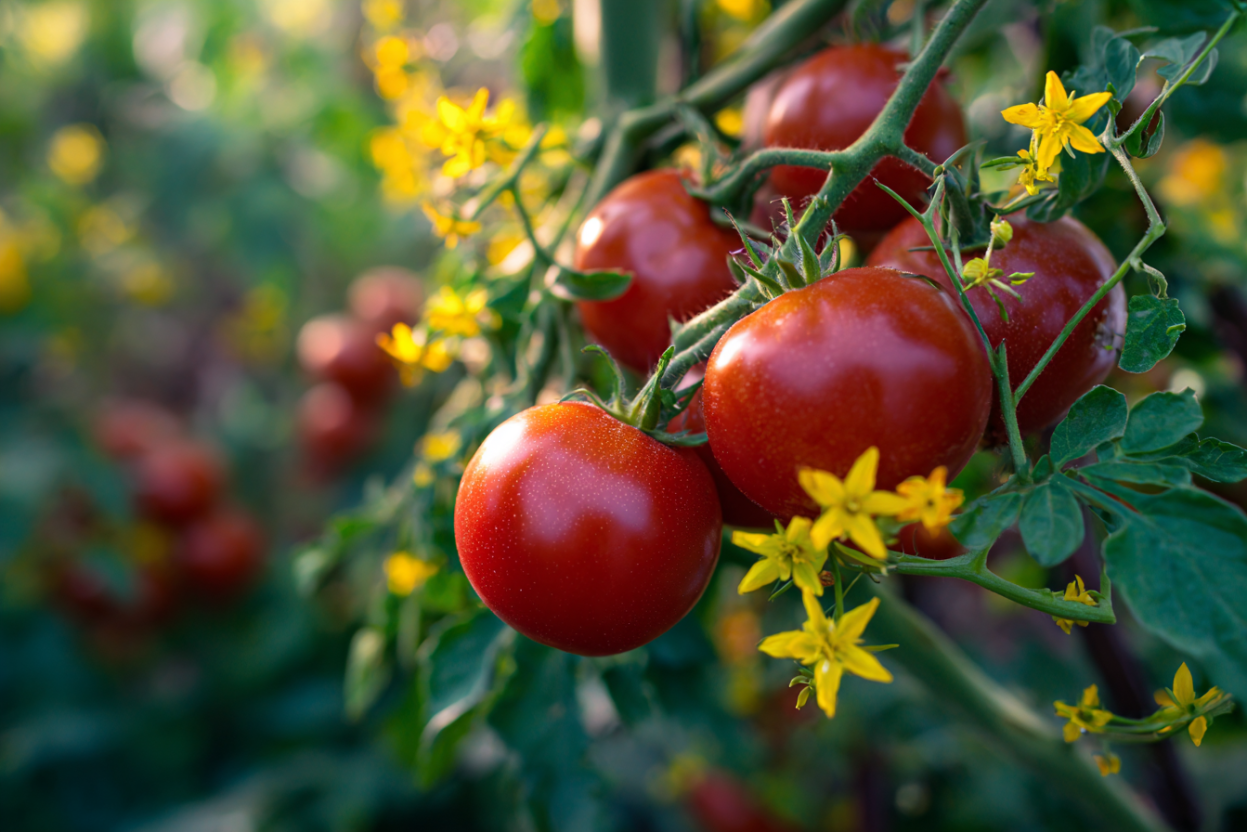
Tomato (Solanum lycopersicum)
If you are concerned about heart health, worried about inflammation, or looking for natural ways to support your body against the effects of aging and environmental stress, you are far from alone. Millions of people face these challenges every day — and one of the most powerful allies may already be sitting in your kitchen. The tomato, humble and familiar, is one of the most nutrient-dense foods on the planet, carrying a compound called lycopene that research from around the world has linked to cardiovascular support, antioxidant protection, and so much more.
This remarkable fruit is one of many gifts the Creator embedded into nature for our benefit. Long before laboratories existed, the tomato was already here — provided by a Designer who knew we would need it, who packed extraordinary healing potential into a simple red fruit that grows almost anywhere the sun shines.
The Plant
Common Names: Tomato, tomate (Spanish/French), pomodoro (Italian), love apple (historical English/French), wolf peach (historical), garden tomato
Botanical Name: Solanum lycopersicum L.
Family: Solanaceae (the nightshade family, which also includes potatoes, peppers, and eggplant)
Description
The tomato is a warm-season, herbaceous plant that grows as an annual in most climates but can persist as a short-lived perennial in frost-free regions. Plants are generally much-branched and somewhat trailing when bearing fruit, though growth habits vary widely. Determinate varieties stay compact at 60–120 cm (2–4 feet), setting fruit all at once. Indeterminate varieties continue growing and producing throughout the season, often reaching 180 cm (6 feet) or more with proper support.
The leaves are pinnately compound, hairy, and strongly aromatic — up to 45 cm (18 inches) long — with a distinctive, unmistakable scent when touched or brushed. Flowers are small, yellow, five-petaled, and self-fertile. The fruit is technically a berry, ranging from tiny currant-sized varieties to massive beefsteaks weighing over a pound. Fruit color spans red, pink, orange, yellow, green, purple, and nearly black, depending on cultivar. The interior contains locules — seed-filled chambers surrounded by gel and flesh.
Origin
The wild ancestor of the cultivated tomato, Solanum pimpinellifolium, is native to western South America — specifically the coastal and Andean regions of Peru, Ecuador, Chile, and Colombia. The tiny, blueberry-sized wild fruits were likely first cultivated by indigenous peoples in this region. Genetic evidence suggests the cherry-sized intermediate form (S. lycopersicum var. cerasiforme) arose in Ecuador around 78,000 years ago, well before human domestication. The larger-fruited tomato we know today was likely further developed in Mesoamerica (modern-day Mexico), where the Aztecs cultivated it extensively before European contact.
Brief History
Spanish explorers brought tomato seeds from Mexico to Europe in the early 16th century. By the mid-1500s, the tomato had reached Italy, where it was initially grown as an ornamental curiosity. Many Europeans feared the fruit was poisonous — an understandable concern given its membership in the nightshade family, which includes deadly belladonna. The Italian name “pomodoro” (golden apple) and the French “pomme d’amour” (love apple) reflect the early fascination with this exotic New World fruit. In England, botanist John Gerard described the tomato plant in the 1590s but warned against eating the fruit.
Spain and Italy were the first European nations to embrace the tomato as food, and it gradually became central to Mediterranean cuisine. The tomato was introduced to North America in 1710 as an ornamental but did not gain widespread popularity as a food until the late 18th century. Today, the tomato is the most widely grown vegetable crop on earth, cultivated in nearly every country with a sufficient growing season, with global production exceeding 180 million tonnes annually.
Growing & Cultivation
Climate & Zones
Tomatoes thrive in USDA Hardiness Zones 3–11 as annuals and Zones 10–12 as perennials. They are warm-season crops that require soil temperatures of at least 15°C (60°F) for transplanting and air temperatures between 21–29°C (70–85°F) for optimal growth. Temperatures above 35°C (95°F) can cause blossom drop, reducing fruit set. Night temperatures below 13°C (55°F) can also impair fruit development. In cooler climates, tomatoes can be started indoors 6–8 weeks before the last frost date and transplanted outdoors after all danger of frost has passed. They can also be grown successfully in greenhouses, containers, and high tunnels for extended seasons.
Soil Requirements
Tomatoes prefer deep, well-draining, loamy soil rich in organic matter. The ideal pH range is 6.0–6.8, slightly acidic to neutral. Heavy clay soils should be amended with compost and coarse organic matter to improve drainage. Sandy soils benefit from added compost to improve moisture retention. For container growing, use a high-quality potting mix with perlite for drainage. Tomatoes are heavy feeders and benefit greatly from soil amended with aged compost, worm castings, or well-rotted manure before planting. A balanced supply of calcium is particularly important to prevent blossom end rot.
Water & Sunlight
Tomatoes need full sun — a minimum of 6–8 hours of direct sunlight daily. More sun generally means more fruit and better flavor. For water, tomatoes prefer consistent, deep watering rather than frequent shallow irrigation. Aim for about 2.5–5 cm (1–2 inches) per week. Irregular watering leads to cracked fruit and blossom end rot. Drip irrigation or soaker hoses at the base of the plant are ideal, keeping foliage dry to reduce disease pressure. Mulching around plants with straw, shredded leaves, or wood chips helps maintain consistent soil moisture and suppress weeds.
Propagation
Seed: Start seeds indoors 6–8 weeks before the last expected frost. Plant seeds 6 mm (¼ inch) deep in a quality seed-starting mix. Maintain soil temperature of 21–27°C (70–80°F) for optimal germination, which typically occurs in 5–10 days. Provide strong light once seedlings emerge. Harden off seedlings by gradually exposing them to outdoor conditions over 7–10 days before transplanting.
Cutting: Tomato suckers (side shoots that grow in the crotch between the main stem and branches) root easily in water or moist potting mix. Remove a 10–15 cm (4–6 inch) sucker, strip lower leaves, and place in water or directly into moist soil. Roots develop within 1–2 weeks. This is an excellent way to propagate an exact genetic copy of a favorite variety.
Planting
Transplant seedlings after all danger of frost has passed and soil temperatures reach at least 15°C (60°F). Space determinate varieties 45–60 cm (18–24 inches) apart; indeterminate varieties need 60–90 cm (24–36 inches). Bury the stem up to the first set of true leaves — tomatoes will develop roots along any buried stem, creating a stronger root system. Install cages, stakes, or trellises at planting time for indeterminate varieties. Companion plants that benefit tomatoes include basil (may improve flavor and repel pests), marigolds (repel nematodes), carrots, and parsley. Avoid planting near brassicas (cabbage family), fennel, or walnuts (which produce juglone, toxic to tomatoes).
Harvesting
Harvest when fruit reaches full color and yields slightly to gentle pressure. For the best flavor, harvest in the morning after dew has dried. Tomatoes continue to ripen after picking — harvesting at the “breaker” stage (first blush of color) and ripening indoors on a counter is a viable strategy to beat pests, cracking, or incoming frost. Never refrigerate fresh tomatoes if you want to preserve flavor; cold temperatures below 12°C (55°F) break down flavor compounds and alter texture. Regularly harvesting ripe fruit encourages the plant to continue producing.
Drying & Storage
Fresh tomatoes keep at room temperature for 3–5 days at peak ripeness. For longer storage, tomatoes can be canned (water bath or pressure), frozen (blanch, peel, and freeze whole or as sauce), or dried. Sun-drying or dehydrator-drying at 57°C (135°F) for 6–12 hours produces concentrated, shelf-stable dried tomatoes that retain significant lycopene. Dried tomatoes stored in airtight containers in a cool, dark place last 6–12 months. Freezing preserves nutrition well, though texture changes make frozen tomatoes best suited for cooking.
Pest & Disease Management
Common pests include tomato hornworms, aphids, whiteflies, flea beetles, and spider mites. Natural controls include handpicking hornworms, introducing beneficial insects (ladybugs, lacewings, parasitic wasps), neem oil sprays, and companion planting with basil and marigolds. Common diseases include early blight (Alternaria solani), late blight (Phytophthora infestans), fusarium wilt, verticillium wilt, and blossom end rot (a calcium deficiency disorder, not a pathogen). Prevention strategies include crop rotation, adequate spacing for airflow, drip irrigation to keep foliage dry, resistant varieties, and removing affected plant material promptly.
Companion Planting
Tomatoes grow well alongside basil, carrots, celery, parsley, marigolds, nasturtiums, garlic, and onions. Avoid planting near members of the brassica family (broccoli, cabbage, cauliflower), fennel, kohlrabi, and corn (which attracts the same pests). Interplanting with basil is a time-honored tradition — research suggests basil may help repel certain pests and potentially enhance tomato flavor compounds.
The Healing of Growing
Growing tomatoes offers benefits beyond the harvest itself. The act of gardening — hands in soil, bare feet on earth, time spent outdoors — has been shown to reduce cortisol, improve mood, and support immune function. The soil contains beneficial bacteria (Mycobacterium vaccae) that researchers at the University of Bristol and University of Colorado have documented as having antidepressant-like effects, activating neurons in the brain that produce serotonin. When you grow your own tomatoes, you receive healing before you ever take a bite.
Nutritional Profile
Macronutrients
Per 100g of raw, ripe red tomato (Source: USDA FoodData Central):
Calories: 18 kcal | Protein: 0.9g | Carbohydrates: 3.9g | Fiber: 1.2g | Sugars: 2.6g | Fat: 0.2g (predominantly unsaturated) | Water: 94.5g
Tomatoes are remarkably low in calories while delivering substantial nutrient density. Their high water content makes them hydrating, and their fiber supports digestive health. The carbohydrates are primarily simple sugars (fructose and glucose), making them low-glycemic with a glycemic index of approximately 23.
Vitamins
Vitamin C: 14mg (15% DV) — A potent antioxidant that supports immune function, promotes collagen synthesis for skin and connective tissue health, and enhances iron absorption from plant foods.
Vitamin A (as beta-carotene): 42µg RAE (5% DV) — Essential for vision, immune function, and cell growth. Tomatoes provide provitamin A carotenoids that the body converts as needed.
Vitamin K: 7.9µg (7% DV) — Crucial for blood clotting and bone mineralization. Works synergistically with calcium and vitamin D to support skeletal health.
Folate (B9): 15µg (4% DV) — Vital for DNA synthesis and cell division, particularly important during pregnancy for neural tube development. Supports healthy homocysteine metabolism.
Vitamin B6: 0.08mg (6% DV) — Supports over 100 enzyme reactions in the body, including neurotransmitter synthesis (serotonin, dopamine, GABA), immune function, and hemoglobin production.
Vitamin E: 0.54mg (4% DV) — A fat-soluble antioxidant that works synergistically with vitamin C and lycopene to protect cell membranes from oxidative damage.
Minerals
Potassium: 237mg (5% DV) — Essential for maintaining healthy blood pressure, proper muscle contraction, nerve signaling, and fluid balance. Helps counteract the effects of excess sodium.
Manganese: 0.11mg (5% DV) — A cofactor for antioxidant enzymes, supports bone formation, blood clotting, and carbohydrate metabolism.
Copper: 0.06mg (7% DV) — Supports iron metabolism, connective tissue formation, and the function of the immune and nervous systems.
Magnesium: 11mg (3% DV) — Essential for over 300 enzymatic reactions, supports muscle and nerve function, blood sugar regulation, and bone health.
Phosphorus: 24mg (2% DV) — Works with calcium to build and maintain strong bones and teeth. Plays a role in energy production and cell membrane integrity.
Phytonutrients & Active Compounds
Tomatoes are a powerhouse of bioactive compounds that go far beyond basic vitamins and minerals:
Lycopene — The star compound. A carotenoid pigment responsible for the red color, lycopene is one of the most potent antioxidants found in nature. Raw tomatoes provide approximately 2.5mg per 100g, but cooked tomato products dramatically increase bioavailability — tomato paste delivers nearly 29mg per 100g. Research published in the Canadian Medical Association Journal documents lycopene’s association with reduced risk of cardiovascular disease and certain cancers, particularly prostate cancer. Cooking tomatoes in a healthy fat (olive oil) further enhances lycopene absorption by up to 3.5 times.
Beta-carotene — A provitamin A carotenoid with antioxidant properties. Works synergistically with lycopene to protect cells from oxidative damage.
Naringenin — A flavonoid found in tomato skin with documented anti-inflammatory properties. Research suggests it may help modulate immune response and reduce inflammation markers.
Quercetin — A powerful flavonoid antioxidant that research suggests may support cardiovascular health, reduce inflammation, and modulate immune function.
Chlorogenic acid — A polyphenol with antioxidant properties that may support healthy blood pressure and blood sugar regulation.
Lutein and zeaxanthin — Carotenoids concentrated in the retina of the eye that may help protect against age-related macular degeneration and support visual health.
Nutrient Notes
Bioavailability is a critical consideration with tomatoes. Lycopene absorption increases dramatically when tomatoes are cooked and consumed with healthy fats. A drizzle of extra virgin olive oil on cooked tomatoes can increase lycopene uptake by several fold. Conversely, raw tomatoes provide more vitamin C, which is heat-sensitive. This means both raw and cooked tomatoes have unique nutritional advantages — the ideal approach is to consume them in both forms. Vitamin C in tomatoes enhances absorption of non-heme iron from other plant foods eaten at the same meal. The potassium in tomatoes helps counteract the blood pressure effects of dietary sodium.
Culinary Uses
Edible Parts
The ripe fruit is the primary edible part of the tomato plant. This includes the flesh, seeds, juice, and skin. All parts of the ripe fruit are edible and nutritious — the skin is particularly rich in lycopene and naringenin. The seeds contain beneficial oils and fiber. Tomato leaves, stems, and unripe green fruit contain the glycoalkaloid solanine and should not be consumed.
Flavor Profile
Ripe tomatoes offer a complex balance of sweet, acidic, and savory (umami) notes. The specific flavor profile varies enormously by variety: cherry and grape tomatoes tend toward sweetness; heirloom varieties often have deep, complex, almost wine-like flavors; paste tomatoes are denser with concentrated sweetness and lower acidity. When cooked, the acidity mellows and umami deepens as glutamate compounds concentrate. Dried tomatoes develop intense, concentrated sweetness and a chewy, meaty texture. The intensity ranges from mild (large slicers with high water content) to strong (concentrated paste varieties and sun-dried preparations).
Preparation
Tomatoes are extraordinarily versatile. They can be eaten raw in salads, sandwiches, and salsas. They can be roasted, grilled, sautéed, stewed, braised, or fried. Blanching in boiling water for 30 seconds followed by an ice bath makes peeling easy for sauces. For the richest sauces, slow-roasting halved tomatoes at 150°C (300°F) for 1–2 hours concentrates flavor beautifully. Tomatoes form the base of countless global dishes — marinara sauce, salsa, gazpacho, shakshuka, ratatouille, curry bases, and tomato soups. Dehydrating concentrates both flavor and nutrient density.
Culinary Pairings
Tomatoes pair beautifully with basil, oregano, garlic, onion, olive oil, balsamic vinegar, mozzarella and other fresh cheeses, grilled meats and fish, eggs, peppers, eggplant, zucchini, corn, avocado, and citrus. Fats like olive oil, butter, and cheese enhance the absorption of fat-soluble lycopene. Acidic pairings (vinegar, citrus) complement the tomato’s own brightness.
Storage
Store ripe tomatoes at room temperature, stem-side down, out of direct sunlight. Use within 3–5 days for best flavor. Never refrigerate fresh tomatoes — temperatures below 12°C (55°F) destroy volatile flavor compounds and alter texture permanently. If you must store cut tomatoes, refrigerate and bring to room temperature before eating. For long-term preservation: can whole or as sauce using water-bath method with added acid (lemon juice or citric acid); freeze after blanching and peeling; dry in a dehydrator or low oven; or preserve in oil after sun-drying.
Ready to cook with tomato? View Recipes on Chefts →
Wellness & Therapeutic Uses
Traditional Uses
The Aztecs of Mesoamerica consumed tomatoes extensively as food and incorporated them into medicinal preparations long before European contact. In traditional Mexican folk medicine, tomatoes were used topically for skin irritations and consumed for digestive support. After the tomato’s introduction to Europe, Mediterranean cultures gradually incorporated it into their diets — and the regions that embraced tomato-rich diets (Italy, Spain, Greece) developed some of the lowest rates of cardiovascular disease in the Western world, a pattern now widely studied as the “Mediterranean diet effect.”
In South American traditional medicine, tomato preparations were historically used to support digestive comfort and as a topical poultice for minor skin conditions. In parts of India, tomato-based preparations have been used in Ayurvedic-influenced folk practices for their cooling and blood-purifying properties. European folk herbalism eventually recognized the tomato’s value for digestive wellness, though its acceptance was slow due to the long-standing fear of nightshade family toxicity.
Modern Research
Cardiovascular Support: A 2014 review published in Advances in Nutrition (USA) evaluated clinical trials comparing whole tomato consumption to lycopene supplementation. The research found that consuming tomato-based foods was associated with modest improvements in oxidized LDL cholesterol levels, a key risk factor for atherosclerosis. The researchers noted that whole tomato products appeared more beneficial than isolated lycopene, suggesting synergistic effects among tomato compounds including potassium, fiber, and multiple flavonoids.
Cancer Risk Reduction: A landmark review by Giovannucci examined 72 epidemiological studies involving tomato intake and cancer risk. Of these, 57 found an inverse association between tomato consumption and risk of various cancers, with 35 showing statistical significance. The strongest evidence was found for prostate cancer — men consuming 10 or more servings of tomato products weekly showed approximately 35% reduced risk. A comprehensive 2025 meta-analysis in Frontiers in Nutrition further confirmed that higher lycopene levels were associated with 5–11% lower overall cancer risk.
Antioxidant Protection: Research published in PNAS demonstrated that lycopene is one of the most potent singlet oxygen quenchers among dietary carotenoids — twice as effective as beta-carotene. Studies in healthy human subjects have shown that tomato-rich diets reduce endogenous levels of lipid, protein, lipoprotein, and DNA oxidation. A 2021 randomized, double-blinded crossover study published in the Journal of the International Society of Sports Nutrition found that whole tomato powder was more effective than isolated lycopene at reducing exercise-induced oxidative stress in athletes.
Skin Protection: A systematic review and meta-analysis published in Critical Reviews in Food Science and Nutrition (2022) examined 21 intervention trials and found that tomato and lycopene supplementation was associated with significant reductions in UV-induced skin redness (erythema), increased minimal erythemal dose (the amount of UV needed to cause sunburn), and improved skin density and thickness. Research suggests lycopene acts as an internal sunscreen, though it does not replace topical sun protection.
Blood Pressure Support: The potassium content in tomatoes (237mg per 100g), combined with lycopene’s vasodilatory properties, has been associated with blood pressure support. Clinical research suggests that consuming tomato products may modestly help maintain healthy blood pressure levels, particularly when combined with reduced sodium intake.
Blood Sugar Support: Chlorogenic acid in tomatoes may help modulate glucose absorption. Research suggests that regular tomato consumption as part of a balanced diet may support healthy blood sugar metabolism, though tomatoes are not a replacement for medical diabetes management.
Body Systems Supported
Cardiovascular system — Lycopene and potassium support heart health, healthy blood pressure, and cholesterol metabolism. Immune system — Vitamin C, lycopene, and beta-carotene support immune cell function and antioxidant defense. Integumentary system (skin) — Lycopene and vitamin C support skin health, collagen production, and UV protection from the inside. Digestive system — Fiber and water content support regularity; acidic compounds may support digestive enzyme activity. Nervous system — B-vitamins and potassium support nerve signaling and neurotransmitter production. Musculoskeletal system — Vitamin K supports bone mineralization; antioxidants may help manage exercise-induced oxidative stress. Endocrine system — Research suggests lycopene may support healthy hormone metabolism.
Body Compounds Affected
The B-vitamins in tomato (particularly B6 and folate) are cofactors in the synthesis of serotonin and dopamine, neurotransmitters that regulate mood, sleep, and motivation. The potassium content supports healthy cortisol regulation by supporting adrenal function and electrolyte balance. Lycopene’s antioxidant activity has been shown to reduce inflammatory markers including IL-6, TNF-alpha, and C-reactive protein in animal studies. The vitamin C in tomatoes supports healthy nitric oxide production, which is essential for blood vessel dilation and healthy circulation. Quercetin in tomatoes may help modulate histamine release, potentially supporting those with seasonal sensitivities.
Methods of Use
Culinary (Primary Method)
The most effective and safest way to receive tomato’s therapeutic compounds is through regular dietary consumption. Cooked tomato products (sauce, paste, soup, roasted tomatoes) provide the highest bioavailable lycopene. Raw tomatoes provide the most vitamin C. Aim for several servings per week — research suggests 5–10mg of lycopene daily (roughly equivalent to one cup of tomato sauce or two medium fresh tomatoes) as a beneficial range.
Fresh Tomato Juice
Freshly juiced or blended tomatoes retain most water-soluble nutrients. Adding a small amount of olive oil to the juice enhances lycopene absorption. Tomato juice has been used traditionally as a digestive tonic, consumed before meals. Commercial tomato juice (like V8) is widely available, though homemade versions avoid added sodium.
Tomato Paste (Concentrated)
Tablespoon for tablespoon, tomato paste is one of the most concentrated food sources of lycopene available. Just two tablespoons provide approximately 9–10mg of lycopene in a highly bioavailable form. Incorporating tomato paste into soups, stews, sauces, and dressings is a simple way to increase lycopene intake significantly.
Cosmetic & Beauty Uses
Skin Benefits
The lycopene, vitamin C, and flavonoids in tomatoes offer multiple pathways of skin support. Research published in the Journal of Cosmetic Dermatology (2022, Japan) demonstrated that oral consumption of tomato extract improved skin barrier function, reduced transepidermal water loss, and improved skin texture and redness in human subjects over 16 weeks. A 2024 randomized controlled trial found that an oral tomato-based formulation increased skin hydration by 35% and improved skin brightness after just eight weeks of daily consumption.
Lycopene consumed through the diet accumulates in skin tissue, where it functions as an internal UV protector. Multiple studies confirm that regular tomato consumption reduces the skin’s sensitivity to UV-induced redness. Vitamin C supports collagen synthesis, the protein essential for skin firmness and elasticity. Naringenin from tomato skin has demonstrated anti-inflammatory properties relevant to skin health.
Skin types that may benefit most: All skin types, but particularly those concerned with sun damage, premature aging, uneven tone, dullness, and inflammation-related redness.
Hair Benefits
The vitamin C, B-vitamins, and iron in tomatoes support scalp circulation and healthy hair growth. Tomato’s natural acidity (pH ~4.0–4.5) closely matches the ideal pH of the scalp, making tomato rinses a traditional remedy for oily or itchy scalps. The acidic rinse may help remove mineral buildup from hard water and restore shine to dull hair. Lycopene’s antioxidant protection may help protect the scalp from oxidative stress that contributes to hair thinning.
Application Methods
The strongest research supports consuming tomatoes rather than applying them topically — bioavailable lycopene delivered through the bloodstream to skin cells is more effective than topical application. However, traditional beauty practices include fresh tomato pulp masks (applied for 15–20 minutes, rinsed with lukewarm water), tomato juice as a scalp rinse for oiliness, and tomato-based exfoliating scrubs (pulp mixed with sugar for body exfoliation). Tomato seed oil, rich in linoleic acid, is used in cosmetic formulations for its moisturizing and skin-lightening properties. When applying tomato topically, always patch test first, as the natural acidity may irritate sensitive skin.
DIY Formulation Notes
For a simple brightening mask, blend fresh tomato pulp with a teaspoon of raw honey. Apply to clean skin for 10–15 minutes and rinse. For a scalp-clarifying rinse, strain fresh tomato juice and apply to wet hair after shampooing; leave for 3–5 minutes and rinse thoroughly. Tomato pairs well with carrier oils like jojoba or sweet almond for diluting acidity. Do not combine fresh tomato with retinol products or strong chemical exfoliants, as the combined acidity may cause irritation. Homemade tomato preparations should be used immediately and not stored.
Tomato is among the botanicals being explored for holistic cosmetic applications, where the wisdom of traditional beauty practices meets modern understanding of skin science.
Essential Oil Profile
Tomato does not yield a commercially available essential oil through standard steam distillation. The volatile aromatic compounds responsible for the distinctive tomato leaf scent are present in very small quantities and are not concentrated into a traditional essential oil product. However, two tomato-derived products deserve mention:
Tomato Seed Oil: Cold-pressed from tomato seeds (a byproduct of tomato processing), this carrier oil is rich in linoleic acid (up to 63%), oleic acid, and contains natural lycopene, beta-carotene, and vitamin E. It is used in cosmetic formulations for its moisturizing, skin-lightening, and antioxidant properties. It has a light texture, absorbs well, and is suitable for facial oils and serums.
Tomato Leaf Absolute: A solvent-extracted aromatic product with the distinctive green, herbaceous scent of the tomato plant. It is used sparingly in perfumery for its unique, garden-fresh character. It is not suitable for therapeutic aromatherapy applications and is not widely available.
Aromatherapy & Scent
The Aroma
While the ripe tomato fruit has a mild, sweet, slightly acidic scent, the true aromatic powerhouse is the tomato plant itself. The leaves and stems of the tomato release a distinctive, complex green aroma when touched, brushed, or warmed by the sun. This scent is created by volatile compounds including (Z)-3-hexenal, β-ionone, and 2-isobutylthiazole. The aroma is strongest when leaves are rubbed between fingers, releasing a burst of fresh, green, slightly musky fragrance that most people describe as unmistakable and deeply evocative of summer gardens.
The fresh plant aroma is strongest during warm afternoons when the sun heats the foliage, releasing volatile compounds into the air. After rain, the scent intensifies as water releases aromatic molecules from leaf surfaces. Dried tomato leaves retain some fragrance but lose much of their complexity and intensity within weeks.
How Scent Affects Your Body
When you lean into a tomato plant and inhale, volatile aromatic molecules enter your nasal passages and bind to olfactory receptors. These receptors send electrical signals directly to the limbic system — the emotional center of the brain — and the hypothalamus, which regulates hormone release. This pathway bypasses the conscious, analytical brain, meaning scent affects your body before you even form a thought about what you’re smelling. This is why the scent of tomato leaves can instantly transport you to a childhood memory of a grandmother’s garden.
Emotional & Mood Effects
The green, herbaceous scent of tomato plants is generally described as grounding, calming, and nostalgia-inducing. It connects people to nature, to gardens, to memories of summer and growing seasons. The scent is associated with relaxation, stress reduction, and a sense of well-being — effects consistent with the broader research on green plant aromas reducing cortisol and improving mood. For many people, the scent of a tomato plant is one of the most comforting and recognizable aromas in nature.
Body Compounds Affected
While no specific clinical studies have isolated the effects of tomato plant aroma on neurotransmitters, research on green plant volatiles in general suggests they may help lower cortisol (stress hormone) levels and support a calm state. The grounding, nature-connected experience of smelling a living tomato plant aligns with the broader forest-bathing and nature-exposure research showing reduced cortisol, improved GABA activity, and enhanced parasympathetic nervous system function.
Ways to Experience the Scent
The best way to experience tomato’s aromatic benefits is to grow the plant itself. Walk through your tomato garden, gently brush the leaves, and inhale. Tend the plants daily — pruning suckers, checking for ripe fruit — and you naturally experience the aroma as part of a restorative gardening practice. Even a single tomato plant on a sunny windowsill or balcony brings the scent indoors. There is no essential oil equivalent that captures the full complexity of the living tomato plant’s fragrance.
Color Therapy
The Colors of Tomato
The ripe tomato displays one of nature’s most vibrant reds — a deep, warm, saturated red produced by the carotenoid pigment lycopene. Depending on variety, tomatoes also appear in brilliant orange (high beta-carotene), sunny yellow (low lycopene, high carotenoids), deep purple-black (anthocyanin-rich varieties), and multiple bicolored combinations. The leaves are a rich, deep green. The flowers are a bright, cheerful yellow.
Color Wavelengths
The dominant red color of most ripe tomatoes falls in the 620–700nm wavelength range of the visible spectrum. Yellow tomato varieties reflect light in the 570–590nm range. Green foliage reflects in the 495–570nm range. Together, a garden of tomato plants presents a therapeutic palette of red, green, and yellow — three complementary wavelengths with distinct physiological effects.
How Red Affects the Body
Red wavelengths (620–700nm) are the longest visible light wavelengths and are associated with energizing, warming, and stimulating effects on the body. Research in color therapy suggests that exposure to red can increase heart rate slightly, stimulate circulation, and promote feelings of warmth and vitality. The vivid red of a ripe tomato on the vine is visually stimulating and appetite-enhancing — red is widely used in food marketing for this reason. In color therapy tradition, red is connected to the root energy center and associated with grounding, vitality, and life force.
The green of tomato foliage provides a balancing counterpoint — green wavelengths (495–570nm) are calming, heart-centered, and associated with nature connection, emotional balance, and restoration. A garden full of green tomato plants bearing red fruit offers a natural balance of stimulating and calming color energies.
Body Compounds Affected
Exposure to red and green colors in natural settings has been associated with balanced cortisol levels, improved mood via serotonin pathway support, and enhanced overall feelings of vitality and well-being. The act of visually taking in a vibrant tomato garden engages both the energizing properties of red and the calming properties of green.
Using Tomato for Color Therapy
Place tomato plants in living spaces where their red fruit and green foliage provide visual variety and energy. A bowl of ripe red tomatoes on a kitchen counter is both functional and therapeutically color-rich. In the garden, position tomato plants where you spend time — near seating areas, along pathways — so you regularly receive the visual benefits. And of course, eating the color is the most direct form of color therapy — consuming the red pigment lycopene delivers the color’s therapeutic compounds directly into your body’s tissues.
Frequency & Vibration
The Frequency of Tomato
Specific MHz frequency measurements for the tomato plant are not widely documented in the peer-reviewed literature. According to bio-frequency research pioneered by Bruce Tainio, fresh produce generally measures in a lower frequency range compared to herbs and essential oils, with fresh foods typically ranging from 20–27 MHz. As a living plant actively photosynthesizing, the tomato plant in the garden likely vibrates at a higher frequency than a harvested fruit, as living systems maintain higher energetic states than harvested ones.
For reference, proponents of frequency measurement note that a healthy human body typically vibrates between 62–78 MHz. Fresh herbs tend to measure 20–27 MHz, while essential oils range dramatically from 52 MHz (basil) to 320 MHz (rose oil).
Human Frequency Interaction
The principle of entrainment suggests that when two vibrating systems interact, the stronger or more coherent frequency can influence the weaker one. While specific tomato frequency data is limited, spending time among living plants in a garden — where you are surrounded by dozens of vibrating, photosynthesizing organisms in healthy soil teeming with microbial life — is believed by frequency researchers to support the body’s own frequency. The combination of fresh air, sunlight, soil contact, plant volatiles, and the electromagnetic field of living plants creates a multi-frequency environment that may be greater than the sum of its parts.
Vibrational Applications
Frequency measurements in this area remain an emerging science. Use language-appropriate caution: proponents of vibrational medicine believe that consuming fresh, raw, organically grown tomatoes retains more of the plant’s energetic vitality than heavily processed forms. Growing your own tomatoes and consuming them fresh from the vine — still vibrating with the energy of a living system — represents the highest-frequency way to receive this food. The act of gardening itself, in contact with the earth’s electromagnetic field, may further support personal frequency.
The Living Plant
Benefits of Presence
Having tomato plants in your home or garden provides health benefits beyond nutrition. Living plants improve indoor air quality, increase humidity, and release oxygen during photosynthesis. Tomato plants, with their large, compound leaves and vigorous growth, are particularly effective at gas exchange. The visual presence of growing, fruiting plants has been shown to reduce stress and improve psychological well-being — research on biophilic design consistently demonstrates that people who live and work around plants experience lower cortisol levels, improved mood, and better focus.
Air Purification
While the tomato was not among the plants specifically tested in the NASA Clean Air Study, all living plants contribute to indoor air quality through the process of photosynthesis — absorbing carbon dioxide and releasing oxygen. Tomato plants are particularly vigorous growers with substantial leaf surface area, making them effective at gas exchange. They also release moisture through transpiration, helping to humidify dry indoor environments. The aromatic volatile compounds released by tomato foliage have documented antimicrobial properties — the same compounds that give the plant its distinctive scent serve as natural defenses against pathogens.
Phytoncides
Tomato plants release volatile organic compounds (VOCs) from their leaves and stems, including hexenals and terpenes. These function as phytoncides — antimicrobial volatile substances that plants release to protect themselves from pathogens and herbivores. The distinctive scent of tomato leaves IS the phytoncide experience. Research on forest bathing (shinrin-yoku) has demonstrated that phytoncides from plants can increase human Natural Killer (NK) cell activity, supporting immune function. While most phytoncide research focuses on tree species, the principle applies to all aromatic plants — and the tomato is one of the most strongly aromatic garden plants.
Visual & Psychological Benefits
Watching a tomato plant grow from seed to fruit-bearing maturity provides a tangible connection to the rhythm of life. Research published in the Journal of Health Psychology has documented that gardening activities reduce cortisol and improve mood more effectively than indoor leisure activities. Attention restoration theory (developed by environmental psychologists Rachel and Stephen Kaplan) proposes that natural environments — including gardens — restore directed attention and reduce mental fatigue. Patients in healthcare settings who have views of plants or gardens consistently demonstrate faster recovery times, reduced pain medication use, and improved emotional states.
Growing Indoors vs Outdoors
Tomatoes can be grown indoors with sufficient light — at least 8 hours of strong, direct sunlight from a south-facing window, or supplemental grow lights. Compact determinate varieties like ‘Tiny Tim’, ‘Micro Tom’, and ‘Window Box Roma’ are best suited for indoor container growing. Outdoors, tomatoes thrive in garden beds, raised beds, and large containers (minimum 5-gallon). The outdoor experience provides additional therapeutic benefits from direct sunlight exposure, fresh air, soil contact, and the broader garden ecosystem.
Touch & Physical Interaction
Gardening Therapy
Horticultural therapy — the use of gardening activities for therapeutic benefit — is a recognized practice in rehabilitation centers, hospitals, and mental health settings. Tomatoes are among the most rewarding plants for horticultural therapy because they grow quickly, produce abundantly, and engage multiple senses. The daily ritual of checking plants, watering, pruning suckers, training vines, and harvesting ripe fruit provides structure, purpose, and a tangible sense of accomplishment that research has linked to improved outcomes in depression, anxiety, and PTSD recovery.
Soil Contact Benefits
Working with tomato plants brings you into direct contact with soil — and that contact carries measurable health benefits. Gardening barefoot provides grounding (earthing), which allows the transfer of free electrons from the earth into the body. Research published in the Journal of Environmental and Public Health suggests that grounding may reduce inflammation, improve sleep, and support cardiovascular function. The soil bacterium Mycobacterium vaccae has been shown in research at the University of Bristol and University of Colorado to activate serotonin-producing neurons in the brain, producing antidepressant-like effects in animal models. Simple soil contact during gardening provides exposure to this and other beneficial microorganisms, supporting the gut-brain axis and overall microbiome diversity.
The Tactile Experience
The tomato plant offers a rich tactile experience. The leaves are slightly hairy and rough to the touch, releasing a burst of distinctive green fragrance when rubbed. Stems are fibrous and slightly fuzzy. Suckers snap crisply when removed. Ripe fruit feels warm from the sun, firm yet yielding, with smooth, taut skin. The act of plucking a ripe tomato from the vine — feeling it release with a gentle twist — is one of the most satisfying tactile experiences in gardening. The sensory engagement of touch, combined with scent and visual reward, creates a multi-sensory mindfulness practice.
Harvesting & Processing
Harvesting tomatoes is inherently meditative — you slow down, observe each fruit, assess ripeness by color and touch, and carefully pick without damaging the plant. Processing the harvest extends this therapeutic activity: blanching and peeling tomatoes for sauce, seeding and slicing for drying, chopping for salsa, or simply washing and arranging the day’s harvest on a kitchen counter. Each step engages the hands, focuses the mind, and connects you to the ancient human activity of preparing food from the garden. There is something deeply grounding about filling a basket with tomatoes you grew yourself.
Water-Based Applications
Teas & Infusions
While tomato leaves are not used for tea (they contain solanine), the fruit itself has a long history of water-based preparations. Fresh tomato juice — simply blended and strained ripe tomatoes — is the most basic water-based application. Warm tomato broth (simmered tomatoes strained and seasoned) is a traditional digestive comfort remedy in many cultures, consumed before meals to stimulate appetite and digestive enzymes. For a medicinal “tomato tea,” simmer diced fresh tomatoes with a clove of garlic, a pinch of sea salt, and a drizzle of olive oil for 10–15 minutes. Strain and sip warm.
Herbal Baths
While less common than herbal baths with herbs like lavender or chamomile, tomato juice has been traditionally used in baths for its mild acidity and skin-soothing properties. Adding 2–3 cups of fresh tomato juice (or a can of tomato juice) to a warm bath may help soothe irritated skin, though scientific evidence for this specific application is limited. The natural acidity of the bath may help restore the skin’s acid mantle. Water temperature should be comfortably warm, not hot. Soak for 15–20 minutes.
Compresses
A cold tomato compress has been used in folk medicine as a cooling application for minor sunburn and skin irritation. To prepare, blend fresh tomato into a pulp, wrap in a clean cloth, and apply to the affected area for 15–20 minutes. The natural acidity, vitamin C, and water content may provide mild soothing effects. Always patch test first, as tomato acidity can irritate sensitive or broken skin.
Steam Inhalation
Tomato is not typically used for steam inhalation. The aromatic benefits of tomato plants are best experienced by simply being near the growing plant and inhaling naturally.
Hair Rinses
Tomato juice has been traditionally used as a hair rinse to remove mineral buildup from hard water, clarify an oily scalp, and restore shine. After shampooing, apply strained fresh tomato juice to wet hair, massage into the scalp, leave for 3–5 minutes, and rinse thoroughly. The mild acidity helps close the hair cuticle, resulting in smoother, shinier hair. This practice is particularly popular in regions with hard water.
Historical, Cultural & Biblical Significance
Biblical References
The tomato is not mentioned in Scripture. As a New World plant native to South America, the tomato was unknown in the ancient Near East during biblical times. However, it belongs to a larger family of plants (Solanaceae) that includes species known in the biblical world, and it joins the long tradition of plants provided by the Creator for human nourishment and healing — a tradition that Scripture celebrates throughout, from the Garden of Eden to the leaves of the tree of life “for the healing of the nations” (Revelation 22:2, KJV).
Ancient Civilizations
The tomato’s story begins with the indigenous peoples of South America, specifically in the Andean regions of Peru, Ecuador, and Bolivia, where wild tomato ancestors have grown for tens of thousands of years. The Aztecs of central Mexico cultivated the tomato extensively, calling it “tomatl” in Nahuatl — the root of our modern word. They used it as a food and as a component of sauces combined with chili peppers. The Aztec physician and botanist documented various uses of the tomatl in traditional preparations.
When Spanish conquistadors arrived in the Americas in the early 16th century, they encountered tomatoes in Aztec markets and brought seeds back to Spain. The Italian herbalist Pietro Andrea Matthioli first described the tomato in Europe in 1544, comparing its preparation to eggplant — fried in oil with salt and pepper. The Greeks and Romans, of course, never knew the tomato, as it arrived in Europe millennia after their civilizations’ zenith. However, they extensively used other members of the Solanaceae family and laid the groundwork for the Mediterranean dietary tradition that would eventually embrace the tomato so completely.
European Heritage
The tomato’s journey through Europe was marked by suspicion and eventual acceptance. Because it belongs to the nightshade family — which includes the notoriously poisonous belladonna — many Europeans feared the tomato for over 200 years. The myth of the “poison apple” arose because wealthy Europeans who ate tomatoes from pewter plates sometimes became ill — the acidity of the tomato leached lead from the pewter, causing lead poisoning. The tomato itself was innocent.
Italy and Spain were the first European nations to fully embrace the tomato as food, integrating it into their cuisines by the late 1600s. The development of marinara sauce, pizza, and countless tomato-based dishes transformed Mediterranean cooking. By the 18th century, the tomato was widely cultivated across southern Europe. In England, the famous herbalist John Gerard described the tomato in the 1590s but cautioned against eating it. Full acceptance in northern Europe and America would not come until the late 18th and early 19th centuries. The legendary story of Robert Gibbon Johnson eating a tomato on the courthouse steps of Salem, New Jersey in 1820 to prove it was not poisonous — while likely apocryphal — captures the cultural shift toward acceptance.
Indigenous Knowledge
The indigenous peoples of Mesoamerica observed that the tomato provided nourishment and incorporated it into daily food preparation. While they may not have known the Creator by name, they were observing His design — and their cultivation practices, seed selection, and dietary incorporation of the tomato laid the foundation for the global crop we know today. Modern genetic research confirms that the diverse varieties we enjoy — from cherry tomatoes to beefsteaks — trace their lineage to seeds carefully selected and saved by indigenous farmers over thousands of years.
Cultural Symbolism
The tomato has become one of the most culturally significant foods on earth. In Italy, it symbolizes the heart of the cuisine and family cooking. In Spain, it is celebrated annually in the festival of La Tomatina. In the United States, the tomato was at the center of a famous 1893 Supreme Court case (Nix v. Hedden) that legally declared it a vegetable for trade purposes, even though it is botanically a fruit. The tomato represents abundance, summer, home gardening, and the simple joy of fresh food — it is the most popular home garden plant in America.
Safety & Precautions
Contraindications
Individuals with known nightshade sensitivity or allergy should avoid tomatoes. Some people with autoimmune conditions (rheumatoid arthritis, lupus, inflammatory bowel disease) report that nightshade vegetables, including tomatoes, exacerbate their symptoms. While scientific evidence for nightshade sensitivity is limited, individual response varies and should be respected. Those with gastroesophageal reflux disease (GERD) or acid reflux may find that the natural acidity of tomatoes (pH 4.0–4.5) worsens symptoms. Individuals with kidney disease should monitor potassium intake, as tomatoes are a moderate potassium source.
Drug Interactions
Blood thinners (warfarin/Coumadin): Tomatoes contain vitamin K, which affects blood clotting. While the amount per serving is modest, individuals on anticoagulant therapy should maintain consistent tomato intake rather than dramatically increasing or decreasing consumption, and discuss any dietary changes with their healthcare provider.
Blood pressure medications: The potassium in tomatoes could theoretically interact with ACE inhibitors, ARBs, and potassium-sparing diuretics. Normal dietary consumption is unlikely to cause problems, but those on potassium-restricted diets should consult their physician.
Beta-blockers: Some beta-blockers increase potassium levels; high tomato consumption could compound this effect.
NSAIDs: The acidity of tomatoes may compound stomach irritation for those taking regular NSAIDs. Consuming tomatoes with food may help mitigate this effect.
Pregnancy & Nursing
Ripe tomatoes are generally considered safe during pregnancy and breastfeeding as part of a normal diet. The folate content is actually beneficial during pregnancy for fetal neural tube development. However, concentrated lycopene supplements have not been extensively studied in pregnancy — pregnant or nursing women should obtain their lycopene from whole food sources rather than supplements. The acidity may exacerbate pregnancy-related heartburn in some women.
Children
Ripe, cooked tomatoes can be introduced to infants around 8–10 months of age, though some pediatricians recommend waiting until 10–12 months due to the acidity. Introduce gradually and watch for signs of allergic reaction (rash, especially around the mouth, digestive upset). The acidity may cause diaper rash in some sensitive infants. Tomatoes are a common allergen in young children, though most children tolerate them well. Raw tomatoes are best introduced after age 1 due to both acidity and choking risk from seeds and skin.
Elderly
Tomatoes are generally excellent for older adults, providing potassium for heart health, lycopene for antioxidant protection, and vitamin C for immune support. Those on multiple medications should be aware of the vitamin K and potassium content in the context of their total diet and drug regimen. The acidity may be problematic for those with age-related digestive sensitivity or dental erosion. Cooked tomato preparations are generally better tolerated than raw.
Pets
Dogs: CAUTION — Ripe tomato fruit in small amounts is generally safe for dogs. However, the leaves, stems, and unripe green fruit contain tomatine and solanine, glycoalkaloids toxic to dogs. Symptoms of plant ingestion include gastrointestinal upset, drooling, lethargy, weakness, and in severe cases, central nervous system depression. Keep dogs away from tomato plants in the garden.
Cats: CAUTION — The same guidelines apply. Ripe fruit in small amounts is considered safe, but all green plant parts are toxic. Cats are generally less attracted to tomato plants than dogs, but the leaves and stems contain solanine and should be kept out of reach.
Horses: CAUTION — Tomato plants are listed as toxic to horses by the ASPCA. All green parts contain solanine. Do not allow horses access to tomato plant material.
If any pet ingests tomato plant leaves, stems, or large quantities of unripe fruit, contact your veterinarian or the ASPCA Poison Control Center at (888) 426-4435 immediately.
Allergies & Sensitivities
Tomato allergy exists and can manifest as oral allergy syndrome (itching/tingling of lips, mouth, throat), contact dermatitis (rash from handling plants or fruit), or less commonly, systemic allergic response. Individuals allergic to latex may have cross-reactivity with tomatoes (latex-fruit syndrome). Those with birch pollen allergy may also cross-react. The natural acidity can cause contact irritation around the mouth in sensitive individuals even without a true allergy. For topical use, always perform a patch test first.
Dosing Guidelines
As a whole food, there is no strict upper limit for ripe tomato consumption — it is part of a normal, healthy diet. Research suggests that 5–10mg of lycopene daily (roughly 1 cup of tomato sauce, 2 tablespoons of tomato paste, or 2 medium fresh tomatoes) provides significant health benefits. Consuming more than 10mg daily does not appear to confer additional cancer risk reduction according to recent meta-analysis data. Excessive consumption of acidic tomato products may cause gastrointestinal discomfort. Very high intake of tomato products over extended periods could theoretically lead to lycopenemia — a harmless condition where the skin takes on an orange tint. This is reversible upon reducing intake.
Quality & Sourcing
Choose tomatoes that are firm, deeply colored, and free from mold, cracks, or soft spots. Organic tomatoes may contain up to 30% more antioxidants than conventionally grown, and avoid pesticide residues — tomatoes rank among the “Dirty Dozen” produce items with highest pesticide residues when conventionally grown. For canned products, choose BPA-free cans and low-sodium varieties. For tomato paste, look for products with just one ingredient: tomatoes. Vine-ripened tomatoes contain 20–30% more lycopene than commercially ripened varieties.
Signs of Adverse Reaction
Mild reactions include heartburn, acid reflux, mouth irritation, or mild rash. More concerning signs include hives, significant swelling, difficulty breathing, or severe gastrointestinal distress. Discontinue consumption and seek medical attention if any significant reaction occurs.
Disclaimer
This information is for educational purposes only. It is not intended to diagnose, treat, cure, or prevent any disease. Always consult with a qualified healthcare provider before using any herbal product or making significant dietary changes, especially if you are pregnant, nursing, taking medications, or have a medical condition. If you experience any adverse reaction, discontinue use immediately and seek medical attention.
Want Personalized Guidance?
Every body is unique. What works for one person may not be right for another. If you’d like personalized support in incorporating tomato and other whole foods into your wellness journey, consider working with a qualified practitioner who can assess your individual needs.
Sources & References
Peer-Reviewed Studies
- Tomato lycopene and its role in human health and chronic diseases – Canadian Medical Association Journal, 2000, Canada
- An Update on the Health Effects of Tomato Lycopene – Annual Review of Food Science and Technology, 2010, USA
- Dietary intake of tomato and lycopene, blood levels of lycopene, and risk of total and specific cancers in adults: systematic review and dose–response meta-analysis – Frontiers in Nutrition, 2025, International
- Whole Food versus Supplement: Comparing the Clinical Evidence of Tomato Intake and Lycopene Supplementation on Cardiovascular Risk Factors – Advances in Nutrition, 2014, USA
- Tomato powder is more effective than lycopene to alleviate exercise-induced lipid peroxidation in well-trained male athletes – Journal of the International Society of Sports Nutrition, 2021, Israel
- Lycopene: A Potent Antioxidant with Multiple Health Benefits – MDPI Antioxidants, 2024, South Africa
- Nutritional Composition and Bioactive Compounds in Tomatoes and Their Impact on Human Health and Disease: A Review – Molecules, 2020, Malaysia
- The effect of tomato and lycopene on clinical characteristics and molecular markers of UV-induced skin deterioration: A systematic review and meta-analysis – Critical Reviews in Food Science and Nutrition, 2023, China
- Effects of golden tomato extract on skin appearance — outlook into gene expression in cultured dermal fibroblasts and on trans-epidermal water loss – Journal of Cosmetic Dermatology, 2022, Japan/Israel
- Effects of Immunization With the Soil-Derived Bacterium Mycobacterium vaccae on Stress Coping Behaviors and Cognitive Performance – Frontiers in Physiology, 2021, USA
- Domestication and Breeding of Tomatoes: What have We Gained and What Can We Gain in the Future? – Annals of Botany, 2008, International
- Valorisation of tomato pomace in anti-pollution and microbiome-balance face cream – Scientific Reports, 2024, Poland
Institutional Sources
- USDA FoodData Central – U.S. Department of Agriculture, Agricultural Research Service
- ASPCA Toxic and Non-Toxic Plants: Tomato Plant – American Society for the Prevention of Cruelty to Animals
- The History of Tomatoes: How a Tropical Became a Global Crop – University of Illinois Extension, 2020
- A History of Tomatoes – University of Vermont Extension
Traditional Medicine & Historical Sources
- Tomato: Description, Cultivation, and History – Encyclopaedia Britannica
- The Biology of Solanum lycopersicum L. (tomato) – Canadian Food Inspection Agency