Valerian (Valeriana officinalis)
If you lie awake at night watching the hours slip by — your mind racing, your body exhausted but unable to surrender to rest — you are not alone. Sleep disorders affect roughly one-third of the adult population, and the consequences reach far beyond fatigue. Poor sleep erodes every system in your body. Yet long before pharmaceutical sleep aids existed, there was a root that grew quietly in damp meadows across Europe and Asia, offering the gift of rest to anyone who knew how to use it.
Valerian is one of those profound gifts embedded in creation — a plant whose roots hold compounds so precisely aligned with the human nervous system that they calm without dulling, sedate without addicting, and restore without side effects that rival the problem they solve. That kind of design does not happen by accident. It reflects a Creator who knew what we would need before we ever felt the weight of a sleepless night.
The Plant
Common Names: Valerian, Garden Valerian, All-Heal, Garden Heliotrope, Setwall, Phu, Cat’s Valerian, Baldrian (German), Valeriane (French)
Botanical Name: Valeriana officinalis L.
Family: Caprifoliaceae (Honeysuckle family; formerly classified in Valerianaceae)
Description
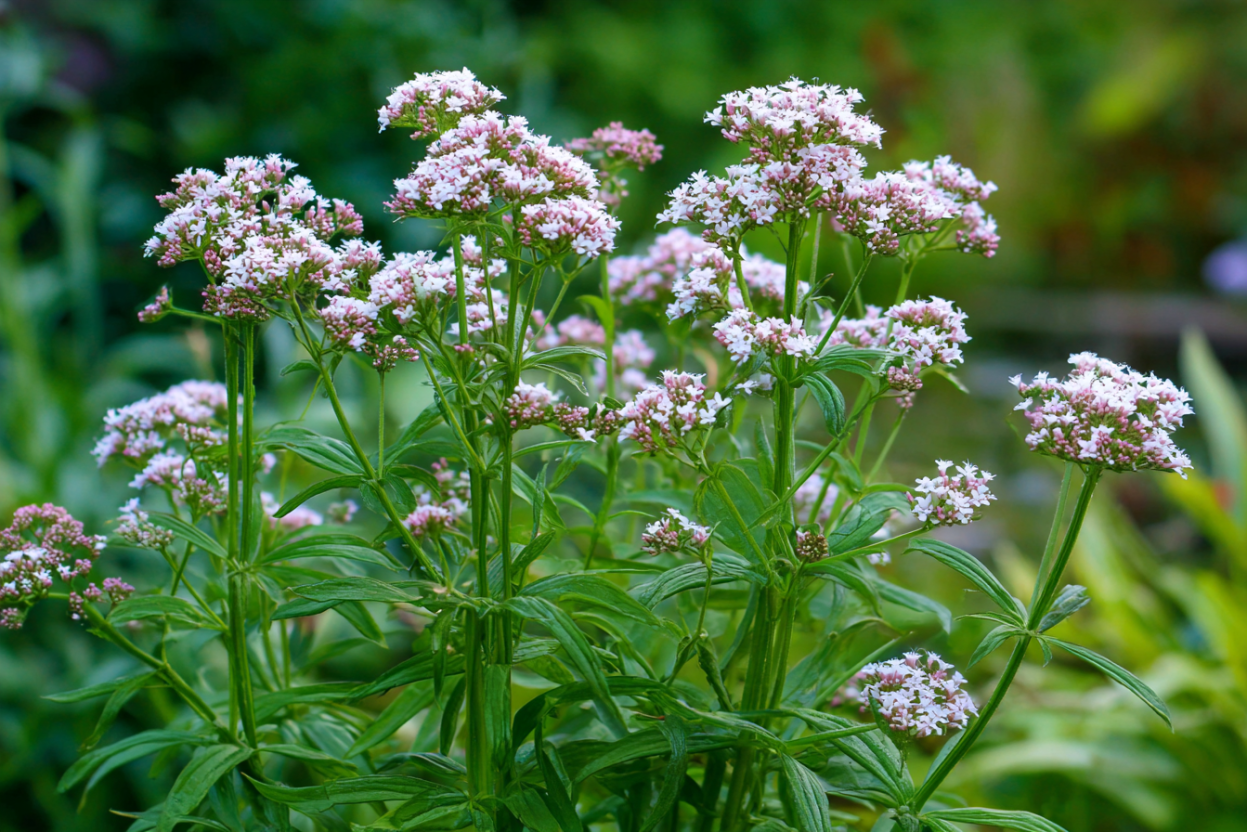
Valerian is a sturdy, upright perennial that commands attention in the garden. It rises from a short, thick rhizome connected to a mass of tangled, fibrous secondary roots — the very roots that hold its medicinal power. In spring, a rosette of pinnately compound leaves emerges, each leaf bearing 4 to 9 pairs of lance-shaped, finely toothed leaflets arranged along a central stem. The foliage is pale green on top and slightly darker beneath.
By summer, tall flowering stalks shoot upward to heights of 3 to 5 feet, sometimes reaching 6 feet in ideal conditions. These erect, furrowed, hollow stems branch near the top into flat-topped clusters of tiny tubular flowers, each measuring just 2 to 5 millimeters across. The blossoms are typically pale pink to white, occasionally tinged with lavender, and they are sweetly fragrant — a pleasant contrast to the root’s famously pungent aroma. Flowering occurs from June through August, followed by small, wind-dispersed seeds equipped with feathery tufts.
The fresh plant itself is nearly odorless. The characteristic valerian scent — earthy, musky, and unmistakable — develops primarily in the dried root. Some describe it as unpleasant, while experienced herbalists recognize it as a marker of potency. Interestingly, cats are intensely attracted to the smell and the plant, behaving around valerian root much as they do around catnip.
Origin
Valerian is native to temperate regions of Europe and western Asia, with its natural range stretching from Iceland and Scandinavia south to the Mediterranean, and eastward through the Caucasus to Iran. It thrives in moist meadows, woodland edges, streambanks, and low-lying areas that collect water. Over centuries of cultivation and trade, valerian has naturalized throughout North America, where it can be found growing wild from the northern United States into Canada. It prefers cooler climates with adequate rainfall and is listed as potentially invasive in some regions, including Connecticut and parts of the Pacific Northwest.
Brief History
Valerian’s relationship with humanity stretches back over two thousand years. The earliest references may appear in Hippocratic texts from the 5th century BCE, where the closely related “nardos” was used in gynecological preparations. The Greek physician Dioscorides documented a plant called “phu” in his De Materia Medica (1st century CE), describing it as warming, drying, and diuretic. Galen, physician to the Roman Emperor Marcus Aurelius in the 2nd century CE, specifically prescribed valerian for insomnia — one of the earliest documented uses for sleep support.
The name “valerian” likely derives from the Latin valere, meaning “to be strong” or “to be well,” though some scholars connect it to the Roman province of Valeria in Pannonia. In medieval Europe, it earned the name “all-heal” (Theriacaria) for the breadth of conditions it was used to address. The abbess Hildegard von Bingen wrote about it in the 12th century. Renaissance herbalists including Gerard and Culpeper continued to prescribe it widely. During World War II, valerian was used in England to relieve stress and anxiety during air raids. Before the introduction of barbiturates, valerian was listed in the United States National Formulary for the treatment of nervous sleep disturbance.
Growing & Cultivation
Climate & Zones
Valerian thrives in USDA Hardiness Zones 4 through 9, with its ideal growing range falling within Zones 4 through 7 where cooler temperatures and consistent moisture support robust root development. In warmer zones (8–9), it benefits from afternoon shade and reliable irrigation. Winter cold actually boosts its vigor — the dormancy period strengthens the root system. The plant dies back to the ground in winter, but the roots survive and produce fresh growth each spring. Its perennial lifespan ranges from 3 to 5 or more years in the garden.
Soil Requirements
Valerian prefers fertile, loamy, moisture-retentive soil with good drainage. It adapts to sandy, loamy, and clay soils, tolerating a wide range of conditions. The ideal pH is 6.0 to 7.0 — mildly acidic to neutral. It does not perform well in highly acidic soil. For container growing, use a rich compost-based mix with loam and bark for moisture retention. A 5 to 7 gallon pot minimum is recommended to accommodate its vigorous root system. Work compost into the soil at planting time for the best results.
Water & Sunlight
Valerian loves moisture. Provide approximately 1 inch (25mm) of water per week, more during hot spells. Mulch with 2 inches of straw or shredded leaves to conserve soil moisture and regulate temperature. Overwatering signs include root rot and yellowing foliage. Valerian grows best in full sun to partial shade. Full sun produces the strongest plants and richest root systems, but in warmer climates, some afternoon shade prevents stress. Too much shade causes the tall flowering stalks to flop and weaken.
Propagation
Seed: Valerian seeds require light to germinate. Surface-sow onto moist seed mix at 65–70°F (18–21°C), pressing gently into the soil without covering. Germination is slow and erratic, typically occurring in 2 to 4 weeks. Cold stratification (2–4 weeks in the refrigerator in moist medium) significantly improves germination rates. Start seeds indoors 6 to 8 weeks before last frost, then transplant seedlings at 5 to 6 inches tall.
Division: The easiest propagation method. Divide established clumps in early spring or fall by separating the daughter plants that develop around the base of the main plant after the second year. Replant divisions 12 to 18 inches apart.
Self-Seeding: Valerian self-seeds prolifically if flowers are not deadheaded. This can become invasive in some settings, so remove spent flower heads promptly if you wish to control spread.
Planting
Transplant seedlings outdoors after the last frost date. Space plants 12 to 18 inches apart in rows 3 feet apart. Choose a location where you can easily dig up roots at harvest time, as the medicinal parts are underground. Valerian makes an excellent companion plant — it attracts pollinators including bees, butterflies, and hoverflies. Good companion plants include angelica, lovage, meadowsweet, skullcap, and lemon balm. Keep catnip nearby with caution, as both attract cats.
Harvesting
The roots are the primary harvest. Dig roots in the autumn of the second year, after the above-ground growth has yellowed and died back. Alternatively, harvest in early spring before the plant bolts and flowers. Waiting until the second year allows the rhizomes and roots to fully develop and accumulate the compounds that make valerian medicinally valuable. A mature plant typically yields 4 to 6 ounces (115–170 grams) of dried root. Deadhead flowers consistently during the first two summers to channel energy toward root development. Use a garden fork to carefully excavate the deep, sprawling root system without breaking the fine roots.
Drying & Storage
Wash harvested roots thoroughly to remove soil, then cut into small pieces for faster drying. Dry at a temperature of approximately 100°F (38°C) — the fresh root is significantly more potent than dried, and drying above 82°C (180°F) degrades the active compounds. Air drying in a warm, well-ventilated area works well, as does a food dehydrator on low settings. Properly dried valerian root stores for 2 to 3 years in airtight containers kept in a cool, dark place. Note that the distinctive musky odor intensifies as the root dries.
Pest & Disease Management
Valerian is remarkably pest-resistant. Young plants may be susceptible to slugs and snails, especially in moist conditions. Fungal issues such as powdery mildew can appear when air circulation is poor or humidity remains high. Adequate spacing and watering at the soil line rather than overhead helps prevent these problems. No serious insect or disease problems are commonly reported. Organic slug control methods — copper tape, diatomaceous earth, or beer traps — manage the primary concern effectively.
Companion Planting
Valerian’s deep roots help break compacted soils, improving drainage and fertility for adjacent plants. Its flowers attract abundant pollinators, benefiting fruiting plants nearby. Plant alongside moisture-loving herbs like mint, meadowsweet, and angelica. Avoid planting near crops that prefer dry conditions. Because valerian can spread aggressively by seed and rhizome, consider growing it in defined beds or containers to manage its enthusiastic growth habit.
The Healing of Growing
Growing valerian offers benefits that begin before you ever harvest a single root. The act of gardening — hands in soil, bare feet on earth, time spent outdoors — has been shown to reduce cortisol, improve mood, and support immune function. The soil contains beneficial bacteria (Mycobacterium vaccae) with documented antidepressant effects, stimulating serotonin production through direct contact. When you grow your own valerian, you receive healing before you ever consume it. The rhythm of tending, waiting, and harvesting connects you to the seasonal cycles of creation and provides a grounding counterbalance to the overstimulated pace of modern life.
Nutritional Profile
Valerian is not consumed as a conventional food, so traditional macronutrient analysis per 100 grams is not the most meaningful framework. However, valerian root and young leaves are edible, and the plant does contain nutritionally relevant compounds. Young valerian leaves can be eaten raw as a salad green — they are mild enough in flavor when harvested early in the season and provide a texture similar to romaine lettuce.
Phytonutrients & Active Compounds
The true nutritional value of valerian lies in its extraordinary phytochemical profile. The root contains over 150 identified compounds working synergistically:
Valerenic Acid — The primary bioactive sesquiterpene responsible for most of valerian’s effects on the nervous system. This compound modulates GABA-A receptors, functioning as a positive allosteric modulator that enhances the calming effects of the neurotransmitter GABA. Research identifies valerenic acid as having a mechanism similar to — but distinct from — benzodiazepine drugs.
Valerenol — A related sesquiterpene that also acts on GABA-A receptors, contributing to the anxiolytic and sedative effects of the whole root.
Isovaleric Acid — A volatile fatty acid partially responsible for valerian’s distinctive odor. Contributes to its sedative properties.
Valepotriates (Iridoids) — A group of compounds including valtrate, isovaltrate, and acevaltrate. These are somewhat unstable and degrade during drying and storage, which is why fresh root preparations may differ in effect from dried. They contribute to the overall sedative and antispasmodic action.
Flavonoids — Including linarin and hesperidin, which provide antioxidant protection and may contribute to sedative effects. Linarin has been specifically studied for its sleep-enhancing properties.
GABA — Valerian root contains small amounts of gamma-aminobutyric acid itself, though it remains debated whether this crosses the blood-brain barrier when consumed orally.
Volatile Oils — Including bornyl acetate, valeranone, and other sesquiterpenes and monoterpenes that contribute to the aromatic profile and therapeutic activity.
Alkaloids — Including valerine and chatinine, which contribute to the overall calming effect profile.
Connection to Body Compounds
Valerian’s phytonutrients directly influence key body compounds. Valerenic acid enhances GABA activity in the brain, promoting nervous system calm. The overall effect of valerian supplementation is depression of overactive central nervous system activity — reducing excessive stress hormones like cortisol and supporting the production of sleep-associated compounds like melatonin through improved nervous system regulation.
Culinary Uses
Edible Parts
While valerian is best known as a medicinal herb, it has culinary applications that are often overlooked. The young spring leaves can be harvested early in the season — before the plant bolts and flowers — and used as a salad green. They have a mild flavor and a texture comparable to romaine lettuce. As the plant matures and begins flowering, the leaves become increasingly bitter and tough, making them less palatable for raw consumption.
The roots are used to make teas and are also employed as a flavoring agent. Valerian root extract is used commercially in ice cream, condiments, baked goods, and beverages, though its strong, earthy flavor requires skillful blending.
The flowers have a sweet, clove-like fragrance and can be used sparingly as a garnish or added to salads for decoration and subtle flavor.
Flavor Profile
The root has an intensely earthy, musky flavor that many find challenging on its own. It pairs well with other herbs in tea blends. Chamomile, peppermint, lemon balm, and passionflower are common blending companions that soften valerian’s pungency. The young leaves are mild, slightly bitter, and green — enjoyable when mixed with other salad greens like chickweed, miner’s lettuce, and mint. The flowers taste faintly sweet with floral notes.
Preparation
For teas, use 1 to 2 teaspoons of chopped dried root per cup of hot water, steeped for 10 to 15 minutes with the lid on. For salads, harvest young leaves in late winter or early spring, wash, and use whole or chopped. Root can also be infused into vinegar, honey, or alcohol for culinary-medicinal preparations.
Storage
Fresh leaves should be used immediately or refrigerated for 2 to 3 days. Dried root stores for 2 to 3 years in airtight containers in a cool, dark location. The dried root’s odor is strong, so store separately from other herbs and spices to prevent flavor cross-contamination.
Wellness & Therapeutic Uses
Traditional Uses
Valerian has one of the longest documented histories of medicinal use of any herb in the Western tradition. Hippocrates described its therapeutic properties in the 5th century BCE. Dioscorides documented the plant as “phu” in his De Materia Medica (1st century CE), recommending it for warming, drying, and diuretic purposes. Galen prescribed valerian specifically for insomnia in the 2nd century CE. In traditional Chinese medicine, related Valeriana species (V. jatamansi) have been used for centuries as sedative and nervine preparations. In Ayurvedic medicine, the Indian species has been traditionally classified as a grounding, calming herb used for nervous disorders. Native American traditions utilized valerian for wound healing, as a cold remedy, and for calming nervous conditions. Medieval European monks cultivated it in monastery gardens, and it was a staple of the apothecary’s shelf throughout the Renaissance. The 16th and 17th century herbalists Brunfels, Gerard, and Culpeper all wrote extensively about valerian’s uses for nervous complaints and insomnia.
Modern Research
Sleep Support: This is valerian’s most extensively studied application. A 2020 systematic review and meta-analysis encompassing 60 studies (6,894 participants) found that valerian may be a safe and effective herb to promote sleep and prevent associated disorders, with more reliable effects observed from whole root preparations compared to standardized extracts. An earlier systematic review of 16 randomized controlled trials (1,093 patients) found that use of valerian almost doubled the chance of reporting improved sleep (relative risk 1.8, 95% CI 1.2–2.9). A 2023 randomized, double-blind, placebo-controlled clinical study from India demonstrated that a standardized valerian extract significantly improved Pittsburgh Sleep Quality Index scores, reduced sleep latency, and improved sleep efficiency over 8 weeks of use. Research suggests the effects are cumulative, often requiring 2 to 4 weeks of consistent use for full benefits.
Anxiety and Nervous Tension: The European Medicines Agency recognizes valerian for the relief of mild nervous tension. Research has demonstrated that valerenic acid, a key constituent, acts as a subunit-specific allosteric modulator of GABA-A receptors with nanomolar affinity, producing anxiolytic effects comparable to those of benzodiazepines in animal models but through a different binding site (beta-3 subunit rather than the gamma subunit). A landmark 2008 study confirmed that GABA-A receptors containing beta-3 subunits are a major cellular substrate for the anxiolytic action of valerenic acid. The German Commission E endorses valerian for restlessness and nervous conditions, recommending 400–600 mg of dry hydroalcoholic extract or 0.3–3 g of the root up to 3 times daily.
Muscle Relaxation and Menstrual Support: Valerian has antispasmodic properties that may support relief of muscle tension and menstrual discomfort. Studies indicate that the calming effects extend to smooth muscle, which is why valerian has been traditionally used for menstrual cramps and digestive spasms. Research published in the International Journal of Gynaecology and Obstetrics found that valerian may reduce the severity and systemic manifestations of dysmenorrhea.
Digestive Support: Historically, valerian was valued for its carminative properties — reducing gas and digestive discomfort. The antispasmodic action that relaxes voluntary and smooth muscle may also ease digestive cramping and bloating associated with nervous tension.
Body Systems Supported
Valerian’s primary influence is on the nervous system, where it supports calm, reduces overexcitement, and promotes healthy sleep architecture. It also supports the musculoskeletal system through muscle relaxation, the digestive system through antispasmodic and carminative action, the cardiovascular system through mild blood-pressure-lowering effects associated with relaxation, the endocrine system through indirect effects on cortisol and stress hormone regulation, and the reproductive system through support for menstrual comfort.
Body Compounds Affected
GABA (gamma-aminobutyric acid): This is valerian’s primary target. Valerenic acid modulates GABA-A receptors, enhancing the inhibitory effects of GABA. Valerian extracts also increase GABA synthesis through activation of glutamic acid decarboxylase, decrease synaptic GABA reuptake, and may inhibit the enzymatic breakdown of GABA — all of which increase the availability of this essential calming neurotransmitter.
Cortisol: Through its calming effects on the nervous system, valerian may support healthy cortisol levels by reducing the stress response that drives cortisol production.
Serotonin: Research suggests valerian may have activity at serotonin (5-HT5a) receptors, contributing to mood support and sleep regulation.
Adenosine: Studies indicate valerian binds with high affinity to A1 adenosine receptors, which may further explain its sedative effects, as adenosine accumulation promotes sleep.
Melatonin: While valerian does not directly increase melatonin, the improvement in sleep architecture and reduced nervous system excitation may support the body’s natural melatonin production cycle.
Methods of Use
Tea/Infusion
Use 1–2 teaspoons of chopped dried root per cup of hot (not boiling) water. Cover and steep for 10–15 minutes. Drink 30–60 minutes before bedtime for sleep support, or up to 3 times daily in smaller doses for daytime nervous tension. The taste is strong; blending with chamomile, lemon balm, or peppermint improves palatability.
Tincture
Valerian tincture (typically 1:5 in 60% alcohol) is one of the most effective preparation methods, as alcohol extracts a broad spectrum of active compounds. Typical dosage is 2–4 mL (approximately 40–80 drops), taken 30 minutes before bedtime. For daytime use to support calm, smaller doses of 1–2 mL may be used up to 3 times daily. Fresh root tinctures are considered more potent than dried root preparations.
Capsule/Powder
Standardized extracts typically provide 300–600 mg per dose, often standardized to 0.8% valerenic acid content. Most clinical trials have used doses in this range taken 30 minutes to 2 hours before bedtime. Effects are generally cumulative, requiring 2 to 4 weeks of consistent use.
Poultice/Compress
A warm compress using strong valerian infusion may be applied to areas of muscle tension for localized relaxation support.
Cosmetic & Beauty Uses
Skin Benefits
Valerian’s benefits extend beyond internal use into topical applications for the skin. The anti-inflammatory and antioxidant compounds in valerian root — particularly its flavonoids and valerenic acid — may support skin comfort and calm when applied topically. Valerian-infused preparations have been used traditionally for sensitive, stressed, and reactive skin types. The antispasmodic properties that relax internal muscles may also support relief of facial tension that contributes to fine lines and skin fatigue.
Valerian may benefit skin affected by stress-related conditions — including stress-triggered breakouts, redness, and irritation — because the same calming compounds that quiet the nervous system internally may soothe inflammation when applied externally. It is best suited for sensitive, reactive, and mature skin types.
Hair Benefits
Valerian root infusion has been traditionally used as a hair rinse to support scalp health and address dryness and itching. The antimicrobial properties of the root may help maintain a healthy scalp environment. The improved circulation associated with valerian’s vasodilating effects may support scalp blood flow, which is foundational to healthy hair growth. A strong decoction of valerian root cooled and used as a final hair rinse may also add shine and improve manageability.
Application Methods
Infused Oil: Steep dried valerian root in a carrier oil (jojoba, sweet almond, or olive) for 4 to 6 weeks in a dark glass jar. Strain and use the infused oil for facial massage, body oil, or as a base for balms. Pairs well with lavender and chamomile-infused oils.
Face and Body Masks: Mix finely powdered valerian root with honey and yogurt for a calming face mask suitable for stressed, inflamed skin. Leave on for 10 to 15 minutes, then rinse with warm water.
Bath Additions: Add strong valerian root decoction or infusion to bath water for whole-body skin soothing and relaxation.
Toner: A diluted valerian root tea, cooled and applied with a cotton pad, may serve as a calming toner for reactive skin types.
DIY Formulation Notes
When incorporating valerian into homemade skincare, use dried root at approximately 5–10% of the total preparation weight. Carrier oils that pair well include jojoba (for facial use), sweet almond (for body preparations), and coconut (for hair treatments). The strong scent of valerian root oil is best balanced by blending with lavender, chamomile, or rose-infused oils. Shelf life of homemade valerian-infused oil is approximately 6 months to 1 year when stored in dark glass in a cool location. Do not combine with strongly acidic ingredients, which may degrade the active compounds. Valerian is among the botanicals being explored for holistic cosmetic applications, where the wisdom of traditional beauty practices meets modern understanding of skin science.
Essential Oil Profile
Extraction
Valerian essential oil is obtained through steam distillation of the dried roots and rhizomes of Valeriana officinalis. The oil yield from valerian root is relatively low — the dried root typically contains 0.5% to 2.0% volatile oil, meaning large amounts of plant material are required to produce small quantities of essential oil. This scarcity and the slow growth of harvestable roots contribute to valerian oil’s higher price point. CO2 extraction produces a different chemical profile than steam distillation, often retaining more of the heavier sesquiterpene compounds.
Chemical Constituents
The chemical composition of valerian essential oil varies significantly based on geographic origin, growing conditions, and extraction method. Key constituents include:
Sesquiterpenes: The dominant class. Includes valerenic acid, valeranone, valeranal, and valerianol — the primary therapeutic compounds. Sesquiterpenes are responsible for the grounding, calming qualities of the oil.
Esters: Bornyl acetate (also called bornyl isovalerate) is often one of the most abundant compounds. It contributes to the sedative and antispasmodic properties and produces some of the softer, balsamic notes in the aroma.
Monoterpenes: Including camphene and alpha-pinene, which provide minor antimicrobial and decongestant properties.
Acids: Isovaleric acid contributes significantly to the characteristic pungent, “smelly socks” aspect of the aroma.
Other constituents: Alpha-kessyl acetate, elemol, and various sesquiterpenols round out the profile.
Aroma Profile
Valerian essential oil is classified as a base note in aromatherapy. Its scent is warm, woody, balsamic, and deeply earthy with musky undertones. Fresh distillations tend to have a cleaner, more balsamic character, while older oils or those from certain origins may develop a more pungent, sometimes unpleasant quality. The aroma is tenacious and long-lasting. It blends well with lavender, Roman chamomile, vetiver, patchouli, sweet orange, cedarwood, clary sage, sweet marjoram, and bergamot — all of which help soften valerian’s intensity and create more harmonious aromatic compositions.
Therapeutic Properties
Using compliant language, valerian essential oil is associated with the following properties: sedative, nervine, antispasmodic, calming, grounding, muscle-relaxing, and hypotensive. It is primarily used to support relaxation, ease nervous tension, and promote sleep when diffused or applied topically in properly diluted form.
How to Use
Diffusion
Use 2–4 drops of valerian essential oil in a diffuser 30–60 minutes before bedtime. Due to its powerful scent, start with a lower amount and increase as desired. Blending with 3–4 drops of lavender and 1–2 drops of sweet orange creates a pleasant sleep-support blend. Diffuse for no more than 30–60 minutes at a time.
Topical Application
Always dilute before skin application. Standard adult dilution is 2–3% (approximately 12–18 drops per ounce of carrier oil). For sensitive skin, use 1% dilution. For children over 6, use 0.5–1%. Apply diluted oil to the bottoms of feet, along the spine, or to the wrists and temples for relaxation support. Jojoba, sweet almond, and fractionated coconut oil are suitable carriers.
Quality & Sourcing
When purchasing valerian essential oil, look for oils that are 100% pure, single-species (Valeriana officinalis), and accompanied by GC/MS testing reports. The color should range from yellowish-green to greenish-brown, and the consistency should be thin. Be aware that the chemical composition varies dramatically by origin — European-sourced oils typically have higher valerenic acid content. Avoid oils that smell excessively rancid, as this may indicate poor distillation or degraded material. Adulteration is less common with valerian than some other oils due to its low commercial demand, but always purchase from reputable suppliers.
Blending
Valerian oil is powerful in blends at low dilutions. Try combining it with lavender and Roman chamomile for a sleep blend, or with vetiver and cedarwood for a deeply grounding meditation blend. For premenstrual comfort, blend with clary sage and peppermint. Always use valerian as a minor note in blends (1–2 drops out of a total 8–12 drop blend) due to its intensity.
Aromatherapy & Scent
The Aroma
The scent experience of valerian is a study in contrasts. The living plant and flowers are sweetly fragrant — often compared to the scent of cloves or cherry pie. The flower clusters produce a delicate, honeyed aroma that attracts pollinators and is genuinely pleasant in the garden. The leaves, when brushed or crushed, release a mild green, herbaceous scent.
The fresh root, when cut or dug, emits a mild, earthy smell that is not unpleasant. It is in the dried root that valerian’s notorious aroma develops — deep, musky, pungent, and unmistakable. Some find it intolerable; others, particularly experienced herbalists, come to appreciate it as a marker of medicinal potency. The scent is attributed largely to isovaleric acid and related volatile compounds that intensify during the drying process. Dried root retains its scent for 2 to 3 years when properly stored, though intensity gradually decreases over time.
How Scent Affects Your Body
When you inhale valerian’s volatile compounds, molecules enter the nasal passages and bind to olfactory receptors in the nasal epithelium. These receptors send signals directly to the limbic system — the emotional processing center of the brain — and to the hypothalamus, which governs hormone production and autonomic functions. This pathway bypasses conscious thought entirely, meaning the body responds to scent before the thinking mind has any say. This is why simply smelling valerian can produce a calming effect within seconds, even before any compound is absorbed into the bloodstream.
Emotional & Mood Effects
The scent of valerian root is primarily calming, grounding, and sedating. It tends to quiet mental chatter, reduce the feeling of “racing thoughts,” and promote a sense of heaviness and surrender that precedes sleep. It is not an energizing or uplifting scent — it draws the mind inward and downward, into stillness. A 2006 study found that valerian inhalation had sleep-enhancing effects, supporting the idea that the aroma itself contributes to therapeutic outcomes beyond the compounds absorbed through consumption.
Body Compounds Affected
The volatile compounds in valerian’s scent may influence GABA activity through olfactory-limbic pathways, potentially supporting the same calming cascade initiated by oral consumption. Scent exposure may also support reduced cortisol output and promote conditions favorable for melatonin production as part of the natural wind-down process at night.
Ways to Experience the Scent
Beyond essential oil diffusion, you can experience valerian’s aroma by growing the plant in your garden and enjoying the flower’s sweet scent in summer; placing dried root in sachets near your bed; simmering dried root on the stove in water for gentle room scenting; adding dried root to a warm bath; or brewing a strong tea and inhaling the steam before drinking. Each method provides a different dimension of the aromatic experience.
Color Therapy
The Colors of Valerian
Valerian presents a palette that shifts through the seasons. Flowers: Pale pink to white, occasionally tinged with lavender. Leaves: Soft green on top, darker green beneath, turning yellow in autumn. Roots: Light brown to yellowish externally, lighter internally when fresh. Stems: Green, sometimes with reddish-purple hues near the base.
Color Wavelengths
The dominant colors of valerian fall within the green spectrum (495–570nm) for its foliage and the pink spectrum (a blend of red wavelengths around 620–700nm combined with the full spectrum of white light) for its flowers. The overall visual impression of a valerian plant in bloom is one of soft green accented with gentle pink-white clouds of flowers — a combination that is inherently calming to the visual system.
How These Colors Affect the Body
Green is the color of balance in the visible spectrum — positioned at the center between warm and cool wavelengths. Exposure to green is associated with calming, heart-centered energy, reduced blood pressure, and connection to nature. It is the most restful color for the human eye. Pink combines the energy of red with the purity of white, producing nurturing, gentle, heart-opening effects. The combination of green foliage and pink-white flowers makes valerian a visually therapeutic plant to have in a garden, window box, or cutting arrangement. Simply viewing the plant may support the same relaxation it provides through its chemistry.
Body Compounds Affected
Exposure to green light wavelengths has been associated with modulated cortisol levels and nervous system calming. Spending time in green garden environments has documented effects on reducing sympathetic nervous system activity and promoting parasympathetic (rest-and-digest) responses.
Using Valerian for Color Therapy
Place potted valerian in spaces where you seek calm — a bedroom window (for the flower display in summer), a reading nook, or a meditation space. Cut valerian flower stems for vases to bring the soft pink-white coloring indoors. The visual presence of the living plant serves as a reminder to slow down, breathe, and connect with the natural world.
Frequency & Vibration
The Frequency of Valerian
According to bio-frequency research pioneered by Bruce Tainio using a calibrated frequency monitor (BT3), essential oils and plants emit measurable electromagnetic frequencies. While specific published frequency measurements for valerian essential oil are less commonly cited than for oils like rose (320 MHz) or frankincense (147 MHz), valerian is generally classified as a moderate-frequency plant. Its grounding, earthward-drawing nature is consistent with the frequency profiles of other root-based oils and herbs.
For reference, a healthy human body is reported to vibrate at 62–78 MHz, with cold and flu onset occurring around 58 MHz, and disease states below 58 MHz. High-frequency plants and their oils are believed to support the body’s own frequency levels.
Human Frequency Interaction
Proponents of vibrational medicine suggest that the principle of entrainment — where a stronger, more coherent frequency influences a weaker one — applies to plant-human interactions. Being in the presence of living plants, consuming plant preparations, or diffusing essential oils may support the body’s electromagnetic coherence. Frequency measurements suggest that valerian’s grounding quality may help stabilize and calm erratic or overactive frequencies associated with stress and anxiety, bringing the body into a more harmonious state.
Essential Oil Frequency
Valerian essential oil, like all steam-distilled plant extracts, represents a concentrated form of the plant’s volatile compounds and their associated vibrational signatures. While exact MHz readings vary by source and measurement methodology, the oil is considered grounding and stabilizing in frequency-based aromatherapy frameworks.
Vibrational Applications
To use valerian for frequency support, consider diffusing the essential oil during meditation or prayer, growing the living plant in your personal space, or consuming valerian tea as part of an intentional evening wind-down practice. Combining valerian with other high-frequency practices — time in nature, deep breathing, worship, and restful sleep — creates a comprehensive approach to supporting the body’s energetic balance.
The Living Plant
Benefits of Presence
Simply being around a living valerian plant offers benefits that extend beyond its medicinal compounds. Research on biophilic design — the human need for connection with living systems — demonstrates that having plants in your environment reduces perceived stress, improves mood, and enhances cognitive function. Valerian, with its lush green foliage and attractive flower displays, provides all of these benefits while also offering the specific therapeutic compounds in its flowers, leaves, and roots.
Air Purification
While valerian was not specifically included in the NASA Clean Air Study, all green plants contribute to indoor air quality through basic photosynthesis — absorbing carbon dioxide and releasing oxygen during daylight hours. Valerian’s broad, compound leaves provide ample surface area for gas exchange. The plant also contributes to humidity regulation through transpiration, releasing water vapor that can help maintain comfortable indoor humidity levels. If you grow valerian indoors (possible in bright, cool conditions), it will contribute to your air quality as any healthy green plant does.
Phytoncides
Living plants release volatile organic compounds called phytoncides — airborne antimicrobial chemicals that form part of the plant’s natural defense system. Forest bathing (shinrin-yoku) research has demonstrated that exposure to phytoncides increases natural killer (NK) cell activity, supporting immune function. While phytoncide research specific to valerian is limited, the plant does release volatile compounds (detectable by their scent, particularly from the roots) that contribute to the aromatic environment of a garden. The sweet fragrance of the flowers specifically attracts beneficial insects and creates a pleasant outdoor atmosphere.
Visual & Psychological Benefits
Research consistently demonstrates that viewing plants reduces stress hormone levels, lowers blood pressure, and improves mood. The concept of Attention Restoration Theory, developed by environmental psychologists, holds that natural environments — including gardens — restore directed attention and reduce mental fatigue. Hospital studies show that patients with views of plants and greenery heal faster, require less pain medication, and have shorter recovery times. A valerian plant in your garden or home is not just a future medicine — it is a present-tense healer through its visual and atmospheric presence.
Growing Indoors vs Outdoors
Valerian is primarily an outdoor plant, thriving in garden beds, borders, and naturalized areas. It can be grown indoors in a bright, cool location, but it requires a large container (minimum 5–7 gallons), consistent moisture, and good air circulation. Indoor valerian may not develop as robust a root system as outdoor specimens, and the tall growth habit (3–5 feet) makes it a challenging indoor subject. For those without outdoor growing space, growing valerian in a large patio container provides a good compromise, allowing the plant access to natural light and air while keeping it accessible.
Touch & Physical Interaction
Gardening Therapy
Horticultural therapy — the use of gardening as a therapeutic intervention — is an established practice supported by substantial research. Working with valerian provides a particularly rich tactile and sensory experience. The act of planting, tending, watering, and eventually harvesting the root engages all five senses and creates a mindful connection between the gardener and the earth. Tending valerian over its multi-year growing cycle builds patience, anticipation, and a relationship with seasonal rhythms that is increasingly rare in modern life.
Soil Contact Benefits
Digging valerian roots requires extended contact with soil, providing powerful grounding benefits. When gardening with bare feet or hands, the body makes direct contact with the earth, allowing electron transfer that may neutralize free radicals and reduce chronic inflammation. This practice, known as “earthing” or “grounding,” has been associated with improved sleep, reduced pain, and normalized cortisol rhythms in preliminary research. The soil also contains Mycobacterium vaccae, a naturally occurring bacterium that has been shown to stimulate serotonin production and produce antidepressant-like effects in animal studies.
The Tactile Experience
The leaves of valerian are soft and slightly downy, with a fine texture that is pleasant to handle. The stems are firm, upright, and furrowed — satisfying to grip when cutting flower stalks or deadheading. The flowers are delicate clusters of tiny blossoms that feel like soft, dense clouds when held. But the most distinctive tactile experience is the root itself. Digging up a mature valerian root reveals a dense mass of intertwined, fibrous root strands — pale brown, pliable, and earthy. The act of washing the soil from these tangled roots, separating them, and cutting them into pieces for drying is deeply meditative and engages the hands in repetitive, rhythmic work that quiets the mind.
Harvesting & Processing
The harvest of valerian root is a physical, grounding experience. Using a garden fork to carefully excavate the root system requires attention and care — you are extracting something precious from the earth. Washing, cutting, and laying roots to dry engages the senses fully: the cool water, the musky scent intensifying as roots are handled, the satisfying weight of a good harvest. This process — from earth to medicine — connects you to every generation of humans who have prepared healing plants from the soil. There is a meditative quality to the repetition of processing that modern life rarely offers.
Water-Based Applications
Teas & Infusions
Standard Infusion: Place 1–2 teaspoons of chopped dried valerian root in a cup. Pour hot water (just below boiling, approximately 200°F/93°C) over the root. Cover with a saucer or lid — this is essential, as it traps the volatile compounds that would otherwise escape with the steam. Steep for 10–15 minutes. Strain and drink. For sleep support, drink 30–60 minutes before bedtime. For daytime nervous tension, use a milder infusion (1 teaspoon) up to 3 times daily.
Cold Infusion: Place 1–2 teaspoons of dried root in room-temperature water, cover, and steep for 8–12 hours (overnight). This method produces a preparation that retains more of the volatile compounds and valepotriates that are sensitive to heat. Some herbalists consider cold infusions superior for sleep support. The taste is somewhat milder than hot infusion.
Decoctions
Because valerian root is a dense, woody material, a decoction may extract compounds more thoroughly than a simple infusion. Place 1–2 teaspoons of dried root in a saucepan with 1 cup of cold water. Bring to a gentle simmer (do not boil vigorously). Simmer covered for 10–15 minutes. Remove from heat and let stand 5 minutes. Strain and drink. This method is especially useful when making larger batches for bath additions.
Herbal Baths
A valerian bath is one of the most luxurious ways to experience this plant’s calming properties. Prepare a strong decoction using 3–4 tablespoons of dried root simmered in 1 quart of water for 15–20 minutes. Strain and add the concentrated liquid to a warm (not hot) bath. Soak for 20–30 minutes. The combination of warm water and valerian compounds absorbed through the skin creates a profoundly relaxing experience that supports both physical muscle relaxation and nervous system calming. This is an excellent option for those who dislike the taste of valerian tea. A foot bath offers similar benefits in a smaller, more convenient format using the same decoction.
Compresses
Warm Compress: Soak a clean cloth in a strong, warm valerian infusion and apply to areas of muscle tension — neck, shoulders, lower back, or abdomen (for menstrual discomfort). Leave on for 15–20 minutes, rewetting with warm infusion as needed. The warmth of the compress enhances the antispasmodic effects of the valerian compounds. Cool Compress: A cool valerian infusion applied as a compress may support comfort for tension headaches when placed across the forehead and temples.
Steam Inhalation
Add 1 tablespoon of dried valerian root to a bowl of just-boiled water. Lean over the bowl with a towel draped over your head to contain the steam. Inhale deeply for 5–10 minutes. This delivers volatile compounds directly to the olfactory system and respiratory passages, supporting relaxation and clearing congestion simultaneously. This is best used in the evening as the sedative effects may cause drowsiness.
Hair Rinses
Prepare a standard infusion or decoction of valerian root, allow it to cool completely, then use as a final rinse after shampooing. Pour over the hair and scalp, gently massaging into the scalp. Do not rinse out — allow the hair to air-dry with the infusion in place. This may support scalp health, reduce itching, and add shine. The scent of the root can be offset by adding a few drops of rosemary or lavender essential oil to the rinse water.
Historical, Cultural & Biblical Significance
Biblical References
Valerian (Valeriana officinalis) is not directly mentioned by name in Scripture. However, a closely related plant — spikenard (Nardostachys jatamansi) — holds deep biblical significance and shares the same plant family. Spikenard is mentioned in the Song of Solomon: “While the king sitteth at his table, my spikenard sendeth forth the smell thereof” (Song of Solomon 1:12, KJV). Most notably, it was the costly spikenard ointment that Mary of Bethany poured upon the feet of Jesus: “Then took Mary a pound of ointment of spikenard, very costly, and anointed the feet of Jesus, and wiped his feet with her hair: and the house was filled with the odour of the ointment” (John 12:3, KJV). The confusion between spikenard and valerian species persisted from antiquity through the Renaissance, and the ancient Greek term “nardos” likely encompassed both plants at various times. While valerian itself may not have been the specific plant in Scripture, it is part of the same botanical family that held such precious significance in the biblical world.
Ancient Civilizations
Greece: The earliest known references to valerian-like plants in the Mediterranean come from Theophrastus (ca. 371–287 BCE), the Father of Botany, who described a small, fragrant root from Thrace that resembled spikenard. Hippocrates (ca. 460–370 BCE) documented the therapeutic properties of “phu” and used related plants in gynecological applications. Dioscorides (1st century CE) provided detailed descriptions in his De Materia Medica, prescribing the plant for warming, drying, and diuretic purposes. The ancient Greeks called it “phu” — possibly hinting at its pungent odor.
Rome: Galen (130–200 CE), personal physician to Emperor Marcus Aurelius, prescribed valerian specifically for insomnia. Pliny the Elder recommended it for headaches and digestive complaints. The Roman pharmacological tradition, well documented by Celsus, Dioscorides, Scribonius, and Pliny, established valerian as a standard remedy that would persist for nearly two millennia.
Egypt: While direct Egyptian documentation of Valeriana officinalis is limited, the broader trade in aromatic and medicinal roots along Mediterranean trade routes suggests awareness of valerian-type plants. The Egyptian tradition of using aromatic plant preparations for both medicine and spiritual practices provided a cultural context in which such plants were highly valued.
Eastern Traditions
Traditional Chinese Medicine: Related Valeriana species, particularly V. jatamansi (Indian Valerian), have been used in Chinese medicine for centuries as sedatives and nervines. The root appears in traditional formulas for restlessness, heart palpitations, and nervous disorders. Chinese herbal medicine classifies valerian-type plants as calming to the shen (spirit) and settling to the heart.
Ayurveda: In Indian Ayurvedic tradition, Valeriana jatamansi (known as Tagar or Sugandhawal) has been used since ancient times. It is classified as having a grounding effect, calming Vata dosha (the energy of movement and anxiety), and supporting sound sleep. The root was documented in Sanskrit texts for its use in nervous disorders, epilepsy, and hysteria. Indian culture observed that this plant provided calming benefits — they documented this use in their extensive herbal pharmacopoeia. While they may not have known the Creator by name, they were observing His design, and their observations align with what modern research confirms about valerian’s properties.
Indigenous Knowledge
Native American Uses: Native American peoples utilized Valeriana species found in North America for practical healing purposes. The root was used for wound healing and applied as a poultice for injuries and lesions. It was also used as a remedy for colds and respiratory ailments. Several tribes valued it for its calming properties and used it to address nervousness and insomnia, independently arriving at the same applications discovered across the ocean in Europe and Asia.
European Heritage
Valerian was a cornerstone of medieval European herbalism. The abbess Hildegard von Bingen (1098–1179) wrote about valerian in her works on natural medicine. It was cultivated in monastery gardens across Europe, where monks preserved botanical knowledge through centuries of upheaval. The name “all-heal” (Theriacaria) reflects how broadly it was prescribed. By the Renaissance, the great herbalists — Otto Brunfels, Leonhart Fuchs, John Gerard, and Nicholas Culpeper — all documented valerian’s uses for nervous complaints, insomnia, and convulsions. In the 16th and 17th centuries, valerian was one of the most widely prescribed herbs in European pharmacies.
Perhaps the most remarkable modern chapter in valerian’s European history occurred during World War II, when it was widely used in England to calm civilians during the devastating German air raids — proving that in humanity’s darkest and most stressful hours, people still turned to this ancient root for comfort and rest.
Cultural Symbolism
Valerian has long been associated with protection, peace, and purification in European folk traditions. The name “Baldrian” in German may connect to the Norse god of light, Baldur, and his Christian counterpart, St. John. In folk culture, valerian was strewn in houses and placed under pillows to promote peaceful sleep and drive away disturbances. Valerian flowers were sometimes used in wedding bouquets as symbols of readiness and well-being. The word “officinalis” in its botanical name literally means “of the apothecary” — confirming that this plant was a recognized fixture in the medieval pharmacist’s shop.
Safety & Precautions
Contraindications
While valerian is generally considered safe with a wide margin of safety, certain individuals should exercise caution. Those with liver disease should avoid valerian, as rare cases of hepatotoxicity have been reported, though causality is not firmly established. Those with pancreatic conditions should also use caution. If you are scheduled for surgery, discontinue valerian at least two weeks prior to avoid potential additive sedation with anesthetics. Do not drive or operate heavy machinery within 1 to 2 hours of taking valerian, as it may impair alertness and reaction time.
Drug Interactions
Valerian’s primary concern regarding drug interactions relates to its effects on the central nervous system. Because valerian enhances GABAergic activity, it may produce additive sedation when combined with:
Benzodiazepines (alprazolam, diazepam, clonazepam, lorazepam) — Avoid concurrent use. Both substances increase sedation through GABA-related mechanisms.
Barbiturates and opioid analgesics — Avoid concurrent use. Risk of excessive drowsiness, impaired coordination, and respiratory depression.
Alcohol — Avoid combining. Both substances depress the central nervous system. Maintain at least 6 alcohol-free hours on either side of valerian use.
Sedating antihistamines (diphenhydramine, doxylamine) — Use with caution. Additive sedation may occur.
Antidepressants (SSRIs, tricyclics, trazodone) — Monitor closely. Both valerian and these medications may affect serotonin and have sedative effects.
A 2014 systematic review published in Evidence-Based Complementary and Alternative Medicine found no evidence for clinically relevant CYP450 interactions with valerian, and clinical studies did not reveal significant interaction potential for CYP 1A2, 2D6, 2E1, or 3A4. However, the theoretical potential for pharmacodynamic interactions (additive sedation) remains, and caution is always warranted when combining any herbal preparation with pharmaceutical medications.
Pregnancy & Nursing
Not recommended during pregnancy or breastfeeding without guidance from a qualified healthcare provider. Animal research has raised concerns about potential effects on fetal brain mineral levels (specifically reduced zinc levels in fetal brain tissue in one mouse study). Reliable safety data for pregnant and nursing humans is insufficient. Because valerian is an emmenagogue (may stimulate menstrual flow) in traditional use, it should be avoided during pregnancy as a precaution.
Children
Valerian has been studied in combination products for children as young as age 6 for restlessness and sleep support. A study using a valerian and lemon balm combination found it effective and safe in children with restlessness and dyssomnia. For children ages 6 to 12, reduced dosages (half to one-third of adult doses) and milder preparations (tea rather than tincture) are recommended. For children under 6, consult a qualified healthcare provider. Valerian is generally not recommended for infants and toddlers.
Elderly
The systematic review data includes participants aged up to 80 years with no severe adverse events. However, older adults should use lower starting doses and be aware of potential additive sedation with other medications commonly prescribed in later life. Daytime drowsiness may be more pronounced in the elderly. Starting with a mild tea preparation rather than concentrated extracts allows for gentle assessment of individual response.
Pets
Dogs: Valerian root is considered to have a wide margin of safety for dogs and is used in some veterinary calming products. However, always consult a veterinarian before administering valerian to your dog, especially if the animal is on other medications such as anti-epileptics or anti-fungals.
Cats: According to the ASPCA, valerian root is safe for cats. Interestingly, cats are strongly attracted to the smell and exhibit euphoric behavior similar to their response to catnip. Valerian is used in commercially available calming products for cats. Exercise standard caution — keep dried root stored securely, as cats may attempt to access and consume excessive amounts.
Horses: Valerian use in horses should be approached with caution and veterinary guidance. It is banned in equine competition in many jurisdictions due to its sedative effects.
Allergies & Sensitivities
Allergic reactions to valerian are rare but possible. Those with known allergies to plants in the Caprifoliaceae (honeysuckle) family should exercise caution. Rare reports of urticaria (hives) and facial swelling have been documented. A patch test is recommended before using valerian-containing topical preparations for the first time.
Dosing Guidelines
Dried root (tea): 1–3 grams per dose, up to 3 times daily. Standardized extract: 300–600 mg, typically taken 30 minutes to 2 hours before bedtime. Tincture (1:5): 2–4 mL per dose. Duration: Most studies have evaluated use for 2 to 8 weeks. Long-term use (beyond 4–6 weeks) should involve periodic breaks to prevent potential tolerance or dependence. Abrupt cessation after prolonged, high-dose use has been associated with rare withdrawal-like symptoms in case reports — gradual tapering is advised for chronic users.
Quality & Sourcing
Because valerian is a dietary supplement in the United States, quality control varies among products. Look for preparations that are third-party tested, standardized to valerenic acid content (typically 0.8%), and sourced from reputable manufacturers. Whole root preparations may be more effective than highly processed extracts, based on systematic review findings. The root should smell strongly — a weak odor may indicate degraded or old material.
Signs of Adverse Reaction
Mild reactions may include headache, dizziness, gastrointestinal discomfort, or daytime drowsiness. Serious reactions requiring medical attention include dark urine, upper-right abdominal pain (possible liver involvement), severe dizziness, confusion, severe allergic response (swelling, hives, difficulty breathing), or paradoxical agitation. Discontinue use immediately if any concerning symptoms appear.
Disclaimer
This information is for educational purposes only. It is not intended to diagnose, treat, cure, or prevent any disease. Always consult with a qualified healthcare provider before using any herbal product, especially if you are pregnant, nursing, taking medications, or have a medical condition. If you experience any adverse reaction, discontinue use immediately and seek medical attention.
Want Personalized Guidance?
Every body is unique. What works for one person may not be right for another. If you’d like personalized support in incorporating valerian into your wellness journey, consider working with a qualified practitioner who can assess your individual needs.
Sources & References
Peer-Reviewed Studies
- Valerian Root in Treating Sleep Problems and Associated Disorders — A Systematic Review and Meta-Analysis — Shinjyo N, Waddell G, Green J. Journal of Evidence-Based Integrative Medicine, 2020. UK/Japan.
- Valerian for Sleep: A Systematic Review and Meta-Analysis — Bent S, Padula A, Moore D, Patterson M, Mehling W. American Journal of Medicine, 2006. USA.
- Standardized Extract of Valeriana officinalis Improves Overall Sleep Quality in Human Subjects with Sleep Complaints: A Randomized, Double-Blind, Placebo-Controlled Clinical Study — Advances in Therapy, 2023. India.
- The Gamma-Aminobutyric Acidergic Effects of Valerian and Valerenic Acid on Rat Brainstem Neuronal Activity — Yuan CS, Mehendale S, Xiao Y, Aung HH, Xie JT, Ang-Lee MK. Anesthesia & Analgesia, 2004. USA.
- Valerenic Acid Potentiates and Inhibits GABA(A) Receptors: Molecular Mechanism and Subunit Specificity — Khom S, Baburin I, Timin E, et al. Neuropharmacology, 2007. Austria.
- GABA-A Receptors as In Vivo Substrate for the Anxiolytic Action of Valerenic Acid, a Major Constituent of Valerian Root Extracts — Benke D, Barberis A, Kopp S, et al. Neuropharmacology, 2009. Switzerland.
- Valerian: No Evidence for Clinically Relevant Interactions — Kelber O, Nieber K, Kraft K. Evidence-Based Complementary and Alternative Medicine, 2014. Germany.
- Aqueous Extract of Valerian Root (Valeriana officinalis L.) Improves Sleep Quality in Man — Leathwood PD, Chauffard F, Heck E, Munoz-Box R. Pharmacology Biochemistry and Behavior, 1982. Switzerland.
- Effect of Valerian on Human Sleep — Balderer G, Borbély AA. Psychopharmacology, 1985. Switzerland.
- Impact of a Novel Valerian Extract on Sleep Quality, Relaxation, and GABA/Serotonin Receptor Activity in a Murine Model — Antioxidants, 2024. Multi-country.
Traditional Medicine & Monograph Sources
- European Medicines Agency — Community Herbal Monograph on Valeriana officinalis L., Radix — EMA, European Union.
- Herbs in History: Valerian — American Herbal Products Association, Historical Review.
- Valeriana officinalis L. — Plant Encyclopaedia — A. Vogel, Historical and Botanical Review.
Institutional Sources
- Valeriana officinalis — North Carolina Extension Gardener Plant Toolbox — NC State University.
- Rest Easy: Getting the Facts on Pet Safety and Sleep Aids — ASPCA Animal Poison Control.
- Valerian Drug Interactions — Medscape Drug Reference.
- Valerian Interactions Checker — Drugs.com.
- Valerian Key Growing Information — Johnny’s Selected Seeds.
Historical References
- Greek Medicine — History of Medicine Division — U.S. National Library of Medicine.
- Fragments of the Treatise on Plants by Dioscorides — Library of Congress, Arabic Translation.