If you struggle with stress, digestive discomfort, or persistent inflammation, you are far from alone — and nature may have provided support you have not yet fully explored. Basil is one of the most widely used herbs on earth, yet most people know it only as a pizza topping. Beneath its familiar flavor lies a remarkable array of compounds that research suggests may support your nervous system, calm your gut, protect your cells from oxidative damage, and even promote clearer skin.
This extraordinary plant is one of many gifts the Creator embedded into nature for our benefit. The name “basil” itself derives from the Greek basilikón, meaning “royal” or “kingly” — and when you understand what this humble herb contains, you begin to see why ancient civilizations considered it worthy of kings. Long before laboratories existed, this plant was already here — provided by a Designer who knew we would need it.
This information is for educational purposes only and is not intended to diagnose, treat, cure, or prevent any disease. Always consult with a qualified healthcare provider before making changes to your health regimen.
The Plant
Common Names: Basil, Sweet Basil, Common Basil, Garden Basil, St. Joseph’s Wort, Thai Basil (var. thyrsiflora), Genovese Basil, l’Herbe Royale (French), Albahaca (Spanish)
Botanical Name: Ocimum basilicum L.
Family: Lamiaceae (the mint family — known for aromatic leaves, square stems, and opposite leaf arrangement)
Description
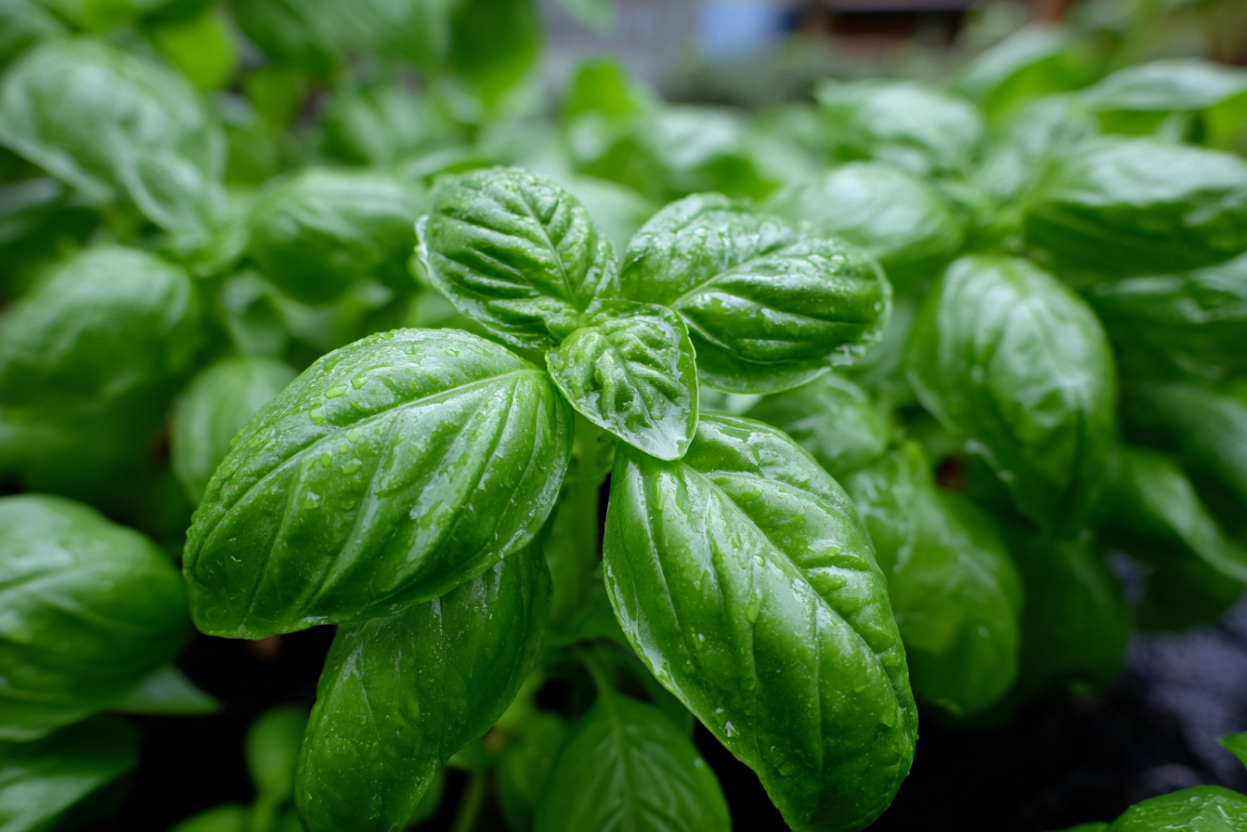
Basil is a tender, aromatic annual herb that typically grows 12 to 24 inches tall, though some varieties can reach 30 inches under ideal conditions. Like all members of the mint family, it features a characteristic square stem that feels distinctly angular when rolled between the fingers. The leaves are the plant’s crowning feature — glossy, oval to lance-shaped, 1 to 3 inches long, with smooth or slightly toothed edges and a rich green color that ranges from bright emerald to deep forest green depending on the variety. Purple basil varieties (O. basilicum var. purpurascens) display striking dark purple to burgundy foliage.
The flowers appear in whorled clusters along terminal spikes, small and tubular, ranging from white to pale pink or lavender. They are beloved by pollinators — bees, butterflies, and hummingbirds are all drawn to blooming basil. The root system is relatively shallow and fibrous, making basil well-suited to container growing. The entire plant is intensely aromatic; simply brushing against the leaves releases a complex fragrance that is at once sweet, peppery, and slightly anise-like.
There are well over 150 recognized varieties of basil worldwide, including Genovese (the classic Italian variety), Thai basil (with its distinctive licorice notes), Lemon basil, Cinnamon basil, Holy basil (O. tenuiflorum, a closely related species sacred in Hindu tradition), African Blue basil, and many more. Each carries its own unique balance of aromatic compounds, but all share the fundamental phytochemical richness that makes this genus so remarkable.
Origin
Basil is believed to have originated in the tropical regions of central Africa and Southeast Asia, with India as a primary center of diversity where it has been cultivated for at least 5,000 years. From India, basil traveled along ancient trade routes — moving westward through Persia and the Middle East into Egypt, Greece, and Rome, and eastward through Southeast Asia into China and the Pacific Islands. The spice trade of the ancient world carried basil seeds across continents, and by the time of the Roman Empire, it was well established throughout the Mediterranean basin. Today, basil grows in tropical and temperate climates across every inhabited continent, with major commercial production in Egypt, India, Morocco, France, Italy, Hungary, Indonesia, and the United States.
Brief History
Basil’s history stretches back over 4,000 years. The earliest written records place it in ancient Egypt, where it was used in embalming preparations and has been found alongside mummies in tombs beneath the pyramids. The Ebers Papyrus of approximately 1500 BC references basil as a medicinal herb. In India, basil — particularly Holy basil (Tulsi) — has held a place of profound cultural importance for millennia, cultivated in household courtyards and temple gardens as both medicine and sacred plant.
The Greek philosopher and botanist Theophrastus documented basil around 300 BC in his Enquiry into Plants. The physician Dioscorides, writing in the 1st century AD, described its medicinal applications in his influential De Materia Medica. The Roman writer Columella provided detailed cultivation instructions. Pliny the Elder discussed both its culinary and medicinal uses in his Naturalis Historia. Through the medieval period, European monastery gardens preserved basil alongside other healing herbs, and Renaissance herbalists including John Gerard (1597) and Nicholas Culpeper (17th century) documented its properties extensively.
Basil arrived in the Americas with European colonizers in the 16th and 17th centuries and was quickly adopted by diverse communities. Today it is one of the most commercially significant herbs in the world, cultivated on every continent for culinary, medicinal, cosmetic, and essential oil use.
Growing & Cultivation
Climate & Zones
Basil thrives in USDA Hardiness Zones 4–10 as a warm-season annual. It is frost-tender and will not survive temperatures below 32°F (0°C). Basil performs best when daytime temperatures are consistently between 70–90°F (21–32°C) and nighttime temperatures remain above 50°F (10°C). In Zones 10 and above, basil may behave as a short-lived perennial. For gardeners in cooler zones, basil is easily started indoors 6–8 weeks before the last frost date and transplanted once all danger of frost has passed. It is one of the most successful herbs for indoor growing year-round, provided it receives adequate light and warmth.
Soil Requirements
Basil prefers rich, well-draining, loamy soil with a slightly acidic to neutral pH of 6.0–7.0. It does not tolerate heavy clay or waterlogged conditions, which promote root rot. Amend heavy soils with compost and perlite to improve drainage. For container growing, a high-quality potting mix with added perlite works well. Basil is a moderate feeder and benefits from compost-rich soil or a balanced organic fertilizer applied at planting time and again at mid-season.
Water & Sunlight
Basil needs full sun — at least 6–8 hours of direct sunlight daily. In extremely hot climates (Zones 9–10), light afternoon shade can prevent wilting during the hottest part of the day. Indoors, place basil in the sunniest window available or supplement with a grow light for 12–16 hours daily.
Water consistently, keeping soil evenly moist but never soggy. Basil is not drought-tolerant and will wilt quickly when dry, though it recovers well if watered promptly. Water at the base of the plant rather than overhead to reduce the risk of fungal disease. In containers, daily watering may be necessary during hot weather. Mulching around outdoor basil plants helps retain moisture and regulate soil temperature.
Propagation
Seed: Basil is most commonly grown from seed. Sow seeds ¼ inch deep in warm, moist soil after all danger of frost has passed, or start indoors 6–8 weeks before the last frost date. Seeds germinate in 5–10 days at soil temperatures of 70–75°F (21–24°C). Do not cover seeds deeply — they benefit from light. Thin seedlings to 12–18 inches apart once they develop their second set of true leaves.
Cutting: Basil roots readily from stem cuttings. Take 4–6 inch cuttings from healthy stems just below a leaf node, remove the lower leaves, and place in a glass of water or directly into moist potting mix. Roots typically develop within 7–14 days in water. This is an excellent way to propagate a particularly productive or flavorful plant throughout the growing season.
Succession planting: For a continuous harvest, sow new basil seeds every 2–3 weeks from spring through mid-summer.
Planting
Transplant seedlings outdoors after all frost danger has passed and soil temperatures have reached at least 60°F (15°C). Space plants 12–18 inches apart in rows 18–24 inches apart. Basil makes an excellent companion plant for tomatoes, peppers, and asparagus — it is said to improve the flavor of neighboring tomatoes and may help repel certain pests including aphids, mosquitoes, and tomato hornworms. Avoid planting near rue or sage, which may inhibit basil’s growth.
Harvesting
Begin harvesting basil leaves once the plant has at least 6 sets of leaves. The best time to harvest is in the morning after the dew has dried but before the intense midday heat, when essential oil concentration is highest. Pinch or cut stems just above a leaf pair — this encourages the plant to branch and produce more foliage. Regular harvesting (at least weekly) prevents flowering and keeps the plant producing tender, flavorful leaves throughout the season. If flowers do appear, pinch them off promptly to extend the leaf harvest, or allow some to bloom for pollinators and seed saving.
Drying & Storage
Basil can be preserved by air drying, dehydrating, or freezing. To air dry, bundle small bunches of stems and hang upside down in a warm, dry, well-ventilated area out of direct sunlight for 1–2 weeks. A food dehydrator set to 95–105°F works more quickly and retains better color. For freezing, blanch leaves briefly, pat dry, and freeze in a single layer before transferring to an airtight container — or freeze whole leaves in olive oil in ice cube trays for convenient cooking portions. Store dried basil in airtight glass containers away from light and heat. Dried basil retains good flavor for 6–12 months, though it is notably less potent than fresh. Fresh basil keeps 5–7 days when stored upright in a glass of water at room temperature (not refrigerated, as cold damages the delicate leaves).
Pest & Disease Management
Common pests include aphids, Japanese beetles, slugs, and whiteflies. Organic management includes neem oil spray, insecticidal soap, hand-picking larger pests, and encouraging beneficial insects. The most significant disease threat is basil downy mildew (Peronospora belbahrii), which causes yellowing leaves with gray-purple fuzzy growth on the undersides. Prevent it by providing good air circulation, watering at the base, and choosing resistant varieties when available. Fusarium wilt is another concern — rotate planting locations and choose wilt-resistant varieties. Root rot occurs in waterlogged soil and is prevented by proper drainage.
Companion Planting
Basil is an outstanding companion plant. It pairs exceptionally well with tomatoes, peppers, oregano, asparagus, and petunias. Its aromatic oils may help repel aphids, mosquitoes, thrips, and flies. Marigolds planted nearby add an additional layer of pest deterrence. Avoid planting basil near rue, sage, or common thyme, as these may inhibit its growth.
The Healing of Growing
Growing basil offers benefits that extend far beyond the harvest itself. The act of gardening — hands in warm soil, time spent outdoors attending to living things — has been shown to reduce cortisol levels, improve mood, and support immune function. The soil itself contains beneficial bacteria, notably Mycobacterium vaccae, with documented antidepressant effects that activate serotonin pathways in the brain. When you grow basil, you receive healing before you ever taste or smell the leaves. Simply pinching the aromatic foliage releases volatile compounds directly into the air around you, creating a small-scale aromatherapy session with every harvest. (Lowry et al., 2007 — M. vaccae and serotonin pathways)
Nutritional Profile
Macronutrients
Per 100 grams of fresh basil leaves:
Calories: 23 kcal | Protein: 3.15 g | Carbohydrates: 2.65 g | Fiber: 1.6 g | Sugars: 0.3 g | Fat: 0.64 g (Saturated: 0.04 g, Monounsaturated: 0.09 g, Polyunsaturated: 0.39 g) | Water: 92.06 g
While basil is consumed in relatively small quantities as an herb, its nutrient density per calorie is remarkable. It provides meaningful amounts of several vitamins and minerals even in typical culinary portions.
Vitamins
Vitamin K: 414.8 mcg (346% DV) — Essential for blood clotting and bone metabolism. Vitamin K activates osteocalcin, a protein that binds calcium into bone tissue, and plays a role in preventing arterial calcification.
Vitamin A: 5,275 IU (106% DV) — Primarily as beta-carotene, a powerful antioxidant that supports vision, immune function, and skin health. Beta-carotene is converted to retinol in the body as needed.
Vitamin C: 18 mg (20% DV) — Supports immune function, collagen production, and acts as a powerful antioxidant that protects cells from oxidative damage. Vitamin C also enhances iron absorption.
Folate (B9): 68 mcg (17% DV) — Critical for DNA synthesis, cell division, and proper fetal development during pregnancy. Folate also supports the methylation cycle, which influences mood and detoxification.
Vitamin E: 0.80 mg (5% DV) — A fat-soluble antioxidant that protects cell membranes from oxidative damage and supports skin health.
Vitamin B6: 0.155 mg (9% DV) — Supports neurotransmitter synthesis (including serotonin and dopamine), red blood cell production, and amino acid metabolism.
Minerals
Manganese: 1.15 mg (50% DV) — A cofactor for antioxidant enzymes (superoxide dismutase), bone formation, and carbohydrate metabolism.
Calcium: 177 mg (18% DV) — Essential for bone and teeth structure, muscle contraction, nerve signaling, and blood clotting.
Iron: 3.17 mg (18% DV) — Vital for oxygen transport via hemoglobin, energy production in mitochondria, and immune function. The vitamin C naturally present in basil enhances non-heme iron absorption.
Magnesium: 64 mg (15% DV) — Essential for over 300 enzymatic reactions, including muscle and nerve function, blood sugar regulation, bone health, and energy production.
Potassium: 295 mg (6% DV) — Supports heart rhythm, fluid balance, muscle contraction, and helps counterbalance sodium for blood pressure regulation.
Copper: 0.385 mg (43% DV) — Supports iron metabolism, connective tissue formation, and acts as a cofactor for antioxidant enzymes.
Zinc: 0.81 mg (7% DV) — Supports immune function, wound healing, DNA synthesis, and taste/smell perception.
Phytonutrients & Active Compounds
Basil’s true nutritional power lies in its extraordinary phytochemical profile. Key compounds include:
Eugenol — A phenylpropanoid with documented anti-inflammatory, antioxidant, and analgesic properties. Research suggests eugenol may inhibit COX-2 enzyme activity, a mechanism shared with conventional anti-inflammatory medications.
Linalool — A monoterpene alcohol that is the dominant aromatic compound in many basil varieties. Studies indicate linalool may interact with GABA receptors in the nervous system, producing calming and anxiolytic effects.
Rosmarinic acid — A potent polyphenol antioxidant with documented anti-inflammatory, antiviral, and antibacterial activity. Research suggests it may help modulate the immune response and protect against oxidative stress.
Flavonoids — Including orientin, vicenin, apigenin, and luteolin. These compounds act as antioxidants and may support cardiovascular health, reduce inflammation, and protect DNA from damage.
Beta-caryophyllene — A sesquiterpene that interacts with the endocannabinoid system (CB2 receptors) and may contribute to anti-inflammatory and analgesic effects.
Estragole (methyl chavicol) — An aromatic compound present at varying levels depending on the variety, contributing to basil’s characteristic scent.
Nutrient Notes
Basil’s iron content is particularly notable for a fresh herb. Pairing basil with vitamin C-rich foods (tomatoes, lemon juice, bell peppers) enhances non-heme iron absorption significantly. The fat-soluble nutrients in basil — vitamins A, E, and K — are better absorbed when consumed with dietary fat, making the traditional pairing of basil and olive oil not just delicious but nutritionally strategic. The calcium in basil is reasonably bioavailable, though oxalates may reduce absorption to some degree. Cooking basil briefly may reduce oxalate content while preserving most nutrients.
Source: USDA FoodData Central — Basil, fresh (NDB #172232)
Culinary Uses
Edible Parts
Nearly every above-ground part of basil is edible. Leaves are the primary culinary feature — tender, aromatic, and flavorful whether used raw or cooked. Flowers are also edible, with a milder, slightly sweeter version of the leaf flavor — they make beautiful garnishes for salads and desserts. Stems, while tougher than leaves, carry significant flavor and can be added to stocks, sauces, and infusions. Seeds (often called sabja or tukmaria seeds) are edible and, when soaked in water, develop a gelatinous coating similar to chia seeds — they are used in Asian beverages and desserts.
Flavor Profile
Sweet basil (Genovese) delivers a complex flavor that is simultaneously sweet, peppery, and slightly anise-like, with warm clove undertones from its eugenol content. Thai basil leans more strongly into anise and licorice territory with a spicier edge. Lemon basil adds bright citrus notes. Cinnamon basil is warm and spicy. When fresh basil is cooked, its flavor mellows and sweetens — high heat and prolonged cooking diminish its aromatic intensity, which is why many culinary traditions add fresh basil at the very end of cooking or use it raw. Dried basil has a more concentrated, somewhat hay-like flavor that works well in long-cooked dishes but lacks the bright freshness of the living leaf.
Preparation
Fresh basil is best torn by hand rather than cut with a knife to avoid bruising and oxidation (blackening) at the cut edges. For pesto and sauces, a mortar and pestle releases maximum flavor, though a food processor works well for larger batches. Basil leaves can be layered fresh into sandwiches, tossed into salads, stirred into pasta, floated atop soups, blended into smoothies, and muddled into cocktails. When adding to hot dishes, stir in fresh basil during the final minute of cooking to preserve its volatile aromatic compounds.
Culinary Pairings
Basil pairs beautifully with tomatoes, mozzarella, olive oil, garlic, lemon, pine nuts, Parmesan, balsamic vinegar, strawberries, watermelon, peaches, chicken, shrimp, white fish, eggs, bell peppers, eggplant, zucchini, corn, coconut milk, chili, ginger, lime, and cilantro. It harmonizes with oregano, thyme, parsley, and mint. Thai basil is essential in curries, stir-fries, and pho.
Storage
Fresh basil stores best at room temperature, stem-ends in a glass of water, loosely covered with a plastic bag — like a bouquet of flowers. Do not refrigerate fresh basil, as cold temperatures cause the leaves to turn black and limp. Stored this way, basil remains fresh for 5–7 days, sometimes longer. For longer preservation, freeze whole leaves in olive oil in ice cube trays, make and freeze pesto, or dry the leaves using a dehydrator or air-drying method.
Ready to cook with basil? View Recipes on Chefts →
Wellness & Therapeutic Uses
Traditional Uses
Basil has been used as a healing herb across virtually every major medical tradition in human history. In Ayurvedic medicine, basil (particularly Holy basil / Tulsi) has been employed for over 3,000 years as a “rasayana” — an herb that promotes longevity and overall well-being. It has been traditionally used to support respiratory health, promote digestion, calm the nervous system, and support the body’s natural stress response. Ayurveda classifies it as warming, pungent, and bitter, with the ability to balance all three doshas.
In Traditional Chinese Medicine (TCM), basil (Luole) has been used to promote the movement of qi, warm the stomach, resolve dampness, and support digestion. It has traditionally been applied for abdominal pain, menstrual irregularities, and as a diaphoretic to promote sweating during febrile illness.
In Greek and Roman medicine, Dioscorides documented basil’s use for scorpion stings and external inflammation in his De Materia Medica (1st century AD). Pliny the Elder described it as beneficial for fainting, stomach complaints, and flatulence. Gerard’s Herball (1597) declared that “the smell of Basil is good for the heart… it taketh away sorrowfulnesse which commeth of melancholy and maketh a man merry and glad.”
In European folk medicine, basil was used as a digestive aid, a remedy for headaches and colds (used as a snuff for congestion), a poultice for insect bites, and a gentle nervine for anxiety and melancholy. In African traditional medicine, basil was applied to soothe scorpion stings and bites, ease digestive discomfort, and support respiratory health. In Japanese folk medicine, basil tea was used to address symptoms of the common cold.
Modern Research
Anti-inflammatory Activity: Research suggests that basil and its constituents (particularly eugenol, rosmarinic acid, and beta-caryophyllene) may significantly reduce inflammatory markers. A 2023 review of studies found that basil extracts modulated inflammatory mediators including TNF-α, IL-6, IL-10, nitric oxide, and prostaglandins through the NF-κB and MAPK signaling pathways. (Boskabady et al., 2023 — Iran, Review, PMC)
Antioxidant Properties: Basil is rich in polyphenols, flavonoids, and phenolic acids that demonstrate significant free radical scavenging activity. Studies indicate that rosmarinic acid and the flavonoids orientin and vicenin are among the most potent antioxidant compounds in basil. (Alsulami et al., 2024 — Molecules, Review, PMC)
Antimicrobial Activity: Basil essential oil and extracts have demonstrated activity against a broad range of bacteria (both Gram-positive and Gram-negative), fungi, and viruses in laboratory studies. The antimicrobial effects are attributed primarily to linalool, eugenol, and methyl chavicol. (Yunita et al., 2023 — Plants, Review, Indonesia/PMC)
Stress and Anxiety Support: Linalool, the primary aromatic compound in many basil varieties, has been studied for anxiolytic (anti-anxiety) effects. Research indicates it may interact with GABA-A receptors and influence serotonin pathways. Inhalation of basil essential oil in animal models has been associated with antidepressant effects, positive modulation of BDNF gene expression, and reduced serum corticosterone levels. (do Vale et al., 2023 — Linalool and Depression, Brazil/PMC)
Digestive Support: Basil has traditionally been used as a carminative (relieving gas and bloating) and digestive aid. Research suggests that eugenol and other constituents may have anti-spasmodic effects on smooth muscle, which could explain its historical use for stomach cramps and digestive discomfort.
Respiratory Support: A comprehensive review published in Frontiers in Pharmacology documented basil’s traditional and modern applications for respiratory conditions. Linalool and other constituents show bronchodilatory properties, and basil preparations have historically been used to support comfortable breathing. (Boskabady et al., 2021 — Frontiers in Pharmacology, Iran)
Blood Sugar Support: Animal and in vitro studies suggest that basil extracts may help support healthy blood sugar levels through multiple mechanisms, including influencing insulin secretion, reducing glucose absorption, and protecting pancreatic beta cells. Human clinical data remains limited. (Sestili et al., 2018 — Expert Opinion, Italy/PMC)
Body Systems Supported
Research and traditional use suggest basil may support the following systems:
Digestive System — Carminative, anti-spasmodic, and appetite-stimulating properties. Traditionally used for bloating, gas, nausea, and stomach cramps.
Nervous System — Linalool’s interaction with GABA receptors and its influence on serotonin and BDNF pathways suggest support for stress response, mood, and cognitive function.
Immune System — Antimicrobial, antiviral, and immunomodulatory properties documented in laboratory and animal studies.
Respiratory System — Bronchodilatory and expectorant properties may support comfortable breathing.
Cardiovascular System — Antioxidant protection, potential blood pressure support through vasodilation (eugenol), and cholesterol-modulating effects observed in animal studies.
Integumentary System (Skin) — Anti-inflammatory, antimicrobial, and antioxidant properties support skin health both topically and internally.
Endocrine System — Adaptogenic-like properties of basil may support the body’s stress-hormone regulation, particularly cortisol.
Body Compounds Affected
Cortisol: Research on the Ocimum genus (particularly O. tenuiflorum) suggests basil may help modulate HPA-axis activity and support healthy cortisol levels. A randomized, double-blind, placebo-controlled trial found that Ocimum supplementation was associated with significantly lower hair cortisol concentrations and reduced salivary cortisol responses to acute stress. (Lopresti et al., 2022 — RCT, Australia/PMC)
Serotonin: The B-vitamins in basil (particularly B6 and folate) support serotonin synthesis. Linalool inhalation has been associated with increased serotonin levels in animal studies.
GABA: Linalool has been shown to interact with GABA-A receptors, potentially enhancing GABAergic inhibition in the central nervous system — a mechanism associated with calming and anxiolytic effects.
BDNF (Brain-Derived Neurotrophic Factor): Basil essential oil inhalation in animal models has shown positive modulation of BDNF gene and protein expression, comparable to the standard antidepressant fluoxetine.
Inflammatory Markers (TNF-α, IL-6, Prostaglandins, Nitric Oxide): Multiple studies indicate basil constituents can modulate these inflammatory markers, supporting a balanced inflammatory response.
Endocannabinoid System: Beta-caryophyllene, present in basil, is a dietary cannabinoid that selectively binds CB2 receptors, potentially contributing to anti-inflammatory and analgesic effects.
Methods of Use
Tea/Infusion
Use 2 tablespoons of fresh basil leaves (or 1 tablespoon dried) per 8 oz of hot water (not boiling — 190°F/88°C is ideal to preserve volatile compounds). Steep covered for 5–10 minutes. May be consumed 2–3 times daily. Fresh basil tea has a mild, pleasant flavor that combines well with honey and lemon.
Tincture
Basil tinctures are available commercially, typically prepared from fresh leaves in an alcohol menstruum. Standard dosage ranges are 2–4 mL (approximately 40–80 drops) taken 2–3 times daily. Glycerite preparations are available for those avoiding alcohol.
Culinary Consumption
Simply incorporating fresh basil liberally into daily meals provides consistent, gentle support. Regular dietary consumption is the safest and most time-honored way to receive basil’s benefits.
Essential Oil (External)
Basil essential oil may be diffused for aromatic benefits or applied topically when properly diluted in a carrier oil (see Essential Oil Profile section for dilution guidelines). Internal use of essential oils should only be undertaken under the guidance of a qualified aromatherapist.
Cosmetic & Beauty Uses
Skin Benefits
Basil offers a remarkable range of benefits for the skin, supported by both traditional use and modern research. Its essential oils — particularly linalool, eugenol, and 1,8-cineole — provide anti-inflammatory, antioxidant, antimicrobial, and skin-regenerating properties. A 2025 review published in Current Pharmaceutical Design concluded that basil holds significant promise for dermatological applications and cosmetic formulations due to its ability to inhibit free radical generation, disrupt microbial cell membranes, and modulate inflammatory pathways. (Basil: A Natural Approach to Skin Care — 2025, PMC)
Acne-prone skin may benefit from basil’s antibacterial activity against Propionibacterium acnes and its anti-inflammatory effects that reduce redness and swelling. Oily skin benefits from basil’s natural astringent properties, which help rebalance sebum production and tighten pores. Mature and aging skin benefits from basil’s rich antioxidant content, which combats free radical damage — a primary driver of fine lines, wrinkles, and loss of elasticity. A clinical study found that a 3% basil extract emulsion applied topically produced statistically significant reductions in skin roughness, scaliness, and wrinkles while improving skin smoothness and moisture content. (Aburjai & Natsheh, 2012 — Anti-aging basil emulsion study, Pakistan/PMC)
Sensitive and irritated skin may find relief from basil’s anti-inflammatory compounds, which help soothe redness, itching, and irritation. Traditional use extends to eczema, minor wounds, and insect bites.
Hair Benefits
Basil supports scalp health through its antimicrobial and anti-inflammatory properties, which may help address dandruff, itchy scalp, and folliculitis. The improved circulation promoted by eugenol when applied topically may support nutrient delivery to hair follicles, potentially supporting healthy hair growth. A basil tea rinse can add shine and volume to hair while soothing the scalp.
Application Methods
Infused Oil: Fill a clean jar loosely with fresh or dried basil leaves and cover completely with a carrier oil (jojoba, sweet almond, or olive oil). Allow to infuse in a warm, dark place for 2–4 weeks, shaking daily. Strain and store in a dark glass bottle. Use as a facial oil, body oil, or scalp treatment.
Face Steam: Add a generous handful of fresh basil leaves to a bowl of steaming water. Drape a towel over your head and steam for 5–10 minutes. This opens pores, delivers aromatic compounds, and promotes circulation.
Toner: Brew a strong basil tea, allow to cool, and use as a facial toner applied with a cotton pad. Store refrigerated for up to one week.
Face Mask: Blend fresh basil leaves with honey, yogurt, or clay for a purifying and soothing face mask. Leave on for 15–20 minutes and rinse.
Bath Addition: Add a large handful of fresh basil to a warm bath or make a concentrated basil infusion and add it to bathwater for whole-body skin and aromatic benefits.
DIY Formulation Notes
Basil-infused oil can be incorporated into homemade creams and lotions at 10–30% of the oil phase. Basil essential oil should be used at 0.5–2% in leave-on products and up to 3% in wash-off products. Basil pairs well with carrier oils such as jojoba (for oily/acne-prone skin), rosehip (for mature skin), and sweet almond (for normal/dry skin). Do not combine basil essential oil with other “hot” oils (such as cinnamon or oregano) in the same formulation without reducing overall concentration. Homemade basil-infused oils have a shelf life of approximately 6–12 months when stored in dark glass in a cool location.
Basil is among the botanicals being explored for holistic cosmetic applications, where the wisdom of traditional beauty practices meets modern understanding of skin science.
Essential Oil Profile
Extraction
Basil essential oil is most commonly obtained through steam distillation of the fresh leaves and flowering tops. The yield is relatively modest — approximately 0.1–0.8% by weight, meaning it takes roughly 100–250 pounds of fresh basil herb to produce 1 pound of essential oil. CO2 extraction is also used and tends to produce an oil with a more complete aromatic profile closer to the fresh plant. The relatively low yield, combined with basil’s status as an annual that must be replanted each season, contributes to the oil’s moderate price point.
Chemical Constituents
The chemical profile of basil essential oil varies significantly by chemotype (chemical variety), geographic origin, and growing conditions. The major chemotypes include:
Linalool chemotype (European/French basil) — Dominant in linalool (40–60%), with smaller amounts of eugenol, 1,8-cineole, and methyl chavicol. This is the most commonly used chemotype in aromatherapy due to its gentle, versatile nature.
Methyl chavicol (estragole) chemotype (Exotic/tropical basil) — High in methyl chavicol/estragole (70–85%). This chemotype has a more intensely sweet, anise-like aroma and requires more caution in use due to estragole’s safety profile.
Eugenol chemotype — Higher in eugenol, giving a warmer, more clove-like character.
Key constituent categories and their effects:
Monoterpene alcohols (linalool): Calming, antimicrobial, anti-inflammatory, anxiolytic
Phenylpropanoids (eugenol, methyl chavicol): Analgesic, anti-inflammatory, warming, antimicrobial
Oxides (1,8-cineole/eucalyptol): Decongestant, expectorant, mentally clarifying
Sesquiterpenes (beta-caryophyllene): Anti-inflammatory, analgesic (CB2 receptor agonist)
Monoterpenes (ocimene, myrcene): Anti-inflammatory, antiviral, decongestant
Aroma Profile
Basil essential oil is classified as a top note in perfumery, meaning it is among the first scents perceived and evaporates relatively quickly. The linalool chemotype offers a fresh, sweet, herbaceous, slightly spicy scent with warm undertones. The methyl chavicol chemotype is more intensely sweet and anise-like. Basil essential oil blends well with bergamot, cedarwood, clary sage, geranium, lavender, lemon, lime, marjoram, neroli, peppermint, rosemary, sandalwood, and thyme.
Therapeutic Properties
Using compliant language: basil essential oil may offer antimicrobial, anti-inflammatory, analgesic, antispasmodic, calming, mentally clarifying, decongestant, and digestive support properties. The linalool chemotype is considered the gentlest and most versatile for general use.
How to Use
Diffusion
Add 3–5 drops of basil essential oil to an ultrasonic diffuser. Diffuse for 30–60 minutes at a time in a well-ventilated room. Excellent for promoting focus during work, calming the mind during stress, and freshening indoor air. Blends beautifully with lavender (calming) or peppermint (energizing focus).
Topical Application
Standard adult dilution: 2–3% (approximately 12–18 drops per ounce of carrier oil). Sensitive skin: 1% (6 drops per ounce). Children over 6: 0.5–1% (3–6 drops per ounce). Not recommended for children under 2 without professional guidance. Suitable carrier oils include jojoba, sweet almond, fractionated coconut, and grapeseed. Apply to the temples, back of neck, abdomen (for digestive support), or bottoms of feet. Always perform a patch test on a small area of skin before widespread use.
Quality & Sourcing
Purchase basil essential oil from reputable suppliers who provide GC/MS (Gas Chromatography/Mass Spectrometry) test results for each batch. Look for the botanical name Ocimum basilicum ct. linalool on the label for the safest aromatherapy chemotype. Be aware that the methyl chavicol chemotype, while useful, requires more caution. Red flags for adulteration include unusually low prices, lack of botanical name and chemotype on the label, and synthetic or “off” aromas. High-quality basil oil should smell distinctly fresh and green, not harsh or chemical.
Blending
Focus Blend: 3 drops basil + 2 drops rosemary + 2 drops lemon (diffuse while working or studying).
Stress Relief Blend: 3 drops basil + 3 drops lavender + 2 drops bergamot (diffuse or dilute for topical use).
Digestive Comfort: 2 drops basil + 2 drops peppermint + 2 drops ginger in 1 oz carrier oil (massage onto abdomen clockwise).
Muscle Ease: 3 drops basil + 3 drops marjoram + 2 drops black pepper in 1 oz carrier oil (massage into sore muscles).
Aromatherapy & Scent
The Aroma
The scent of fresh, living basil is one of nature’s most complex and inviting aromas. When you brush against a basil plant or crush a leaf between your fingers, you release a burst of volatile compounds that registers as simultaneously sweet, green, spicy, slightly peppery, and warmly herbaceous. The aroma is strongest in the morning and after warm rain, when the plant’s essential oil glands are most active. Simply walking through a garden of basil on a warm day creates a cloud of fragrance that begins affecting your body and mood before you consciously register the scent.
Dried basil retains a more subdued, hay-like version of this aroma. While less vibrant than fresh, dried basil still releases noticeable volatile compounds, especially when crumbled between the fingers. Well-dried basil stored in airtight containers retains meaningful scent for 6–12 months.
How Scent Affects Your Body
When you smell basil, volatile aromatic molecules are released from the plant and inhaled through the nose. These molecules bind to olfactory receptors in the nasal cavity, which send electrical signals directly to the limbic system — the brain’s emotional processing center — and the hypothalamus, which governs hormonal regulation. This olfactory pathway is unique because it bypasses the thalamus (the brain’s relay station for most other senses), giving scent direct and immediate access to the brain regions that govern emotion, memory, and hormonal balance. The physiological response to scent occurs within seconds — well before conscious thought has time to process the experience.
Emotional & Mood Effects
Smelling basil is commonly associated with a combination of mental clarification and gentle calming. Users and traditional sources report that basil’s scent may promote focused alertness without jitteriness, reduce mental fatigue and brain fog, ease nervous tension and mild anxiety, lift low mood and melancholy (as noted by Gerard in 1597), and promote a sense of grounded well-being. The dual nature of basil’s aromatic effect — simultaneously clarifying and calming — makes it particularly valuable for situations requiring focused relaxation, such as studying, creative work, or meditation.
Body Compounds Affected
Research suggests that inhaling basil’s aromatic compounds may influence several body compounds. Linalool has been associated with increased serotonin activity and interaction with GABA receptors, potentially producing calming effects. Animal studies on basil essential oil inhalation have shown trends toward reduced cortisol levels and increased serotonin, though further human clinical research is needed to confirm specific dose-response relationships. (Kim et al., 2022 — Basil EO inhalation and stress markers, Korea/PMC)
Ways to Experience the Scent
Beyond essential oil diffusion, there are many simple ways to experience basil’s aromatic benefits. Grow a basil plant on your kitchen windowsill or desk and brush the leaves periodically throughout the day. Keep a small vase of fresh basil cuttings near your workspace. Crush a leaf and inhale deeply when you need a moment of focused calm. Place dried basil in sachets near your pillow or in your linen drawer. Add fresh basil to a warm bath. Simmer a handful of fresh basil leaves in a pot of water on the stove to fill your home with fragrance. Add fresh basil to herbal tea blends. When gardening, take time to simply be among your basil plants and breathe.
Color Therapy
The Colors of Basil
Basil’s dominant color is a vibrant, rich green — ranging from bright emerald in young growth to deep forest green in mature leaves. The flowers are typically white to pale pink or soft lavender. Purple basil varieties add deep purple to burgundy tones. The stems carry lighter green to sometimes reddish-purple hues.
Color Wavelengths
Green light occupies the wavelength range of approximately 495–570 nm in the visible spectrum. Purple falls in the 380–450 nm range. White reflects the full visible spectrum.
How Green Affects the Body
Green is the color at the center of the visible spectrum and is considered the most balancing of all colors in color therapy. It is associated with harmony, equilibrium, calm, renewal, and connection to nature. Green wavelengths have been studied for their effects on the autonomic nervous system, with research suggesting that exposure to green environments promotes parasympathetic (rest-and-digest) activity, reduces heart rate and blood pressure, and lowers cortisol. The “attention restoration theory” in environmental psychology demonstrates that green natural environments reduce mental fatigue and improve cognitive function. For purple basil varieties, the violet/purple wavelength range is associated with calming the nervous system and promoting meditative, introspective states.
Body Compounds Affected
Exposure to green environments has been associated with reduced cortisol output, increased parasympathetic tone (measurable through heart rate variability), and subjective reports of improved mood — suggesting effects on serotonin and norepinephrine pathways. These effects are well-documented in forest bathing and nature exposure research.
Using Basil for Color Therapy
Place potted basil plants where you spend the most time — on your desk, kitchen counter, dining table, or bedside. The living green of basil provides a consistent visual connection to the natural world, even indoors. Use fresh basil as a vibrant garnish not just for flavor but to add the energizing yet calming green to your plate — eating the color literally incorporates its wavelength into your visual experience during mealtime. In rooms that feel sterile or disconnected from nature, a thriving basil plant adds both color therapy and aromatic benefit simultaneously. Purple basil varieties offer the additional calming wavelength of violet, making them especially suitable for meditation spaces or bedrooms.
Frequency & Vibration
The Frequency of Basil
According to bio-frequency research pioneered by Bruce Tainio of Tainio Technology, basil essential oil has been measured at approximately 52 MHz. For reference, a healthy human body is believed to vibrate in the range of 62–78 MHz, with frequencies below 58 MHz associated with the onset of illness, according to this framework. Basil essential oil’s frequency, while moderate, represents a significant concentration of the plant’s vibrational energy.
Living basil plants also vibrate at molecular frequencies — every cell engaged in photosynthesis, transpiration, and growth produces electromagnetic activity. While individual plant frequency measurements are less standardized than essential oil readings, proponents of vibrational medicine suggest that being in the presence of healthy, actively growing plants contributes positively to the bioelectric environment.
Human Frequency Interaction
The principle of entrainment suggests that when two vibrating systems are in proximity, the stronger or more coherent frequency tends to influence the weaker or less coherent one. Proponents of frequency-based wellness believe that consuming or being around high-frequency plants may help support the body’s own vibrational state. While this is an area where peer-reviewed research is still developing, the concept aligns with the broader body of research on bioelectromagnetics and the known electromagnetic properties of living systems.
Essential Oil Frequency
Basil essential oil at approximately 52 MHz is considered a moderate-frequency oil in Tainio’s framework. For comparison, rose essential oil measures at approximately 320 MHz (the highest recorded), and processed/canned food measures near 0 MHz. Fresh herbs and produce typically measure between 20–27 MHz. The extraction and concentration process of essential oil production appears to significantly amplify the measurable frequency of the plant’s volatile compounds.
Vibrational Applications
Frequency measurements suggest that incorporating basil into daily life through multiple modalities — growing the living plant, consuming it fresh, inhaling its aroma, and using the essential oil — creates layered vibrational interaction. Environments that benefit from basil’s presence may include healing spaces, meditation rooms, workspaces, and bedrooms. Combining basil with other high-frequency practices such as prayer, gratitude, positive speech, and time in nature may create a synergistic effect on personal frequency.
Note: Frequency-based healing is an area where research is emerging. The measurements referenced above come from Tainio Technology’s work and are not yet broadly replicated in conventional peer-reviewed literature. They are presented here as part of a comprehensive overview of how this plant interacts with human wellness.
The Living Plant
Benefits of Presence
Simply being around a living basil plant provides benefits that extend beyond anything you could get from a supplement or extract. Research on biophilic design — the human innate need to connect with living systems — demonstrates that the presence of living plants in indoor environments reduces stress, improves mood, enhances cognitive function, and promotes a general sense of well-being. A basil plant on your desk or kitchen counter is not just decoration. It is a living, breathing organism actively interacting with your environment — purifying your air, releasing aromatic compounds, providing visual contact with nature, and offering the psychological comfort of nurturing a living thing.
Air Purification
While basil was not included in NASA’s original Clean Air Study, research on aromatic herbs from the Lamiaceae family suggests they contribute to indoor air quality improvement. Basil actively absorbs carbon dioxide and releases oxygen during photosynthesis. Its dense, aromatic foliage releases volatile organic compounds that include antimicrobial phytoncides — airborne chemicals that plants produce to protect themselves from pathogens. When these phytoncides are released into indoor air, they may contribute to reducing airborne microbial load in the surrounding environment. A well-maintained basil plant also contributes to humidity regulation through transpiration, which can benefit dry indoor environments.
Phytoncides
Basil releases phytoncides — volatile antimicrobial compounds — continuously from its aromatic glands, with release increasing when leaves are disturbed (touched, brushed, or damaged by air movement). These compounds are part of the plant’s natural defense system. Research on forest bathing (shinrin-yoku) has demonstrated that phytoncide exposure significantly increases Natural Killer (NK) cell activity in humans — NK cells being a critical component of the innate immune system’s ability to identify and destroy abnormal cells. While most phytoncide research has focused on coniferous trees, the aromatic compounds released by herbs like basil share chemical similarities (terpenes, terpenoids) and are believed to offer analogous, though smaller-scale, benefits in indoor settings.
Visual & Psychological Benefits
Research in environmental psychology consistently demonstrates that viewing green plants reduces perceived stress, lowers blood pressure and heart rate, and improves attention and productivity. Studies in healthcare settings show that patients with views of plants and greenery experience faster recovery times, require less pain medication, and report higher satisfaction. In workplace settings, the presence of indoor plants has been associated with improved concentration, reduced absenteeism, and enhanced creativity. A single basil plant on a windowsill provides a miniature version of these documented benefits — a living connection to the natural world within your controlled environment.
Growing Indoors vs Outdoors
Basil is one of the most successful herbs for indoor growing, making it accessible year-round regardless of climate. Indoors, provide the brightest window available (south-facing is ideal in the Northern Hemisphere) or supplement with a full-spectrum grow light for 12–16 hours daily. Use a well-draining pot with a saucer, keep soil consistently moist, and maintain temperatures above 60°F. Indoor basil will benefit from regular harvesting (pinching) to stay compact and productive.
Outdoors, basil benefits from natural sunlight, wind (which strengthens stems), soil microbiome contact, and the full spectrum of environmental stimuli. The outdoor gardener also benefits — direct soil contact, sun exposure, physical movement, and the meditative rhythm of garden tending all provide documented health benefits beyond the plant itself.
Touch & Physical Interaction
Gardening Therapy
Horticultural therapy — the practice of using gardening and plant interaction for therapeutic benefit — is a recognized modality in rehabilitation medicine, mental health care, and elder care. Basil is an ideal plant for horticultural therapy because it is fast-growing (providing quick gratification), aromatic (stimulating the olfactory system with every interaction), forgiving (recovers well from imperfect care), and productive (regular harvesting provides a tangible sense of accomplishment and provision). The repetitive, mindful actions of watering, pinching, harvesting, and tending basil engage the body and mind in a state of present-moment awareness that many people find profoundly calming.
Soil Contact Benefits
When you garden with bare hands — and especially bare feet — you make direct contact with the earth, enabling electron transfer from the ground into your body. This practice, known as grounding or earthing, has been associated in research with reduced inflammation, improved sleep, normalized cortisol rhythms, and reduced blood viscosity. Additionally, healthy garden soil teems with beneficial microorganisms, including Mycobacterium vaccae, a soil bacterium that has been shown in research to stimulate serotonin production in mice and is being investigated for antidepressant effects. Exposure to diverse soil microbes also supports the human microbiome — the vast community of beneficial organisms that influence immunity, mood, and digestion.
The Tactile Experience
Basil offers a rich tactile experience. The leaves are soft, smooth, and slightly waxy — yielding gently when touched and releasing their characteristic fragrance at the slightest pressure. Running your fingers along the distinctive square stem reveals the angular shape unique to the mint family. The flowers are delicate and silky. Harvesting basil is a particularly sensory experience — the satisfying snap of a stem, the immediate rush of fragrance, the cool dampness of fresh leaves between your fingers. Even the simple act of washing and tearing fresh basil leaves for cooking engages the sense of touch in a mindful, grounding way.
Harvesting & Processing
The act of harvesting basil — moving methodically through a garden or along a windowsill, selecting the best stems, pinching just above a leaf node, gathering the fragrant cuttings into a basket — is a meditative practice in itself. Processing basil for storage extends this mindful engagement: stripping leaves from stems, laying them carefully on drying screens, bundling stems for hanging, or packing leaves into jars with oil or salt. These repetitive, purposeful motions occupy the hands and quiet the mind in ways remarkably similar to other recognized therapeutic practices. The rhythm of seasonal harvest connects you to the natural cycle of growth, abundance, and renewal — a connection that modern indoor life often severs.
Water-Based Applications
Teas & Infusions
Basil tea is one of the simplest and most pleasant ways to experience this herb’s benefits. Use 2 tablespoons of fresh basil leaves (or 1 tablespoon dried) per 8 ounces of hot water at approximately 190°F (88°C) — just below boiling, to preserve delicate volatile compounds. Steep covered for 5–10 minutes. The resulting tea is mild, slightly sweet, and warmly herbaceous. It can be enjoyed hot or iced, with honey and lemon as desired. Traditionally consumed 2–3 times daily for digestive support, stress relief, and general wellness. A cold infusion (fresh basil steeped in room-temperature water for 2–4 hours) produces a lighter, more refreshing drink that retains volatile aromatics particularly well.
Herbal Baths
A basil herbal bath combines hydrotherapy, aromatherapy, and topical absorption into a single experience. Add a large handful of fresh basil leaves and stems (or 1/2 cup dried) directly to warm bathwater, or make a concentrated infusion by steeping 1 cup of fresh basil in a quart of hot water for 20 minutes, straining, and adding the liquid to the bath. Soak for 20–30 minutes at a comfortable temperature. Basil baths have traditionally been used for muscle aches, stress relief, skin irritation, and general revitalization. A basil foot soak (using the same infusion in a basin of warm water) offers a convenient alternative when a full bath is not possible.
Hydrosols
Basil hydrosol (the water-soluble portion collected during steam distillation of the essential oil) is commercially available and offers a gentle, water-based way to experience basil’s aromatic and skin-benefiting compounds. It is significantly milder than essential oil, making it suitable for direct application to the skin without dilution. Basil hydrosol can be used as a facial toner, room spray, linen mist, or added to bathwater. It has a fresh, green, herbaceous scent that is softer than the essential oil.
Compresses
A warm basil compress is traditionally applied for muscle tension, menstrual cramps, and digestive discomfort. Prepare a strong basil infusion, soak a clean cloth in the warm liquid, wring slightly, and apply to the affected area for 15–20 minutes. A cool basil compress may soothe headaches, minor skin irritation, and insect bites — prepare the same infusion, allow to cool, and apply the soaked cloth to the affected area.
Steam Inhalation
Add a generous handful of fresh basil leaves (or 2–3 tablespoons dried, or 2–3 drops of basil essential oil) to a large bowl of steaming water. Drape a towel over your head to create a tent and inhale the steam gently for 5–10 minutes. This method delivers aromatic compounds directly to the respiratory tract and is traditionally used for sinus congestion, headaches, and mental fog. Keep eyes closed during the steam. Use caution with essential oils — start with fewer drops and increase only as tolerated.
Hair Rinses
A basil tea hair rinse can add shine, reduce oiliness, soothe an itchy scalp, and leave a pleasant, subtle fragrance. Brew a strong infusion using 1/2 cup fresh basil in a quart of hot water, steep for 30 minutes, and strain. After shampooing and conditioning, pour the cooled basil rinse through the hair as a final step. Do not rinse out — allow hair to dry naturally. The antimicrobial properties of basil may help address dandruff and scalp irritation over time with regular use.
Historical, Cultural & Biblical Significance
Biblical References
Basil (Ocimum basilicum) is not directly mentioned by name in Scripture. However, plants of the broader Lamiaceae (mint) family were well known in the biblical world, and aromatic herbs were deeply woven into Hebrew culture, temple practice, and daily life. The principle that God provides healing plants for humanity is affirmed throughout Scripture — “He causeth the grass to grow for the cattle, and herb for the service of man” (Psalm 104:14, KJV). The Song of Solomon celebrates aromatic gardens filled with fragrant herbs and spices. While basil itself may not be named, its family and its purpose — an aromatic, healing, nourishing herb — fits squarely within the biblical pattern of God’s provision through the plant kingdom.
In early Christian tradition, basil holds a remarkable place. According to legend, St. Helena, mother of Emperor Constantine, was led to the site of the True Cross in the 4th century by following a trail of basil that had sprung from the ground where Christ’s blood fell. Because of this tradition, basil became associated with the Feast of the Exaltation of the Holy Cross in the Greek Orthodox Church, where sprigs of basil are still used to sprinkle holy water during worship services. The plant’s very name — from the Greek basilikón, meaning “royal” or “kingly” — has been interpreted by some Christian writers as a reference to the King of Kings.
Ancient Civilizations
Egypt: Basil’s documented history stretches back over 4,000 years to ancient Egypt, where it was used in embalming preparations and has been found alongside mummies in pyramidal tombs. The Ebers Papyrus (c. 1500 BC), one of the oldest known medical documents, references basil as a medicinal herb. The Egyptians observed that basil possessed preservative and aromatic properties — properties we now understand as antimicrobial and antioxidant activity.
Greece: The philosopher and botanist Theophrastus documented basil around 300 BC. The physician Dioscorides described its medicinal applications in De Materia Medica (1st century AD), including its use for scorpion stings and as a topical anti-inflammatory. While the Greeks had complex and sometimes contradictory folklore surrounding basil, their practical documentation of its healing properties was remarkably accurate and aligns with modern research.
Rome: The Roman writer Columella provided detailed cultivation guidelines. Pliny the Elder discussed both culinary and medicinal applications. The Romans used basil to relieve gas, counteract poison, stimulate digestion, and promote breast milk production. Over time, basil became a symbol of love in Roman culture, and it was commonly cultivated in household gardens — a tradition that Mattioli, the 16th-century commentator on Dioscorides, noted was universal across Italian households.
Eastern Traditions
Ayurveda (India): Basil has been cultivated in India for at least 5,000 years. In the Ayurvedic system, basil (particularly Holy basil / Tulsi — O. tenuiflorum) is classified as a rasayana (rejuvenative) and adaptogen, used to support the body’s resilience to stress, promote respiratory health, support digestion, and balance the doshas. Sweet basil (O. basilicum) is also valued in Ayurveda for its warming, digestive, and clarifying properties. While Ayurvedic practitioners may not have known the Creator by name, they were observing His design — and their observations about basil’s stress-modulating and digestive properties align remarkably with what modern research confirms about the plant’s pharmacological activity.
Traditional Chinese Medicine: In TCM, basil (Luole) has been documented for centuries as an herb that promotes the movement of qi, warms the middle burner (stomach and spleen), resolves dampness, and alleviates pain. It has been traditionally applied for abdominal discomfort, menstrual irregularities, and febrile conditions. Chinese herbal texts classify it as warm and pungent — properties consistent with its eugenol and linalool content.
Indigenous Knowledge
African Traditional Medicine: Basil is believed by some historians to have originated in Africa, and African traditional healers have long used it to ease the pain of scorpion stings and bites, support digestion, and address respiratory complaints. The practical observation that basil soothes stings and bites aligns with modern understanding of its anti-inflammatory and analgesic properties.
Native American Medicine: While basil is not native to the Americas, it was adopted relatively quickly after European contact. Various communities incorporated it into their herbal practice, using it primarily as a digestive herb and for its aromatic properties.
European Heritage
Through the medieval period, European monastery gardens preserved basil alongside other healing herbs, keeping alive the knowledge of ancient Greek and Roman physicians. The Renaissance herbalists documented basil extensively — John Gerard (Herball, 1597) wrote that basil “is good for the heart… it taketh away sorrowfulnesse which commeth of melancholy and maketh a man merry and glad.” Nicholas Culpeper (17th century) described it as warming and drying, beneficial for the stomach and lungs. Pier Andrea Mattioli (1544) noted basil growing in virtually every Italian household. The 16th-century German physician Leonhart Fuchs illustrated multiple basil varieties in his De Historia Stirpium (1542), documenting the diversity already present in European cultivation.
Cultural Symbolism
Across cultures, basil has been associated with love, mourning, protection, hospitality, and royalty. In Italy, basil in a window traditionally signaled readiness for courtship. In Iran, Malaysia, and Egypt, basil is planted on graves as a token of love and remembrance. In the Greek Orthodox Church, basil is associated with the True Cross and used in liturgical practice. In many Mediterranean cultures, a pot of basil on the table or windowsill represents warmth, welcome, and the simple abundance of a life connected to the earth.
Safety & Precautions
Contraindications
Basil consumed in normal culinary amounts is considered very safe for the vast majority of people. In concentrated supplement or essential oil form, basil should be used with greater caution. People with bleeding disorders should use therapeutic amounts of basil with caution, as eugenol may have mild anticoagulant properties. Those scheduled for surgery should discontinue concentrated basil supplements at least 2 weeks prior, due to potential effects on bleeding time.
Drug Interactions
Blood thinners (warfarin, aspirin, heparin): Basil is extremely high in vitamin K, which plays a central role in blood clotting. Consuming large or inconsistent amounts of basil may affect INR levels in people taking warfarin. Additionally, eugenol may have mild anticoagulant effects. Maintain consistent intake and inform your healthcare provider.
Blood pressure medications: Basil may have mild hypotensive effects; combining with blood pressure medications could theoretically enhance their effect. Monitor blood pressure.
Diabetes medications: Basil may support lower blood sugar levels; combining with diabetes medications could theoretically increase the risk of hypoglycemia. Monitor blood sugar carefully.
CYP450 enzyme interactions: Some basil compounds may interact with liver enzymes involved in drug metabolism (particularly CYP2E1 and CYP1A2). Consult a healthcare provider if taking medications metabolized by these pathways.
Pregnancy & Nursing
Basil consumed in normal culinary amounts is generally considered safe during pregnancy and breastfeeding. However, concentrated basil supplements, essential oil (particularly the estragole-dominant chemotype), and therapeutic doses are not recommended during pregnancy without guidance from a qualified healthcare provider. Estragole has shown teratogenic potential in animal studies at high doses, and eugenol may have mild uterine-stimulating effects. Basil essential oil should not be used internally or applied externally during pregnancy. Nursing mothers should exercise similar caution with concentrated forms while continuing to enjoy basil in cooking.
Children
Basil in food is safe for children of all ages. For therapeutic use (teas, tinctures), exercise caution with children under 2 and use reduced dosages for children 2–12. Basil essential oil should be used at half the adult dilution rate (0.5–1%) for children over 6, and is not recommended for topical use on children under 2 without professional guidance. Keep essential oils out of reach of children.
Elderly
Basil is generally well-tolerated by older adults. Be aware of potential interactions with common elderly medications including blood thinners, blood pressure medications, and diabetes drugs. Start with lower therapeutic doses and monitor response. The vitamin K content is particularly relevant for elderly individuals on anticoagulant therapy.
Pets
Dogs: Non-Toxic. According to the ASPCA, basil (Ocimum basilicum) is non-toxic to dogs. Small amounts are safe if ingested, though large quantities may cause mild gastrointestinal upset. (ASPCA — Basil Plant Safety)
Cats: Non-Toxic. The ASPCA lists basil as non-toxic to cats. Fresh basil poses no significant risk, though cats are obligate carnivores and do not need or particularly benefit from plant material in their diet.
Horses: Non-Toxic. Basil is listed as non-toxic to horses by the ASPCA.
Note: While basil the plant is safe, basil essential oil is much more concentrated and should never be applied undiluted to pets or diffused in enclosed spaces with cats (who are particularly sensitive to essential oils due to their liver metabolism).
Allergies & Sensitivities
Basil allergy is uncommon but possible, particularly in individuals with existing sensitivities to other Lamiaceae family members (mint, oregano, thyme, lavender). Cross-reactivity with mugwort and ragweed allergies has been reported in some individuals. Basil essential oil (particularly eugenol-rich varieties) may cause skin sensitization or contact dermatitis in susceptible individuals. Always perform a patch test when using basil-containing topical products for the first time. Phototoxicity is not typically a concern with basil essential oil, but general sun precautions apply after topical application.
Dosing Guidelines
Culinary use: No limit — consume freely as part of a balanced diet.
Fresh basil tea: 2 tablespoons fresh leaves per cup, 2–3 cups daily.
Dried basil capsules/powder: 500–1,500 mg daily, divided into 2–3 doses.
Tincture (1:5): 2–4 mL, 2–3 times daily.
Essential oil (topical): 2–3% dilution in carrier oil for adults.
Duration: Culinary use is safe long-term. Concentrated supplements are best used for defined periods (4–8 weeks) with breaks, unless directed otherwise by a qualified practitioner.
Quality & Sourcing
Purchase dried basil and basil supplements from reputable sources that test for heavy metals, pesticide residues, and microbial contamination. Organic basil reduces pesticide exposure. For essential oil, choose suppliers that provide GC/MS testing results and clearly identify the botanical name and chemotype. Store dried basil in airtight containers away from heat and light. Discard dried basil that has lost its color and aroma (typically after 12–18 months).
Signs of Adverse Reaction
Mild: Nausea, stomach upset, skin rash or irritation (topical use).
Moderate: Persistent gastrointestinal distress, hives, contact dermatitis.
Serious (seek immediate medical attention): Difficulty breathing, facial/throat swelling, severe allergic reaction, unusual bleeding or bruising (if on blood thinners).
If you experience any adverse reaction, discontinue use immediately and consult a healthcare provider.
Disclaimer
This information is for educational purposes only. It is not intended to diagnose, treat, cure, or prevent any disease. Always consult with a qualified healthcare provider before using any herbal product, especially if you are pregnant, nursing, taking medications, or have a medical condition. If you experience any adverse reaction, discontinue use immediately and seek medical attention.
Want Personalized Guidance?
Every body is unique. What works for one person may not be right for another. If you’d like personalized support in incorporating basil into your wellness journey, consider working with a qualified practitioner who can assess your individual needs.
Sources & References
Peer-Reviewed Studies
- The potential effects of Ocimum basilicum on health: a review of pharmacological and toxicological studies — Expert Opinion on Drug Metabolism & Toxicology, 2018, Italy
- Antimicrobial and Other Pharmacological Properties of Ocimum basilicum, Lamiaceae — Molecules, 2024, International/PMC
- Sweet Basil (Ocimum basilicum L.) — A Review of Its Botany, Phytochemistry, Pharmacological Activities, and Biotechnological Development — Plants, 2023, Indonesia
- Anti-inflammatory, immunomodulatory and anti-oxidant effects of Ocimum basilicum L. and its main constituents: A review — Iranian Journal of Basic Medical Sciences, 2023, Iran
- The Effect of Ocimum basilicum L. and Its Main Ingredients on Respiratory Disorders — Frontiers in Pharmacology, 2021, Iran
- A randomized, double-blind, placebo-controlled trial investigating the effects of an Ocimum tenuiflorum extract on stress, mood, and sleep — Frontiers in Nutrition, 2022, Australia
- Linalool as a Therapeutic and Medicinal Tool in Depression Treatment: A Review — Current Neuropharmacology, 2023, Brazil
- Olfactory Stimulation with Volatile Aroma Compounds of Basil Essential Oil and Linalool Ameliorates White Fat Accumulation and Dyslipidemia in Chronically Stressed Rats — Nutrients, 2022, South Korea
- Formulation and in vivo evaluation for anti-aging effects of an emulsion containing basil extract — Postepy Dermatologii i Alergologii, 2012, Pakistan
- Basil (Ocimum basilicum): A Natural Approach to Skin Care and Its Cosmeceutical Potential — Current Pharmaceutical Design, 2025, International
- Bio-active compounds and major biomedical properties of basil (Ocimum basilicum, Lamiaceae) — Molecules, 2024, International
- Identification of an immune-responsive mesolimbocortical serotonergic system: role of Mycobacterium vaccae — Neuroscience, 2007, UK (Lowry et al.)
Traditional Medicine Sources
- Tulsi — Ocimum sanctum: A herb for all reasons — Journal of Ayurveda and Integrative Medicine, 2014, India (Cohen)
- A Pot of Basil in Every Household — Dioscorides, Gerard, Mattioli historical review — Biodiversity Heritage Library, Smithsonian
Institutional Sources
- USDA FoodData Central — Basil, fresh — U.S. Department of Agriculture
- ASPCA — Basil: Non-Toxic to Dogs, Cats, and Horses — American Society for the Prevention of Cruelty to Animals
- Basil History and Culture — US Basil Consortium, Rutgers University
Historical References
- The Effects of Essential Oils on the Nervous System: A Scoping Review — Molecules, 2023
- Essential oils for treating anxiety: a systematic review of randomized controlled trials and network meta-analysis — Frontiers in Public Health, 2023, China