Arnica (Arnica montana)
If you have ever pushed through a long day only to find yourself aching, bruised, or stiff — your body quietly carrying the weight of everything you asked it to do — you are not alone. Muscle pain, inflammation, and the slow healing of bumps and bruises are among the most common complaints people face, and for centuries, one bright yellow mountain flower has been the first remedy reached for when the body needs support after physical strain or injury.
Arnica is one of the Creator’s most remarkable gifts for the human body — a plant placed in the high meadows of Europe’s mountains, perfectly designed to support the body’s own healing processes. Like all of creation, it reflects the wisdom of a Designer who knew we would need it long before we understood why it works.
This information is for educational purposes only and is not intended to diagnose, treat, cure, or prevent any disease. Always consult with a qualified healthcare provider before making changes to your health regimen.
The Plant
Common Names: Arnica, Mountain Arnica, Leopard’s Bane, Wolf’s Bane, Mountain Tobacco, Mountain Snuff, Mountain Daisy, Sneezewort
Botanical Name: Arnica montana L.
Family: Asteraceae (the daisy and sunflower family — one of the largest plant families, known for composite flower heads and diverse medicinal members including chamomile, calendula, echinacea, and yarrow)
Description
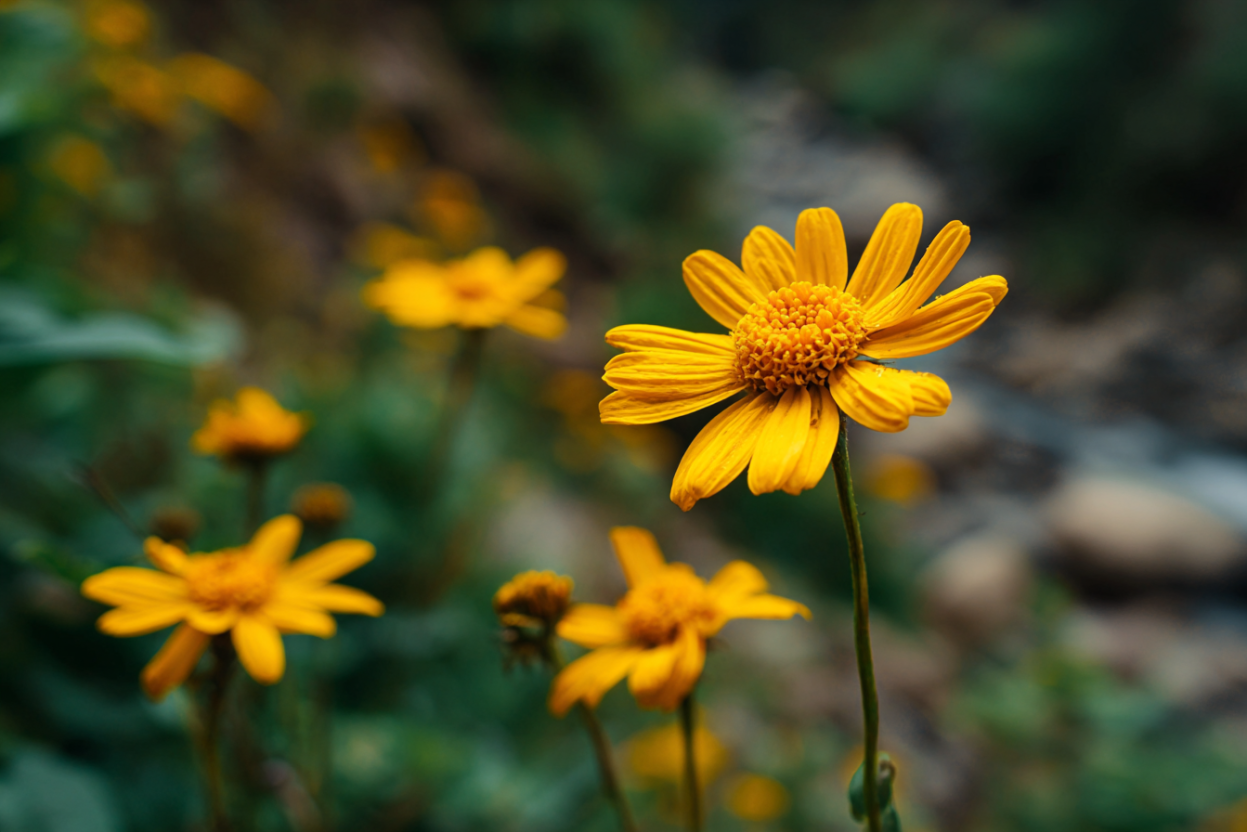
Arnica montana is a striking herbaceous perennial that grows between one and two feet tall, producing bright golden-yellow to orange-yellow flower heads that resemble daisies. Each flower head measures about five to eight centimeters across and consists of fifty to ninety tiny tubular disk florets in the center, surrounded by a ring of vibrant ray floret petals. The flowers appear from June through August, typically blooming one to three per stem, and are strongly aromatic with a resinous, slightly sharp fragrance.
The plant forms a flat basal rosette of broadly oval, lance-shaped leaves up to fifteen centimeters long. These leaves are bright green with a downy, fuzzy texture created by fine hairs called trichomes that cover both surfaces, giving them an almost silvery appearance. The leaves are serrated along the edges with prominent veins. Smaller leaves also grow in opposite pairs along the erect, hairy stem. The entire plant is fragrant when touched.
Below the soil, arnica spreads through a creeping rhizome system that stores nutrients and allows the plant to survive harsh winters and gradually colonize new ground. It reproduces both by seed dispersal — its achene fruits have feathery tops that catch the wind — and by these underground rhizomes.
Origin
Arnica montana is native to the mountainous meadows and upland grasslands of northern and central Europe, thriving at elevations up to 3,000 meters in the Alps, Pyrenees, Carpathians, and Scandinavian ranges. It is also found in parts of Siberia and select regions of northern Asia. The plant prefers nutrient-poor, acidic, well-drained soils where few competing plants can survive — a testament to its resilience and its Creator’s design for it to flourish in demanding conditions.
Related species are native to North America. Arnica chamissonis (Meadow Arnica) enjoys wide distribution across the continent and is recognized by the German Commission E as a viable substitute for A. montana in herbal preparations. Other North American species include A. cordifolia (Heartleaf Arnica), A. fulgens, and A. sororia. In total, more than thirty species exist in the genus.
Brief History
Arnica’s documented use in healing stretches back to at least the twelfth century. The earliest probable medical reference comes from St. Hildegard of Bingen (1098–1179), the Benedictine abbess, healer, and scholar whose writings in Physica described using the herb for skin blemishes and injuries. By the sixteenth century, arnica had become a staple of German folk medicine, widely used for bruises, contusions, sprains, rheumatism, and inflammatory conditions. Swiss mountain climbers sought it to relieve muscle fatigue after long ascents.
The name “Arnica” first appeared in a 1533 edition of Hildegard’s Physica, and was later adopted by notable botanists Haller and Linnaeus for both pharmacy and botany. Its origins remain debated — some scholars link it to the Greek word ptarmikē, meaning “that which causes sneezing” (a reference to the dried flowers’ ability to irritate the nose), while others connect it to the Greek arnakis, meaning “lamb’s skin,” describing the plant’s soft, fuzzy leaves.
In 1805, German physician Samuel Hahnemann, the founder of homeopathy, selected arnica to create one of the first homeopathic medicines. It has remained one of the most widely used homeopathic remedies in the world ever since. Even the great German writer Goethe reportedly brewed arnica tea to support recovery from a heart episode. Today, arnica is protected in many European countries due to over-harvesting from the wild, and cultivation efforts are increasingly important for preserving this valuable plant.
Growing & Cultivation
Climate & Zones
Arnica montana is a hardy perennial suitable for growing in USDA Hardiness Zones 4 through 9, though some related species like A. chamissonis are hardy down to Zone 2 or 3. The plant thrives in cooler climates and does best where summers are not excessively hot and humid. In warmer zones (8–9), afternoon shade is important to prevent heat stress. Arnica prefers temperatures between 60°F and 75°F (15°C–24°C) for optimal growth and flowering, and can endure winter temperatures as low as -40°F (-40°C) when dormant.
Those living at higher elevations will have the best success with A. montana, which produces larger flowers ideal for medicinal preparations. Gardeners at lower elevations may find A. chamissonis (Meadow Arnica) easier to grow. Given suitable soil and sun exposure, meadow arnica will thrive even at sea level.
Soil Requirements
Arnica tolerates a range of soils but performs best in well-drained, slightly acidic to neutral soil with a pH of 5.5 to 7.3. It thrives in sandy, loamy soil and can grow in nutrient-poor ground — in fact, it prefers low-nitrogen conditions, much like its native mountain meadows. An ideal growing mix combines equal parts clay, peat, and sand. The plant does poorly in waterlogged soil, so excellent drainage is essential. For container growing, use a lime-free potting mix with added sand or perlite for drainage. Avoid heavy lime amendments, as arnica generally does not tolerate alkaline conditions well.
Water & Sunlight
Arnica requires regular, consistent moisture but is not drought-tolerant. Water when the top inch of soil feels dry, keeping the soil lightly and evenly moist without allowing it to become soggy. Overwatering leads to root rot, while drought stress will stunt growth and reduce flowering. In the wild, arnica benefits from consistent mountain rainfall, so aim to replicate those conditions.
The plant grows best in full sun to partial shade. In cooler climates, full sun is ideal. In warmer zones, provide afternoon shade to protect from heat stress. Indoors, bright, indirect light works for establishing seedlings, though mature plants do best outdoors where they can receive ample natural light.
Propagation
From Seed: Arnica seeds can be sown directly outdoors in late summer by scattering them lightly over prepared soil and covering barely with fine sand or soil. Press seeds gently into the surface and keep evenly moist. Germination typically occurs in two to four weeks at a soil temperature of about 55°F (13°C), but can take longer. Seeds can also be started indoors several months before the growing season in a lime-free seedling mix. Some varieties benefit from a cold stratification period — place seeds in moist peat in the refrigerator for at least three months before sowing to improve germination rates.
By Division: Established arnica plants can be divided in early spring. Dig up the plant carefully, shake off excess soil, and separate the rhizome into sections, each with healthy roots and growth points. Replant divisions twelve inches apart and water thoroughly.
By Rhizome: Arnica spreads naturally through creeping rhizomes. These can be separated and transplanted to new locations in early spring when the plant is just emerging from dormancy.
Planting
Plant arnica in early to late spring once soil temperatures consistently reach 55°F or above. Space plants ten to twelve inches apart for ground plantings, or twenty-four inches apart if growing for harvest. Arnica does well in raised beds where the loose soil allows rhizomes to spread freely. Container growing is also an excellent option, especially for gardeners who want to prevent spreading or who lack garden space. Use pots at least eight inches deep with good drainage holes.
Companion plants that grow well with arnica include yarrow, calendula, asters, feverfew, and other meadow members of the sunflower family. Arnica cannot compete well with aggressive grasses, so keep plantings weeded during establishment. It also pairs well in rock gardens and naturalized meadow plantings.
Harvesting
Harvest arnica flowers when they are fully open and at peak bloom, typically in midsummer. Choose a warm, dry, sunny day — avoid harvesting when flowers are wet from dew or rain. Snip flower heads with a short length of stem, working gently to avoid disturbing the plant’s root system. Deadheading spent flowers encourages continued blooming throughout the season. It typically takes two years from seed for arnica to reach maturity and produce its first flowers, after which it blooms reliably each year.
Drying & Storage
Spread freshly harvested arnica flowers in a single layer on drying screens or clean cloths in a warm, well-ventilated area away from direct sunlight. Air drying takes approximately one to two weeks. A food dehydrator set to 95–105°F can speed the process. Flowers are properly dried when they feel papery and crumble slightly when pressed. Store dried arnica flowers in airtight glass jars in a cool, dark location. Properly dried and stored arnica retains potency for approximately one to two years.
Pest & Disease Management
Arnica is generally robust and free of serious pest or disease problems. The most common issues include snails and slugs, which are attracted to the plant — surround plantings with pine needle mulch or use organic slug deterrents. Caterpillars may feed on leaves but rarely cause significant damage in small numbers. In humid environments, ensure good air circulation to prevent fungal issues. Aphids may occasionally appear but can be managed with a strong water spray or neem oil application.
Companion Planting
Arnica thrives alongside other meadow and alpine plants that share its preference for well-drained, slightly acidic soil. Good companions include yarrow (Achillea millefolium), calendula, echinacea, chamomile, and native grasses. Avoid planting near aggressive spreaders that might outcompete arnica for space and nutrients. Be aware that arnica itself will spread via rhizomes over time, which can be a benefit in naturalized settings but may need management in formal beds.
The Healing of Growing
Growing arnica offers benefits that begin long before any harvest. The act of gardening — hands in soil, bare feet on earth, time spent outdoors — has been shown to reduce cortisol, improve mood, and support immune function. The soil itself contains beneficial bacteria (Mycobacterium vaccae) with documented antidepressant effects, stimulating serotonin production in the brain. When you tend your arnica plants, you participate in a rhythm as old as creation itself — planting, nurturing, waiting, and receiving. The grounding effect of touching earth, the meditative quality of garden work, and the simple satisfaction of watching something grow under your care are all part of the healing that God designed into our relationship with the land (Lowry et al., “Identification of an immune-responsive mesolimbocortical serotonergic system,” Neuroscience, 2007; Matthews & Jenks, “Ingestion of Mycobacterium vaccae decreases anxiety-related behavior,” Behavioural Processes, 2013).
Wellness & Therapeutic Uses
Important Note: Arnica is for external/topical use only unless in properly prepared homeopathic dilutions. The plant contains compounds, particularly helenalin, that are toxic if ingested in concentrated form. All therapeutic uses described below refer to topical application unless specifically noted as homeopathic preparations.
Traditional Uses
Arnica has been used in European folk medicine since at least the twelfth century. During the medieval era, it was applied as a remedy for hematomas, injuries, varicose veins, phlebitis, gout, rheumatism, wound healing, and cardiovascular complaints. German folk healers used it extensively for contusions, sprains, bruises, and as a treatment for muscle fatigue. Swiss Alpine communities applied arnica preparations after strenuous climbing and physical labor.
In 1613, Tabernaemontanus documented arnica’s wound-healing properties in his herbal manual. By the seventeenth century, arnica had entered European pharmacopoeias as a remedy for angina, heart disease, fevers, slow-healing wounds, leg ulcers, and as a gargle for sore throats and pharyngitis. The King’s American Dispensatory of 1898 documented the use of the whole plant in preparations including extracts, tinctures, and plasters.
Native American peoples used various arnica species for trauma, fever, exhaustion, and to support the nervous system. These indigenous applications mirror the European uses and confirm that different cultures independently observed the same healing properties — evidence of a design embedded in the plant itself.
Germany’s Commission E, an authoritative body evaluating herbal efficacy, has formally approved arnica flower for external use in treating blunt injuries, inflammation of the skin, rheumatic muscle and joint complaints, inflammation of the mouth and pharynx, and conditions related to insect bites and superficial phlebitis. The European Medicines Agency has issued a traditional herbal medicine monograph for arnica, recognizing its long-standing use in these applications.
Modern Research
The primary active compounds in arnica responsible for its therapeutic effects are sesquiterpene lactones, particularly helenalin and its derivatives (11α,13-dihydrohelenalin esters). Research has demonstrated that helenalin selectively inhibits the transcription factor NF-κB, a key protein complex that regulates inflammatory and immune responses in the body. By interfering with this pathway, helenalin may help reduce local pain, redness, and swelling (Lyss et al., “Helenalin, an anti-inflammatory sesquiterpene lactone from Arnica, selectively inhibits transcription factor NF-κB,” Biological Chemistry, 1997, PubMed).
A comprehensive review published in the American Journal of Therapeutics found that arnica montana preparations were more effective than placebo for the management of post-traumatic and postoperative pain, edema, and ecchymosis (bruising). The authors concluded that cumulative evidence suggests arnica may represent a valid alternative to non-steroidal anti-inflammatory drugs for treating certain conditions (Iannitti et al., 2016, PubMed).
A 2021 review of clinical trials examining arnica for pain management found that topical arnica extract, gel, or cream showed promising effects for pain relief across post-operative, arthritic, low back pain, and musculoskeletal pain conditions (Smith et al., Medicines, 2021, PMC).
In vitro research has shown that arnica preparations significantly reduce the production of pro-inflammatory cytokines including TNF-α, IL-6, MCP-1, and COX-2, while also decreasing reactive oxygen species (ROS) and ICAM-1 expression — all markers of inflammation and oxidative stress (Pumila et al., Journal of Ethnopharmacology, 2023, PubMed).
A 2016 animal study on collagen-induced arthritis demonstrated that oral administration of arnica flower methanol extract reduced clinical signs of arthritis, improved joint condition, and lowered expression of nitric oxide, TNF-α, and multiple interleukins, while also helping reverse oxidative stress markers (Sharma et al., Journal of the Science of Food and Agriculture, 2016, PubMed).
Body Systems Supported
Musculoskeletal System: Arnica’s most well-documented applications involve support for muscles, joints, and connective tissues. Research suggests topical arnica may help with muscle soreness, joint stiffness, bruising, sprains, and post-exercise recovery.
Integumentary System (Skin): Topical arnica has traditionally been applied to support skin healing after blunt injury, reduce the appearance of bruising, and soothe inflammation from insect bites and minor skin irritation.
Cardiovascular/Circulatory System: Arnica contains thymol, which research suggests may act as a vasodilator of subcutaneous blood capillaries, potentially facilitating the transport of blood and fluid from injured areas and supporting the body’s natural resolution of bruising and swelling.
Immune System: Research indicates arnica’s sesquiterpene lactones demonstrate antimicrobial, antifungal, and immunomodulatory activity, suggesting broad-spectrum support for the body’s defense mechanisms when applied topically.
Respiratory System: A pharmacological study found that an arnica complex demonstrated bronchodilatory activity comparable to salbutamol and showed cough-reducing effects, suggesting potential respiratory support (Nosálová et al., 2014, PubMed).
Body Compounds Affected
Arnica’s active compounds interact with several key body compounds and inflammatory pathways:
Inflammatory Markers: Research demonstrates that arnica preparations may reduce TNF-α, IL-1β, IL-6, IL-12, COX-2, and C-reactive protein — all critical mediators of the inflammatory response. The sesquiterpene lactone helenalin achieves this primarily through inhibition of NF-κB, the master switch for inflammatory gene expression.
Prostaglandins: Arnica’s modulation of COX-2 expression suggests it may influence prostaglandin synthesis, which plays a central role in pain signaling and inflammation.
Nitric Oxide: Studies have shown arnica extracts reduce nitric oxide levels in inflamed tissues, which may contribute to its anti-inflammatory effects.
Cortisol (Indirect): By reducing physical pain and inflammation, topical arnica may indirectly support healthier cortisol levels, as chronic pain is a known driver of elevated cortisol.
Methods of Use
Topical Oil Infusion
The most traditional preparation involves infusing dried arnica flowers in a carrier oil (such as olive oil or jojoba oil) for four to six weeks. Place dried flowers in a clean glass jar, cover completely with oil, and store in a warm location, shaking gently every few days. Strain and apply to unbroken skin over sore muscles, bruises, and stiff joints. Do not apply to open wounds or broken skin.
Cream, Gel, or Ointment
Commercially prepared arnica gels and creams (typically containing 10–25% arnica tincture or standardized extract) are widely available. Apply two to three times daily to affected areas on intact skin. Research suggests these preparations may be comparable in effectiveness to topical NSAIDs for certain conditions.
Poultice/Compress
Combine four teaspoons of dried arnica flowers with one cup of boiling water. Steep for ten minutes, allow to cool, then soak a clean cloth in the solution and apply to the affected area for at least twenty minutes. This method is useful for bruises, sprains, and localized swelling. Use on unbroken skin only.
Homeopathic Preparations
Homeopathic arnica (typically in 30C or 200C potencies) is available in pellet, tablet, or tincture form and is designed for internal use through extreme dilution. These preparations are widely used for post-surgical recovery, bruising, and trauma. Homeopathic arnica is distinct from herbal arnica — the dilution process makes it safe for internal consumption when prepared according to homeopathic standards.
Cosmetic & Beauty Uses
Skin Benefits
Arnica has earned a respected place in cosmetic formulations due to its documented ability to support skin comfort and recovery. Its active compounds — particularly helenalin, flavonoids like quercetin, and thymol — work together to provide antioxidant protection, support healthy circulation in the skin, and soothe visible signs of irritation.
Arnica is particularly beneficial for skin that appears puffy, bruised, or dull due to poor circulation. It is found in eye creams targeting dark circles and puffiness, post-procedure recovery products, and formulations designed for skin that shows redness or irritation. Cosmetic-grade arnica extract is typically used at concentrations of 0.1–2% depending on the product type and extract strength.
Skin types that may benefit most: Normal, combination, and skin that shows signs of post-procedure recovery or exercise-related flush. Those with sensitive skin or known allergies to the Asteraceae (daisy) family should perform a patch test before use.
Hair Benefits
Arnica has historically been used in hair tonics and treatments for scalp health. Its circulation-supporting properties may help nourish hair follicles by encouraging healthy blood flow to the scalp. Arnica-infused oils and rinses have traditionally been used to address dandruff, promote hair shine, and support overall scalp vitality. The plant’s antimicrobial properties may also contribute to a healthier scalp environment.
Application Methods
Arnica can be incorporated into topical cosmetic preparations in several ways:
Infused Oils: Create by steeping dried arnica flowers in a carrier oil (jojoba, sweet almond, or olive oil) for four to six weeks. Use as a body oil for sore, fatigued skin or as a scalp treatment. Arnica-infused oil pairs well with carrier oils like argan and rosehip for facial formulations.
Added to Creams and Lotions: Arnica extract can be incorporated into existing formulations at appropriate concentrations. It blends well with other calming botanicals like chamomile, calendula, and aloe vera.
Eye Area Treatments: Due to its circulation-supporting properties, diluted arnica preparations are used in under-eye creams and serums targeting puffiness and dark circles.
Bath Additions: A strong arnica infusion added to bathwater may soothe tired, aching muscles after physical exertion. Use only on intact skin and at appropriate dilutions.
DIY Formulation Notes
When formulating with arnica at home, use only properly dried flowers from reputable sources. Arnica-infused oil should be strained thoroughly and stored in dark glass bottles. Shelf life of homemade arnica oil is approximately six to twelve months when stored in a cool, dark location. Do not use arnica preparations on broken skin, open wounds, or near the eyes in undiluted form. Always do a patch test before applying any new arnica preparation to a larger area. Do not combine with other strong active ingredients that may increase skin sensitivity without testing compatibility first.
Arnica is among the botanicals being explored for holistic cosmetic applications, where the wisdom of traditional beauty practices meets modern understanding of skin science.
Essential Oil Profile
Important Safety Note: Arnica essential oil is one of the most potent plant oils and requires special consideration. The pure essential oil is generally not recommended for typical aromatherapy purposes due to its high concentration of active compounds, particularly helenalin. It is primarily used in professionally formulated topical products at extremely low dilutions. Arnica-infused oil (made by steeping flowers in carrier oil) is the preferred preparation for most applications.
Extraction
Arnica essential oil is obtained through steam distillation or CO2 extraction of the dried flower heads and, less commonly, the roots and rhizomes. The yield is very low — the essential oil content of arnica flowers ranges from only 0.2% to 0.35%, making pure arnica essential oil expensive and relatively uncommon in commerce. Most commercial “arnica oil” products are actually arnica-infused carrier oils rather than true essential oils.
Chemical Constituents
The key chemical compounds in arnica include:
Sesquiterpene Lactones (0.3–1.0%): Helenalin and 11α,13-dihydrohelenalin esters — the primary bioactive constituents responsible for anti-inflammatory activity. These compounds inhibit NF-κB and modulate multiple inflammatory pathways.
Flavonoids (0.4–0.6%): Including quercetin, luteolin, kaempferol, patuletin, isorhamnetin, and others — providing antioxidant protection and supporting circulation.
Thymol and Thymol Derivatives: Present in the volatile oil, providing antimicrobial and vasodilating properties that support the transport of blood and healing factors to injured areas.
Coumarins: Including scopoletin and umbelliferone — compounds with anticoagulant properties that may contribute to arnica’s ability to support the resolution of bruising.
Carotenoids: Including alpha-carotene, beta-carotene, cryptoxanthin, and lutein — contributing to the flower’s vibrant yellow-orange color and providing antioxidant activity.
Other Compounds: Fatty acids (palmitic, linoleic, myristic, linolenic acids), phenolic acids, tannins, terpenic alcohols (arnidiol, faradiol), triterpenes, lignans, polysaccharides (including inulin), and choline.
Aroma Profile
Arnica essential oil is classified as a middle note with a strong, herbaceous, slightly bitter, and somewhat camphoraceous scent. It has resinous undertones with faint floral and earthy qualities. The aroma is pungent and medicinal rather than sweet or floral — not typically used for perfumery but valued for its therapeutic associations. It blends cautiously with lavender, chamomile, rosemary, and clary sage in professional formulations.
Therapeutic Properties
Using compliant language, arnica oil is traditionally associated with the following properties: anti-inflammatory, analgesic (pain-soothing), antimicrobial, antioxidant, circulation-supporting, vulnerary (wound-healing support), and anti-edemic (swelling reduction).
How to Use
Topical Application (Infused Oil — Preferred Method)
Because pure arnica essential oil is extremely potent and can cause skin irritation, the standard recommendation is to use arnica-infused carrier oil rather than the pure essential oil. If using a true essential oil, dilute to no more than 0.5–1% in a carrier oil and apply only to unbroken skin. Suitable carrier oils include jojoba, sweet almond, olive, and coconut oil.
Diffusion
Arnica essential oil is not generally recommended for diffusion due to its potency. If used in a blend, only one to two drops should be combined with milder oils, and diffusion should be brief and in a well-ventilated space. Most practitioners prefer arnica in topical rather than aromatic applications.
Quality & Sourcing
When purchasing arnica products, look for GC/MS (gas chromatography–mass spectrometry) testing documentation to verify purity and constituent profile. Source from reputable suppliers who can confirm the species (A. montana or A. chamissonis) and origin. Be aware that true arnica essential oil is rare and expensive — most affordable “arnica oil” products are infused oils, which are the preferred and safer preparation for most users. Arnica products should list the helenalin and flavonoid content when possible.
Aromatherapy & Scent
The Aroma
The living arnica plant has a distinctive, sharp, herbaceous fragrance. When the leaves and stems are touched or brushed against, they release aromatic volatile compounds from the fine trichome hairs covering the plant. The fresh flowers have a stronger, more resinous scent — pungent and slightly medicinal with earthy, green undertones. Scent is strongest on warm, sunny days when volatile oils are most actively released, and immediately after the flowers are handled or crushed.
When dried, arnica flowers retain a concentrated version of this herbaceous, slightly bitter aroma. The scent becomes more camphoraceous and less green. Dried arnica flowers are known for causing sneezing if inhaled directly — one of the reasons it earned the common name “sneezewort.” Properly stored dried material retains its scent for one to two years.
How Scent Affects Your Body
When you encounter arnica’s aroma, volatile molecules released by the plant enter your nose through inhalation. These molecules bind to olfactory receptors high in the nasal cavity, triggering electrical signals that travel directly to the limbic system — the brain’s emotional processing center — and to the hypothalamus, which governs hormone production. This pathway bypasses conscious thought, meaning scent affects your body chemistry within seconds, before you even decide how to respond. This direct connection between nose and brain is why certain aromas can instantly shift mood, reduce tension, or trigger memories.
Emotional & Mood Effects
Arnica’s scent profile is primarily grounding and clarifying. Its sharp, herbaceous character is not typically used for relaxation in the way lavender might be, but rather to bring awareness to the body and promote a sense of alertness and physical presence. The medicinal quality of the aroma may also create psychological associations with healing and recovery — the brain learning to associate the scent with relief from discomfort. Gardeners and herbalists often describe the experience of working with fresh arnica as centering and invigorating.
Body Compounds Affected
While specific research on arnica’s aroma and neurotransmitter effects is limited compared to more commonly diffused essential oils, its thymol content and terpene profile suggest potential influence on alertness and focus. Herbaceous, camphoraceous aromas have been associated in broader aromatherapy research with increased norepinephrine activity (promoting alertness) and potential cortisol modulation through stress reduction during therapeutic application.
Ways to Experience the Scent
Because arnica essential oil is too potent for standard diffusion, the best ways to experience arnica’s aroma include growing the living plant and touching its leaves and flowers, working with freshly harvested flowers during the drying process, handling dried arnica flowers when preparing infusions and oils, and adding dried flowers to sachets or herbal preparations where the scent can be gently experienced. These methods provide safe, gentle exposure to arnica’s aromatic compounds in the context of hands-on plant interaction.
Color Therapy
The Colors of Arnica
Arnica’s most prominent color is the brilliant golden-yellow to orange-yellow of its daisy-like flower heads. This is the color that draws pollinators and the human eye alike. The leaves are a bright, fresh green with a slightly silvery cast from the downy hairs covering their surfaces. The stems are green and slightly hairy. The rhizomes and roots are brownish. The overall visual impression of a blooming arnica plant is one of sunshine and vitality — bright gold against fresh green.
Color Wavelengths
Yellow falls in the 570–590 nm wavelength range of the visible light spectrum, while orange occupies 590–620 nm. Arnica’s golden-yellow-to-orange blooms span both wavelengths, creating a warm, energizing visual stimulus. Green leaves occupy the 495–570 nm range, associated with balance and calm.
How Yellow-Orange Affects the Body
In color therapy principles, yellow light is associated with mental clarity, optimism, and stimulating the nervous system and digestive function. Orange is associated with warmth, creativity, vitality, and digestive support. Together, arnica’s golden-orange flowers represent an energizing, uplifting visual stimulus. Research on color and mood consistently shows that warm colors like yellow and orange are associated with feelings of happiness, energy, and optimism, while green environments are linked to balance, stress reduction, and feelings of renewal.
Having arnica blooming in your garden or placed as cut flowers in your home brings these warm, cheerful wavelengths into your visual environment — a natural mood supporter during the summer months when the plant is flowering.
Body Compounds Affected
Exposure to warm, bright light wavelengths (yellow-orange spectrum) has been associated with increased serotonin production and improved mood regulation. The green of arnica’s foliage contributes to the well-documented calming effects of viewing plant life, which research links to reduced cortisol levels and activation of the parasympathetic nervous system.
Using Arnica for Color Therapy
Place blooming arnica plants in areas where you spend time during the day — near windows, on porches, or in garden beds visible from indoor living spaces. Cut flowers in a vase bring the bright golden-yellow wavelength indoors. Even viewing images of arnica’s vibrant blooms may provide a mild mood-enhancing effect, as the brain responds to color stimulus regardless of the source.
Frequency & Vibration
The Frequency of Arnica
While specific MHz frequency measurements for arnica are not as widely documented as for some essential oils (such as rose or frankincense), arnica is generally considered a moderate-to-high frequency plant based on its rich terpene and flavonoid profile. Essential oils from the Asteraceae family typically register in the mid-range of bio-frequency measurements. According to the bio-frequency research pioneered by Bruce Tainio, healthy human bodies vibrate at 62–78 MHz, and essential oils from therapeutic plants generally measure higher — suggesting that contact with these plants may support the body’s own frequency.
Human Frequency Interaction
The principle of entrainment in vibrational science suggests that when two vibrating systems are in proximity, the stronger or more coherent frequency tends to influence the weaker one. Proponents of vibrational medicine believe that spending time near living plants, handling plant material, and applying plant-based preparations to the body may support the body’s own electromagnetic field. While this remains an area where research is emerging and not yet fully established in mainstream science, the concept aligns with the observable effects of nature exposure on human wellbeing.
Vibrational Applications
To potentially benefit from arnica’s vibrational properties, grow the living plant in your garden or home, handle the fresh or dried flowers during harvesting and preparation, apply arnica-infused topical preparations mindfully, and spend time in natural environments where arnica or similar wildflowers grow. These practices combine the measurable physical benefits of plant contact with the theoretical frequency-based benefits that vibrational medicine explores.
The Living Plant
Benefits of Presence
Simply being around living plants provides measurable health benefits, and arnica is no exception. Research on biophilic design — the human need for connection with nature — shows that having plants in your environment reduces stress, improves cognitive function, and supports emotional wellbeing. The visual presence of arnica’s bright green rosettes and golden flowers can contribute to attention restoration (the psychological process by which natural environments help recover mental fatigue) and provide the calming effects associated with viewing living greenery.
Air Purification
While arnica is not among the specific plants studied in the NASA Clean Air Study, all living plants contribute to indoor air quality through the basic processes of photosynthesis — absorbing carbon dioxide and releasing oxygen. Arnica’s dense rosette of fuzzy leaves may also trap particulate matter from the air to a modest degree. The plant contributes to humidity regulation in indoor environments through transpiration.
Phytoncides
Arnica, as a strongly aromatic plant, releases volatile organic compounds (phytoncides) into the surrounding air. These antimicrobial airborne chemicals are the same type of compounds studied extensively in forest bathing (shinrin-yoku) research. Studies have shown that exposure to plant phytoncides increases the activity of Natural Killer (NK) cells in the human immune system, supporting the body’s natural defenses. While arnica-specific phytoncide research is limited, the plant’s rich terpene profile — particularly its thymol content — suggests it actively contributes antimicrobial volatile compounds to its immediate environment.
Visual & Psychological Benefits
Research consistently demonstrates that patients with views of plants and greenery recover faster from medical procedures, that office workers with plants in their environment report lower stress and higher productivity, and that residential settings with living plants correlate with improved mood and reduced anxiety. A blooming arnica plant, with its vibrant golden flowers, provides particularly strong visual stimulus — the warm yellow-orange color is psychologically associated with optimism and energy, while the green foliage provides balancing calm.
Growing Indoors vs Outdoors
Arnica can be grown indoors with adequate bright, indirect light, though it truly thrives outdoors where it can experience natural light cycles, temperature variations, and soil microbiomes. For indoor growing, place arnica near a south-facing window or supplement with grow lights. Use a well-draining, slightly acidic potting mix and maintain consistent moisture. Outdoors, arnica provides its full range of benefits — the garden experience of tending it, the phytoncide release into open air, the pollinator activity it attracts, and the deeper connection to seasonal rhythms. Container growing on patios and balconies offers a good compromise for those without garden space.
Touch & Physical Interaction
Gardening Therapy
Horticultural therapy — the practice of using gardening and plant interaction for therapeutic benefit — is a well-established discipline supported by decades of research. Working with arnica provides all the core benefits of gardening therapy: purposeful physical activity, connection to natural cycles, mindfulness through focused attention, and the sense of accomplishment that comes from nurturing a living thing. Tending arnica requires patience (it takes two years from seed to first bloom), which teaches the valuable life lesson that healing and growth are processes, not events.
Soil Contact Benefits
When you garden with bare hands or bare feet on earth, you receive benefits beyond the plant itself. Direct soil contact provides grounding (or earthing) — the transfer of electrons from the earth’s surface into your body, which research suggests may reduce inflammation and improve sleep. The soil contains Mycobacterium vaccae, a beneficial bacterium with documented antidepressant-like effects that stimulates serotonin production. Regular soil contact also supports a diverse skin microbiome, which emerging research links to stronger immune function and reduced allergic sensitivity.
The Tactile Experience
Arnica offers a uniquely sensory tactile experience. The basal rosette of leaves feels soft and slightly fuzzy due to the fine trichome hairs — almost velvety to the touch. Running your fingers over the leaf surface releases aromatic compounds, engaging both touch and smell simultaneously. The stems are slightly rough and hairy. The flower heads feel complex — the ray petals are thin and silky, while the dense center of disk florets has a firm, bristly texture. Harvesting arnica flowers is a gentle, meditative process — you learn the plant’s structure through your fingertips as you carefully snip each bloom. Processing dried arnica — crumbling flowers into oil or arranging them for storage — engages fine motor skills and focused attention in a deeply calming way.
Harvesting & Processing
The rhythmic, repetitive nature of harvesting and processing arnica provides its own therapeutic benefit. The focused attention required to select ripe flowers, cut them cleanly, arrange them for drying, and later process them into infused oils or compresses engages the mind in a way that crowdsout anxious or scattered thoughts. This mindful engagement with a natural process — ancient in its origins, connecting you to generations of healers who did the same work — offers a sense of purpose and continuity. The sensory richness of the experience — the bright golden color, the sharp herbal scent, the fuzzy texture — creates a full-body mindfulness practice rooted in something real and tangible.
Water-Based Applications
Reminder: Arnica is for external use only in herbal (non-homeopathic) preparations. All water-based applications described below are for topical use unless specifically noted as homeopathic.
Infusions for Topical Use
A standard arnica infusion for external application uses two to four teaspoons of dried arnica flowers per cup of boiling water. Steep for ten to fifteen minutes, then strain thoroughly and allow to cool to a comfortable temperature before applying to the skin. This infusion serves as the base for compresses, rinses, and bath additions. Do not drink arnica tea — ingestion of arnica in herbal concentrations is toxic.
Herbal Baths
Arnica baths have a long tradition in European folk medicine for soothing tired, aching muscles after physical labor or exercise. To prepare, make a strong infusion using approximately one-half cup of dried arnica flowers steeped in one quart of boiling water for fifteen minutes. Strain and add the liquid to a warm (not hot) bath. Soak for fifteen to twenty minutes. Ensure there are no open cuts or wounds before bathing with arnica. Foot baths using the same preparation are an excellent alternative — particularly beneficial after long periods of standing or walking.
Compresses
Cold Compress: Prepare a standard infusion, allow to cool completely (or refrigerate), soak a clean cloth in the liquid, and apply to bruises, sprains, or areas of swelling. Hold in place for twenty to thirty minutes. Cold compresses are ideal for acute injuries where swelling needs to be reduced.
Warm Compress: Prepare a standard infusion, soak a cloth while the liquid is still warm (comfortably so — not hot enough to burn), and apply to stiff, aching muscles and joints. Warm compresses are best for chronic stiffness and soreness. Reapply as needed.
Hair Rinses
Arnica’s traditional use in hair care involves rinsing the hair and scalp with a cooled arnica infusion after washing. This is believed to support scalp circulation, promote a healthy scalp environment through arnica’s antimicrobial properties, and contribute to hair shine and vitality. Prepare a standard infusion, cool completely, and pour through clean, damp hair as a final rinse. Gently massage into the scalp and leave for several minutes before rinsing with cool water if desired, or leave in.
Mouth Rinse (Diluted)
The German Commission E approves a highly diluted arnica tincture (ten-fold dilution) as a gargle for inflammation of the mouth and throat, including gingivitis and aphthous ulcers. This is a specific traditional application and should only be done with a properly diluted preparation. Do not swallow the rinse — spit out completely after gargling.
Connection to Hydrotherapy Principles
Water has been used as a healing vehicle across all cultures throughout human history. When arnica’s active compounds are extracted into water through infusion, the water becomes a delivery system — carrying the plant’s beneficial constituents to the body through skin contact. Temperature therapy adds another dimension: cold water applications reduce inflammation and constrict blood vessels, while warm water relaxes muscles and promotes circulation. Combining arnica’s natural properties with the therapeutic effects of water temperature creates a synergistic approach to physical comfort and recovery.
Historical, Cultural & Biblical Significance
Biblical References
Arnica montana is not directly mentioned in Scripture by name, as it is native to the mountain meadows of Europe rather than the Near Eastern landscape of the biblical world. However, the Asteraceae family — to which arnica belongs — includes plants that were known in biblical lands. The broader principle of God providing plants for healing is affirmed throughout Scripture: “And the fruit thereof shall be for meat, and the leaf thereof for medicine” (Ezekiel 47:12, KJV). Arnica stands as evidence of this divine provision — a plant placed in specific environments, perfectly equipped with compounds that support the body’s recovery from injury.
Ancient Civilizations
Unlike herbs such as myrrh or frankincense, arnica’s ancient history centers on Europe rather than the Mediterranean or Middle East. Its earliest probable medical reference appears in the twelfth-century writings of St. Hildegard of Bingen (1098–1179), the German Benedictine abbess who described using the herb she called “Wuntwurtz” for treating skin blemishes and injuries. Hildegard wrote: “If spots and blisters erupt between the skin and flesh, then let the person cook the herb in water and wrap the blemishes, and then the person will be healed.” While some scholars debate whether this reference was to arnica or a related plant, most modern experts agree that Hildegard made the first documented medical reference to arnica.
The Greek physician Dioscorides (first century AD) may have referenced arnica or a closely related plant in his Materia Medica, though the identification is not certain. The name “arnica” did not enter formal botanical and pharmaceutical usage until the sixteenth century.
Eastern Traditions
Arnica is not a traditional plant of Chinese Medicine or Ayurveda, as it does not grow naturally in China or India. Its healing tradition is distinctly European and, to some extent, North American. However, the principles it represents — using topical plant preparations to support recovery from injury and reduce inflammation — are universal across all healing traditions. Where Traditional Chinese Medicine uses dit da jow (herbal liniments) and Ayurveda uses medicated oils for trauma and pain, European herbalism developed arnica preparations for the same purposes. Different cultures, observing the same design, arrived at parallel solutions.
Indigenous Knowledge
Native American peoples used various North American arnica species long before European contact. These indigenous healers applied arnica preparations for trauma, bruising, fever, meningitis, exhaustion, and to support the nervous system. The practical knowledge was passed down through oral tradition and direct observation of the plants’ effects — generations of healers observing God’s design and documenting what worked, even without knowing the biochemistry behind it.
European Heritage
Arnica’s deepest historical roots lie in European folk medicine. During the medieval era, it was a staple of monastery gardens where monks and nuns preserved and advanced herbal knowledge. It was used for hematomas, injuries, varicose veins, phlebitis, gout, rheumatism, indigestion, wound healing, and cardiovascular disease. By the seventeenth century, arnica appeared in European pharmacopoeias and was widely recognized as a trusted remedy for the working poor and the nobility alike.
In 1805, Samuel Hahnemann selected arnica as one of the first medicines of homeopathy, cementing its place in modern complementary medicine. The German Commission E — Germany’s equivalent of the FDA for herbal medicines — has formally approved arnica for external use, one of the strongest endorsements available in European phytotherapy. Today, arnica products are among the most popular natural remedies in European pharmacies and health food stores.
These cultures saw the design — they did not always know the Designer. The methods they documented are valid because they observed truth. The research that now confirms arnica’s anti-inflammatory, analgesic, and circulation-supporting properties validates what European mountain herbalists, Native American healers, and medieval nuns already knew from experience. Credit belongs to God, who placed these compounds in this plant for this purpose.
Cultural Symbolism
Arnica has symbolized resilience and recovery across European culture — it is, after all, a plant that thrives in harsh mountain conditions where little else grows. Its bright golden flowers emerging from rocky, nutrient-poor soil speak to beauty and strength arising from adversity. In German folk tradition, arnica was called “Fallkraut” (fall herb) — the herb you reach for when you fall down. That simple name captures both its practical use and its deeper significance as a symbol of getting back up after being knocked down.
Safety & Precautions
Contraindications
Arnica is for external/topical use only unless in properly prepared homeopathic dilutions. The plant contains sesquiterpene lactones (primarily helenalin) that are toxic when ingested in herbal concentrations. Internal consumption of arnica can cause vomiting, diarrhea, heart palpitations, shortness of breath, high blood pressure, organ damage, and in severe cases, death. The U.S. FDA classifies arnica as an unsafe herb for internal use. Canada has banned its use as a food ingredient.
Do not apply arnica to broken skin, open wounds, or ulcers — even topically. Arnica can cause severe irritation and increase the risk of systemic absorption of toxic compounds when applied to damaged skin. Discontinue use if skin irritation, rash, or allergic contact dermatitis develops.
Drug Interactions
Blood-thinning medications: Arnica may slow blood clotting. It should not be used (topically or in any form) concurrently with anticoagulant or antiplatelet medications including warfarin, aspirin, clopidogrel, enoxaparin, apixaban, dabigatran, or rivaroxaban without consulting a healthcare provider. Herbal products with blood-thinning properties (ginkgo biloba, garlic, ginger, ginseng) should also be used cautiously alongside arnica.
Surgical considerations: Stop all arnica use at least two weeks before any scheduled surgery to reduce the risk of excessive bleeding.
Other medications: Homeopathic arnica preparations may interact with painkillers, steroids, and blood pressure medications. Consult a qualified healthcare provider if taking any regular medications.
Pregnancy & Nursing
Arnica is considered likely unsafe during pregnancy and breastfeeding. Do not take arnica internally or apply it to the skin if you are pregnant or nursing. Arnica has historically been associated with uterine stimulant effects, and internal use has been linked to miscarriage. There is insufficient safety data to recommend any form of arnica during pregnancy. A case report documented severe hemolysis (destruction of red blood cells) in a nine-day-old breastfed infant whose mother consumed arnica tea. Not recommended during pregnancy or breastfeeding without guidance from a qualified healthcare provider.
Children
Given the lack of safety evidence, arnica is not recommended for young children. Topical arnica preparations should be used with extreme caution in children over twelve and only on intact skin. Keep all arnica products — fresh, dried, and prepared — out of reach of children. Homeopathic arnica at appropriate pediatric dilutions may be recommended by a qualified practitioner, but this should only be done under professional guidance.
Elderly
Elderly individuals, who may have thinner skin and increased sensitivity, should use topical arnica with caution. Lower-concentration preparations are advisable. Special attention should be paid to potential interactions with common elderly medications, particularly blood thinners and blood pressure medications. Monitor for skin reactions and discontinue if irritation occurs.
Pets
Dogs: TOXIC if ingested. The arnica plant and concentrated arnica products are poisonous to dogs if eaten. Symptoms of ingestion include vomiting, diarrhea, shortness of breath, irregular heartbeat, and in severe cases, collapse. Properly diluted homeopathic arnica may be used under veterinary guidance. If using topical arnica on a dog, prevent licking and monitor closely. Contact your veterinarian or Animal Poison Control (888-426-4435) immediately if ingestion is suspected.
Cats: TOXIC if ingested. Arnica is toxic to cats. Do not allow cats access to arnica plants or products. Cats are generally more sensitive to plant toxins than dogs.
Horses: Use only under veterinary guidance. Topical arnica preparations formulated for equine use may be applied to intact skin for muscle and joint support.
Allergies & Sensitivities
Arnica belongs to the Asteraceae (Compositae) family. Individuals with known allergies to ragweed, chrysanthemums, marigolds, daisies, chamomile, or other Asteraceae family members may experience cross-reactive allergic responses to arnica. Arnica dermatitis — a delayed Type IV allergic contact dermatitis caused by sesquiterpene lactones — is documented in individuals who handle arnica flowers and is more common than many people realize. Always perform a small patch test on the inner forearm before using any arnica preparation on a larger area. Wait 24 hours and check for redness, itching, or irritation before proceeding.
Dosing Guidelines
Topical gel/cream: Apply two to three times daily to unbroken skin over affected areas. Follow product-specific instructions for concentration. Most effective formulations contain 10–25% arnica tincture or standardized extract.
Compress: Two to four teaspoons dried flowers per cup of boiling water, steeped 10–15 minutes, applied to skin via cloth compress for 20–30 minutes.
Infused oil: Apply as needed to unbroken skin. Use within 6–12 months of preparation.
Homeopathic: Follow product labeling or practitioner guidance — typically five pellets of 30C potency three times daily for acute use.
Duration: Topical arnica should not be used long-term without professional guidance. Most traditional use is short-term for acute conditions.
Quality & Sourcing
Arnica montana is endangered in parts of its native range due to over-harvesting. Choose products from sustainable, cultivated sources rather than wild-harvested when possible. Look for third-party testing for heavy metals, pesticides, and adulteration. Ensure the product clearly identifies the species used. The European Pharmacopoeia recommends a minimum sesquiterpene lactone content of 0.4% in A. montana preparations used as herbal medicines.
Signs of Adverse Reaction
Mild (topical): Redness, itching, mild burning, skin rash at application site. Discontinue use.
Serious (ingestion or allergic reaction): Vomiting, diarrhea, abdominal pain, heart palpitations, rapid heartbeat, shortness of breath, dizziness, tremors, high blood pressure. Seek immediate medical attention.
When to seek medical care: If any product is ingested accidentally, contact Poison Control (1-800-222-1222) or seek emergency medical care immediately. If a severe allergic reaction occurs (swelling, difficulty breathing), call emergency services.
Disclaimer
This information is for educational purposes only. It is not intended to diagnose, treat, cure, or prevent any disease. Always consult with a qualified healthcare provider before using any herbal product, especially if you are pregnant, nursing, taking medications, or have a medical condition. If you experience any adverse reaction, discontinue use immediately and seek medical attention.
Want Personalized Guidance?
Every body is unique. What works for one person may not be right for another. If you’d like personalized support in incorporating arnica into your wellness journey, consider working with a qualified practitioner who can assess your individual needs.
Sources & References
Peer-Reviewed Studies
- Arnica montana L. – a plant of healing: review – Kriplani P, Guarve K, Baghael US. Journal of Pharmacy and Pharmacology, 2017. India/UK.
- Effectiveness and Safety of Arnica montana in Post-Surgical Setting, Pain and Inflammation – Iannitti T, Morales-Medina JC, Bellavite P, et al. American Journal of Therapeutics, 2016. Italy.
- Clinical Trials, Potential Mechanisms, and Adverse Effects of Arnica as an Adjunct Medication for Pain Management – Smith AG, Miles VN, Holmes DT, et al. Medicines, 2021. USA.
- Anti-inflammatory effects of Arnica montana (mother tincture and homeopathic dilutions) in various cell models – Pumila G, Ancelin M, Naso D, et al. Journal of Ethnopharmacology, 2023. France.
- Cumulative therapeutic effects of phytochemicals in Arnica montana flower extract alleviated collagen-induced arthritis – Sharma S, Arif M, Nirala RK, et al. Journal of the Science of Food and Agriculture, 2016. India.
- Characterization and pharmacodynamic properties of Arnica montana complex – Nosálová G, Prisenžňáková L, Paulovičová E, et al. International Journal of Biological Macromolecules, 2014. Slovakia.
- Helenalin, an anti-inflammatory sesquiterpene lactone from Arnica, selectively inhibits transcription factor NF-κB – Lyss G, Schmidt TJ, Merfort I, Pahl HL. Biological Chemistry, 1997. Germany.
- Final report on the safety assessment of Arnica montana extract and Arnica montana – Cosmetic Ingredient Review Expert Panel. International Journal of Toxicology, 2001. USA.
- Arnica montana L.: Doesn’t Origin Matter? – Merfort I. Pharmaceuticals, 2023. Germany.
Institutional & Regulatory Sources
- Assessment Report on Arnica montana L., flos – European Medicines Agency (EMA), Committee on Herbal Medicinal Products.
- Arnica Montana – LiverTox – National Institute of Diabetes and Digestive and Kidney Diseases, NCBI Bookshelf, 2023.
- Caution When Using Arnica Products – National Capital Poison Center, USA.
- Arnica montana – NC State Extension Gardener Plant Toolbox – North Carolina State University Extension.
Traditional Medicine & Historical Sources
- Hildegard’s History of Arnica – Healthy Hildegard (historical analysis of St. Hildegard of Bingen’s writings on arnica).
- Arnica – Herbal Reality – Comprehensive herbal monograph with traditional use documentation, UK.
- Arnica Uses, Benefits & Dosage – Drugs.com Natural Products Professional Monograph.
- The Bioregulatory Benefits of Arnica: From Ancient Traditions to Modern Science – Bioregulatory Medicine Institute, 2025.
Safety & Toxicology
- Arnica – Overview, Uses, Side Effects, Precautions, Interactions, Dosing – WebMD Vitamins & Supplements.
- Arnica: What It Is and How To Use It – Cleveland Clinic Health Essentials, 2023.