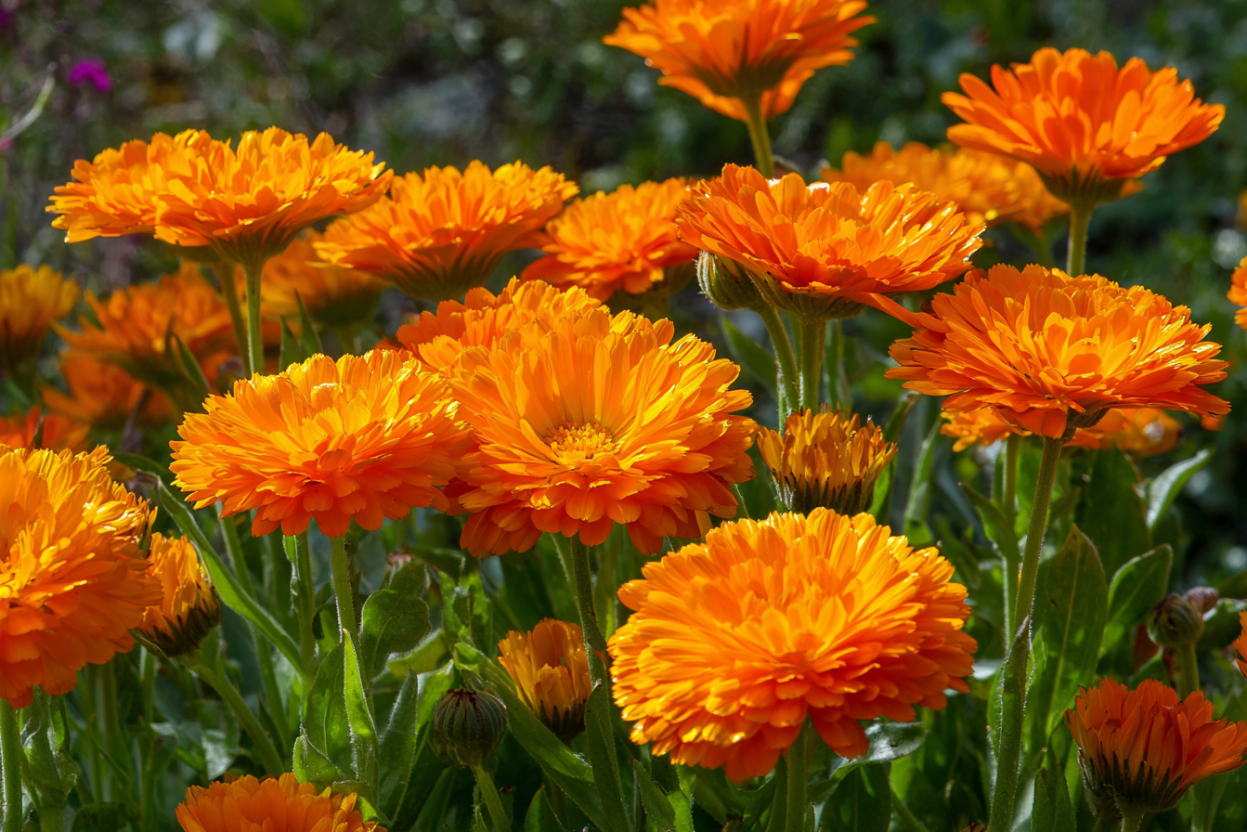
Calendula (Calendula officinalis)
If you have ever struggled with a wound that seemed slow to heal, skin that felt irritated and inflamed, or a digestive system that just would not settle — you are far from alone. These are among the most common complaints people carry into doctor’s offices every day. And yet, growing quietly in gardens around the world, a bright orange flower has been offering support for these very concerns for centuries.
Calendula is one of the most well-documented healing plants on earth — studied in over 1,250 published research papers spanning more than fifty years and dozens of countries. This remarkable plant is one of many gifts the Creator embedded into nature for our benefit. Long before laboratories existed, calendula was already here — provided by a Designer who knew we would need it.
This information is for educational purposes only and is not intended to diagnose, treat, cure, or prevent any disease. Always consult with a qualified healthcare provider before making changes to your health regimen.
The Plant
Common Names: Calendula, Pot Marigold, Garden Marigold, English Marigold, Scotch Marigold, Mary’s Gold, Gold-Bloom, Holligold, Marybud, Poet’s Marigold, Summer’s Bride, Poor Man’s Saffron
Botanical Name: Calendula officinalis L.
Family: Asteraceae (the daisy family) — one of the largest families of flowering plants, also home to chamomile, echinacea, dandelion, arnica, and sunflowers
Description
Calendula is an annual or short-lived perennial herb that grows in a compact, bushy form, reaching 12 to 30 inches in height with a spread of 12 to 24 inches. The stems are upright, fleshy, angular, and branching, covered with fine hairs and occasionally a sticky resin. Leaves are arranged alternately along the stem, oblong to lance-shaped, 2 to 7 inches long, with smooth or slightly toothed edges, light green in color, slightly aromatic, and sometimes sticky to the touch.
The flowers are the star of this plant — bright, daisy-like blooms 2 to 4 inches across, ranging from pale yellow to deep, glowing orange, with some cultivars offering apricot, cream, and bicolor varieties. Each flower head sits atop a single stem, with ray florets surrounding a central disc. The flowers open each morning with the sun and close as evening approaches — a daily rhythm that inspired the plant’s name. After flowering, the seeds form curved, bumpy, brown structures that are easy to collect and save.
The root system is a simple taproot, and the entire plant releases a subtly woody, musky, resinous aroma — particularly noticeable when the leaves or stems are touched.
Origin
Calendula is native to the Mediterranean region, likely originating in southern Europe and spreading through western Asia, North Africa, and the Macaronesian islands. Through trade, colonization, and the simple practice of gardening, it has naturalized across temperate regions worldwide. Today it grows wild along roadsides, in disturbed areas, near settlements, and on forest edges throughout Europe, the Americas, and beyond. It is cultivated on a large scale in India, China, Egypt, and Eastern Europe for medicinal and cosmetic use.
Brief History
The name “calendula” derives from the Latin calendae or calends, meaning “the first day of the month,” because Romans observed this flower blooming reliably at the start of each month. The common name “marigold” is a contraction of “Mary’s Gold,” referring to the Virgin Mary — a name given during the medieval period when the flower was associated with the Virgin in Christian tradition.
Calendula has a documented history stretching back to at least the 12th century in European herbal literature, though the plant was known in the ancient world. The Greek philosopher Theophrastus (4th–3rd century BCE) described it as a small coronary plant. By the medieval period, it was cultivated extensively in European monastery gardens. The great 16th-century herbalists — Leonhart Fuchs, John Gerard, and Nicholas Culpeper — all documented its uses. Gerard’s Herbal (1597) devoted an entire chapter to marigolds. By the 17th century, calendula was cultivated across Europe for both ornamental and medicinal purposes. European colonists brought it to the New World, where it quickly established itself in American gardens. Until 1942, calendula was listed in both the British Pharmacopoeia and the United States National Formulary as an official pharmaceutical substance.
Growing & Cultivation
Climate & Zones
Calendula is remarkably adaptable, growing in USDA Zones 2 through 11 as an annual. In Zones 9 through 11, where winters are mild, it can persist as a short-lived perennial and bloom nearly year-round. It is cold-hardy down to about 25°F (−4°C), making it one of the more frost-tolerant flowering herbs. However, it does not thrive in extreme heat — temperatures consistently above 85°F cause it to struggle, and it may stop flowering or wilt during hot summers. In southern regions, calendula performs best as a fall, winter, and early spring plant. In northern regions, it blooms from early summer through the first hard frost.
Soil Requirements
Calendula prefers well-drained, moderately fertile soil with a pH of 6.0 to 7.0. It is quite tolerant and will grow in sandy, loamy, or even clay soils — provided drainage is adequate. Heavy, waterlogged soil will cause root rot. Overly rich soil can lead to excessive leafy growth at the expense of flowers. A moderate amount of compost worked into the soil at planting time is sufficient. Container growing is excellent for calendula — use a standard potting mix with good drainage. Raised beds are also ideal.
Water & Sunlight
Calendula grows best in full sun (6 to 8 hours of direct sunlight daily) but tolerates partial shade, especially in hotter climates where afternoon shade prevents heat stress. Indoor growing is possible near a bright south-facing window or under grow lights.
Water needs are moderate. Provide about 1 to 1.5 inches of water per week during active growth. Allow the soil to dry slightly between waterings — calendula is surprisingly drought-tolerant once established. Avoid overhead watering, which encourages fungal diseases. Drip irrigation or watering at the base is preferred.
Propagation
Seed (primary method): Calendula is one of the easiest plants to grow from seed. Sow seeds directly outdoors in early spring, about 2 to 3 weeks before the last frost, when soil temperatures reach approximately 60°F. Plant seeds 1/4 to 1/2 inch deep. Seeds germinate in 7 to 14 days. In mild-winter regions (Zones 8 and above), sow in fall for winter and early spring blooms. Seeds can also be started indoors 6 to 8 weeks before the last frost date and transplanted out once danger of heavy frost has passed. Succession planting every 2 to 3 weeks extends the bloom season significantly.
Self-seeding: Calendula self-sows readily if spent flowers are allowed to go to seed. Allow a few plants to set seed at the end of the season, and volunteer seedlings will appear the following year.
Planting
Thin or space seedlings 8 to 12 inches apart to allow adequate air circulation. Rows can be spaced 12 to 16 inches apart. Calendula makes an excellent companion plant — it attracts pollinators such as bees and butterflies, and is traditionally planted near tomatoes and potatoes to help deter certain insect pests including aphids, asparagus beetles, and tomato hornworms. Avoid planting near fennel or strongly allelopathic plants.
Harvesting
Harvest calendula flowers when they are at full bloom, gathering them in the morning after the dew has dried but before the heat of midday, when the plant’s resins have risen to the surface. Pinch or snip the entire flower head just below the base. Regular harvesting (deadheading) encourages continuous blooming throughout the season — the plant will typically produce new flowers within about two weeks. A 60-foot row of calendula will yield approximately one pound of dried flower heads. Both petals and whole flower heads can be used.
Drying & Storage
Dry calendula flowers in a well-ventilated area, away from direct sunlight, on screens or hung in small bundles. A food dehydrator set to 95–105°F also works well. Flowers should dry completely in 1 to 5 days depending on method and humidity. Properly dried flowers will feel papery and crisp. Store in airtight glass containers in a cool, dark location. Dried calendula retains its potency for approximately one year. The flowers can also be frozen fresh for longer preservation.
Pest & Disease Management
Calendula is generally a hardy plant with few serious problems. Common pests include aphids, whiteflies, slugs, snails, and occasionally leafhoppers or thrips. Control aphids and whiteflies with a strong blast of water or insecticidal soap. Handpick slugs and snails or use beer traps. Common diseases include powdery mildew, downy mildew, and leaf spot — all fungal issues that can be prevented by ensuring good air circulation, proper spacing, and avoiding overhead watering. Remove affected leaves promptly. Companion planting with strongly aromatic herbs like basil and rosemary may help deter pests naturally.
Companion Planting
Calendula is one of the best companion plants for vegetable gardens. It attracts beneficial insects including bees, hoverflies, ladybugs, and lacewings. It is traditionally planted alongside tomatoes, peppers, potatoes, and brassicas. Its bright blooms draw pollinators to nearby vegetable plants, and its sticky stems may trap certain garden pests. Avoid planting calendula near strongly competitive ground covers or plants that prefer very dry conditions.
The Healing of Growing
Growing calendula offers benefits long before the first harvest. The act of gardening — hands in soil, bare feet on earth, time spent outdoors — has been shown in research to reduce cortisol levels, improve mood, and support immune function. The soil itself contains beneficial bacteria, including Mycobacterium vaccae, which has documented antidepressant effects. Studies published in the journal Neuroscience demonstrated that contact with this soil bacterium triggered serotonin release in the brain. When you grow your own calendula, you receive support before you ever consume it. The rhythmic care of a garden — watering, deadheading, harvesting — creates a meditative practice that connects you to the earth and to the Creator who designed it all.
Nutritional Profile
Overview
Calendula flowers are edible and have been consumed for centuries, though they are used more as a flavoring agent and colorant than as a caloric food source. The petals are the primary edible part. While comprehensive macronutrient data specific to calendula petals is limited in standard databases, research has revealed a remarkably rich phytochemical profile that sets this flower apart.
Key Phytonutrients & Active Compounds
Calendula’s true nutritional power lies in its extraordinary density of bioactive compounds rather than traditional macronutrients. Fresh calendula flowers contain approximately 89% moisture. The dried petals concentrate the following compounds significantly:
Carotenoids: Calendula is exceptionally rich in carotenoids — the pigments responsible for its vivid orange and yellow color. These include beta-carotene, lutein, lycopene, zeaxanthin, rubixanthin, flavoxanthin, and alpha-cryptoxanthin. The body converts beta-carotene into vitamin A, essential for vision, immune function, skin health, and cellular communication. Lutein and zeaxanthin are critical for eye health, protecting the macula from oxidative damage. Orange-flowered varieties contain significantly more carotenoids than yellow ones.
Flavonoids: The flowers contain quercetin, isorhamnetin, kaempferol, and rutin — powerful antioxidants that support cardiovascular health, reduce inflammation, and protect cells from free radical damage. Flavonoid content in calendula has been standardized by the European Pharmacopoeia at not less than 0.4%, expressed as hyperoside.
Triterpenoids: Faradiol, arnidiol, calenduladiol, and their esters are among the most therapeutically significant compounds in calendula. Research published in Nature Communications (2025) confirmed that C16-hydroxylated triterpenoids are key contributors to calendula’s anti-inflammatory activity, modulating interleukin-6 release.
Saponins: Calendulosides contribute to the plant’s anti-inflammatory, antimicrobial, and immune-stimulating properties.
Phenolic Acids: Including chlorogenic acid, caffeic acid, and ferulic acid — compounds with antioxidant, UV-protective, and collagen-supporting properties. These phenolic compounds have been studied for their ability to penetrate skin layers for topical benefit.
Polysaccharides: Complex carbohydrates that support immune function and may contribute to calendula’s wound-healing properties.
Amino Acids: Extracts of calendula petals have been found to contain 15 amino acids, contributing to tissue repair and protein synthesis when consumed.
Essential Fatty Acids: Calendula seed oil contains calendic acid (a unique conjugated linolenic acid), along with linoleic acid and oleic acid. These support skin barrier function and anti-inflammatory processes.
Mineral Content
Research on edible flower mineral profiles shows that calendula petals contain minerals in this order of abundance: potassium, calcium, phosphorus, magnesium, sodium, zinc, manganese, iron, copper, and molybdenum. Potassium supports heart rhythm and fluid balance. Calcium and phosphorus support bone health. Magnesium is essential for over 300 enzymatic reactions in the body, including nerve function, muscle relaxation, and blood sugar regulation. Zinc supports immune function and wound healing — making its presence in a wound-healing plant particularly meaningful.
Nutrient Notes
Calendula’s nutritional value comes primarily from its concentrated phytochemicals rather than caloric content. The bioavailability of its carotenoids is enhanced when consumed with a small amount of dietary fat — adding calendula petals to a salad dressed with olive oil, for example, significantly improves absorption. The flavonoids and triterpenoids are well-extracted by both water (tea) and alcohol (tincture), making these preparation methods effective for accessing the plant’s beneficial compounds. Cooking calendula does not destroy its carotenoid content — in fact, heat may increase bioavailability of some compounds.
Culinary Uses
Edible Parts
Both the flower petals and the leaves of calendula are edible. The petals are the most commonly used part in cooking, while the leaves can be eaten but have a more pronounced bitter flavor similar to dandelion greens. The green calyx (base of the flower) is typically removed before culinary use as it can be bitter. Individual petals are plucked from the flower head for most applications.
Flavor Profile
Fresh calendula petals have a mild, slightly peppery, tangy flavor with subtle herbaceous and honey-like undertones. The taste is gentle enough to use in delicate dishes but distinctive enough to add interest. When dried, the flavors intensify — becoming more bitter and more concentrated. The leaves taste similar to dandelion greens: mildly bitter, vegetal, and earthy. The aroma is woody, musky, and resinous rather than floral.
Preparation
Calendula petals can be used fresh or dried. Fresh petals are best harvested at peak bloom. For fresh use, simply pluck petals from the flower head and scatter them — no special preparation required. For dried use, crumble dried petals into dishes. Calendula has historically been called “poor man’s saffron” because the petals impart a warm golden-yellow color to foods, similar to saffron, and can be used as an affordable natural food colorant.
Common uses include: scattering fresh petals over salads and grain bowls; adding to soups, stews, and risottos for color; infusing into butter, cream, or oil for a golden hue; mixing into egg dishes like omelets and frittatas; incorporating into baked goods including breads, muffins, and cakes; adding to rice and pasta for color (as a saffron substitute); and steeping as a simple herbal tea.
Culinary Pairings
Calendula pairs well with mild cheeses, eggs, grains (rice, quinoa, couscous), root vegetables, mushrooms, lemon, thyme, chives, parsley, honey, and olive oil. In savory dishes, it complements poultry, fish, and legumes. For beverages, the petals blend beautifully with chamomile, lemon balm, and mint teas.
Storage
Fresh calendula petals should be used within 1 to 2 days. Store unwashed flowers in a paper towel inside a container in the refrigerator. For longer storage, dry the petals thoroughly and keep in airtight glass jars in a cool, dark place for up to one year. Petals can also be frozen fresh — spread on a tray, freeze, then transfer to bags. Calendula-infused oils and vinegars make excellent preservation methods that also capture flavor.
Ready to cook with calendula? View Recipes on Chefts →
Wellness & Therapeutic Uses
Traditional Uses
Calendula has been used therapeutically across multiple cultures for centuries. In European folk medicine, it was used for wounds, burns, skin infections, ulcers, digestive complaints, menstrual irregularities, and fevers. Nicholas Culpeper (17th century) wrote that it “comforteth the heart.” In the Ayurvedic tradition of India, calendula has been employed for inflammatory conditions, fevers, and skin complaints. In Homeopathic medicine, it remains one of the most commonly prescribed remedies for wound healing and tissue repair. In the Unani system of medicine, it has been used as a diaphoretic, analgesic, and anti-inflammatory agent. During the American Civil War and World War I, calendula was used on the battlefield to treat wounds and prevent infection — a practice that modern research has validated.
Modern Research
Calendula is among the most extensively studied medicinal plants, with over 1,250 published research papers spanning five decades. The following findings represent the current state of the science:
Wound Healing: A 2019 systematic review published in Wound Repair and Regeneration evaluated 14 studies (7 animal, 7 clinical trials) and found that calendula extract demonstrated faster resolution of the inflammation phase with increased production of granulation tissue. A 12-week clinical study of 57 people with venous leg ulcers showed that 72% of those treated with calendula extract experienced complete healing, compared to 32% in the control group. A separate 30-week study in 41 adults with diabetes-related foot ulcers showed 78% achieved complete wound closure with daily calendula spray application.
Anti-Inflammatory Activity: Research demonstrates that calendula inhibits pro-inflammatory cytokines including IL-6, IL-1β, and TNF-α, as well as COX-2 enzyme activity and prostaglandin synthesis. A 2025 study in Nature Communications identified the specific triterpenoid compounds responsible for this activity and elucidated their mechanism of action in modulating interleukin-6 release. This anti-inflammatory activity has been observed both topically and internally.
Antimicrobial Properties: Studies have demonstrated calendula’s activity against bacteria, fungi, and viruses. Chloroform extracts have shown inhibitory effects against HIV-1 replication in vitro. Antifungal activity has been documented against Candida species. A clinical study found calendula cream as effective as metronidazole in treating bacterial vaginosis in 80 women.
Radiation Dermatitis Prevention: A landmark Phase III randomized trial by Pommier et al. showed calendula ointment was significantly more effective than trolamine in preventing acute dermatitis during breast cancer radiation therapy, with patients experiencing less pain, fewer treatment interruptions, and greater satisfaction.
Antioxidant Activity: Multiple studies confirm significant free radical scavenging capacity, attributed primarily to flavonoids and carotenoids. In a study using rats exposed to MSG, calendula extract reduced oxidative stress and reverted antioxidant depletion by up to 122%.
Gastroprotective Effects: Research suggests calendula may support gastrointestinal health, with studies showing protective effects against gastric ulcers and support for digestive mucosal healing. The German Health Commission has approved calendula for inflammation of the mouth and pharyngeal mucosa.
Hepatoprotective Properties: Animal studies indicate calendula extracts may support liver function and protect against hepatic damage from certain toxins.
Antidiabetic Potential: Studies in diabetic animal models suggest calendula may help support healthy blood sugar levels and improve cognitive impairment associated with diabetes.
Body Systems Supported
Integumentary (skin): Wound healing, burn recovery, radiation dermatitis prevention, eczema support, diaper rash, skin inflammation, aging skin support.
Digestive system: Gastric ulcer support, mouth and throat mucosal inflammation, intestinal comfort, bile production support.
Immune system: Antimicrobial activity, immune stimulation through polysaccharide content, antiviral properties.
Lymphatic system: Traditional use for lymph movement and reducing swelling.
Reproductive system: Traditional use for menstrual regulation (emmenagogue properties), vulvovaginal health.
Musculoskeletal system: Anti-inflammatory support for joint comfort, used as a component in the proprietary formula Traumeel for acute musculoskeletal injuries.
Nervous system: Mild calming properties, traditional use for nervousness and insomnia.
Body Compounds Affected
Calendula’s pharmacological activity influences several key body compounds. Its triterpenoids and flavonoids reduce pro-inflammatory cytokines (IL-6, IL-1β, TNF-α), inhibit COX-2 and iNOS pathways, and lower C-reactive protein levels — all markers of systemic inflammation. Its antioxidant compounds support the body’s natural antioxidant enzyme systems including superoxide dismutase (SOD), catalase, and glutathione peroxidase. Through its calming effects on the nervous system, calendula may indirectly support healthy cortisol regulation and promote GABA-related relaxation pathways. Its carotenoids support healthy vitamin A status, which is essential for immune cell function and skin integrity.
Methods of Use
Tea/Infusion
Use 1 to 2 tablespoons of dried calendula petals per 8 ounces of hot water (just off the boil, approximately 200°F). Steep covered for 10 to 15 minutes. Strain and drink. May be consumed 2 to 3 times daily. The tea has a mild, slightly bitter, herbaceous flavor that blends well with honey and lemon. Traditionally used for digestive support and internal anti-inflammatory benefits.
Tincture
Calendula tincture is prepared by macerating dried flowers in alcohol (typically 60–70% ethanol). Standard dosage ranges are 1 to 4 mL taken 2 to 3 times daily. Tincture can also be diluted in water for use as a gargle for mouth and throat concerns. The tincture form may extract certain compounds (particularly resinous triterpenoids) more effectively than water alone.
Poultice/Compress
A strong calendula infusion can be used as a warm or cool compress for skin concerns. Soak a clean cloth in the tea and apply to the affected area for 15 to 20 minutes. Fresh petals can also be lightly bruised and applied directly to minor wounds as a poultice.
Topical Oil
Calendula-infused oil (dried flowers macerated in a carrier oil such as olive or sweet almond for 4 to 6 weeks) is one of the most popular preparations. It can be applied directly to skin or used as a base for salves and balms.
Cosmetic & Beauty Uses
Skin Benefits
Calendula is one of the most widely used botanical ingredients in skin care worldwide, appearing in products regulated by the FDA, the European Chemicals Agency (ECHA), and the European Medicines Agency (EMA). Its flower oil is the primary form used in cosmetic products and contains terpenoids, carotenoids, flavonoids, and polyunsaturated fatty acids. ESCOP (European Scientific Cooperative on Phytotherapy) recommends calendula for wound healing and reducing inflammation of the skin and mucous membranes.
Calendula benefits nearly all skin types, with particular strength for sensitive, irritated, dry, and inflamed skin. Its gentleness makes it suitable for baby skin (it is a common ingredient in natural diaper creams) and elderly skin. Specific skin concerns it may support include: minor wounds and cuts, eczema and dermatitis, dry and cracked skin, redness and irritation, sun-exposed skin, acne (through antimicrobial and anti-inflammatory properties), aging skin (through antioxidant protection and collagen support), and radiation-damaged skin. Clinical testing of cosmetic formulations containing calendula extract has demonstrated little irritation or sensitization.
Hair Benefits
Calendula infusion used as a hair rinse can soothe an itchy or irritated scalp, add warmth and subtle golden highlights to lighter hair, improve shine, and support scalp health through antimicrobial and anti-inflammatory action. Calendula oil massaged into the scalp may support circulation and healthy hair follicle function.
Application Methods
Infused Oil: Steep dried calendula petals in olive, jojoba, or sweet almond oil in a sunny window for 4 to 6 weeks. Strain and use as a facial oil, body oil, or base for further formulation. This is the most versatile cosmetic preparation.
Salve/Balm: Melt beeswax into calendula-infused oil (approximately 1 part beeswax to 4 parts oil) for a healing balm suitable for lips, hands, heels, and damaged skin.
Face Masks: Mix calendula tea or powder with honey, yogurt, or clay for a soothing, anti-inflammatory mask.
Toner: Cooled calendula tea makes a gentle, alcohol-free facial toner for sensitive skin.
Bath Addition: Add a strong calendula infusion or a muslin bag of dried flowers to bath water for full-body skin soothing.
DIY Formulation Notes
Calendula-infused oil can typically be used at 10–100% concentration in cosmetic formulations. It pairs well with carrier oils including jojoba, sweet almond, olive, and coconut oil. It combines beautifully with complementary botanicals such as lavender, chamomile, and comfrey. Avoid combining with strongly acidic preparations (very low pH) which may reduce some active compounds. Homemade calendula oil preparations have a shelf life of approximately 6 to 12 months when stored in dark glass in a cool location. Adding vitamin E oil may extend shelf life.
Calendula is among the botanicals being explored for holistic cosmetic applications, where the wisdom of traditional beauty practices meets modern understanding of skin science.
Essential Oil Profile
Extraction
Calendula essential oil is obtained by steam distillation of the flowers and aerial parts. The yield is very low — approximately 0.03% to 0.09% — which makes true calendula essential oil relatively rare and expensive. The flowers yield the highest oil concentration. Most commercially available “calendula oil” is actually a calendula-infused carrier oil (macerated oil), not a true essential oil. True calendula essential oil (also called calendula CO2 extract when produced via supercritical CO2 extraction) is a pale to deep orange liquid with a strong, characteristic sweet, herbaceous, and musky aroma.
Chemical Constituents
GC-MS analysis has identified approximately 60 to 80+ compounds in calendula essential oil. The primary constituents include:
Sesquiterpene Alcohols (dominant group): α-Cadinol (the major constituent at approximately 25–32%), δ-cadinol, and T-muurolol. These compounds contribute anti-inflammatory, antimicrobial, and soothing properties.
Sesquiterpenes: δ-Cadinene (11–16%), contributing to the oil’s warm, woody character and anti-inflammatory effects.
Monoterpenes: α-Thujene (6–19%), α-pinene (approximately 6%), and 1,8-cineole (present in dried leaf oil). These provide fresh, clarifying, and respiratory-supportive properties.
The chemical composition varies depending on the plant part (flowers vs. leaves), growth stage, geographic origin, and drying method. Sesquiterpenoids dominate fresh plant oil, while monoterpenoids may dominate in dried material.
Aroma Profile
True calendula essential oil is classified as a middle to base note. The scent is warm, herbaceous, musky, slightly woody, and distinctly “green” with a subtle sweetness. It is not a strong floral scent — it is earthier and more resinous than most flower oils. It blends well with lavender, chamomile, frankincense, geranium, cypress, citrus oils, and other herbaceous oils.
Therapeutic Properties
Research and traditional use suggest calendula essential oil may support: anti-inflammatory processes, antimicrobial defense (antibacterial and antifungal), antioxidant protection (significant free radical scavenging capacity), skin soothing and healing, wound recovery, and UV protection support. The essential oil also demonstrated enzyme inhibitory properties (acetylcholinesterase and α-amylase inhibition) in laboratory studies, suggesting potential cognitive and metabolic support applications.
How to Use
Diffusion
Add 3 to 5 drops to a diffuser. Calendula’s warm, grounding scent creates a calming atmosphere. Due to its rarity and cost, it is often blended with other oils rather than diffused alone.
Topical Application
True calendula essential oil should be diluted before skin application. Standard adult dilution: 2–3% (approximately 12–18 drops per ounce of carrier oil). Sensitive skin: 1% (6 drops per ounce). Children over 6: 0.5–1%. Always perform a patch test. Note: calendula-infused carrier oil does not require additional dilution and can be applied directly to skin.
Quality & Sourcing
Due to the very low yield of true calendula essential oil, adulteration is common. Look for: GC/MS testing documentation from the supplier, the proper Latin name (Calendula officinalis) on the label, clear indication of whether the product is essential oil or infused oil, sourcing from reputable growers (Eastern Europe and Egypt are major producers), and appropriate pricing — true calendula essential oil is expensive. If a “calendula essential oil” seems very inexpensive, it is likely an infused oil or contains synthetic additives.
Blending
Calendula essential oil blends beautifully with lavender (calming skin blend), chamomile (anti-inflammatory support), frankincense (skin repair and grounding), tea tree (antimicrobial enhancement), geranium (skin balancing), helichrysum (wound healing synergy), and sweet orange or bergamot (uplifting mood blend). A simple healing skin blend: 2 drops calendula, 3 drops lavender, 2 drops frankincense in 1 ounce of jojoba oil.
Aromatherapy & Scent
The Aroma
Fresh calendula has a distinctive aroma that is not what most people expect from a flower. Rather than a sweet, floral perfume, calendula emits a warm, herbaceous, resinous, and musky scent — sometimes described as a combination of sandalwood musk and tree sap. The scent is most noticeable when the stems and leaves are touched or crushed, releasing the plant’s sticky aromatic resin. The flowers themselves have a milder, slightly sweet and hay-like aroma. Scent is strongest during the warmest part of the day when volatile oils rise to the plant’s surface.
When dried, calendula’s aroma mellows and becomes more earthy, woody, and faintly honey-like. Dried flowers retain their scent for several months when stored properly, though intensity decreases over time.
How Scent Affects Your Body
When you inhale the volatile molecules released by calendula — whether while gardening, holding a dried flower to your nose, or sipping steam from a cup of calendula tea — those molecules enter through your nasal passages and reach the olfactory receptors high inside the nose. These receptors send signals directly to the limbic system (the brain’s emotional center) and the hypothalamus (which controls hormone production). This pathway bypasses conscious thought entirely. Your body responds to scent within seconds — before you even have time to decide how the smell makes you feel. This direct pathway is why aromatherapy can shift mood, calm the nervous system, and influence hormone balance so rapidly.
Emotional & Mood Effects
The warm, earthy aroma of calendula is generally experienced as grounding, centering, and gently calming. It is not sedating in the way lavender can be, nor stimulating like rosemary. Instead, calendula’s scent tends to produce a sense of quiet warmth, comfort, and connection to the natural world. Many people find it stabilizing during times of stress or emotional upheaval. The subtle quality of the scent makes it suitable for environments where a strong fragrance would be overwhelming.
Body Compounds Affected
While specific studies on calendula’s aroma and neurotransmitter activity are limited compared to more intensely aromatic plants like lavender, the general class of sesquiterpene-rich aromas has been associated with calming effects on the nervous system. Sesquiterpene compounds can cross the blood-brain barrier and may influence GABA receptor activity, supporting relaxation. The grounding quality of the scent suggests a possible influence on cortisol modulation, helping to ease the stress response. Further research is needed on calendula-specific scent effects.
Ways to Experience the Scent
Beyond essential oil, you can experience calendula’s aroma by: growing the living plant indoors or on a patio and brushing the leaves as you pass by; placing a vase of fresh-cut calendula flowers on a table; crushing a fresh leaf between your fingers while gardening; keeping a sachet of dried calendula flowers in a drawer or near your pillow; simmering dried petals in water on the stove for a gentle room fragrance; adding a handful of dried flowers to a warm bath; and making calendula tea and breathing in the steam before drinking.
Color Therapy
The Colors of Calendula
Calendula’s most prominent feature is the brilliant color of its flowers — ranging from pale, buttery yellow to deep, fiery orange, with some cultivars offering apricot, cream, and peachy tones. The leaves are light green with a slightly grey-green cast. New growth is brighter green, while mature leaves deepen. Stems are green with a slightly sticky quality. The overall visual impression of a calendula plant is one of warmth, sunshine, and vitality.
Color Wavelengths
Calendula’s dominant colors — orange and yellow — fall within specific wavelength ranges of the visible light spectrum. Orange light occupies the 590–620nm range, while yellow light spans 570–590nm. These are warm-spectrum wavelengths associated with the sun, fire, and vitality. The deep orange varieties approach the red spectrum (620–700nm), adding additional energetic quality.
How Orange and Yellow Affect the Body
According to color therapy principles, orange light is associated with uplifting, creative, and digestive-supportive effects. It is considered warming and emotionally stimulating without being as intense as red. Orange is associated with the sacral area of the body and is traditionally linked to emotional balance, creativity, and reproductive health. Yellow light is associated with mental clarity, optimism, and digestive function. It is considered clarifying and gently stimulating for the mind. Together, the orange-yellow spectrum creates an atmosphere of warmth, welcome, and gentle energy.
Modern research on light exposure supports some of these traditional associations. Warm-spectrum light has been shown to influence circadian rhythms, affect mood, and even influence appetite and digestion. Having warm-colored flowers in your environment may subtly support a positive mood state.
Body Compounds Affected
Exposure to warm-spectrum light (orange/yellow) has been associated with increased serotonin production (the “feel-good” neurotransmitter), mild stimulation of dopamine pathways (motivation and pleasure), and support for healthy melatonin cycling through proper light-dark signals. Having calendula’s warm colors in your visual environment may offer subtle mood-supportive benefits throughout the day.
Using Calendula for Color Therapy
Place potted calendula plants in areas where you spend time during the day — a kitchen windowsill, a desk area near natural light, or a dining table centerpiece. Cut fresh flowers and arrange them in living spaces where their warm color provides a visual lift. In the garden, plant calendula in visible areas where you will see the bright blooms daily. If you eat the petals (in salads, soups, or rice), you are literally “eating the rainbow” — consuming the very pigments that provide both visual and biochemical benefit. The carotenoids that create calendula’s color are the same compounds that provide antioxidant protection in your body.
Frequency & Vibration
The Frequency of Calendula
Everything in the physical world vibrates at a molecular level — this is established physics, not mysticism. Plants, like all living things, emit measurable electromagnetic frequencies. While specific MHz measurements for calendula’s living plant frequency are not as widely documented as some other herbs (such as rose or lavender essential oils, which have been measured using bio-frequency monitoring), calendula is generally categorized as a moderate-to-high frequency plant based on its rich phytochemical profile, living vitality, and essential oil complexity.
For reference, according to bio-frequency research pioneered by Bruce Tainio, the healthy human body vibrates between 62 and 78 MHz. Cold and flu onset occurs around 58 MHz. Disease states may correlate with frequencies below 58 MHz. Fresh herbs and living plants typically register higher frequencies than processed or dried materials. Essential oils — concentrated plant essences — often register among the highest measured frequencies of any natural substance.
Human Frequency Interaction
The principle of entrainment suggests that a stronger, more coherent frequency can influence and “lift” a weaker or less coherent one. Proponents of vibrational medicine believe that being in proximity to living plants, consuming fresh plant materials, and using essential oils may help support and maintain healthy human frequency levels. Calendula’s rich concentration of bioactive compounds — particularly its diverse carotenoids, flavonoids, and sesquiterpenes — suggests a vibrant energetic profile.
Vibrational Applications
Using calendula to support personal frequency may include: keeping a living calendula plant in your environment, consuming fresh calendula petals or tea, using calendula essential oil or infused oil on the body, combining calendula with other high-frequency practices such as prayer, meditation, time in nature, and consuming a plant-rich diet. According to bio-frequency research, negative thoughts and emotions may lower body frequency, while positive environments, gratitude, and connection to the Creator may support higher frequency states — making the combination of a healing plant and a thankful heart a powerful practice.
Note: Frequency measurements of plants and essential oils represent an area where research is emerging. The above information draws from bio-frequency research by Bruce Tainio and others. While intriguing, this area would benefit from additional peer-reviewed study.
The Living Plant
Benefits of Presence
Simply being around a living calendula plant provides benefits that go beyond any consumption or extraction. Research on nature exposure, indoor plants, and forest bathing (shinrin-yoku) has demonstrated that living plants provide measurable physiological and psychological benefits through their mere presence. Having calendula growing in your home or garden provides visual calming through exposure to natural greenery and warm flower colors, connection to the rhythms of nature (watching flowers open each morning and close each evening), and the psychological satisfaction of nurturing a living thing.
Air Purification
While calendula is not among the specific plants studied in the NASA Clean Air Study, all living plants contribute to indoor air quality through oxygen production and carbon dioxide absorption during photosynthesis. Calendula is a vigorous grower that contributes fresh oxygen to indoor environments. Its moderate humidity needs mean it also contributes to ambient humidity regulation — beneficial in dry indoor environments, particularly during heating season.
Phytoncides
Calendula produces volatile organic compounds — the same resinous, musky aromatics you smell when touching the plant — that include antimicrobial phytoncides. Research on forest bathing has demonstrated that plant-released phytoncides increase Natural Killer (NK) cell activity in humans, supporting immune surveillance against viruses and abnormal cells. While calendula’s phytoncide output has not been measured as specifically as forest trees like cypress or cedar, its aromatic resin contains sesquiterpenes and other volatile compounds with documented antimicrobial properties that likely contribute to a healthier indoor microenvironment.
Visual & Psychological Benefits
Research consistently demonstrates that viewing plants reduces stress, lowers blood pressure, and improves mood. Studies in healthcare settings have shown that patients with views of plants or nature heal faster and require less pain medication. Attention restoration theory suggests that natural elements like plants help restore mental focus after periods of concentration fatigue. In workplace settings, the presence of plants has been shown to improve productivity, creativity, and overall wellbeing. Calendula’s bright, warm-colored blooms are particularly effective as a visual mood lift — the cheerful orange flowers almost invariably prompt positive emotional responses.
Growing Indoors vs Outdoors
Calendula can grow indoors given sufficient light — a bright south-facing window with at least 6 hours of direct sunlight, or supplemental grow lights. Indoor plants may not bloom as prolifically as outdoor ones but will still provide greenery, some flowers, and all the presence benefits described above. Outdoors, calendula provides maximum benefit — more vigorous growth, more flowers, more aromatic compounds released, and the added advantage of connecting you to the outdoor environment, natural light, and fresh air. A container of calendula on a patio or balcony provides an excellent middle ground.
Touch & Physical Interaction
Gardening Therapy
Horticultural therapy is a recognized therapeutic practice used in hospitals, rehabilitation centers, prisons, and schools worldwide. The simple act of caring for a calendula plant — sowing seeds, watering, deadheading spent blooms, harvesting flowers — engages multiple therapeutic mechanisms simultaneously: physical movement, sensory engagement, mindfulness, and a sense of purpose and accomplishment. Calendula is particularly well-suited for therapeutic gardening because it is extremely forgiving, grows quickly, blooms abundantly (providing constant visual reward), and requires gentle, repetitive handling.
Soil Contact Benefits
When you garden with bare hands — or especially bare feet — you make direct contact with the earth. This practice, known as grounding or earthing, facilitates the transfer of free electrons from the earth’s surface into the body. Published research suggests this electron transfer may reduce inflammation, improve sleep, reduce pain, and normalize cortisol rhythms. Beyond electron transfer, direct soil contact exposes you to Mycobacterium vaccae, a naturally occurring soil bacterium that has been shown in peer-reviewed studies to stimulate serotonin production in the brain. Touching garden soil is, in a very literal sense, an antidepressant activity. The microbiome benefits of soil exposure also support gut health and immune development — particularly important for children.
The Tactile Experience
Calendula offers a unique and satisfying tactile experience. The leaves and stems are slightly fuzzy and sticky — coated in a resinous substance that leaves a pleasant, aromatic residue on your fingers. The flower petals are smooth, silky, and cool to the touch — contrasting with the textured, bumpy green calyx at the flower’s base. Harvesting involves a satisfying pinch-and-snap motion as you remove flower heads from stems. Processing dried calendula — crumbling petals between fingers, filling jars, rubbing dried material — is a sensory-rich, meditative activity. The seeds are fascinating to handle: curved, bumpy, and slightly alien-looking, they feel like tiny ridged crescents between your fingertips.
Harvesting & Processing
The daily or weekly ritual of harvesting calendula blooms becomes a meditative practice. Walking through the garden in morning light, selecting fully open flowers, the repetitive motion of pinching stems — this is mindfulness made tangible. The act of bundling flowers to dry, spreading petals on screens, stripping petals from heads for storage — each step connects you more deeply to the plant and to the process of providing for yourself and your family. There is a deep, ancestral satisfaction in processing plants for healing and nourishment — a practice that connects modern people to thousands of years of human tradition.
Water-Based Applications
Teas & Infusions
Standard Infusion: Place 1 to 2 tablespoons of dried calendula petals (or 2 to 3 tablespoons of fresh petals) in a cup or teapot. Pour 8 ounces of hot water (195–205°F, just off a full boil) over the petals. Cover and steep for 10 to 15 minutes. Strain. The longer steep time allows thorough extraction of flavonoids and other water-soluble compounds. The resulting tea is golden-yellow in color with a mild, slightly bitter, herbaceous flavor. May be consumed 2 to 3 times daily.
Cold Infusion: For a gentler extraction that preserves heat-sensitive compounds, place dried petals in room-temperature water, cover, and let sit for 4 to 8 hours or overnight in the refrigerator. Cold infusions tend to be milder in flavor and may extract different compound profiles than hot water.
Herbal Baths
Calendula baths are one of the most soothing water-based applications. Prepare a strong infusion using 1/2 to 1 cup of dried calendula flowers steeped in a quart of hot water for 20 minutes. Strain and add the liquid to a warm bath (not hot — 98 to 102°F is ideal). Alternatively, place dried flowers in a muslin bag and hang it from the faucet so water runs through it as the tub fills. Soak for 15 to 20 minutes. Calendula baths may support conditions including dry or irritated skin, eczema flares, diaper rash (for infant baths, use a milder concentration), post-surgical healing, sunburn, and general stress relief. A foot bath is an excellent alternative — soak feet in a basin of calendula infusion for the same duration.
Hydrosols
Calendula hydrosol (also called floral water) is the water portion remaining after steam distillation of the flowers. It contains water-soluble aromatic compounds in a very gentle concentration. Calendula hydrosol is available from specialty herbal suppliers and makes an excellent gentle facial toner, soothing mist for irritated skin, after-sun spray, baby bottom rinse, and linen or room spray. It is far gentler than essential oil and requires no dilution.
Compresses
Warm Compress: Prepare a strong calendula infusion. Soak a clean cotton cloth in the warm (not hot) liquid, wring gently, and apply to the affected area. Use for: minor wounds, muscle aches, joint stiffness, and menstrual cramps. Reapply as the cloth cools. Duration: 15 to 20 minutes.
Cool Compress: Allow the infusion to cool, or chill briefly. Apply as above. Use for: minor burns, swelling, inflamed skin, insect bites, and eye puffiness. Duration: 10 to 15 minutes.
Steam Inhalation
Add 2 to 3 tablespoons of dried calendula flowers to a large bowl of steaming water. Drape a towel over your head and the bowl to create a tent. Breathe deeply through your nose for 5 to 10 minutes. This method delivers volatile compounds directly to the respiratory passages and sinuses. Traditionally used for sinus congestion, sore throat support, and facial skin care. The steam also opens pores and delivers moisture and plant compounds to the facial skin. Caution: keep face at a comfortable distance from the water to avoid burns.
Hair Rinses
Prepare a strong calendula infusion (2 to 3 tablespoons dried flowers in 2 cups water, steeped 20 minutes, strained and cooled). After shampooing, pour the rinse slowly through the hair and over the scalp. Do not rinse out — let the hair air dry. Benefits include soothing an irritated or itchy scalp, adding warm highlights to lighter hair, improving shine, and supporting scalp health through antimicrobial action. This rinse has been used traditionally as a gentle, natural way to enhance golden tones in blonde, light brown, and red hair.
Historical, Cultural & Biblical Significance
Biblical References
Calendula is not directly mentioned by name in Scripture. However, as a member of the Asteraceae (daisy) family native to the Mediterranean — the very region where much of the Bible unfolds — it is likely that calendula or closely related species grew wild in the lands walked by the patriarchs, prophets, and Jesus Himself. The broader theme of God’s provision through plants is woven throughout Scripture. Genesis 1:29 (KJV) declares: “And God said, Behold, I have given you every herb bearing seed, which is upon the face of all the earth, and every tree, in the which is the fruit of a tree yielding seed; to you it shall be for meat.” The common name “Mary’s Gold” — from which “marigold” derives — reflects the deep Christian association with this plant, as it was dedicated to the Virgin Mary in medieval European tradition and planted in monastery gardens as both an ornamental offering and a practical healing herb.
Ancient Civilizations
In ancient Greece, the plant known as caltha (an early name for calendula) was mentioned by Theophrastus (4th–3rd century BCE), the “Father of Botany,” who described it as a small coronary plant used for garlands and wreaths. Greek mythology connected the flower to the story of Caltha, a young woman who burned with passion for the sun god Apollo and was transformed into the flower that opens and closes with the sun. Ancient Romans used calendula in many ceremonies and rituals, wearing crowns and garlands woven from the golden flowers. The name calendula — from calendae, the first day of each month — reflects the Roman observation that this tireless flower seemed to bloom at every new beginning.
While calendula does not appear prominently in the earliest Egyptian medical papyri or in Dioscorides’ De Materia Medica (1st century CE), it entered the pharmacopoietic literature by the 13th to 14th century through the Tractatus de herbis, where it was recommended internally for amenorrhea (absent menstruation) and stomachache, and as a nasal infusion for toothache.
Eastern Traditions
In the Ayurvedic system of India, calendula has been used as an anti-inflammatory, fever reducer, and skin-healing agent. It is employed in the Unani system of medicine as a diaphoretic, analgesic, and antiseptic. In the homeopathic system — which originated in Germany but has been widely adopted in India — calendula (Calendula officinalis) is one of the most commonly prescribed remedies, used specifically for promoting wound healing and tissue repair. Large-scale cultivation in India and China reflects the ongoing importance of this plant in Eastern healing traditions.
Indigenous Knowledge
While calendula is not native to the Americas, upon its introduction by European colonists, it was quickly adopted into the practices of settlers and, over time, became part of folk healing traditions across North and South America. Its ease of cultivation and visible effectiveness made it accessible to anyone with a patch of garden soil. In many Latin American countries, calendula remains a staple of traditional herbal practice for skin wounds, digestive concerns, and women’s health.
European Heritage
European herbalism has the richest documented history with calendula. In medieval monastery gardens — the great preservers of botanical and medical knowledge — calendula was among the most commonly cultivated plants. Monks grew it for medicine, food coloring, and ornamentation. The great herbals of the 16th and 17th centuries devoted significant attention to it. Leonhart Fuchs (1542) described it in his landmark Historia Stirpium, identifying it as warming and drying, and recommending it for menstrual support and various ailments. John Gerard (1597) gave it a full chapter in his famous Herbal, describing multiple species and uses. Nicholas Culpeper (17th century) recommended it for the heart and for “pestilential fevers.” By the 19th century, calendula was widely used during wartime for wound care — a practice that continued through World War I. The German Commission E — a respected regulatory body — has officially approved calendula for inflammation of the mouth and pharynx, wounds, and burns.
Each of these cultures observed that calendula provided real, measurable benefit for the human body. While they may not have all known the Creator by name, they were observing His design — and their observations align with what modern research confirms about this remarkable plant’s properties.
Cultural Symbolism
Calendula has symbolized different things across cultures. In the Christian tradition, it was “Mary’s Gold” — associated with devotion, purity, and divine provision. In Greek tradition, it represented passionate love and the grief of loss. In Victorian flower language, it symbolized grief but also remembrance and sacred affection. In Hindu culture, marigold flowers (including calendula’s relatives) adorn temples and ceremonies as offerings of beauty and devotion. In Mexican tradition, marigold flowers guide the departed during Día de los Muertos celebrations — though this typically involves Tagetes species rather than Calendula officinalis. Throughout European folk tradition, calendula was associated with the sun, with prophecy, and with protection of the home.
Safety & Precautions
Contraindications
Calendula is generally considered very safe when used appropriately. The European Medicines Agency classifies calendula oil as a herbal medical product. Toxicological studies have shown safety in acute and subacute administration. However, calendula should be used with caution or avoided entirely by individuals with known allergies to plants in the Asteraceae (daisy) family — this includes ragweed, chrysanthemums, chamomile, and echinacea. Cross-reactivity is possible. Individuals scheduled for surgery should discontinue calendula at least 2 weeks beforehand due to its potential mild sedative and blood-pressure-lowering effects.
Drug Interactions
Calendula may interact with the following categories of medications:
Sedatives and CNS depressants: Calendula has mild sedative properties and may enhance the effects of sedative medications, potentially leading to excessive drowsiness.
Blood pressure medications: Some evidence suggests calendula may lower blood pressure; combining with antihypertensive drugs could cause blood pressure to drop too low.
Diabetes medications: Animal studies suggest blood-sugar-lowering effects; combining with diabetes medications could potentially cause hypoglycemia. Monitor blood sugar carefully.
If you are taking any prescription medications, consult with your healthcare provider before using calendula internally.
Pregnancy & Nursing
Calendula has traditional use as an emmenagogue (a substance that stimulates menstrual flow) and may have uterine-stimulating effects. For this reason, internal use of calendula is not recommended during pregnancy without guidance from a qualified healthcare provider. Topical use (creams, salves) during pregnancy is generally considered lower risk, but consult your provider. There is insufficient clinical data to confirm safety during breastfeeding. Pregnant and breastfeeding women are typically excluded from clinical trials, so data for these populations is limited. When in doubt: not recommended during pregnancy or breastfeeding without guidance from a qualified healthcare provider.
Children
Calendula is widely used in children’s products, including natural diaper creams and gentle skin balms, and is generally considered safe for topical use in children of all ages. Ear drops containing calendula have been studied and used for otalgia associated with otitis media in children. Internal use (teas, tinctures) in children under 6 should be approached with caution and under guidance of a qualified practitioner. For children over 6, mild calendula tea in age-appropriate amounts is generally well-tolerated. Essential oil use should follow pediatric dilution guidelines (0.5–1%).
Elderly
Calendula is gentle enough for elderly individuals and is often used in care settings for skin support. Elderly individuals taking multiple medications should be aware of potential interactions (see Drug Interactions above). Start with lower doses of internal preparations and monitor response.
Pets
Dogs: Non-toxic. The ASPCA classifies Calendula officinalis as non-toxic to dogs. Calendula is commonly used in veterinary herbal medicine for topical wound care and as a topical anti-inflammatory in dogs.
Cats: Non-toxic. The ASPCA classifies Calendula officinalis as non-toxic to cats. It is used in feline herbal preparations for skin concerns. Note: do NOT confuse calendula with Tagetes species (French marigolds), which ARE mildly toxic to cats and dogs.
Horses: Calendula is commonly used in equine herbal medicine, particularly for topical wound care. Generally considered safe.
Important: “Marigold” can refer to either Calendula officinalis (safe) or Tagetes species (mildly toxic to pets). Always verify the Latin name when purchasing plants for a pet-friendly garden.
Allergies & Sensitivities
The primary allergy concern with calendula is cross-reactivity in people allergic to other Asteraceae family plants. Symptoms could include skin rash, itching, contact dermatitis, or (rarely) more serious allergic responses. Always perform a patch test before using calendula topically for the first time: apply a small amount of calendula oil or cream to the inner forearm, cover with a bandage, and wait 24 to 48 hours. If redness, itching, or irritation develops, do not use. Some individuals may experience mild gastrointestinal discomfort when drinking calendula tea for the first time.
Dosing Guidelines
Tea: 1–2 tablespoons dried petals per cup, 2–3 times daily.
Tincture: 1–4 mL (approximately 20–80 drops), 2–3 times daily.
Topical: Apply calendula cream, oil, or salve as needed to affected areas, typically 2–3 times daily.
Duration: For internal use, consider cycling (2–3 weeks on, 1 week off) for extended use. Topical use may be continued as needed without cycling.
Quality & Sourcing
Purchase calendula from reputable herbal suppliers who provide information about sourcing, organic certification, and testing. Wildcrafted calendula should come from unpolluted areas away from roads and agricultural spraying. Heavy metal contamination is possible in plants grown in contaminated soil — choose suppliers who test for heavy metals, pesticides, and microbial contamination. Organic-certified products reduce pesticide exposure risk. Growing your own calendula is the best way to ensure quality — and it is one of the easiest plants to cultivate.
Signs of Adverse Reaction
Mild reactions: Skin redness or irritation at application site, mild gastrointestinal discomfort, mild drowsiness.
Serious reactions requiring medical attention: Difficulty breathing, swelling of the face or throat, severe skin reaction or hives, rapid heartbeat, or any unusual symptom after ingestion.
If any adverse reaction occurs, discontinue use immediately. Seek medical attention for serious reactions.
Disclaimer
This information is for educational purposes only. It is not intended to diagnose, treat, cure, or prevent any disease. Always consult with a qualified healthcare provider before using any herbal product, especially if you are pregnant, nursing, taking medications, or have a medical condition. If you experience any adverse reaction, discontinue use immediately and seek medical attention.
Want Personalized Guidance?
Every body is unique. What works for one person may not be right for another. If you’d like personalized support in incorporating calendula into your wellness journey, consider working with a qualified practitioner who can assess your individual needs.
Sources & References
Peer-Reviewed Studies
- An Updated Review on the Multifaceted Therapeutic Potential of Calendula officinalis L. – Pharmaceuticals, 2023, India/International
- A systematic review of Calendula officinalis extract for wound healing – Wound Repair and Regeneration, 2019, Australia
- Biosynthesis and bioactivity of anti-inflammatory triterpenoids in Calendula officinalis – Nature Communications, 2025, United Kingdom
- A review on phytochemistry and ethnopharmacological aspects of genus Calendula – Pharmacognosy Reviews, 2013, India
- Anti-Inflammatory Activity of Calendula officinalis L. Flower Extract – Cosmetics, 2021, Portugal
- A Review of the Use of Topical Calendula in the Prevention and Treatment of Radiotherapy-Induced Skin Reactions – Antioxidants, 2015, United States
- Evaluation of Biologically Active Compounds from Calendula officinalis Flowers using Spectrophotometry – Chemistry Central Journal, 2012, Romania
- Effects of Calendula Essential Oil-Based Cream on Biochemical Parameters of Skin of Albino Rats against Ultraviolet B Radiation – Pharmacognosy Magazine, 2012, India
- Concentration of Antioxidant Compounds from Calendula officinalis through Sustainable Supercritical Technologies and Computational Study of Their Permeability in Skin – Antioxidants, 2022, Spain
- Chemical, Nutritional and Sensory Characteristics of Six Ornamental Edible Flowers Species – Horticulturae, 2021, Czech Republic
- Powdered Calendula officinalis Petals Incorporated into Fresh Pasta: Nutritional and Chemical Evaluation – Applied Sciences, 2025, Portugal
- Calendula in modern medicine: Advancements in wound healing and drug delivery applications – Pharmacological Research – Modern Chinese Medicine, 2024, International
Traditional Medicine & Monograph Sources
- ASPCA: Pot Marigold – Non-Toxic to Dogs and Cats – American Society for the Prevention of Cruelty to Animals
- Calendula – Veterinary Use Information – VCA Animal Hospitals
- Calendula: Health Benefits, Side Effects, Uses, Dose & Precautions – RxList / WebMD
- Herbs in History: Calendula – American Herbal Products Association
Institutional & Agricultural Sources
- How to Grow Calendula in Your Garden – Utah State University Extension, 2020
- How to grow calendula (Calendula officinalis) – University of New Hampshire Extension, 2020
- How to Grow Calendula: Planting, Care, and Benefits of This Edible Flower – The Old Farmer’s Almanac
Historical References
- Calendula – General Overview and History – Wikipedia (comprehensive sourced overview)
- Calendula officinalis – A comprehensive review – Phytomedicine Plus, 2024, International