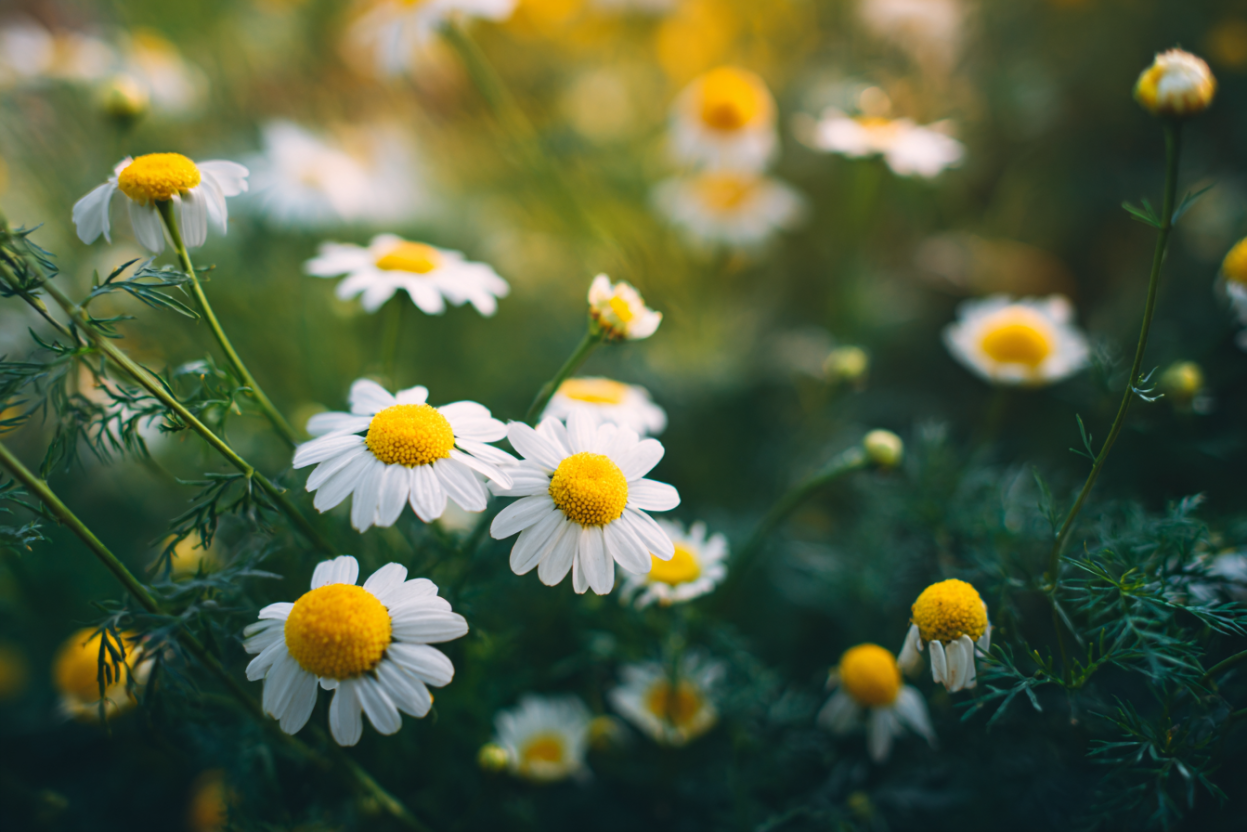
Chamomile (German Chamomile)
If you have ever lain awake at night, mind racing, body tense, wishing for rest that never seems to come — you are far from alone. Millions of people struggle with sleep, anxiety, and the quiet, chronic stress that slowly erodes the body from the inside out. For over three thousand years, human beings on every inhabited continent have reached for the same tiny, daisy-like flower when the body needed to be calmed and the spirit needed to be stilled.
Chamomile is one of the most generous gifts the Creator placed into the earth for our benefit. It grows easily, gives freely, asks for little, and offers its healing to anyone willing to slow down and receive it. From the golden flower heads to the apple-scented leaves, every part of this humble plant speaks to the care of a Designer who thought of everything — even the need for a good night’s sleep.
The Plant
Common Names: German Chamomile, Wild Chamomile, Hungarian Chamomile, Blue Chamomile, Scented Mayweed, Manzanilla, Camomilla, Kamille
Botanical Name: Matricaria chamomilla L. (syn. Matricaria recutita L., Chamomilla recutita (L.) Rauschert)
Family: Asteraceae (Compositae) — the daisy family, one of the largest flowering plant families on earth, also home to sunflowers, echinacea, calendula, and dandelion.
Description
German chamomile is a low-growing annual herb that reaches 10 to 80 cm (4 to 31 inches) tall, depending on soil and growing conditions. The stem is erect, smooth, branching freely toward the top, and carries an airy, feathery appearance. The leaves are bi- to tripinnate — finely divided into thread-like segments that give the plant a delicate, fern-like look. When brushed or crushed, the foliage releases a sweet, apple-like fragrance (the name “chamomile” derives from the Greek chamaimelon, meaning “earth apple”).
The flower heads are the star of the plant. Each one is a composite flower — a ring of 12 to 20 white ray florets surrounding a cone of tiny golden-yellow tubular disc florets. As the flower matures, the central cone becomes distinctly hollow and conical, which is one of the key identifiers distinguishing true German chamomile from look-alikes. The flowers typically appear from late spring through summer and emit the plant’s strongest, most medicinal aroma.
The root system is a thin, spindle-shaped taproot with fine lateral branching. Chamomile is not a demanding plant. It thrives in poor soil, tolerates drought, and self-seeds readily — a testament to its resilient design.
Origin
German chamomile is native to southern and eastern Europe and western Asia. It has naturalized across every continent except Antarctica. Wild populations flourish in temperate grasslands, roadsides, disturbed soils, and field margins across Europe, North Africa, and the Middle East. Through centuries of trade and cultivation, chamomile has spread to North and South America, Australia, and beyond. Today, major commercial production occurs in Egypt, Argentina, Germany, Hungary, the Czech Republic, and India.
Brief History
Chamomile is one of the oldest documented medicinal plants in human history. The ancient Egyptians dedicated it to their sun god and recorded its use in the Ebers Papyrus (circa 1550 BC) for treating fever and skin conditions. Greek physicians Hippocrates, Dioscorides, and Galen all prescribed chamomile for digestive complaints, fever, and inflammation. The Romans used it to flavor beverages, as incense, and in medicine.
Throughout medieval Europe, chamomile was a staple of monastery gardens — one of the nine sacred herbs listed in the Anglo-Saxon Lacnunga manuscript. It was known as the “plant’s physician” because herbs planted near chamomile seemed to grow healthier. From European folk medicine to Indian Ayurveda to Traditional Chinese Medicine, chamomile’s gentle power has been recognized across cultures and centuries — each observing the same truth embedded in the plant by its Creator.
Growing & Cultivation
Climate & Zones
German chamomile grows well in USDA Hardiness Zones 2 through 8, making it one of the most adaptable herbs available to North American gardeners. It thrives in temperate climates and actually prefers cooler growing conditions. In warmer zones (9+), chamomile performs best as a fall or winter crop. It can also be grown indoors on a sunny windowsill or under grow lights, making it accessible to apartment dwellers and those in extreme climates.
Soil Requirements
Chamomile prefers well-draining, sandy to loamy soil with a slightly acidic to neutral pH (5.6 to 7.5). Here is one of chamomile’s most remarkable traits — it actually thrives in poor, lean soil. Over-rich soil produces more foliage and fewer flowers, which is the opposite of what you want. If your soil is heavy clay, amend with sand or plant in raised beds. For containers, a standard potting mix with added perlite works well. Chamomile does not require heavy fertilization. A light compost application at planting is sufficient.
Water & Sunlight
Chamomile needs full sun (6+ hours daily) but tolerates partial shade, especially in hotter climates where afternoon shade prevents scorching. Water needs are moderate. Water regularly until established, then allow the top inch of soil to dry between waterings. Chamomile is reasonably drought-tolerant once established but produces more abundant flowers with consistent moisture. Overwatering and soggy soil will cause root rot — the primary way growers lose chamomile plants.
Propagation
Seed: The most common and easiest method. Chamomile seeds are tiny — nearly dust-like. Scatter seeds on the soil surface and press gently. Do NOT cover with soil, as the seeds need light to germinate. Germination occurs in 7 to 14 days at temperatures between 45°F and 68°F (7–20°C). Start seeds indoors 6 to 8 weeks before last frost, or direct sow after last frost. Chamomile self-seeds freely — once you plant it, you may have it for years.
Division: While German chamomile is an annual and does not divide like perennials, dense self-sown patches can be thinned and transplanted. Roman chamomile (Chamaemelum nobile), the perennial cousin, divides easily in spring or fall.
Planting
Space plants 6 to 8 inches apart. Thin seedlings when they reach 2 inches tall. Chamomile makes an excellent companion plant — it attracts beneficial insects (hoverflies, ladybugs, parasitic wasps) and has long been called “the plant’s physician” for its reputed ability to improve the health of neighboring plants. Plant near brassicas (cabbage, broccoli), onions, and cucumbers. Avoid planting near mint, which can overwhelm chamomile.
Harvesting
Harvest chamomile flowers when the white petals begin to curl back from the yellow center cone — this is when essential oil content peaks. The best time to harvest is mid-morning, after dew has dried but before the heat of the day volatilizes the essential oils. Pinch or snip flower heads from the stem. Regular harvesting encourages more blooms. A single plant can produce dozens of flowers over a 6 to 8 week blooming period. A chamomile rake (a wooden comb-like tool) makes harvesting faster for larger patches.
Drying & Storage
Spread freshly harvested flowers in a single layer on a screen or clean cloth in a warm, dry, well-ventilated area out of direct sunlight. Air drying takes 1 to 2 weeks. A food dehydrator set to 95–105°F (35–40°C) dries flowers in 12 to 24 hours while preserving essential oil content. Properly dried chamomile should be papery and fully dry to the touch. Store in airtight glass jars in a cool, dark place. Dried chamomile retains its potency for up to one year.
Pest & Disease Management
Chamomile is remarkably pest-resistant. Aphids are the most common pest — blast them off with a strong stream of water or use a dilute neem oil spray. Powdery mildew can occur in humid, poorly ventilated conditions — ensure adequate spacing and airflow. Chamomile’s strong scent naturally deters many pests, and its flowers attract predatory insects that control aphids, thrips, and mites in the surrounding garden.
Companion Planting
Chamomile is one of the best companion plants in the garden. It pairs well with cabbage, onions, cucumbers, wheat, and most herbs. Its shallow roots do not compete aggressively with neighbors, and the flowers attract pollinators and beneficial insects that protect the entire garden ecosystem. Avoid planting near mint (which is aggressive) or in excessively rich soil.
The Healing of Growing
Growing chamomile offers benefits beyond the harvest itself. The act of gardening — hands in soil, bare feet on earth, time spent outdoors — has been shown to reduce cortisol, improve mood, and support immune function. The soil contains beneficial bacteria (Mycobacterium vaccae) with documented antidepressant effects. When you grow your own chamomile, you receive healing before you ever consume it. The fragrance that rises when you brush against the plant, the warmth of the sun, the rhythm of tending and harvesting — these are themselves medicine, designed by the same Creator who designed the plant.
Research Reference: Lowry CA, et al. “Identification of an immune-responsive mesolimbocortical serotonergic system.” Proceedings of the National Academy of Sciences, 2007. (PubMed)
Nutritional Profile
While chamomile is not typically consumed as a food in large quantities, the flowers and tea made from them deliver a meaningful array of bioactive compounds. The nutritional value of chamomile lies less in macronutrients and more in its extraordinary phytonutrient and micronutrient density.
Macronutrients
Per 1 cup (237 mL) of brewed chamomile tea: approximately 2 calories, 0g protein, 0.5g carbohydrates, 0g fat, 0g fiber. Chamomile tea is essentially calorie-free, making it an ideal health beverage at any time of day.
Vitamins
Vitamin A (as carotenoids): Present in trace amounts. Supports vision, immune function, and skin integrity.
Folate: Small amounts present. Essential for DNA synthesis and cell division, particularly important during pregnancy and growth.
Choline: Trace amounts. Supports liver function, brain development, and nerve function.
Minerals
Potassium: 21mg (1% DV) — Supports heart rhythm, muscle contraction, and fluid balance. Helps counter the effects of sodium on blood pressure.
Calcium: 5mg (<1% DV) — Essential for bone health, muscle function, and nerve signaling.
Magnesium: 2mg (<1% DV) — Supports over 300 enzymatic reactions, muscle and nerve function, and blood sugar regulation.
Fluoride: 0.1mg — Supports dental health and bone mineralization.
Phytonutrients & Active Compounds
This is where chamomile truly shines. The flower heads contain over 120 identified bioactive compounds, including:
Apigenin — A flavonoid that is chamomile’s most researched compound. Apigenin binds to benzodiazepine receptors in the brain, producing calming and anxiolytic effects. Research suggests it modulates GABA receptor activity, contributing to chamomile’s well-known calming properties.
Chamazulene — A sesquiterpene formed during steam distillation of the essential oil, responsible for the oil’s distinctive blue color. It has potent anti-inflammatory properties, inhibiting the formation of leukotrienes — inflammatory compounds in the body.
Alpha-bisabolol — A sesquiterpene alcohol with anti-inflammatory, anti-irritant, antimicrobial, and skin-healing properties. Research indicates it enhances the absorption of other compounds through the skin.
Quercetin — A powerful flavonoid antioxidant that supports cardiovascular health, reduces inflammation, and has been studied for anti-allergic properties.
Luteolin — Another flavonoid with anti-inflammatory, antioxidant, and potential neuroprotective activity.
Patuletin & Matricin — Additional flavonoids and sesquiterpene lactones that contribute to chamomile’s anti-inflammatory profile.
Coumarins (herniarin, umbelliferone) — Compounds with documented antispasmodic, anti-inflammatory, and antimicrobial activity.
Nutrient Notes
Chamomile’s nutritional power is concentrated in its phytochemicals rather than traditional vitamins and minerals. The bioavailability of apigenin and other flavonoids is enhanced when consumed as a hot infusion (tea), as heat helps release and solubilize these compounds. Adding a small amount of fat (such as a splash of whole milk or coconut oil) may further improve absorption of fat-soluble terpenoids. Research confirms that chamomile flavonoids are absorbed through the gastrointestinal tract and can even penetrate the skin when applied topically.
Reference: USDA FoodData Central — Beverages, tea, herb, chamomile, brewed (USDA FDC)
Culinary Uses
Edible Parts
Flowers: The primary edible part. Used fresh or dried for tea, infusions, syrups, baking, and garnish. The flavor is sweetly floral with apple-like undertones.
Leaves: Edible but more bitter and less aromatic than the flowers. Can be added sparingly to salads or used in herb blends. Best used young and tender.
Flavor Profile
Chamomile has a gently sweet, apple-like, floral flavor with a slight honey undertone and a hint of grassiness. Fresh flowers are more delicate and nuanced than dried. The dried form intensifies the honey-apple sweetness. Chamomile has no bitterness when brewed properly (steeping too long or at too high a temperature can extract bitter notes). The flavor is mild to moderate in intensity — soothing rather than assertive.
Preparation
Tea/Infusion: The most common use worldwide. Pour hot (not boiling — about 200°F/93°C) water over 1 tablespoon of dried flowers (or 2 tablespoons fresh) per cup. Steep 5 to 10 minutes, covered, to retain volatile oils. Strain and enjoy plain, or with raw honey and a squeeze of lemon.
Baking & Desserts: Infuse cream, milk, or butter with chamomile flowers for use in custards, panna cotta, ice cream, shortbread, and cakes. The floral flavor pairs beautifully with vanilla, honey, lemon, and stone fruits.
Syrups: A simple chamomile syrup (equal parts sugar and chamomile tea, simmered until dissolved) elevates cocktails, lemonade, sparkling water, and drizzled desserts.
Infused oils and vinegars: Steep dried flowers in light olive oil or white wine vinegar for salad dressings with a delicate floral note.
Culinary Pairings
Chamomile pairs beautifully with: honey, lemon, lavender, vanilla, peaches, apricots, pears, berries, white chocolate, light fish, chicken, mild cheeses, almonds, cardamom, ginger, and mint. It complements Mediterranean, British, German, and Middle Eastern cuisines.
Storage
Fresh flowers should be used within 1 to 2 days or dried immediately. Dried chamomile stores best in airtight glass jars, away from heat and light, for up to 12 months. Freezing fresh flowers in ice cube trays (covered with water) preserves them for tea or cooking for up to 6 months.
Ready to cook with chamomile? View Recipes on Chefts →
Wellness & Therapeutic Uses
Traditional Uses
Chamomile may be the most universally recognized medicinal herb in human history. The Ebers Papyrus of ancient Egypt (circa 1550 BC) documents its use for fever and skin ailments. Greek physician Dioscorides (first century AD) prescribed it for intestinal, liver, and kidney disorders. Hippocrates recommended chamomile tea for fever. Roman naturalist Pliny the Elder documented its use for headaches and liver and kidney inflammation.
In Traditional Chinese Medicine (TCM), chamomile has been used to clear heat, calm the spirit, and soothe the liver — particularly for irritability, headaches, and eye inflammation. In Ayurvedic medicine, chamomile (known as babunah) is classified as a cooling, Pitta-pacifying herb used for digestive complaints, fever, and nervous tension. European folk medicine across Germany, England, France, and Eastern Europe made chamomile one of the most prescribed herbs for children’s ailments — colic, teething pain, restlessness, and digestive upset.
Native American traditions utilized wild chamomile species for digestive support, wound care, and calming nervous irritability. Throughout the Middle East, chamomile tea (babunaj) has been a household staple for soothing stomach pain, calming anxiety, and promoting sleep for centuries.
Modern Research
Anxiety & Stress: A randomized, double-blind, placebo-controlled trial at the University of Pennsylvania found that chamomile extract (220 mg standardized to 1.2% apigenin) significantly reduced symptoms of generalized anxiety disorder (GAD) compared to placebo. A follow-up long-term study (2016) confirmed that chamomile was safe and significantly reduced moderate-to-severe GAD symptoms over 38 weeks. (Amsterdam JD, et al., Journal of Clinical Psychopharmacology, 2009, USA — PubMed)
A 2024 systematic review of 10 clinical trials found that 9 out of 10 studies concluded chamomile was effective in reducing anxiety, with proposed mechanisms including modulation of GABA, serotonin, dopamine, and noradrenaline neurotransmission. (PMC)
Sleep Support: A 2024 systematic review and meta-analysis of clinical trials (772 participants) found that chamomile significantly improved sleep quality as measured by the Pittsburgh Sleep Quality Index (PSQI), with particular improvement in the number of nighttime awakenings. (Alanazi HM, et al., Phytotherapy Research, 2024 — PubMed)
Digestive Support: Chamomile has traditionally been one of the most widely used herbs for digestive complaints. Research indicates that its antispasmodic effects — primarily attributed to alpha-bisabolol and apigenin — may help relax smooth muscle in the gastrointestinal tract. Studies suggest chamomile may support healthy digestion, ease occasional bloating and gas, and soothe the stomach lining. Preclinical research indicates chamomile may inhibit Helicobacter pylori, the bacteria associated with stomach ulcers. (Srivastava JK, et al., Molecular Medicine Reports, 2010 — PMC)
Anti-inflammatory Activity: Chamomile’s anti-inflammatory action is well-documented. Its compounds — particularly chamazulene, alpha-bisabolol, and apigenin — inhibit cyclooxygenase-2 (COX-2) and reduce prostaglandin E2 production without affecting the constitutive COX-1 enzyme. This mechanism is similar to how many over-the-counter anti-inflammatory medications work, but through naturally occurring plant compounds. (Multiple studies reviewed in: PMC)
Blood Sugar Support: Clinical research suggests chamomile tea may support healthy blood sugar levels. A study in patients with type 2 diabetes found that consuming chamomile tea three times daily with meals for 8 weeks improved glycemic control and serum lipid profiles compared to water. (Rafraf M, et al., Journal of Endocrinological Investigation, 2015 — PubMed)
Wound Healing: Topical chamomile preparations have demonstrated wound-healing activity in animal and human studies. Research indicates that chamomile promotes faster epithelialization (skin closure) and reduces wound drying time compared to controls. Its antibacterial and anti-inflammatory properties support the wound healing environment.
Body Systems Supported
Nervous system: Chamomile’s primary domain. Supports calm, reduces nervous tension, promotes healthy sleep cycles, and may ease occasional headaches.
Digestive system: Soothes the stomach lining, supports healthy digestion, eases bloating and gas, relaxes intestinal smooth muscle.
Immune system: Research suggests chamomile tea consumption may support immune function. A study found increased urinary levels of hippurate (a marker of phenolic compound metabolism linked to antibacterial activity) in chamomile tea drinkers.
Integumentary (skin): Anti-inflammatory, antimicrobial, and wound-healing properties support skin health both internally and topically.
Endocrine system: May support healthy cortisol regulation and blood sugar metabolism.
Cardiovascular system: Quercetin and other flavonoids in chamomile have been associated with cardiovascular-protective antioxidant activity.
Respiratory system: Steam inhalation with chamomile has traditionally been used for congestion, sinusitis, and upper respiratory discomfort.
Body Compounds Affected
GABA (gamma-aminobutyric acid): Apigenin binds to benzodiazepine receptor sites on GABA-A receptors, modulating GABAergic activity. This is the primary proposed mechanism for chamomile’s calming and sleep-supporting effects. (Avallone R, et al., Biochemical Pharmacology, 2000)
Serotonin: Research suggests chamomile flavonoids may influence serotonin neurotransmission, contributing to mood support and the herb’s mild antidepressant properties.
Cortisol: Chamomile may modulate the hypothalamic-pituitary-adrenocortical (HPA) axis, supporting healthy cortisol regulation. A study found chamomile improved the cortisol slope — a biomarker for chronic stress — in people with generalized anxiety.
Dopamine & Norepinephrine: Evidence suggests chamomile constituents may affect dopaminergic and noradrenergic neurotransmission, though the exact mechanisms are still being clarified.
Prostaglandins (inflammatory markers): Chamomile inhibits prostaglandin E2 production via COX-2 inhibition, reducing inflammatory signaling.
Histamine: Chamomile’s anti-allergic properties include inhibition of histamine release from mast cells. Research showed chamomile extract inhibited mast cell degranulation by 73.3% in an allergy model.
Methods of Use
Tea/Infusion
The most traditional and accessible method. Use 1 tablespoon dried flowers per 8 oz hot water (200°F/93°C). Steep covered for 5–10 minutes. Drink 1–3 cups daily. For stronger therapeutic benefit, steep up to 15 minutes using 2 tablespoons of flowers.
Tincture
Chamomile tincture is made by extracting the flowers in alcohol (typically 40–60% ethanol) for 4–6 weeks. Typical dosage ranges from 1–4 mL (approximately 30–120 drops) taken 1–3 times daily, diluted in water. Tincture delivers a more concentrated dose of chamomile’s active compounds than tea.
Capsule/Powder
Standardized chamomile extract capsules (typically standardized to 1.2% apigenin) have been used in clinical trials at dosages of 220–1,500 mg daily. Powdered dried chamomile flowers can also be encapsulated at home. Follow product-specific dosage guidelines.
Poultice/Compress
A warm chamomile compress is made by soaking a cloth in strong chamomile tea and applying to the affected area. Traditionally used for skin inflammation, minor wounds, eye irritation (using cooled tea), and muscle tension.
This information is for educational purposes only and is not intended to diagnose, treat, cure, or prevent any disease. Always consult with a qualified healthcare provider before making changes to your health regimen.
Cosmetic & Beauty Uses
Skin Benefits
Chamomile is one of the most widely used botanical ingredients in cosmetic and dermatological formulations worldwide, and for good reason. Its anti-inflammatory, antioxidant, and antimicrobial properties make it beneficial for a broad range of skin concerns. Research has demonstrated that chamomile flavonoids and essential oils penetrate below the skin surface into deeper layers, making them effective topical anti-inflammatory agents. (Srivastava JK, et al., 2010)
Sensitive & Irritated Skin: Chamomile’s gentle anti-inflammatory action makes it ideal for sensitive, reactive skin. Its compounds soothe redness, calm irritation, and reduce inflammation associated with eczema, dermatitis, and rosacea. A clinical study found that topical chamomile cream (Kamillosan) was equivalent to hydrocortisone and superior to other anti-inflammatory agents for inflammatory dermatoses.
Aging & UV Protection: The polyphenols and antioxidants in chamomile may help protect skin from UV-induced damage and support collagen integrity. Research suggests chamomile’s antioxidant activity helps neutralize free radicals that contribute to premature aging.
Wound Healing & Scarring: Chamomile has been studied for its ability to accelerate wound closure and reduce scarring. Its antimicrobial properties also help maintain a clean wound environment.
Acne-Prone Skin: The antibacterial and anti-inflammatory properties of chamomile may help reduce acne breakouts and calm associated redness and swelling.
Hair Benefits
Chamomile has been used for centuries as a natural hair lightener and conditioner. Regular rinses with chamomile tea can gradually brighten and add golden highlights to light brown and blonde hair. Beyond cosmetic lightening, chamomile soothes an irritated scalp, helps manage dandruff through its anti-inflammatory and antimicrobial activity, and adds shine and softness to all hair types. Chamomile-infused oil massaged into the scalp promotes circulation and may support healthy hair growth.
Application Methods
Chamomile-infused oil: Fill a jar with dried chamomile flowers, cover with a carrier oil (jojoba, sweet almond, or olive), and let steep for 2–4 weeks in a warm spot, shaking daily. Strain and use as a facial oil, body oil, or massage oil.
Face steam: Add a handful of dried chamomile to a bowl of hot water, drape a towel over your head, and steam for 5–10 minutes. Opens pores, delivers anti-inflammatory compounds, and creates a calming aromatic experience.
Toner: Brew a strong chamomile tea, cool completely, and apply with a cotton pad as a gentle, calming facial toner. Store in the refrigerator for up to one week.
Bath soak: Add 1–2 cups of strong chamomile tea or a large muslin bag of dried flowers to warm bath water for full-body skin soothing.
Hair rinse: Brew 4 tablespoons of dried chamomile in 2 cups of boiling water. Cool, strain, and use as a final rinse after shampooing.
DIY Formulation Notes
Chamomile-infused oil can be used at 5–30% in face oils and body products. Chamomile hydrosol can replace water in formulations at up to 100%. Chamomile pairs beautifully with lavender, calendula, rose, and oat extract for sensitive skin formulations. Avoid combining chamomile essential oil with retinoids or strong chemical exfoliants, as sensitized skin may react. Homemade chamomile preparations (oil infusions, toners) should be used within 1–2 weeks or preserved with a natural preservative system.
Chamomile is among the botanicals being explored for holistic cosmetic applications, where the wisdom of traditional beauty practices meets modern understanding of skin science.
Essential Oil Profile
Extraction
German chamomile essential oil is obtained primarily through steam distillation of the fresh or dried flower heads. The oil yield is relatively low — approximately 0.2% to 0.4% by weight — meaning it takes roughly 200 to 500 pounds of flowers to produce one pound of essential oil, which contributes to its higher price point. CO2 extraction is also used and produces a richer, more complete aromatic profile that more closely resembles the fresh flower scent. The oil is a deep, ink-like blue color due to the presence of chamazulene, which forms during the distillation process from the precursor compound matricin.
Chemical Constituents
Alpha-bisabolol (up to 50%): A sesquiterpene alcohol. Anti-inflammatory, skin-soothing, antimicrobial, enhances percutaneous absorption of other compounds.
Alpha-bisabolol oxides A & B (10–25%): Anti-inflammatory and antispasmodic.
Chamazulene (1–15%): A sesquiterpene responsible for the oil’s blue color. Potent anti-inflammatory — inhibits leukotriene synthesis. Antioxidant.
Trans-beta-farnesene (5–15%): A sesquiterpene with anti-inflammatory properties.
Matricin: Precursor to chamazulene. Anti-inflammatory, present in the raw plant material.
Apigenin: While not volatile and thus present in low concentrations in the essential oil, apigenin’s presence in the whole flower is a key therapeutic contributor.
Oxides (bisabolol oxide A, bisabolone oxide A): Anti-inflammatory, wound-healing.
Aroma Profile
German chamomile essential oil is classified as a middle note in aromatherapy blending. The scent is herbaceous, warm, sweet, and slightly fruity — reminiscent of sweet straw and apples with a rich, almost tobacco-like depth. The blue color oil has a heavier, more medicinal aroma than the lighter CO2 extract. It blends well with lavender, clary sage, geranium, bergamot, neroli, ylang ylang, rosemary, marjoram, and frankincense.
Therapeutic Properties
Using compliant language based on available research, German chamomile essential oil has been associated with the following properties: anti-inflammatory, antispasmodic, calming, analgesic (pain-soothing), antimicrobial, vulnerary (wound-healing), antipruritic (anti-itch), and skin-soothing.
How to Use
Diffusion
Add 3–5 drops to an ultrasonic diffuser for calming, stress-reducing aromatherapy. Diffuse for 30–60 minutes in the evening to support relaxation and sleep preparation. Chamomile blends well with lavender (3 drops chamomile, 3 drops lavender) for a deeply calming bedtime blend.
Topical Application
Standard adult dilution (2–3%): 12–18 drops per 1 oz (30 mL) carrier oil. Sensitive skin (1%): 6 drops per 1 oz. Children over 2 (0.5–1%): 3–6 drops per 1 oz. Elderly (1–2%): 6–12 drops per 1 oz. Best carrier oils for chamomile include jojoba, sweet almond, coconut (fractionated), and rosehip seed. Apply to temples, wrists, soles of feet, or abdomen (for digestive support).
Quality & Sourcing
Look for: GC/MS (gas chromatography-mass spectrometry) testing, which verifies the chemical composition and purity. The oil should be deep blue — if it is clear or light, it may be adulterated or a different species. Look for the Latin name Matricaria chamomilla or Matricaria recutita on the label (not Chamaemelum nobile, which is Roman chamomile — a different oil with different chemistry). Adulteration with synthetic bisabolol or blue dye is common in cheaper oils. Purchase from companies that provide batch-specific testing results.
Blending
For calm & sleep: Chamomile + Lavender + Cedarwood (equal parts).
For skin soothing: Chamomile + Frankincense + Helichrysum (2:1:1 ratio in carrier oil).
For digestive comfort: Chamomile + Peppermint + Ginger (2:1:1, applied topically to abdomen in carrier oil).
For muscle tension: Chamomile + Marjoram + Lavender (equal parts in carrier oil).
Aromatherapy & Scent
The Aroma
The living chamomile plant emits a distinctive, sweet, apple-like fragrance that intensifies when the foliage or flowers are touched or brushed. The scent is strongest during peak bloom on warm, sunny mornings. After a rain, the garden fills with a gentle, green-apple sweetness. Fresh chamomile flowers, crushed between the fingers, release a brighter, more complex aroma than their dried counterpart — with grassy, herbaceous, and honey notes dancing beneath the apple sweetness.
Dried chamomile takes on a deeper, more concentrated character — less green, more hay-like and honeyed, with the apple note becoming the dominant feature. Properly dried chamomile retains its scent for 6 to 12 months. Even opening a jar of dried chamomile fills a room with its calming presence.
How Scent Affects Your Body
When you smell chamomile, volatile aromatic molecules are released from the plant and drawn into the nasal passages with each breath. These molecules bind to olfactory receptor neurons in the upper nasal cavity. These receptors send electrical signals directly to the olfactory bulb, which connects to the limbic system — the emotional center of the brain — and the hypothalamus, which governs hormone production. This pathway bypasses the analytical cortex entirely. Before your conscious mind decides how it feels about the scent, your body has already begun responding — heart rate slowing, muscle tension releasing, stress hormones beginning to downregulate. This is why simply smelling chamomile can begin to calm you before you ever drink a cup of tea.
Emotional & Mood Effects
Smelling chamomile typically produces feelings of calm, relaxation, comfort, and gentle ease. Research has shown that chamomile aroma may reduce anxiety, promote emotional stability, decrease agitation, and support a peaceful transition to sleep. It is grounding without being sedating — calming without causing drowsiness in daytime use. Many people report that the scent evokes feelings of warmth, safety, and nostalgia — as if wrapped in a comforting blanket.
Body Compounds Affected
Inhalation of chamomile’s aromatic compounds has been associated with modulation of several body compounds: cortisol (may lower levels, supporting stress reduction), GABA (apigenin’s interaction with GABA receptors contributes to calming effects), serotonin (aromatic exposure may support serotonin pathways), and norepinephrine (may reduce sympathetic nervous system activation). A study found that inhaling chamomile oil increased comfortable feelings and decreased specific brainwave patterns (alpha 1 at parietal and temporal regions) associated with alertness.
Ways to Experience the Scent
Beyond essential oil diffusion, there are many ways to experience chamomile’s calming aroma: grow the plant on a windowsill and brush the leaves when you pass by; place fresh cut stems in a vase by your bedside; crush a few fresh flowers and hold them near your face while breathing deeply; tuck dried chamomile sachets into your pillowcase or linen closet; simmer a handful of dried flowers in a pot of water on the stove for a gentle room fragrance; add fresh or dried flowers to a warm bath; or simply hold a warm cup of chamomile tea close to your face and inhale before drinking.
Color Therapy
The Colors of Chamomile
Chamomile presents a beautiful, simple color palette. The flowers feature bright white ray petals surrounding a golden-yellow central cone. The foliage is a fresh, bright green — finely divided and delicate. As flowers mature, the yellow cone deepens to a richer gold. The overall visual impression of a chamomile patch is one of cheerful simplicity — white and gold dancing above soft green.
Color Wavelengths
Yellow (570–590nm): The dominant color of the flower center, yellow light falls in the mid-range of the visible spectrum. White (full spectrum): The petals reflect all wavelengths of visible light, providing full-spectrum exposure. Green (495–570nm): The foliage provides the calming, balancing wavelength of green light.
How Chamomile’s Colors Affect the Body
According to color therapy principles, the yellow of chamomile’s center is associated with mental clarity, optimism, confidence, and digestive stimulation — the solar plexus chakra in energetic traditions. White is associated with purification, clarity, and full-spectrum balance — providing a cleansing, resetting influence. Green is the color of balance, calm, and heart-centered healing — the most restful color for the eyes and nervous system. Together, chamomile’s color profile mirrors its therapeutic profile: calming (green), clarifying (yellow), and purifying (white).
Body Compounds Affected
Exposure to green wavelengths has been associated with reduced cortisol levels and lowered sympathetic nervous system activity. Yellow wavelengths may stimulate mental alertness and support digestive function. Full-spectrum white light supports healthy circadian rhythm and serotonin production. Having chamomile plants in your living or working environment provides passive exposure to these therapeutic wavelengths throughout the day.
Using Chamomile for Color Therapy
Place a pot of living chamomile on a sunny kitchen windowsill where you see it each morning. Set a vase of fresh chamomile flowers on your desk or dining table. Grow a chamomile border along a garden path you walk daily. The simple visual presence of these white-and-gold flowers against green foliage provides a gentle, ongoing dose of color therapy — calming the nervous system and lifting the spirit through the eyes.
Frequency & Vibration
The Frequency of Chamomile
According to bio-frequency research conducted by Bruce Tainio using the BT3 Frequency Monitoring System, German chamomile essential oil has been measured at approximately 105 MHz. This places chamomile in the higher range of essential oil frequencies — notably higher than the reported healthy human body range of 62–78 MHz and substantially higher than the frequencies at which disease onset is reported (below 58 MHz).
For context, fresh herbs have been measured at 20–27 MHz, dried herbs at 12–22 MHz, and processed foods at near-zero measurable frequency. Essential oils — being highly concentrated plant extracts — register the highest frequencies among natural substances, with chamomile ranking alongside myrrh (105 MHz) and well above many commonly used oils.
Human Frequency Interaction
According to proponents of vibrational medicine, when a substance with a higher frequency comes into contact with a lower-frequency body, the principle of entrainment suggests that the lower frequency may rise to match the higher one. Being in the presence of high-frequency plants — and especially applying or inhaling their concentrated essential oils — may support the body’s natural vibrational state. Chamomile’s measured frequency of 105 MHz is well above the typical human range, suggesting it may be particularly supportive for maintaining or elevating personal frequency.
Essential Oil Frequency
German chamomile essential oil at 105 MHz falls in what frequency researchers classify as the “spiritual frequency” range (oils above 92 MHz). These higher-frequency oils are said to influence emotional and spiritual wellbeing, while lower-frequency oils (below 92 MHz) are thought to primarily affect physical processes. This aligns with chamomile’s traditional reputation as a calming, emotionally soothing, and spiritually grounding plant.
Vibrational Applications
To support personal frequency using chamomile: diffuse the essential oil during prayer, meditation, or rest; apply diluted oil to pulse points before entering stressful environments; keep a living chamomile plant in your home; brew fresh chamomile tea mindfully, savoring the aroma before drinking; and combine with other high-frequency practices such as gratitude, worship, and time in nature.
Important note: Frequency measurements of essential oils and human bodies are based on research that is still emerging and not universally accepted in mainstream science. The claims above are drawn from the work of Bruce Tainio and proponents of vibrational medicine. Readers are encouraged to explore this research and draw their own conclusions.
The Living Plant
Benefits of Presence
Simply being around living chamomile — whether a pot on your windowsill or a patch in your garden — offers therapeutic benefits beyond any extraction or consumption. The visual presence of green, growing things has been shown to reduce stress, lower blood pressure, improve mood, and enhance cognitive function. Chamomile, with its cheerful white-and-gold flowers and gentle apple fragrance, multiplies these benefits by engaging multiple senses simultaneously — sight, smell, and touch.
Research in biophilic design confirms that humans are hardwired to respond positively to natural elements in their environment. Patients in hospital rooms with views of plants and nature recover faster, require less pain medication, and report better emotional states than those in plant-free environments. Having chamomile — a plant associated with calm and comfort across cultures — in your personal space extends these benefits into daily life.
Air Purification
While chamomile was not included in the original NASA Clean Air Study, all green plants contribute to indoor air quality through photosynthesis — absorbing carbon dioxide and releasing oxygen. Chamomile also releases phytoncides (volatile antimicrobial compounds) that may help purify the surrounding air of certain bacteria and mold spores. Indoor chamomile plants contribute modestly to humidity regulation through transpiration, which can benefit dry indoor environments during winter months.
Phytoncides
Chamomile releases volatile organic compounds — including components of its essential oil — into the surrounding air. These phytoncides have documented antimicrobial properties. While the concentration from a single potted plant is modest, the compounds are detectable in a small room. Research on forest bathing (shinrin-yoku) has demonstrated that phytoncides from plants increase natural killer (NK) cell activity in humans, supporting immune surveillance. Growing aromatic herbs like chamomile indoors creates a miniature version of this forest-bathing effect.
Visual & Psychological Benefits
According to Attention Restoration Theory (ART), exposure to natural environments — including indoor plants — restores mental fatigue and improves focus. The gentle, non-demanding visual quality of chamomile (soft colors, fine texture, small flowers) provides what researchers call “soft fascination” — engaging attention without requiring effort, allowing the mind to rest and restore. Studies in workplace settings show that employees with plants in their environment report higher productivity, lower stress, and greater job satisfaction.
Growing Indoors vs Outdoors
German chamomile can be grown indoors successfully on a bright, south-facing windowsill receiving 4–6 hours of direct light, or under full-spectrum grow lights for 12–14 hours daily. Use a well-draining pot with sandy-loamy soil. Indoor chamomile tends to be leggier and produce fewer flowers than outdoor plants, but still provides the aromatic and visual benefits. Outdoors, chamomile thrives in garden beds, borders, containers on patios, herb spirals, and even in cracks in pavement — its adaptability is a quiet miracle of design.
Touch & Physical Interaction
Gardening Therapy
Working with chamomile plants — sowing the tiny seeds, thinning seedlings, watering, weeding, and harvesting — is a form of horticultural therapy, an established therapeutic discipline used in hospitals, rehabilitation centers, and mental health programs worldwide. The rhythmic, purposeful movements of gardening reduce cortisol, improve mood, provide gentle physical exercise, and create a meaningful connection between the gardener and the earth. Chamomile, as an easy-to-grow, fast-rewarding plant, is particularly well-suited to therapeutic gardening.
Soil Contact Benefits
When you garden barefoot or with bare hands in soil, you benefit from grounding (earthing) — the transfer of electrons from the earth’s surface into your body. Research suggests this may reduce inflammation, improve sleep, and normalize cortisol rhythms. Additionally, the soil bacterium Mycobacterium vaccae has been shown to activate serotonin-producing neurons in the brain, producing measurable antidepressant effects. Every time you dig in the dirt to plant or tend your chamomile, you are literally absorbing medicine from the soil itself.
The Tactile Experience
Chamomile offers a uniquely pleasant tactile experience. The leaves are feathery and soft — running your fingers through them releases fragrance and provides a gentle sensory experience. The flowers are silky-soft to the touch, with a slight give as the hollow cone compresses gently between fingers. Harvesting chamomile is a meditative, repetitive act — pinch and pluck, pinch and pluck — that naturally draws the mind into the present moment. The fragrance released during handling amplifies the calming effects.
Harvesting & Processing
The act of harvesting chamomile is therapeutic in itself. The repetitive motion of picking dozens of small flower heads creates a walking meditation — eyes scanning, fingers moving, breath deepening with each wave of released fragrance. Processing chamomile — spreading flowers on drying screens, checking their progress daily, rubbing dried flowers between your palms to store, filling jars — connects you to a rhythm of provision and preparation that humans have practiced for millennia. There is a deep satisfaction in filling a jar with your own dried chamomile, knowing you grew, harvested, and preserved this gift with your own hands.
Water-Based Applications
Teas & Infusions
Standard Infusion: Place 1 tablespoon of dried chamomile flowers (or 2–3 tablespoons fresh) in a cup or teapot. Pour 8 oz of hot water (200°F/93°C — just below boiling). Cover and steep for 5–10 minutes. Strain and drink. For stronger therapeutic benefit, increase to 2 tablespoons dried flowers and steep for 10–15 minutes.
Cold Infusion: Place 2 tablespoons of dried chamomile in a jar with 2 cups of room-temperature water. Cover and refrigerate for 8–12 hours (overnight). Strain and drink cold. Cold infusion produces a milder, sweeter flavor and preserves delicate volatile compounds that hot water may volatilize.
Dosage: 1–3 cups daily for general wellness support. May be consumed in the morning (for digestive support), afternoon (for stress support), or evening (for sleep support). Chamomile tea is caffeine-free and safe for most adults at these levels.
Herbal Baths
Chamomile baths are one of the oldest water-based applications. Add 1–2 cups of strong chamomile tea (or place 1 cup of dried flowers in a muslin bag) to a warm bath (98–102°F / 37–39°C). Soak for 15–20 minutes. The warm water opens pores and allows chamomile’s anti-inflammatory and skin-soothing compounds to absorb through the skin while the steam carries aromatic molecules into the respiratory passages. Traditionally used for skin irritation, muscle tension, menstrual discomfort, restlessness in children, and general stress relief. A chamomile foot bath offers similar benefits in a more accessible format — soak feet in warm chamomile tea for 15–20 minutes.
Hydrosols
Chamomile hydrosol (also called floral water or distillate water) is the aromatic water left over after steam distillation of essential oil. It contains water-soluble aromatic compounds in much gentler concentrations than the essential oil. German chamomile hydrosol is widely available and can be used as a facial toner, body spray, pillow mist, or added to bathwater. It is gentle enough for use on babies and children (for diaper rash, fussiness, and minor skin irritation). It can replace water in homemade skincare formulations.
Compresses
Warm Compress: Soak a clean cloth in warm, strong chamomile tea. Wring out and apply to the affected area for 15–20 minutes. Repeat 2–3 times daily. Used for muscle tension, abdominal discomfort, joint stiffness, and minor skin inflammation.
Cool Compress: Use cooled chamomile tea on a clean cloth. Apply to eyes for puffiness and irritation, or to sunburned skin for soothing relief. The anti-inflammatory properties of chamomile combined with the cooling effect of the compress provide comfort and support healing.
Steam Inhalation
Add 2–3 tablespoons of dried chamomile flowers (or 5–8 drops of essential oil) to a large bowl of steaming hot water. Drape a towel over your head and the bowl, creating a tent. Breathe deeply through the nose for 5–10 minutes. Traditionally used for sinus congestion, upper respiratory discomfort, and for the calming aromatic effects. The warm, moist steam helps deliver chamomile’s volatile compounds directly to the respiratory mucous membranes and olfactory receptors. Use caution to avoid burns — keep your face at least 12 inches from the water surface.
Hair Rinses
Brew 4 tablespoons of dried chamomile in 2 cups of boiling water. Steep for 30 minutes, then strain and cool. After shampooing, pour the rinse through the hair as a final step. Leave in (do not rinse out) for maximum benefit. Chamomile hair rinses soothe the scalp, add shine and softness, and gradually lighten fair hair over repeated use. The anti-inflammatory and antimicrobial properties also help manage dandruff and scalp irritation.
Historical, Cultural & Biblical Significance
Biblical References
Chamomile is not directly mentioned by name in Scripture. However, the Asteraceae family and aromatic healing herbs were well-known in the biblical world. The Holy Land’s flora includes native chamomile species, and the principle of God providing healing plants is woven throughout Scripture. Genesis 1:29 establishes: “And God said, Behold, I have given you every herb bearing seed, which is upon the face of all the earth, and every tree, in the which is the fruit of a tree yielding seed; to you it shall be for meat.” (KJV) Ezekiel 47:12 speaks of trees whose “leaf thereof shall be for medicine.” (KJV) Chamomile, as one of humanity’s most ancient and widely used healing herbs, fits squarely within the Creator’s provision described in these passages.
Ancient Civilizations
Ancient Egypt: Chamomile was one of the herbs dedicated to their sun god and recorded in the Ebers Papyrus (circa 1550 BC) — one of the oldest surviving medical texts. Egyptian women used chamomile cosmetically for the skin, and it was used medicinally for fever, ague (chills), and as part of the embalming process.
Ancient Greece: Hippocrates, the father of Western medicine (circa 460–370 BC), prescribed chamomile tea for fever. Dioscorides (circa 40–90 AD), in his foundational work De Materia Medica, documented chamomile for intestinal, nervous, and liver disorders. The Greek name chamaimelon (“earth apple”) gave us the modern name “chamomile.”
Ancient Rome: Pliny the Elder (23–79 AD) wrote extensively about chamomile’s applications for headaches, kidney, liver, and bladder disorders. Roman soldiers used chamomile in baths for recovery after battle. The plant was also used as incense and as a strewing herb for floors.
Eastern Traditions
Traditional Chinese Medicine: Chamomile (菊花, jú huā — closely related chrysanthemum species, with German chamomile introduced later) has been used in TCM to clear heat from the liver, brighten the eyes, calm the spirit, and relieve headache and dizziness. These traditional Chinese healers observed the same calming, cooling properties that modern science now attributes to chamomile’s interaction with GABA receptors and inflammatory pathways.
Ayurveda: Known as babunah or babuna, chamomile is classified as a cooling herb that pacifies Pitta dosha (the fire element). Ayurvedic practitioners have used it for fever, digestive upset, nervous tension, menstrual pain, and skin inflammation. The ancient Indian healers documented what God had placed in the plant — and their observations remain validated by contemporary research.
Indigenous Knowledge
Native American Medicine: Several Native American tribes utilized wild chamomile species (including Matricaria discoidea, pineapple weed) for digestive complaints, fever, colic in babies, and as a calming tea. The Cherokee, Blackfoot, and other nations recognized chamomile’s gentle healing power and passed this knowledge through generations of oral tradition.
Middle Eastern Medicine: Throughout the Arab world, chamomile tea (babunaj) has been a household medicinal staple for centuries — used for stomach pain, menstrual cramps, childhood colic, insomnia, and nervous tension. The Unani medical tradition (Greco-Arab medicine) classified chamomile as warm and dry, useful for removing obstructions, strengthening the stomach, and calming the nerves.
European Heritage
Chamomile was one of the nine sacred herbs of the Anglo-Saxon Lacnunga manuscript (10th century). Throughout the medieval period, European monastery gardens — the primary centers for preserving botanical and medical knowledge through the Dark Ages — cultivated chamomile as an essential medicinal plant. The great herbalists documented it extensively: Nicholas Culpeper (1653) described chamomile as a remedy for “all sorts of agues,” jaundice, and colic. John Gerard (1597) praised its use for weariness and digestive complaints. In German folk medicine, chamomile became so central that it is still called alles zutraut — “capable of anything.”
These cultures — Egyptian, Greek, Roman, Chinese, Indian, Native American, European — all observed the same truths about chamomile. They documented what worked. While they may not have known the Creator by name, they were observing His design — and their observations align with what modern research now confirms about chamomile’s properties.
Cultural Symbolism
Chamomile has symbolized patience, calm, and humility across European cultures — the “herb of humility” that thrives when stepped upon (in the case of Roman chamomile, used as a lawn plant, which releases fragrance when walked on). In the Victorian language of flowers, chamomile represented “patience in adversity.” In traditional wedding customs across parts of Europe and the Middle East, chamomile has been included in bridal bouquets and celebrations as a symbol of new beginnings and domestic peace.
Safety & Precautions
Contraindications
Chamomile should be used with caution by individuals with known allergies to plants in the Asteraceae/Compositae family (ragweed, chrysanthemums, marigolds, daisies). Anaphylactic reactions, though rare, have been documented. Those scheduled for surgery should discontinue chamomile at least 2 weeks prior, as it may have mild blood-thinning effects and interact with anesthesia.
Drug Interactions
Blood thinners (warfarin, heparin, aspirin): Chamomile contains coumarin compounds and has demonstrated antiplatelet activity. It may increase the risk of bleeding when combined with anticoagulant medications.
Sedatives & benzodiazepines: Due to chamomile’s interaction with GABA receptors and its calming effects, it may potentiate the effects of sedative medications, potentially causing excessive drowsiness.
Diabetes medications: Chamomile may lower blood sugar levels. When combined with diabetes medications, blood sugar should be monitored closely to avoid hypoglycemia.
CYP450 enzyme substrates: Chamomile may inhibit CYP1A2 and CYP3A4 enzymes, potentially affecting the metabolism of drugs processed through these pathways. Consult a pharmacist or physician if you take medications metabolized by these enzyme systems.
Cyclosporine and other immunosuppressants: Chamomile may interact with these medications. Consult your healthcare provider.
Pregnancy & Nursing
Chamomile tea in moderate amounts (1–2 cups daily) is generally considered safe during pregnancy by many practitioners. However, chamomile has historically been classified as an emmenagogue (a substance that may stimulate menstrual flow), and some clinical trials have raised concerns about chamomile consumption during pregnancy leading to adverse outcomes. Concentrated chamomile supplements and essential oil should be avoided during pregnancy. Not recommended during pregnancy or breastfeeding in concentrated supplement form without guidance from a qualified healthcare provider. Mild chamomile tea in moderation during breastfeeding is generally considered safe.
Children
Mild chamomile tea is one of the most traditional children’s remedies and is generally considered safe for children over age 2 in dilute form (half-strength tea). For infants and children under 2, consult a pediatric healthcare provider before use. Chamomile essential oil should be used at reduced dilution (0.5–1%) and only on children over age 2. Keep essential oil out of reach of children. Never apply undiluted essential oil to a child’s skin.
Elderly
Chamomile is generally well-tolerated by older adults. However, due to potential interactions with commonly prescribed medications (blood thinners, sedatives, diabetes medications), elderly individuals should consult their healthcare provider before adding chamomile to their routine, especially in supplement form. Start with lower doses and monitor for any adverse effects.
Pets
Dogs: Toxic — Use with caution. According to the ASPCA, chamomile is classified as toxic to dogs. The plant contains volatile oils (bisabolol, chamazulene), anthemic acid, and tannic acid that can cause contact dermatitis, vomiting, diarrhea, and anorexia. Small, controlled doses under veterinary supervision are sometimes used therapeutically, but the plant itself should be kept away from dogs.
Cats: Toxic — Avoid. Cats are particularly sensitive to chamomile. The ASPCA lists chamomile as toxic to cats. Even small amounts can cause vomiting, diarrhea, and allergic reactions. Long-term exposure can lead to bleeding tendencies. Keep chamomile plants, teas, and essential oils away from cats.
Horses: Toxic. The ASPCA lists chamomile as toxic to horses, with similar clinical signs as dogs and cats.
If you suspect your pet has ingested chamomile, contact your veterinarian or the ASPCA Animal Poison Control Center at (888) 426-4435 immediately.
Allergies & Sensitivities
Individuals allergic to ragweed, chrysanthemums, marigolds, or other Asteraceae family plants may experience cross-reactivity with chamomile. Allergic reactions can include contact dermatitis (skin rash upon touch), respiratory reactions (sneezing, congestion upon inhalation), and in rare cases, anaphylaxis. Always perform a patch test before applying chamomile topically for the first time: apply a small amount of diluted chamomile to the inner forearm, cover, and wait 24 hours. Discontinue if redness, itching, or swelling occurs.
Dosing Guidelines
Tea: 1–3 cups daily (1–2 tablespoons dried flowers per cup). Standardized extract capsules: 220–1,500 mg daily (as used in clinical trials), typically divided into 2–3 doses. Tincture: 1–4 mL (30–120 drops), 1–3 times daily. Essential oil (topical): 2–3% dilution for adults. Chamomile is generally safe for long-term use at dietary tea levels. Concentrated supplements should be used for defined periods with breaks, unless otherwise directed by a healthcare provider.
Quality & Sourcing
Purchase chamomile from reputable suppliers who provide third-party testing for purity, pesticide residues, and heavy metal contamination. Chamomile is one of the most commonly adulterated herbs — look for the correct Latin name (Matricaria chamomilla or Matricaria recutita for German chamomile). Organic certification reduces pesticide exposure. Whole dried flowers are preferable to pre-bagged tea, which may contain lower-quality material and lose potency faster.
Signs of Adverse Reaction
Mild reactions: Skin rash, mild nausea, or drowsiness. Discontinue use and monitor. Serious reactions requiring medical attention: Difficulty breathing, swelling of the face or throat, severe skin reaction, excessive bleeding or bruising, or severe abdominal pain. Seek emergency medical care immediately.
Disclaimer
This information is for educational purposes only. It is not intended to diagnose, treat, cure, or prevent any disease. Always consult with a qualified healthcare provider before using any herbal product, especially if you are pregnant, nursing, taking medications, or have a medical condition. If you experience any adverse reaction, discontinue use immediately and seek medical attention.
Want Personalized Guidance?
Every body is unique. What works for one person may not be right for another. If you’d like personalized support in incorporating chamomile into your wellness journey, consider working with a qualified practitioner who can assess your individual needs.
Sources & References
Peer-Reviewed Studies
- A review of the bioactivity and potential health benefits of chamomile tea (Matricaria recutita L.) – Phytotherapy Research, 2006, USA
- Chamomile: A herbal medicine of the past with bright future – Molecular Medicine Reports, 2010, USA
- Chamomile (Matricaria chamomilla L.): An overview – Pharmacognosy Reviews, 2011, India
- Chamomile (Matricaria chamomilla L.): A Review of Ethnomedicinal Use, Phytochemistry and Pharmacological Uses – Life, 2022, Morocco
- Chamomile: A Review of Its Traditional Uses, Chemical Constituents, Pharmacological Activities and Quality Control Studies – Molecules, 2022, China
- A randomized, double-blind, placebo-controlled trial of oral Matricaria recutita (chamomile) extract therapy for generalized anxiety disorder – Journal of Clinical Psychopharmacology, 2009, USA
- Long-Term Chamomile Therapy of Generalized Anxiety Disorder: A Study Protocol for a Randomized, Double-Blind, Placebo-Controlled Trial – Contemporary Clinical Trials, 2014, USA
- The Effect of Oral Chamomile on Anxiety: A Systematic Review of Clinical Trials – Clinical Nutrition Research, 2024, Iran
- Effects of chamomile (Matricaria chamomilla L.) on sleep: A systematic review and meta-analysis of clinical trials – Phytotherapy Research, 2024, Iran
- Preliminary examination of the efficacy and safety of a standardized chamomile extract for chronic primary insomnia – BMC Complementary and Alternative Medicine, 2011, USA
- Apigenin, a component of Matricaria recutita flowers, is a central benzodiazepine receptors-ligand with anxiolytic effects – Journal of Pharmacology, 1995, Argentina
- Pharmacological profile of apigenin, a flavonoid isolated from Matricaria chamomilla – Biochemical Pharmacology, 2000, Italy
- A systematic review study of therapeutic effects of Matricaria recuitta chamomile – Electronic Physician, 2016, Iran
- Essential Oil of Matricaria chamomilla Alleviate Psoriatic-Like Skin Inflammation – Journal of Inflammation Research, 2024, China
- Evidence of dermatological effects of chamomile – Hautarzt, 2011, Germany
- A Comprehensive Study of Therapeutic Applications of Chamomile – Pharmaceuticals, 2022, India/Italy
- Effectiveness of chamomile tea on glycemic control and serum lipid profile in patients with type 2 diabetes – Journal of Endocrinological Investigation, 2015, Iran
- Identification of an immune-responsive mesolimbocortical serotonergic system: role of Mycobacterium vaccae – Proceedings of the National Academy of Sciences, 2007, UK
Traditional Medicine Sources
- Matricariae flos — European Medicines Agency herbal monograph – EMA, EU
- Anti-Inflammatory and Skin Barrier Repair Effects of Topical Application of Some Plant Oils – International Journal of Molecular Sciences, 2018, Multiple countries
Institutional Sources
- USDA FoodData Central — Chamomile Tea, brewed – USDA, USA
- ASPCA Toxic and Non-Toxic Plants: Chamomile – ASPCA, USA
Historical References
- Dioscorides, De Materia Medica, circa 50-70 AD, Greece — the foundational Western herbal text documenting chamomile uses
- Culpeper, Nicholas, The Complete Herbal, 1653, England — comprehensive documentation of chamomile in English herbalism
- The Ebers Papyrus, circa 1550 BC, Egypt — one of the earliest records of chamomile in medicine