Elderflower (Sambucus nigra)
If you have ever dreaded the changing of seasons because it means another round of congestion, sniffles, and respiratory misery, you are far from alone. Millions of people reach for over-the-counter medications every year, often unaware that a delicate, cream-colored blossom has been supporting respiratory wellness for thousands of years. Elderflower — the fragrant flower of the elder tree — has been one of nature’s most treasured allies for the immune system, the sinuses, and the entire respiratory tract since before recorded medicine existed.
This remarkable flower is one of many gifts the Creator embedded into nature for our benefit. Long before pharmacies lined our streets, elderflower was already here — provided by a Designer who knew we would need it. Every cluster of tiny, star-shaped blossoms reflects a wisdom far deeper than any human laboratory could produce.
This information is for educational purposes only and is not intended to diagnose, treat, cure, or prevent any disease. Always consult with a qualified healthcare provider before making changes to your health regimen.
The Plant
Common Names: Elderflower, Elder Blossom, European Elder, Black Elder, Common Elder, Bore Tree, Pipe Tree, Judas Tree, Elder Bush
Botanical Name: Sambucus nigra L.
Family: Adoxaceae (formerly classified under Caprifoliaceae, the honeysuckle family). The broader Sambucus genus includes over 25 species of flowering plants found across temperate and subtropical regions worldwide.
Description
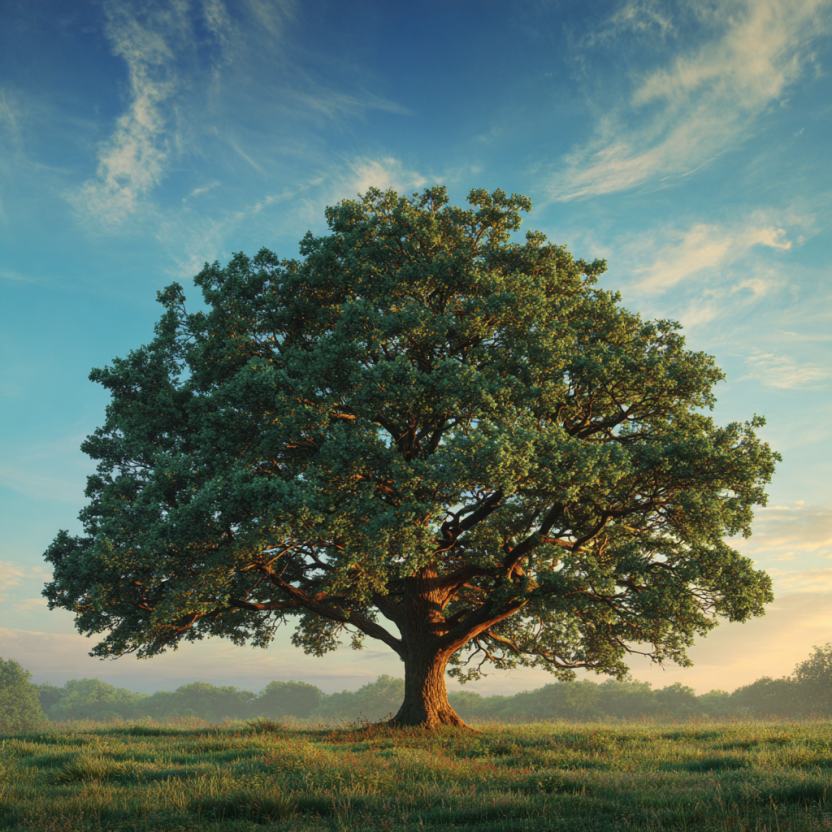
Elderflower comes from the European black elder, a deciduous shrub or small tree that typically reaches 10 to 20 feet in height, though some specimens in favorable conditions have been recorded at over 30 feet. The plant often develops multiple stems with arching branches covered in grayish-brown bark that becomes deeply furrowed and corky with age. The wood is lightweight with a distinctive soft white pith, which historically gave the plant its Greek name sambuce — an ancient flute-like instrument made from hollowed elder branches.
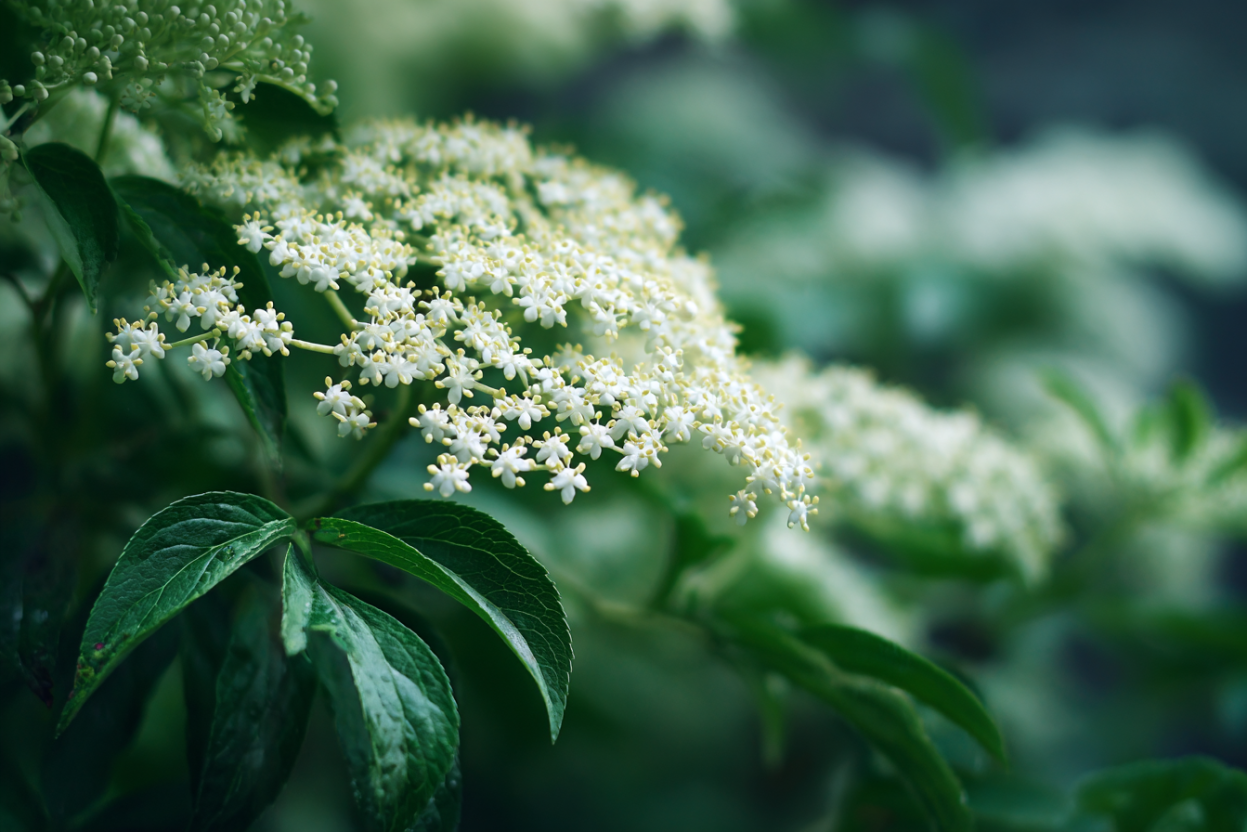
The leaves are pinnately compound, arranged opposite on the stem, each containing five to seven serrated, ovate to elliptic leaflets measuring two to five inches long. The foliage emits a somewhat unpleasant aroma when crushed, which is quite different from the intoxicating sweetness of the flowers themselves. In late spring to early summer (typically May through July depending on region), the elder produces large, flat-topped flower clusters called corymbs or umbels. These clusters can span four to ten inches across and are composed of hundreds of tiny, creamy-white, five-petaled flowers, each measuring only five to six millimeters in diameter. The flowers produce a sweet, musky, floral fragrance that is unmistakable and has inspired cordials, wines, and perfumes for centuries.
Following pollination, the flowers give way to clusters of small, glossy, dark purple-black berries (elderberries) in late summer to early autumn. While the berries are the more widely known product of the elder tree, the flowers themselves possess a distinct and powerful profile of beneficial compounds that differ from those in the fruit.
Origin
Sambucus nigra is native to most of Europe, North Africa, and parts of western and central Asia. It thrives in temperate climates and can be found growing wild along hedgerows, woodland edges, roadsides, riverbanks, and disturbed ground. The plant has been naturalized in North America, where its close relative Sambucus nigra ssp. canadensis (American elder) is a native species. Today, elder grows on every inhabited continent, having been spread through cultivation and trade over millennia.
Brief History
Archaeological evidence from Stone Age sites in Italy and Switzerland confirms that humans have cultivated and used elder for thousands of years. The ancient Greeks documented its medicinal uses — Hippocrates, the father of modern medicine, called the elder tree his “medicine chest” for its range of applications. Dioscorides described elder preparations in his first-century Materia Medica, and Pliny the Elder documented its use in Roman household medicine. The plant traveled through trade routes across Europe and into Asia, eventually arriving in North America with colonial settlers, who found that Indigenous peoples were already using the native American species for food and wellness. The Anglo-Saxon word aeld, meaning “to kindle” or “fire,” gave us the English name “elder” — because the hollowed stems were used to blow on kindling from a safe distance.
Growing & Cultivation
Climate & Zones
European elder (Sambucus nigra) is hardy in USDA zones 4 through 8, with zones 5 through 7 considered ideal. The American subspecies (S. nigra ssp. canadensis) extends this range slightly, thriving in zones 3 through 9. Elder adapts well to a wide range of environmental conditions and tolerates atmospheric pollution, coastal exposure, and wind. In warmer zones (8 and above), afternoon shade can help prevent heat stress. In cooler zones, full sun is preferred. Indoor growing is possible in containers, though the plant’s size makes it better suited to outdoor or patio cultivation.
Soil Requirements
Elder prefers moist, humus-rich, well-drained soil but demonstrates remarkable tolerance for a wide range of soil types, including heavy clay. The ideal pH range is 5.5 to 6.5 (slightly acidic to neutral). Amend heavy soils with three to four inches of compost to improve drainage and fertility before planting. Container soil should be rich, loose, and well-draining. Annual spring applications of compost support healthy growth and flower production.
Water & Sunlight
Elder is a moderately thirsty plant that prefers consistent moisture — approximately one inch of water per week during the growing season. It will tolerate brief dry spells once established but performs best in evenly moist (not waterlogged) soil. Overwatering signs include yellowing leaves and root rot. Full sun produces the most abundant flowers and fruit, though elder tolerates partial shade. Six or more hours of direct sunlight daily is ideal for maximum flower production.
Propagation
Seed: Elder seeds require cold stratification (60 to 90 days at approximately 40°F) before germination. Sow seeds in spring at a depth of one-quarter inch. Germination can be irregular and may take several weeks to months. This method is less common due to genetic variability in offspring.
Hardwood Cuttings: The most reliable propagation method. Take cuttings 8 to 12 inches long from dormant wood in late autumn or winter. Remove all but the top two buds, dip in rooting hormone, and plant with two-thirds buried in moist, well-draining potting mix. Roots typically establish within six to eight weeks.
Softwood Cuttings: Take in late spring to summer from new, flexible growth. Strip lower leaves, dip in rooting hormone, and place in rooting medium. Keep consistently moist.
Division/Suckers: Elder produces suckers freely. In early spring or fall, dig up well-rooted suckers and transplant to new locations, ensuring each division has a healthy root system.
Planting
Plant elder in early spring (zones 3-5) or fall (zones 6-7, six to eight weeks before first frost). Space plants 6 to 10 feet apart if growing for harvest, or closer for hedging. Dig a hole twice the width of the root ball. Set the plant at the same depth it was growing in its container. Water deeply after planting and apply two to three inches of organic mulch. Elder benefits from cross-pollination, so planting at least two different cultivars nearby improves both flower and berry yields.
Companion planting suggestions include lavender, rosemary, chives, and nasturtiums, which attract beneficial pollinators and deter certain pests. Avoid planting near walnut trees, which release juglone — a compound that can inhibit elder growth.
Harvesting
Harvest elderflowers when the clusters are fully open and creamy-white, but before they begin to brown — typically in late spring to early summer. The best time to harvest is mid-morning after the dew has dried but before the afternoon heat disperses the fragrant essential oils. Use sharp scissors or garden shears to cut the entire flower head from the stem, leaving four to six inches of stem for handling. Gently shake the cluster to remove any insects. Harvest only a portion of the flowers to ensure berry production later in the season.
Drying & Storage
Spread freshly harvested flower heads in a single layer on screens or drying racks in a well-ventilated area away from direct sunlight. Air drying at room temperature takes three to seven days. A dehydrator set to 95-105°F speeds the process to 12 to 24 hours. Flowers are dry when they feel papery and crumble easily. Strip dried flowers from stems and store in airtight glass containers in a cool, dark location. Properly dried elderflowers retain potency for up to one year. Freezing fresh flowers (laid flat on a baking sheet, then transferred to freezer bags) is an excellent alternative for preserving volatile compounds.
Pest & Disease Management
Elder is relatively resistant to serious pest problems. Common issues include aphids, spider mites, and elder shoot borer. Powdery mildew and verticillium wilt are the most frequent disease concerns. Natural management methods include ensuring good air circulation through annual pruning, removing diseased wood promptly, companion planting with insect-deterring herbs, and applying neem oil spray for aphid control. Avoid overhead watering to minimize fungal disease.
Companion Planting
Elder is an excellent companion plant that attracts pollinators including bees, butterflies, and hoverflies. It grows well alongside berry bushes, fruit trees, and herb gardens. Its sprawling canopy provides dappled shade for more delicate understory plantings. Avoid planting near black walnuts, and give elder adequate spacing from shallow-rooted plants that may compete for moisture.
The Healing of Growing
Growing elder offers benefits beyond the harvest itself. The act of gardening — hands in soil, bare feet on earth, time spent outdoors — has been shown to reduce cortisol, improve mood, and support immune function. The soil contains beneficial bacteria (Mycobacterium vaccae) with documented antidepressant effects. Tending an elder tree through its seasons connects you to the ancient rhythm of planting, flowering, harvesting, and resting. When you grow your own elder, you receive healing before you ever steep a single blossom.
Nutritional Profile
Elderflowers are edible and have been consumed in teas, cordials, fritters, and syrups across Europe for centuries. While they are not typically eaten in large enough quantities to serve as a primary nutritional source, their phytonutrient content is remarkably rich.
Key Phytonutrients & Active Compounds
Elderflowers are among the richest plant sources of flavonoids, particularly rutin and quercetin. The concentration of flavonoids is actually higher in the flowers than in the berries, making elderflower a uniquely potent botanical.
Rutin: The dominant flavonoid in elderflower. Rutin is a powerful bioflavonoid glycoside that research suggests may support capillary wall integrity, improve blood vessel flexibility, and provide anti-inflammatory and antioxidant activity. Studies have associated rutin with protective effects against cardiovascular conditions, diabetes, and inflammation.
Quercetin: A natural antihistamine that has been widely studied for its potential to support immune function, reduce inflammatory response, and provide antioxidant protection. Quercetin in elderflower may help explain the traditional use of elderflower tea during allergy season.
Kaempferol: Another flavonoid present in elderflower that research has associated with antioxidant properties and potential support for cellular health.
Chlorogenic Acid: A phenolic compound found in significant concentrations in elderflower extracts. Research suggests chlorogenic acid may support healthy blood sugar metabolism and provide antioxidant protection.
Naringenin: A flavonoid recently identified as a principal contributor to elderflower’s anti-inflammatory activity, particularly in skin keratinocytes (skin cells), according to 2025 research published in Molecules.
Elderflowers also contain volatile compounds including linalool, rose oxides, and nonanal, which contribute to their distinctive aroma and may provide aromatherapeutic benefits. Additionally, the flowers contain small amounts of vitamin C, beta-carotene, and various minerals including calcium and magnesium.
Nutrient Notes
The bioavailability of elderflower’s flavonoids is enhanced by hot-water extraction (tea and infusion), making traditional elderflower tea one of the most efficient ways to access these compounds. Rutin bioavailability increases when consumed alongside vitamin C, which conveniently occurs naturally in elderflower. Water-based preparations (teas, infusions) show higher antioxidant activity from elderflower than from elderberry fruit, suggesting that the flowers deserve greater attention in the wellness conversation.
Connection to Body Compounds
The quercetin content of elderflower may help modulate histamine release, supporting those whose immune systems overreact to environmental allergens. The rutin and chlorogenic acid content may support healthy inflammatory marker levels, including cytokines and C-reactive protein. The combined flavonoid profile supports antioxidant defenses throughout the body.
Culinary Uses
Edible Parts
The flowers are the primary edible part of the elder tree. They can be used fresh or dried. While the ripe berries are also edible (when properly cooked), the leaves, stems, bark, roots, and unripe berries contain cyanogenic glycosides that can cause nausea, vomiting, and diarrhea if consumed. Always shake fresh flower heads to remove any small stems or insects before use.
Flavor Profile
Fresh elderflower has a sweet, delicate, lightly musky floral aroma with subtle notes of honey, pear, and lychee. The flavor is gentle — more aromatic than assertive — and lends an elegant, fragrant quality to any preparation. When dried, the flavor concentrates slightly and takes on a more hay-like, herbal character. Cooking mellows the musky undertones while preserving the sweet floral essence. The flavor intensity is moderate — enough to define a dish without overpowering other ingredients.
Preparation
Fresh elderflower is traditionally used to make cordials, syrups, sparkling wines, and infused vinegars. The flowers can be dipped in a light batter and fried into delicate fritters — a beloved European tradition. They can be steeped into custards, panna cottas, and sorbets, or added to jams and jellies as a flavoring agent. Dried elderflower makes a wonderful tea on its own or blended with other herbs. The flowers can be infused into honey, sugar, or oil. When using fresh flowers, remove them from the thick green stems (which can impart bitterness) before use.
Culinary Pairings
Elderflower pairs beautifully with lemon (a classic combination in cordials), strawberries, gooseberries, pears, peaches, and apricots. It complements light proteins such as poached fish, chicken, and soft cheeses. Other complementary herbs and spices include lavender, mint, vanilla, cardamom, and ginger. Sparkling water or champagne amplifies the floral notes.
Storage
Fresh elderflower is highly perishable and should be used within 24 hours of harvesting for best flavor. Store fresh blossoms loosely wrapped in a damp cloth in the refrigerator. For longer preservation, dry the flowers as described in the cultivation section, freeze them flat on trays, or immediately process them into syrups, cordials, or infusions.
Ready to cook with elderflower? View Recipes on Chefts →
Wellness & Therapeutic Uses
Traditional Uses
Elderflower has been used for wellness across virtually every culture that encountered it. The ancient Egyptians used elderflower preparations to improve complexion and support skin healing. Hippocrates (circa 400 BC) documented elder as one of his primary healing plants. Dioscorides described its use in first-century Rome for respiratory and inflammatory concerns. In Traditional Chinese Medicine, elder preparations (particularly flowers dissolved in wine) have been used for joint discomfort and inflammation. European folk medicine traditions spanning from Scandinavia to the Mediterranean have used elderflower tea as a go-to remedy for seasonal colds, fever management, and sinus congestion. Native American peoples used the flowers and berries of the native American elder for fever support, colic in infants, and respiratory wellness. The German Commission E has officially approved elderflower for use in managing colds.
Modern Research
A 2019 meta-analysis published in Complementary Therapies in Medicine (Hawkins et al., United States, 180 participants across four randomized controlled trials) found that black elderberry supplementation substantially reduced upper respiratory symptoms, with a large mean effect size. While this meta-analysis focused primarily on berry preparations, the flowers contain many of the same active compounds — particularly flavonoids — and have been the approved medicinal part by the German Commission E specifically for colds.
A 2021 systematic review published in BMC Complementary Medicine and Therapies (Wieland et al., five randomized trials) concluded that elderberry may reduce the duration and severity of colds, may reduce the duration of influenza, and found no evidence that it overstimulates the immune system — addressing concerns about cytokine overproduction.
Research from a 2020 comprehensive review published in PMC confirmed that elderflower extracts demonstrate significant antimicrobial activity, including efficacy against methicillin-resistant Staphylococcus aureus (MRSA), Pseudomonas aeruginosa, Salmonella, and Bacillus cereus. Elderflower extracts showed higher antimicrobial efficacy and larger zones of inhibition than elderberry extracts.
A 2023 study in PMC (Health-Promoting Properties of Sambucus nigra) confirmed that the high content of antioxidant phytochemicals in elderflower and elderberry reduces free radical levels and pro-inflammatory cytokines, and may support healthy cell function and immune surveillance.
A 2006 study published in the Journal of Periodontology (Harokopakis et al.) found that aqueous extracts from elderflower inhibited proinflammatory activities of major periodontal pathogens, supporting potential oral health applications.
Body Systems Supported
Respiratory System: Elderflower’s most well-documented traditional use. Its diaphoretic (sweat-promoting) and anti-inflammatory properties have traditionally been used to support the body during colds, congestion, sinus inflammation, and fever.
Immune System: The flavonoid-rich profile of elderflower, particularly quercetin and rutin, may support immune function without overstimulating it. Research suggests elderflower compounds have antiviral properties against influenza and other respiratory viruses.
Cardiovascular System: Rutin, the dominant compound in elderflower, has been studied for its ability to support capillary wall integrity and blood vessel flexibility.
Integumentary System (Skin): Elderflower’s anti-inflammatory flavonoids may support skin health. Traditional uses include compresses for skin irritation, and modern research has identified naringenin from elderflower as a potent NF-κB pathway inhibitor in skin keratinocytes.
Digestive System: Elderflower has traditionally been used as a mild laxative and carminative (gas-relieving) agent.
Urinary System: Elderflower is documented as a traditional diuretic, promoting healthy fluid balance.
Nervous System: The calming floral compounds may support relaxation and gentle stress relief when taken as tea.
Body Compounds Affected
The quercetin in elderflower may help modulate histamine release, potentially reducing overactive immune responses seen in allergies. The combined flavonoid profile may help regulate pro-inflammatory cytokines (including IL-6, TNF-alpha, and IL-1β) and support healthy C-reactive protein levels. The relaxing quality of elderflower tea may gently support cortisol reduction through its calming ritual and aromatic compounds. Elderflower preparations taken before bed have traditionally been associated with supporting natural melatonin production through gentle relaxation.
Methods of Use
Tea/Infusion
The most traditional and accessible method. Use 2 to 3 teaspoons of dried elderflower (or 2 to 3 fresh flower heads) per cup of hot water. Steep for 10 to 15 minutes, covered. Drink one to three cups daily during times of immune challenge, or as desired for wellness support. Elderflower tea is often combined with peppermint and yarrow in European tradition for cold and fever support.
Tincture
Elderflower tinctures (alcohol-based extracts) are available commercially and concentrate the active flavonoids. Typical dosage ranges from 2 to 4 mL (approximately 40 to 80 drops) up to three times daily. Glycerite (glycerin-based) preparations are available for those avoiding alcohol.
Syrup
Elderflower syrup (cordial) combines the flowers with sugar, water, and citric acid. While delicious, the high sugar content should be considered. Can be diluted in water as a refreshing beverage or used as a flavoring agent.
Capsule/Powder
Dried elderflower is available in capsule form, typically standardized to at least 0.8% total flavonoids (as isoquercitrin). Follow manufacturer dosage guidelines.
Cosmetic & Beauty Uses
Skin Benefits
Elderflower has been treasured in skincare since ancient Egypt, where elderflower water was used as a complexion treatment. Modern research supports these traditional applications. The bioflavonoids, natural tannins, and phenolic compounds in elderflower provide astringent, anti-inflammatory, antimicrobial, and antioxidant effects on the skin.
A 2019 study published in Journal of Photochemistry and Photobiology demonstrated that Sambucus nigra extract showed significant free radical scavenging ability and reduced UVB-induced skin damage in human keratinocytes, including decreasing MMP-1 (a collagen-degrading enzyme) and inflammatory cytokine expression. A 2025 study in Molecules confirmed that naringenin from elderflower extract inhibits the NF-κB inflammatory pathway in skin keratinocytes, suggesting applications for atopic dermatitis, psoriasis, and acne.
Elderflower is suitable for all skin types but is particularly beneficial for sensitive, inflamed, oily, and combination skin. Its mild astringent properties help refine pores without over-stripping moisture. Its anti-inflammatory compounds calm redness and irritation. Its antioxidant profile helps protect against environmental damage.
Hair Benefits
Elderflower infusion used as a hair rinse has been traditionally valued for adding shine, soothing an itchy or flaky scalp, and promoting scalp health through its antimicrobial properties. The gentle astringent action helps remove residue and balance oiliness at the roots.
Application Methods
Elderflower infused oil can be made by steeping dried elderflowers in a carrier oil (jojoba, sweet almond, or olive) for four to six weeks, then straining. This oil can be applied directly to the face and body, added to homemade creams and lotions, or used as a gentle eye area treatment. Elderflower water (hydrosol or strong infusion) makes an excellent facial toner. A cooled elderflower tea compress soothes puffy eyes, sunburn, and skin irritation. Fresh or dried elderflower can be added to face masks, bath soaks, and steam treatments.
DIY Formulation Notes
For homemade skincare, elderflower extract (Sambucus Nigra Flower Extract) is typically used at 2 to 5% concentration in formulations. It pairs well with carrier oils such as rosehip, jojoba, and argan. Combines synergistically with vitamin C, hyaluronic acid, and chamomile for enhanced moisturizing and anti-aging effects. Homemade elderflower infused oils should be used within three to six months and stored in a cool, dark location. Elderflower toner (strong infusion in distilled water) should be refrigerated and used within one week, or preserved with a natural preservative system.
Elderflower is among the botanicals being explored for holistic cosmetic applications, where the wisdom of traditional beauty practices meets modern understanding of skin science.
Essential Oil Profile
Elderflower essential oil is produced in very small quantities through hydrodistillation or CO2 extraction and is considered a specialty product. It is not as widely commercially available as many other essential oils due to extremely low yield — the delicate flowers produce only trace amounts of volatile oil per harvest.
Extraction
The primary method is hydrodistillation (steam distillation) of fresh or freshly dried flowers. CO2 supercritical extraction produces a more complete aromatic profile. The extremely low essential oil yield makes elderflower essential oil expensive and relatively rare. A more accessible alternative is elderflower hydrosol (the water portion from steam distillation), which retains many of the aromatic and skin-supportive properties.
Chemical Constituents
According to 2025 GC-MS analysis published in Agronomy, the volatile profile of elderflower essential oil is dominated by nonanal, cis-rose oxide, trans-rose oxide, and 2-pentadecanone (6,10,14-trimethyl-). The fatty acid profile includes a balanced composition of oleic, palmitic, and linolenic acids. Linalool is also present and contributes to the sweet, floral character.
Aroma Profile
Elderflower essential oil is classified as a middle to top note. The scent is sweet, floral, honeyed, and muscat-like, with subtle green and hay-like undertones. It is moderately intense and evolves over time from a fresh, sweet opening to a warm, soft, slightly musky dry-down. It blends well with rose, lavender, lemon, neroli, chamomile, and bergamot.
Therapeutic Properties
Research suggests elderflower essential oil has antioxidant activity comparable to ascorbic acid and moderate antimicrobial efficacy against Streptococcus pyogenes, Staphylococcus aureus, and Candida albicans.
How to Use
Diffusion
Due to rarity and cost, elderflower essential oil is more often used in small-batch artisan blends. Use 3 to 5 drops in a diffuser for gentle aromatic benefit. The scent promotes calm and a sense of connection to nature.
Topical Application
Dilute to 1 to 2% in a carrier oil (2 to 4 drops per teaspoon of carrier). Suitable for facial oils and body treatments. Always perform a patch test first.
Quality & Sourcing
Due to low yield and high cost, elderflower essential oil is frequently adulterated. Look for GC/MS tested products from reputable suppliers. Third-party testing is essential. Elderflower hydrosol is a more widely available and affordable alternative that retains many benefits.
Blending
Elderflower blends harmoniously with rose, lavender, chamomile, bergamot, lemon, neroli, ylang ylang, and sandalwood. For a calming bedtime blend, combine with lavender and chamomile. For a refreshing daytime blend, combine with lemon and bergamot.
Aromatherapy & Scent
The Aroma
Fresh elderflower in bloom produces one of the most distinctive and beloved scents in the plant kingdom — a sweet, muscat-grape-like, honeyed fragrance with subtle undertones of pear and lychee. The scent is strongest when the flowers are in full bloom on warm, still afternoons and can perfume an entire garden. Brushing against the flower clusters or gently shaking them releases a burst of fragrant volatile molecules. The scent is lighter and more refined than many floral herbs — it does not announce itself aggressively but rather unfolds gently as you approach.
Dried elderflower retains its sweet, floral character but shifts toward a warmer, hay-like, slightly honeyed quality. The intensity diminishes compared to fresh flowers, but properly dried elderflower stored in sealed containers can retain recognizable scent for six to twelve months.
How Scent Affects Your Body
When you smell elderflower, volatile aromatic molecules are released from the plant and inhaled through the nose. These molecules land on olfactory receptors in the nasal cavity, which send electrical signals directly to the limbic system (the brain’s emotional center) and the hypothalamus (the body’s hormone control center). This pathway bypasses the conscious thinking brain entirely — your body responds to the scent before you have time to analyze it. Emotional and hormonal shifts can occur within seconds of inhalation, which is why simply smelling a familiar flower can instantly change your mood.
Emotional & Mood Effects
The scent of elderflower is primarily calming and comforting. It promotes a sense of gentle well-being, nostalgia, and connection to nature and seasonal rhythms. The sweet, soft quality is neither stimulating nor sedating — it occupies a balanced middle ground that promotes centeredness and contentment. Many describe the sensation as “peaceful” or “grounding with a lift.” It is well-suited for environments where gentle relaxation is desired without drowsiness.
Body Compounds Affected
While specific research on elderflower scent and neurotransmitter levels is limited, the volatile compounds present — including linalool (also dominant in lavender) — have been associated in published aromatherapy research with reduced cortisol levels and increased parasympathetic nervous system activity. Linalool exposure has been shown in animal studies to reduce anxiety-like behaviors and support GABA-mediated relaxation pathways.
Ways to Experience the Scent
Growing elderflower near windows, patios, or walkways provides natural aromatherapy during bloom season. Fresh-cut elderflower clusters can be placed in a vase indoors (use them quickly, as they do not last long once cut). Crushing dried elderflower between your fingers while gardening releases a gentle burst of scent. Dried elderflower sachets can be placed in drawers, near pillows, or in linen closets. Simmering dried elderflowers on the stovetop with water and a slice of lemon creates a gentle, natural room fragrance. Adding fresh or dried elderflower to a warm bath infuses the water with aromatic compounds that are absorbed through inhalation and skin contact simultaneously.
Color Therapy
The Colors of Elderflower
Elderflower’s dominant color is creamy white — the clusters of tiny five-petaled blossoms create a soft, luminous display ranging from pure white to the palest cream or ivory. The yellow-tipped stamens at the center of each tiny flower add subtle warmth. The surrounding foliage is a deep, vibrant green. When the flowers give way to berries, the palette shifts dramatically to deep purple-black against green, eventually transitioning to autumn golds and browns.
Color Wavelengths
White light contains the full visible spectrum (approximately 380-700nm), offering what color therapists describe as a “full-spectrum” experience. White is associated with purification, clarity, and wholeness. The green foliage (approximately 495-570nm) provides the calming, balancing wavelength associated with nature, the heart center, and emotional equilibrium.
How White and Green Affect the Body
Viewing white flowers against green foliage combines the clarifying, purifying quality of full-spectrum white light with the deeply calming influence of green wavelengths. Green is the most restful color for the human eye and has been associated in environmental psychology research with reduced blood pressure, improved mood, and faster recovery in healthcare settings. The white-and-green combination of an elderflower in bloom creates a visual experience that is both refreshing and soothing — stimulating enough to feel alive and clarified, calming enough to reduce tension.
Body Compounds Affected
Exposure to green environments has been associated with reduced cortisol levels and increased parasympathetic nervous system activity. Research on patients in healthcare settings has demonstrated that views of nature and living plants may support faster healing and improved mood — associated with healthier serotonin and endorphin levels.
Using Elderflower for Color Therapy
Plant elder where you can see it from windows, seating areas, or walking paths. During bloom season, the soft white flower display offers daily visual therapy. Cut elderflower branches brought indoors offer a fresh, bright, purifying visual presence. The seasonal progression of elder — bare branches to green leaves to white flowers to purple berries to golden autumn foliage — connects you to the full color palette of the natural year.
Frequency & Vibration
The Frequency of Elderflower
While specific MHz frequency measurements for elderflower essential oil are not as widely documented as for oils like rose (320 MHz) or lavender (118 MHz), elderflower belongs to a plant family with a rich volatile compound profile. According to bio-frequency research proponents, plants with complex aromatic profiles and high concentrations of terpenes and flavonoids tend to vibrate at relatively higher frequencies. The living elder tree in bloom — producing hundreds of thousands of individual flowers simultaneously releasing volatile compounds — represents a concentrated source of plant vibrational energy.
Human Frequency Interaction
According to frequency measurement research attributed to Bruce Tainio, the healthy human body operates between 62 and 78 MHz. Proponents of vibrational medicine suggest that being in proximity to high-frequency plants, consuming high-frequency plant preparations, and inhaling high-frequency volatile compounds may support the body’s own frequency through the principle of entrainment — the tendency of a stronger vibration to influence and synchronize with a weaker one. While peer-reviewed research on this specific mechanism is still emerging, the observable benefits of plant proximity, aromatherapy, and herbal consumption are well-documented through other lenses.
Vibrational Applications
According to frequency medicine proponents, drinking fresh elderflower tea, diffusing elderflower essential oil, and spending time near a blooming elder tree may all contribute to supporting personal frequency. Combining elderflower with other high-frequency practices — prayer, meditation, gratitude, time in nature — creates a layered approach to vibrational wellness.
The Living Plant
Benefits of Presence
Simply being near a living elder tree provides wellness benefits that require no harvest, no preparation, and no extraction. The presence of the elder — its green canopy, its aromatic blossoms, its relationship with pollinators and wildlife — contributes to what researchers call biophilic design and attention restoration. The human nervous system is wired to respond positively to living plants. This is not cultural or philosophical — it is measurable physiology.
Air Purification
While elder was not specifically included in the original NASA Clean Air Study (which focused on common indoor houseplants), all green plants contribute to air quality through photosynthesis — absorbing carbon dioxide and releasing oxygen. Elder is a vigorous photosynthesizer with a large leaf canopy. Grown outdoors near living spaces, it contributes to local oxygen production and may improve the air quality of surrounding areas. Its dense foliage can also help filter particulate matter from wind.
Phytoncides
Elder releases volatile organic compounds — phytoncides — from its leaves, bark, and especially its flowers. Forest bathing (shinrin-yoku) research has demonstrated that phytoncides from trees and woody plants increase Natural Killer (NK) cell activity in the human immune system. While specific phytoncide profiles for elder have not been as extensively studied as those for conifers, the rich volatile compound profile of elder (particularly during flowering) likely contributes to the immune-supportive benefits of spending time near this plant.
Visual & Psychological Benefits
Research from healthcare settings has repeatedly demonstrated that patients with views of nature — including trees and flowering plants — recover faster, require less pain medication, and report better mood. Roger Ulrich’s seminal 1984 study in Science established this connection, and subsequent research has confirmed that visual exposure to plants reduces stress, improves attention, and promotes psychological recovery. The elder tree’s seasonal display — from bare architecture in winter to lush green canopy in spring to a stunning canopy of white flowers in early summer — provides continuously changing visual interest.
Growing Indoors vs Outdoors
Due to its size (10 to 20+ feet), elder is best suited to outdoor growing in gardens, yards, hedgerows, and naturalized areas. Dwarf cultivars and young plants can be grown in large containers on patios or balconies, bringing the living plant closer to daily life. For indoor benefit, bring cut elderflower branches inside during bloom season, or keep dried elderflower nearby for scent. The ideal arrangement is an outdoor elder tree visible from a frequently used window or seating area, where its visual and aromatic presence enhances daily life without the limitations of indoor container culture.
Touch & Physical Interaction
Gardening Therapy
Working with elder engages all the senses and provides the full benefits of horticultural therapy — a recognized therapeutic practice with documented outcomes for mental health, stress reduction, and physical rehabilitation. Pruning elder’s vigorous growth, training its shape, harvesting its flowers, and processing them for tea, syrup, or drying provides meaningful, purposeful activity that connects the gardener to seasonal rhythms.
Soil Contact Benefits
Gardening around elder trees means hands in soil — and soil contact has documented benefits beyond what most people realize. The soil bacterium Mycobacterium vaccae, commonly found in garden soil, has been shown in research to stimulate serotonin production in the brain, producing antidepressant effects. Gardening barefoot on earth provides grounding (earthing) benefits — the transfer of free electrons from the earth into the body, which research suggests may reduce inflammation and cortisol levels. The microbiome benefits of regular soil exposure support immune function and healthy gut flora.
The Tactile Experience
Elderflower’s tactile experience is unique. The flower clusters are soft, delicate, and slightly damp to the touch — like a fragrant cloud of tiny blossoms. Handling them releases their sweet fragrance onto your fingers. The leaves are smooth on top with a slightly fuzzy underside and release their sharp, musky scent when rubbed. The bark of older branches feels rough and corky, deeply textured. Harvesting elderflower — carefully cutting each cluster and laying it in a basket — is a meditative, gentle activity that naturally slows your pace and draws you into the present moment.
Harvesting & Processing
The process of harvesting elderflower heads on a warm morning, carrying them inside, shaking out insects, stripping flowers from stems, and spreading them to dry or steeping them in syrup is deeply grounding and satisfying. Each step engages touch, smell, and visual attention. The repetitive nature of processing — stripping hundreds of tiny flowers, stirring syrup, checking drying progress — has meditative qualities similar to other hand-based practices that have been shown to reduce anxiety and promote mindful presence.
Water-Based Applications
Teas & Infusions
Elderflower tea is the most traditional and widely used water-based preparation. Use 2 to 3 teaspoons of dried elderflower per 8-ounce cup of water heated to just below boiling (approximately 200°F / 93°C). Cover and steep for 10 to 15 minutes — the longer steep time allows fuller extraction of flavonoids. Strain and drink warm. Can be consumed one to three cups daily. For cold infusions, steep dried elderflower in room-temperature water for four to eight hours (overnight) for a gentler, sweeter extraction. Cold infusions preserve some heat-sensitive volatile compounds.
Classic Respiratory Support Blend: Equal parts dried elderflower, peppermint, and yarrow. This is a traditional European combination used for centuries during cold and flu season.
Herbal Baths
Elderflower baths have been used for centuries to support skin health, soothe muscle tension, and promote relaxation. Use one to two cups of dried elderflower (or four to six fresh flower heads) tied in a muslin cloth or added loose to a bath bag. Add to warm bath water (98-102°F / 37-39°C) and soak for 15 to 20 minutes. The flavonoids and volatile compounds infuse into the water, providing both topical and aromatic benefit simultaneously. Elderflower foot baths are an excellent alternative for those who cannot take full baths — use two tablespoons of dried elderflower in a basin of warm water.
Hydrosols
Elderflower hydrosol is the aromatic water co-produced during steam distillation of elderflower essential oil. It contains water-soluble plant compounds and trace amounts of essential oil. Elderflower hydrosol can be used as a gentle facial toner (applied with a cotton pad or spritzed directly), a skin-soothing mist for sunburn or irritation, a linen spray, or added to bath water. It is gentler than essential oil and does not require dilution, making it suitable for sensitive skin and children (over 2 years).
Compresses
Warm Compress: Steep a strong elderflower infusion (4 tablespoons per cup), strain, soak a clean cloth in the warm liquid, and apply to areas of sinus congestion, muscle tension, or skin irritation. Re-warm and reapply every 5 to 10 minutes for 20 to 30 minutes.
Cool Compress: Refrigerate a strained elderflower infusion and apply with a soaked cloth to puffy eyes, sunburn, mild rash, or areas of inflammation. The combination of the cooling temperature and the anti-inflammatory compounds provides soothing relief.
Steam Inhalation
Add 2 tablespoons of dried elderflower to a bowl of just-boiled water. Drape a towel over your head and the bowl, close your eyes, and breathe deeply through your nose for 5 to 10 minutes. This method delivers aromatic volatile compounds and warm moisture directly to the sinuses and respiratory passages. Particularly beneficial during colds, congestion, and sinus discomfort. Use caution with steam temperature to avoid burning — keep face at least 12 inches from the water surface.
Hair Rinses
Prepare a strong elderflower infusion (4 tablespoons dried flower per two cups of water), steep for 30 minutes, and strain. After shampooing, pour the cooled infusion through hair as a final rinse. Do not rinse out. The mild astringent properties help remove buildup, the anti-inflammatory compounds soothe the scalp, and the subtle floral scent lingers gently. Particularly beneficial for oily hair, itchy scalp, and adding shine.
Historical, Cultural & Biblical Significance
Biblical References
Elderflower is not directly mentioned by name in Scripture. However, the elder tree and plants of similar families were well-known in the biblical world. Some biblical scholars have noted that the elder tree grew throughout the ancient Near East, and its presence in traditional Hebrew medicine is well-documented. The broader principle — that God provided plants for human healing and nourishment — is declared throughout Scripture: “And God said, Behold, I have given you every herb bearing seed, which is upon the face of all the earth” (Genesis 1:29, KJV). The elder tree’s gift of both flower and fruit, providing different forms of support across different seasons, reflects the Creator’s layered provision.
Ancient Civilizations
The ancient Egyptians used elderflower water as a complexion treatment and healing preparation. The Greek physician Hippocrates (circa 460-370 BC) referred to the elder as his “medicine chest,” and elderflower was central to his respiratory treatments. Dioscorides documented elder extensively in his first-century De Materia Medica, the most influential pharmacological text for over 1,500 years. He described elderflower preparations for inflammation, respiratory support, and skin conditions. Pliny the Elder recorded elder’s uses in his Natural History, and the plant was a staple of Roman household medicine. The Greeks, Romans, and Egyptians observed what God designed — and their documentation helps us understand the plant’s remarkable properties today.
Eastern Traditions
In Traditional Chinese Medicine, elder (known as 接骨木, jiē gǔ mù) has been used particularly for joint discomfort and inflammation, often prepared in wine. While elder is not one of the primary herbs in the classical TCM pharmacopoeia, it appears in regional traditions and has been valued for its diaphoretic and analgesic properties. These practitioners observed God’s design at work in the plant — their documented uses align with what modern research confirms about elder’s anti-inflammatory and pain-supporting properties.
Indigenous Knowledge
Native American peoples used the native American elder (Sambucus nigra ssp. canadensis) extensively. The flowers were made into infusions for fever and colic in infants. The berries supported respiratory health. The hollowed stems were used to craft musical instruments and percussion sticks. The bark was used in salves for cuts, burns, and skin irritations. Different tribes across North America — including the Cherokee, Iroquois, and numerous others — documented elder’s uses independently, confirming through observation what the Creator embedded in the plant.
European Heritage
Throughout medieval Europe, the elder tree was planted near homes and was a fixture of monastery gardens, where monks preserved botanical knowledge through the Dark Ages. The monastery tradition of herbal medicine kept elderflower tea, elderflower water, and elderberry preparations alive for centuries. Nicholas Culpeper documented elder extensively in his 1652 Complete Herbal, describing the flowers and berries for dozens of applications. John Gerard’s 1597 herbal similarly praised elder’s versatility. The German Commission E — one of Europe’s most rigorous herbal evaluation bodies — formally approved elderflower for colds, confirming centuries of folk knowledge with modern assessment.
In British folk tradition, elderflower cordial has been a beloved summertime staple for generations. Across Scandinavia, eastern Europe, and the Mediterranean, nearly every culture where elder grew developed its own preparations and traditions — from Austrian Holunderblütensirup to Romanian elderflower preserves. The plant’s universal adoption speaks to the universality of God’s provision.
Cultural Symbolism
Elder has been associated with protection, healing, and the cycle of seasons across European culture. The plant was traditionally planted near homes, and its flowers were woven into wedding garlands and carried at funerals. In art and literature, elder symbolizes the turning of the seasons — its blossoms mark the arrival of summer, and its berries mark its close. The Anglo-Saxon word aeld (“fire”) connects elder to warmth, sustenance, and the hearth.
Safety & Precautions
Contraindications
There are no well-established absolute contraindications for properly prepared elderflower tea or standardized elderflower supplements at recommended dosages. However, individuals with known allergies to plants in the Adoxaceae (formerly Caprifoliaceae) family should exercise caution. Individuals with autoimmune conditions should consult a healthcare provider before use, as elderflower’s immune-modulating compounds may theoretically interact with autoimmune processes.
Drug Interactions
Diabetes Medications: Elderflower may lower blood sugar levels. If taken alongside insulin or oral diabetes medications, it could potentially cause blood sugar to drop too low. Monitor blood sugar carefully and consult your healthcare provider.
Diuretics: Elderflower has traditional diuretic properties. Combining with prescription diuretics may increase the diuretic effect. Monitor hydration and electrolyte levels.
Immunosuppressants: Because elderflower may modulate immune function, individuals taking immunosuppressive drugs should consult their provider before use.
Laxatives: Elderflower’s mild laxative properties may add to the effects of other laxatives.
One study found no significant effect on CYP1A2, CYP2D6, and CYP3A4 liver enzymes, suggesting that major drug-metabolism interactions are unlikely. However, as with all herbal products, inform your healthcare provider of all herbs and supplements you are taking.
Pregnancy & Nursing
There is insufficient research to confirm the safety of elderflower supplementation during pregnancy or breastfeeding. While elderflower tea has a long history of food use in European cultures, concentrated supplements and medicinal-dose preparations should be avoided during pregnancy and nursing unless specifically recommended by a qualified healthcare provider. The conservative recommendation: not recommended during pregnancy or breastfeeding without guidance from a qualified healthcare provider.
Children
Mild elderflower tea (weak infusion) has been used traditionally for children over age 2 for colds and fever support. Use half the adult amount for children ages 2 to 6, and three-quarters strength for ages 6 to 12. Concentrated extracts, tinctures, and capsules are not recommended for children under 12 unless directed by a qualified practitioner. Elderflower hydrosol is gentle enough for use on children’s skin (over age 2) without dilution.
Elderly
Elderflower tea is generally well-tolerated by older adults. However, its potential blood-sugar-lowering and diuretic effects may be more pronounced in elderly individuals, particularly those on multiple medications. Start with lower doses and monitor for lightheadedness, excessive urination, or blood sugar changes. Consult a healthcare provider before use alongside prescription medications.
Pets
Dogs: CAUTION. The leaves, stems, bark, roots, seeds, and unripe berries of the elder plant contain cyanogenic glycosides (sambunigrin) that are toxic to dogs. Symptoms of toxicity include vomiting, diarrhea, respiratory distress, and in severe cases, organ failure or death. The flowers contain lower levels of these glycosides than other plant parts, and cooked elderberry preparations are used by some veterinary herbalists. However, as a general safety measure, keep pets away from the elder plant, and do not feed raw elderflower or raw elderberry to dogs. If your dog ingests any part of an elder plant, contact your veterinarian or Pet Poison Helpline (855-764-7661) immediately.
Cats: CAUTION. The same cyanogenic glycosides that affect dogs are also toxic to cats, who may be more sensitive due to their smaller size and different metabolic pathways. Cats should not be given any elderberry or elderflower products, and elder plants should be located where cats cannot access them.
Horses: TOXIC. Horses, cattle, goats, and other livestock are susceptible to cyanogenic glycoside toxicity from elder, particularly from wilted leaves and stems.
Allergies & Sensitivities
Elderflower allergy is rare but documented. Positive skin prick tests to elder pollen, flowers, and berry extract have been recorded in isolated cases. Individuals with known allergies to plants in the Adoxaceae family or related botanical families should use caution. A patch test is recommended before applying elderflower preparations to the skin for the first time. Cross-reactivity with other plant allergens has not been well-studied.
Dosing Guidelines
Dried elderflower tea: 2-4 grams (approximately 2-3 teaspoons) per cup, up to three times daily. Studies have used 3.9 grams daily for up to 8 days.
Tincture: 2-4 mL, up to three times daily (follow manufacturer guidelines).
Combination product (Sinupret/SinuComp): 36 mg elderflower combined with other herbs, three times daily for up to 14 days (as studied in clinical trials for sinus support).
Duration: Short-term use (up to 14 days) is considered possibly safe for standardized preparations. Long-term toxicological studies are lacking. Elderflower tea as a beverage (food-level use) has a centuries-long track record of daily consumption in European cultures.
Quality & Sourcing
Purchase elderflower from reputable suppliers who can verify species identification (Sambucus nigra — not red elder, Sambucus racemosa, which is more toxic). Look for organic certification when possible. Dried elderflower should be stored in airtight containers away from light, heat, and moisture. If wildcrafting, harvest only from positively identified elder trees in areas free from pesticide spraying and roadside contamination.
Signs of Adverse Reaction
Mild: Gastrointestinal discomfort, nausea, or diarrhea (most likely from improperly prepared products containing stems or leaves, or from excessive amounts).
Serious (seek medical attention): Severe vomiting, bloody diarrhea, difficulty breathing, rapid heart rate, confusion, or seizures — these may indicate cyanide toxicity from raw, uncooked plant parts and require emergency medical care.
Disclaimer
This information is for educational purposes only. It is not intended to diagnose, treat, cure, or prevent any disease. Always consult with a qualified healthcare provider before using any herbal product, especially if you are pregnant, nursing, taking medications, or have a medical condition. If you experience any adverse reaction, discontinue use immediately and seek medical attention.
Want Personalized Guidance?
Every body is unique. What works for one person may not be right for another. If you’d like personalized support in incorporating elderflower into your wellness journey, consider working with a qualified practitioner who can assess your individual needs.
Sources & References
Peer-Reviewed Studies
- Black elderberry (Sambucus nigra) supplementation effectively treats upper respiratory symptoms: A meta-analysis of randomized, controlled clinical trials – Complementary Therapies in Medicine, 2019, United States
- Elderberry for prevention and treatment of viral respiratory illnesses: a systematic review – BMC Complementary Medicine and Therapies, 2021, United States/Canada
- Bioactive properties of Sambucus nigra L. as a functional ingredient for food and pharmaceutical industry – Journal of Functional Foods, 2020, Poland
- Sambucus nigra (black elder) as alternative treatment for cold and flu – Advances in Traditional Medicine, 2020, Iran
- Health-Promoting Properties: Anti-Inflammatory and Anticancer Properties of Sambucus nigra L. Flowers and Fruits – Molecules, 2023, Poland
- Sambucus nigra L. ameliorates UVB-induced photoaging and inflammatory response in human skin keratinocytes – Journal of Photochemistry and Photobiology B, 2019, South Korea
- Sambucus nigra L. ameliorates UVB-induced photoaging (full text) – Journal of Photochemistry and Photobiology B, 2019, South Korea
- From Elderflower to Bioactive Extracts: Phytochemical Characterization and Anti-Inflammatory Activity – Molecules, 2025, Poland/Ukraine
- Antimicrobial and Antioxidant Properties of Sambucus nigra L. (Elderflower) Oil: A Molecular Docking and Biochemical Study – Agronomy, 2025, Romania
- An evidence-based systematic review of elderberry and elderflower (Sambucus nigra) by the Natural Standard Research Collaboration – Journal of Dietary Supplements, 2014, United States
- Anti-Inflammatory and Protective Effects of Water Extract and Bioferment from Sambucus nigra Fruit in LPS-Induced Human Skin Fibroblasts – Molecules, 2023, Poland
- The Physicochemical and Antioxidant Properties of Sambucus nigra L. during Growth Phases: From Buds to Ripening – Plants, 2021, Romania
Traditional Medicine & Institutional Sources
- Elderberry: Usefulness and Safety – National Center for Complementary and Integrative Health (NCCIH), United States
- Elderflower: Overview, Uses, Side Effects, Precautions, Interactions, Dosing and Reviews – WebMD, United States
- Elderberry Uses, Benefits & Dosage – Drugs.com/Natural Products Database, United States
- Elderberry Is Toxic To Cats (and Dogs) – Pet Poison Helpline, United States
- Sambucus nigra (Black Elder) Plant Profile – North Carolina State University Extension, United States
Historical References
- Elderberry in the Garden and the Kitchen – Penn State Extension, United States (includes historical context on indigenous uses)
- European Elderberry (Sambucus nigra): Origin, Characteristics, Varieties & Cultivation – American Gardener (historical overview from Neolithic period to present)