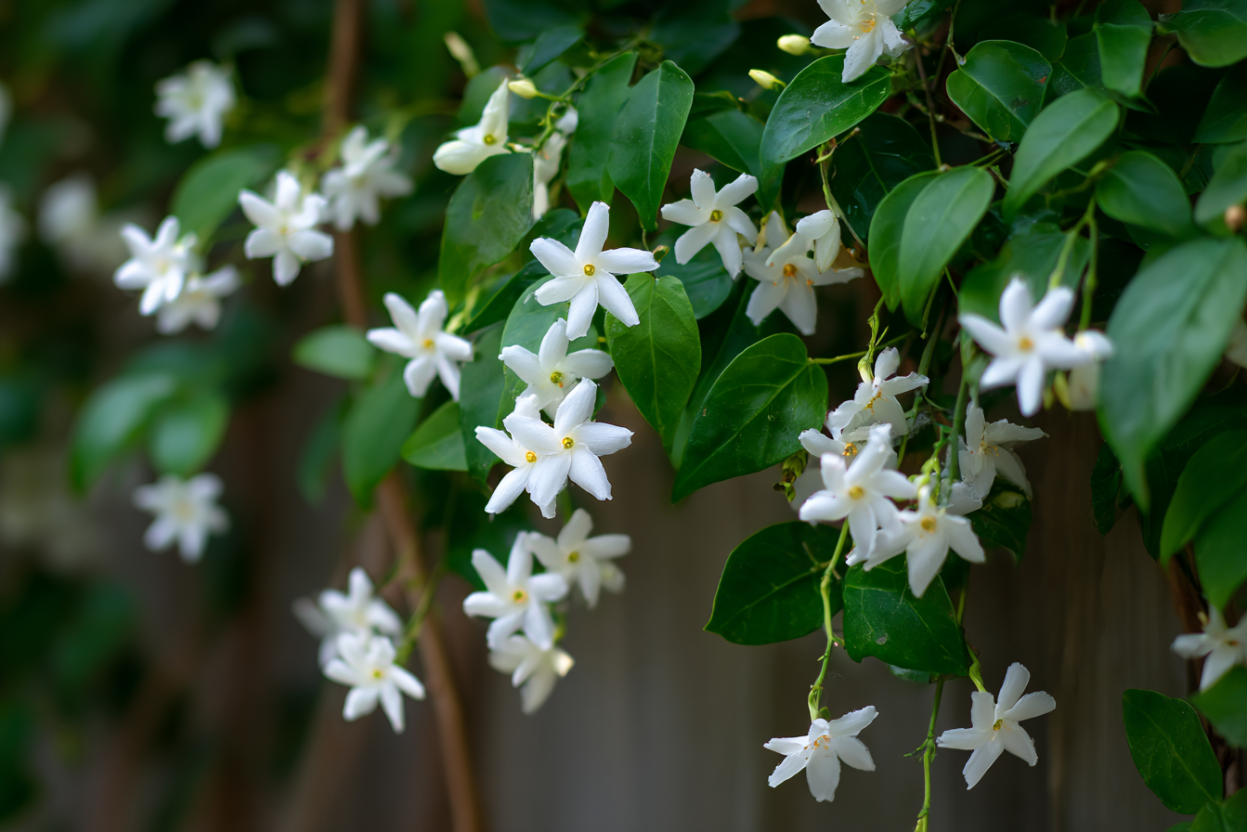
Jasmine (Jasminum officinale)
If you have ever struggled with restless nights, a mind that will not quiet down, or an anxious weight that settles in your chest without warning — you are not alone. Millions of people search for relief from insomnia, anxiety, and nervous tension every single day. What many do not realize is that one of the most powerful calming agents ever studied by modern science has been blooming quietly in gardens for thousands of years.
Jasmine is one of the Creator’s most elegant provisions — a plant so generous that it releases its deepest fragrance only at night, when we need rest most. Like all of creation, this flower reflects the wisdom of a Designer who anticipated every human need before we ever thought to ask.
The Plant
Common Names: Jasmine, Common Jasmine, Poet’s Jasmine, True Jasmine, White Jasmine, Royal Jasmine, Spanish Jasmine (J. grandiflorum), Arabian Jasmine (J. sambac), Mogra (India), Mo Li Hua (China), Yasmin (Arabic)
Botanical Name: Jasminum officinale L. (primary species); Jasminum grandiflorum L.; Jasminum sambac (L.) Aiton
Family: Oleaceae (the olive family — the same family as olives, lilacs, and forsythia, known for fragrant flowers and oil-producing members)
Description
Jasmine is a genus of over 200 species of shrubs and vines, though three species dominate the world of healing and fragrance. Jasminum officinale (Common Jasmine) is a deciduous to semi-evergreen climbing vine that can reach 15 to 30 feet in length when given support. Its compound leaves are dark green, composed of five to nine pointed leaflets arranged in opposite pairs along slender, twining stems. The flowers are the glory of this plant — small, star-shaped, five-petaled, and pure white, appearing in clusters from late spring through autumn. Each blossom measures roughly one inch across, and what it lacks in size, it compensates for with one of the most intoxicating fragrances in the entire plant kingdom.
Jasminum grandiflorum (Royal or Spanish Jasmine) produces slightly larger flowers with a pink tinge on the outer petals. Jasminum sambac (Arabian Jasmine) is an evergreen shrub with rounder, glossy leaves and intensely fragrant waxy white flowers that are the source of jasmine tea. All species share the defining characteristic: the flowers open at dusk, releasing their strongest scent during the night hours, and close by morning. The name “jasmine” itself comes from the Arabic word yasmin, meaning “gift from God.”
Origin
Jasmine is native to the tropical and warm temperate regions of Eurasia. J. officinale originated in the Caucasus region, northern Iran, western China, and the Himalayas. J. sambac is believed to have originated in Southeast Asia, likely the eastern Himalayas or the Indian subcontinent. J. grandiflorum is native to South Asia and the Arabian Peninsula. From these origins, jasmine spread through ancient trade routes — carried by Moorish traders to Spain, by Persian merchants along the Silk Road, and by colonial expansion to the Americas and beyond. Today it grows across every continent with suitable climate, from Egypt (the world’s largest producer of jasmine absolute) to southern France, India, China, and the southeastern United States.
Brief History
Jasmine’s recorded use spans at least 3,000 years. Ancient Egyptians used jasmine in fragrant ointments and temple rituals. In ancient Persia, jasmine was so revered that the word for the flower became a common given name. Chinese records document the use of jasmine flowers to scent green tea as early as the Song Dynasty (960–1279 AD), a practice that continues today. In India, jasmine garlands have been woven for weddings and sacred occasions since antiquity. The Moors brought jasmine to Spain during the Islamic Golden Age, and from Spain it traveled to southern France, where Grasse became the world center for jasmine-based perfumery. By the 16th century, jasmine was a fixture in European apothecary gardens, and it arrived in the Americas with colonial settlers.
Growing & Cultivation
Climate & Zones
Jasmine thrives in USDA Hardiness Zones 7 through 10, depending on species. J. officinale is the hardiest, tolerating temperatures down to about 0°F (Zone 7) once established, though it may die back to the roots in severe winters and regrow from the base. J. sambac is tropical and requires Zone 9 through 11, or indoor growing in cooler climates. J. grandiflorum is comfortable in Zones 8 through 11. In areas outside these zones, jasmine grows beautifully as a container plant brought indoors during cold months. In Georgia (Zone 7b–8b), common jasmine does well outdoors with some winter protection.
Soil Requirements
Jasmine prefers rich, well-draining, loamy soil with a slightly acidic to neutral pH of 6.0 to 7.5. Amend clay soils with compost and perlite for drainage. In containers, use a high-quality potting mix with added perlite. Jasmine appreciates fertile soil and benefits from regular compost additions. It does not tolerate waterlogged conditions — root rot is the most common cause of jasmine failure.
Water & Sunlight
Jasmine requires moderate, consistent water — about one inch per week during the growing season. The soil should stay evenly moist but never saturated. Reduce watering in winter. Overwatering produces yellow leaves; underwatering produces leaf drop. For sunlight, jasmine performs best in full sun to partial shade, with at least 4 to 6 hours of direct sunlight daily. In hot southern climates, afternoon shade prevents flower scorching. Indoor plants need a bright south- or west-facing window.
Propagation
Stem Cuttings: The most reliable method. Take 4- to 6-inch semi-hardwood cuttings in summer. Remove lower leaves, dip in rooting hormone, and plant in moist perlite or a peat-perlite mix. Keep humid under a plastic dome. Roots typically form within 4 to 8 weeks. Layering: Bend a low-growing stem to the ground, wound the underside slightly, and pin it down with soil covering the wounded section. Roots will form at the wound in 6 to 12 weeks, at which point the new plant can be severed from the parent. Seed: Jasmine can be grown from seed, but germination is slow and irregular (up to 30 days), and seedlings take several years to flower. Seeds require soaking for 24 hours before planting. Division: J. sambac can be divided at the root when the clump becomes established.
Planting
Plant jasmine in spring after the last frost. Space plants 8 to 10 feet apart for climbing varieties, or 4 to 5 feet for shrub types. Provide a trellis, arbor, or fence for climbing species. Plant at the same depth as the nursery container. Mulch around the base to retain moisture and regulate soil temperature. Good companion plants include roses, clematis, lavender, and gardenia — all of which appreciate similar conditions and complement jasmine’s fragrance.
Harvesting
For aromatic and therapeutic use, harvest jasmine flowers in the early morning, just as the blooms begin to close after their nighttime opening. This is when volatile oil content is highest. For jasmine tea, pick fully opened flowers at night when scent is strongest. Handle flowers gently — they bruise easily. Regular harvesting encourages continued blooming throughout the season.
Drying & Storage
Jasmine flowers are extremely delicate and lose much of their fragrance when dried conventionally. For best results, spread flowers in a single layer on a screen in a well-ventilated, dark area at low temperatures (below 95°F). Alternatively, freeze flowers immediately after harvesting to preserve scent compounds. Dried jasmine retains a gentle fragrance for 6 to 12 months when stored in airtight glass containers away from light. For culinary tea blending, dried flowers are layered with green or white tea leaves, which absorb the fragrance.
Pest & Disease Management
Common pests include aphids, spider mites, whiteflies, and mealybugs. Neem oil spray is an effective organic treatment for all of these. Jasmine is susceptible to powdery mildew in humid conditions with poor air circulation — ensure adequate spacing and airflow. Root rot from overwatering is the most serious disease threat. Companion planting with marigolds and basil helps deter aphids naturally.
Companion Planting
Jasmine pairs well with lavender, rosemary, roses, and clematis. Avoid planting near aggressive root-system trees that will compete for nutrients. Jasmine’s fragrant flowers attract pollinators, making it an excellent companion for vegetable gardens that need pollination support. Its presence attracts beneficial insects including bees, butterflies, and hummingbird moths.
The Healing of Growing
Growing jasmine offers benefits beyond the harvest itself. The act of gardening — hands in soil, bare feet on earth, time spent outdoors — has been shown to reduce cortisol, improve mood, and support immune function. The soil contains beneficial bacteria (Mycobacterium vaccae) with documented antidepressant effects. Tending a jasmine vine at dusk, when its fragrance fills the evening air, combines the therapeutic benefits of nature exposure, aromatherapy, and mindful presence into a single experience. When you grow your own jasmine, you receive healing before you ever consume it.
Nutritional Profile
Note: Jasmine flowers are edible and are primarily consumed in the form of jasmine tea and as a flavoring agent, rather than as a significant food source. Nutritional data here applies to jasmine tea and the flowers used in culinary applications.
Key Nutrients in Jasmine Flowers & Tea
Jasmine flowers are not consumed in large enough quantities to serve as a primary nutrient source the way fruits or vegetables do. However, jasmine tea (green tea scented with jasmine flowers) provides meaningful levels of several important compounds:
Catechins (EGCG): Powerful polyphenol antioxidants from the green tea base. EGCG (epigallocatechin gallate) supports metabolic function, cardiovascular health, and has been extensively studied for neuroprotective properties.
L-Theanine: An amino acid unique to tea that promotes calm alertness by supporting GABA, serotonin, and dopamine production — working synergistically with jasmine’s own calming volatile compounds.
Flavonoids: Jasmine flowers contain quercetin, kaempferol, and rutin — plant compounds that function as antioxidants, support vascular health, and may help modulate inflammatory responses.
Linalool: A terpene alcohol abundant in jasmine that is absorbed through tea consumption and contributes to the calming properties of jasmine tea. Studies suggest linalool supports GABA receptor activity.
Nutrient Notes
The primary therapeutic value of consuming jasmine is through its volatile aromatic compounds and polyphenols, rather than its macronutrient content. When combined with green tea, jasmine provides a synergistic blend — the L-theanine in tea promotes relaxation while the caffeine provides gentle alertness, and the jasmine volatiles amplify the calming effect. This is why jasmine tea has been valued as a whole-body tonic across Asian cultures for over a thousand years.
Culinary Uses
Edible Parts
The flowers of all true jasmine species (Jasminum genus) are edible. The petals are the primary part used in culinary applications, though the whole flower can be consumed. Leaves are not typically eaten. Do not confuse true jasmine with “false jasmine” plants like Carolina jessamine (Gelsemium sempervirens), which is highly toxic.
Flavor Profile
Jasmine flowers have a sweet, intensely floral flavor with honey-like undertones and a delicate, slightly musky complexity. The taste is lighter than the aroma — subtly sweet with a clean, almost green finish. When steeped in tea, the flavor integrates beautifully with green tea’s grassy notes. The flowers lose their distinct flavor when cooked at high temperatures, so they are best used fresh, steeped, or as a garnish.
Preparation
Jasmine Tea: The most iconic culinary use. Green or white tea leaves are layered with fresh jasmine flowers for several hours, allowing the tea to absorb the fragrance. This process is repeated multiple times for premium-grade jasmine tea. Simple Syrup: Steep fresh jasmine flowers in warm simple syrup (1:1 sugar and water) for several hours. Strain and use in cocktails, lemonade, or over desserts. Infused Water: Add fresh flowers to cold water and refrigerate overnight for floral drinking water. Garnish: Scatter fresh petals on salads, desserts, rice dishes, or float on soups. Ice Cream & Custard: Steep flowers in warm cream or milk as a base. Rice: In Southeast Asian cuisine, jasmine-scented rice is made by placing flowers in the rice container.
Culinary Pairings
Jasmine pairs beautifully with coconut, lychee, mango, peach, white chocolate, honey, vanilla, green tea, cardamom, ginger, and citrus fruits — especially Meyer lemon and yuzu. It complements light proteins like white fish, chicken, and tofu. In beverage applications, it blends well with gin, vodka, champagne, and sparkling water.
Storage
Fresh jasmine flowers are extremely perishable — use within hours of picking for best results. They can be refrigerated between damp paper towels for up to one day. For longer storage, freeze flowers in a single layer on a baking sheet, then transfer to an airtight container. Dried jasmine flowers retain subtle flavor for 6 to 12 months in airtight glass jars stored away from heat and light.
Ready to cook with Jasmine? View Recipes on Chefts →
Wellness & Therapeutic Uses
Traditional Uses
Jasmine has been used as a healing plant across virtually every major civilization for millennia. In Traditional Chinese Medicine (TCM), jasmine flowers (mo li hua) have been used to regulate qi, calm the liver, brighten the eyes, and support digestive function. Jasmine tea has been a staple of Chinese medicine and culture since the Song Dynasty. In Ayurvedic medicine, jasmine is considered a cooling herb that balances Pitta dosha. It has been used for centuries as an antidepressant, aphrodisiac, and nervine tonic. The root has traditionally been used to treat headaches and insomnia. In Unani medicine, jasmine flowers are used for their anti-inflammatory and analgesic properties. Across the Middle East, jasmine has been a traditional remedy for depression, nervous tension, skin conditions, and digestive complaints for thousands of years.
Modern Research
Nervous System & Anxiety Support: A landmark 2010 study published in the Journal of Biological Chemistry by researchers at Ruhr-Universität Bochum and Heinrich Heine Universität Düsseldorf found that fragrant compounds derived from the Gardenia jasminoides (jasmine family) acted on GABA-A receptors with a potency comparable to barbiturates and propofol, increasing the GABA effect by more than five times. The researchers described the fragrances as having the “same molecular mechanism of action” as commonly prescribed sedatives, but without the side effects of pharmaceutical drugs (Sergeeva et al., 2010, Germany, in vitro and animal study). A 2005 study published in the European Journal of Applied Physiology found that jasmine tea odor at low intensity produced significant sedative effects on autonomic nerve activity and mood states, including decreased heart rate and increased parasympathetic activity (Kuroda et al., 2005, Japan, 24 human participants).
Sleep Support: Research at Wheeling Jesuit University (2002) by Dr. Bryan Raudenbush found that people who slept in jasmine-scented rooms moved less during the night, reported lower anxiety upon waking, and performed better on cognitive tests the following day compared to lavender-scented or unscented rooms (Raudenbush, 2002, USA, 20 human participants). A 2024 sleep laboratory study published in SLEEP found that both high and low doses of synthetic jasmine scent significantly reduced wake-after-sleep-onset time in sensitive sleepers (2024, USA, 30 participants, randomized double-blinded crossover trial).
Anti-inflammatory Properties: A 2020 study published in Natural Product Communications demonstrated that jasmine flower extracts (J. grandiflorum) significantly reduced TPA-induced ear edema in mice, with some extracts performing comparably to dexamethasone. The extracts downregulated inflammation-associated enzymes including COX-2 and IκB kinase (Li et al., 2020, China, animal study). A 2019 study in Fitoterapia isolated four new sesquiterpenoids (jasminols) from J. officinale stems with demonstrated anti-inflammatory activity against NO production in macrophage cells (Lu et al., 2019, China, in vitro).
Antioxidant & Anti-diabetic Activity: A 2024 study published in Heliyon found that ethyl acetate fractions of J. officinale leaf extract demonstrated significant DPPH scavenging activity comparable to ascorbic acid, substantial alpha-amylase inhibition (indicating blood sugar support), anti-inflammatory activity, and lipid peroxidation inhibition. Key compounds identified included kaempferol, gallic acid, quercetin, rutin, and cirsiliol (2024, in vitro).
Antimicrobial Activity: A 2021 systematic review published in Molecules (PMC) confirmed that various Jasminum species exhibit broad antimicrobial activity against both Gram-positive and Gram-negative bacteria, as well as certain fungi. Essential oil from J. officinale flowers showed antifungal activity against Trichosporon ovoides with an MIC of 3.1 μg/mL. The review attributed these properties to the plants’ content of flavonoids, phenolic compounds, and terpenoids.
Skin Inflammation & Wound Healing: In vivo studies have shown that ethanolic extracts of jasmine flowers enhanced wound healing by increasing granulation tissue formation and promoting wound contraction in animal models. In vitro studies confirmed jasmine extracts inhibit the growth of Propionibacterium acnes, the bacterium associated with acne (multiple studies, 2014–2020).
Body Systems Supported
Nervous system (calming, sedative, anxiolytic, sleep support), integumentary system (skin healing, anti-inflammatory, antimicrobial), digestive system (traditional carminative use, jasmine tea for digestion), endocrine system (hormonal balancing, traditional use for menstrual support and menopause), immune system (antioxidant, antimicrobial), cardiovascular system (antioxidant support, traditional use for blood pressure), respiratory system (traditional use as expectorant).
Body Compounds Affected
GABA: Jasmine-related fragrances have been shown to potentiate GABA-A receptor response by more than five times, producing sedative and anxiolytic effects comparable to pharmaceutical drugs (Sergeeva et al., 2010). Cis-jasmone and methyl jasmonate specifically potentiate the GABA-A receptor response (Hossain et al., 2002). Serotonin: The aroma of jasmine has been reported to stimulate serotonin production, supporting mood stabilization. Cortisol: Multiple aromatherapy studies suggest jasmine scent may help lower cortisol levels, contributing to stress reduction. Dopamine: The mood-elevating effects of jasmine inhalation suggest dopaminergic pathway involvement. Beta-endorphins: Traditional use as a pain reliever (analgesic) may be connected to endorphin modulation.
Methods of Use
Tea/Infusion
Use 1 tablespoon of dried jasmine flowers (or 2 tablespoons fresh) per cup of hot water (175°F — not boiling, to preserve delicate volatile compounds). Steep 3 to 5 minutes. Drink 1 to 3 cups daily. For jasmine green tea, use 1 teaspoon of jasmine-scented green tea per cup, steep 2 to 3 minutes. Drink up to 4 cups daily.
Tincture
Jasmine tincture is made by macerating fresh flowers in a high-proof alcohol (such as vodka or grain alcohol at 80 proof) at a ratio of approximately 1:5 (plant to solvent) for 4 to 6 weeks. Typical dosage is 15 to 30 drops, 1 to 3 times daily. Consult a qualified herbalist for personalized guidance.
Aromatherapy
Diffuse 3 to 5 drops of jasmine essential oil (absolute) for 30 to 60 minutes before bedtime. Alternatively, place fresh jasmine flowers near your bed or add dried flowers to a pillow sachet.
Topical
Jasmine-infused oil can be applied to the skin for massage. Dilute jasmine essential oil to 1 to 2% in a carrier oil (such as jojoba, sweet almond, or coconut oil) before topical application.
Cosmetic & Beauty Uses
Skin Benefits
Jasmine offers remarkable benefits for the skin. Its antioxidant content (particularly quercetin and kaempferol) helps protect skin cells from free radical damage caused by UV exposure and environmental pollutants. Research has shown jasmine flower extracts can activate the Nrf2/ARE antioxidant signaling pathway and protect dermal fibroblast cells from UVB-induced aging (Chang et al., 2020, Taiwan, in vitro). Jasmine oil has demonstrated the ability to inhibit tyrosinase (the enzyme responsible for melanin production), supporting a more even skin tone. Its anti-inflammatory properties may help soothe conditions like eczema, rosacea, and general redness. Jasmine’s antibacterial qualities — particularly its demonstrated activity against P. acnes and Malassezia species — make it potentially beneficial for acne-prone skin. The oil is naturally moisturizing without being comedogenic (pore-clogging), making it suitable for most skin types including oily and combination skin.
Hair Benefits
Jasmine oil has been traditionally used to condition and strengthen hair. It helps seal moisture into the hair shaft, reducing frizz and improving shine. The antimicrobial properties may support a healthy scalp environment. In South Asian tradition, jasmine oil or jasmine-infused coconut oil is a cherished hair treatment — women apply it before braiding hair at night for soft, fragrant hair in the morning. As a rinse, cooled jasmine tea can add shine and a subtle fragrance to all hair types.
Application Methods
Infused Facial Oil: Steep dried jasmine flowers in jojoba or rosehip seed oil for 4 to 6 weeks. Strain and apply 2 to 3 drops to cleansed face at night. Face Mask: Mix 1 tablespoon yogurt with cooled jasmine tea and a drop of honey. Apply for 15 minutes and rinse. Toner: Brew a strong jasmine tea, cool, and decant into a spray bottle. Mist on face after cleansing — the antioxidants and gentle astringent properties help refine pores. Hair Oil: Add 3 to 5 drops of jasmine absolute to 1 tablespoon of coconut or argan oil. Massage into scalp and through hair as an overnight treatment. Bath: Float a handful of fresh jasmine flowers in a warm bath for a full aromatherapy and skin-softening experience.
DIY Formulation Notes
Jasmine absolute is highly concentrated — use at 0.5 to 2% in formulations. It pairs beautifully with carrier oils like rosehip seed (for aging skin), jojoba (for balancing), and sweet almond (for sensitive skin). Avoid combining jasmine essential oil with highly acidic ingredients like strong AHAs, as this can cause irritation. Homemade jasmine-infused oils should be used within 6 months and stored in dark glass bottles away from heat. Always perform a patch test before first use.
Jasmine is among the botanicals being explored for holistic cosmetic applications, where the wisdom of traditional beauty practices meets modern understanding of skin science.
Essential Oil Profile
Extraction
True jasmine essential oil is technically an absolute, not a distilled essential oil. The flowers are far too delicate for steam distillation — the heat would destroy the volatile compounds that give jasmine its characteristic scent. Instead, jasmine absolute is obtained through solvent extraction. Fresh flowers are placed in a solvent (typically hexane), which dissolves the aromatic compounds, producing a “concrete” — a waxy, semi-solid substance. The concrete is then washed with ethanol to separate the waxes from the pure aromatic extract (the absolute). CO2 extraction is a newer method that produces a cleaner, solvent-free absolute. The yield is extraordinarily low: approximately 1 ton of jasmine blossoms produces only 2.5 to 3 kg of concrete, which in turn yields about 1.5 kg of absolute. This is why jasmine absolute is one of the most expensive essential oils in the world.
Chemical Constituents
Benzyl acetate (15–67%): The dominant component. An ester responsible for the sweet, fruity-floral character. Contributes to sedative and muscle-relaxant properties. Linalool (8–20%): A monoterpene alcohol with well-documented calming, anti-anxiety, and anti-inflammatory effects. Shown to modulate GABA receptor activity. Benzyl alcohol (3–15%): An aromatic alcohol with gentle antiseptic properties. Indole (1.9–8%): A nitrogen-containing compound that gives jasmine its deep, rich, almost animalic quality. In small amounts, it creates the “heady” note that distinguishes jasmine from lighter florals. Benzyl benzoate: An ester with antiparasitic and preservative properties. Cis-jasmone (2.6–3.4%): The compound most characteristic of the “jasmine” scent. Shown to potentiate GABA receptor response. Geraniol (8–11%): A monoterpenoid with antioxidant and anti-inflammatory properties. Phytol: A diterpene with antioxidant effects; research suggests it may influence sleep duration. Methyl anthranilate: Contributes to jasmine’s grape-like undertone. Nerolidol: A sesquiterpene with anxiolytic properties shown to interact with the GABAergic system.
Aroma Profile
Jasmine absolute is classified as a middle to base note in perfumery. The scent is intensely floral, warm, rich, sweet, and deeply romantic with exotic, almost narcotic undertones. It has a honeyed quality and a slight indolic depth that gives it body and persistence. The aroma evolves on the skin — top notes are bright and fresh, the heart is full-bodied and sensuous, and the dry-down is warm, musky, and long-lasting. Jasmine blends beautifully with rose, neroli, bergamot, sandalwood, ylang-ylang, frankincense, clary sage, geranium, vetiver, and all citrus oils.
Therapeutic Properties
Research and traditional use suggest jasmine absolute may be: sedative, anxiolytic (anxiety-reducing), antidepressant, antispasmodic, antiseptic, anti-inflammatory, aphrodisiac, emmenagogue (may stimulate menstrual flow), expectorant, galactagogue (may support lactation — traditional use, not clinically proven), and cicatrisant (wound-healing support).
How to Use
Diffusion
Add 2 to 4 drops of jasmine absolute to a diffuser. Diffuse for 30 to 60 minutes in the evening for relaxation and sleep support. Because jasmine absolute is thick and viscous, warm the bottle in your hands before dispensing to improve flow.
Topical Application
Standard adult dilution: 2 to 3% (approximately 12 to 18 drops per ounce of carrier oil). Sensitive skin: 1% (6 drops per ounce). Children over 6: 0.5 to 1% (3 to 6 drops per ounce). Elderly: 1% dilution recommended. Excellent carrier oils for jasmine include jojoba, sweet almond, fractionated coconut, and rosehip seed oil. Apply to pulse points (wrists, neck, temples) for aromatic benefit, or massage into skin for topical and aromatic benefit simultaneously.
Quality & Sourcing
Due to its extremely high cost, jasmine absolute is one of the most frequently adulterated essential oils. Look for GC/MS testing reports that verify composition. Purchase from reputable suppliers who can provide sourcing information. The finest jasmine absolute comes from Egypt (the largest producer), India, and southern France (Grasse). Be wary of “jasmine essential oil” marketed at unusually low prices — it is likely synthetic or heavily diluted. True jasmine absolute should be thick, deeply colored (amber to reddish-brown), and intensely fragrant.
Blending
Jasmine absolute enhances virtually any floral or calming blend. For relaxation, combine with lavender and sandalwood. For mood elevation, blend with bergamot and ylang-ylang. For romance, pair with rose and neroli. For meditation, combine with frankincense and vetiver. A little goes a long way — jasmine is extremely potent, so use sparingly in blends (typically 5 to 10% of the total blend).
Aromatherapy & Scent
The Aroma
The living jasmine plant releases a scent that is warmer, softer, and more complex than any perfume or extract can fully replicate. Fresh jasmine fragrance is intensely sweet, deeply floral, with honeyed warmth and an almost narcotic richness. The scent is strongest after dusk — jasmine flowers open at twilight and release their volatile compounds most intensely between 8 PM and midnight. Touch the flowers or nearby leaves during the day and you will catch a lighter, greener version of the aroma. After rain, the humid air carries the scent further and more intensely. When dried, jasmine retains a gentle, papery sweetness — lighter and less complex than the fresh flower, but still recognizable. Dried jasmine keeps its scent for 6 to 12 months when stored properly.
How Scent Affects Your Body
When you inhale jasmine’s fragrance, volatile aromatic molecules enter the nasal passage and bind to olfactory receptors at the top of the nose. These receptors send signals directly to the limbic system — the emotional control center of the brain — and to the hypothalamus, which governs hormone production. This pathway bypasses the conscious, analytical parts of the brain entirely. Your body responds to the scent before your mind forms a thought about it. This is why a single breath of jasmine can shift your emotional state in seconds — lowering heart rate, easing muscle tension, and triggering a cascade of calming neurochemistry.
Emotional & Mood Effects
Jasmine’s aroma has a dual action that is nearly unique in the plant world: it is simultaneously calming and uplifting. Unlike pure sedatives that produce drowsiness without mood elevation, or pure stimulants that energize without calming, jasmine has been shown to reduce anxiety while also increasing positive mood, alertness, and a sense of well-being. Research describes this as “active relaxation” — the body is calm but the mind is clear and positive. Specific effects include: soothing nervous tension, easing anxiety, promoting restful sleep (when used at lower concentrations), elevating mood and optimism, increasing confidence, promoting feelings of romance and connection, and supporting emotional balance during hormonal transitions such as menstruation and menopause.
Body Compounds Affected
The scent of jasmine has been shown to increase GABA activity at receptor sites by more than five times, directly calming nervous system activity (Sergeeva et al., 2010). It may lower cortisol levels, contributing to reduced stress (multiple aromatherapy studies). The mood-elevating effects suggest increased serotonin and dopamine activity. The sedative properties at higher concentrations suggest possible melatonin pathway support. The well-documented calming of heart rate and blood pressure indicates parasympathetic nervous system activation.
Ways to Experience the Scent
Growing jasmine on a porch, balcony, or near a bedroom window allows the evening fragrance to drift indoors naturally. Place fresh-cut jasmine stems in a bedside vase. Crush a leaf or flower between your fingers while gardening to release a burst of aroma. Make dried jasmine sachets for drawers, closets, or under your pillow. Simmer dried flowers on the stove in a pot of water with cinnamon sticks and citrus peel to fill the home with natural fragrance. Add a handful of fresh flowers to a warm bath. Brew jasmine tea and breathe the steam deeply before drinking. These methods allow you to receive the therapeutic benefits of jasmine’s scent without needing essential oil at all.
Color Therapy
The Colors of Jasmine
Jasmine’s primary color is white — its flowers are pure, clean, luminous white, sometimes with a faint blush of pink on the outer petals (J. grandiflorum). The foliage is a deep, rich green. Some species, like winter jasmine (J. nudiflorum), produce bright yellow flowers. The combination of white flowers against dark green leaves creates a striking visual contrast that is itself therapeutic — a visual embodiment of purity and vitality.
Color Wavelengths
White is not a single wavelength — it is the full visible spectrum (380–700nm) reflected simultaneously. This means exposure to white flowers provides full-spectrum light therapy benefit. The green of jasmine’s leaves falls in the 495–570nm range, the most balanced and calming wavelength in the visible spectrum. The human eye has the greatest sensitivity to green wavelengths, which is why green environments produce the strongest physiological calming response.
How White and Green Affect the Body
White in color therapy is associated with purification, clarity, renewal, and a sense of peace. Viewing white flowers may promote mental clarity, reduce visual stress, and create a sense of openness and calm. Green is the color of balance — it sits at the center of the visible spectrum and is associated with heart-centered healing, emotional equilibrium, nature connection, and overall harmony. Research in healthcare settings has shown that patients with views of green plants and white flowers show reduced anxiety and faster recovery times.
Body Compounds Affected
Exposure to green wavelengths has been associated with reduced cortisol levels and increased parasympathetic nervous system activity. Full-spectrum white light exposure supports serotonin production and healthy circadian rhythm regulation. The combined effect of white jasmine flowers in a green garden setting provides a gentle color therapy session simply through visual presence.
Using Jasmine for Color Therapy
Place jasmine plants where you will see them regularly — near a reading chair, on a patio table, or by a kitchen window. The visual impact of white flowers against green foliage is naturally calming. Use cut jasmine in arrangements for bedrooms or healing spaces. Eat jasmine flowers (which are white) as part of an “eating the rainbow” practice — white foods in TCM are associated with lung and immune system support.
Frequency & Vibration
The Frequency of Jasmine
According to bio-frequency research conducted by Bruce Tainio using a Calibrated Frequency Monitor (CFM), jasmine essential oil has been measured at approximately 104 MHz — one of the highest measured frequencies among essential oils. For reference, a healthy human body typically vibrates between 62 and 78 MHz. When body frequency drops below 58 MHz, the immune system becomes compromised. Rose essential oil measures the highest at approximately 320 MHz, while jasmine’s frequency places it among the higher-vibrating oils alongside lavender, frankincense, and sandalwood.
Human Frequency Interaction
Proponents of vibrational medicine suggest that exposure to high-frequency substances — such as essential oils, fresh plants, and living foods — may help support the body’s own frequency. The principle of entrainment suggests that a stronger, consistent vibration can influence a weaker or irregular one, potentially bringing it into greater coherence. Being around living jasmine plants, inhaling the flower’s fragrance, or applying jasmine oil to the skin may, according to this framework, introduce a higher vibrational frequency to the body’s energetic field.
Essential Oil Frequency
The concentration process of creating jasmine absolute may affect its measured frequency compared to the whole living plant. However, jasmine absolute retains an extremely complex molecular profile — with over 100 identified compounds — suggesting a rich and layered vibrational signature. The high frequency measurement of jasmine oil aligns with its traditional association with elevated emotional states such as joy, love, confidence, and spiritual openness.
Vibrational Applications
Use jasmine to raise personal frequency by: diffusing jasmine absolute during prayer, meditation, or rest; keeping a living jasmine plant in your home; spending time in gardens where jasmine grows; applying diluted jasmine oil to the heart and wrist pulse points; and brewing fresh jasmine tea with intention and gratitude. Jasmine’s high frequency may be particularly supportive in environments where energy feels heavy, stagnant, or emotionally draining.
Note: Frequency measurements of essential oils represent an emerging area of research. While bio-frequency concepts are supported by the fundamental physics of molecular vibration, specific MHz measurements and their clinical implications are still being investigated. The information above reflects the current understanding within the bio-frequency research community.
The Living Plant
Benefits of Presence
Simply being around a living jasmine plant provides measurable benefits — no tea, no oil, no extraction needed. Research on biophilic design demonstrates that the presence of living plants in indoor environments reduces stress, improves attention, and enhances feelings of well-being. Jasmine amplifies these benefits by adding its fragrance — a passive aromatherapy session that occurs naturally every evening. The visual beauty of the plant, the texture of its leaves, and the ritual of caring for it all contribute to therapeutic benefit.
Air Purification
While jasmine was not included in NASA’s original Clean Air Study, it does contribute to indoor air quality through standard plant physiology — absorbing carbon dioxide and producing oxygen through photosynthesis. Jasmine’s transpiration process also adds moisture to indoor air, which can benefit respiratory health in dry-heated or air-conditioned environments. Its rich volatile organic compound profile means the plant continuously releases small amounts of linalool, benzyl acetate, and other beneficial aromatic compounds into the surrounding air.
Phytoncides
Jasmine releases phytoncides — volatile antimicrobial compounds that plants produce to protect themselves from pathogens. These compounds enter the air around the plant and, when inhaled, have been shown in forest bathing (shinrin-yoku) research to increase natural killer (NK) cell activity in humans, which supports immune function. While jasmine-specific phytoncide research is limited, the principle is well-established across the plant kingdom, and jasmine’s exceptionally volatile aromatic profile suggests meaningful phytoncide release.
Visual & Psychological Benefits
Research consistently shows that viewing plants reduces psychological stress and improves cognitive function. A frequently cited study found that hospital patients with views of plants had shorter hospital stays, fewer pain medication requests, and more positive attitudes compared to patients viewing walls. Jasmine’s white flowers are particularly visually calming, and the daily ritual of watching buds form, open at dusk, and release their fragrance creates a connection to natural rhythms that is deeply grounding in modern life.
Growing Indoors vs Outdoors
J. sambac (Arabian Jasmine) is the best species for indoor growing — it adapts well to container culture and can bloom year-round with adequate light and warmth. Place in a south-facing window with at least 4 hours of direct sunlight. Keep humidity above 50% (use a pebble tray or humidifier). J. officinale can be grown indoors but prefers outdoor conditions and may not bloom as prolifically inside. For outdoor growing, train jasmine on an arbor near a bedroom window, on a porch railing, or over a garden gate where the evening fragrance can be most enjoyed.
Touch & Physical Interaction
Gardening Therapy
Horticultural therapy is a recognized therapeutic practice, and jasmine is an ideal plant for this purpose. The act of training a jasmine vine along a trellis — gently guiding stems, securing them, watching the plant respond — is a meditative practice that connects the gardener to the rhythm of growth. Tending jasmine requires patience, attention, and presence, all of which are therapeutic qualities that counter the constant urgency of modern life.
Soil Contact Benefits
When you garden barefoot or handle soil directly, you receive the benefits of grounding (also called earthing) — the transfer of electrons from the earth’s surface into the body through direct contact. Research suggests this electron transfer may reduce inflammation, improve sleep, normalize cortisol rhythms, and reduce blood viscosity. Additionally, contact with garden soil exposes you to Mycobacterium vaccae, a soil bacterium that has been shown in research to stimulate serotonin production in the brain, producing antidepressant-like effects (Lowry et al., Neuroscience, 2007).
The Tactile Experience
Jasmine offers a varied and pleasant tactile experience. The leaves are smooth, slightly waxy on top, and softer underneath — pleasant to run your fingers across. The stems are slender and flexible when young, becoming woody with age. The flowers are the tactile highlight: soft, delicate, almost silky petals that feel like the finest natural fabric. Harvesting jasmine is a gentle, mindful act — you must be careful not to bruise the petals, which encourages slow, deliberate movement. The experience of cupping a handful of fresh jasmine flowers, feeling their softness, and breathing in their scent is a multisensory healing moment.
Harvesting & Processing
Picking jasmine flowers in the pre-dawn hours is an ancient practice that connects the harvester to centuries of tradition. The repetitive, gentle motion of plucking flowers is meditative in nature. Sorting flowers, spreading them for drying, or layering them with tea leaves for scenting are all processing activities that engage the hands, quiet the mind, and produce a tangible result — deeply satisfying in a world where so much of our work is abstract and digital.
Water-Based Applications
Teas & Infusions
Jasmine Flower Infusion: Use 1 tablespoon dried flowers (or 2 tablespoons fresh) per 8 oz of water heated to 175°F (80°C). Do not use boiling water — it destroys delicate volatile compounds. Steep 3 to 5 minutes. Strain and drink. For a stronger therapeutic infusion, steep 10 to 15 minutes with a lid on to trap volatile compounds. Drink 1 to 3 cups daily. Hot infusion is best for calming and digestive support. Cold infusion (steeping in cold water for 4 to 8 hours in the refrigerator) produces a lighter, more refreshing drink that preserves volatile compounds exceptionally well.
Herbal Baths
Add a generous handful of fresh jasmine flowers (or 1/4 cup dried) directly to a warm bath (98–102°F). Alternatively, brew a strong jasmine infusion (4 tablespoons flowers in 1 quart of water, steeped 20 minutes), strain, and add the liquid to the bath. Soak for 20 to 30 minutes. The combination of warm water, jasmine’s fragrance, and its volatile compounds absorbed through the skin creates a deeply relaxing experience. Jasmine baths have been traditionally recommended for nervous tension, insomnia, skin irritation, and menstrual discomfort. For a foot bath alternative, use half the amount in a basin of warm water and soak for 15 to 20 minutes.
Hydrosols
Jasmine hydrosol (floral water) is the water portion remaining after steam distillation of jasmine flowers. While most jasmine is processed by solvent extraction (making hydrosol less common), it is available from specialty distillers. Jasmine hydrosol is much gentler than the essential oil and can be used as a facial mist, body spray, or room freshener. It retains the calming aromatic properties at a concentration suitable for direct skin application without dilution. It makes an excellent toner for all skin types and a soothing pillow spray for sleep.
Compresses
Warm compress: Brew a strong jasmine infusion, soak a clean cloth, wring slightly, and apply to the forehead for headache relief, to the lower abdomen for menstrual discomfort, or to tense muscles. Cool compress: Use the same infusion, chilled, applied to the eyes to reduce puffiness and soothe tired eyes, or to sunburned skin for cooling relief.
Steam Inhalation
Add 1 tablespoon of dried jasmine flowers (or 3 drops of jasmine absolute) to a bowl of hot water. Drape a towel over your head and the bowl, close your eyes, and breathe the steam slowly for 5 to 10 minutes. This method delivers jasmine’s volatile compounds directly to the respiratory system and olfactory pathway. Benefits include: respiratory support for congestion, direct calming effect on the nervous system, sinus relief, and skin-softening steam facial. Avoid this method if you have asthma triggered by strong fragrances.
Hair Rinses
Brew a strong jasmine infusion (2 tablespoons dried flowers per quart of water), cool completely, and use as a final rinse after shampooing. Pour through hair, gently massage the scalp, and leave in without rinsing. Benefits include: added shine, subtle fragrance, antimicrobial scalp support, and hair-shaft conditioning. This practice is common in South and Southeast Asian hair care traditions.
Historical, Cultural & Biblical Significance
Biblical References
Jasmine is not directly mentioned by name in Scripture. However, the Song of Solomon contains numerous references to fragrant flowers, garden spices, and their association with love, beauty, and devotion that mirror the qualities of jasmine. Song of Solomon 2:12 (KJV) reads: “The flowers appear on the earth; the time of the singing of birds is come, and the voice of the turtle is heard in our land.” Song of Solomon 4:16 (KJV): “Awake, O north wind; and come, thou south; blow upon my garden, that the spices thereof may flow out.” Plants of the olive family were known in the biblical world, and the jasmine genus — whose name derives from the Arabic yasmin, meaning “gift from God” — has been cultivated throughout the Holy Land for millennia. The plant’s association with its name is itself a testimony to how ancient people perceived it: a fragrant gift from the Creator.
Ancient Civilizations
Ancient Egyptian records document the use of fragrant flowers, including jasmine, in cosmetic preparations, temple offerings, and embalming practices. The Greeks and Romans associated jasmine with Aphrodite/Venus, the goddess of love, and used it in garlands and bath preparations. Dioscorides, the Greek physician whose De Materia Medica (1st century AD) catalogued hundreds of medicinal plants, referenced aromatic plants of the olive family for their therapeutic properties. In Persia, jasmine was planted in royal gardens and used extensively in traditional medicine. The Persians called it yasmin, and it was considered the “queen of flowers” for its fragrance.
Eastern Traditions
In Traditional Chinese Medicine, jasmine flowers have been documented since at least the Song Dynasty (960–1279 AD). The Compendium of Materia Medica (Bencao Gangmu) by Li Shizhen (1578) references jasmine’s use for regulating qi, clearing the eyes, and supporting digestive function. Jasmine tea became an imperial favorite and remains one of China’s most popular teas today. In Ayurveda, jasmine (jati in Sanskrit) has been used for thousands of years as a cooling, Pitta-pacifying plant. The Charaka Samhita and other classical texts document its use for headache, skin disorders, fever, and emotional balance. The root was traditionally applied as a poultice for headaches and used internally for insomnia. In Indian culture, jasmine garlands (gajra) are woven daily by millions of women and worn in the hair — a tradition that combines beauty, fragrance, and the subtle aromatherapeutic benefits of the flower’s volatile compounds.
Indigenous Knowledge
In South Asian folk medicine, lactating mothers in parts of South India wear strings of jasmine flowers in their hair, believing the fragrance supports milk production and delays ovulation. While the lactation connection has not been clinically confirmed, the practice persists across generations. In Southeast Asian cultures, jasmine is revered as a symbol of purity. In Indonesia, it is the national flower (melati putih — J. sambac) and is integral to wedding ceremonies. In the Philippines, jasmine (sampaguita) is the national flower and is used in traditional garlands of welcome. In Thailand, jasmine represents motherly love and is given on Thai Mother’s Day.
European Heritage
Jasmine was introduced to Europe through Moorish Spain during the Islamic Golden Age and quickly became a staple of Mediterranean horticulture and medicine. By the 16th century, it was cultivated in the famous perfumery gardens of Grasse, France, where it became one of the foundational ingredients of French haute perfumerie. Jasmine appears in Nicholas Culpeper’s Complete Herbal (1653), where it is described as warming, useful for hard, contracted limbs, and beneficial for coughs and difficulty breathing. The plant became a fixture of English cottage gardens and Victorian conservatories.
Cultural Symbolism
Across cultures, jasmine symbolizes purity, love, devotion, grace, and welcome. These cultures observed that jasmine provided comfort, beauty, and peace. They documented this use in art, literature, medicine, and ceremony. While they may not have known the Creator by name, they were observing His design — and their observations align with what modern research confirms about jasmine’s remarkable properties.
Safety & Precautions
Contraindications
Jasmine is generally considered safe for most people when used in typical amounts. Avoid concentrated jasmine essential oil (absolute) internally unless under the guidance of a qualified practitioner — most jasmine absolute is produced via solvent extraction and is not intended for internal consumption. Jasmine is traditionally classified as an emmenagogue (may stimulate uterine contractions and menstrual flow), so caution is warranted during pregnancy.
Drug Interactions
Due to jasmine’s demonstrated effect on GABA receptors, it may theoretically potentiate the effects of benzodiazepines (Valium, Xanax, Ativan), barbiturates, sedative medications, and sleep aids. If you take any of these medications, consult your healthcare provider before using jasmine essential oil therapeutically. Jasmine tea (which contains green tea) also contains caffeine, which may interact with stimulant medications and certain antidepressants. No significant CYP450 enzyme interactions have been documented for jasmine at typical use levels.
Pregnancy & Nursing
Jasmine is traditionally classified as an emmenagogue and potential uterine stimulant. While jasmine tea in moderate amounts (1 to 2 cups daily) is generally considered acceptable during pregnancy by most herbalists, concentrated jasmine essential oil should be avoided during pregnancy, particularly during the first trimester. Some midwifery traditions use jasmine oil during labor to support contractions, but this should only be done under qualified supervision. During nursing, jasmine tea is generally considered safe. The traditional practice of wearing jasmine flowers to support lactation is cultural and has no known risks, though the lactation-enhancing claim is not clinically established.
Children
Jasmine tea is generally safe for children over age 6 in moderate amounts (noting the caffeine content from the green tea base). Essential oil should be used at reduced dilutions: 0.5% for children ages 2 to 6 (3 drops per ounce of carrier), and 1% for children 6 to 12. Avoid diffusing essential oil in enclosed spaces with infants under 6 months. Jasmine flowers in bathwater are generally considered safe for children of all ages.
Elderly
Jasmine is generally safe for elderly individuals, who may particularly benefit from its calming and sleep-supporting properties. Use essential oil at 1% dilution due to potentially increased skin sensitivity. Be mindful of interactions with sedative medications, blood thinners, and blood pressure medications, which are commonly prescribed in this population. Start with lower amounts and observe effects.
Pets
Dogs: Non-toxic. True jasmine (Jasminum species) is listed as non-toxic to dogs by the ASPCA.
Cats: Non-toxic. True jasmine (Jasminum species) is listed as non-toxic to cats by the ASPCA.
Horses: Non-toxic. Listed as non-toxic to horses by the ASPCA.
CRITICAL WARNING: Do NOT confuse true jasmine (Jasminum) with “false jasmine” plants. Carolina jessamine (Gelsemium sempervirens) — sometimes called “yellow jasmine” — is highly toxic to all animals and humans. Cape jasmine (Gardenia jasminoides) is toxic to dogs, cats, and horses. Night-blooming jessamine (Cestrum nocturnum) is also toxic. Always verify the botanical name before allowing pet access. Keep jasmine essential oil diffusers in well-ventilated areas and ensure pets can leave the room if desired, as concentrated essential oils of any kind can overwhelm sensitive animal olfactory systems.
Allergies & Sensitivities
Allergic reactions to jasmine are uncommon but possible. People with allergies to the Oleaceae (olive) family may show cross-sensitivity. Jasmine absolute may cause skin sensitization in some individuals — always perform a patch test before first topical use. Apply a small amount of diluted oil to the inner forearm and wait 24 hours. If redness, itching, or irritation occurs, discontinue use. Some people experience headaches from extremely strong jasmine fragrance, particularly in enclosed spaces — ensure adequate ventilation.
Dosing Guidelines
Jasmine tea: 1 to 4 cups daily is generally considered safe. Jasmine flower infusion (herbal, non-caffeinated): 1 to 3 cups daily. Tincture: 15 to 30 drops, 1 to 3 times daily. Essential oil (topical): 1 to 3% dilution in carrier oil. Essential oil (diffusion): 2 to 4 drops for 30 to 60 minutes. There is no established maximum safe dose for jasmine tea or flowers, but moderation is always wise.
Quality & Sourcing
Purchase jasmine absolute from suppliers who provide GC/MS testing. Verify that the oil is from a true Jasminum species. Be aware that due to cost, synthetic jasmine fragrances are extremely common — these do NOT provide the therapeutic benefits of true jasmine. For jasmine tea, choose organic sources to avoid pesticide exposure. For dried flowers, purchase from reputable herb suppliers and store in airtight containers away from light.
Signs of Adverse Reaction
Mild: Skin redness or irritation at application site, headache from strong fragrance, mild nausea. Serious (rare): Allergic reaction including hives, swelling, difficulty breathing. Discontinue use immediately if any adverse reaction occurs and seek medical attention for serious reactions.
Disclaimer
This information is for educational purposes only. It is not intended to diagnose, treat, cure, or prevent any disease. Always consult with a qualified healthcare provider before using any herbal product, especially if you are pregnant, nursing, taking medications, or have a medical condition. If you experience any adverse reaction, discontinue use immediately and seek medical attention.
Want Personalized Guidance?
Every body is unique. What works for one person may not be right for another. If you’d like personalized support in incorporating jasmine into your wellness journey, consider working with a qualified practitioner who can assess your individual needs.
Sources & References
Peer-Reviewed Studies
- Sedative effects of the jasmine tea odor and (R)-(-)-linalool, one of its major odor components, on autonomic nerve activity and mood states – European Journal of Applied Physiology, 2005, Japan
- Fragrant Dioxane Derivatives Identify β1-Subunit-containing GABAA Receptors – Journal of Biological Chemistry, 2010, Germany
- Mechanistic Insight into Antimicrobial and Antioxidant Potential of Jasminum Species: A Herbal Approach for Disease Management – Molecules, 2021, Multiple Countries
- Extracts of Jasminum sambac flowers fermented by Lactobacillus rhamnosus inhibit H2O2- and UVB-induced aging in human dermal fibroblasts – Environmental Toxicology, 2020, Taiwan
- Hypoglycemic and antioxidant activities of Jasminum officinale L. with identification and characterization of phytocompounds – Heliyon, 2024, India
- Jasmine (Jasminum grandiflorum) Flower Extracts Ameliorate Tetradecanoylphorbol Acetate Induced Ear Edema in Mice – Natural Product Communications, 2020, China
- Effects of olfactory stimulation with jasmin and its component chemicals on the duration of pentobarbital-induced sleep in mice – Life Sciences, 1992, Japan
- Aromas Influencing the GABAergic System – Molecules, 2022, Multiple Countries
- The Impact of Fragrance on the Quality of Sleep – SLEEP, 2024, USA
- Stimulating Effect of Aromatherapy Massage with Jasmine Oil – Natural Product Communications, 2010, Thailand
Traditional Medicine Sources
- Pharmacology and Medicinal Properties of Jasminum officinale – A Review – Indo American Journal of Pharmaceutical Sciences, 2018, Iraq
- Pharmacological and Therapeutic Properties of Jasminum officinale L.: A Review – Indian Journal of Ecology, 2022, India
- Jasmine – Comprehensive Overview – ScienceDirect Topics, Multiple Years
Institutional Sources
- Jasmine – Toxic and Non-Toxic Plants – ASPCA Animal Poison Control, USA
- Intoxicating fragrance: Jasmine as valium substitute – ScienceDaily (reporting on Journal of Biological Chemistry), 2010, Germany
Historical References
- A Critical Review on Natural Bioactive of Jasminum Genus as Potential Therapeutics in Various Disorders – Journal of Drug Delivery and Therapeutics, 2023, India
- Harnessing Jasminum Bioactive Compounds: Updated Review – Food Frontiers, 2024, Multiple Countries