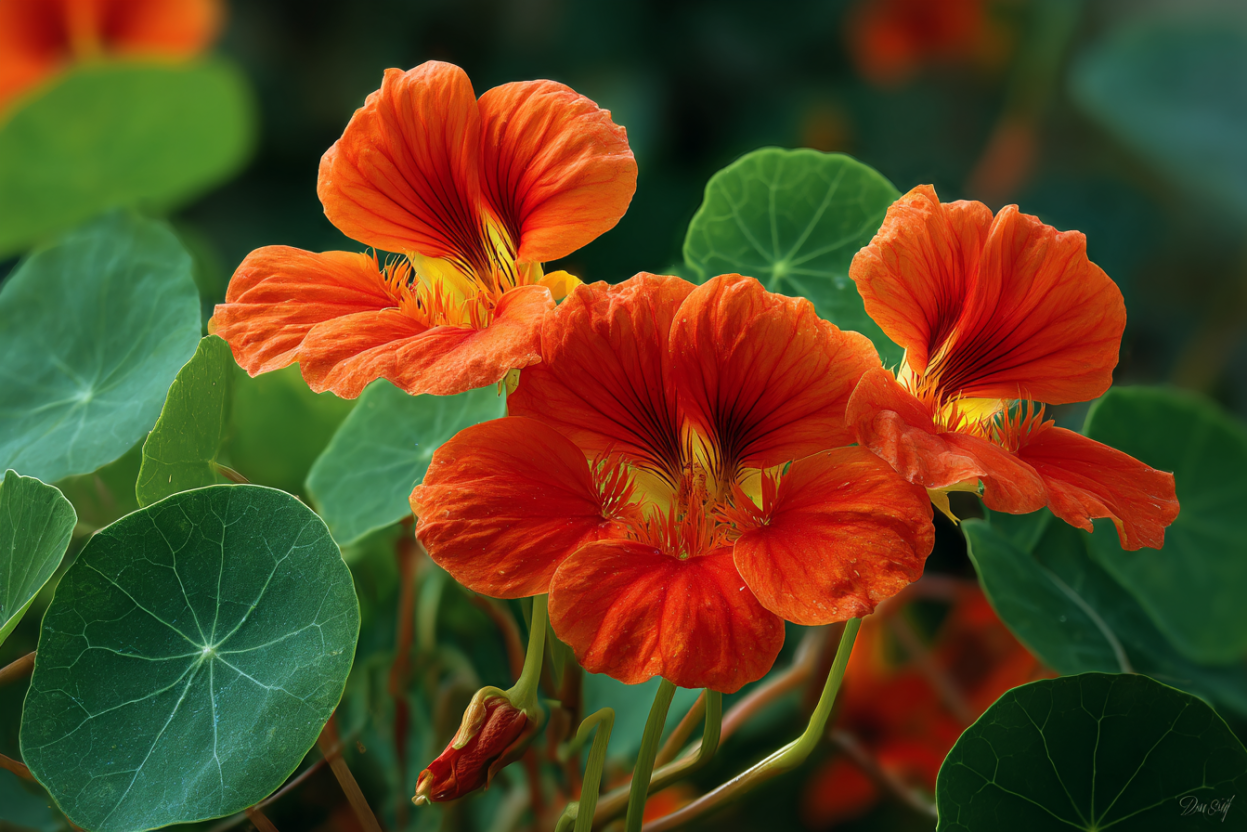
Nasturtium (Tropaeolum majus)
If you deal with recurring urinary tract infections, stubborn respiratory congestion, or chronic inflammation that never seems to fully resolve, you are not alone. Millions of people live with these struggles every day, cycling through prescriptions and hoping for lasting relief. What many never discover is that a bright, cheerful garden flower has been quietly supporting human health for centuries, and modern science is now confirming what traditional healers long observed.
Nasturtium is one of those remarkable gifts woven into creation that does far more than beautify a garden bed. Every part of this plant, from its peppery leaves to its jewel-toned blossoms, carries compounds that the Creator designed to nourish and support the human body. The more you learn about what this humble flower contains, the more you see the fingerprints of a Designer who thought of everything.
This information is for educational purposes only and is not intended to diagnose, treat, cure, or prevent any disease. Always consult with a qualified healthcare provider before making changes to your health regimen.
The Plant
Common Names: Nasturtium, Garden Nasturtium, Indian Cress, Monks Cress, Nose-Twister, Capuchina (Spanish), Kapuzinerkresse (German), Capucine (French)
Botanical Name: Tropaeolum majus L.
Family: Tropaeolaceae (a small family in the order Brassicales, distantly related to the mustard family)
Description
Nasturtium is a vigorous, herbaceous plant that grows either as a spreading mound or a trailing vine, depending on the variety. Bush types remain compact at about 12 inches tall, while climbing and trailing varieties can extend 6 to 10 feet or more, eagerly scrambling over fences, trellises, and neighboring plants. The leaves are strikingly round and shield-shaped, averaging 2 to 6 inches in diameter, with a waxy surface that causes water to bead up and roll off like tiny pearls. New growth is a bright, vivid green that deepens with maturity.
The flowers are the showpiece. Funnel-shaped with five petals and a distinctive nectar spur extending from the back, they bloom in an extraordinary palette of warm colors: cream, pale yellow, deep gold, tangerine orange, salmon pink, scarlet red, and rich mahogany. Some varieties produce bicolored blooms with dramatic streaks and contrasting throats. The blossoms are sweetly fragrant, attracting hummingbirds, bees, and butterflies. After pollination, the plant produces large, fleshy green seeds that ripen to a tan-brown color.
One fascinating feature is the plant’s superhydrophobic leaf surface. The waxy nanostructures on the leaves prevent water absorption, and as water droplets roll off, they carry away dirt and debris, effectively self-cleaning the leaf for optimal photosynthesis. This phenomenon is studied in materials science as the “lotus effect.”
Origin
Nasturtium is native to the Andes Mountains of South America, particularly Peru, Bolivia, and Colombia, where it grows wild at various elevations. The Inca and other Andean peoples cultivated it long before European contact. Spanish conquistadors brought the plant back to Europe in the sixteenth century, where it quickly became prized for both its beauty and its medicinal properties. The Swedish botanist Carl Linnaeus gave it the genus name Tropaeolum, from the Latin tropaeum (trophy), because the round leaves reminded him of shields and the red flowers resembled blood-stained helmets on Roman trophy poles.
Brief History
The common name “nasturtium” comes from the Latin nasus tortus, meaning “twisted nose,” describing the facial reaction people make when biting into the plant’s peppery leaves. This name reflects its long history as a culinary and medicinal herb. In South America, Andean healers used nasturtium as a wound disinfectant and an expectorant for chest conditions. By the seventeenth century, it was established throughout Europe, where it was called “Indian Cress” and valued for its high vitamin C content. Sailors carried it to prevent scurvy. In France, it was planted in the royal gardens of Louis XIV. Thomas Jefferson grew nasturtiums in his garden at Monticello by 1759. The German Commission E, a respected authority on herbal medicines, officially approved nasturtium for therapeutic use in 1978, and it remains a licensed phytomedicine in Germany today.
Growing & Cultivation
Climate & Zones
Nasturtium is a tender perennial in USDA zones 9 through 11, where it can survive mild winters and may self-seed year after year. In all other zones, it is grown as an annual, planted after the last frost and blooming until the first hard freeze of fall. It performs best in cooler temperatures, thriving when daytime highs are in the 60s and 70s°F. In hot southern climates like Georgia, it appreciates afternoon shade to prevent heat stress during peak summer months. Nasturtium can also be grown indoors on a sunny windowsill.
Soil Requirements
Here is one of nasturtium’s most endearing qualities: it thrives in poor, average soil. Rich, heavily fertilized soil actually works against you, producing lush foliage at the expense of flowers. A well-draining sandy or loamy soil with a pH between 6.1 and 7.8 is ideal. If your soil is heavy clay, amend with perlite or coarse sand to improve drainage. For container growing, a simple potting mix with added perlite works beautifully. Do not fertilize unless the soil is extremely poor; excess nitrogen is the most common mistake with nasturtiums.
Water & Sunlight
Full sun (6 or more hours daily) produces the best flowering. In hot climates, partial shade during the afternoon is beneficial. For watering, keep the soil consistently moist but never waterlogged. Nasturtiums are somewhat drought tolerant once established, but consistent moisture produces better blooms and milder-tasting leaves. Water deeply once a week, more often in containers or during dry spells. Overwatering promotes foliage over flowers and can lead to root rot.
Propagation
Seed (preferred method): Sow seeds directly outdoors 1 to 2 weeks after the last frost date, when soil temperatures reach 55 to 65°F. Plant seeds half an inch deep and 10 to 12 inches apart. Soaking seeds overnight before planting improves germination rates. Seeds germinate in 7 to 14 days and grow quickly in warm weather, blooming within 6 to 8 weeks of planting. Nasturtiums do not transplant well due to their sensitive root systems, so direct sowing is strongly preferred.
Stem cuttings: Take 4-inch cuttings just above a node, dip in rooting hormone (optional), and place in moist, well-draining potting mix. Keep in bright indirect light until roots establish, typically within 2 to 3 weeks.
Self-seeding: Nasturtiums self-seed prolifically. Allow some flowers to go to seed at the end of the season, and you may find volunteer plants emerging the following spring.
Planting
Space bush varieties 10 to 12 inches apart and climbing varieties 12 to 18 inches apart. Provide trellises, fences, or other support structures for trailing types. Nasturtiums are exceptional companion plants, serving as trap crops that draw aphids away from tomatoes, cucumbers, cabbage, kale, broccoli, beans, melons, pumpkins, and radishes. Their scent also repels certain insects, including whiteflies and squash bugs.
Harvesting
Harvest leaves at any time during the growing season; younger leaves have a milder flavor. Pick flowers in the morning after dew has dried for peak flavor and longest vase life. Check under petals for small insects before using in food. Green seed pods can be harvested for pickling as soon as they form. Deadheading spent flowers encourages continued blooming throughout the season.
Drying & Storage
Fresh nasturtium is always preferred for both culinary and wellness use, as many of the active compounds are most potent when fresh. For drying, spread leaves in a single layer in a well-ventilated, dark area with low humidity, or use a dehydrator at 95 to 105°F. Dried material should be stored in airtight glass containers away from light and heat. Flowers can also be pressed or frozen in ice cube trays for later culinary use. Dried nasturtium retains potency for approximately 6 to 12 months.
Pest & Disease Management
Nasturtiums have remarkably few serious pest problems. The most common visitors are aphids, which the plant actually attracts deliberately as a trap crop. Imported cabbageworms and leafminers may also appear. For aphids, a strong spray of water knocks them off, or introduce ladybugs as natural predators. Neem oil spray addresses most insect issues organically. The plant has no serious disease issues, though excessive moisture can occasionally lead to bacterial wilt or powdery mildew. Good air circulation and proper watering prevent these problems.
Companion Planting
Nasturtiums are one of the most valuable companion plants in any garden. They pair well with tomatoes, cucumbers, squash, beans, brassicas (cabbage, broccoli, kale), melons, pumpkins, and radishes. Avoid planting near fennel or other strong allelopathic plants. Their dual role as a pest trap and pollinator attractor makes them an essential element in any organic garden design.
The Healing of Growing
Growing nasturtium offers benefits beyond the harvest itself. The act of gardening, hands in soil, bare feet on earth, time spent outdoors, has been shown to reduce cortisol, improve mood, and support immune function. The soil contains beneficial bacteria (Mycobacterium vaccae) with documented antidepressant effects. Research published in Neuroscience demonstrated that contact with this soil bacterium stimulates serotonin production in the brain. When you grow your own nasturtium, you receive healing before you ever consume it.
Nutritional Profile
Macronutrients
Nasturtium leaves and flowers are low in calories but rich in bioactive compounds. Per 100g of fresh leaves, nasturtium provides approximately 32 calories, 2.6g protein, 5.5g carbohydrates, 1.5g fiber, and less than 1g fat. The leaves are approximately 89% water, making them a hydrating addition to meals.
Vitamins
Vitamin C: Approximately 71 to 130 mg per 100g of fresh plant material (78 to 145% DV). This is comparable to citrus fruits and parsley. Vitamin C supports immune function, collagen production, iron absorption, and acts as a powerful antioxidant that protects cells from oxidative damage.
Vitamin A (as beta-carotene): Present in significant amounts. Beta-carotene is converted to vitamin A in the body, supporting vision, immune function, and skin health.
Vitamin D: Present in small amounts, supporting calcium absorption and bone health.
B-Vitamins: The flowers contain vitamins B1 (thiamine), B2 (riboflavin), and B3 (niacin), which support energy metabolism, nervous system function, and cellular health.
Minerals
Iron: Approximately 2.9 mg per 100g (about 15% DV). Essential for oxygen transport in the blood, energy production, and immune function. The vitamin C in nasturtium also enhances iron absorption.
Potassium: A good source, supporting heart rhythm, muscle contractions, nerve signaling, and blood pressure regulation.
Calcium: Supports bone and tooth structure, muscle function, and nerve transmission.
Magnesium: Essential for over 300 enzymatic reactions, including muscle and nerve function, blood sugar regulation, and bone health.
Phosphorus: Supports bone structure, energy storage (ATP), and cell membrane integrity.
Zinc, Copper, and Manganese: Present as trace elements. Zinc supports immune function and wound healing, copper aids iron metabolism and connective tissue formation, and manganese supports bone health and antioxidant defenses.
Phytonutrients & Active Compounds
Glucotropaeolin (Benzyl Glucosinolate): The signature compound in nasturtium. When plant cells are crushed or chewed, the enzyme myrosinase converts glucotropaeolin into benzyl isothiocyanate (BITC), the primary bioactive compound responsible for the plant’s antimicrobial, anti-inflammatory, and potential anticancer properties.
Lutein: Nasturtium contains up to 45 mg of lutein per 100g serving, among the highest concentrations found in any edible plant. Lutein is a carotenoid antioxidant critical for eye health (macular protection) and skin protection against UV damage.
Anthocyanins: The flower petals contain approximately 72 mg of anthocyanins per 100g, primarily pelargonidin 3-sophoroside (making up about 91% of total anthocyanin content). These powerful antioxidants support cardiovascular health and protect against oxidative stress.
Polyphenols and Flavonoids: Including quercetin, kaempferol, and myricetin derivatives, which research associates with anti-inflammatory and antioxidant properties.
Chlorogenic acid: A polyphenol associated with blood sugar regulation and antioxidant protection.
Nutrient Notes
One of nasturtium’s remarkable qualities is nutrient bioavailability. Research indicates that the trace elements and bioactive compounds in nasturtium “can be easily absorbed by the human body.” The high vitamin C content naturally enhances absorption of the plant’s iron and other minerals. The combination of vitamin C, lutein, anthocyanins, and polyphenols gives nasturtium exceptionally high ORAC (Oxygen Radical Absorbance Capacity) scores, indicating outstanding antioxidant activity. For maximum nutritional benefit, consume nasturtium fresh and raw, as heat diminishes vitamin C and may alter the glucosinolate content.
Culinary Uses
Edible Parts
Every above-ground part of nasturtium is edible. Leaves, flowers, stems, flower buds, and immature green seeds can all be consumed. Each part offers a slightly different flavor and culinary application. The leaves have the strongest peppery bite, while the flowers are milder with occasional hints of sweet nectar. Green seeds are pungent and can be pickled as a substitute for capers.
Flavor Profile
The primary flavor is distinctly peppery, similar to watercress or arugula but with its own unique warmth. Fresh leaves deliver a bright, mustard-like bite that builds on the tongue. The flowers are gentler, with a sweet-spicy quality and an occasional nectar finish. When cooked, the peppery heat mellows considerably. The flavor intensifies in heat-stressed plants during summer. The aroma is mildly sweet and slightly spicy when fresh.
Preparation
Raw is the most common and nutritionally beneficial way to enjoy nasturtium. Toss whole flowers and torn leaves into salads for color and flavor. Use large leaves as wraps for fillings. Float flowers in soups as a garnish just before serving. Blend leaves into pesto with olive oil, garlic, and Parmesan for a peppery twist. Stuff flowers with herbed cream cheese or goat cheese for elegant appetizers. Chop leaves finely and mix into butter for a compound nasturtium butter. Freeze whole flowers in ice cube trays for decorative additions to drinks.
Green seed pods (nasturtium capers): Harvest immature green seeds, rinse, and pickle in a mixture of white wine vinegar, salt, and a bay leaf. Allow at least 3 weeks for flavors to develop before using. These make an excellent caper substitute with a unique peppery flavor.
Culinary Pairings
Nasturtium pairs beautifully with soft cheeses (goat cheese, cream cheese, brie), eggs, salad greens, avocado, citrus, fish and seafood, roasted vegetables, olive oil, lemon, garlic, fresh herbs like dill, chives, and basil, and vinaigrettes. It complements Mediterranean, Latin American, and French cuisines particularly well.
Storage
Fresh leaves and flowers are best used the day they are picked. They can be stored loosely in a damp paper towel inside a container in the refrigerator for 2 to 3 days. Flowers wilt quickly once cut. Leaves can be frozen in ice cube trays with water or oil for later use in cooked dishes. Dried leaves retain some flavor for tea blends but lose the fresh peppery punch.
Ready to cook with Nasturtium? View Recipes on Chefts →
Wellness & Therapeutic Uses
Traditional Uses
Nasturtium’s medicinal use stretches back centuries in the Andes, where indigenous peoples used it as a wound disinfectant, a remedy for chest conditions, and an expectorant. When Spanish explorers brought the plant to Europe in the 1500s, it was quickly adopted as a medicinal herb. By the 1600s, English herbalists were using “Indian Cress” to prevent scurvy, as a natural antibiotic for infections, and as a remedy for respiratory and urinary complaints. In Traditional Chinese Medicine and Ayurvedic practice, plants with similar pungent, warming properties are classified as moving stagnation and clearing dampness, principles that align with nasturtium’s known actions.
In German phytomedicine, nasturtium has been officially recognized since 1978 by the German Commission E. It is a primary ingredient in the licensed German phytomedicine Angocin Anti-Infekt N, used for treating urinary tract infections, acute sinusitis, and acute bronchitis. This product has been on the German market for over 50 years and has been the subject of multiple clinical trials.
Modern Research
Urinary Tract Support: A randomized, double-blind, placebo-controlled clinical trial (Albrecht et al., 2007, Germany, 174 patients) demonstrated that a standardized preparation of nasturtium herb combined with horseradish root significantly reduced the recurrence of urinary tract infections compared to placebo (0.43 mean recurrent UTIs vs 0.77, p = 0.035). A large-scale retrospective cohort study (2024, Germany, using data from over 10 million patients) found that the same herbal preparation was associated with significantly lower odds of UTI relapse compared to antibiotic treatment alone, with reduced antibiotic prescriptions as an added benefit.
Anti-Inflammatory Activity: A landmark in vitro study (Tran et al., 2016, Germany) found that aqueous extracts of nasturtium exerted strong, concentration-dependent suppression of inflammatory pathways in primary human immune cells. The extract blocked both the COX (cyclooxygenase) and LOX (lipoxygenase) pathways simultaneously, including suppression of TNF-alpha release and PGE2 synthesis. Notably, the mechanism of action was found to be different from NSAIDs, suggesting a unique anti-inflammatory profile.
Antimicrobial Properties: Benzyl isothiocyanate (BITC), the primary breakdown product of nasturtium’s glucosinolates, has demonstrated broad-spectrum antibacterial activity against both gram-positive and gram-negative bacteria, including Staphylococcus aureus and Escherichia coli. An in vitro study (Conrad et al., 2006, Germany) confirmed that the combination of nasturtium and horseradish demonstrated antimicrobial efficacy against 13 clinically relevant bacterial strains.
Respiratory Support: A prospective cohort study across 251 medical centers in Germany (Goos et al., 2006, 1,649 patients) found that nasturtium-horseradish combination treatment was comparable to standard antibiotic therapy for acute sinusitis and bronchitis, with fewer adverse events. A subsequent Phase IV clinical trial (384 patients) further confirmed these respiratory benefits.
Antioxidant Activity: Research confirms nasturtium possesses exceptionally high antioxidant capacity due to its anthocyanins, polyphenols, vitamin C, and lutein content. A 2008 study from Colombia/USA found that nasturtium flower petal antioxidant levels were comparable to those found in blackberries and strawberries.
Cardiovascular Support: Research suggests nasturtium may support the cardiovascular system through vasodilatory (blood vessel relaxing) effects. Studies in animal models have demonstrated natriuretic and diuretic activities, along with hypotensive (blood pressure lowering) properties (Gasparotto et al., 2009, Brazil).
Blood Sugar Support: A pilot study (Barrantes-Martínez et al., 2022) investigated nasturtium’s sub-chronic consumption on insulin resistance and lipid profiles in prediabetic subjects, indicating potential benefits for metabolic health.
Body Systems Supported
Immune system: Through antimicrobial BITC, high vitamin C, and immune-modulating polyphenols. Urinary system: Through diuretic action and antimicrobial compounds eliminated via urine. Respiratory system: Through expectorant properties and antimicrobial action in the airways. Cardiovascular system: Through vasodilatory, antioxidant, and potential hypotensive effects. Digestive system: Through carminative and appetite-stimulating properties (in moderate amounts). Integumentary system: Through antimicrobial and antioxidant support for skin health.
Body Compounds Affected
Research suggests nasturtium may influence several body compounds. Its anti-inflammatory action directly modulates prostaglandins (PGE2) and leukotrienes (LTB4) through COX-2 and 5-LOX pathway inhibition. It suppresses the release of the pro-inflammatory cytokine TNF-alpha. Through ERK1/2 signaling modulation, it may influence downstream inflammatory cascades. The high vitamin C content supports cortisol regulation (the adrenal glands are the body’s largest storage site for vitamin C). Its antioxidant compounds may support healthy nitric oxide levels through vascular protection.
Methods of Use
Tea/Infusion
Place 5g of fresh material (or 2g to 3g dried herb) in one cup of boiling water. Steep for up to 10 minutes. Drink hot, up to three times daily. The tea has a mild peppery flavor that can be softened with honey.
Fresh Consumption
Eating 2 to 3 fresh leaves daily is a traditional approach for immune support. For onset of cold symptoms, traditional herbalists recommend eating several fresh leaves immediately. The fresh plant is considered most potent because the glucosinolate-myrosinase system is most active in living tissue.
Tincture
A tincture of the fresh plant can be prepared using the whole aerial parts. Typical dosage is 30 to 120 drops per day in a small amount of water, though consultation with a qualified herbalist is recommended for individual dosing.
Poultice/Compress
Crushed fresh leaves can be applied as a poultice to minor wounds, cuts, and skin irritations. The antimicrobial properties of BITC make this a traditional first-aid application in the Andes.
Cosmetic & Beauty Uses
Skin Benefits
Nasturtium extract (Tropaeolum majus flower/leaf/stem extract) is an established cosmetic ingredient valued for its antioxidant, anti-inflammatory, and skin-conditioning properties. It is typically used at concentrations of 0.1 to 0.5% in formulations. The extract is rich in vitamin C, lutein, and polyphenols, which collectively protect skin cells from free radical damage, support collagen production, and promote a brighter, more even complexion.
Nasturtium extract has been specifically studied for its ability to promote skin oxygenation, which supports healthy cell turnover and can help revive dull, fatigued skin. The proprietary ingredient Oxygeskin (derived from Tropaeolum majus) has demonstrated efficacy in strengthening skin oxygenation under conditions of aging and blue light exposure. The antimicrobial properties of BITC make nasturtium extract beneficial for acne-prone and congested skin, as it helps address bacterial imbalances on the skin’s surface.
Skin types that may benefit most: oily, acne-prone, dull, aging, congested, and combination skin. Sensitive skin types should patch test first, as the mustard oils can be mildly stimulating.
Hair Benefits
Nasturtium has a traditional reputation for supporting hair health. A strong infusion of the leaves can be used as a hair rinse to invigorate the scalp, address dandruff, and add shine. The antimicrobial properties may help maintain a healthy scalp microbiome. The sulfur-containing compounds (from glucosinolates) may support hair strength, as sulfur is a key component of keratin. Nasturtium is sometimes found in commercial shampoos and hair treatments marketed for scalp vitality and hair growth support.
Application Methods
Infused oil: Gently heat dried or wilted nasturtium leaves and flowers in a carrier oil (jojoba, sweet almond, or olive oil) at low temperature for several hours, then strain. Use as a face oil, body oil, or massage oil. Face mask: Blend fresh nasturtium leaves with honey and yogurt for a brightening, antibacterial face mask. Leave on for 10 to 15 minutes and rinse with cool water. Toner: A cooled nasturtium tea can be used as a facial toner, applied with a cotton pad. Store in the refrigerator and use within 3 to 5 days. Hair rinse: Steep a handful of fresh leaves in boiling water for 20 minutes, cool, and use as a final rinse after shampooing.
DIY Formulation Notes
When incorporating nasturtium into homemade preparations, the fresh plant infusion is most potent. Carrier oils that pair well include jojoba (for facial preparations), sweet almond (for body preparations), and olive oil (for hair treatments). Avoid combining nasturtium with other strong actives like retinoids or glycolic acid, as the mustard oil content may increase sensitivity. Homemade infused oils have a shelf life of approximately 4 to 6 weeks when stored in a cool, dark location. Adding vitamin E oil extends shelf life.
Nasturtium is among the botanicals being explored for holistic cosmetic applications, where the wisdom of traditional beauty practices meets modern understanding of skin science.
Essential Oil Profile
Nasturtium does produce an essential oil, though it is not commonly available as a mainstream aromatherapy oil. The plant yields a “nasturtium absolute” through solvent extraction rather than standard steam distillation, making it a specialty product. The absolute contains benzyl isothiocyanate as its primary active compound, which is responsible for the plant’s characteristic peppery-mustard scent and its antimicrobial properties.
Because nasturtium absolute is a specialty product with limited commercial availability, most people experience the plant’s aromatic and therapeutic benefits through fresh plant contact, teas, and culinary use rather than through concentrated essential oil application. If nasturtium absolute is obtained, it should be used at very low dilutions (maximum 0.26% according to safety guidelines) and avoided during pregnancy and breastfeeding.
Aromatherapy & Scent
The Aroma
Fresh nasturtium has a distinctive, mildly sweet fragrance with green, peppery undertones. The flowers carry a light, honey-like sweetness that attracts pollinators, while the leaves release a sharper, mustard-like scent when crushed or bruised. The fragrance is strongest during warm afternoons when volatile compounds are most actively released. Morning is when the scent is freshest and most nuanced. After rain, the aroma intensifies briefly as moisture activates volatile oils on the leaf and flower surfaces.
When dried, nasturtium retains a subtle, hay-like sweetness with faint peppery notes, though the intensity is considerably reduced compared to fresh. Dried material retains its scent for approximately 3 to 6 months in a sealed container.
How Scent Affects Your Body
When you breathe in the volatile molecules released by a nasturtium plant, those molecules travel through the nasal passages to the olfactory receptors high in the nose. These receptors send electrical signals directly to the limbic system, the brain’s emotional center, and the hypothalamus, which governs hormone release. This pathway bypasses conscious thought entirely. Your body responds emotionally and physiologically to the scent within seconds, before your rational mind has processed what you are smelling.
Emotional & Mood Effects
The scent of fresh nasturtium is generally experienced as mildly uplifting and energizing, with a grounding quality. The green, herbaceous notes connect people to the garden and the earth, promoting a sense of calm presence. The mild peppery quality can be mildly stimulating, promoting alertness and mental clarity without agitation. The sweet floral element provides a gentle sense of comfort and warmth.
Body Compounds Affected
While specific aroma research on nasturtium scent is limited, the green, herbaceous aromatic compounds found in plants of this type have been associated with mild cortisol reduction and stress relief through the olfactory-limbic pathway. The act of smelling fresh herbs from a garden you tend also activates reward pathways involving dopamine, reinforcing the positive association between nature contact and wellbeing.
Ways to Experience the Scent
Growing nasturtium indoors on a sunny windowsill provides daily aromatic contact. Place fresh cuttings in a small vase on your desk or bedside table. Crush a leaf between your fingers while gardening for an immediate burst of fragrance. Add fresh flowers and leaves to a warm bath for a gentle aromatic experience. Simmer fresh leaves in water on the stove for a subtle, room-filling scent.
Color Therapy
The Colors of Nasturtium
Nasturtium is a painter’s palette come to life. The flowers blaze in warm-spectrum colors: bright yellow, deep gold, rich orange, salmon, scarlet red, and deep mahogany. Many varieties display striking bicolor patterns with contrasting streaks and throats. The leaves are a lush, bright green (sometimes variegated with cream or white streaks in certain cultivars). Stems can be green to reddish-green. The overall color impression is one of warmth, vibrancy, and joy.
Color Wavelengths
The dominant colors of nasturtium flowers fall primarily in the yellow-orange-red range: yellow (570 to 590 nm), orange (590 to 620 nm), and red (620 to 700 nm). These are the longer wavelengths of the visible spectrum, the warm colors. The green leaves register at 495 to 570 nm, sitting at the balancing center of the visible spectrum.
How These Colors Affect the Body
According to color therapy principles, the warm colors dominant in nasturtium flowers have stimulating, energizing, and uplifting effects. Orange light (590 to 620 nm) is associated with creativity, digestive support, warmth, and emotional uplift. Red light (620 to 700 nm) is connected to increased circulation, energy, grounding, and vitality. Yellow light (570 to 590 nm) is linked to mental clarity, optimism, and nervous system stimulation. The green of the leaves provides a balancing counterpoint: calming, centering, and heart-opening.
Having a pot of blooming nasturtiums on your kitchen table or windowsill provides daily exposure to these warm, activating wavelengths, which may help counteract feelings of sluggishness, especially during darker months.
Body Compounds Affected
Exposure to warm-spectrum light has been associated with increased serotonin production and mild sympathetic nervous system activation. Green light exposure is associated with parasympathetic calming and cortisol modulation.
Using Nasturtium for Color Therapy
Place blooming nasturtiums in areas where you want to encourage warmth and energy: kitchens, workspaces, dining areas. Use cut flowers as a centerpiece for meals, bringing their vibrant color directly into your field of vision. In color therapy terms, eating the brightly colored flowers is the most direct way to “absorb” the color, as the anthocyanin pigments responsible for the color also carry the antioxidant benefits.
Frequency & Vibration
The Frequency of Nasturtium
Specific MHz frequency measurements for nasturtium as a whole plant have not been widely published in the peer-reviewed literature. However, as a living plant with high concentrations of bioactive compounds, antioxidants, and volatile oils, nasturtium is generally classified among medium to high frequency plants. For reference, a healthy human body vibrates between 62 and 78 MHz, while disease onset is associated with frequencies below 58 MHz. Fresh herbs and green plants are generally measured in the 20 to 27 MHz range, while essential oils from aromatic plants can register significantly higher.
Human Frequency Interaction
According to the principle of entrainment in vibrational medicine, when the human body comes into contact with higher-frequency substances, whether through consumption, proximity, or inhalation, there is potential for the stronger frequency to influence the weaker one upward. Proponents of vibrational medicine suggest that spending time around healthy, vibrant plants, consuming fresh plant material, and inhaling the volatile compounds of aromatic plants may contribute to maintaining the body’s optimal frequency range.
Vibrational Applications
Growing nasturtium in your living space, consuming it fresh and raw, and spending time in the garden among living plants are the most direct ways to benefit from the plant’s vibrational energy. Combining nasturtium with other high-frequency practices such as prayer, gratitude, time in nature, and clean eating may support overall energetic wellbeing. This is an area where research is emerging, and language like “frequency measurements suggest” or “proponents of vibrational medicine believe” reflects the current state of the science.
The Living Plant
Benefits of Presence
Simply being around a living nasturtium plant provides measurable benefits. Research on biophilic design demonstrates that the presence of living plants in indoor environments reduces psychological stress, improves mood, and enhances cognitive performance. A 2015 study in the Journal of Physiological Anthropology found that active interaction with indoor plants reduced both physiological and psychological stress compared to computer-based tasks. The vibrant colors and lush, rounded leaves of nasturtium make it a particularly mood-boosting presence in any room.
Air Purification
While nasturtium has not been specifically included in the NASA Clean Air Study, all green plants contribute to indoor air quality through photosynthesis, absorbing carbon dioxide and releasing oxygen. Nasturtium’s large, broad leaves provide ample surface area for gas exchange. In outdoor settings, nasturtiums contribute to garden ecosystem health by providing habitat for beneficial insects and pollinators.
Phytoncides
Nasturtium produces volatile antimicrobial compounds, primarily benzyl isothiocyanate, which are released into the surrounding air as part of the plant’s natural defense system. These volatile compounds are the plant’s version of phytoncides, the antimicrobial substances documented in forest bathing (shinrin-yoku) research. While the concentration released by a single potted plant is modest compared to a forest, the principle is the same: living plants release compounds into the air that may support the immune system of those nearby. Forest bathing research from Japan has demonstrated that phytoncide exposure increases Natural Killer (NK) cell activity, a key component of immune defense.
Visual & Psychological Benefits
Research in healthcare settings has demonstrated that patients with views of plants and greenery recover faster, require less pain medication, and report better mood than those without plant views (Ulrich, 1984). Attention Restoration Theory (Kaplan, 1995) suggests that natural elements, including indoor plants, restore directed attention and reduce mental fatigue. Nasturtium, with its cheerful, warm-toned flowers and lush green foliage, provides an especially uplifting visual experience that may be particularly beneficial in work and recovery environments.
Growing Indoors vs Outdoors
Nasturtium can thrive indoors on a bright, south-facing windowsill. Dwarf and bush varieties are best suited to container growing. Provide at least 6 hours of direct sunlight daily (or supplement with a grow light). Indoor plants will bloom with proper light, though less prolifically than outdoor specimens. The primary benefit of indoor growing is daily proximity, allowing you to interact with, smell, and harvest from the plant regularly. Outdoor growing provides the additional benefits of sun exposure, earthing, soil microbiome contact, and the physical activity of gardening.
Touch & Physical Interaction
Gardening Therapy
Nasturtium is an ideal plant for horticultural therapy because of its ease of growth, rapid results, and sensory richness. The act of planting the large, easy-to-handle seeds, watching them sprout within a week, and seeing blooms within six weeks provides a tangible sense of accomplishment that is profoundly therapeutic. The plant rewards attention generously, producing more flowers the more you harvest, creating a positive feedback loop between caretaker and plant.
Soil Contact Benefits
Gardening with bare hands in soil provides direct benefits through grounding (earthing), the transfer of free electrons from the earth to the body, which research suggests may reduce inflammation, improve sleep, and support cardiovascular function. Additionally, contact with Mycobacterium vaccae, a naturally occurring soil bacterium, has been shown in research published in Neuroscience to stimulate serotonin production and reduce anxiety-like behavior. Every time you dig in the dirt to plant or tend nasturtiums, you are exposing yourself to these beneficial organisms.
The Tactile Experience
Nasturtium leaves are smooth and waxy on top, almost rubbery to the touch, with a pleasant coolness. Running your fingers across the surface, you feel the water-repellent quality. The undersides are softer and slightly textured. Stems are succulent and snap cleanly. Flowers are silky and delicate, requiring gentle handling. Harvesting involves the satisfying gestures of cupping a flower in your palm, pinching a stem, and gathering leaves into a basket. The large, wrinkled seeds are tactile and satisfying to handle, like smooth pebbles.
Harvesting & Processing
The meditative quality of picking nasturtium flowers, one by one, choosing the most vibrant blooms, turning each one to check for insects, and placing them gently in a bowl, is a form of mindful practice. Processing nasturtium capers involves gathering green seeds, rinsing, and packing them into jars with vinegar, a rhythmic, repetitive task that grounds the mind in the present moment. Stripping leaves for tea, bundling stems for drying, or blending leaves into pesto all engage the hands and senses in ways that modern life rarely provides.
Water-Based Applications
Teas & Infusions
The most common water-based preparation of nasturtium is a standard hot infusion. Use 5g of fresh leaves and flowers (or 2 to 3g dried) per cup of boiling water. Steep for 10 minutes, covered. Strain and drink hot. This can be taken up to three times daily. The tea has a mild peppery flavor. Cold infusion can also be prepared by steeping fresh material in room-temperature water for 2 to 4 hours, producing a gentler, less pungent brew.
Herbal Baths
A nasturtium bath combines the benefits of water therapy with the plant’s antimicrobial and anti-inflammatory compounds. Prepare a strong infusion using a large handful of fresh leaves and flowers steeped in a quart of boiling water for 20 minutes. Strain and add to a warm (not hot) bath. Soak for 20 to 30 minutes. This may be supportive for skin irritation, muscle tension, and general relaxation. A nasturtium foot bath follows the same principle at smaller scale, using a basin of warm water with added infusion.
Compresses
A warm nasturtium compress can be applied to areas of congestion, minor wounds, or skin irritation. Soak a clean cloth in a strong warm infusion, wring gently, and apply to the affected area for 15 to 20 minutes. A cool compress can be soothing for minor burns, insect bites, or inflamed skin. Repeat as needed.
Steam Inhalation
For respiratory congestion, add a generous handful of fresh nasturtium leaves and flowers to a bowl of steaming hot water. Lean over the bowl with a towel draped over your head to trap the steam. Breathe deeply for 5 to 10 minutes. The volatile compounds, particularly BITC, are carried in the steam and may support clearing of the airways. Use caution to avoid burns from the steam, and keep eyes closed.
Hair Rinses
A strong nasturtium infusion (a large handful of leaves steeped in boiling water for 20 minutes, then cooled) makes an excellent hair rinse. After shampooing, pour the cooled infusion through the hair as a final rinse. This may help invigorate the scalp, address dandruff, and add shine to the hair. The antimicrobial properties of the plant support a healthy scalp environment.
Historical, Cultural & Biblical Significance
Biblical References
Nasturtium is not directly mentioned in Scripture, as it is native to South America and was unknown to the ancient Near East. However, its order (Brassicales) includes the mustard plants that Jesus referenced in His parable of the mustard seed (Matthew 13:31-32, KJV): “The kingdom of heaven is like to a grain of mustard seed, which a man took, and sowed in his field: Which indeed is the least of all seeds: but when it is grown, it is the greatest among herbs.” While this parable refers to a different plant, the shared family connection and nasturtium’s own remarkable growth from a single seed into abundant, healing foliage carries a similar lesson: from small beginnings, God produces extraordinary provision.
Ancient Civilizations
In the Andes Mountains of South America, indigenous peoples including the Inca cultivated nasturtium long before European contact. They recognized its value as a wound disinfectant, a remedy for respiratory ailments, and a nutritious food source. The plant thrived in the rocky, nutrient-poor soils of high-altitude environments, providing essential vitamin C and antimicrobial protection to mountain communities. In South American traditional medicine, nasturtium was also used as a remedy for renal conditions and as an expectorant for chest complaints.
Eastern Traditions
While nasturtium itself was not part of classical TCM or Ayurvedic materia medica (since it is a New World plant), its pungent, warming properties align closely with traditional categories in both systems. In TCM terms, nasturtium’s actions resemble herbs that “clear heat and resolve toxins” while also “transforming phlegm.” In Ayurveda, its pungent taste and warming energy would be classified as pacifying to Kapha dosha (clearing congestion and dampness) while mildly increasing Pitta. These traditional frameworks help explain why nasturtium’s observed effects are so consistent across cultures that had no contact with one another: they were observing the same design.
Indigenous Knowledge
The Andean peoples developed sophisticated knowledge of nasturtium’s properties through centuries of observation and practice. They used the fresh plant as a battlefield wound disinfectant, a practice now validated by modern research confirming BITC’s broad-spectrum antimicrobial activity. South American traditional healers also observed the plant’s diuretic properties and its ability to support urinary health, observations that align precisely with the clinical trials conducted in Germany centuries later. While they may not have known the Creator by name, they were observing His design, and their observations align with what modern research confirms about nasturtium’s properties.
European Heritage
When Spanish conquistadors brought nasturtium to Europe in the 1500s, it was initially valued as both an ornamental and a culinary curiosity. English herbalists quickly recognized its medicinal potential, calling it “Indian Cress” for its similarity to watercress. By the 1600s, it was firmly established in European herbal medicine. Nicolas de Bonnefons, the 17th-century French agronomist, promoted its culinary use. In France, it graced the royal gardens of Louis XIV at Versailles. Claude Monet famously planted nasturtiums along the main pathway to his home in Giverny. Thomas Jefferson cultivated them at Monticello. In Germany, the tradition of using nasturtium medicinally was eventually formalized when the German Commission E approved it as a licensed herbal medicine in 1978.
Cultural Symbolism
In the Victorian language of flowers, nasturtium symbolized patriotism, conquest, and victory in battle, a fitting tribute to a plant named after Roman trophy poles. In more general garden symbolism, it represents cheerfulness, warmth, and generosity, qualities reflected in its prolific blooming, easy growth, and willingness to share its bounty with any gardener who provides even the most basic care.
Safety & Precautions
Contraindications
Nasturtium should not be used by individuals with gastrointestinal ulcers (stomach or intestinal), as the mustard oils (isothiocyanates) can irritate the GI lining. It should also be avoided by those with kidney disease, as the diuretic action and certain compounds may place additional stress on compromised kidneys. Individuals with hypothyroidism should use caution, as glucosinolates can have goitrogenic (thyroid-suppressing) effects when consumed in large amounts over extended periods.
Drug Interactions
No major drug interactions have been definitively established in clinical literature. However, given nasturtium’s diuretic properties, those taking diuretic medications should exercise caution to avoid excessive fluid loss. Its blood-pressure-lowering potential means it should be used carefully alongside antihypertensive medications. The anti-inflammatory properties suggest caution when combining with blood-thinning medications (anticoagulants/antiplatelet drugs). Always consult a healthcare provider before combining nasturtium with any medications.
Pregnancy & Nursing
Nasturtium is not recommended during pregnancy or breastfeeding. There is insufficient research to establish safety in these populations. The plant is considered an emmenagogue (may stimulate menstruation), and some sources indicate it could potentially induce uterine contractions. The German Commission E and multiple herbal safety references recommend avoidance during pregnancy and lactation.
Children
Medicinal use of nasturtium is not recommended for children under 6 years of age due to the potential for GI irritation from isothiocyanates and the goitrogenic potential of glucosinolates. For children over 6, doses should be significantly reduced and used under the guidance of a qualified practitioner. Small amounts of nasturtium flowers or leaves as food (not medicine) are generally considered safe for older children.
Elderly
Older adults should begin with lower doses of any nasturtium preparation, as sensitivity to the mustard oils may be increased. Those on multiple medications should consult their healthcare provider before adding nasturtium supplementation. The diuretic effect requires attention to adequate hydration.
Pets
Dogs: Non-toxic. The ASPCA classifies Tropaeolum majus as non-toxic to dogs. No records of toxic ingestion exist. Large amounts may cause mild GI upset.
Cats: Non-toxic. The ASPCA classifies nasturtium as non-toxic to cats. As with dogs, overconsumption could cause mild digestive disturbance.
Horses: Non-toxic. ASPCA lists nasturtium as non-toxic to horses.
Important Note: Do not confuse Tropaeolum majus (garden nasturtium) with Nasturtium officinale (watercress), which the ASPCA does classify as toxic to pets due to gastrointestinal irritants. These are entirely different plants despite the shared common name.
Allergies & Sensitivities
Nasturtium belongs to the order Brassicales, and individuals with known sensitivities to cruciferous vegetables (cabbage, broccoli, mustard) should introduce nasturtium cautiously. Contact dermatitis has been reported in rare cases. A patch test is recommended before extensive topical use. Mustard oil in the plant can irritate skin with prolonged or repeated contact.
Dosing Guidelines
For fresh plant consumption as food, moderate amounts are safe for most adults. For medicinal use, traditional recommendations suggest no more than 30g of fresh herb daily. For tea, up to 3 cups daily of a standard infusion. Prolonged daily medicinal use is not recommended, as the isothiocyanates can irritate the digestive tract and kidneys over time. Typical therapeutic courses are 2 to 4 weeks, followed by a break.
Quality & Sourcing
When purchasing nasturtium for culinary or medicinal use, choose organically grown plants or seeds to avoid pesticide exposure. The plant is easy to grow at home, making it one of the most accessible herbs for personal use. For dried nasturtium or tinctures, source from reputable herbal suppliers who provide batch testing information. Nasturtium seeds are toxic in large quantities when raw and mature; use only immature green seeds for culinary preparation.
Signs of Adverse Reaction
Mild reactions may include stomach upset, mild nausea, or slight skin irritation with topical use. More serious signs requiring medical attention include severe abdominal pain, blood in urine (indicating kidney irritation), allergic reaction (swelling, difficulty breathing, hives), or persistent vomiting. Discontinue use immediately if any adverse reaction occurs.
Disclaimer
This information is for educational purposes only. It is not intended to diagnose, treat, cure, or prevent any disease. Always consult with a qualified healthcare provider before using any herbal product, especially if you are pregnant, nursing, taking medications, or have a medical condition. If you experience any adverse reaction, discontinue use immediately and seek medical attention.
Want Personalized Guidance?
Every body is unique. What works for one person may not be right for another. If you’d like personalized support in incorporating nasturtium into your wellness journey, consider working with a qualified practitioner who can assess your individual needs.
Sources & References
Peer-Reviewed Studies
- Nasturtium (Indian cress, Tropaeolum majus nanum) dually blocks the COX and LOX pathway in primary human immune cells – Phytomedicine, 2016, Germany
- A randomised, double-blind, placebo-controlled trial of a herbal medicinal product containing Tropaeoli majoris herba (Nasturtium) and Armoraciae rusticanae radix (Horseradish) for the prophylactic treatment of patients with chronically recurrent lower urinary tract infections – Curr Med Res Opin, 2007, Germany
- Efficacy and safety profile of a herbal drug containing nasturtium herb and horseradish root in acute sinusitis, acute bronchitis and acute urinary tract infection – Arzneimittelforschung, 2006, Germany
- Garden nasturtium (Tropaeolum majus L.) – a source of mineral elements and bioactive compounds – Rocz Panstw Zakl Hig, 2018, Poland
- A 14-Day Double-Blind, Randomized, Controlled Crossover Intervention Study with Anti-Bacterial Benzyl Isothiocyanate from Nasturtium (Tropaeolum majus) on Human Gut Microbiome and Host Defense – Nutrients, 2024, Germany
- A monocentric, randomized, double-blind, controlled crossover trial of nasturtium (Tropaeolum majus) on the lipid regulator prostaglandin E2 – Front Nutr, 2023, Germany
- In vitro study to evaluate the antibacterial activity of a combination of nasturtium and horseradish – Arzneimittelforschung, 2006, Germany
- Chemical Composition and Biological Activity of Essential Oil and Extract from the Seeds of Tropaeolum majus L. var. altum – Food Technol Biotechnol, 2023, Croatia
- Results of a randomized, prospective, double-dummy, double-blind trial to compare efficacy and safety of a herbal combination containing nasturtium and horseradish with co-trimoxazole in patients with acute and uncomplicated cystitis – Res Rep Urol, 2017, Germany
- Effects of a Prophylactic Treatment with Horseradish Root and Nasturtium Herb on Urinary Tract Infections in Individuals with Chronic Neurogenic Lower Urinary Tract Dysfunction – Urol Int, 2024, Germany
- Effectiveness of a Combination of Nasturtium Herb and Horseradish Root Compared to Antibiotics in Managing Acute and Recurrent Urinary Tract Infections: A Retrospective Real-world Cohort Study – Antibiotics, 2024, Germany
- Antimalarial Activity of Aqueous Extracts of Nasturtium and Benzyl Isothiocyanate – Molecules, 2024, Portugal
- Determination of benzyl isothiocyanate metabolites in human plasma and urine after ingestion of nasturtium – Anal Bioanal Chem, 2013, Germany
Traditional Medicine Sources
- Nasturtium (Tropaeolum majus): Benefits, Safety, Uses – Herbal Reality, 2024, UK
- Nasturtium Herb Uses, Benefits and Medicinal Properties – The Herbal Resource
Institutional Sources
- Nasturtium – Non-Toxic to Dogs, Cats, and Horses – ASPCA Animal Poison Control
- Nasturtium, Tropaeolum majus – Wisconsin Horticulture Extension
- Tropaeolum (Nasturtium) – North Carolina Extension Gardener Plant Toolbox
- Nasturtium: Uses, Side Effects, Interactions, Dosing – WebMD
Historical References
- Growing Nasturtiums: How to Plant, Grow, and Care for Nasturtiums – The Old Farmer’s Almanac
- Contraindications of Nasturtium – Botanical Online