Passionflower (Passiflora incarnata)
If you struggle with anxiety that keeps your mind racing at night, or if stress has settled so deeply into your body that restful sleep feels like a distant memory, you are far from alone. Millions of people search for answers — and one of the most remarkable answers has been growing wild across the southeastern United States for thousands of years.
Passionflower is one of the Creator’s most extraordinary gifts — a plant so intricately designed that the first Europeans who encountered it saw in its complex bloom a reflection of divine purpose. Long before any laboratory confirmed what it could do, this vine was already providing comfort and calm to those who needed it most.
The Plant
Common Names: Passionflower, Purple Passionflower, Maypop, Wild Passion Vine, Apricot Vine, Wild Apricot, Maracuja (Brazil), Corona de Cristo, Passion Vine, Water Lemon
Botanical Name: Passiflora incarnata L.
Family: Passifloraceae (the Passionflower family), a family of approximately 530 species of flowering plants, most of which are climbing vines native to tropical and subtropical regions
Description
Passiflora incarnata is a vigorous, tendril-climbing perennial vine that can reach 15 to 30 feet in a single growing season. In warm climates (USDA Zones 9–11), the vine is woody and semi-evergreen; in colder areas (Zones 5–8), it dies back to the ground each winter and regrows from deep, spreading roots in late spring. The plant is one of the last perennials to emerge in spring, often not appearing until late May or June once the soil is thoroughly warm.
The leaves are deeply three-lobed (occasionally five-lobed), dark green, alternate, and finely toothed along the margins. They measure 4 to 6 inches across. Coiling tendrils emerge from the leaf axils, enabling the vine to grip fences, trellises, and any nearby structure with surprising strength.
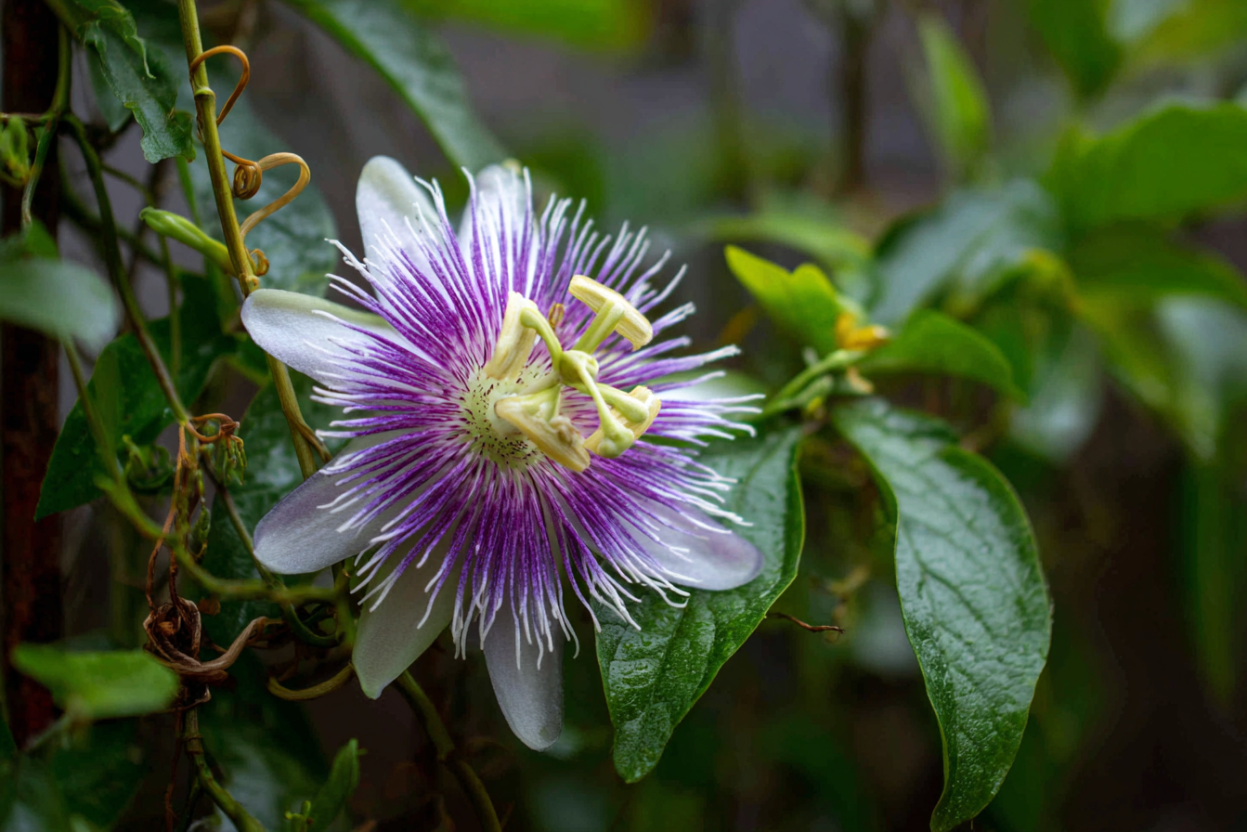
The flowers are the plant’s most striking feature — intricate, fringed blooms measuring 2.5 to 4 inches in diameter. Each flower displays five white petals and five white sepals beneath a dramatic corona of wavy, thread-like filaments banded in purple, blue, and white. The prominent central structure features five stamens and three stigmas. Each bloom opens for only a single day, but the vine produces flowers steadily from early summer through frost. The blooms carry a light, sweet fragrance that attracts bees, butterflies, and hummingbirds.
The fruit, commonly called a “maypop,” is an egg-shaped berry approximately 2 to 3 inches long. It ripens from green to a yellowish-orange and contains a sweet, aromatic, jelly-like pulp surrounding numerous dark seeds. The common name “maypop” comes either from the plant’s emergence in May or from the popping sound the hollow fruit makes when stepped on.
Origin
Passiflora incarnata is native to the southeastern United States, ranging from Virginia and Kentucky south through Florida and west into Texas and Oklahoma. It has also naturalized in parts of Central and South America, and has been introduced and cultivated throughout Europe, India, and other parts of Asia. In the wild, it grows along roadsides, in thickets, along fence rows, and in open meadows — anywhere it can find sun and something to climb.
Brief History
Archaeological evidence confirms that Native Americans consumed passionflower fruit as far back as the Late Archaic period, with seeds found at ancient human sites throughout the southeastern states. The Cherokee people used the root in teas as a tonic and the pounded roots as a topical poultice. Multiple other tribes used the plant for its calming properties long before European contact.
When Spanish explorers encountered the vine in the Americas during the 16th century, Catholic missionaries saw symbolic meaning in the flower’s complex structure — the ten petals representing the faithful apostles, the corona representing the crown of thorns, the five stamens representing Christ’s five wounds, and the three stigmas representing the three nails. They named it “La Flor de las Cinco Llagas” (the Flower of the Five Wounds), and the genus Passiflora derives from this association with the Passion of Christ.
The plant was introduced to Europe in the early 1600s, where it quickly became a valued herbal remedy. By the 18th century, it was included in the Materia Medica Americana (published in Germany in 1787) for the management of epilepsy. By the 19th century, it was widely used across Europe and North America as a calming agent, and it earned a place in the United States Pharmacopoeia as well as the pharmacopoeias of Great Britain, France, Germany, Switzerland, and India.
Growing & Cultivation
Climate & Zones
Passiflora incarnata is the hardiest of all passionflower species, reliably perennial in USDA Zones 6 through 11. In Zone 5, it can survive with heavy mulching and a protected, south-facing location. In Zones 6–8, the vine dies completely to the ground each winter, regrowing from underground rhizomes once the soil warms in late spring. In Zones 9–11, it remains partially to fully evergreen. The plant needs an average frost-free period of at least 150 days for good flower and fruit production.
Soil Requirements
Passionflower thrives in well-drained, sandy or loamy soil with a slightly acidic to neutral pH (6.1–7.5). It is surprisingly adaptable and will grow in poor, low-nutrient soils as well as rich, amended garden beds. The key requirement is drainage — root rot will develop quickly in soggy, waterlogged conditions, especially during winter dormancy. For containers, a mix of two parts loam, two parts peat, and one part perlite works well. A loose mulch over the root zone helps regulate soil temperature and moisture.
Water & Sunlight
Full sun is ideal — at least 6 to 8 hours of direct sunlight daily. The vine tolerates partial shade but produces fewer flowers and less fruit. A south-facing wall is an ideal location, as the retained heat supports earlier emergence in spring and extends the growing season. During active growth in summer, provide 1 to 1.5 inches of water per week. The plant tolerates drought once established but performs best with consistent moisture. Avoid overwatering, especially during dormancy, as this promotes root rot.
Propagation
Seed: Harvest seeds from fully ripe, slightly wrinkled fruit. Clean the pulp from seeds and allow them to dry. For best germination, scarify the seed coat lightly with sandpaper, soak in warm water for 24–48 hours, then cold-stratify in the refrigerator for 1–2 weeks. Sow in warm, moist soil (85–95°F) in spring. Fresh seeds germinate in 1–4 weeks; older seeds may take longer. Seeds need light to germinate — press onto the soil surface without covering.
Root Cuttings: Dig a healthy root section (4–8 inches long) from an established vine in early spring or late fall. Plant horizontally at a depth of 2–3 inches in moist soil. This is the fastest and most reliable method.
Stem Cuttings: Take softwood cuttings in late spring or summer. Cut 4–6 inch sections with at least two leaf nodes. Remove lower leaves, dip in rooting hormone, and place in moist potting mix. Keep humid until roots establish (usually 3–4 weeks).
Division: Mature plants spread aggressively by underground runners. In spring, dig and separate rooted sections from the parent plant and transplant to new locations.
Planting
Plant in spring after the soil has warmed. Space plants 5 to 10 feet apart. Provide a sturdy support structure — trellis, fence, arbor, or wall — as the vine climbs aggressively. Plant at the same depth as the nursery container. Water thoroughly after planting and mulch with 2–3 inches of organic material. Companion plants include herbs like lavender and bee balm, which attract pollinators that support fruit set. Avoid planting near delicate garden beds, as the spreading root system can become invasive in favorable conditions.
Harvesting
Aerial parts (for tea and tincture): Harvest the above-ground portion — leaves, stems, tendrils, and flowers — during peak bloom in mid to late summer. Cut stems mid-morning after the dew has dried. The aerial parts contain the highest concentration of active flavonoids and alkaloids during flowering. Harvest no more than one-third of the plant at a time to maintain vigor.
Fruit: Maypops are ripe when the skin turns yellow-orange and the fruit begins to soften or slightly wrinkle. Ripe fruits may drop from the vine. The pulp inside should be fragrant and sweet. Harvest from late summer through fall.
Drying & Storage
Bundle stems loosely and hang in a warm, dry, well-ventilated area out of direct sunlight. Drying typically takes 1–2 weeks depending on humidity. Alternatively, spread leaves and flowers in a single layer on a screen or drying rack. A dehydrator set to 95–105°F works well for faster results. Once fully dry (stems snap cleanly, leaves crumble), store in airtight glass jars in a cool, dark location. Properly dried and stored passionflower retains its potency for up to 12–18 months.
Pest & Disease Management
Passionflower is remarkably pest-resistant. The most common visitors are the caterpillars of Gulf Fritillary, Zebra Longwing, and Variegated Fritillary butterflies, which feed on the leaves. These should be tolerated when possible, as they become beautiful pollinators. Root rot is the primary disease concern, caused by wet, poorly drained conditions. Occasional fungal leaf spot may appear in humid environments — improve air circulation and avoid overhead watering. Neem oil or insecticidal soap can address any aphid or whitefly issues organically.
Companion Planting
Passionflower grows well alongside other native wildflowers, bee balm, coneflower, and butterfly weed. Its vigorous growth makes it a useful living screen or fence cover. Avoid planting next to slow-growing plants that may be overwhelmed by the vine’s aggressive spread.
The Healing of Growing
Growing passionflower offers benefits well beyond the harvest. The act of tending this vine — hands in soil, training tendrils, watching the remarkable flowers unfold — is a form of therapy in itself. Research has shown that time spent gardening reduces cortisol, improves mood, and supports immune function. The soil itself contains beneficial bacteria (Mycobacterium vaccae) with documented effects on serotonin production. When you grow your own passionflower, the healing begins before you ever brew a cup of tea. (Lowry et al., “Identification of an immune-responsive mesolimbocortical serotonergic system,” PubMed, 2007, USA)
Nutritional Profile
Note: The edible portion of passionflower is primarily the fruit (maypop). The aerial parts (leaves, stems, flowers) are consumed as tea or tincture rather than as a food source. The nutritional data below refers to the fruit pulp.
Macronutrients (per 100g fresh fruit pulp)
Calories: approximately 97 kcal | Protein: 2.2g | Carbohydrates: 23.4g | Dietary Fiber: 10.4g | Sugars: 11.2g | Fat: 0.7g
The exceptionally high fiber content — over 10 grams per 100g serving — makes passion fruit one of the most fiber-dense fruits available. This supports digestive health, promotes satiety, and helps regulate blood sugar.
Vitamins
Vitamin C: 30mg (33% DV) — Supports immune function, collagen synthesis, and acts as a potent antioxidant protecting cells from oxidative damage. Also enhances iron absorption from plant-based foods.
Vitamin A: 64 mcg RAE (7% DV) — Present primarily as beta-carotene and cryptoxanthin, supporting eye health, skin integrity, and immune function.
Riboflavin (B2): 0.13mg (10% DV) — Essential for energy metabolism, red blood cell production, and maintaining healthy skin and eyes.
Niacin (B3): 1.5mg (9% DV) — Supports energy production, DNA repair, and healthy cholesterol metabolism.
Vitamin B6: 0.1mg (6% DV) — Critical for neurotransmitter synthesis, including the production of serotonin, dopamine, and GABA — reinforcing the plant’s well-known calming properties from a nutritional angle as well.
Folate: 14mcg (4% DV) — Supports cell division, DNA synthesis, and is especially important during pregnancy for fetal development.
Minerals
Potassium: 348mg (7% DV) — Vital for maintaining normal blood pressure, fluid balance, and proper nerve and muscle function. Passion fruit is among the better fruit sources of potassium.
Iron: 1.6mg (9% DV) — Necessary for oxygen transport in the blood via hemoglobin and for energy production. The vitamin C content of the fruit enhances iron absorption.
Magnesium: 29mg (7% DV) — Essential for over 300 enzymatic reactions, including muscle and nerve function, blood sugar regulation, bone health, and — notably — GABA receptor function, which connects to passionflower’s calming mechanism.
Phosphorus: 68mg (5% DV) — Works with calcium to build strong bones and teeth, and plays a role in how the body uses carbohydrates and fats.
Zinc: 0.1mg (1% DV) — Supports immune function, wound healing, and DNA synthesis.
Phytonutrients & Active Compounds
The true power of passionflower lies in its remarkable phytochemistry, primarily concentrated in the aerial parts (leaves, stems, flowers) used for tea and herbal preparations:
Flavonoids: The primary active class of compounds. Key flavonoids include chrysin (a natural benzodiazepine-receptor ligand with documented anxiolytic activity), vitexin and isovitexin (C-glycosylflavones with antioxidant and neuroprotective properties), orientin and homoorientin (additional C-glycosylflavones), and apigenin (known for sedative and anti-inflammatory effects). These flavonoids are believed to interact with GABA receptors in the brain, contributing to the plant’s calming properties.
Harmala Alkaloids: Small amounts of harmine, harmaline, harmalol, and harmol — beta-carboline alkaloids that may contribute to the plant’s sedative and mood-modulating effects through interaction with monoamine oxidase (MAO) enzymes and serotonin receptors.
GABA (gamma-aminobutyric acid): Passionflower extract has been found to contain GABA itself as a prominent ingredient, in addition to compounds that modulate GABA receptors.
Maltol: A naturally occurring compound that contributes to the plant’s mild sedative effect and its characteristic sweet aroma.
Phenolic Acids: Including caffeic acid and chlorogenic acid, which provide antioxidant protection.
Coumarins and Phytosterols: Additional bioactive compounds contributing to the plant’s overall therapeutic profile.
Nutrient Notes
The fruit’s nutritional compounds are highly bioavailable when consumed fresh. The vitamin C content enhances absorption of the iron present. For the herbal aerial parts, water extraction (tea) effectively pulls flavonoids — particularly the C-glycosylflavones vitexin and isovitexin. Hot water extraction yields substantially higher total flavonoid content than cold extraction methods. Alcohol-based tinctures extract a broader range of compounds, including alkaloids and some flavonoids that are less water-soluble.
Culinary Uses
Edible Parts
Fruit (maypop): The sweet, aromatic pulp surrounding the seeds is the primary edible part. It can be eaten fresh by cutting the fruit in half and scooping out the pulp, or strained and used in beverages, desserts, and preserves. The flavor is tropical, sweet-tart, and intensely fragrant — less sweet than commercial passion fruit (P. edulis) but with a pleasant, complex taste.
Leaves and flowers: Used primarily for tea, not typically eaten as food. Fresh or dried leaves can be steeped for an herbal infusion with a mild, slightly grassy, and gently sweet flavor.
Young tendrils and leaves: In some traditional cuisines, young tender shoots are consumed cooked, similar to other edible greens. This use is less common.
Flavor Profile
The maypop fruit pulp is sweet, tangy, and highly aromatic with tropical notes reminiscent of guava, papaya, and citrus. The intensity of flavor is moderate compared to its tropical cousin Passiflora edulis. The tea made from the aerial parts has a mild, earthy, slightly grassy flavor with hints of sweetness — pleasant on its own and excellent blended with other calming herbs like chamomile, lemon balm, or lavender.
Preparation
Fresh maypop fruit can be eaten raw, scooped directly from the skin. The pulp can be strained to remove seeds and used in juices, cocktails, smoothies, sorbets, jellies, jams, and syrups. The leaves and flowers are most commonly dried and used for tea, steeped in hot water for 5–10 minutes. Fresh leaves may also be added to herbal tea blends while still green. The fruit can be frozen whole for later use, or the strained juice can be frozen in ice cube trays for convenient portioning.
Culinary Pairings
The fruit pairs beautifully with tropical fruits (mango, pineapple, coconut), citrus, honey, vanilla, yogurt, and cream-based desserts. It complements both sweet and savory dishes — the tangy pulp makes an excellent glaze for poultry or fish. For tea blends, passionflower leaves combine well with chamomile, lemon balm, lavender, mint, valerian, hops, and green tea.
Storage
Fresh maypop fruit should be used within a few days of harvest. Ripe fruit can be refrigerated for up to one week. For long-term storage, strain the pulp and freeze it. Dried leaves and flowers should be stored in airtight glass containers away from light and heat, where they retain potency for 12–18 months.
Ready to cook with Passionflower? View Recipes on Chefts →
Wellness & Therapeutic Uses
Traditional Uses
Passionflower has one of the longest, most consistent records of traditional use for calming the nervous system of any plant in the Western herbal tradition. The Cherokee people used the root as a tonic for the liver, for skin boils, and as a pounded poultice for topical inflammation. Multiple Native American tribes employed the plant as a sedative, pain reliever, and remedy for earaches and wounds. The Houma people used it to purify the blood. The plant’s calming reputation spread quickly after European contact.
In Europe, passionflower became a primary remedy for insomnia, anxiety, and nervous restlessness beginning in the 17th century. In Brazil, it has been used as an analgesic, anti-spasmodic, anti-asthmatic, wormicidal, and sedative, and as lotions and poultices for skin inflammation. In Iraq, it was used as a sedative and narcotic. In Turkey, it was employed for dysmenorrhea, epilepsy, insomnia, neurosis, and neuralgia. In Poland, it was used for hysteria and neurasthenia. In India, it has been used in traditional medicine for morphine dependence and withdrawal.
Modern Research
The body of clinical research on passionflower has grown considerably, with multiple randomized controlled trials confirming its traditional applications.
Anxiety (Generalized Anxiety Disorder): In a landmark pilot study, Akhondzadeh et al. (2001) conducted a double-blind randomized controlled trial comparing passionflower extract (45 drops/day) to oxazepam (30mg/day) in 36 patients with GAD over 4 weeks. Both were equally effective at reducing anxiety, with no significant difference between them. Importantly, passionflower caused significantly less impairment of job performance than the pharmaceutical benzodiazepine. (PubMed 11679026, Iran)
Pre-surgical Anxiety: Movafegh et al. (2008) demonstrated in a double-blind, placebo-controlled study of 60 ambulatory surgery patients that 500mg of oral passionflower taken 90 minutes before surgery significantly reduced anxiety without inducing sedation or affecting psychomotor function. (PubMed 18499602, Iran)
Sleep Quality: Ngan and Conduit (2011) conducted a double-blind, placebo-controlled investigation of passionflower tea in 41 healthy adults. After one week of nightly consumption, participants showed significantly improved subjective sleep quality compared to the placebo group. (PubMed 21294203, Australia)
Stress and Insomnia: A 2024 randomized, double-blind, placebo-controlled study of 65 participants in India found that a standardized passionflower extract (SIVI) significantly reduced perceived stress scores, increased total sleep time, and improved general psychological health over 30 days, with no adverse effects. (PubMed 38646244, India)
Dental Anxiety: Passionflower has shown anxiolytic effects comparable to midazolam (a common pharmaceutical sedative) in patients undergoing dental extraction, without the cognitive impairment associated with the drug. (PubMed 27918731, Brazil)
Systematic Review: A 2020 systematic review of nine clinical trials concluded that the majority of studies reported reduced anxiety levels following passionflower administration, with no adverse effects including memory loss or impairment of psychometric functions. (PubMed 33352740, Poland)
Body Systems Supported
Nervous System: This is the primary system passionflower supports. Research indicates it modulates the GABAergic system — both GABA-A and GABA-B receptors — and inhibits GABA reuptake. It may also interact with opioidergic, serotonergic, and dopaminergic pathways.
Cardiovascular System: Traditional use for palpitations, cardiac rhythm abnormalities, and hypertension. The plant’s calming effect on the nervous system may indirectly support cardiovascular function through stress reduction.
Digestive System: Used traditionally for stomach complaints and gastrointestinal spasms. The antispasmodic properties may relieve cramping and nervous stomach.
Musculoskeletal System: The antispasmodic and muscle-relaxant properties may provide support for muscle tension, cramps, and spasms related to stress.
Respiratory System: Historically used for spasmodic asthma and bronchial conditions, likely related to its smooth muscle relaxation properties.
Body Compounds Affected
GABA (gamma-aminobutyric acid): This is the primary mechanism. Passionflower extract contains GABA itself and its flavonoids (chrysin, apigenin) bind to benzodiazepine sites on GABA-A receptors. It also inhibits GABA reuptake and acts as a GABA-B receptor modulator. This increases overall GABAergic tone, promoting calm and reducing anxiety. (PubMed 21089181, Germany)
Cortisol: The anxiolytic effects suggest a downstream reduction in cortisol release through calming the hypothalamic-pituitary-adrenal (HPA) axis. Reduced anxiety and improved sleep both correlate with lower cortisol production.
Serotonin: The harmala alkaloids (harmine, harmaline) are mild monoamine oxidase (MAO) inhibitors, which may increase available serotonin. The chrysin flavonoid has also demonstrated antidepressant-like effects associated with serotonergic modulation.
Dopamine: Animal studies have demonstrated that passionflower extract can increase spinal dopamine levels, suggesting broader monoaminergic modulation beyond the GABAergic system.
Melatonin: By improving sleep quality and reducing the anxiety that disrupts natural circadian rhythms, passionflower may indirectly support healthy melatonin cycles.
BDNF (Brain-Derived Neurotrophic Factor): Research has indicated that chrysin flavonoids may improve hippocampal function and reduce depressive behavior via elevation of BDNF.
Methods of Use
Tea/Infusion
The most traditional and accessible method. Use 1–2 teaspoons (1–2g) of dried aerial parts per cup of near-boiling water. Steep covered for 10–15 minutes. Drink 1–3 cups daily, with the last cup 30–60 minutes before bed for sleep support. Hot water extraction pulls the most flavonoids. A stronger infusion uses 1 tablespoon per cup steeped for 15–20 minutes.
Tincture
A liquid extract typically made with alcohol (ethanol), which extracts a broader range of compounds including alkaloids and some flavonoids that are less water-soluble. Typical dosage is 1–4ml (approximately 20–80 drops) taken 1–3 times daily. The European Medicines Agency documents traditional use of both hydroethanolic and aqueous extracts.
Capsule/Powder
Dried powdered aerial parts in capsule form. Typical dosage ranges from 250mg to 1000mg, 1–3 times daily. Standardized extracts are typically standardized to flavonoid content (expressed as vitexin), with daily doses of 20–120mg total flavonoids being common in clinical studies.
Glycerite
A glycerin-based extraction suitable for those avoiding alcohol, including children (with practitioner guidance). Milder but still effective for mild anxiety and sleep support.
Cosmetic & Beauty Uses
Skin Benefits
Passionflower offers meaningful benefits for skin health, both from its extract and from its seed oil. The plant’s anti-inflammatory properties make it valuable for calming irritated, red, or reactive skin. The flavonoids chrysin and vitexin provide potent antioxidant activity, helping neutralize free radicals that contribute to premature aging. Passionflower extract has been shown to suppress COX-2 enzymes and inhibit NF-κB activation — two major inflammatory pathways — which may help reduce redness, swelling, and breakout-related inflammation.
Passionflower seed oil is rich in linoleic acid (an omega-6 essential fatty acid), which helps repair and maintain the skin’s natural moisture barrier. It absorbs easily, feels light and non-greasy, and does not clog pores — making it suitable for all skin types including oily, dry, sensitive, combination, and acne-prone skin.
Hair Benefits
Passionflower extract and seed oil support scalp health through their anti-inflammatory and moisturizing properties. A passionflower tea rinse can help soothe itchy, irritated scalps and reduce flakiness. The essential fatty acids in the seed oil nourish hair follicles, support moisture retention, and add natural shine. The antioxidant content helps protect hair from environmental damage.
Application Methods
Infused Oil: Infuse dried passionflower in a carrier oil (jojoba, sweet almond, or grapeseed) for 4–6 weeks. Use for facial serums, body oils, or hair treatments.
Facial Steam: Add a handful of dried passionflower to a bowl of steaming water. Drape a towel over your head and steam for 5–10 minutes. Excellent for opening pores and calming facial skin.
Bath Addition: Add a strong passionflower infusion or a muslin bag of dried herb to your bath for skin-soothing benefits and aromatherapy.
Hair Rinse: Brew a strong tea (2 tablespoons dried herb per cup), cool, and use as a final rinse after shampooing.
Face Mask: Mix powdered passionflower with honey and yogurt for a calming, anti-inflammatory mask suited for sensitive or irritated skin.
DIY Formulation Notes
When incorporating passionflower into homemade products, passionflower seed oil can be used at 5–30% in facial oils and creams. It pairs well with rosehip oil, jojoba oil, and calendula-infused oil. Passionflower extract (water-based) can be added to toners and sprays at 5–10%. Homemade preparations should be stored in dark glass containers and used within 2–4 weeks unless a preservative is added. Always perform a patch test before applying any new topical preparation.
Passionflower is among the botanicals being explored for holistic cosmetic applications, where the wisdom of traditional beauty practices meets modern understanding of skin science.
Essential Oil Profile
Note: Passiflora incarnata does not yield a commercially significant essential oil through standard steam distillation, unlike plants such as lavender or rosemary. The volatile aromatic compounds are present in lower concentrations compared to classic essential oil plants. What is commercially available is passionflower seed oil (a fixed/carrier oil expressed from the seeds) and CO2 extracts of the aerial parts.
Passionflower’s therapeutic benefits are best accessed through water-based or alcohol-based extractions rather than essential oil. The seed oil (cold-pressed) is valuable for cosmetic applications due to its linoleic acid content. CO2 extracts preserve a broader range of active compounds including flavonoids and alkaloids.
For aromatherapy purposes, the dried herb itself is the most accessible form — adding dried passionflower to sachets, potpourri, or simmering pots provides the calming aroma without requiring an essential oil product.
Aromatherapy & Scent
The Aroma
The living passionflower vine emits a light, sweet, subtly tropical fragrance — strongest from the open flowers during their single day of bloom. The scent intensifies in warm afternoon sun and when the leaves or tendrils are gently crushed, releasing herbaceous green notes. After rain, the surrounding area carries a fresh, earthy sweetness. The fragrance is gentle, not overpowering — you must be close to the vine to fully appreciate it.
When dried, the aerial parts develop a deeper, earthier, more hay-like aroma with lingering sweet undertones. The scent is milder than when fresh but remains pleasant and identifiable for 6–12 months. Dried passionflower retains enough aromatic quality to be used effectively in sachets and potpourri blends.
How Scent Affects Your Body
When you breathe near a passionflower vine or open a jar of dried herb, volatile aromatic molecules are released into the air. These molecules enter through your nose, where olfactory receptors — specialized nerve cells — detect them. The signal travels directly to the limbic system (the brain’s emotional center) and the hypothalamus (which controls hormones), bypassing conscious thought entirely. This means the scent of passionflower can begin to shift your emotional state within seconds — before you’ve even decided how you feel about the aroma.
Emotional & Mood Effects
The scent of passionflower is primarily calming, grounding, and gently sedating. It promotes a sense of quiet relaxation without drowsiness when experienced in small amounts. The herbaceous, subtly sweet aroma helps quiet a racing mind, eases tension, and creates a sense of comfort and safety. It is particularly effective in the evening as part of a bedtime wind-down routine.
Body Compounds Affected
While research on the specific aroma of passionflower and neurochemistry is limited compared to plants like lavender, the inhalation of aromatic compounds from the plant — including its flavonoid volatiles and maltol — is associated with the same GABAergic modulation seen in oral consumption. Aromatic exposure may help lower cortisol, support GABA activity, and reduce sympathetic nervous system activation. The calming effect of the plant’s scent is consistent with general aromatherapy research demonstrating that herbaceous, mildly sweet aromas promote parasympathetic (rest-and-digest) nervous system activity.
Ways to Experience the Scent
Growing the vine on a porch or near a bedroom window allows the natural fragrance to drift indoors during bloom season. Dried passionflower in a muslin sachet under your pillow supports restful sleep through gentle scent exposure. A handful of dried herb simmered on the stovetop with water releases aromatic compounds into the air. Fresh cuttings with flowers in a bedside vase provide visual beauty and subtle fragrance. Adding dried passionflower to herbal bath blends combines water therapy with aromatherapy for a deeply calming experience.
Color Therapy
The Colors of Passionflower
Passionflower presents a striking palette. The flowers combine white petals and sepals with a dramatic corona of purple, violet, and blue filaments, often banded with white. The center features greenish-yellow stamens. The leaves are a rich, deep green. The ripe fruit transitions from green to golden yellow-orange. Together, the vine offers a range of therapeutic colors throughout its growing season.
Color Wavelengths
The dominant violet/purple hues of the flower corona fall in the 380–450nm wavelength range. The white petals reflect the full visible spectrum. The deep green foliage occupies the 495–570nm range. The ripe fruit’s yellow-orange sits at approximately 570–620nm.
How These Colors Affect the Body
Violet/Purple (380–450nm): Associated with calming the nervous system, supporting meditative states, and stimulating spiritual awareness. It is traditionally linked to the crown chakra and to quieting an overactive mind — perfectly aligned with the plant’s known effects on the nervous system.
Green (495–570nm): The dominant leaf color is the most balancing and calming color in the visible spectrum. Green exposure is associated with reduced stress, restored attention, and a sense of harmony. This connects to the broader research on biophilic design — humans are hardwired to feel calmer in green environments.
White (full spectrum): Represents purity and clarity. The white petals provide a full-spectrum visual experience.
Body Compounds Affected
Exposure to green environments has been shown to reduce cortisol and promote serotonin production. The violet hues may support melatonin-related pathways through their calming visual effect on the nervous system. Simply having the flowering vine in view during its bloom season provides passive color therapy.
Using Passionflower for Color Therapy
Training the vine along a fence or trellis visible from a frequently used window provides daily green exposure. Placing cut flowers on a bedside table brings the violet/purple hues into the sleeping environment. Growing the vine over an outdoor seating area creates a living canopy of therapeutic color. The visual complexity of the flower itself — its intricate, mandala-like structure — provides a natural focus point for meditation or contemplation.
Frequency & Vibration
The Frequency of Passionflower
According to bio-frequency research, living plants and their essential oils vibrate at measurable frequencies. While specific MHz measurements for passionflower have not been as widely documented as for plants like rose (320 MHz) or lavender (118 MHz), passionflower is generally considered a moderate-to-high-frequency plant based on its complex chemistry and potent bioactivity. Fresh, living plants vibrate at higher frequencies than dried material. Healthy human bodies are reported to vibrate at 62–78 MHz, with lower frequencies associated with illness.
Human Frequency Interaction
Proponents of vibrational medicine suggest that the presence of high-frequency plants in one’s environment may support the body’s natural frequency through a principle called entrainment — where a stronger, more coherent frequency influences a weaker one. Being around living passionflower, consuming the herb as tea, and even touching the plant may contribute to raising or stabilizing personal frequency. This is an area where research is emerging, and while the underlying physics of molecular vibration is established, the specific therapeutic applications of plant frequency remain a developing field.
Vibrational Applications
Frequency-conscious practitioners suggest growing passionflower in healing gardens, meditation spaces, and near sleeping areas. Combining the plant with other high-frequency practices — prayer, meditation, clean nutrition, time in nature — may create a synergistic environment supporting overall vitality. The extraordinarily complex structure of the flower itself, with its geometric precision and multi-layered design, is often regarded as a visual expression of the divine frequency embedded in creation.
The Living Plant
Benefits of Presence
Simply being around a living passionflower vine provides benefits that go beyond any extract or preparation. The visual presence of the deep green foliage, the extraordinary blooms, and the visiting pollinators creates a living display that reduces stress and restores attention. Research in biophilic design consistently demonstrates that views of living plants lower blood pressure, reduce cortisol, improve mood, and accelerate healing. Patients with views of greenery in healthcare settings recover faster than those without.
Air Purification
While Passiflora incarnata has not been specifically studied in the NASA Clean Air Study, living plants in general contribute to indoor air quality through oxygen production and the natural filtration of volatile organic compounds (VOCs). As a vigorous, leafy vine, passionflower produces significant biomass and correspondingly contributes to oxygen generation and humidity regulation in its growing area. Outdoors, it contributes to the overall green canopy that supports air quality.
Phytoncides
Living plants release phytoncides — antimicrobial volatile organic compounds that form part of a plant’s immune defense. Forest bathing (shinrin-yoku) research has demonstrated that exposure to phytoncides increases Natural Killer (NK) cell activity in humans, supporting immune function. While passionflower’s specific phytoncide profile has not been extensively characterized, its aromatic compounds — released naturally from the living vine, especially when foliage is touched or moved by wind — contribute to the beneficial air chemistry around the plant.
Visual & Psychological Benefits
The passionflower bloom is one of the most visually complex and captivating flowers in the plant kingdom. The intricate, mandala-like structure naturally draws the eye and holds attention, creating an effortless focus point for mindfulness. Watching the vine grow, observing flowers open and close in a single day, tracking the development of fruit from flower — these experiences connect the observer to natural rhythms and cycles, countering the disconnection from nature that characterizes modern life. Attention Restoration Theory suggests that natural settings restore directed attention capacity — the passionflower vine, with its dynamic growth and ever-changing display, is an ideal plant for this purpose.
Growing Indoors vs Outdoors
Passionflower can be grown indoors in a bright, sunny location (south-facing window or under grow lights), though it requires a trellis or support and considerable space for its vigorous growth. Indoor plants may bloom if given enough light (at least 6 hours of direct sunlight). However, the vine is most at home outdoors where it can reach its full potential. For indoor environments in colder zones, growing in a large container and bringing it outside for the growing season is an effective strategy. The outdoor benefits — full sun exposure, natural airflow, visiting pollinators — enhance both the plant’s health and the grower’s experience.
Touch & Physical Interaction
Gardening Therapy
Passionflower is an excellent plant for horticultural therapy — the practice of using gardening as a therapeutic intervention. The vine’s vigorous growth provides frequent opportunities for hands-on interaction: training tendrils onto supports, pruning excess growth, harvesting leaves and fruit, and managing the plant’s enthusiastic spread. Each of these activities requires focused attention and physical engagement, creating a meditative, grounding experience that can quiet anxious thoughts.
Soil Contact Benefits
Working directly with the soil around passionflower — planting, weeding, mulching — provides contact with Mycobacterium vaccae, a soil-dwelling bacterium that has been shown to stimulate serotonin production in the brain. Research published in Neuroscience (Lowry et al., 2007) demonstrated that exposure to this bacterium activated a specific group of serotonergic neurons, producing an antidepressant-like effect. Barefoot gardening around the vine adds the benefits of earthing/grounding — direct electron transfer from the earth’s surface, which research associates with reduced inflammation and improved sleep.
The Tactile Experience
Passionflower offers a rich tactile experience. The leaves are smooth on top with a slightly rougher underside, and handling them releases a faint, pleasant green aroma. The tendrils are delicate, coiling, and almost playful — watching them reach and grip is a satisfying sensory experience. The stems are smooth and slightly hollow. The flowers, when gently touched, feel almost ethereal — the thread-like filaments of the corona are soft and delicate. The ripe fruit has a yielding, slightly papery skin that gives way to the aromatic, seed-studded pulp inside. Harvesting maypops — feeling the fruit release from the vine, hearing the slight “pop” when the hollow fruit is pressed — is a uniquely satisfying sensory experience.
Harvesting & Processing
The process of harvesting passionflower for drying is inherently meditative. Selecting stems at the right stage of bloom, making clean cuts, gathering bundles, and hanging them to dry requires gentle, repetitive motion and quiet attention. Stripping dried leaves from stems, crumbling them for tea blends, and storing them in jars engages the senses of touch, smell, and sight simultaneously. This kind of hands-on plant processing provides the tactile stimulation that modern screen-dominated life often lacks, and the rhythmic, purposeful nature of the work is deeply calming — mirroring the plant’s own effects on the nervous system.
Water-Based Applications
Teas & Infusions
Tea is the most traditional and accessible way to experience passionflower. For a standard infusion, use 1–2 teaspoons (approximately 1–2g) of dried aerial parts per 8oz cup of near-boiling water (200–210°F). Cover and steep for 10–15 minutes — longer steeping extracts more flavonoids. Strain and drink. For sleep support, consume one cup 30–60 minutes before bed. For daytime anxiety support, drink 1–2 cups spread throughout the afternoon. Hot infusion extracts significantly more flavonoids than cold infusion.
A cold infusion can be prepared by steeping 2–3 teaspoons of dried herb in cool water for 4–8 hours (overnight). This produces a milder, sweeter brew with a different compound profile — lower in flavonoids but still containing other water-soluble compounds.
Herbal Baths
For a full body bath, brew a strong infusion using 1/2 cup of dried passionflower in a quart of boiling water, steep for 20 minutes, strain, and add to a warm bath (98–102°F). Alternatively, place the dried herb in a muslin bag and hang it under the running faucet. Soak for 20–30 minutes. This combines hydrotherapy with aromatherapy and topical absorption. Passionflower baths are particularly beneficial for nervous tension, insomnia, muscle aches related to stress, and skin irritation. A foot bath (2 tablespoons of dried herb steeped in a basin of warm water) is an excellent alternative when a full bath isn’t possible.
Compresses
A warm compress is prepared by soaking a clean cloth in a strong passionflower infusion and applying it to areas of muscle tension, headache (forehead or back of neck), or skin irritation. Apply for 15–20 minutes. A cool compress (using chilled infusion) can soothe inflamed skin or tired eyes.
Steam Inhalation
Add 2 tablespoons of dried passionflower to a bowl of steaming water. Lean over the bowl with a towel draped over your head and breathe deeply for 5–10 minutes. This delivers aromatic compounds directly to the respiratory tract and provides calming benefit through both aromatherapy and heat therapy. Particularly helpful during times of respiratory congestion combined with anxiety or restlessness.
Hair Rinses
Brew a strong passionflower tea (2 tablespoons per cup, steeped 20 minutes), cool completely, and use as a final rinse after shampooing. This soothes the scalp, reduces irritation and flakiness, and adds shine to hair. The anti-inflammatory properties help calm itchy, irritated scalps.
Historical, Cultural & Biblical Significance
Biblical References
Passionflower (Passiflora incarnata) is not directly mentioned in Scripture — it is a New World plant, native to the Americas, and was unknown to the biblical world. However, the plant carries one of the most remarkable connections to Christ of any plant in creation. When Spanish Catholic missionaries first encountered the flower in the Americas in the early 1600s, they saw in its complex structure a living symbol of the Passion (suffering) of Jesus Christ:
The ten petals and sepals represented the ten faithful apostles (minus Peter who denied and Judas who betrayed). The corona of filaments represented the crown of thorns. The five stamens represented the five wounds of Christ. The three stigmas represented the three nails. The vine’s tendrils represented the whips of the scourging.
They named it “La Flor de las Cinco Llagas” — the Flower of the Five Wounds — and the name Passiflora (passion flower) has endured for over four hundred years. Whether one sees this as coincidence or as the Creator embedding a testimony within His creation, the passionflower remains one of the most powerfully Christ-associated plants in the world.
Ancient Civilizations
As a New World plant, passionflower does not appear in Egyptian, Greek, Roman, or Hebrew medical traditions. Its history begins with the indigenous peoples of the Americas, who used it for thousands of years before European contact.
Indigenous Knowledge
Native American Peoples: The Cherokee used passionflower root as a liver tonic and for skin boils, and the pounded root as a topical anti-inflammatory. Multiple southeastern tribes used the plant as a sedative and pain reliever. The Houma people used it as a blood purifier. Archaeological evidence of passionflower seed consumption at Native American sites in the southeastern United States dates to the Late Archaic period, demonstrating that humans have relied on this plant for millennia. These peoples observed God’s design in this vine — they documented what worked, and their observations align with what modern research now confirms about the plant’s properties.
European Heritage
After Spanish explorers brought the plant to Europe in the early 1600s, it was quickly adopted into herbal medicine. The Materia Medica Americana (1787, Germany) recommended it for epilepsy. By the 19th century, it was a widely used remedy for insomnia, anxiety, and nervous disorders across Europe. It was included in the pharmacopoeias of Great Britain, France, Germany, Switzerland, and the United States. Nicholas Culpeper and later European herbalists documented its calming properties extensively. The plant became a staple of monastery gardens and herbal apothecaries throughout the continent.
The German Commission E — one of the most rigorous herbal medicine evaluation bodies in the world — approved passionflower for nervous restlessness. The European Medicines Agency (EMA) has issued a formal herbal monograph recognizing its traditional use “for the relief of mild symptoms of mental stress and to aid sleep.” (EMA Herbal Monograph)
Eastern Traditions
Although not native to Asia, passionflower has been adopted into Indian herbal practice, where it has been used in traditional medicine for morphine dependence and withdrawal. It is now cultivated in India and is the subject of growing clinical research there. Ayurvedic practitioners have incorporated it for nervous conditions and as a calming support.
Cultural Symbolism
Beyond its Christian symbolism, passionflower has become a cultural emblem of calm, resilience, and hidden beauty. The vine often grows in disturbed, overlooked spaces — along railroad tracks, old fences, and abandoned lots — yet produces one of the most exquisitely complex flowers in the plant kingdom. It symbolizes the idea that profound beauty and healing can emerge from unexpected places. In the language of flowers, it represents faith and devotion.
Safety & Precautions
Contraindications
Passionflower should not be used by individuals with known hypersensitivity to Passiflora species. Due to its sedative effects, discontinue use at least 2 weeks before scheduled surgery, as it may interact with anesthesia and other perioperative medications. Exercise caution if you have low blood pressure, as passionflower may further reduce blood pressure.
Drug Interactions
Passionflower may interact with the following medication categories:
Sedatives and CNS depressants: Including benzodiazepines (Xanax, Valium, Ativan), sleep medications (Ambien, Lunesta), and barbiturates. Passionflower may enhance sedative effects, leading to excessive drowsiness.
Blood thinners (anticoagulants/antiplatelets): Including warfarin (Coumadin), clopidogrel (Plavix), and aspirin. Passionflower may theoretically increase bleeding time.
MAO inhibitors: The harmala alkaloids in passionflower have mild MAO-inhibiting properties, which could theoretically potentiate the effects of MAO inhibitor antidepressants.
Blood pressure medications: Including ACE inhibitors, ARBs, beta-blockers, and diuretics. Passionflower may enhance blood pressure-lowering effects.
Anticonvulsants: May enhance sedative effects of phenytoin and other anticonvulsant medications.
Pregnancy & Nursing
Pregnancy: AVOID. Passionflower may stimulate uterine contractions and should not be used during pregnancy. The harmala alkaloids (harmine, harmaline) have been shown to have uterine stimulant properties. The National Center for Complementary and Integrative Health (NCCIH) advises against use during pregnancy.
Nursing: CAUTION. Insufficient data exists on the safety of passionflower during breastfeeding. Not recommended without guidance from a qualified healthcare provider.
Children
Passionflower has been used in pediatric settings in Europe and is the subject of emerging research for anxiety and sleep in children and adolescents. A 2025 Italian study examined its use in children with feeding and eating disorders and found meaningful symptom improvement in over 50% of patients at doses of 200–400mg/day. However, use in children should be under the guidance of a qualified healthcare provider. Reduce doses appropriately by age and weight. Glycerite preparations (alcohol-free) are preferred for children. The EMA does not recommend its traditional use in children under 12 without medical supervision.
Elderly
Passionflower is generally well-tolerated by older adults, but lower starting doses are advisable. Monitor for excessive sedation, particularly if taking other medications with CNS-depressant effects. The plant’s calming properties may benefit elderly individuals with sleep disturbances or anxiety, but its potential interaction with common medications used by seniors (blood pressure medications, blood thinners, sleep aids) requires careful consideration.
Pets
Dogs: Not toxic. Passionflower is not listed on the ASPCA’s toxic plant database and is actually used in veterinary calming supplements for anxious dogs. Consult a veterinarian before giving any herbal supplement.
Cats: Not listed as toxic. Passionflower is not included on the ASPCA’s toxic plant list for cats. Some veterinary calming products include it. However, cats metabolize many plant compounds differently than dogs or humans — consult a veterinarian.
Horses: Generally considered safe; used in some equine calming supplements. Consult an equine veterinarian.
Allergies & Sensitivities
Allergic reactions to passionflower are rare but possible. Individuals with known allergies to other Passiflora species should avoid use. If using topically for the first time, perform a patch test on a small area of skin and wait 24 hours before broader application. Discontinue use if irritation, redness, or itching occurs.
Dosing Guidelines
Tea/Infusion: 1–2g dried herb per cup, 1–3 cups daily. Tincture: 1–4ml (20–80 drops), 1–3 times daily. Dried herb (capsules): 250–1000mg, 1–3 times daily. Standardized extract: 20–120mg total flavonoids (as vitexin) per day. The EMA recommends 1–8 grams of dried herb top per day for traditional use. Duration of continuous use: the EMA suggests if symptoms persist after 2 weeks, consult a healthcare provider.
Quality & Sourcing
Ensure products specify Passiflora incarnata (not other species, as not all Passiflora species share the same safety profile). Look for products with GC/MS testing or certificates of analysis. Organic sourcing is preferred to minimize pesticide exposure. Purchase from reputable herbal suppliers.
Signs of Adverse Reaction
Mild reactions: Drowsiness, dizziness, confusion, or mild gastrointestinal upset. These typically resolve upon discontinuation. Serious reactions (rare): Rapid heartbeat, nausea and vomiting, severe drowsiness, or signs of allergic reaction (hives, swelling, difficulty breathing). Discontinue immediately and seek medical attention.
Disclaimer
This information is for educational purposes only. It is not intended to diagnose, treat, cure, or prevent any disease. Always consult with a qualified healthcare provider before using any herbal product, especially if you are pregnant, nursing, taking medications, or have a medical condition. If you experience any adverse reaction, discontinue use immediately and seek medical attention.
Want Personalized Guidance?
Every body is unique. What works for one person may not be right for another. If you’d like personalized support in incorporating passionflower into your wellness journey, consider working with a qualified practitioner who can assess your individual needs.
Sources & References
Peer-Reviewed Studies
- Passionflower in the treatment of generalized anxiety: a pilot double-blind randomized controlled trial with oxazepam – J Clin Pharm Ther, 2001, Iran
- Preoperative oral Passiflora incarnata reduces anxiety in ambulatory surgery patients: a double-blind, placebo-controlled study – Anesth Analg, 2008, Iran
- A double-blind, placebo-controlled investigation of the effects of Passiflora incarnata (passionflower) herbal tea on subjective sleep quality – Phytother Res, 2011, Australia
- Passiflora incarnata in Neuropsychiatric Disorders — A Systematic Review – Nutrients, 2020, Poland
- Randomized, Double-Blind, Placebo-Controlled, Clinical Study of Passiflora incarnata in Participants With Stress and Sleep Problems – Cureus, 2024, India
- Modulation of the γ-aminobutyric acid (GABA) system by Passiflora incarnata L. – Phytother Res, 2011, Germany
- Passiflora incarnata L. (Passionflower) extracts elicit GABA currents in hippocampal neurons in vitro, and show anxiogenic and anticonvulsant effects in vivo – Phytomedicine, 2010, USA
- Effects of Passiflora incarnata and midazolam for control of anxiety in patients undergoing dental extraction – Med Oral Patol Oral Cir Bucal, 2017, Brazil
- Effects of Passiflora incarnata Linnaeus on polysomnographic sleep parameters in subjects with insomnia disorder: a double-blind randomized placebo-controlled study – Int Clin Psychopharmacol, 2020, South Korea
- Behavioral characterisation of the flavonoids apigenin and chrysin – Fitoterapia, 2000, Italy
- Herbal Medicinal Products from Passiflora for Anxiety: An Unexploited Potential – The Scientific World Journal, 2020, Brazil
- Effects of Passiflora incarnata and Valeriana officinalis in the control of anxiety due to tooth extraction – Clin Oral Invest, 2024, Brazil
Institutional Sources
- European Medicines Agency – Community Herbal Monograph on Passiflora incarnata L., herba – EMA/HMPC, 2014/2016
- Passionflower: Usefulness and Safety – National Center for Complementary and Integrative Health (NCCIH), USA
- Passiflora incarnata Plant Profile – Missouri Botanical Garden, USA
Traditional Medicine & Historical Sources
- Passiflora incarnata — Ethnopharmacology Overview – ScienceDirect Topics (compiled traditional uses from multiple sources)
- A Systematic Review of Neurobiological Mechanisms of Passiflora: Beyond GABA Modulation – NeuroSci, 2025