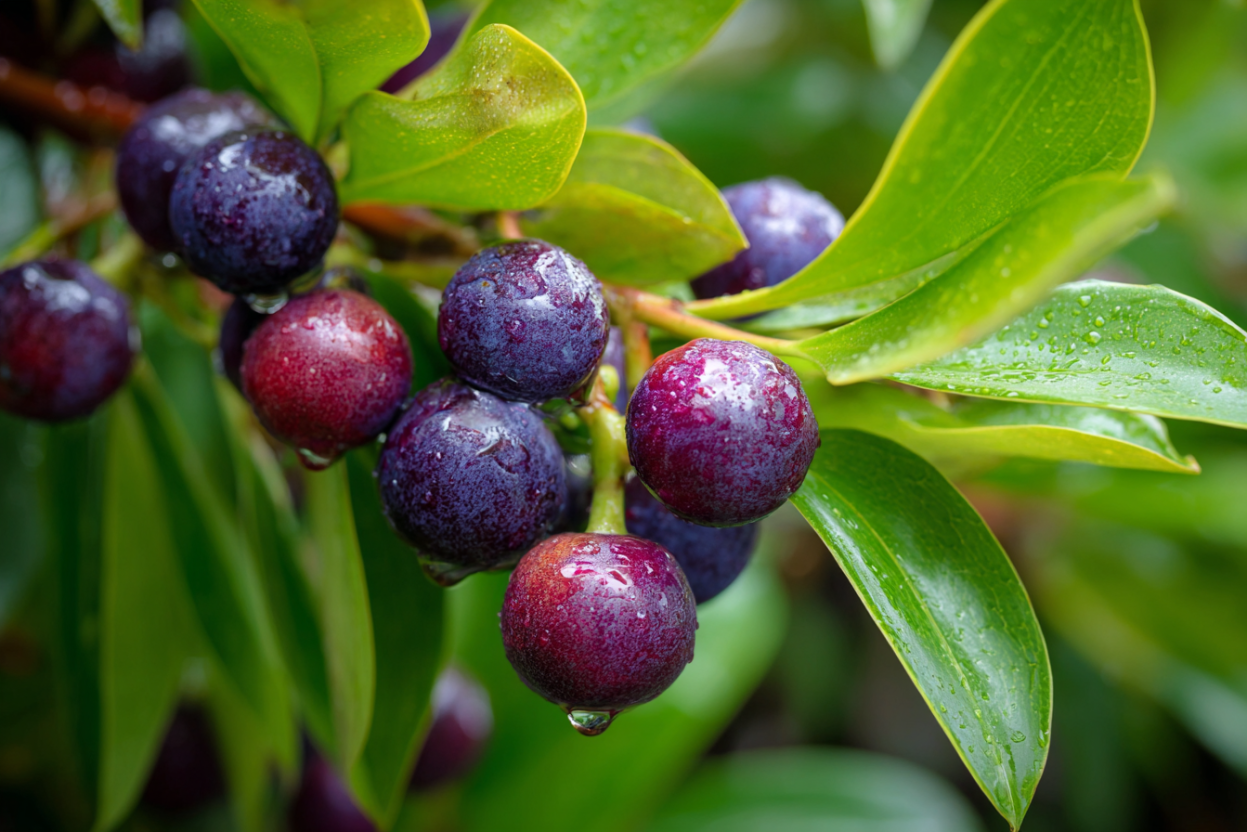
Açaí Berry (Euterpe oleracea)
If you struggle with chronic fatigue, persistent inflammation, or the nagging effects of oxidative stress on your body, you are far from alone. Millions of people search for ways to protect their cells, support their cardiovascular system, and simply feel more alive. Deep in the Amazon rainforest, a small purple fruit has sustained entire communities for centuries — and modern science is now confirming what indigenous peoples have long known about its remarkable properties.
The açaí berry is one of the most nutrient-dense fruits the Creator placed on this earth. Its deep purple color, rich fatty acid profile, and extraordinary concentration of protective compounds point to a Designer who anticipated every human need — from cellular defense to cardiovascular support to the nourishment of skin, hair, and brain. Like all of creation, the açaí palm reflects wisdom we are still learning to understand.
The Plant
Common Names: Açaí, Açaí Berry, Açaí Palm, Assaí, Cabbage Palm, Palmito, Amazon Palm Berry
Botanical Name: Euterpe oleracea Mart.
Family: Arecaceae (the Palm family — one of the most ancient plant families on earth, with members found across every tropical region)
Description
The açaí palm is a tall, graceful, multi-stemmed tree that reaches heights of 15 to 25 meters (50 to 82 feet). A single root system produces 4 to 8 slender, gray-brown stems, each typically no more than 20 centimeters (8 inches) in diameter. The stems bear distinctive ringlike leaf scars and are crowned with 9 to 15 elegant, pinnate (feather-shaped) leaves that arch and droop beautifully, measuring 1.2 to 4 meters long. The overall effect is one of striking vertical grace — clusters of slender trunks topped with flowing green plumes.
The small flowers are brown-purple and grow on large, branching inflorescences (called panicles) that hang from the tops of the stems. Pollinated primarily by small bees and flies, these flowers produce round drupes — the famous açaí berries. Each berry is about 1.5 centimeters (0.6 inches) in diameter, with a thin layer of dark purple pulp surrounding a single large seed that makes up 60 to 80 percent of the fruit. The pulp, though thin, is where the extraordinary nutritional power resides. The berries grow in dense, branching clusters of 500 to 900 fruits, and a mature palm can produce multiple harvests per year.
The specific epithet oleracea means “vegetable” in Latin — a reference to the edible hearts of palm also harvested from the tree. Because açaí palms are multi-stemmed, hearts of palm can be harvested without killing the entire plant, making it more sustainable than single-stemmed species.
Origin
The açaí palm is native to eastern Amazonia, particularly the floodplains and swampy lowlands of the Amazon River estuary in Brazil. The state of Pará in Brazil accounts for roughly 90 percent of the world’s açaí production. The palm also grows natively in Ecuador, Venezuela, Colombia, Peru, Trinidad, and throughout tropical Central America. Fossil seed records from the Amazon region date back over 13,000 years, placing this palm among the ancient plants of the Western Hemisphere.
The word “açaí” (pronounced ah-sigh-EE) derives from the Tupí-Guaraní indigenous language word ïwasa’i, meaning “fruit that cries water” — a poetic description of this juicy drupe. The berries became a dietary staple in Amazonian floodplain communities around the 18th century, but their introduction to the broader world began only in the mid-1990s. By 2008, açaí juice was the third most popular fruit juice product sold in the United States.
Brief History
Indigenous Amazonian peoples — including the Caboclo communities — have consumed açaí as a staple food for centuries. During certain seasons, açaí reportedly made up more than 40 percent of the total caloric intake of some tribes, providing sustained energy for hunting and gathering. The pulp was traditionally soaked in water, mashed into a thick purple paste, and consumed with fish and cassava flour.
The global explosion of açaí began in the early 2000s when the fruit’s extraordinary antioxidant profile was discovered by researchers. By 2003, the berry was being promoted as a “superfood” in the United States. Brazil’s açaí industry grew from a small local trade to a multi-billion dollar global market — generating over 9 billion US dollars in annual revenue by the 2020s. Today, açaí products are available worldwide as frozen purée, freeze-dried powder, juice, and supplements.
Growing & Cultivation
Climate & Zones
The açaí palm thrives in USDA Hardiness Zones 10 to 11, requiring warm, humid, tropical conditions. It performs best in temperatures consistently above 21°C (70°F) and does not tolerate frost. In the continental United States, outdoor cultivation is limited to southern Florida, coastal southern Texas, and Hawaii. However, the palm has shown somewhat more cold tolerance than many growers expect — specimens in Zone 10b in Florida have survived, thrived, and produced fruit for years. For those outside tropical zones, the açaí palm can be grown as a container specimen indoors or in a heated greenhouse, though fruit production becomes unlikely without ideal conditions.
Soil Requirements
Açaí palms prefer rich, slightly acidic soil (pH 5.5 to 6.5) that retains moisture — reflecting their natural habitat in swampy floodplains. A mix of quality potting soil, peat moss, and perlite works well for container growing. The soil should be moisture-retentive but not waterlogged in containers; in the ground, the palm tolerates periodic flooding and waterlogged conditions, as it would experience in its native habitat. Adding organic compost enriches the growing medium and supports the microbial community the roots depend on.
Water & Sunlight
Water needs are high to moderate. In its native environment, the açaí palm grows along riverbanks and in seasonally flooded areas, so consistent moisture is essential. Water regularly and deeply, allowing the top inch of soil to dry slightly between waterings for container plants. Misting is beneficial in dry indoor environments to mimic tropical humidity. The palm prefers full sun to partial shade — at least 6 hours of direct or bright indirect light daily. In its natural habitat, it grows in both open areas and beneath forest canopy edges.
Propagation
Açaí is propagated almost exclusively by seed. Fresh seeds germinate more readily than dried ones. Soak seeds in warm water for 24 to 48 hours before planting. Press seeds about 1 centimeter deep into a moist, warm seed-starting mix. Germination requires consistent warmth (27–32°C / 80–90°F) and high humidity. Germination time varies widely — from 2 weeks to several months. Patience is essential. Once seedlings emerge, maintain warm, humid conditions and provide bright indirect light. Seedlings are slow-growing initially but accelerate after establishing a strong root system.
Planting
When planting outdoors in appropriate zones, space açaí palms 3 to 5 meters apart to allow for their clumping growth habit. They make excellent landscape specimens when planted in clusters near water features. In containers, use at least a 10-gallon pot for young plants, sizing up as the palm grows. Feed 3 to 4 times per year with a palm-specific fertilizer rich in potassium and magnesium. Prune only brown or spent fronds. Companion planting with other tropical understory plants like ginger, turmeric, and heliconia mimics the layered structure of its natural forest habitat.
Harvesting
In tropical climates, açaí palms begin producing fruit at approximately 3 to 5 years of age. The berries ripen from green to deep purple (though some rare varieties remain green when ripe). Harvest occurs when the majority of berries in a cluster have turned deep purple-black. In their native Amazon, skilled harvesters climb the tall, slender trunks to cut fruit clusters by hand — a dangerous but traditional practice. The harvest season varies, with primary harvests typically between August and December and a secondary harvest between January and June.
Fresh açaí berries are extremely perishable, beginning to degrade within 24 hours of harvest. This is why most açaí available outside of Brazil comes in frozen, freeze-dried, or powdered form. If you are fortunate enough to harvest fresh berries, process them immediately — soak in warm water for 20 to 30 minutes to soften the skin, then pulse in a blender and strain to separate the thin pulp from the large seed.
Drying & Storage
Due to the high fat content and perishability of açaí, freeze-drying is the preferred preservation method. Freeze-dried açaí powder retains the highest concentration of nutrients and antioxidants. Store powder in an airtight container away from light, heat, and moisture. Properly stored freeze-dried powder retains potency for 12 to 18 months. Frozen açaí purée should be kept at -18°C (0°F) or below and maintains quality for 12 months. Do not repeatedly thaw and refreeze.
Pest & Disease Management
In its native habitat, açaí is relatively pest-resistant. Common concerns include palm weevils, scale insects, and spider mites. Organic neem oil spray provides effective control for most pests. Fungal issues can arise in overly wet conditions with poor air circulation — maintain good airflow around plants. In container culture, watch for root rot from overwatering in poorly drained pots.
The Healing of Growing
Growing any palm — including the açaí — offers benefits beyond the harvest itself. The act of tending tropical plants, whether in a greenhouse or on a sunny windowsill, connects us to the rhythms of the natural world. The soil contains beneficial bacteria (Mycobacterium vaccae) with documented antidepressant effects. Research published in Neuroscience has shown that contact with this soil bacterium stimulates serotonin production, reduces anxiety, and supports immune function. Time spent caring for plants — hands in soil, attention on living things — has been shown to reduce cortisol levels and improve mood. When you tend a living plant, you receive a form of healing before you ever consume its fruit.
Nutritional Profile
Macronutrients
Per 100 grams of unsweetened açaí purée (frozen pulp), approximate values:
Calories: 70 kcal | Protein: 1.5–2g | Total Fat: 5g (predominantly healthy monounsaturated and polyunsaturated fats, including omega-3, omega-6, and omega-9 fatty acids) | Carbohydrates: 4–6g | Dietary Fiber: 2–3g | Sugars: 0–2g | Saturated Fat: ~1.5g
Per 100 grams of freeze-dried açaí powder, the nutrient concentration is significantly higher: approximately 534 kcal, 8g protein, 33g fat (mostly unsaturated), 52g carbohydrates, and up to 14g fiber.
What sets açaí apart from most fruits is its unique fat profile. Nearly 50 percent of the berry’s caloric content comes from healthy fats — oleic acid (the same heart-healthy monounsaturated fat found in olive oil), linoleic acid (omega-6), and alpha-linolenic acid (omega-3). This fatty acid composition supports cardiovascular health, brain function, and cellular membrane integrity.
Vitamins
Vitamin A: Over 1,000 IU per 100g — supports vision, immune function, and skin cell turnover. Vitamin A acts as a precursor to retinol, essential for healthy epithelial tissue throughout the body.
Vitamin C: Comparable to blueberries — a powerful antioxidant that supports collagen production, immune defense, and enhances the absorption of iron from plant sources.
Vitamin E: Present in meaningful amounts — a fat-soluble antioxidant that protects cell membranes from oxidative damage, supports skin regeneration, and may help reduce UV-related skin damage.
B Vitamins: Contains B1 (thiamine), B2 (riboflavin), B3 (niacin), and B6 (pyridoxine) — these serve as co-factors for hundreds of enzymatic reactions and are essential for metabolizing carbohydrates, proteins, and fats into usable energy.
Minerals
Potassium: Vital for regulating heart rhythm, blood pressure, and fluid balance. Potassium also supports proper muscle contraction and nerve signaling.
Calcium: Supports bone density, muscle function, and nerve transmission. Açaí’s combination of calcium with vitamin D and healthy fats may enhance absorption.
Magnesium: Essential for over 300 enzymatic reactions in the body, including energy production, muscle relaxation, blood sugar regulation, and nervous system support.
Iron: Important for oxygen transport in the blood and cellular energy production. The vitamin C present in açaí may enhance non-heme iron absorption.
Copper: Acts as a co-factor for antioxidant enzymes, supports iron metabolism, and plays a role in connective tissue formation.
Manganese: A co-factor for the powerful antioxidant enzyme superoxide dismutase (SOD), which protects mitochondria from free radical damage.
Zinc: Supports immune function, wound healing, DNA synthesis, and healthy skin.
Phytonutrients & Active Compounds
The true power of açaí lies in its extraordinary phytochemical profile:
Anthocyanins (primarily cyanidin-3-glucoside and cyanidin-3-rutinoside): These are the pigments responsible for açaí’s deep purple color. Research suggests they possess potent antioxidant, anti-inflammatory, and neuroprotective properties. Anthocyanins may cross the blood-brain barrier and support cognitive function.
Proanthocyanidins: Powerful tannin compounds that support cardiovascular health by strengthening blood vessel walls and reducing oxidative stress on the endothelium.
Resveratrol: The same compound found in red wine, associated with cardiovascular protection and potential anti-aging effects at the cellular level.
Ferulic Acid: A phenolic compound with strong antioxidant activity that may protect skin from UV damage and support cellular defense mechanisms.
Epicatechin: A flavanol also found in dark chocolate and green tea that research suggests may support cardiovascular health and improve blood flow.
Protocatechuic Acid: An antioxidant compound under study for its potential to support cellular health and reduce inflammatory markers.
Vanillic Acid and Syringic Acid: Additional phenolic acids with documented antioxidant activity.
Plant Sterols (beta-sitosterol, campesterol, stigmasterol): These phytosterols support healthy cholesterol metabolism and may provide cardioprotective effects by competing with dietary cholesterol for intestinal absorption.
Amino Acids: Açaí contains 19 different amino acids — the building blocks of protein — making it unusually protein-rich for a fruit.
Nutrient Notes
The bioavailability of açaí’s antioxidants is enhanced by its natural fat content — many of its protective compounds are fat-soluble and absorb more readily in the presence of dietary fats. This makes açaí uniquely self-contained in its delivery system. Clinical research has confirmed that açaí antioxidants do reach the gut intact and are absorbed into the bloodstream.
Freeze-dried powder offers the most concentrated nutrient profile per gram. Frozen purée provides a good balance of taste and nutrition. Commercial juices and supplements vary dramatically in quality — many contain very little actual açaí and may include added sugars, preservatives, or unlisted ingredients.
Connection to Body Compounds
The B vitamins and amino acids in açaí support the production of serotonin and dopamine. The magnesium content may help regulate cortisol levels. The omega-3 fatty acids support healthy brain cell membrane structure, which is essential for proper neurotransmitter function. The anthocyanins have been shown in research to modulate inflammatory cytokines including IL-6 and TNF-alpha.
Culinary Uses
Edible Parts
The primary edible portions of the açaí palm include the fruit pulp and the hearts of palm (palmito). The thin layer of pulp surrounding the large seed is the source of all açaí food products. Hearts of palm — the tender inner core of the growing shoot — are consumed as a vegetable and are prized in Brazilian cuisine. The leaves have traditional uses but are not commonly consumed as food.
Flavor Profile
Açaí has a distinctive flavor that sets it apart from other berries. The primary taste is earthy and rich, often described as a cross between dark chocolate and wild blackberries, with subtle notes of red wine. It is naturally low in sugar and mildly tart, without the pronounced sweetness of most berries. The flavor has an almost savory depth due to its fat content — making it pair beautifully with both sweet and savory preparations. Freeze-dried powder intensifies the earthy, chocolate-like notes, while frozen purée has a smoother, more berry-forward flavor.
Preparation
Because fresh açaí berries perish within hours of harvest, preparation outside of Brazil typically begins with frozen purée or freeze-dried powder. Açaí bowls (açaí na tigela) are the most popular preparation: frozen purée is blended with a small amount of water or plant milk until thick, poured into a bowl, and topped with fresh fruit, granola, coconut flakes, nuts, seeds, and honey. Smoothies incorporate açaí powder or purée blended with banana, berries, and liquid. Juices are made by blending the pulp with water and straining. In the Amazon, açaí pulp is traditionally mixed with tapioca flour and eaten with fish — a savory application worth exploring. Açaí oil, pressed from the fruit, is suitable for cooking and makes an antioxidant-rich salad dressing.
Culinary Pairings
Açaí’s earthy, chocolate-berry flavor pairs exceptionally well with: banana (the classic açaí bowl companion), dark chocolate, coconut (milk, flakes, or oil), mango, strawberries, blueberries, granola and oats, nut butters (almond, peanut, cashew), honey, cinnamon, vanilla, chia seeds, and hemp hearts. For savory applications, açaí complements grilled fish, tropical salsas, and vinaigrettes.
Storage
Frozen açaí purée packs should remain frozen until use and not be refrozen once thawed. Store at -18°C (0°F) or below for up to 12 months. Freeze-dried powder should be stored in an airtight container in a cool, dark place — it maintains potency for 12 to 18 months. Once reconstituted or blended, consume within 24 hours and refrigerate any leftovers.
Ready to cook with açaí? View Recipes on Chefts →
Wellness & Therapeutic Uses
Traditional Uses
Indigenous Amazonian communities have used various parts of the açaí palm medicinally for generations. In Brazilian folk medicine, açaí has traditionally been used to support digestive health, address diarrhea, manage parasitic infections, reduce hemorrhages, and support ulcer management. Caboclo communities consumed açaí as a primary calorie source for sustained energy during long hunting and gathering expeditions. In some regions of the Amazon, decoctions of the root were used to address fever and liver concerns, and crushed seeds were applied to skin conditions. The Ribeirinhos (river-dwelling communities) relied on açaí as both food and medicine — an integrated approach reflecting the understanding that proper nutrition is the first line of defense for the body.
Modern Research
Modern scientific research has identified numerous bioactive properties in açaí:
Antioxidant Activity: Multiple studies confirm that açaí possesses potent antioxidant activity against both peroxyl and superoxide radicals. A comprehensive review published in Nutrients (2023, Brazil/USA) documented açaí’s ability to decrease production of reactive oxygen species (ROS), increase cellular antioxidant capacity, and upregulate protective pathways including the Nrf2 pathway. (PubMed: 36839349)
Anti-Inflammatory Properties: Research demonstrates that açaí directly reduces the synthesis of pro-inflammatory cytokines (IL-1β, IL-6, IL-8, TNF-α) and modulates the NF-κB inflammatory signaling pathway. A 2021 study in the Journal of Food Biochemistry (South Korea) showed açaí berry extract improved intestinal barrier function and reduced inflammatory mediators in a co-culture model, suggesting potential for supporting gastrointestinal health. (PubMed: 34227129)
Cardiovascular Support: A randomized clinical trial (2020, Brazil) involving 69 overweight, dyslipidemic individuals found that 200g of açaí pulp daily for 60 days significantly reduced oxidative stress markers (8-isoprostane) and improved inflammatory markers (IL-6). (PubMed: 31307842) A pilot study in junior athletes (2015, Poland) demonstrated improvements in lipid profiles following 6 weeks of açaí juice supplementation. (PMC: 4447763)
Neuroprotective Potential: Research indicates açaí may confer neuroprotection through antioxidant and anti-inflammatory mechanisms, restoration of mitochondrial function, and inhibition of toxic protein aggregation. A 2022 study (Brazil) found that an açaí-enriched diet induced anxiolytic-like effects and improved memory retention in animal models. (PMC: 9641548)
Hepatoprotective (Liver) Support: An Italian study published in Nutrients (2021) demonstrated that açaí extract reduced fat deposits in liver cell models by two-fold or more and decreased lipid peroxidation by up to twenty-fold, suggesting support for healthy liver function. (PMC: 7824079)
Cardioprotective Against Ischemia/Reperfusion Injury: A 2023 study (Italy/Brazil) evaluated açaí in a diabetic heart injury model and found açaí treatment reduced biomarkers of myocardial damage, infarct size, and the apoptotic process by modulating NF-κB and Nrf2 pathways. (PubMed: 37609799)
Blood Sugar Support: Preliminary research suggests açaí may influence fasting blood glucose levels, with compounds that may support insulin sensitivity and glycemic control through AMPK pathway activation.
Antiproliferative Activity: Early laboratory research (University of Florida, 2006) showed açaí berry extracts triggered self-destruction (apoptosis) in tested leukemia cells. While in vitro results do not translate directly to human outcomes, they point to compounds worthy of further investigation.
Body Systems Supported
Cardiovascular System: Anthocyanins, omega fatty acids, and plant sterols support heart health, healthy cholesterol metabolism, and blood vessel integrity.
Immune System: Polysaccharides in açaí have been shown to activate innate immune response. The high antioxidant content supports cellular defense against oxidative stress.
Nervous System: The omega-3 fatty acids and anthocyanins support brain cell structure and may protect against neuroinflammation and age-related cognitive decline.
Digestive System: Dietary fiber supports healthy bowel function. Anti-inflammatory compounds may support gut barrier integrity. Traditional use for diarrhea and digestive support.
Integumentary (Skin): Vitamins A, C, and E combined with anthocyanins and healthy fats support skin cell turnover, collagen production, and protection against oxidative damage.
Endocrine System: Preliminary research suggests açaí may influence blood glucose and insulin metabolism.
Musculoskeletal System: Calcium, magnesium, and anti-inflammatory compounds may support bone health and reduce exercise-induced muscle damage.
Body Compounds Affected
Based on the available research, açaí may influence the following body compounds: Cytokines — research demonstrates reduction in pro-inflammatory IL-6, IL-8, IL-1β, and TNF-α. Prostaglandins — açaí inhibits COX-1 and COX-2, enzymes involved in prostaglandin synthesis. Cortisol — the magnesium and stress-modulating compounds may support healthy cortisol regulation. Serotonin — B vitamins and amino acids provide precursors for serotonin synthesis. BDNF (Brain-Derived Neurotrophic Factor) — anthocyanins and neuroprotective compounds may support BDNF levels. Nitric Oxide — the fatty acid profile and polyphenols may support healthy endothelial function and nitric oxide production.
Methods of Use
Frozen Purée / Smoothie Bowl
The most popular and accessible method. Blend 100–200g unsweetened frozen açaí purée with a small amount of liquid. Consume daily or several times per week for ongoing support. No preparation beyond blending required.
Freeze-Dried Powder
The most concentrated form. Add 1–2 teaspoons (3–6g) to smoothies, yogurt, oatmeal, or water daily. The powder is shelf-stable and easy to incorporate into any routine.
Juice
Available commercially, though quality varies widely. Choose 100% açaí juice without added sugars or fillers. Typical consumption is 30–100ml per day.
Capsules / Supplements
Standardized açaí extract capsules typically range from 500–1000mg once or twice daily. Quality varies significantly — look for products with verified açaí content and third-party testing.
Cosmetic & Beauty Uses
Skin Benefits
Açaí’s extraordinary combination of antioxidants, vitamins A, C, and E, and essential fatty acids makes it a powerhouse ingredient for skin care. The anthocyanins help protect skin cells from free radical damage caused by UV exposure and environmental pollutants — a primary driver of premature aging. Vitamin A supports skin cell turnover and collagen production, helping maintain firmness and reducing the appearance of fine lines. Vitamin C brightens skin tone and supports the body’s natural collagen synthesis. The omega fatty acids (3, 6, and 9) nourish and hydrate from within, supporting skin elasticity and moisture retention. Research published in the Journal of Drugs in Dermatology has discussed açaí’s potential benefits against hyperpigmentation.
Skin types that may benefit most include: mature skin seeking anti-aging support, dry skin needing deep nourishment, combination skin needing balanced hydration, and skin exposed to high levels of environmental stress.
Hair Benefits
The amino acids, essential fatty acids, and vitamins in açaí support hair health from both inside (through consumption) and outside (through topical application). Omega fatty acids nourish and condition the scalp, potentially reducing dryness and itchiness. Vitamins A and E create a protective barrier that may shield hair from environmental damage and chemical exposure. The nutrients support hair elasticity, reducing brittleness and split ends. Açaí’s anti-inflammatory properties may soothe scalp irritation. Folic acid (folate) may support blood circulation to the scalp, encouraging a healthy environment for hair growth.
Application Methods
Açaí Oil (Cold-Pressed): Extracted from the fruit, açaí oil retains high antioxidant levels. Apply directly to skin as a moisturizer, mix into facial serums, or use as a hair treatment. The oil absorbs well without heavy residue.
DIY Face Mask: Mix 1 teaspoon açaí powder with honey and plain yogurt. Apply to face for 10–15 minutes. The antioxidants, lactic acid from yogurt, and humectant properties of honey create a nourishing, brightening treatment.
Hair Rinse: Add 1–2 teaspoons of açaí powder to warm water, steep for 10 minutes, strain, and use as a final rinse after shampooing. This delivers antioxidants directly to scalp and hair shaft.
Bath Addition: Add açaí powder to bathwater along with coconut milk for a skin-nourishing soak. The fats and antioxidants infuse the water with skin-supportive compounds.
DIY Formulation Notes
Açaí oil blends well with carrier oils such as jojoba, argan, and rosehip. For facial formulations, use açaí oil at 5–15% concentration in a carrier oil blend. The oil has a relatively short shelf life due to its high unsaturated fat content — store in a cool, dark place and use within 6 months of opening. Açaí powder can be added to homemade face masks, scrubs, and hair treatments at approximately 1–5% of the total formulation.
Açaí is among the botanicals being explored for holistic cosmetic applications, where the wisdom of traditional beauty practices meets modern understanding of skin science.
Note: Açaí does not yield a commercially available essential oil through steam distillation. The açaí oil available commercially is a cold-pressed carrier oil (fixed oil) extracted from the fruit pulp and skin. This oil is rich in polyphenols, anthocyanins, and fatty acids, making it valuable for cosmetic and culinary applications, but it is not classified as an essential oil. Therefore, this section is not applicable in the traditional essential oil sense.
Aromatherapy & Scent
The Aroma
Fresh açaí berries have a subtle, earthy aroma with faint notes of dark chocolate, red wine, and forest floor. The scent is not overpowering — it is quiet and grounding, reflecting the fruit’s deep connection to the Amazon rainforest. When the berries are crushed or blended, the aroma becomes slightly more pronounced, with berry-chocolate undertones emerging. Freeze-dried açaí powder retains a mild, concentrated version of this earthy scent. Açaí oil has a light, slightly nutty aroma with faint fruity notes.
Because açaí does not produce a volatile essential oil, its aromatic profile is experienced primarily through handling fresh fruit, blending frozen purée, or working with the oil — rather than through diffusion or traditional aromatherapy methods.
How Scent Affects Your Body
When you smell açaí — whether blending a bowl or opening a package of powder — volatile molecules from the fruit enter your nasal passages and bind to olfactory receptors. These receptors send signals directly to the limbic system (the emotional center of the brain) and the hypothalamus (which governs hormonal responses). This pathway bypasses conscious thought entirely, which is why scent can shift your emotional state within seconds. The earthy, grounding aroma of açaí may promote a sense of calm and connection to nature.
Emotional & Mood Effects
The subtle scent of açaí is primarily grounding and centering. Its earthy, chocolate-like notes may evoke feelings of comfort, warmth, and richness. Many people find that the ritual of preparing açaí — the visual beauty of the deep purple, the aroma of blending — creates a mindful, calming experience that reduces stress and promotes presence.
Ways to Experience the Scent
The best ways to experience açaí’s aroma include blending fresh or frozen purée (the aroma fills the kitchen), adding açaí powder to warm beverages (the heat releases volatile compounds), and using açaí oil in topical applications where its mild scent is noticeable on the skin.
Color Therapy
The Colors of Açaí
Açaí is defined by its extraordinary deep purple-black color — one of the most intense pigmentations in the fruit world. The ripe berries are a dark, near-black violet with a deep purple pulp. When blended, the fruit produces a rich, vibrant purple that has made açaí bowls visually iconic. The açaí palm itself displays deep green fronds and gray-brown stems, while unripe fruit clusters are bright green. The rare ‘Branco’ variety remains green when ripe.
Color Wavelengths
The deep purple/violet color of açaí corresponds to the shortest visible wavelength range: approximately 380–450 nanometers. This places açaí at the violet end of the visible spectrum — the highest energy wavelengths our eyes can detect. Green, present in the palm fronds and unripe fruit, falls in the 495–570 nanometer range.
How Purple/Violet Affects the Body
In color therapy, violet and purple wavelengths are associated with calming the nervous system, supporting meditative and contemplative states, promoting spiritual awareness, and soothing mental overactivity. Viewing deep purple colors may help quiet the mind and support relaxation. Green — the color of the living palm — is associated with balance, heart-centeredness, and the restorative connection to nature. Together, the visual experience of the açaí palm (green fronds, purple fruit) offers a complementary balance of grounding nature energy and calming violet influence.
Body Compounds Affected
Exposure to violet/purple light wavelengths has been associated in preliminary research with supporting melatonin production and calming nervous system activity. Green light exposure is associated with cortisol reduction and overall stress relief. Importantly, when we consume the purple pigment (anthocyanins) through eating açaí, we are literally ingesting the compounds responsible for the color — and these compounds have documented effects on inflammatory markers, antioxidant status, and neuroprotective pathways.
Using Açaí for Color Therapy
The vibrant purple of açaí bowls and smoothies provides visual color therapy at the breakfast table — a beautiful, intentional way to start the day. The concept of “eating the rainbow” is particularly relevant with açaí: consuming deeply pigmented foods delivers the very phytochemicals that produce those colors, creating a bridge between visual beauty and biochemical benefit. Place a bowl of deep purple açaí in your morning routine as both nourishment and visual medicine.
Frequency & Vibration
The Frequency of Açaí
While specific MHz frequency measurements for açaí have not been widely documented in the published literature, fresh fruits and vegetables are generally recognized in bio-frequency research as having higher vibrational frequencies than processed foods. Fresh açaí, as a raw, living fruit from the Amazon rainforest — one of the most biodiverse and energetically vibrant ecosystems on earth — is considered by proponents of vibrational medicine to carry a high-frequency signature. For reference, a healthy human body is believed to vibrate at 62–78 MHz, and fresh foods are thought to support the body in maintaining or raising that baseline.
Human Frequency Interaction
According to bio-frequency research, when a person consumes or is in proximity to high-frequency substances (such as fresh, raw plant foods), the principle of entrainment suggests that the weaker frequency (a stressed or depleted body) may be influenced by the stronger frequency. Proponents of vibrational medicine believe that consuming nutrient-dense, minimally processed foods like açaí may support the body’s energetic baseline. This aligns with what nutritional science already demonstrates: that fresh, antioxidant-rich foods reduce oxidative stress, lower inflammation, and support cellular health.
Vibrational Applications
To maximize the potential vibrational benefit of açaí, consume it in its most whole, minimally processed form — frozen purée or freeze-dried powder rather than heavily processed supplements. The ritual of preparing an açaí bowl — blending with intention, arranging toppings mindfully, eating slowly — itself becomes a high-frequency practice when combined with gratitude and presence.
Note: Frequency measurements of foods are an emerging area of research. The concepts presented here reflect principles discussed in bio-frequency literature (including the work of Bruce Tainio) and should be considered within that context. More peer-reviewed research is needed to fully validate specific frequency claims for individual foods.
The Living Plant
Benefits of Presence
The açaí palm, even when grown as an indoor specimen far from the Amazon, brings the benefits of living plant presence into your environment. Research on biophilic design — the human need for connection with nature — demonstrates that being near living plants reduces stress hormones, improves mood, enhances focus, and promotes faster healing in healthcare settings. A tall, graceful palm with flowing fronds brings a sense of the tropical forest into any space, triggering the relaxation response our nervous systems evolved to feel in natural environments.
Air Purification
While the açaí palm has not been specifically included in the NASA Clean Air Study (which tested a specific list of houseplants), palms as a family are recognized for their air-cleaning qualities. The closely related Areca Palm (Dypsis lutescens) was one of the top performers in the NASA study. Living palms produce oxygen through photosynthesis, and their large leaf surface area contributes to natural humidity regulation in indoor spaces. Like all living plants, the açaí palm absorbs carbon dioxide and releases oxygen during daylight hours.
Phytoncides
Living plants release phytoncides — volatile organic compounds with antimicrobial properties. Forest bathing (shinrin-yoku) research from Japan has demonstrated that exposure to phytoncides increases Natural Killer (NK) cell activity in the human immune system. While specific phytoncide measurements for açaí palms are not documented, tropical palms in general contribute to the rich phytoncide environment of the rainforest. Growing a palm indoors brings a small piece of that forest atmosphere into your home.
Visual & Psychological Benefits
Studies in environmental psychology consistently demonstrate that viewing plants reduces stress, restores attention, improves mood, and supports cognitive function. A landmark study showed that hospital patients with a view of trees recovered faster and required less pain medication than those with a view of a wall. The graceful, arching fronds of a palm create a visual experience of peace and natural order. The deep green color of healthy fronds activates the calming, balancing wavelengths of the green spectrum (495–570nm).
Growing Indoors vs Outdoors
For those in tropical zones (USDA 10–11), the açaí palm makes a stunning landscape specimen — especially near water features or in groupings. For everyone else, a young açaí palm can be grown as an indoor tropical plant with bright, indirect light, consistent moisture, high humidity, and warm temperatures. It will not produce fruit indoors in most cases, but the presence of the living plant still delivers visual, psychological, and air-quality benefits. Use a humidifier or mist regularly to replicate tropical conditions.
Touch & Physical Interaction
Gardening Therapy
Horticultural therapy is a well-established therapeutic practice. For those growing açaí palms — whether in containers or in the ground — the daily care of watering, misting, monitoring for pests, and tending to the plant’s needs provides a structured, calming routine that redirects attention from mental stress to physical presence. The rhythm of plant care creates a meditative anchor in the day.
Soil Contact Benefits
When repotting or amending the soil of an açaí palm, your hands come into direct contact with the growing medium. Soil contains Mycobacterium vaccae, a bacterium that research has shown to stimulate serotonin production and produce antidepressant-like effects in animal models. Gardening barefoot or with bare hands provides additional grounding (earthing) benefits — the transfer of free electrons from the earth’s surface into the body, which research suggests may reduce inflammation and improve sleep. A study published in the Journal of Environmental and Public Health documented the physiological benefits of direct earth contact.
The Tactile Experience
The açaí palm offers several distinct tactile experiences: the smooth, cool stems ringed with leaf scars; the slightly rough, fibrous base of the fronds; the delicate, feathery leaflets that brush softly against skin; and the small, firm berries with their thin, waxy skin. For those who purchase frozen açaí, the act of breaking open the packet, pressing the frozen block into a blender, and feeling the transformation from solid to smooth purée is its own sensory experience — a moment of tangible creation in the kitchen.
Harvesting & Processing
In the Amazon, the harvest of açaí is a deeply physical, communal activity. For home growers fortunate enough to harvest their own berries, the repetitive motion of picking clusters, the weight of the fruit in hand, and the process of soaking and pulping the berries creates a deeply satisfying connection to the source of nourishment. Even the simple act of preparing an açaí bowl — blending, arranging toppings with care, creating something beautiful to eat — provides a form of creative, tactile therapy that engages the senses and promotes mindfulness.
Water-Based Applications
Teas & Infusions
While açaí is not traditionally used as a tea herb in the same way as chamomile or peppermint, açaí powder can be infused into warm (not boiling) water to create a light, antioxidant-rich beverage. Use 1 teaspoon of freeze-dried powder per cup of warm water (70–80°C / 160–175°F). Stir well or use a small whisk, as the powder does not dissolve completely. The result is a mild, earthy, subtly berry-flavored drink. Adding a small amount of honey or lemon enhances the flavor. This method delivers a portion of the water-soluble antioxidants.
Herbal Baths
Açaí can be incorporated into herbal baths for topical antioxidant delivery. Add 2–3 tablespoons of açaí powder to warm bathwater, along with coconut milk or oat milk to help disperse the powder. Soak for 20–30 minutes. The anthocyanins and vitamin E in the water may support skin health and provide a calming, spa-like experience. Note: açaí will color the water deep purple — rinse the tub promptly after use. Foot baths offer a simpler alternative: dissolve 1 tablespoon of powder in a basin of warm water and soak feet for 15–20 minutes.
Compresses
A cool açaí compress can be made by dissolving açaí powder in cool water, soaking a clean cloth, and applying to areas of skin irritation, puffiness, or sunburn. The antioxidant compounds may help soothe inflammation and support skin recovery. For under-eye puffiness, use cotton pads soaked in diluted açaí water (use caution with staining).
Hair Rinses
Dissolve 1–2 teaspoons of açaí powder in 2 cups of warm water. Allow to steep for 10 minutes, then strain through a fine mesh to remove undissolved particles. After shampooing, pour the rinse through hair as a final step. The antioxidants, fatty acids, and vitamins nourish the scalp and may enhance shine. This rinse is particularly beneficial for dark hair, as the purple pigment may subtly deepen dark tones. Use caution on light or color-treated hair due to potential staining.
Connection to Hydrotherapy Principles
Water has been used as a vehicle for plant-based healing across every culture throughout history. Water acts as a universal solvent, extracting and carrying plant compounds into contact with the body — whether through drinking, bathing, or topical application. When açaí’s antioxidant compounds are dissolved in water, they become immediately available for absorption through the skin or digestive system, connecting ancient hydrotherapy principles with modern nutritional science.
Historical, Cultural & Biblical Significance
Biblical References
Açaí is not directly mentioned in Scripture, as it is native to the Americas and was unknown to the biblical world. However, the palm family (Arecaceae) is well represented in the Bible. Palm trees are mentioned throughout Scripture — from the palms of Jericho to the palm branches waved at Jesus’ triumphal entry into Jerusalem (John 12:13, KJV: “Took branches of palm trees, and went forth to meet him, and cried, Hosanna: Blessed is the King that cometh in the name of the Lord”). The date palm was one of the seven species of the Promised Land (Deuteronomy 8:8). While açaí itself was not known in the ancient Near East, the palm family to which it belongs has deep biblical and spiritual significance — symbolizing victory, righteousness, and the abundance of God’s provision.
Ancient Civilizations
Because açaí is exclusively native to the Americas, it does not appear in Egyptian, Greek, Roman, or Hebrew records. However, the palm family was revered across all ancient civilizations: Egyptians used palm fronds in temple decorations and funerary rites; Greeks associated palms with Apollo and victory; Romans awarded palm branches to triumphant warriors. The reverence for palms across cultures reflects an intuitive recognition of this plant family’s life-sustaining importance.
Indigenous Knowledge
The most profound cultural history of açaí belongs to the indigenous peoples of the Amazon basin. The Caboclo communities relied on açaí as a primary food source — consuming it as a thick paste mixed with fish and manioc flour. Some historical records suggest açaí composed over 40 percent of the total caloric intake for certain communities during peak harvest seasons. The Ribeirinhos (river-dwelling peoples) of the Amazon estuary have harvested açaí for centuries, developing sophisticated knowledge of seasonal patterns, optimal harvest timing, and preparation methods. The name “açaí” itself comes from the Tupí word ïwasa’i — “fruit that cries water” — reflecting the berry’s juiciness and the deep connection between these peoples and their environment.
These communities observed that açaí provided sustained energy, supported digestive health, and seemed to protect against the fevers and infections common in tropical environments. While they may not have known the Creator by name, they were observing His design — and their observations align with what modern research confirms about açaí’s antioxidant, anti-inflammatory, and energy-sustaining properties.
An important Tupí legend tells of a chief named Itaki who, during a time of famine, decreed that all newborn children be sacrificed. When his own daughter Iaçã gave birth, her child was also taken. Iaçã wept for days until she saw a palm tree full of dark fruit. She died at its base, but the next morning, the tribe found the tree heavy with berries — enough to end the famine. The chief named the fruit “açaí” (Iaçã spelled backward) and ended the decree. Whether legend or history, this story reflects the deep cultural significance of açaí as a life-sustaining gift.
European Heritage
European awareness of açaí came through Portuguese colonization of Brazil beginning in the 16th century. Colonial naturalists documented the palm and its uses, but açaí remained largely unknown outside the Amazon region for centuries. The Portuguese adopted the fruit as part of local cuisine in northern Brazil, and it gradually spread to urban Brazilian culture in the mid-20th century. The global explosion of açaí as a “superfood” did not occur until the early 2000s, when researchers began publishing data on its antioxidant capacity and entrepreneurs began exporting frozen pulp.
Cultural Symbolism
In Brazilian culture, particularly in the state of Pará, açaí is far more than a food — it is an identity. The açaí harvest season is a time of celebration and economic activity. Açaí has become a symbol of Amazonian cultural pride, indigenous knowledge, and the richness of the rainforest. In the broader wellness world, açaí represents the intersection of ancient food traditions and modern nutritional science — a reminder that the most powerful medicines were growing in forests long before laboratories existed.
Safety & Precautions
Contraindications
Individuals with known allergies to açaí, palm pollen, or other members of the Arecaceae (palm) family should avoid açaí products. Those with hormone-sensitive conditions (such as certain cancers) should consult a healthcare provider before using concentrated açaí supplements, as some compounds may have hormonal activity. Discontinue açaí supplements at least 2 weeks before scheduled surgical procedures due to potential effects on blood clotting.
Drug Interactions
Antidiabetes Medications: Preliminary research suggests açaí may affect fasting blood glucose levels. Those taking insulin or oral diabetes medications should monitor blood sugar closely when adding açaí to their diet, as combined effects could potentially cause blood sugar to drop too low. (NCCIH: Acai)
Antihypertensive Medications: Açaí may lower blood pressure. Combined with blood pressure medications, this could potentially cause blood pressure to drop too low.
Anticoagulants / Antiplatelets: There is a theoretical risk that açaí, particularly in supplement form or combined with other herbs (ginkgo, garlic, ginger), may increase bleeding risk. Those taking blood thinners like warfarin should consult their healthcare provider.
MRI Interaction: The NIH’s National Center for Complementary and Integrative Health notes that consuming açaí may affect the results of an MRI of the gastrointestinal tract. If you are scheduled for an MRI, inform your healthcare provider about açaí consumption. (NCCIH: Acai)
Pregnancy & Nursing
There is insufficient reliable research to confirm the safety of açaí supplements during pregnancy or breastfeeding. While açaí consumed as a food in normal dietary amounts is likely safe (it has been a staple food in the Amazon for centuries, including among pregnant and nursing women), concentrated supplements and extracts should be avoided during pregnancy and breastfeeding without guidance from a qualified healthcare provider.
Children
Açaí consumed as a food (smoothies, bowls) in age-appropriate portions is generally considered safe for children over 2 years of age who have no palm or pollen allergies. Introduce in small amounts and monitor for any allergic reaction. Concentrated supplements are not established as safe for children and should be avoided unless directed by a pediatric healthcare provider.
Elderly
Older adults can generally enjoy açaí as part of a balanced diet. However, those taking blood thinners, blood pressure medications, or diabetes medications should exercise caution and consult their healthcare provider due to potential interactions. Start with smaller amounts and monitor response.
Pets
Dogs: CAUTION. Açaí berries contain theobromine, the same compound in chocolate that is toxic to dogs. However, the theobromine content in açaí (approximately 0.0014mg/g) is dramatically lower than in cacao (approximately 0.82mg/g). The ASPCA Animal Poison Control Center has not listed açaí as a threat for dog poisoning, and there are no reported cases of açaí poisoning in dogs. Small amounts of plain açaí pulp are unlikely to cause harm, but large quantities should be avoided. Açaí bowls and products containing chocolate, xylitol, or added sugars should never be given to dogs. If your dog shows signs of restlessness, vomiting, or rapid heart rate after consuming açaí, contact your veterinarian.
Cats: CAUTION. Cats are more sensitive to theobromine than dogs. While açaí’s theobromine content is very low, it is safest to avoid giving açaí to cats. There is one anecdotal report of a kitten fatality after ingesting açaí berry, though details and causation are unclear. Err on the side of caution and keep açaí products away from cats.
Birds: Unknown. Insufficient data to determine safety.
Allergies & Sensitivities
Açaí may cause allergic reactions in individuals sensitive to palm pollen or plants in the Arecaceae family. Symptoms may include swelling of the mouth, lips, tongue, or throat; skin rash or hives; and in rare cases, anaphylaxis. Those with pollen allergies should introduce açaí cautiously. For topical applications (açaí oil on skin), perform a patch test on a small area of the inner forearm and wait 24 hours before broader use.
Dosing Guidelines
As food: 100–200g of frozen purée or 3–6g (1–2 teaspoons) of freeze-dried powder daily is commonly consumed. As juice: 30–100ml per day. As supplement capsules: 500–1000mg once or twice daily (follow product label). There is no established maximum safe dose for açaí consumed as food. For supplements, follow manufacturer guidelines and consult a healthcare provider.
Quality & Sourcing
Quality of açaí products varies enormously. Research has found that over half of tested açaí supplements contained little to no actual açaí berry, or contained enough water to significantly dilute the chemical constituents. Some products contained unlisted ingredients. When purchasing açaí, look for: organic certification, single-ingredient freeze-dried powder or 100% purée without added sugars, third-party testing verification, products sourced from reputable Brazilian suppliers, and avoid supplements making extravagant health claims. The FTC has taken action against multiple companies for fraudulent açaí marketing.
Chagas Disease Concern
In Brazil, there have been documented cases of Chagas disease (American trypanosomiasis) transmission through contaminated, unpasteurized açaí juice. The parasite Trypanosoma cruzi can contaminate açaí during harvesting and processing. This concern applies primarily to fresh, unprocessed açaí in endemic areas. All commercially exported açaí products undergo pasteurization or processing that eliminates this risk. Always purchase açaí from reputable, regulated sources.
Signs of Adverse Reaction
Mild reactions may include digestive discomfort, bloating, gas, or loose stool — particularly when first introducing açaí or consuming large amounts (due to fiber and fat content). Serious reactions requiring medical attention include significant swelling of the face, lips, tongue, or throat; difficulty breathing; severe abdominal pain; or signs of allergic reaction (hives, itching). If any adverse reaction occurs, discontinue use immediately.
Disclaimer
This information is for educational purposes only. It is not intended to diagnose, treat, cure, or prevent any disease. Always consult with a qualified healthcare provider before using any herbal product, especially if you are pregnant, nursing, taking medications, or have a medical condition. If you experience any adverse reaction, discontinue use immediately and seek medical attention.
Want Personalized Guidance?
Every body is unique. What works for one person may not be right for another. If you’d like personalized support in incorporating açaí into your wellness journey, consider working with a qualified practitioner who can assess your individual needs.
Sources & References
Peer-Reviewed Studies
- Açaí (Euterpe oleracea Mart.) in Health and Disease: A Critical Review – Nutrients, 2023, Brazil/USA
- Effects of a hypoenergetic diet associated with açaí pulp consumption on antioxidant status, oxidative stress and inflammatory biomarkers in overweight, dyslipidemic individuals – Clinical Nutrition, 2020, Brazil
- Acai berry extract as a regulator of intestinal inflammation pathways in a Caco-2 and RAW 264.7 co-culture model – Journal of Food Biochemistry, 2021, South Korea
- Molecular targets for anti-oxidative protection of açaí berry against diabetes myocardial ischemia/reperfusion injury – Journal of Nutritional Biochemistry, 2023, Italy/Brazil
- Antioxidant and Hypolipidemic Activity of Açai Fruit Makes It a Valuable Functional Food – Nutrients, 2021, Italy
- Effects of supplementation with acai berry-based juice blend on the blood antioxidant defence capacity and lipid profile in junior hurdlers – Biology of Sport, 2015, Poland
- Açaí (Euterpe oleracea) pulp-enriched diet induces anxiolytic-like effects and improves memory retention – Nutritional Neuroscience, 2022, Brazil
- Açaí berries inhibit colon tumorigenesis in azoxymethane/dextran sulfate sodium-treated mice – Gut and Liver, 2017, South Korea
Institutional Sources
- Acai: Usefulness and Safety – National Center for Complementary and Integrative Health (NCCIH), NIH, USA
- Acai: Uses, Benefits & Dosage – Drugs.com Clinical Review, USA
- Acai: Overview, Uses, Side Effects, Precautions, Interactions, Dosing and Reviews – WebMD, USA
Botanical & Taxonomic Sources
- Review of the genus Euterpe: botanical and genetic aspects of açai, the purple gold of the Amazon – Botanical Journal of the Linnean Society, 2025, Brazil
- Acai: Description, Palm, Fruit, Berry, Uses, Products, & Nutrition – Encyclopaedia Britannica
Traditional Medicine & Historical Sources
- Euterpe oleracea – An Overview – ScienceDirect Topics, multiple authors/years
- Açaí (Euterpe oleracea Mart.) in Health and Disease – Encyclopedia MDPI, 2023