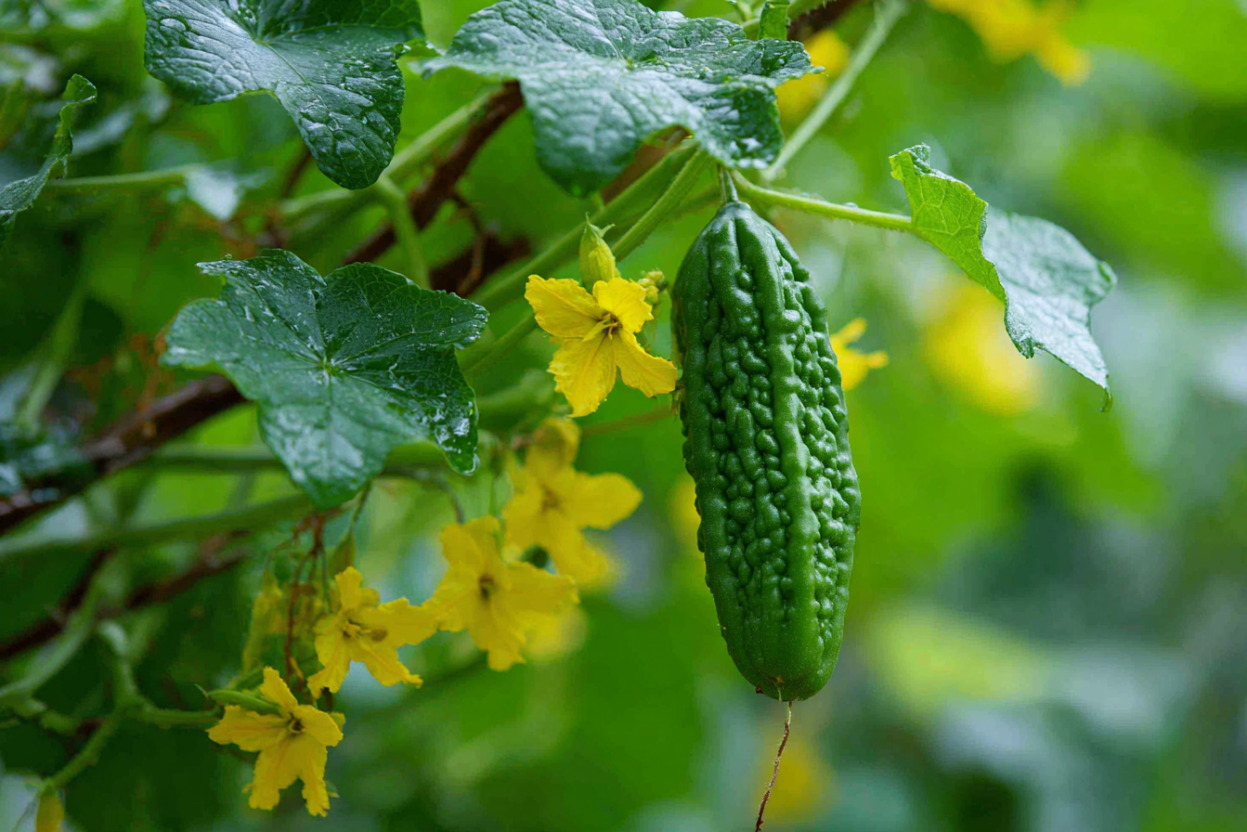
Bitter Melon (Momordica charantia)
If you are among the millions navigating blood sugar concerns, metabolic challenges, or the frustrating cycle of inflammation and fatigue, you are not alone — and the Creator may have provided support in a form most people overlook. Bitter melon, one of the most extensively studied plants in global traditional medicine, has been quietly supporting human health for thousands of years across nearly every inhabited continent.
This remarkable plant is one of many gifts the Creator embedded into nature for our benefit. Its intensely bitter flavor — the very thing most people avoid — is precisely what makes it so powerful. Long before laboratories existed, this plant was already here, provided by a Designer who knew we would need it.
The Plant
Common Names: Bitter melon, bitter gourd, balsam pear, karela (Hindi/Urdu), kǔ guā (苦瓜, Chinese), gōya (ゴーヤー, Japanese/Okinawan), ampalaya (Filipino), cerasee (Caribbean), pare (Indonesian), mara (Thai), carilla fruit, African cucumber
Botanical Name: Momordica charantia L.
Family: Cucurbitaceae (the gourd family, which includes cucumbers, squash, watermelon, and pumpkin)
Description
Bitter melon is a vigorous, fast-growing tropical vine that produces tendrils for climbing and can reach lengths of 13 to 16 feet in a single growing season. The leaves are deeply lobed with five to seven pointed segments, bright green, and roughly 4 to 12 centimeters across. They have a slightly rough texture and emit a faint, green, herbaceous scent when crushed.
The flowers are small, bright yellow, five-petaled, and appear about five to six weeks after planting. Male and female flowers grow on the same plant, with male blooms typically opening first. Pollination relies on bees and other insects. The fruit is the plant’s defining feature — oblong and covered in distinctive ridges or wart-like bumps. Two primary varieties exist: the Chinese type, which is longer (up to 12 inches), pale green, and covered with smooth ridges; and the Indian type, which is shorter, narrower, darker green, and covered with sharp, pointed ridges. The interior contains a spongy white pith surrounding flat seeds. When immature, the fruit is firm and green. As it ripens, the exterior turns yellow-orange and the pith becomes bright red and sweet — though the flesh becomes intolerably bitter.
The Latin genus name Momordica derives from the Latin word mordeo, meaning “to bite,” referring to the serrated edges of the seeds that appear as though they have been chewed. The bitterness comes primarily from the alkaloid momordicine — distinct from the cucurbitacins found in other gourd family members.
Origin
Bitter melon is believed to have originated in the tropical regions of Africa, with secondary centers of domestication in southern China and eastern India. From these regions, it spread throughout South and Southeast Asia, becoming a dietary staple in India, China, Vietnam, the Philippines, Indonesia, Thailand, and Japan — particularly Okinawa, one of the world’s renowned “Blue Zones” where people live exceptionally long lives. By the sixteenth century, European explorers and traders carried it to Africa’s western coast, the Caribbean, and Central and South America. Today, it grows wild or is cultivated in tropical and subtropical zones worldwide.
Brief History
Bitter melon’s documented medicinal use spans at least 3,000 years. In Ayurvedic medicine, it has been called karela and used as a tonic, digestive stimulant, blood purifier, and support for metabolic conditions since ancient times. Traditional Chinese Medicine adopted the fruit around the fourteenth century, attracted by its intensely bitter flavor — a quality long associated with liver cleansing and detoxification in TCM philosophy. Unani practitioners in the Middle East documented its use for digestive disorders, rheumatism, and skin conditions. Indigenous Amazonian peoples incorporated it into bean dishes and soups and brewed tea from the leaves for fevers and blood sugar support. In the Caribbean, cerasee tea (made from the vine and leaves) remains one of the most widely consumed folk remedies. Okinawan centenarians have consumed bitter melon as a regular part of their diet for generations, and it features prominently in the dietary patterns associated with their extraordinary longevity.
Growing & Cultivation
Climate & Zones
Bitter melon thrives in USDA Hardiness Zones 9 through 11, performing best in tropical and subtropical conditions. It requires a frost-free growing season of at least four to five months and consistently warm temperatures. Optimal daytime temperatures range from 75°F to 95°F (24–35°C). The plant is extremely frost-sensitive — even brief exposure to temperatures below 50°F (10°C) can stunt growth or kill the vine. In cooler climates (Zones 5–8), bitter melon can be grown as a warm-season annual by starting seeds indoors three to four weeks before the last frost date and transplanting after soil temperatures reach at least 65°F (18°C). Greenhouse growing extends the season in northern regions.
Soil Requirements
Plant in deep, well-draining, sandy loam or silt loam soil enriched with aged compost and organic matter. The ideal pH range is 5.5 to 6.7 — slightly acidic to nearly neutral. Bitter melon will not tolerate waterlogged soil; good drainage is essential to prevent root rot. For container growing, use a high-quality potting mix amended with perlite and compost. Raised beds work exceptionally well for improving drainage in heavy clay soils.
Water & Sunlight
Full sun is essential — at least six hours of direct sunlight daily, with more being better. In the hottest southern regions, light afternoon shade is acceptable. Keep soil evenly moist throughout the growing season; consistent moisture is critical for fruit development. Water deeply at the soil line rather than overhead to reduce fungal disease risk. Bitter melon can tolerate brief periods of drought but yields will suffer significantly. Mulching around plants helps retain soil moisture and suppress weeds.
Propagation
Seed is the primary propagation method. Sow seeds half an inch to three-quarters of an inch deep, spaced 12 inches apart. Seeds germinate in 7 to 14 days when soil temperature is above 70°F (21°C). To improve germination rates, nick the seed coat with a file or soak seeds in warm water for 24 hours before planting. Start seeds indoors in peat pots if your growing season is short. Transplant seedlings after all danger of frost has passed and nighttime temperatures remain above 60°F.
Planting
Install a sturdy trellis or support structure at least six feet tall before planting or at the time of transplanting. Bitter melon vines produce hanging fruit that grows longer and straighter when trellised, and trellising significantly reduces fruit rot from ground contact. Space plants 9 to 12 inches apart along the trellis. Dig aged compost into planting holes. Companion planting partners include beans, corn, peas, pumpkins, and squash. Avoid planting near potatoes and herbs.
Harvesting
Harvest fruit when it is still green, firm, and immature — typically 3 to 6 inches long depending on variety, about 12 to 16 days after the flower opens. The skin should be uniformly green with no yellowing. Harvest regularly (every two to three days during peak production) to encourage continued fruiting. Use a sharp knife or pruning shears to cut the fruit from the vine, leaving a short stem attached. Once the fruit begins turning yellow, it has become excessively bitter and the seeds start to harden. Young leaves and tender shoots are also edible and can be harvested throughout the season.
Drying & Storage
Fresh bitter melon stores for three to five days in the refrigerator wrapped loosely in a paper towel inside a perforated bag. For longer preservation, slice thinly and dehydrate at 125–135°F (52–57°C) until crisp. Dried bitter melon can be stored in an airtight container in a cool, dark location for up to twelve months. The fruit can also be blanched and frozen for use in cooked dishes. The dried fruit can be ground into a fine powder for use in teas, capsules, or added to smoothies.
Pest & Disease Management
Bitter melon is susceptible to many of the same pests and diseases as cucumbers and squash. Watch for spotted and striped cucumber beetles, which carry bacterial wilt — a fatal vine disease with no cure. Fruit flies can damage ripening fruit; wrapping developing fruit in paper bags or newspaper provides effective protection. Aphids may spread watermelon mosaic virus. Common diseases include powdery mildew, downy mildew, and various fruit rots. Organic management strategies include crop rotation, good garden sanitation, encouraging beneficial insects, neem oil sprays, and removing infected plant material promptly. Water at the base of plants and avoid wetting foliage to reduce fungal disease pressure.
Companion Planting
Bitter melon grows well alongside corn (which can serve as a natural trellis), beans (which fix nitrogen in the soil), and other cucurbits. Marigolds planted nearby may help deter certain pest insects. Avoid planting near potatoes, which can compete for nutrients and harbor shared disease organisms.
The Healing of Growing
Growing bitter melon offers benefits beyond the harvest itself. The act of gardening — hands in soil, bare feet on earth, time spent outdoors — has been shown to reduce cortisol, improve mood, and support immune function. The soil contains beneficial bacteria (Mycobacterium vaccae) with documented antidepressant effects. Training the vigorous vines up a trellis, watching the bright yellow flowers open each morning, and harvesting the distinctive warty fruit connects you to a rhythm of life that modern living too often strips away. When you grow your own bitter melon, you receive healing before you ever consume it.
Nutritional Profile
Macronutrients
Per 100 grams of raw bitter melon fruit (USDA FoodData Central): Calories: 17 kcal. Protein: 1.0 g. Carbohydrates: 3.7 g. Dietary fiber: 2.8 g. Sugars: 1.95 g. Total fat: 0.17 g. Water content: approximately 94%. This makes bitter melon one of the lowest-calorie vegetables available while being remarkably rich in fiber relative to its caloric content.
Vitamins
Vitamin C: 84 mg (93–140% DV) — One of bitter melon’s most impressive nutritional features. Vitamin C supports immune function, promotes collagen synthesis for skin and connective tissue integrity, enhances iron absorption, and acts as a powerful antioxidant that protects cells from oxidative damage.
Vitamin A: 471 IU (approximately 9–16% DV) — Supports healthy vision, immune function, skin integrity, and cell differentiation. Bitter melon provides vitamin A primarily through beta-carotene and other carotenoid precursors.
Folate (Vitamin B9): 72 µg (18% DV) — Essential for DNA synthesis, cell division, and proper neural tube development during pregnancy. Folate also plays critical roles in methylation reactions that affect gene expression, neurotransmitter production, and detoxification pathways.
Vitamin B6 (Pyridoxine): 0.043 mg (3% DV) — Supports over 100 enzymatic reactions in the body, including amino acid metabolism, neurotransmitter synthesis (serotonin, dopamine, GABA), and hemoglobin formation.
Bitter melon also contains smaller amounts of thiamine (B1), riboflavin (B2), niacin (B3), and pantothenic acid (B5), contributing to energy metabolism and nervous system function.
Minerals
Potassium: 296 mg (6% DV) — Essential for maintaining normal blood pressure, proper muscle contraction, nerve signaling, and fluid balance. Adequate potassium intake is associated with reduced risk of stroke and cardiovascular disease.
Magnesium: 17 mg (4% DV) — Involved in over 300 enzymatic reactions in the body, supporting muscle and nerve function, blood sugar regulation, blood pressure control, and bone health. Many people are deficient in magnesium.
Zinc: 0.80 mg (7% DV) — Critical for immune function, wound healing, protein synthesis, DNA synthesis, and cell division. Zinc also supports proper taste and smell perception.
Iron: 0.43 mg (5% DV) — Necessary for hemoglobin production, oxygen transport in the blood, energy metabolism, and immune function. The vitamin C content of bitter melon enhances iron absorption from the fruit.
Additional minerals include phosphorus, manganese, calcium, and copper, each supporting numerous metabolic processes.
Phytonutrients & Active Compounds
Bitter melon’s therapeutic reputation rests largely on its extraordinary phytonutrient profile, which includes several compounds found in no other common food:
Polypeptide-p (“plant insulin”): A unique insulin-like hypoglycemic protein that has structural similarities to human insulin. Research suggests this compound may support healthy glucose metabolism by mimicking insulin’s action on cells.
Charantin: A mixture of steroidal saponins that research indicates may increase glucose uptake and glycogen synthesis in the liver, muscle, and adipose tissue. Charantin is considered one of the primary bioactive compounds responsible for bitter melon’s traditional reputation for blood sugar support.
Momordicin: The alkaloid primarily responsible for the fruit’s intense bitterness. It also exhibits anti-inflammatory and antioxidant properties.
Vicine: An alkaloid that research suggests may contribute to the plant’s hypoglycemic effects.
Cucurbitane-type triterpenoids: Over 200 individual compounds in this class have been identified in bitter melon, many showing anti-inflammatory, anti-cancer, and anti-diabetic activity in laboratory studies.
Phenolic compounds: Including gallic acid, catechin, epicatechin, chlorogenic acid, and caffeic acid — all potent antioxidants that support cellular health.
Flavonoids: Including quercetin, rutin, and kaempferol, which research associates with anti-inflammatory, cardioprotective, and neuroprotective effects.
Lycopene: Present in the ripe red fruit, this powerful carotenoid antioxidant is associated with cardiovascular and skin health support.
Nutrient Notes
Bitter melon delivers an unusually high concentration of vitamin C per calorie — significantly more than many citrus fruits by weight. Its phytonutrient diversity is exceptional among common vegetables. The vitamin C content enhances iron bioavailability, making it a useful pairing in plant-based diets. Cooking reduces vitamin C content somewhat but makes many of the triterpenoid and saponin compounds more bioavailable. The fiber content supports healthy gut bacteria. The B-vitamins present in bitter melon support serotonin and other neurotransmitter production. The combination of charantin and polypeptide-p makes bitter melon virtually unique in the plant kingdom for its insulin-supporting nutrient profile.
Culinary Uses
Edible Parts
Fruit (immature): The primary edible portion. Harvested green, before seeds harden. Used sliced, stuffed, stir-fried, curried, pickled, or juiced. The younger the fruit, the milder the bitterness.
Leaves: Young, tender leaves and shoots are edible. Used in teas, soups, and stir-fries across Southeast Asia. Slightly bitter but milder than the fruit.
Flowers: The small yellow flowers are edible and occasionally used in Asian cuisines, though not widely consumed.
Seeds: Immature seeds (white/green) within the young fruit are edible and eaten as part of the fruit. Mature red seeds and their surrounding aril become sweet but the rest of the overripe fruit is inedibly bitter. Note: mature red seeds should not be consumed in large quantities.
Flavor Profile
The defining characteristic is intense bitterness — more bitter than an unripe grapefruit or very dark chocolate. This bitterness comes from the alkaloid momordicine and intensifies as the fruit matures. Secondary notes include green, vegetal, and slightly astringent flavors. The texture is crisp and watery when raw, similar to a firm cucumber or bell pepper. When cooked, the texture softens and becomes slightly silky. Dried and powdered bitter melon has a surprisingly mild, subtle bitterness reminiscent of a bitter green tea — far more palatable than the fresh fruit.
Preparation
To reduce bitterness: slice the fruit, remove seeds and pith, then salt liberally and let rest for 15 to 30 minutes. Rinse and squeeze out excess moisture. Alternatively, blanch slices in boiling water for two to three minutes before cooking. Soaking in buttermilk, tamarind water, or salt water also tempers bitterness. Pairing with strong flavors — garlic, fermented black beans, chili, coconut milk, tamarind — helps balance the bitter profile. Bitter melon is exceptional in stir-fries, curries, soups, stuffed preparations, egg dishes, and juiced with apple or pineapple. In Okinawa, the beloved dish gōyā chanpurū combines bitter melon with tofu, egg, and pork.
Culinary Pairings
Proteins: Pork, shrimp, eggs, tofu, chicken, ground meat (for stuffing). Vegetables/herbs: Onion, garlic, tomato, eggplant, okra, cilantro, curry leaves. Spices: Turmeric, cumin, coriander, chili, black pepper, fenugreek, garam masala, five-spice. Fats: Coconut oil, sesame oil, ghee. Acids: Tamarind, lemon, lime, vinegar, tomato. Sweeteners: Jaggery, palm sugar (used in some recipes to balance bitterness).
Storage
Store fresh, unwashed bitter melon in the refrigerator in a paper towel-lined bag for three to five days. Do not freeze raw — blanch slices first, then freeze in airtight containers for up to six months. Dried slices or powder keep for up to twelve months in a cool, dark location in an airtight container. Bitter melon can be pickled in vinegar with spices for a tangy, preserved condiment.
Ready to cook with bitter melon? View Recipes on Chefts →
Wellness & Therapeutic Uses
Traditional Uses
Bitter melon stands among the most widely used medicinal plants in the world, with documented therapeutic traditions spanning thousands of years across virtually every tropical civilization:
Ayurvedic Medicine (India): Known as karela, bitter melon has been used for over 3,000 years. Ayurvedic practitioners classify it as bitter (tikta) and pungent (katu) in taste, cooling in energy, and beneficial for balancing Kapha and Pitta doshas. Traditional uses include blood purification, digestive support, liver cleansing, skin conditions, respiratory issues, blood sugar management, and as a general tonic. All parts of the plant — fruit, leaves, roots, and seeds — are used in Ayurvedic preparations.
Traditional Chinese Medicine (TCM): Introduced around the fourteenth century, bitter melon (kǔ guā) is used to clear heat, quench thirst, brighten the eyes, and support liver and digestive function. Its bitter flavor is considered deeply cleansing, and it has been used to support individuals with summer heat conditions and inflammatory states.
Unani Medicine: Practitioners classify bitter melon as carminative, tonic, stomachic, and astringent. It has been used for digestive disorders, rheumatism, and spleen conditions.
Caribbean/Amazonian Traditions: Throughout the Caribbean, cerasee tea (made from leaves and vine) is one of the most widely consumed folk preparations, traditionally used for fevers, blood sugar support, menstrual regulation, digestive cleansing, and general detoxification. Amazonian indigenous peoples add it to bean dishes and brew leaf teas for parasites, hepatitis, measles, and fevers.
African Traditional Medicine: Across East and West Africa, bitter melon has been used as a healing food for blood sugar support, digestive complaints, wound healing, and infection.
Okinawan Diet: In Okinawa, Japan — one of the world’s Blue Zones with the highest proportion of centenarians — bitter melon is a regular dietary staple, consumed almost daily. Researchers studying Okinawan longevity have noted bitter melon as a significant contributor to their metabolic health.
Modern Research
Bitter melon is one of the most extensively studied medicinal plants globally, with hundreds of published studies examining its biological activities. Key areas of research include:
Blood Sugar Support: The most studied application. Multiple clinical trials, systematic reviews, and meta-analyses have examined bitter melon’s effect on fasting blood glucose and hemoglobin A1c levels. A 12-week randomized, placebo-controlled clinical study conducted in Korea (2023) with 65 prediabetic participants found that bitter melon extract significantly reduced blood glucose levels after 30 minutes of glucose ingestion and suppressed glucagon levels — suggesting a mechanism through glucagon regulation rather than insulin mimicry alone (Kim et al., Food Science and Biotechnology, 2023, Korea). A Cochrane systematic review acknowledged that bitter melon contains compounds with structural similarities to animal insulin, including polypeptide-p and charantin, and that these may produce hypoglycemic effects through insulin-like activity, increased insulin secretion, improved glucose uptake, and enhanced liver and muscle glycogen synthesis (Basch et al., American Journal of Health-System Pharmacy, 2003, USA).
Lipid Profile Support: A 2024 systematic review and meta-analysis of eight randomized controlled trials (423 participants) found that bitter melon supplementation resulted in a significant decrease in total cholesterol (TC) and triglycerides (TG), with subgroup analysis showing the greatest lipid improvements in diabetic and prediabetic populations at doses of 2000 mg/day or less over 8 weeks or less (Food and Nutrition Research, 2024).
Anti-Cancer Research: Laboratory and animal studies have investigated bitter melon’s potential role in cancer research. Studies at the University of Colorado Cancer Center found that bitter melon juice activated cellular energy sensor AMP-activated protein kinase, causing apoptotic death of human pancreatic carcinoma cells in vitro. Additional in vitro research has examined effects on breast, colon, prostate, and liver cancer cell lines. These are primarily in vitro and animal studies — human clinical trials are needed (Dandawate et al., International Journal of Molecular Sciences, 2016, USA).
Anti-Inflammatory Properties: Bitter melon contains numerous anti-inflammatory compounds. Research has shown that bitter melon extract may reduce obesity-associated macrophage and mast cell infiltration as well as inflammatory cytokine expression in adipose tissues (Bao et al., PLoS ONE, 2013; reviewed in Frontiers in Pharmacology, 2019, Italy).
Antimicrobial Activity: Research has demonstrated that bitter melon contains antibacterial and antiviral agents effective against Helicobacter pylori (linked to stomach ulcers) and other pathogens in laboratory settings.
Gut Health: Animal studies have shown that bitter melon may modulate gut microbiota composition, improving the balance of beneficial bacteria and producing metabolites associated with improved metabolic health.
Body Systems Supported
Digestive system: Bitter flavors stimulate digestive secretions (bile, stomach acid, pancreatic enzymes). Traditionally used for indigestion, constipation, intestinal parasites, and overall digestive tone. Endocrine system: The most prominent area — particularly pancreatic function, insulin sensitivity, and blood sugar regulation. Immune system: High vitamin C content, antimicrobial compounds, and antioxidant phytonutrients collectively support immune defense. Cardiovascular system: Research suggests support for healthy cholesterol and triglyceride levels. Integumentary system (skin): Traditional use for wound healing, skin conditions, and blood purification that manifests in skin health. Hepatic (liver) function: TCM and Ayurvedic traditions both emphasize bitter melon’s role in liver support and detoxification. Respiratory system: Historical use for coughs, bronchitis, and asthma support in Ayurvedic tradition.
Body Compounds Affected
Based on available research, bitter melon may influence the following body compounds: Insulin — polypeptide-p and charantin appear to support insulin function and sensitivity. Glucagon — clinical research suggests bitter melon may suppress glucagon levels. Cytokines (TNF-alpha, IL-6) — animal research indicates anti-inflammatory effects that may reduce pro-inflammatory cytokine expression. AMPK (AMP-activated protein kinase) — laboratory studies show bitter melon may activate this cellular energy sensor, which plays a role in glucose and fat metabolism. Cortisol — the adaptogenic and stress-reducing traditions suggest possible cortisol modulation, though direct research is limited. Prostaglandins — anti-inflammatory compounds may influence prostaglandin pathways.
Methods of Use
Tea/Infusion
Parts used: dried fruit slices, leaves, or vine. Use 1 to 2 teaspoons of dried material per cup of near-boiling water (200–212°F). Steep for 10 to 15 minutes — the longer the steep, the more bitter and potent the brew. Strain and drink one to three cups daily. In the Caribbean tradition, cerasee tea is made from the leaves and vine rather than the fruit.
Juice
Fresh bitter melon fruit can be juiced using a standard juicer. Due to extreme bitterness, many people blend it with apple, pineapple, lemon, or ginger to improve palatability. Start with a small amount (2 to 4 ounces) and increase gradually as tolerance develops.
Capsule/Powder
Dried bitter melon powder is available in capsule form. Typical research dosages have ranged from 500 mg to 2000 mg daily, often divided into two or three doses taken with meals. The powder can also be added to smoothies.
Culinary Consumption
Regular dietary inclusion — as practiced in Okinawa and throughout Asia — may provide ongoing wellness support. Cooking the fruit makes it more palatable while retaining many bioactive compounds.
Cosmetic & Beauty Uses
Skin Benefits
Bitter melon contains a remarkable combination of compounds beneficial for skin health. Its high vitamin C content supports collagen synthesis — the protein responsible for skin firmness and elasticity. The potent antioxidants (flavonoids, phenolic acids, and lycopene in ripe fruit) help neutralize free radicals from UV exposure and environmental pollutants, which may slow visible signs of aging. Research has shown that wild bitter melon leaf extracts exhibit anti-melanogenic activity (reducing excess melanin production), cell-protective effects against UVB radiation damage, and potent antioxidant capacity (Tsai et al., Botanical Studies, 2014, Taiwan). A 2020 study published in Dermatologic Therapy investigated bitter melon’s role in preventing natural skin aging in animal models, finding that oral administration of the extract showed promise in maintaining skin integrity (Hiramoto et al., Dermatologic Therapy, 2020, Japan).
Bitter melon has been traditionally used in India, Turkey, Cuba, and across the Caribbean for skin conditions including psoriasis, eczema, acne, and wound healing. Its antibacterial properties help address acne-causing bacteria, while anti-inflammatory compounds soothe irritated and inflamed skin. The astringent quality of the bitter compounds can help tighten pores and reduce excess oil production, making it particularly beneficial for oily and combination skin types.
Hair Benefits
The vitamins and minerals in bitter melon — particularly vitamin C, vitamin A, zinc, and iron — support healthy hair growth and scalp health. The vitamin C content supports collagen production, which strengthens hair follicles. The antioxidant properties protect hair follicle cells from oxidative stress. In traditional practice, bitter melon juice has been applied to the scalp to address dandruff and promote shine. Some practitioners recommend drinking bitter melon juice or tea to address hair thinning from within, supporting the nutrient delivery to hair follicles through improved blood circulation and reduced inflammation.
Application Methods
Juice face mask: Grate fresh bitter melon, squeeze out the juice, and mix with honey. Apply to face for 15–20 minutes, then rinse. Infused water toner: Steep dried bitter melon slices in cool water overnight, strain, and use as a clarifying facial toner. Bath addition: Add strong bitter melon tea or juice to bath water for a full-body antioxidant soak — traditionally used for skin conditions. Hair rinse: Brew a strong bitter melon leaf tea, cool, and use as a final hair rinse after shampooing. Oil infusion: Dried bitter melon can be infused in a light carrier oil (jojoba or sweet almond) over 4–6 weeks for topical use.
DIY Formulation Notes
Bitter melon juice is water-based and should be used fresh or refrigerated and used within 2–3 days. For oil infusions, use dried (not fresh) plant material to prevent mold. Pair with carrier oils like jojoba (for oily skin), sweet almond (for dry skin), or coconut oil (for body applications). Always patch test before applying to the face, especially if you have sensitive skin. Homemade water-based preparations have a very short shelf life (3–5 days refrigerated) unless a preservative is added.
Bitter melon is among the botanicals being explored for holistic cosmetic applications, where the wisdom of traditional beauty practices meets modern understanding of skin science.
Aromatherapy & Scent
The Aroma
Bitter melon is not traditionally considered an aromatic plant in the way lavender or mint are, but it does carry distinctive scent characteristics. The fresh, living vine has a green, herbaceous, slightly musky aroma with faint cucumber-like undertones — consistent with its cucurbit family membership. When the leaves or stems are crushed, they release a stronger green, vegetal scent. The fresh fruit has a mild, slightly grassy smell until cut open, at which point the scent becomes more pronounced — green, raw, and faintly astringent. When dried, the fruit retains a subtle earthy, green-tea-like aroma that is actually pleasant. The dried leaves carry a mild, hay-like scent with bitter undertones. Dried material retains its scent for approximately 6 to 12 months when stored properly.
How Scent Affects Your Body
When you encounter the scent of bitter melon — whether crushing a leaf in the garden or brewing a cup of dried bitter melon tea — volatile aromatic molecules are released into the air. These molecules enter through your nose and contact olfactory receptors high in the nasal cavity. The olfactory signal travels directly to the limbic system (the brain’s emotional center) and the hypothalamus (the master hormone regulator) — bypassing the rational, conscious mind entirely. This means scent affects your mood and hormones within seconds, before you even process what you are smelling.
Emotional & Mood Effects
Bitter melon’s green, herbaceous scent profile is associated with grounding and clarifying effects. Green, vegetal aromas are generally linked to feelings of freshness, alertness, and connection to nature. In the context of brewing bitter melon tea, the aromatic experience is part of the therapeutic ritual — the slight bitterness in the steam can trigger digestive secretion responses (the cephalic phase of digestion), preparing the body for nutrient absorption before you even take a sip.
Body Compounds Affected
While specific research on bitter melon’s aroma and body compounds is limited compared to classic aromatherapy herbs, the general category of green, herbaceous plant aromas has been associated with mild cortisol-reducing effects and improved alertness through engagement of the olfactory-limbic pathway. The act of mindful tea preparation — smelling the dried herbs, pouring the water, breathing in the steam — engages relaxation responses that may support parasympathetic nervous system activation.
Ways to Experience the Scent
Growing bitter melon on a trellis near a seating area. Crushing fresh leaves between your fingers while gardening. Brewing dried bitter melon tea and inhaling the steam before drinking. Keeping dried bitter melon slices in a sachet near a workspace. Adding fresh or dried leaves to a simmering stovetop potpourri blend with citrus peel and ginger.
Color Therapy
The Colors of Bitter Melon
Bitter melon presents a rich color palette that changes dramatically through its life cycle. The leaves and immature fruit are a vibrant, deep green — the color of vitality and growth. The flowers are bright, cheerful yellow. As the fruit matures, it transitions from green to golden yellow, and finally to bright orange when fully ripe. At full maturity, the fruit splits open dramatically to reveal seeds covered in a striking ruby-red aril — creating a visual contrast of orange and deep red that is remarkably eye-catching.
Color Wavelengths
Green (leaves and immature fruit): 495–570 nm. Yellow (flowers): 570–590 nm. Orange (ripe fruit): 590–620 nm. Red (mature seed aril): 620–700 nm. Bitter melon essentially moves through four major color wavelengths during its life cycle — green, yellow, orange, and red.
How These Colors Affect the Body
Green (the dominant color of the plant and harvested fruit) has the longest wavelength range of the cool colors and is considered the most balancing color in color therapy. Green sits at the center of the visible spectrum and is associated with heart-centered healing, calming effects, harmony, and deep connection to the natural world. Viewing green plants has been shown in research to reduce stress, improve mood, and promote a sense of safety and well-being.
Yellow (the flowers) is associated with mental clarity, optimism, digestive stimulation, and solar plexus energy. Yellow light stimulates mental activity and is considered uplifting.
Orange (ripe fruit) is associated with creativity, emotional warmth, digestive health, and sacral energy. Orange wavelengths are considered gently stimulating and warming.
Red (the seed aril) is the longest visible wavelength and is associated with vitality, circulation, grounding, and energy stimulation. This aligns interestingly with bitter melon’s traditional use as a blood purifier and circulatory tonic.
Body Compounds Affected
Exposure to green light environments has been associated in research with cortisol reduction and serotonin support. The full-spectrum color journey of bitter melon — from green growth through yellow flowering to red fruiting — mirrors the plant’s multisystem effects on the body, from calming and balancing (green) to energizing and stimulating (red).
Using Bitter Melon for Color Therapy
Grow bitter melon on a visible trellis near windows or outdoor sitting areas to benefit from the green foliage. Observe the yellow flowers during the morning hours for a mood-brightening effect. Place a bowl of fresh green bitter melons on the kitchen counter as both a nutritional reminder and a calming visual element. The dramatic color transformation of the ripening fruit — from green to orange to the split-open red interior — can serve as a contemplative reminder of the Creator’s artistry in nature.
Frequency & Vibration
The Frequency of Bitter Melon
Specific MHz frequency measurements for bitter melon have not been widely published in the available frequency research literature. Bitter melon does not produce a commercially available essential oil through steam distillation, so it does not appear in the commonly cited essential oil frequency charts derived from Bruce Tainio’s research. However, as a living, growing plant — and particularly as a raw, fresh food consumed close to its living state — bitter melon carries the vibrational characteristics of living plant matter.
For reference, fresh produce and herbs are generally considered to fall within the range of 20–27 MHz, while dried herbs may range from 12–22 MHz. Living plants on the vine would be expected to vibrate at the higher end of these ranges. The human body in a healthy state vibrates at approximately 62–78 MHz, and frequency proponents suggest that consuming fresh, living foods supports human frequency better than processed or cooked foods.
Human Frequency Interaction
According to bio-frequency research, the principle of entrainment suggests that when a stronger frequency is introduced into a field, weaker frequencies will begin to synchronize with it. Proponents of vibrational medicine believe that spending time around living plants, consuming fresh plant foods, and engaging in practices that raise personal frequency (meditation, prayer, time in nature) may collectively support the body’s optimal vibrational state. Bitter melon — when consumed fresh or as a freshly brewed tea — may contribute to this vibrational support.
Vibrational Applications
Consuming fresh bitter melon juice or raw preparations preserves the highest vibrational potential. Growing the living plant in your environment adds its frequency to your living space. Combining bitter melon consumption with other high-frequency practices — prayer, gratitude, time outdoors, fresh air — may enhance the overall vibrational benefit. As with all frequency-related applications, this is an area where research is emerging, and these principles should be understood as complementary to, not replacements for, well-documented nutritional and therapeutic benefits.
The Living Plant
Benefits of Presence
Bitter melon is a visually striking plant that brings a lush, tropical atmosphere to any growing space. Its deeply lobed, palmate leaves create a dense canopy of green foliage. The bright yellow flowers attract pollinators — bees, butterflies, and beneficial insects — adding movement and life to the garden. The unusual, warty fruit hanging from a trellis creates visual interest and conversation. Simply being near this vigorous, climbing vine provides the biophilic benefits that research has documented: reduced stress, improved mood, enhanced attention, and increased feelings of vitality. Research on “attention restoration theory” suggests that natural, green environments allow the mind to rest from directed attention fatigue — the mental exhaustion of modern life.
Air Purification
While bitter melon has not been specifically included in the NASA Clean Air Study (which focused on common indoor houseplants), all actively growing, photosynthesizing plants contribute to air quality improvement. Bitter melon, as a fast-growing vine with dense foliage, produces oxygen during daylight hours through photosynthesis and absorbs carbon dioxide. The large leaf surface area relative to the plant’s footprint means meaningful oxygen production in a small space. When grown indoors in a bright, sunny window or under grow lights, bitter melon can contribute to improved air quality in the home.
Phytoncides
Plants in the cucurbit family, including bitter melon, release volatile organic compounds as part of their natural defense mechanisms. While bitter melon’s specific phytoncide profile has not been as extensively documented as that of coniferous trees (used in forest bathing / shinrin-yoku research), the plant does release antimicrobial volatile compounds — its leaves and fruit contain compounds with documented antibacterial and antifungal properties. Simply being in close proximity to the living plant and its crushed leaves provides low-level exposure to these beneficial volatiles.
Visual & Psychological Benefits
Research consistently demonstrates that patients with views of plants and greenery heal faster than those without. Workplace studies show that office environments with plants improve productivity, reduce absenteeism, and enhance mood. Growing bitter melon — particularly on a visible trellis — provides daily engagement with a living system: watching the seeds sprout, training the vines, observing the flowers open, monitoring the fruit development. This ongoing relationship with a living plant has been shown to reduce cortisol, improve mood, and foster a sense of purpose and accomplishment — all of which contribute to overall wellness.
Growing Indoors vs Outdoors
Bitter melon can be grown indoors in a large container (5 gallons minimum) with a sturdy trellis and at least 6 hours of direct sunlight or supplemental grow lights. A south-facing window in warmer months works well. However, indoor growing presents challenges: the plant requires pollination (which may need to be done by hand indoors), warm temperatures, consistent moisture, and significant vertical space. Outdoors in appropriate zones (9–11) or as a summer annual in Zones 5–8, bitter melon thrives with minimal intervention once established on a trellis. Outdoor growing provides the additional benefits of natural light exposure, fresh air, earthing contact, and the full spectrum of nature-healing that indoor growing cannot replicate.
Touch & Physical Interaction
Gardening Therapy
Working with bitter melon engages you physically with a vigorously growing, responsive plant. Training the tendrils up a trellis requires daily attention and gentle handling. Pruning lateral branches, inspecting for pests, and harvesting fruit all involve focused, purposeful physical activity. Horticultural therapy — the use of gardening as a therapeutic intervention — is an established practice with documented benefits for depression, anxiety, PTSD, and recovery from illness and surgery. Bitter melon’s rapid growth (visible progress almost daily in warm weather) provides immediate positive feedback that is psychologically rewarding.
Soil Contact Benefits
When gardening bitter melon with bare hands in soil, you receive direct skin contact with earth — a practice supported by grounding/earthing research that documents electron transfer from the earth’s surface to the body. This electron transfer may reduce inflammation and normalize cortisol rhythms. Additionally, soil contains Mycobacterium vaccae, a beneficial bacterium that research has shown to stimulate serotonin production when it contacts the skin or is inhaled. This soil bacterium has been studied for its antidepressant-like effects in animal models. The simple act of planting, weeding, and harvesting bitter melon with bare hands in living soil provides exposure to these beneficial organisms.
The Tactile Experience
Touching bitter melon is a uniquely sensory experience. The leaves are soft, slightly rough, and cool to the touch, with deeply cut lobes that feel intricate between the fingers. The tendrils are delicate, curling structures that wrap around whatever they contact. The fruit itself is the most distinctive tactile experience — the surface is covered in pronounced ridges and warty bumps (Chinese variety) or sharp, pointed projections (Indian variety), creating a texture unlike almost any other vegetable. Holding a freshly harvested bitter melon in your hands, feeling the cool, firm, bumpy surface, is a mindfulness experience in itself. The vine stems are thin but surprisingly strong, slightly hairy, and angular in cross-section.
Harvesting & Processing
Harvesting bitter melon is a satisfying, meditative practice. Walking along the trellis, lifting leaves to find hidden green fruit, assessing readiness by size and color, cutting with clean shears — this engages observation, judgment, and fine motor skills. Processing bitter melon involves slicing the firm fruit (which offers pleasant resistance to the knife), scooping out seeds and pith, and salting the slices — repetitive, rhythmic actions that can serve as a form of moving meditation. Preparing the slices for drying, arranging them on dehydrator trays, grinding dried slices into powder — each step connects you physically to your food and to the plant’s journey from seed to harvest to healing cup of tea.
Water-Based Applications
Teas & Infusions
Standard Infusion (Dried Fruit): Place 1 to 2 teaspoons of dried bitter melon slices in a cup. Pour 8 ounces of near-boiling water (200–212°F) over the material. Cover and steep for 10 to 15 minutes. Strain and drink. The tea will be pale green-gold with a distinctly bitter flavor. May be sweetened with raw honey (added after cooling slightly to preserve honey’s enzymes) or combined with lemon. One to three cups daily is a common traditional dosage.
Leaf Tea (Caribbean Cerasee Style): Use 1 tablespoon of dried bitter melon leaves and vine per 8 ounces of water. Steep 10–15 minutes. This is the traditional Caribbean preparation and has a different, slightly less bitter flavor profile than the fruit tea. Traditionally consumed for 9 days and then discontinued for a period before resuming.
Cold Infusion: Place 2 to 3 teaspoons of dried bitter melon in a quart of room-temperature water. Refrigerate for 8–12 hours or overnight. Strain. Cold infusion extracts fewer bitter compounds and produces a milder, more refreshing tea suitable for daily drinking in warm weather.
Decoction (Roots/Stems): When using roots or tough stems, simmer (do not boil) in water for 20–30 minutes. Strain and consume. Decoction extracts more compounds from woody or tough plant material than infusion.
Herbal Baths
Brew a very strong tea using 4 to 6 tablespoons of dried bitter melon (fruit, leaves, or both) in a quart of boiling water. Steep for 20–30 minutes, strain, and add the concentrated tea to a warm bath. Soak for 20–30 minutes. This has been traditionally used for skin conditions including eczema, psoriasis, rashes, and general skin purification. The antioxidant and antimicrobial compounds in the water contact the skin directly. A foot soak using the same concentrated tea is a gentler alternative, particularly for those with foot-related skin concerns.
Compresses
Warm compress: Soak a clean cloth in warm, strong bitter melon tea. Apply to the affected area for 15–20 minutes. Traditionally used for joint discomfort, muscle aches, and skin conditions. Cool compress: Use the same strong tea, cooled or refrigerated. Apply to inflamed skin, minor burns (after initial first aid), or irritated areas. The anti-inflammatory compounds provide soothing relief when applied topically.
Steam Inhalation
Add a handful of fresh or dried bitter melon leaves (or a few slices of fresh fruit) to a bowl of steaming hot water. Drape a towel over your head and the bowl, and inhale the steam for 5 to 10 minutes. Traditionally used for respiratory congestion, sinus support, and general detoxification. The warm moisture combined with the plant’s volatile compounds may help open airways. Avoid if you have asthma or are sensitive to steam inhalation.
Hair Rinses
Brew a strong bitter melon leaf tea (2 tablespoons dried leaves per cup of water), cool to room temperature, and use as a final rinse after shampooing. Pour through the hair and over the scalp, gently massage, and leave in (do not rinse out). This has been traditionally used for dandruff, itchy scalp, and to promote shine. The antimicrobial properties may help maintain scalp health, while the nutrient content supports hair condition.
Juice Preparations
Fresh bitter melon juice, extracted using a juicer or by grating and pressing through cheesecloth, is perhaps the most potent water-based preparation. Start with 2 ounces and gradually increase to 4–6 ounces. Combine with apple, lemon, ginger, or pineapple juice to improve palatability. Best consumed on an empty stomach in the morning in traditional practice. Fresh juice should be consumed immediately or refrigerated and used within 24 hours.
Historical, Cultural & Biblical Significance
Biblical References
Bitter melon (Momordica charantia) is not directly mentioned by name in Scripture. However, the Bible contains numerous references to gourds and bitter plants. In 2 Kings 4:39–41, a man gathering herbs during a famine puts wild gourds into a pot of stew, and the men cry out, “O thou man of God, there is death in the pot.” Elisha miraculously makes the stew safe to eat. While the specific plant in this passage was likely a different cucurbit (possibly Citrullus colocynthis, the colocynth gourd), the passage reflects the ancient world’s deep familiarity with the gourd family — bitter, potentially dangerous, yet intimately connected to food and survival. The Cucurbitaceae family to which bitter melon belongs was well known in the biblical world, and gourds are referenced multiple times in Scripture (Jonah 4:6–10, 1 Kings 6:18). The broader biblical principle that God provides healing plants for humanity is affirmed throughout: “And the fruit thereof shall be for meat, and the leaf thereof for medicine” (Ezekiel 47:12, KJV).
Ancient Civilizations
India (Ayurveda): The oldest and most extensive documented use. Ayurvedic texts dating back over 3,000 years describe bitter melon as karela — a plant with properties affecting all three doshas. The Charaka Samhita and Sushruta Samhita reference bitter gourd preparations for digestive disorders, blood purification, skin diseases, fever, and what we now understand as blood sugar management. Every part of the plant — fruit, leaves, roots, and seeds — was assigned specific therapeutic applications.
China (TCM): Records indicate that bitter melon was introduced to Traditional Chinese Medicine practices around the fourteenth century, likely through trade routes connecting South and Southeast Asia with China. Chinese physicians were drawn to its extreme bitterness, as the bitter taste in TCM is associated with the heart and small intestine meridians and with the function of clearing heat and draining dampness. It became valued for summer heat disorders, eye health, liver cleansing, and digestive support.
Egypt and the Mediterranean: While bitter melon itself was not a primary plant of the ancient Egyptian pharmacopoeia, the Cucurbitaceae family was well represented in ancient Mediterranean and Near Eastern medicine. The trade routes that connected India with Egypt and the Mediterranean facilitated the exchange of plant knowledge, and bitter gourd species were known to Greco-Roman physicians.
Eastern Traditions
In Ayurveda, bitter melon remains one of the most important medicinal foods. It is classified as having bitter (tikta) and pungent (katu) tastes, a cooling energy (virya), and a pungent post-digestive effect (vipaka). It is said to penetrate most tissue layers (dhatus) — plasma, blood, fat, nervous, and reproductive — making it one of the most deeply acting plant medicines in the Ayurvedic system. In the Unani medical tradition of the Islamic world, bitter melon is classified as carminative, stomachic, and tonic, used for digestive and metabolic conditions. In Japanese tradition, Okinawan centenarians have consumed bitter melon (gōyā) as a daily food for generations, and researchers studying the Okinawan diet have identified it as one of the key dietary factors in their extraordinary longevity and metabolic health.
Indigenous Knowledge
Amazonian peoples incorporated bitter melon into soups and bean dishes and prepared leaf teas for treating diabetes, measles, hepatitis, fevers, and intestinal parasites. A paste from the plant was applied to wounds, sores, and infections. Caribbean islanders developed the cerasee tea tradition — one of the most widespread folk remedies in the region — using the vine, leaves, and fruit for everything from fevers and blood purification to menstrual regulation and digestive cleansing. This tradition traveled with enslaved Africans and indigenous Taino knowledge and has persisted for centuries. Filipino, Vietnamese, Thai, and Indonesian cultures all developed distinct culinary and medicinal traditions around bitter melon, using it as both food and medicine in ways that reflect deep observational knowledge of the plant’s effects on the body.
These cultures observed that bitter melon provided measurable benefits for human health. They documented these uses across thousands of years and hundreds of distinct traditions. While they may not have known the Creator by name, they were observing His design — and their observations align remarkably with what modern research confirms about bitter melon’s properties.
European Heritage
European colonists and traders encountered bitter melon in Asia, Africa, and the Caribbean beginning in the sixteenth century. European botanical explorers documented the plant, and it appeared in Renaissance herbals as a curiosity from the tropics. While it never became a staple of European folk medicine (the climate was generally too cold for cultivation), European physicians recorded its uses among the peoples they encountered. The plant was catalogued in early European botanical gardens and colonial agricultural reports. Portuguese traders were particularly instrumental in spreading bitter melon from Asia to Africa and Brazil.
Cultural Symbolism
In many Asian cultures, bitter melon symbolizes endurance and the value of things that are difficult but ultimately beneficial — much like the proverb “bitter medicine cures the disease.” In Chinese culture, the character for bitter melon (苦瓜) literally means “bitter gourd,” and the willingness to eat bitter things is associated with strength of character and resilience. In the Philippines, ampalaya appears in proverbs about accepting life’s difficulties. In Okinawan culture, gōyā represents the island’s spirit of longevity and vitality — the understanding that what is good for you may not always taste sweet.
Safety & Precautions
Contraindications
Bitter melon should be used with caution or avoided entirely in the following situations: individuals with glucose-6-phosphate dehydrogenase (G6PD) deficiency (bitter melon seeds contain vicine, which may trigger a favism-like syndrome in susceptible individuals); individuals scheduled for surgery within two weeks (may affect blood sugar control during and after anesthesia); individuals with significantly low blood sugar (hypoglycemia) or those on intensive blood sugar-lowering regimens.
Drug Interactions
Diabetes medications: Bitter melon may have additive effects when taken with insulin, metformin, sulfonylureas, or other blood sugar-lowering medications, potentially causing hypoglycemia (dangerously low blood sugar). Blood sugar should be monitored closely. Blood thinners: Some research suggests bitter melon may have mild anticoagulant properties; use caution if taking warfarin, heparin, or other anticoagulants. CYP450 enzymes: Bitter melon may affect the metabolism of certain drugs processed through the cytochrome P450 enzyme system in the liver. Consult with a healthcare provider before combining with prescription medications.
Pregnancy & Nursing
Bitter melon is NOT recommended during pregnancy. Traditional use in some cultures included bitter melon as an emmenagogue (menstrual stimulant) and even as a traditional contraceptive. Animal studies have raised concerns about abortifacient effects. The plant contains compounds that may stimulate uterine contractions. Nursing mothers should also exercise caution, as the effects on breast milk and nursing infants have not been thoroughly studied. Do not use bitter melon during pregnancy or breastfeeding without explicit guidance from a qualified healthcare provider.
Children
Bitter melon should be used with caution in children. Hypoglycemic coma and convulsions have been reported in children who consumed excessive amounts. Small amounts of cooked bitter melon as part of a meal (as is traditional in Asian households) are generally considered acceptable for children over age 6, but medicinal doses (concentrated extracts, supplements, or large amounts of juice) should be avoided in children under 12 without professional guidance. Always start with very small portions.
Elderly
Older adults should use bitter melon with caution, particularly those taking multiple medications. The risk of drug interactions increases with polypharmacy (taking multiple prescription medications), which is common in elderly populations. Blood sugar-lowering effects may be more pronounced in older adults. Start with lower doses and monitor blood sugar carefully. Consult with a healthcare provider, especially if taking medications for diabetes, blood pressure, or heart conditions.
Pets
Dogs: Generally considered safe in small amounts of cooked, deseeded fruit. The flesh provides fiber and nutrients. However, the red mature seeds are potentially toxic and should always be removed. Avoid giving bitter melon to pregnant dogs, as it may have antifertility effects. Do not give medicinal amounts or extracts to dogs. Dogs with diabetes should NOT be given bitter melon, as it may lower blood sugar to dangerous levels. Monitor for digestive upset.
Cats: Exercise caution. Cats have more sensitive digestive systems and are obligate carnivores with different metabolic pathways. The bitter compounds may cause gastrointestinal upset. Not recommended as a regular treat for cats. If a cat ingests a small amount of cooked bitter melon, monitor for vomiting, diarrhea, or lethargy and contact a veterinarian if symptoms occur.
Horses: Limited information available. As with all unfamiliar plants, introduce cautiously and consult an equine veterinarian.
Allergies & Sensitivities
Individuals with known allergies to cucurbit family plants (cucumbers, melons, squash, pumpkins) may have cross-reactive allergies to bitter melon. Skin contact with the fresh juice may cause contact dermatitis in sensitive individuals. Always perform a patch test before applying any bitter melon preparation topically. Gastrointestinal sensitivity (nausea, diarrhea, abdominal pain) may occur, especially when consuming large amounts or when not accustomed to bitter foods.
Dosing Guidelines
Culinary consumption: Small to moderate amounts (50–100g cooked fruit) as part of regular meals are consistent with traditional dietary practices and are generally considered safe. Tea: One to three cups daily of standard infusion for up to 3–4 weeks, followed by a break of at least one week (consistent with Caribbean cerasee tradition). Juice: 30–60 ml (1–2 oz) of fresh juice daily, gradually increasing to no more than 120 ml (4 oz). Supplements: 500–2000 mg of dried extract daily, divided into 2–3 doses with meals (based on clinical trial dosages). Do not exceed recommended amounts. Duration: Cycle on and off rather than using continuously for extended periods. A common traditional pattern is 9 days on, 5 days off.
Quality & Sourcing
When purchasing bitter melon supplements, look for products from reputable manufacturers that provide third-party testing (heavy metals, microbial contamination, pesticide residues). Whole dried bitter melon from known sources is generally preferable to standardized extracts, as the whole plant’s compounds work synergistically. When buying fresh bitter melon, choose firm, evenly green fruit with no yellowing. Organic is preferable when available to reduce pesticide exposure.
Signs of Adverse Reaction
Mild: Gastrointestinal discomfort, nausea, diarrhea, abdominal cramping, headache. These may resolve with dose reduction. Serious (seek medical attention): Signs of hypoglycemia (shakiness, dizziness, confusion, sweating, rapid heartbeat, fainting), severe abdominal pain, signs of allergic reaction (hives, swelling, difficulty breathing), or convulsions (particularly in children). Discontinue use immediately and seek medical attention.
Disclaimer
This information is for educational purposes only. It is not intended to diagnose, treat, cure, or prevent any disease. Always consult with a qualified healthcare provider before using any herbal product, especially if you are pregnant, nursing, taking medications, or have a medical condition. If you experience any adverse reaction, discontinue use immediately and seek medical attention.
Want Personalized Guidance?
Every body is unique. What works for one person may not be right for another. If you’d like personalized support in incorporating bitter melon into your wellness journey, consider working with a qualified practitioner who can assess your individual needs.
Sources & References
Peer-Reviewed Studies
- Momordica charantia (bitter melon) efficacy and safety on glucose metabolism in Korean prediabetes participants: a 12-week, randomized clinical study – Food Science and Biotechnology, 2023, South Korea
- Bitter melon (Momordica charantia): a review of efficacy and safety – American Journal of Health-System Pharmacy, 2003, USA
- The Effects of Bitter Melon on Lipid Profile: A Systematic Review and Meta-Analysis of Randomized Controlled Trials – Food and Nutrition Research, 2024, Iran
- Promise of bitter melon (Momordica charantia) bioactives in cancer prevention and therapy – International Journal of Molecular Sciences, 2016, USA
- Momordica charantia, a Nutraceutical Approach for Inflammatory Related Diseases – Frontiers in Pharmacology, 2019, Italy
- The effect of bitter melon in patients with diabetes mellitus: a systematic review and meta-analysis – Nutrition and Diabetes, 2014, USA
- The metabolic effect of Momordica charantia: a systematic review and meta-analysis of randomized clinical trials – Frontiers in Nutrition, 2024, Hungary
- Antioxidant, cell-protective, and anti-melanogenic activities of leaf extracts from wild bitter melon cultivars – Botanical Studies, 2014, Taiwan
- Role of Momordica charantia in preventing the natural aging process of skin and sexual organs in mice – Dermatologic Therapy, 2020, Japan
- Momordica charantia L.: Functional Health Benefits and Uses in the Food Industry – Foods, 2025, Romania
Traditional Medicine Sources
- Bitter Melon: Getting to Know Your Herbal Allies (Ayurvedic Perspective) – Banyan Botanicals
- Bitter Melon (Momordica charantia): Benefits, Uses, Safety – Herbal Reality
- Phytochemical Profile and Antiobesity Potential of Momordica charantia Linn. – IntechOpen, 2021
Institutional Sources
- Bitter Melon, Raw — USDA FoodData Central – United States Department of Agriculture
- Bitter Melon (Momordica charantia) – UIC Heritage Garden, University of Illinois Chicago
Historical References
- Traditional Medicinal Uses and Therapeutic Benefits of Momordica charantia Linn. – International Journal of Pharmaceutical Sciences Review and Research, 2010
- Exploring the phytochemistry, pharmacognostic properties, and pharmacological activities of Momordica charantia – Pharmacological Research – Modern Chinese Medicine, 2023