Blackberry (Rubus fruticosus)
If you have ever struggled with chronic inflammation, sluggish digestion, or the frustrating signs of premature aging, you are far from alone. Millions of people search daily for answers — and one of the most powerful may be growing wild along the fencerow just outside your door. The blackberry, humble and often overlooked, is one of the most nutrient-dense fruits on the planet — packed with compounds that modern science is only now beginning to understand.
This remarkable plant is one of many gifts the Creator embedded into nature for our benefit. From its deep purple fruit bursting with antioxidants to its astringent leaves used for centuries to soothe the digestive tract, the blackberry reflects the wisdom of a Designer who knew we would need it — long before any laboratory confirmed what generations already knew.
The Plant
Common Names: Blackberry, Bramble, Dewberry, Briar, Caneberry, Gout Berry
Botanical Name: Rubus fruticosus L. (aggregate species)
Family: Rosaceae (the Rose family — a large plant family known for producing many of the world’s most beloved fruits including apples, strawberries, cherries, and raspberries)
Description
Blackberry is a vigorous, semi-prostrate to nearly erect, perennial deciduous shrub that can grow up to 3 meters tall, with arching canes extending as far as 7 meters in length. The stems are typically green, reddish, or purple and feature sharp, recurved thorns — though modern cultivated varieties include thornless selections. Each spring, the perennial rootstock sends up new canes (primocanes) that grow rapidly, sometimes 50 to 80 mm per day. These canes produce fruit in their second year (as floricanes) and then die back.
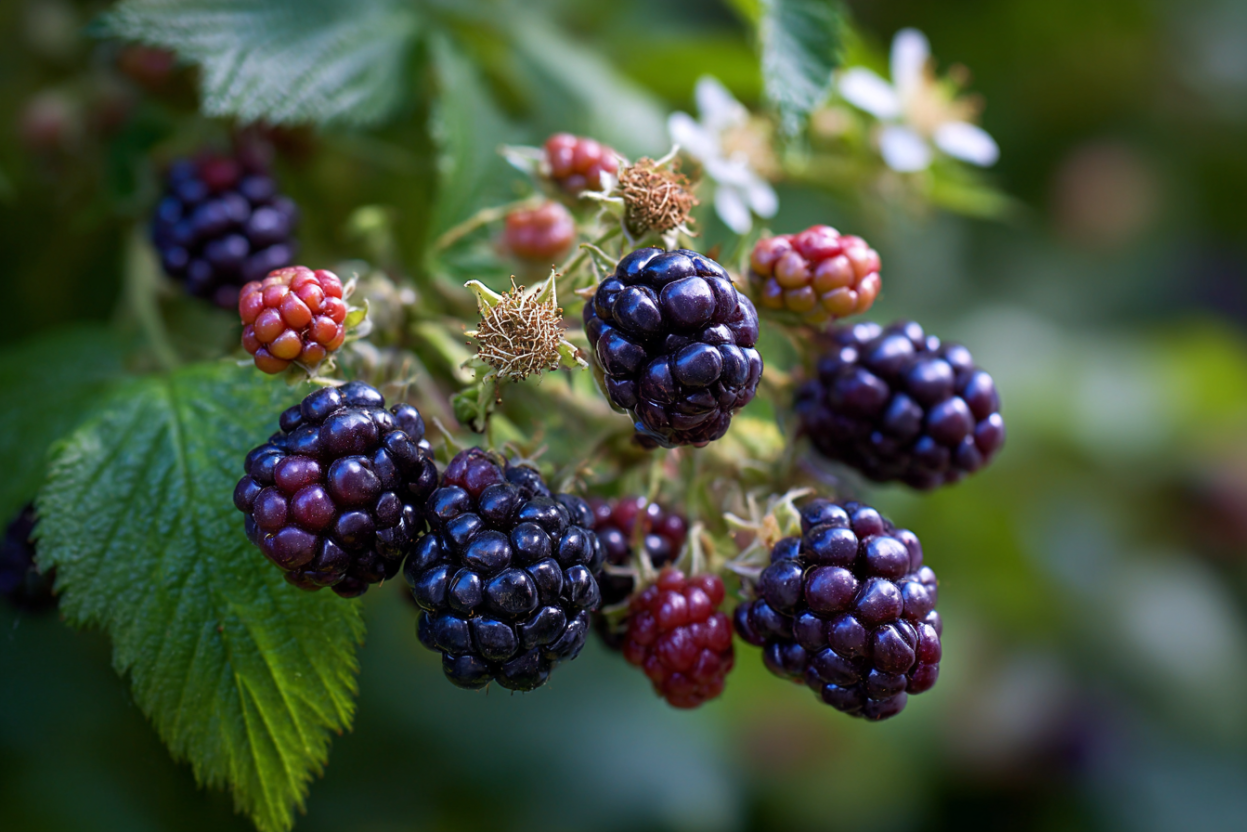
The leaves are palmate, composed of 3 to 5 serrated, oval leaflets that are dark green on top and lighter beneath. The flowers appear from late spring through summer, each 2 to 3 cm across with five white or pale pink petals and numerous stamens. The fruit — technically an aggregate drupe — is composed of approximately 20 to 50 individual drupelets, each containing a single seed. The fruit transitions from green to straw yellow, then red, and finally to glossy black when fully ripe. When picked, the torus (stem core) stays with the fruit, which distinguishes it from its close cousin the raspberry.
Origin
Blackberries are native to temperate regions of Europe, western Asia, and North Africa, with species also indigenous to North America, South America, Australia, and Africa — giving the genus one of the most widespread geographic origins of any fruit crop. The taxonomy of blackberries is complex, with over 375 recognized species and many apomictic microspecies that readily hybridize. Today, blackberries grow wild across every continent except Antarctica and are cultivated commercially worldwide, with significant production in the United States, Mexico, and Chile.
Brief History
Evidence suggests that blackberries were used as food by native peoples soon after the Ice Age — approximately 8,000 years ago. The ancient Greeks documented their medicinal use, and the bramble has been referenced in European literature for over 2,000 years. By the medieval period, blackberry was a staple in monastery gardens and folk medicine traditions across Europe. European settlers found native species already in use by indigenous peoples throughout the Americas. Commercial cultivation began in earnest in the 19th century, and today blackberry breeding programs continue to develop improved cultivars for both fresh market and processing.
Growing & Cultivation
Climate & Zones
Blackberries thrive in USDA hardiness zones 5 through 9, though specific cultivar selection can extend this range. Most varieties do not survive temperatures below -10°F (-23°C), though cold-hardy cultivars like ‘Illini Hardy’ have survived temperatures as low as -24°F (-31°C). In the southeastern United States, including Georgia (zones 7b-8b), blackberries grow exceptionally well. They prefer warm, humid positions protected from drying winds, and fruit development is best in areas with warm summers and moderate winters.
Soil Requirements
Blackberries prefer well-drained, fertile, loamy soil enriched with well-rotted compost or manure. They tolerate a range of soil types but perform best in slightly acidic to neutral pH (5.5 to 7.0). Avoid heavy clay soils that hold water, as blackberries are susceptible to root rot in waterlogged conditions. In containers, use a quality potting mix with added perlite for drainage. The perennial root system can grow vertically to a maximum depth of 1.5 meters depending on soil type.
Water & Sunlight
Full sun is ideal, providing at least 6 to 8 hours of direct sunlight daily. Blackberries will tolerate partial shade but fruit production decreases significantly. Water regularly, especially during fruit development — approximately 1 to 2 inches per week. Drip irrigation is preferred to keep foliage dry and reduce disease pressure. Once established, blackberries have moderate drought tolerance, but consistent moisture during flowering and fruiting produces the best harvest.
Propagation
Tip Layering: The most common method for trailing types. Bend the tip of a primocane to the ground in late summer and cover with 2-3 inches of soil. Roots develop by fall, and the new plant can be separated the following spring.
Root Cuttings: Take 3-6 inch root sections in late winter. Plant horizontally 2 inches deep in moist potting mix. New shoots emerge in 3-4 weeks.
Stem Cuttings: Semi-hardwood cuttings taken in summer can be rooted with the aid of rooting hormone. Keep humid and in indirect light until established.
Division: Erect types spread by root suckers and can be divided in early spring by separating rooted suckers from the parent plant.
Seed: Possible but rarely used because seeds require stratification and resulting plants may not be true to the parent variety. Cold-stratify seeds for 3-5 months before sowing.
Planting
Plant blackberries in early spring after the last frost, or in late fall in mild climates. Space erect types 3 to 5 feet apart in rows 8 feet apart. Trailing types need 5 to 8 feet between plants. Plant at the same depth they were growing in the nursery container. Provide a trellis or support for trailing and semi-erect types. Mulch with 2-4 inches of organic material to retain moisture and suppress weeds.
Companion plants that benefit blackberries include tansy (pest deterrent), borage (pollinator attractor), chives and garlic (antifungal properties), and clover (nitrogen fixation). Avoid planting near nightshade family crops (tomatoes, peppers, potatoes) as they share susceptibility to verticillium wilt.
Harvesting
Harvest fruit when berries are fully black, plump, and easily separate from the plant with a gentle tug. Pick in the cooler morning hours. Berries do not continue to ripen after picking. Harvest every 2-3 days during peak season. For leaves — used in teas and remedies — harvest young, healthy leaves in late spring to early summer before the plant flowers, choosing vibrant leaves free from disease or pests.
Drying & Storage
Fresh berries last 2-3 days at room temperature and up to one week refrigerated. Freeze berries in a single layer on a baking sheet, then transfer to airtight containers for up to one year. For leaves, air-dry in a single layer in a warm, well-ventilated area out of direct sunlight. Properly dried leaves should be crisp and brittle. Store in airtight glass jars away from light and heat for up to one year.
Pest & Disease Management
Common pests include spotted wing drosophila, Japanese beetles, spider mites, and cane borers. Diseases include anthracnose, cane blight, orange rust, and botrytis fruit rot. Organic management strategies include planting disease-resistant cultivars, maintaining good airflow through pruning, removing old floricanes after fruiting, using neem oil or insecticidal soap for pest control, and encouraging beneficial insects. Remove and destroy any canes showing signs of orange rust immediately, as this is a systemic disease with no cure.
Companion Planting
Blackberries grow well alongside bee balm, hyssop, mint, tansy, and low-growing herbs. They serve as excellent living hedgerows and can provide habitat for beneficial insects. Avoid planting near raspberries to reduce disease cross-contamination, and avoid proximity to wild brambles that may harbor pests or disease.
The Healing of Growing
Growing blackberries offers benefits beyond the harvest itself. The act of gardening — hands in soil, bare feet on earth, time spent outdoors — has been shown to reduce cortisol, improve mood, and support immune function. The soil contains beneficial bacteria (Mycobacterium vaccae) with documented antidepressant effects. Research published in Neuroscience demonstrated that contact with this soil organism activates serotonin-producing neurons. When you grow your own blackberries, you receive healing before you ever consume a single berry.
Nutritional Profile
Macronutrients
Per 100 grams of raw blackberries (USDA FoodData Central):
Calories: 43 kcal. Protein: 1.4g. Carbohydrates: 9.6g. Dietary Fiber: 5.3g (21% DV) — placing blackberries in the top 17% of all foods for fiber content. Sugars: 4.9g (primarily fructose and glucose). Total Fat: 0.5g, predominantly polyunsaturated and monounsaturated fats. Water: 88.5%.
The exceptionally high fiber content — about 92 to 97% insoluble — makes blackberries particularly beneficial for digestive regularity. They also contain xylitol, a low-calorie sugar substitute that is absorbed more slowly than glucose, which may help stabilize blood sugar levels. With a glycemic index of only 25, blackberries are among the lowest-sugar fruits available.
Vitamins
Vitamin C: 21mg (23% DV) — A powerful antioxidant essential for immune function, collagen production, wound healing, and protection against oxidative damage. Enhances iron absorption from plant foods.
Vitamin K: 19.8 mcg (17% DV) — Essential for blood clotting and bone metabolism. Research suggests adequate vitamin K intake supports bone density and cardiovascular health.
Vitamin E: 1.17mg (8% DV) — A fat-soluble antioxidant that protects cell membranes from oxidative damage. Blackberries are among the top fruits for vitamin E content.
Vitamin A: 214 IU (7% DV) — Supports vision, immune function, and skin health. Present as beta-carotene, which the body converts to active vitamin A as needed.
Folate (B9): 25 mcg (6% DV) — Critical for DNA synthesis and cell division. Particularly important during pregnancy for fetal neural tube development.
Also contains notable amounts of niacin (B3), pantothenic acid (B5), pyridoxine (B6), riboflavin (B2), and thiamine (B1), supporting energy metabolism, nervous system function, and cellular processes.
Minerals
Manganese: 0.646mg (28% DV) — An essential trace mineral involved in bone formation, blood clotting, and metabolism. Acts as a cofactor for the antioxidant enzyme superoxide dismutase (SOD).
Copper: 0.165mg (18% DV) — Required for iron metabolism, the formation of red and white blood cells, and the production of collagen and elastin for skin and connective tissue health.
Iron: 0.62mg (3% DV) — Essential for oxygen transport in the blood. The vitamin C in blackberries enhances the absorption of this plant-based iron source.
Potassium: 162mg (3% DV) — Supports heart rhythm, muscle function, and blood pressure regulation.
Magnesium: 20mg (5% DV) — Essential for over 300 enzymatic reactions including muscle and nerve function, blood sugar regulation, and bone health. May help regulate cortisol levels.
Also contains zinc (0.53mg, 5% DV), phosphorus, calcium, and selenium in smaller amounts.
Phytonutrients & Active Compounds
Anthocyanins: Blackberries are exceptionally rich in these flavonoid pigments — particularly cyanidin-3-O-glucoside — which give the fruit its deep purple-black color. Research indicates anthocyanins possess potent antioxidant, anti-inflammatory, and neuroprotective properties. Blackberries have an ORAC (Oxygen Radical Absorbance Capacity) value of approximately 5,347 µmol TE per 100 grams — among the highest of any common fruit.
Ellagic Acid & Ellagitannins: These polyphenolic compounds are found in significant quantities in blackberries and have demonstrated anti-carcinogenic, anti-mutagenic, and anti-inflammatory activity in laboratory studies. Ellagic acid is one of the compounds that gives blackberries their particular health significance.
Quercetin: At 20.62 mg per 100g, blackberries contain significantly more quercetin than many other berries. This flavonoid has demonstrated anti-inflammatory, antihistamine, and antiviral properties in research.
Gallic Acid, Salicylic Acid, Catechins, and Kaempferol: Additional phenolic compounds that contribute to the fruit’s broad-spectrum antioxidant activity.
Also present: chlorogenic acid, caffeic acid, ferulic acid, cinnamic acid, tannins (particularly in leaves and roots), lutein and zeaxanthin (carotenoids supporting eye health).
Nutrient Notes
The synergy between vitamin C and iron in blackberries enhances iron absorption, making them a smart choice for anyone concerned about plant-based iron intake. The B-vitamins support serotonin production, and the magnesium content may help regulate cortisol. Consuming blackberries with a small amount of healthy fat (such as in yogurt or with nuts) can improve absorption of fat-soluble vitamins A, E, and K. Freezing does not significantly alter the nutritional value — frozen blackberries retain their antioxidant content.
Culinary Uses
Edible Parts
Fruit: The most commonly consumed part. Eaten fresh, frozen, or processed into preserves, syrups, sauces, wines, and baked goods. Young, unripe berries are tart and can be used where sourness is desired.
Leaves: Young leaves can be used fresh in salads or dried for tea. They have a mild, slightly astringent, pleasant taste.
Young Shoots: Spring shoots can be peeled and eaten raw in salads or lightly cooked. They offer a mild, green flavor.
Flowers: Edible as garnishes and in salads. They have a mild, slightly sweet flavor.
Flavor Profile
Ripe blackberries offer a complex flavor that balances sweetness with gentle tartness. Primary notes are sweet and fruity with a rich, wine-like depth. Secondary notes include earthy, slightly floral undertones. When cooked, the sweetness intensifies and the tartness mellows. Dried blackberries concentrate the sweetness significantly. The intensity ranges from moderate to strong depending on ripeness — fully ripe berries at peak season are the sweetest.
Preparation
Blackberries require minimal preparation. Rinse gently just before use. They are delightful raw, tossed in salads, or added to smoothies. Cooking methods include baking into pies, cobblers, and crisps; simmering into jams, sauces, and syrups; or reducing into vinaigrettes and glazes. They can be infused into vinegar, vodka, or simple syrup. To reduce seediness, strain through a fine-mesh sieve after cooking.
Culinary Pairings
Blackberries pair beautifully with lemon, lime, and orange; mint, basil, and thyme; dark chocolate; vanilla; cream and soft cheeses (goat cheese, brie, mascarpone); honey and maple syrup; peaches, apples, and pears; almonds, pecans, and walnuts; pork, lamb, duck, and venison; balsamic vinegar; and warming spices like cinnamon, cardamom, and ginger.
Storage
Keep fresh berries unwashed in a single layer in the refrigerator for up to 5-7 days. For longer storage, freeze in a single layer on a parchment-lined baking sheet, then transfer to freezer bags. Frozen berries maintain quality for up to 12 months. Dehydrated blackberries, stored in airtight containers, last 6-12 months. Homemade blackberry jam or preserves, properly canned, keeps for up to one year.
Ready to cook with Blackberry? View Recipes on Chefts →
Wellness & Therapeutic Uses
Traditional Uses
Blackberry ranks among the most widely used healing plants in human history, with documented use spanning thousands of years and nearly every major healing tradition. The ancient Greeks — including Hippocrates, Dioscorides, and Galen — documented its uses extensively. Dioscorides recommended blackberry preparations in his De Materia Medica for treating wounds, inflammation, and loose bowels. Hippocrates recommended the stems and leaves soaked in white wine to ease difficulties in childbirth and as an astringent poultice on wounds.
In Traditional Chinese Medicine, species of Rubus (覆盆子, fù pén zi) have been used to support kidney function and to tonify the liver and kidneys. In Ayurvedic tradition, Rubus species have been used for their astringent and cooling properties to address digestive complaints and inflammation.
Native American tribes used blackberry root and leaf preparations extensively — primarily for diarrhea, dysentery, wounds, and as a female tonic. The Cherokee, Chippewa, and many other tribes relied on decoctions of blackberry root as one of their primary remedies for intestinal distress.
In European folk medicine, blackberry leaf tea was a household staple for digestive complaints, sore throats, and mouth ulcers. Nicholas Culpeper, the renowned 17th-century English herbalist, recommended blackberry root decoctions for kidney stones. A 1771 English document described brewing blackberry leaves, stems, and bark specifically for stomach ulcers.
Modern Research
Antioxidant Activity: Research indicates blackberries possess exceptionally high antioxidant capacity. A comprehensive review published in Molecules (2014) documented that R. fruticosus contains flavonoids, glycosides, terpenes, acids, and tannins with antioxidant, anti-carcinogenic, anti-inflammatory, antimicrobial, anti-diabetic, anti-diarrheal, and antiviral properties (review, international collaboration).
Anti-inflammatory Properties: A 2014 study published in the Journal of Agricultural and Food Chemistry compared anti-inflammatory effects of anthocyanins from blueberry, blackberry, and blackcurrant. Blackberry anthocyanins (98% cyanidin-3-glucoside) showed the highest total antioxidant capacity and significantly decreased pro-inflammatory cytokines IL-1β and TNFα in macrophages by inhibiting nuclear translocation of NF-κB (in vitro, USA).
Neuroprotective Potential: Research published in the International Journal of Molecular Sciences (2018) evaluated blackberry anthocyanin-enriched extracts for free radical scavenging, anti-glycation, anti-β-amyloid aggregation, and microglial neuroprotective effects, finding that berry anthocyanin-enriched extracts inhibited both thermal- and MGO-induced Aβ fibrillation and reduced oxidative stress in brain cells (in vitro, USA).
Antimicrobial Activity: Studies have demonstrated that blackberry leaf extracts show antibacterial effects against Staphylococcus aureus, Enterococcus faecalis, Escherichia coli, and Helicobacter pylori — the bacterium responsible for many stomach ulcers. This aligns with the centuries-old traditional use of blackberry for gastrointestinal complaints.
Blood Sugar Support: Animal studies have recorded hypoglycemic effects of blackberry leaves, and certain compounds found in blackberry leaves, such as ellagitannins, have demonstrated blood sugar-lowering effects in research models. This supports the traditional use of blackberry leaf tea for blood sugar management.
Cardiovascular Support: The high anthocyanin content in blackberries has been associated with cardiovascular protection. Research suggests these compounds may help inhibit LDL oxidation, reduce inflammatory markers, and support healthy blood vessel function.
Body Systems Supported
Digestive System: The astringent tannins in blackberry leaves and root bark have been used traditionally and are supported by research for addressing diarrhea, dysentery, and general gastrointestinal inflammation. The high fiber content of the fruit supports regular bowel function.
Immune System: Rich in vitamin C and anthocyanins that support immune cell function and protect against oxidative damage.
Nervous System: Anthocyanins cross the blood-brain barrier and may support cognitive function and neuroprotection against age-related decline.
Cardiovascular System: Anthocyanins and ellagic acid may support heart health through antioxidant protection, anti-inflammatory activity, and healthy cholesterol maintenance.
Integumentary System (Skin): Topically, leaf preparations have been used for eczema, rashes, wounds, and skin inflammations. Internally, the antioxidants support skin health from within.
Reproductive System: Traditionally used to support women’s health, including menstrual regulation and as a uterine tonic.
Respiratory System: Leaf preparations have been traditionally used for phlegmy coughs and to tone respiratory mucous membranes.
Body Compounds Affected
The anthocyanins in blackberry have been shown to suppress pro-inflammatory cytokines (IL-1β, TNF-α, IL-6) by inhibiting the NF-κB signaling pathway. The B-vitamins and magnesium support serotonin production — a key neurotransmitter for mood regulation. The antioxidant compounds may help modulate cortisol by reducing oxidative stress that contributes to chronic stress responses. Ellagic acid and quercetin may influence prostaglandin pathways, contributing to the plant’s traditional use for pain and inflammation. The fruit’s polyphenols may support BDNF (brain-derived neurotrophic factor) levels through their neuroprotective actions.
Methods of Use
Tea/Infusion (Leaf)
Use 1-2 teaspoons of dried blackberry leaf per cup of boiling water. Steep for 10-15 minutes, covered. Strain and drink 1-3 cups daily. The tea has a pleasant, mildly astringent, slightly sweet flavor. May be combined with peppermint, chamomile, or raspberry leaf.
Decoction (Root Bark)
For the more concentrated astringent properties of the root bark, simmer 1 ounce of dried root bark in 1.5 pints of water, reduced to 1 pint. Take half a teacup every hour or two as needed for digestive support.
Tincture
Blackberry leaf and root tinctures are prepared using alcohol extraction. Typical dosage ranges from 2-4 ml (approximately 40-80 drops), taken 2-3 times daily. Best used under the guidance of a qualified herbalist.
Fresh Fruit
Simply consuming 1/2 to 1 cup of fresh or frozen blackberries daily provides significant nutritional and antioxidant benefits.
Gargle/Mouthwash
A strong infusion of blackberry leaf, cooled to room temperature, may be used as a gargle for sore throats, mouth ulcers, and gum inflammation — a preparation with centuries of documented traditional use.
Cosmetic & Beauty Uses
Skin Benefits
Blackberry is emerging as a significant ingredient in cosmetic science. Research published in the International Journal of Cosmetic Science demonstrated that blackberry leaf extract functions as a multifunctional anti-aging active, suppressing matrix metalloproteinases (MMP-1, MMP-2, and MMP-9) — the enzymes primarily responsible for breaking down collagen and elastin in the skin. A further clinical study showed that a blackberry extract combination induced elastin gene expression, promoted elastin fiber formation, and inhibited elastic fiber degradation, resulting in measurably increased skin elasticity in middle-aged women over 12 weeks.
The high antioxidant content — particularly anthocyanins, vitamin C, and ellagic acid — makes blackberry extracts effective at protecting skin from UV-induced oxidative damage and photoaging. Research has also demonstrated that blackberry extract inhibits UVB-induced inflammation through MAP kinase and NF-κB signaling pathways. A randomized, double-blind clinical trial in Korea found that fermented blackberry taken orally at 800 mg/day for 12 weeks significantly reduced eye wrinkle grade compared to placebo.
Blackberry is suitable for oily, combination, mature, and acne-prone skin types. The natural tannins provide mild astringency to tighten pores, while the anti-inflammatory compounds soothe irritated skin. The high vitamin C content supports collagen production and may help brighten uneven skin tone.
Hair Benefits
Blackberry leaf infusions have been used traditionally as hair rinses to add shine, strengthen hair, and promote scalp health. The tannins in blackberry help tighten the hair cuticle, resulting in smoother, shinier hair. The vitamin C content supports collagen production around hair follicles, and the anthocyanins may promote healthy blood circulation to the scalp. Historically, blackberry fruit and stems have also been used as a natural dark hair dye.
Application Methods
Infused Oil: Steep dried blackberry leaves in a carrier oil (jojoba, sweet almond, or olive) for 4-6 weeks, strain, and use for facial massage or body oil. The polyphenols transfer into the oil, providing topical antioxidant benefits.
Face Mask: Mash fresh blackberries and combine with honey and plain yogurt for a brightening, antioxidant-rich face mask. Apply for 15-20 minutes and rinse.
Toner: Brew a strong blackberry leaf tea, cool completely, and use as an astringent facial toner. Store refrigerated for up to one week.
Hair Rinse: Brew blackberry leaf tea, cool, and use as a final rinse after shampooing. Leave in for 2-3 minutes before rinsing with cool water.
Bath Addition: Add a strong decoction of blackberry leaves or a handful of fresh berries to bath water for a skin-nourishing soak.
DIY Formulation Notes
Blackberry seed oil (cold-pressed from the seeds) is rich in essential fatty acids and vitamin E, making it an excellent addition to facial serums at a concentration of 1-5%. Blackberry leaf extract pairs well with carrier oils like rosehip, argan, and jojoba. Avoid combining highly acidic blackberry preparations with retinol products. Homemade preparations with fresh fruit have a very short shelf life (3-5 days refrigerated) — dried leaf preparations in oil bases last longer (3-6 months).
Blackberry is among the botanicals being explored for holistic cosmetic applications, where the wisdom of traditional beauty practices meets modern understanding of skin science.
Essential Oil Profile
Blackberry does not yield a commercially available essential oil through steam distillation — its aromatic compounds are too delicate and present in insufficient concentrations for traditional extraction. However, blackberry seed oil is cold-pressed from the seeds and is gaining recognition as a valuable carrier oil in aromatherapy and cosmetic formulations.
Blackberry Seed Oil
Extraction Method: Cold-pressing of blackberry seeds, a byproduct of juice and jam production.
Key Constituents: Rich in essential fatty acids — particularly alpha-linolenic acid (omega-3), linoleic acid (omega-6), and oleic acid (omega-9). Also contains tocopherols (vitamin E), carotenoids, and phytosterols.
Therapeutic Properties: Moisturizing, skin-barrier supporting, anti-inflammatory, and antioxidant. The high omega-3 content is unusual for a seed oil and may support skin repair and reduce inflammation.
Uses: Applied topically as a facial oil or serum ingredient (1-5% in formulations). Pairs well with rosehip seed oil, jojoba, and argan oil. Suitable for dry, mature, and sensitive skin.
Quality Indicators: Look for cold-pressed, unrefined oil with a deep golden-green color. Should have a mild, slightly nutty aroma. Store refrigerated to preserve fatty acid integrity. Shelf life is approximately 6-12 months.
Aromatherapy & Scent
The Aroma
The fresh blackberry plant offers a subtle but distinctive aromatic experience. The ripe fruit releases a sweet, wine-like, deeply fruity fragrance that intensifies on warm summer days. When berries are at peak ripeness, their scent is most pronounced — a rich, complex aroma with notes of grape, plum, and a subtle floral sweetness. The leaves, when crushed or rubbed between fingers, release a fresh, green, mildly herbaceous scent with faint astringent undertones.
When dried, blackberry leaves develop a more muted, hay-like aroma with subtle sweet notes. Dried leaves retain their gentle scent for approximately 6-12 months when stored properly. Dried fruit concentrates the sweet, fruity aroma significantly.
How Scent Affects Your Body
When you smell the blackberry plant, volatile aromatic molecules are released and inhaled through the nose. These molecules bind to olfactory receptors, which send signals directly to the limbic system — the brain’s emotional center — and the hypothalamus, which controls hormone release. This pathway bypasses conscious thought entirely, meaning your body responds emotionally and hormonally to scent within seconds, before you have even decided how to react.
Emotional & Mood Effects
The sweet, fruity aroma of blackberries is generally associated with comfort, nostalgia, and gentle uplift. The scent of ripe berries may evoke feelings of summer abundance, warmth, and contentment. The green, herbaceous notes from the leaves offer a gentle grounding effect. The overall aromatic experience tends to be calming and mood-lifting without being overstimulating.
Body Compounds Affected
While research specific to blackberry aroma is limited, the general category of sweet, fruity aromas has been associated with mild serotonin elevation and cortisol reduction in aromatherapy research. Berry scents are generally categorized as comforting aromas that may support the parasympathetic nervous system — the “rest and digest” response.
Ways to Experience the Scent
Growing blackberry plants on a patio, near a window, or in the garden provides regular scent exposure during the growing season. Place fresh-picked berries in a bowl on your table — the scent will gently permeate the room. Simmer fresh or frozen berries with a cinnamon stick on the stove as a natural room fragrance. Add dried blackberry leaves to potpourri blends. Place a small sachet of dried leaves under your pillow for a gentle, earthy bedtime scent. Brew blackberry leaf tea and inhale the steam before drinking.
Color Therapy
The Colors of Blackberry
The blackberry plant offers a rich spectrum of colors through its life cycle. The fruit transitions dramatically from green through red to its signature deep purple-black at full ripeness — a color so deep it approaches indigo. The flowers are white to pale pink, each a delicate five-petaled bloom. The leaves are dark green on top and lighter beneath, turning shades of yellow, orange, and red in autumn. The canes range from green to reddish-purple. Even the thorns catch the light with a reddish-amber hue.
Color Wavelengths
The dominant color of ripe blackberry fruit falls in the violet-to-indigo range (380-450nm), with deep red undertones (620-700nm). This combination of wavelengths is what creates the visually striking deep purple-black appearance. The white-pink flowers span the full visible spectrum (white) with additions of red wavelengths (pink). The green foliage falls in the 495-570nm range.
How These Colors Affect the Body
Deep Purple/Violet (380-450nm): Associated with calming the nervous system, supporting meditative states, and promoting restful sleep. Purple wavelengths have been linked to reduced anxiety and a sense of spiritual connection in color therapy traditions. Having deep purple foods and plants in your environment may support a sense of calm and introspection.
Green (495-570nm): The most balancing wavelength for the human eye. Green is associated with heart-centered calm, stress reduction, and connection to nature. The abundant green foliage of a blackberry bush provides this therapeutic color exposure throughout the growing season.
White/Pink (flowers): White represents full-spectrum light — purifying and clarifying. Pink combines red’s vitality with white’s purity, associated with nurturing, gentle energy, and emotional comfort.
Body Compounds Affected
Exposure to green environments has been linked to reduced cortisol production. Research on color and physiology suggests that violet/purple hues may promote melatonin production and support GABA activity — both calming to the nervous system. The varied color palette of the blackberry plant through its seasons offers a natural, shifting color therapy experience.
Using Blackberry for Color Therapy
Place blackberry bushes where you will see them regularly — near a kitchen window, along a garden path, or beside a sitting area. The deep purple fruit, when used in meals, contributes to “eating the rainbow” — consuming the widest range of plant pigments for broad-spectrum phytonutrient benefits. A bowl of ripe blackberries on the table serves as both food and color therapy. Cut blackberry canes with fruit for striking natural arrangements that bring the deep purple hue indoors.
Frequency & Vibration
The Frequency of Blackberry
While specific MHz frequency measurements for the whole blackberry plant have not been widely published in the manner of Bruce Tainio’s essential oil research, fresh, living fruits are generally considered to carry higher vibrational frequencies than processed or cooked foods. Fresh raw fruits, as a category, have been measured in bio-frequency research at approximately 15-22 MHz, well above the range of processed foods (0 MHz) and fresh herbs (20-27 MHz).
For reference, a healthy human body vibrates at approximately 62-78 MHz. Cold and flu onset may occur at approximately 58 MHz, and the frequency associated with disease has been documented below 58 MHz. Fresh, raw blackberries, as living food, are believed to support the body’s frequency when consumed.
Human Frequency Interaction
According to proponents of vibrational medicine, consuming fresh, raw, high-frequency foods like blackberries may help support the body’s overall energetic state. The principle of entrainment suggests that a stronger, higher frequency can influence and elevate a weaker frequency. While this is an area where research is still emerging, the concept aligns with the well-documented health benefits of consuming fresh fruits and vegetables.
Vibrational Applications
Consuming blackberries raw and as fresh as possible preserves whatever vibrational quality the fruit carries. Growing your own blackberries and eating them immediately from the bush would theoretically provide the highest frequency experience. Being around the living plant — touching the leaves, smelling the fruit, working in the garden — may offer additional frequency support simply through proximity to a living organism.
The Living Plant
Benefits of Presence
Simply being around a living blackberry plant provides benefits that go beyond any preparation or consumption. Research on biophilic design — the human need for connection with nature — demonstrates that living plants in our environment reduce stress, improve mood, enhance cognitive function, and support overall wellbeing. A blackberry bush, with its vigorous growth, changing seasons, and abundant fruit, offers an especially dynamic living presence.
Studies on attention restoration theory show that views of natural greenery — including productive fruiting plants — restore mental fatigue and improve concentration. Healthcare research demonstrates that patients with views of plants and nature recover faster from surgery and require less pain medication.
Air Purification
While blackberry is not among the NASA Clean Air Study plants (which focused on common houseplants), all living plants contribute to air quality through photosynthesis — converting carbon dioxide to oxygen. Outdoor blackberry bushes contribute to the oxygen production and air quality of their surrounding environment. The large leaf surface area of a mature blackberry thicket provides significant gas exchange capacity.
Phytoncides
Plants release volatile organic compounds called phytoncides — antimicrobial substances that protect the plant from pathogens. Research on forest bathing (shinrin-yoku) has demonstrated that exposure to these plant-released compounds increases natural killer (NK) cell activity in the human immune system. While specific phytoncide research on Rubus species is limited, all plants release these protective compounds to some degree. Spending time near a blackberry thicket, particularly after rain when volatile compound release increases, provides exposure to these beneficial plant emissions.
Visual & Psychological Benefits
Watching the progression of a blackberry plant through its seasons — from spring shoots to summer flowers to ripening fruit to autumn color — provides a connection to natural rhythms that modern life often strips away. The anticipation and reward cycle of growing food has been linked to dopamine release and a sense of accomplishment. For children especially, watching berries grow and picking them directly from the bush creates lasting positive associations with nature and whole foods.
Growing Indoors vs Outdoors
Blackberries are primarily outdoor plants that need full sun and space to thrive. However, compact cultivars can be grown in large containers on sunny patios, balconies, or in greenhouses. If indoor growing is desired, ensure at least 6 hours of direct sunlight or supplemental grow lighting. Indoor plants will produce less fruit but still provide the visual and presence benefits of a living plant. For the full health benefits of being around the living plant, outdoor growing is strongly recommended — it combines plant presence with sun exposure, fresh air, soil contact, and physical activity.
Touch & Physical Interaction
Gardening Therapy
Horticultural therapy is an established therapeutic practice, and working with blackberry plants offers a particularly rich tactile and sensory experience. Tending blackberries involves pruning, training canes onto trellises, mulching, weeding, and harvesting — each action engaging different muscle groups and providing varied sensory input. The attention required to navigate thorns (or the satisfaction of working with thornless varieties) brings an element of mindfulness that quiets mental chatter.
Soil Contact Benefits
Gardening with blackberries puts your hands — and potentially your bare feet — in direct contact with the earth. This contact provides grounding (earthing), which research suggests helps neutralize free radicals through electron transfer from the earth’s surface. The soil around healthy blackberry plants contains Mycobacterium vaccae, a beneficial soil bacterium that has been shown to activate serotonin-producing neurons in research published in Neuroscience. This may explain the well-documented mood elevation that gardeners experience.
The Tactile Experience
The blackberry plant offers a rich variety of textures. The leaves are slightly rough on top and softer beneath, with a satisfying substance when handled. The canes are smooth between thorns, with a green flexibility when young that hardens with age. The thorns themselves — sharp and curved — command respect and presence, making you slow down and pay attention. The ripe berries are soft and yielding, warm from the sun, slightly bumpy with their individual drupelets. The act of picking a ripe blackberry, feeling it release easily from the stem, is one of nature’s most satisfying tactile experiences.
Harvesting & Processing
Picking blackberries is meditative. The repetitive motion of reaching, gently tugging, and placing each berry in a container creates a rhythmic, calming pattern. The sensory experience is multi-layered: the warmth of the sun, the green scent of the leaves, the occasional thorn prick that keeps you present, the increasingly purple-stained fingers, and the growing weight of the harvest container. Processing blackberries — sorting, rinsing, stripping leaves for drying, cooking berries down into jam — extends this therapeutic engagement. The repetitive motions of stirring and straining are grounding and connect you to generations of people who have done the same.
Water-Based Applications
Teas & Infusions
Blackberry Leaf Tea: The most traditional water-based preparation. Use 1-2 teaspoons of dried blackberry leaves per 8 ounces of boiling water. Steep covered for 10-15 minutes for a pleasant, mildly astringent tea with subtle sweet notes. Drink hot or cold, 1-3 cups daily. For a stronger, more medicinal preparation, steep up to 20 minutes. The high tannin content provides astringent properties that support digestive health and soothe the mucous membranes of the mouth and throat.
Blackberry Fruit Infusion: Muddle a handful of fresh or frozen blackberries in a mug, add boiling water, steep 5-10 minutes, and strain. This produces a fruity, antioxidant-rich beverage. May also be prepared as a cold infusion by steeping in room-temperature water for 2-4 hours for a gentler extraction.
Decoctions
For the root bark — the most astringent part of the plant — a decoction is required because the tough, woody material needs sustained heat to release its compounds. Simmer 1 ounce of dried, chopped root bark in 1.5 pints of water until reduced to 1 pint (approximately 20-30 minutes). Strain. Take half a teacupful every 1-2 hours for acute digestive support. This is the traditional preparation with the longest history of documented use for diarrhea and dysentery.
Herbal Baths
Prepare a strong infusion using 2-4 ounces of dried blackberry leaves steeped in a quart of boiling water for 30 minutes. Strain and add to a warm (not hot) bath. Soak for 20-30 minutes. This bath preparation may support skin irritation, eczema, minor rashes, and general relaxation. A blackberry leaf foot bath, using a smaller quantity of tea in a basin of warm water, is a more accessible alternative. The astringent tannins in the leaves may also help with excessive sweating.
Compresses
Cold Compress: Soak a clean cloth in cooled blackberry leaf tea and apply to minor burns, sunburn, insect bites, or inflamed skin. The astringent and anti-inflammatory properties may help reduce swelling and soothe discomfort.
Warm Compress: Soak a cloth in warm (not hot) blackberry leaf decoction and apply to sore muscles or areas of chronic aching. The warmth promotes circulation while the plant compounds provide gentle anti-inflammatory support.
Steam Inhalation
Add a handful of fresh or dried blackberry leaves to a bowl of hot water. Lean over the bowl with a towel tented over your head and inhale the steam for 5-10 minutes. The gentle herbaceous steam may help open airways and soothe respiratory irritation. Particularly useful during cold and flu season as a complement to other support strategies.
Hair Rinses
Brew a strong blackberry leaf tea (2 tablespoons dried leaves in 2 cups boiling water, steeped 20 minutes). Cool completely and use as a final rinse after shampooing. The tannins help tighten the hair cuticle for increased shine. The fruit can also be used — a strained blackberry juice rinse may temporarily deepen dark hair color. Allow the rinse to sit for 2-3 minutes before rinsing with cool water.
Gargle
A strong blackberry leaf infusion (or diluted root bark decoction), cooled to room temperature, serves as an effective gargle for sore throats, mouth ulcers, inflamed gums, and general oral discomfort. Gargle for 30 seconds, 3-4 times daily. This is one of the oldest and most consistently documented uses of the blackberry plant across multiple cultures.
Historical, Cultural & Biblical Significance
Biblical References
The bramble — the family of thorny bushes that includes blackberry — appears multiple times in Scripture. In the parable of the trees choosing a king (Judges 9:14-15 KJV), “Then said all the trees unto the bramble, Come thou, and reign over us.” The Hebrew word for bramble in this passage is atad. In Luke 6:44 (KJV), Jesus teaches: “For every tree is known by his own fruit. For of thorns men do not gather figs, nor of a bramble bush gather they grapes.” The Greek word used here, batos, refers to a thorny, fruit-bearing bush — which scholars identify as likely referring to the blackberry or a closely related Rubus species.
Perhaps most significantly, the burning bush through which God spoke to Moses (Exodus 3:2-4) has been debated among scholars for centuries. The Hebrew word seneh has been linked to a thorny bush, and many scholars — including Celsius, writing in the 18th century — identified it as Rubus fruticosus or a closely related species. At St. Catherine’s Monastery on Mount Sinai, a living Rubus sanctus (the Holy Bramble, a species closely related to R. fruticosus) has been revered for centuries as the original burning bush. While identification remains debated, the connection between the bramble family and one of Scripture’s most profound moments of divine revelation is deeply significant.
Additionally, some Christian traditions hold that the crown of thorns placed upon Jesus was made from bramble (though other thorny plants are also proposed). The deep purple-red color of ripe blackberries has been symbolically associated with the blood of Christ in certain traditions.
Ancient Civilizations
The ancient Greeks valued the blackberry highly. Aeschylus referenced the bramble in his writings. Hippocrates recommended it for wounds and digestive troubles. Dioscorides documented it extensively in De Materia Medica (c. 50-70 AD), writing that the decoction of its branches “contracts, desiccates, dyes hair, and stops” various ailments. Galen further documented its medicinal properties. The ancient Greeks also considered blackberry a remedy for gout.
The Romans — including Pliny the Elder, Cato, and Ovid — documented the bramble in their writings. Roman physicians used blackberry leaf infusions to treat various conditions. Pliny wrote of its use for fastening loose teeth and treating mouth ailments.
Evidence suggests blackberry species were known and used in ancient Egyptian medicine, though documentation is less specific than for some other herbs.
Eastern Traditions
In Traditional Chinese Medicine, Rubus species (覆盆子, fù pén zi) have been documented in the Shen Nong Ben Cao Jing — one of the oldest materia medica texts. They are used traditionally to tonify the kidneys and liver, support vision, and address various conditions related to kidney deficiency.
In Ayurvedic tradition, Rubus species have been used for their astringent and cooling properties, typically applied to digestive and inflammatory conditions. The leaves and fruits appear in various traditional preparations.
Indigenous Knowledge
Native American tribes across the continent used blackberry extensively. The Cherokee, Chippewa, Delaware, Houma, Iroquois, and many other tribes documented uses for root and leaf preparations — primarily for diarrhea, dysentery, and as a female tonic. The roots were typically harvested in fall or before new spring growth. Native peoples also consumed the fruit as food and used the canes for making rope and cordage. When European settlers arrived, they found indigenous peoples already deeply familiar with the plant’s healing properties — and many traditional preparations were adopted by the newcomers.
European Heritage
During the medieval period, blackberry was preserved in monastery gardens across Europe and became a cornerstone of folk herbalism. The great English herbalists — including Gerard (16th century) and Culpeper (17th century) — documented its uses extensively. Gerard described the bramble as “a valuable astringent” whose leaves “heal the eyes that hang out” and are most useful for hemorrhoids. Culpeper recommended the root for kidney stones and the leaves for mouth ulcers.
In British folk medicine, blackberry held deep cultural significance. The leaves were used for burns and scalds, and a decoction was considered serviceable for dysentery. Blackberry wine was used in cases of dropsy. The London Pharmacopoeia of 1696 declared the ripe berries a good remedy for various conditions. In Ireland and the United Kingdom, a folk tradition warns against picking blackberries after Old Michaelmas Day (October 11), as the cooling weather allows mold to develop on the fruit.
Cultural Symbolism
Throughout European culture, the blackberry has symbolized abundance, provision, and the wild generosity of nature — a fruit that gives itself freely, growing without cultivation along every hedgerow. It has appeared in art and poetry as a symbol of summer’s bounty and autumn’s approach. The thorny canes have symbolized both protection (they were planted as living barriers around homes and livestock) and the idea that something valuable is worth the effort of a few scratches to obtain.
Each of these cultures observed that blackberry provided remarkable healing benefits. They documented their observations through their own traditions and understanding. While they may not have known the Creator by name, they were observing His design — and their observations align with what modern research confirms about blackberry’s properties.
Safety & Precautions
Contraindications
Blackberry fruit, consumed as food in normal dietary quantities, is generally considered safe for most people. When used in larger therapeutic quantities (concentrated leaf or root preparations), use with awareness of the following considerations. Individuals with known allergy to plants in the Rosaceae (Rose) family should exercise caution. Those scheduled for surgery should discontinue concentrated blackberry preparations at least 2 weeks before surgery, as the tannins may theoretically affect blood clotting.
Drug Interactions
Blood Sugar Medications: Blackberry leaf preparations have demonstrated hypoglycemic effects in animal studies. If you take insulin or oral diabetes medications, monitor blood sugar carefully when adding blackberry leaf tea to your routine, as it may enhance the glucose-lowering effect.
Blood Thinners: The vitamin K in blackberry fruit (19.8 mcg per 100g) may affect warfarin and other vitamin K-dependent anticoagulants. While normal dietary intake is unlikely to cause problems, sudden large increases in blackberry consumption could theoretically affect INR levels. Consult your healthcare provider if you take anticoagulants.
Iron Absorption: The high tannin content in blackberry leaf tea may reduce iron absorption when consumed simultaneously with iron-rich foods or supplements. Separate consumption by 1-2 hours if iron status is a concern.
No other significant drug interactions are widely documented for blackberry. However, as with any herbal preparation, inform your healthcare provider about your use of concentrated blackberry products.
Pregnancy & Nursing
Blackberry fruit consumed as food is considered safe during pregnancy and is an excellent source of folate, vitamin C, and fiber. For concentrated leaf and root preparations used medicinally, some sources recommend caution during pregnancy due to the tannin content and the historical use of blackberry as a uterine tonic, though no specific adverse effects have been documented. Blackberry leaf is sometimes included in pregnancy tea blends (similar to raspberry leaf). Not enough formal research has been conducted to make definitive safety claims about therapeutic-dose preparations during pregnancy. Consult with a qualified healthcare provider before using blackberry leaf preparations during pregnancy or breastfeeding.
Children
Blackberry fruit is safe for children of all ages (once they are old enough for solid foods — typically 6+ months, cut appropriately to prevent choking). Blackberry leaf tea, well-diluted, has been traditionally given to children for mild digestive upset. For children under 2, use half the adult dosage or less. For children 2-12, use half to three-quarters the adult dosage. Avoid concentrated root bark decoctions for young children.
Elderly
Blackberry is generally safe for older adults. The high fiber content may be beneficial but should be increased gradually to avoid digestive discomfort. Elderly individuals on blood thinners or blood sugar medications should be aware of the potential interactions noted above. The gentle astringent properties of blackberry leaf tea are well-suited for older adults who experience digestive sensitivity.
Pets
Dogs: Safe. Blackberry fruit, leaves, and stems are not toxic to dogs. The fruit can be given as an occasional treat in small quantities. Overconsumption may cause mild gastrointestinal upset (diarrhea). Be cautious of thorns, which can injure a dog’s mouth, paws, or skin. Note that blackberries contain trace amounts of naturally occurring xylitol, but at levels far too low to cause toxicity in normal amounts.
Cats: Safe. Blackberries are not toxic to cats. Most cats show little interest in fruit, but if consumed, blackberries are unlikely to cause harm. As with dogs, overconsumption could cause mild stomach upset.
Horses: Generally safe. Horses may browse on blackberry bushes without harmful effects, though thorns can cause oral injury.
Allergies & Sensitivities
Allergies to blackberry are rare but possible. Individuals with allergies to other Rosaceae family members (strawberries, raspberries, cherries, apples, peaches) may experience cross-reactivity. Symptoms of allergy may include itching, hives, or swelling. For topical use of blackberry preparations, a patch test is recommended — apply a small amount to the inner forearm and wait 24 hours before broader application.
Dosing Guidelines
Fruit (dietary): 1/2 to 1 cup daily as part of a balanced diet — no established upper limit for food use.
Leaf tea: 1-2 teaspoons dried leaf per cup, 1-3 cups daily. May be used long-term.
Root bark decoction: Half a teacup every 1-2 hours for acute digestive support, typically for short-term use (1-3 days).
Tincture: 2-4 ml (40-80 drops), 2-3 times daily.
Discontinue use if you experience unusual nausea, constipation (from excessive tannin intake), or any allergic reaction.
Quality & Sourcing
When purchasing dried blackberry leaf, choose organic sources to avoid pesticide contamination. Wild-harvested blackberries should be picked from areas free of roadside pollution, pesticide spray, and industrial contamination. When buying fresh berries, choose deeply colored, plump berries without signs of mold. Washing fresh berries immediately before use removes surface contaminants.
Signs of Adverse Reaction
Mild: Stomach upset, constipation (from excessive tannin intake), mild nausea. Reduce dosage or discontinue.
Serious (rare): Allergic reaction — hives, swelling of lips or throat, difficulty breathing. Discontinue immediately and seek medical attention.
Disclaimer
This information is for educational purposes only. It is not intended to diagnose, treat, cure, or prevent any disease. Always consult with a qualified healthcare provider before using any herbal product, especially if you are pregnant, nursing, taking medications, or have a medical condition. If you experience any adverse reaction, discontinue use immediately and seek medical attention.
Want Personalized Guidance?
Every body is unique. What works for one person may not be right for another. If you’d like personalized support in incorporating blackberry into your wellness journey, consider working with a qualified practitioner who can assess your individual needs.
Sources & References
Peer-Reviewed Studies
- Rubus Fruticosus L.: Constituents, Biological Activities and Health Related Uses – Molecules, 2014, Pakistan/International
- Blackberries and Mulberries: Berries with Significant Health-Promoting Properties – International Journal of Molecular Sciences, 2023, Portugal
- Berry anthocyanins suppress proinflammatory mediators in macrophages by inhibiting NF-κB – Journal of Agricultural and Food Chemistry, 2014, USA
- Evaluation of Berry Anthocyanin-Enriched Extracts for Neuroprotective Effects – International Journal of Molecular Sciences, 2018, USA
- The Anti-Neuroinflammatory Role of Anthocyanins for Prevention of Brain Disorders – International Journal of Molecular Sciences, 2020, Portugal
- A blackberry–dill extract combination synergistically increases skin elasticity – International Journal of Cosmetic Science, 2020, USA
- Anti-Wrinkle Effect of BB-1000: A Double-Blind, Randomized Controlled Study – Cosmetics, 2022, South Korea
- Anthocyanins: Molecular Aspects on Their Neuroprotective Activity – Molecules, 2023, Brazil
- Anti-Inflammatory Activities of Anthocyanins: A Review of In Vivo and In Vitro Investigations – Molecules, 2021, China
- The Blackberry Fruit: Chemistry, Metabolism, Bioavailability, and Health Benefits – Journal of Agricultural and Food Chemistry, 2012, USA
Traditional Medicine Sources
- Rubus Pharmacology: Antiquity to the Present – HortScience, 2010, USDA/USA
- Blackberry (Rubus fruticosus): Benefits, Uses, Research – Herbal Reality, UK
- A Modern Herbal: Blackberry – Mrs. M. Grieve, originally published 1931, UK
Institutional Sources
- Nutritional Value of Blackberries – N.C. Cooperative Extension / USDA, 2024, USA
- Frequently Used Herbal Teas During Pregnancy – Short Update – Frontiers in Pharmacology, 2020, Turkey
- Blackberry: Calories & Nutritional Composition – Aprifel/ANSES Ciqual, 2022, France
Historical References
- Blackberry – Historical and Botanical Overview – Wikipedia, compiled from multiple sources
- Blackberry Uses and Plant Profile – LearningHerbs, referencing Dioscorides, Culpeper, and other historical herbalists